The Teak Outdoor Furniture Buyer's Guide
Is teak outdoor furniture worth it? For most people shopping for something that has to survive real weather, yes. I've seen decade-old teak dining sets go from a weathered silver-gray back to something close to their original honey-gold color after nothing more than an afternoon of light sanding and a coat of sealer, and that kind of resilience tells you most of what you need to know about how forgiving this wood actually is.
Teak earns that reputation the hard way. Its natural oils and tight grain resist rot, pests, and the freeze-thaw cycling that wrecks softer woods over a few winters, and a well-built piece of teak outdoor furniture will outlast almost anything else you could put on a patio. But not all teak is built the same, and the gap between a good piece and a mediocre one rarely shows up in a product photo.
This guide covers how to read a teak grade, what construction details matter as much as the grade stamp, where the honest trade-offs are on price and sourcing, and how to keep a piece looking right for decades instead of a couple of summers.

How to Read a Teak Grade
Teak gets sorted into three grades, and the difference comes down to where in the log the wood was cut. Grade A comes from the heartwood nearest the center of a mature tree, and it's the smallest cut of the three, usually somewhere around 20% of a log. It carries the highest concentration of natural oils, which is the actual mechanism behind teak's weather resistance rather than a marketing detail. That oil content gives Grade A a consistent honey-gold color, a dense and very heavy feel in the hand, and the best resistance to rot, insects, and long-term weathering of the three grades. Grade B comes from the outer heartwood, with fewer oils and more variation in color piece to piece, and it's a reasonable choice outdoors if the price gap between A and B matters to your budget. Grade C comes from the sapwood at the very outer edge of the log, and it has the lowest oil content, more knots, and the shortest working life outdoors of anything sold as teak. At Patio Productions we stick to Grade A and A/B for anything meant to live outside full-time, because oil content is what's actually doing the protective work, not the color everyone focuses on in photos. None of this is visible from a glance, which is exactly why grade disclosure on a listing matters more than it might seem.
What Grade A Actually Buys You
Untreated, Grade A will weather to a silver-gray patina. Some people love that look and do nothing else. Others seal it early to hold the golden color instead. Either way, the wood underneath keeps performing. The color change is cosmetic, not structural.
Where B and C Fall Short
Grade B still works fine outdoors, it just needs more consistent cleaning and sealing to hold up over the same span of years. Grade C is the one to watch for on suspiciously cheap furniture, since the knots and low oil content mean it won't perform the way a plain "teak" label implies.
Construction Details That Matter as Much as the Grade
Grade is only half the story. Two pieces of identical Grade A teak can perform very differently depending on how they were dried and joined.
Kiln-dried teak has had its moisture content brought down under controlled conditions before construction, and that matters because wood that's still shedding moisture after it's built into furniture is wood that's going to warp, crack, or loosen its joints within a year or two. Air-dried teak can work, but it takes far longer to reach a stable moisture level and is harder to verify from a spec sheet.
Joinery is the other tell. Mortise-and-tenon joints, sometimes reinforced with dowels, distribute stress across a wide contact area instead of concentrating it at a single screw or bracket. It's a slower, more expensive way to build a chair, and it's also the reason a well-made teak chair doesn't develop a wobble after a few seasons of actual use. Hardware matters too: look for stainless steel fittings rather than anything that can rust and stain the wood around it.
None of this shows up in a thumbnail photo, which is honestly the whole problem with shopping for teak online. Ask about kiln-drying and joinery method before you buy, especially if the price seems low for the stated grade.
Fun bit of trivia while we're on construction: the deck of the Titanic was teak, which is part of why the wood carries such an outsized reputation in marine and outdoor use to this day.
The Trade-offs: Price, Sourcing, and Sustainability
Teak costs more than aluminum, wicker, or most other outdoor materials, and it's priced that way for real reasons: slow tree growth, a limited native range, and the labor-intensive joinery that makes it last. Whether that premium is worth it to you depends mostly on how long you plan to keep the piece. Furniture you replace every few years amortizes differently than furniture built to outlast a mortgage.
The bigger issue to actually think about is sourcing. Teak grows natively in only a handful of countries, and illegal logging in old-growth forests has been a persistent problem in the global teak trade for decades, harming both biodiversity and the communities that depend on those forests. Plantation-grown teak, especially from operations certified by an organization like the Forest Stewardship Council, is the more responsible path, and it's worth asking any retailer directly about where their teak comes from and whether it carries that kind of certification.
Patio Productions works with manufacturing partners like HiTeak who share that sourcing standard, and honestly, that's the single question I'd want a straight answer to before buying teak from anyone: where did this wood actually come from, and can you prove it?
Counterfeit and mislabeled "teak" is the other real risk. Some sellers pass off other tropical hardwoods as teak, or use a low grade without disclosing it. A reputable retailer with clear grade information on every listing (like this one!) is a decent filter for avoiding that problem.

Choosing a Piece: Sofas, Chairs, Tables, and Sectionals
The grading and construction advice above applies across every piece type, but a few things shift depending on what you're actually furnishing.
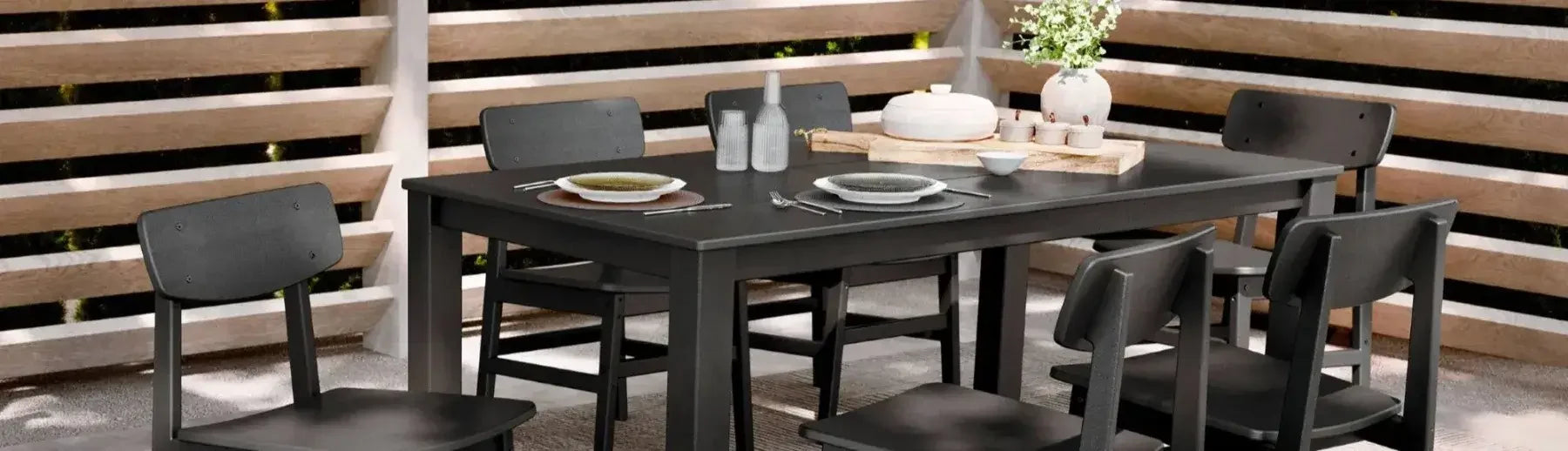
For teak dining sets and teak dining tables, prioritize joinery at the leg-to-apron connection specifically, since that's the joint under the most stress during actual use and it's where cheap construction fails first.
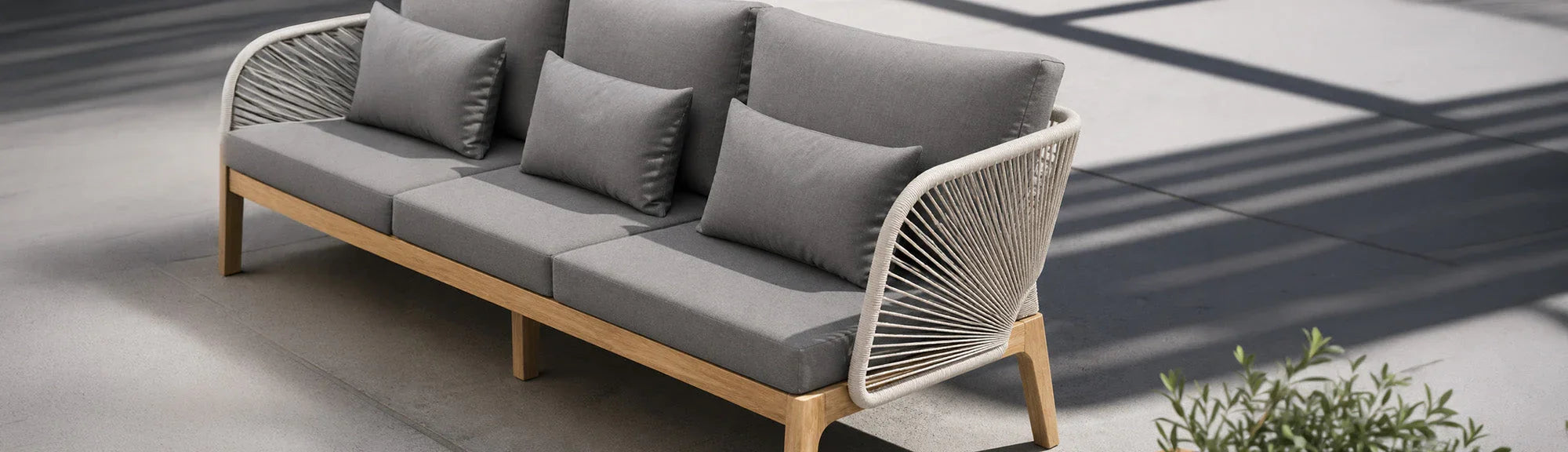
Loveseats and other upholstered teak pieces add a second variable: cushion fabric. Look for solution-dyed acrylic fabrics that can handle the same sun and moisture exposure as the frame, otherwise you've solved half the durability problem and ignored the other half.
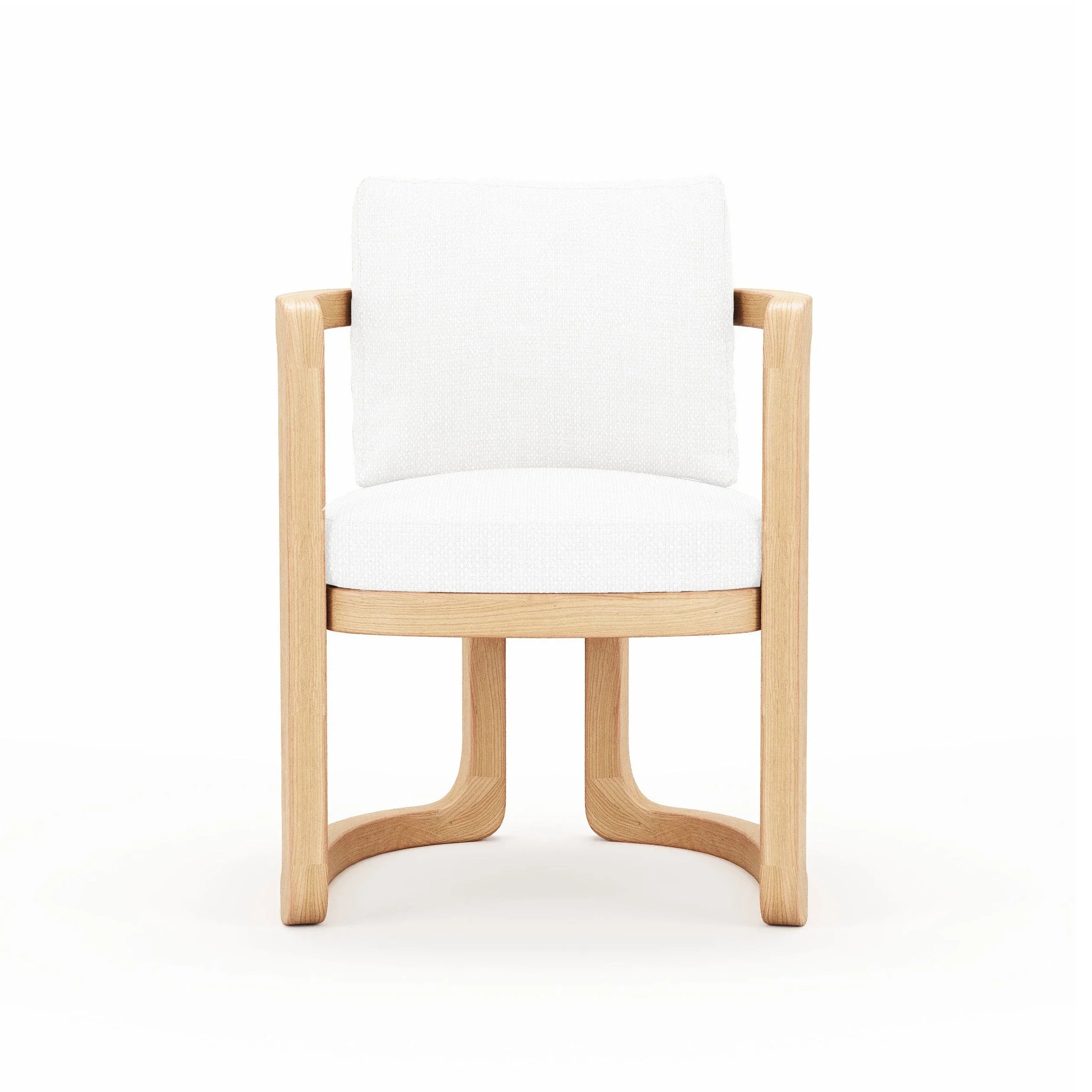
For chairs and club seating, comfort and frame stability matter more than they do for a coffee table nobody's putting uneven weight on, so it's worth sitting in a piece, or reading enough reviews to trust the frame, before committing.
Sectionals are the biggest investment and the hardest to evaluate from photos alone, since the connecting hardware between sections is exactly the kind of detail that doesn't show up in a listing. Ask directly about it.
And if a lounge or daybed is what you're after, teak chaise lounges and daybeds sit outside in full sun more than almost any other piece type, which makes grade and sealing choices matter more, not less.
Keeping It Looking Right
Teak care is simpler than most people expect. The short version: clean it regularly, skip the oil, and decide early whether you're chasing the golden look or letting it go gray.
- Clean with mild dish soap, water, and a soft brush, scrubbing with the grain. Skip pressure washers and steel wool, since both can damage the surface.
- Don't oil outdoor teak. It sounds very counterintuitive, but oiling promotes mildew outdoors and won't stop the graying process anyway. Use a teak sealer instead if you want to hold the golden color.
- In winter, bring furniture indoors if you can. If you can't, keep water from pooling on surfaces or around the legs, and use a breathable cover.
That's most of it, honestly. For the full walkthrough on stains, sanding, and sealing, we've got a dedicated teak care guide that goes deeper than this section needs to, and if a piece needs more than cleaning, our refinishing guide covers restoring a table that's seen some real wear.

If you're still deciding whether teak fits your space, our team in San Diego can walk through grades, construction, and specific pieces with you. Reach out here any time. And if teak isn't quite gelling with your look, most of the sourcing and certification questions in this guide apply just as well to other hardwoods; our Ipe wood guide is worth a look if you want something denser and even longer-lived.
Frequently Asked Questions About Teak Outdoor Furniture
Pick Grade A, or A/B if budget is a factor. Grade A comes from nearest the tree's center and carries the highest concentration of natural oils, which is what actually drives durability and color. Grade B and C have fewer oils and more variation, and hold up for less time outdoors.
Yes, if you're planning to keep the piece for years. Teak's density and natural oils resist water, pests, and weather far longer than most alternatives, which usually means fewer replacements and better value over time even with the higher upfront cost.
Ask the retailer for FSC or comparable certification along with origin details. Responsibly managed plantations document where and how the wood was harvested, which helps you avoid furniture tied to illegal logging.
Skip the oil outdoors. Oiling can invite mildew and won't stop the graying process anyway. Use a teak sealer if you want to hold the golden color, or let it weather naturally to a silver patina if you like that look. Either way, the wood's performance is unaffected.
Mild dish soap, water, and a soft brush, scrubbing with the grain. Skip pressure washers and steel wool, since both can damage the surface.
Bring it indoors if you can. If storage isn't an option, use a breathable, vented cover and make sure water isn't pooling on surfaces or under the legs, since standing water is what actually causes winter damage.
Well-built Grade A teak typically lasts 30 to 50 years outdoors with basic care, and sometimes longer. For the full breakdown of what drives that range, see our teak lifespan guide.