
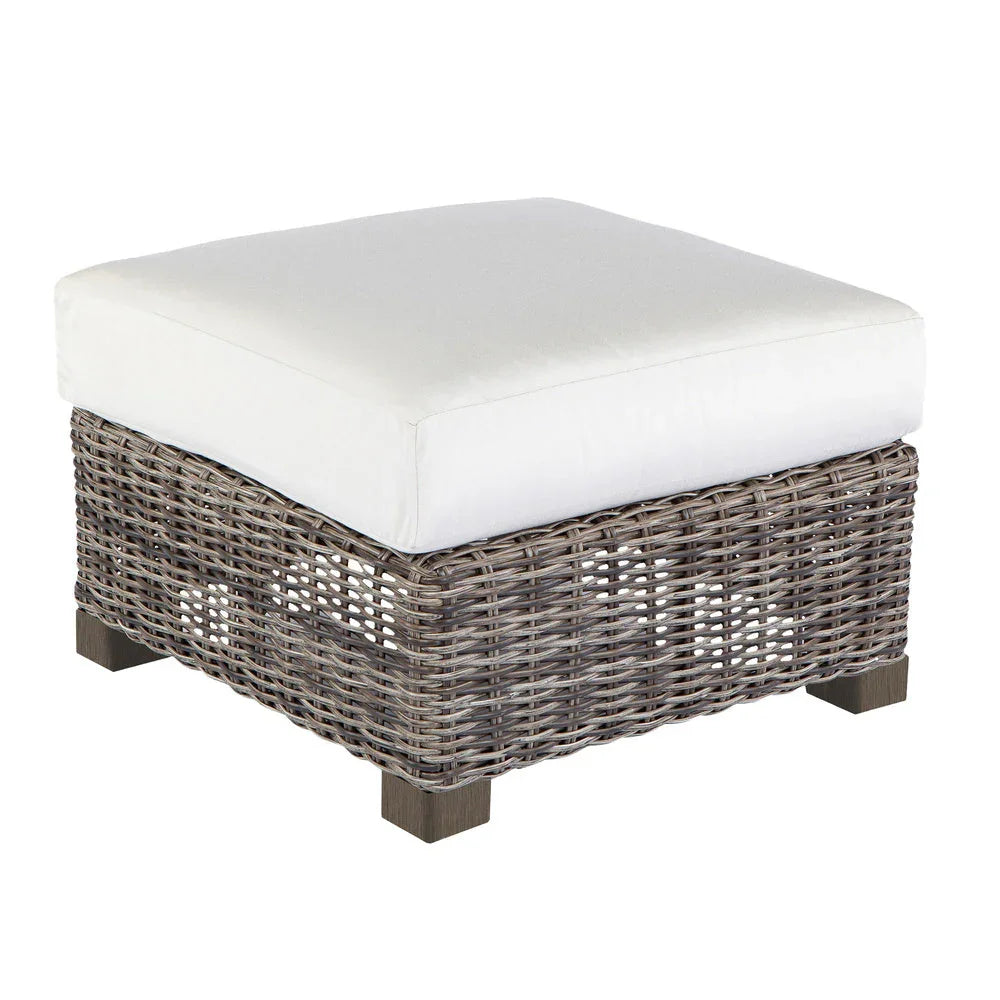
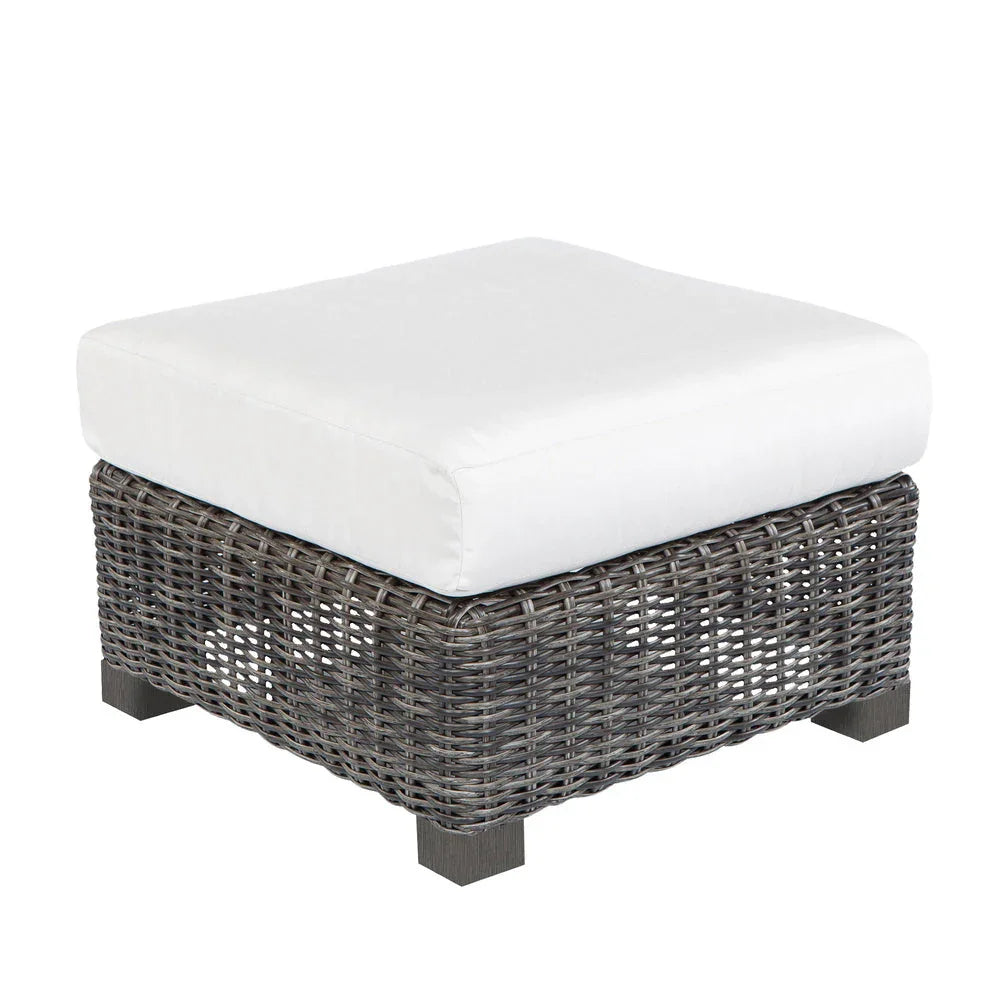
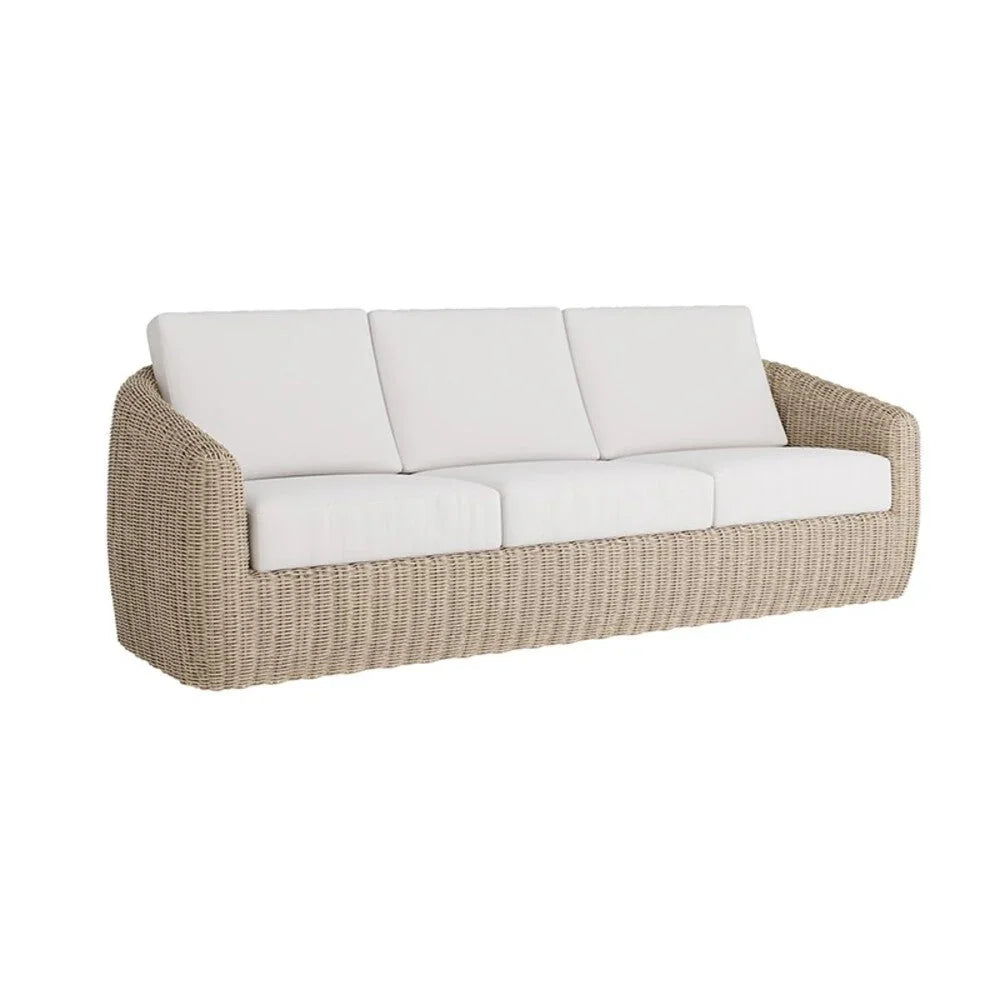
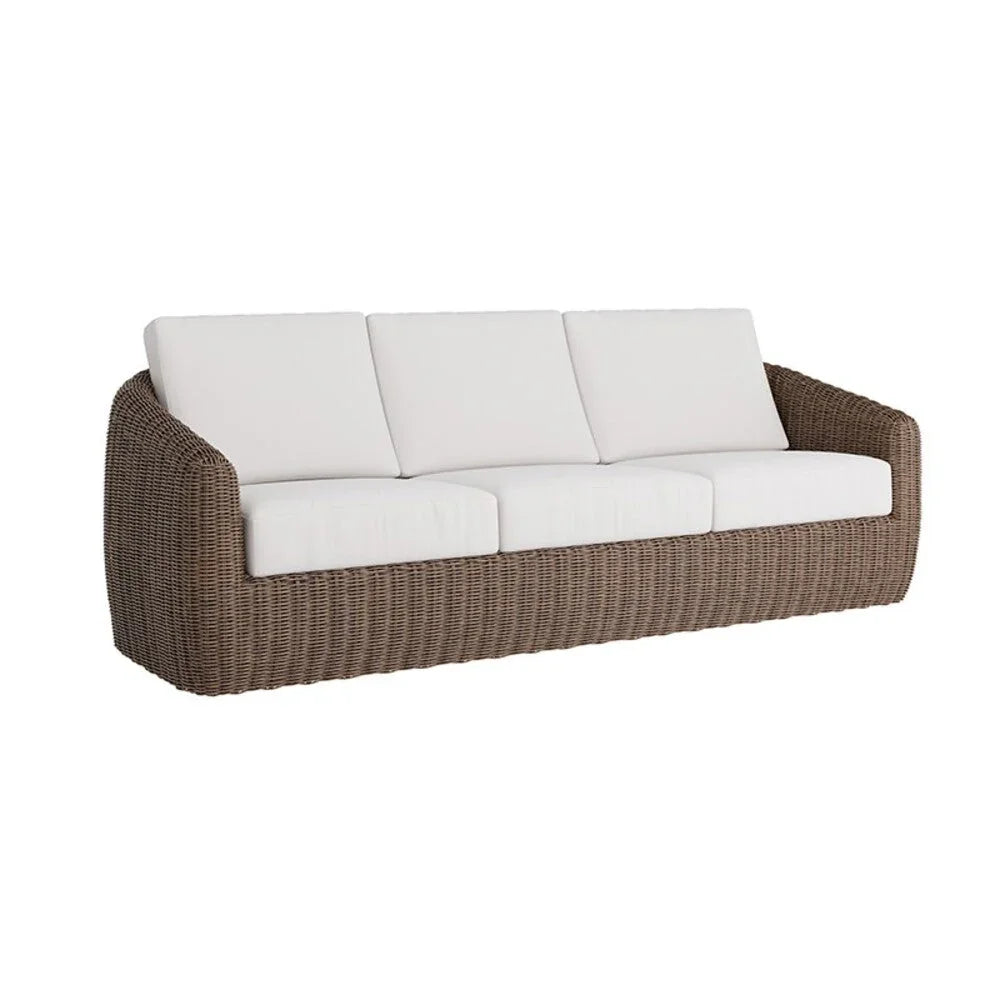



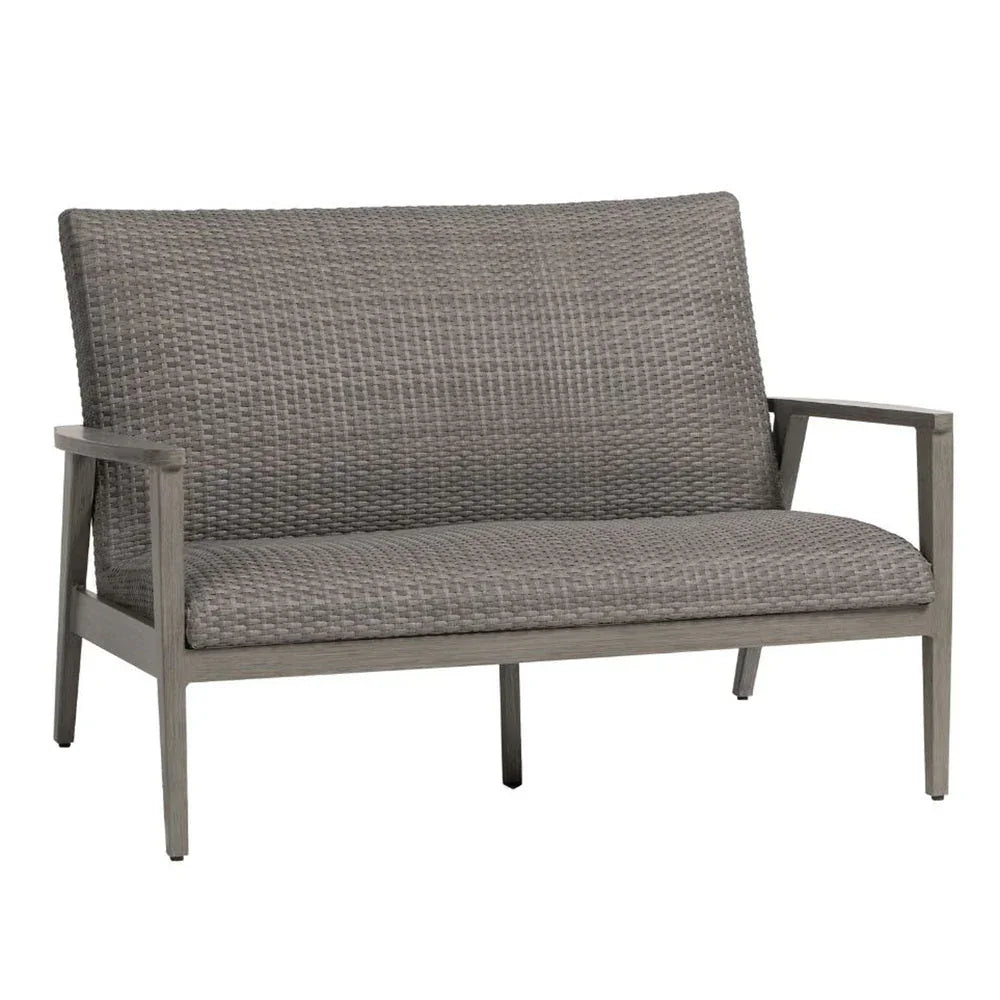
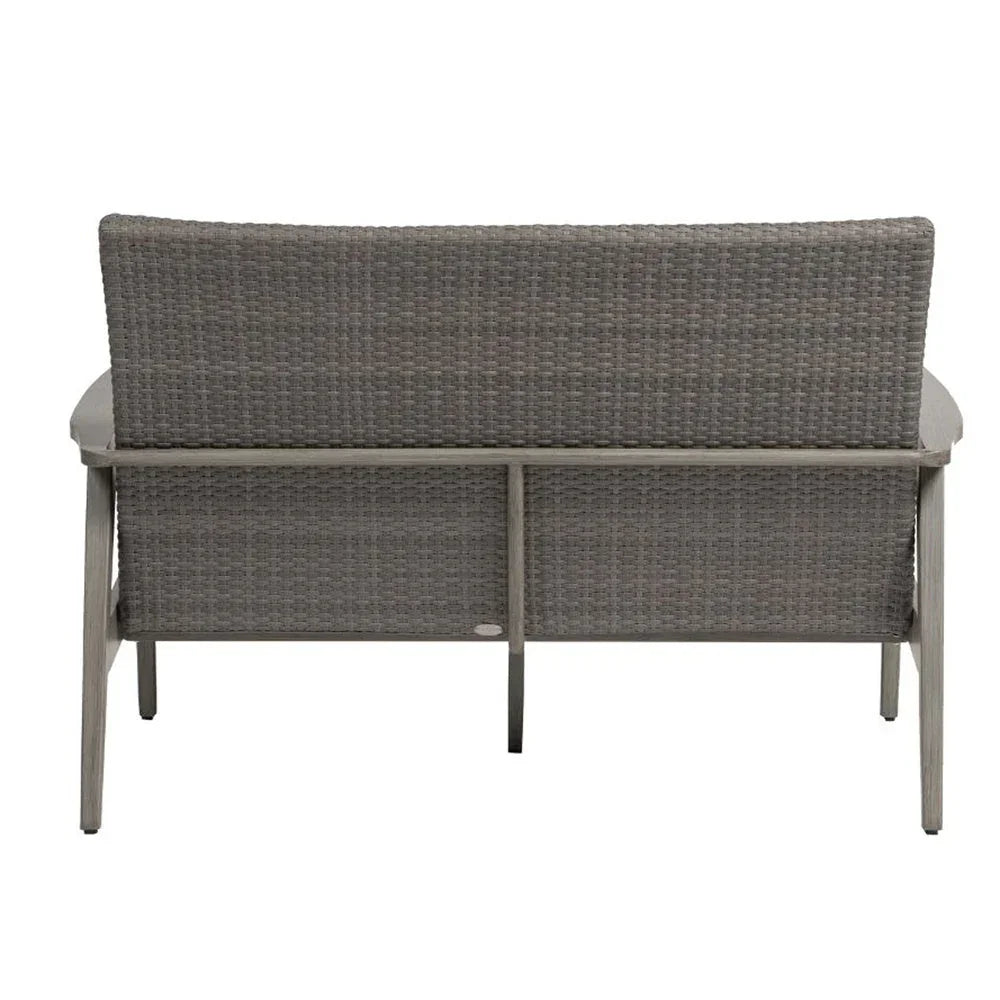
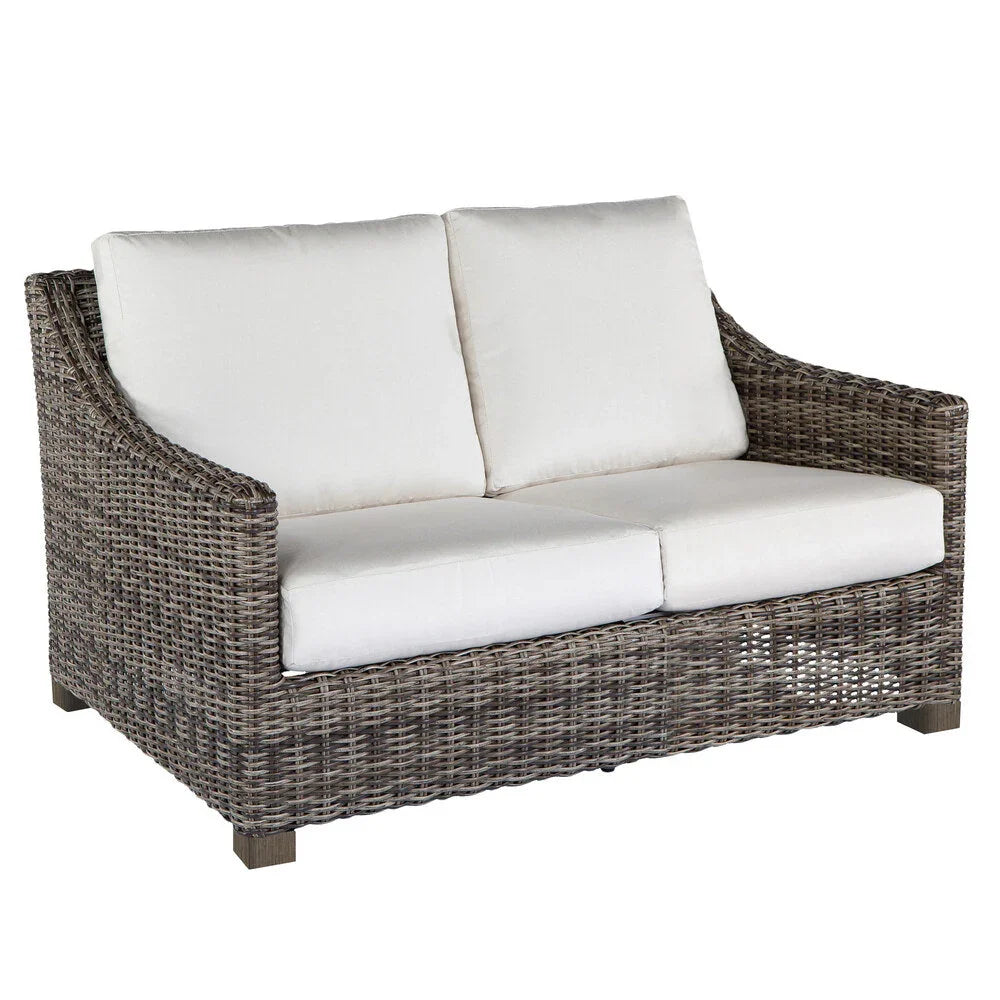
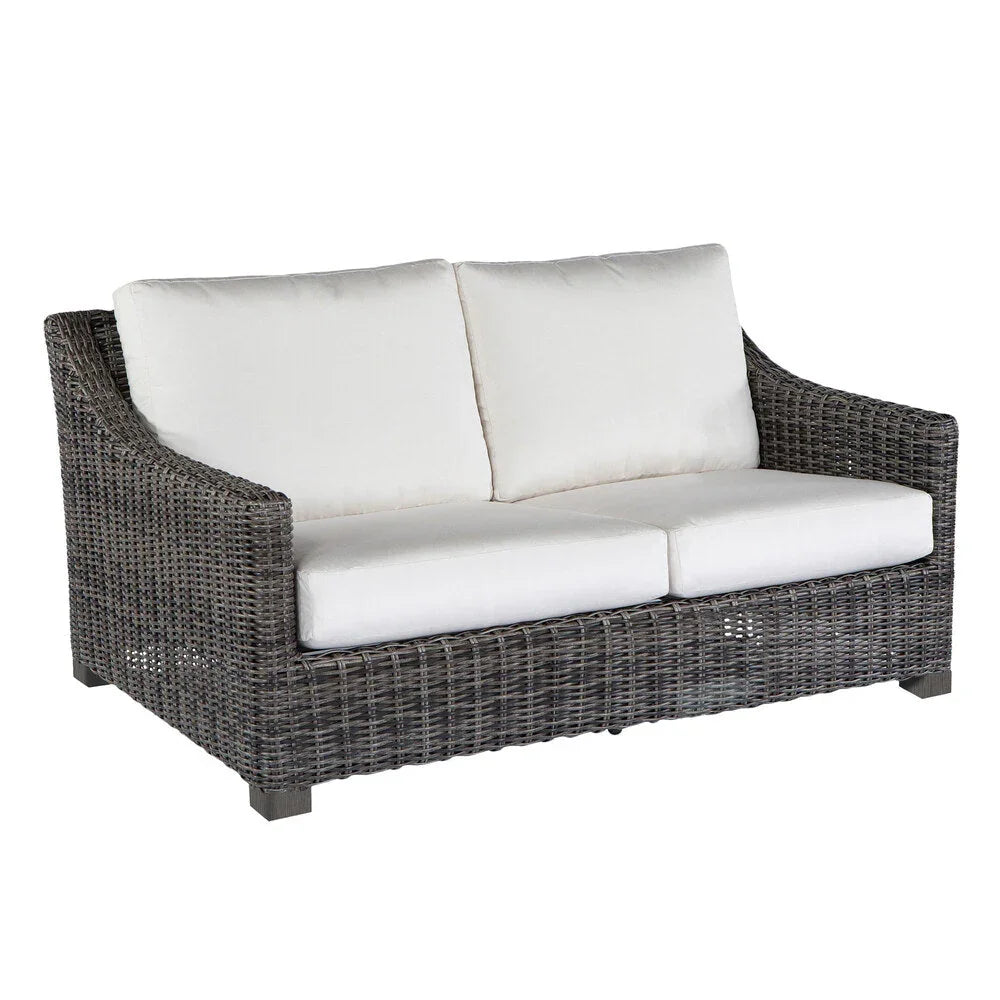
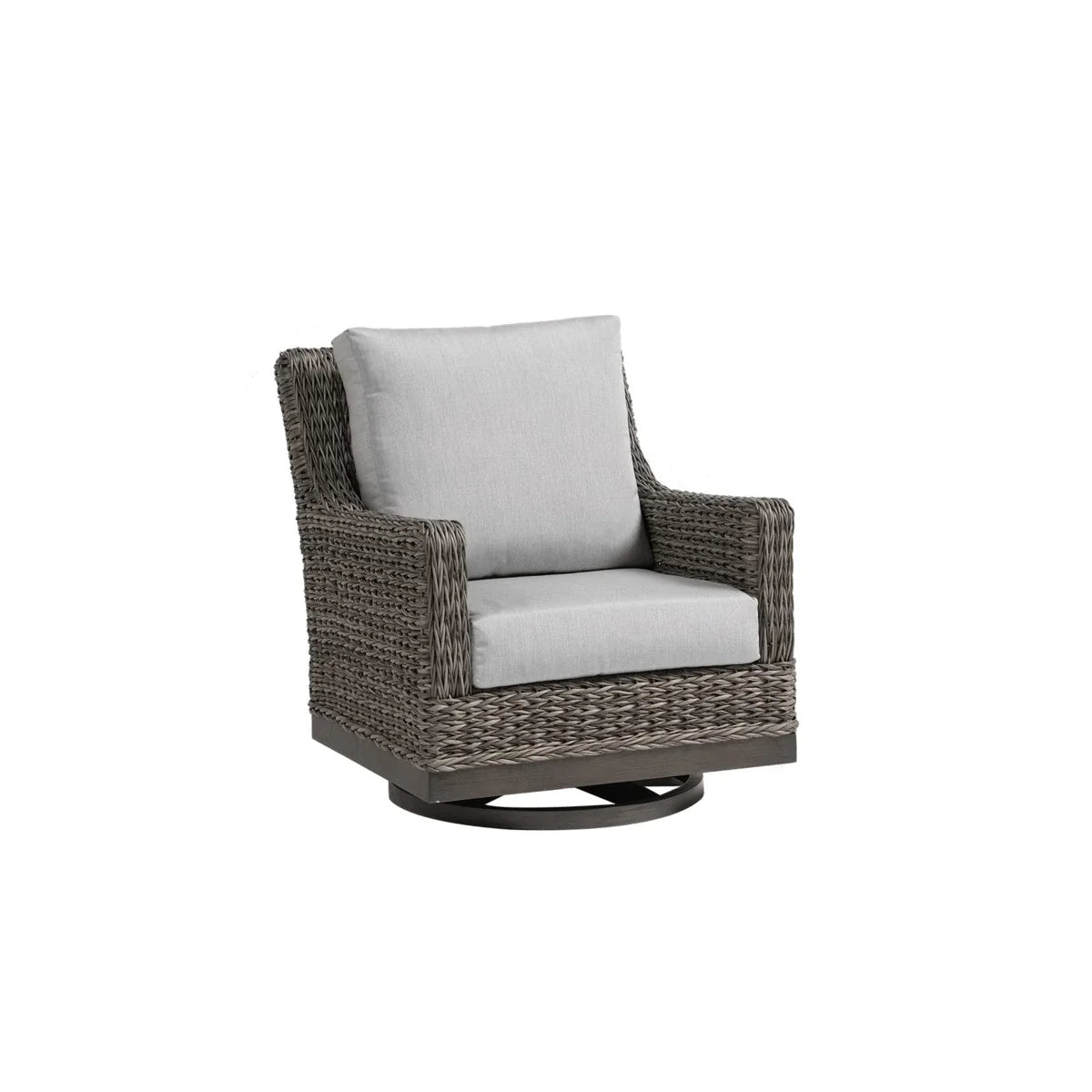
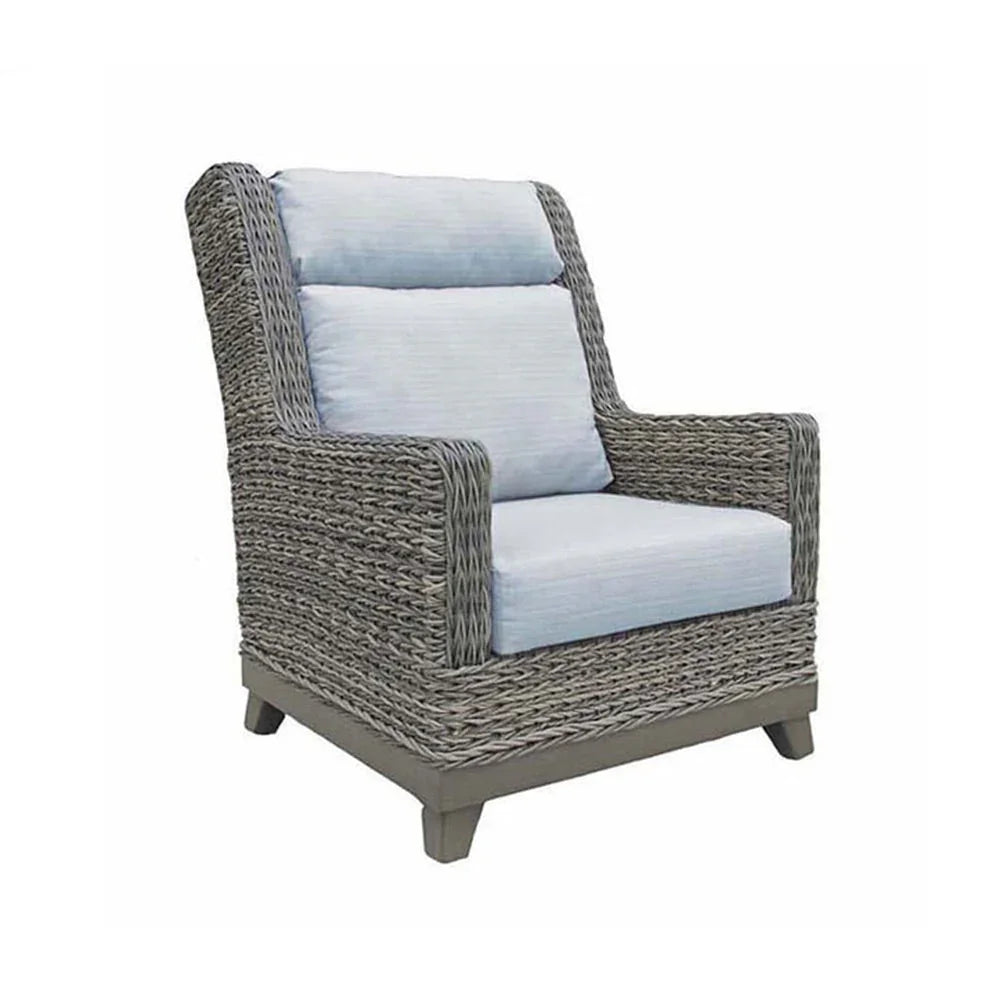
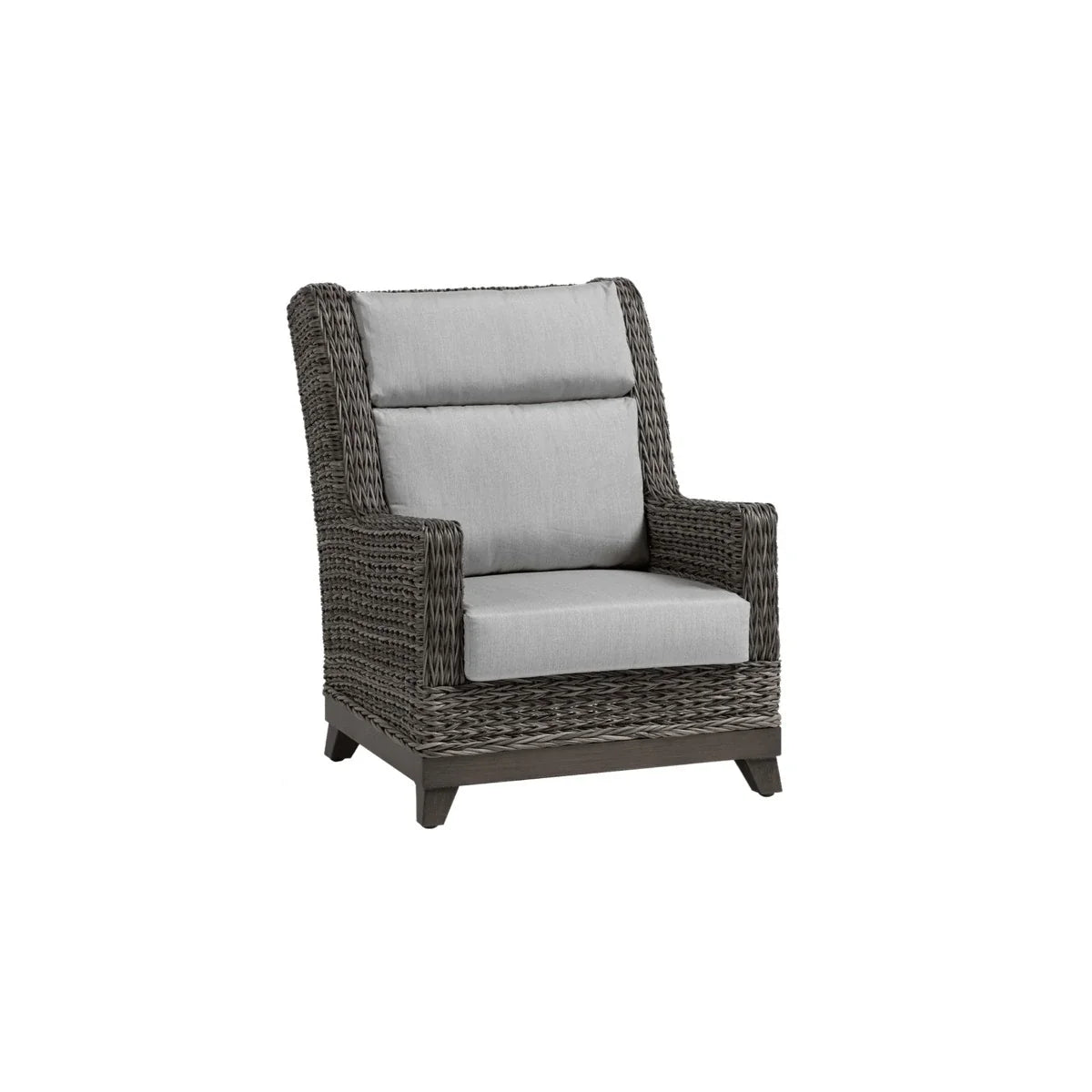
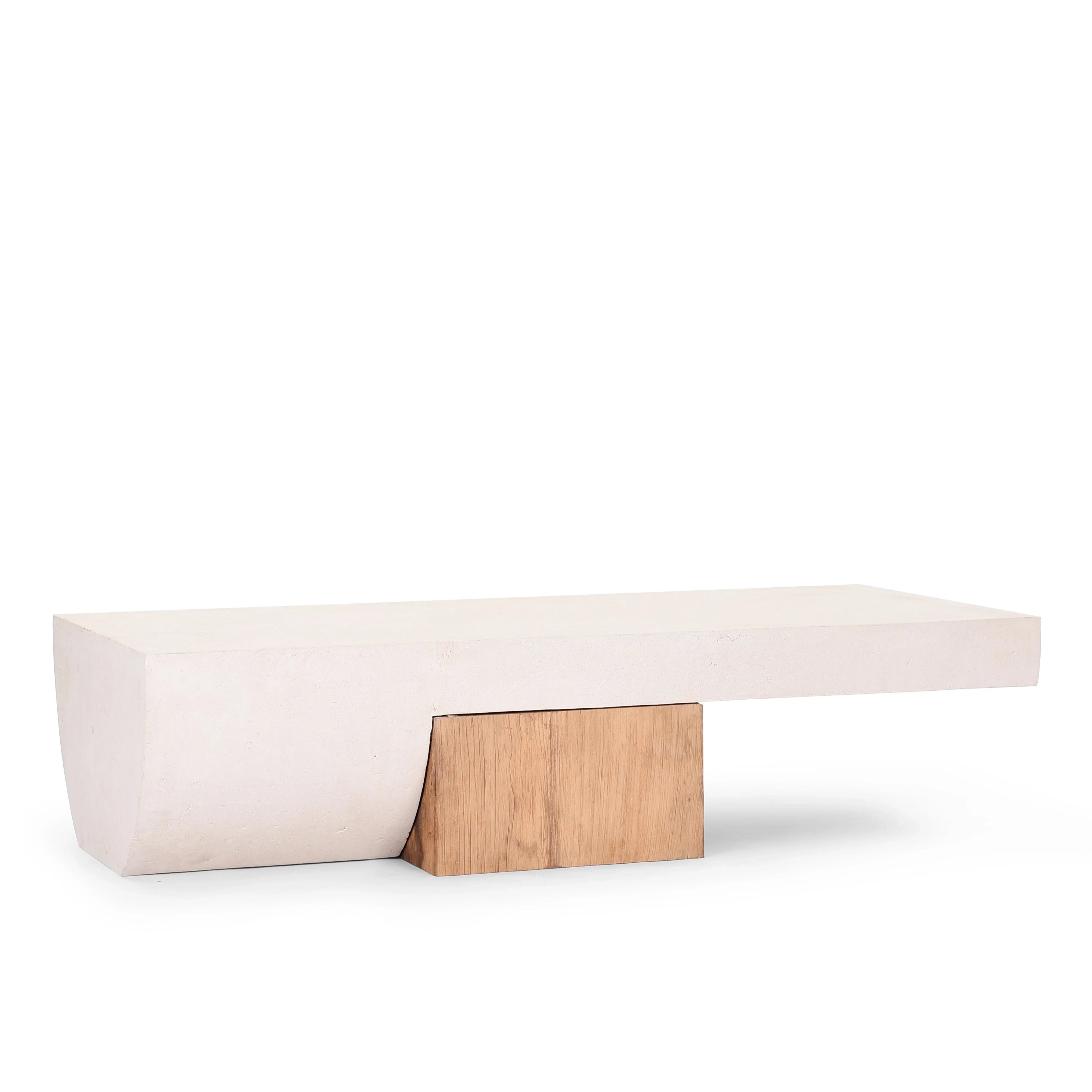
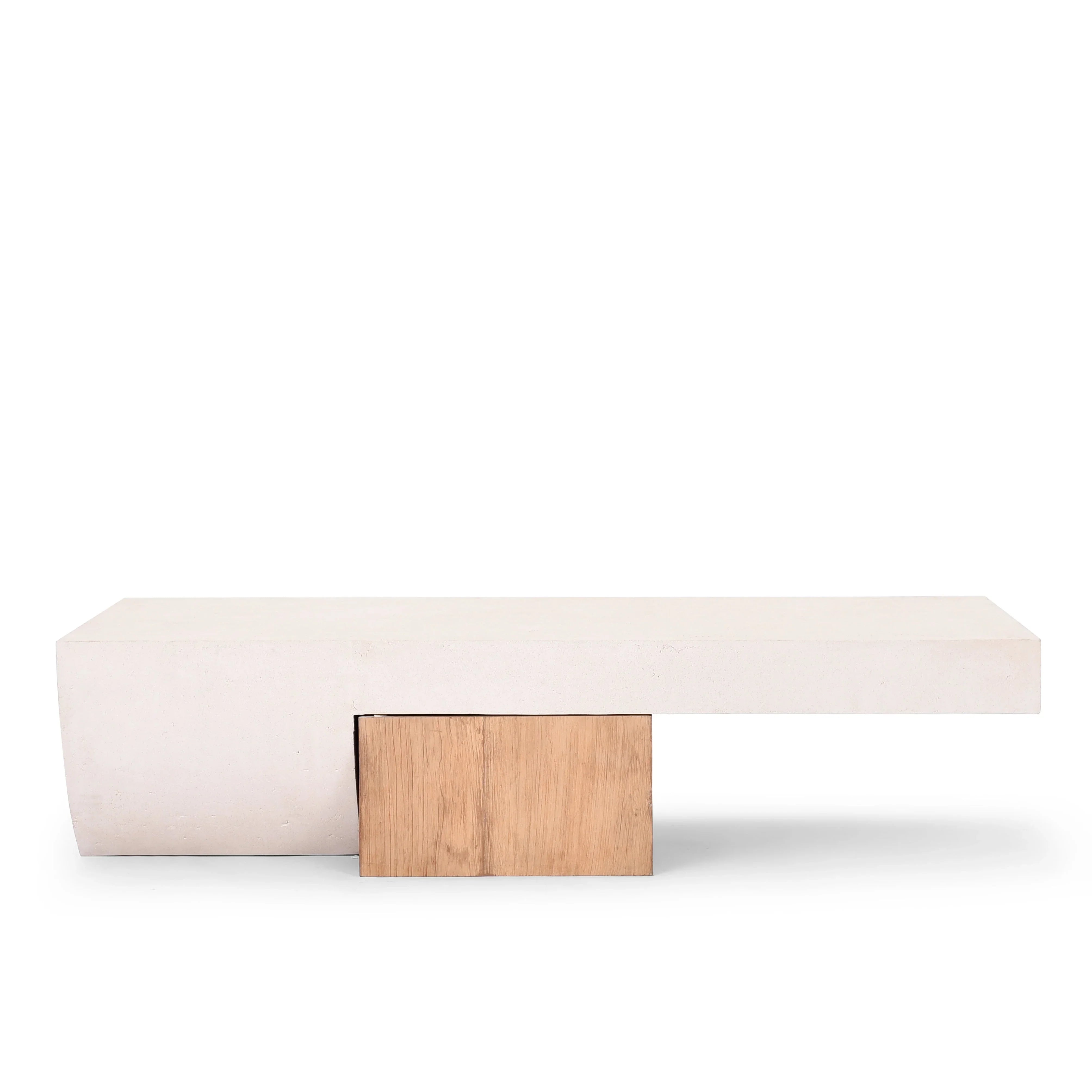
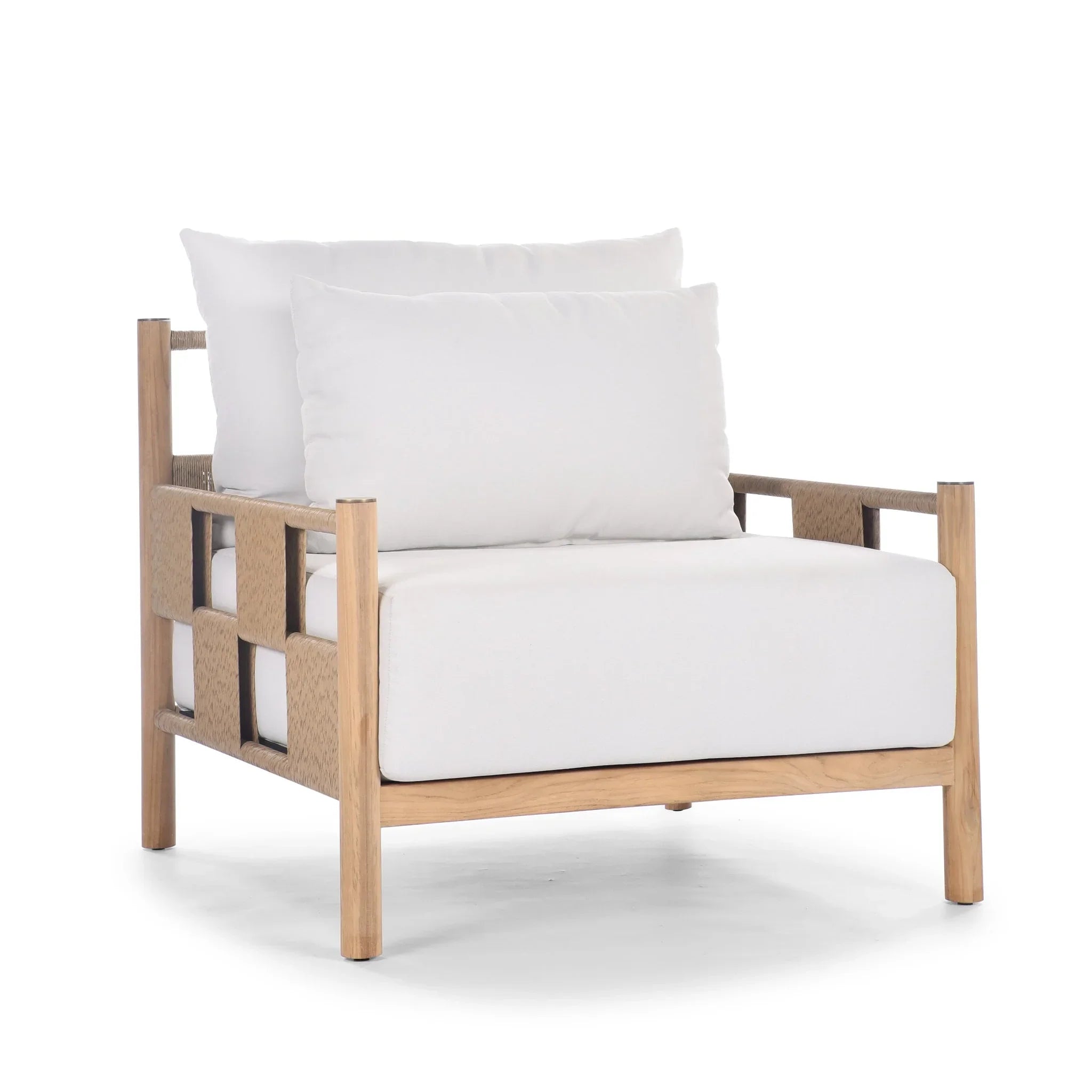
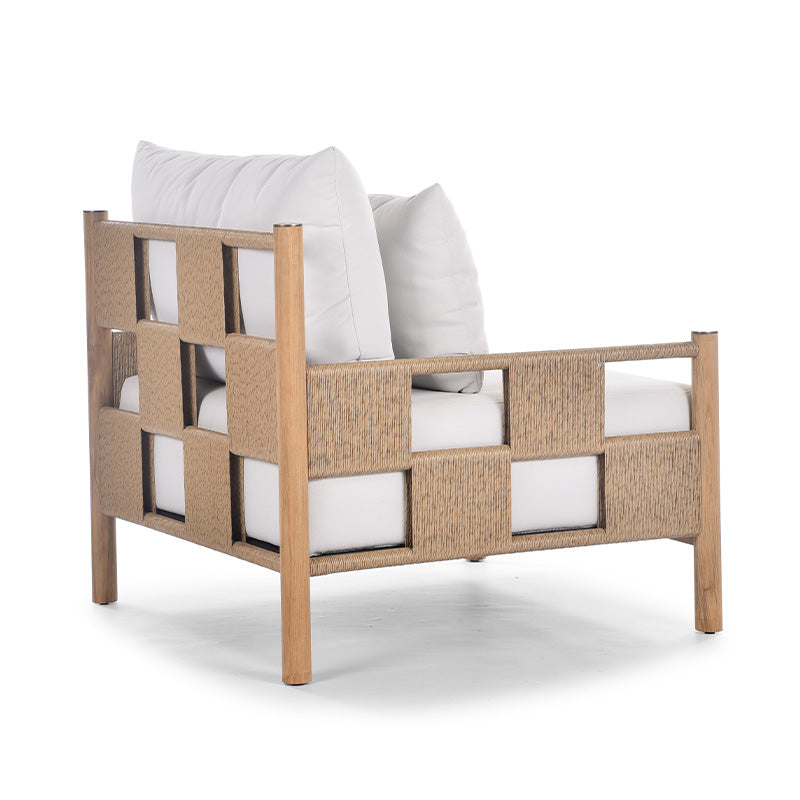
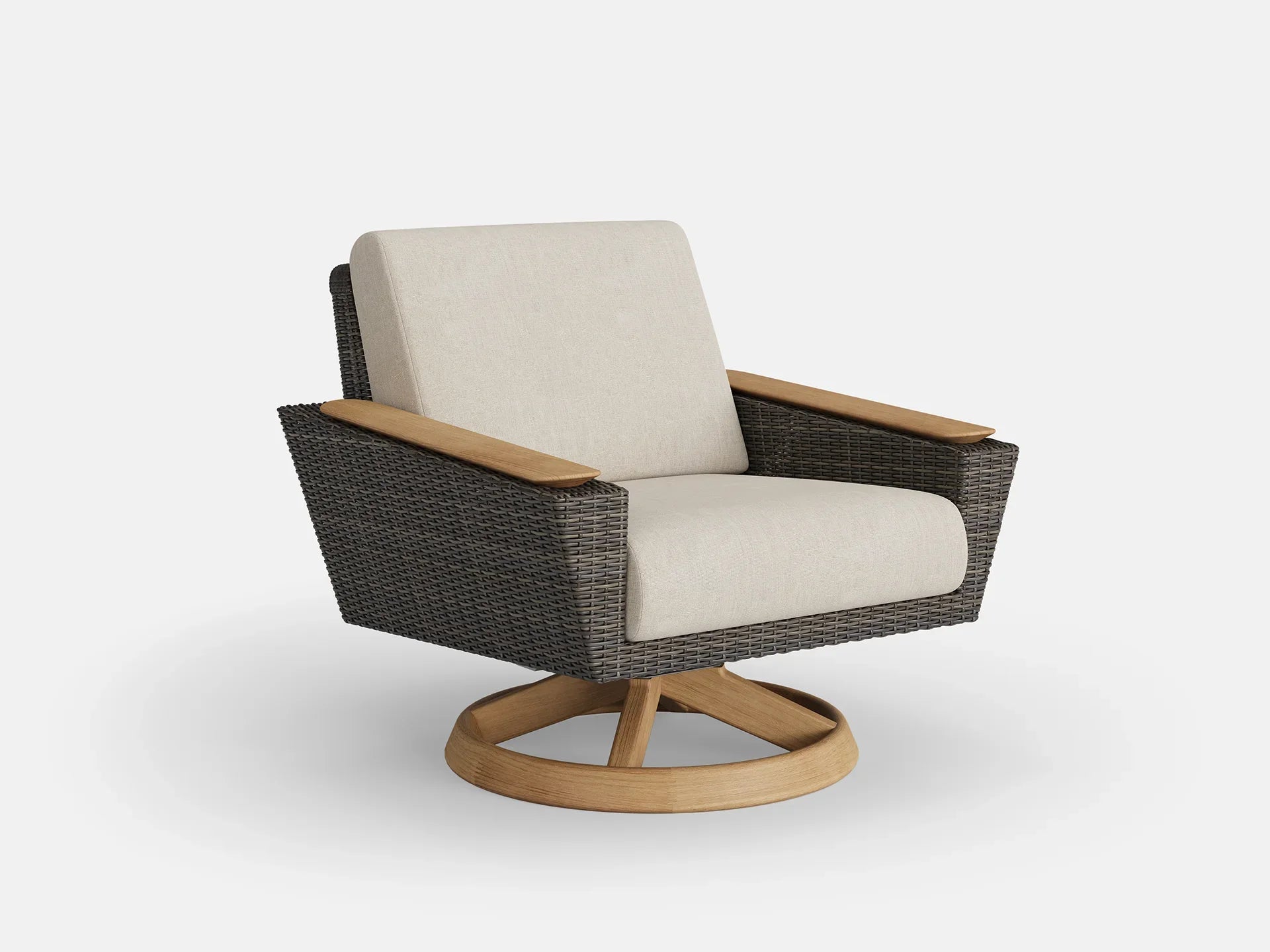
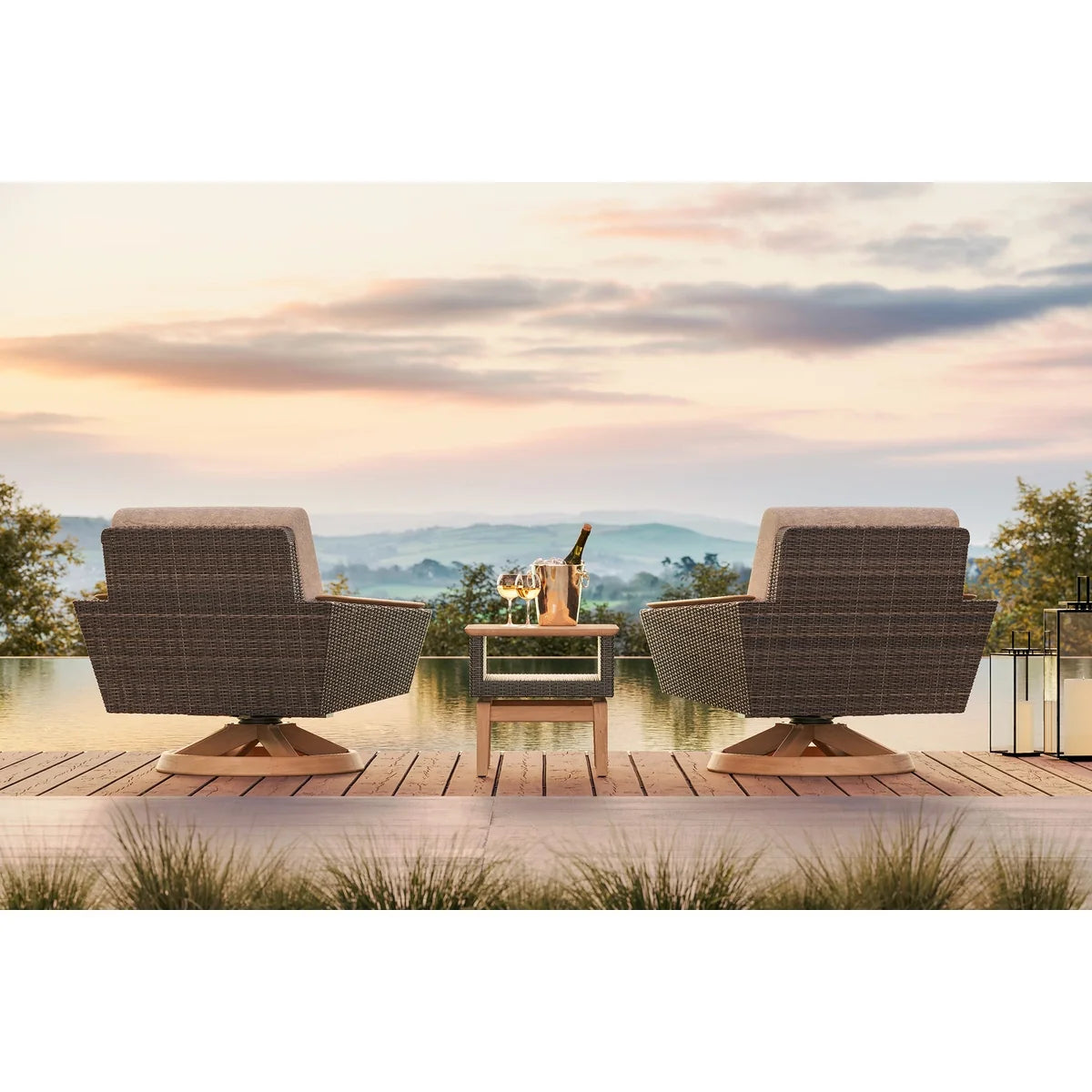
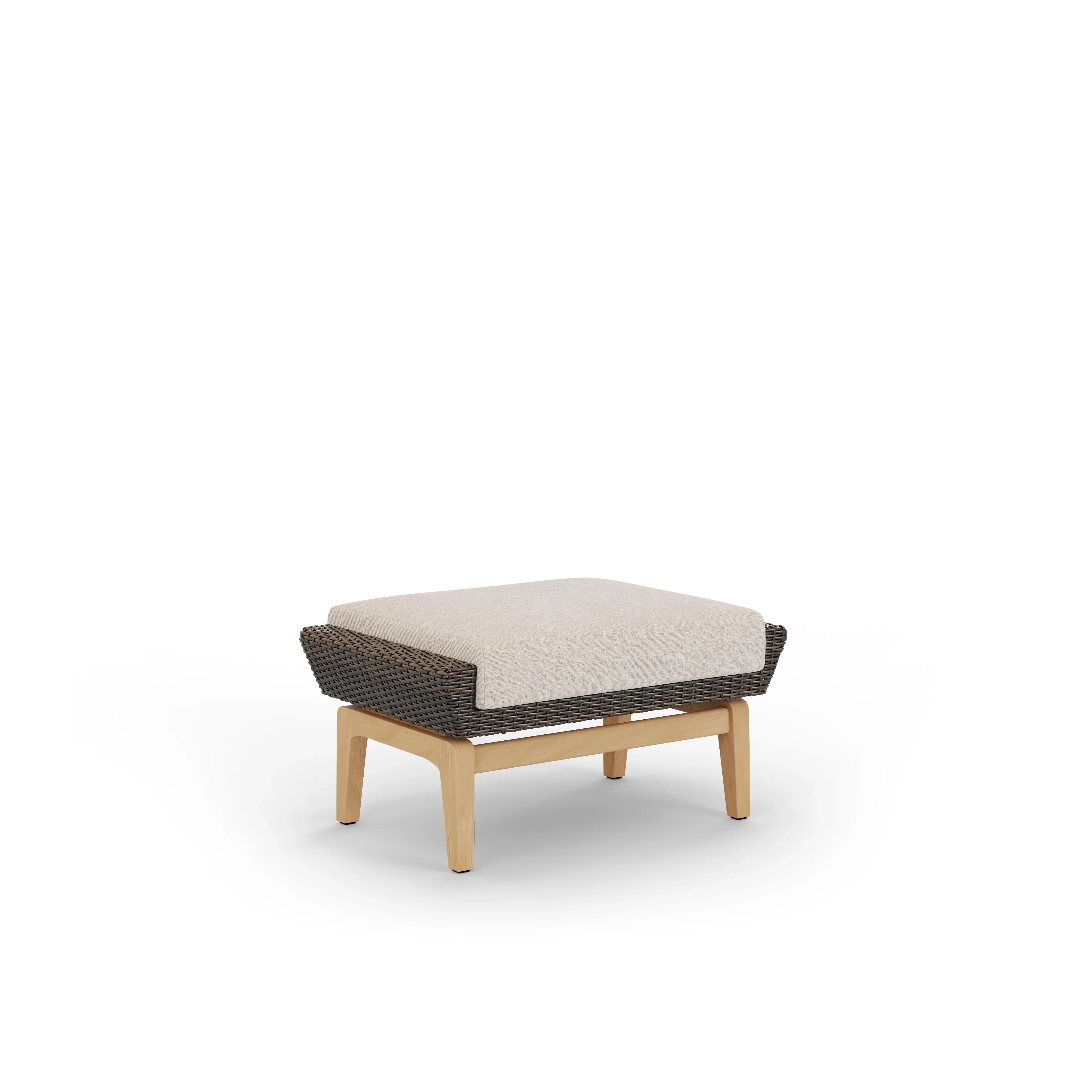
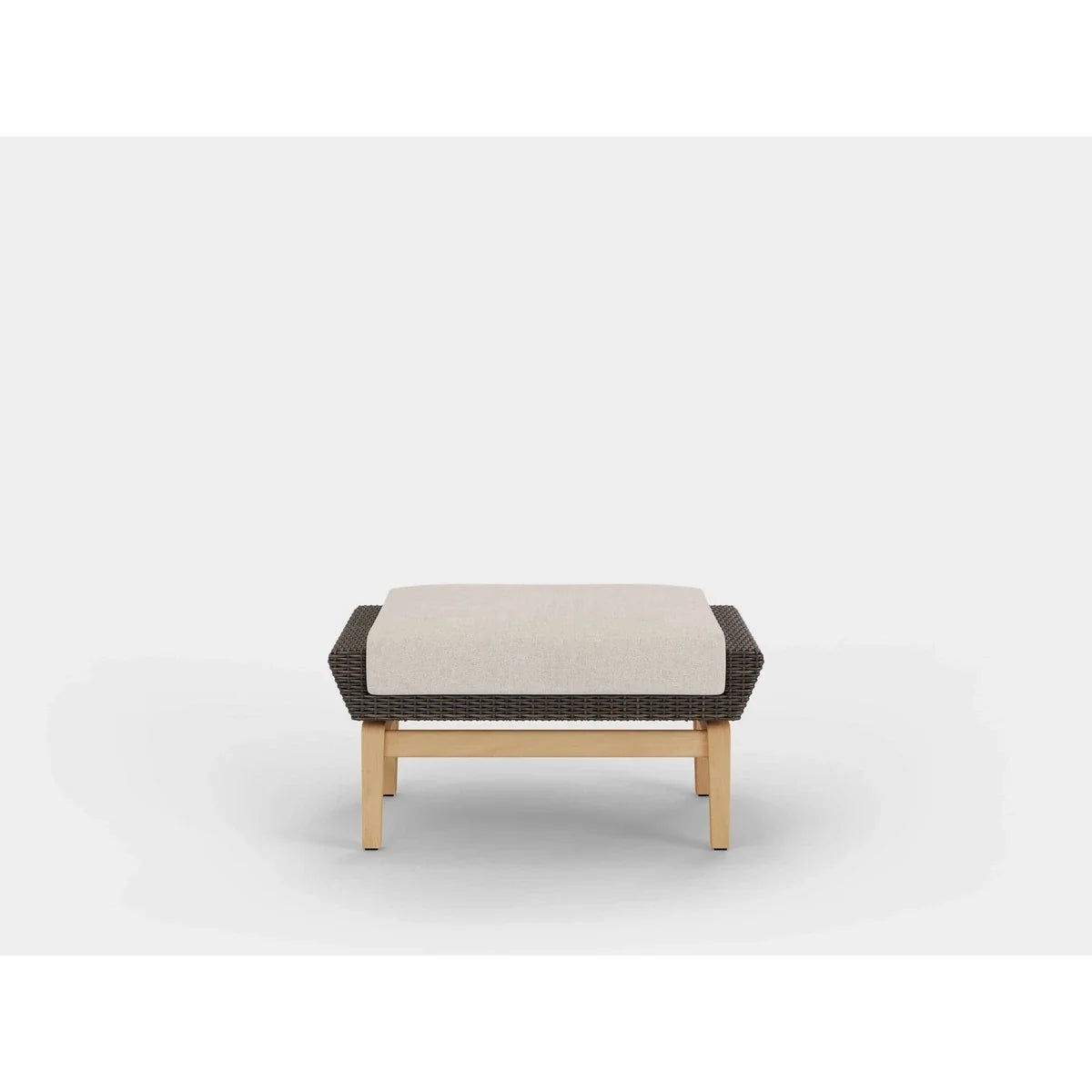
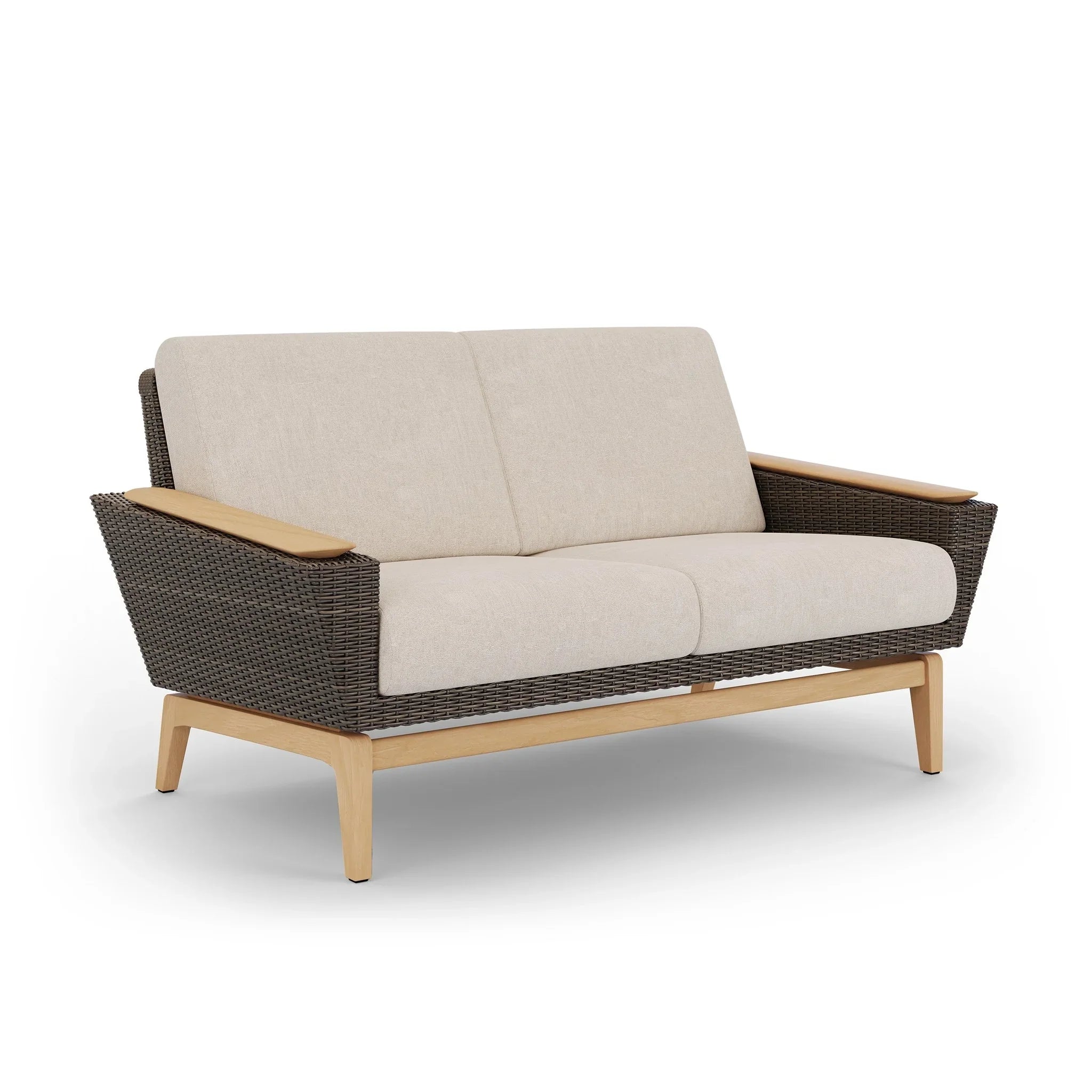
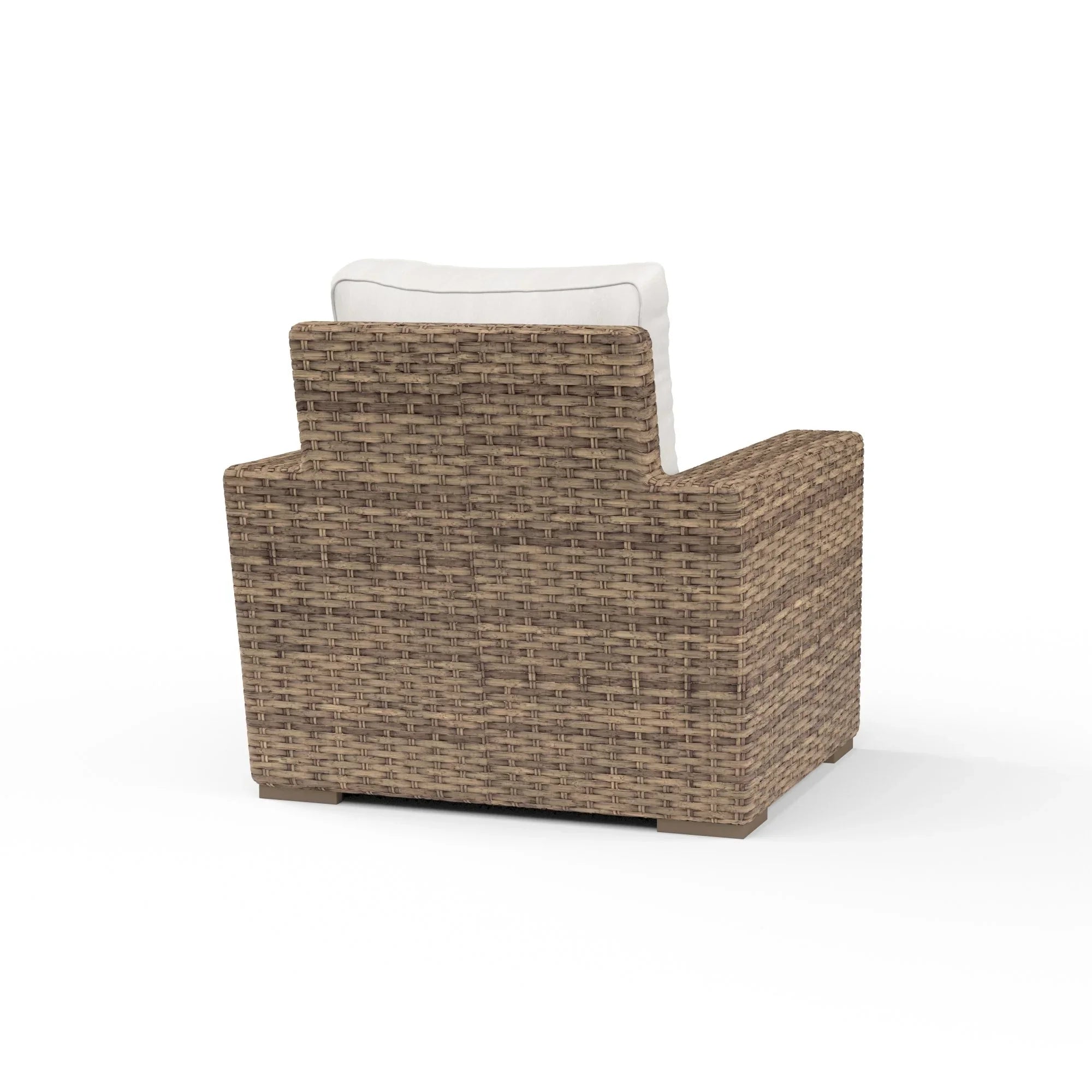
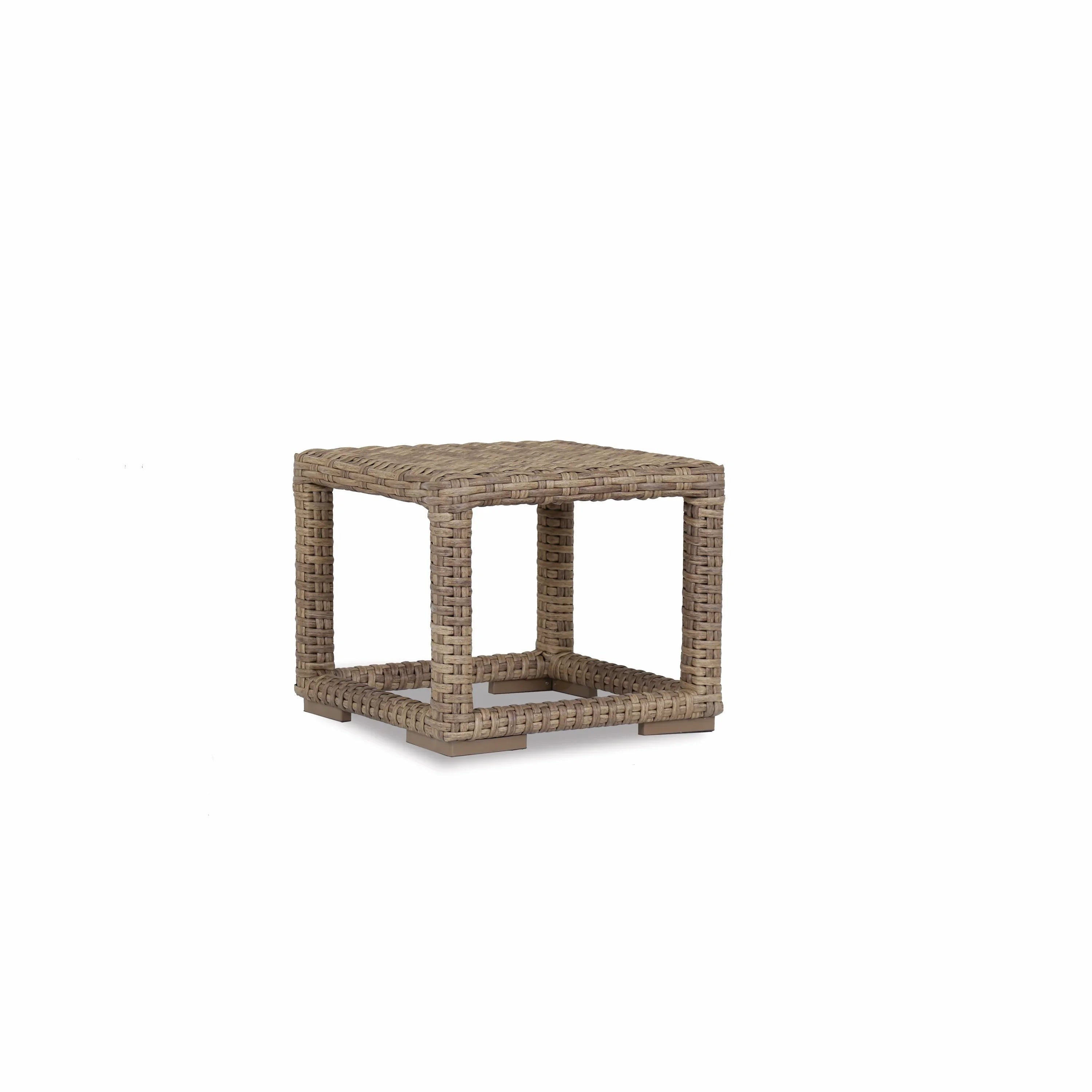
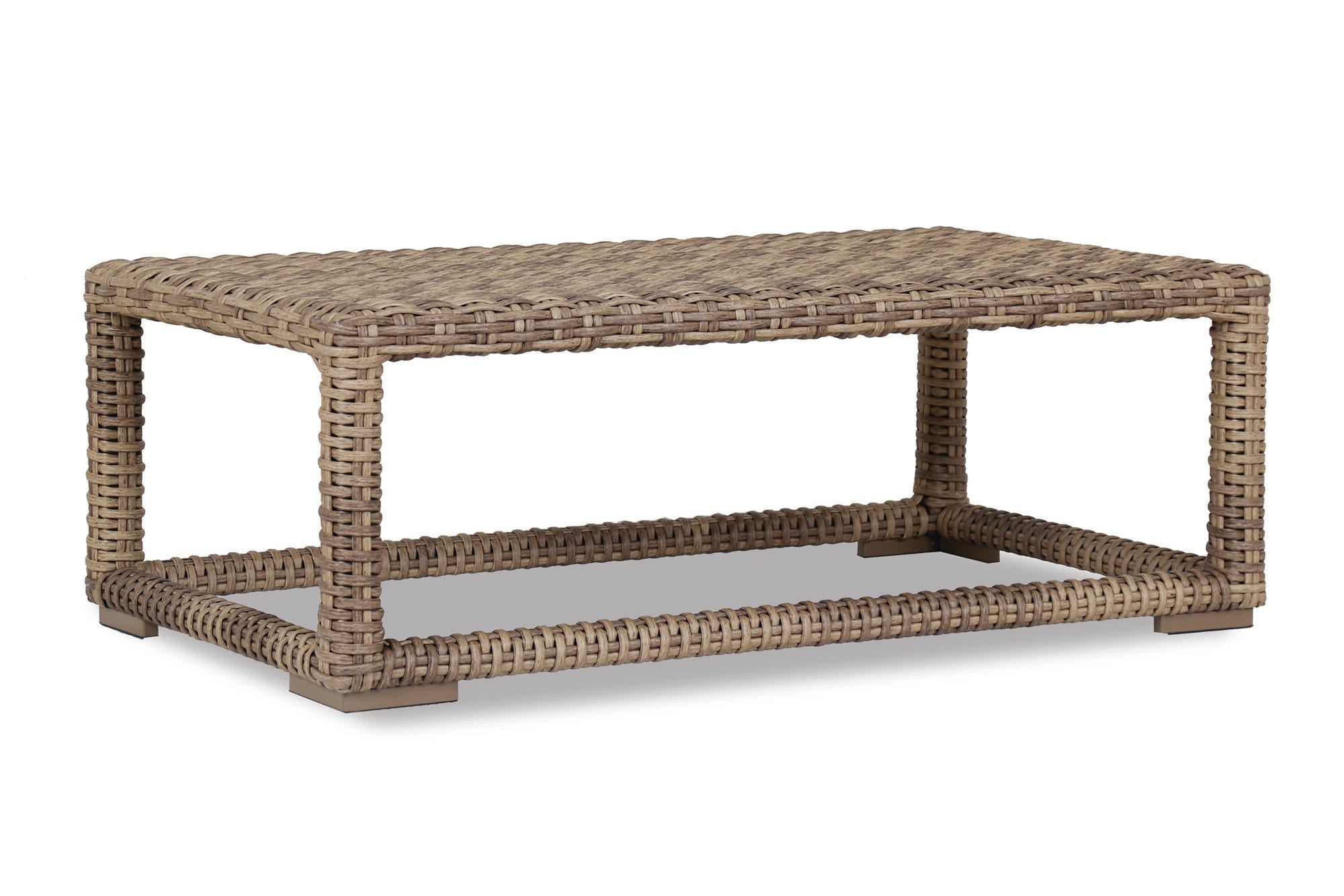
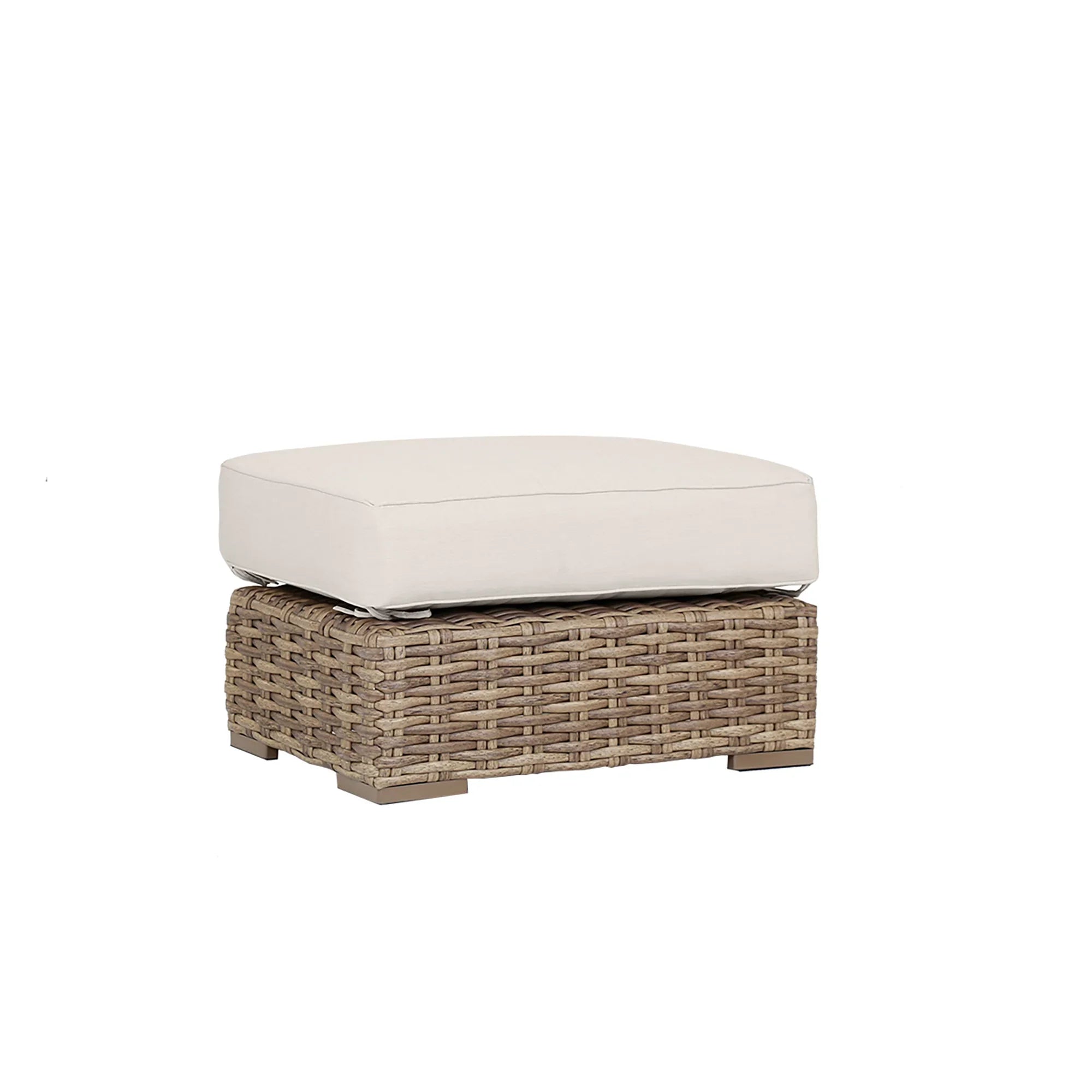
Sunroom Furniture: The Rounded Wicker Look, Built to Commercial Standards
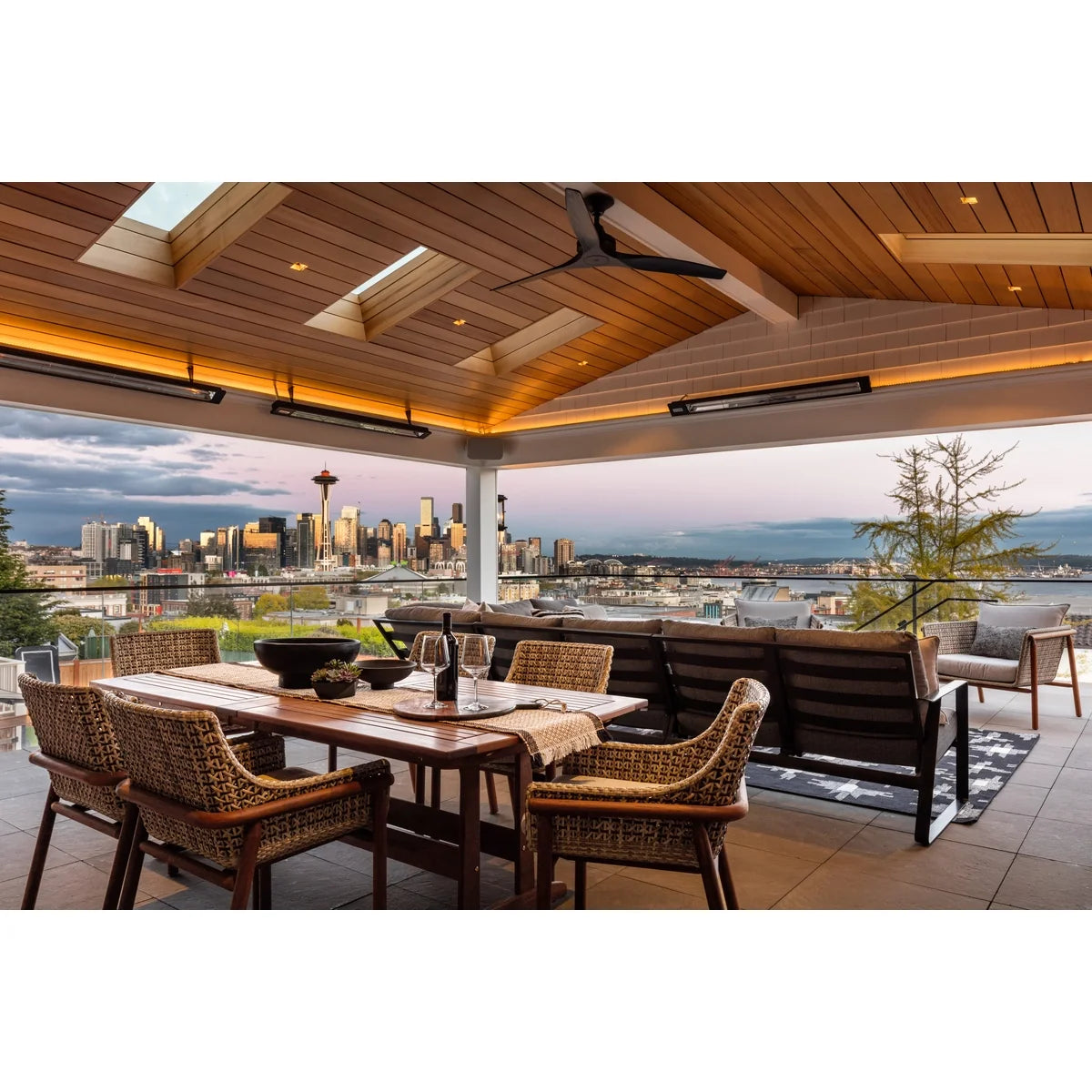
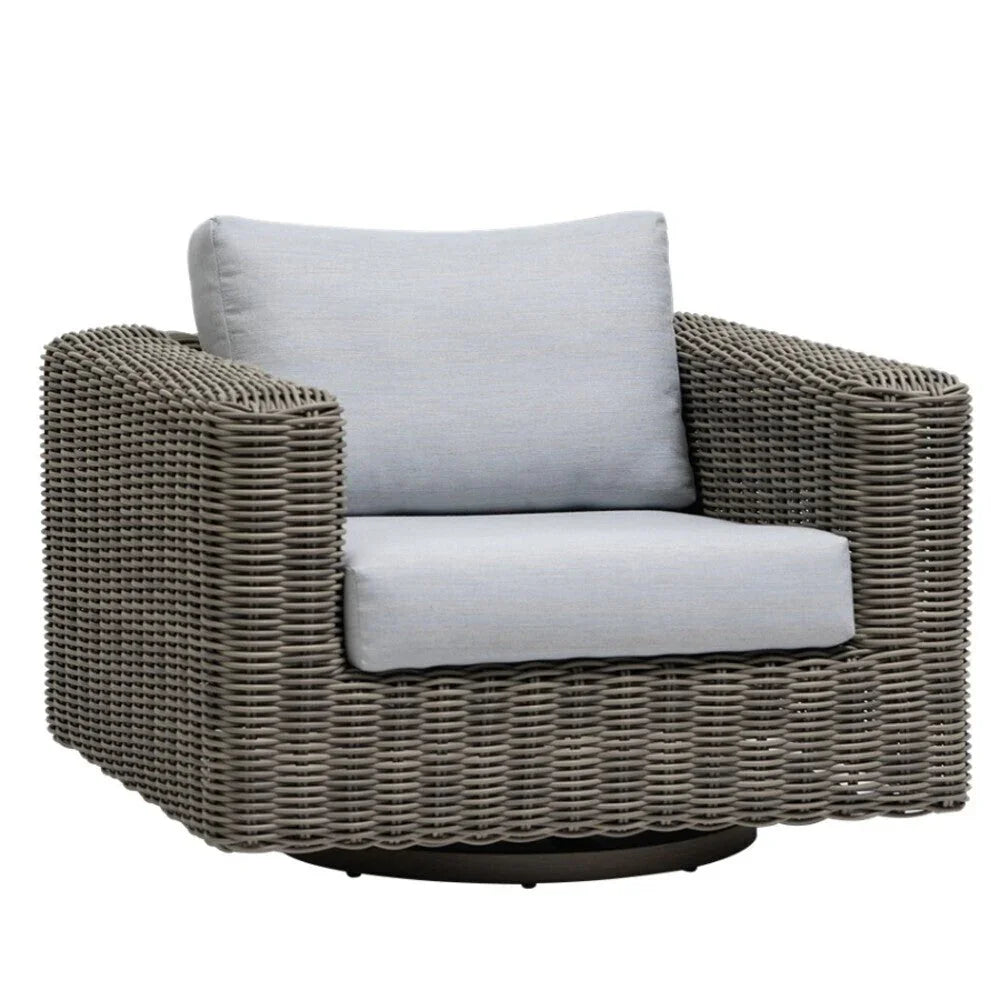
A sunroom asks more of its furniture than almost any other room in the house. It needs to survive direct sun through glass, temperature swings, and the occasional splash from a rained-on doorway, while still feeling like a real living space instead of a patio that wandered indoors. Most retailers solve this by pointing you at whatever outdoor wicker happens to be in stock and calling it sunroom-ready. We took a narrower path: this collection pulls specifically from our outdoor wicker furniture catalog for the pieces with a fuller, rounded weave and genuine indoor presence, alongside a handful of aluminum and teak pieces that earn their place in a glass-walled room on looks alone, not just durability.
What Makes Furniture Right for a Sunroom
Sunroom furniture lives in two worlds at once. It has to handle the same UV exposure and humidity swings as a patio, since a wall of south-facing glass is not gentle on fabric or frame finish, but it also has to look and feel like furniture you'd choose for a den or a living room, because that is functionally what a sunroom is. That combination rules out a lot of straightforward outdoor gear. A sling chair built for a pool deck reads as equipment the moment you put it next to a coffee table and a reading lamp. The pieces that actually work share a few traits: a rounded, substantial silhouette rather than a slim outdoor profile, sumptuously thick cushions for daily lounging rather than occasional weekend use, and a frame material that resists fading and moisture without announcing itself as "outdoor furniture" the second you walk in.
The Wicker Look That Actually Reads as Sunroom-Ready
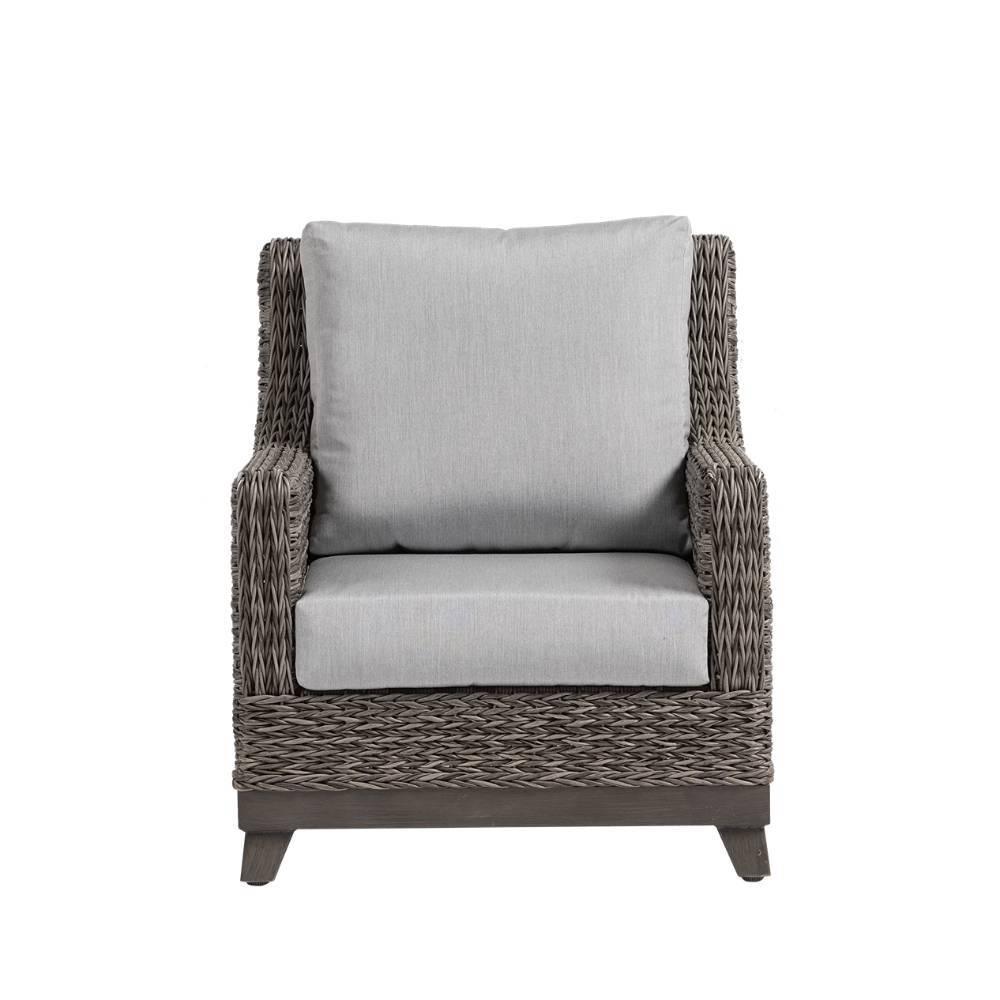
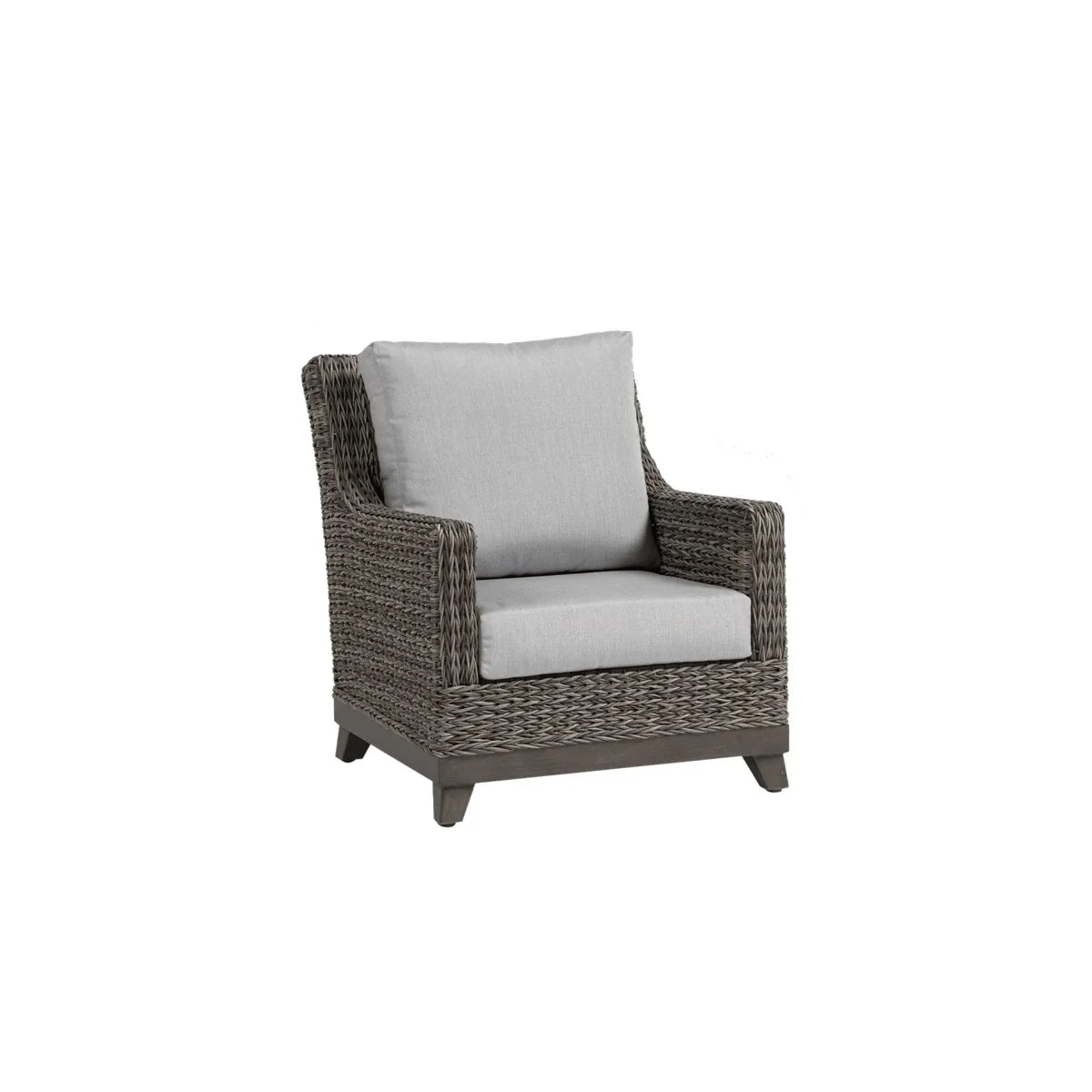
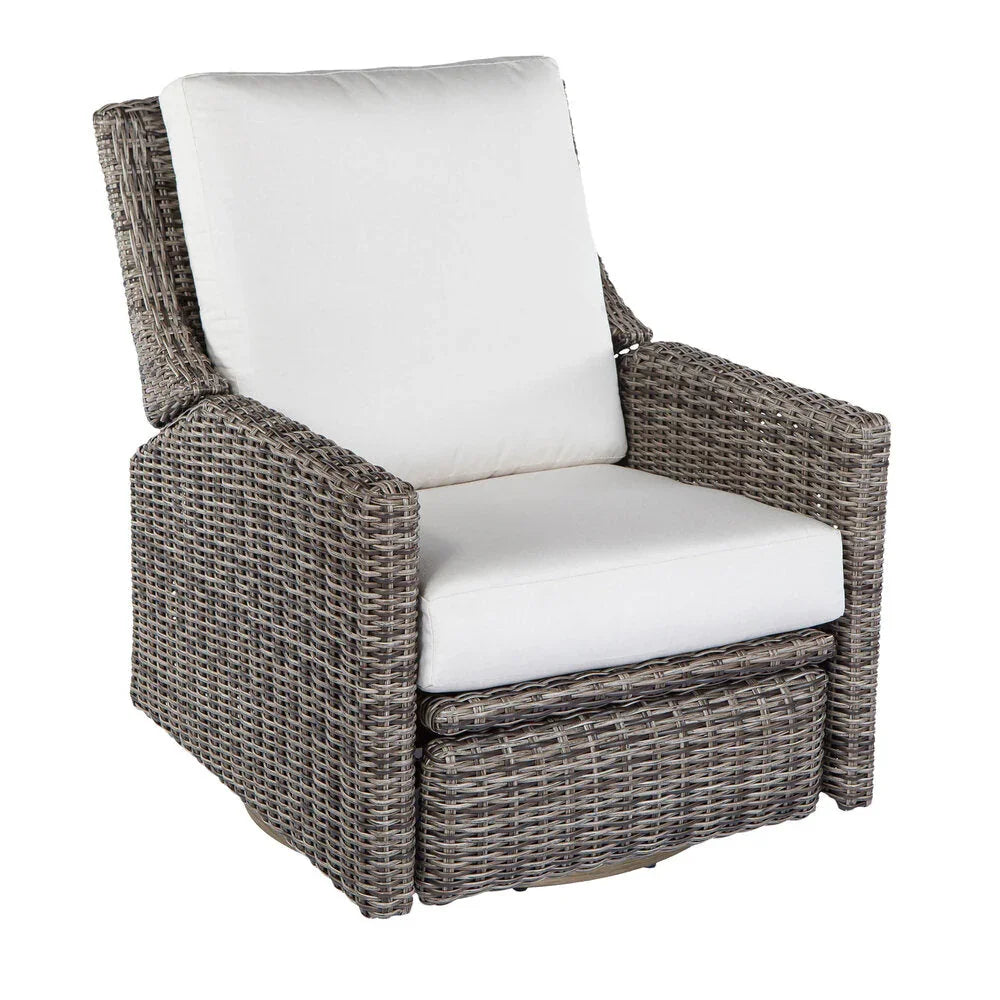
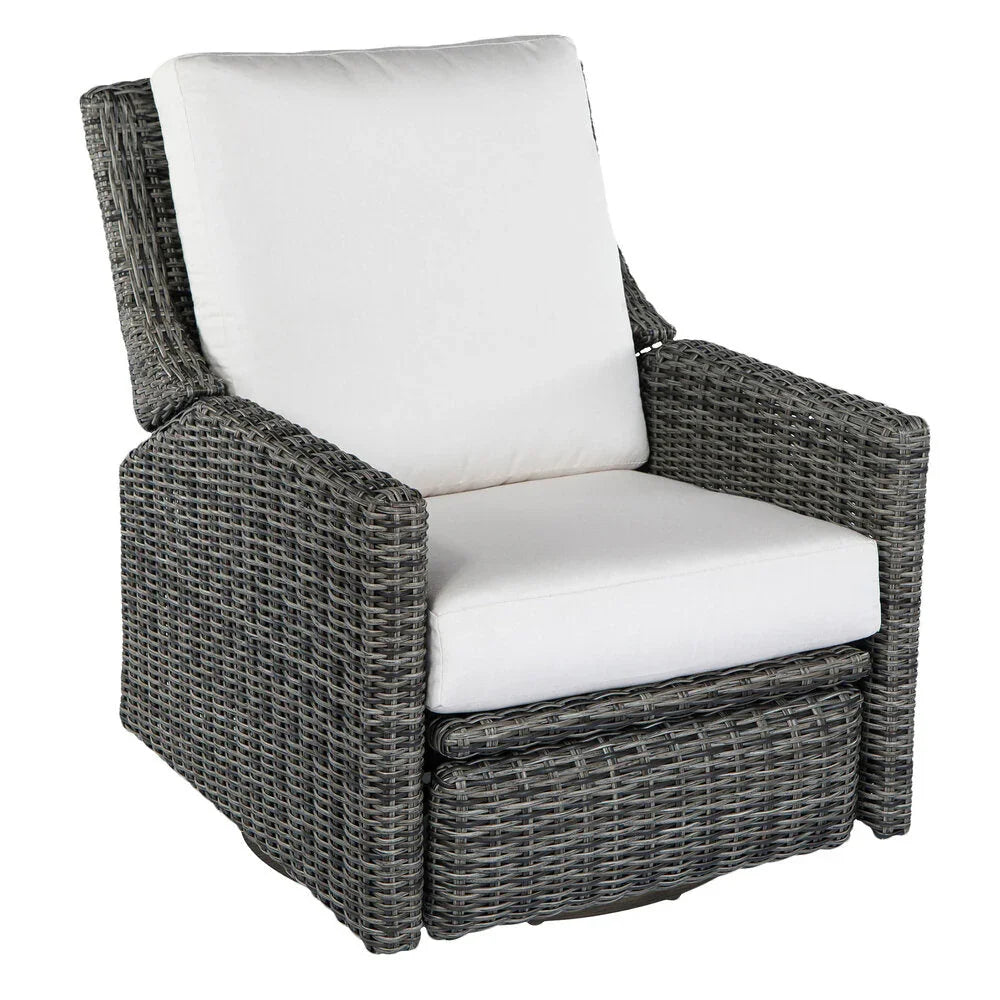
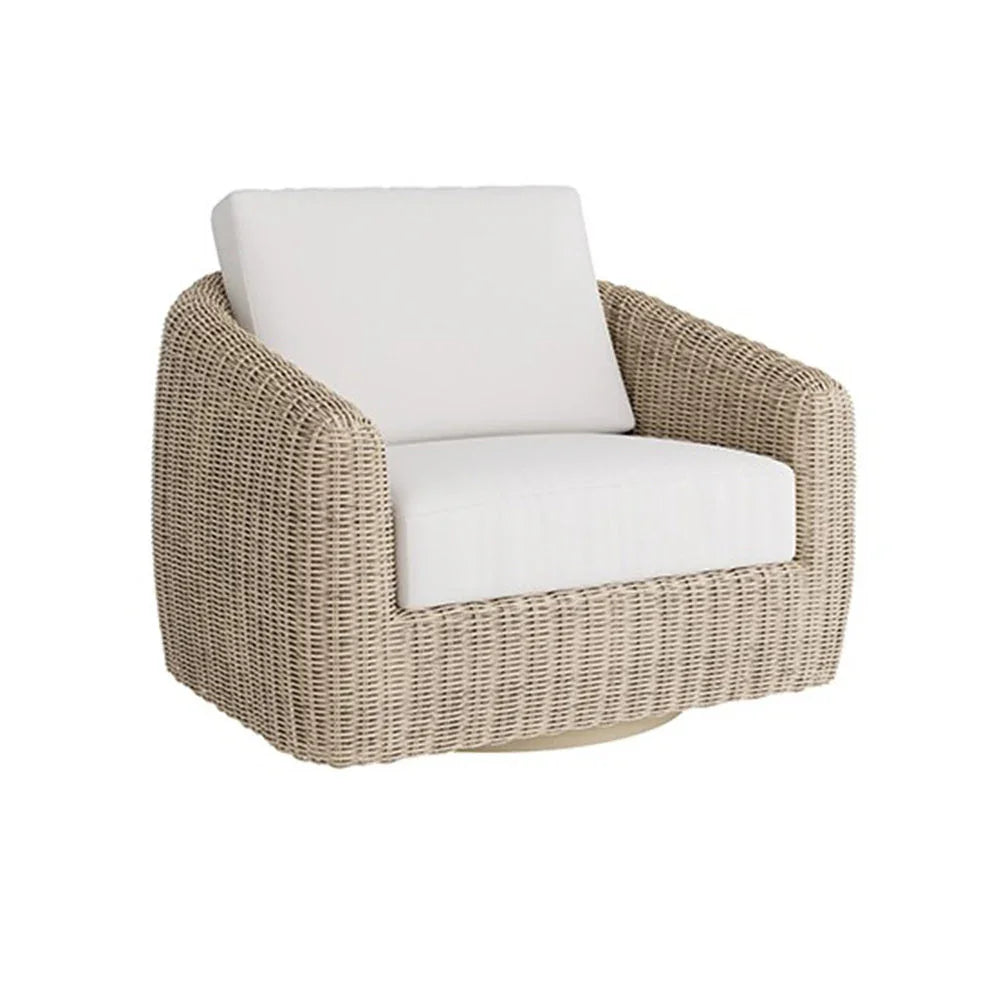
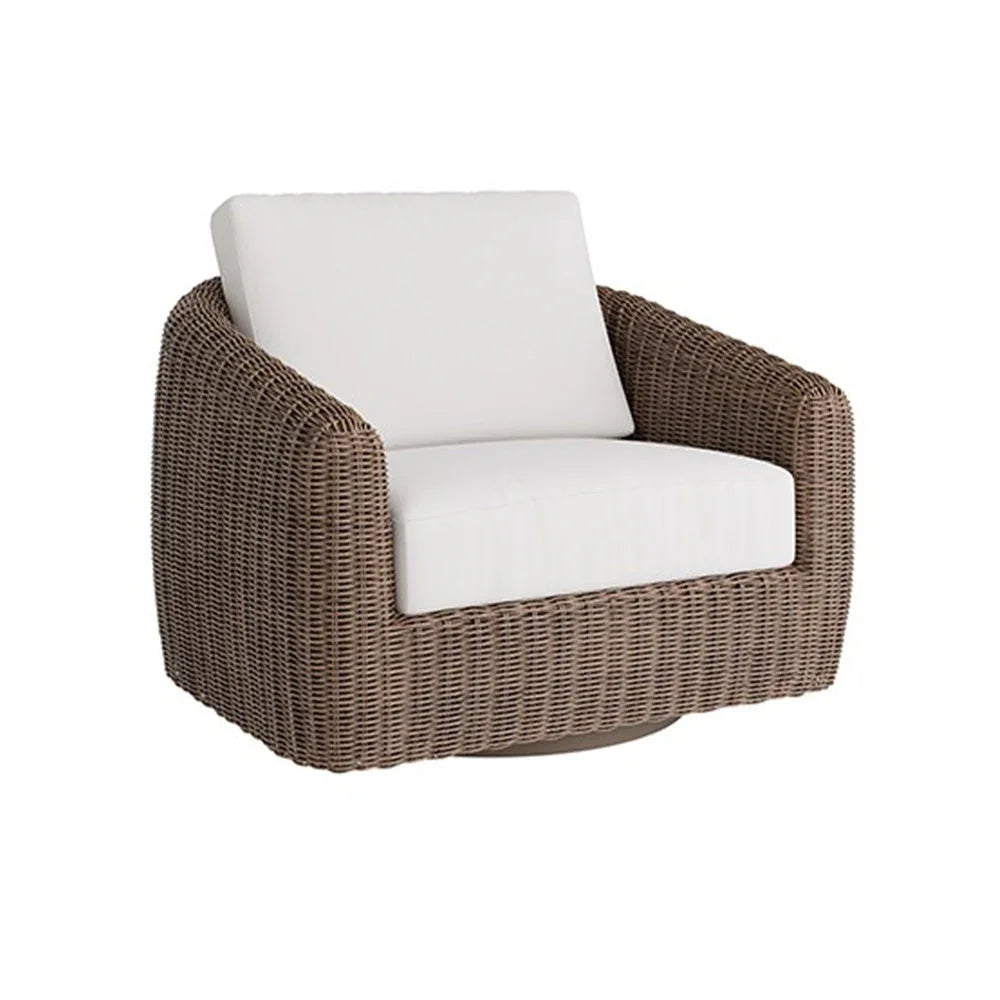
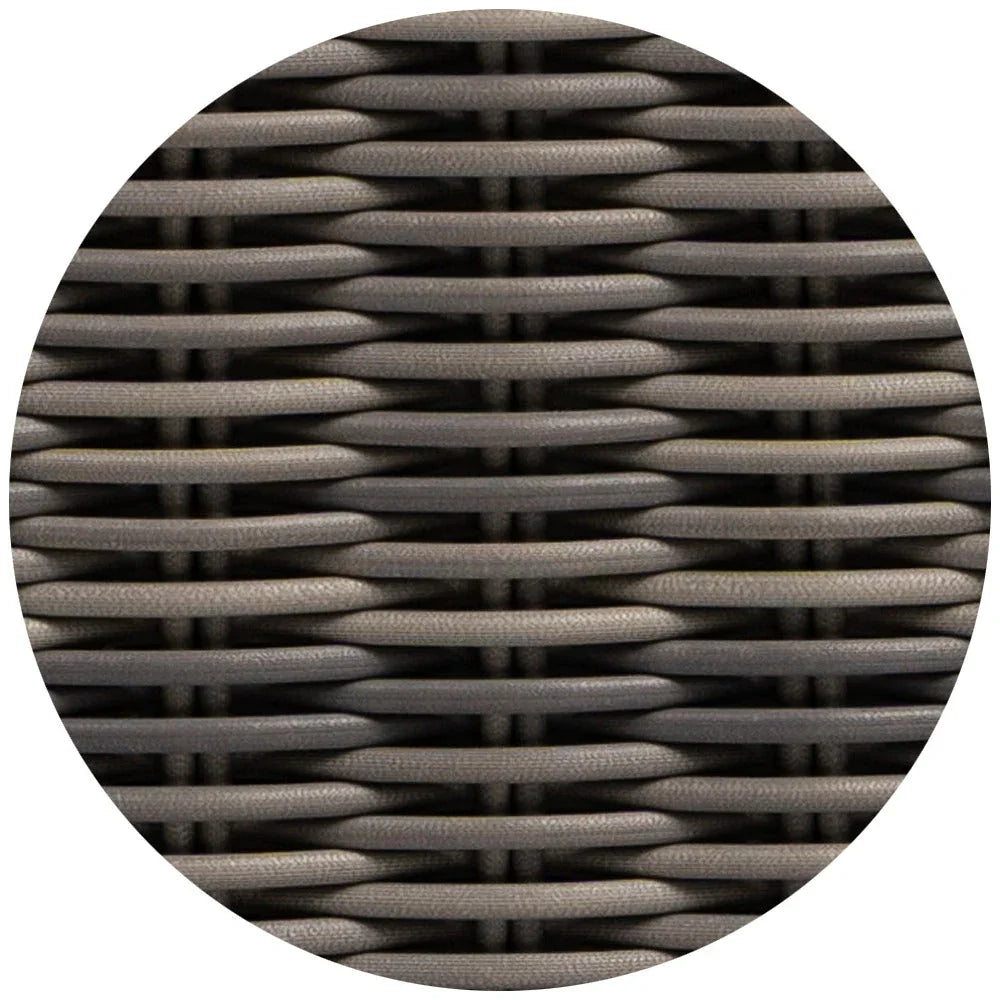
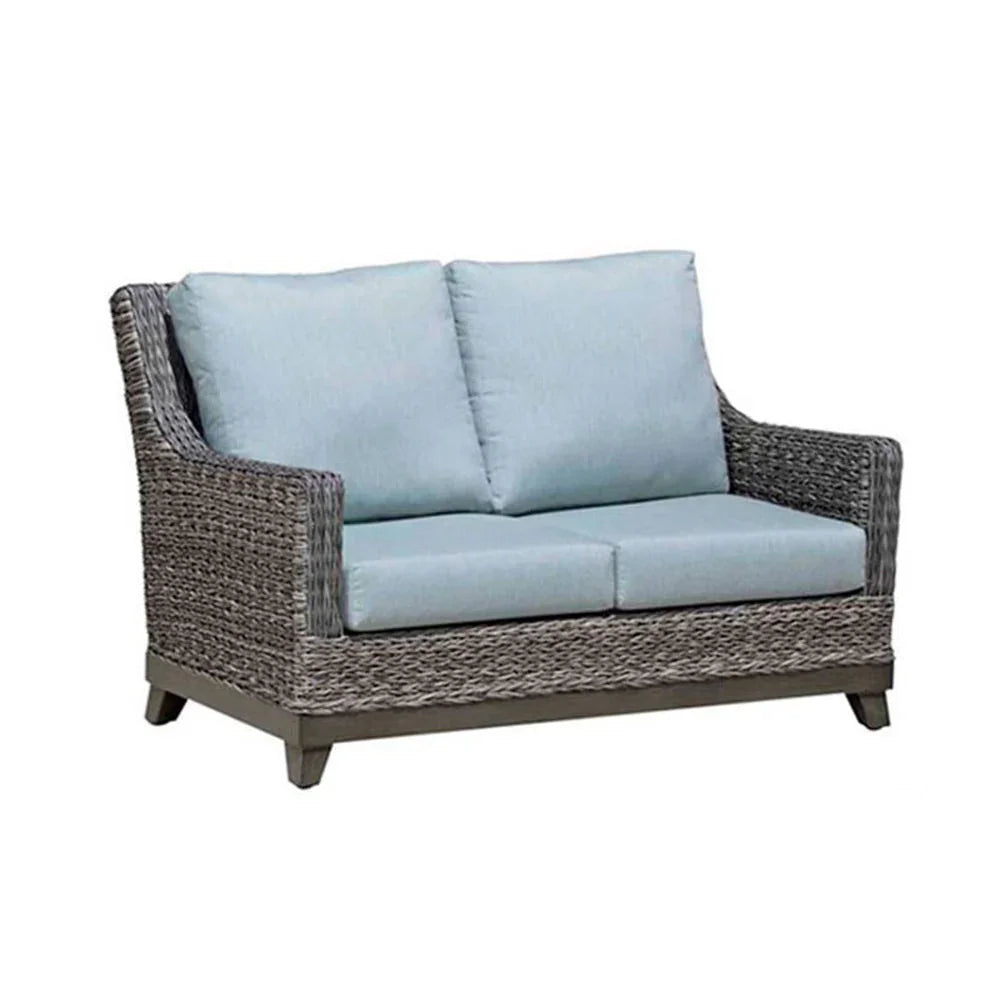
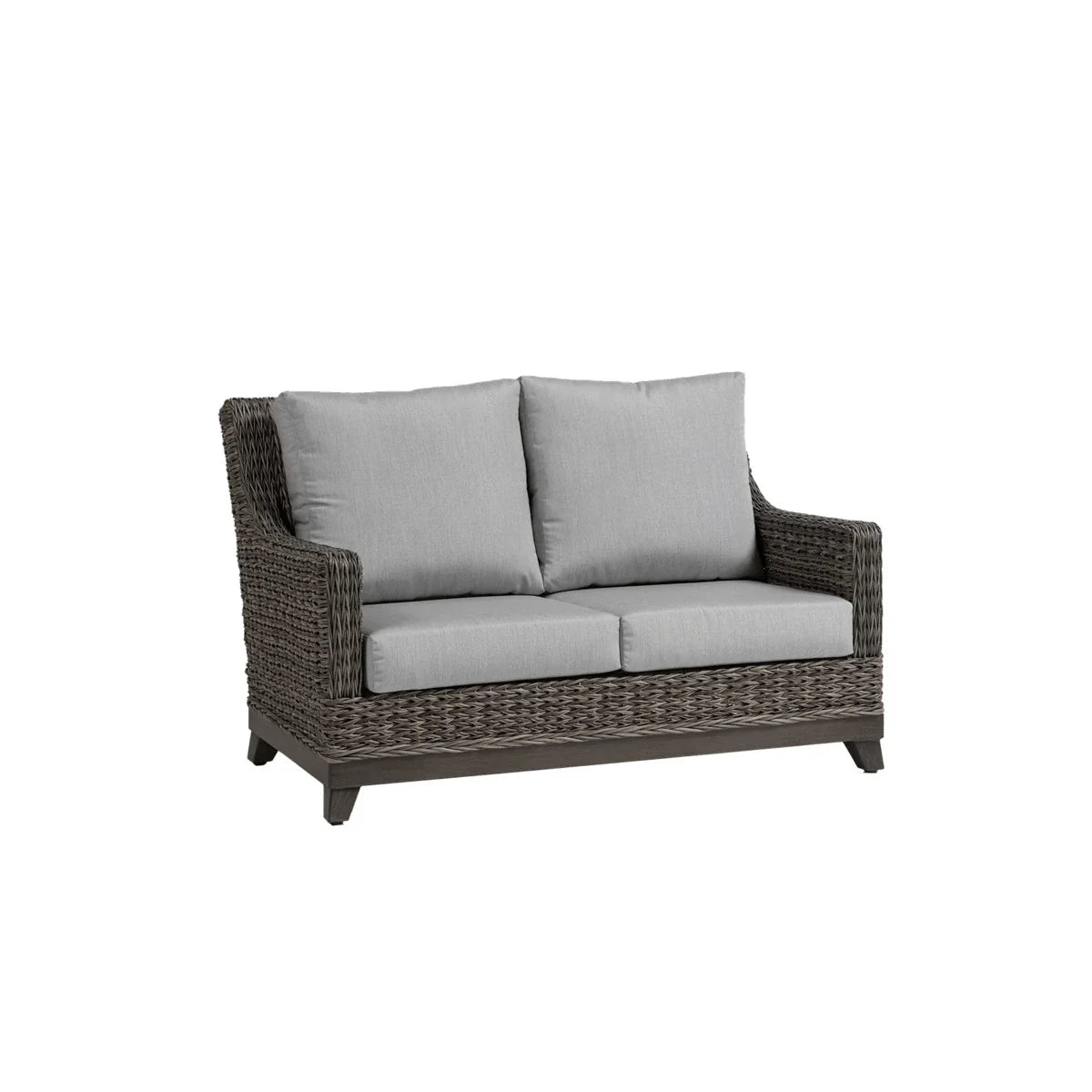
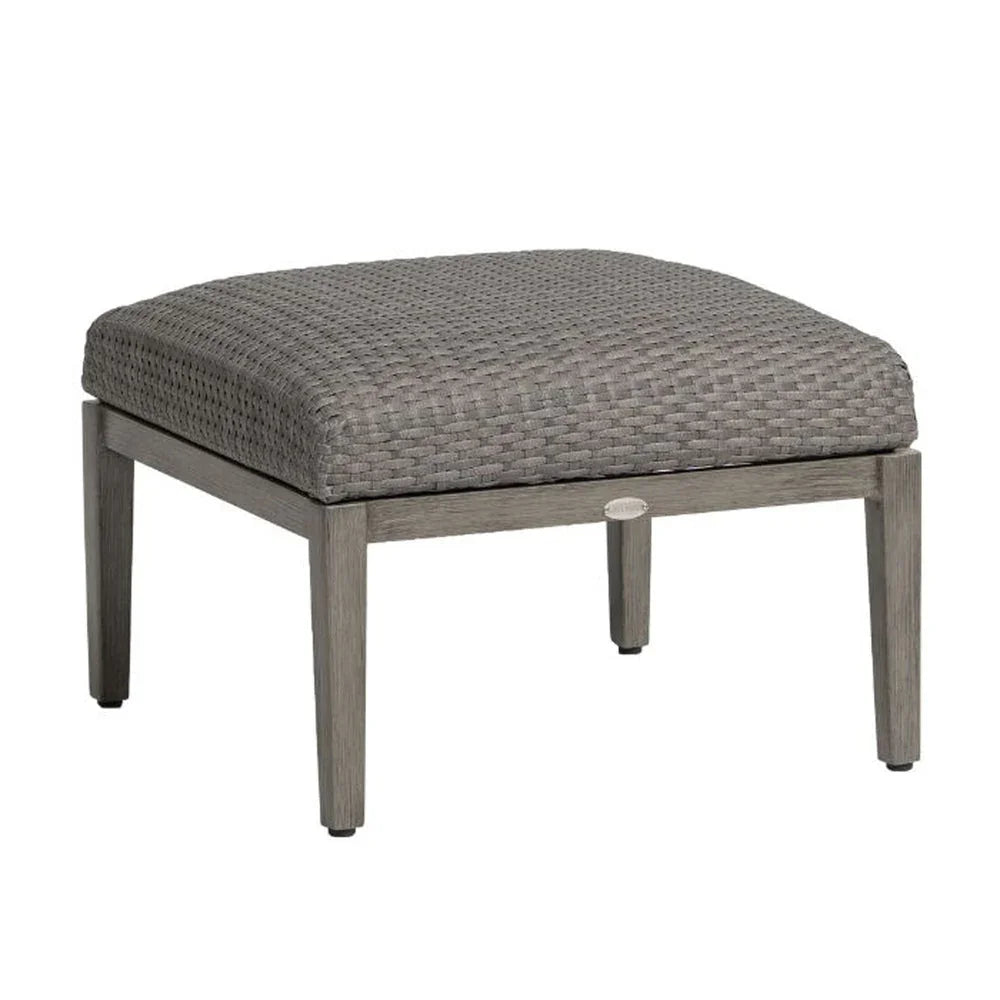
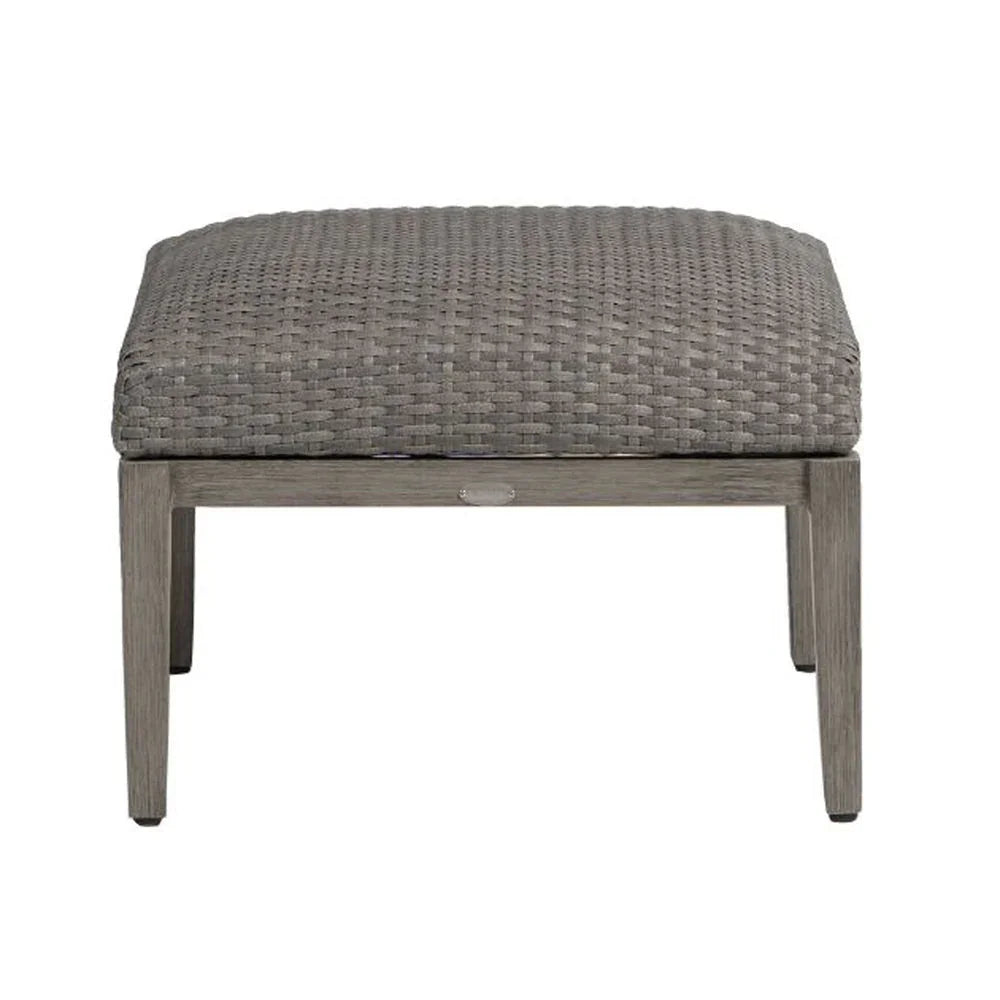
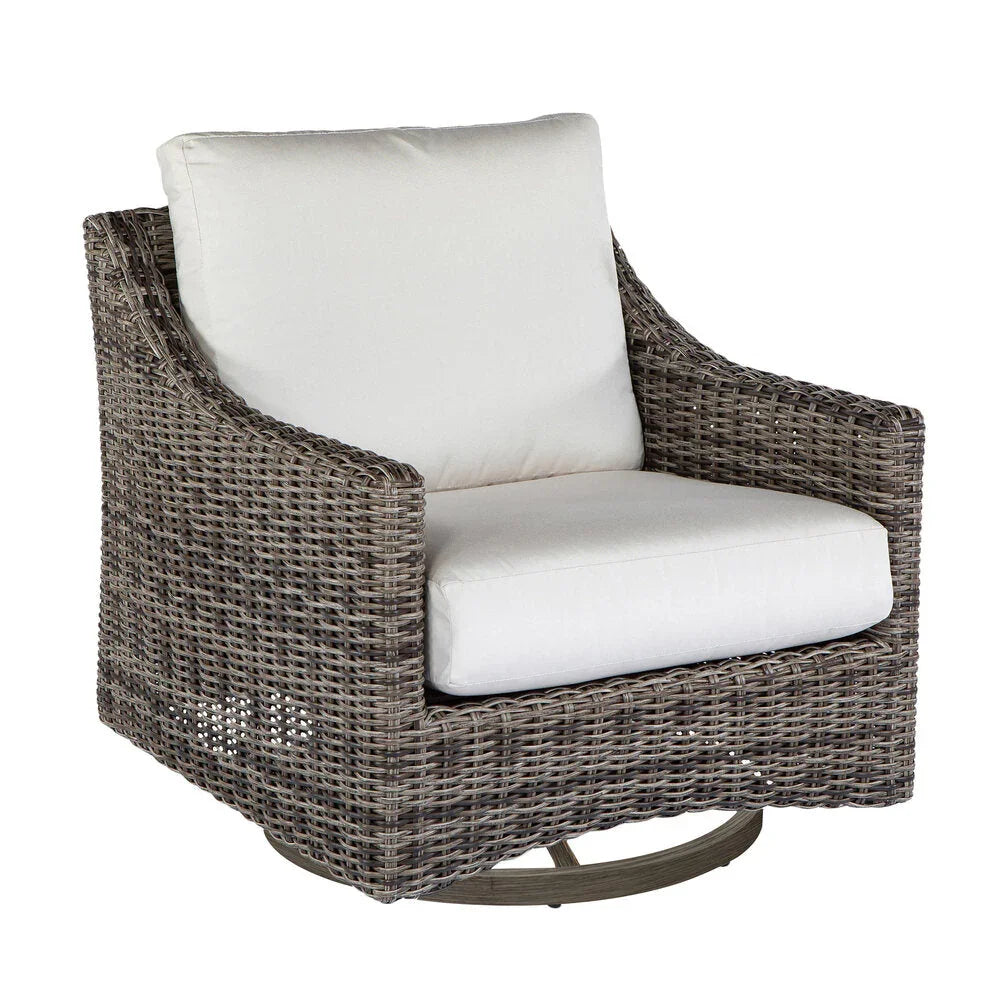
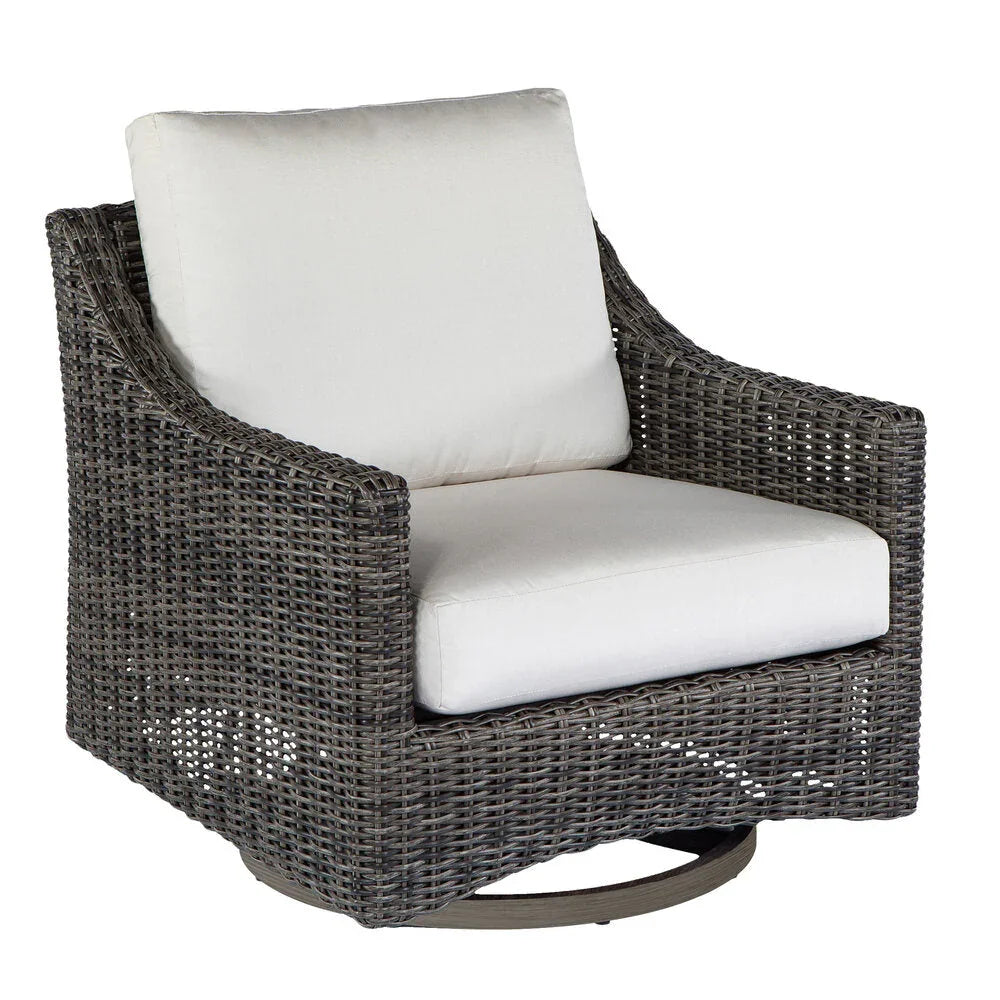
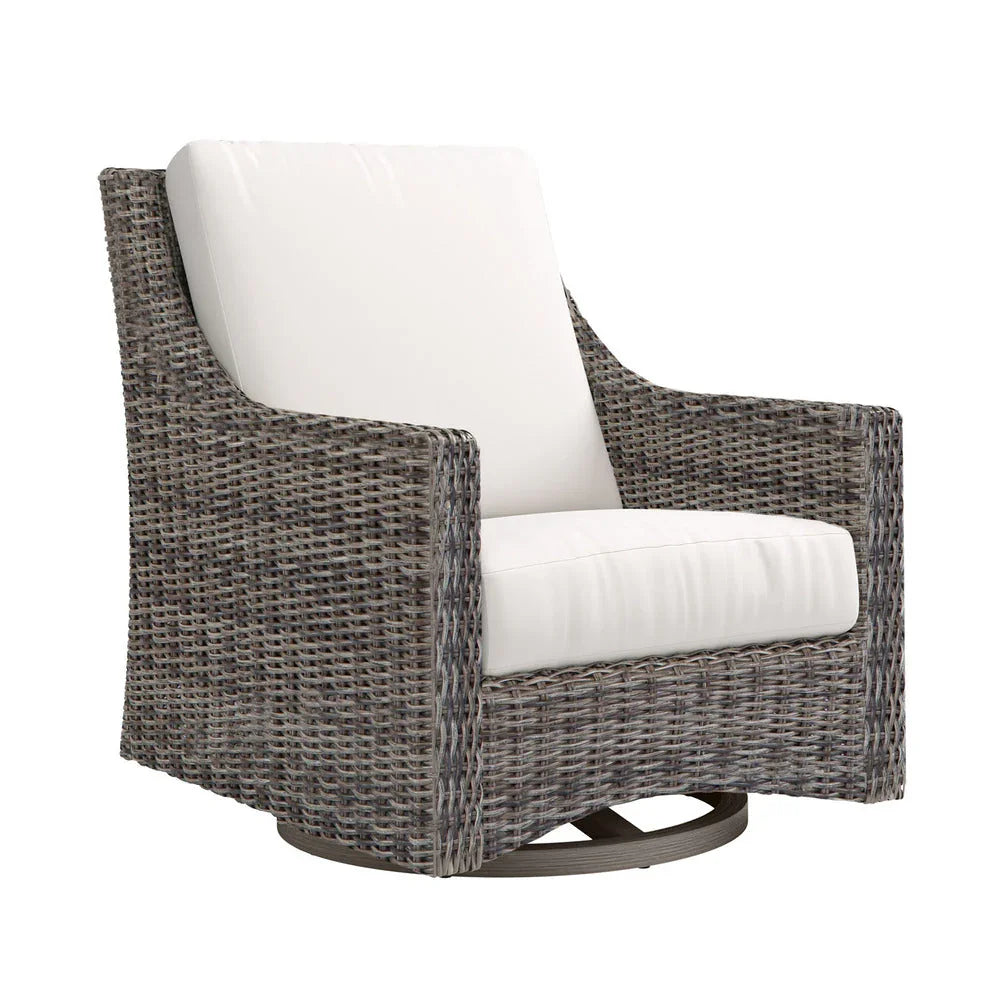
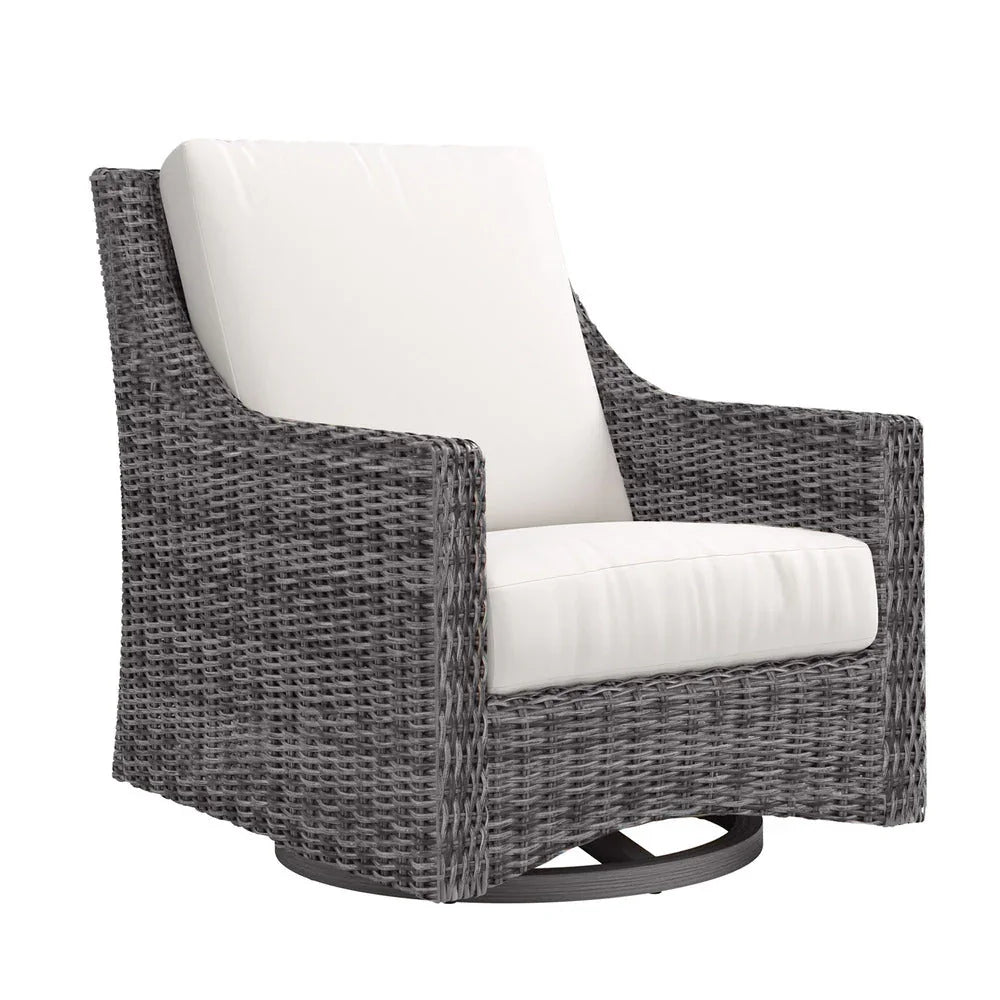
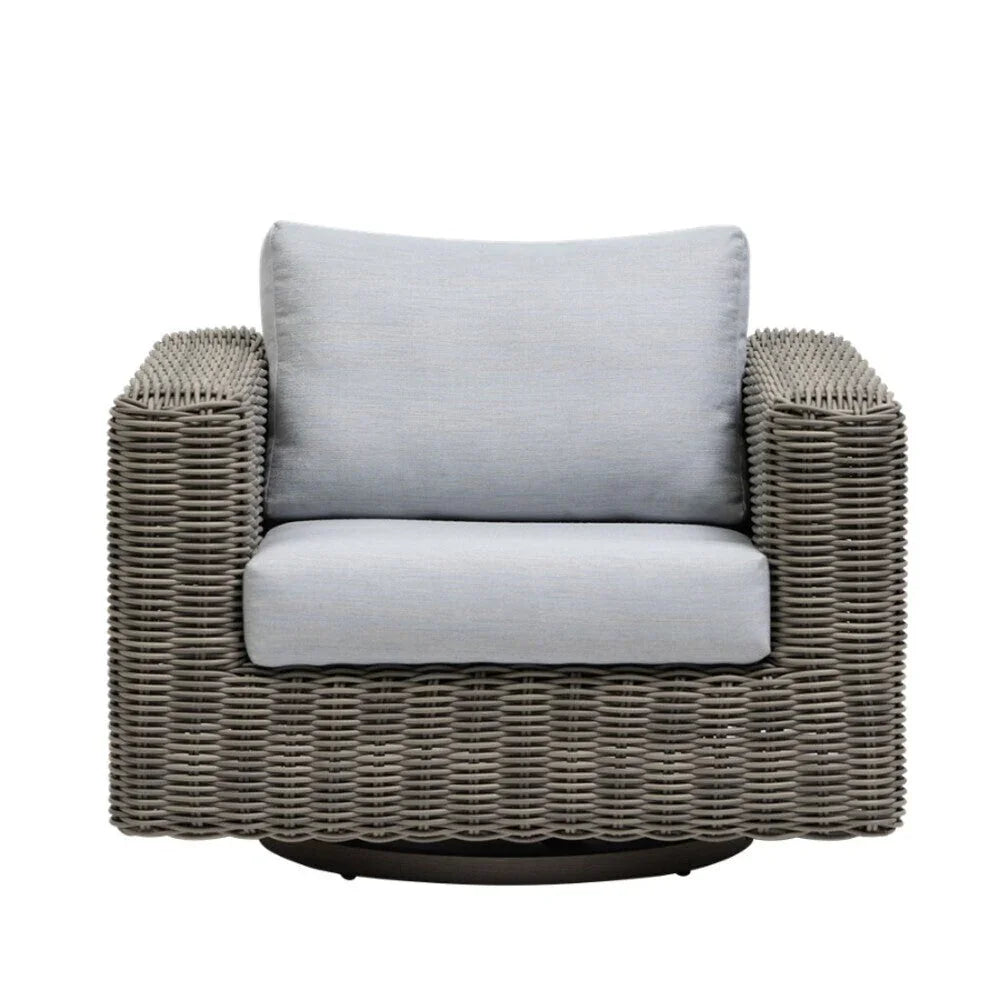
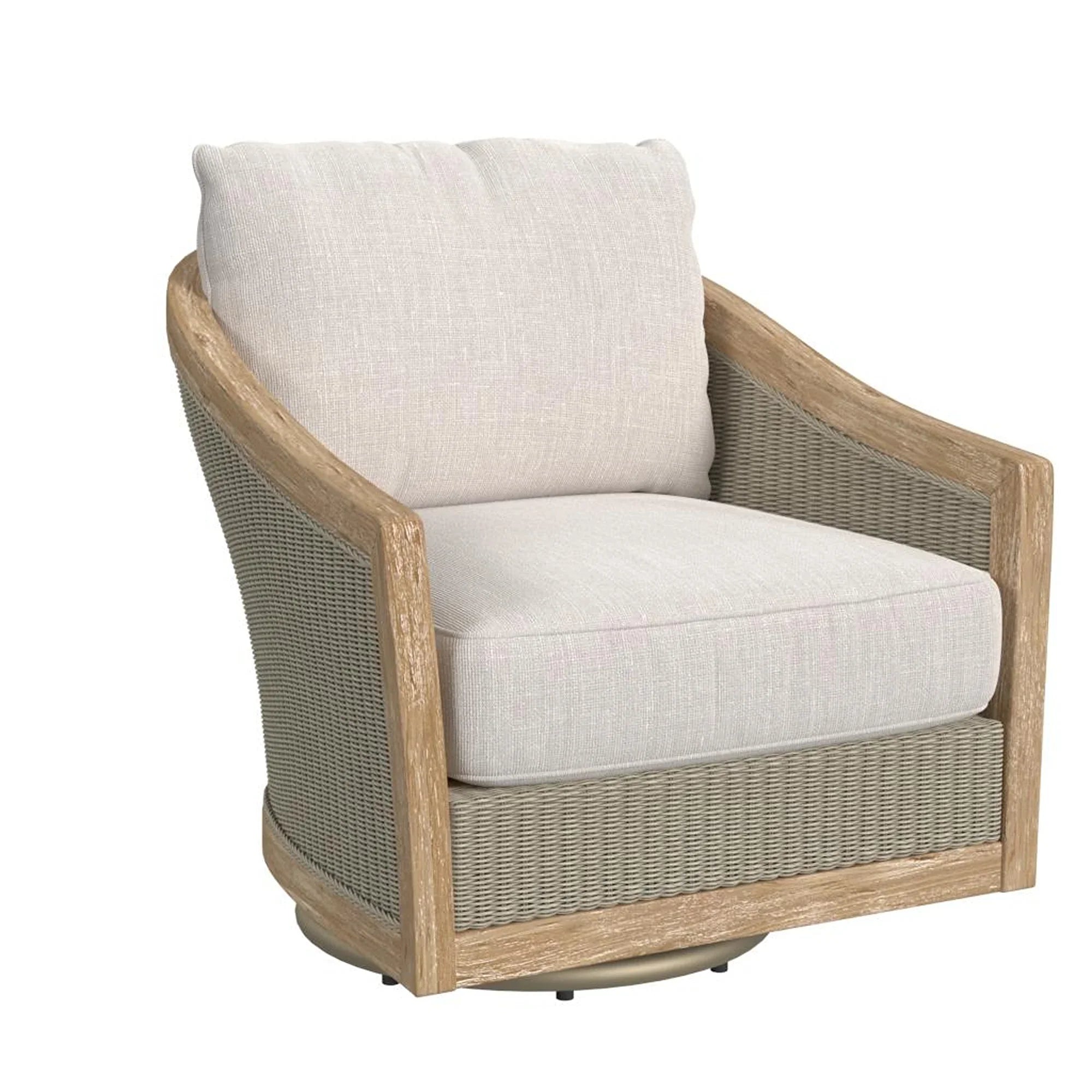
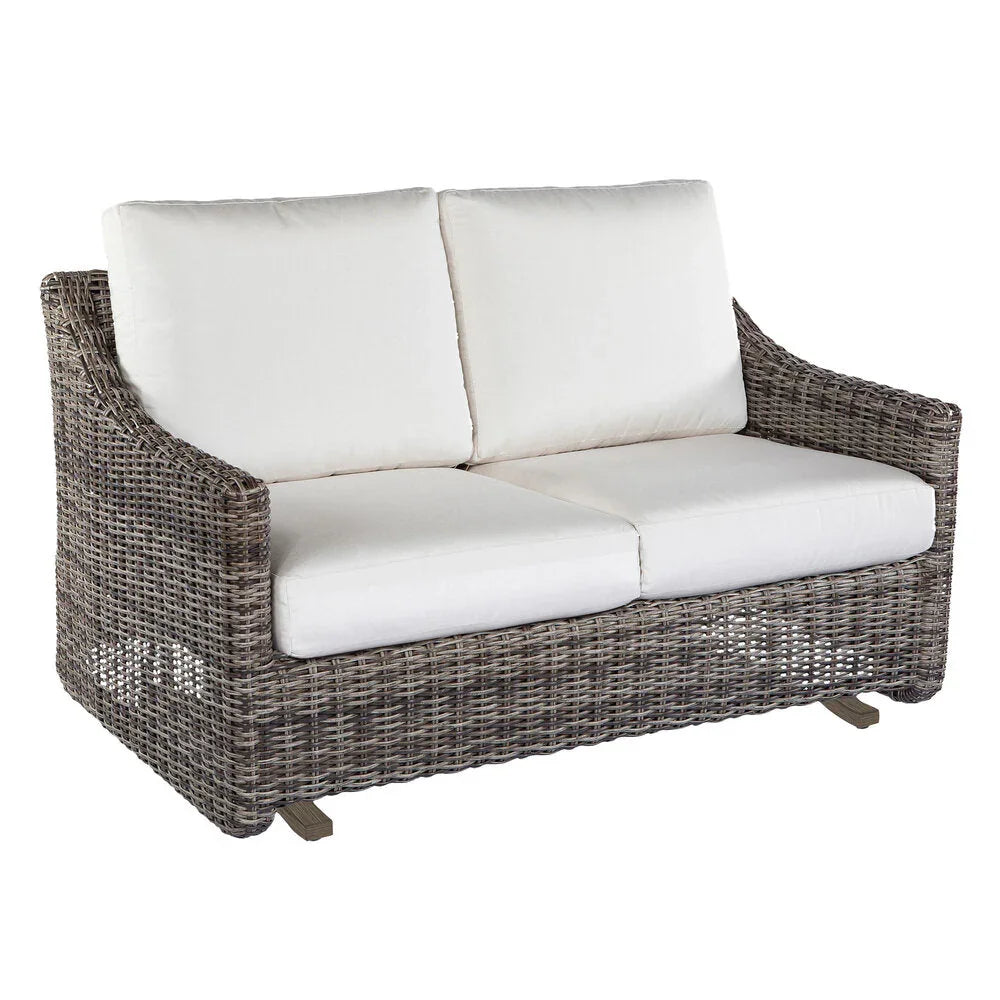
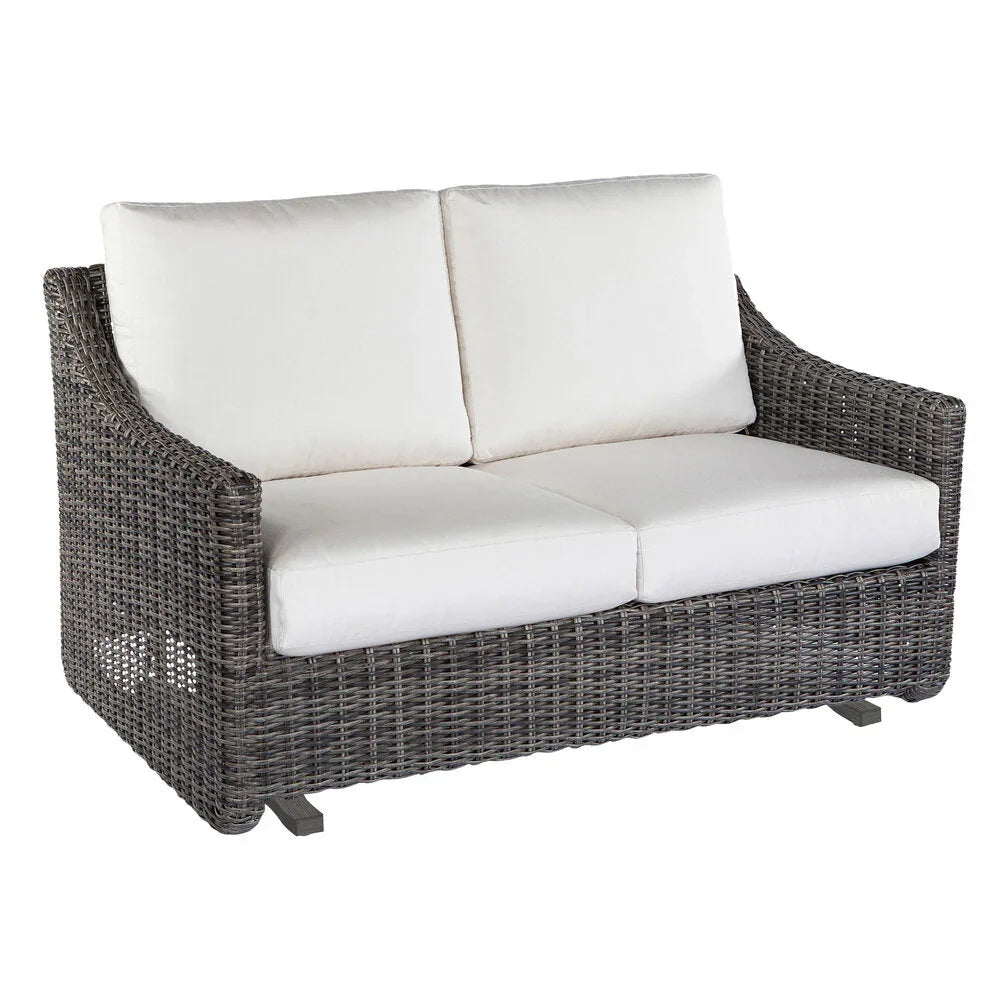
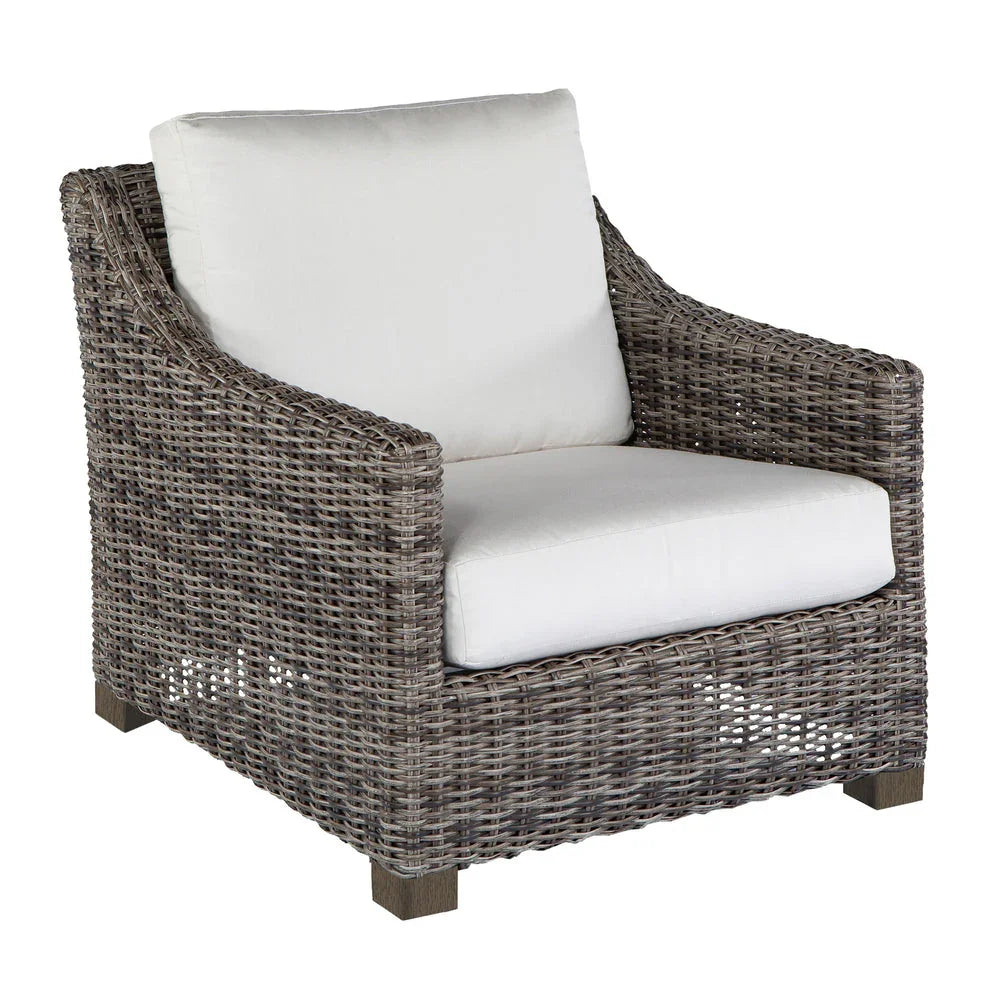
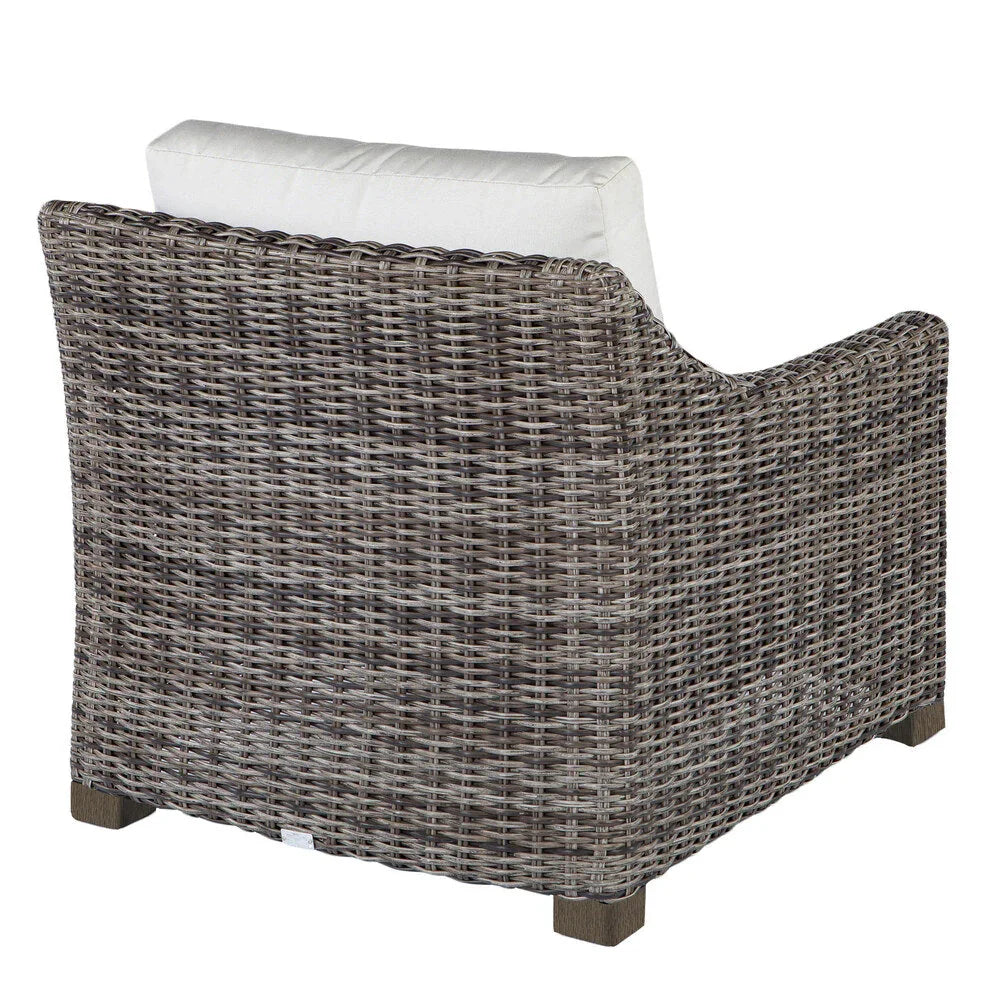
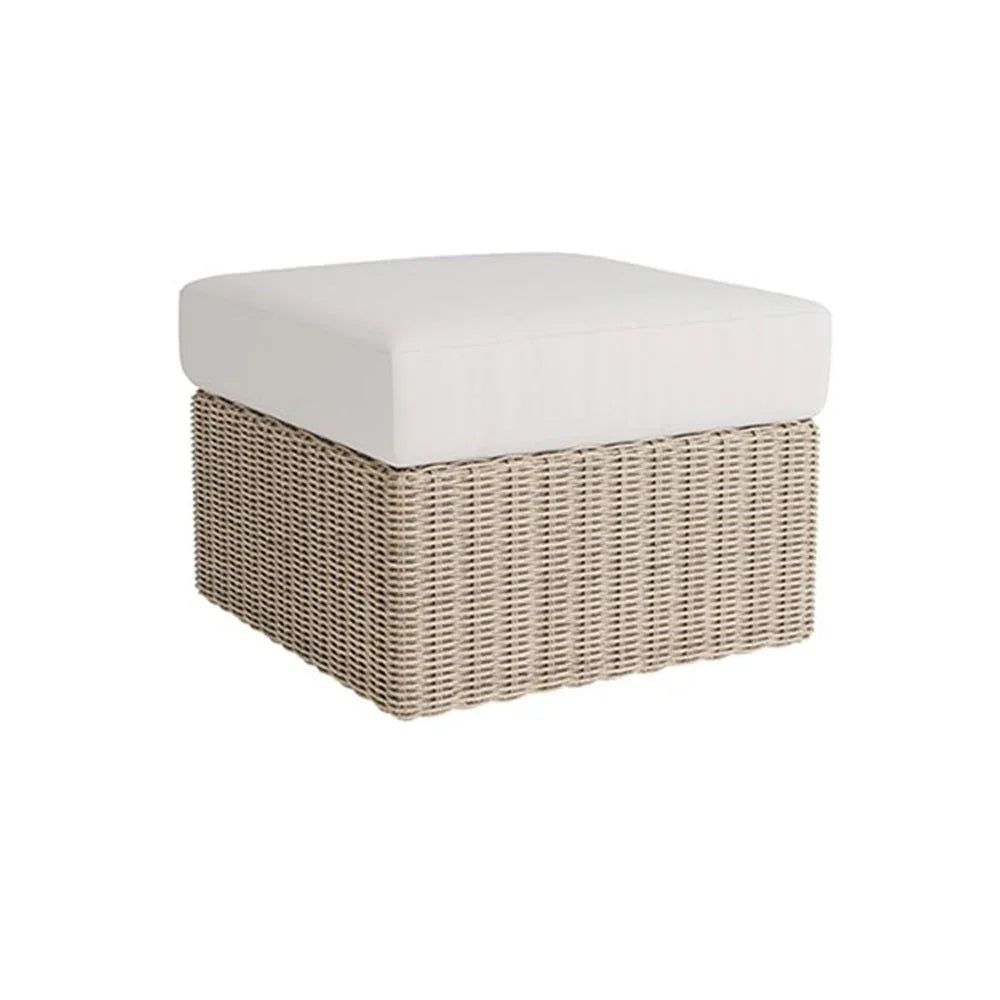
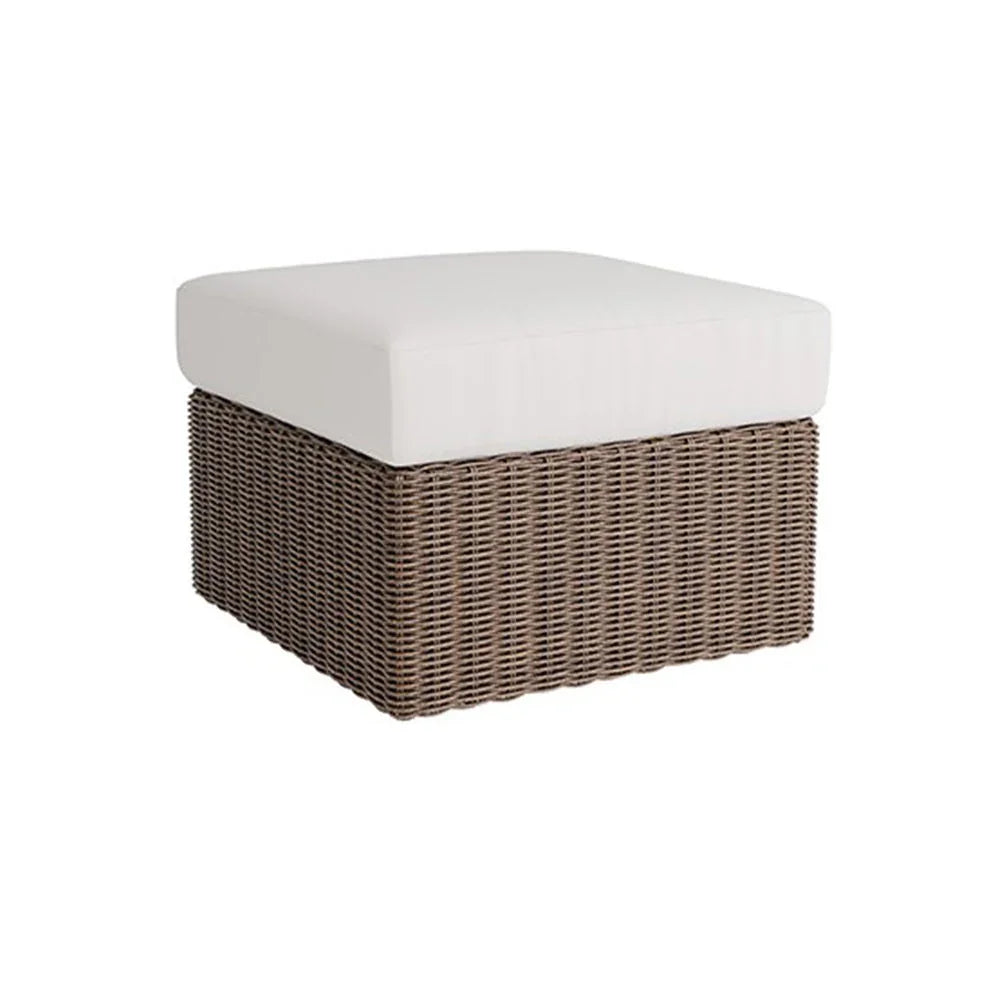
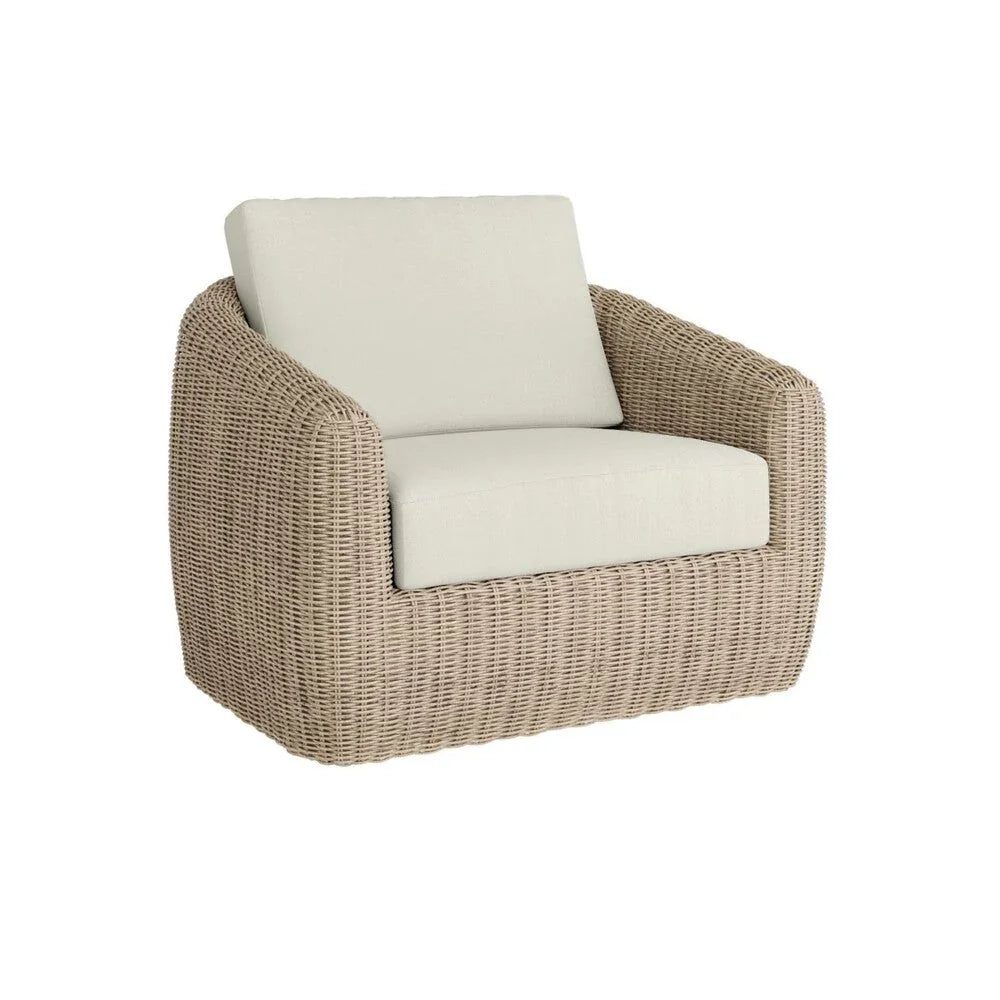
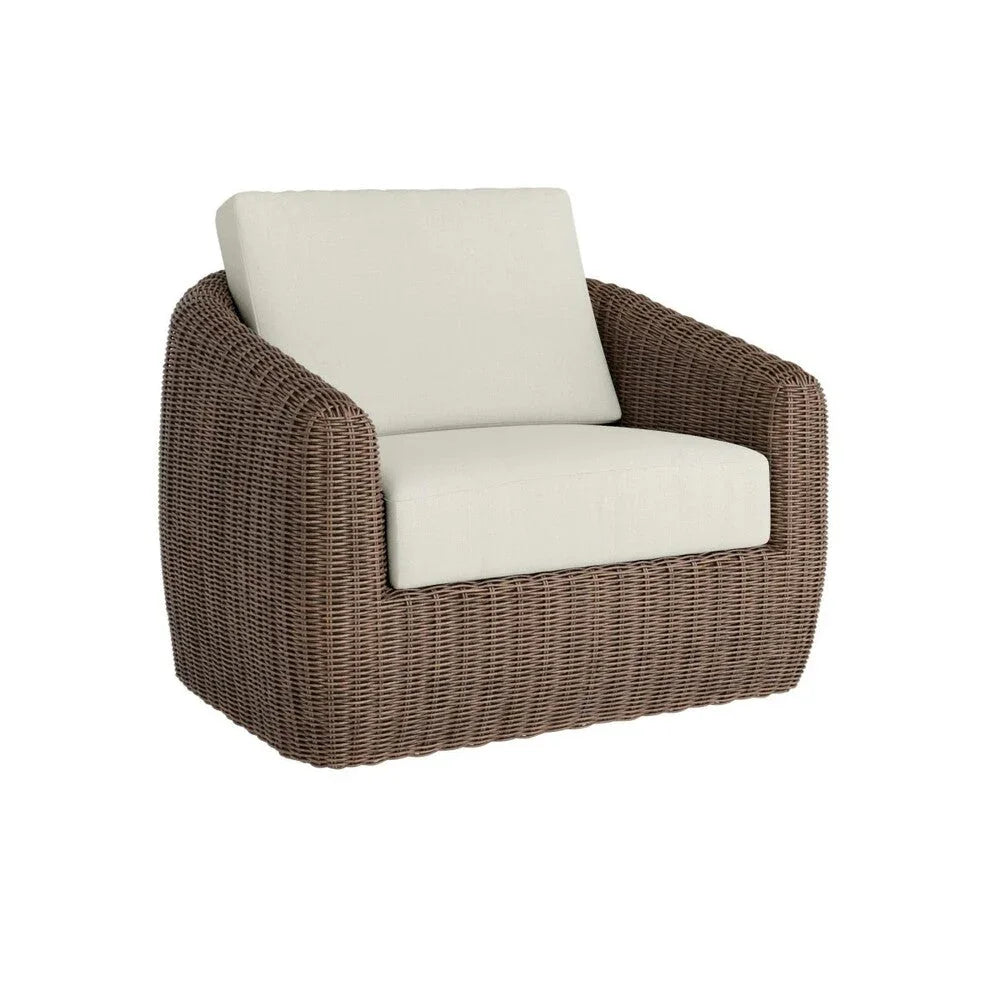
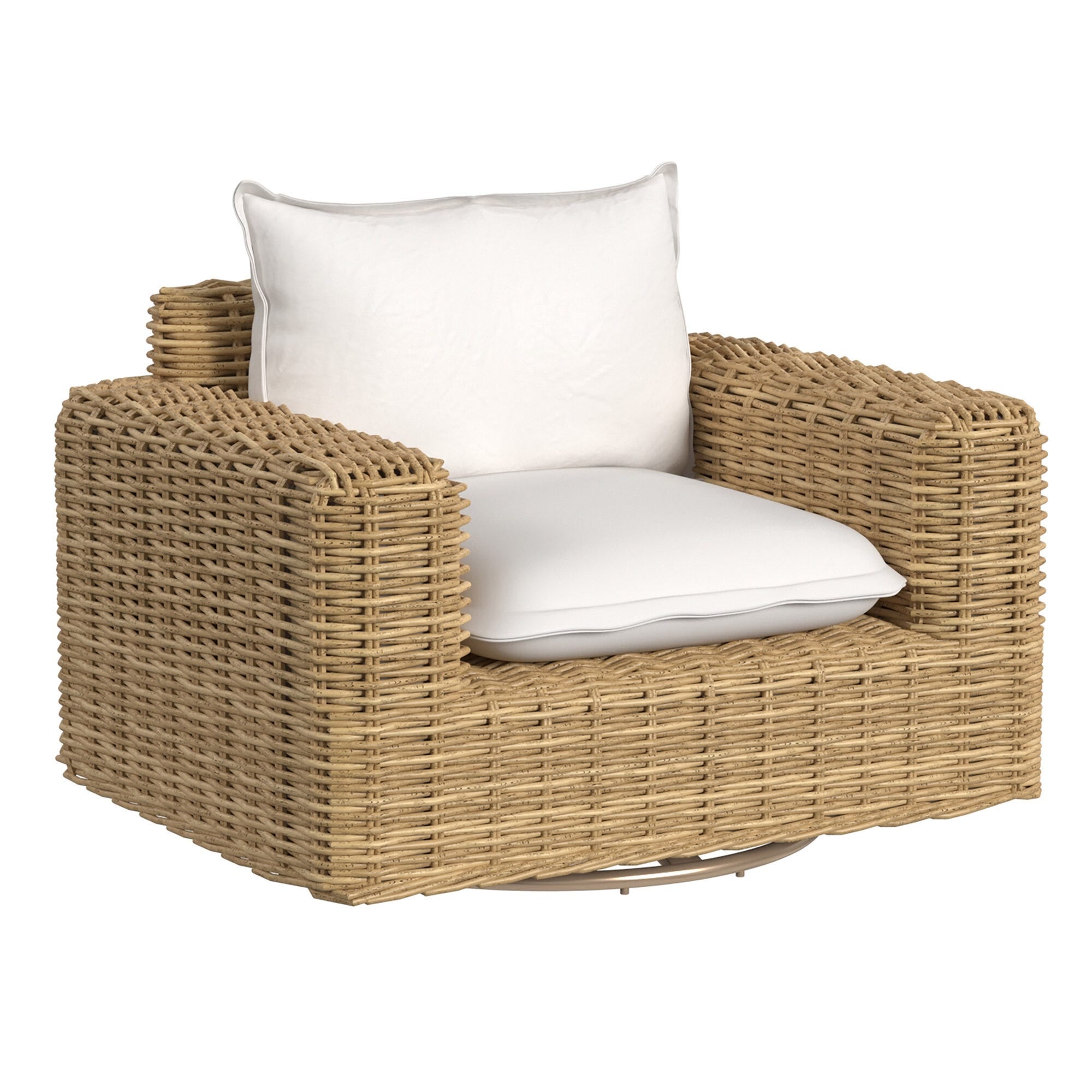
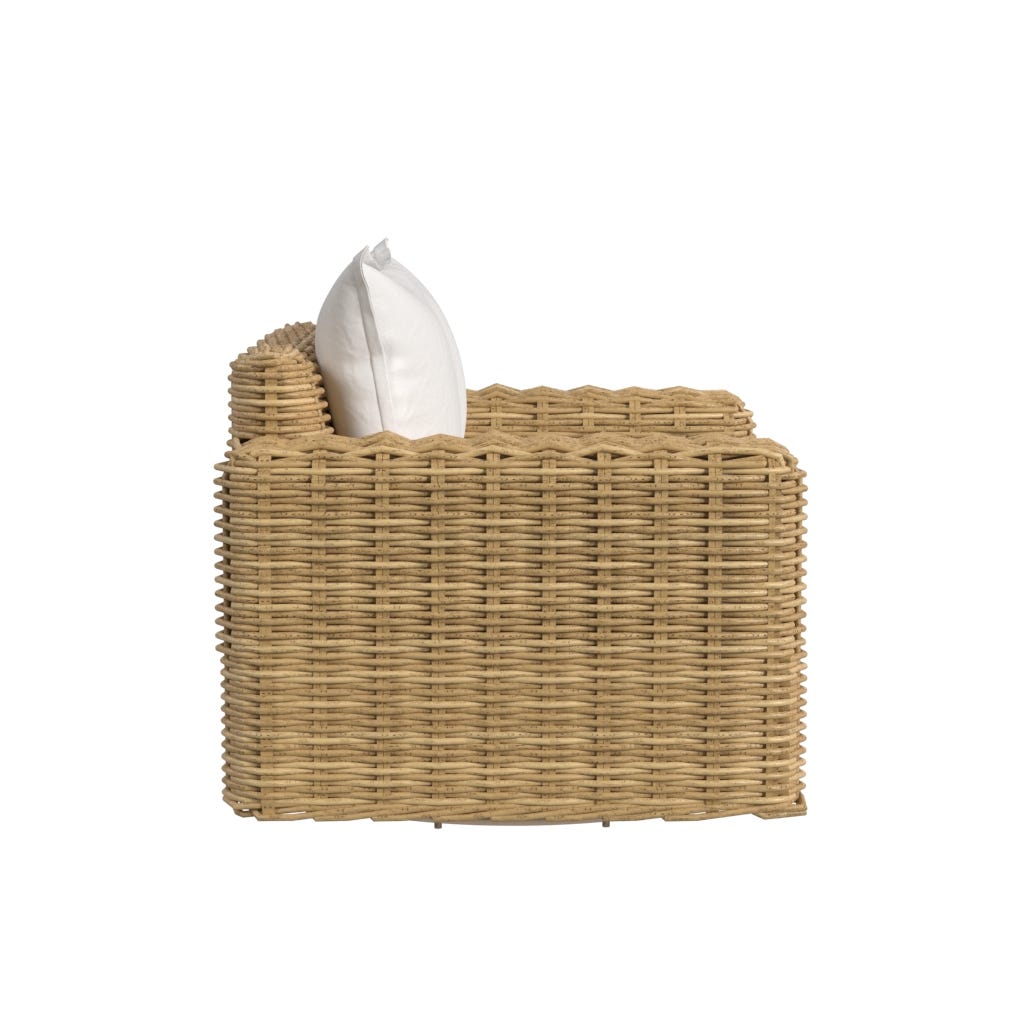
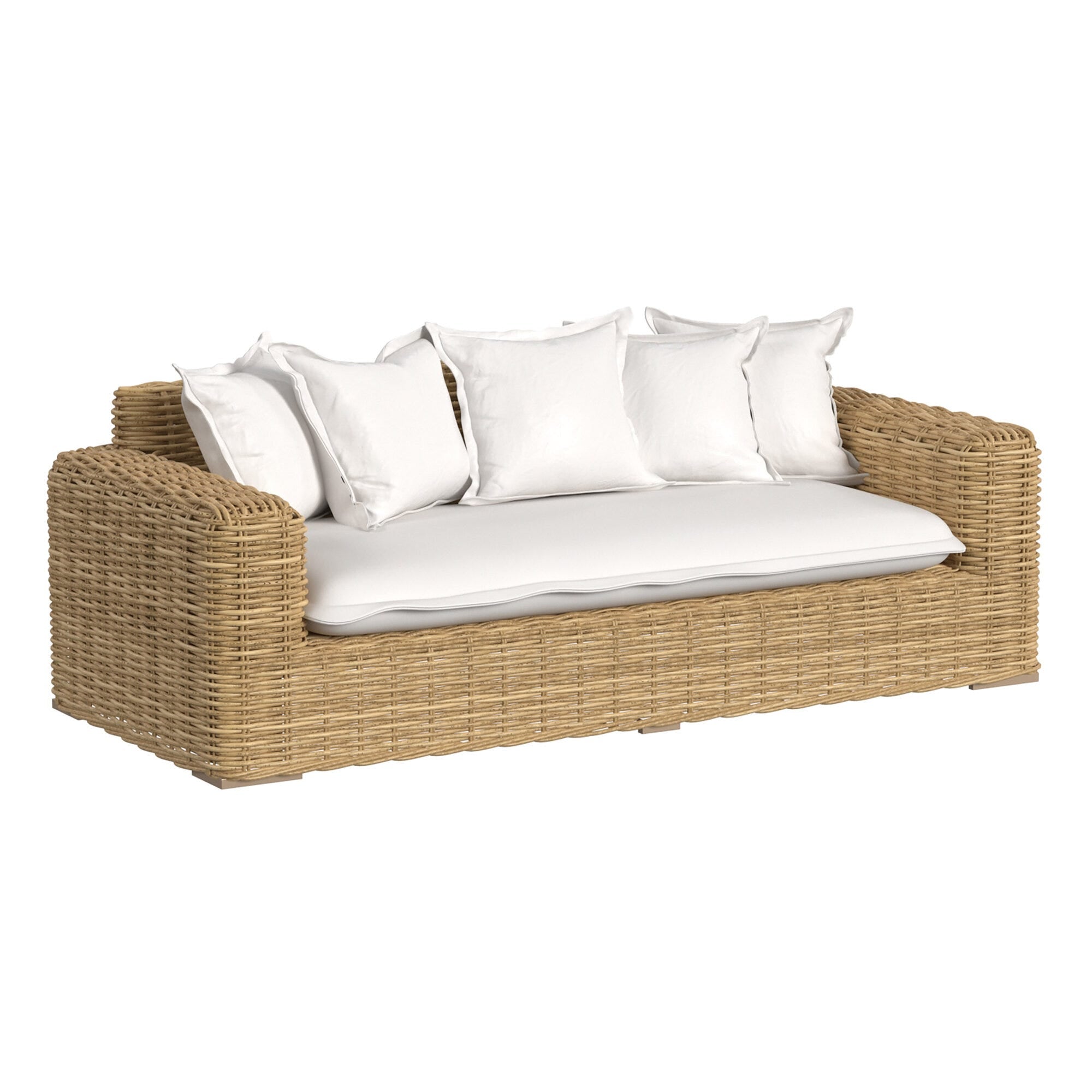
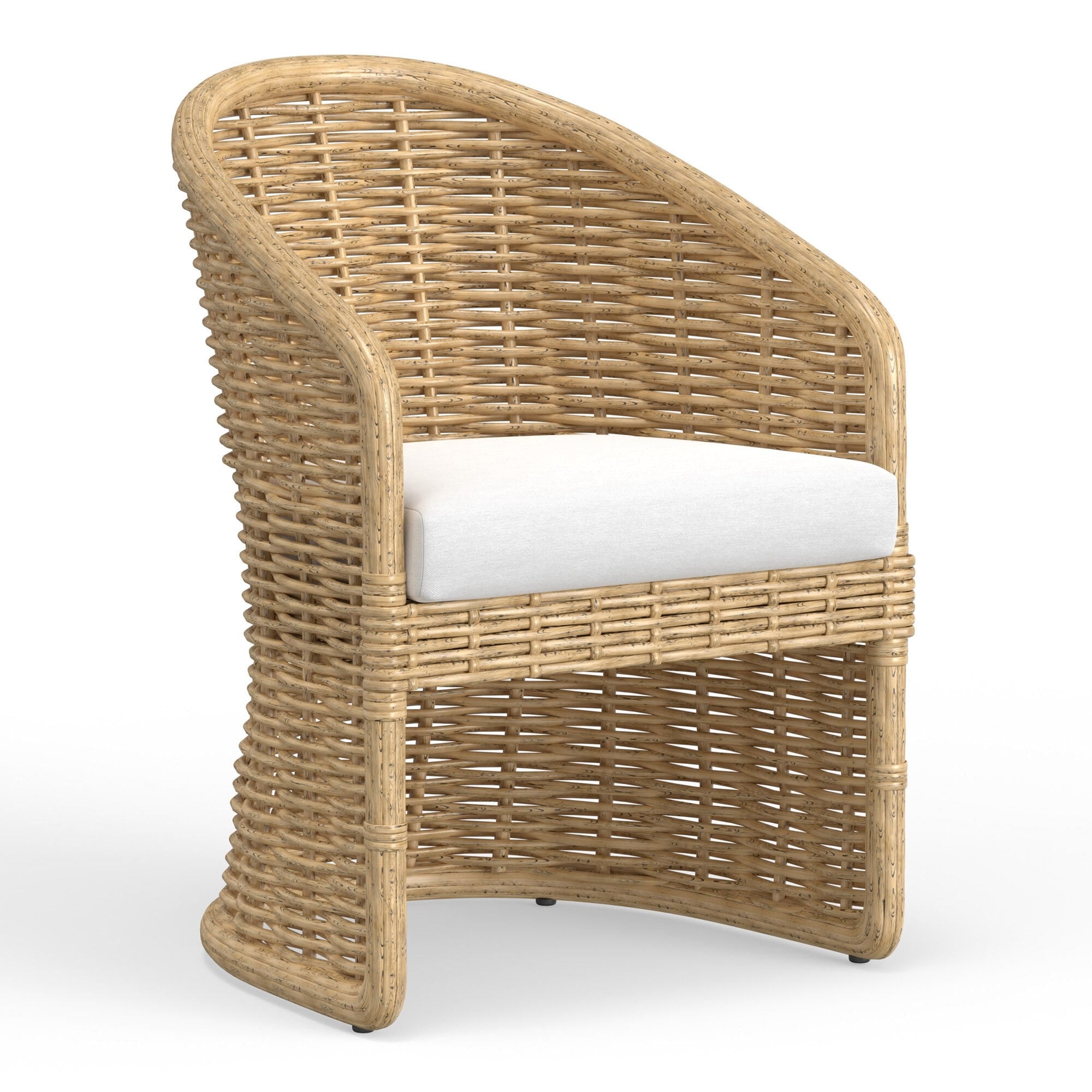
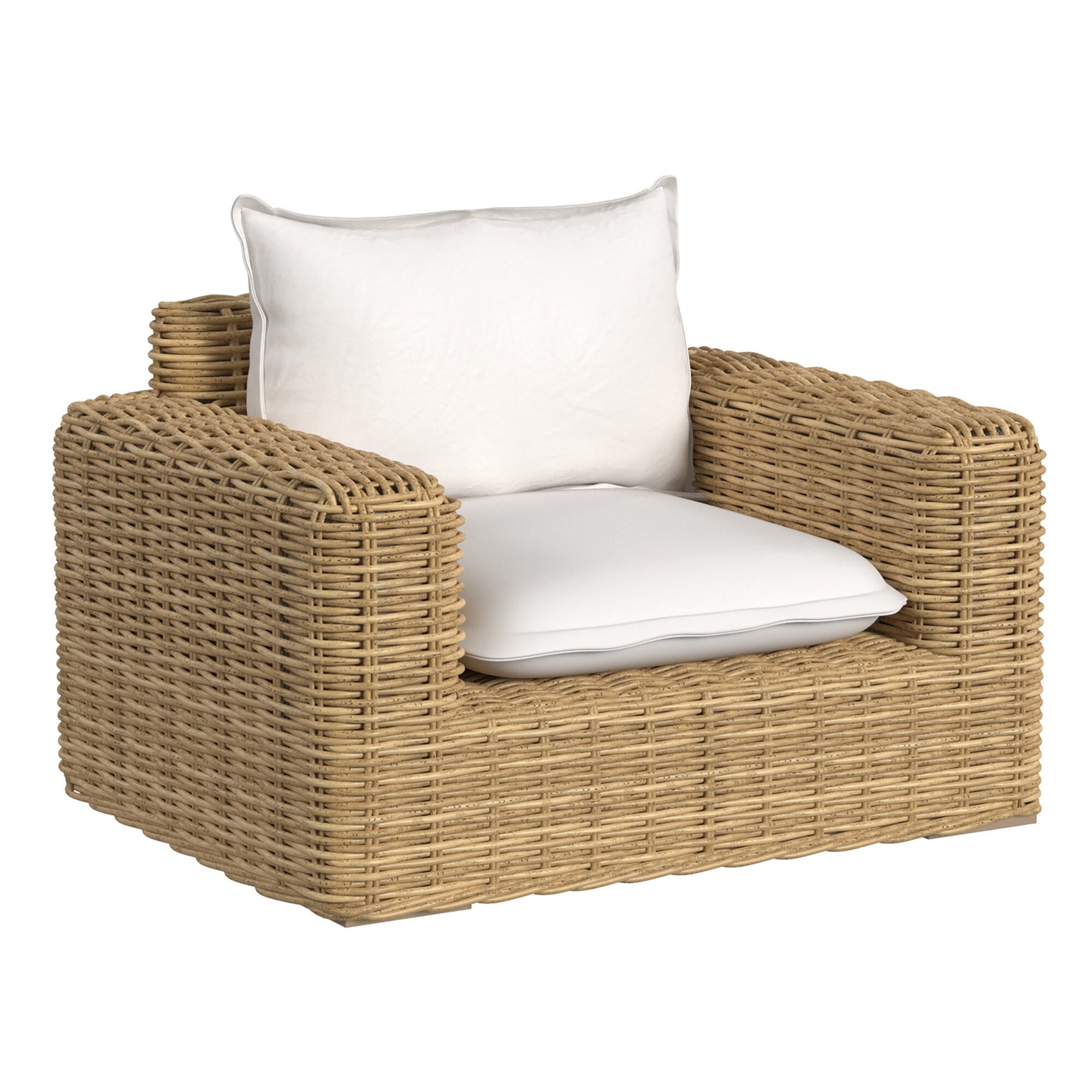
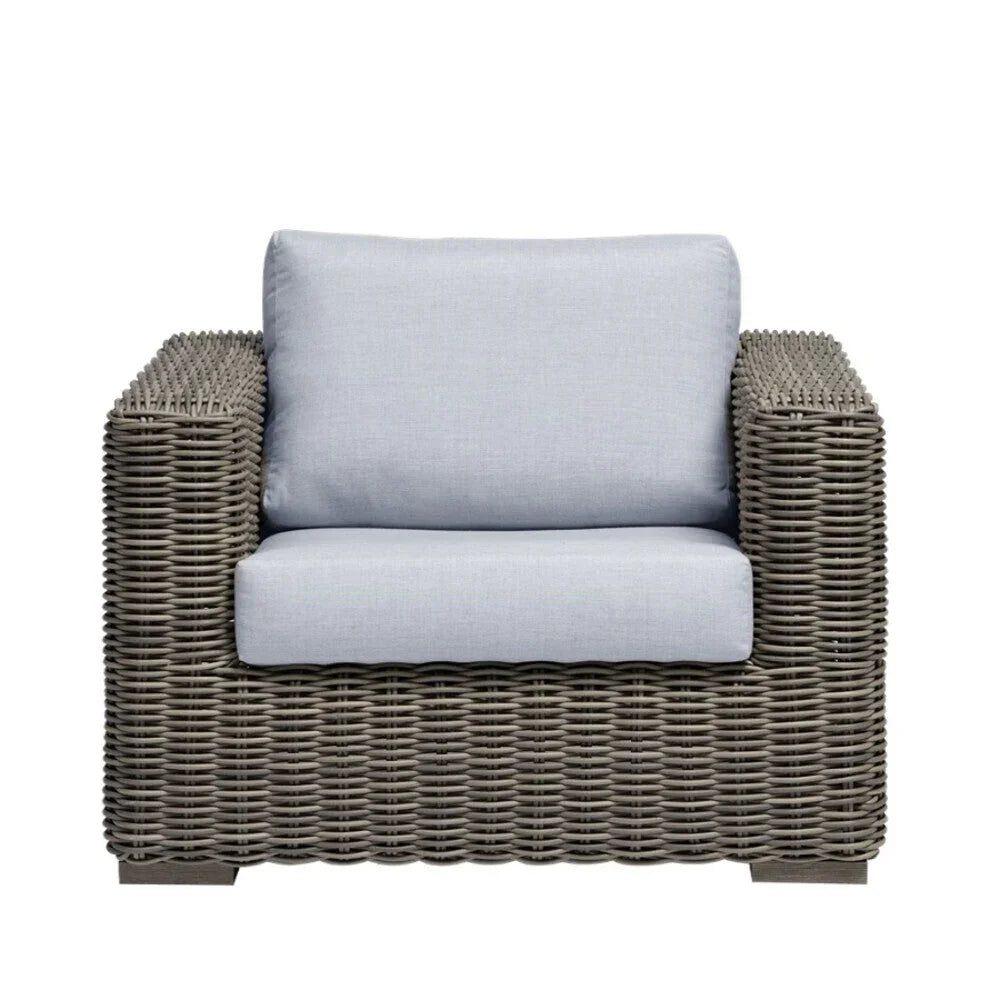
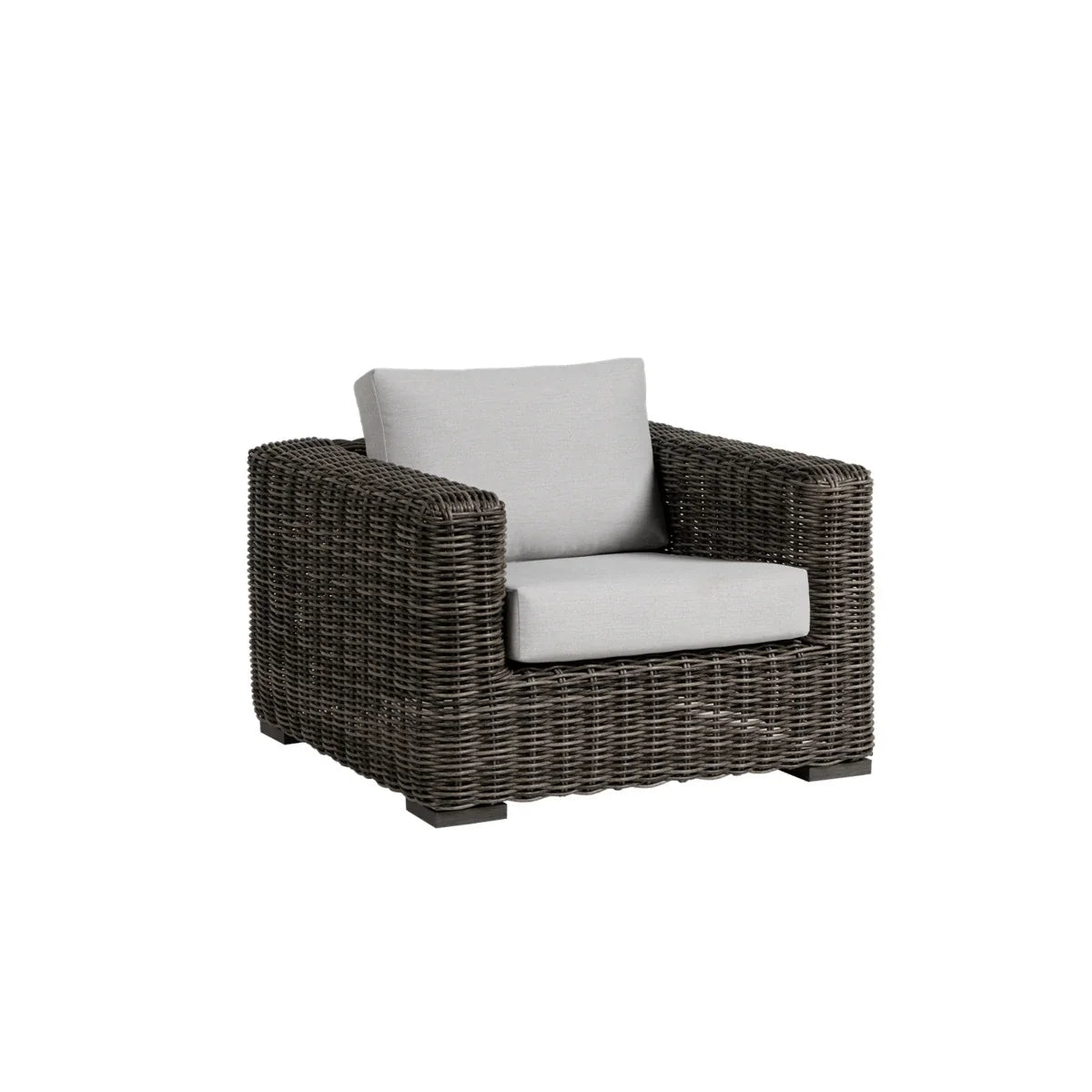
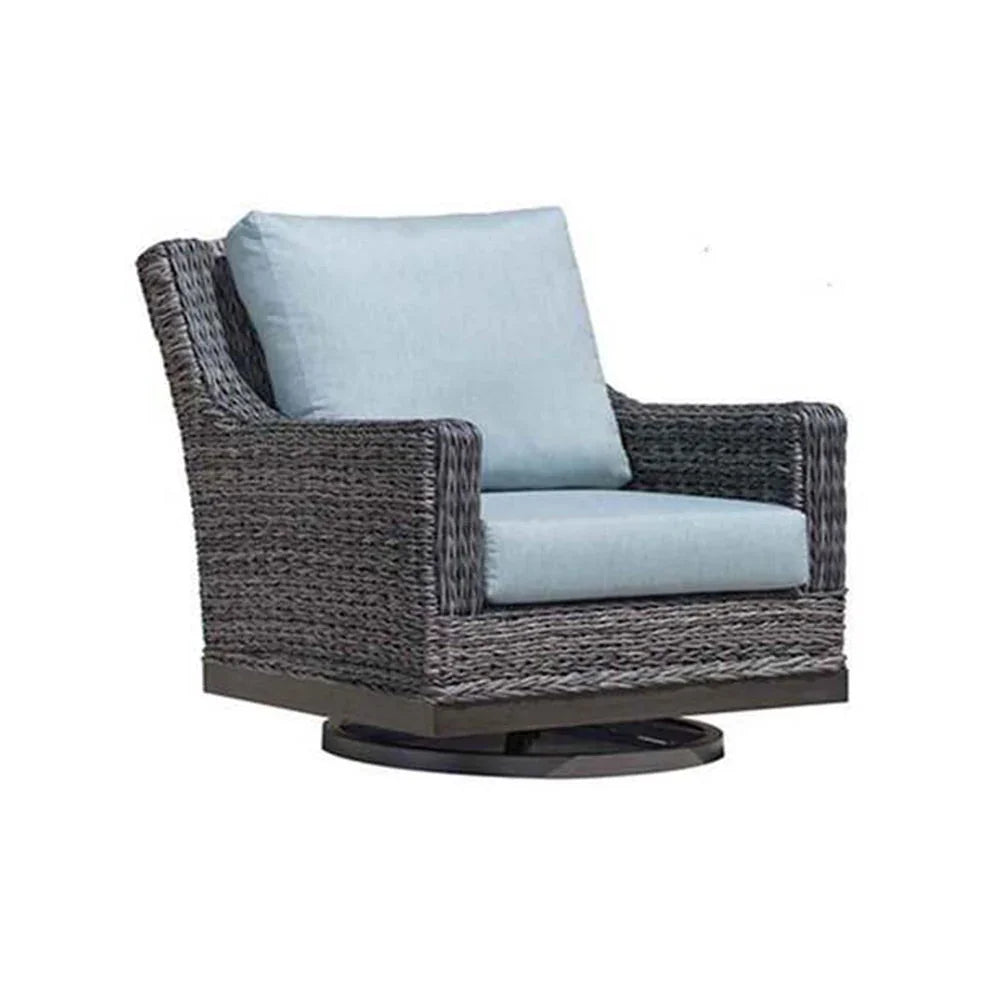
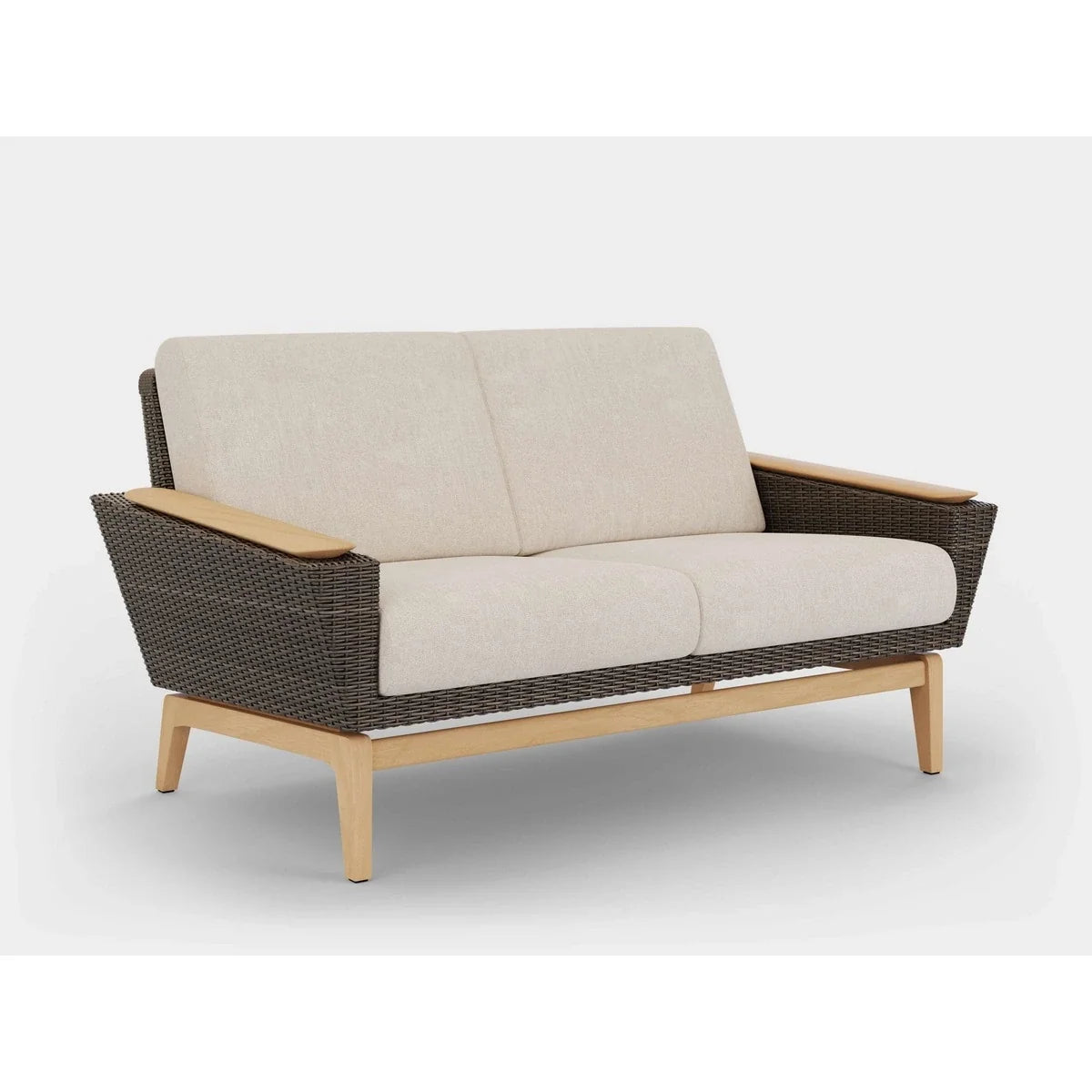
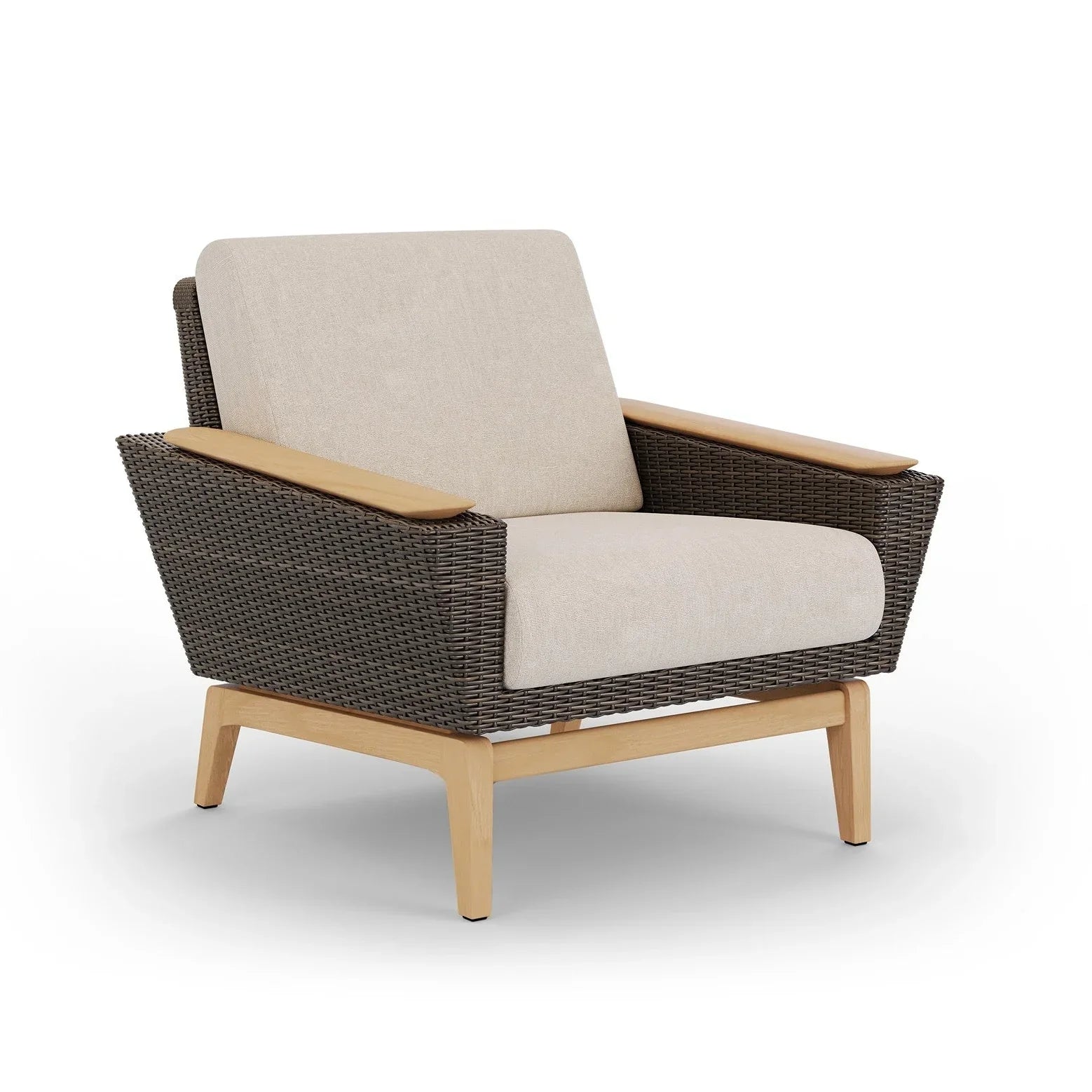
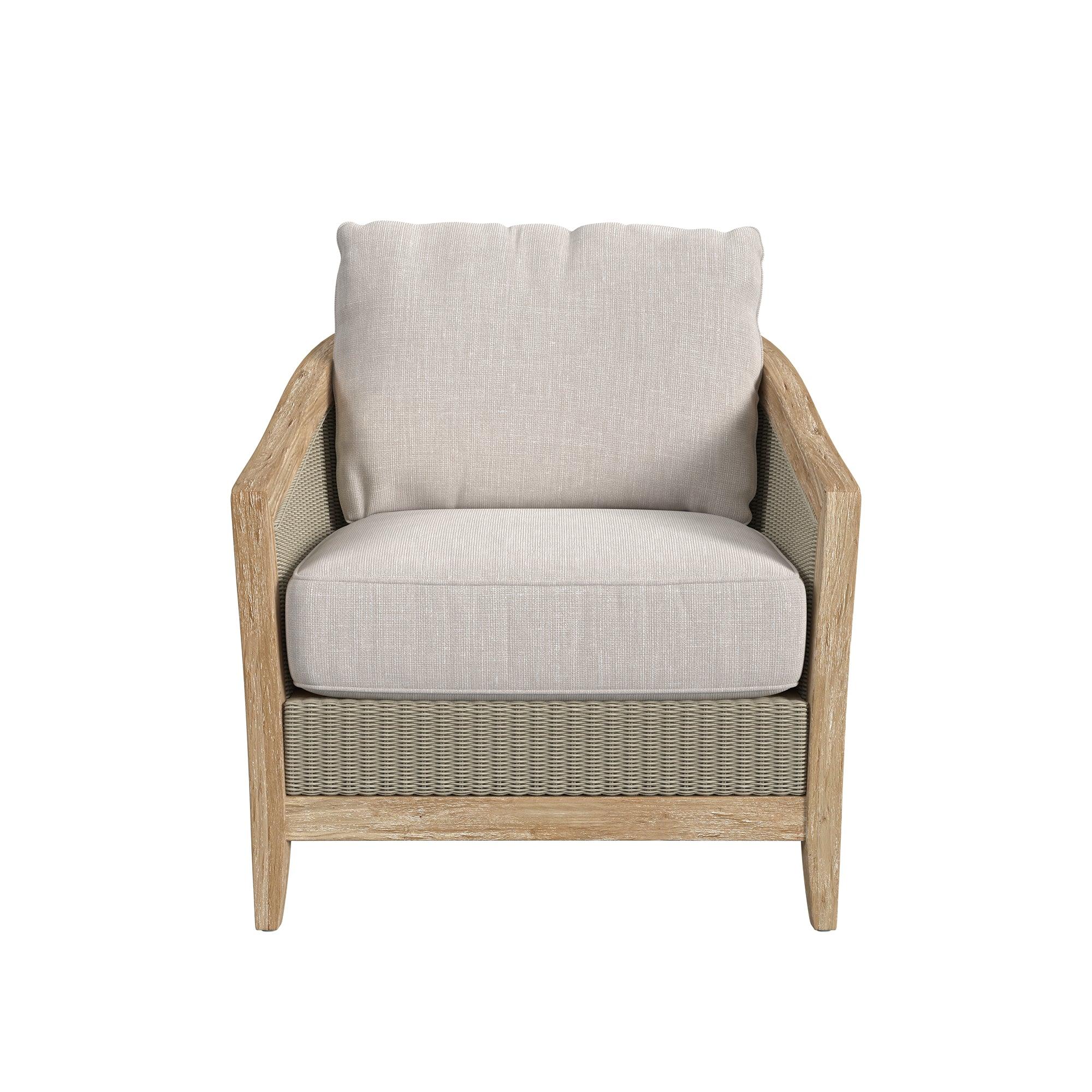
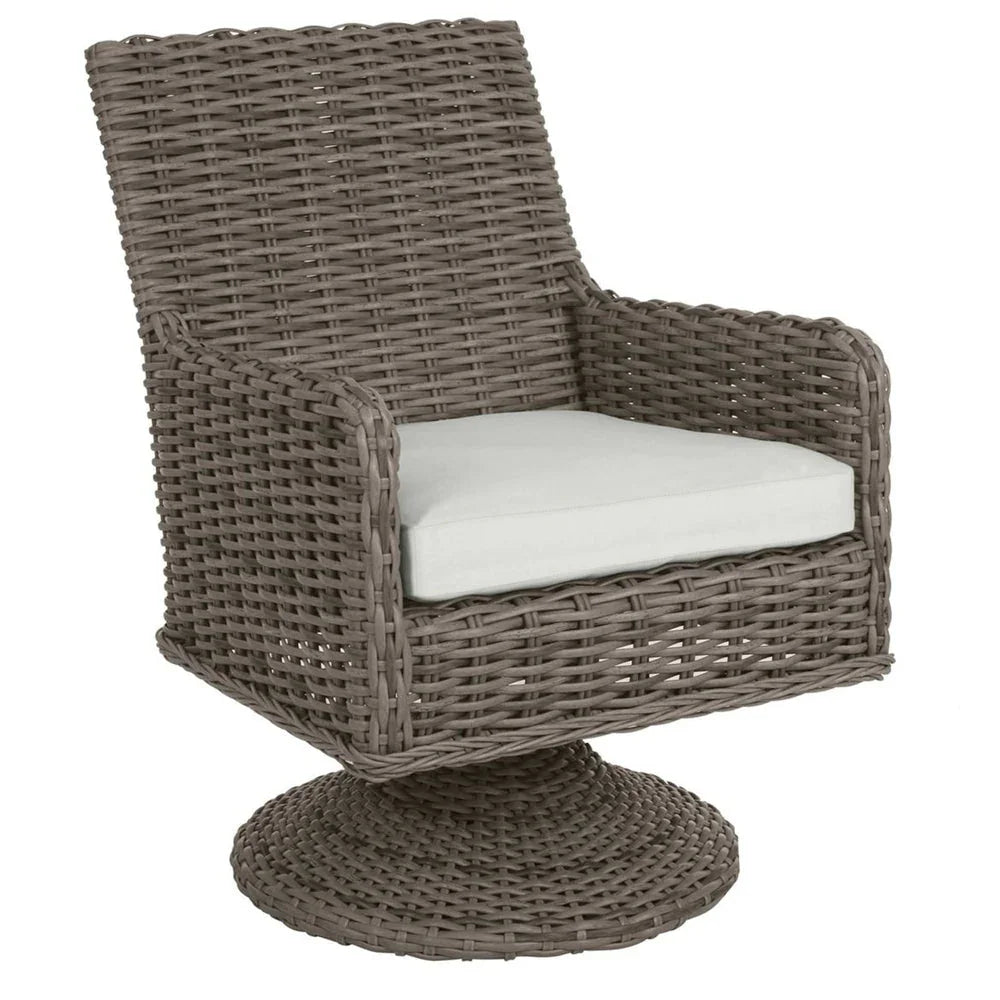
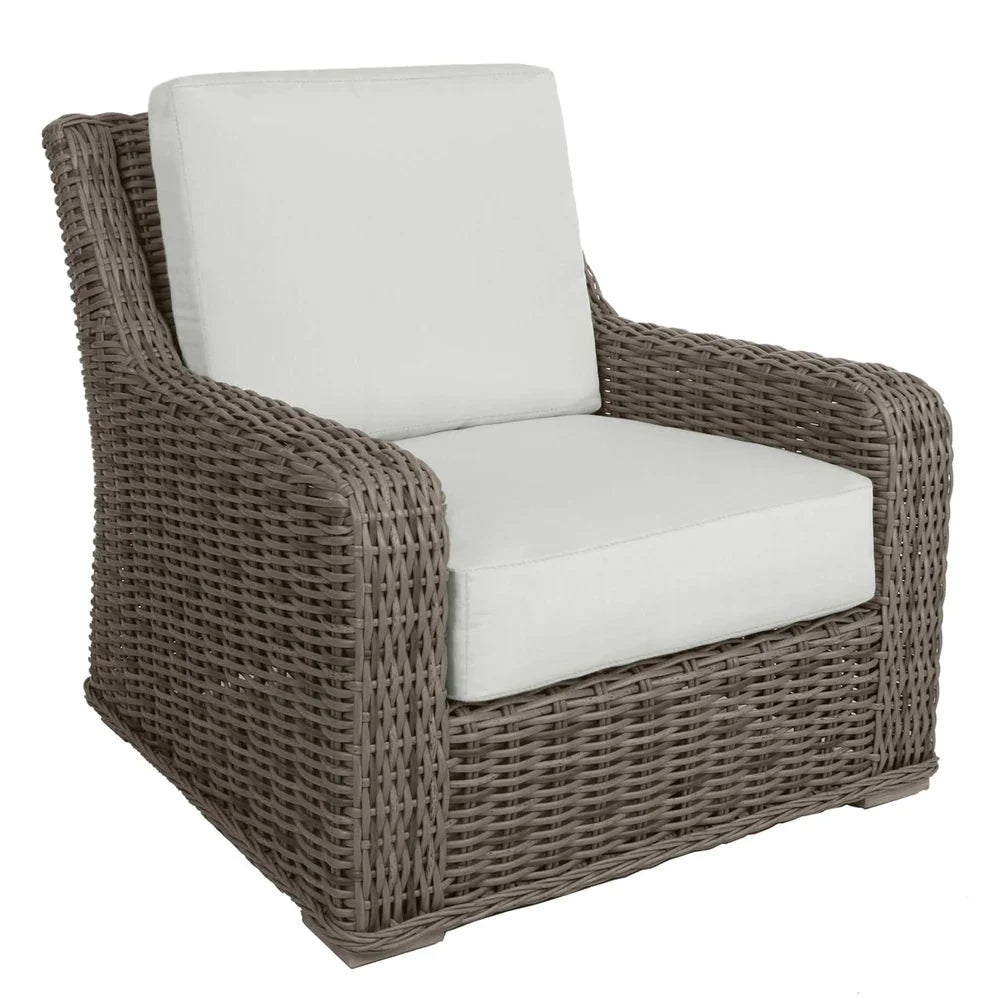
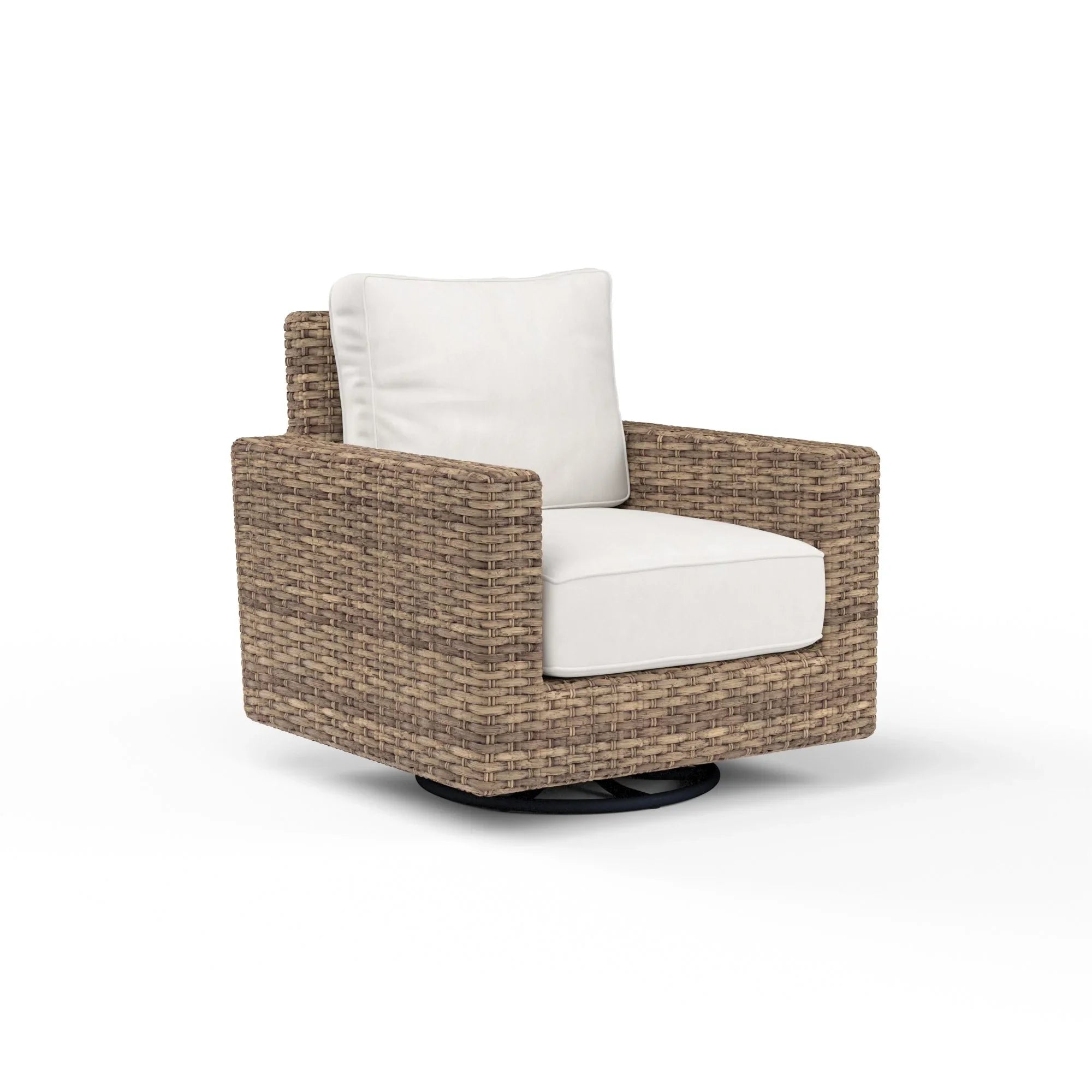
Here's the distinction most shoppers run into without quite being able to name it: most all-weather wicker on the market, ours included in a lot of our other collections, is a tight, flat HDPE weave engineered for open patios. It's excellent furniture, but it has a lean, distinctly outdoor profile. Sunroom shoppers are almost always picturing something else, a fuller, rounded strand with real visual weight, closer to the traditional rattan look than a patio-grade weave. We went through our wicker catalog specifically to pull the pieces built on that rounder profile, sourced from brands like Lloyd Flanders and Sunset West that construct on aluminum-core frames rather than the bent-resin construction common at mass-market price points. That frame difference matters more than it sounds like it should: an aluminum core means the piece holds its shape under daily use for years, while lesser construction can flex and crack at the joints within a season or two.
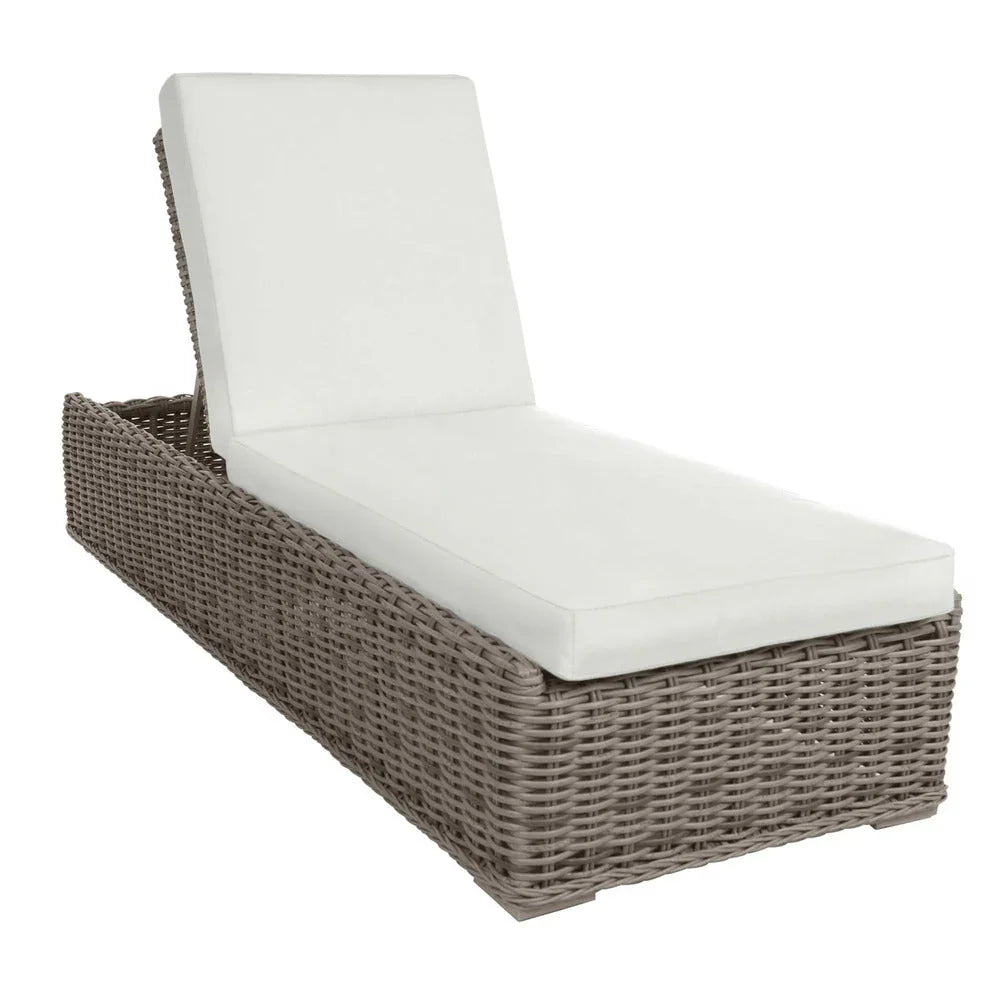
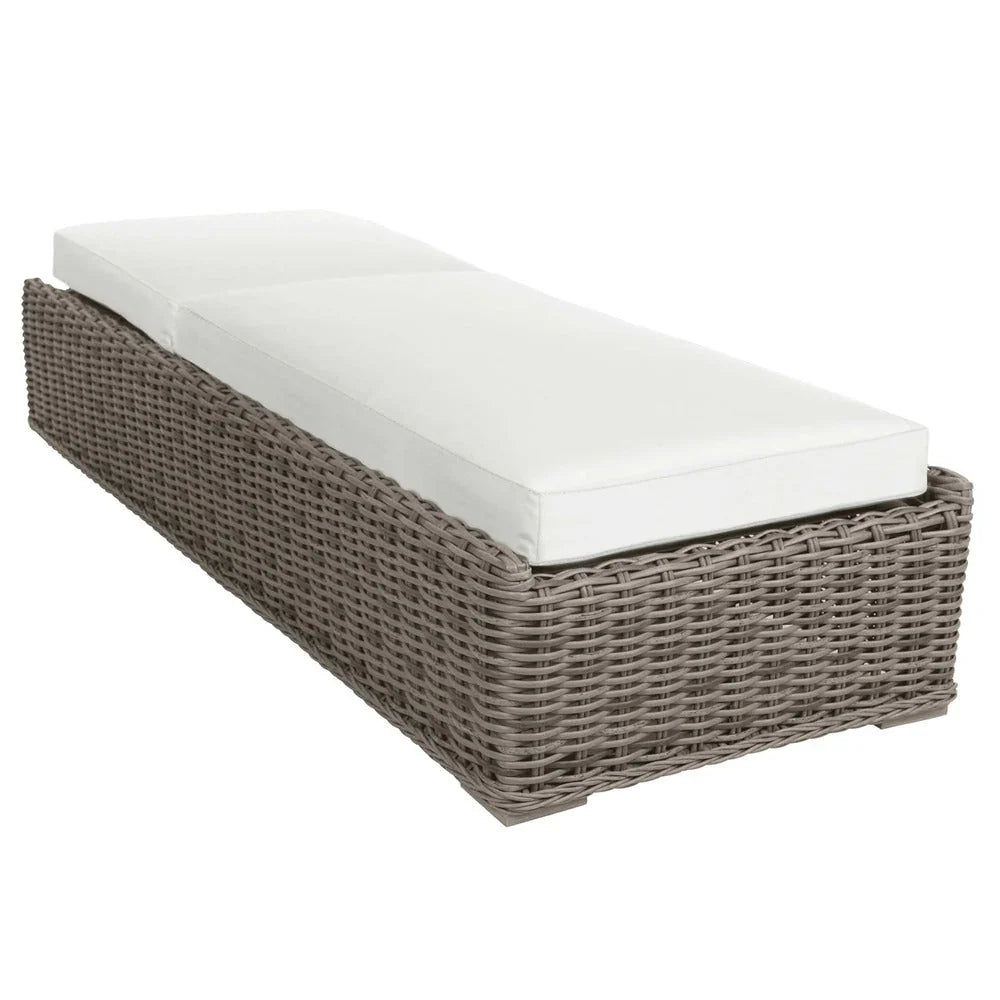
Our wicker chaise lounges and daybeds are where this look shows up most naturally, since a low, wide daybed profile was practically made for a sunlit reading corner.
Beyond Wicker: Aluminum and Teak Pieces That Belong Here Too
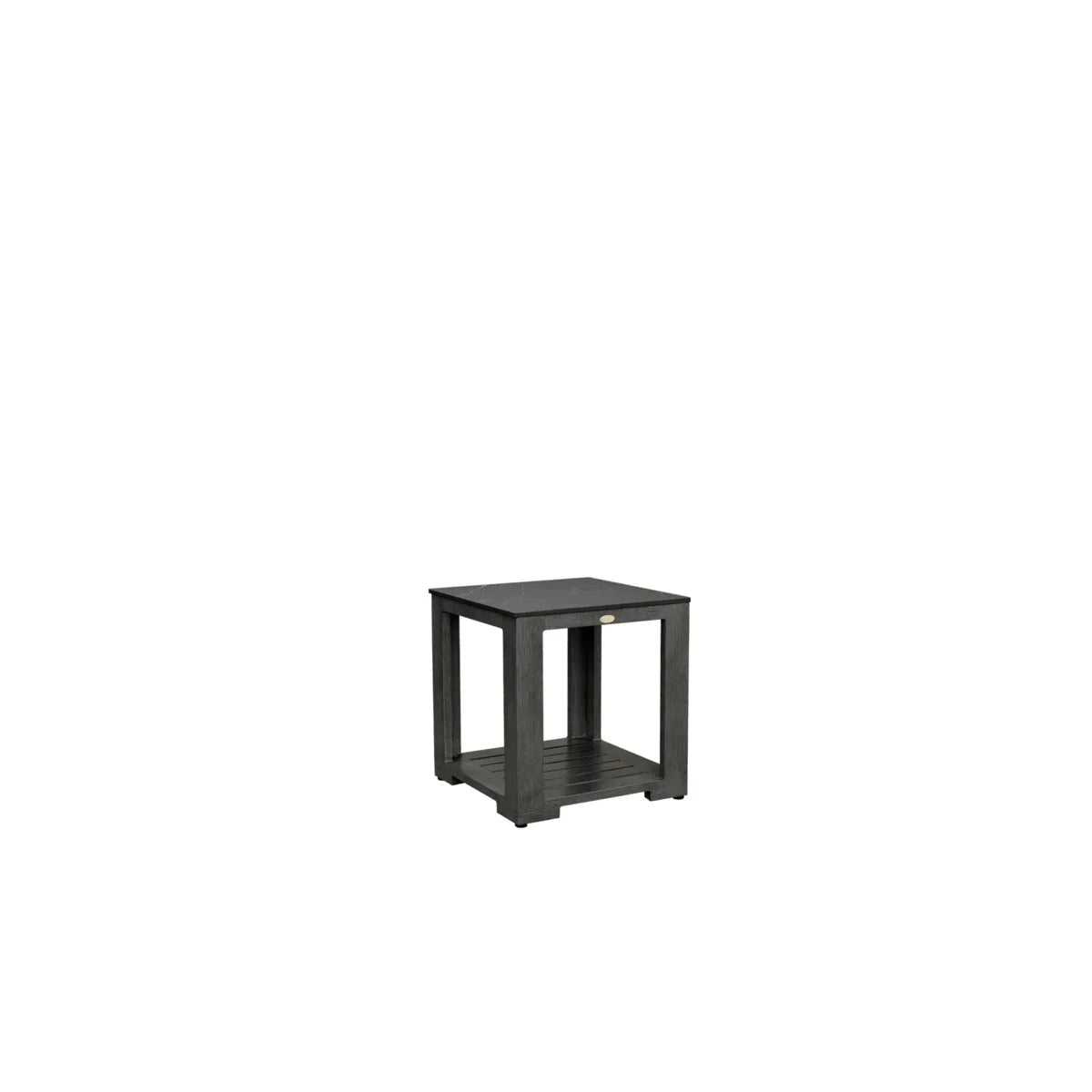
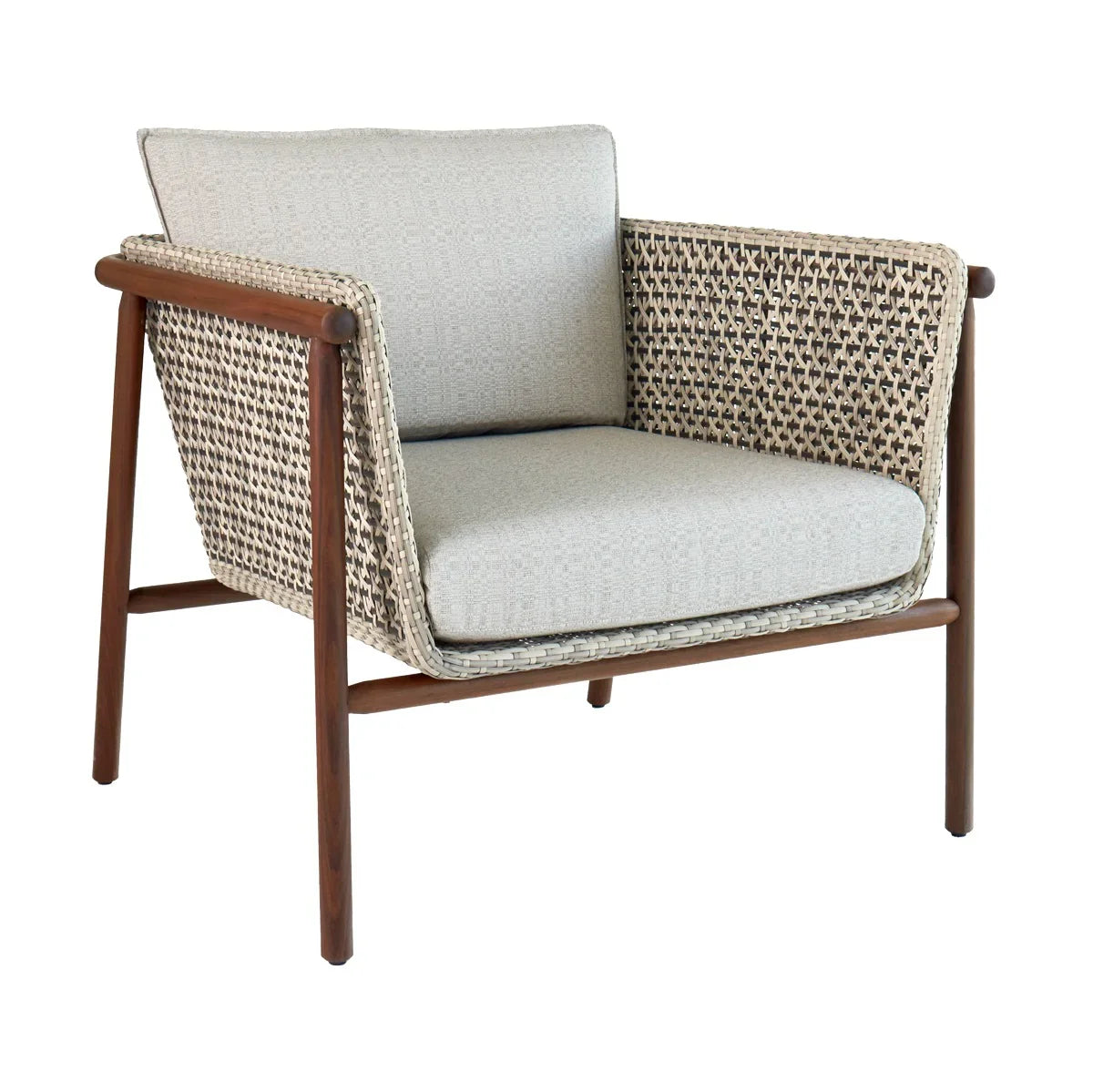
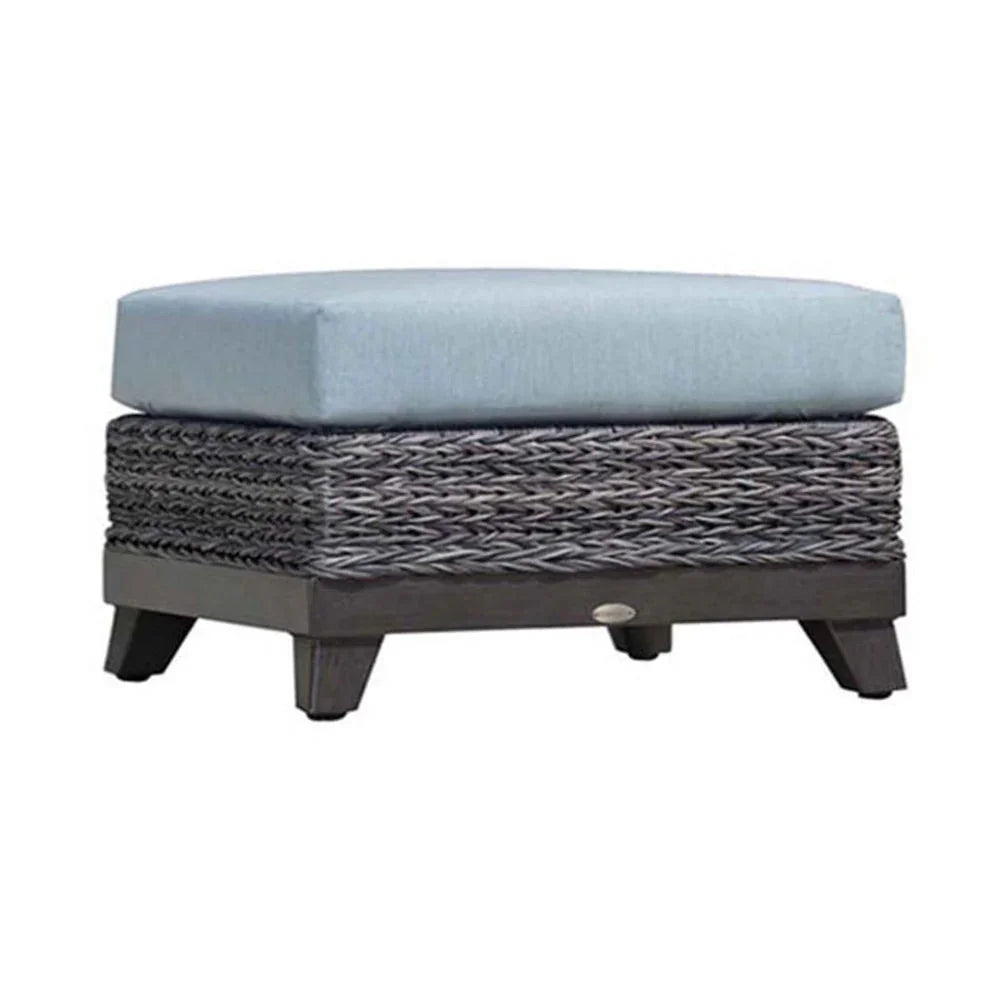
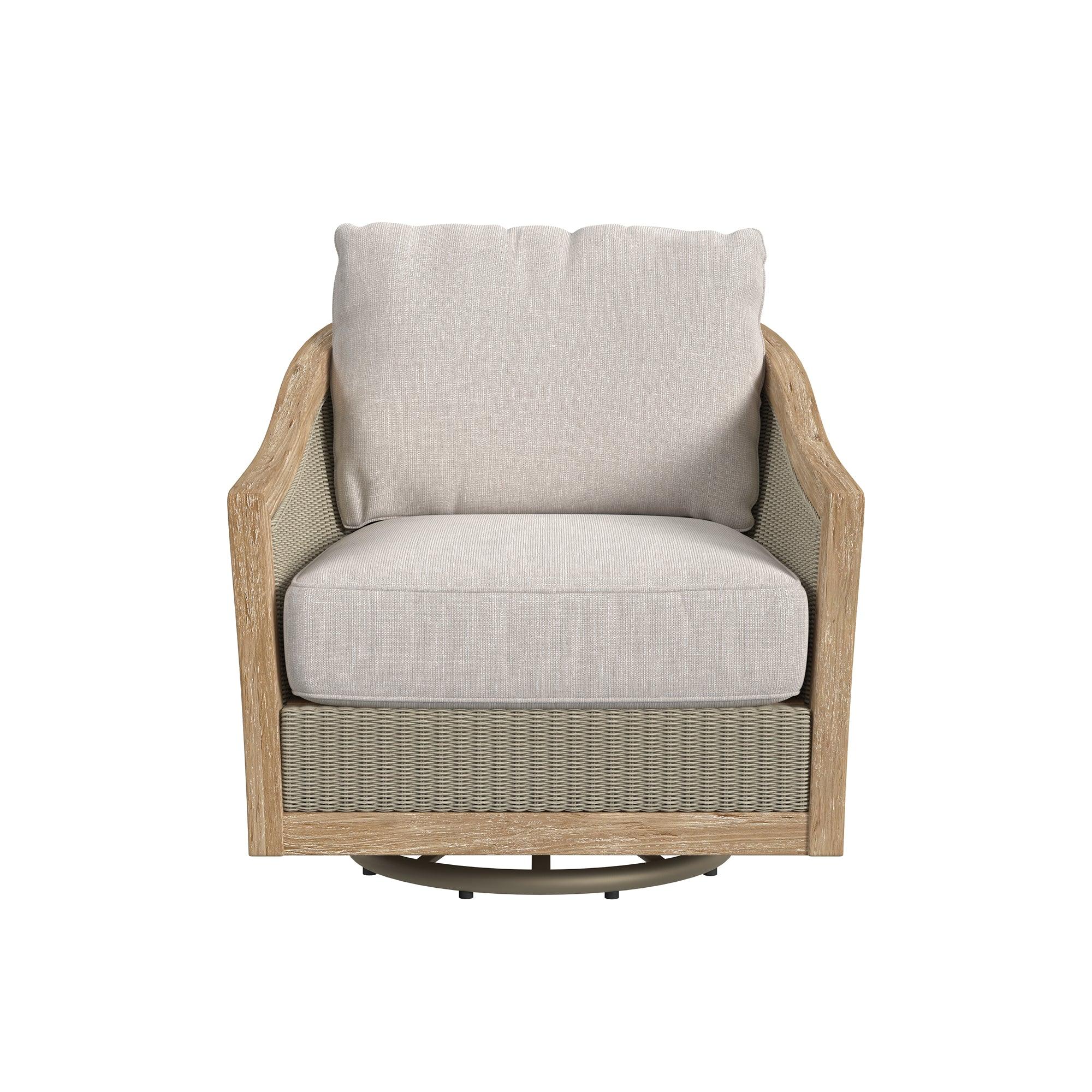
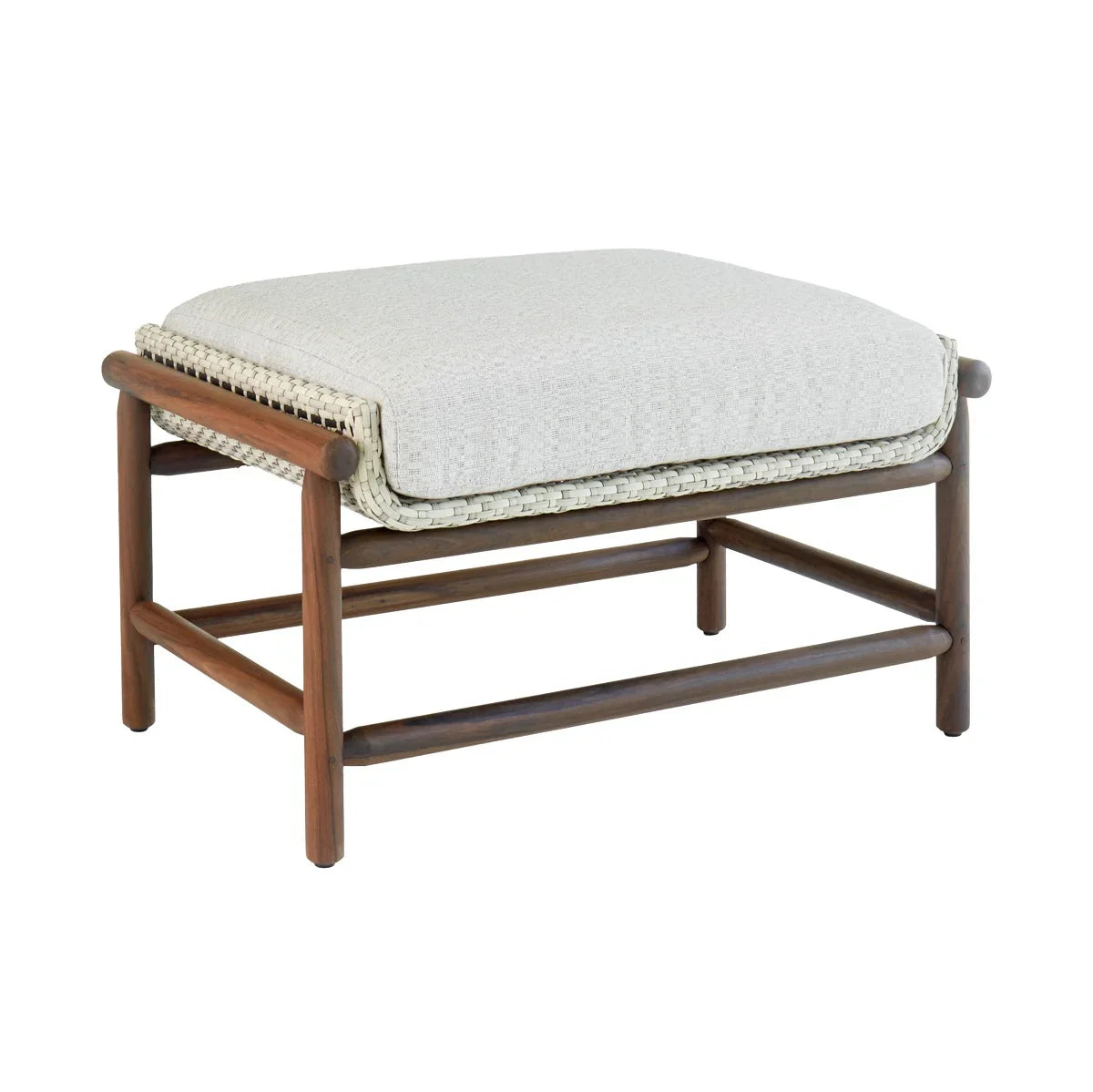
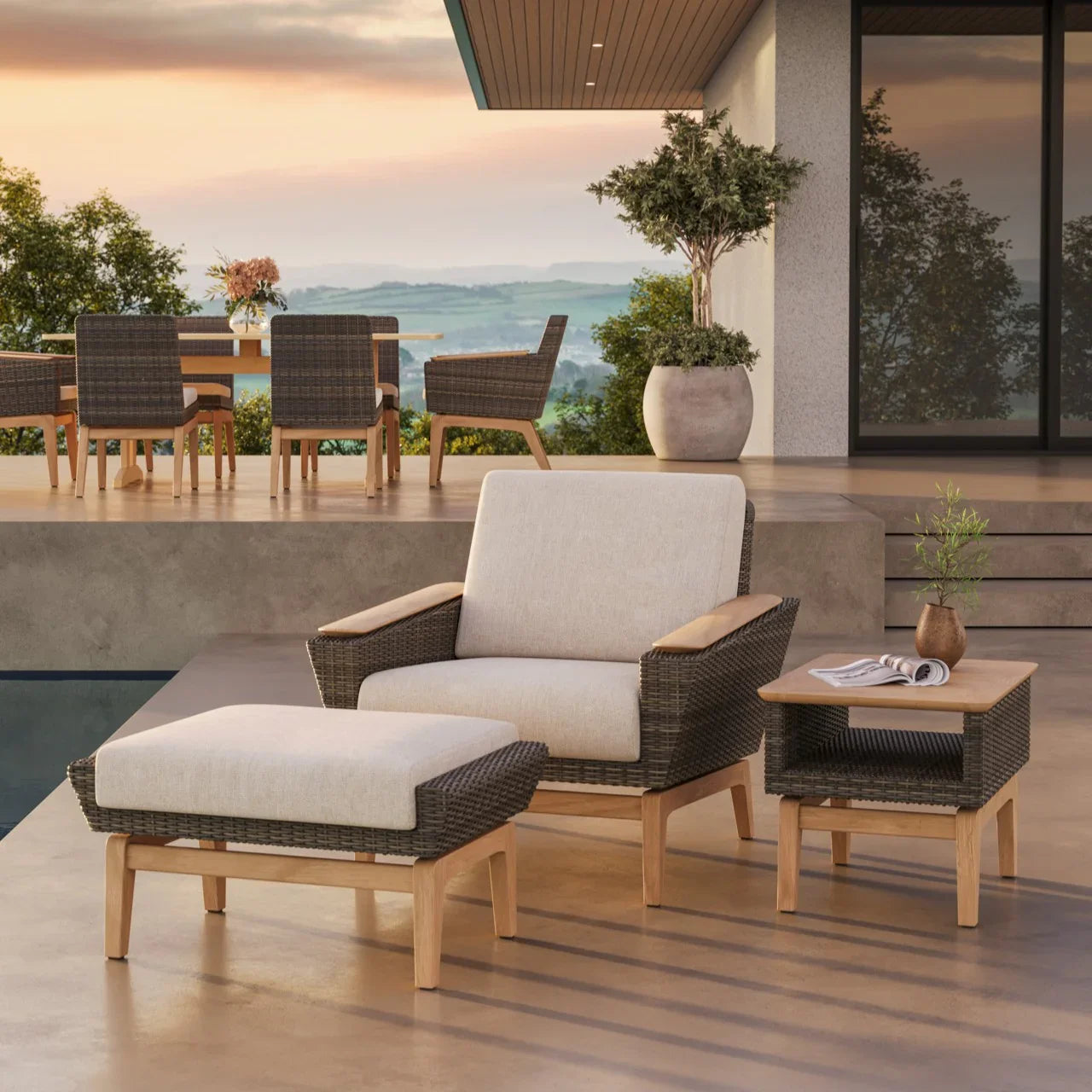
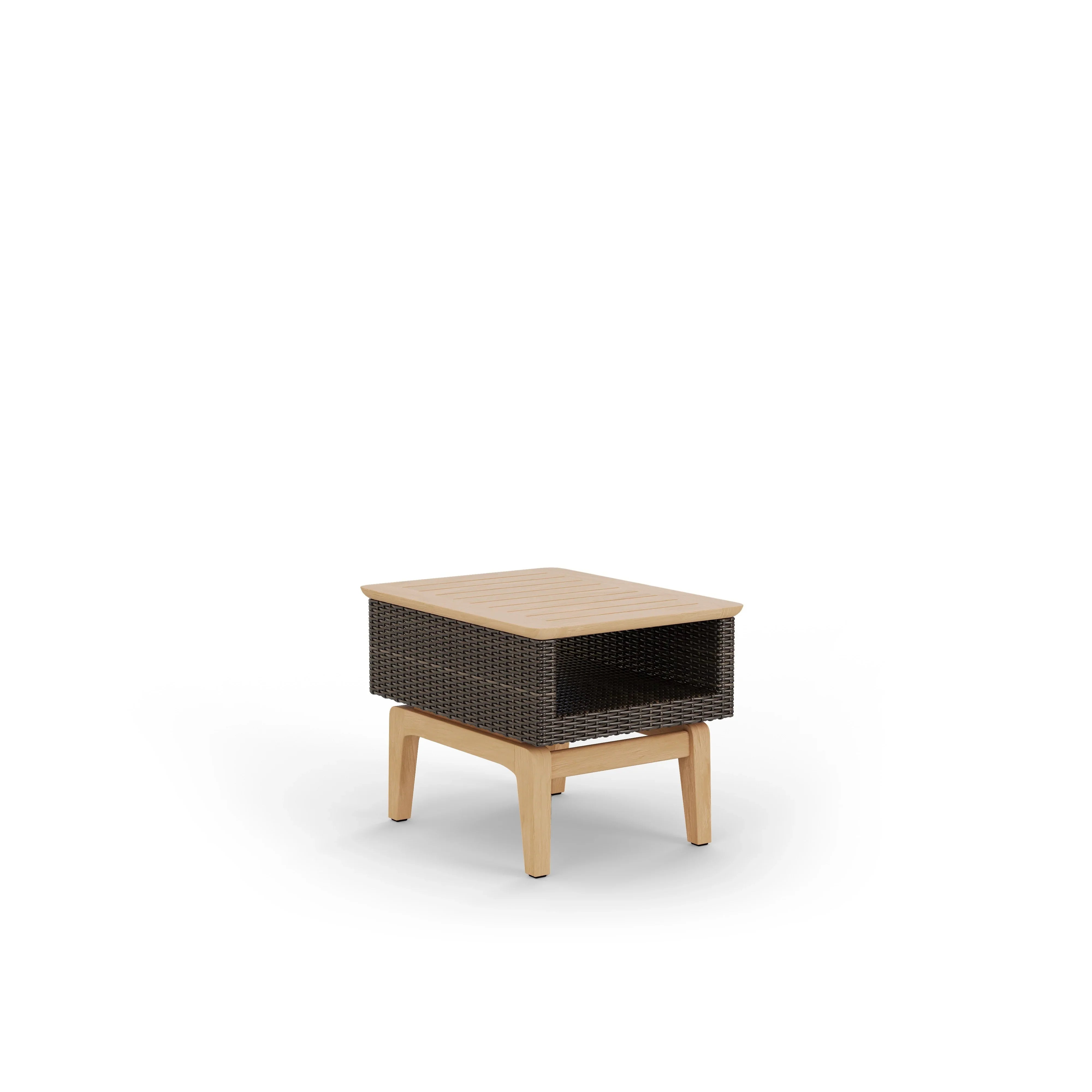
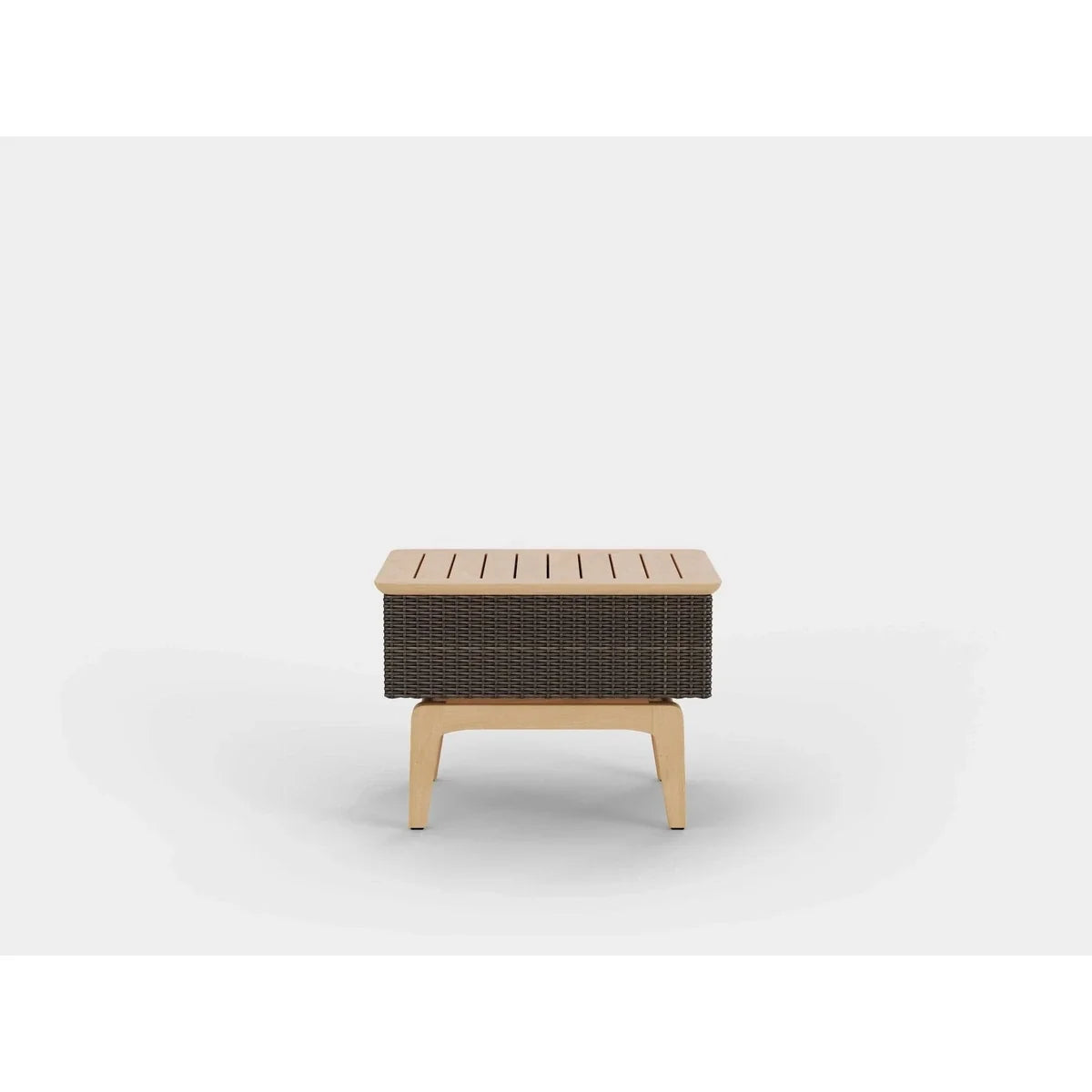
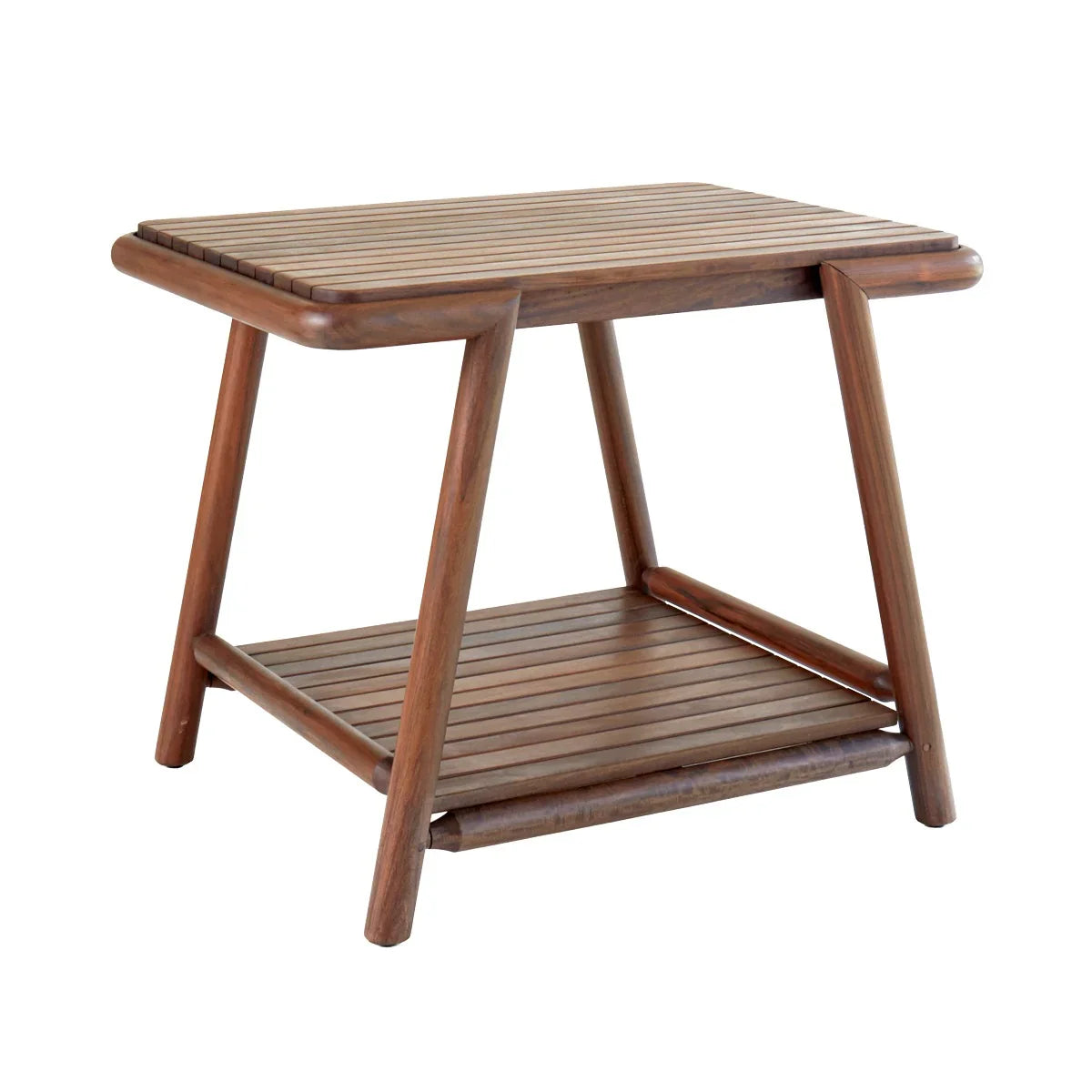
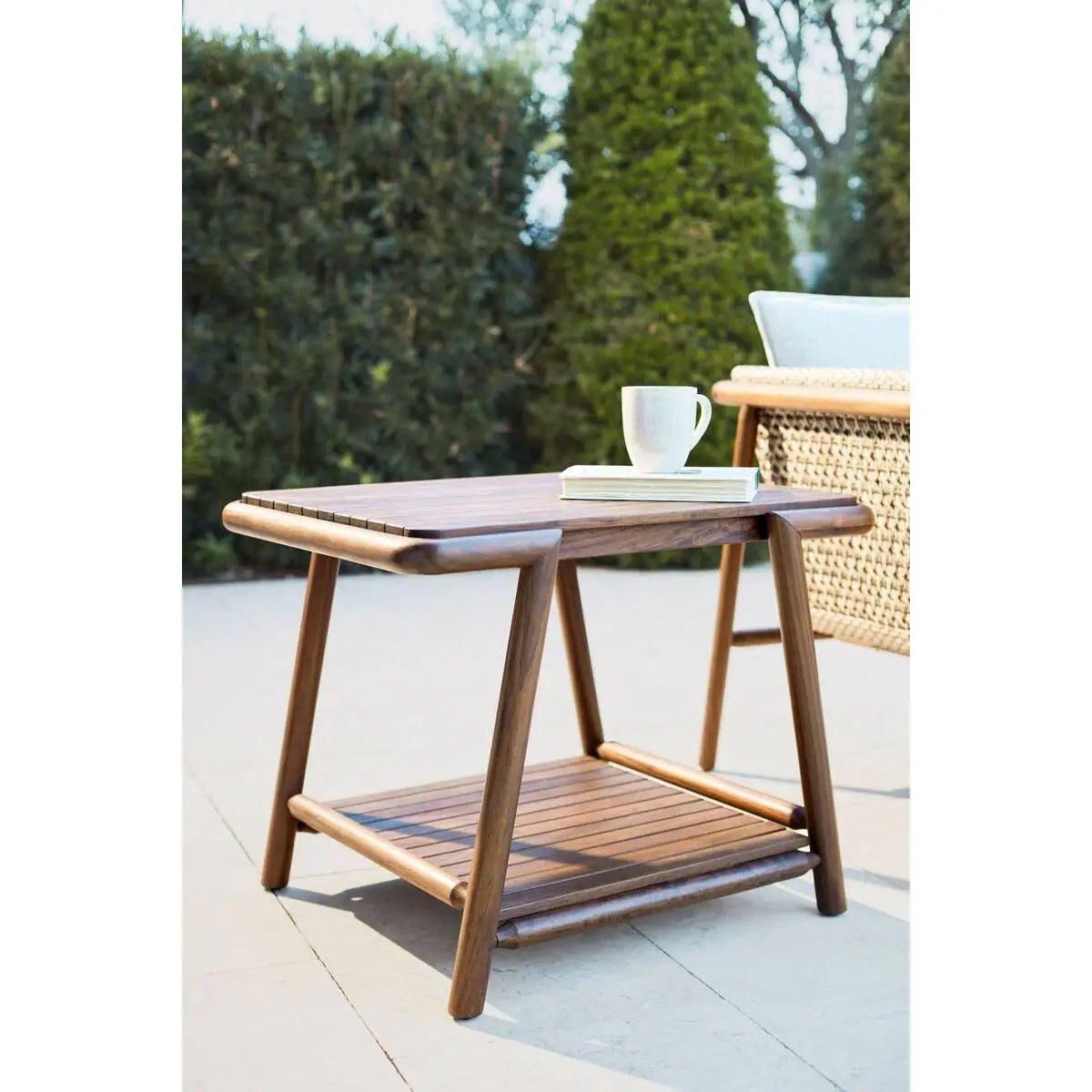
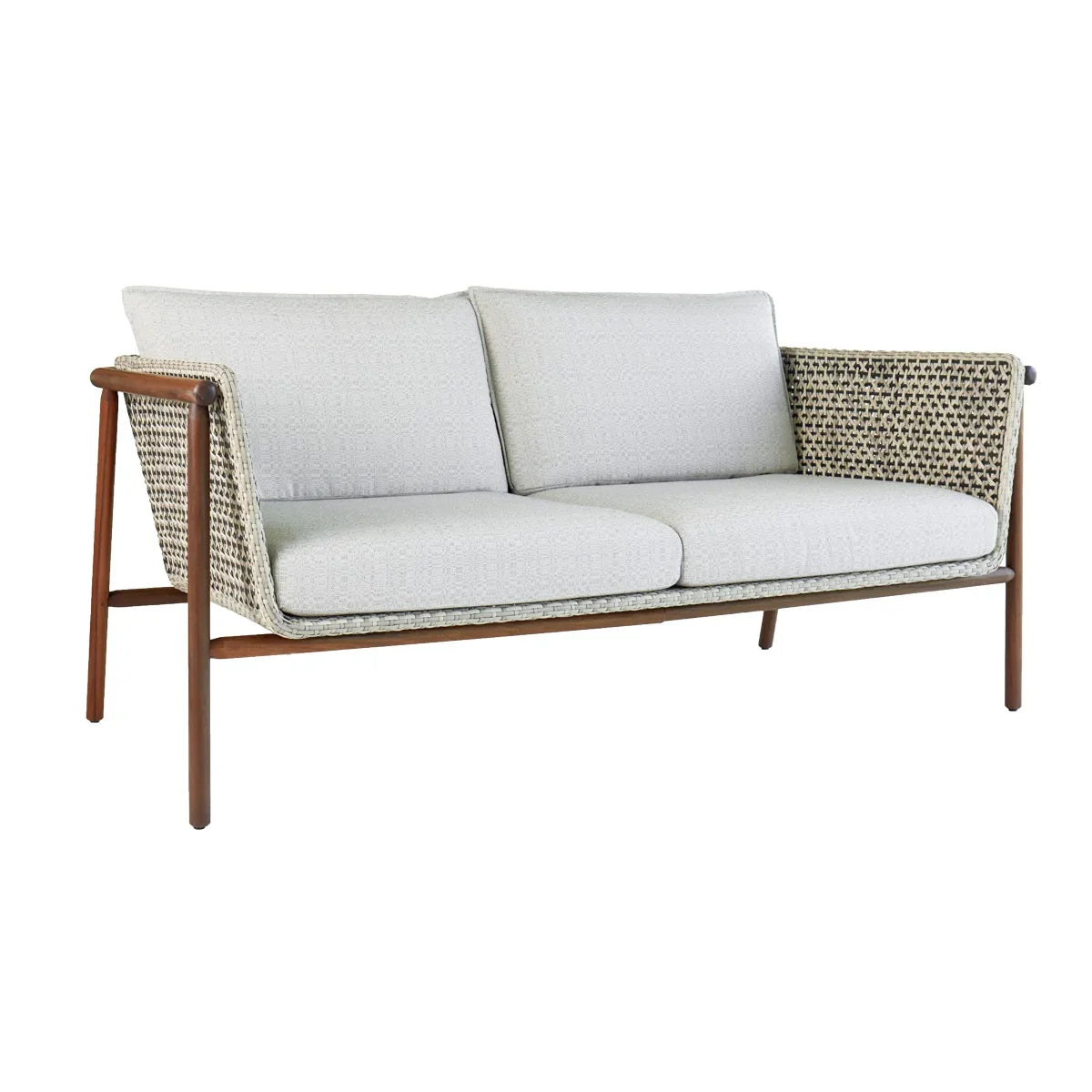
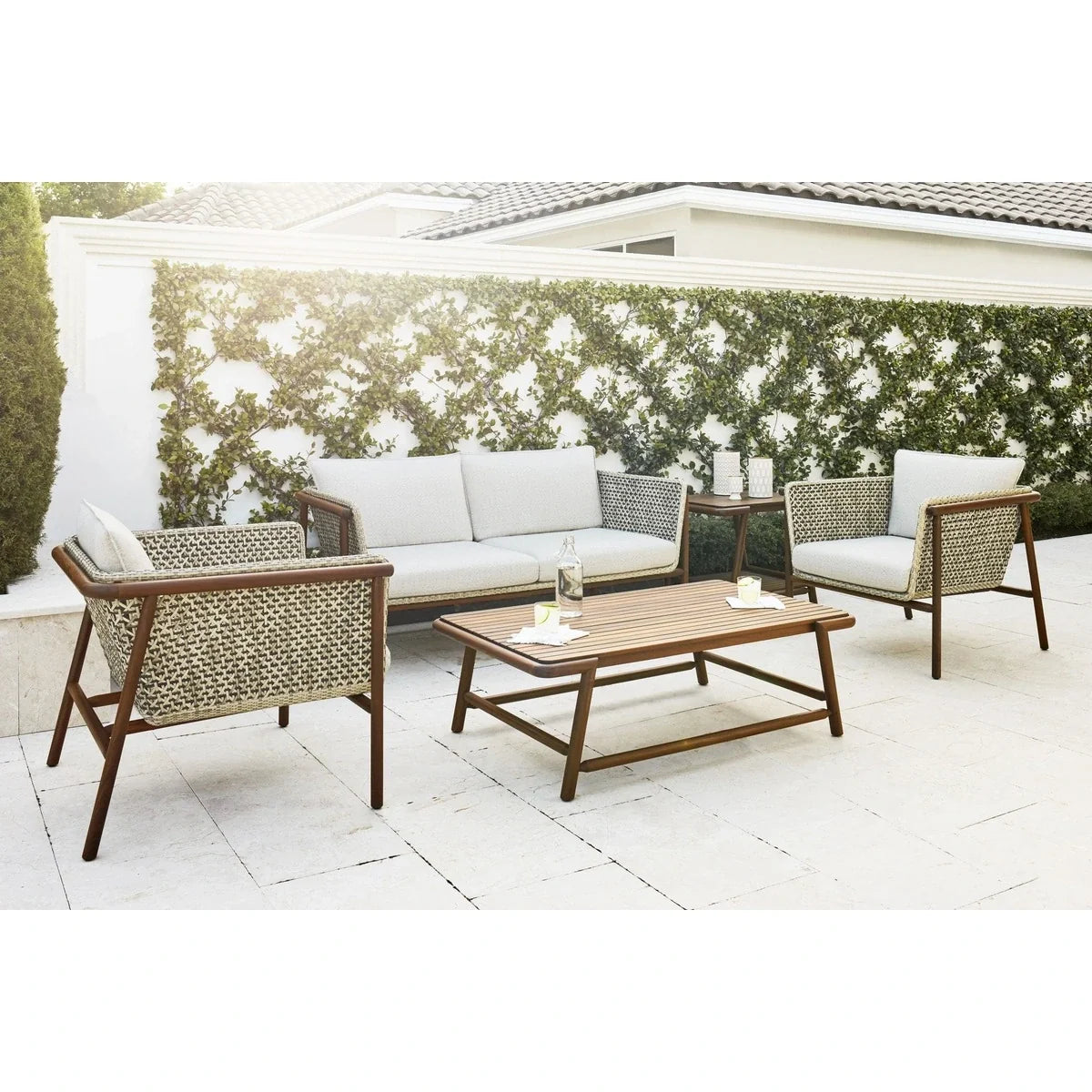
Wicker specialists will sell you wicker and only wicker, which works fine until you want a room that feels considered instead of matched from a single catalog page. Aluminum brings clean, architectural lines that suit a glass-walled room without competing with the view outside it, and it carries a 15-year frame warranty across the brands we carry. Teak brings warmth in a different register, aging into a gorgeous soft silver-gray that pairs naturally with a wicker-heavy room without trying to match it piece for piece. Mixing materials, one anchor sofa in wicker, an accent chair in teak, a low aluminum side table, does more to make a sunroom feel like a genuine room than a full matched set ever will. It's the same logic that applies to any outdoor lounge furniture arrangement: seat depth and posture matter more than matching finishes.
Bringing an Indoor-Outdoor Room to Life
A sunroom is one of several names for a space that sits between indoors and out, and the terminology does matter for how you furnish it. A space closer to a screened lanai than a fully enclosed sunroom shifts the furniture calculus slightly toward more weather tolerance and less concern about fading through unfiltered glass. For a genuine four-season sunroom, treat it exactly like an indoor room: a rug to anchor the seating arrangement, layered lighting instead of one overhead fixture, and cushions in a fabric weight that feels good against skin daily rather than just on weekends. The furniture built to survive a patio is often sturdier than furniture built only for a climate-controlled room, which makes it a smart choice for a space that gets more sun and more temperature swing than the rest of the house.
Choosing the Right Pieces for Your Space
A sunroom is almost always a smaller, more defined footprint than an open patio, so scale matters more here than it does outside. Before you shop, it helps to know a few things about the room itself:
- Measure the actual floor space, including clearance around any furniture, not just the square footage of the room
- Check how much direct, unfiltered sun the glass lets through at peak hours, since that determines how much fade-resistance the fabric actually needs
- Decide whether the room reads as more indoor or more outdoor in character, since that shifts how much weight aluminum versus teak versus wicker should carry in the mix
- Prioritize cushion fill and fabric grade over frame style if the room sees daily use, since that's what determines comfort over the long run
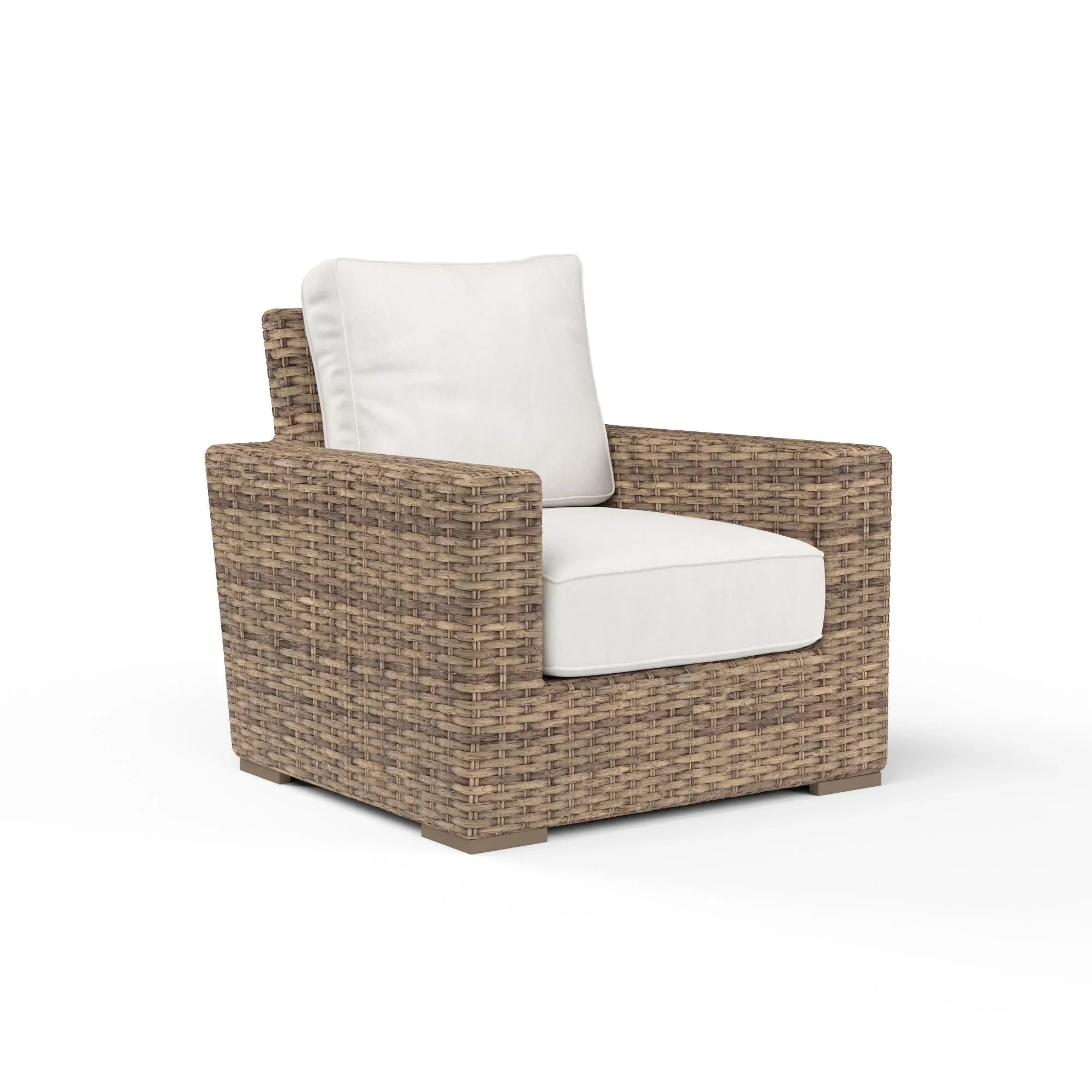
Our wicker club chairs are a good starting point if you're filling out a sunroom one piece at a time rather than committing to a full arrangement at once. Patio Productions has outfitted sunrooms, lanais, and covered patios from our San Diego showroom and online nationally since 2007. Every order ships free within the U.S., aluminum frames carry a 15-year warranty, and our team can walk through room dimensions and material questions before you commit to a full arrangement.
Common Questions About Sunroom Furniture
Yes, often better than furniture built only for indoor use. All-weather wicker is engineered to resist the exact conditions a sunroom exposes it to, UV fade, humidity, temperature swings, so it tends to outlast furniture designed only for a climate-controlled room. The frame underneath, whether aluminum-core wicker, solid aluminum, or teak, is built to a higher durability standard than most furniture marketed strictly for indoor living rooms.
Mostly the shape of the weave. Standard outdoor patio wicker is usually a tight, flat HDPE weave built for a lean, distinctly outdoor profile. Sunroom-appropriate wicker tends to use a fuller, rounder strand closer to traditional rattan, which reads as furniture rather than patio equipment once it's sitting next to a coffee table and a reading lamp. Both are equally weather-resistant, the difference is purely visual and stylistic.
Yes, and it usually looks better than an all-wicker matched set. One wicker sofa, a teak accent chair, and an aluminum side table reads as a considered room rather than a single catalog page. Mixing materials also spreads out maintenance needs, aluminum needs almost none, teak wants an occasional oil treatment if you want to preserve its original tone, and wicker needs the same light cleaning as any upholstered piece.
Mild soap and water handles nearly everything. Wicker and aluminum frames wipe clean with a soft cloth and mild soap, avoiding harsh solvents that can dull the finish over time. Sunbrella and other performance fabrics are solution-dyed, meaning the color runs through the fiber rather than sitting on top, so they clean up without fading or staining the way standard indoor upholstery would.
Scale down before you shop, not after. A sunroom is almost always a smaller, more defined footprint than an open patio. Look for a single anchor piece, a loveseat or a compact chaise, rather than a full sectional, and pair it with one or two occasional chairs instead of a matched multi-piece set. Measuring actual clearance around the furniture, not just the room's square footage, prevents the most common sizing mistake.
Yes, if the room gets direct sun through unfiltered glass. Standard indoor fabric fades noticeably within a season under that kind of light exposure. Performance fabrics like Sunbrella are built specifically for UV resistance and are available in over 200 colors and patterns, so choosing the right fabric is a design decision rather than a compromise.


