
In-Pool Furniture: The Part of the Pool You Actually Sit In
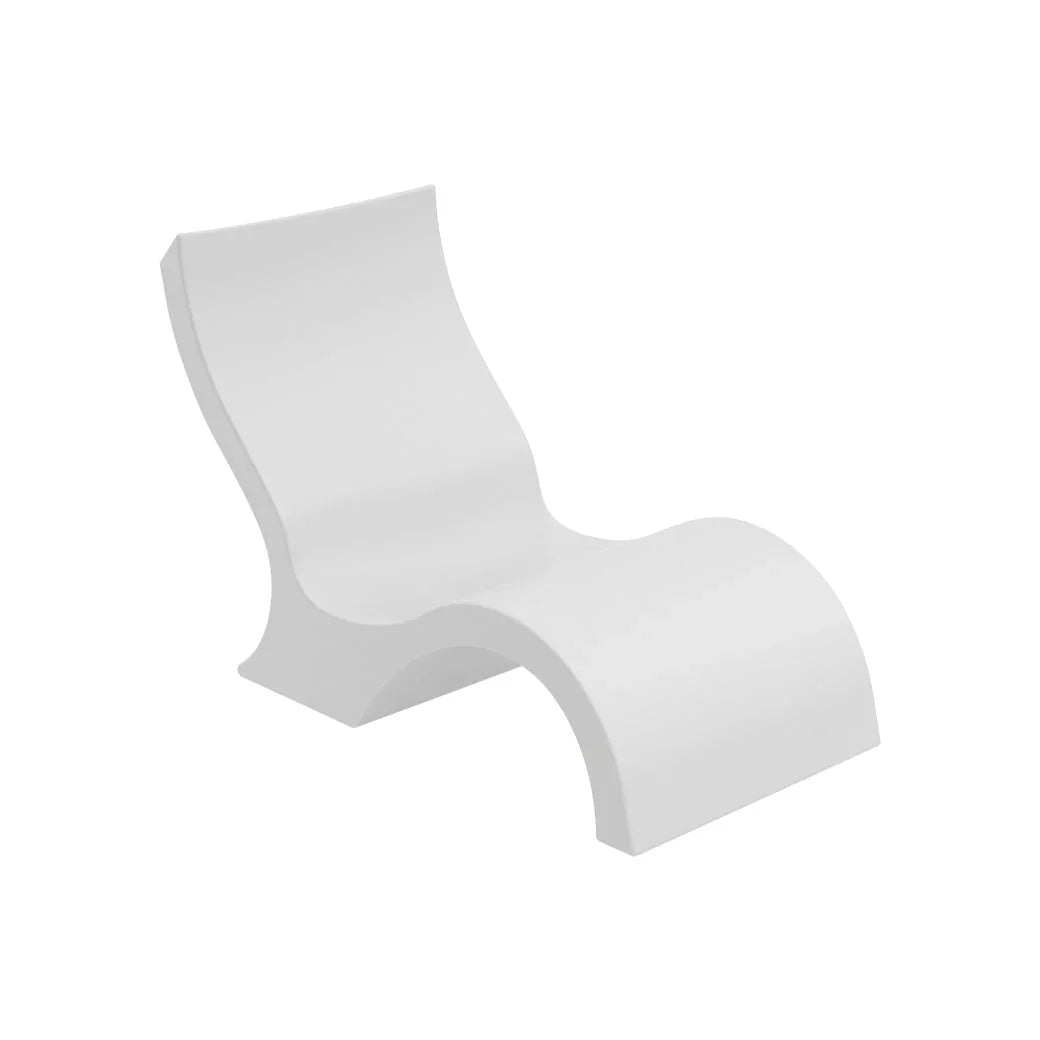
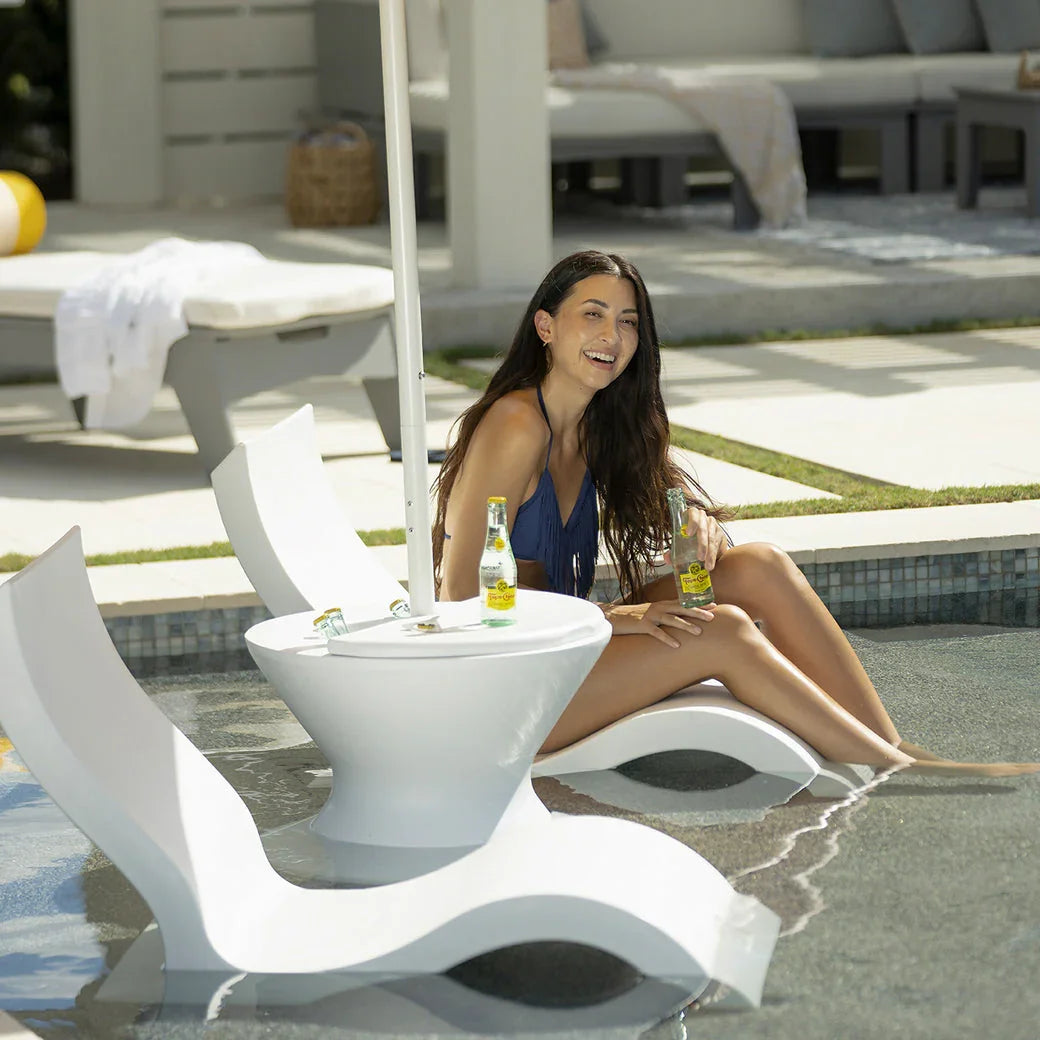
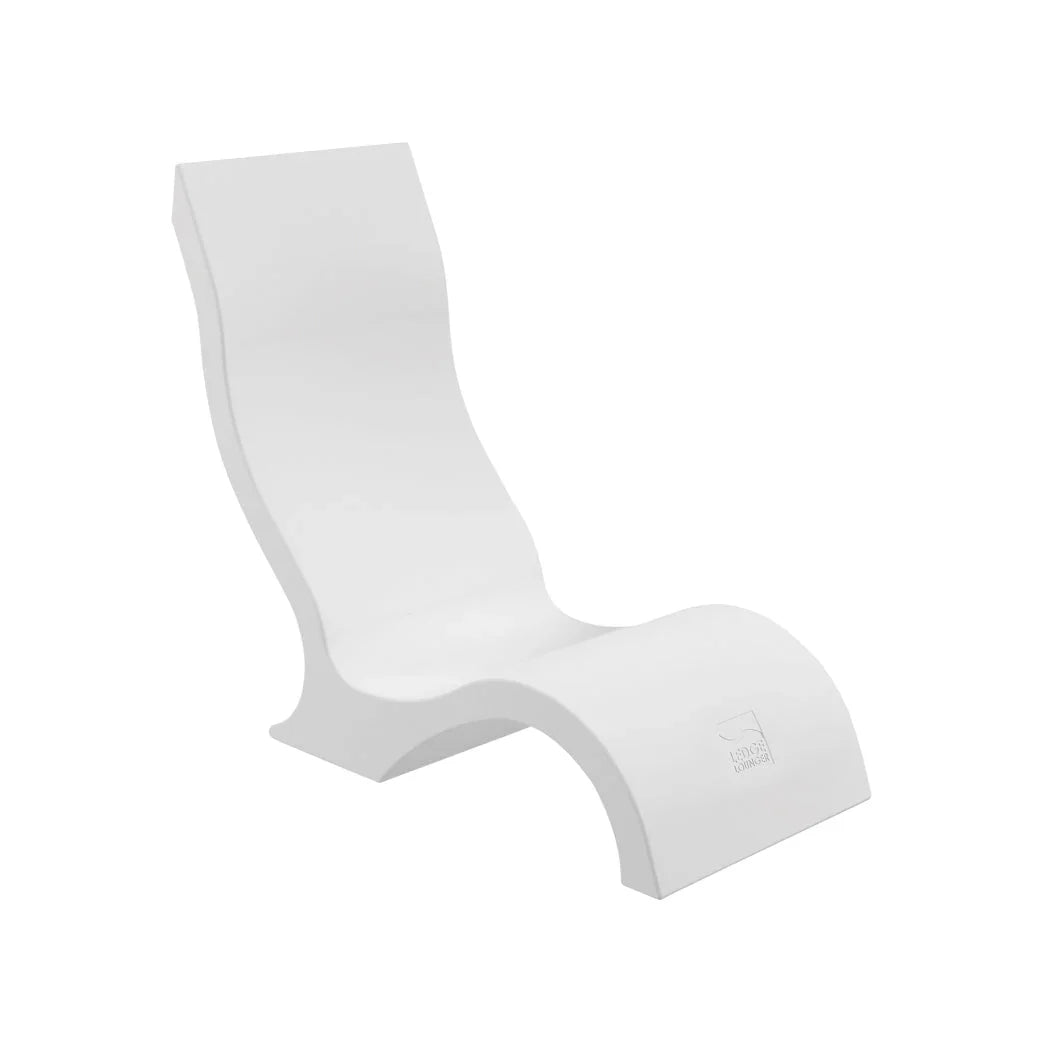
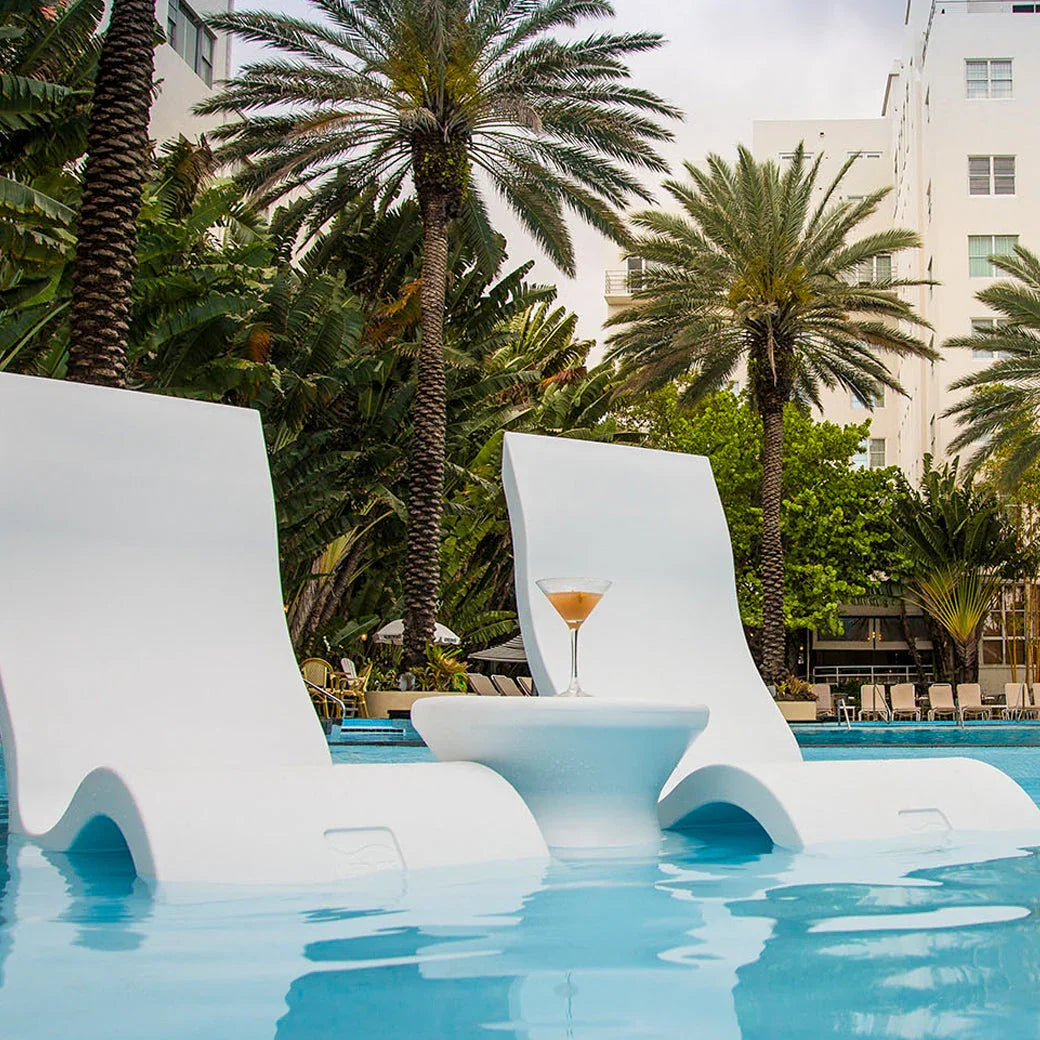
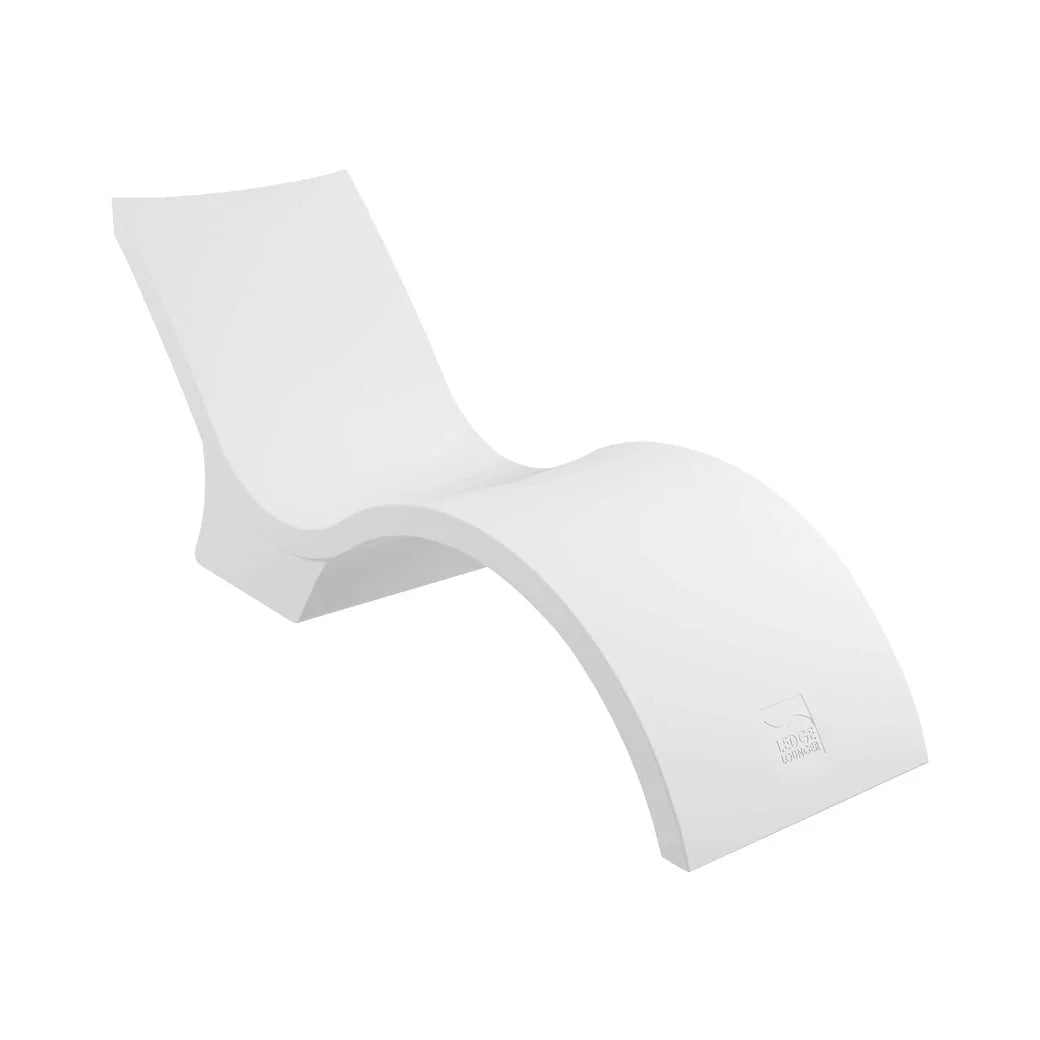
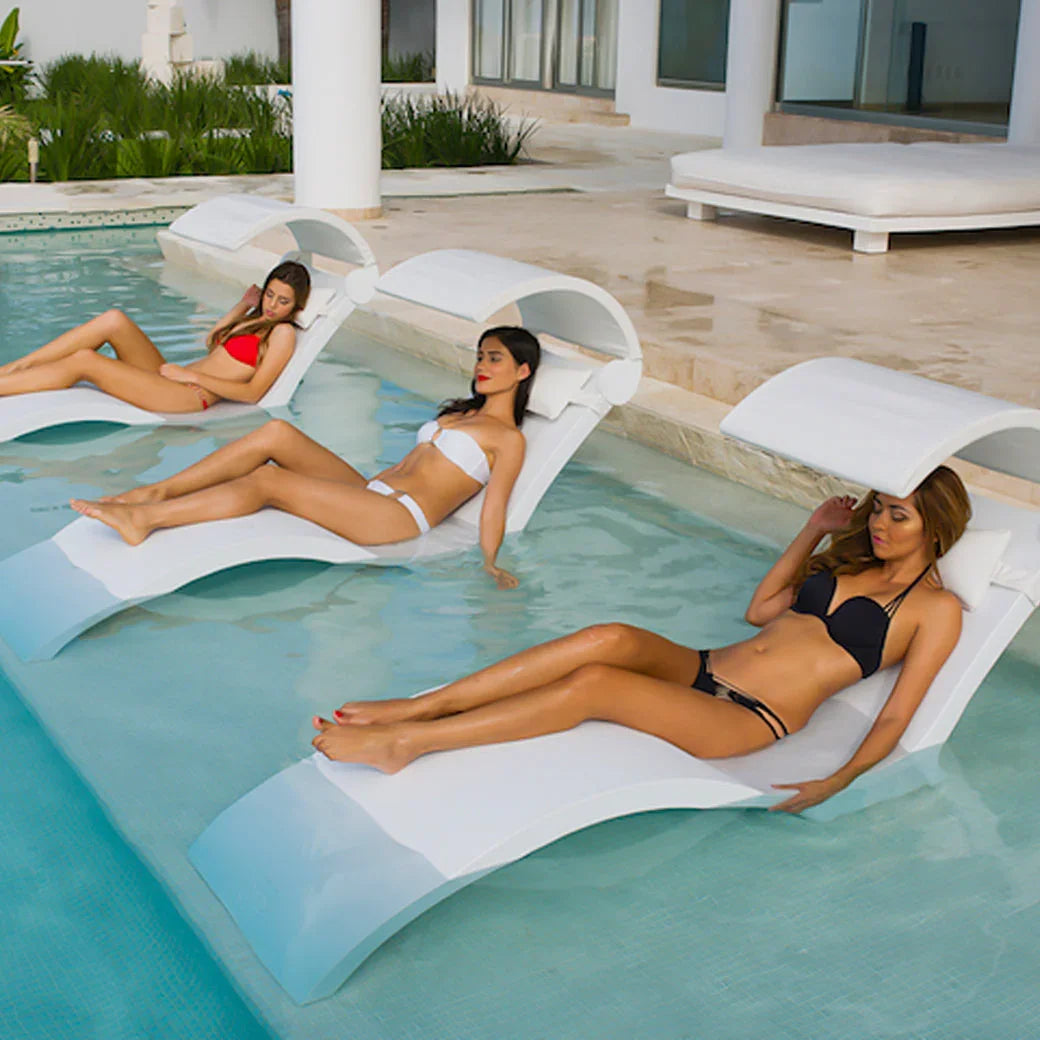
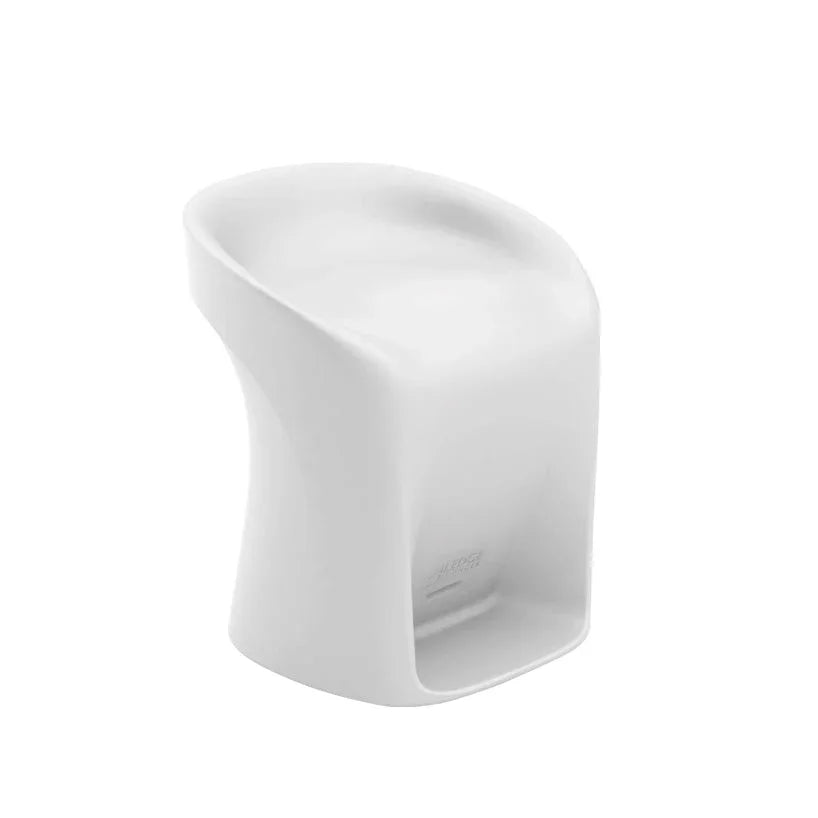
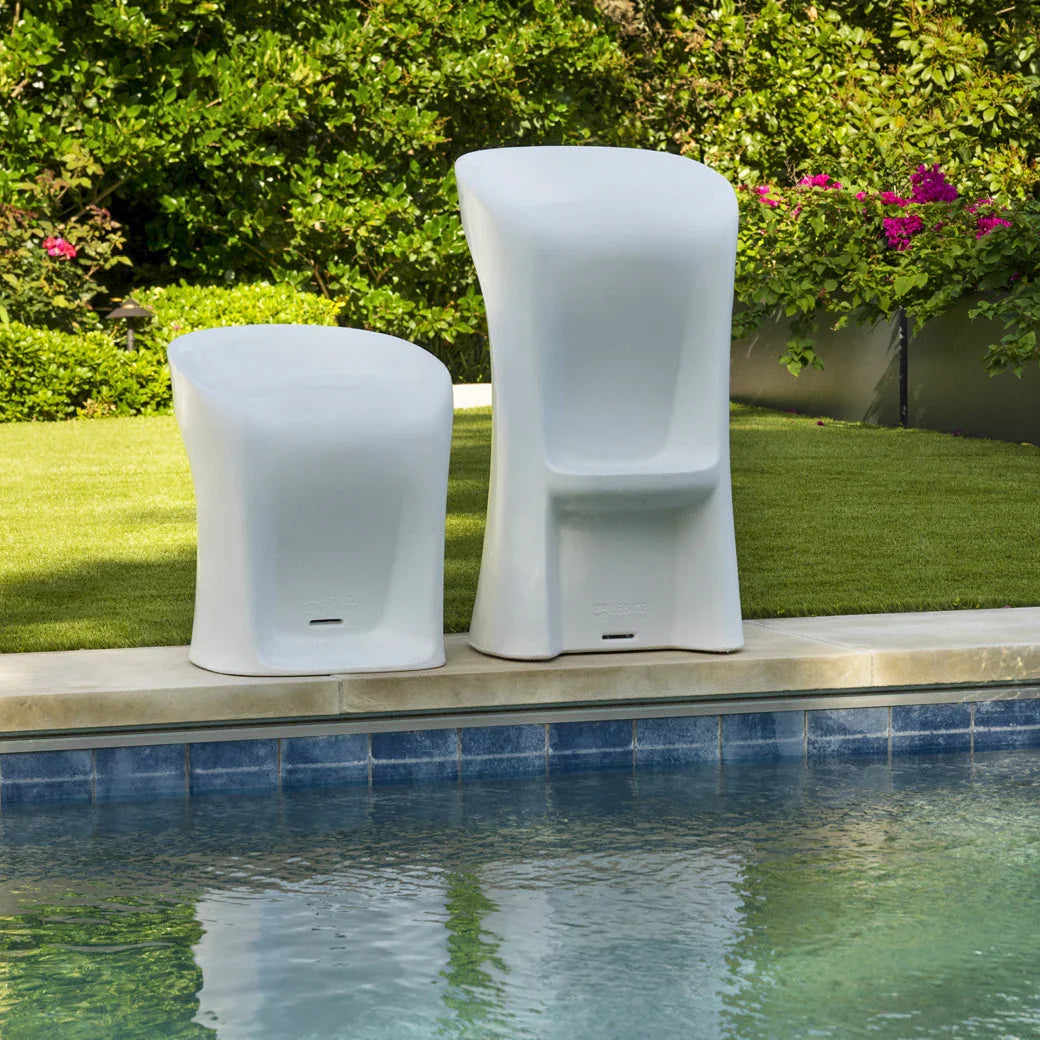
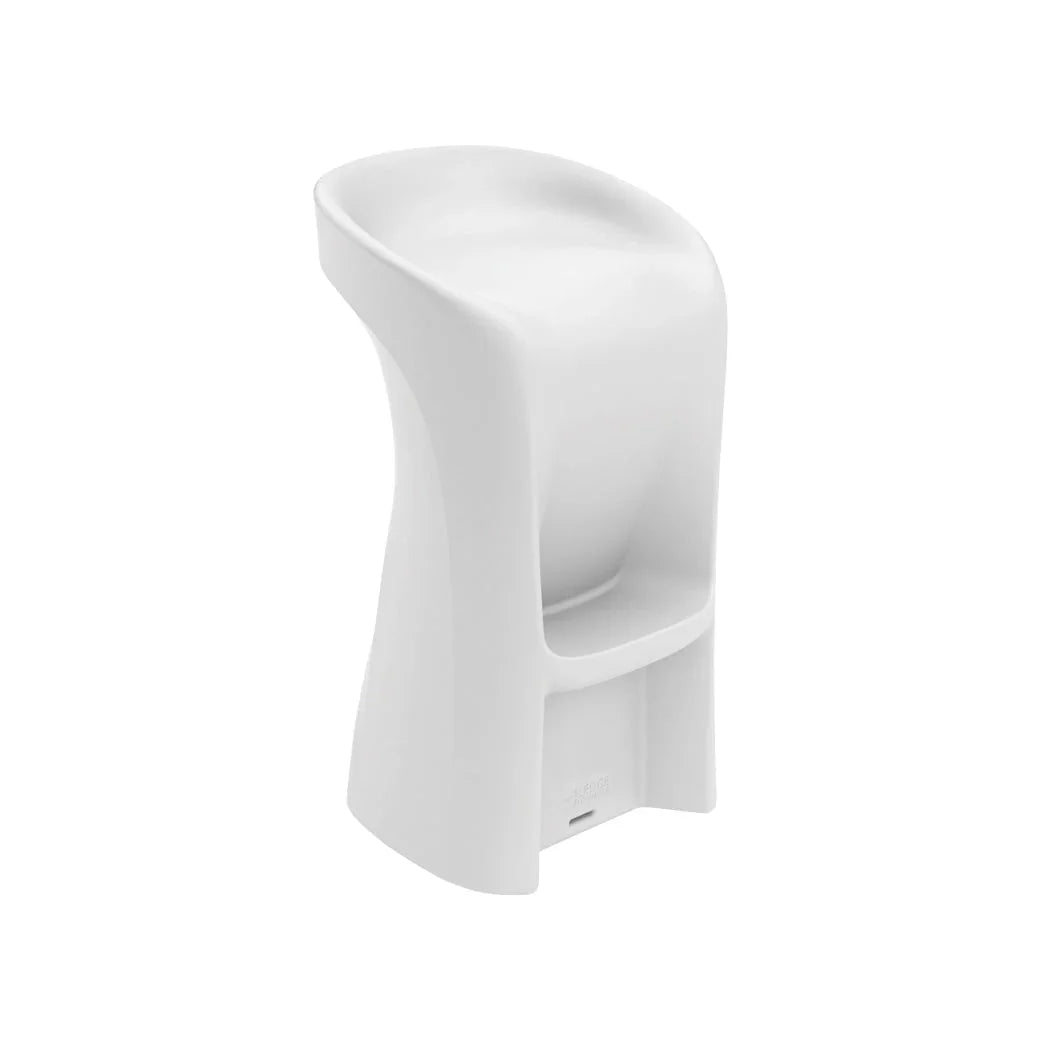
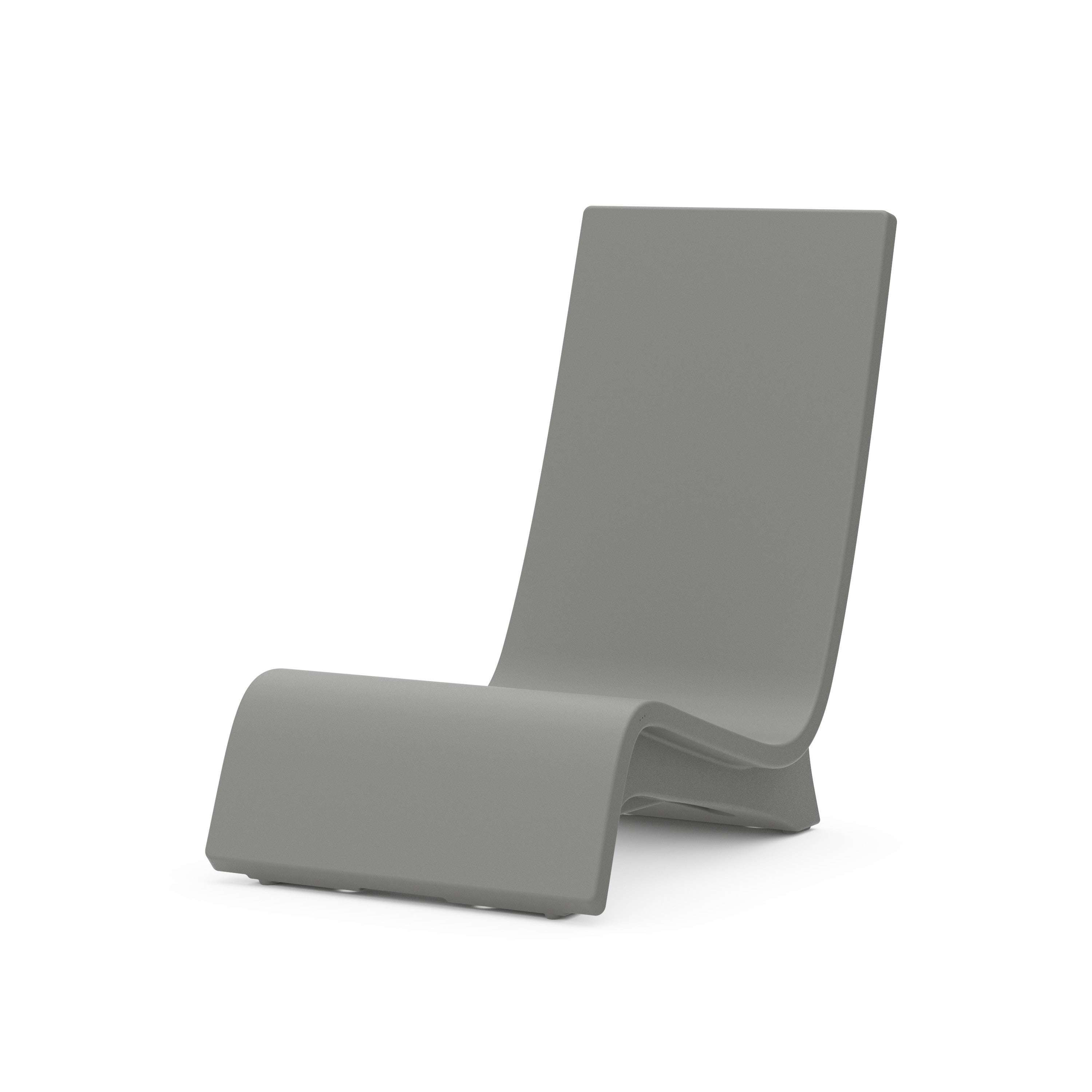
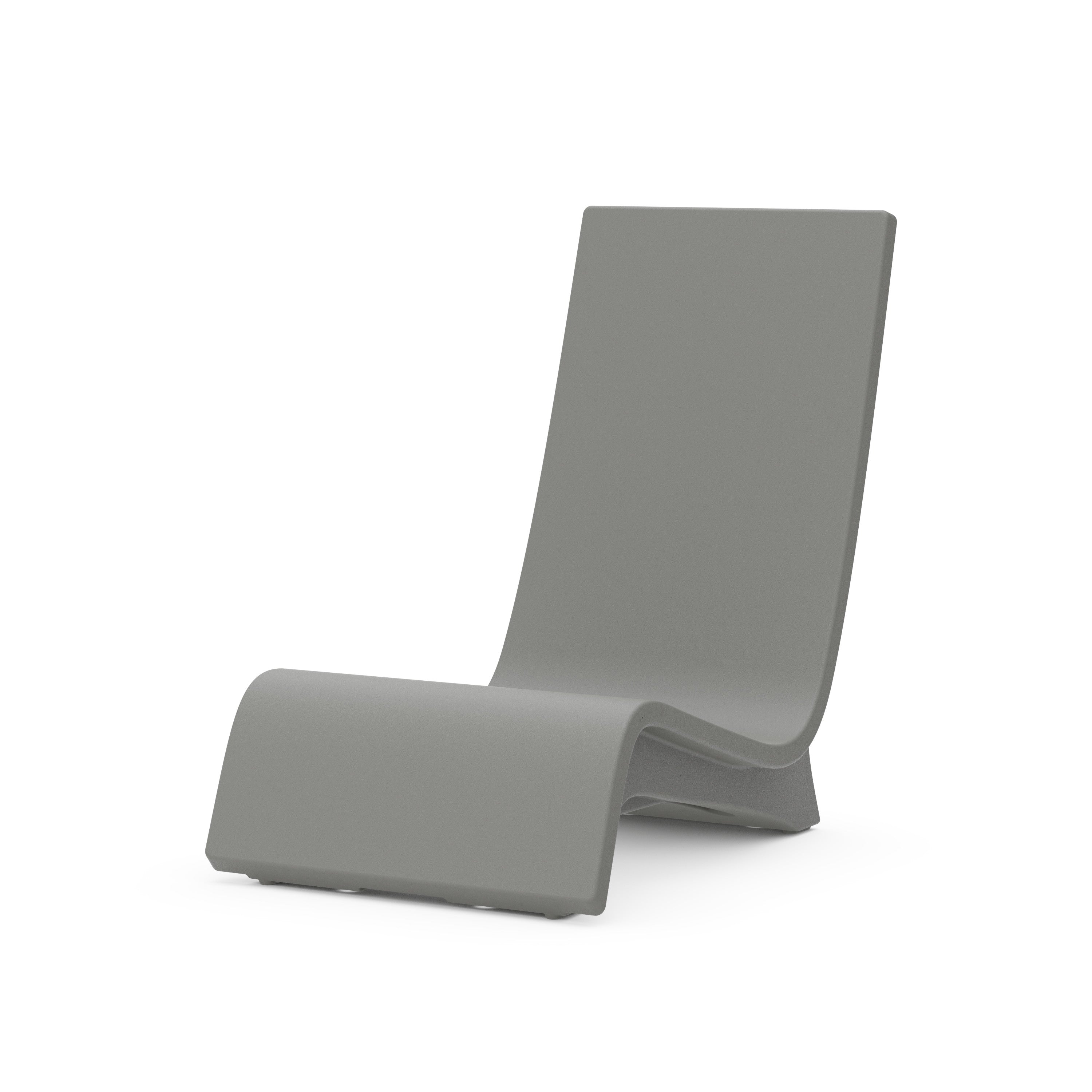
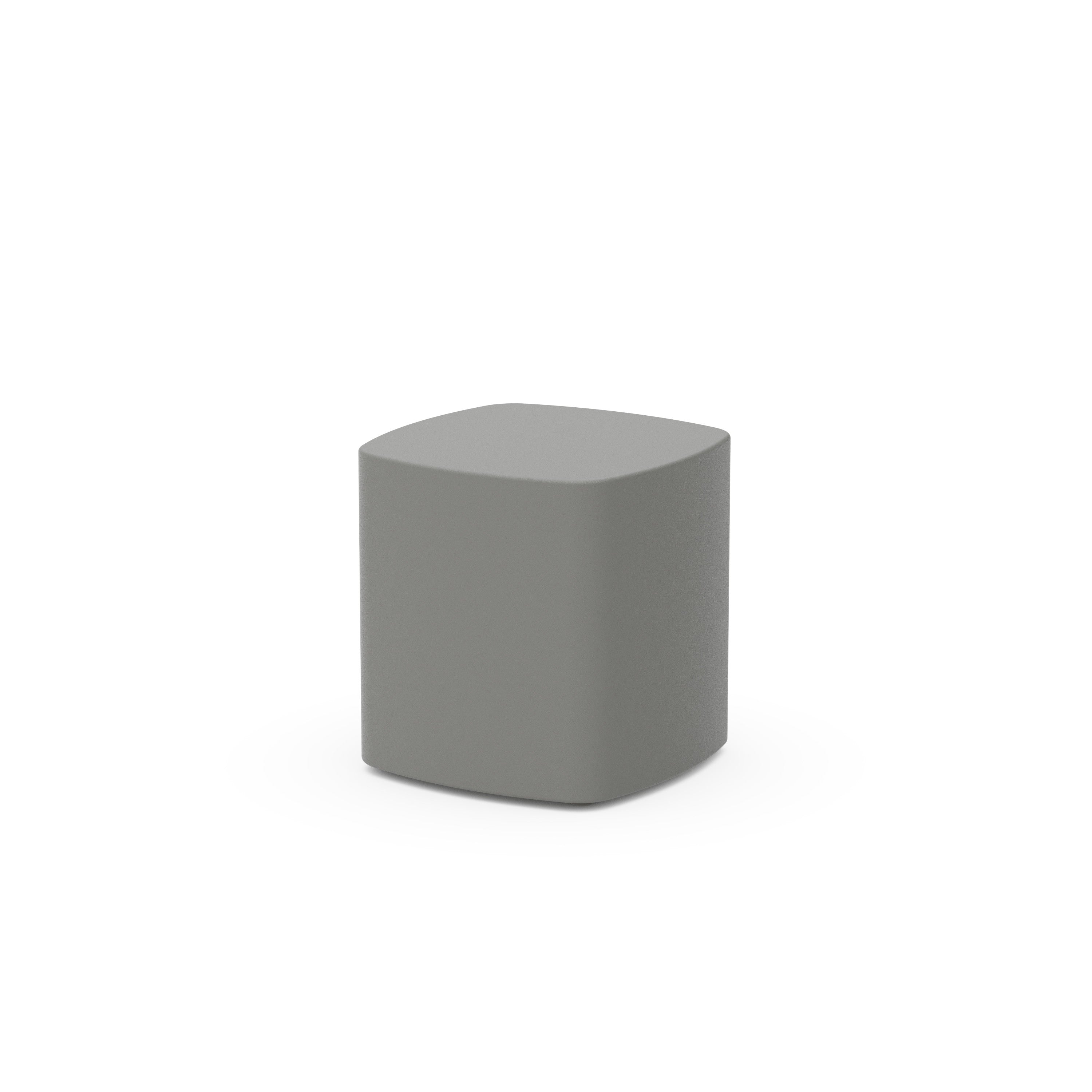
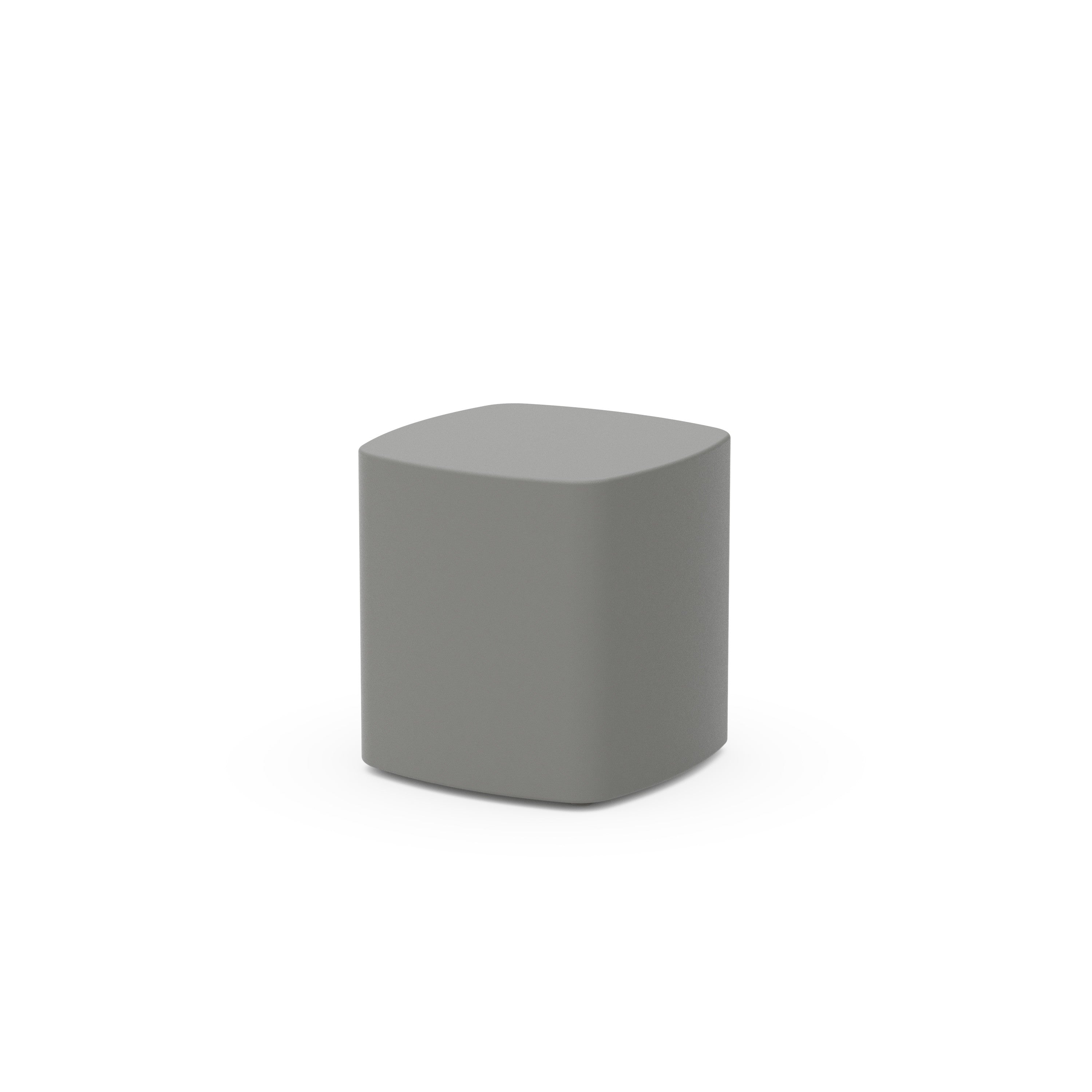
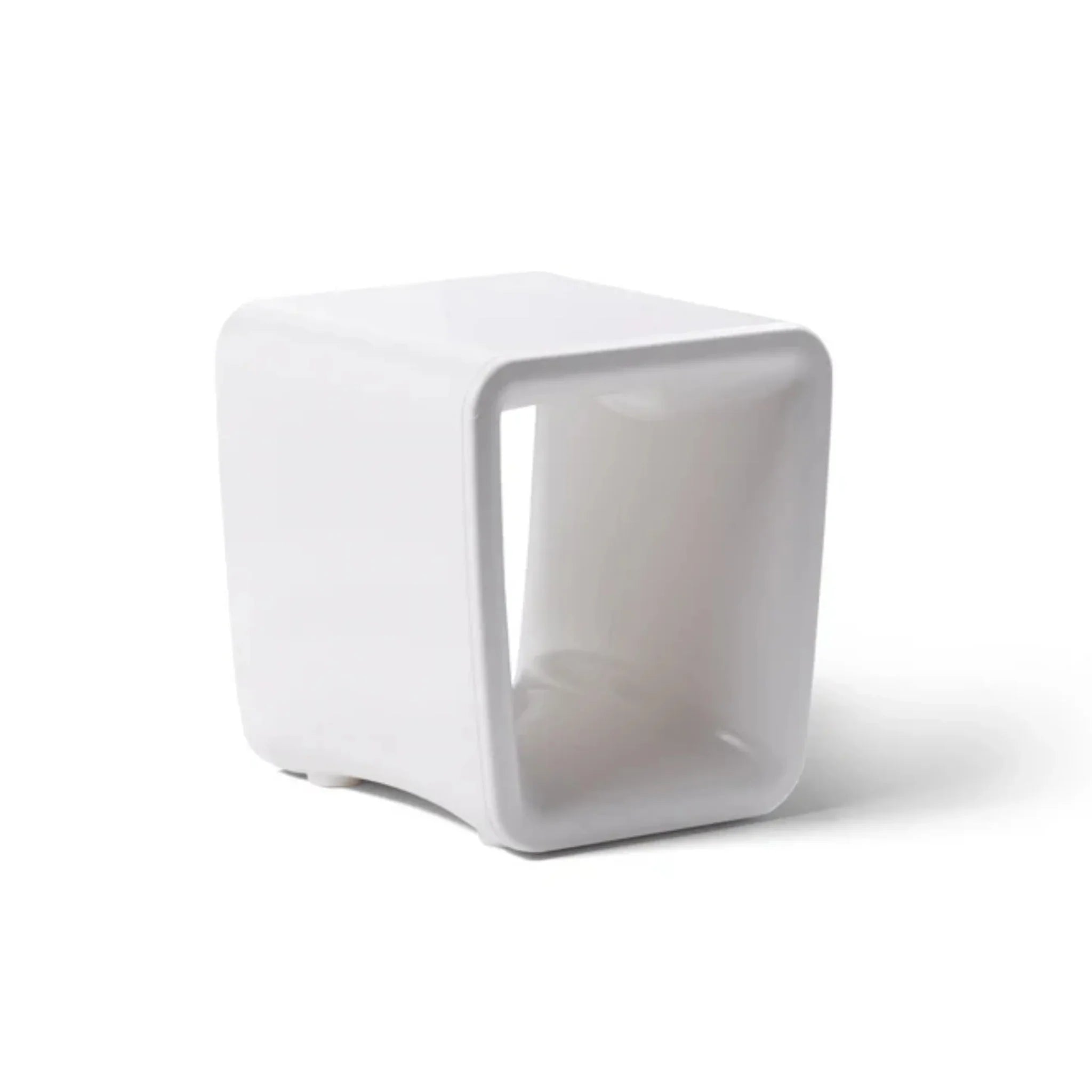
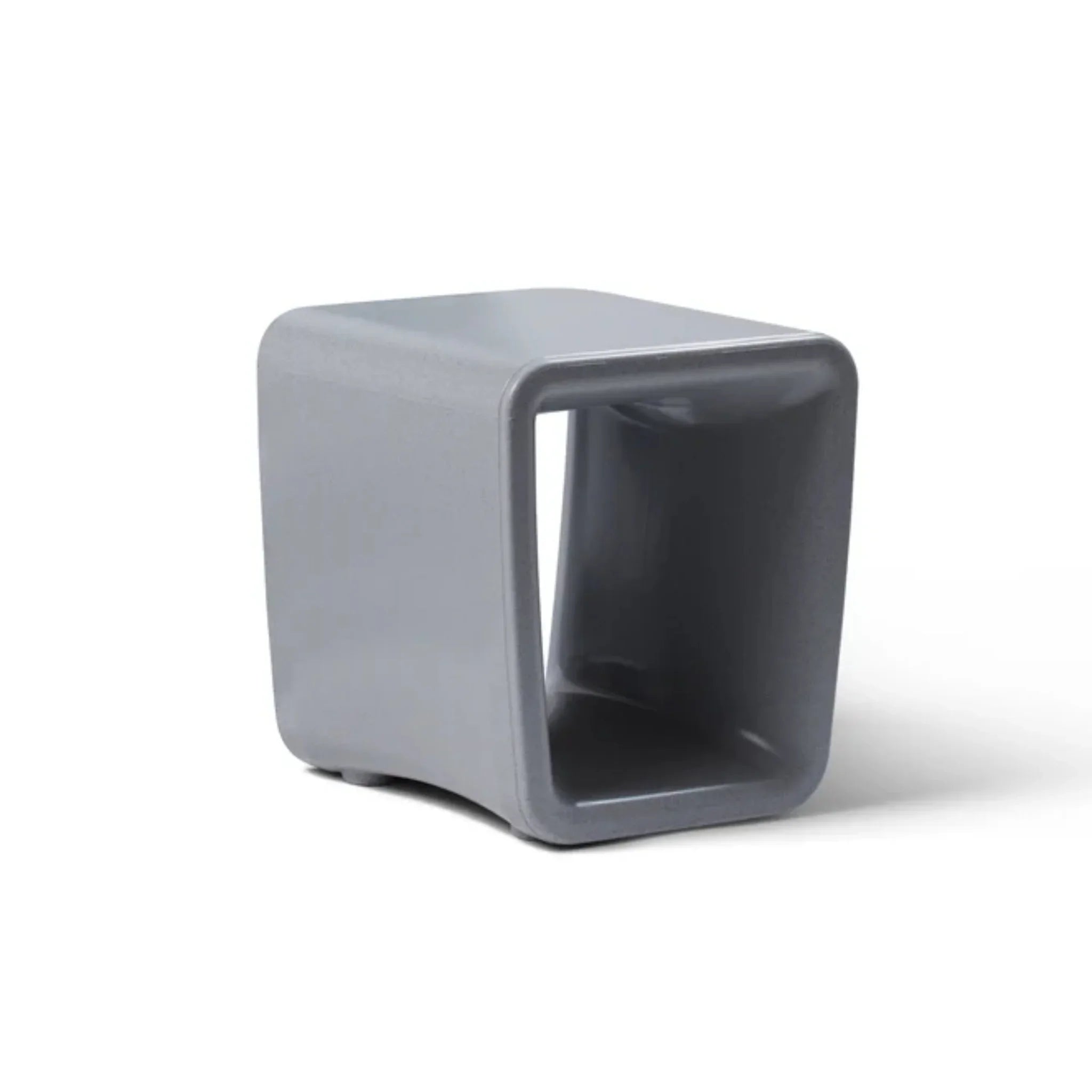
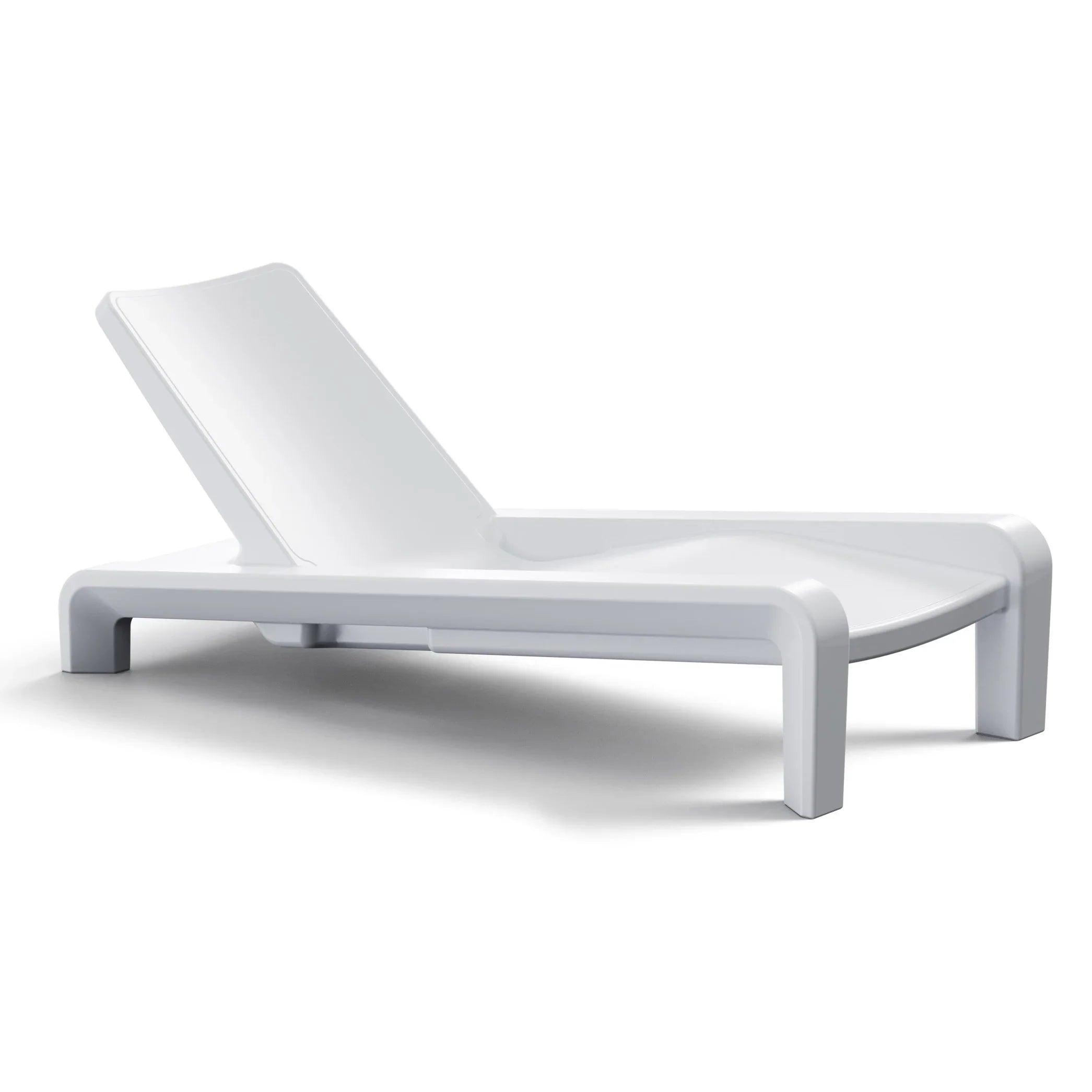
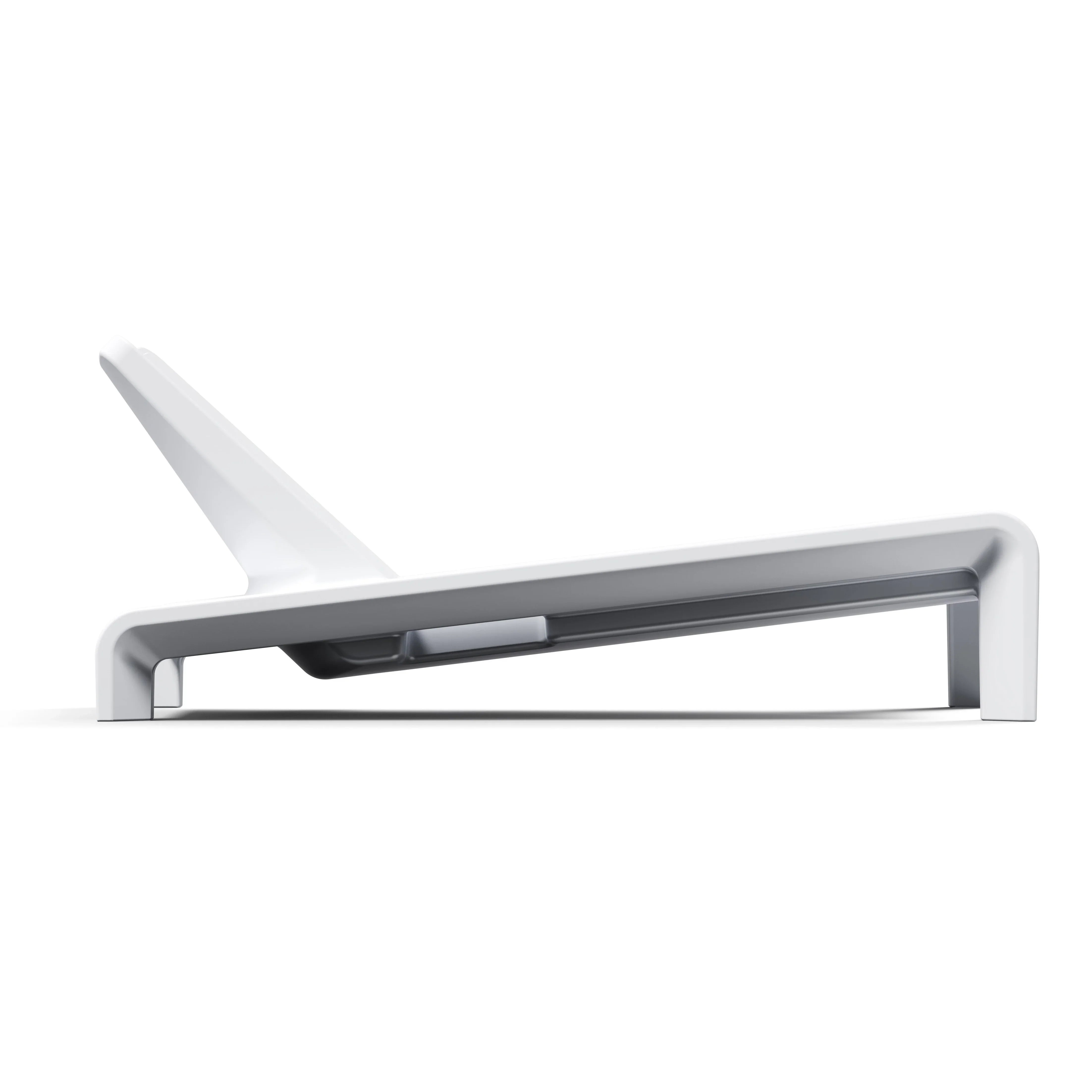
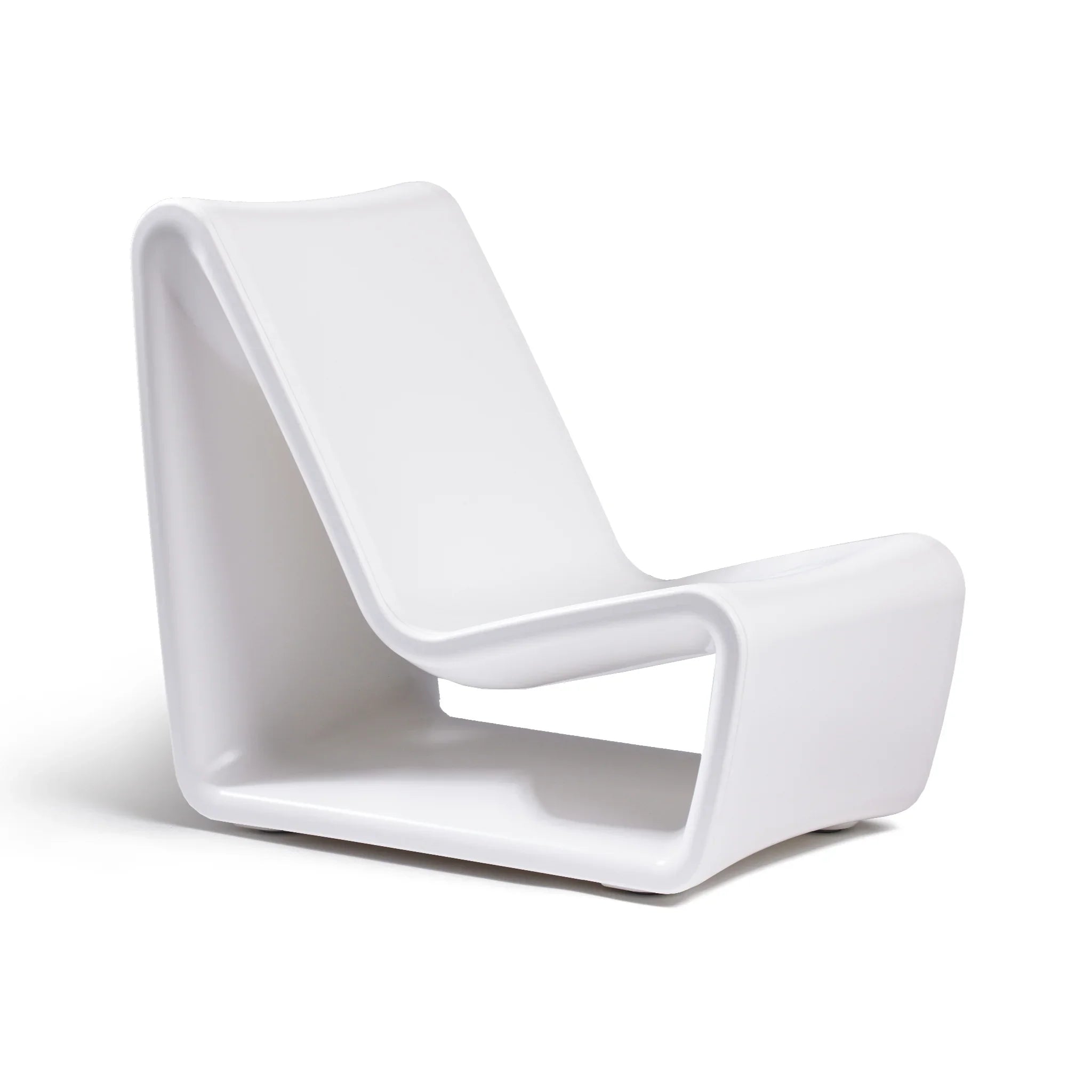
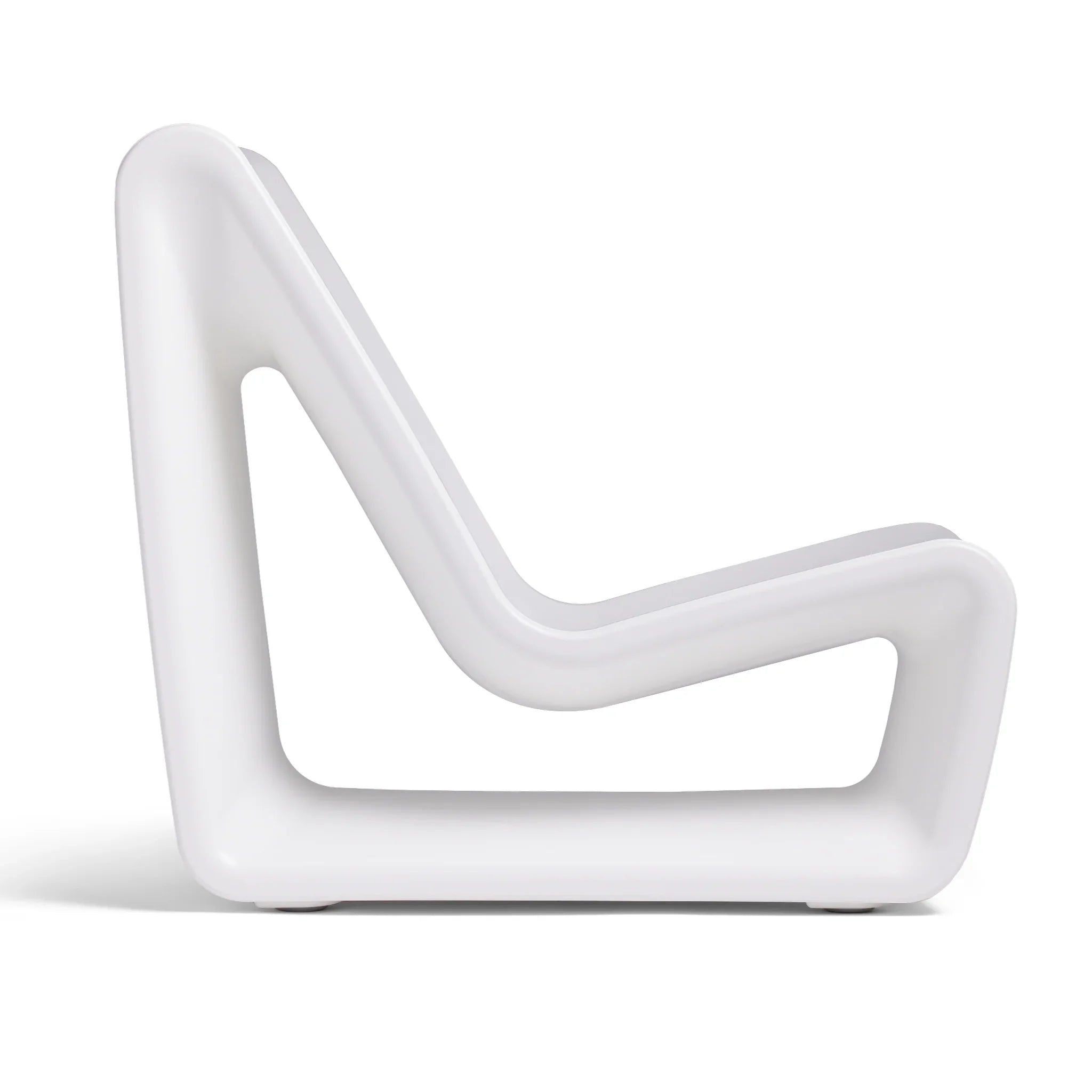
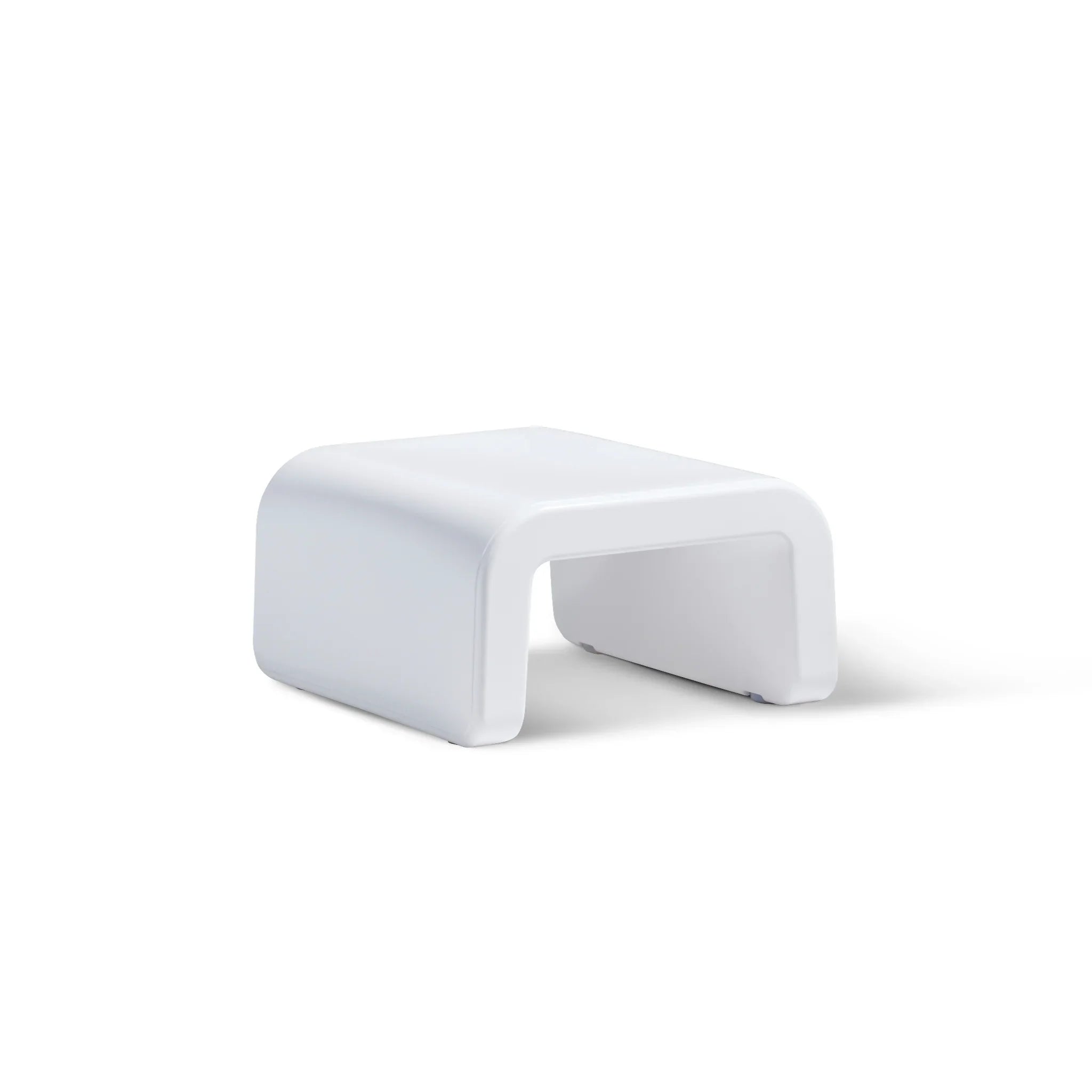
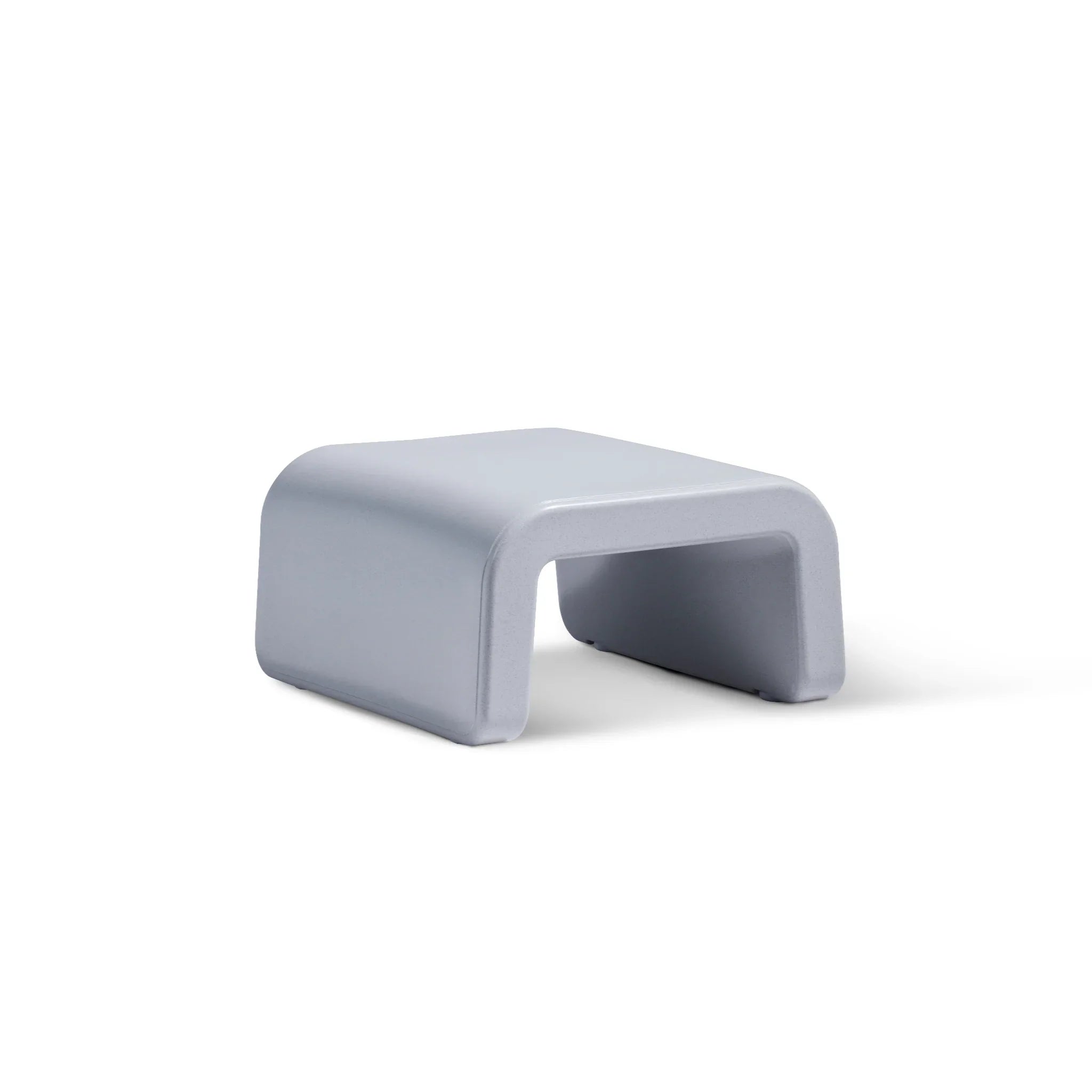
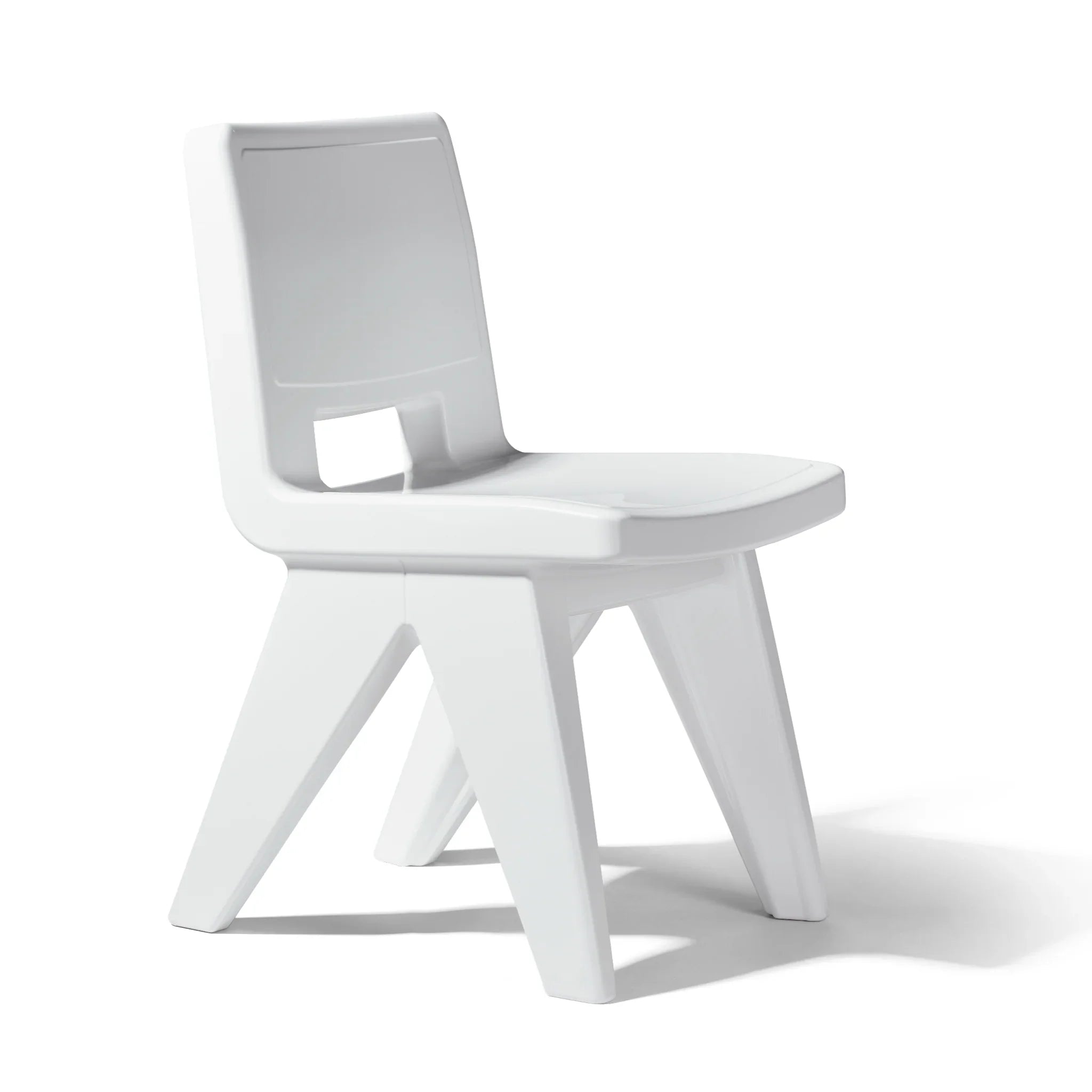
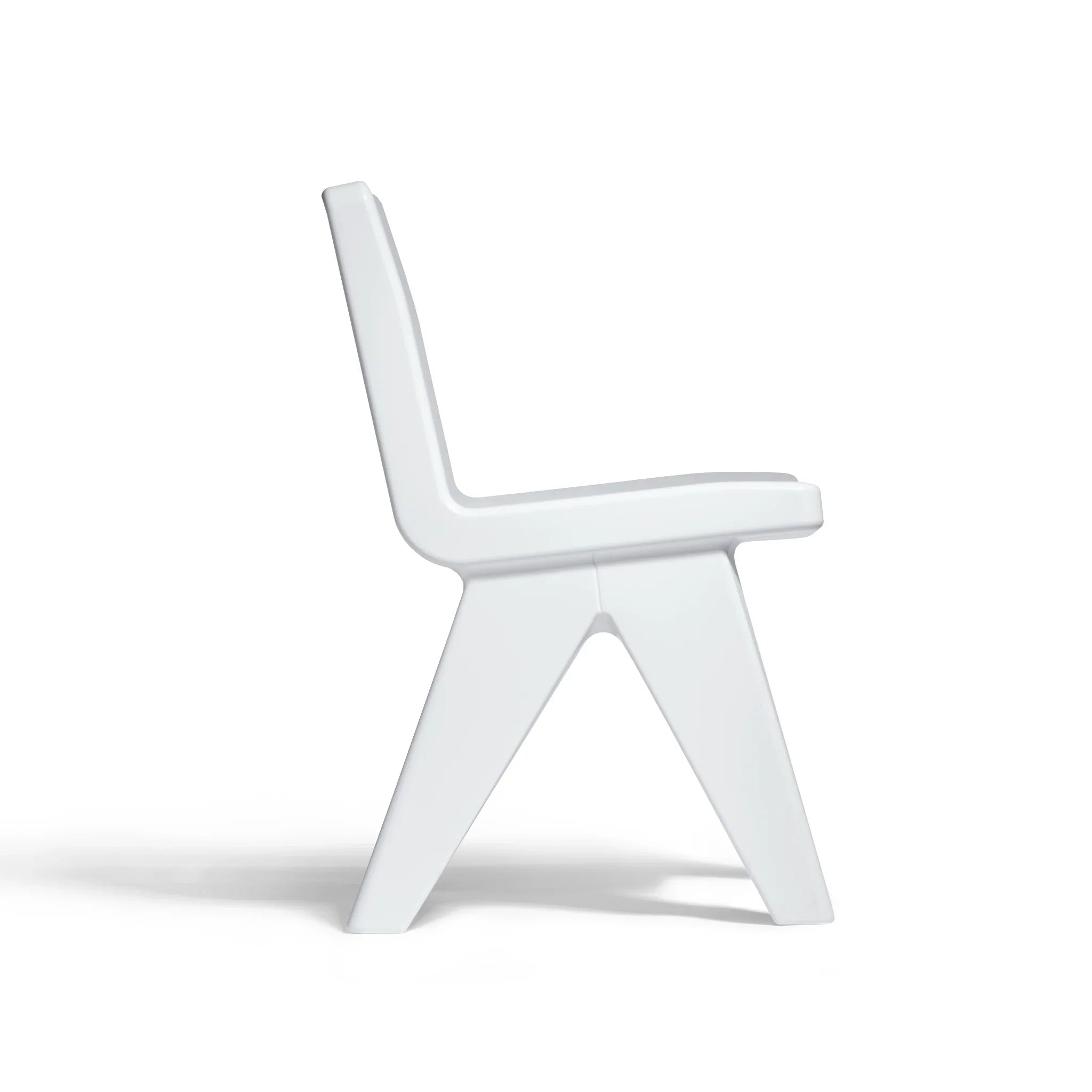
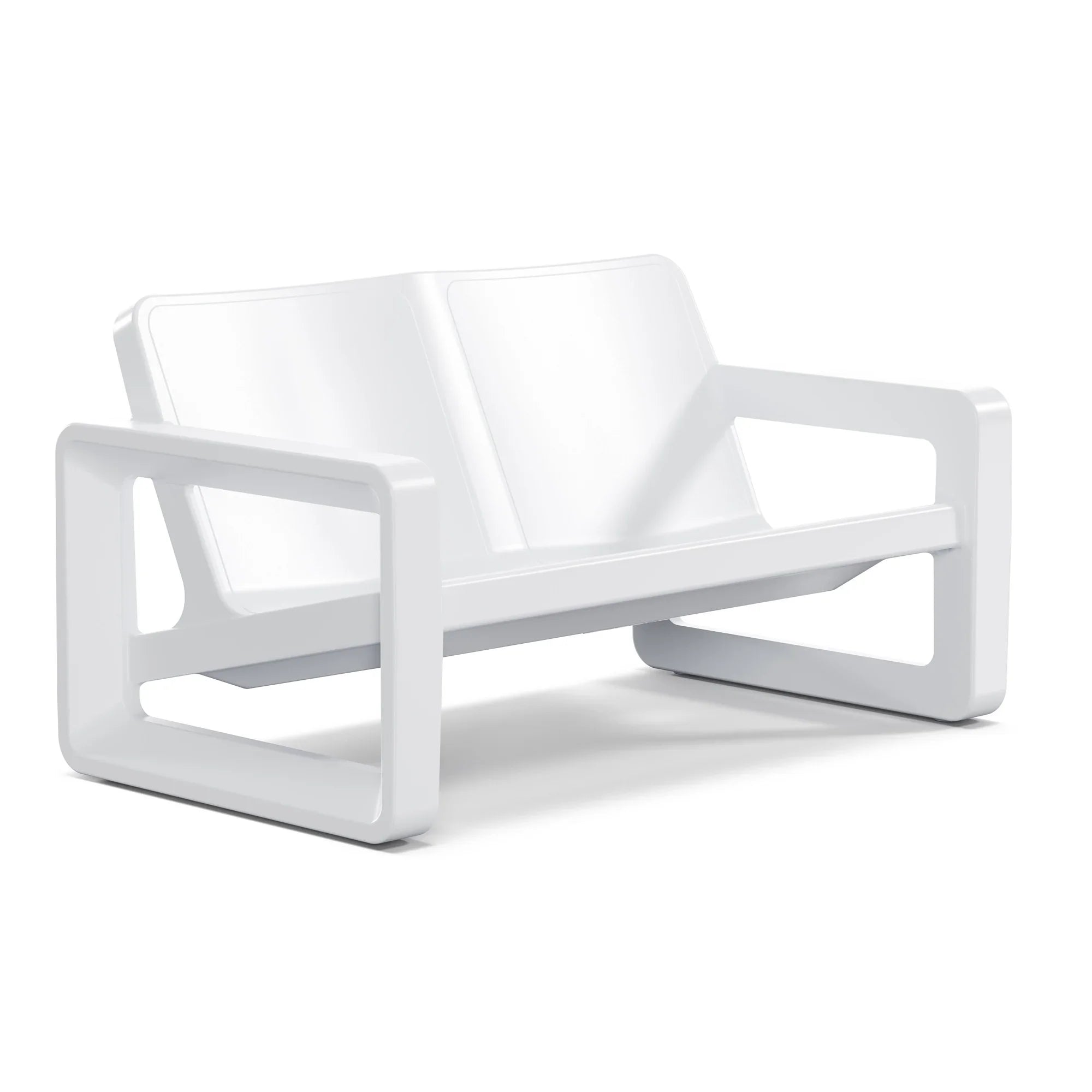
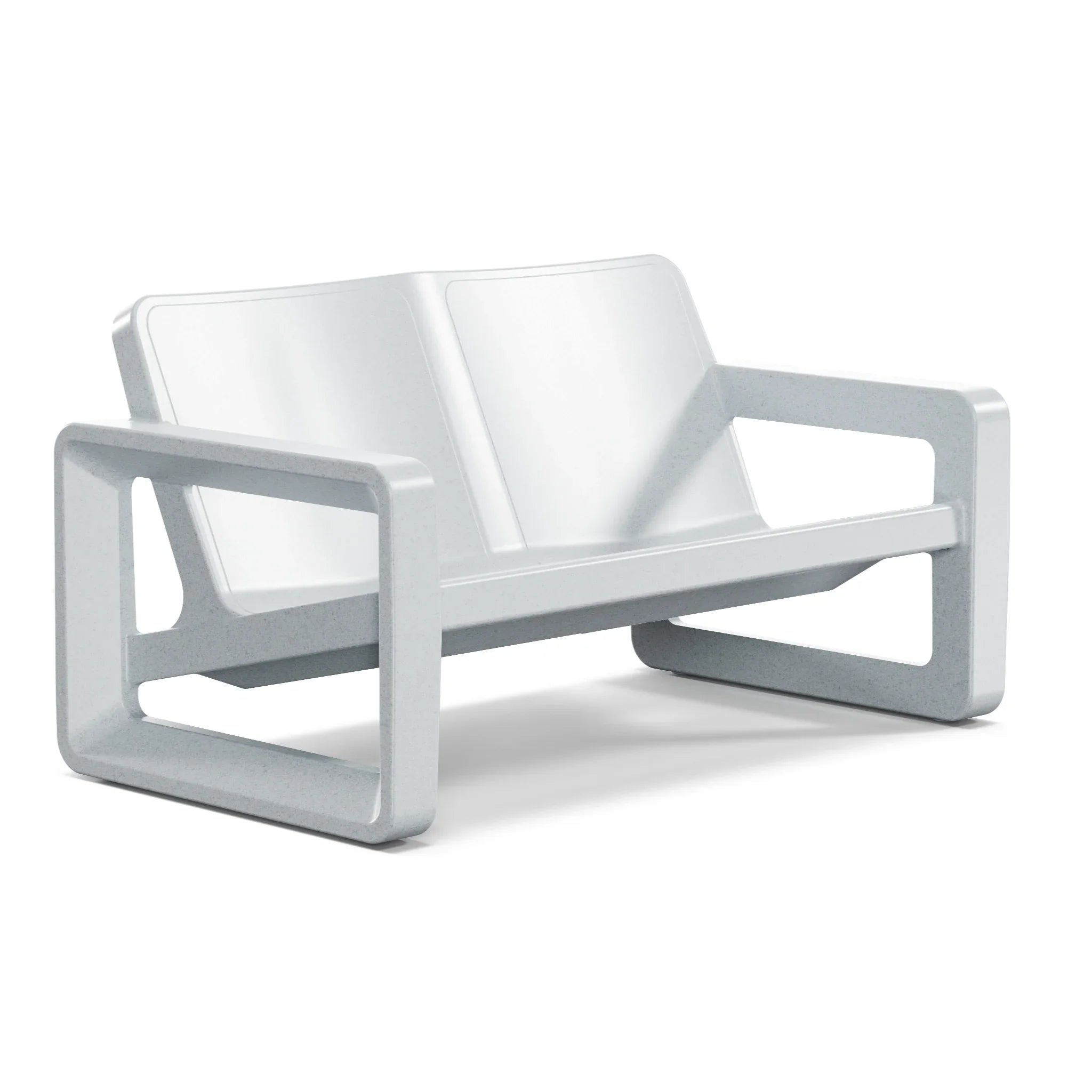
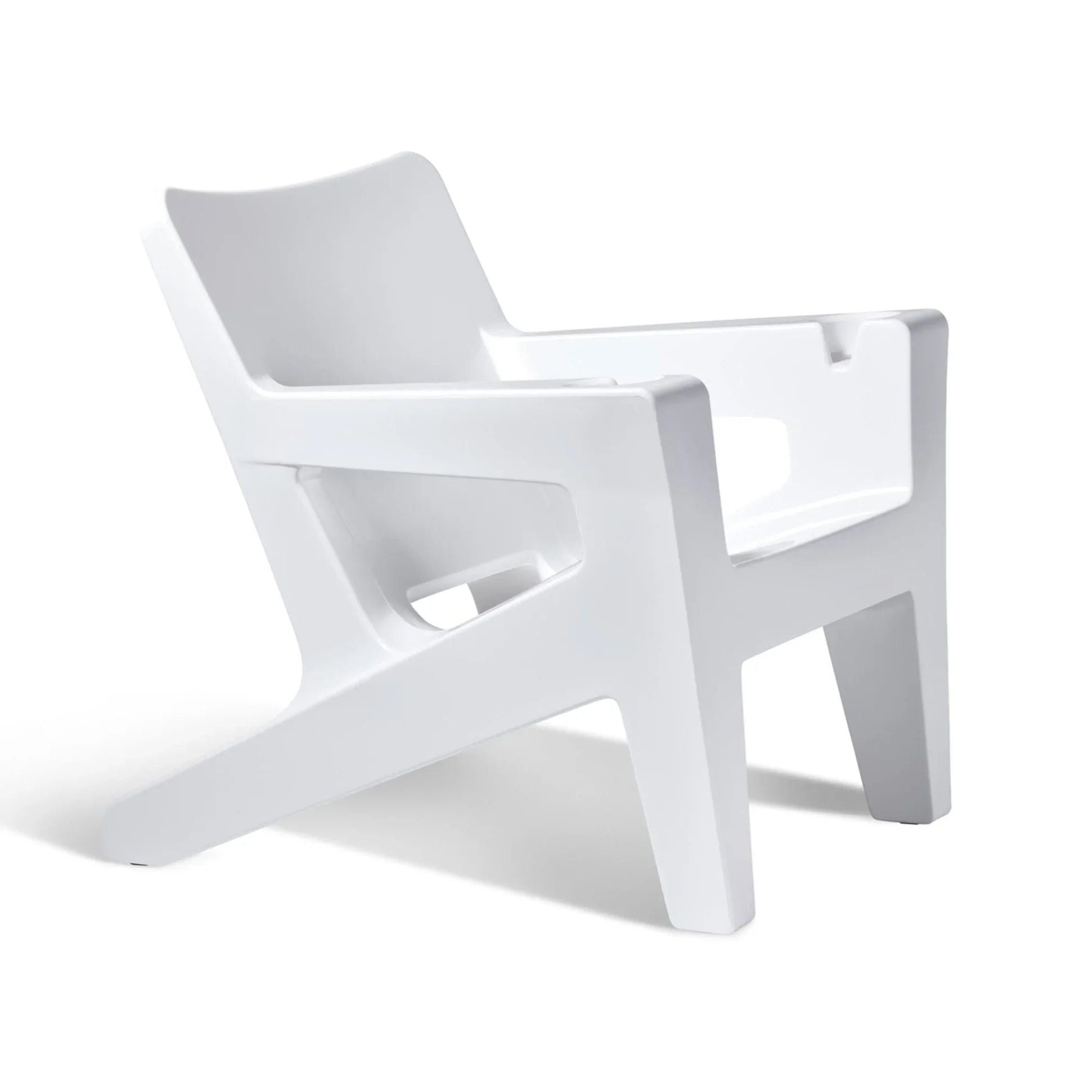
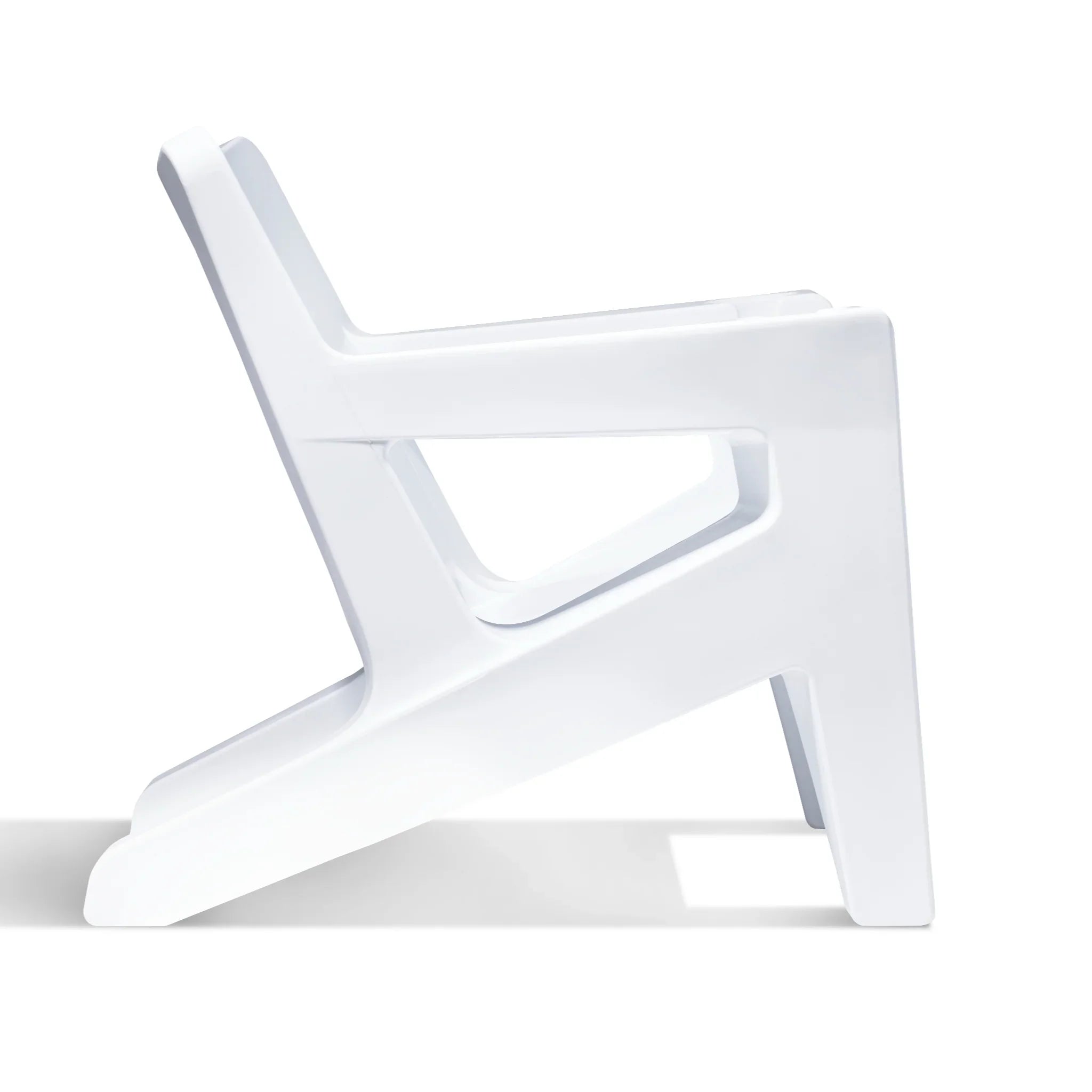
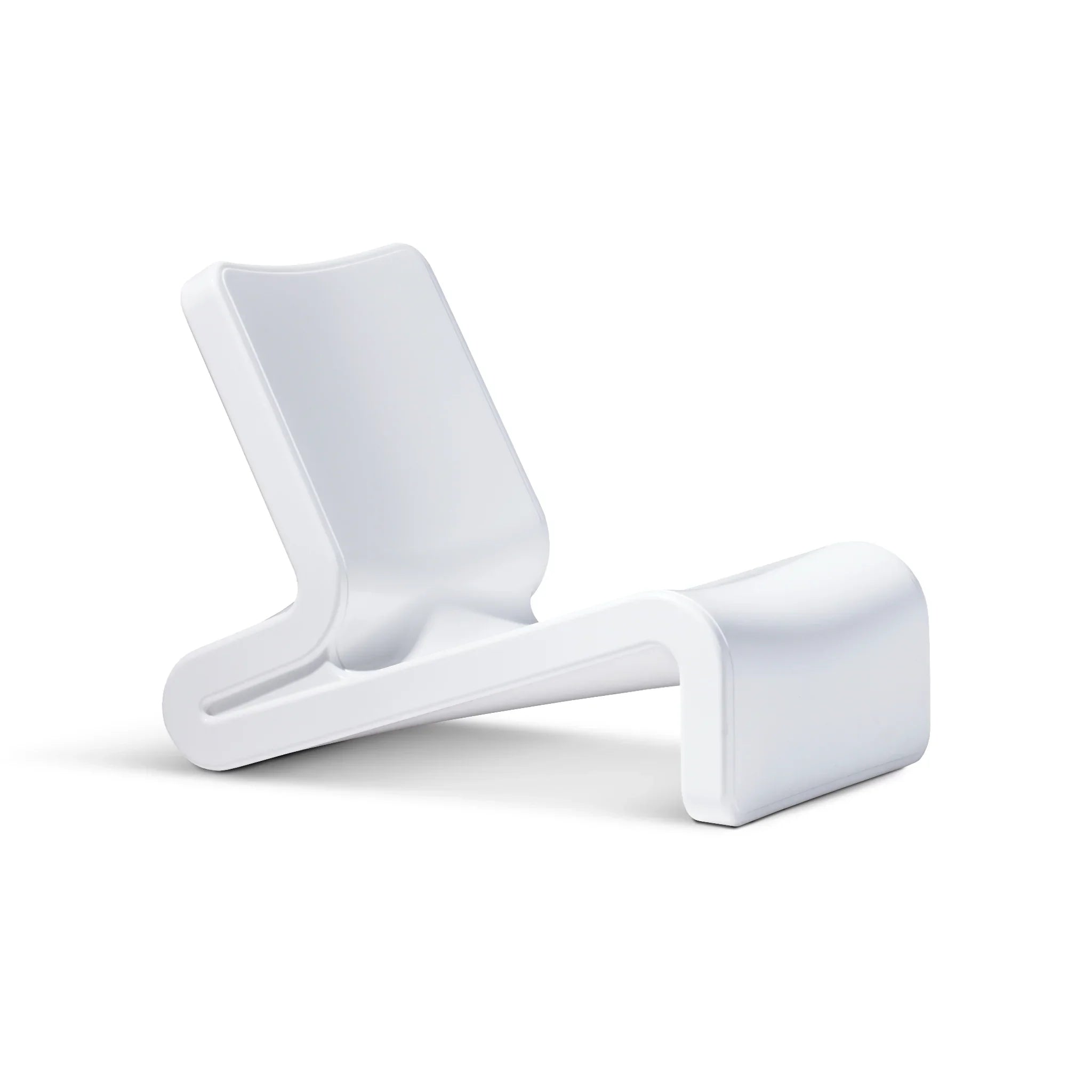
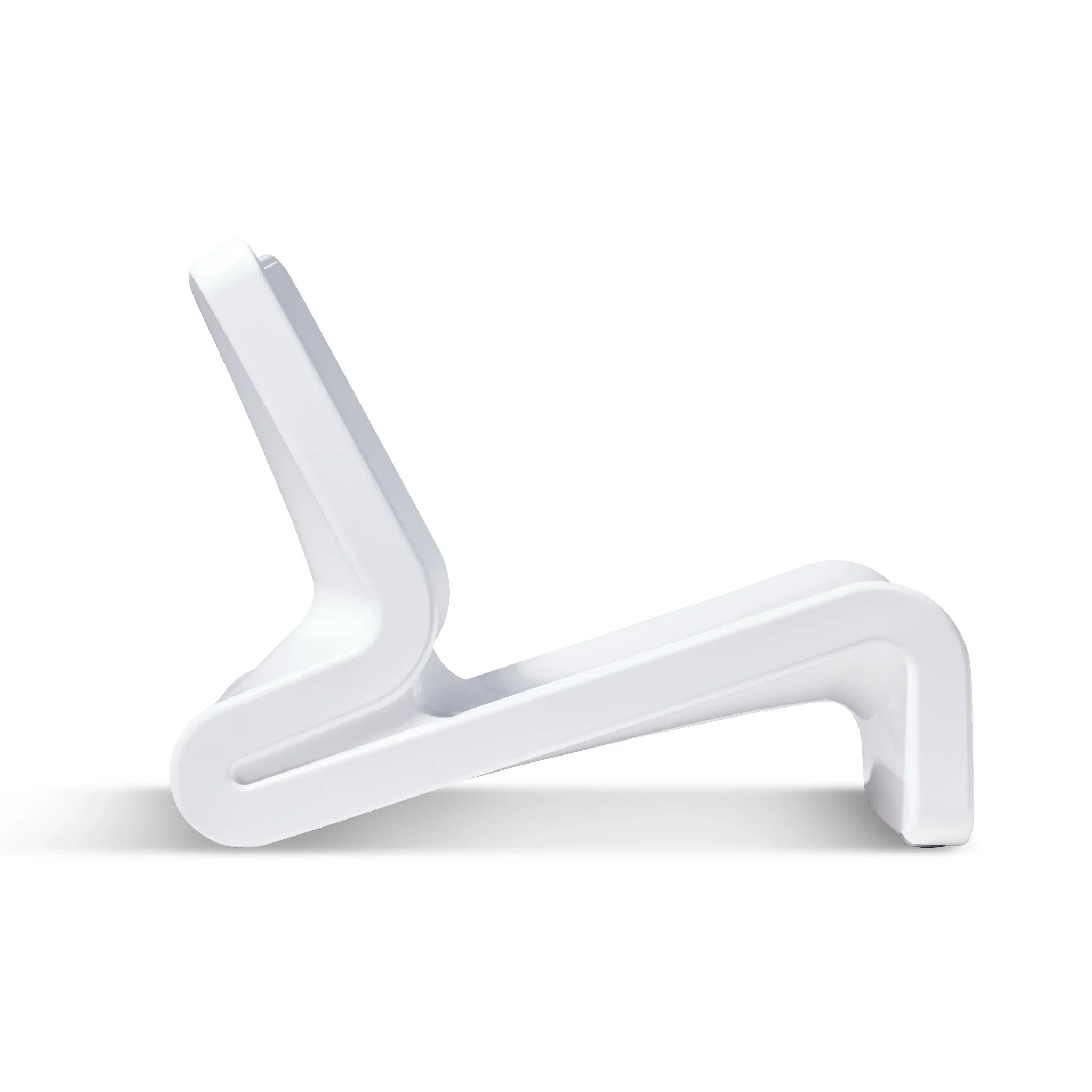
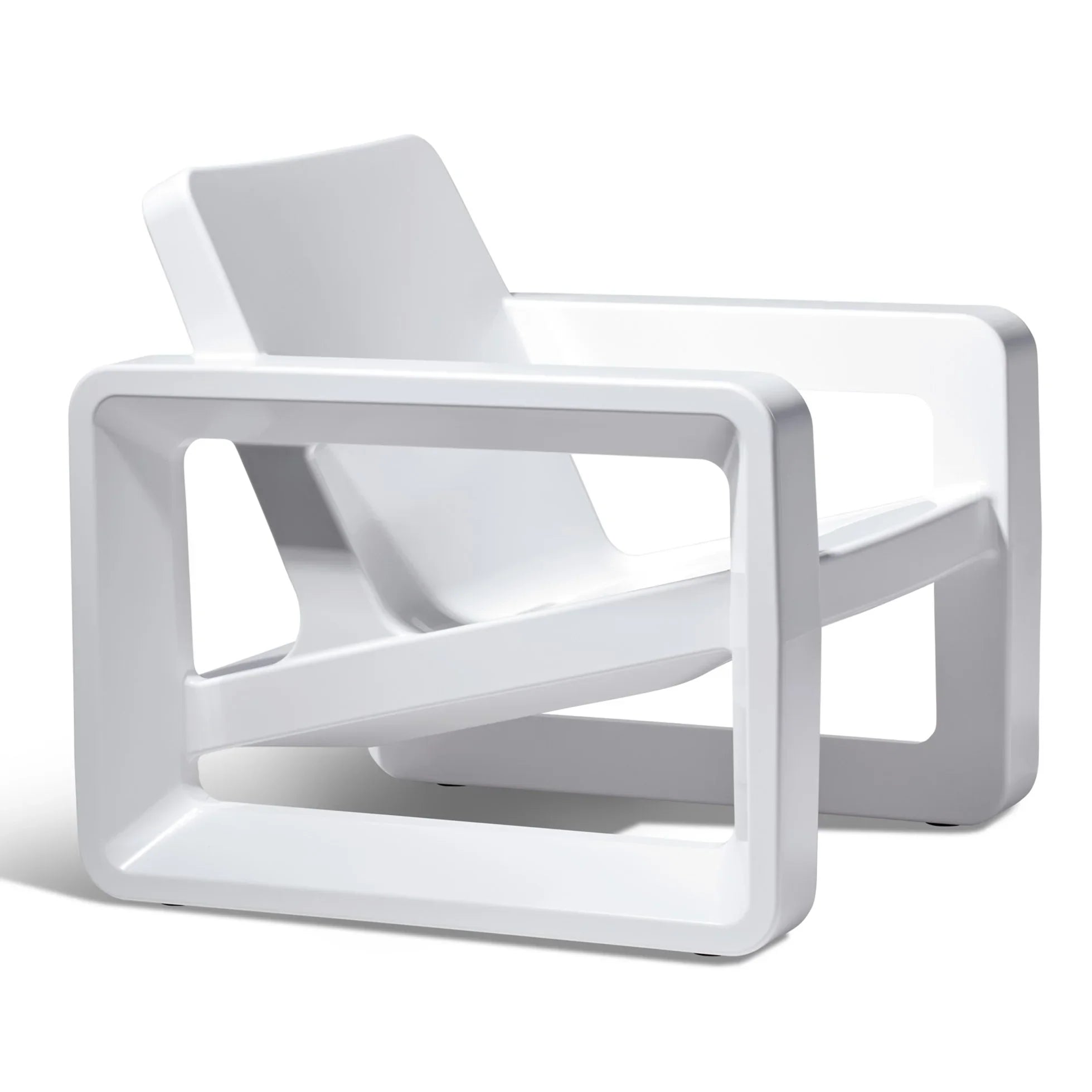
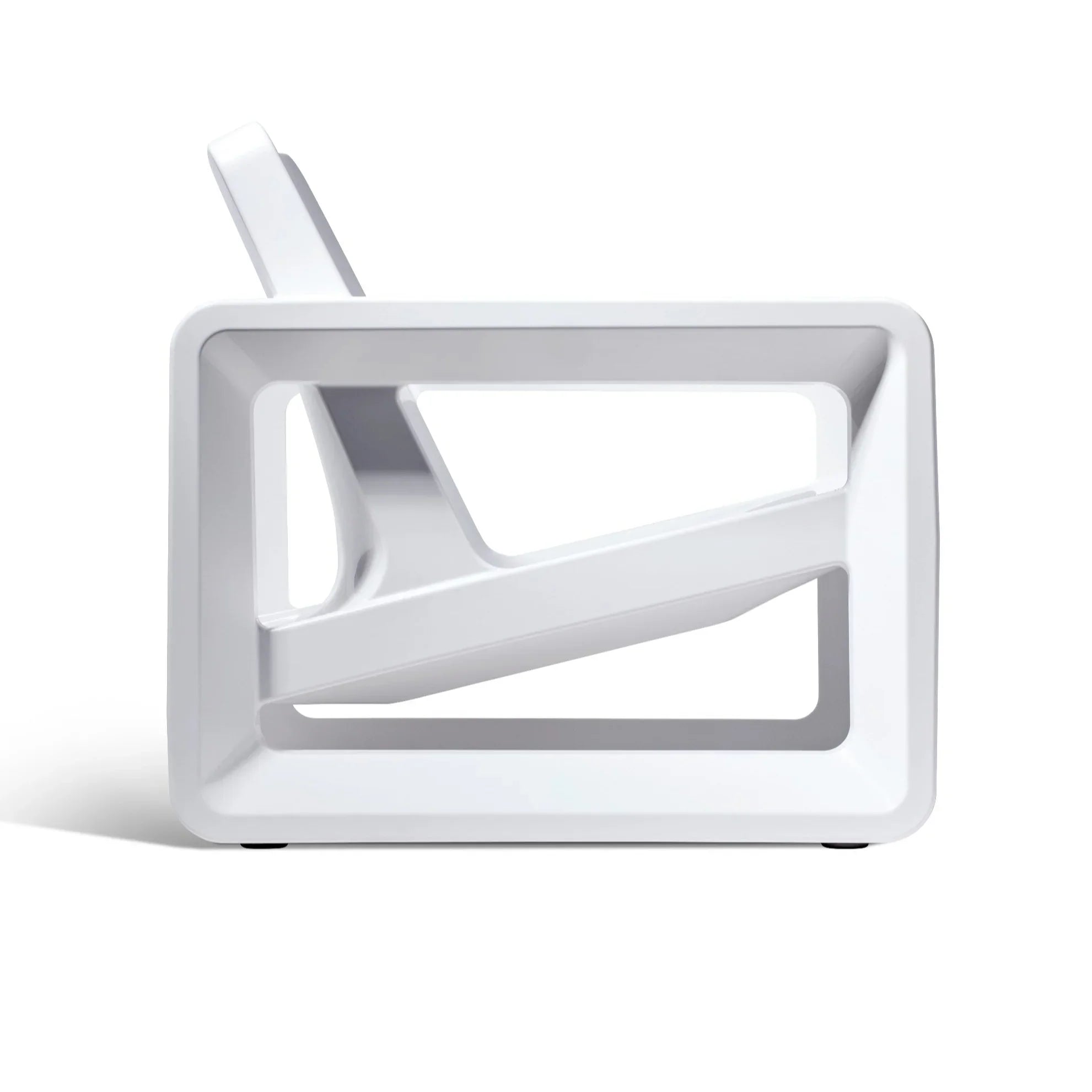
Pools have always had furniture around them. The better question is why it took so long to put good furniture in them. Part of our outdoor furniture collection, in-pool furniture is largely defined by one brand: Ledge Lounger, the company that originated purpose-built underwater furniture and still makes the most complete line available — tanning ledge chaises, in-pool chairs, barstools, and side tables engineered from the ground up for submerged use. The result is a category that turns a pool into a social destination rather than something you stand at the edge of and wait your turn to use.
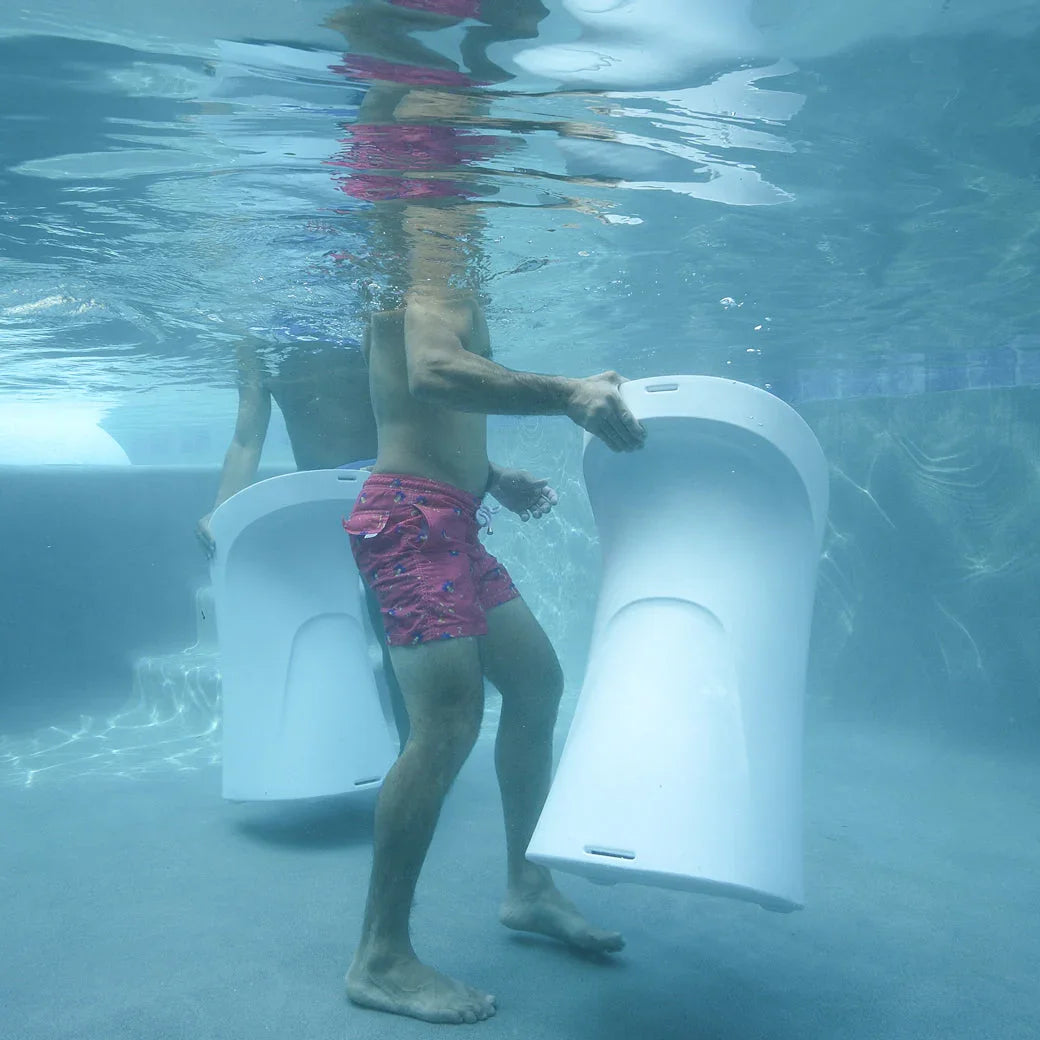
The product is engineered for the environment. Frames in marine-grade aluminum or UV-stabilized resin resist chlorine, saltwater, and continuous sun exposure. Fabrics are open-weave or mesh to drain immediately. Hardware is stainless or anodized to prevent rust staining on pool finishes. Everything is weighted or designed with ballast to stay in position underwater rather than floating to the surface when not occupied.
What Goes in the Pool
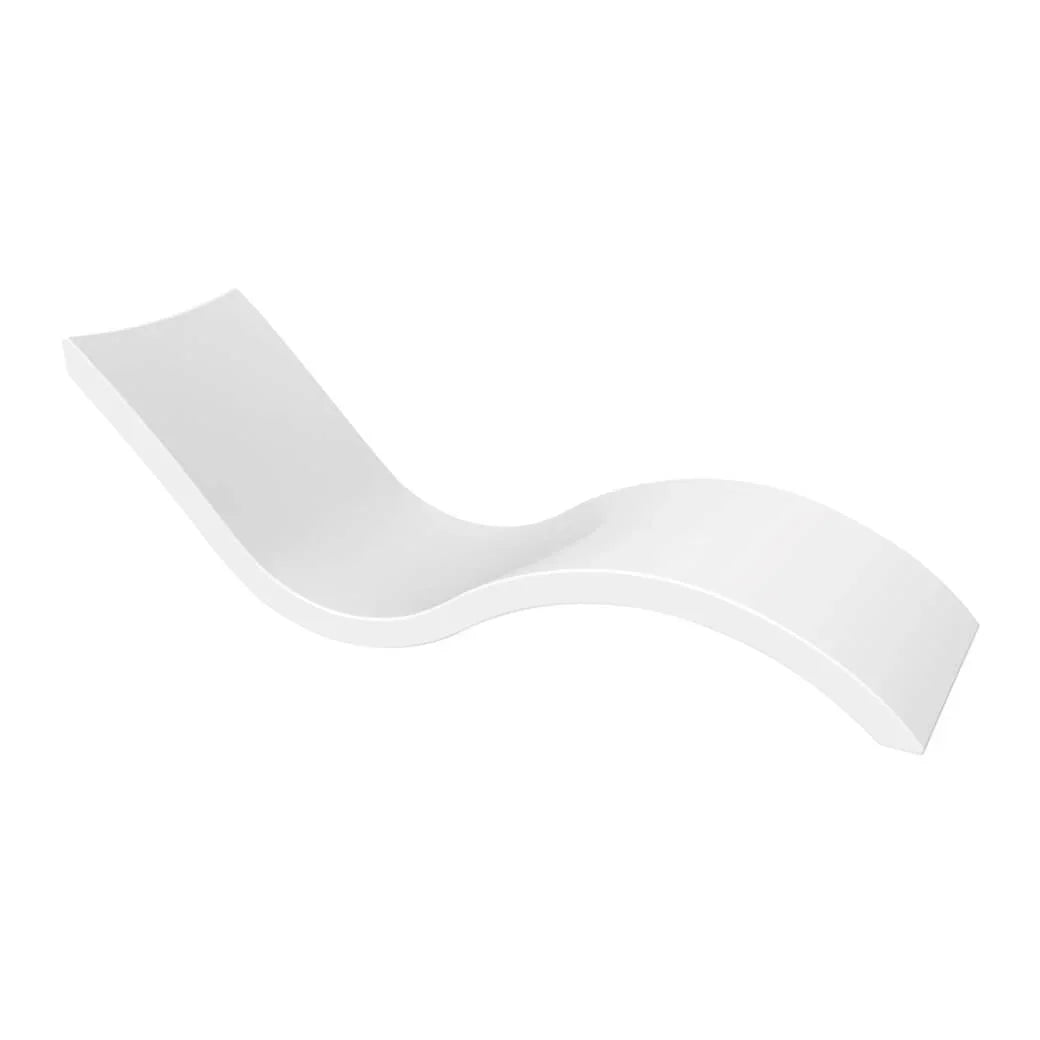
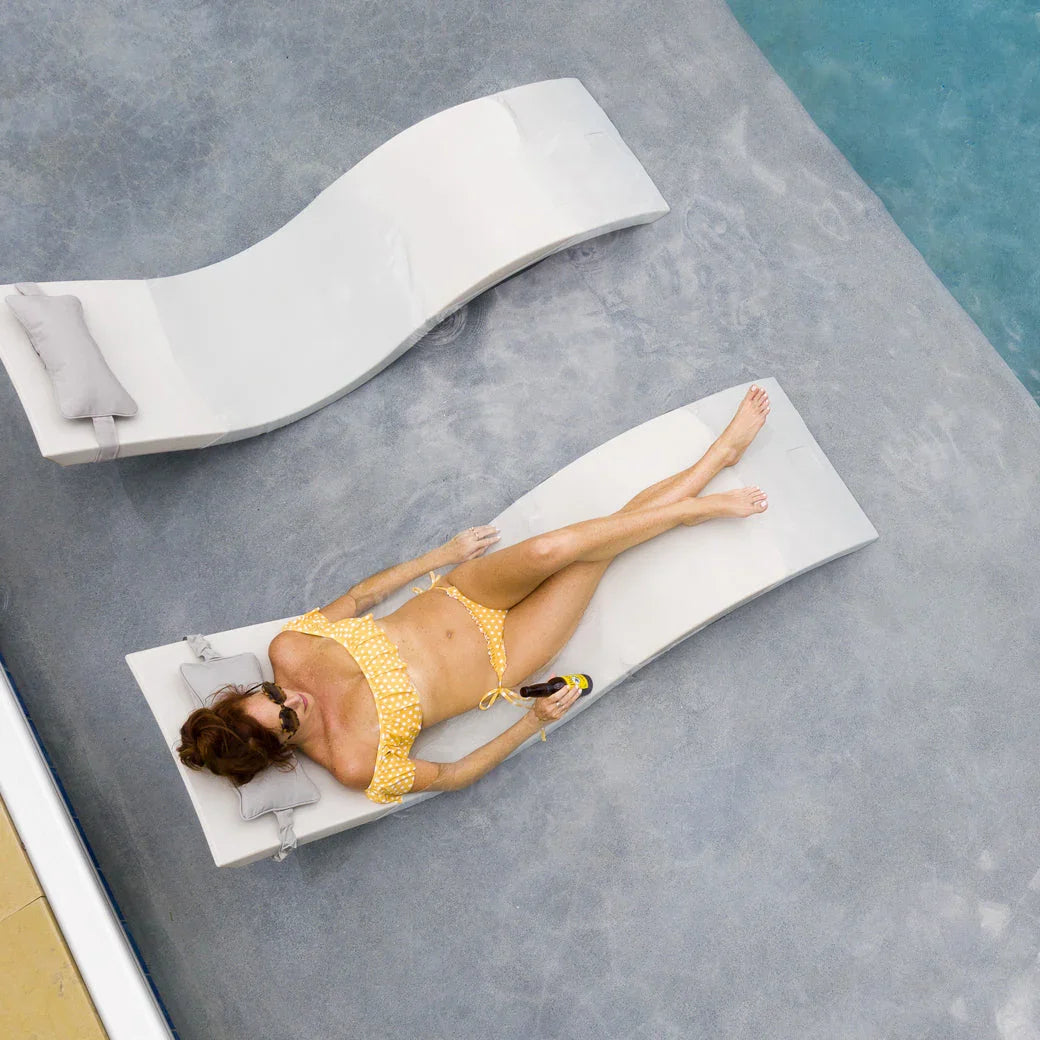
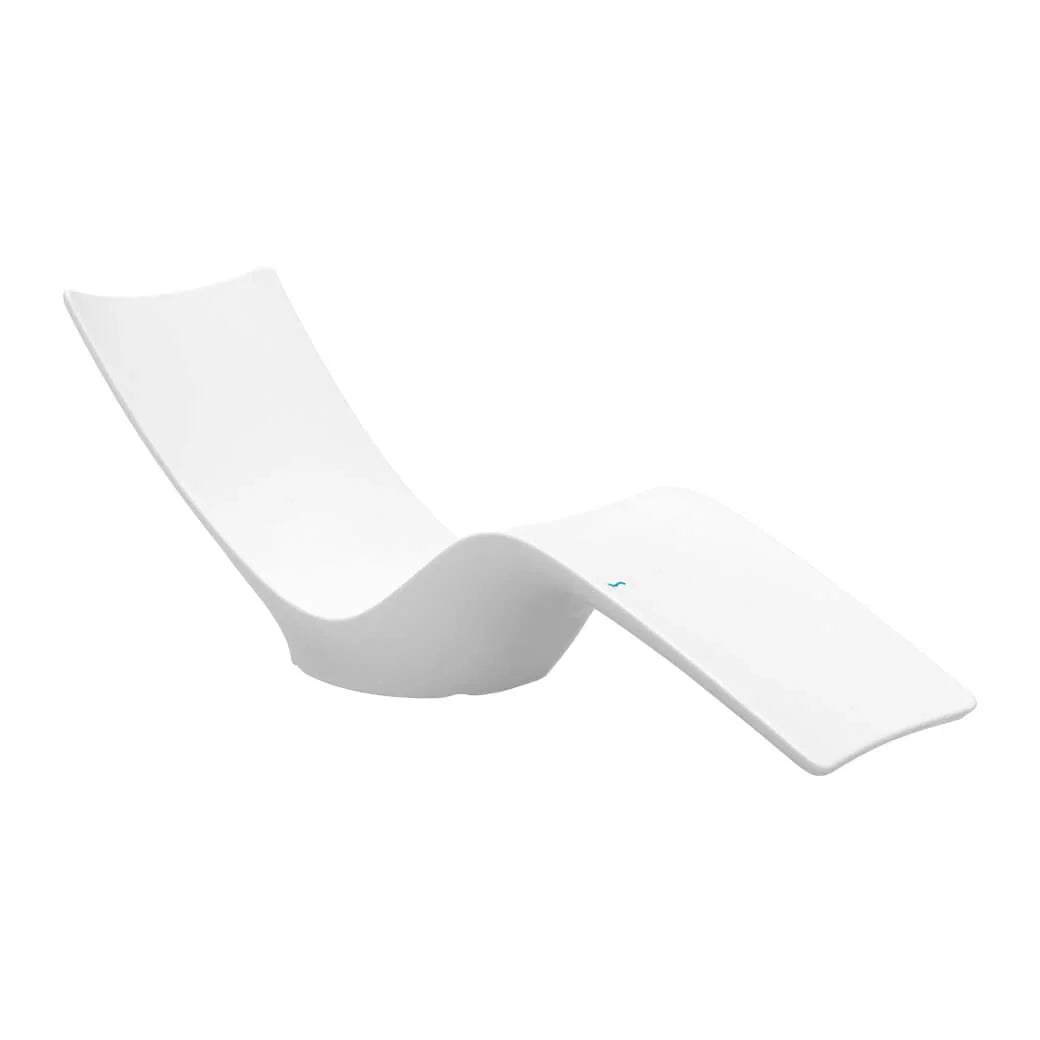
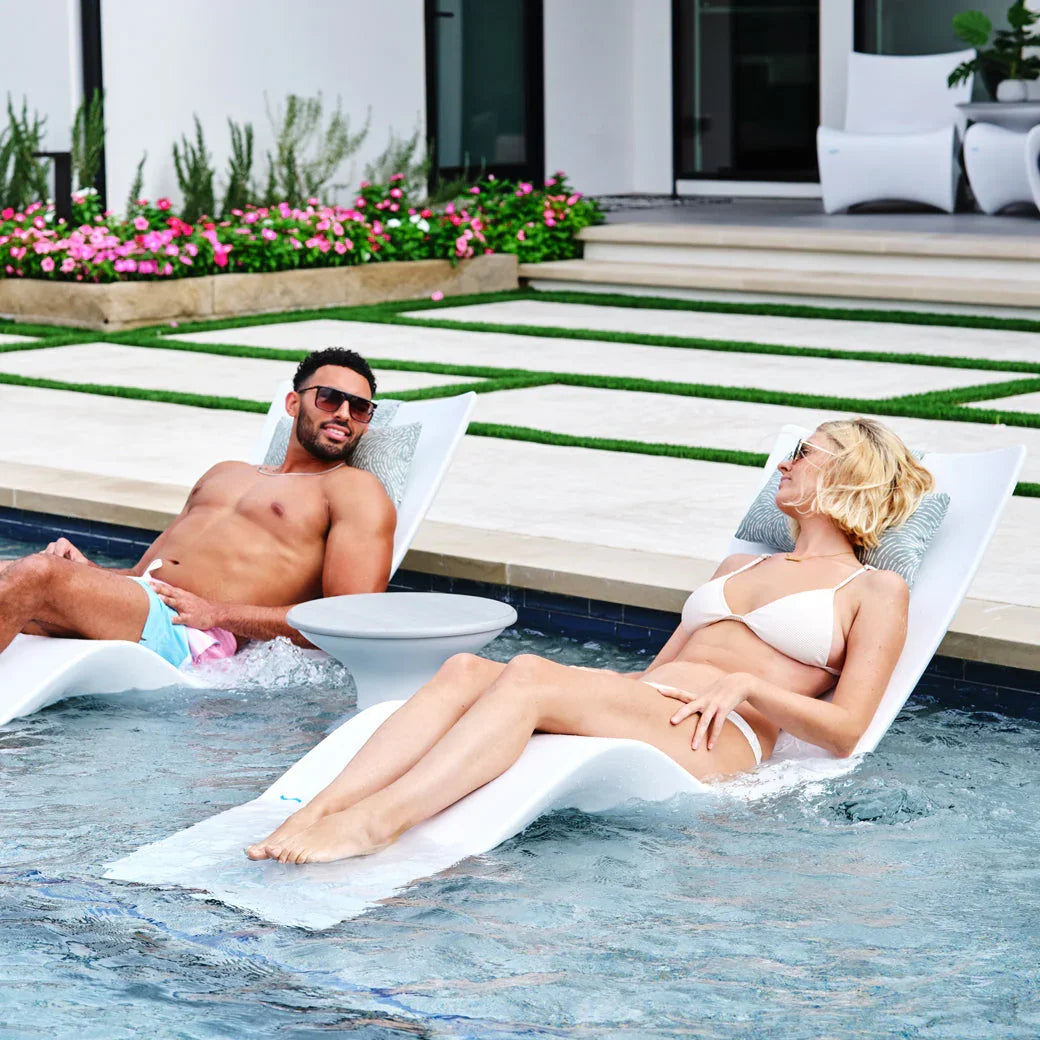
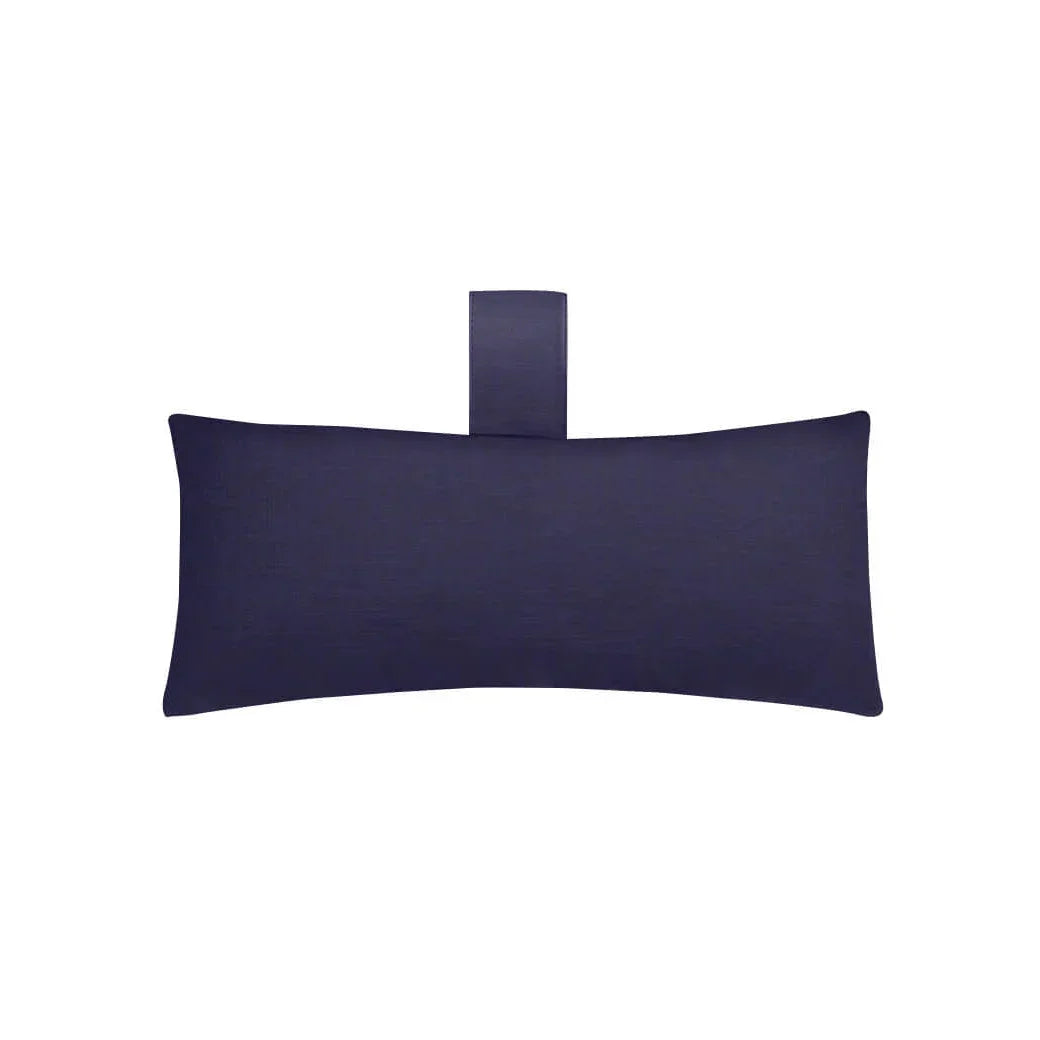
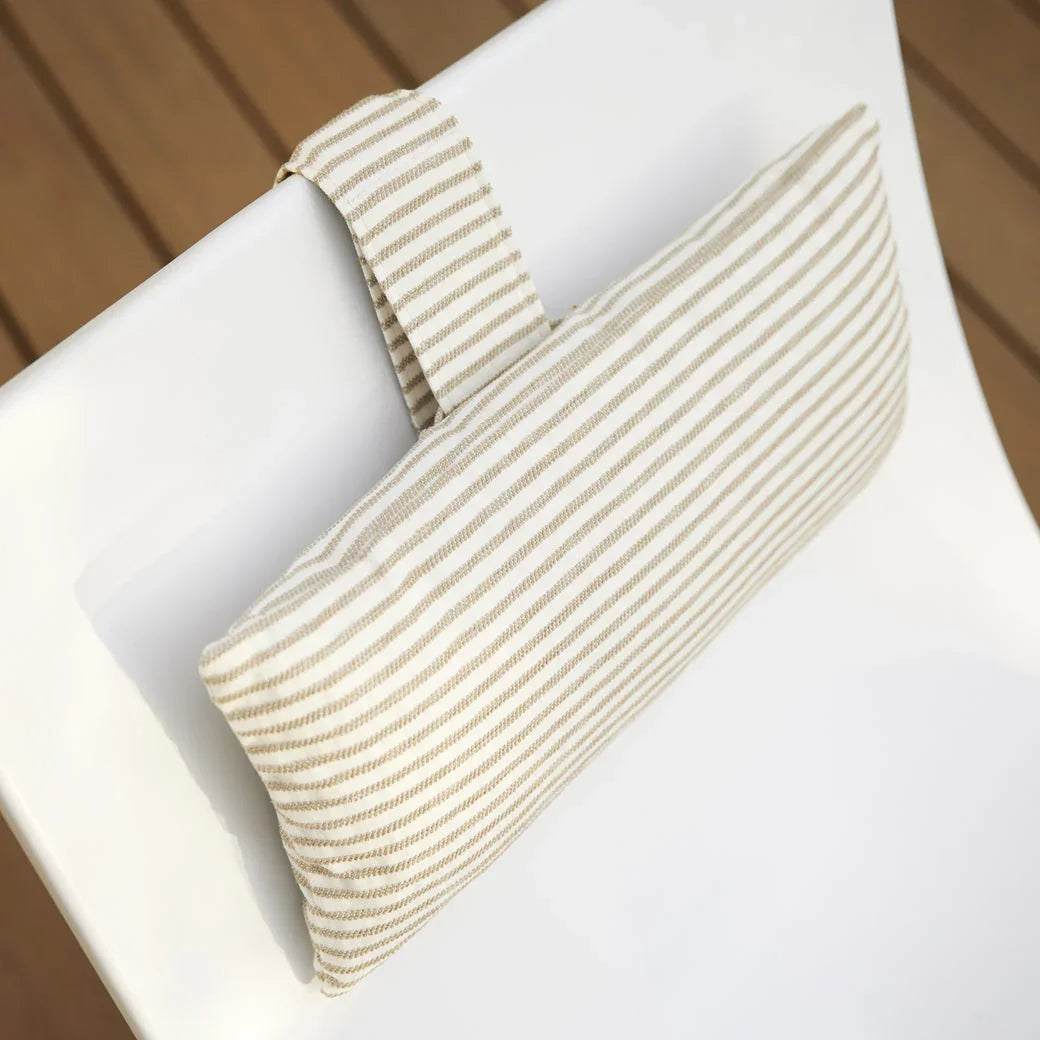
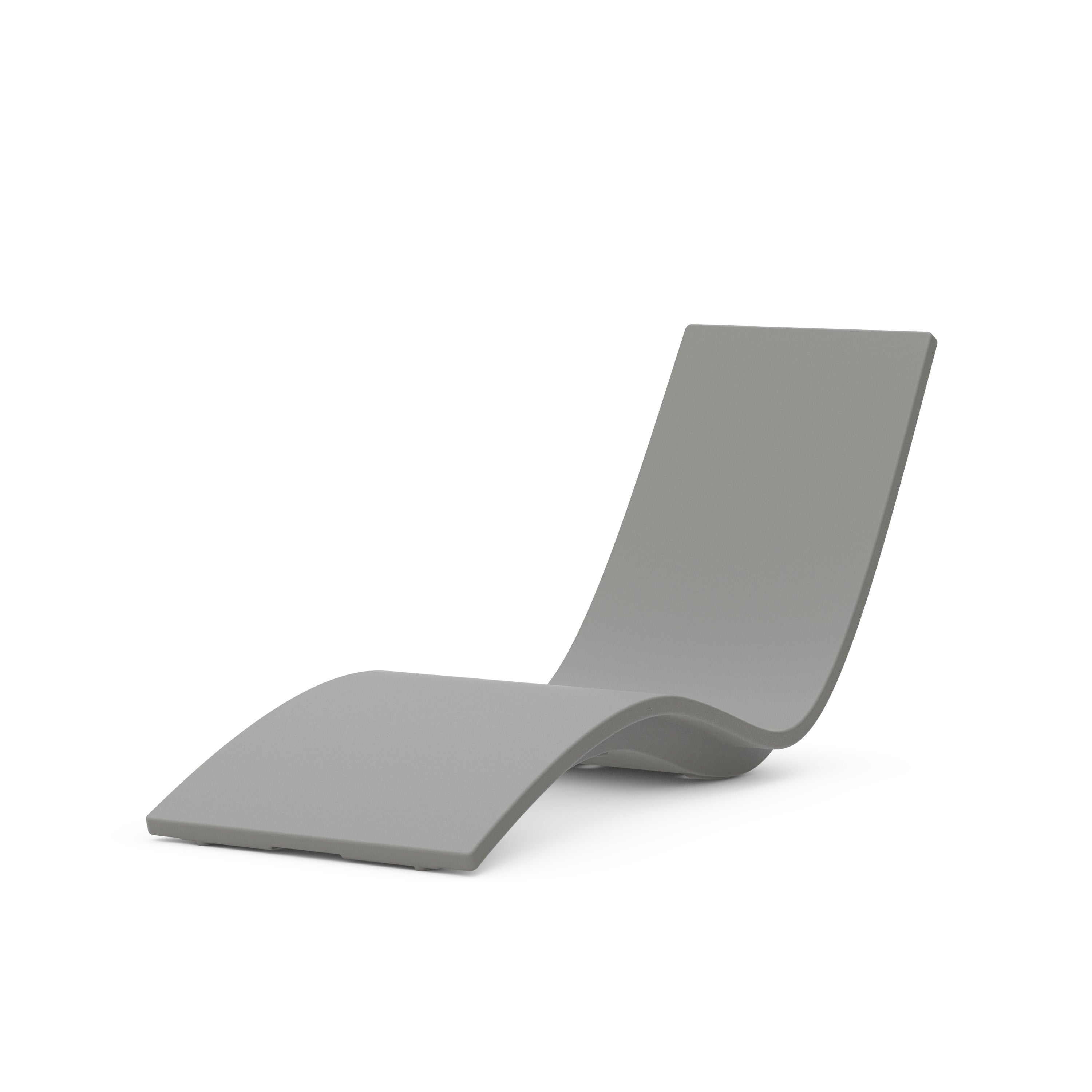
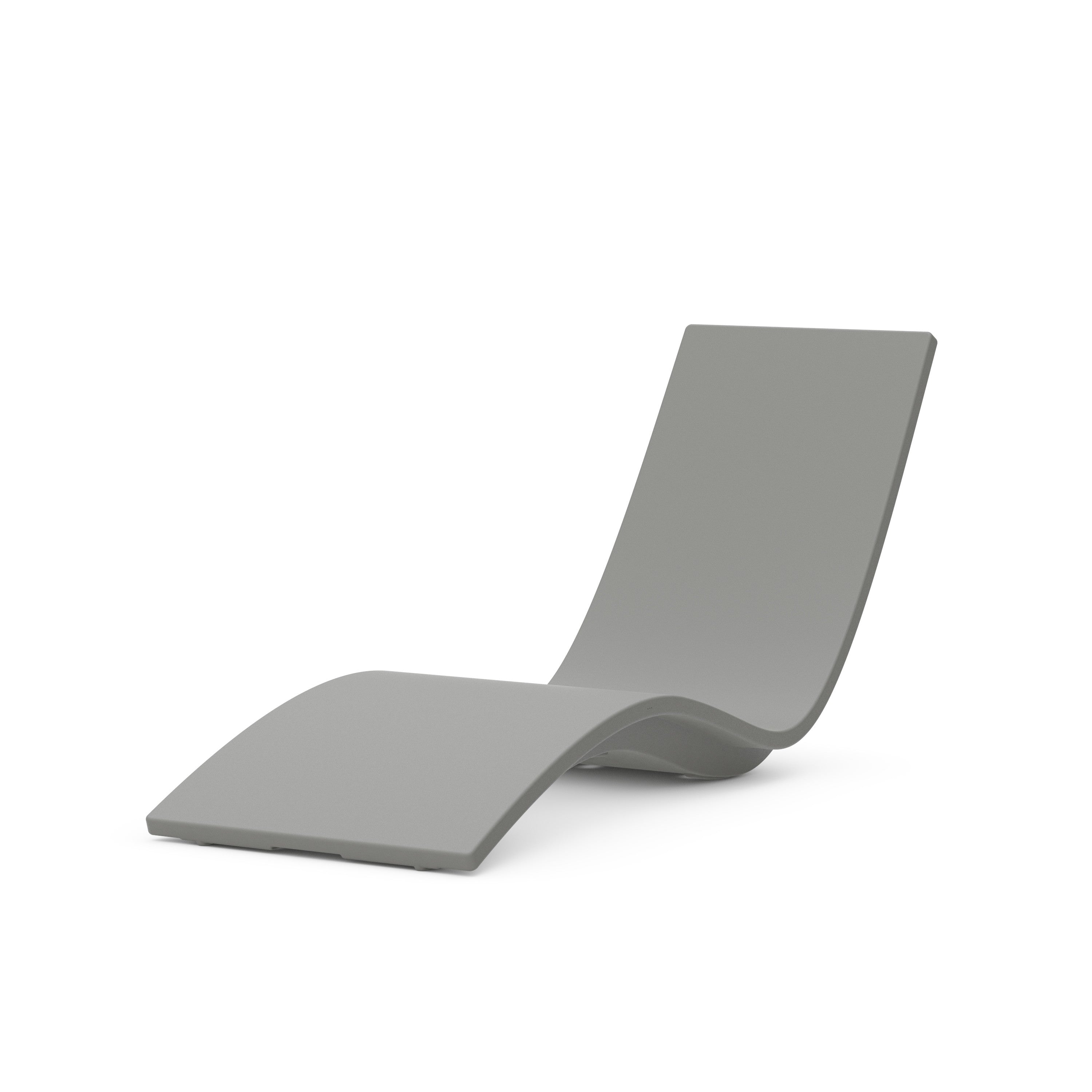
Tanning ledge furniture is the most popular entry point. A ledge — the shallow sun shelf that many pools include near the edge — typically holds 4 to 12 inches of water, enough to submerge a lounger to a depth that keeps you cool while you're fully in the sun. Purpose-built ledge loungers have profiles designed for exactly this use: adjustable headrests, cup holders, contoured seating that works just as well submerged as it does dry.
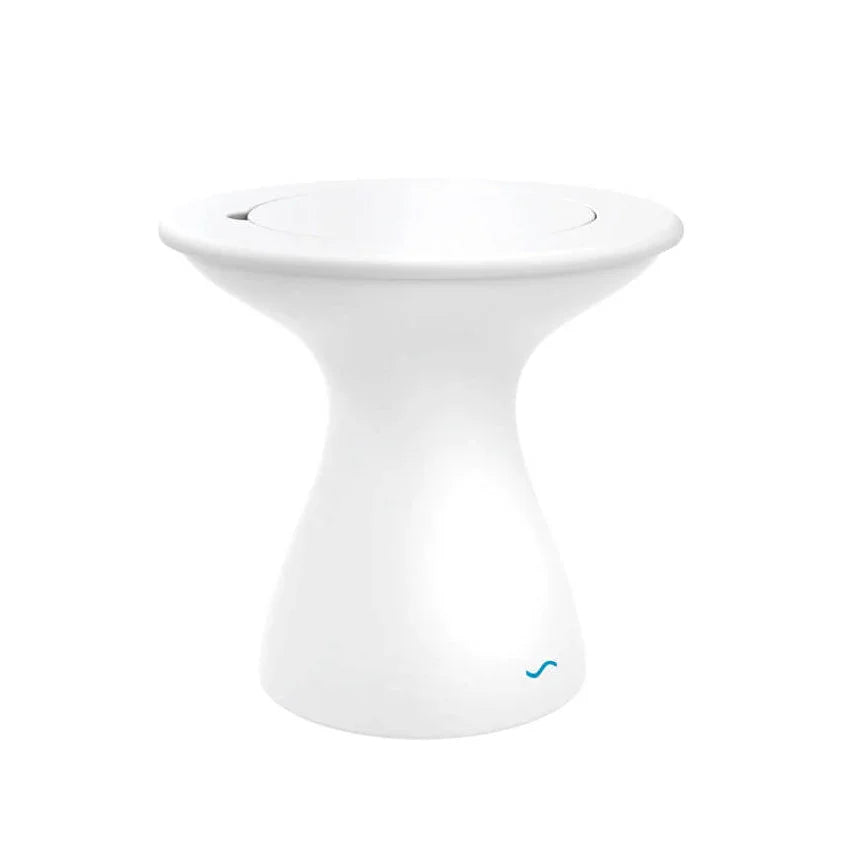
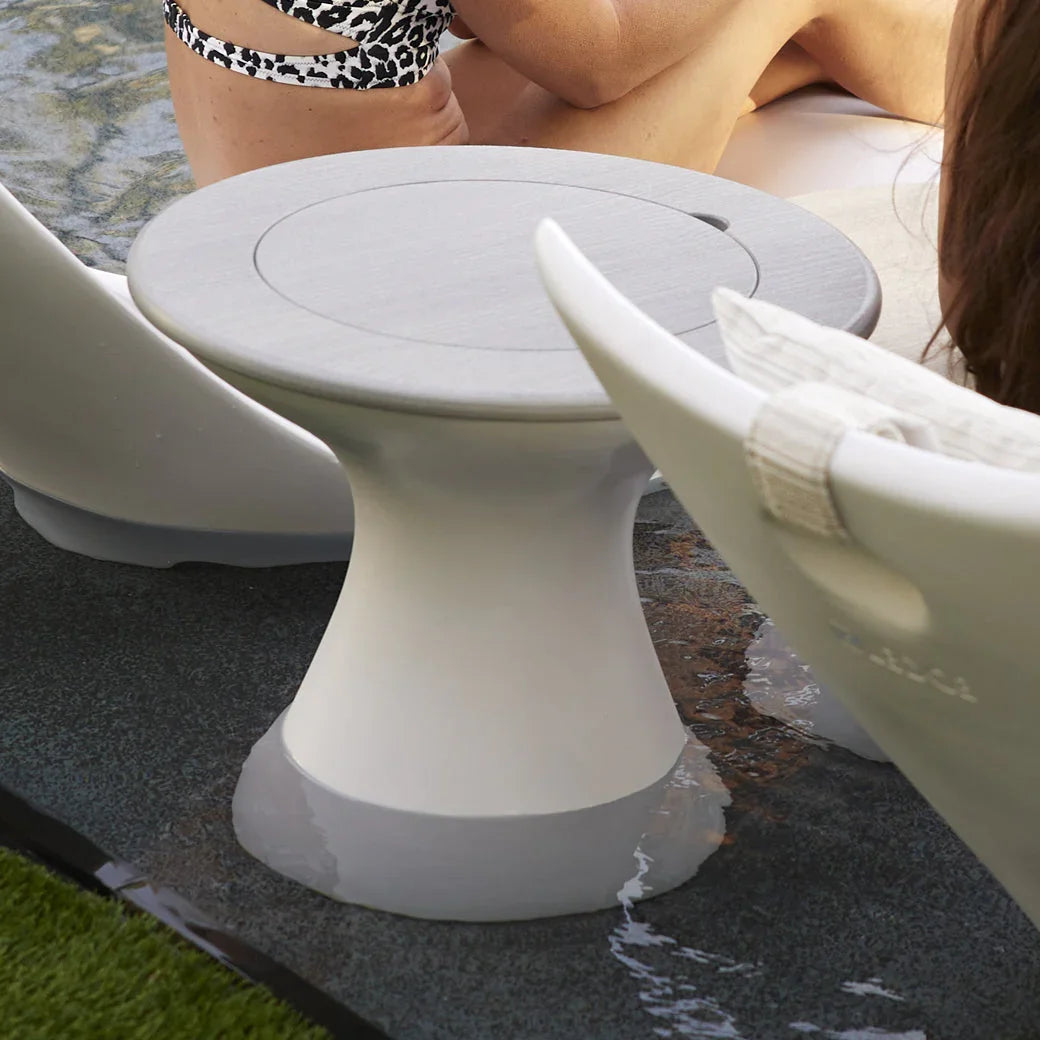
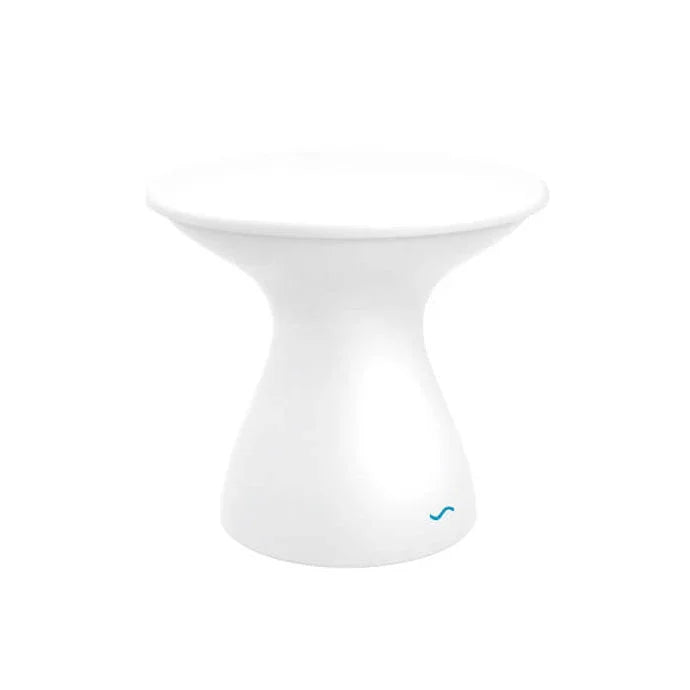
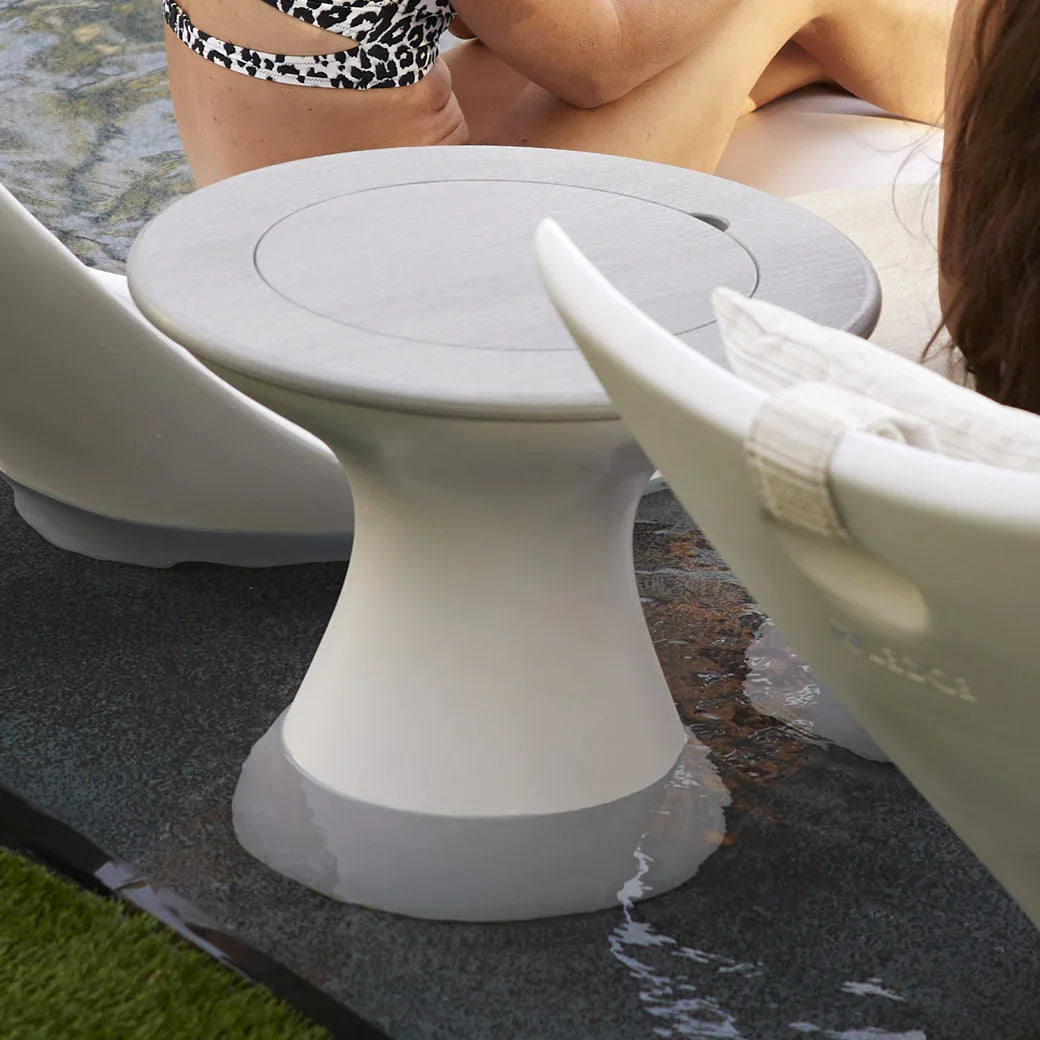
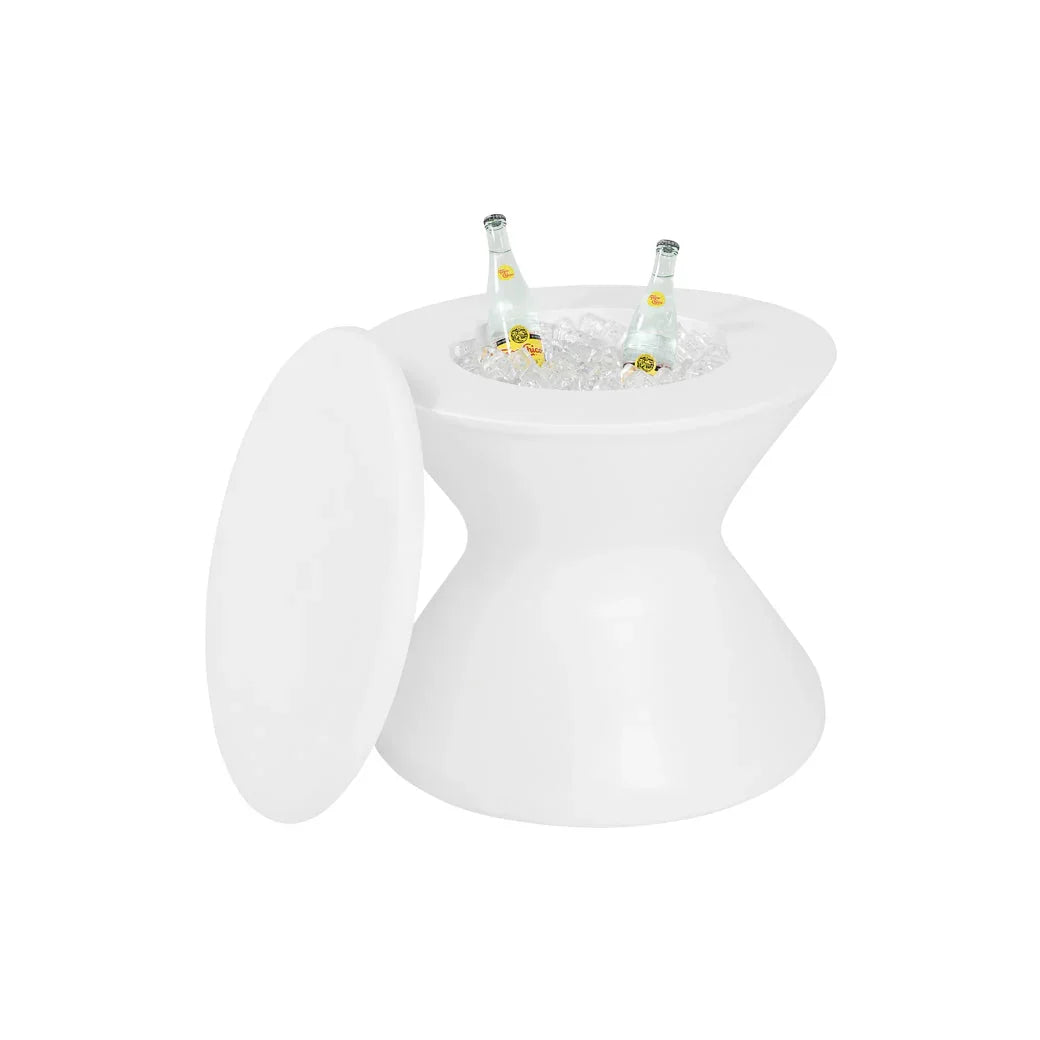
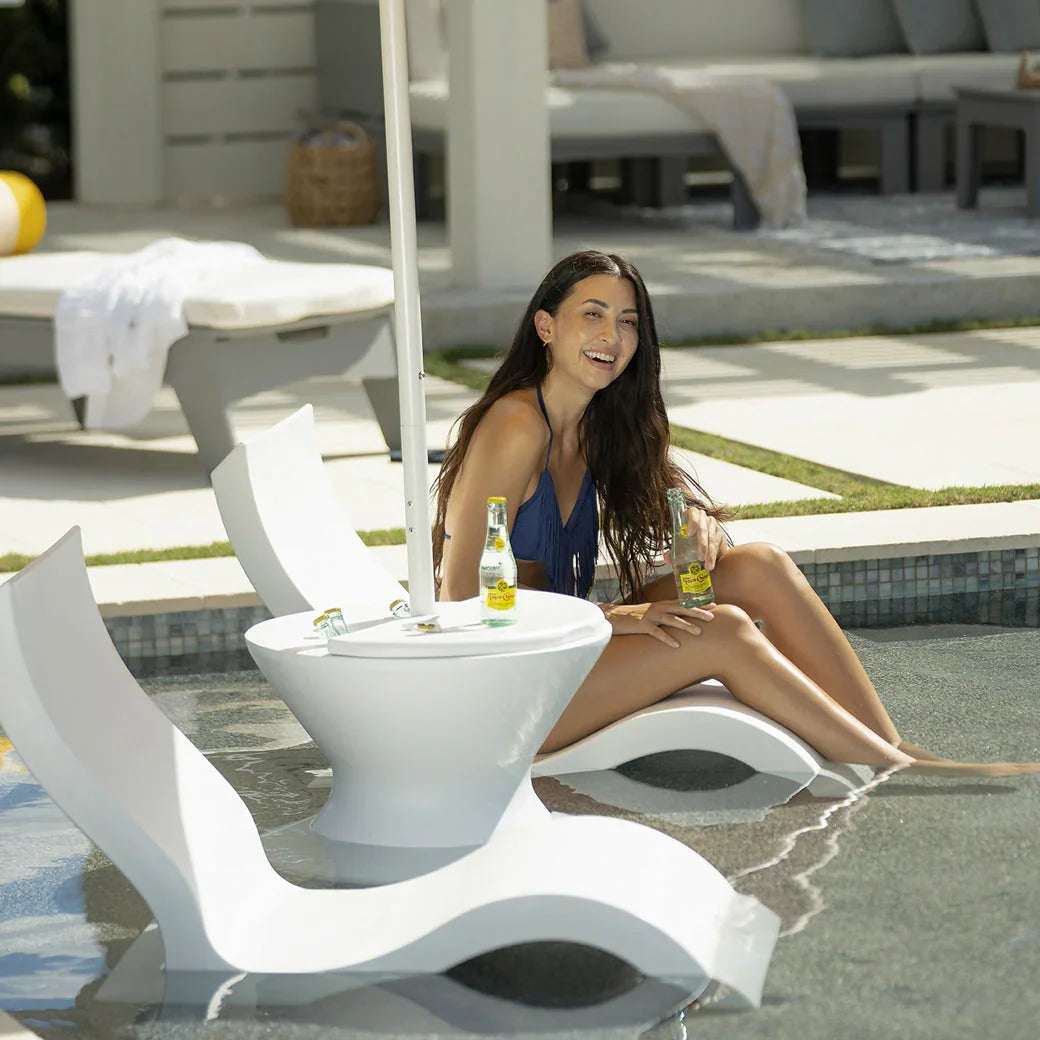
Submerged barstools and tables work in areas with 18 to 36 inches of water — the standing-to-wading zone most pools have somewhere between the shallow end and the deep end transition. Pair an in-pool bar table with four barstools and you have a social hub that would be impossible to replicate on the deck. Guests stand in cool water at a comfortable height, drinks in hand, with a surface to set them on. The experience changes what a pool means in the context of entertaining. Patio Productions is ICFA-certified and has been outfitting outdoor spaces from our San Diego showroom and nationally since 2007. Every order ships free in the U.S. and arrives fully assembled. Our USA-based team offers complimentary design consultations to help configure the right in-pool setup for your pool dimensions.
Frequently Asked Questions About In-Pool Furniture
| What materials are safe to use in a chlorinated pool? |
Marine-grade aluminum, UV-stabilized HDPE resin, and 316-grade stainless steel hardware are the materials most commonly used in purpose-built in-pool furniture. All are chlorine-resistant when properly treated. Avoid standard aluminum alloys without marine-grade anodizing — pool chemicals accelerate corrosion on untreated aluminum. The same applies to hardware: standard galvanized screws or bolts will rust and stain pool surfaces. Specify stainless hardware on any furniture going into a pool environment. |
| Will in-pool furniture damage my pool finish or liner? |
Purpose-built in-pool furniture is designed with feet or base surfaces that protect pool finishes — non-marking pads, rubber base caps, or wide flat bases that distribute weight across a larger surface area. Drag metal furniture across a plaster or tile finish at your peril; always lift and place. On vinyl liners, be particularly careful with concentrated weight points. Ledge furniture designed for tanning shelves is generally fine, but heavy pieces on a flat liner bottom need proper base protection. |
| How deep does the water need to be for in-pool furniture? |
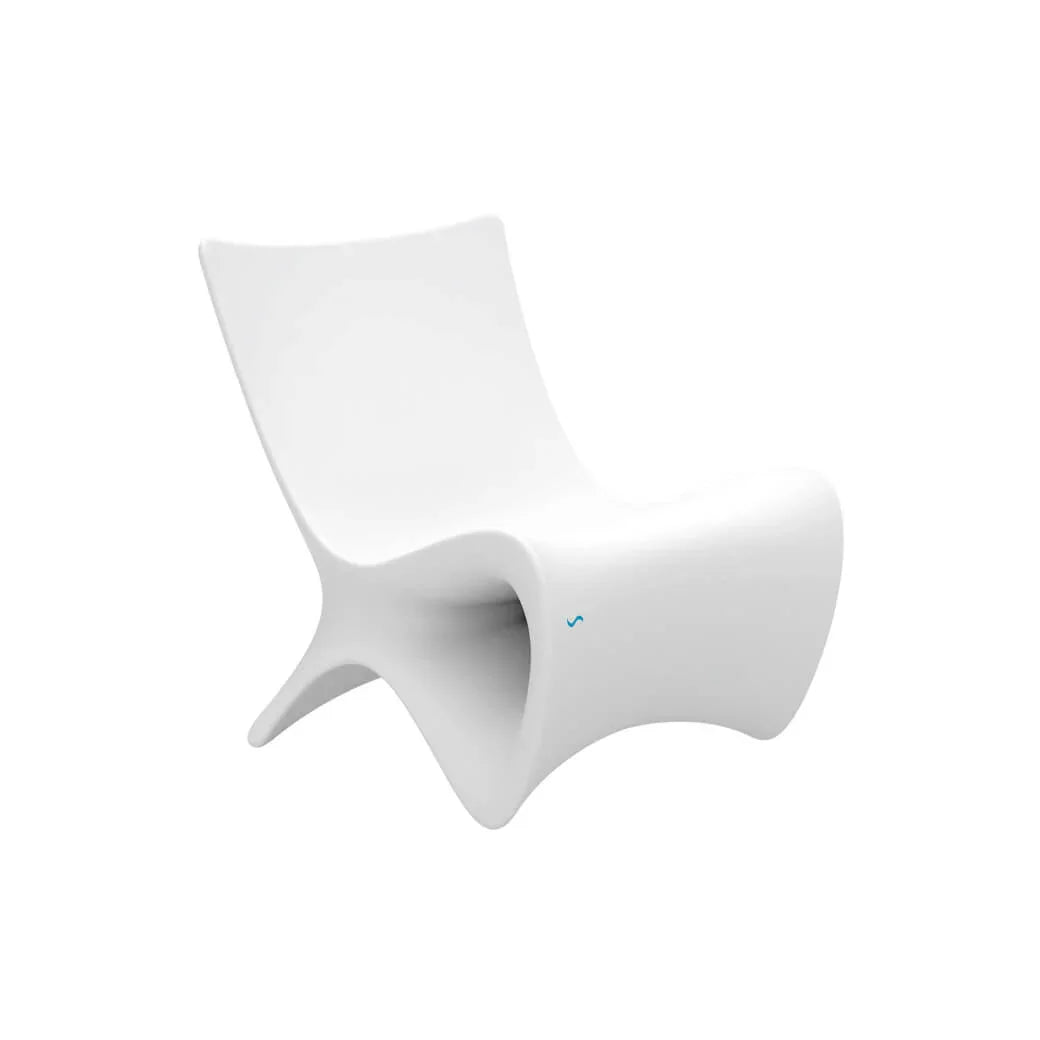
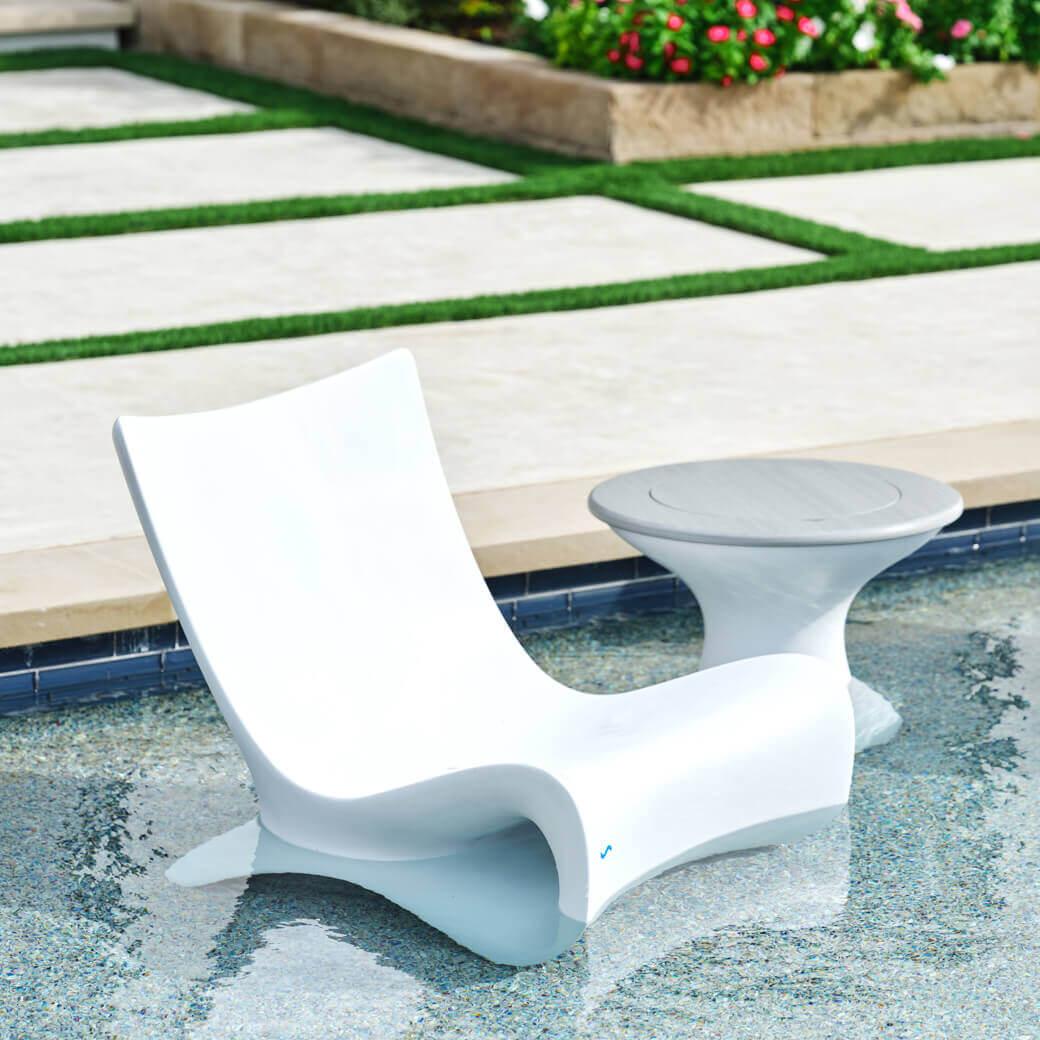
It depends on the type. Tanning ledge loungers are designed for 4 to 12 inches of water — the shallow ledge found in most contemporary pool designs. In-pool chairs and benches work in 12 to 24 inches. Submerged barstools and tables are designed for standing-depth zones, typically 18 to 36 inches. Most product listings specify the intended water depth range; match the furniture to the depth of the area you're furnishing. |
| Do I need to remove in-pool furniture for winter? |
In climates that require pool winterization, remove furniture before closing the pool. Ice expansion can damage furniture and pool surfaces alike, and winter chemistry is harsher than season-long maintenance levels. In warm climates where pools stay open year-round, quality in-pool furniture can remain submerged indefinitely. Clean and inspect periodically — sun, chemicals, and constant moisture will reveal any material weaknesses over time. |


