

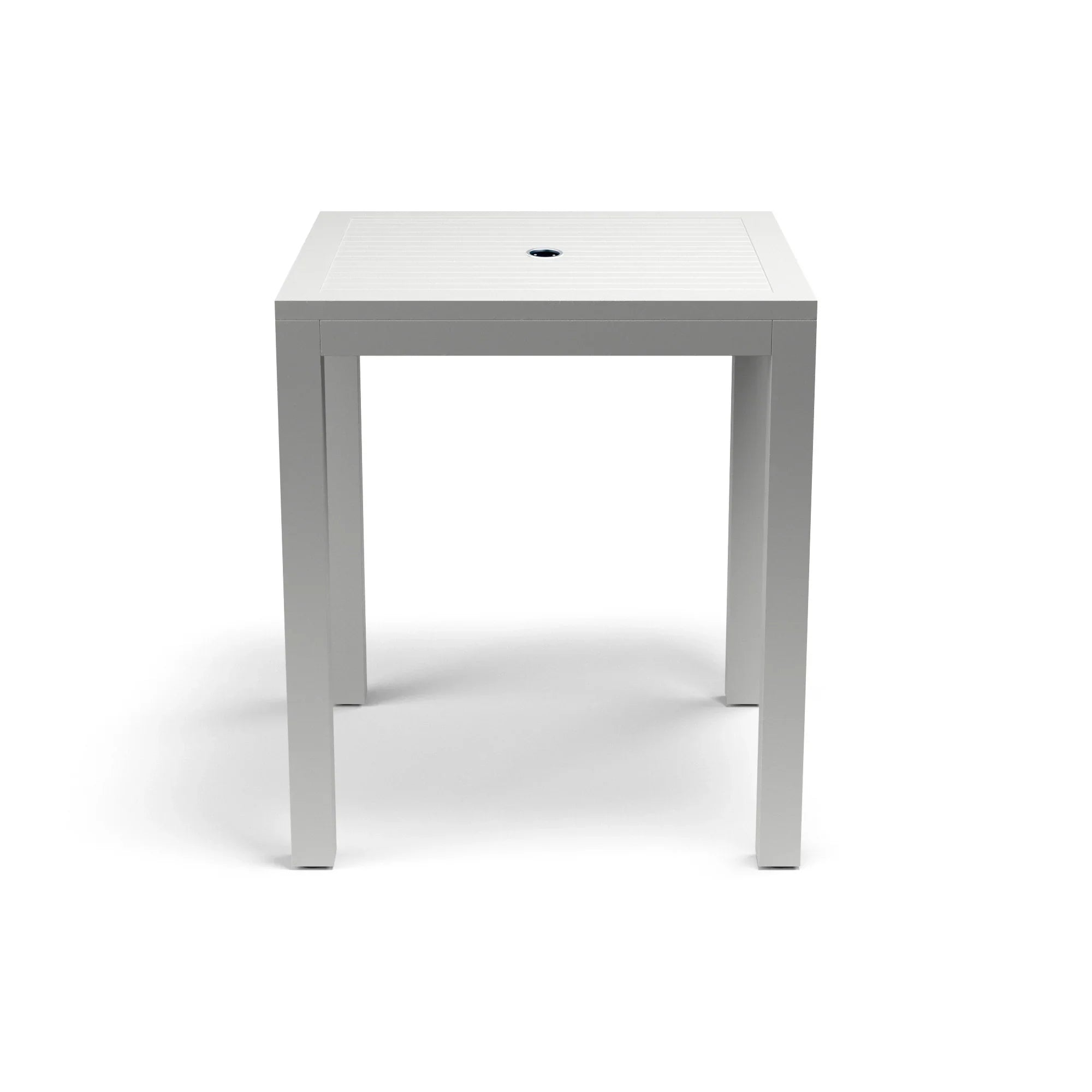
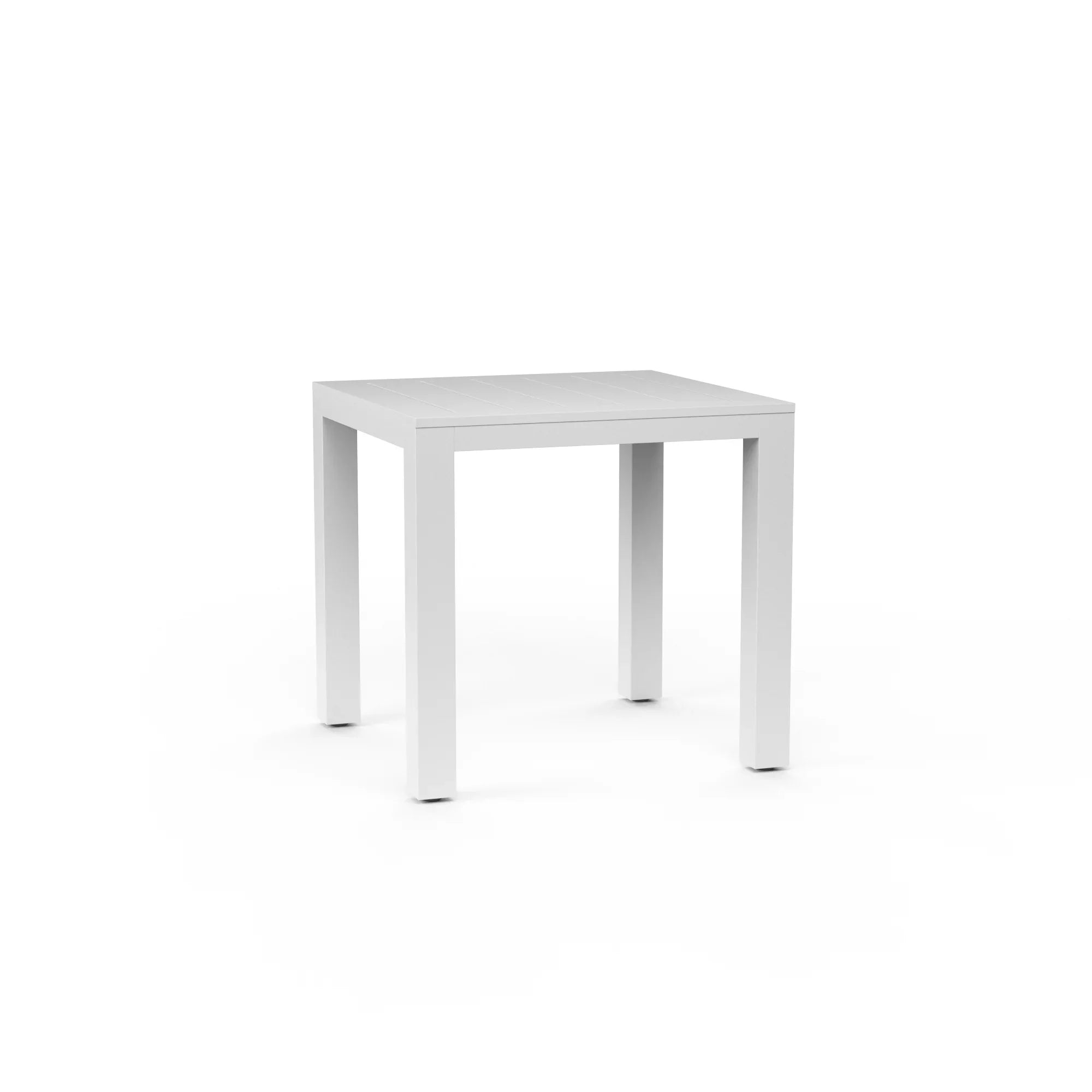
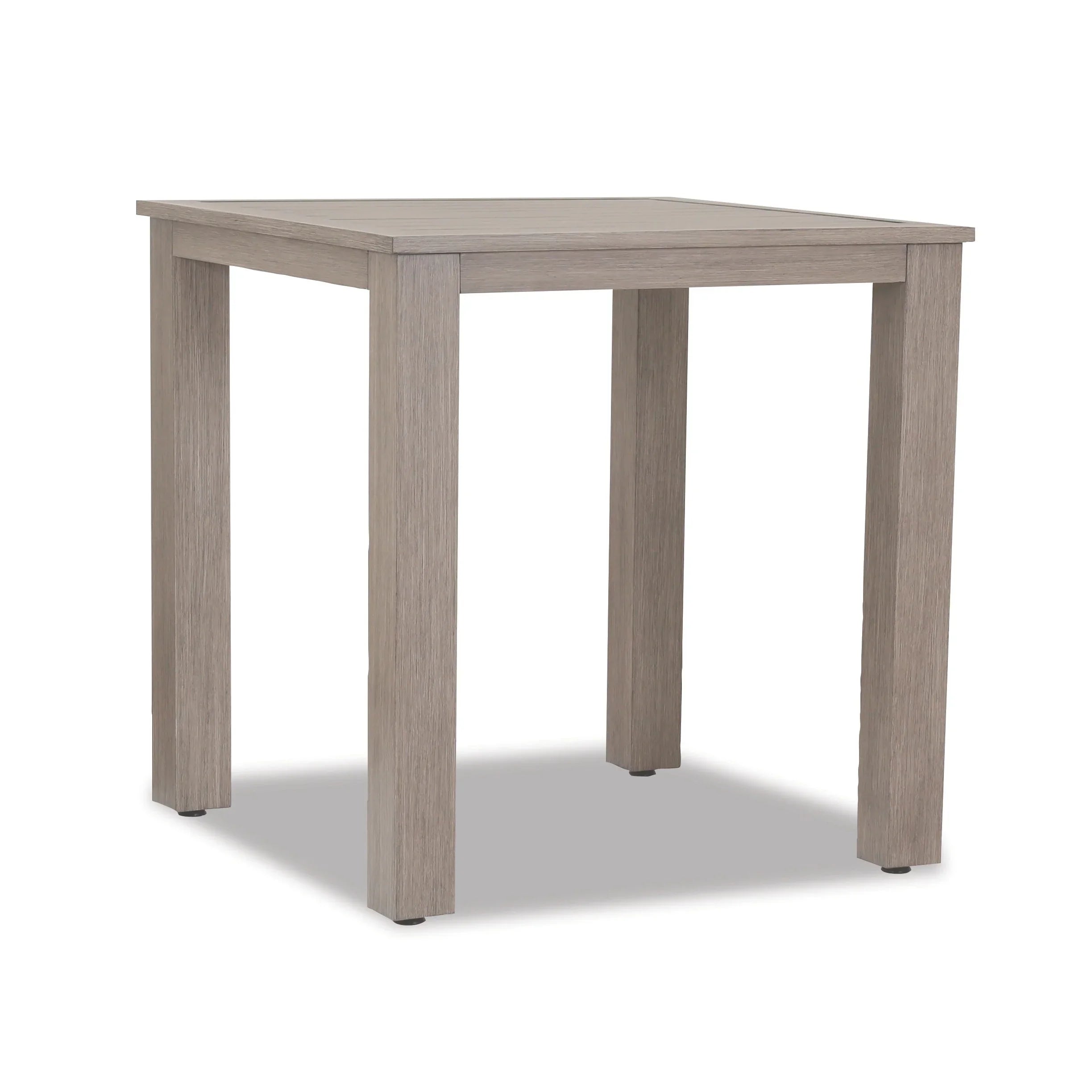
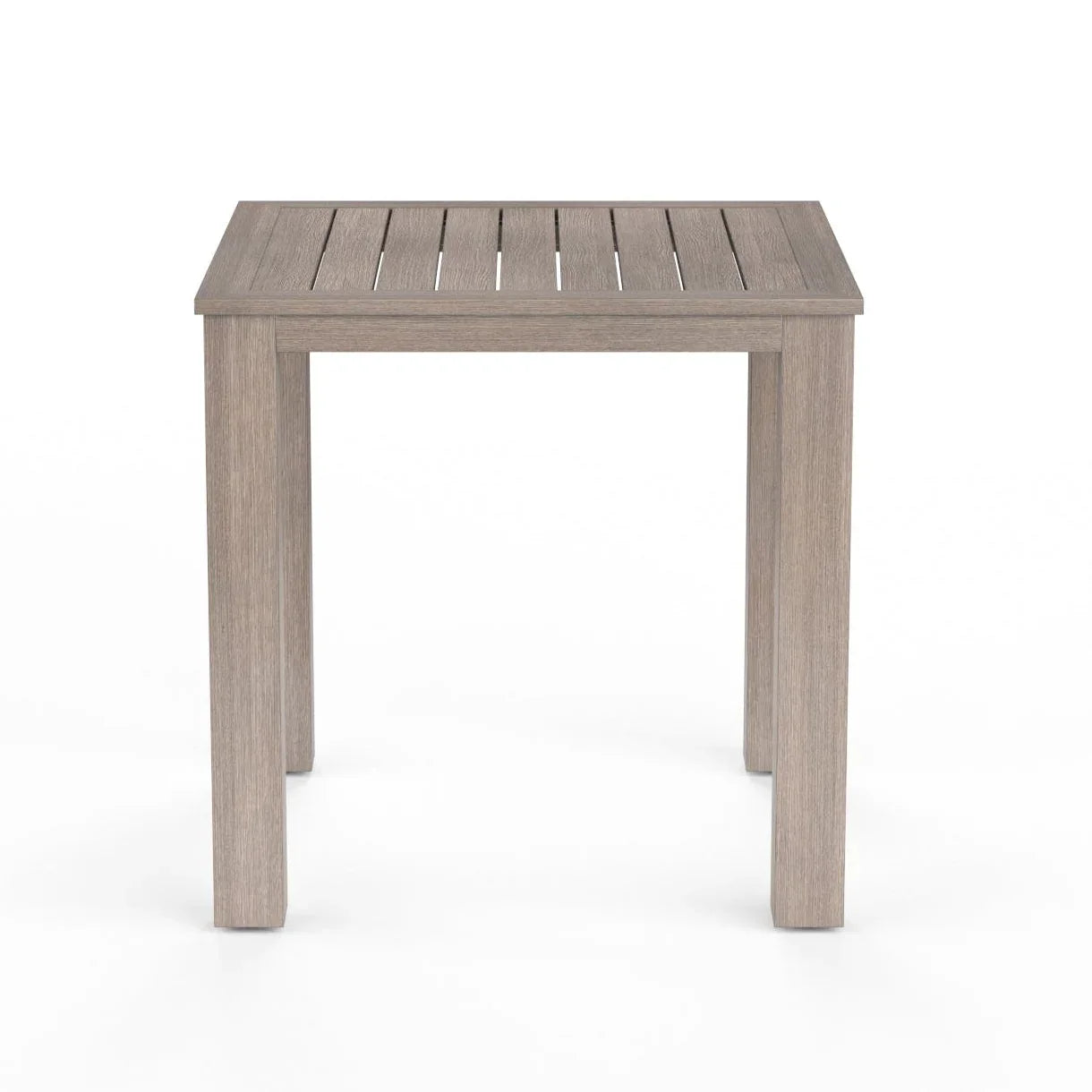
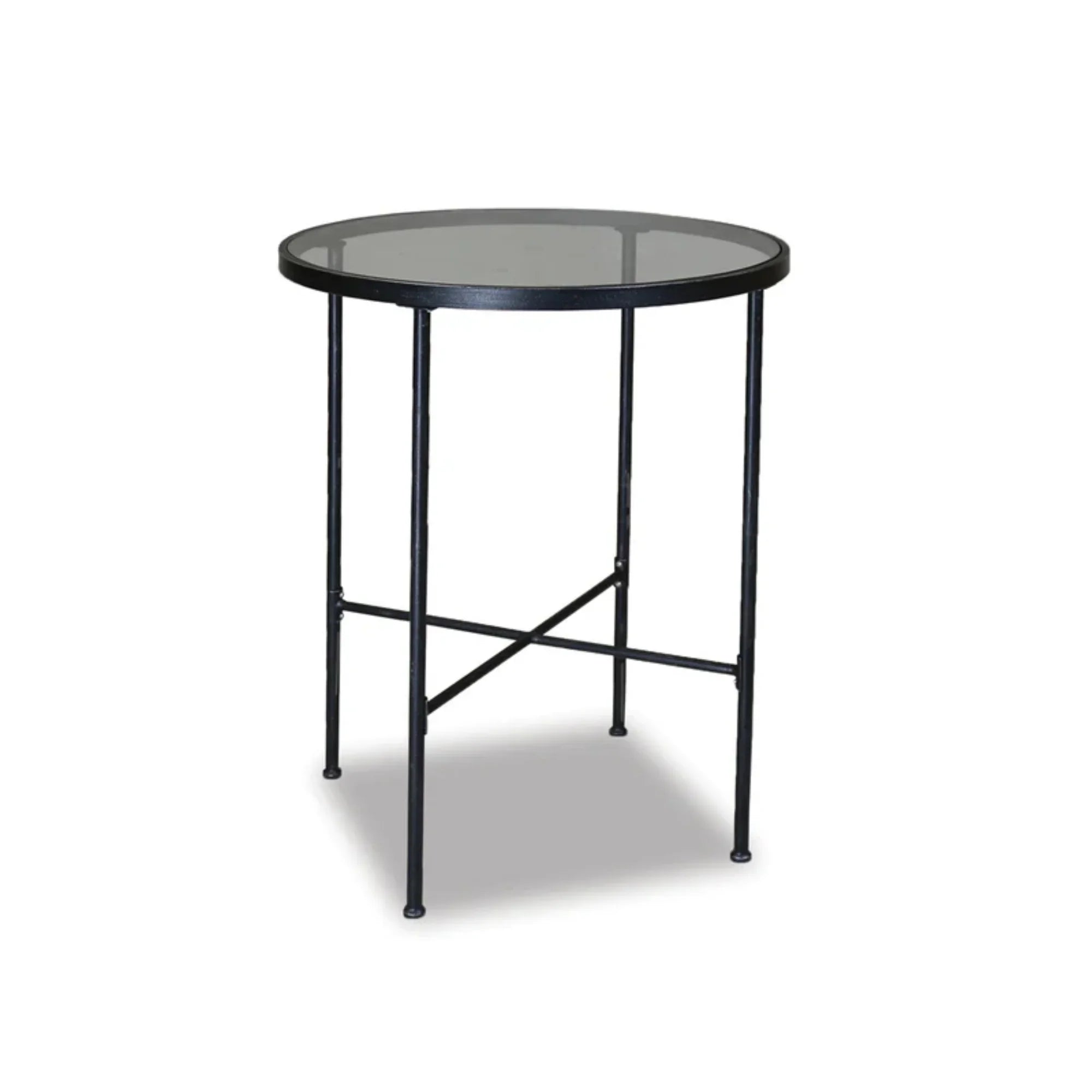
Bar and Counter Height Tables for Restaurants, Resorts, and Rooftop Terraces
A rooftop terrace specified correctly at the start looks entirely different four seasons later than one that wasn't. Tables show it first: powder coat lifting at the welds, bases wobbling every time a glass is set down, tops that surrendered to the cleaning crew's bleach protocol before the first full season was out. The bar and counter height tables in our commercial outdoor patio furniture collection are built for a different outcome: aluminum that shrugs off coastal air, poly lumber tops that pool chemicals cannot degrade, and pedestal bases engineered so guests can actually sit without fighting a crossbar leg every time they shift.
The Height Question: Counter vs. Bar and Why It Shapes the Whole Space
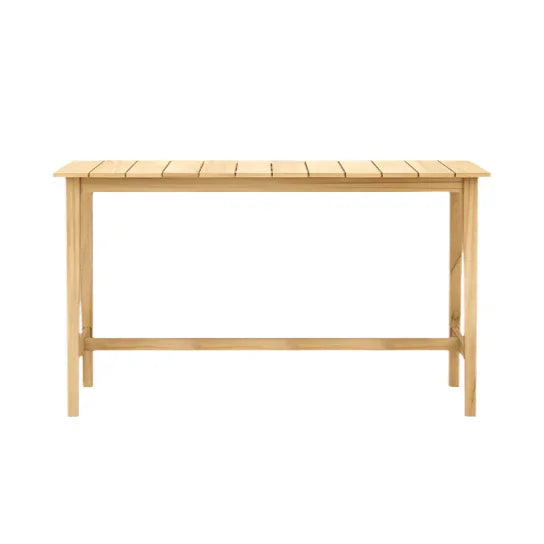
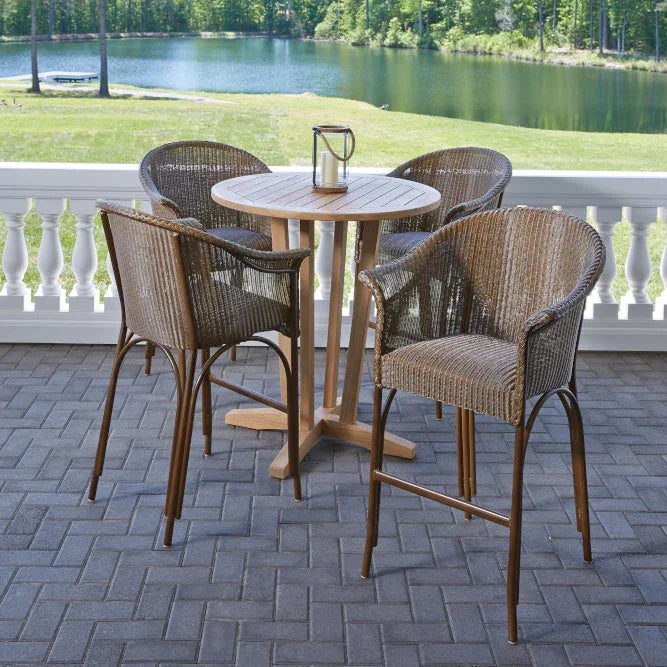
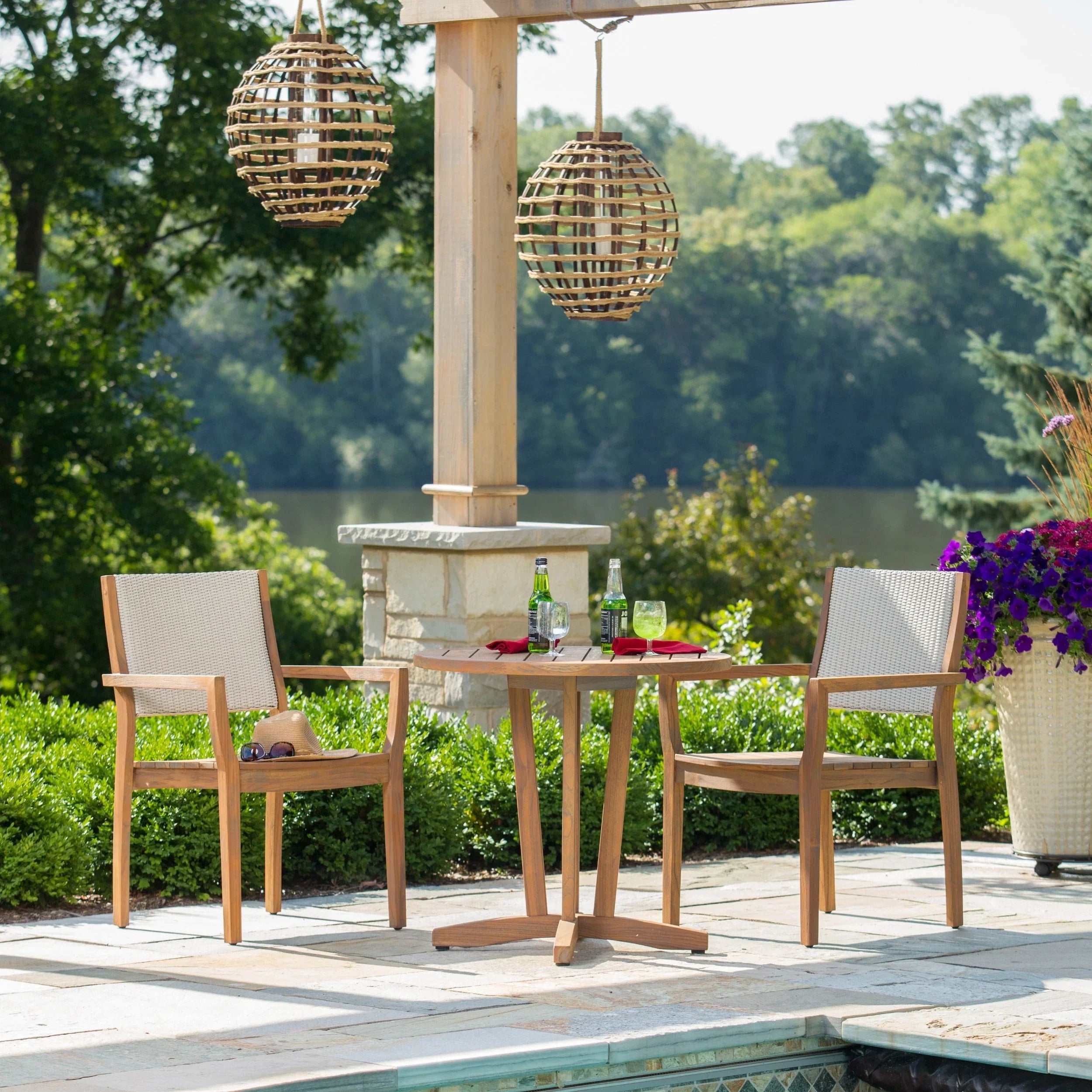
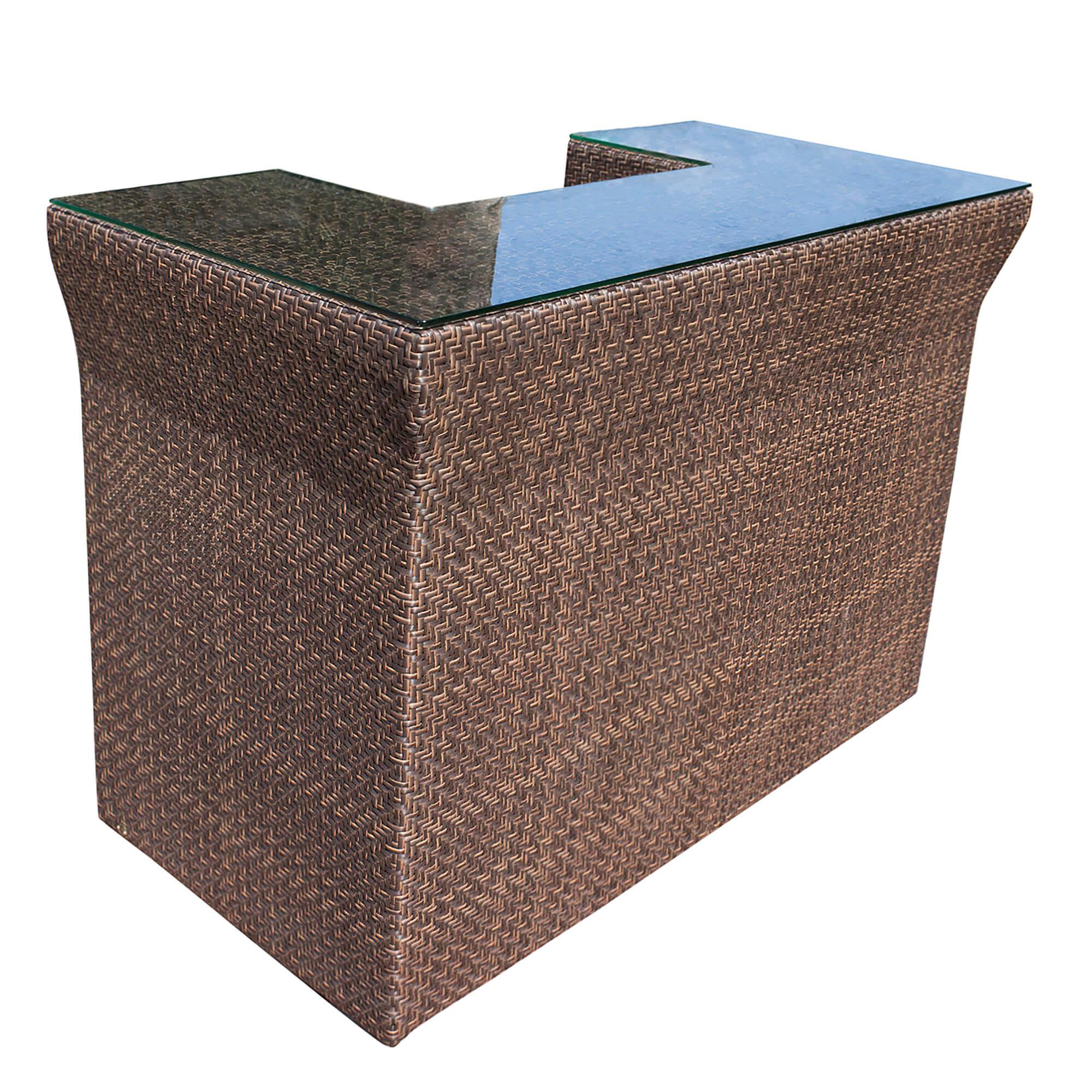
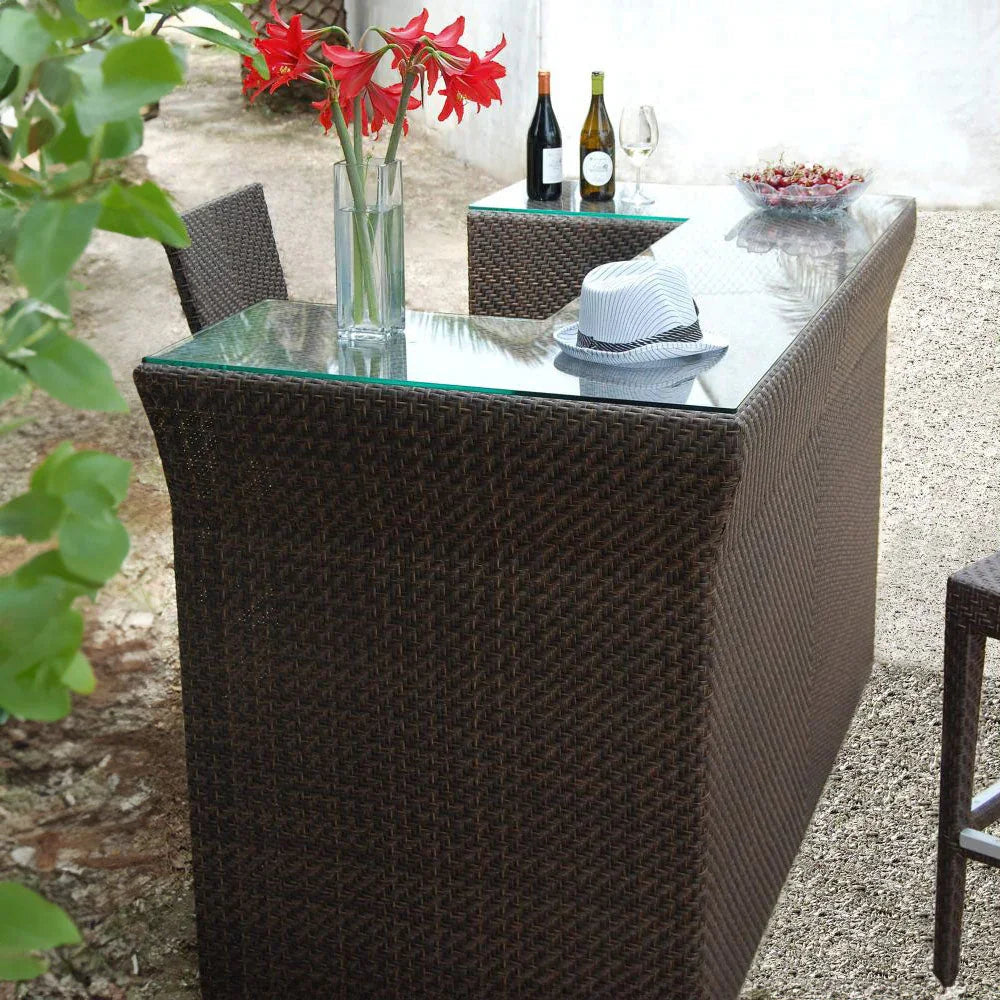
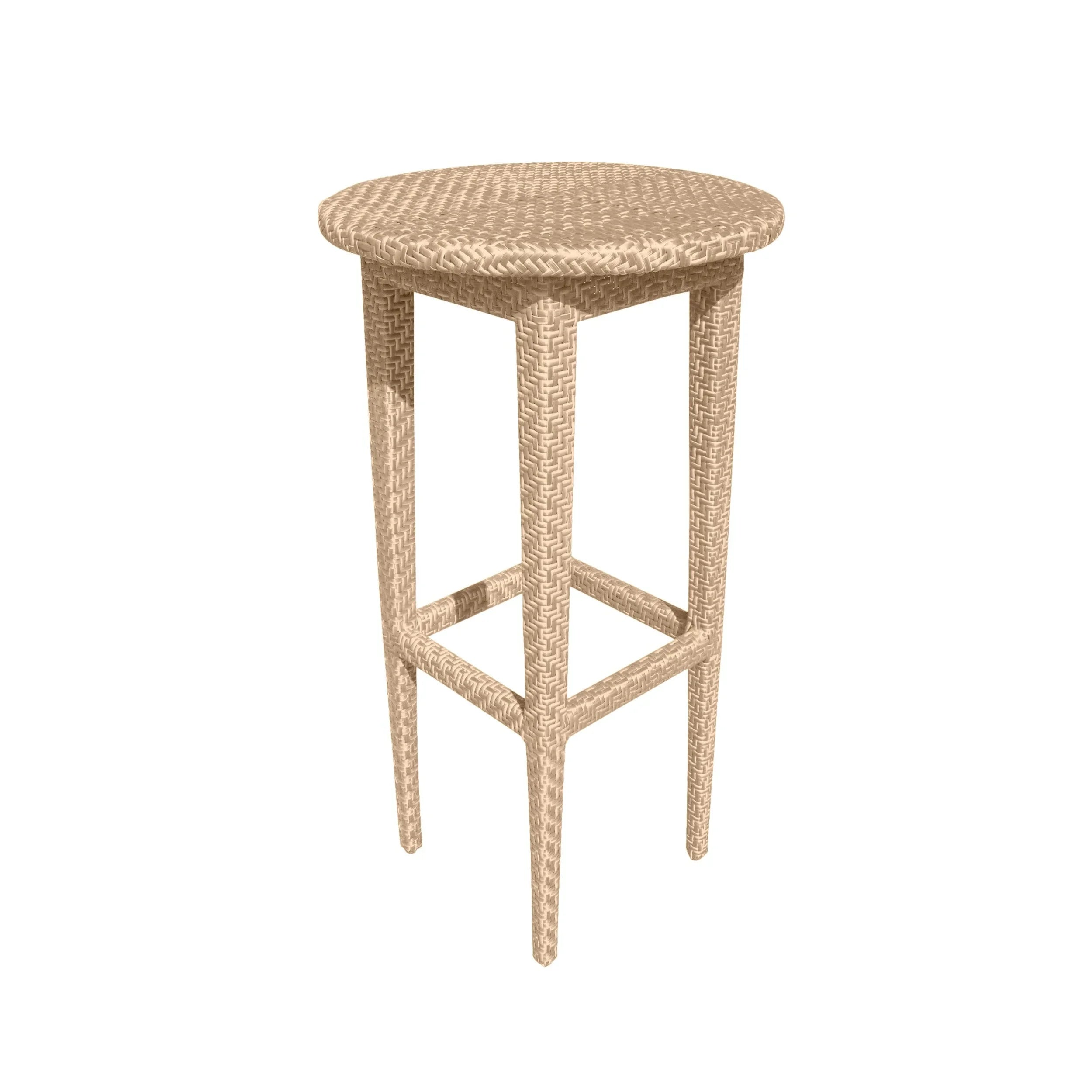
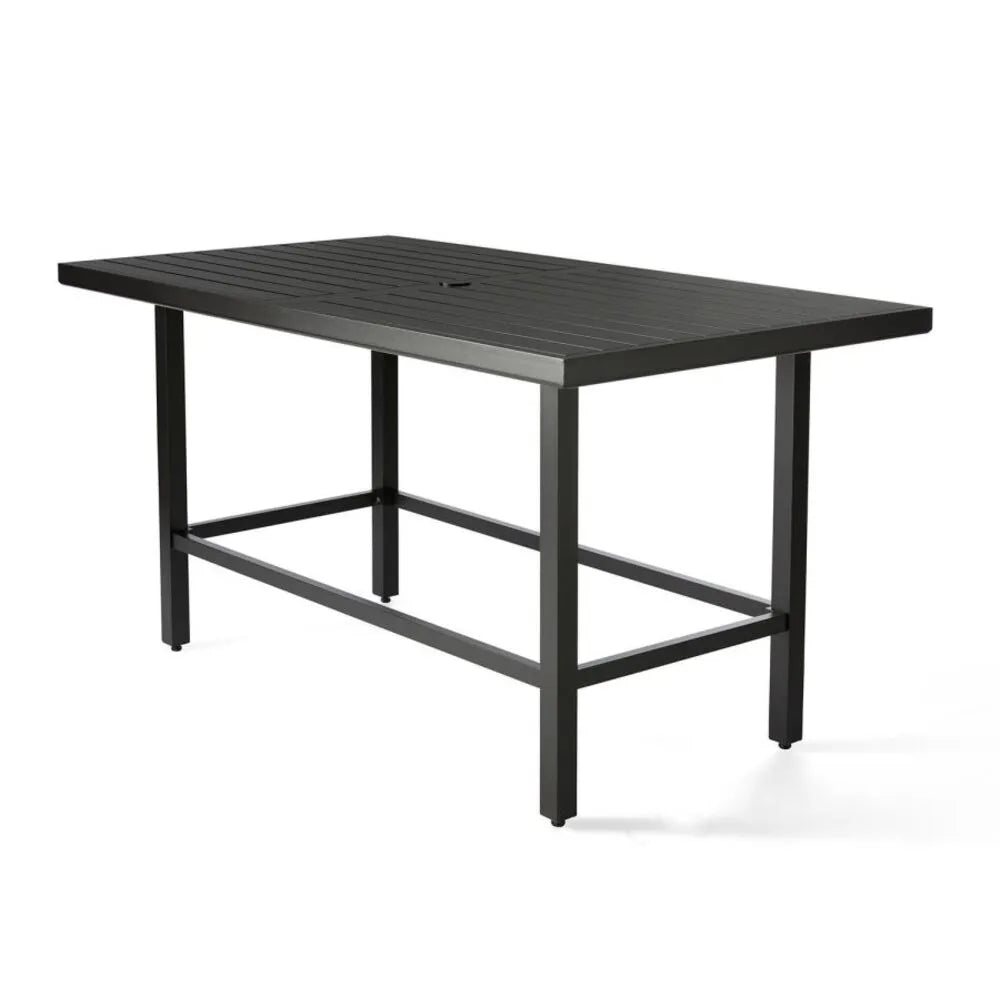
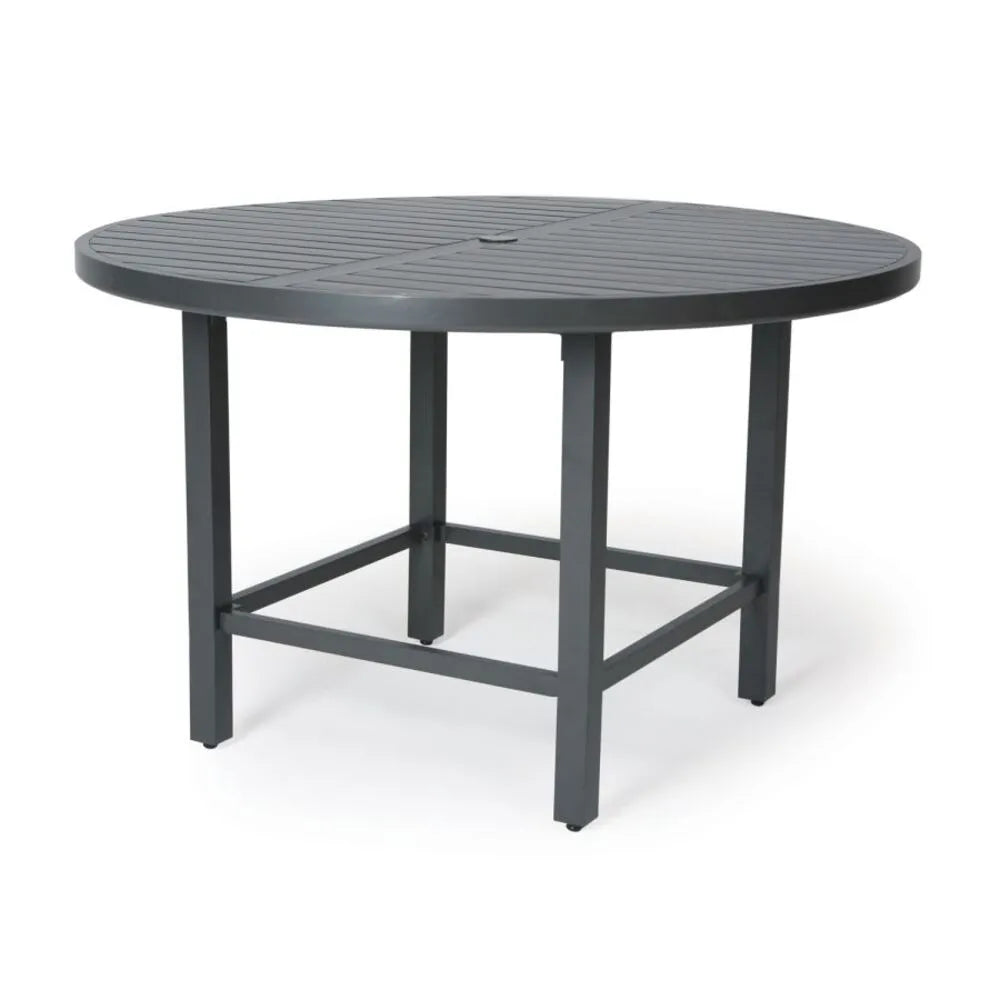
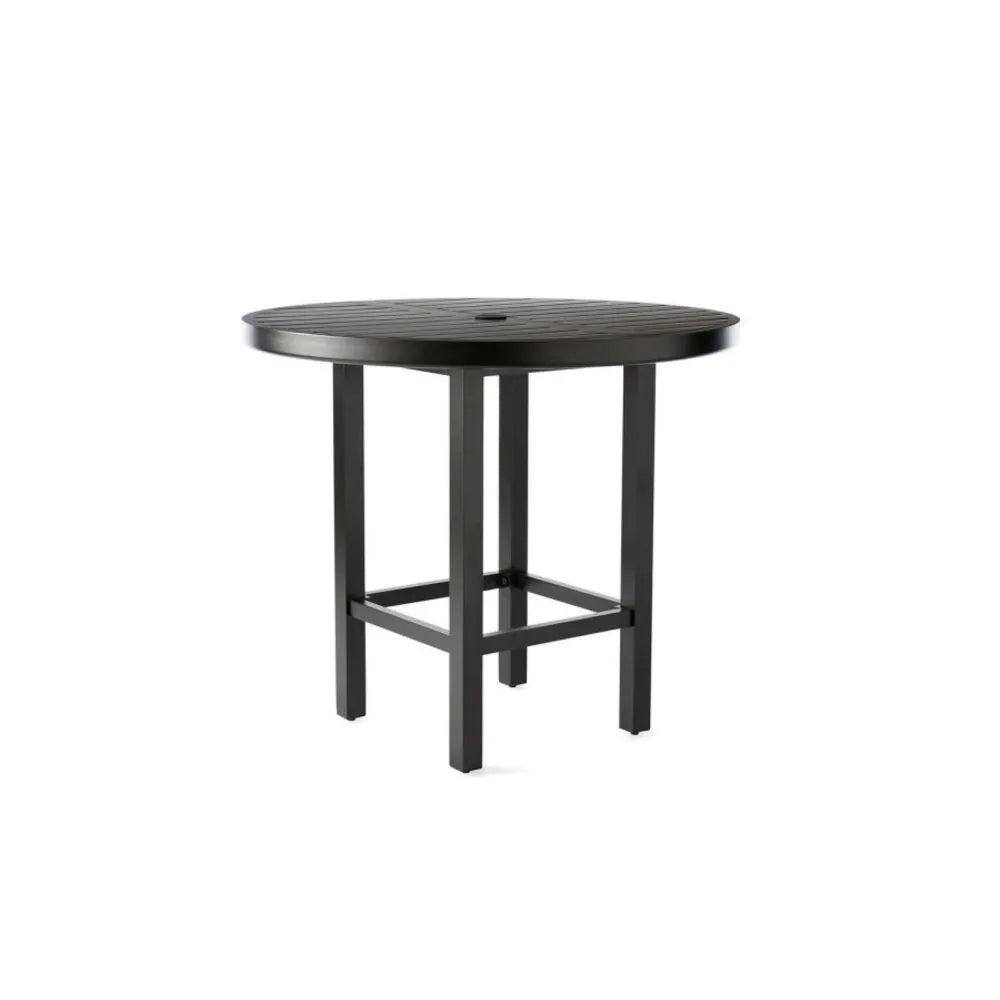
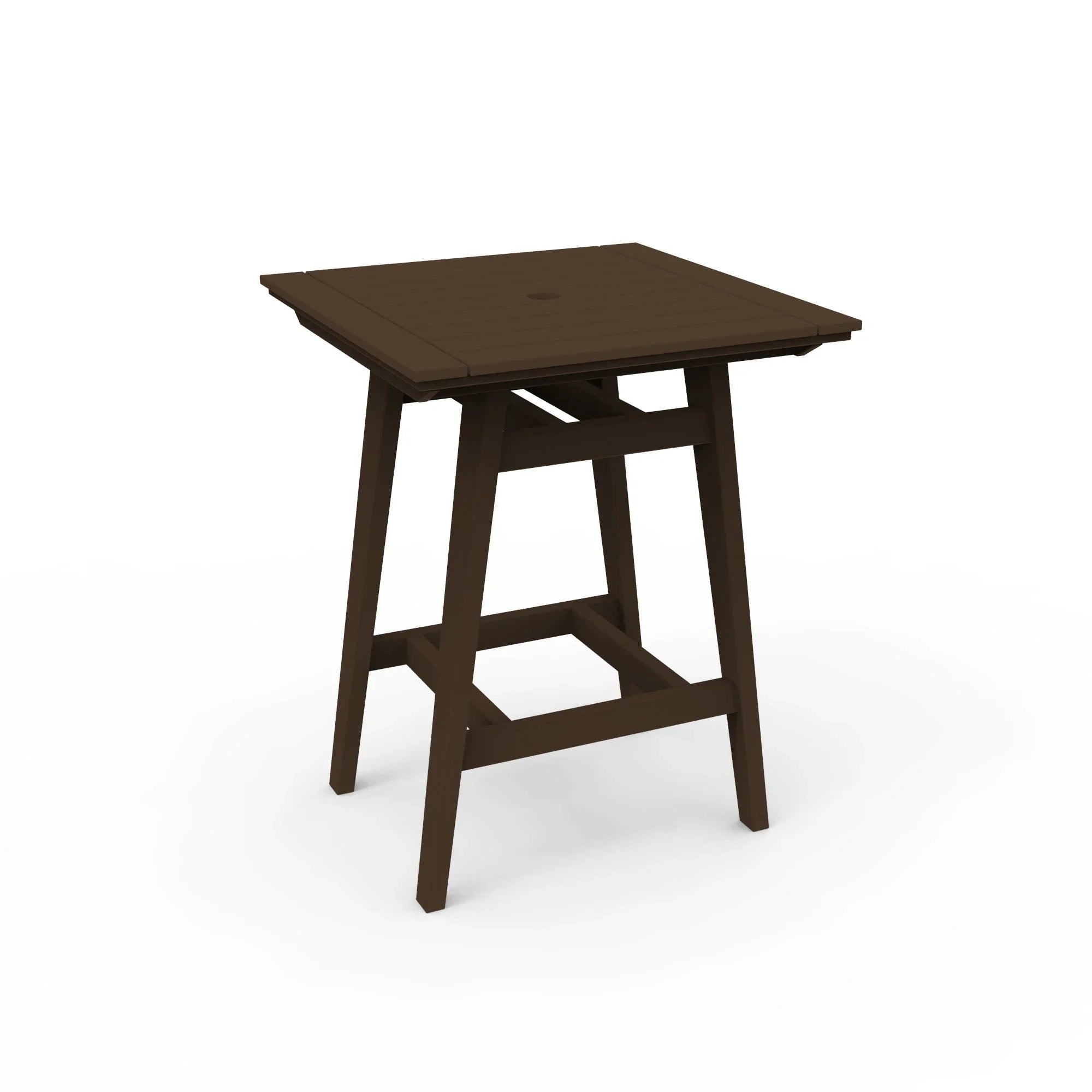
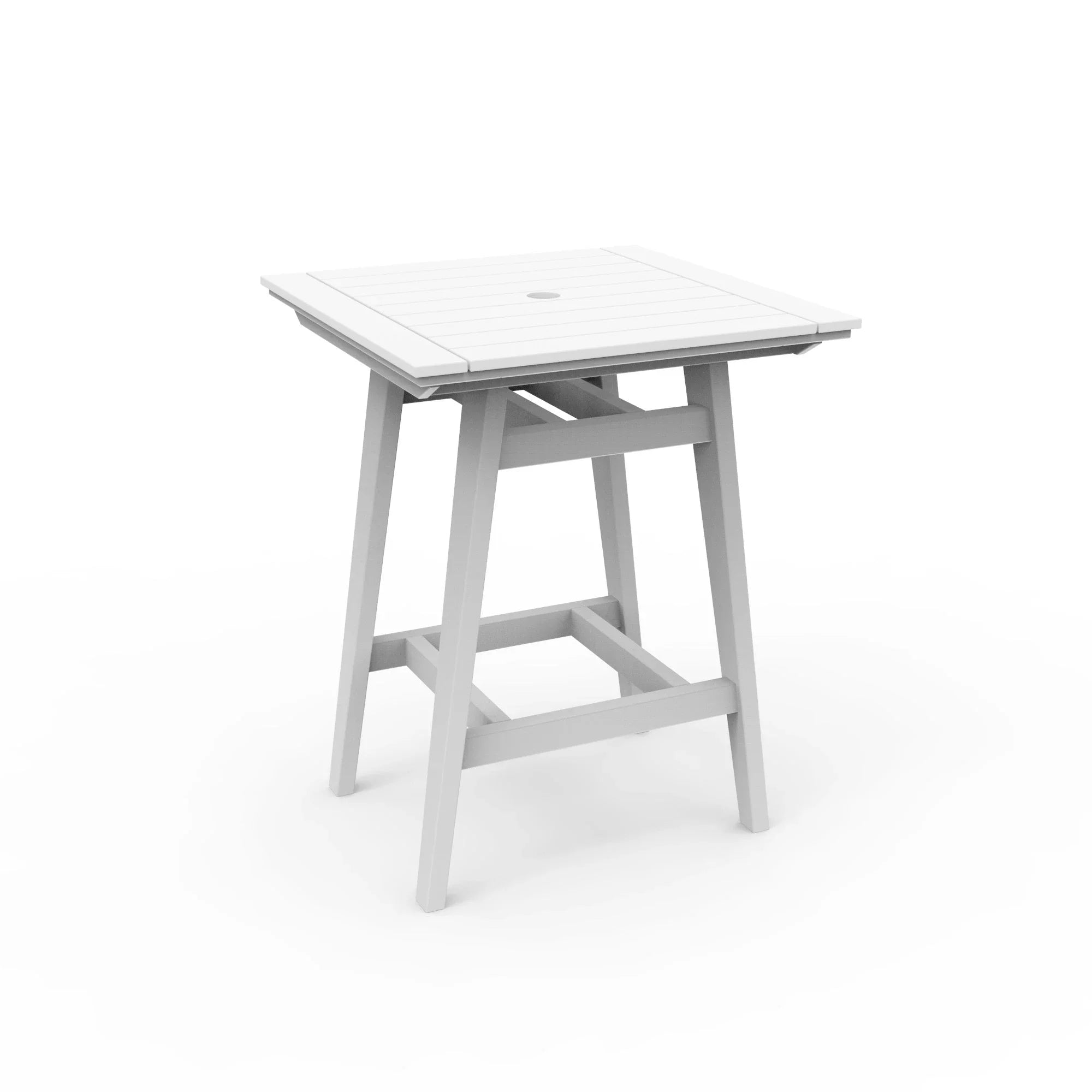
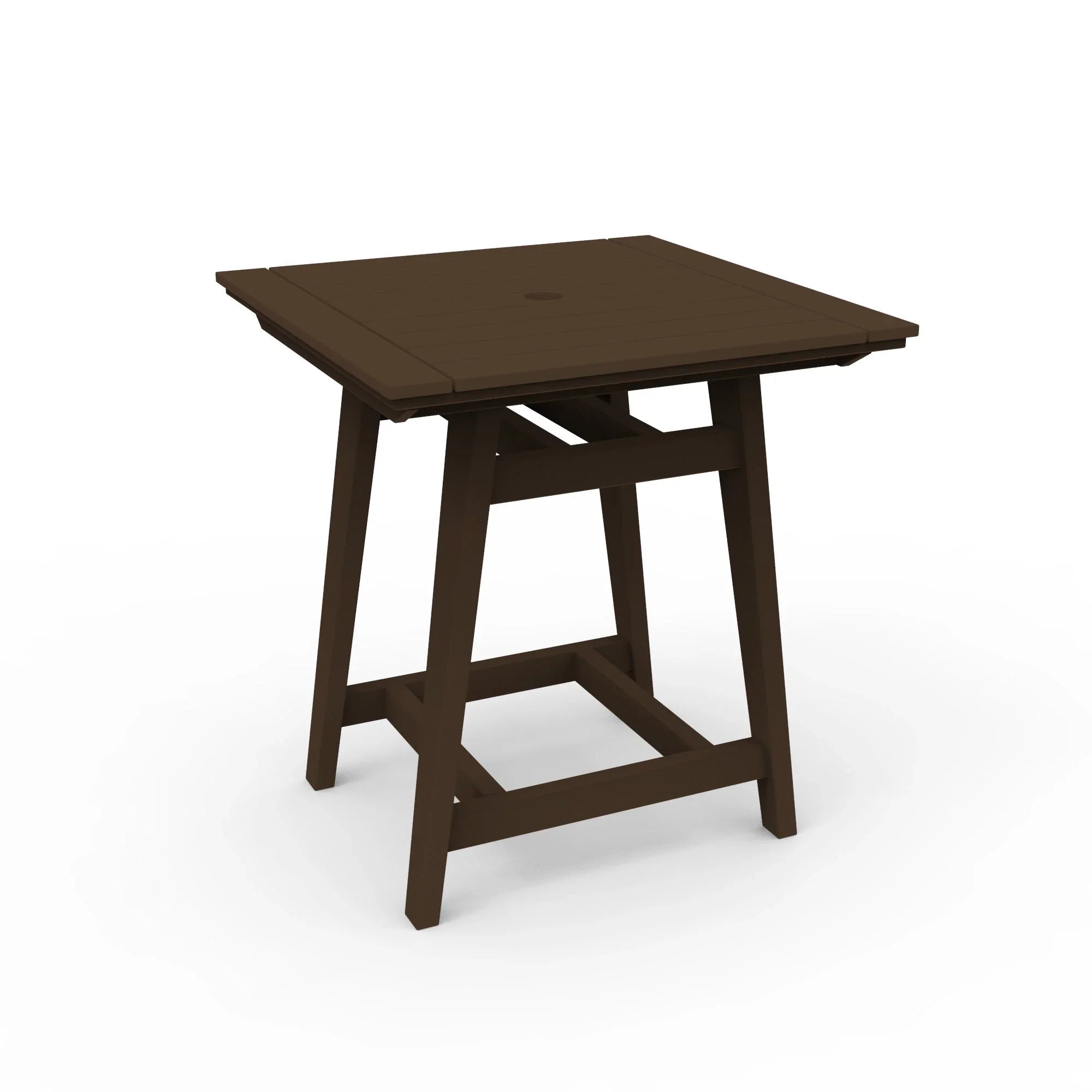
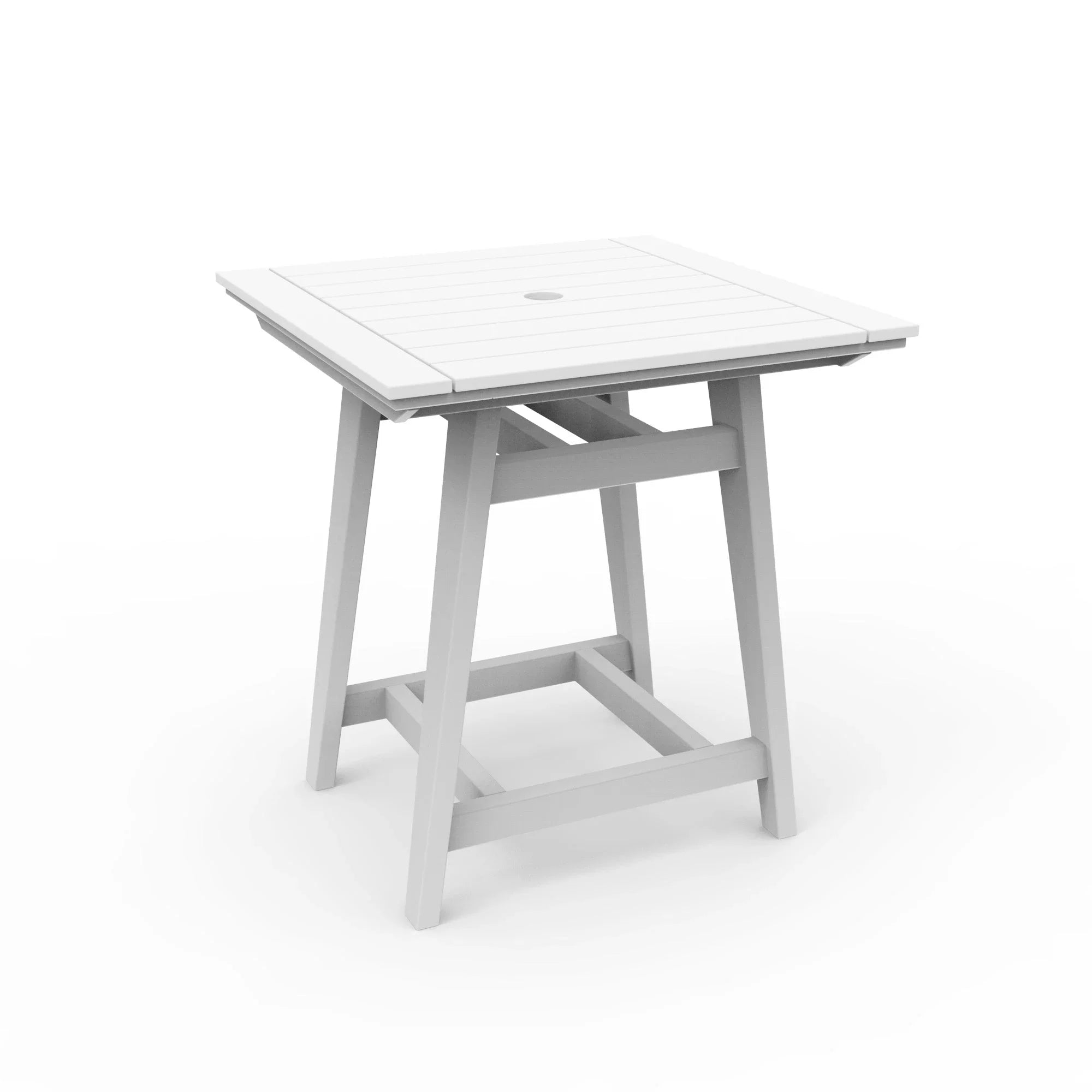
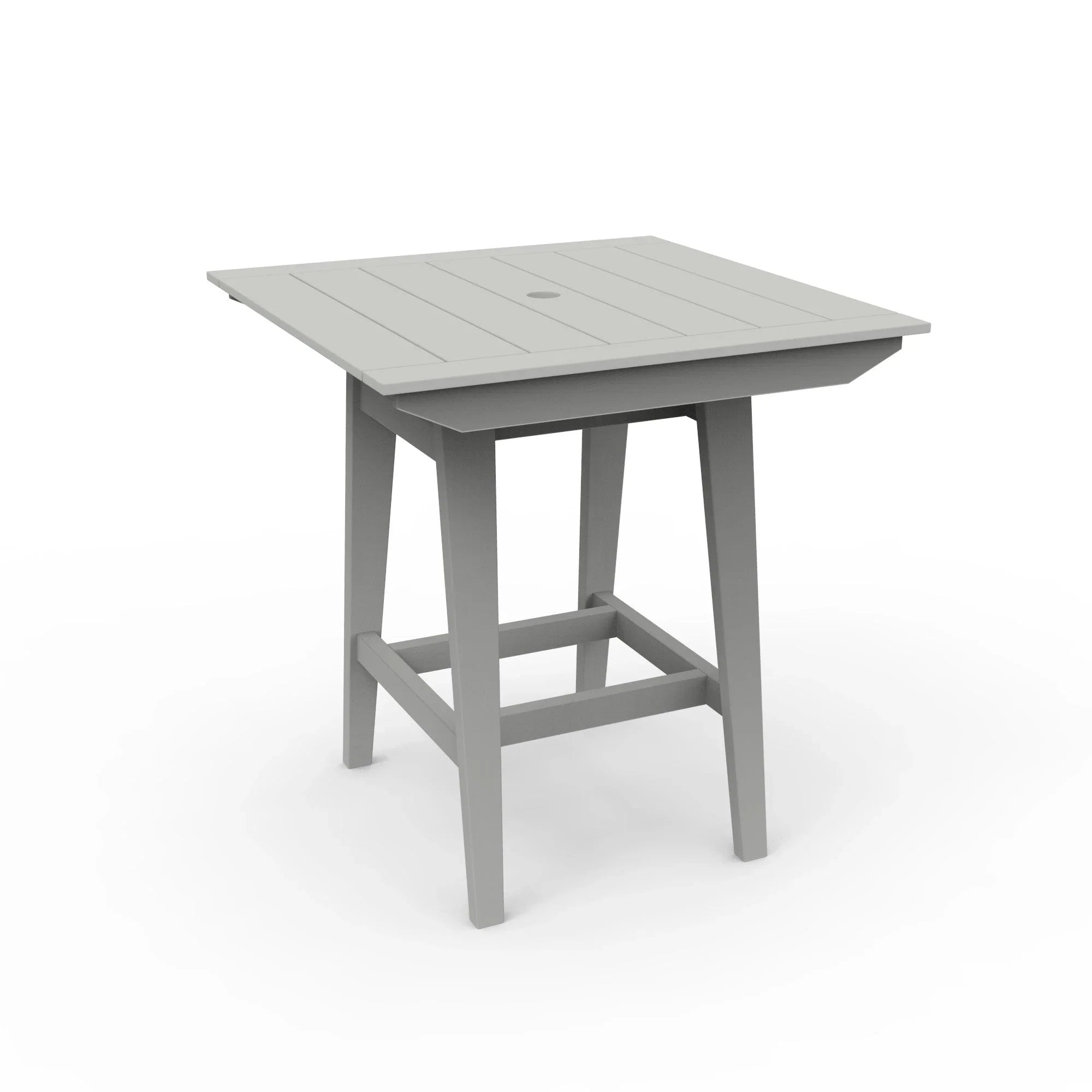
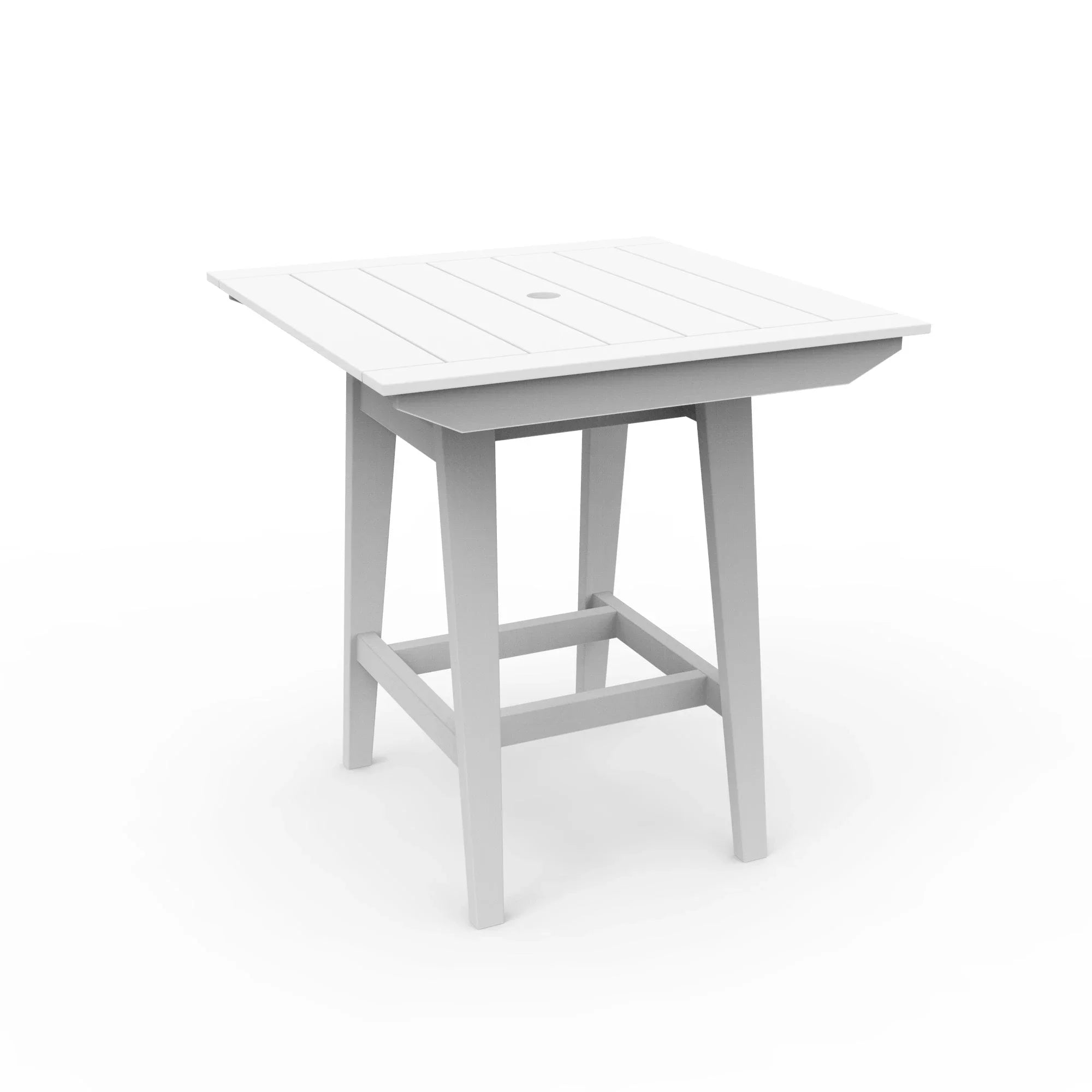
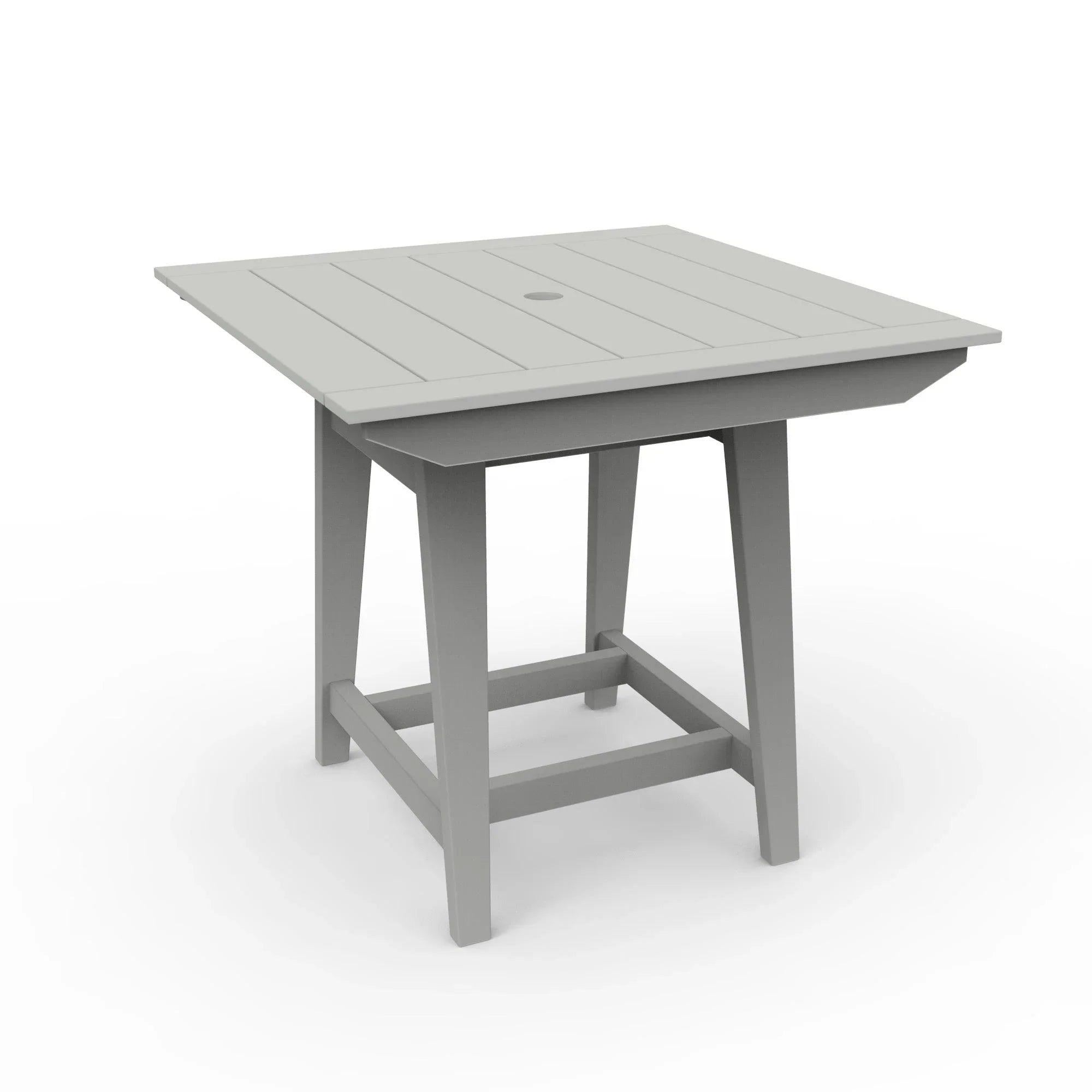
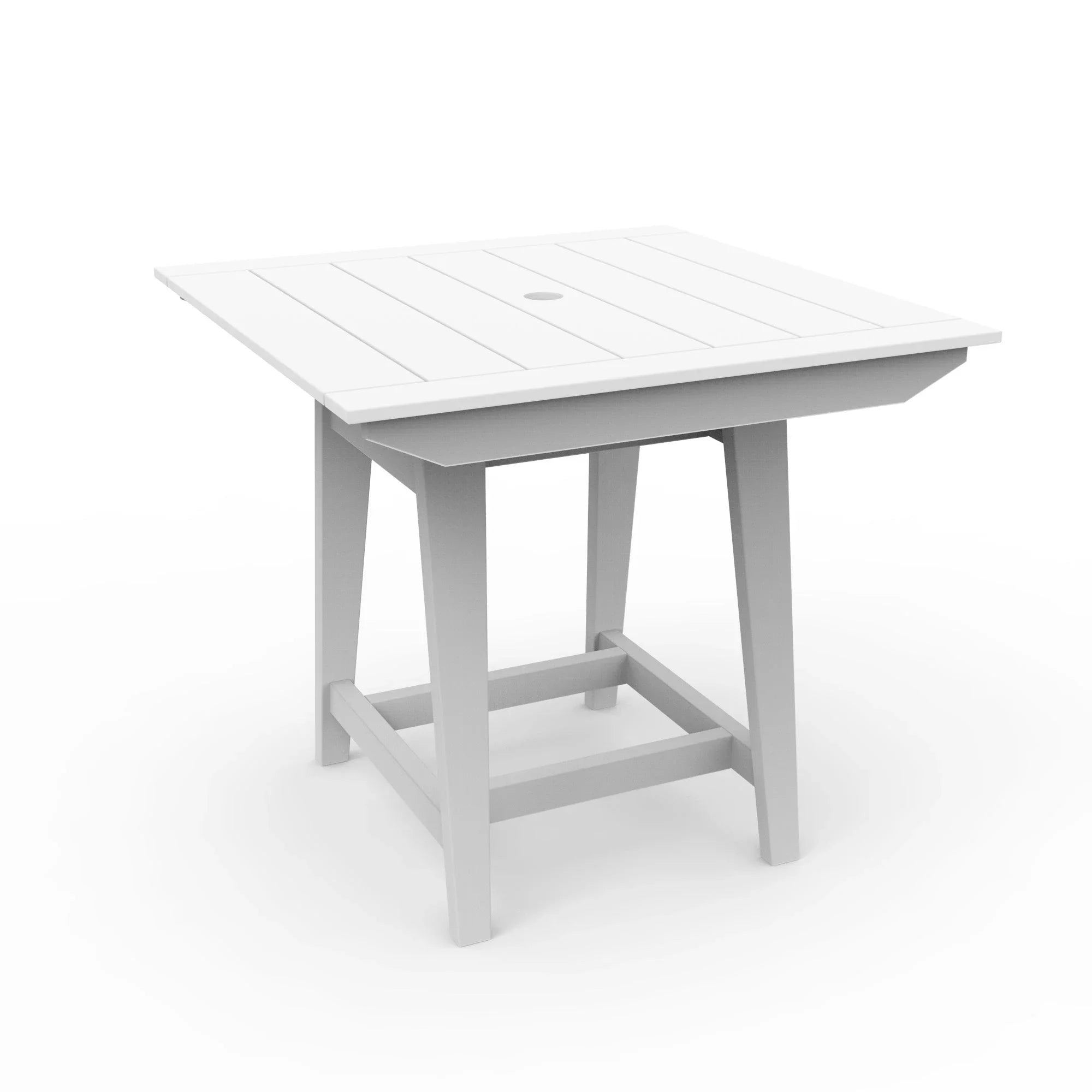
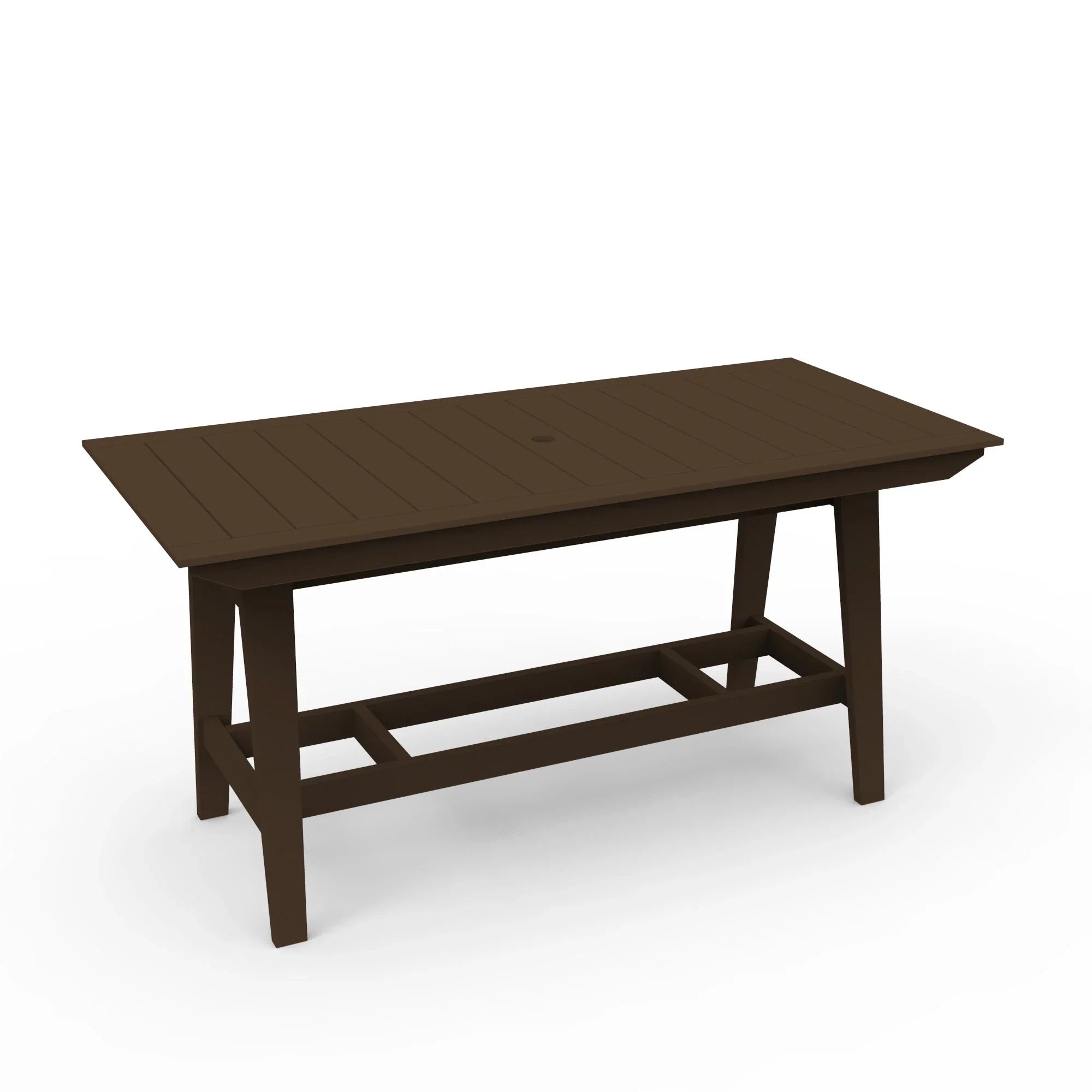
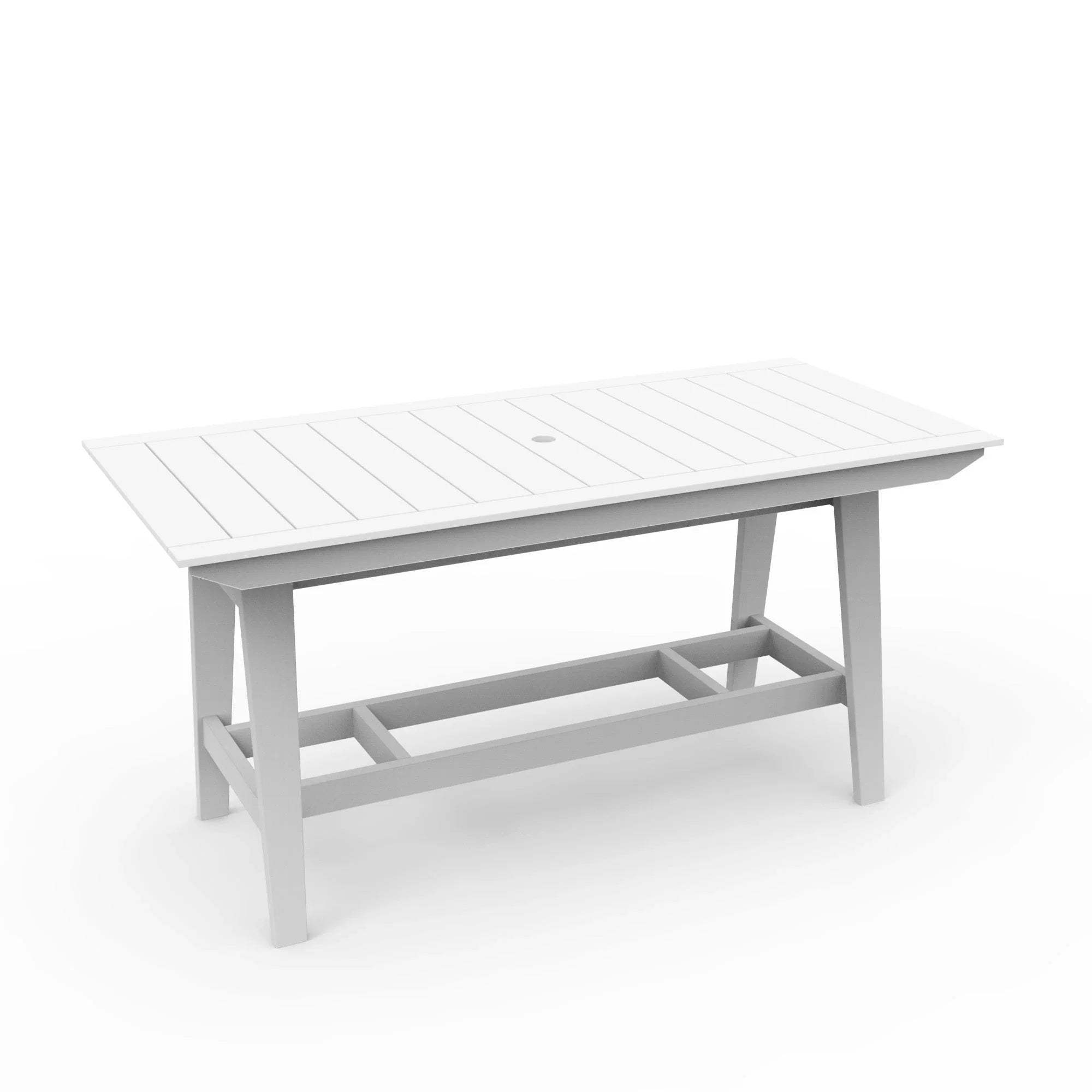
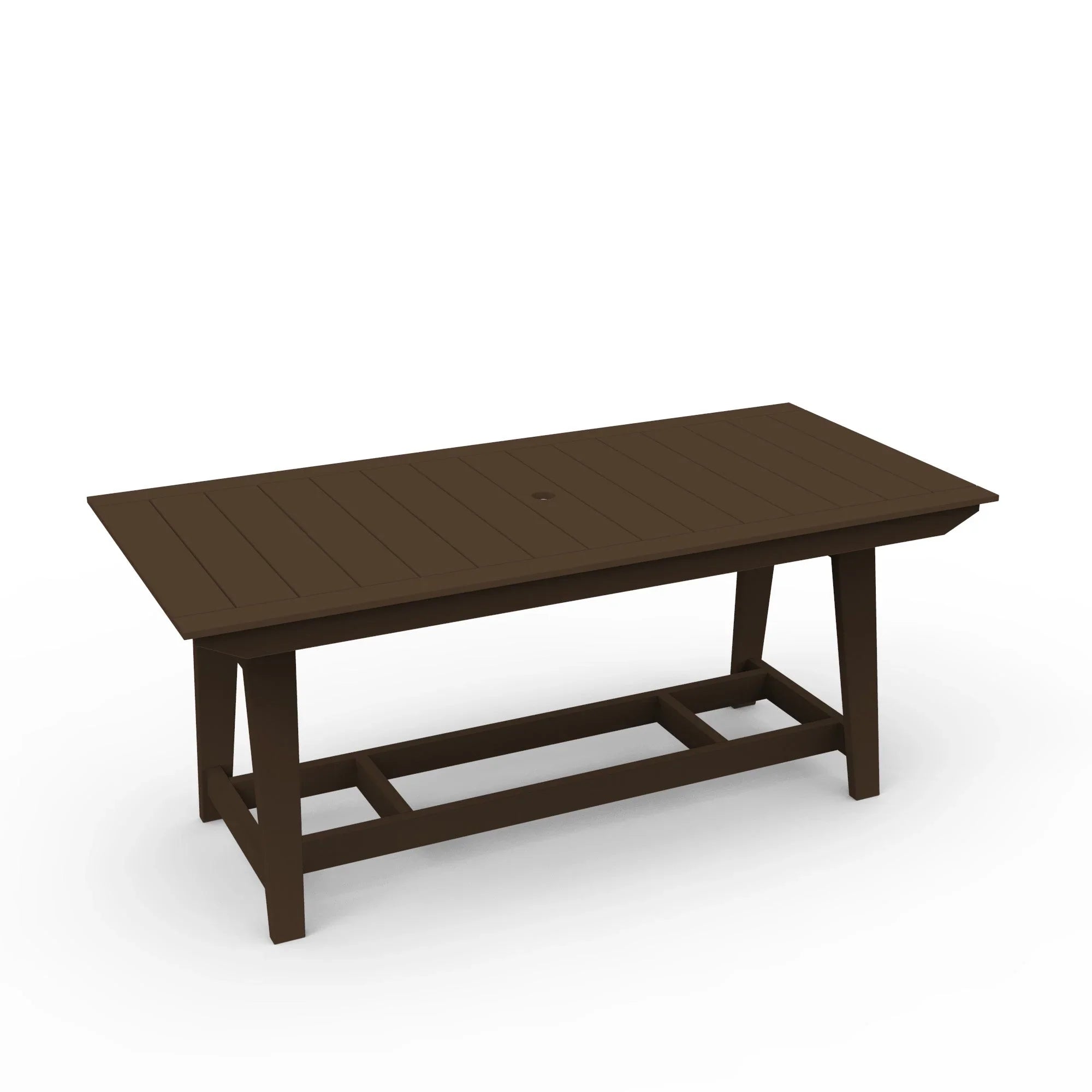
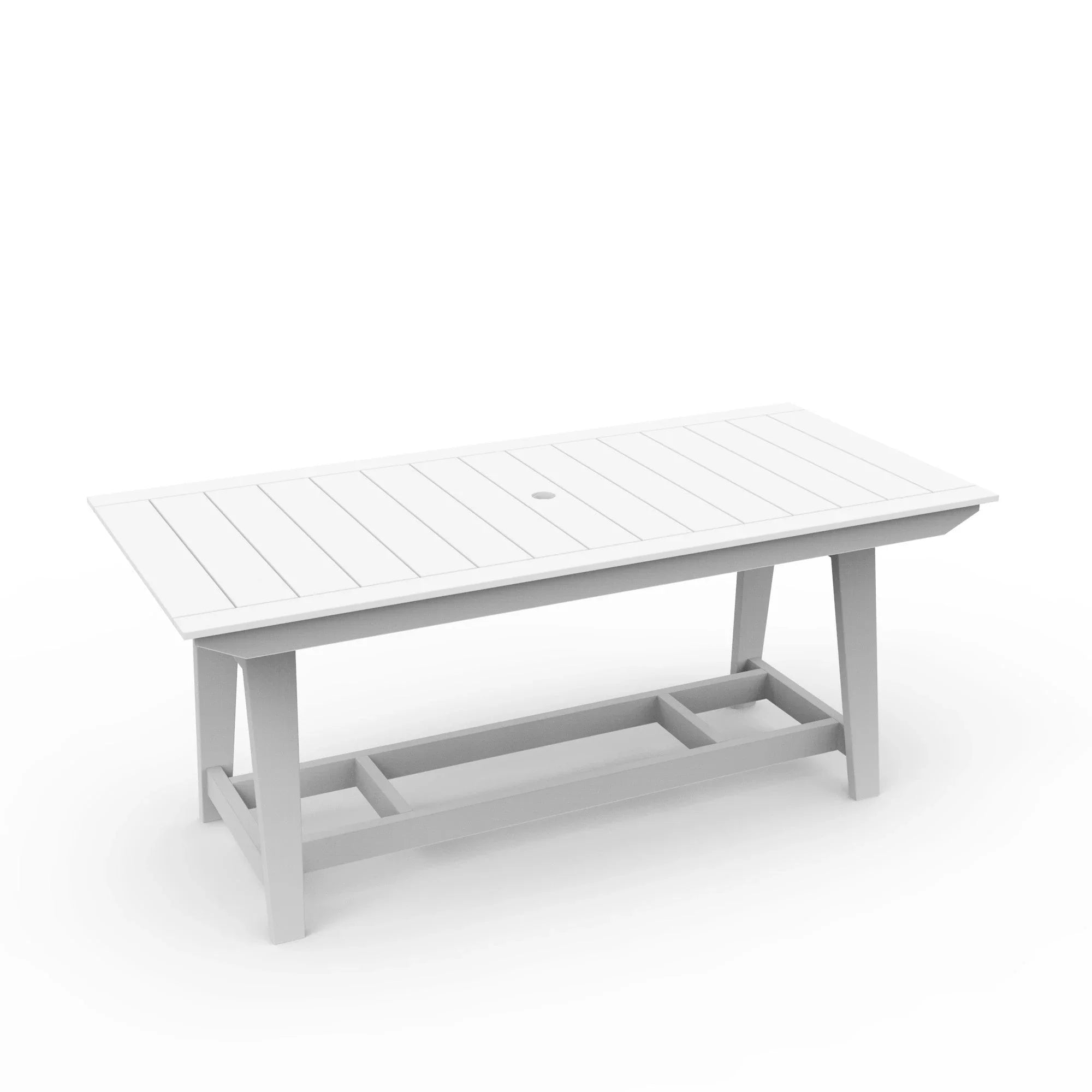
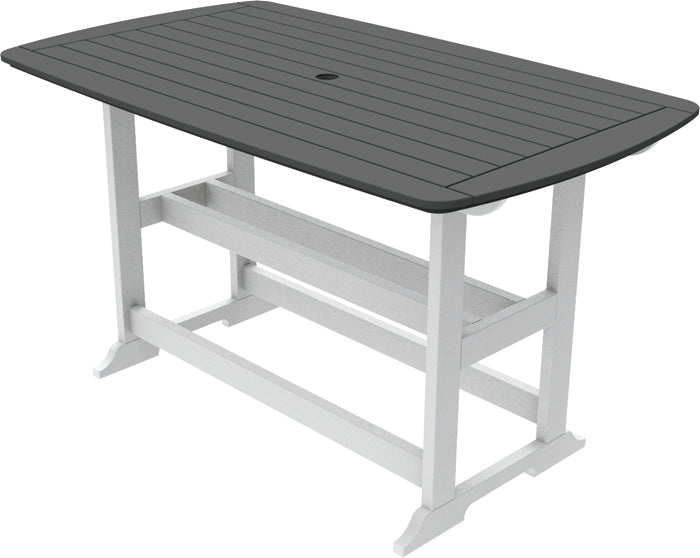
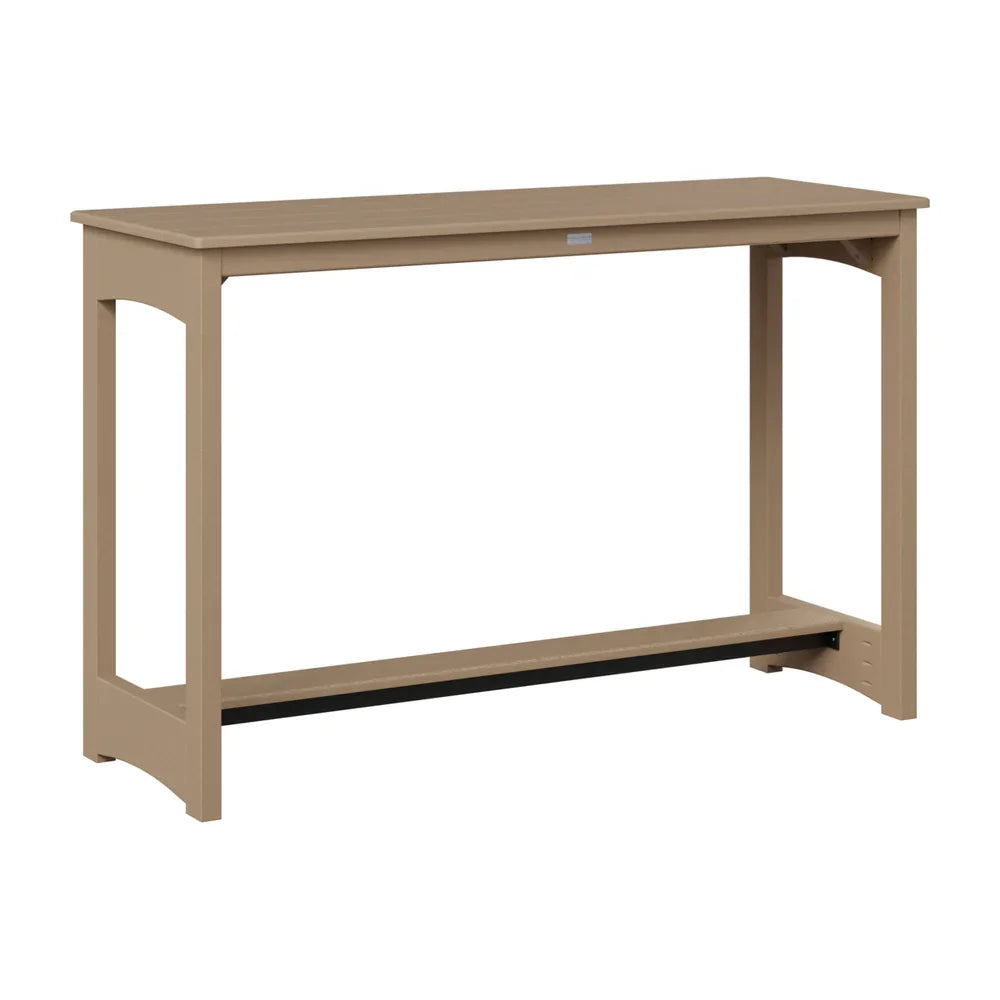
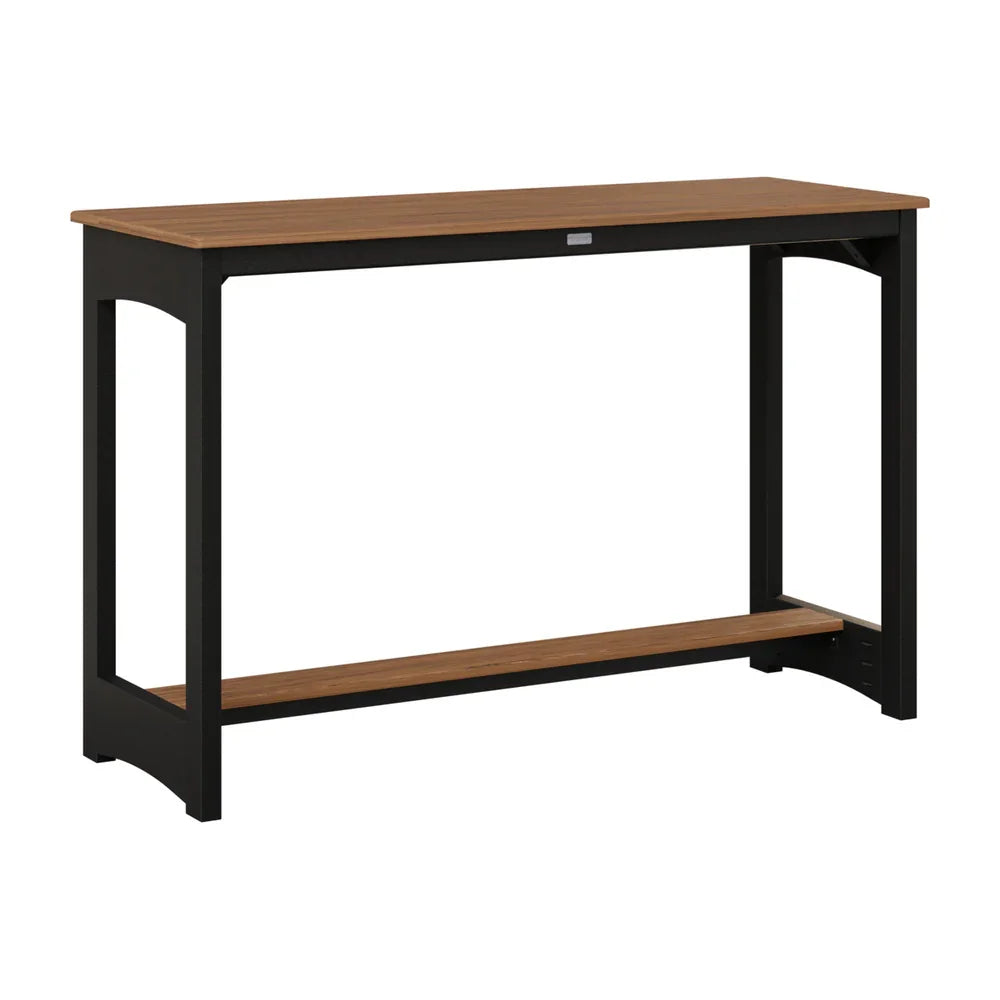
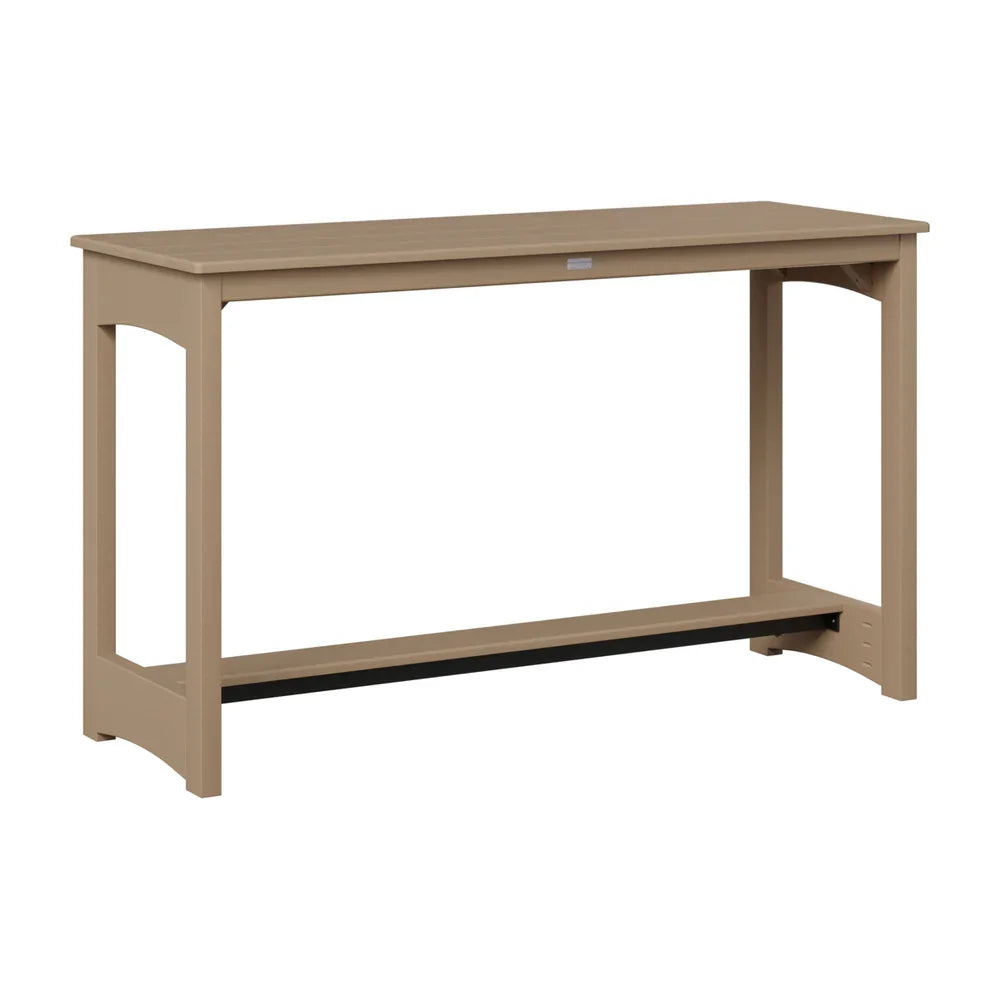
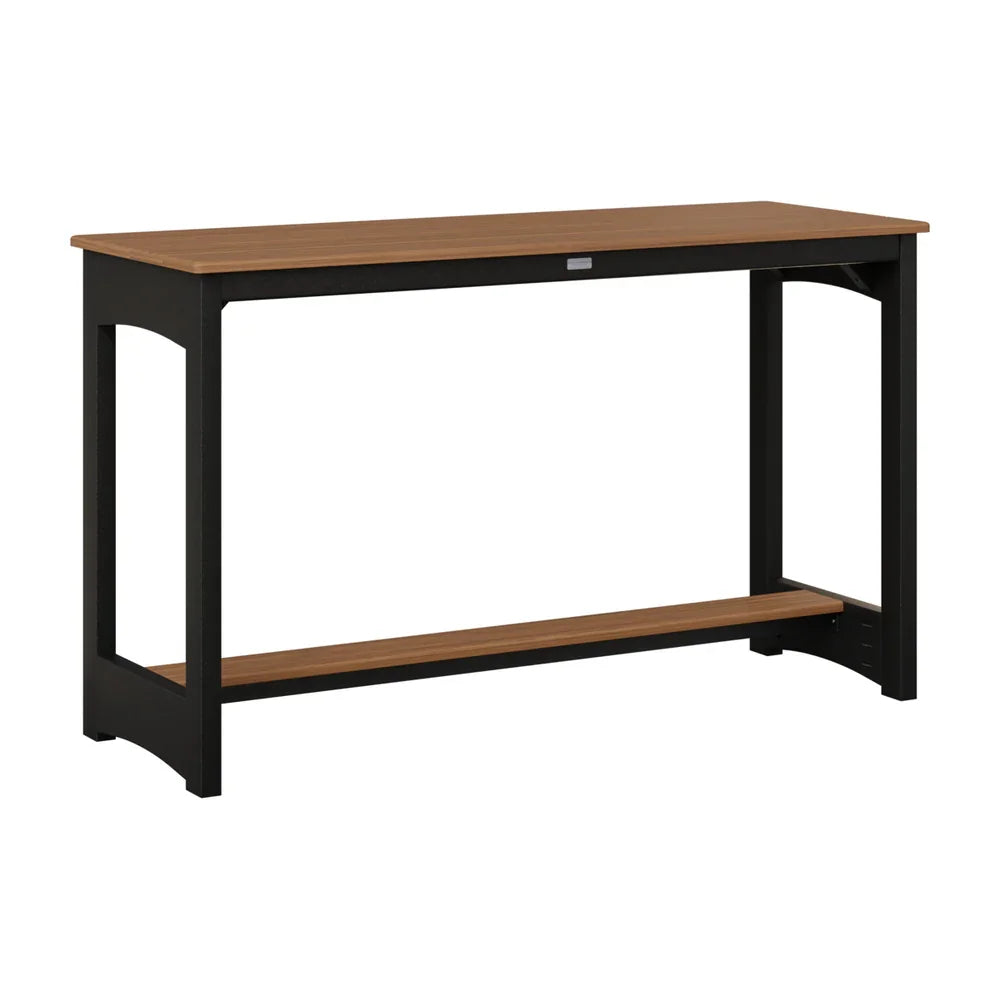
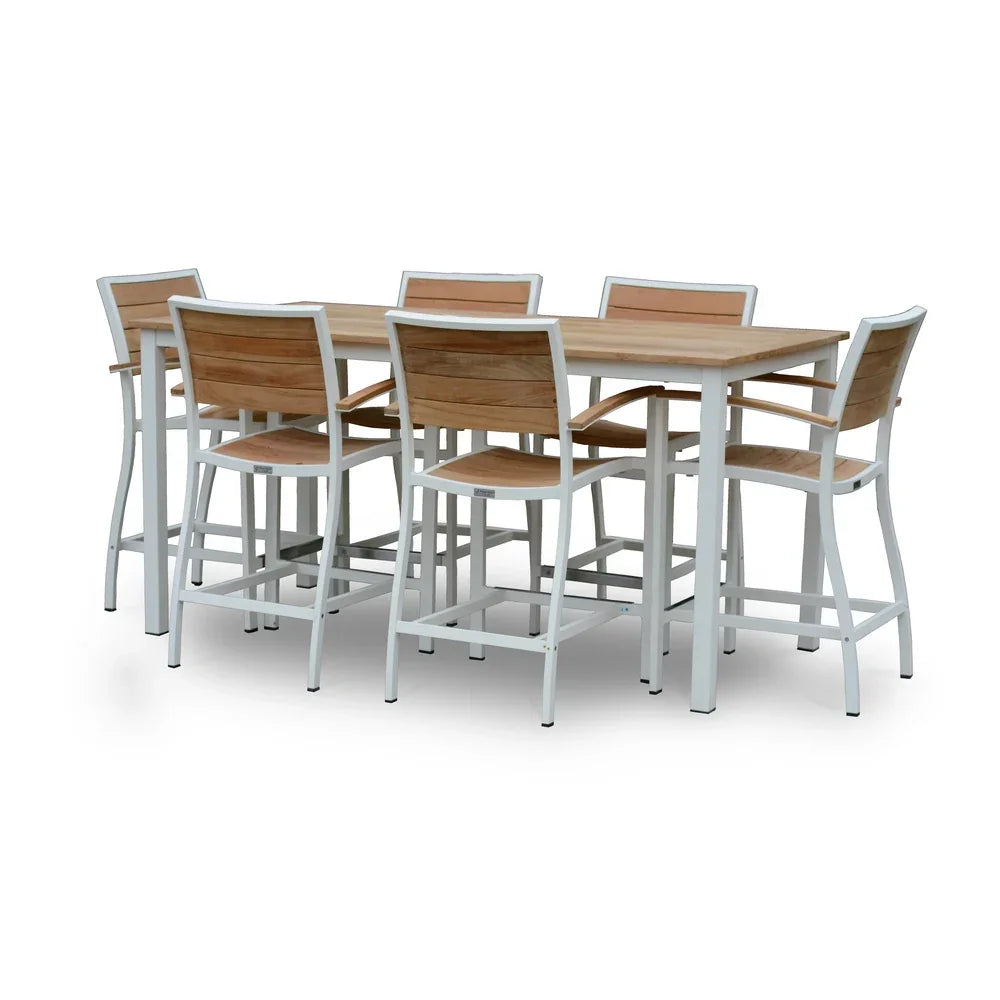
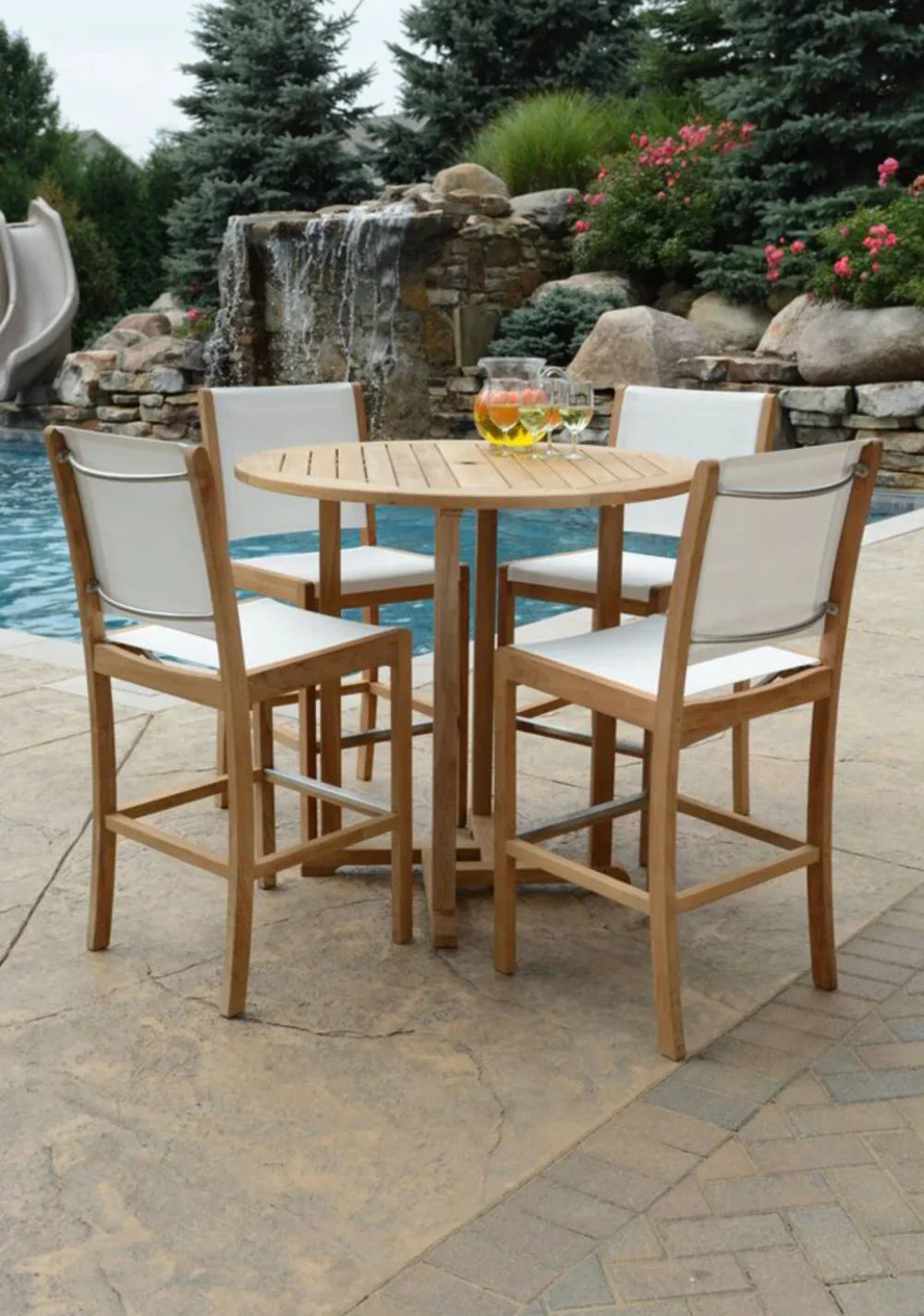
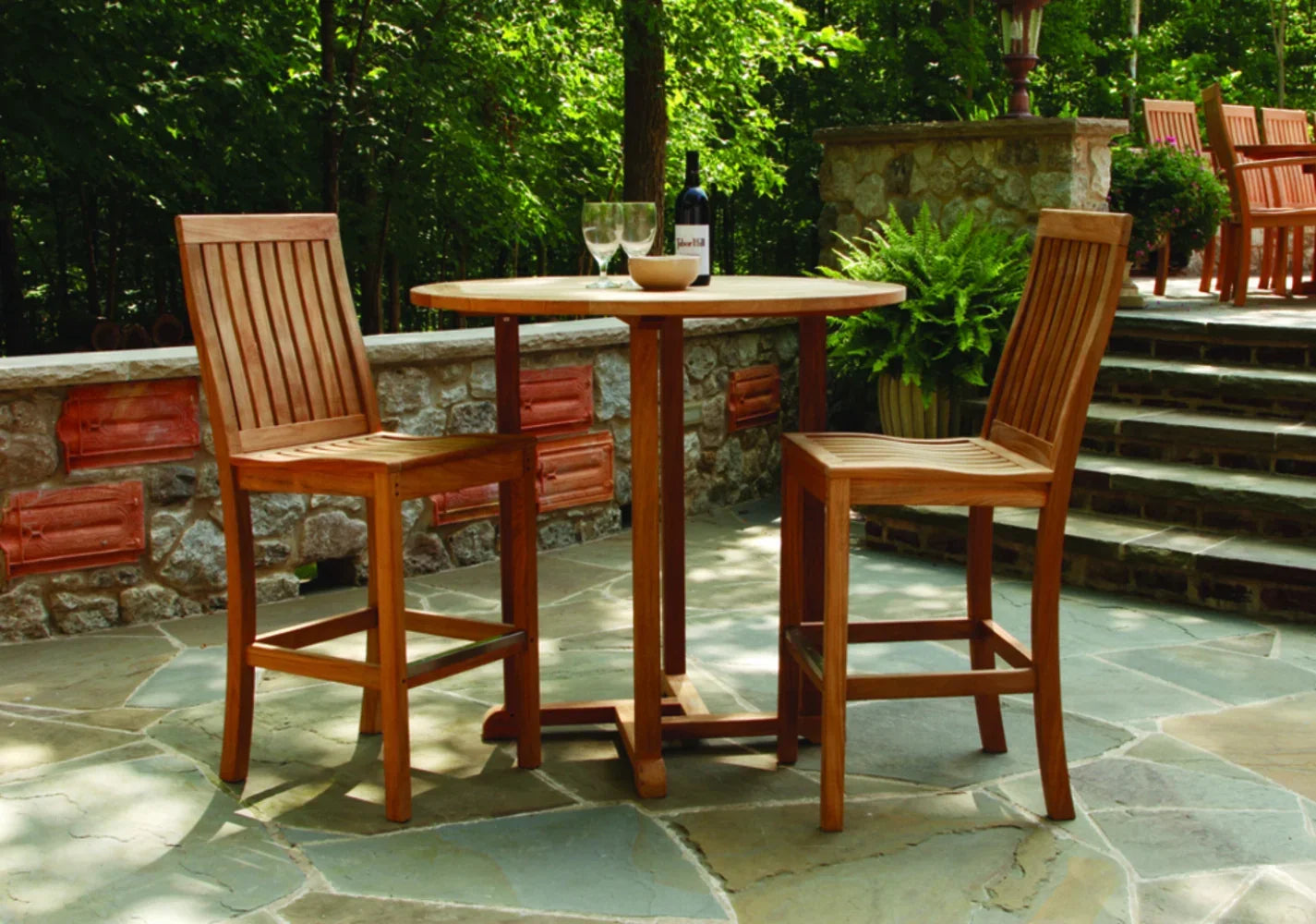
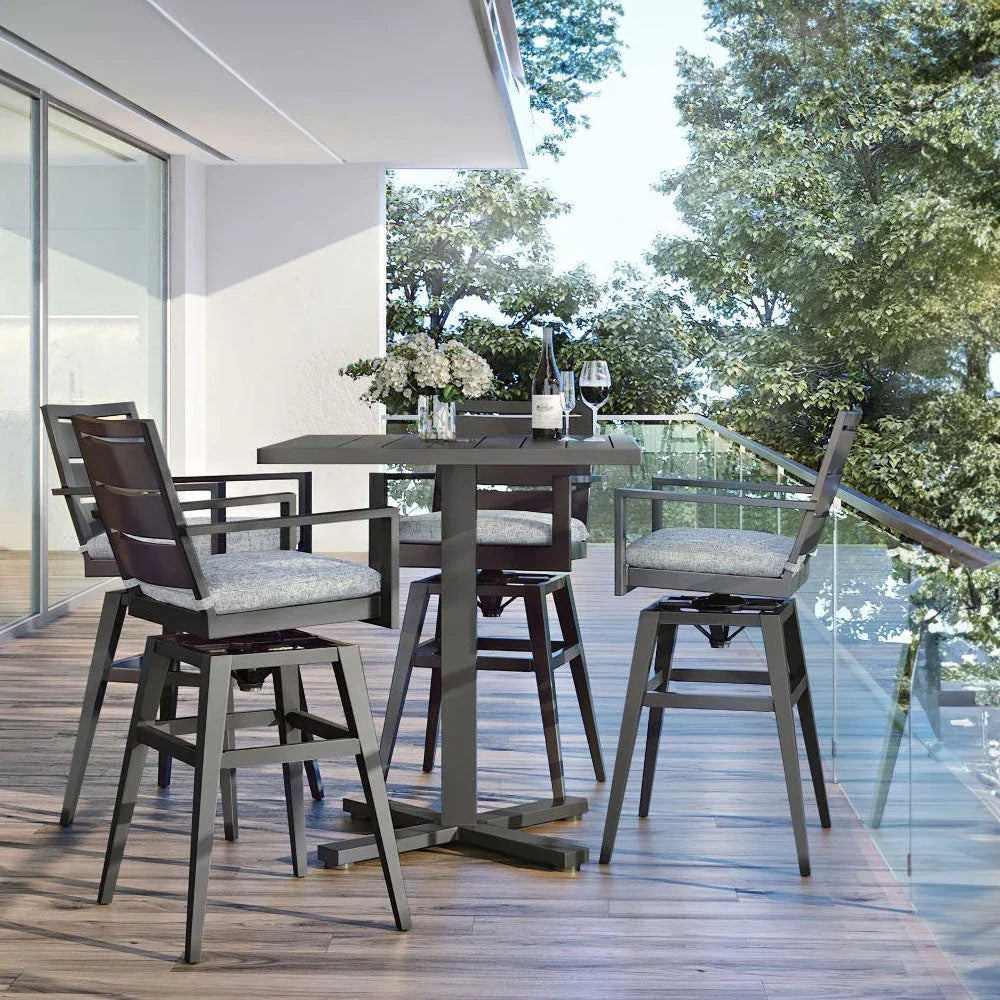
Counter height tables run 34 to 36 inches. Bar height runs 40 to 42 inches. Six inches is a gap that changes the entire character of a seating zone. Counter height creates a relaxed, approachable atmosphere, fitting hotel outdoor lounges, covered terraces, and dining-adjacent cocktail zones where guests want to settle in. Bar height reads more energetic and social. It works brilliantly on rooftop service bars, pool deck cocktail areas, and anywhere the design intent keeps guests slightly perched and engaged rather than committed to a two-hour dinner. Pair your commercial outdoor bar and counter stools accordingly: 24-inch seat height for counter tables, 28- to 30-inch seat height for bar height tables. Getting that pairing wrong means uncomfortable guests, and uncomfortable guests leave earlier. Operators outfitting a dedicated dining terrace alongside a cocktail zone will find the complementary range in our commercial outdoor dining tables.
Pedestal Bases: The Specification Most Operators Learn to Require After One Season
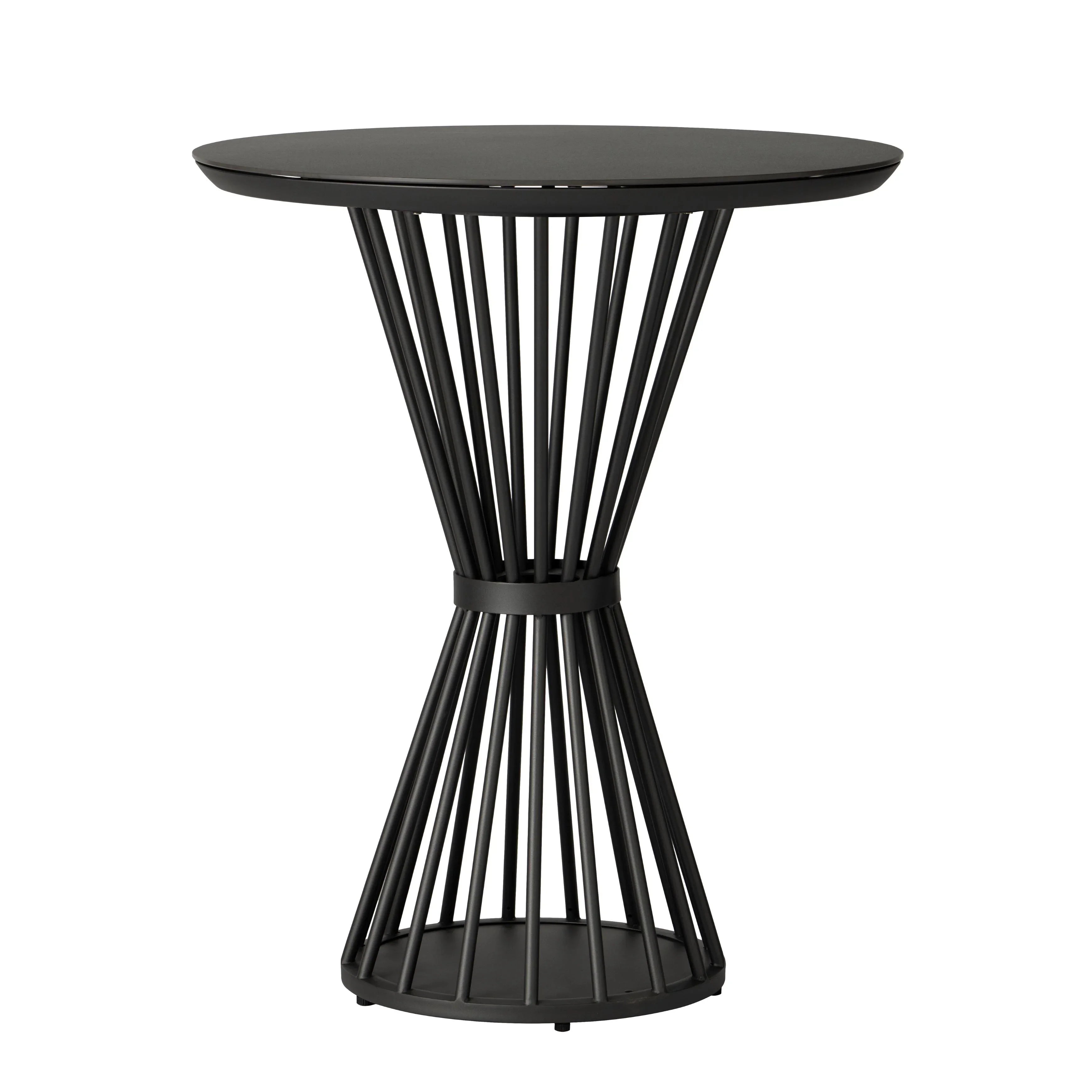
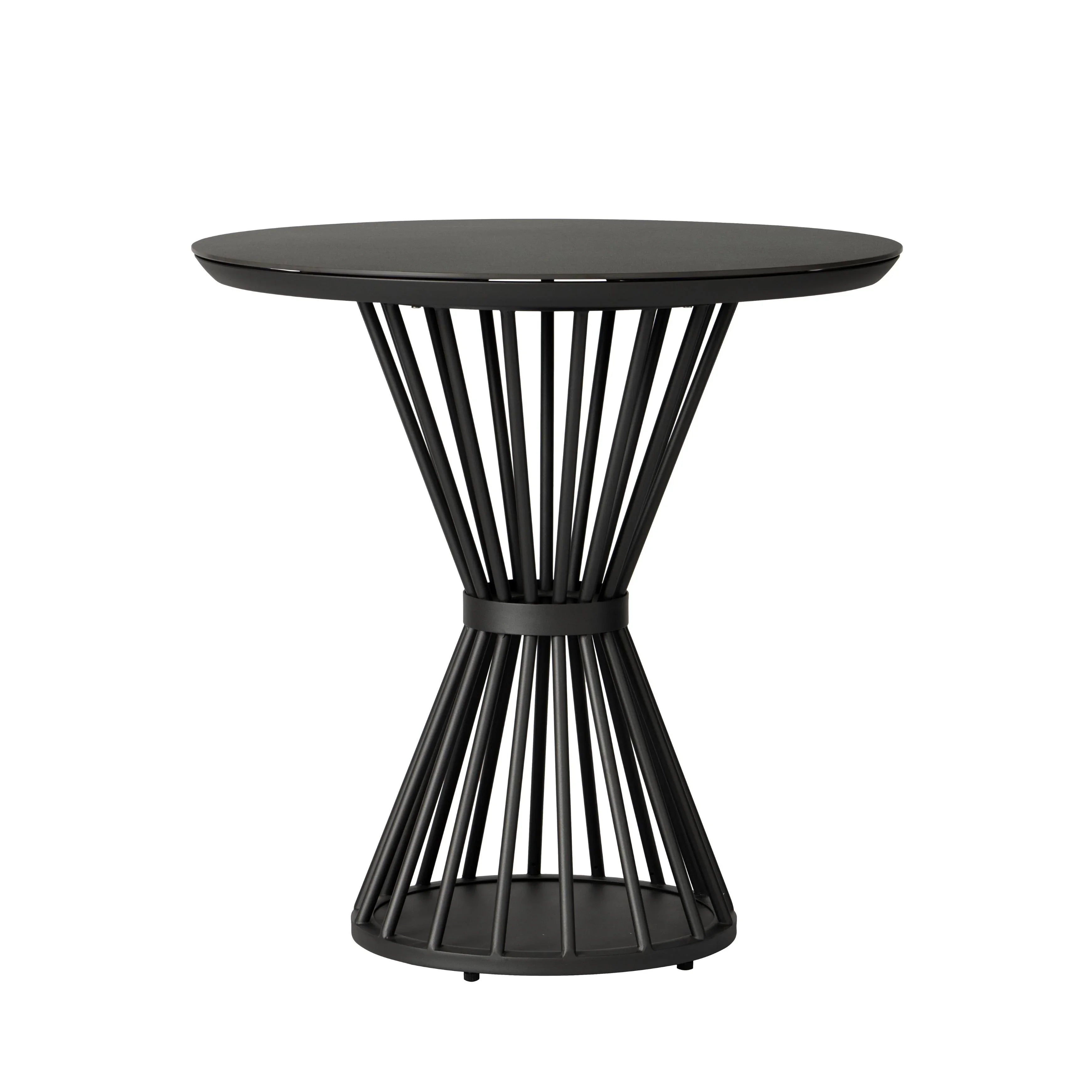
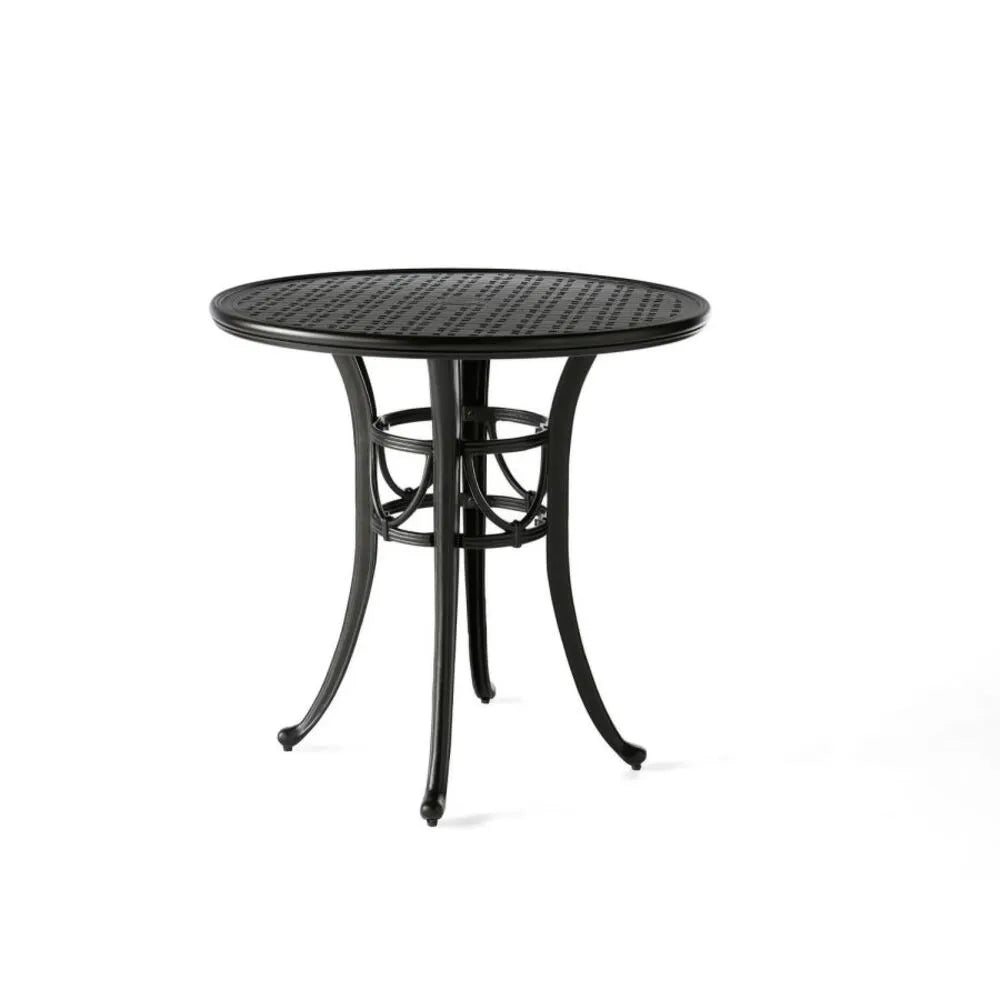
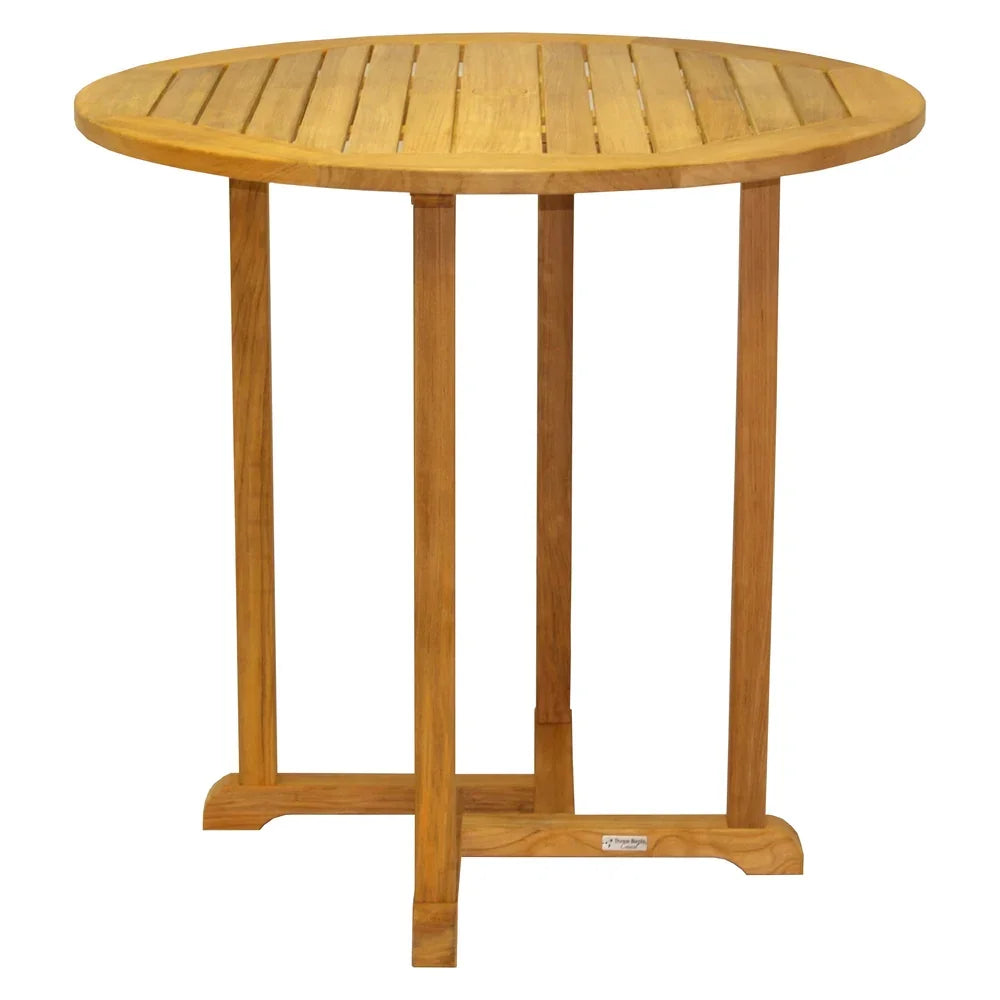
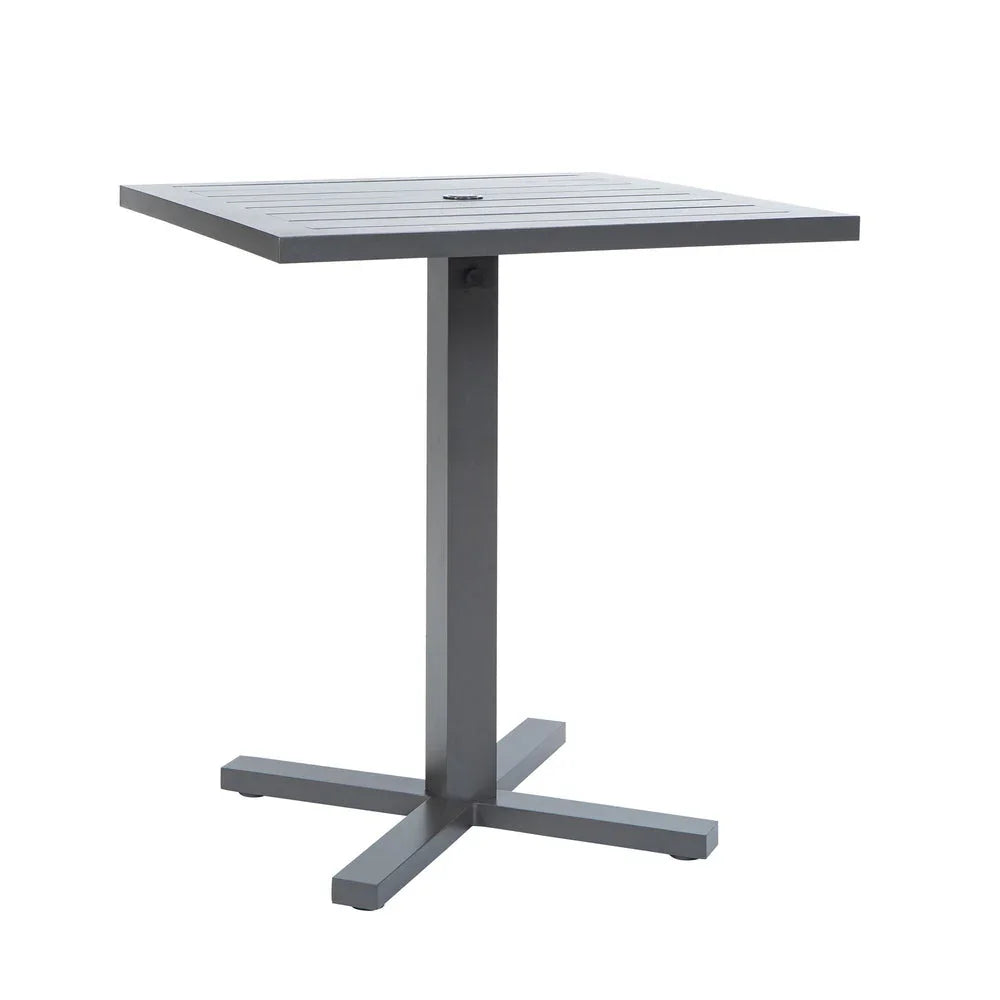
Four-leg bases at elevated heights are a guest experience problem waiting to happen. People shift their weight, cross their legs, try to pull a stool closer, and hit a corner leg or crossbar every single time. Pedestal bases solve this completely. A single center column gives every seat 360 degrees of clearance underneath, which matters considerably on tight terraces where table spacing is already compressed. The best commercial pedestal bases use cast iron weighted feet that resist wind lift without the need for ballast bags or cumbersome umbrella pole anchors. It is a specification detail that most hospitality designers learn to insist on after exactly one season without it.
Aluminum, Poly Lumber, and Teak: Three Materials, Three Different Performance Profiles
Commercial outdoor furniture specification is not primarily an aesthetic exercise. It is a question of maintenance cycles, total cost of ownership, and how a table surface responds to the cleaning protocols that hospitality venues actually use. Three materials define serious commercial bar and counter table specifications, and each has a distinct sweet spot.
Aluminum: The Contract Workhorse
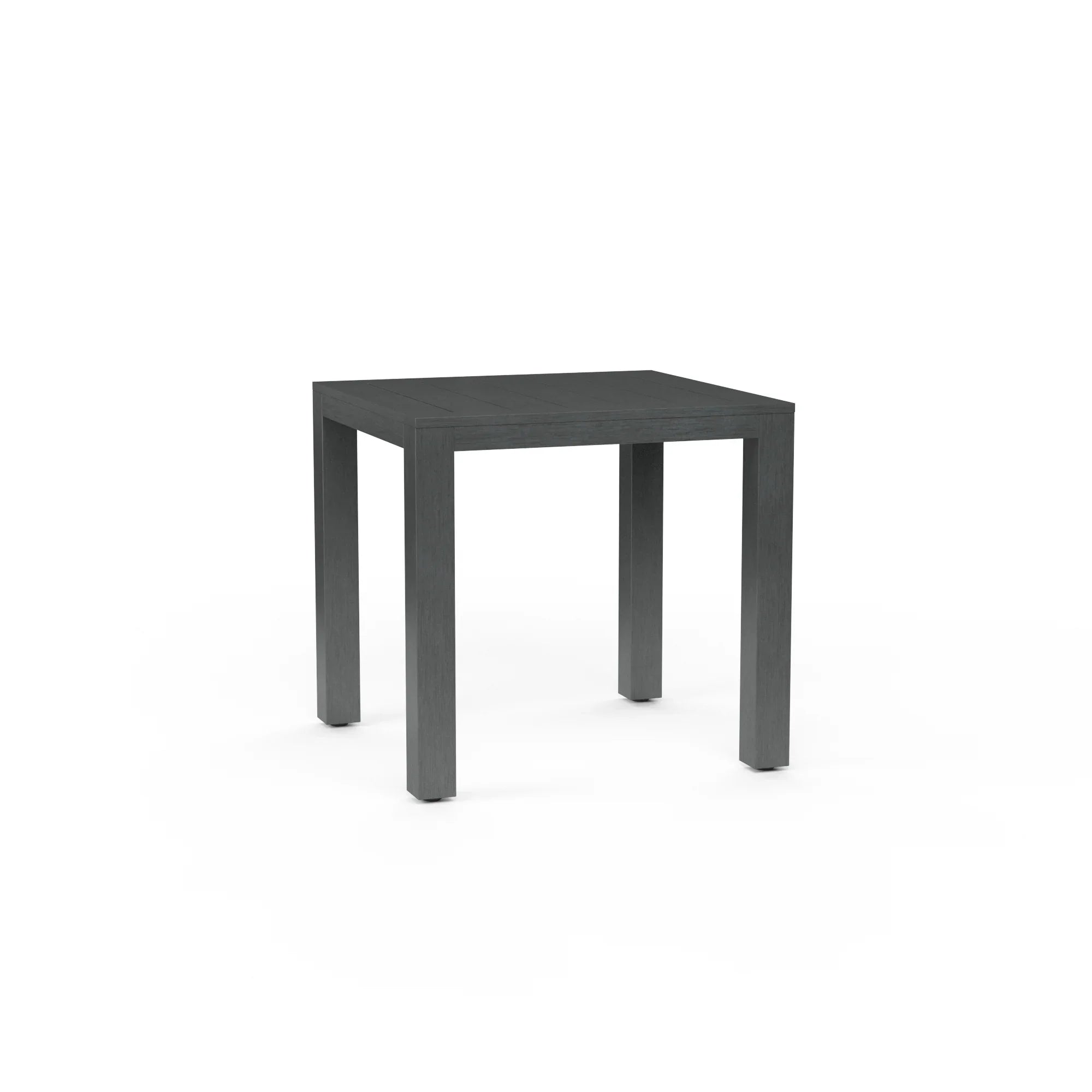
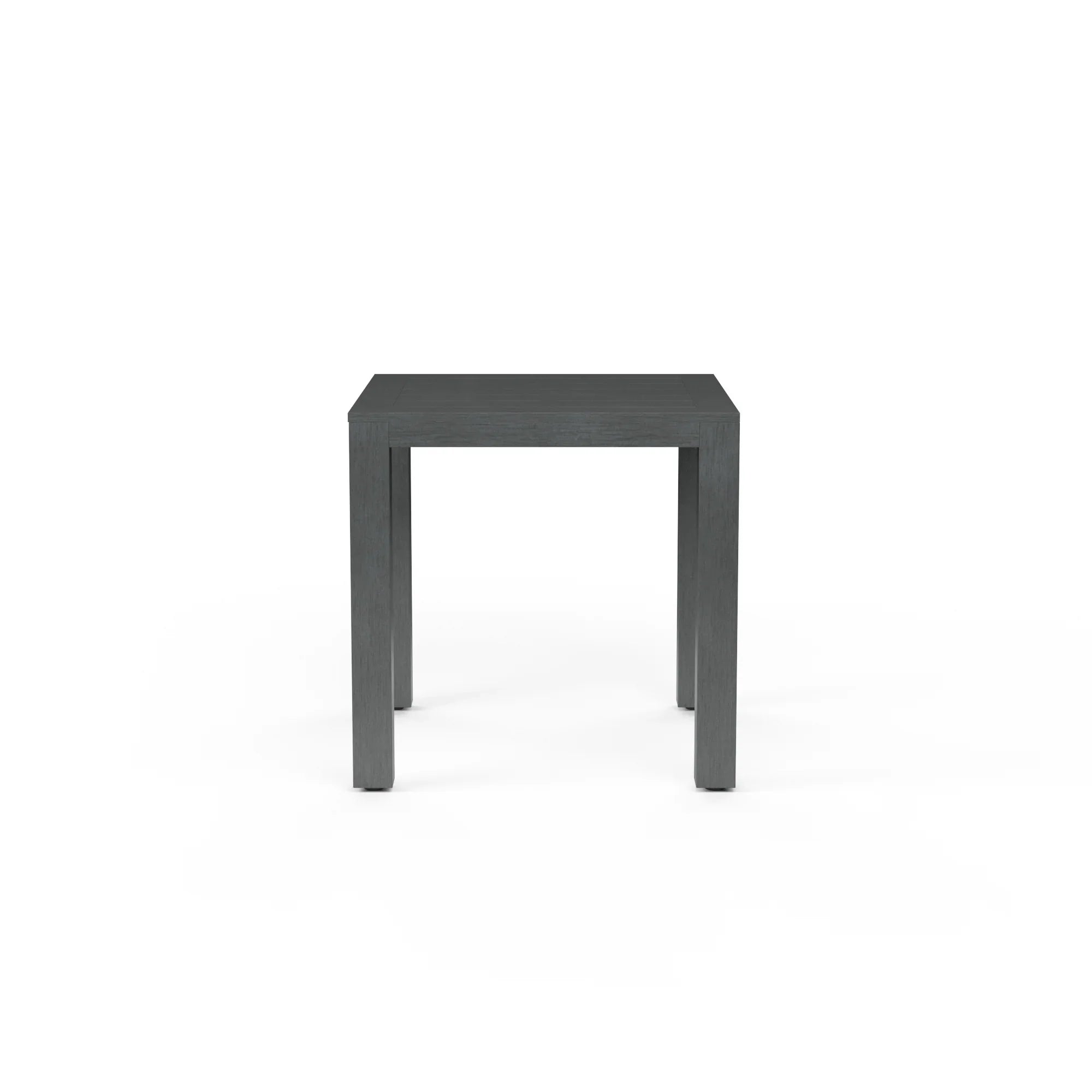
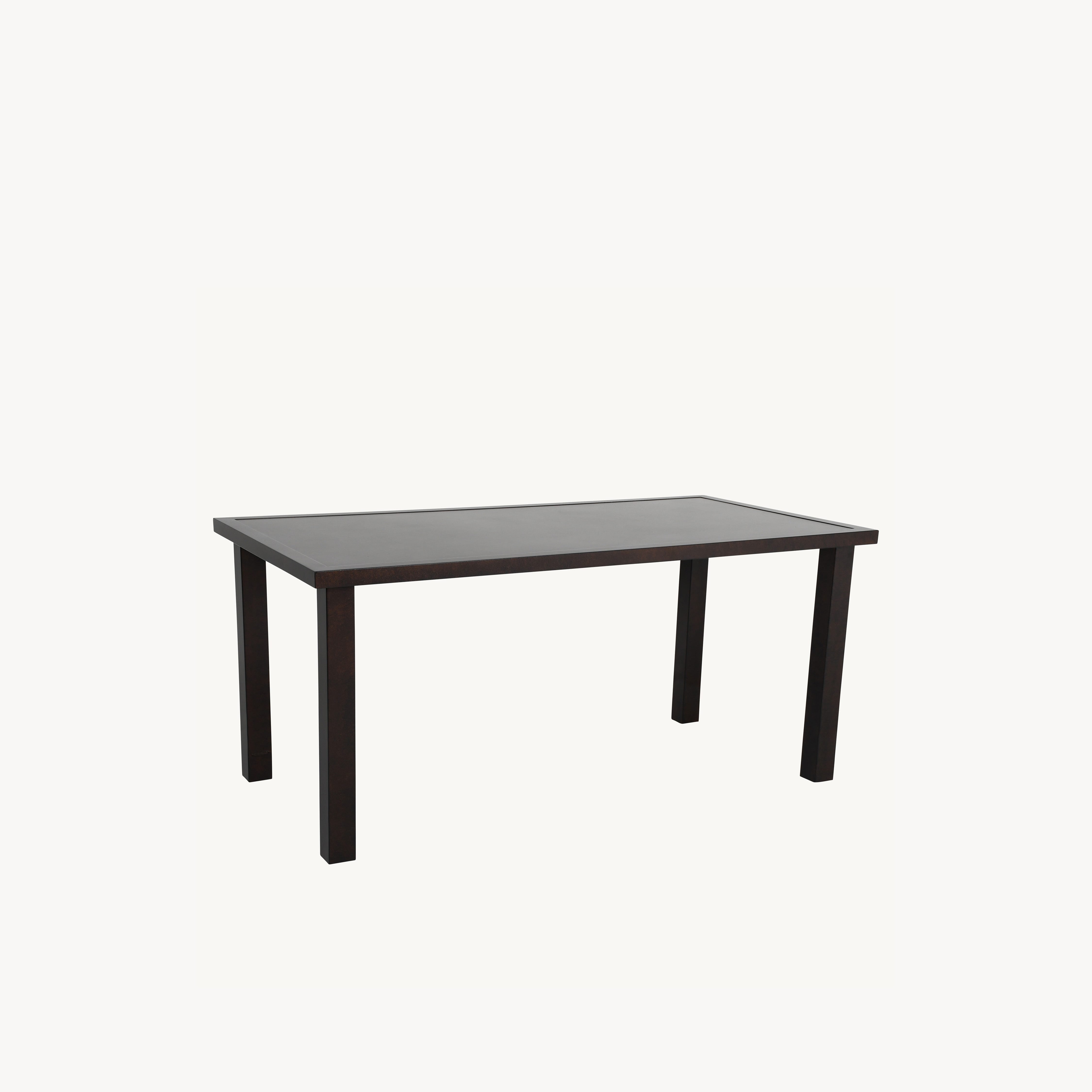
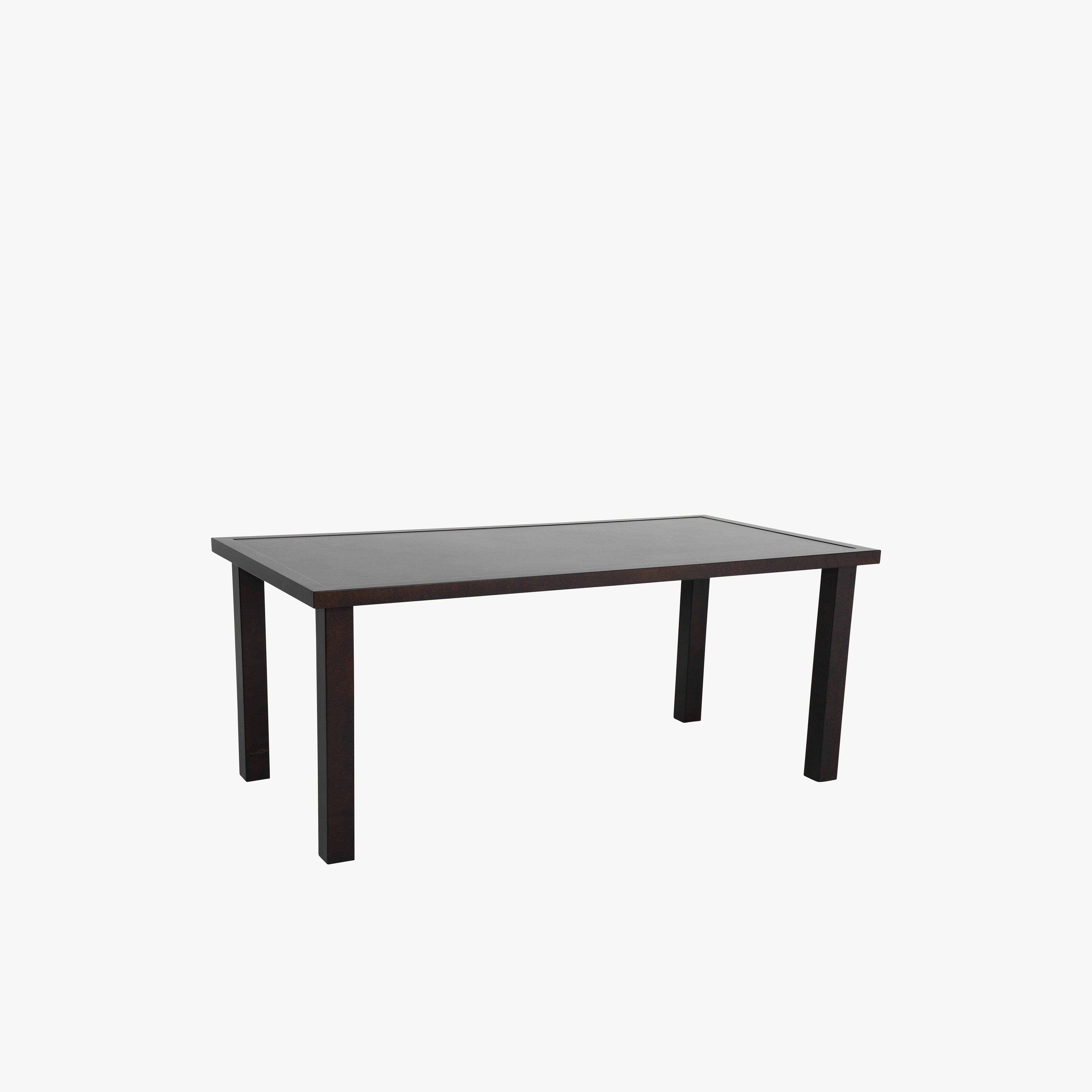
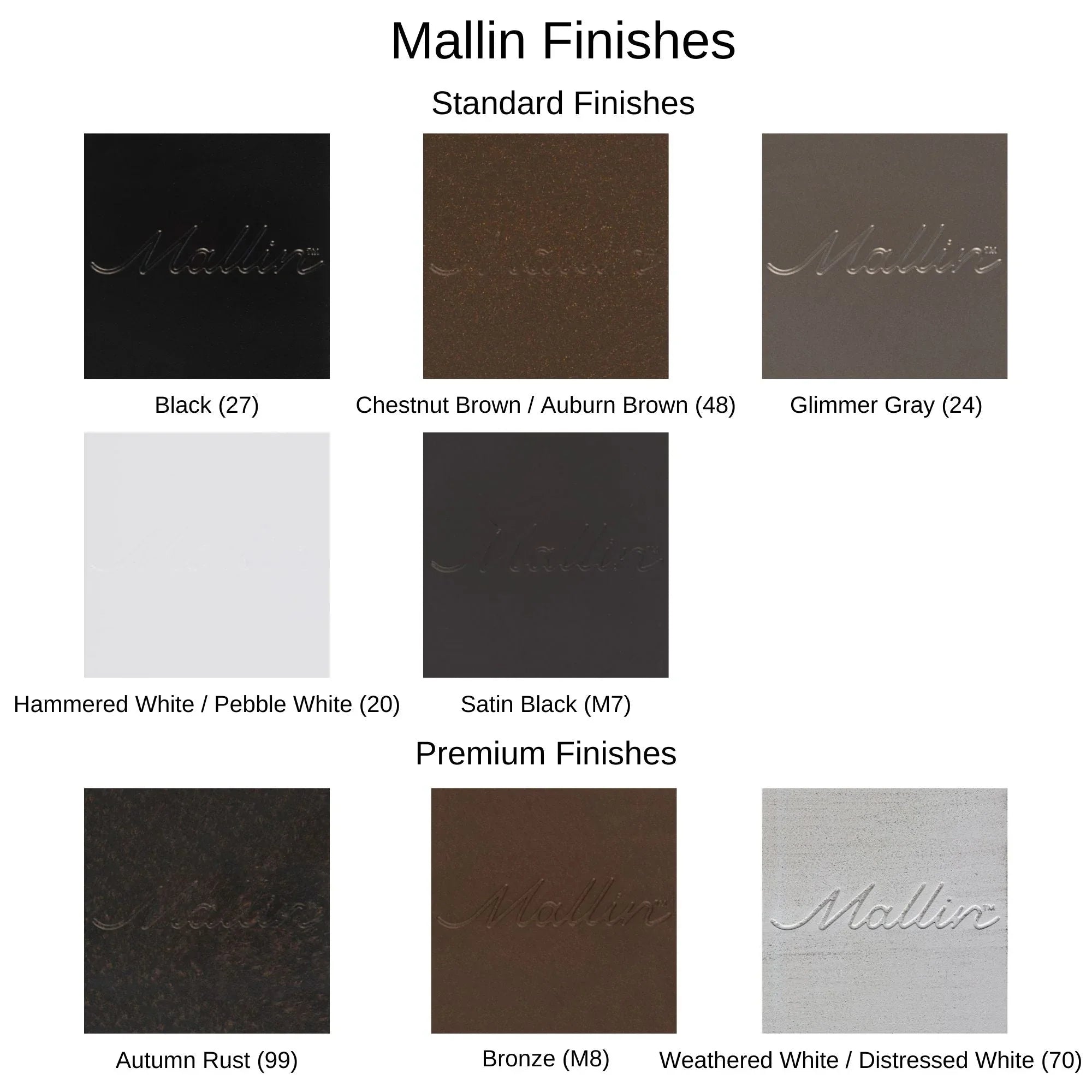
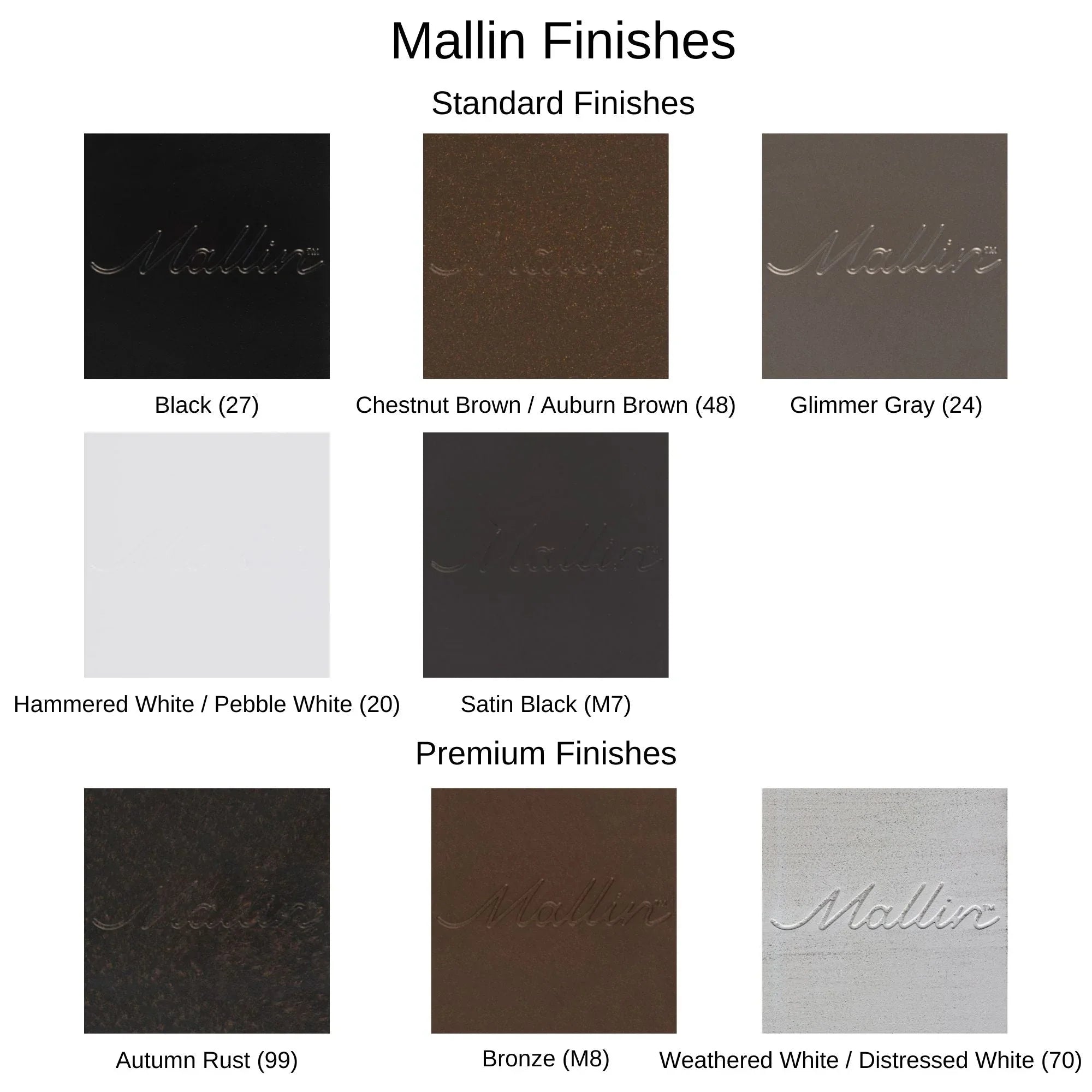
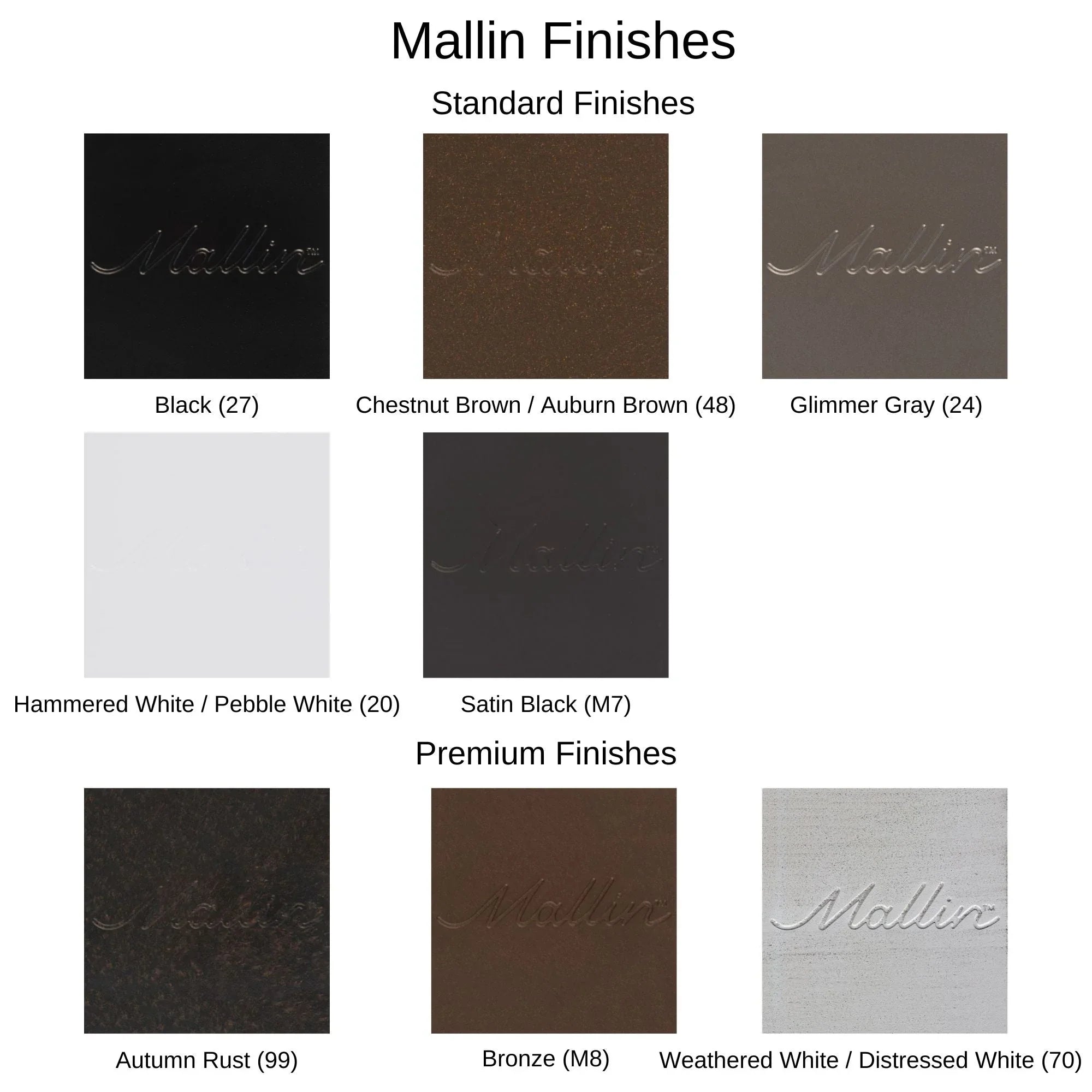
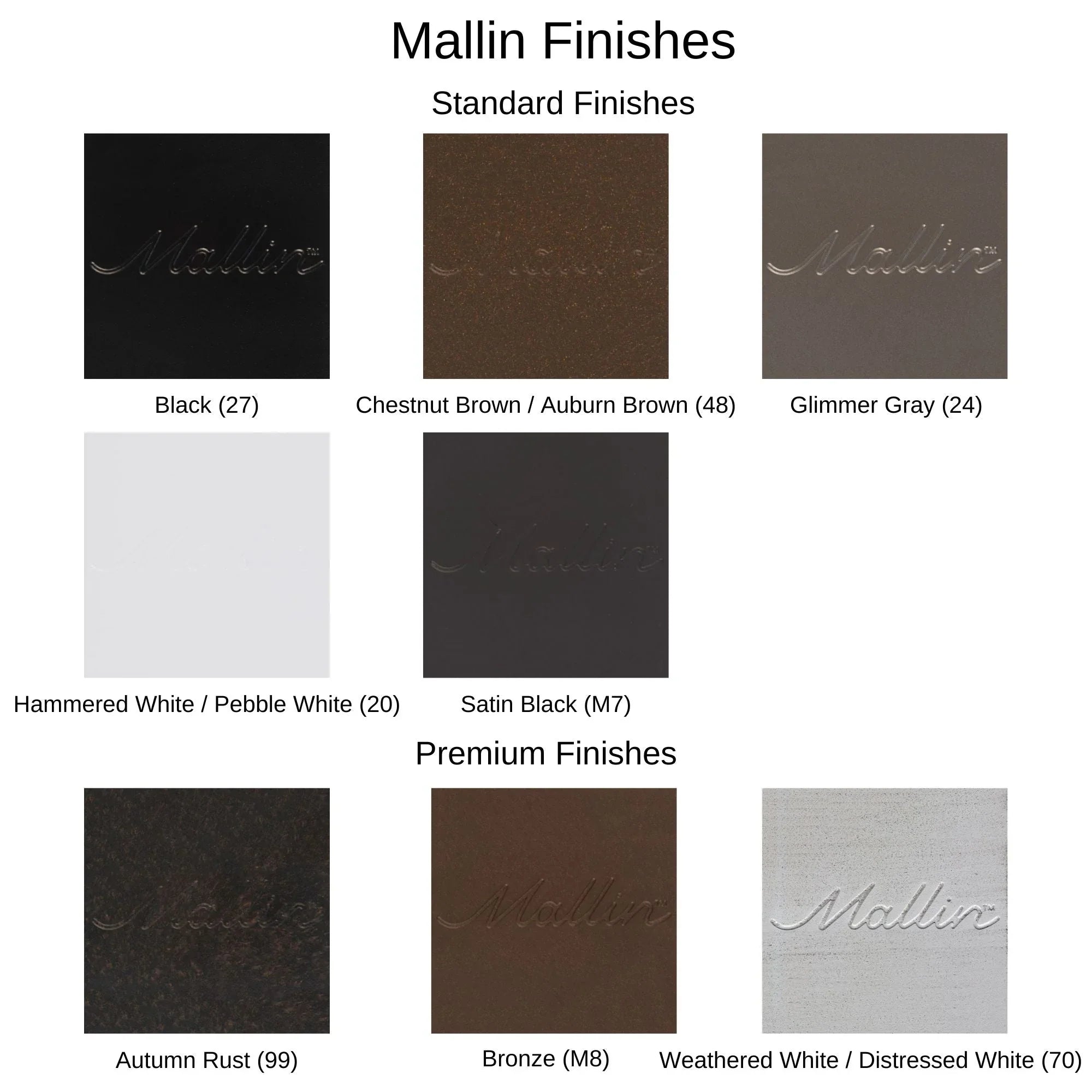
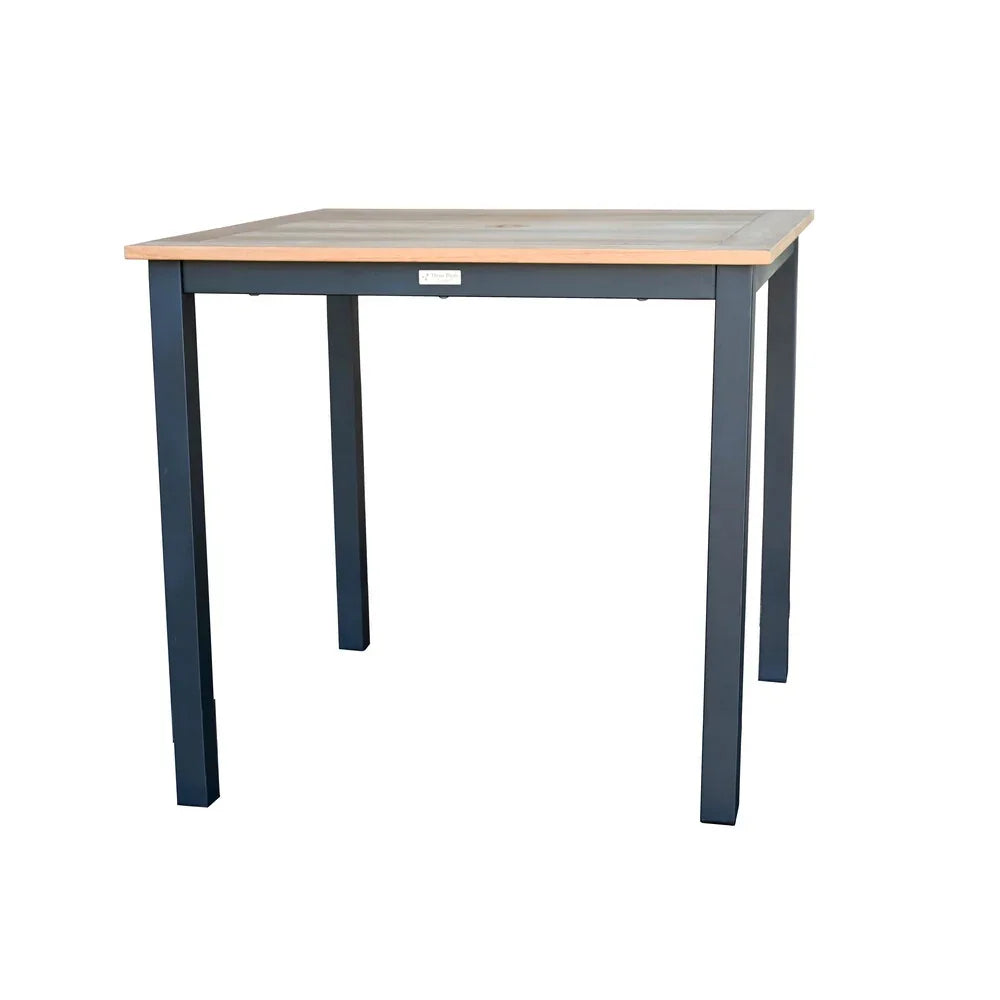
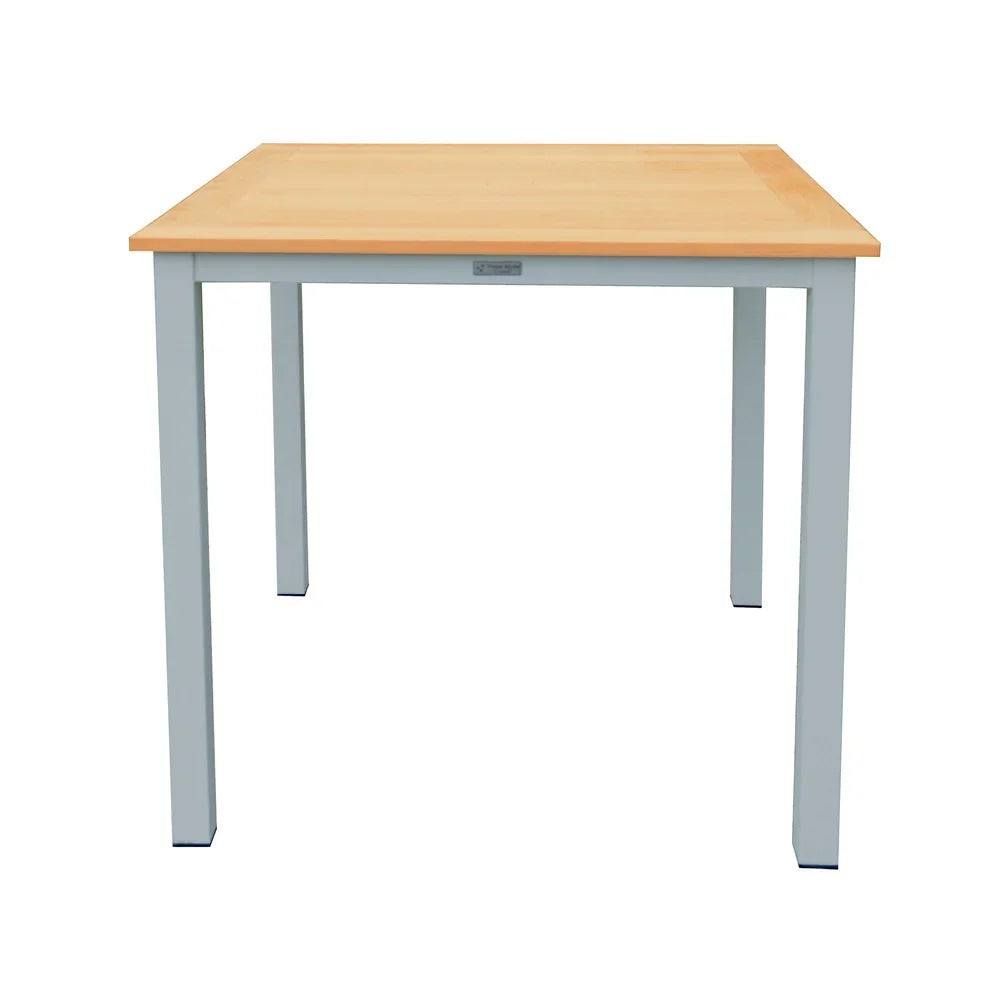
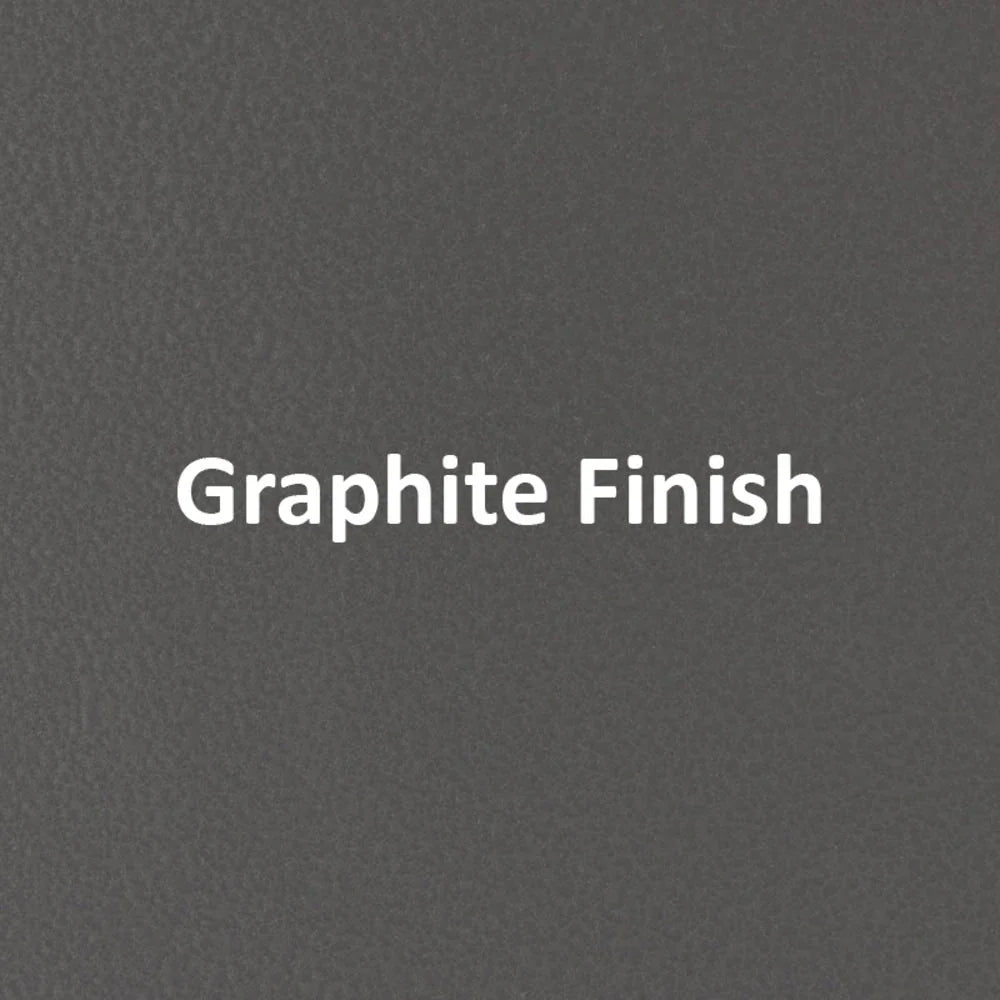
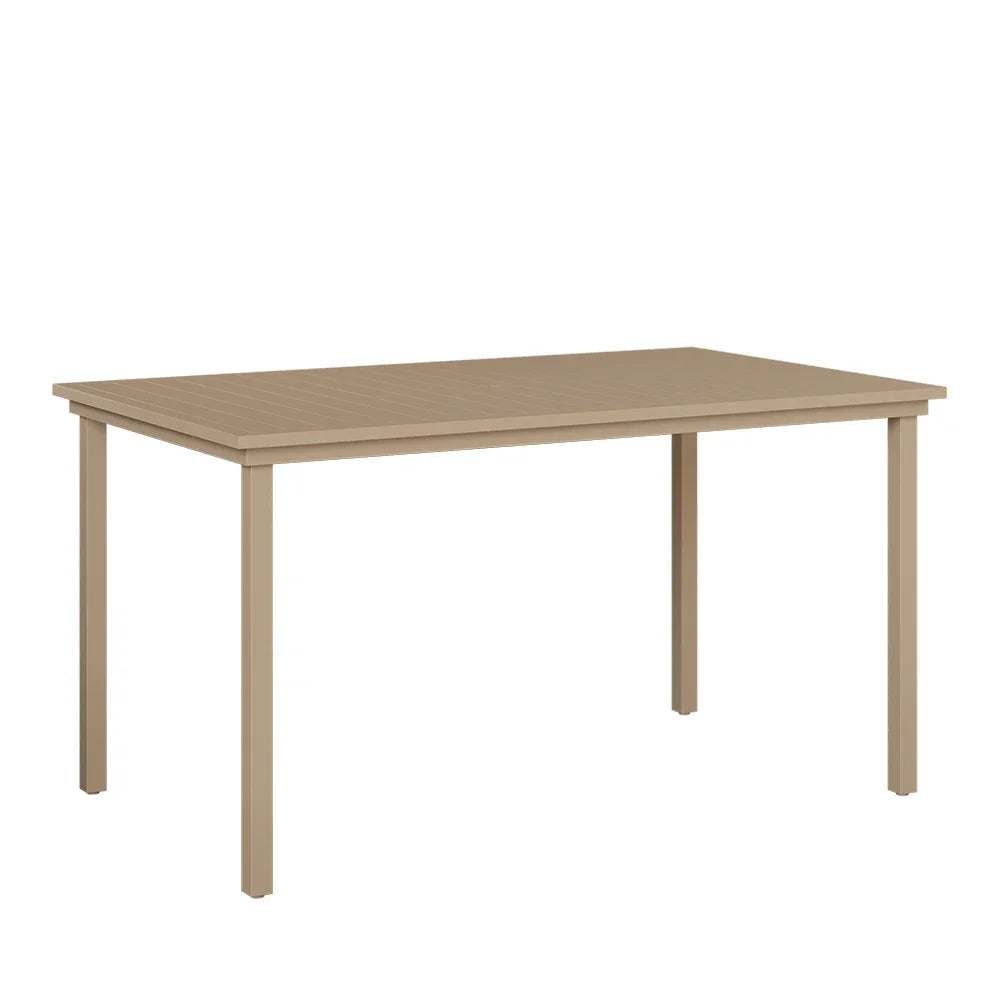
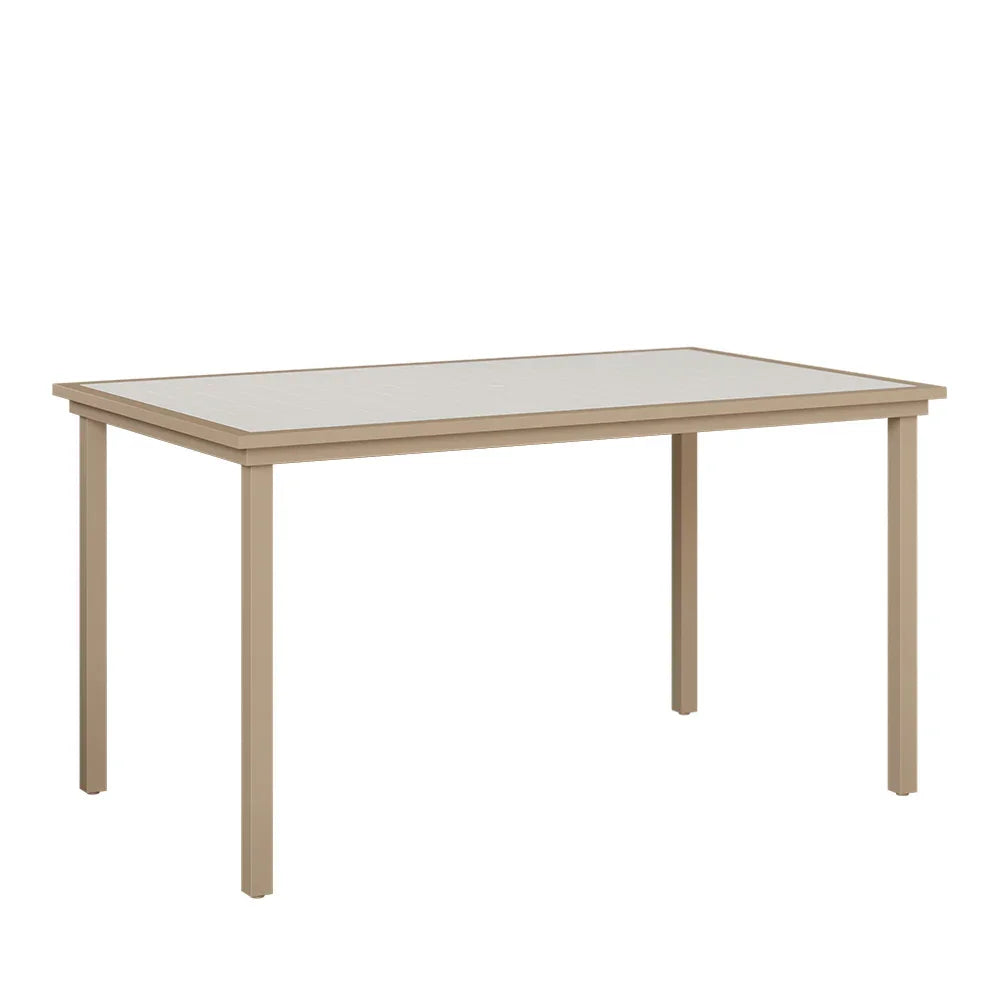
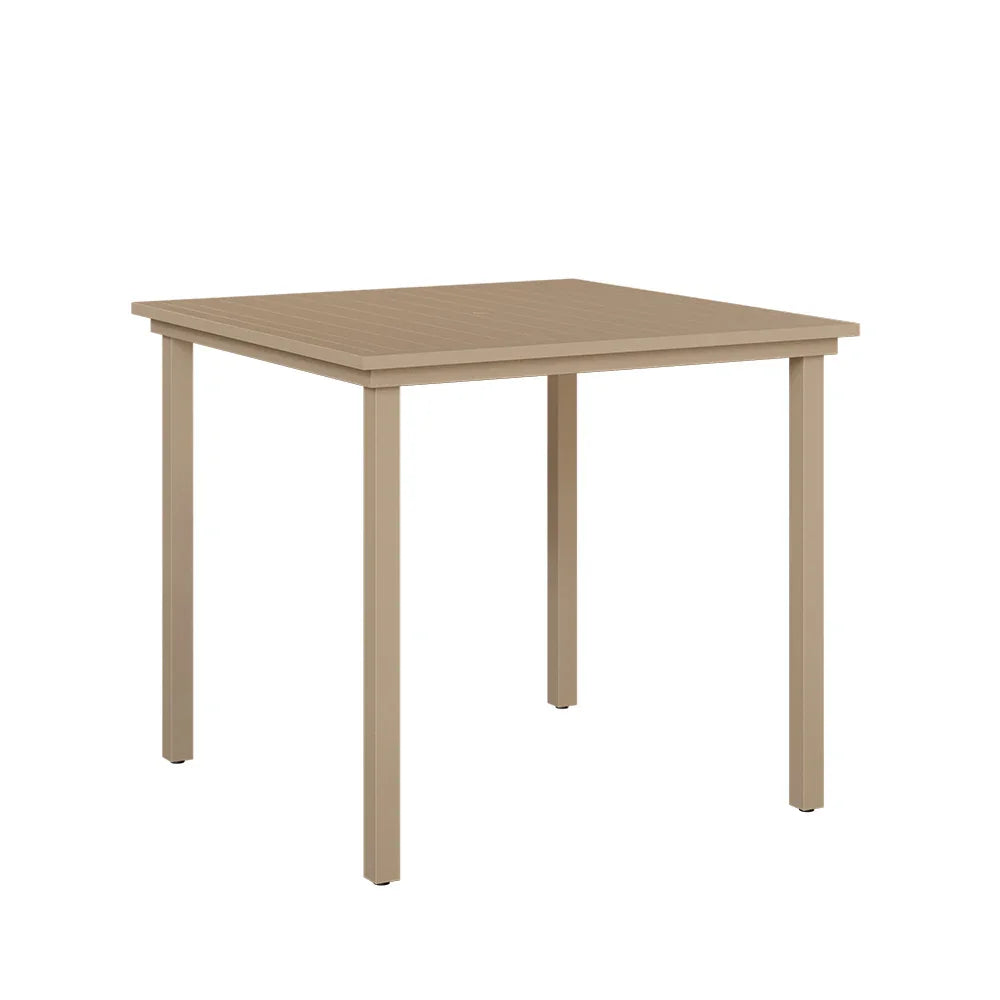
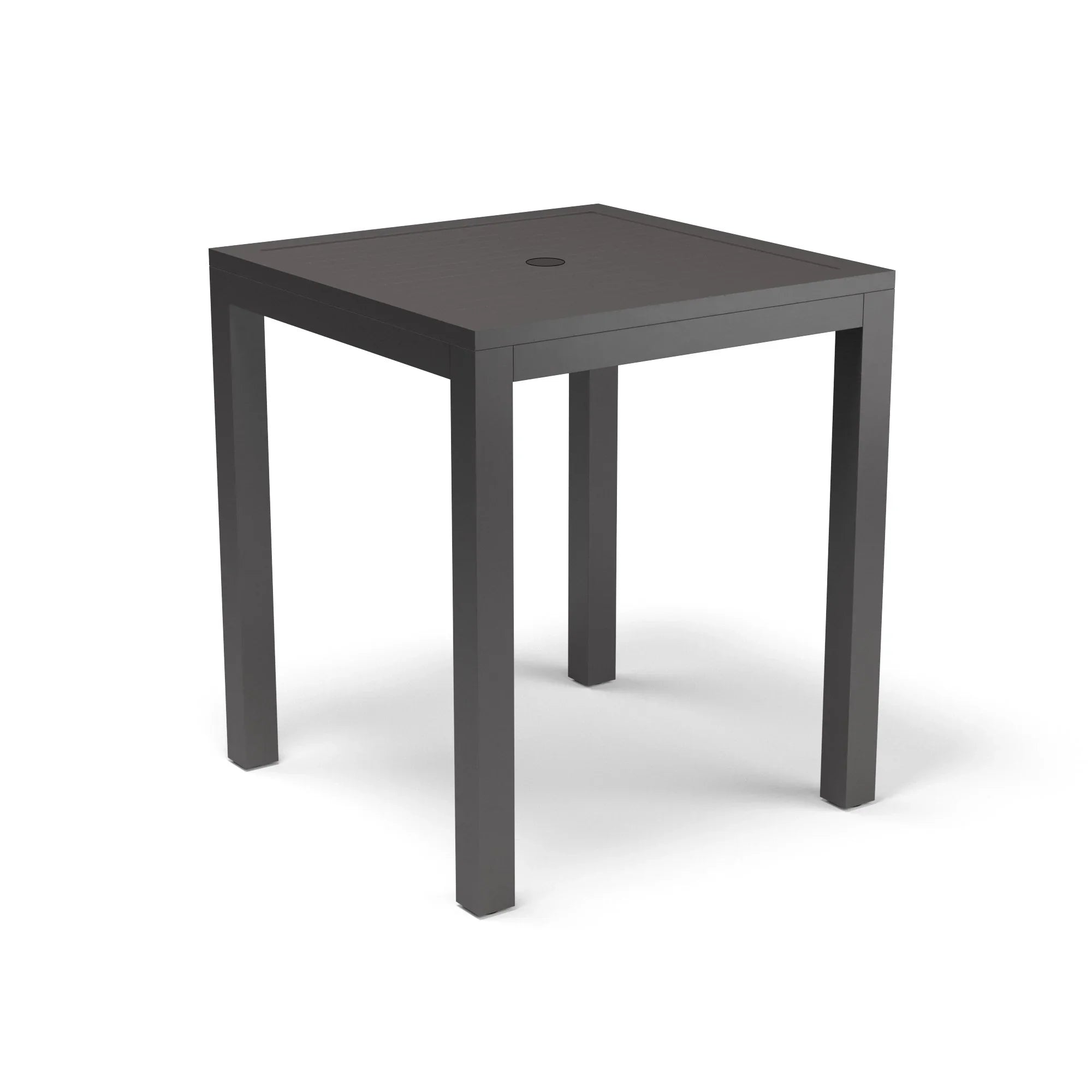
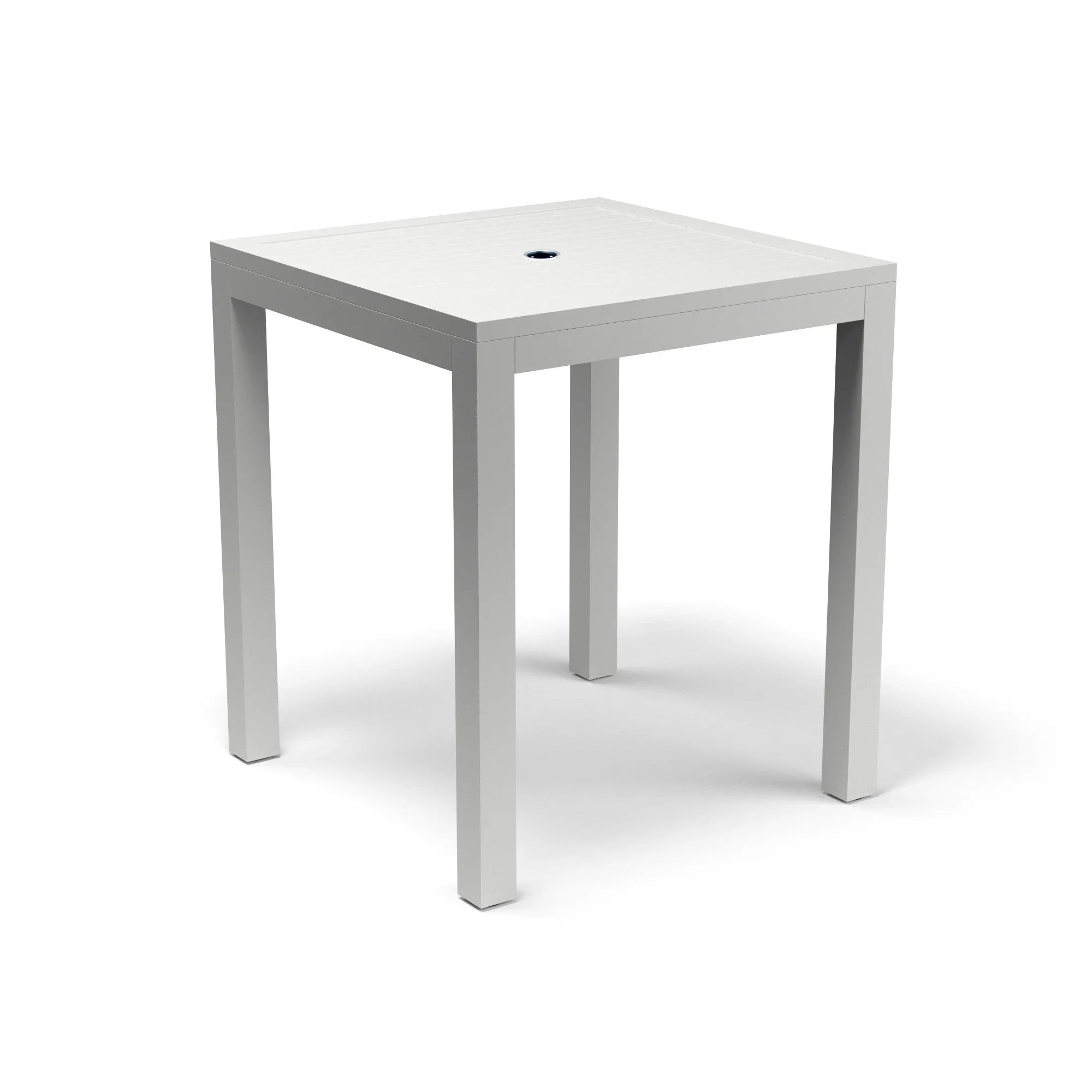
Corrosion-proof, lightweight enough to reconfigure a terrace layout between events, available in powder-coat finishes that hold color beautifully against UV and salt air. Cast and extruded aluminum patio furniture dominates commercial outdoor specifications, and the contract profiles reflect that dominance: heavier-gauge tube walls and reinforced weld points compared to residential equivalents, built to withstand the daily stacking, rearranging, and physical wear that a busy venue delivers season after season. Aluminum commercial tables carry a 5-year commercial frame warranty. Many tops include a pre-drilled center umbrella hole with a removable plug, a practical feature for open-air terraces and pool decks.
Poly Lumber: Zero Maintenance at Commercial Scale
Poly lumber is HDPE board material processed from post-consumer plastics into solid boards that look like painted wood and outperform it in every outdoor durability measure. Pool chemicals, salt air, sustained UV exposure, and bleach spray-downs leave it completely unaffected. POLYWOOD, the flagship manufacturer in the category, backs its lumber with a 20-year warranty and builds every piece in the USA. A poly lumber bar table stationed at an active pool service bar requires no seasonal maintenance whatsoever: no sealing, no repainting, no winter storage program.
Teak: Spectacular in the Right Setting
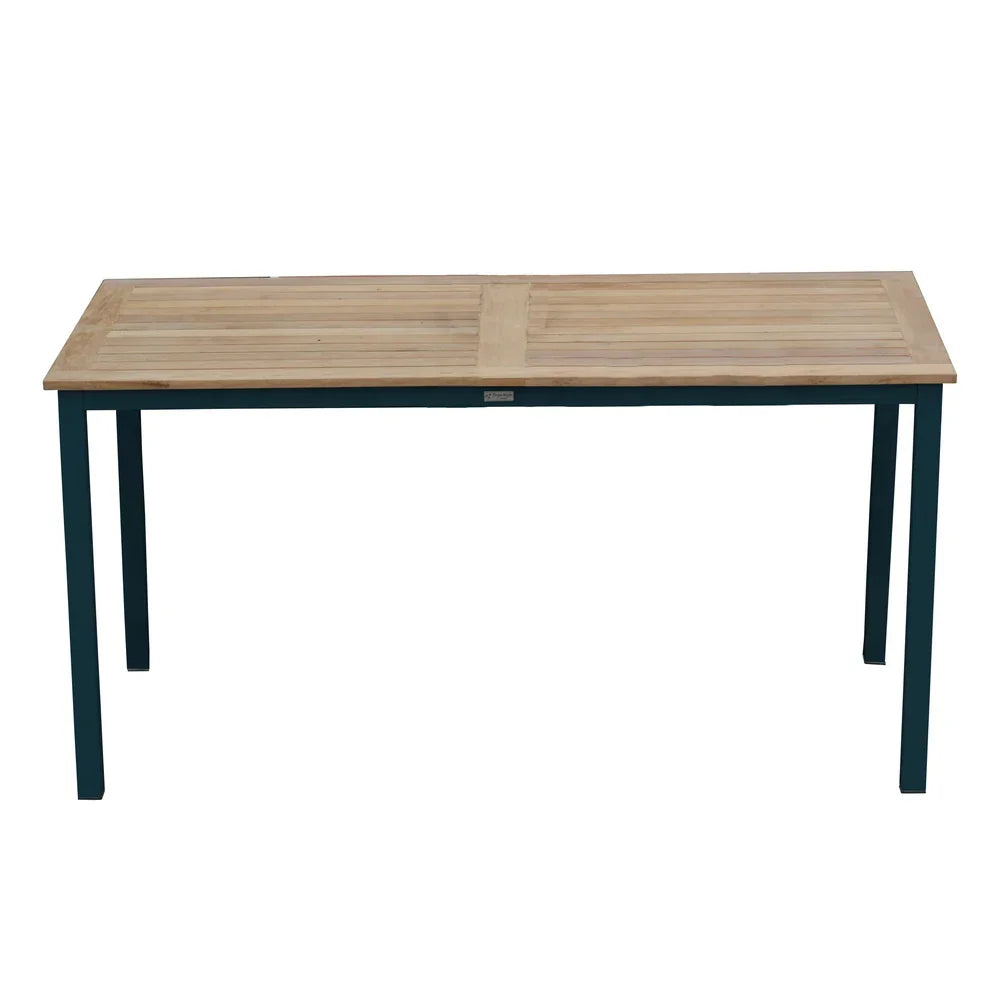
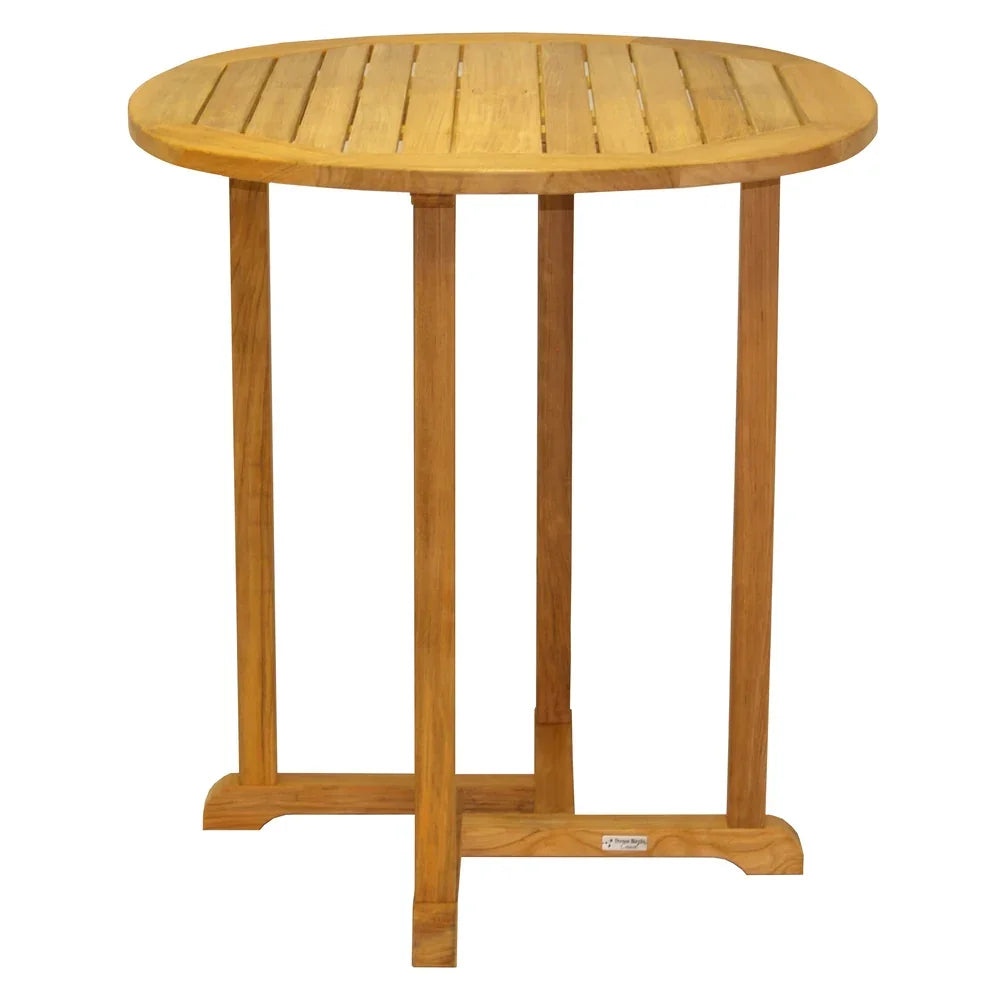
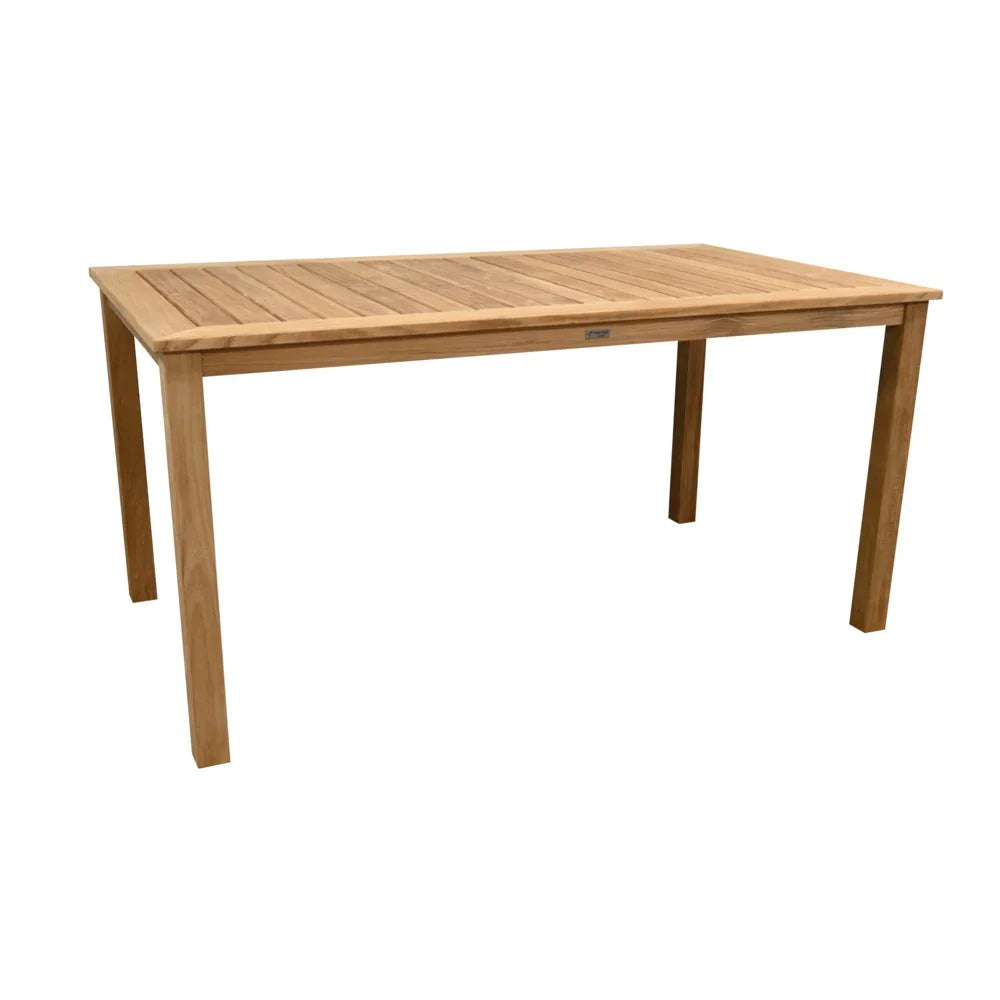
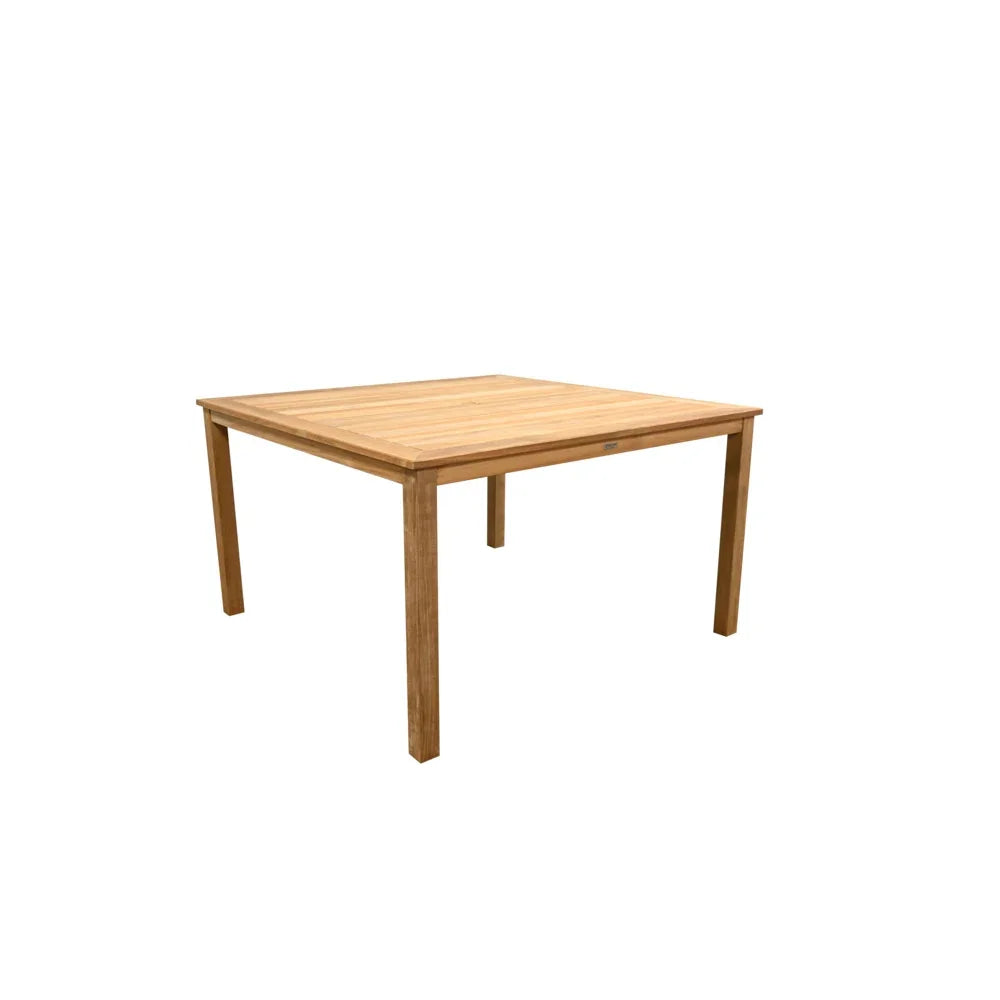
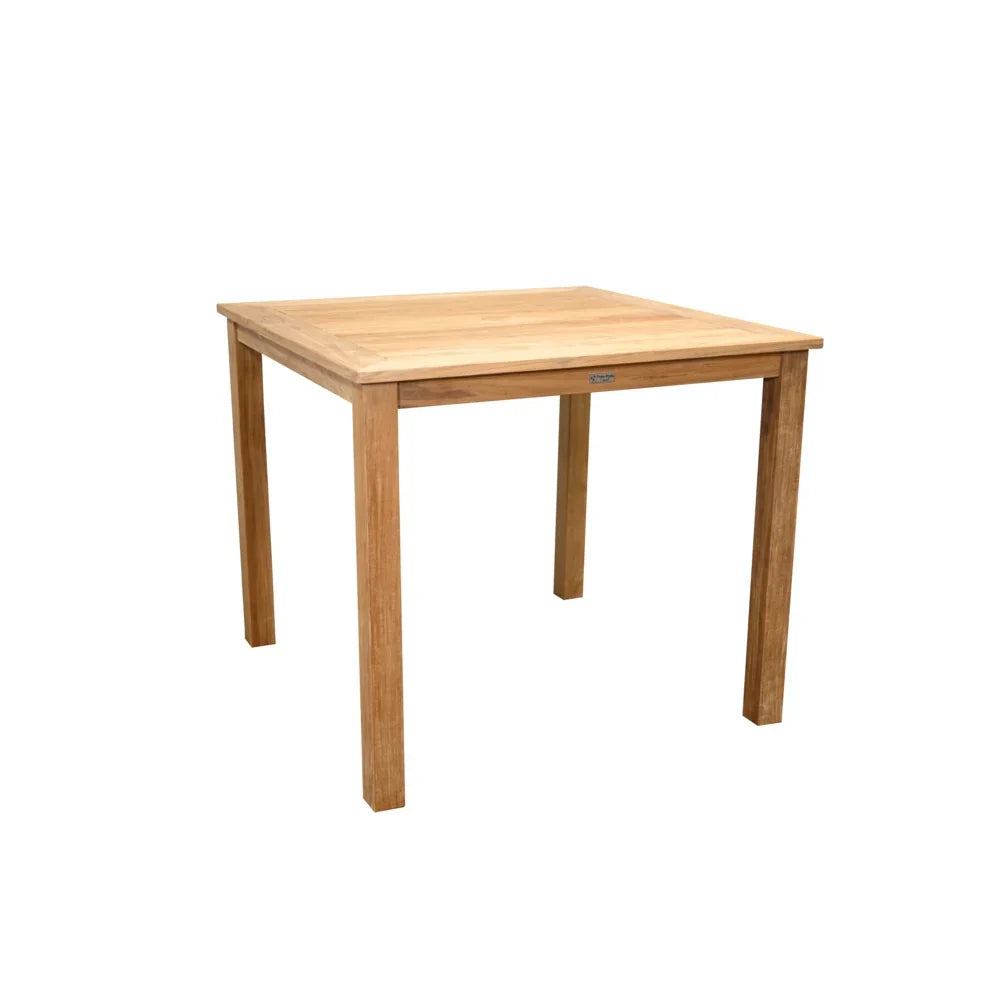
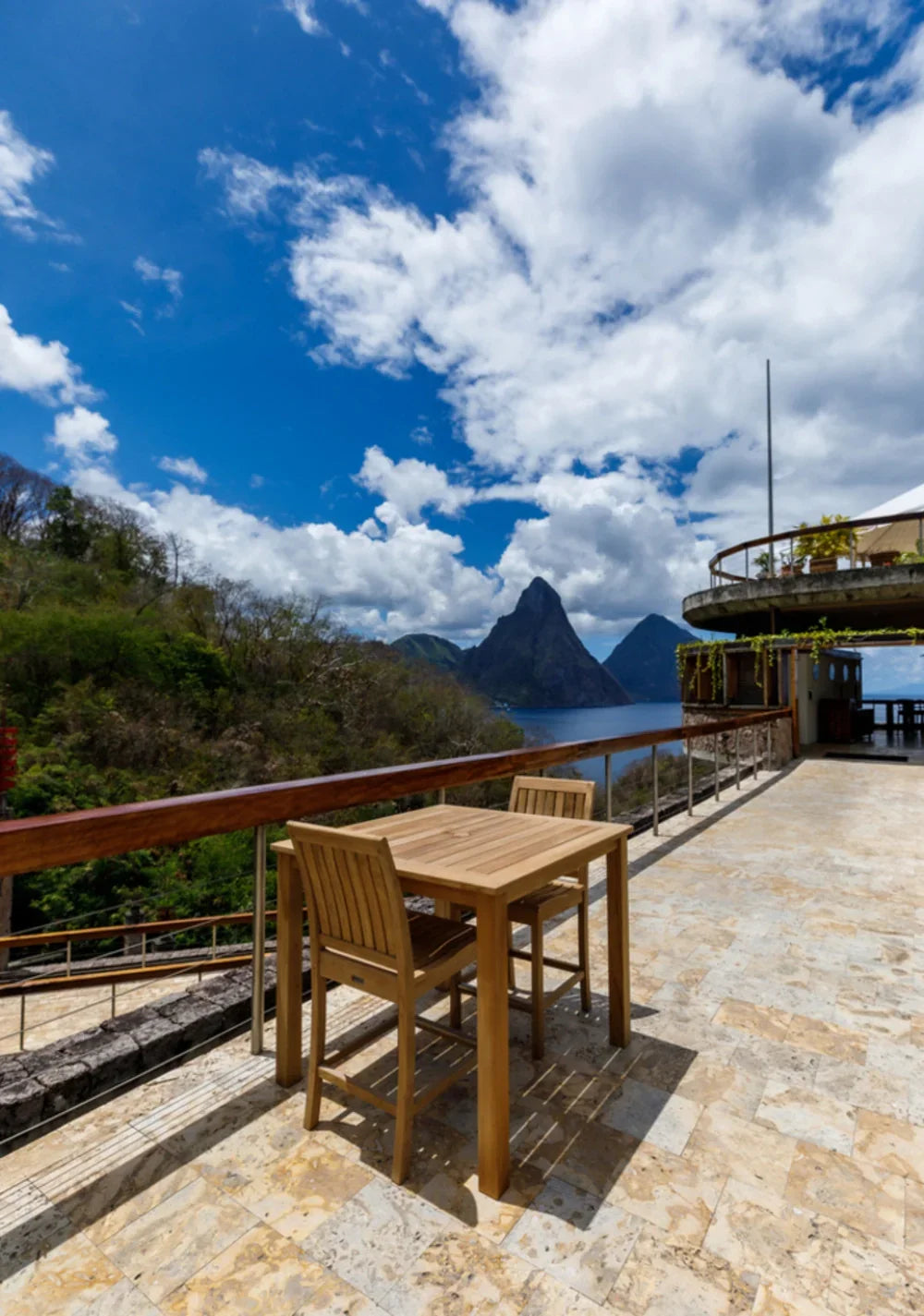
Teak belongs in covered or semi-covered terraces where a natural material reads as intentional luxury. Its high silica content and natural oil profile give it exceptional resistance to moisture and rot, but sustained pool splash exposure and aggressive chemical cleaning will accelerate its weathering and deplete those oils. That is not the right environment for teak. A covered cocktail terrace at a resort, an upscale hotel outdoor bar with proper overhangs, a rooftop setting where the furniture is sheltered from the worst of the weather: these are the places where teak bar tables are a gorgeous design statement. Many operators prefer the natural silver patina that develops over time. No manufactured material ages the way teak does.
What to Confirm Before Specifying Commercial Bar and Counter Tables
From nearly two decades of working with hospitality designers, restaurant operators, and resort procurement teams, the same specification gaps come up on project after project. A quick checklist before finalizing any bar or counter table order:
- Height confirmation: Verify counter height (34 to 36 inches) or bar height (40 to 42 inches) against your stool order before placing either.
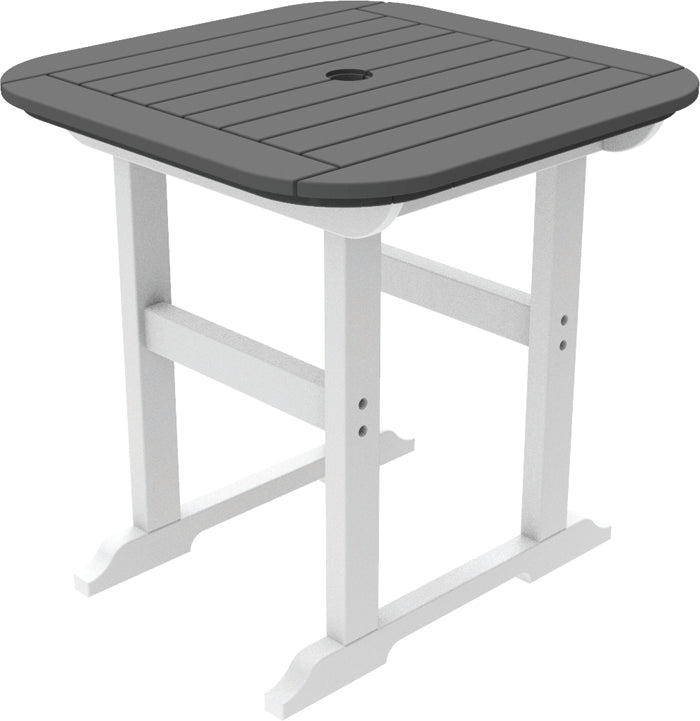
- Umbrella hole: Many commercial tops include a pre-drilled center hole with a removable plug. Confirm availability on each model, especially for open-air terraces and pool decks.
- Base style: Pedestal strongly preferred over four-leg for any elevated table where guest seating comfort is a priority.
- Material match to environment: Aluminum or poly lumber for pool decks and coastal venues; teak reserved for covered terraces with standard cleaning protocols.
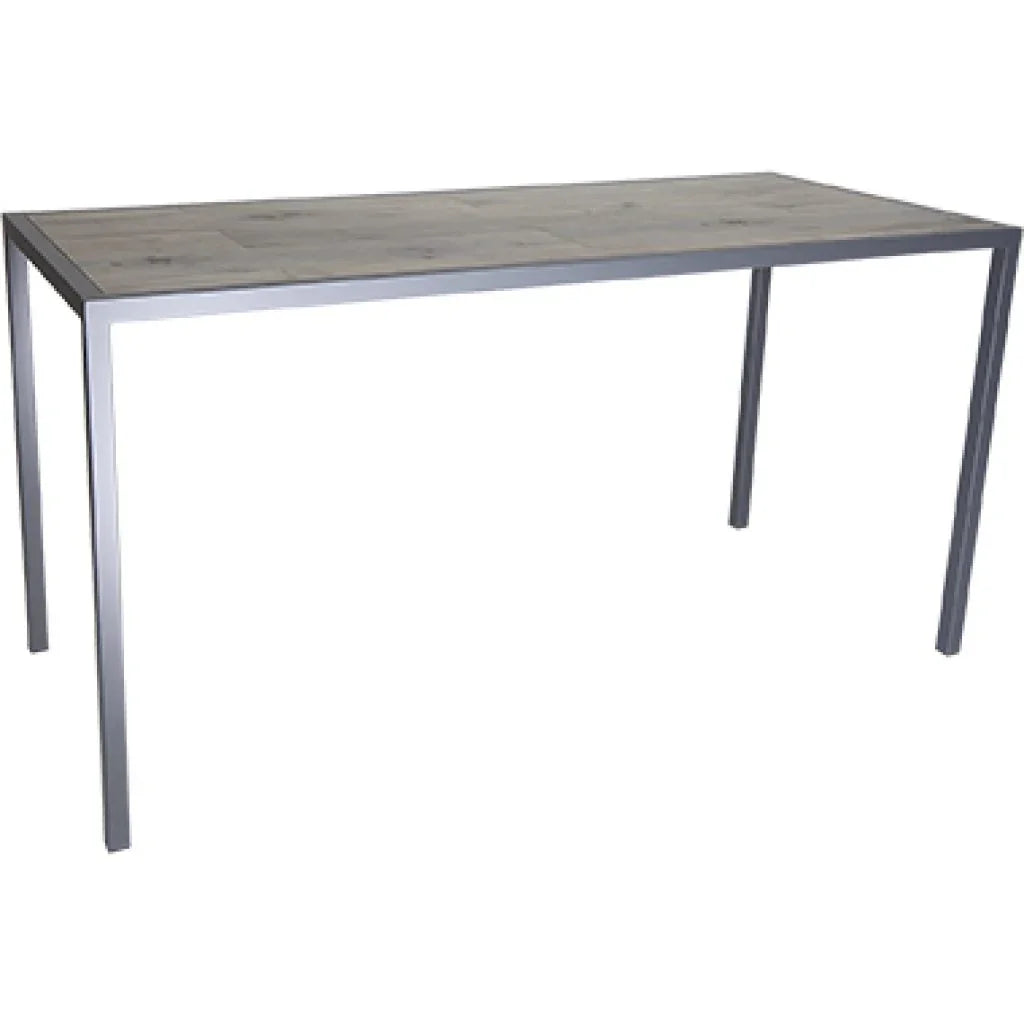
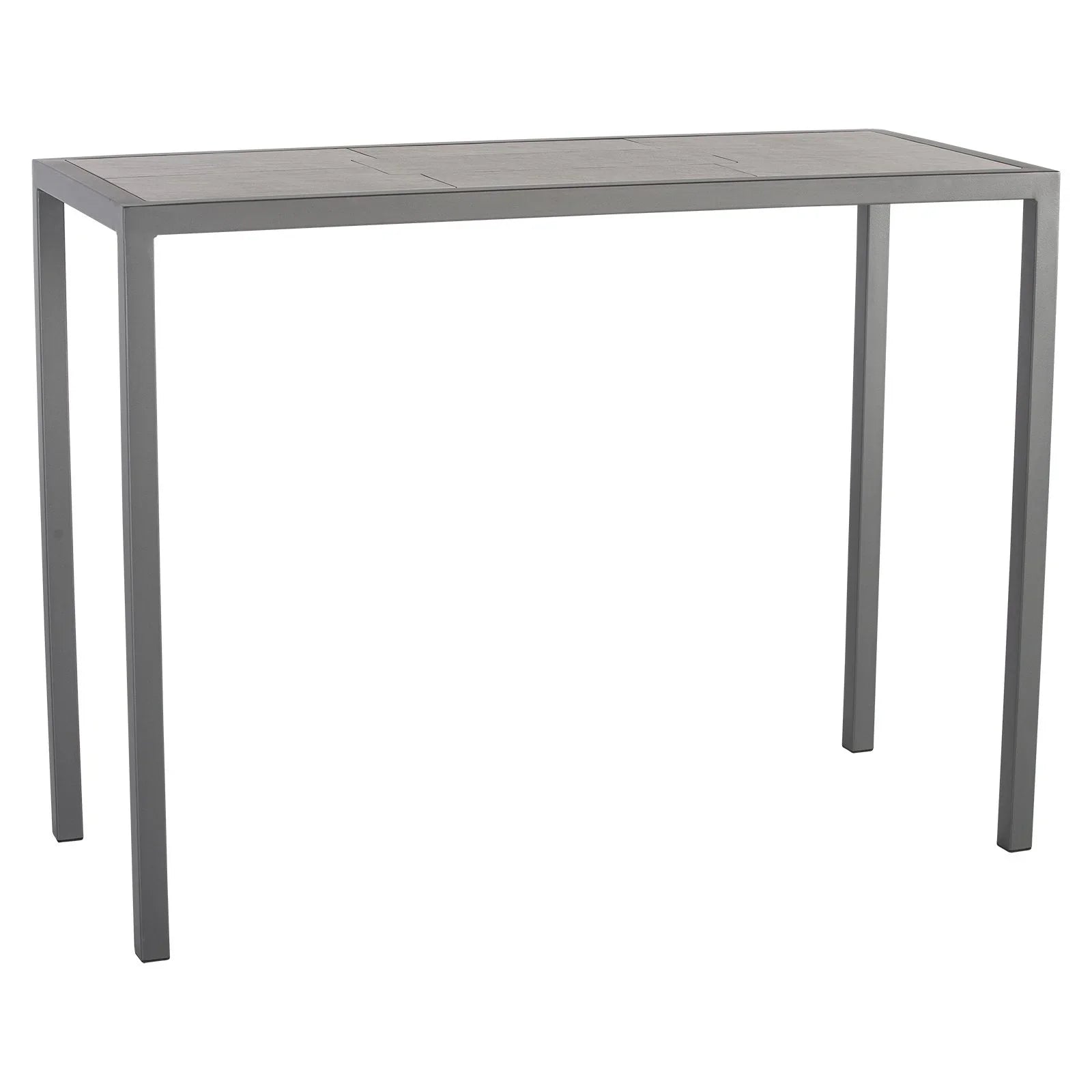
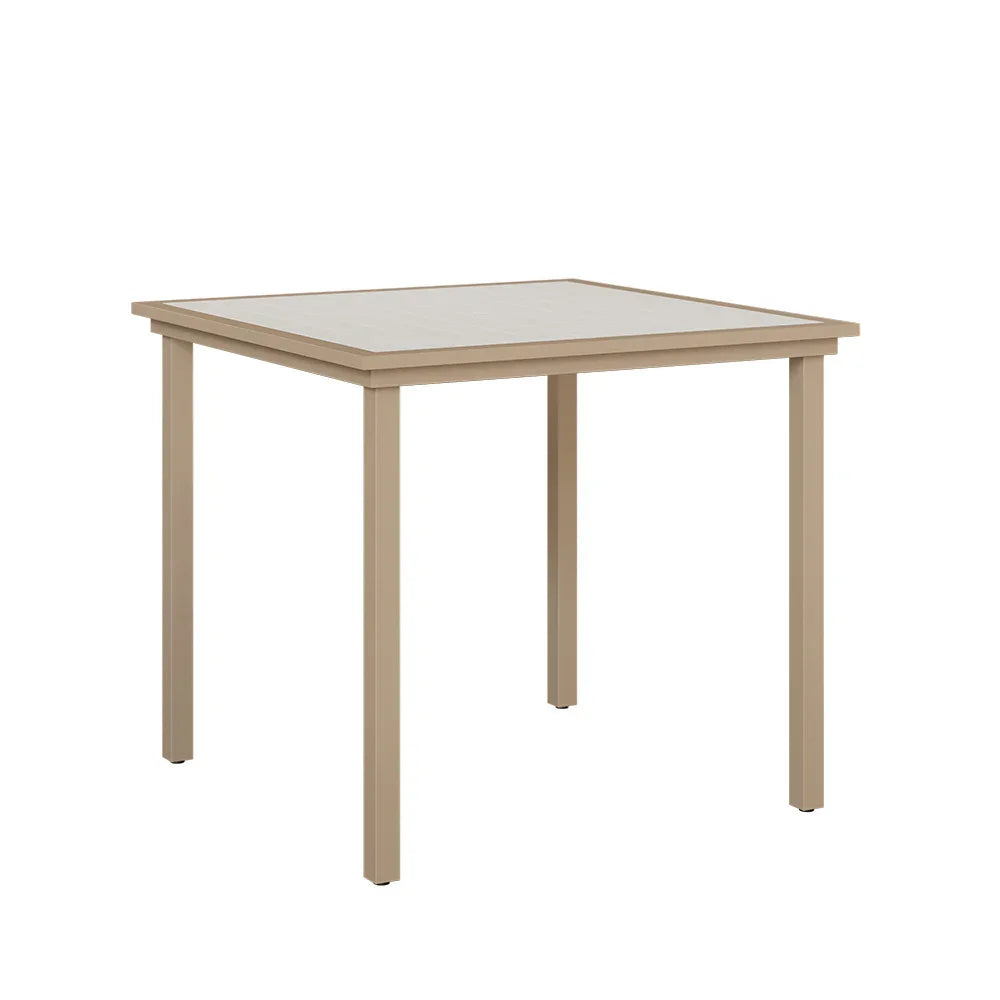
- Top surface: Aluminum slat, solid poly lumber, powder-coated cast aluminum, and tile-inset tops each carry different price points, maintenance considerations, and visual weight.
- Lead time: Contract quantities for full venue outfits typically require 8 to 14 weeks across most lines. Build this into your project schedule.
Our team has been working with commercial clients since 2007 and can help navigate every one of these decisions. Free design consultation is available for any hospitality, restaurant, or resort project. Free shipping applies to every order, and white glove delivery is available for larger commercial installs. For projects at contract scale, the Patio Productions Trade Program provides access to contract pricing, priority lead times, and dedicated project support from our San Diego-based design team.
Common Questions About Commercial Bar and Counter Height Tables


