

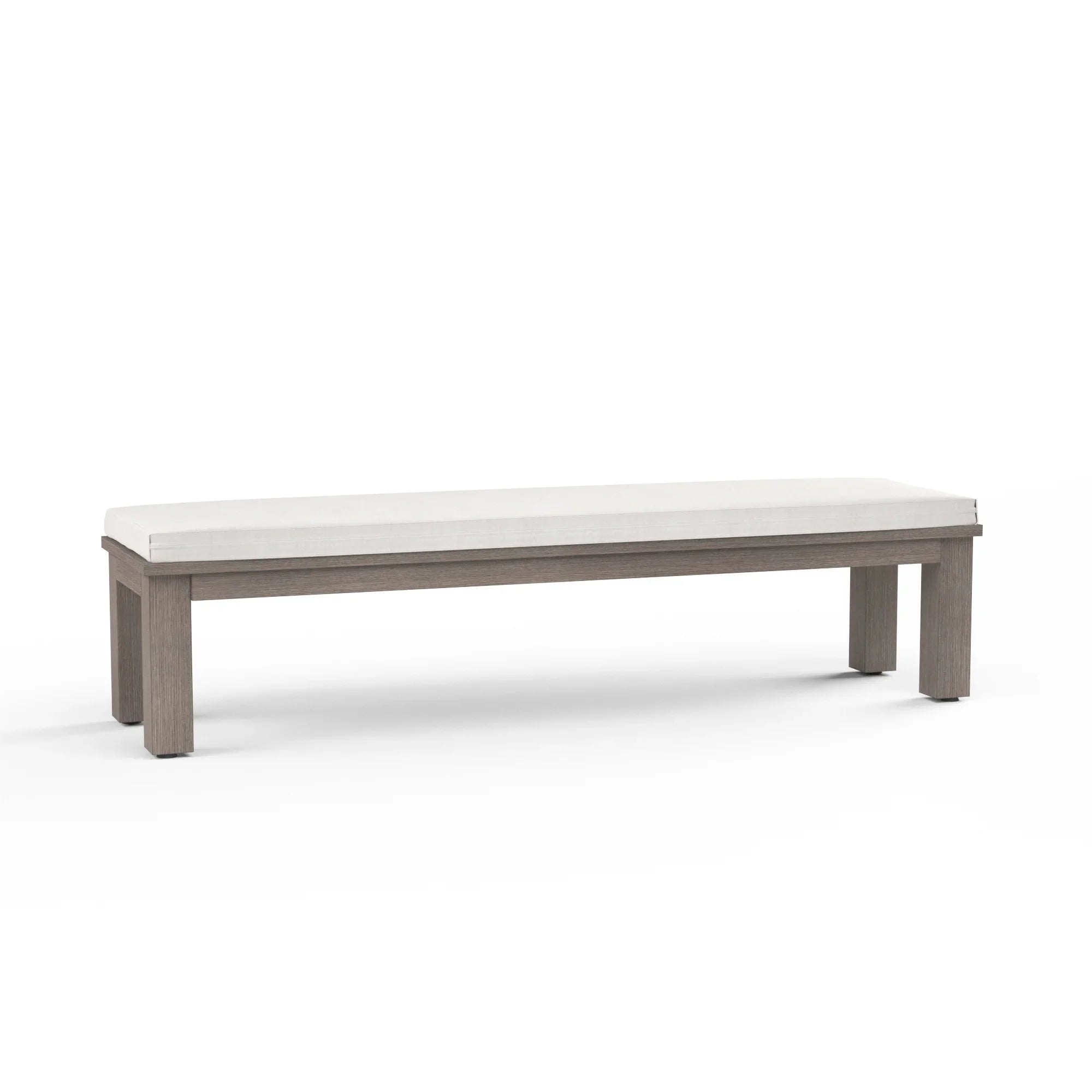
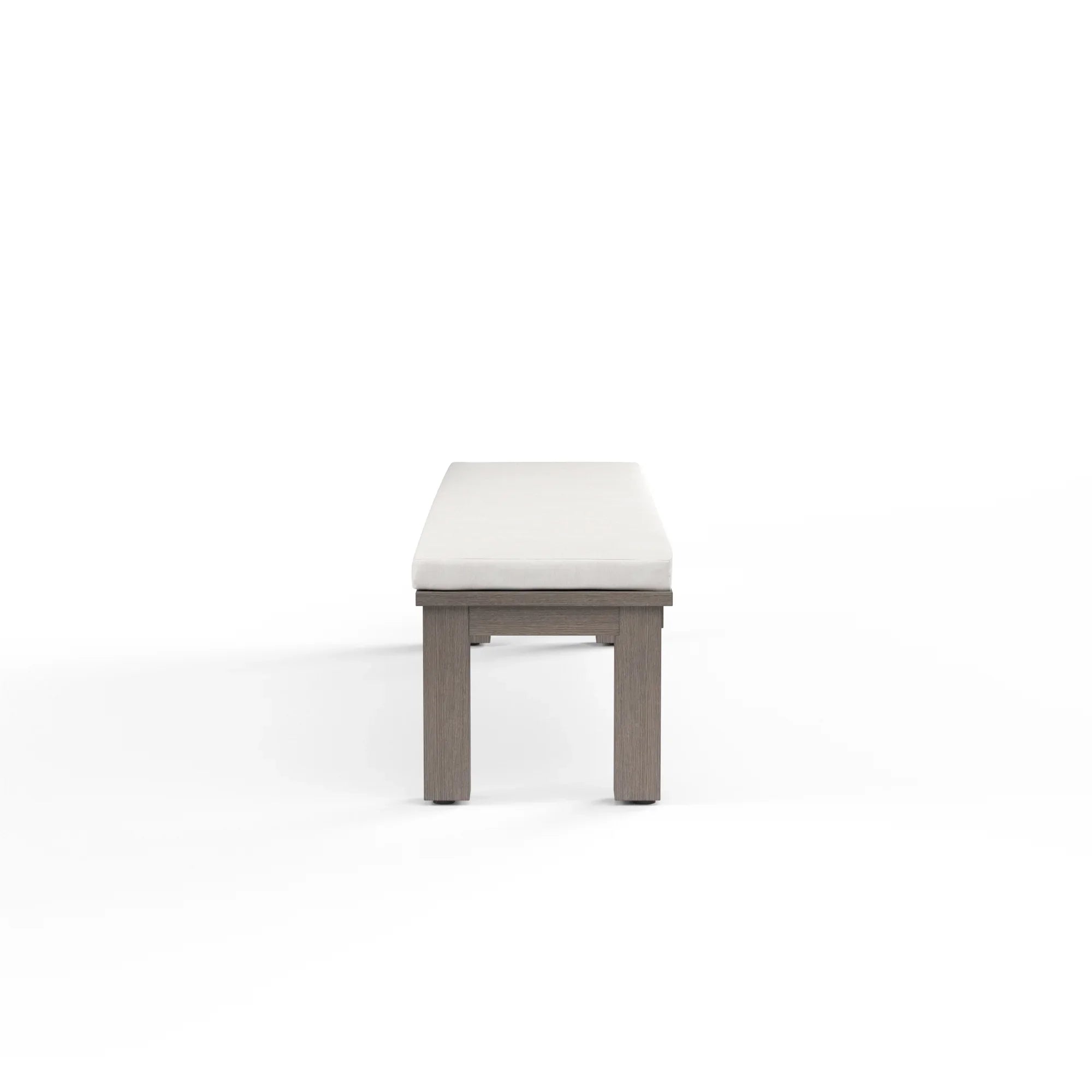
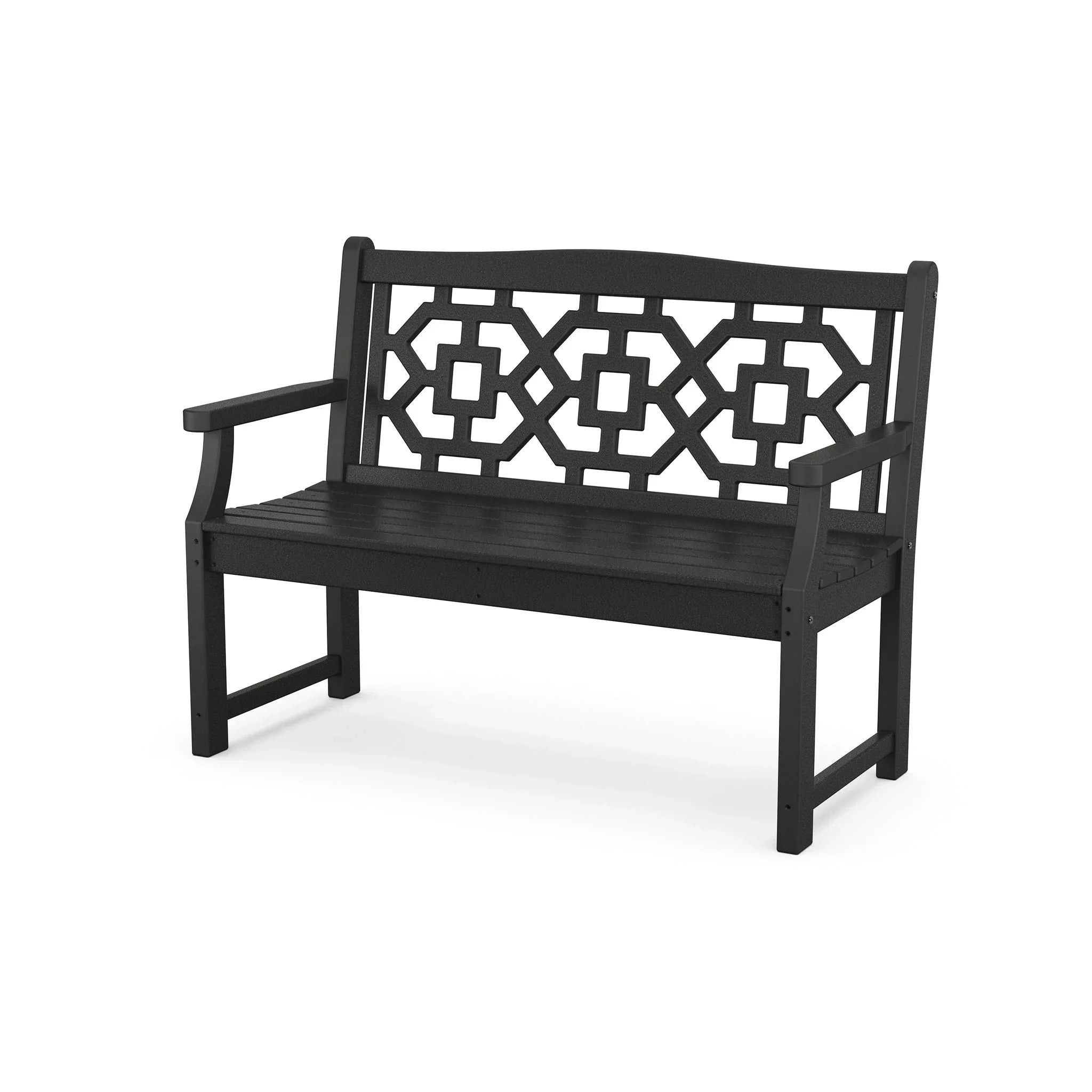
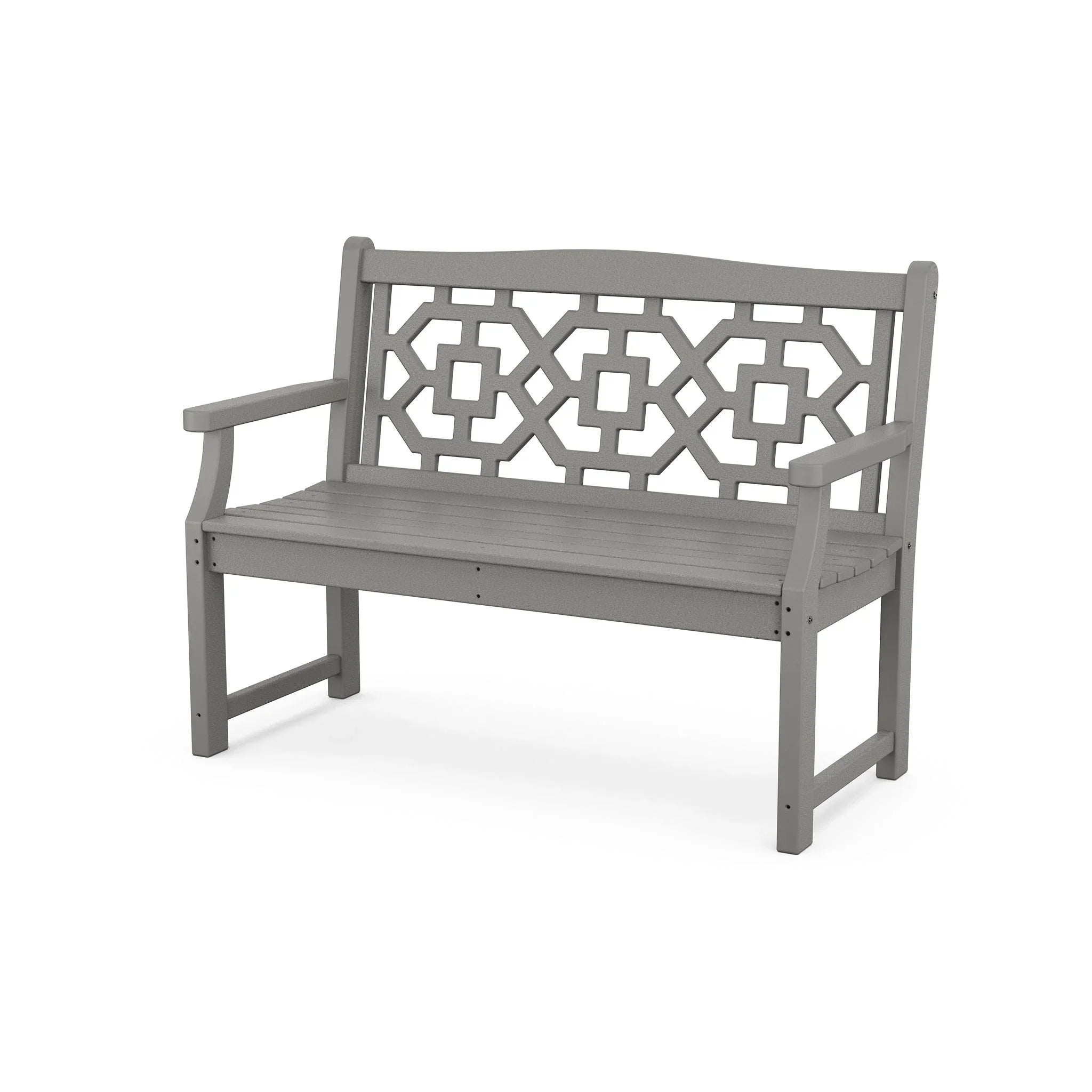
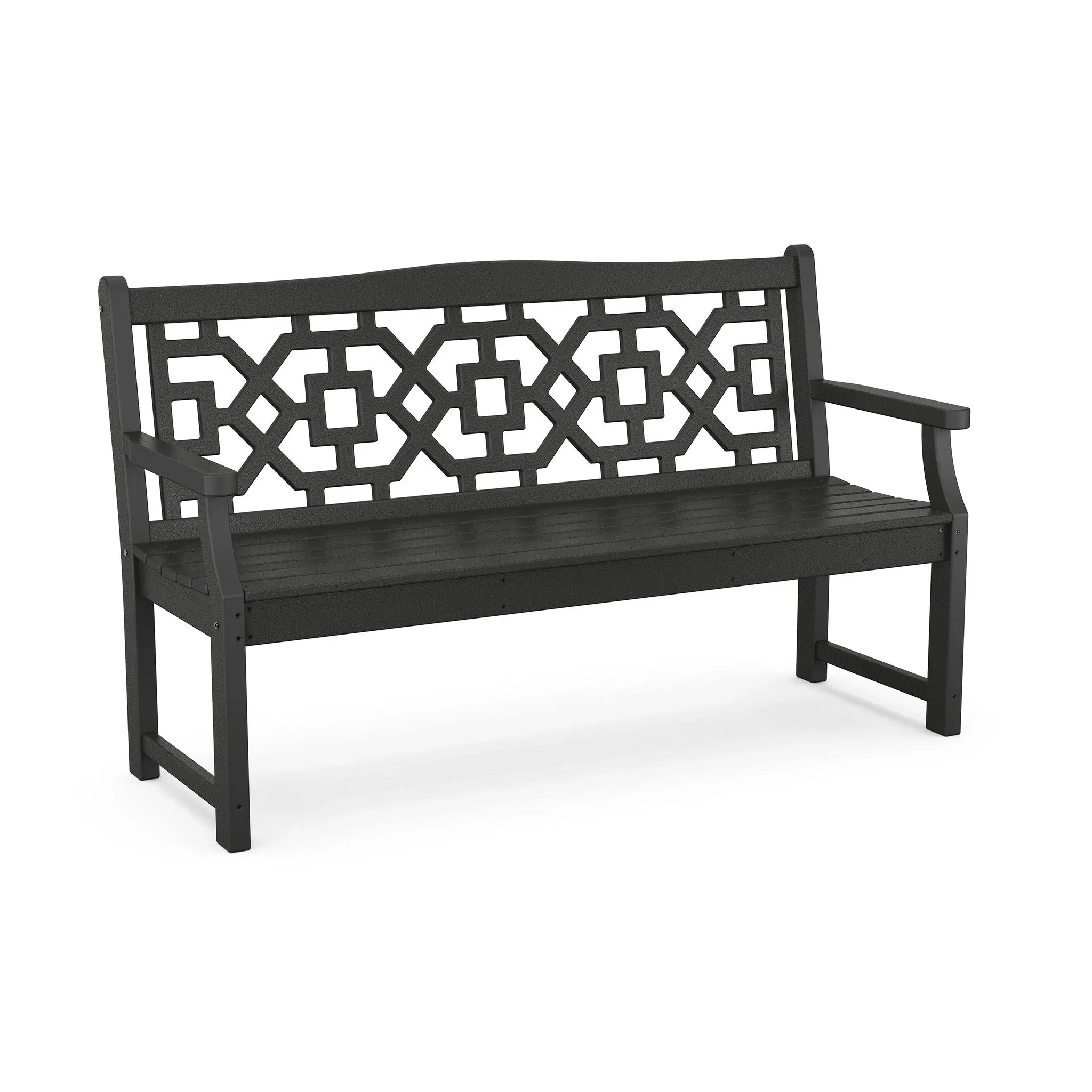
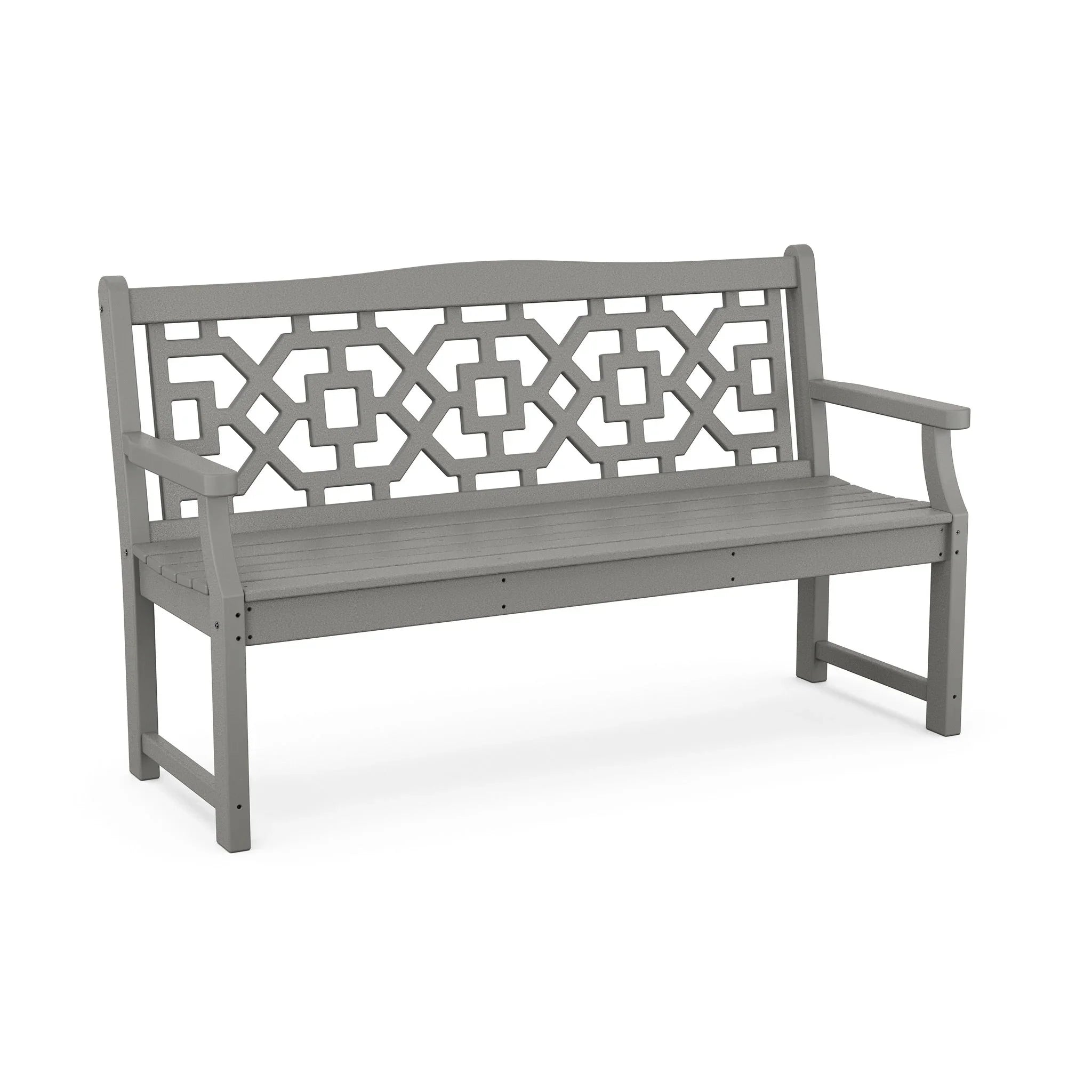
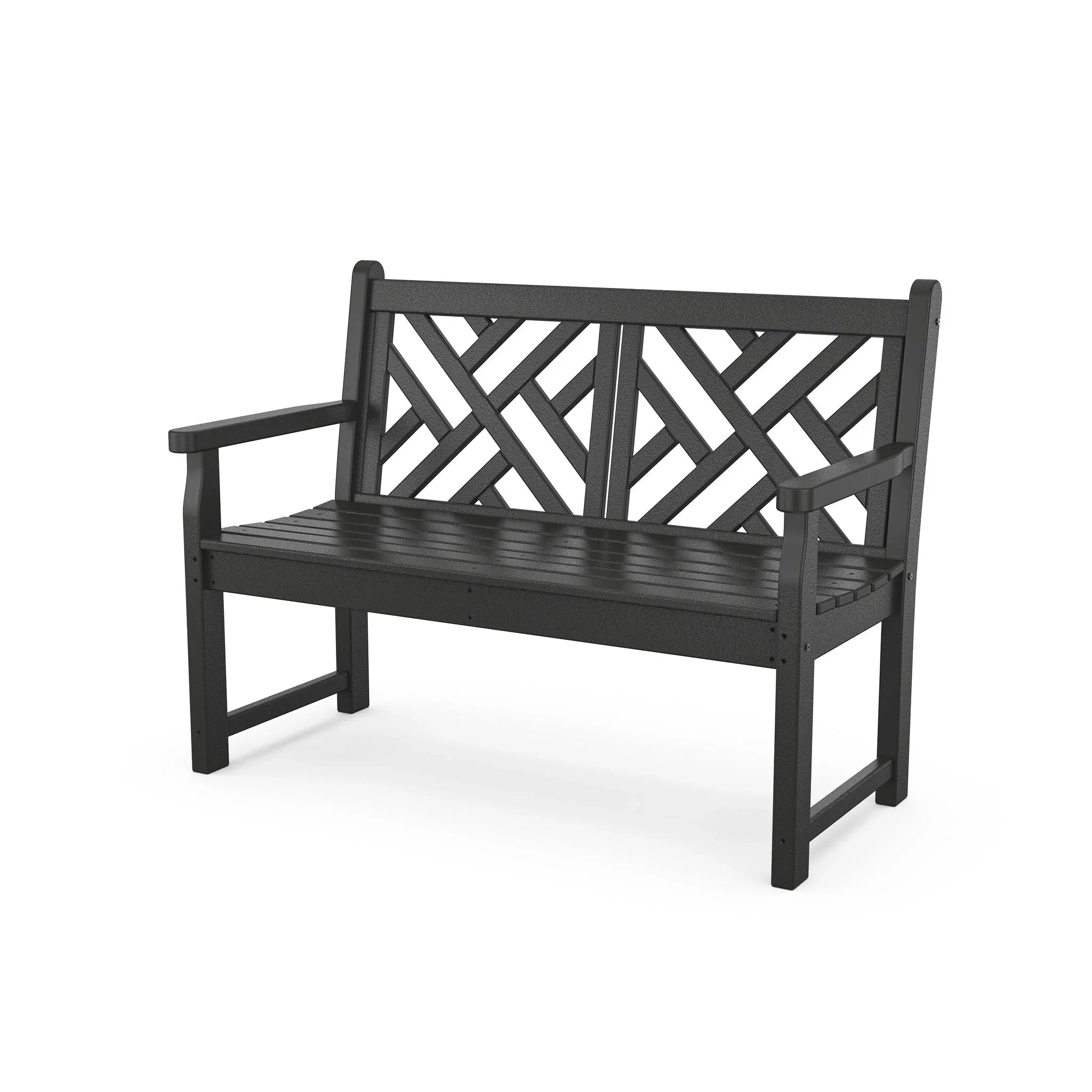
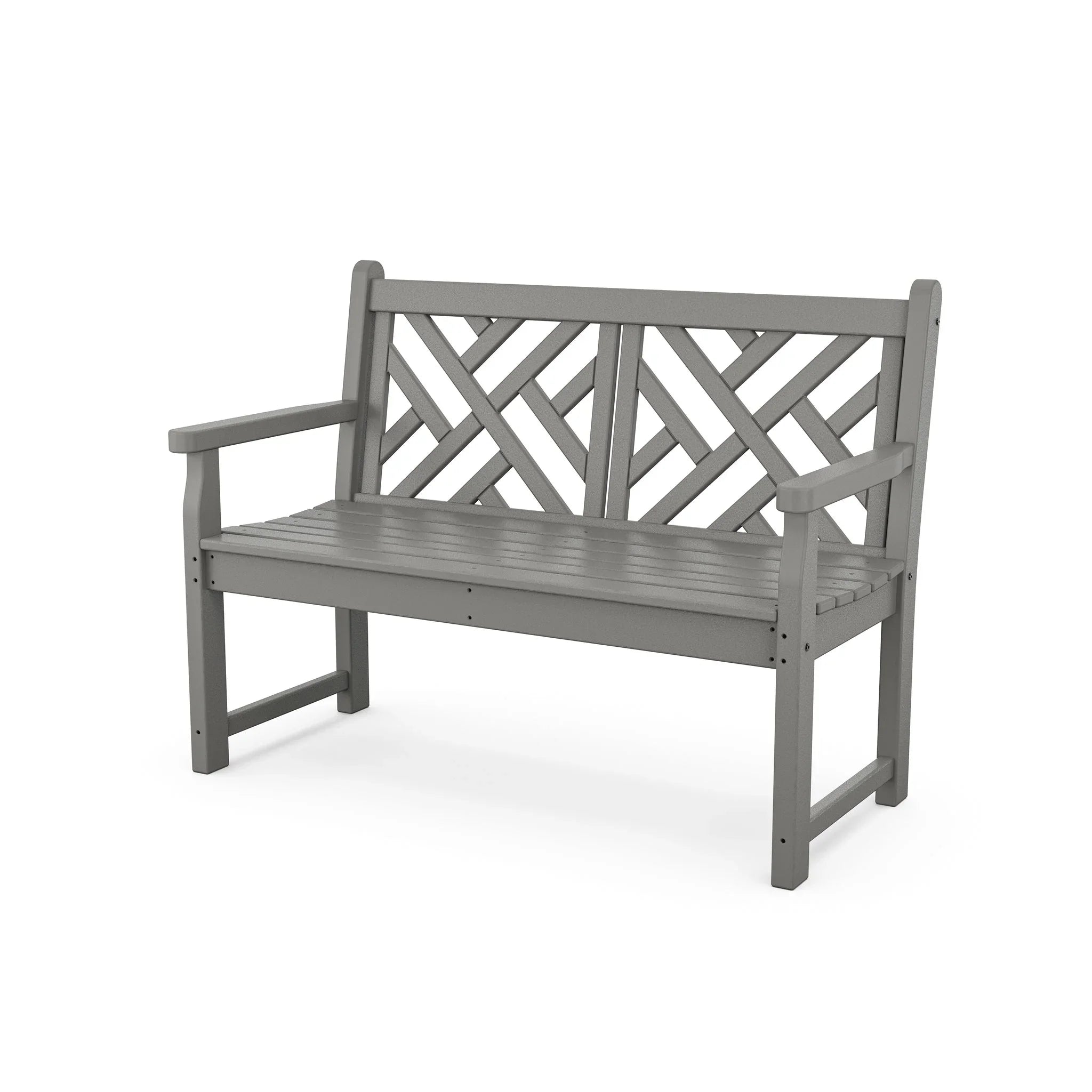
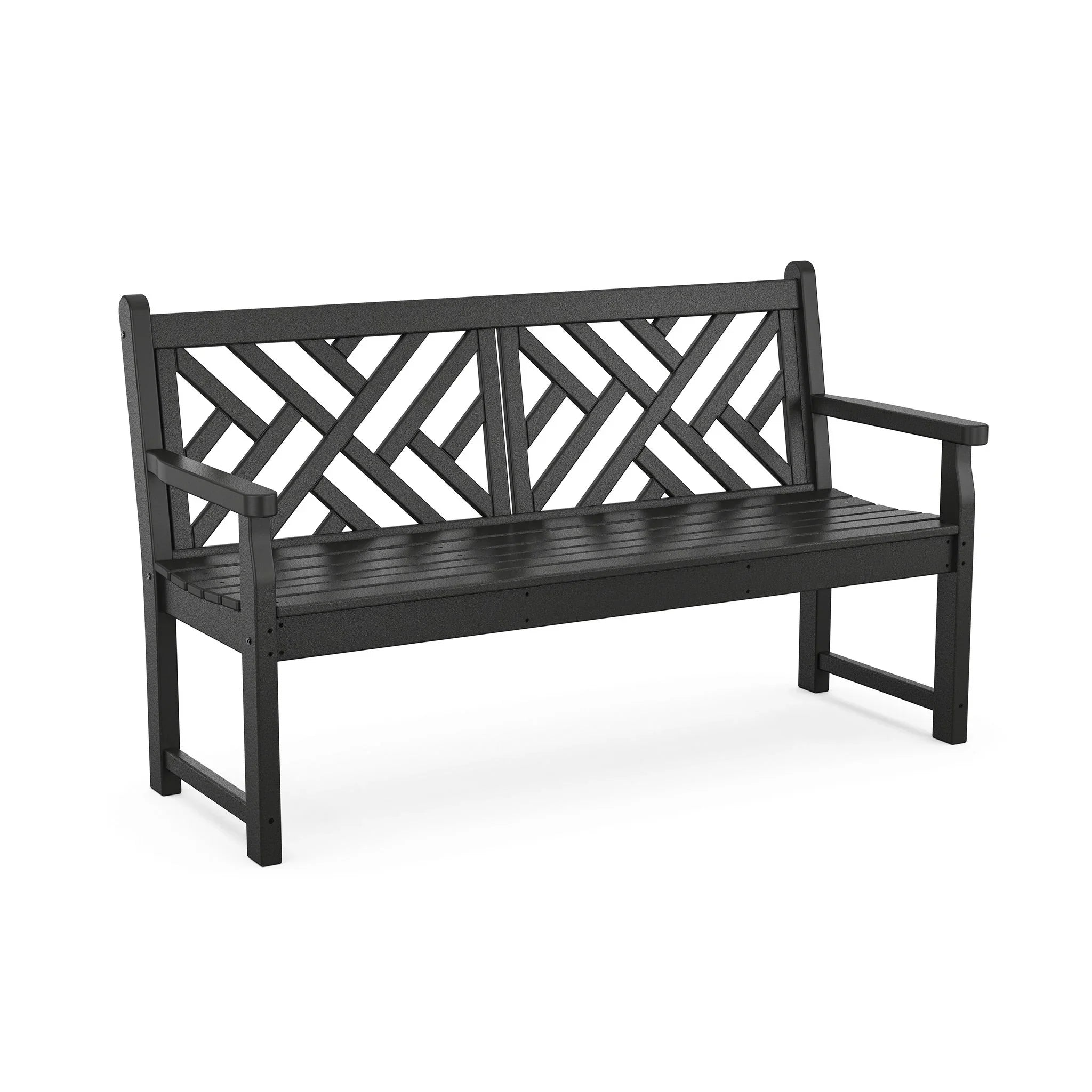
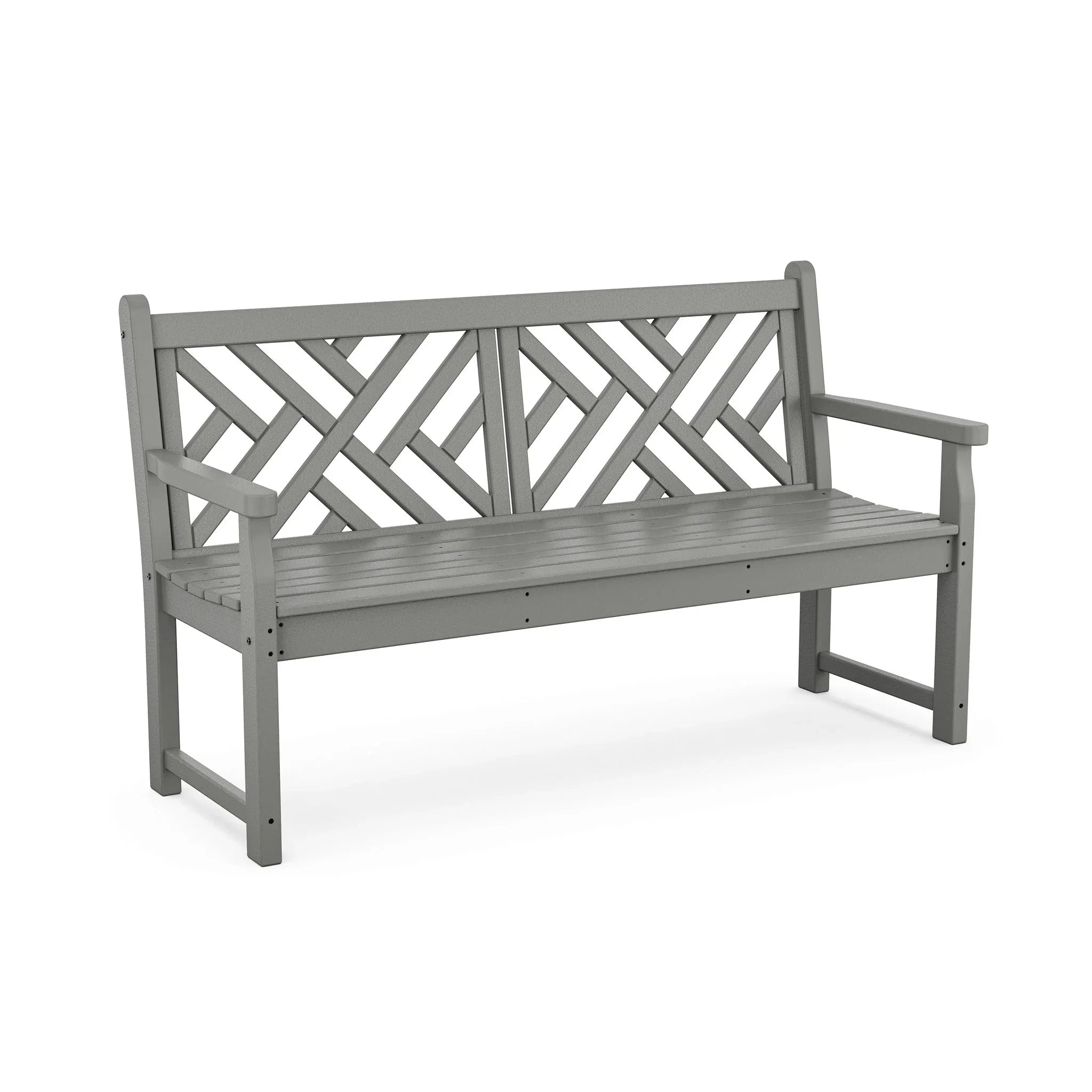
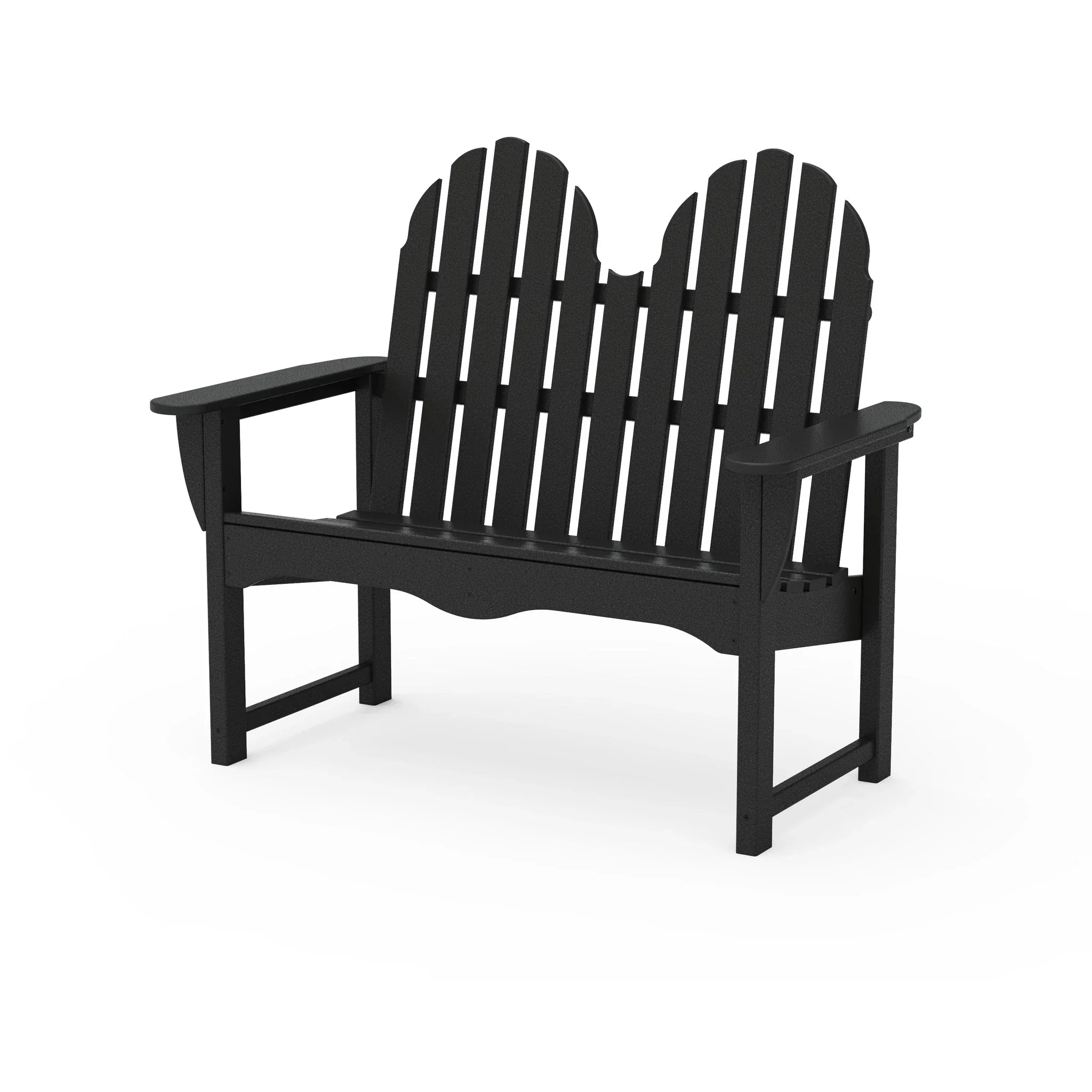
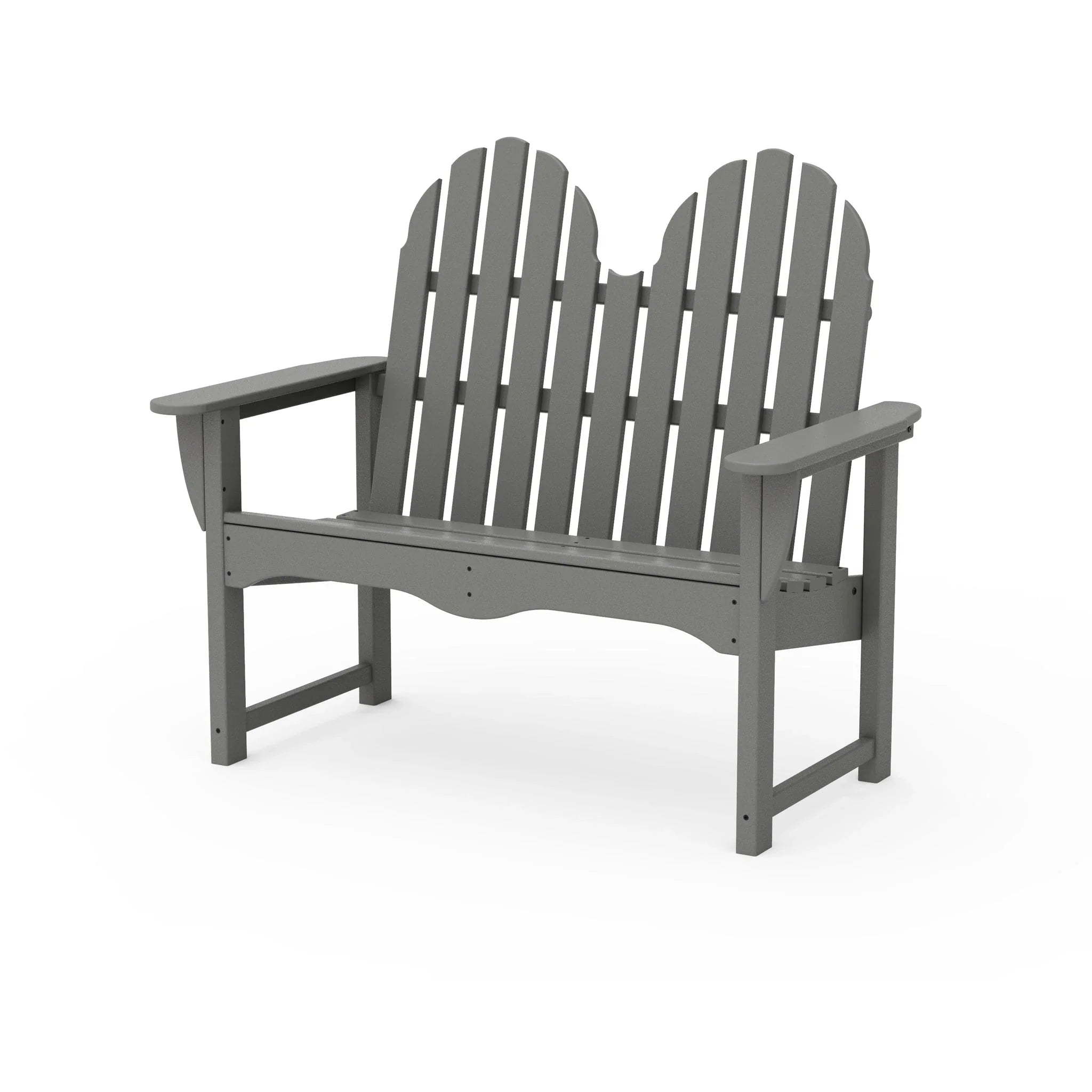
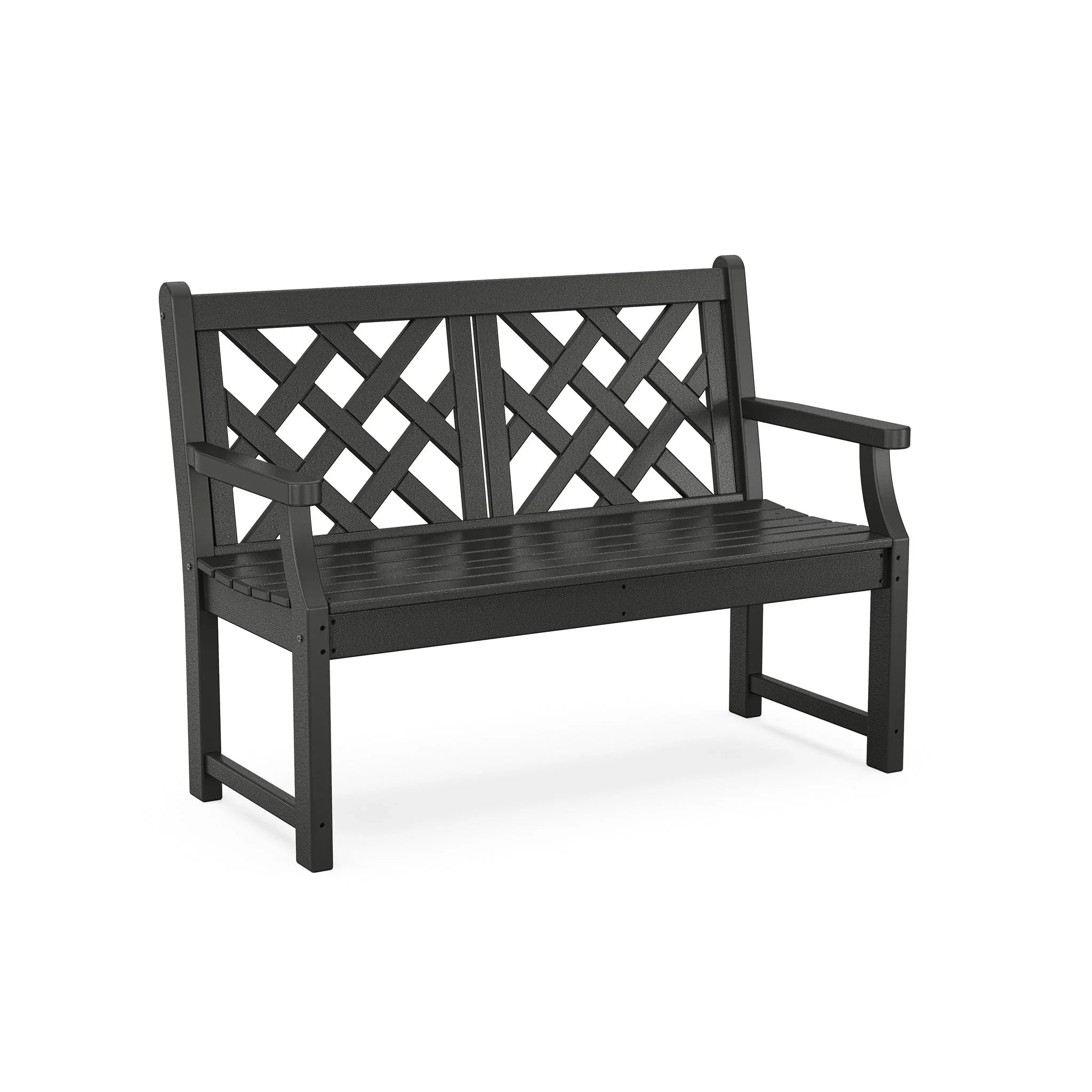
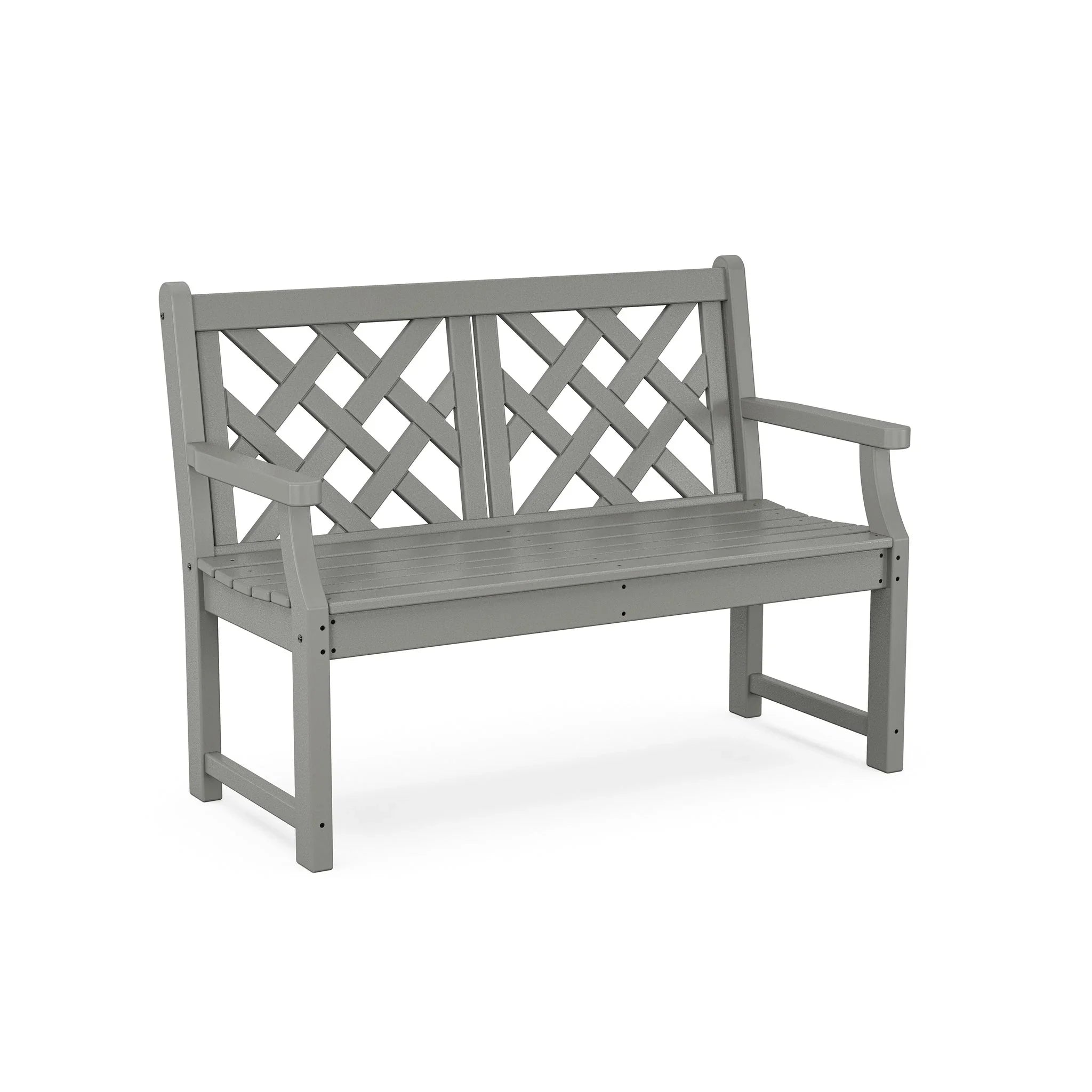
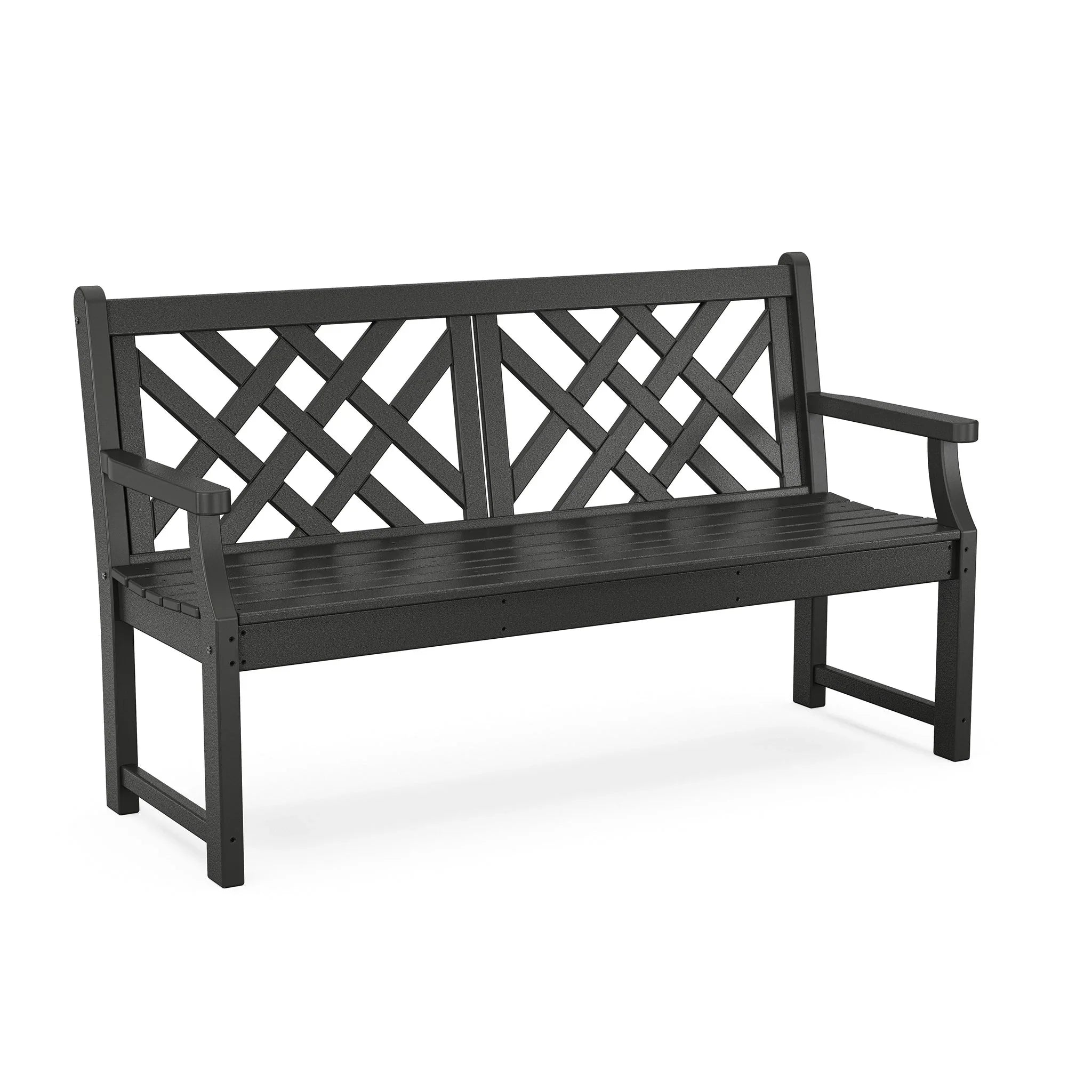
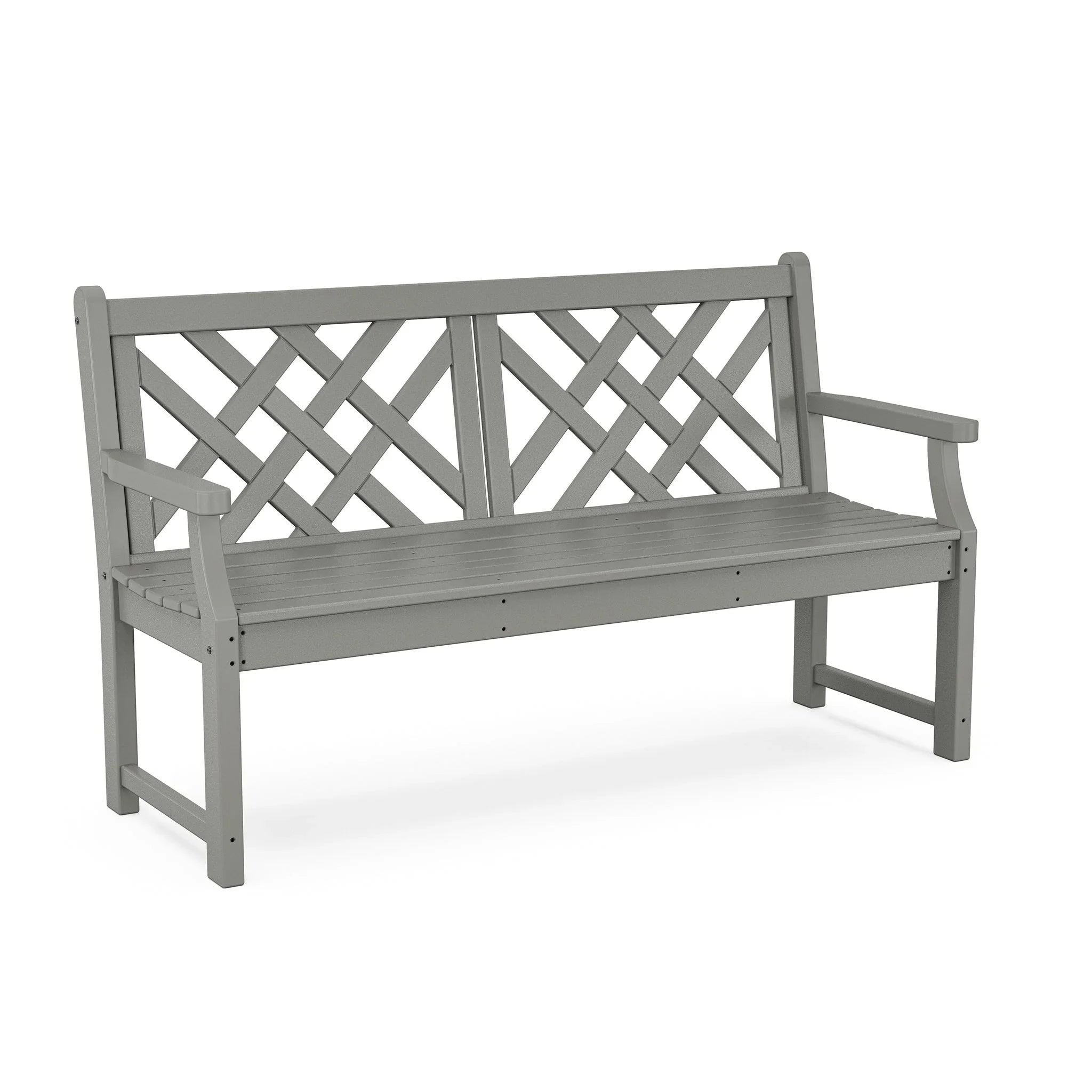
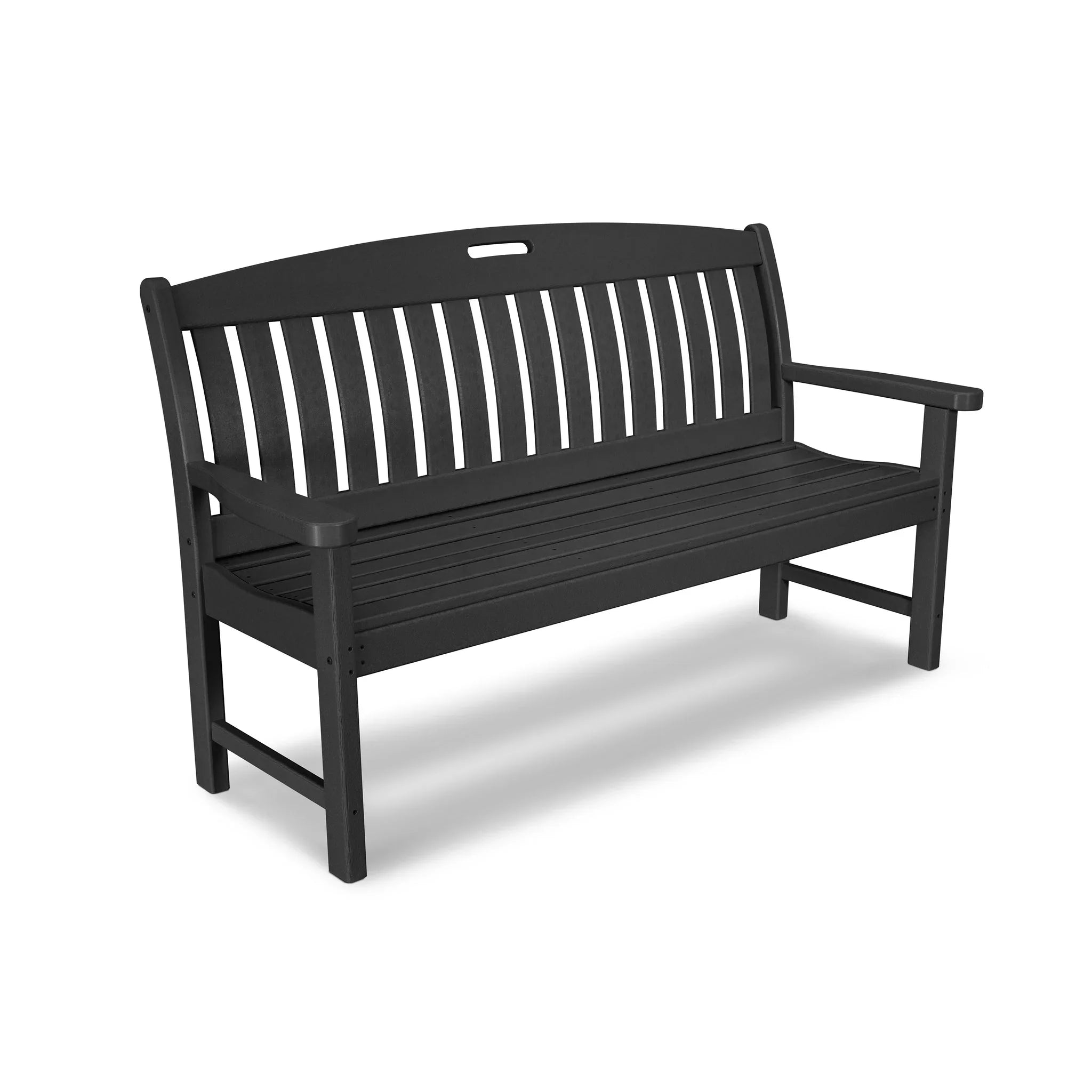
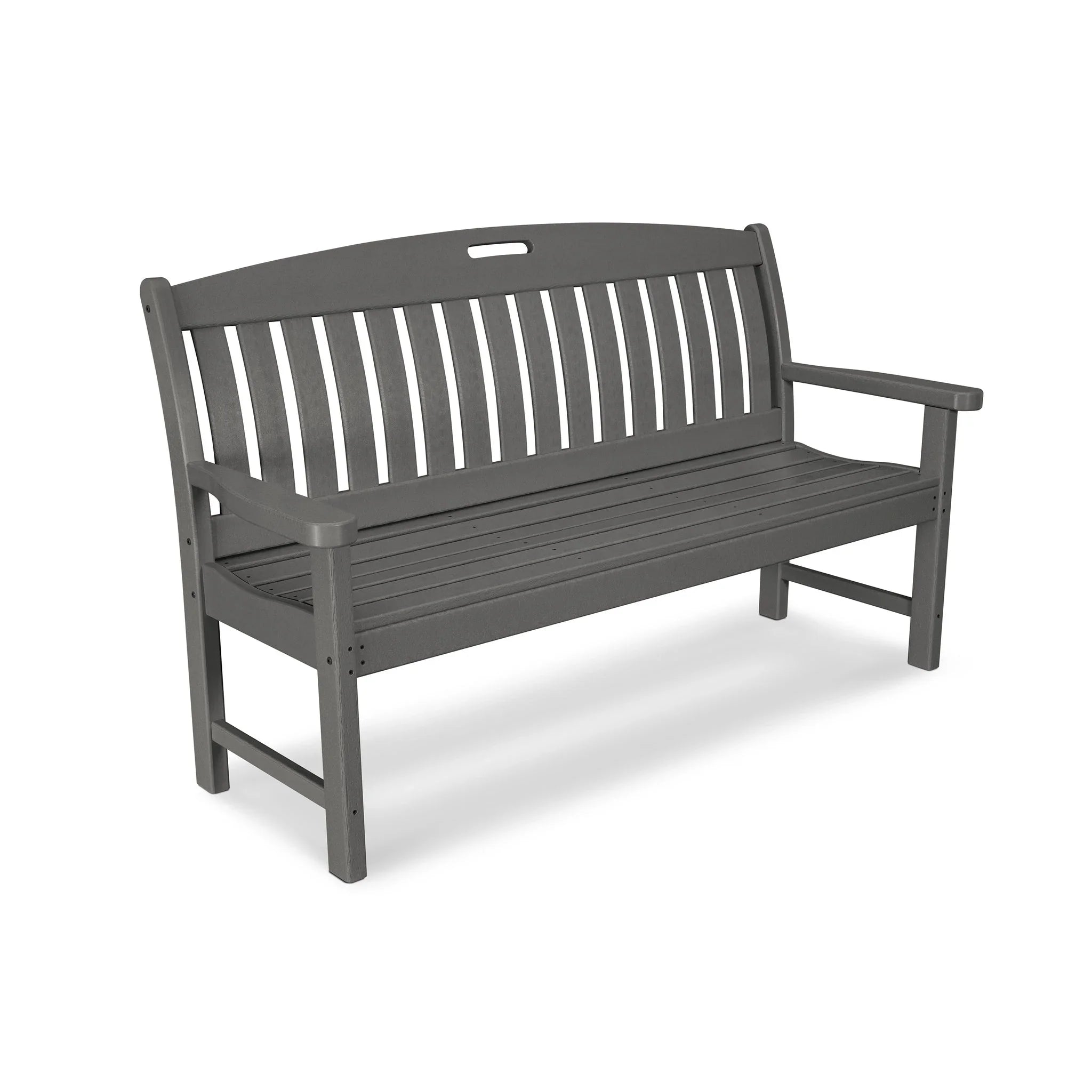
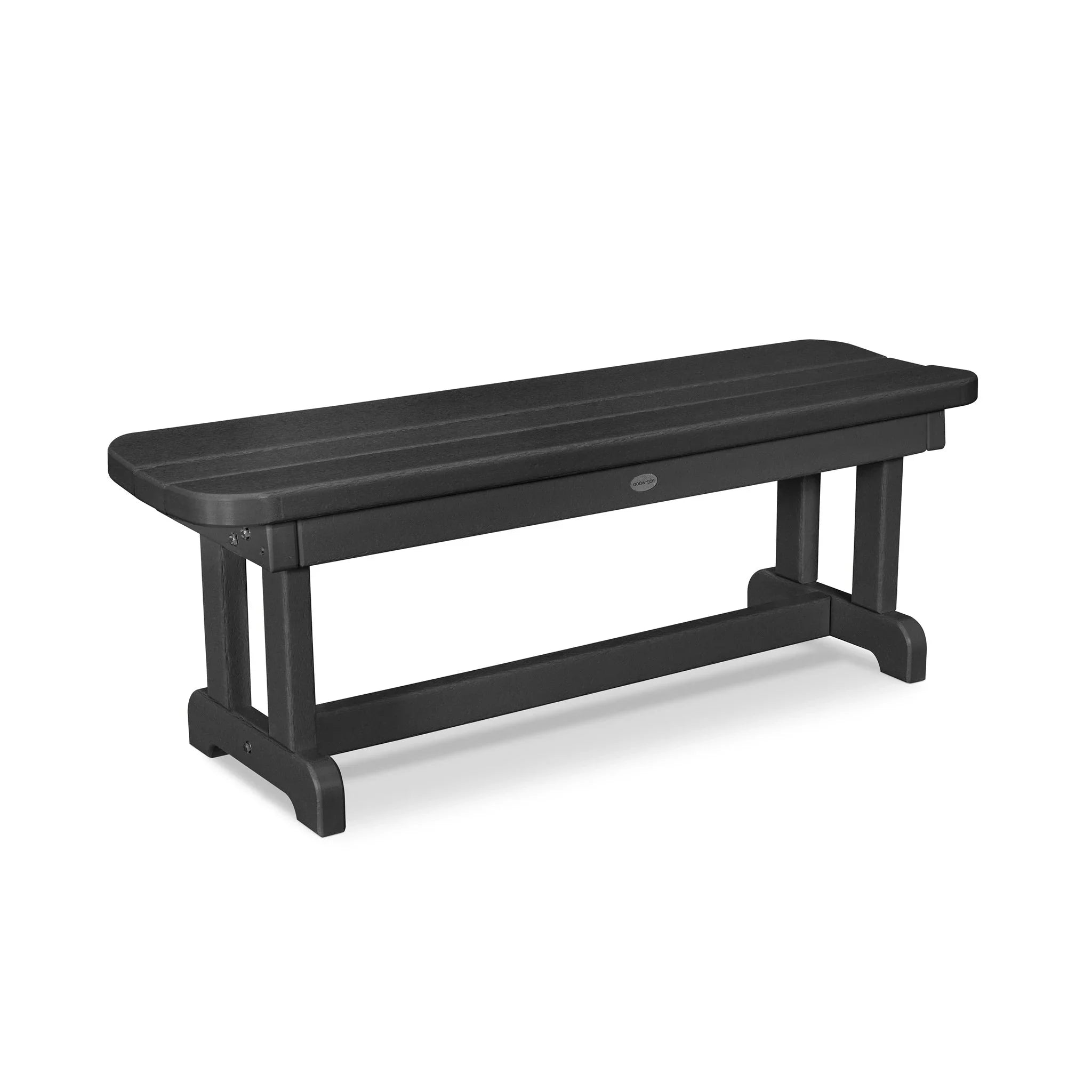
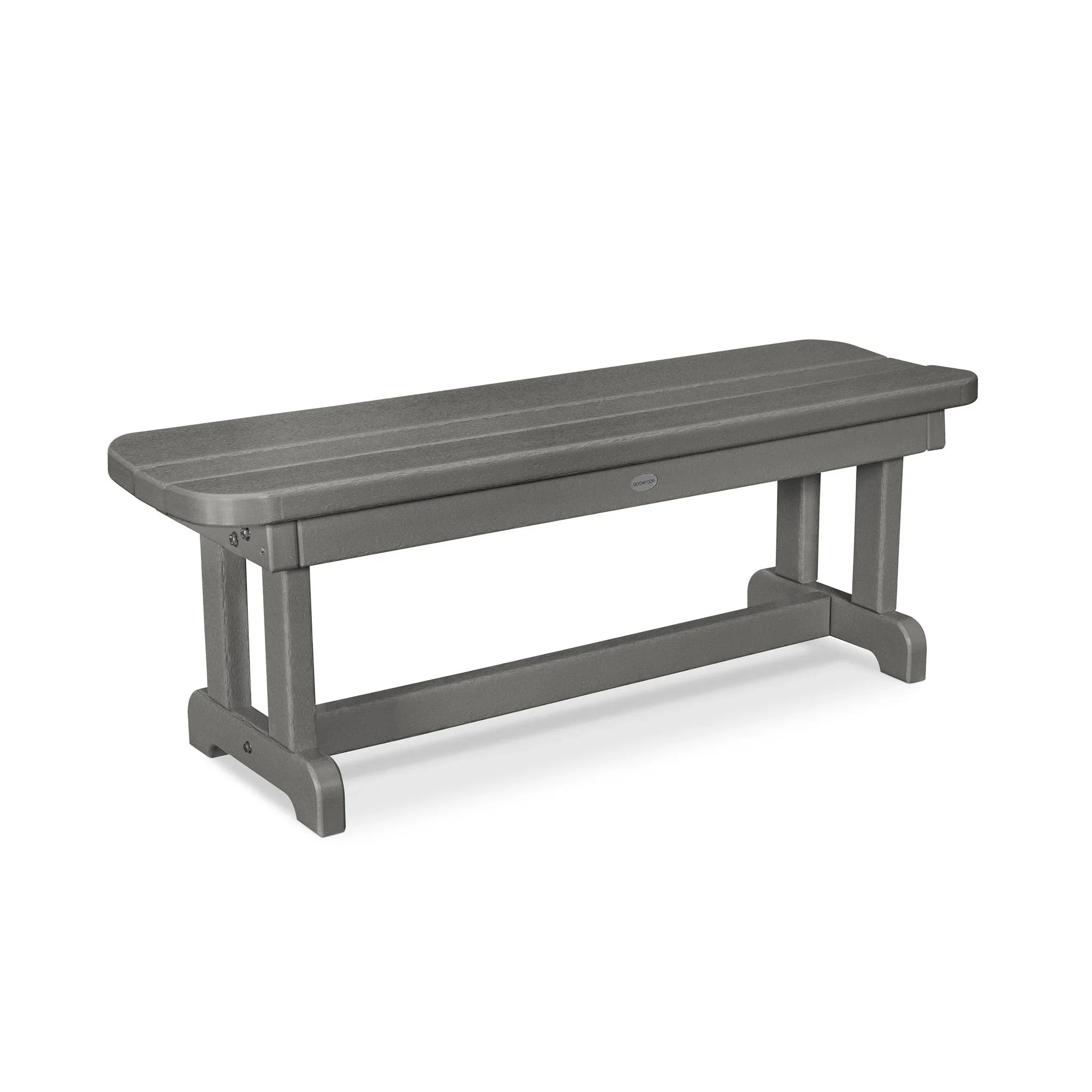
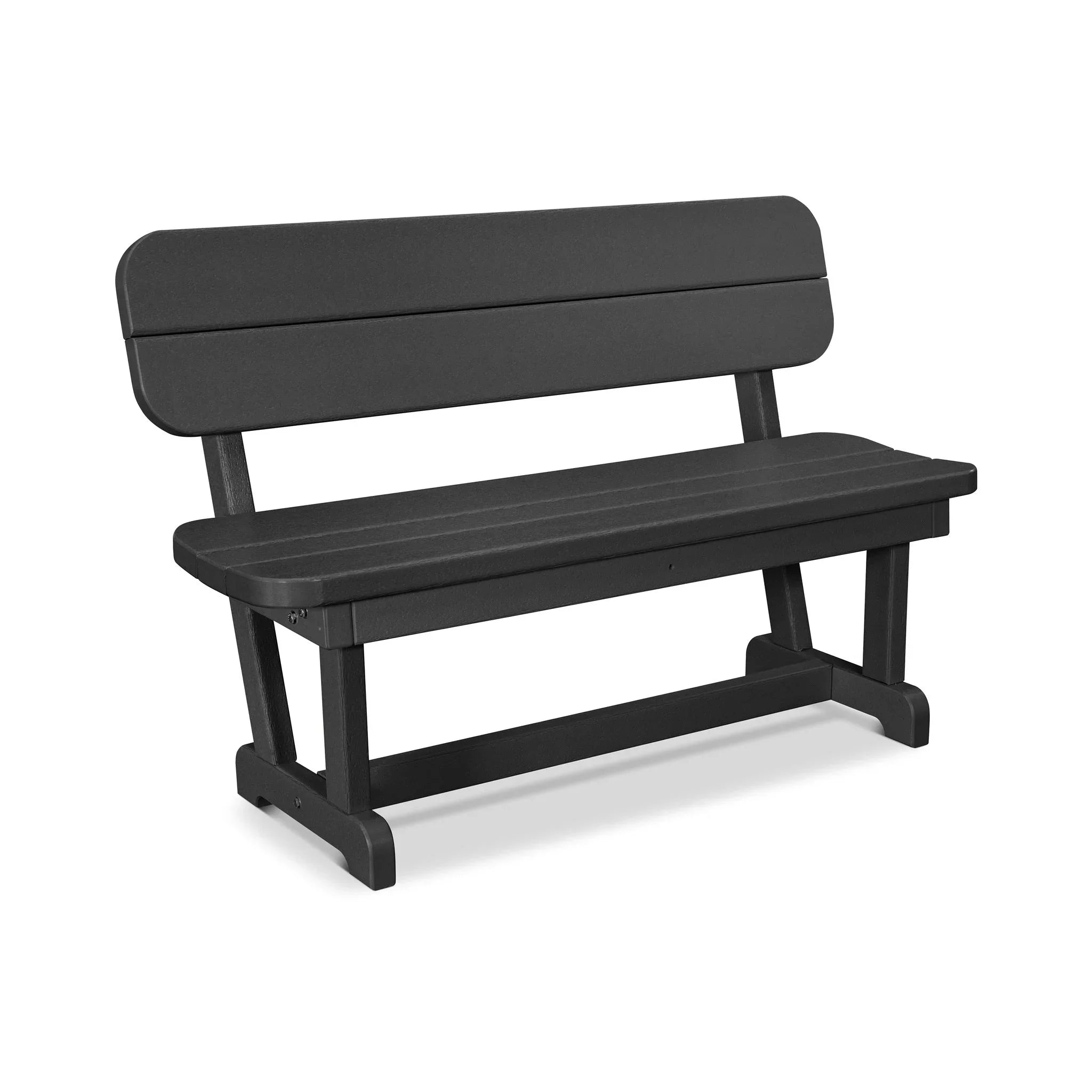
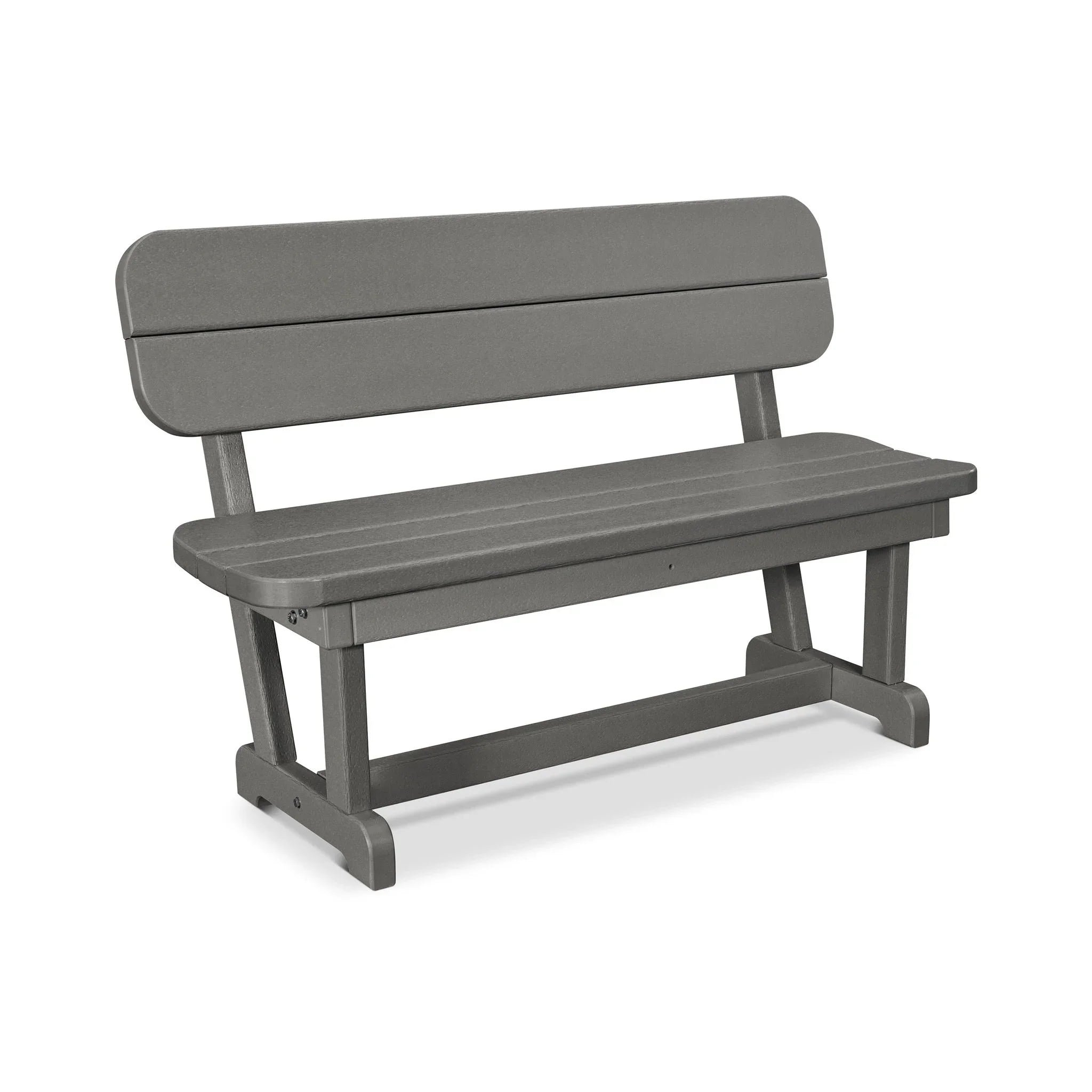
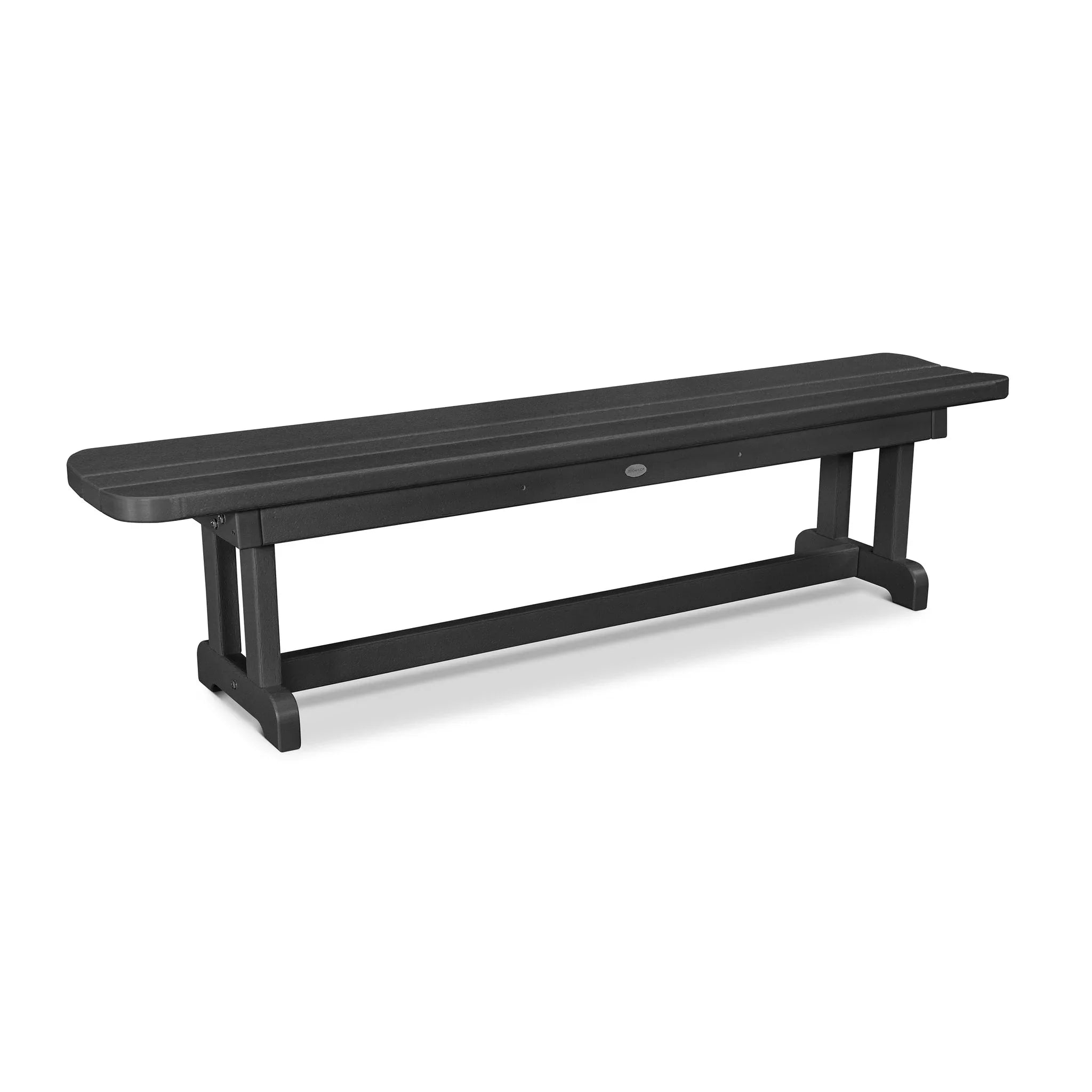
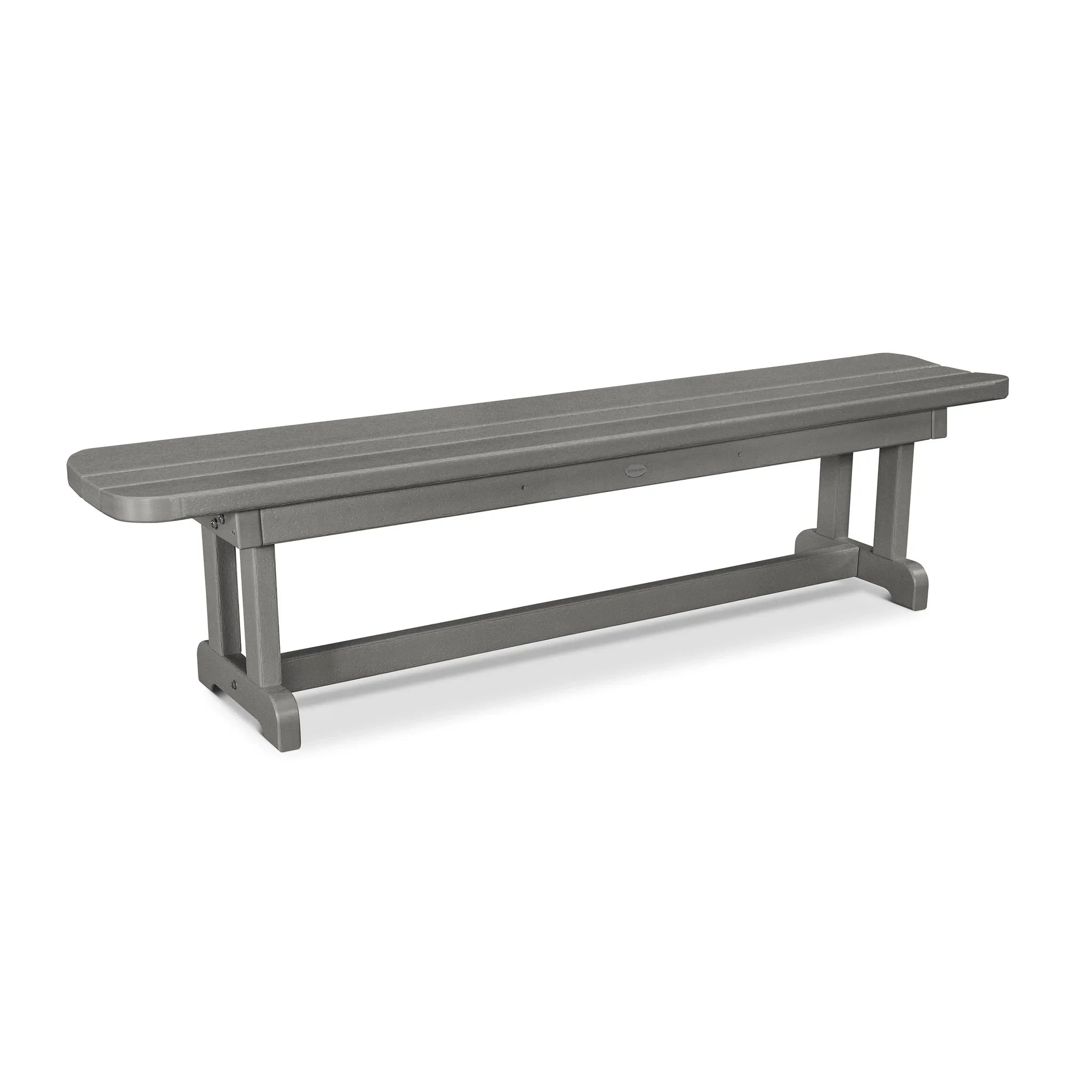
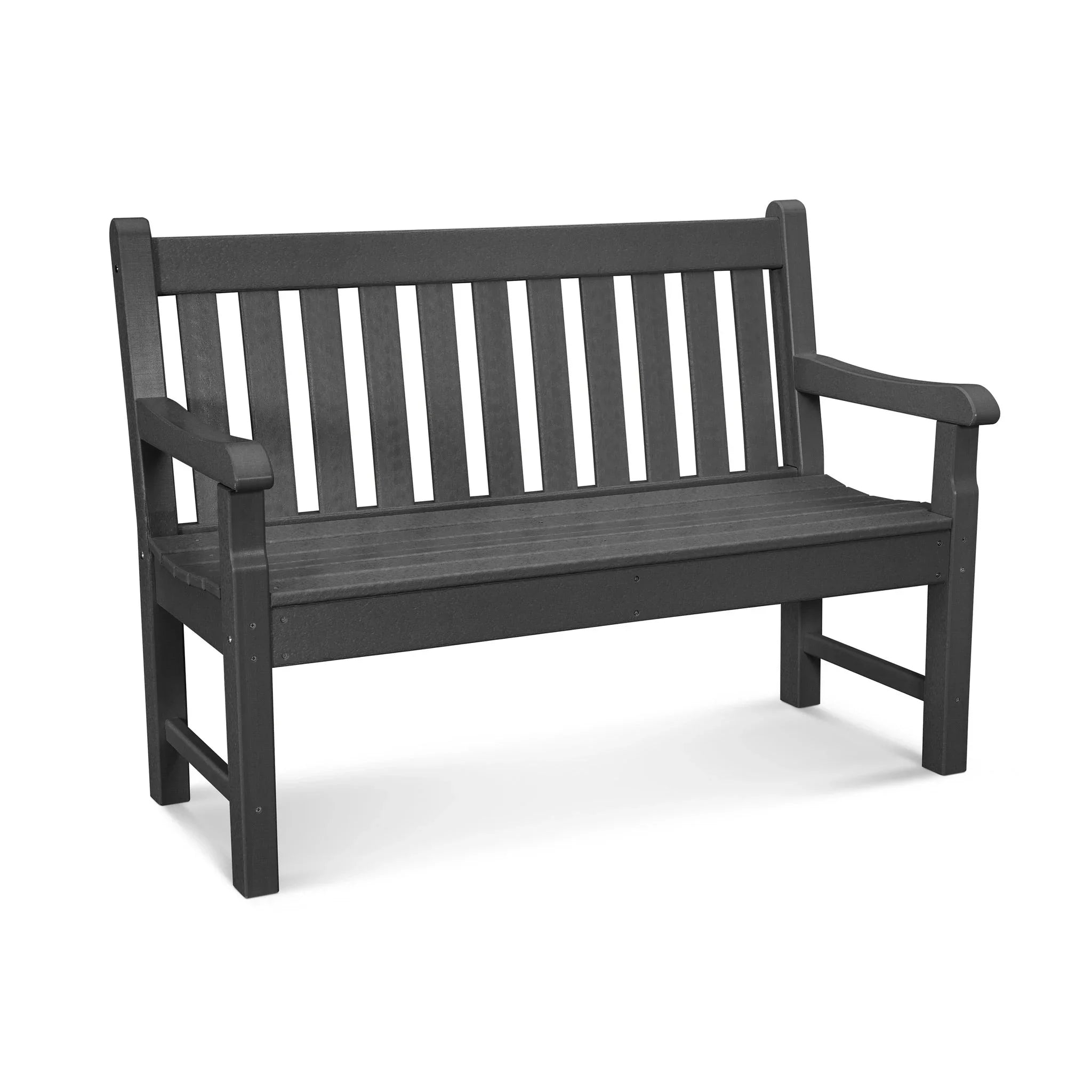
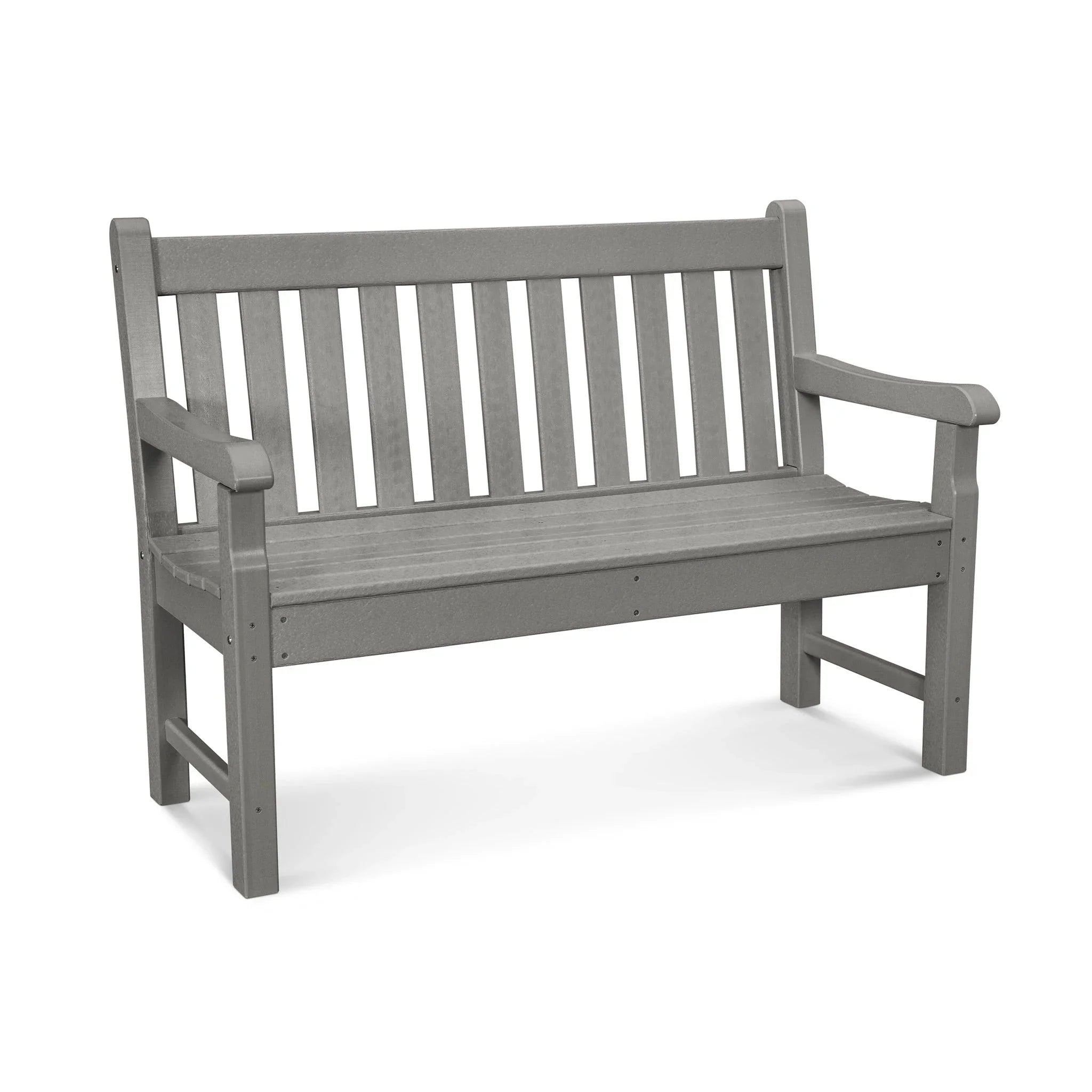
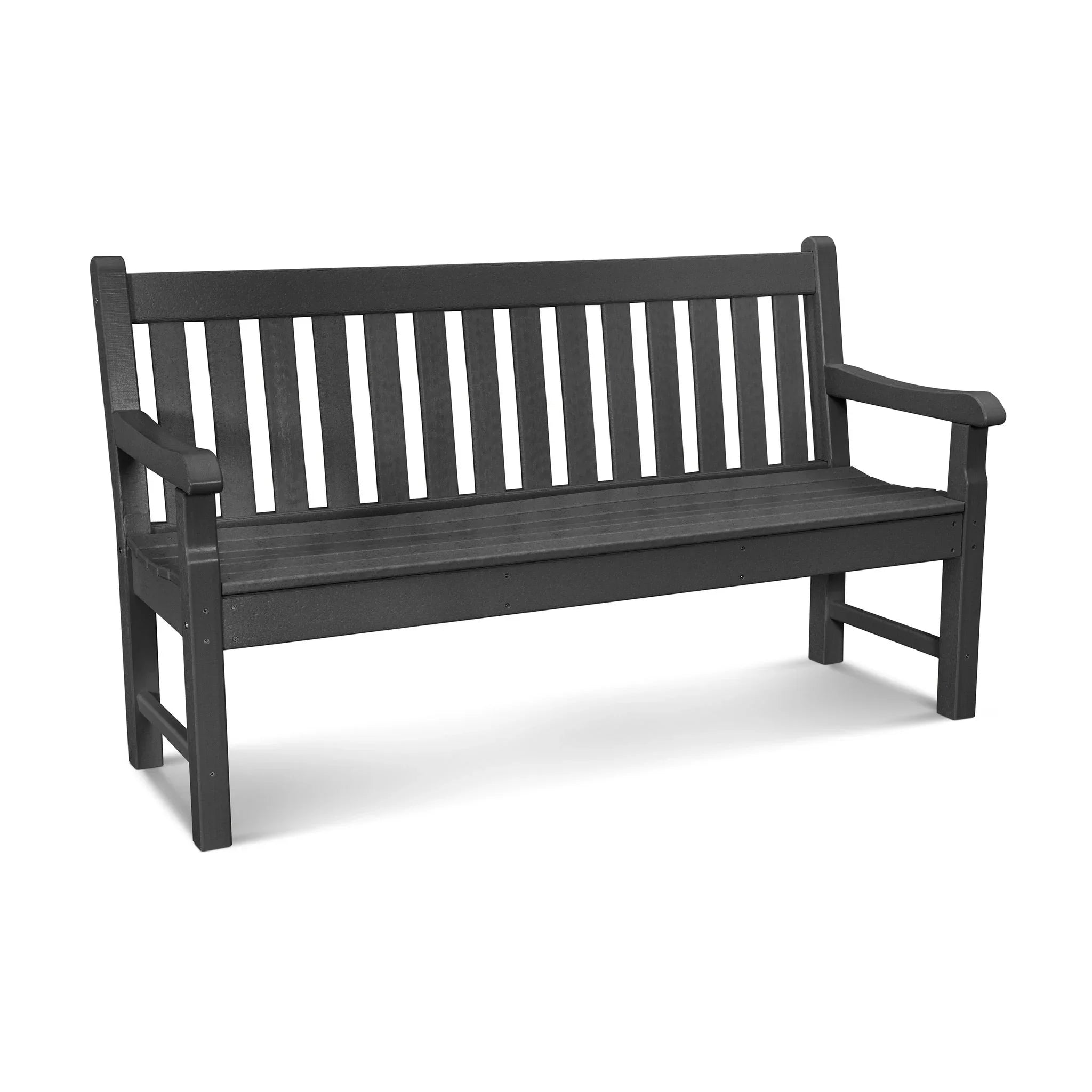
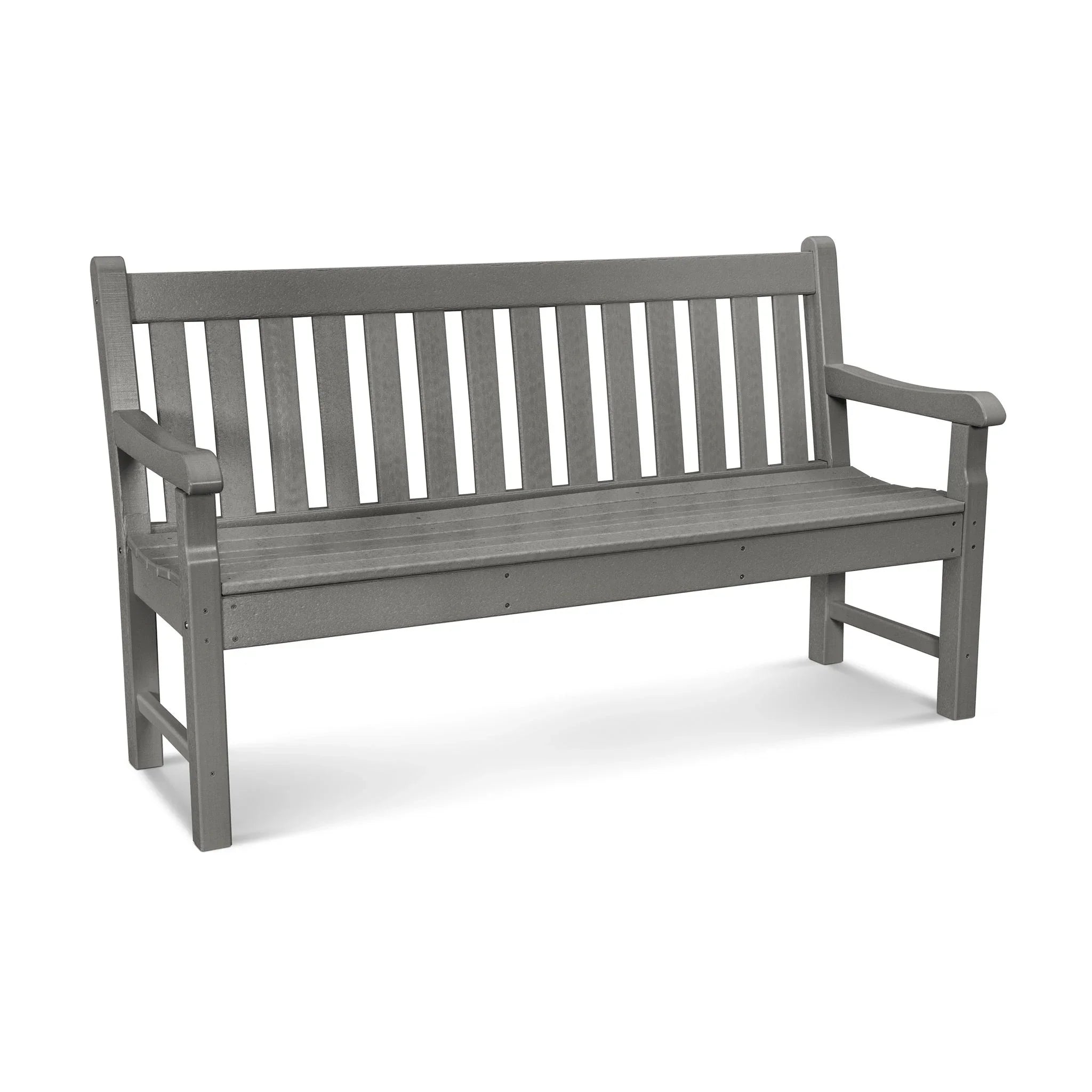
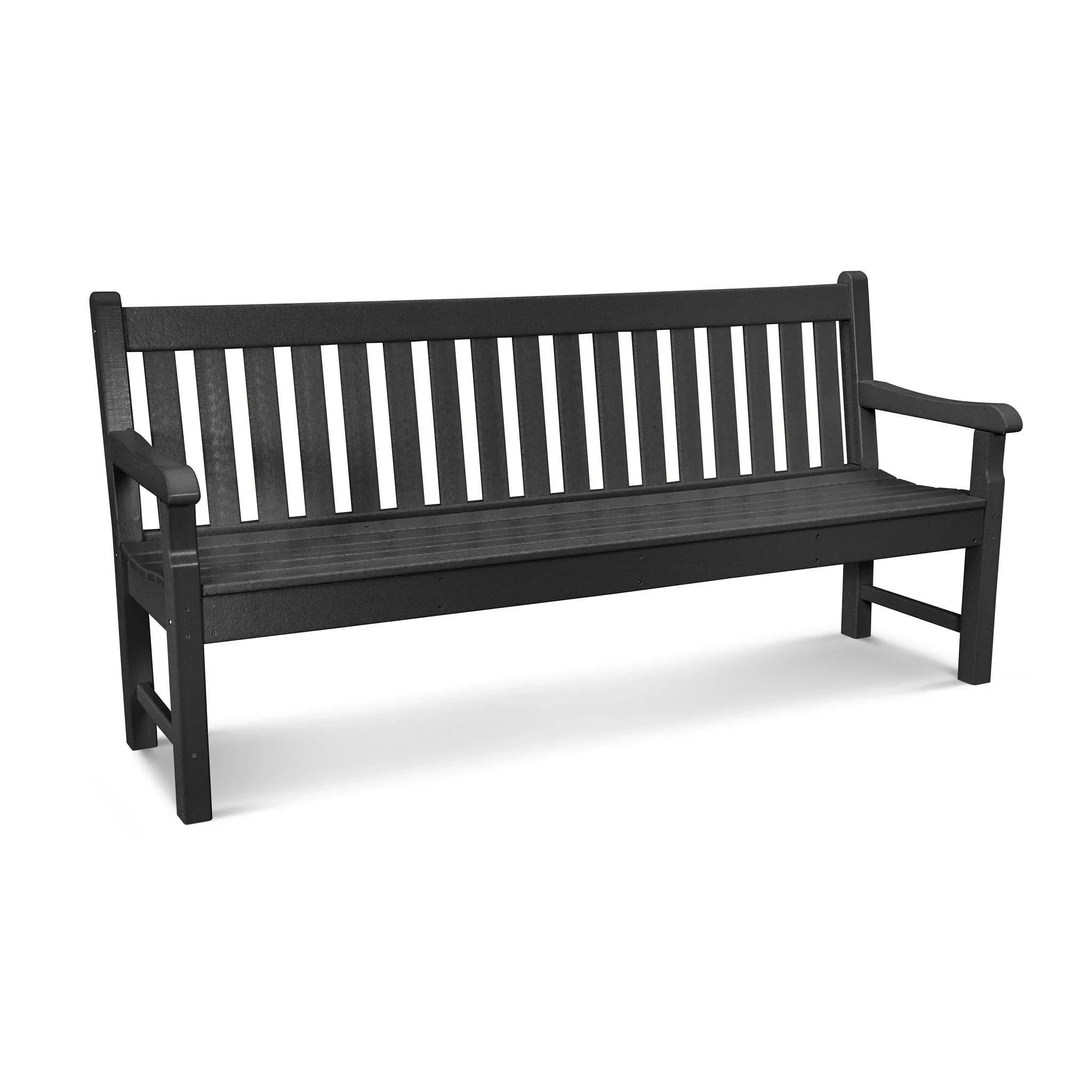
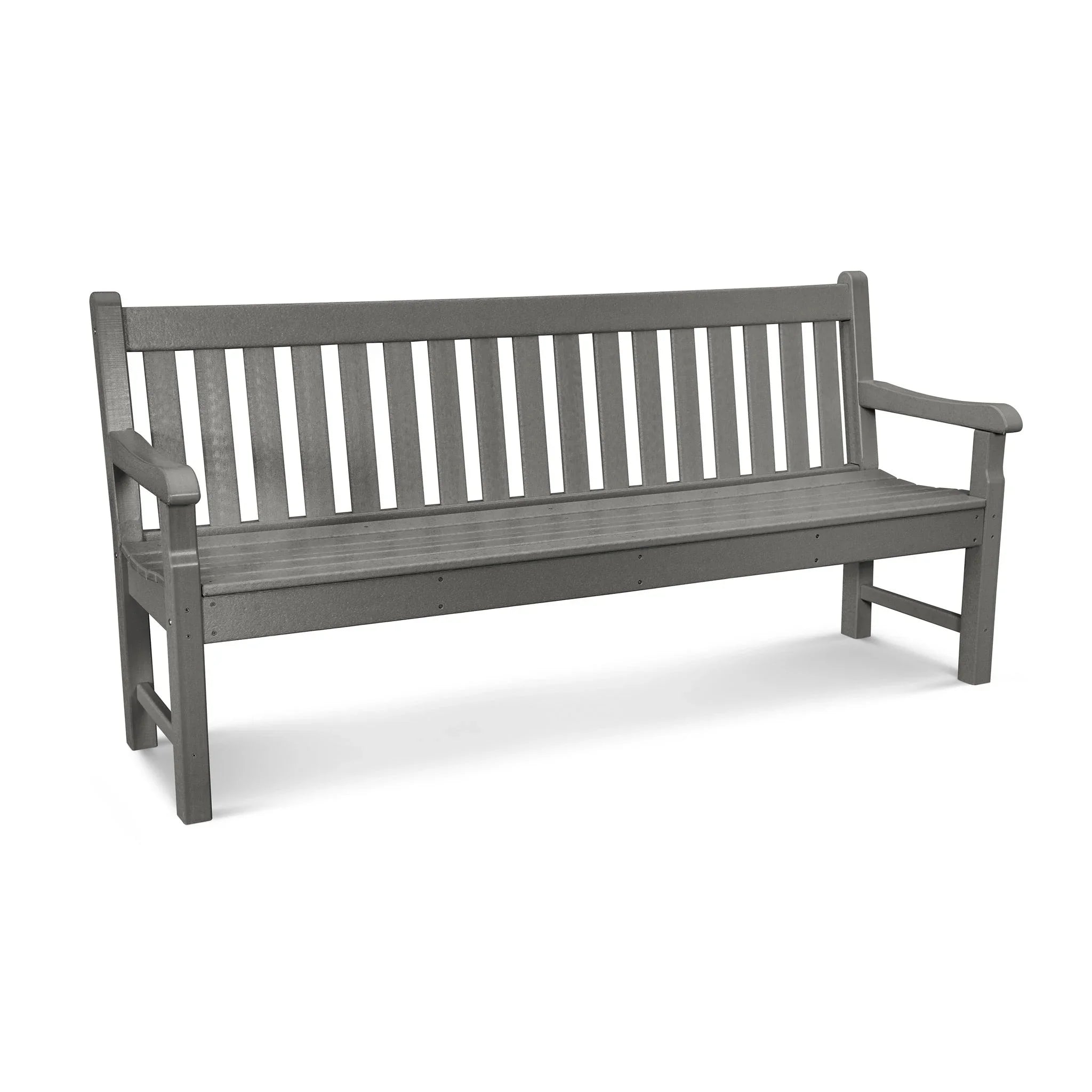
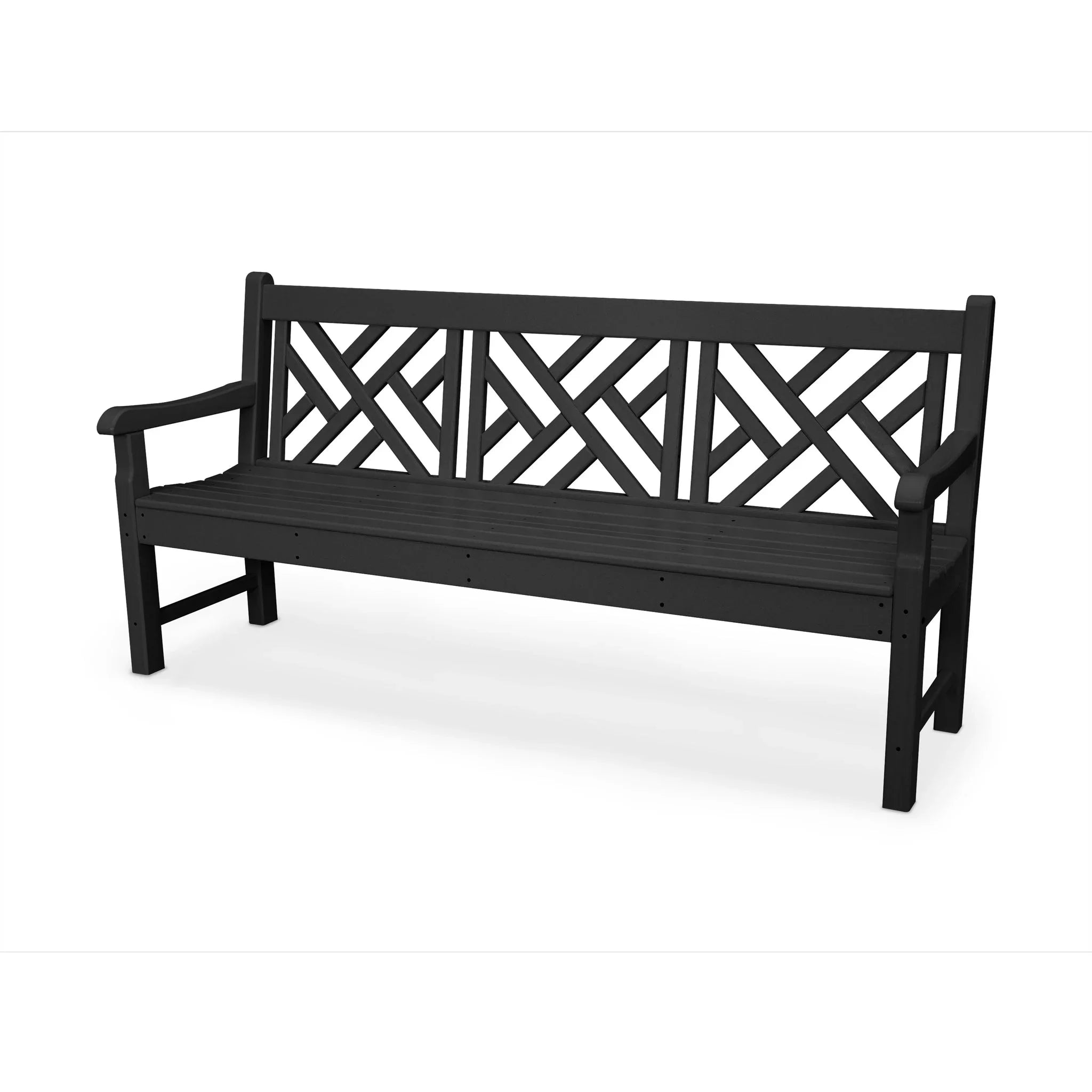
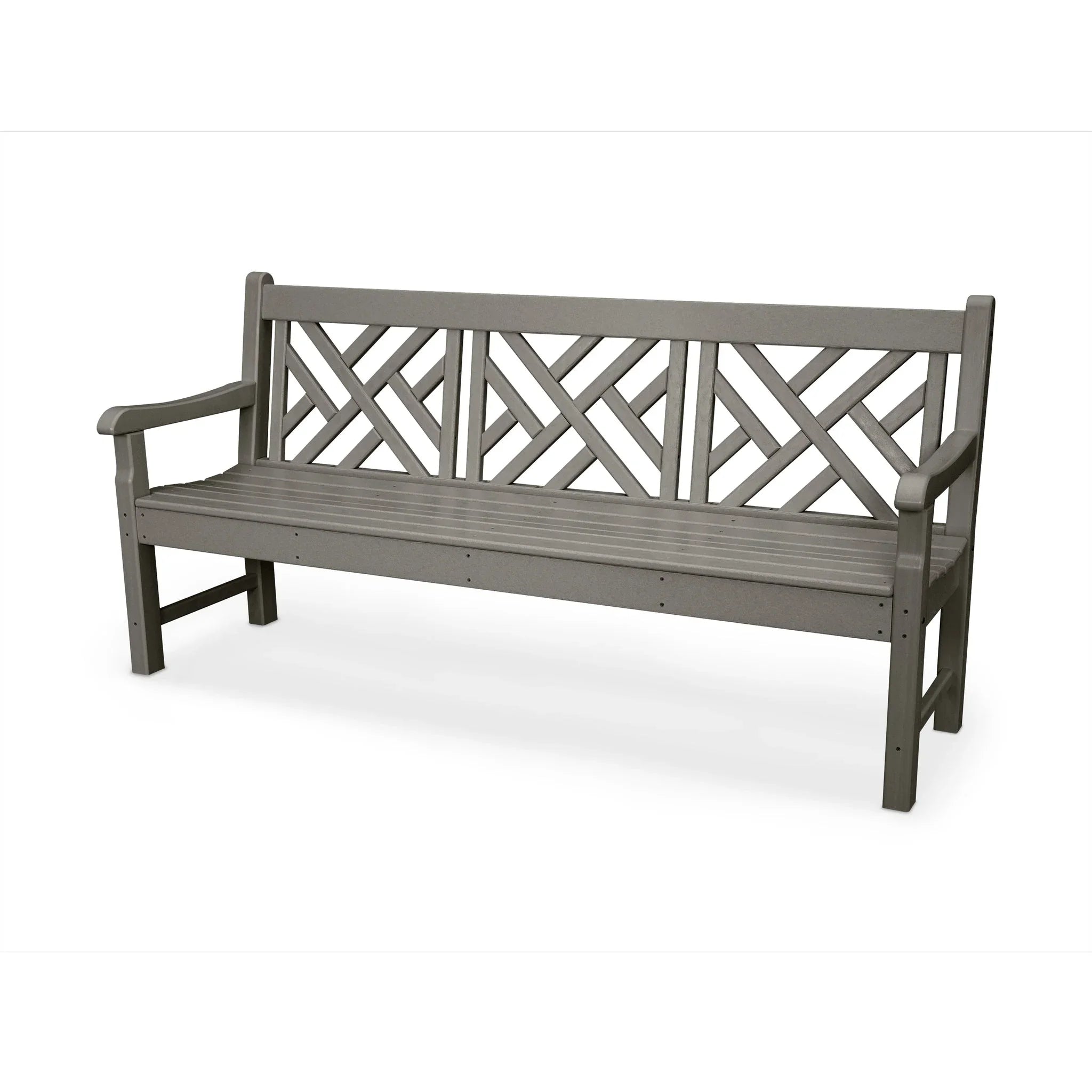
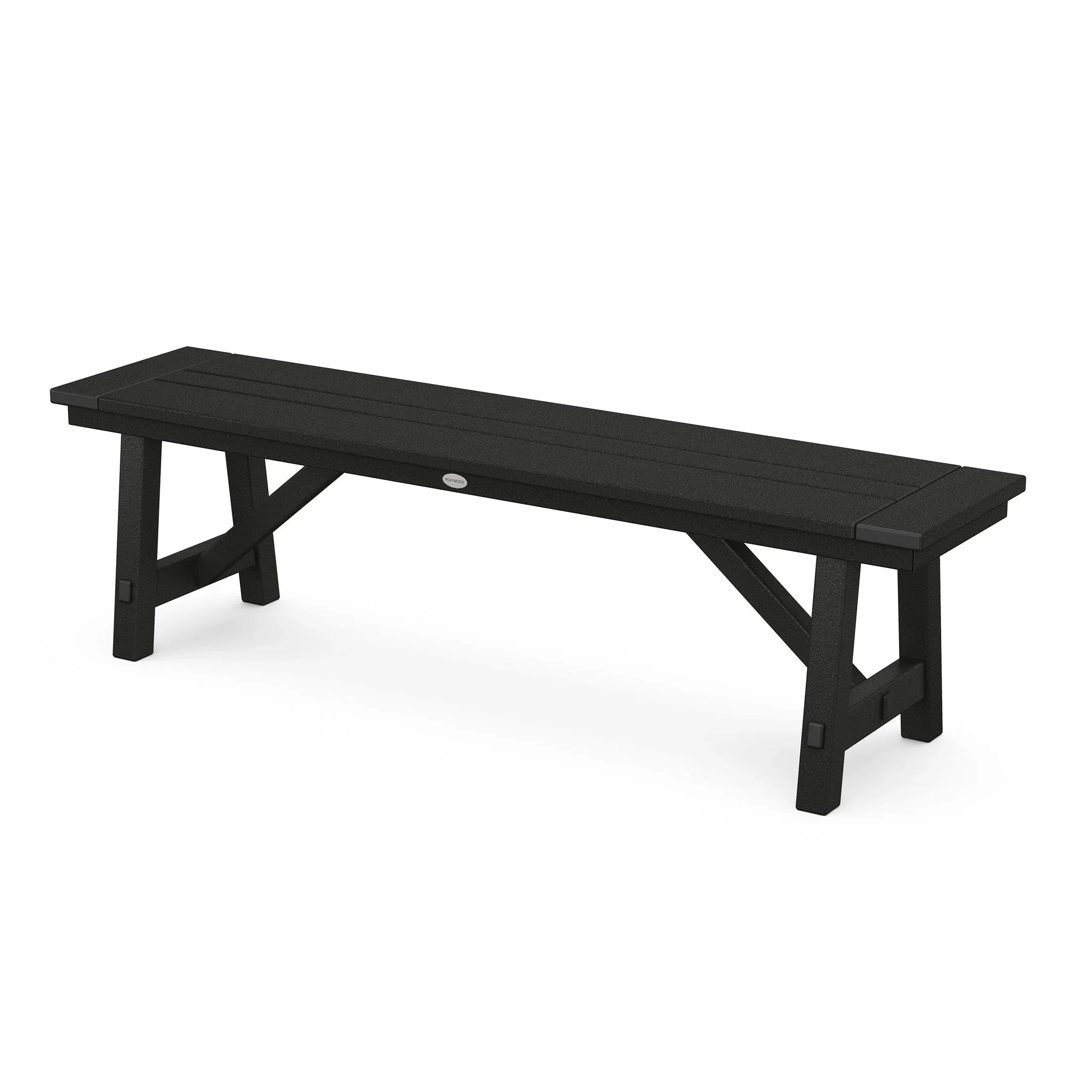
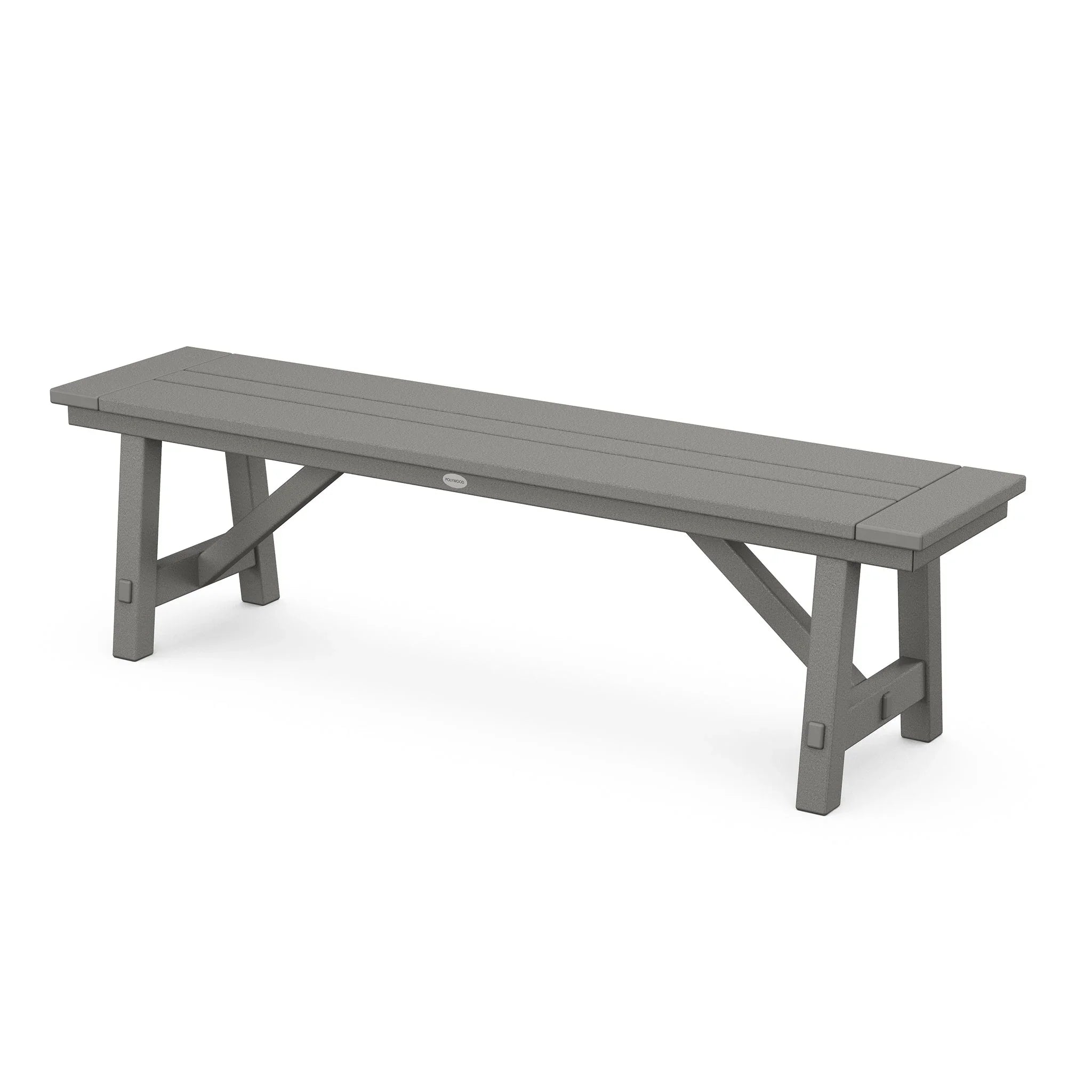
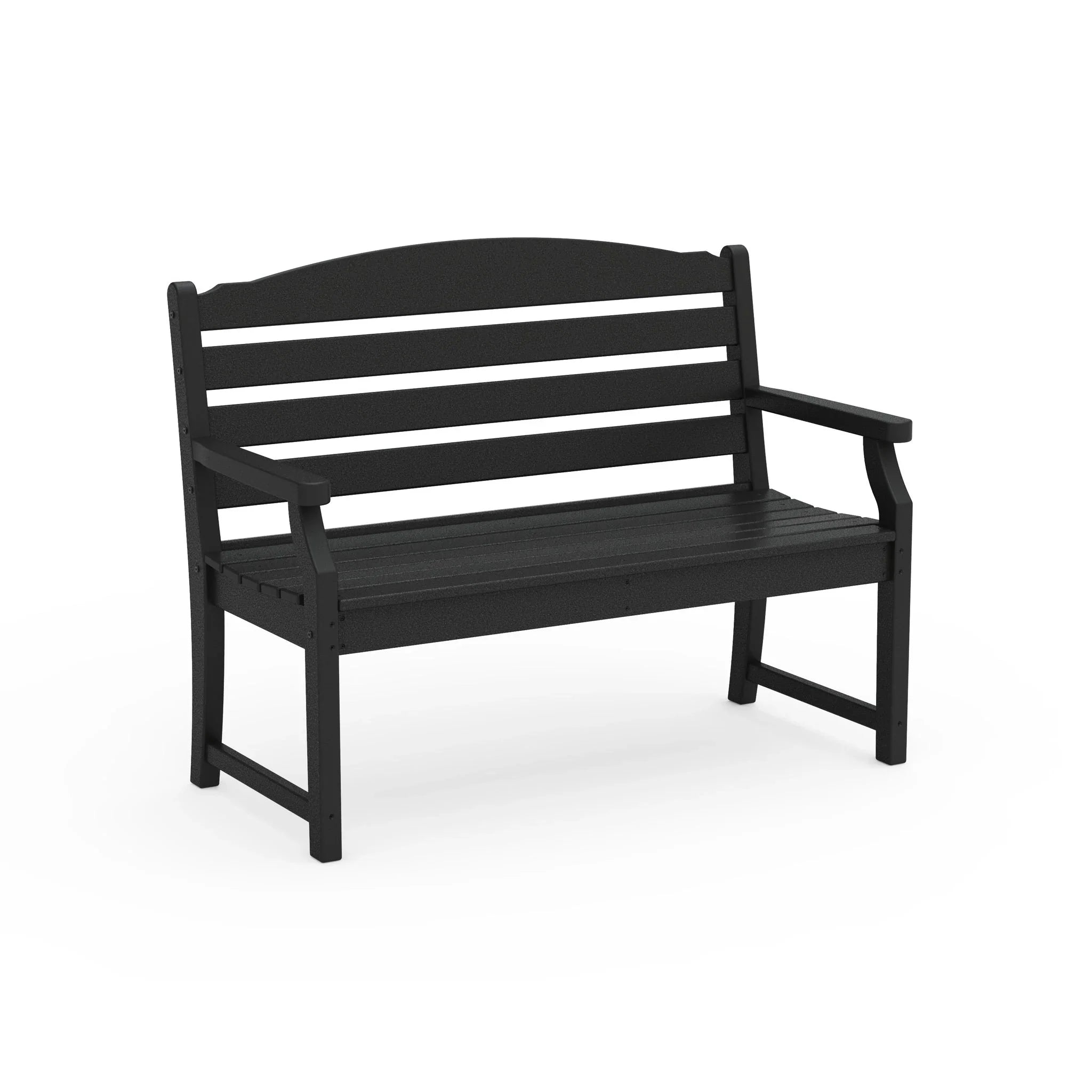
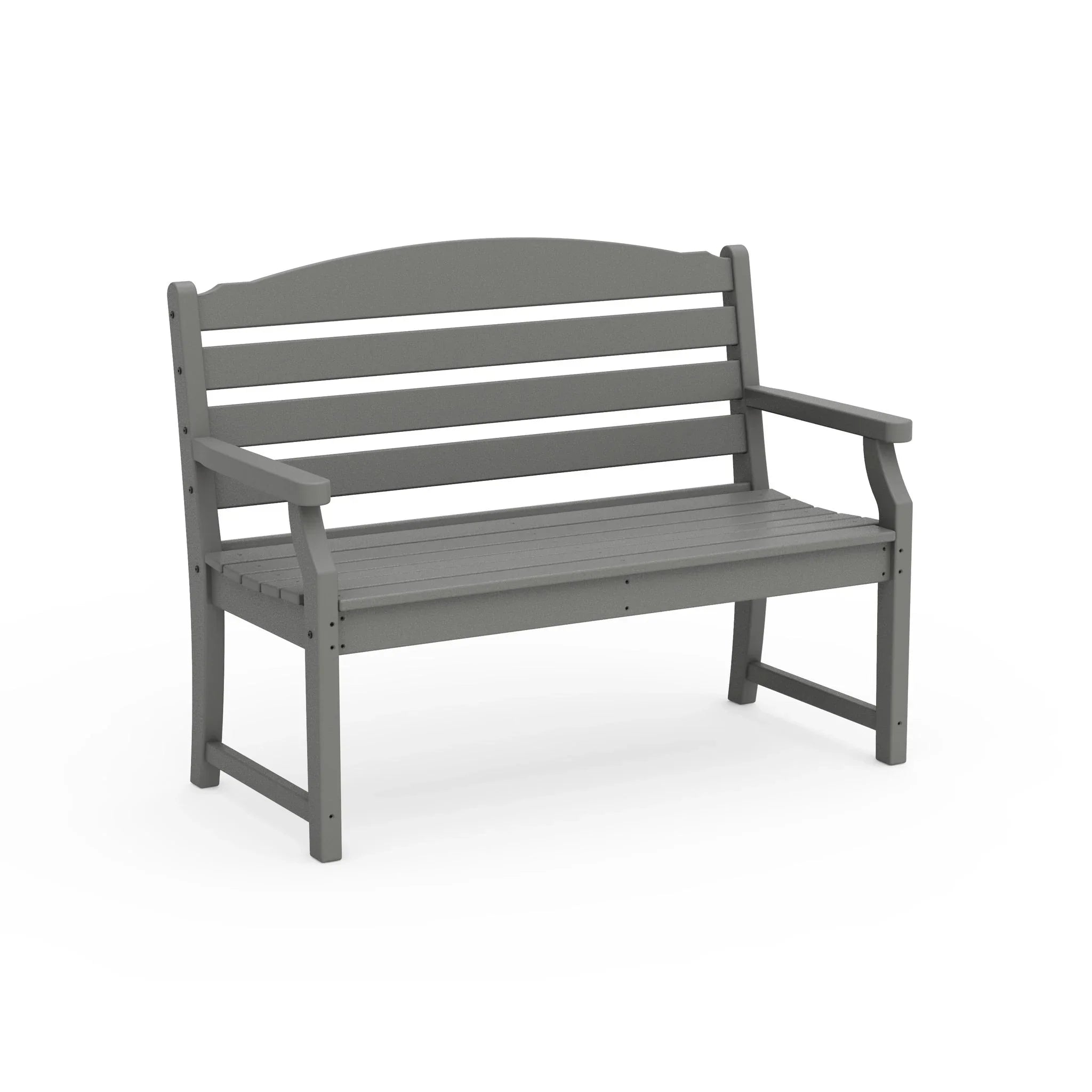
Commercial Outdoor Benches for Hotels, Campuses, and High-Traffic Spaces
A bench placed at a hotel entrance or along a resort walkway is not a decorative afterthought. It absorbs thousands of interactions per season, weathers continuous sun and chemical exposure, and demands maintenance attention whether you budgeted for it or not. The benches in our commercial patio furniture program are sourced and specified with that load in mind. From poly lumber pieces backed by a 20-year lumber warranty to powder-coated aluminum frames rated for sustained institutional use, every option here is selected to perform where residential furniture would fail within a few seasons.
We have been supplying specialty outdoor furniture since 2007, and the conversations we have with procurement managers, hospitality designers, and facilities directors tend to start the same way: what material fits this application, and what does the maintenance picture look like? Those two questions drive every recommendation on this page.
Choosing the Right Material for Your Property
Poly Lumber: The Benchmark for Zero-Maintenance Seating
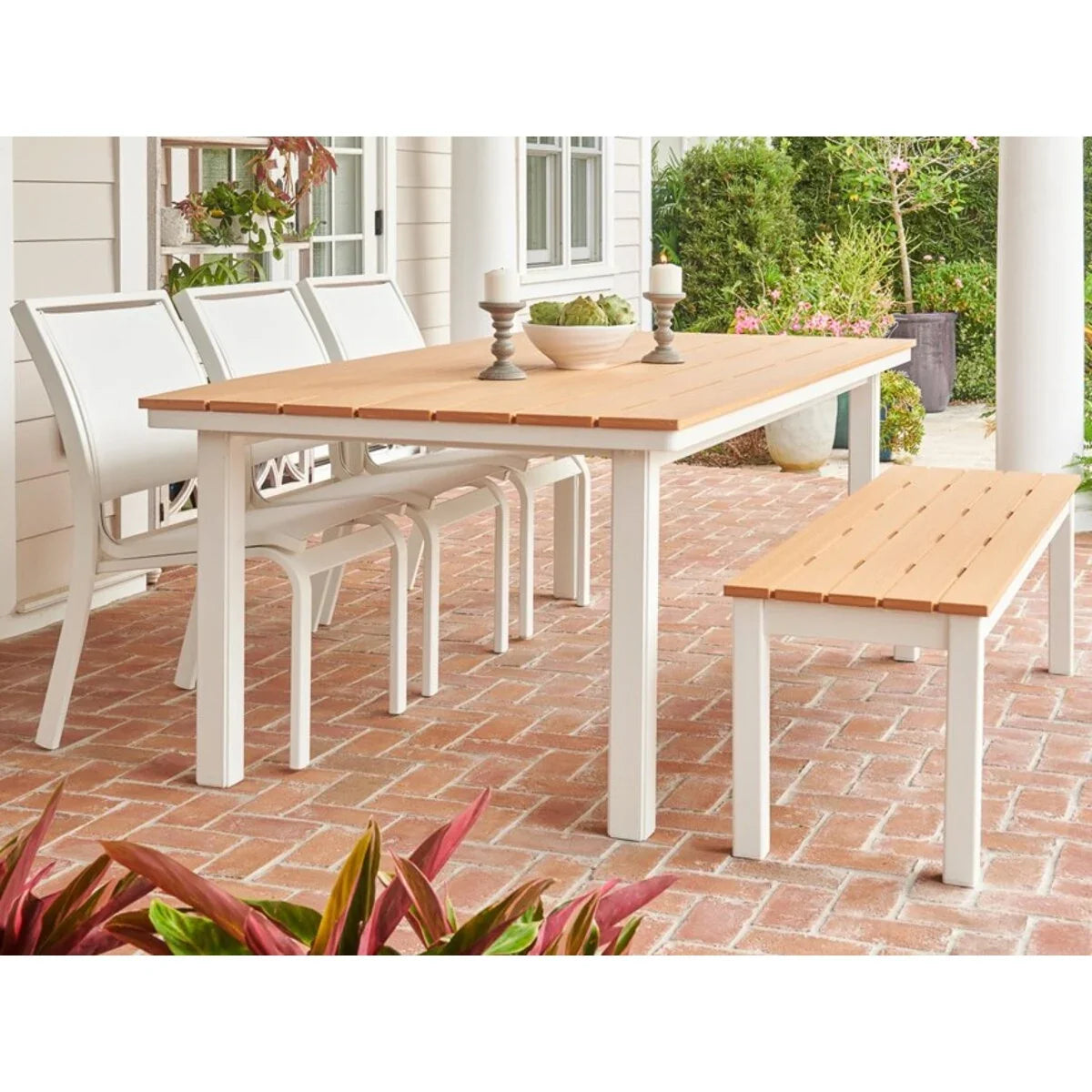
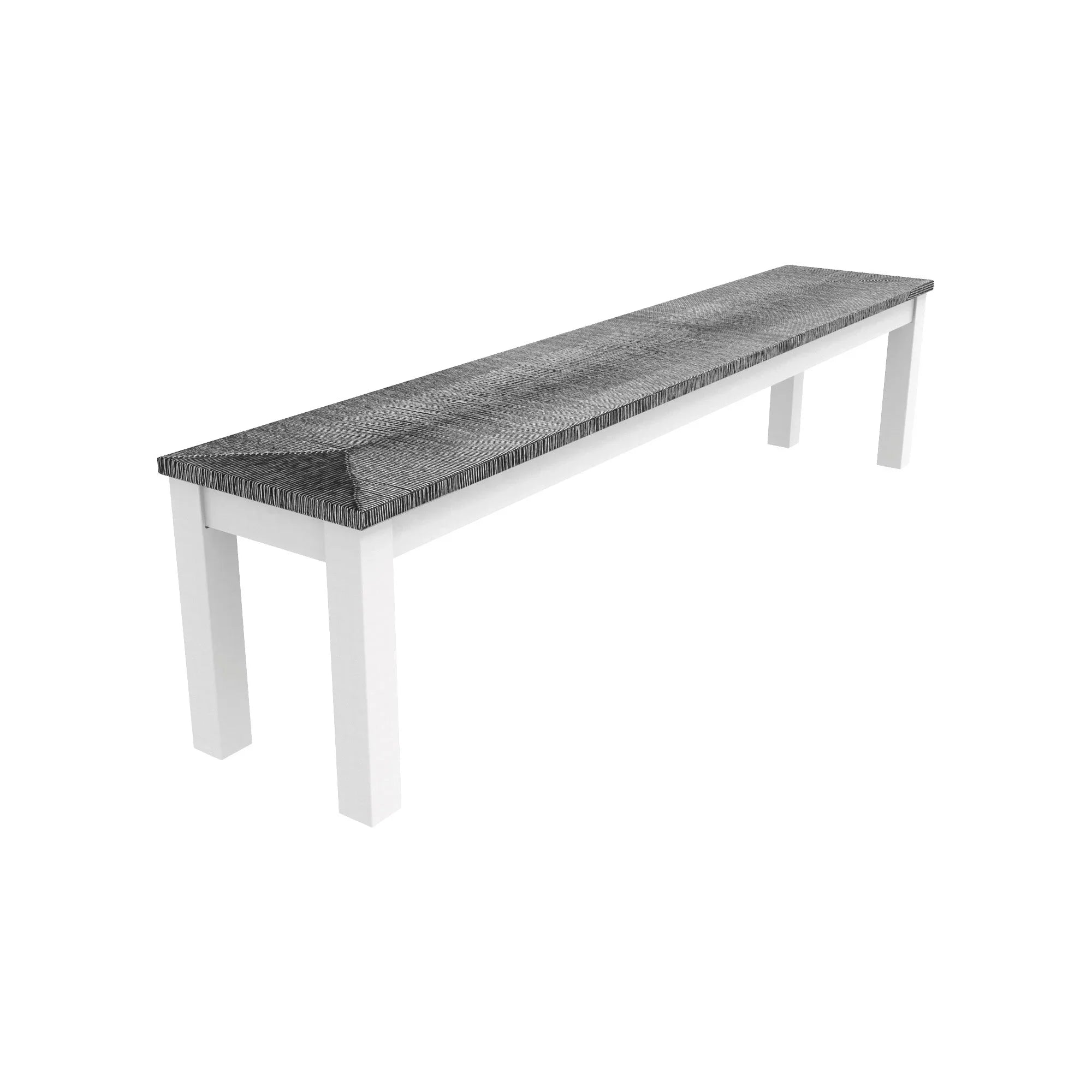
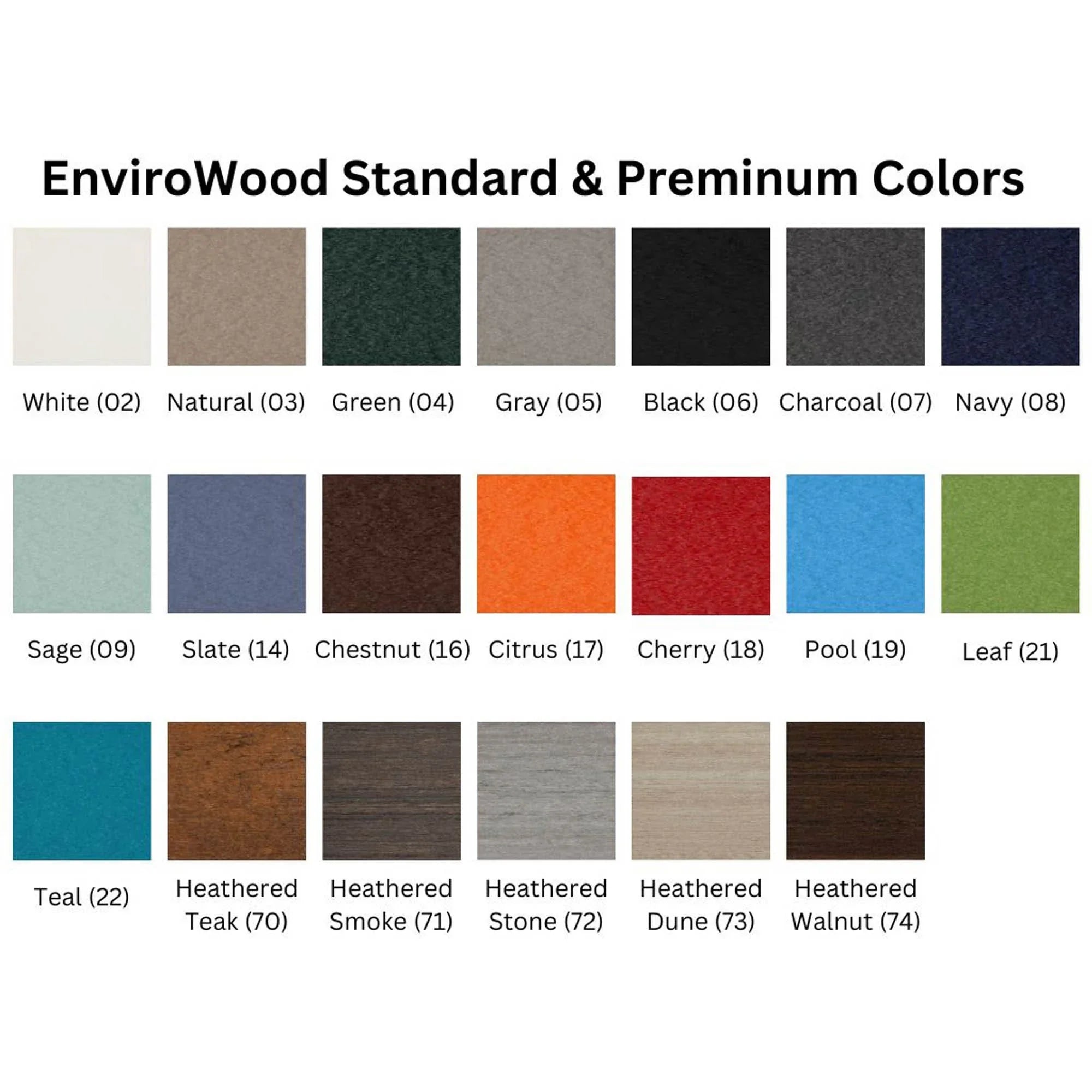
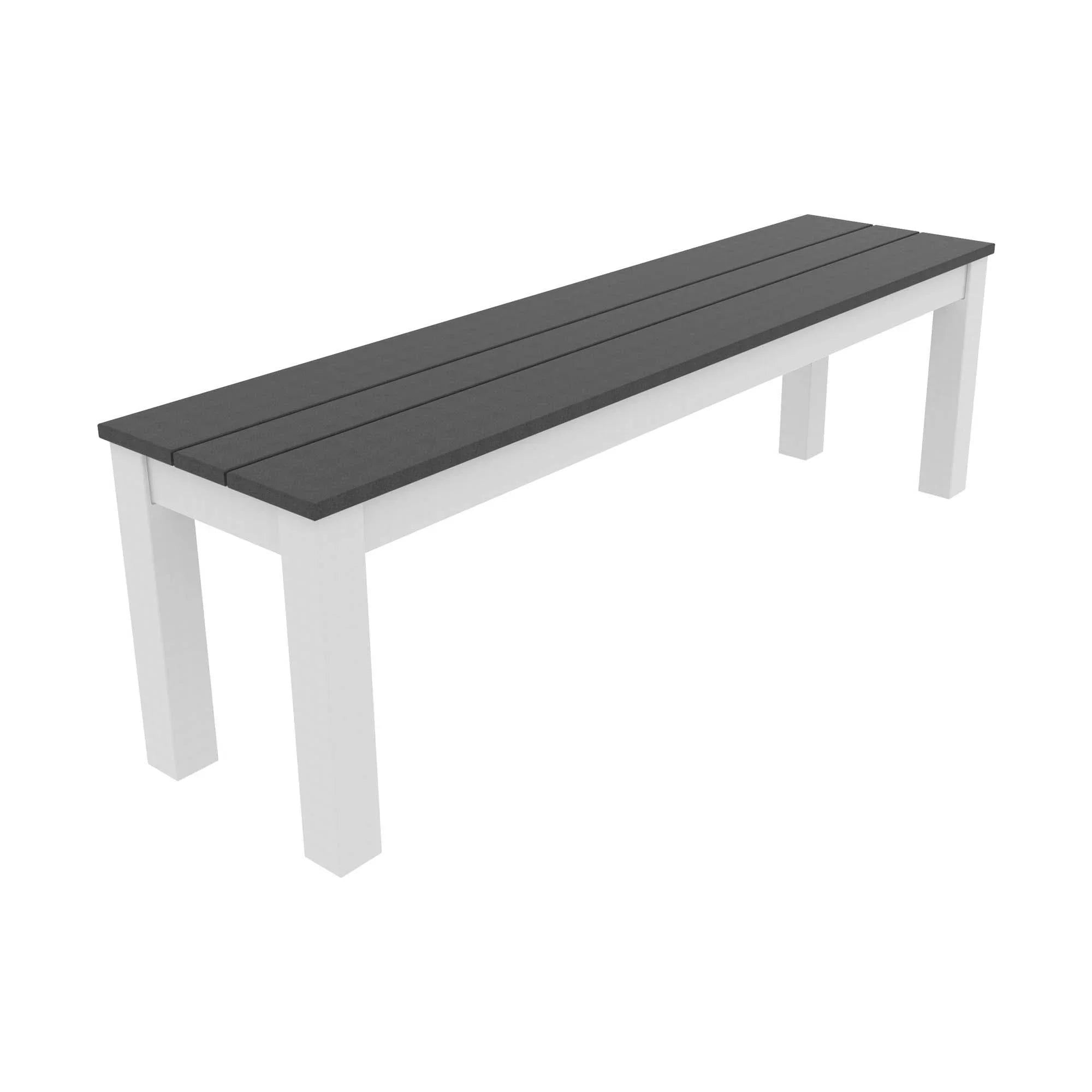
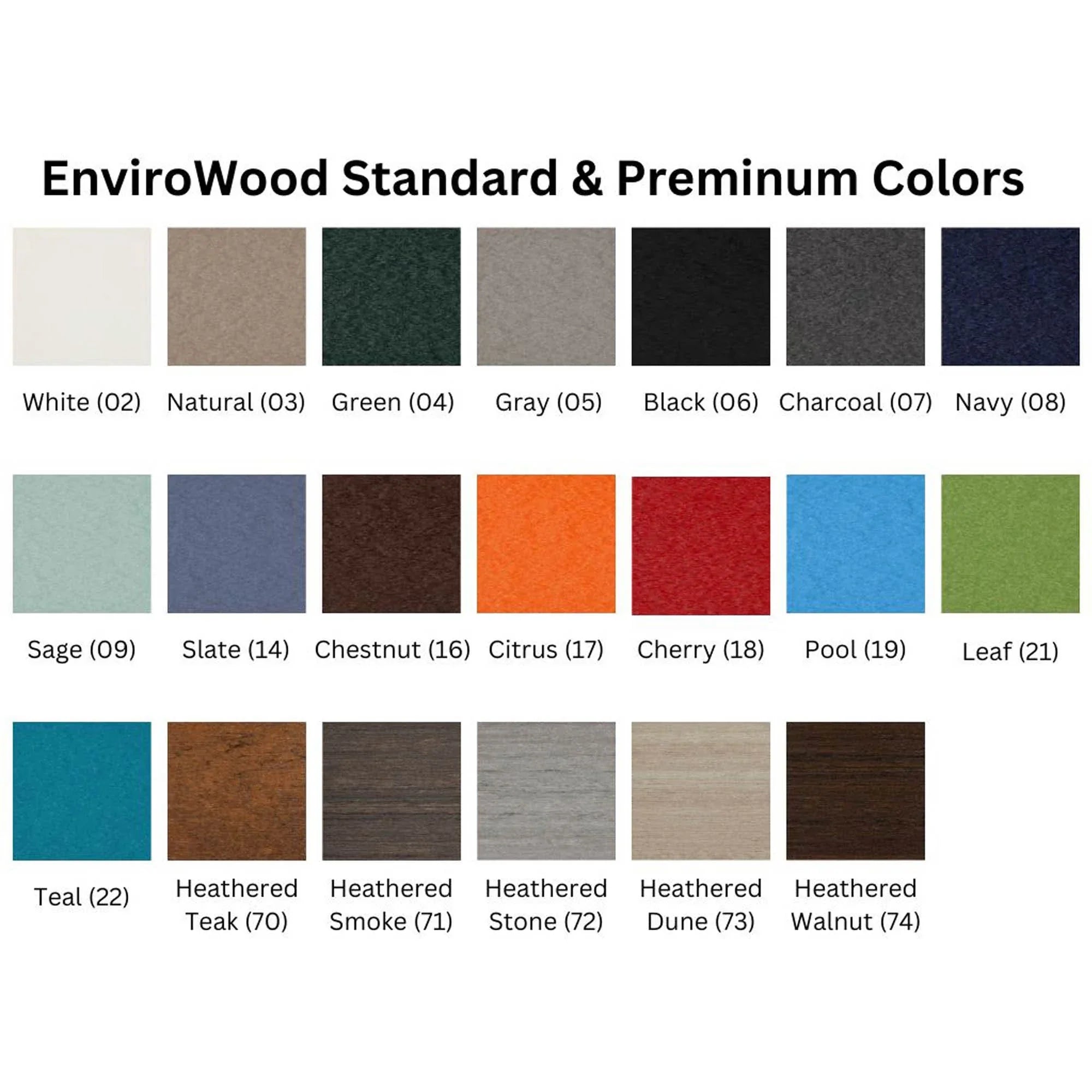
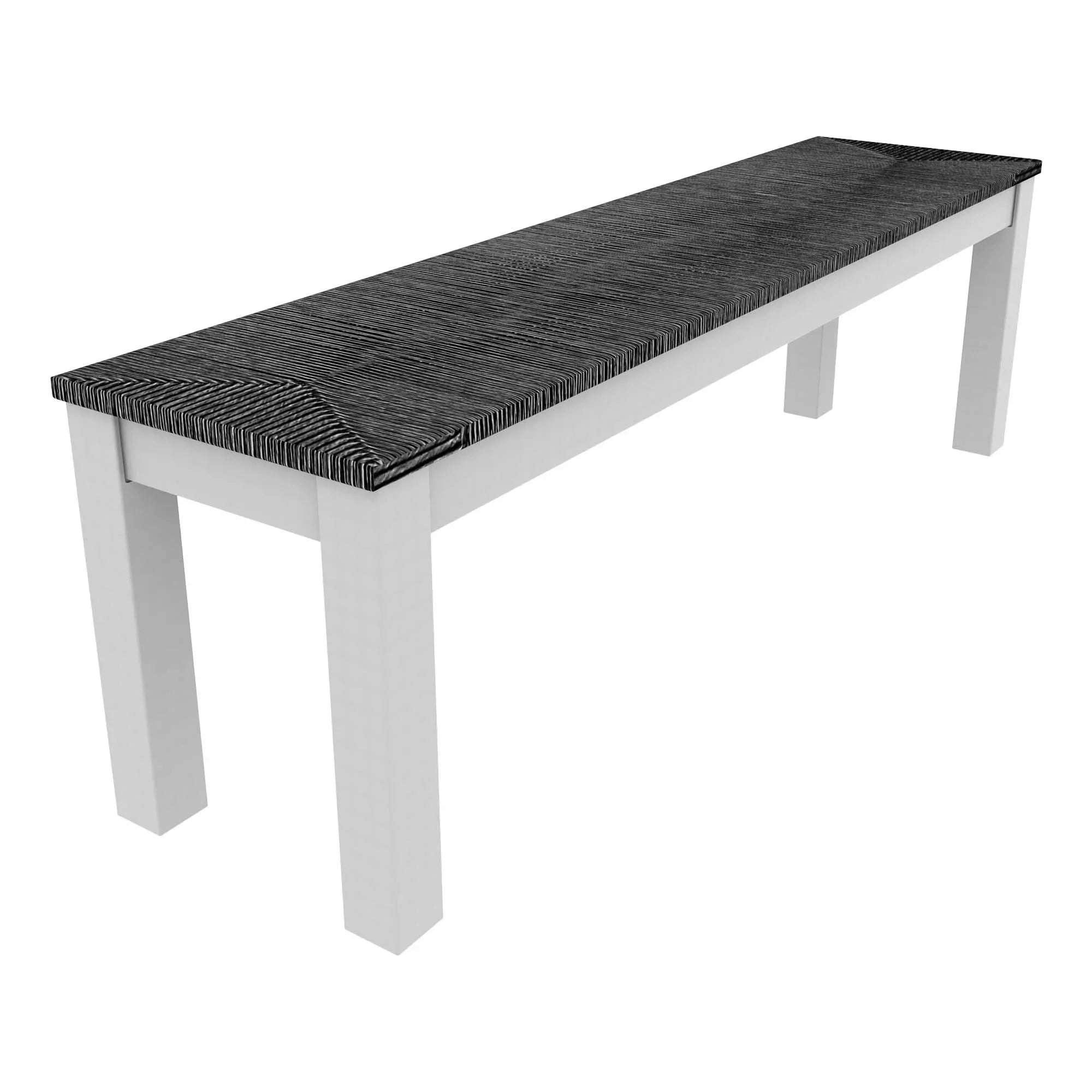
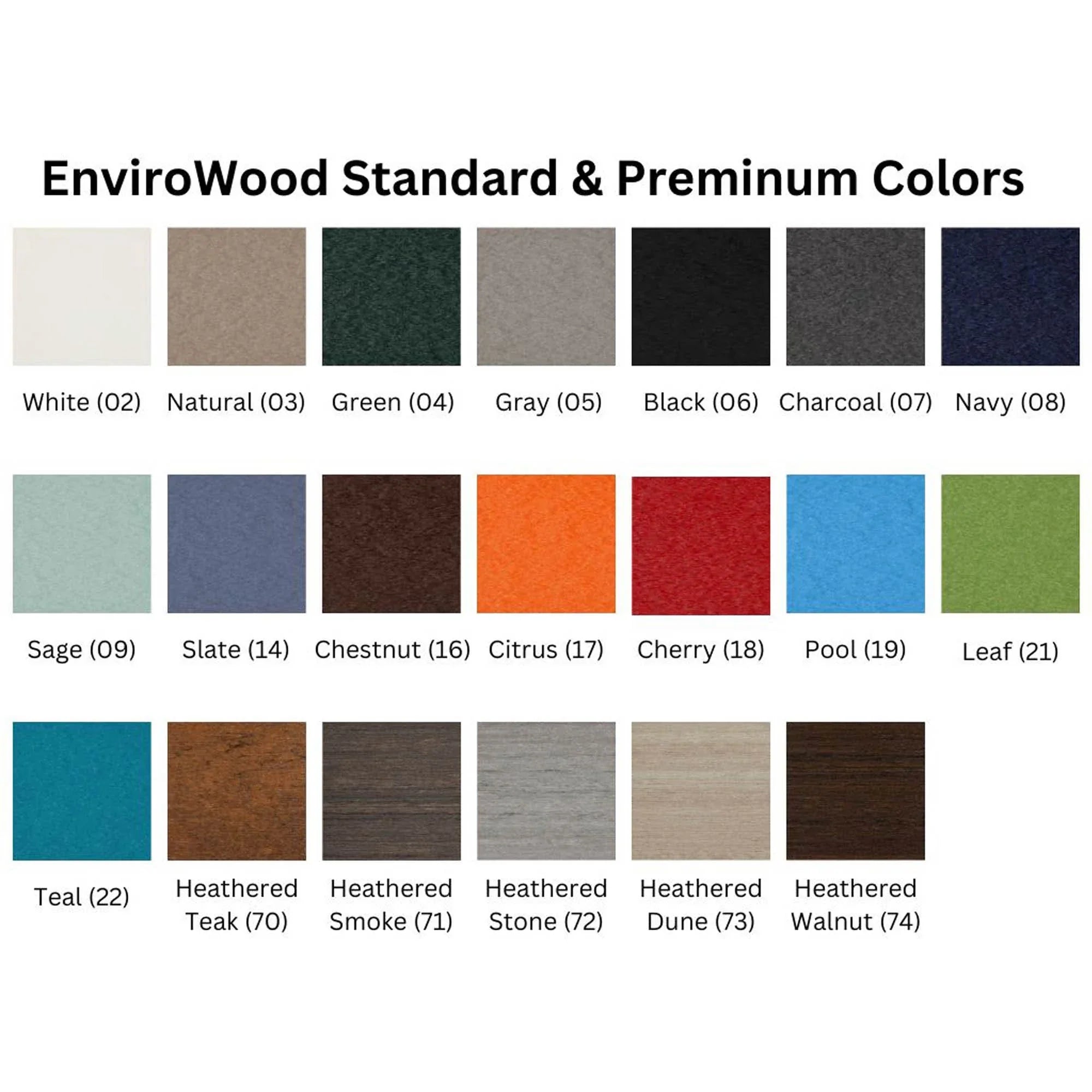
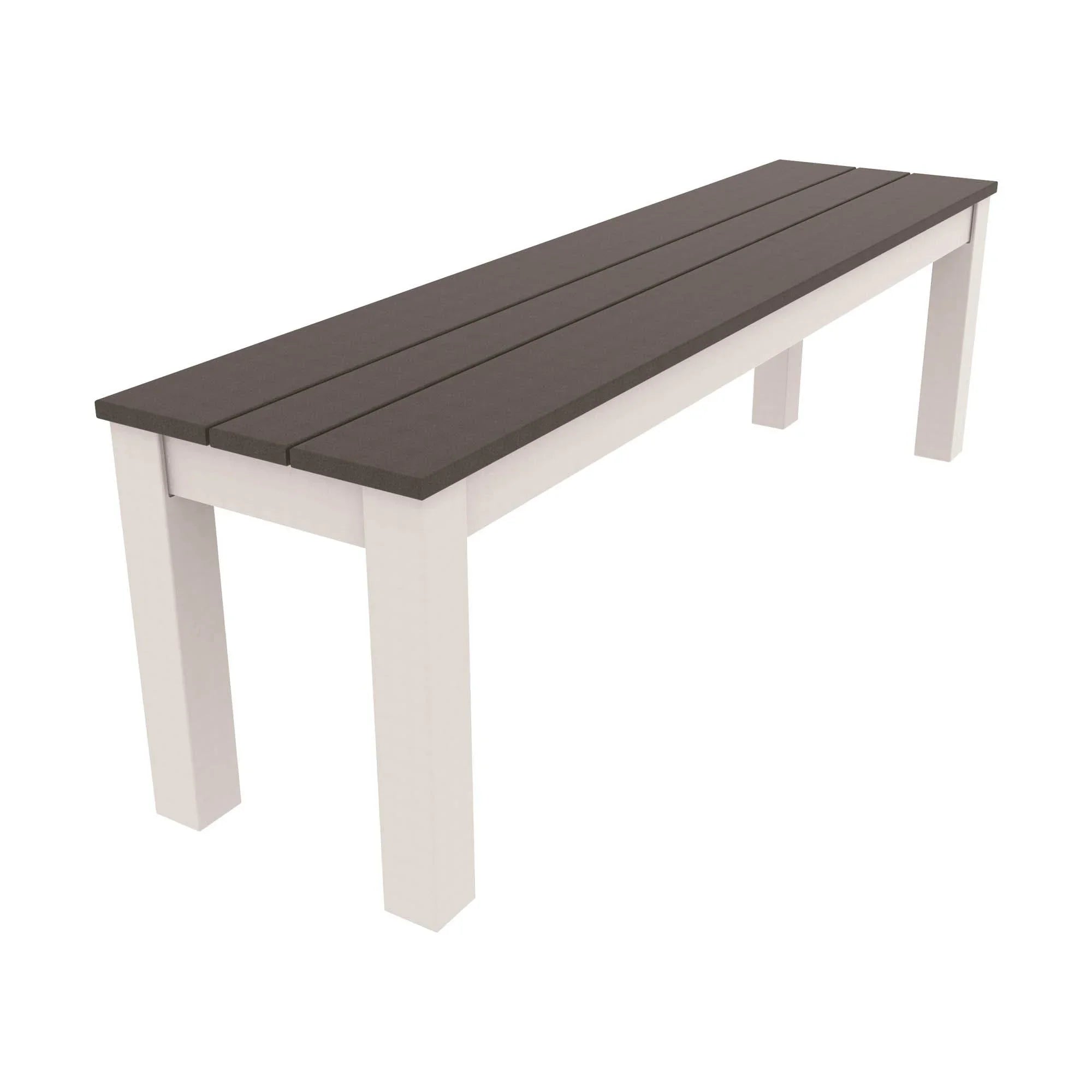
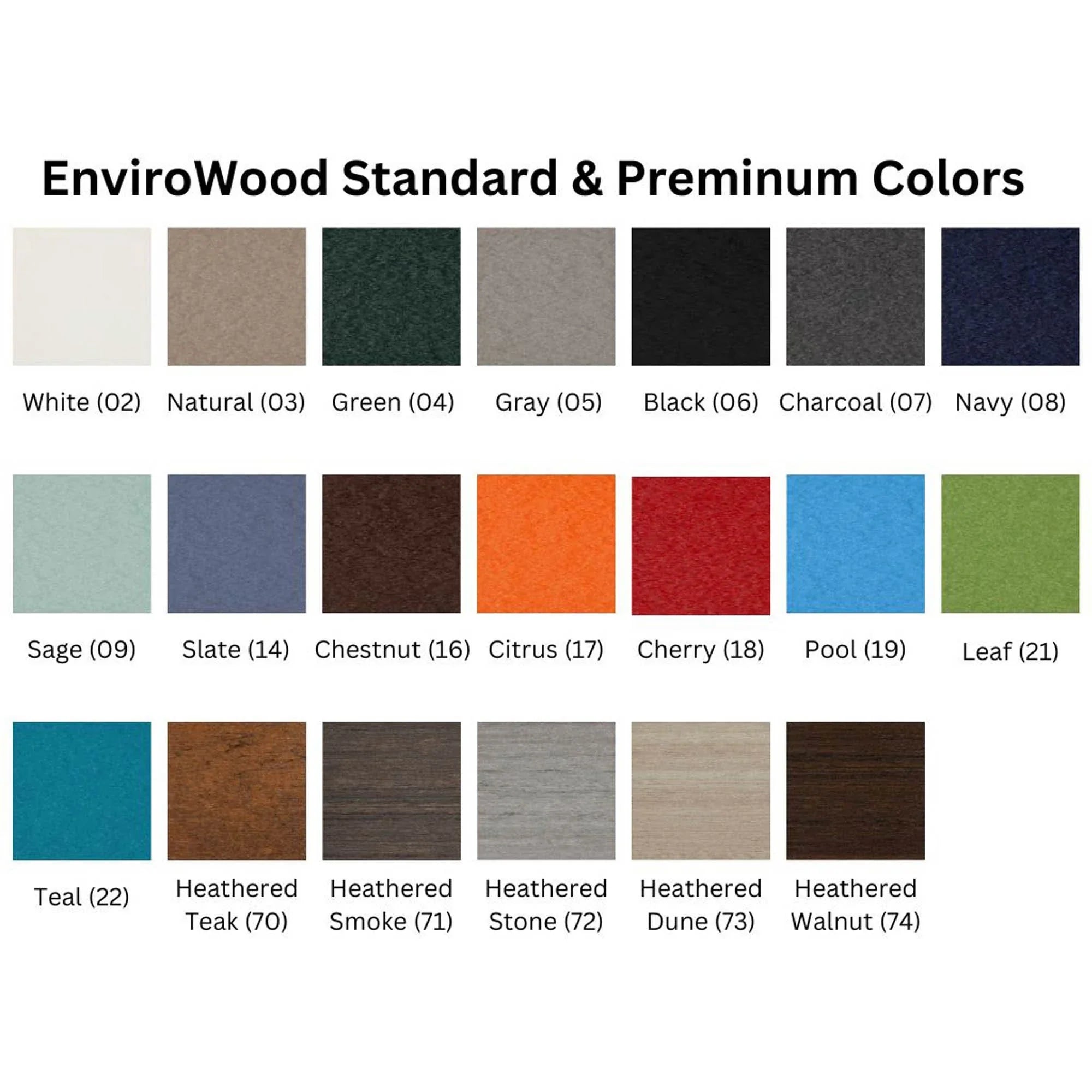
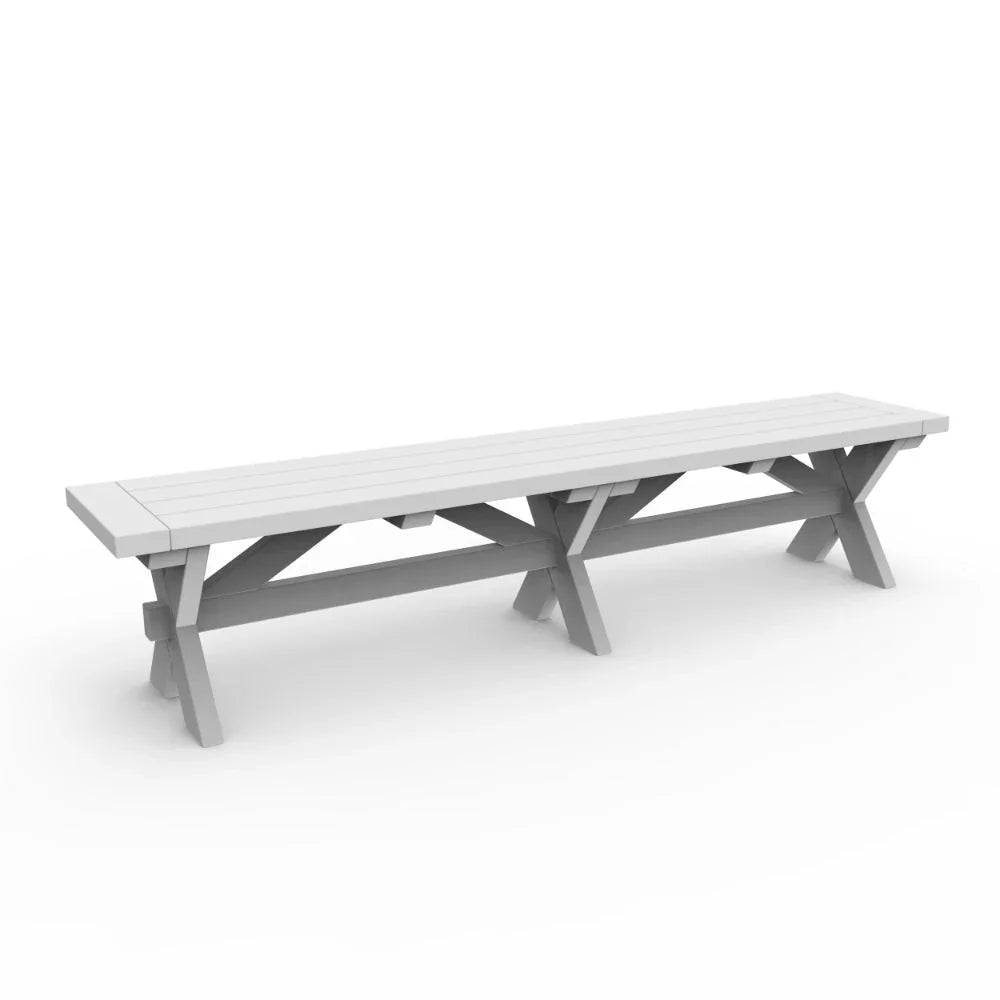
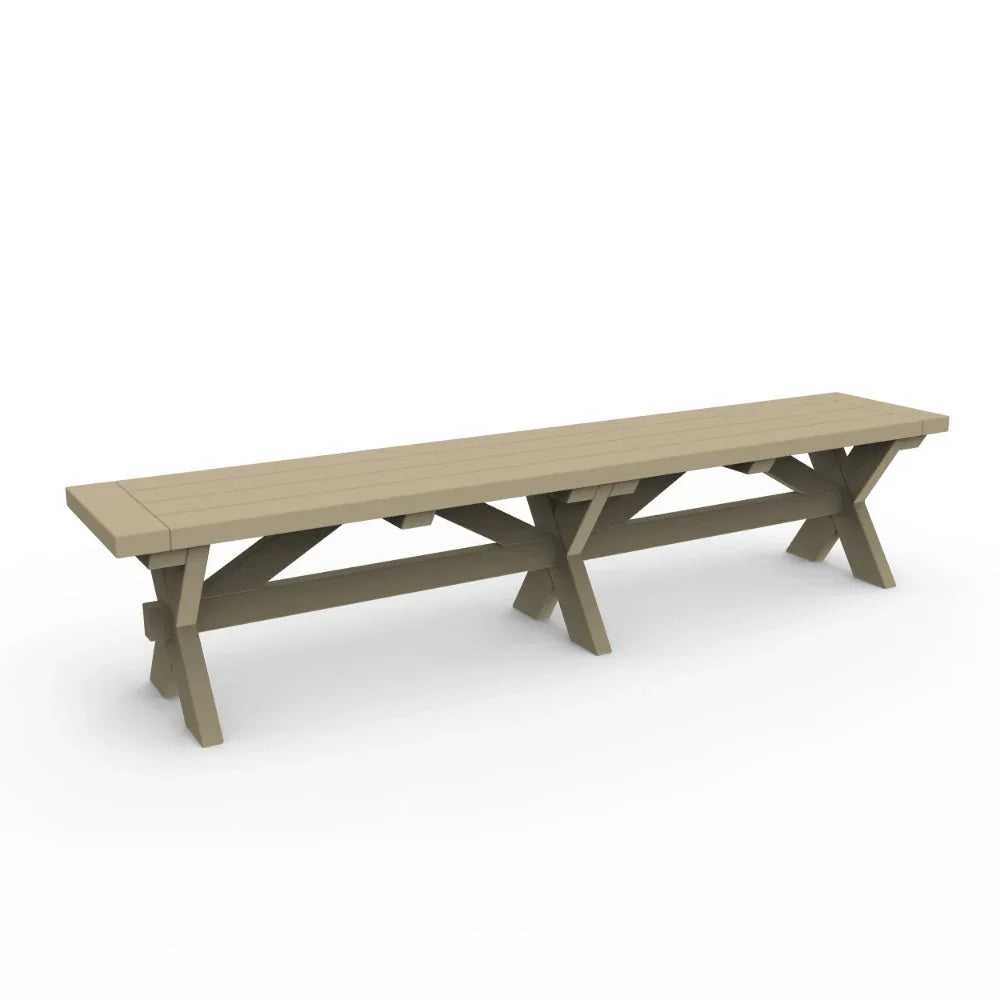
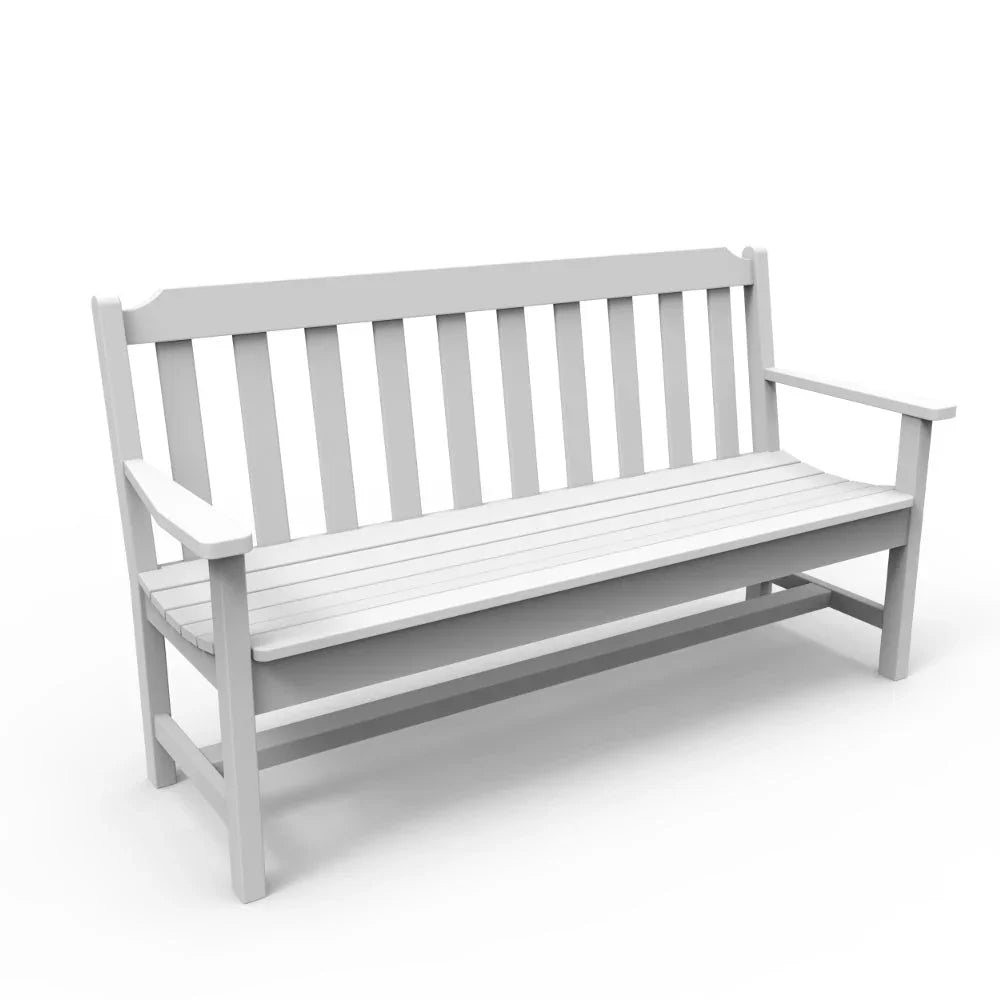
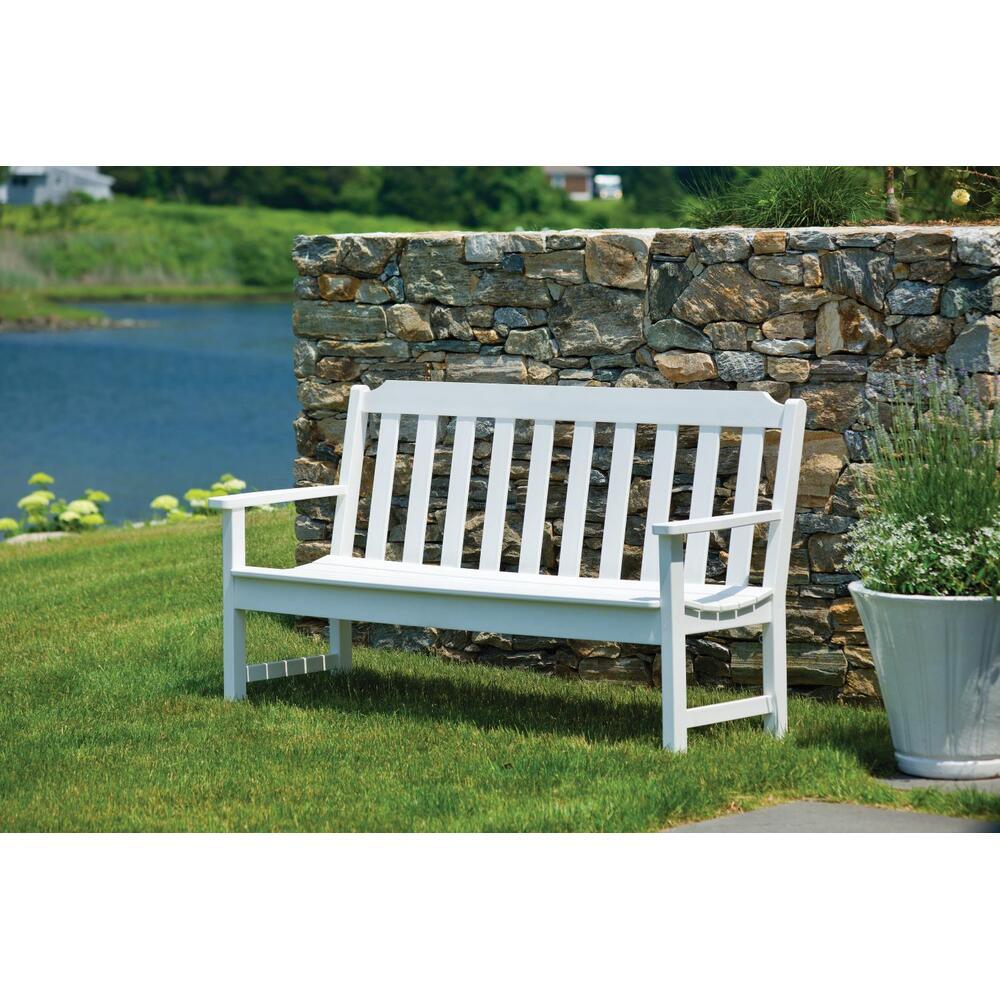
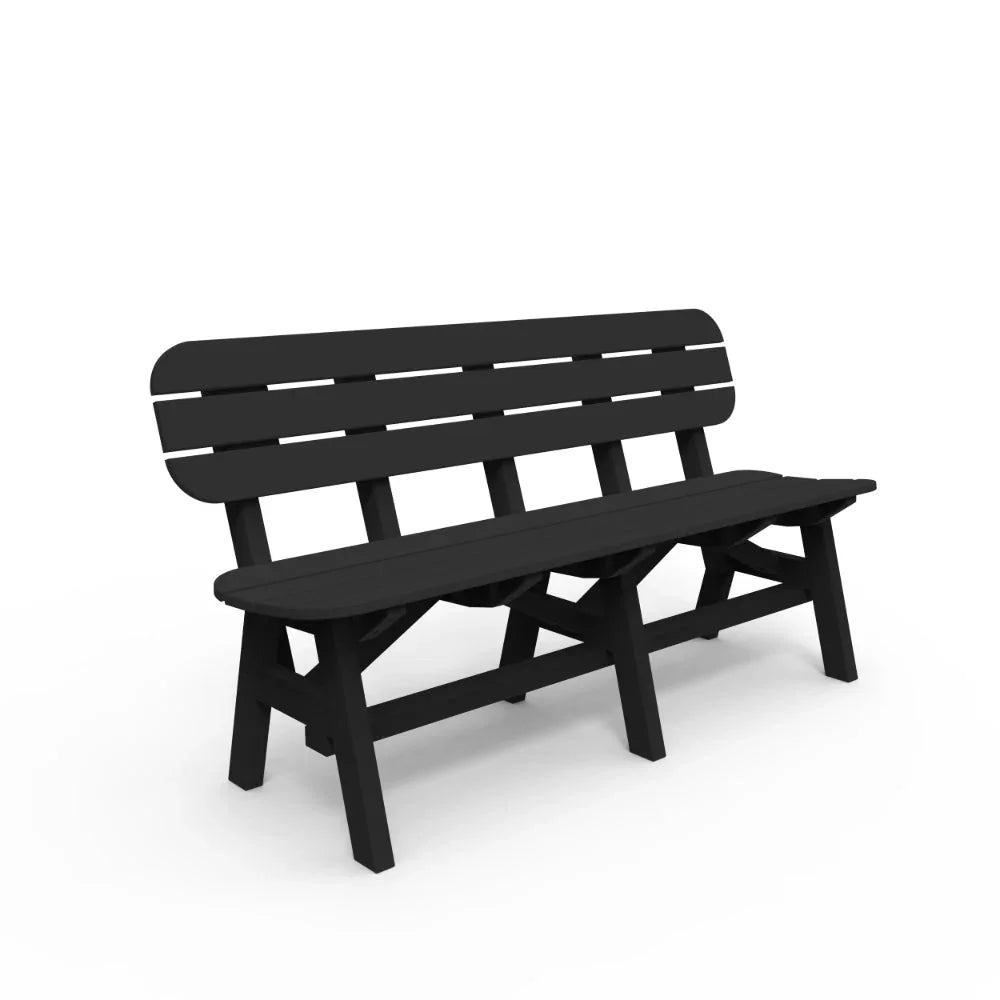
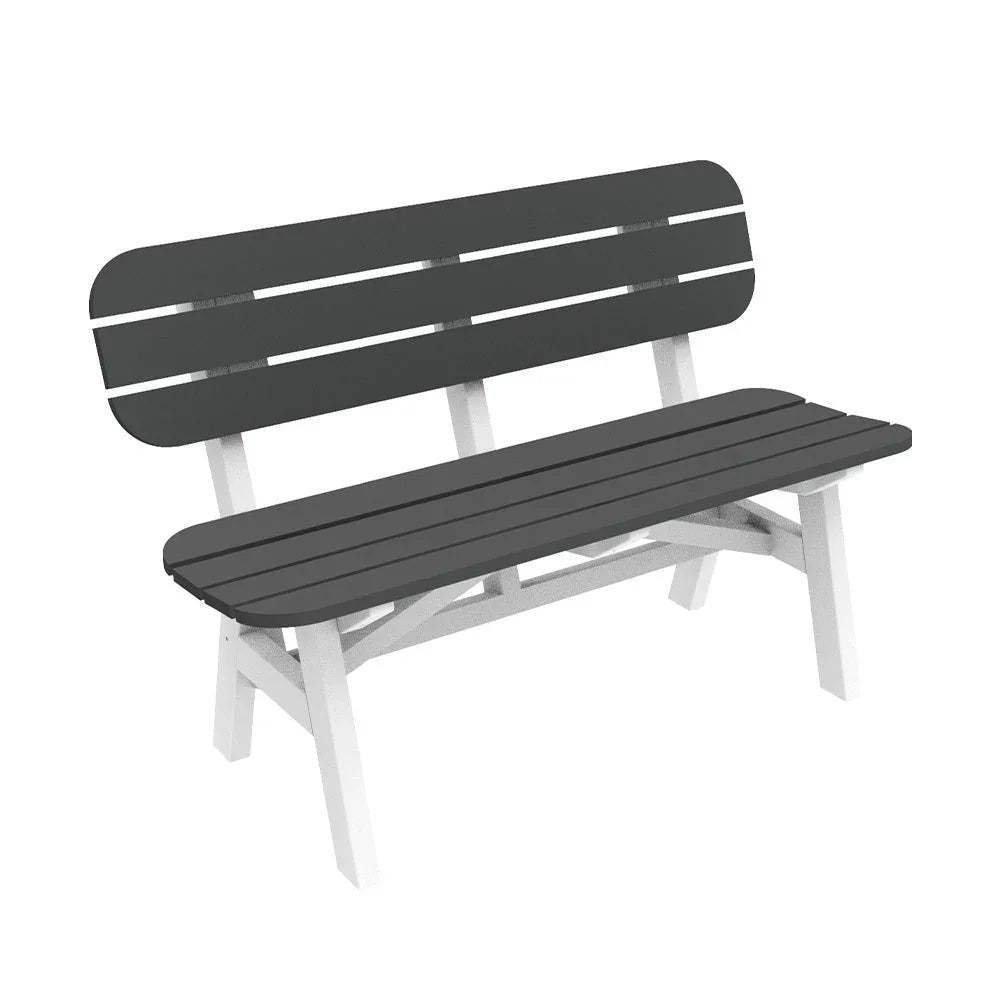
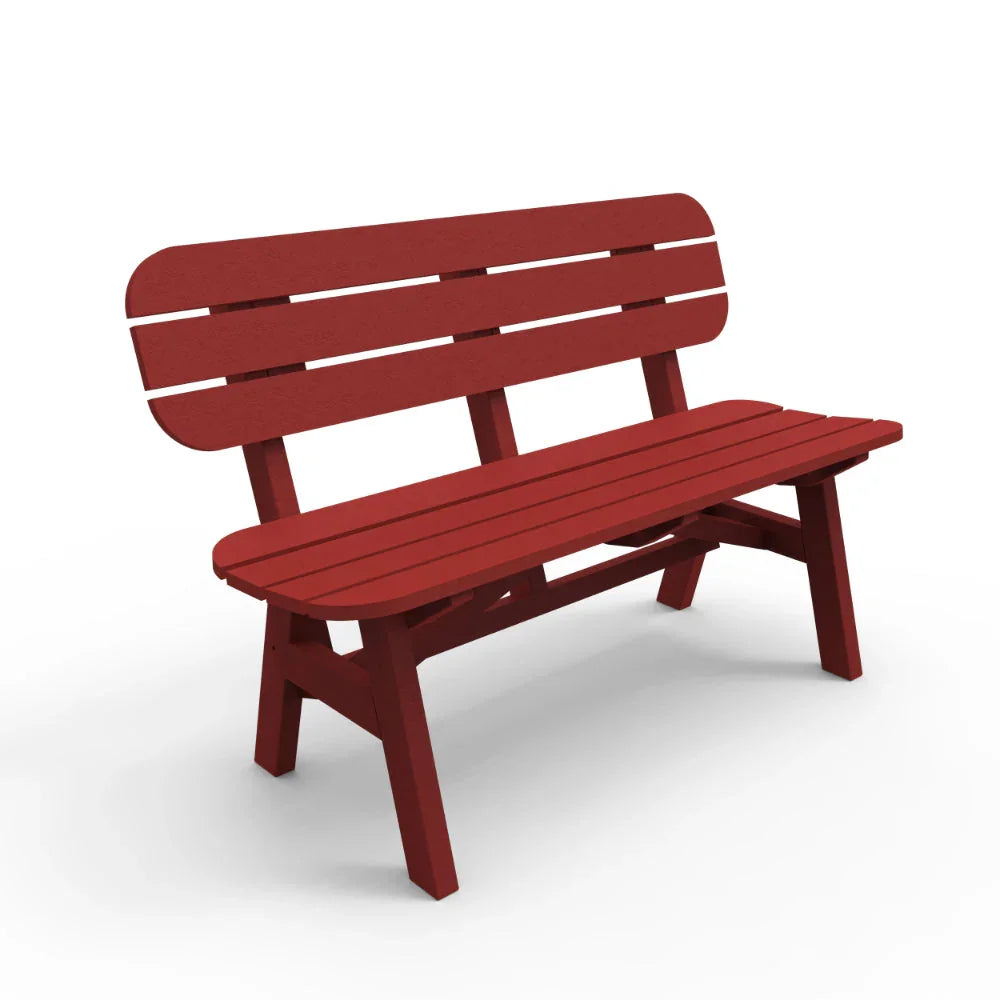
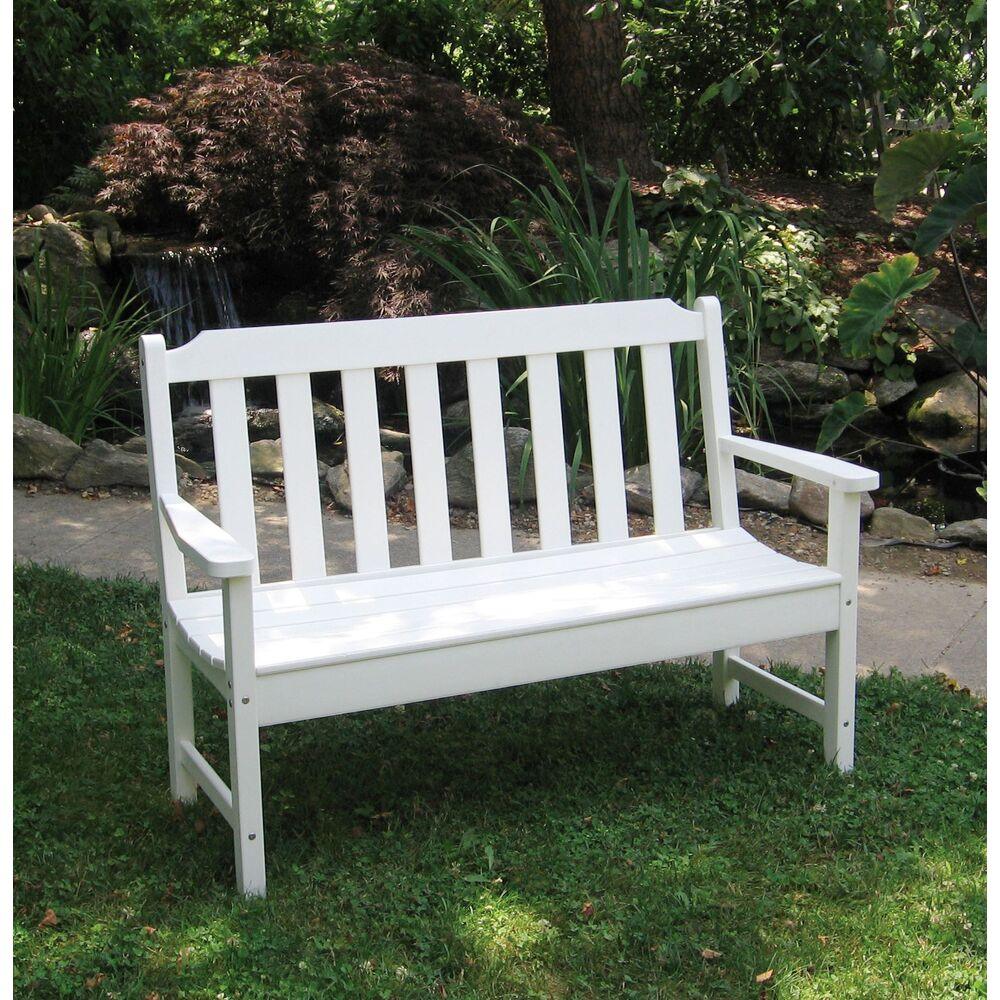
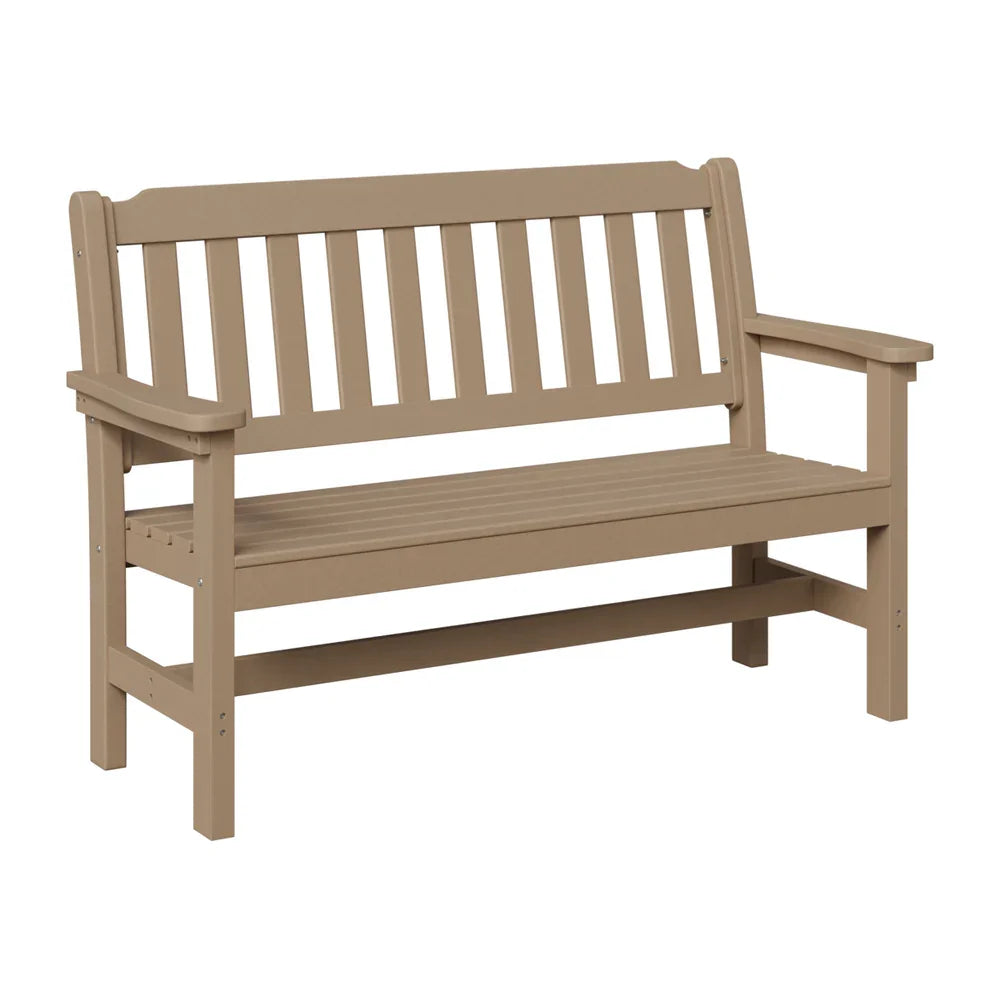
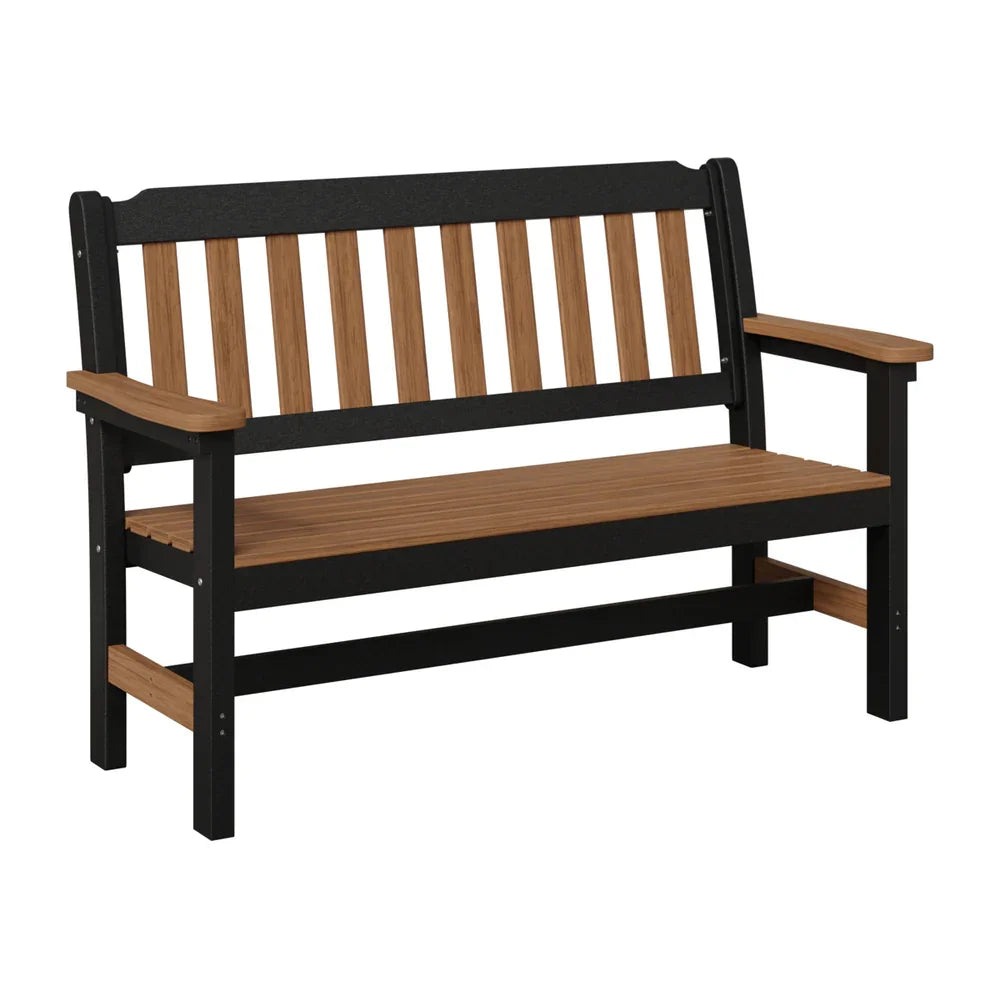
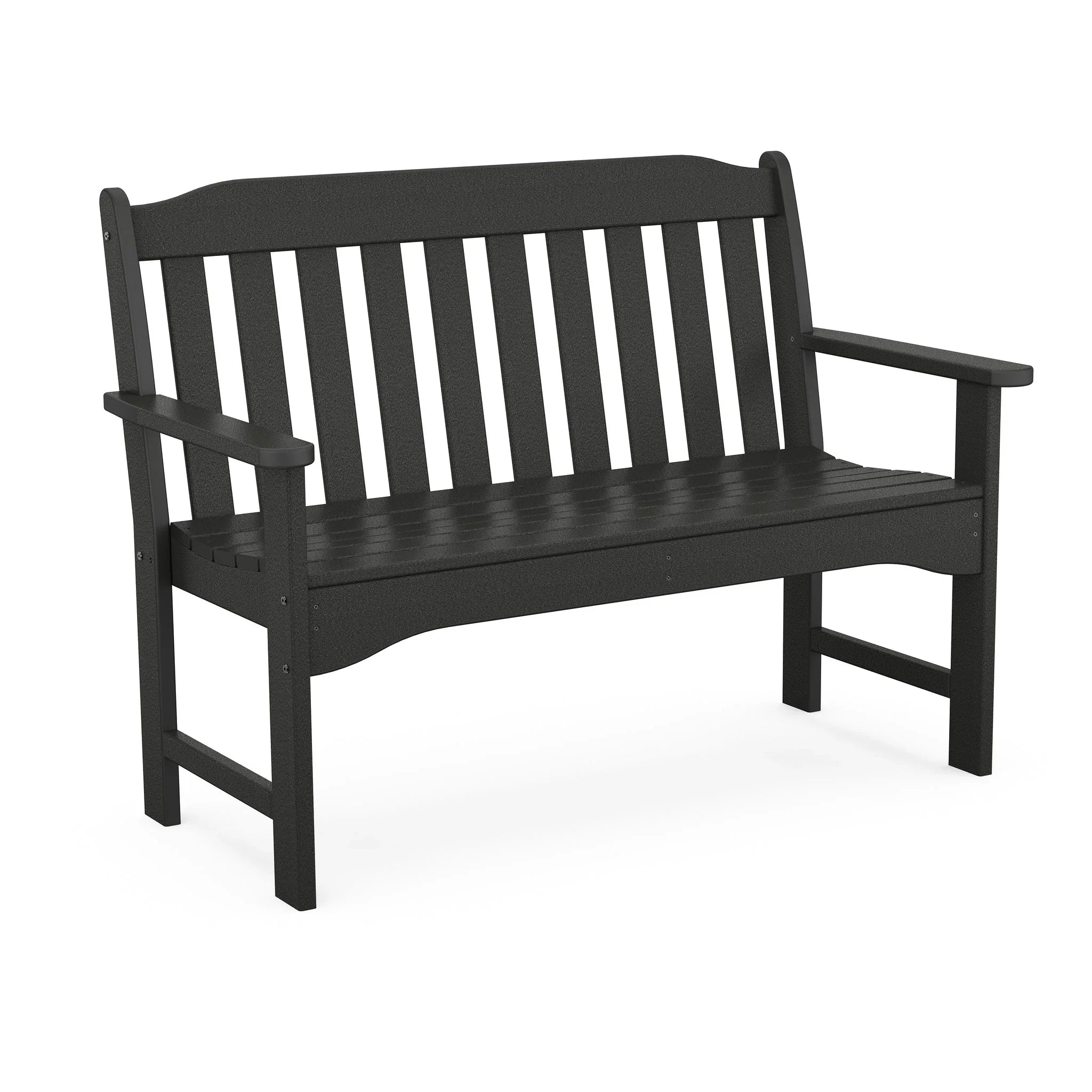
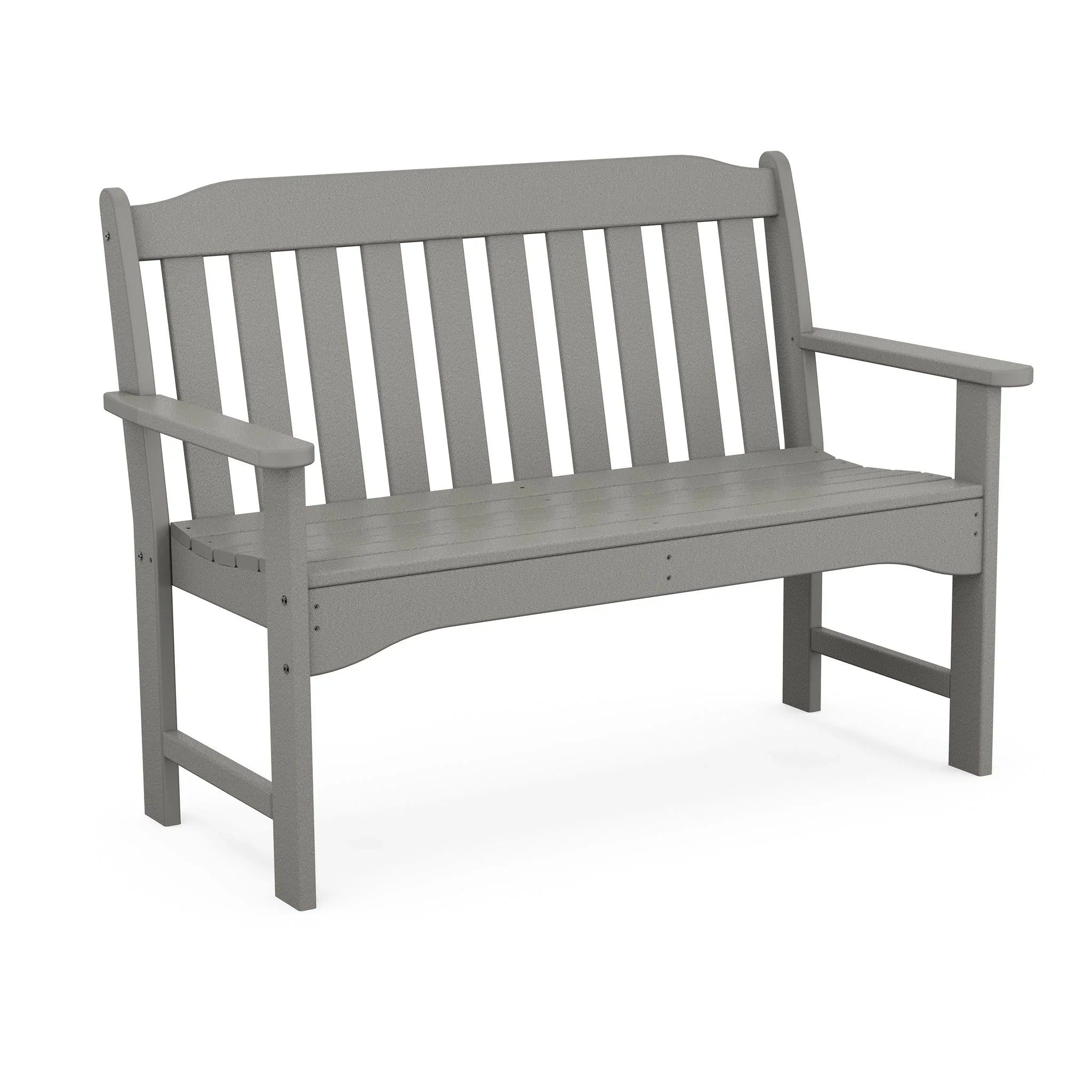
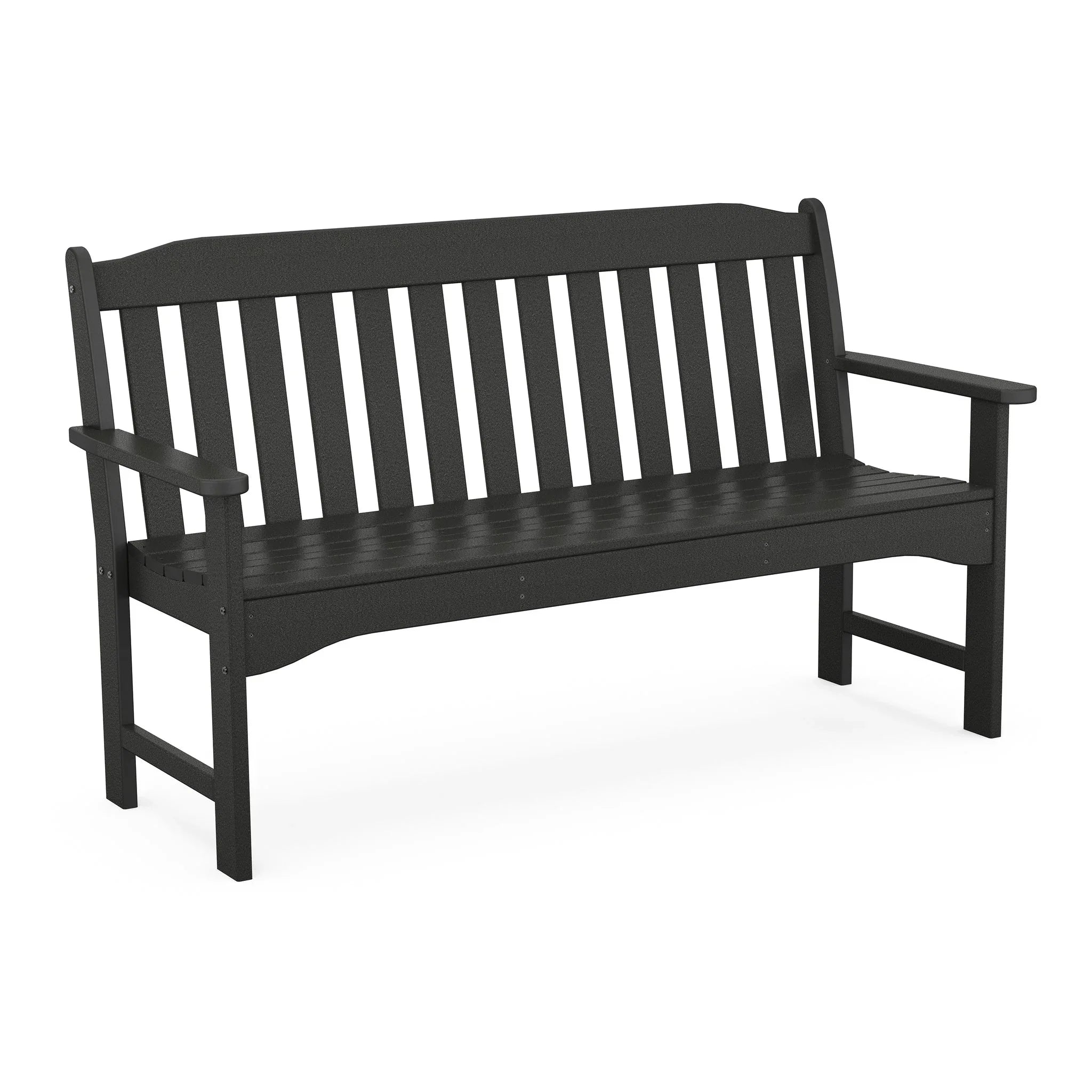
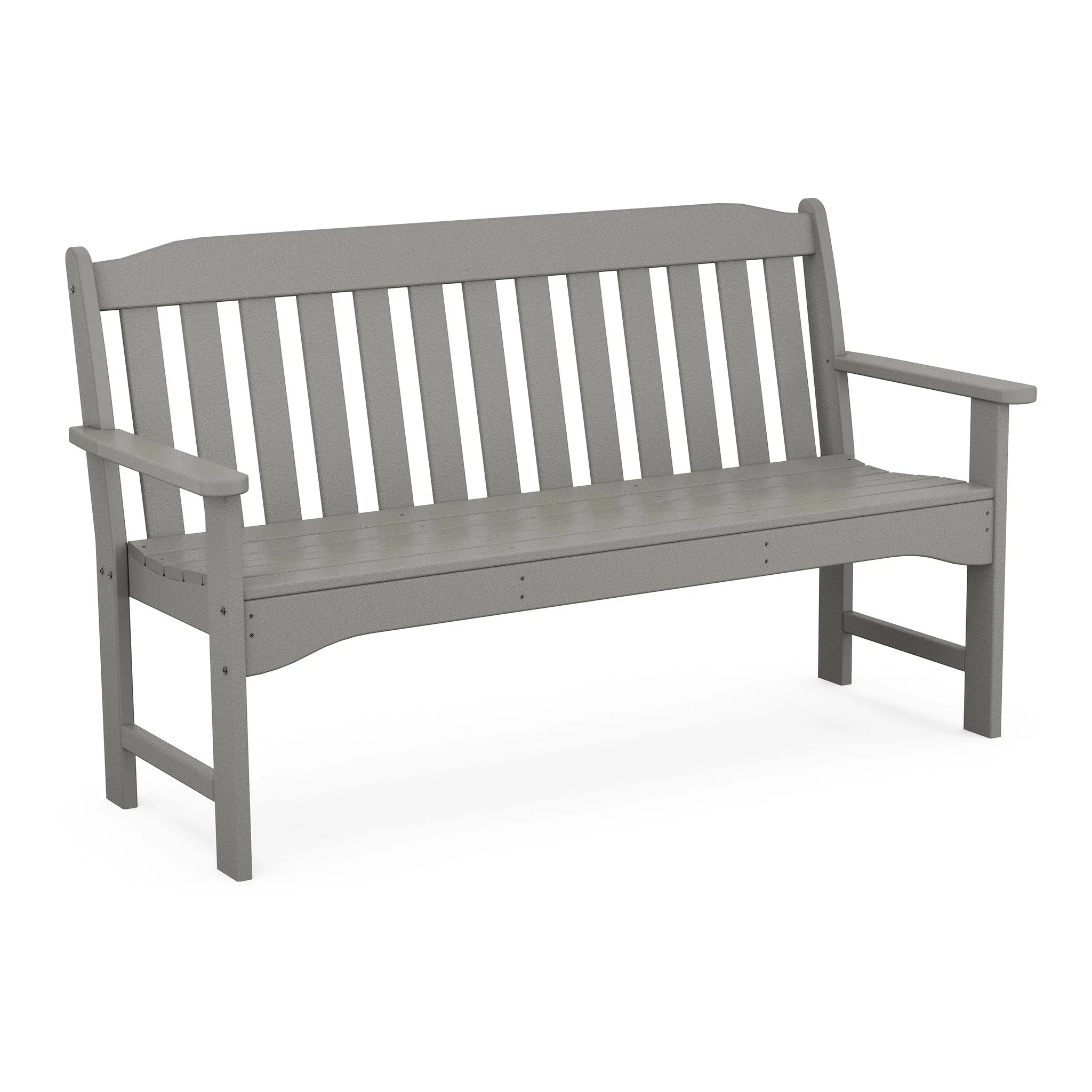
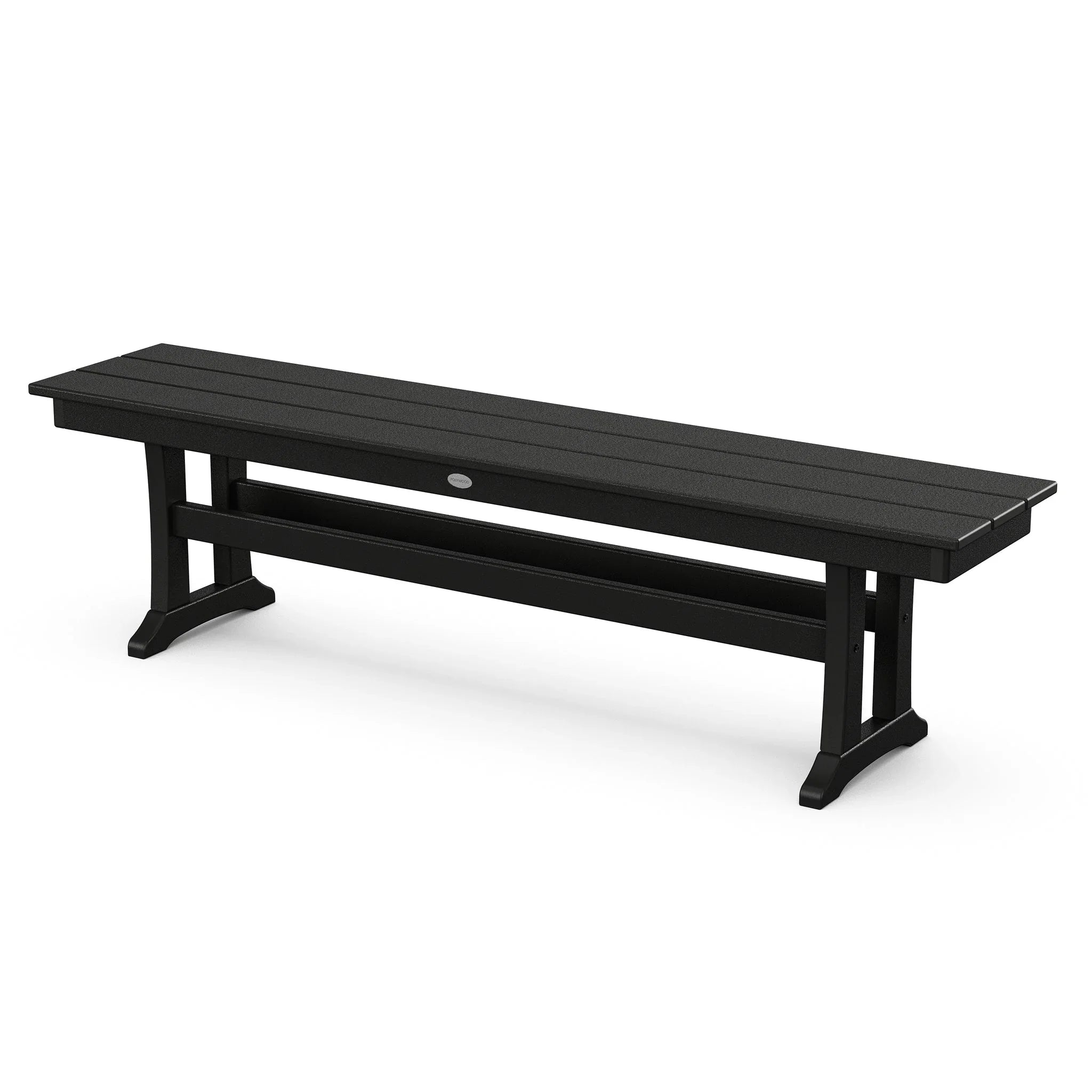
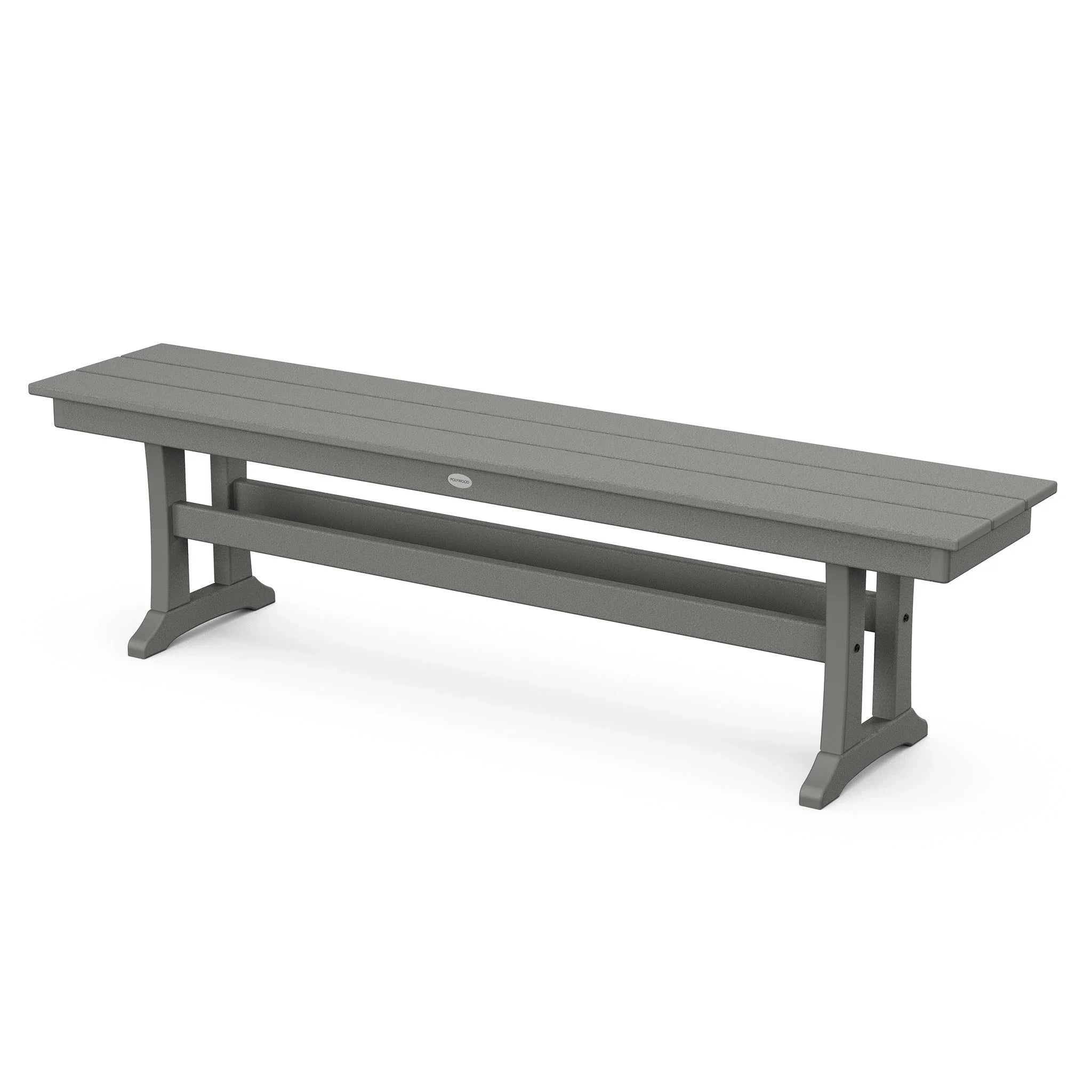
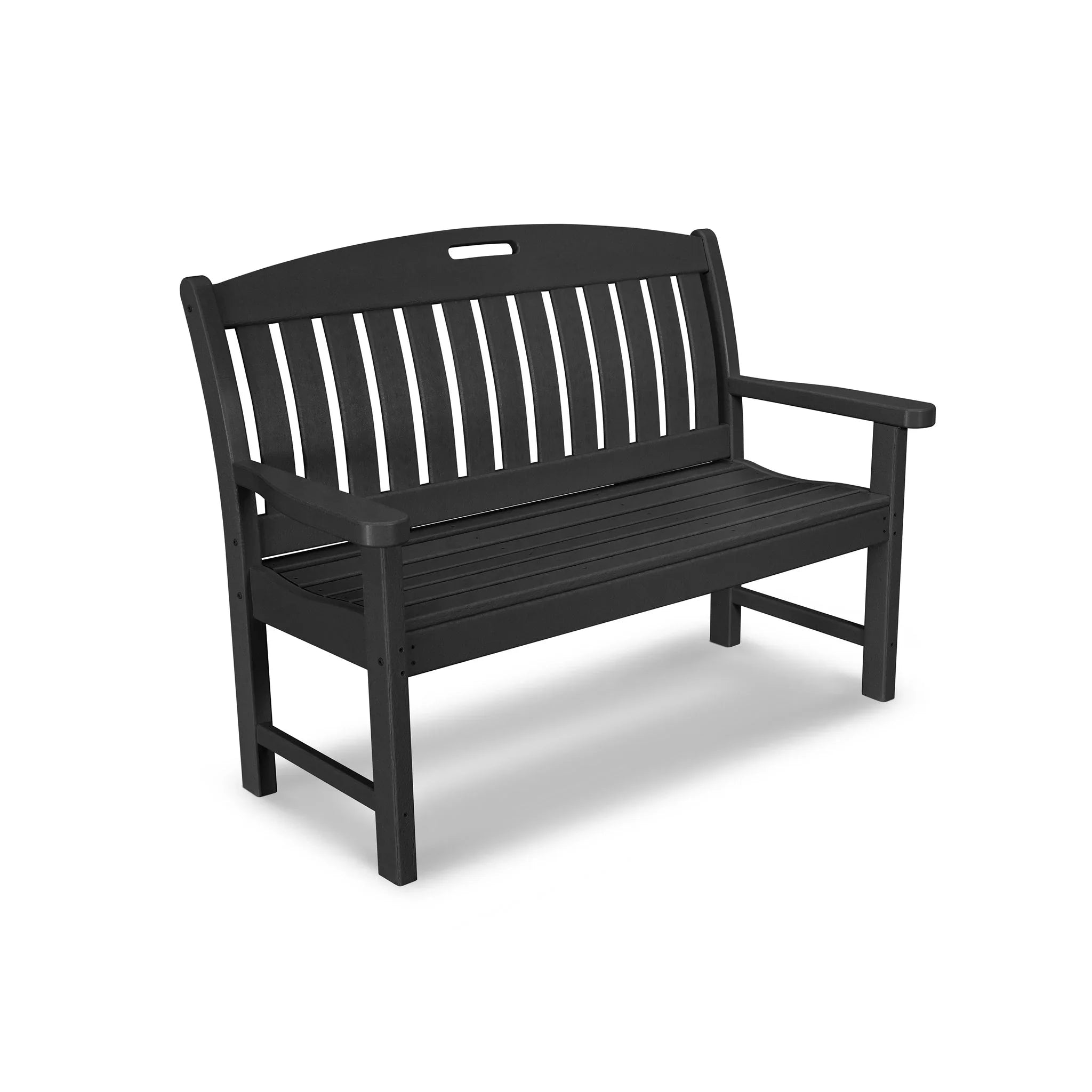
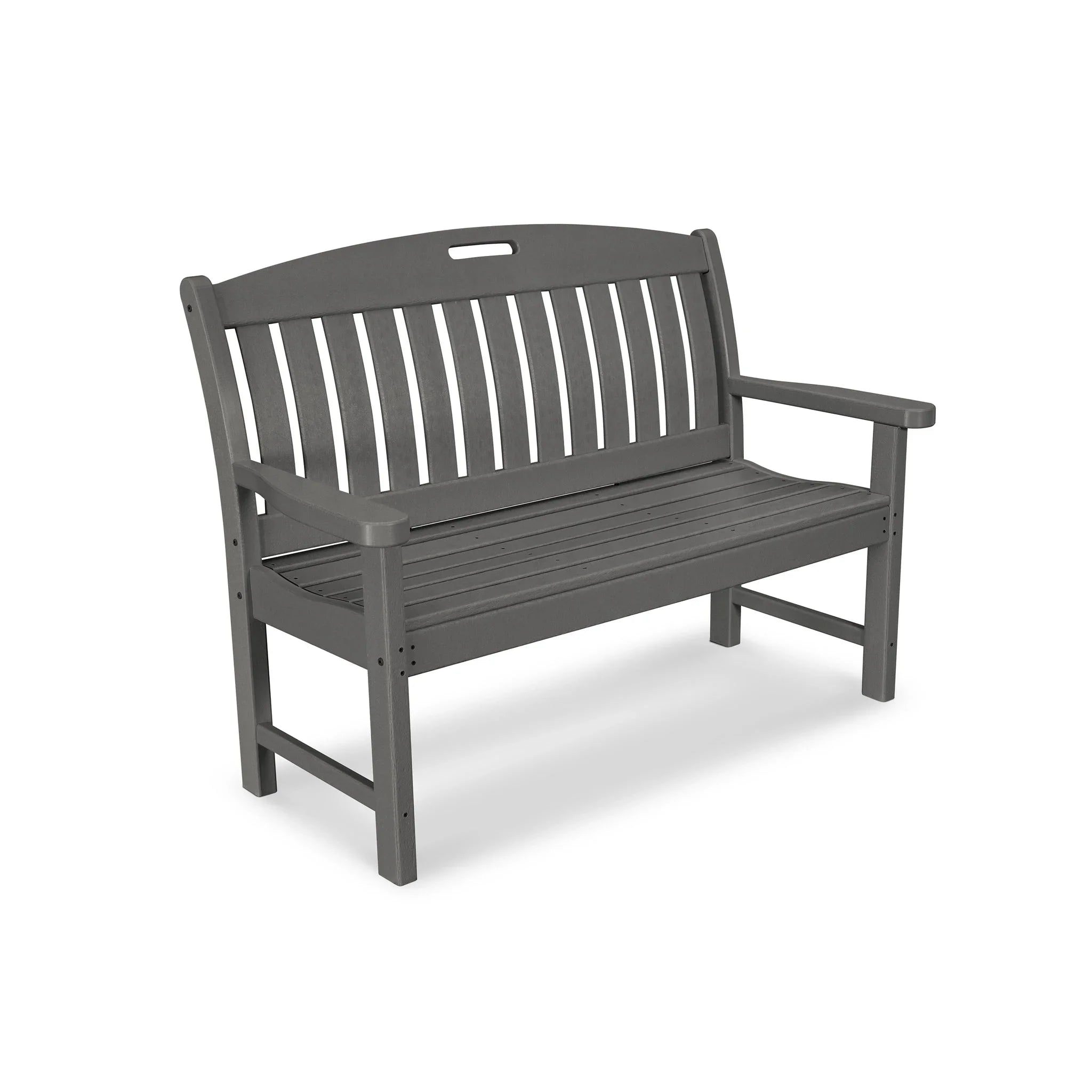
HDPE composite lumber, produced by American manufacturers like POLYWOOD, has become the dominant material for commercial outdoor benches because it removes the maintenance cycle almost entirely. POLYWOOD backs its lumber with a 20-year warranty and manufactures every piece in its Indiana and North Carolina facilities. The color is compounded through the full cross-section of each board during manufacturing. That structural detail matters for commercial properties. A scuff from luggage, a gouge from a groundskeeper's cart, a dent from a delivery handtruck does not expose raw substrate. The surface reads the same color at any depth, and no touch-up schedule follows.
Pool and spa environments make a particularly strong argument for poly lumber. Chlorine, salt air, and concentrated cleaning chemicals that degrade painted wood finishes or corrode steel hardware leave HDPE composite entirely unaffected. The material's cellular structure is impervious to moisture penetration, which means no swelling, no rot, and no rust-transfer staining on adjacent pavers. A resort grounds team managing 60 benches across the property can clean them all with soap and water and move on. No annual painting, no oiling schedule, no seasonal storage to coordinate.
Teak: Warm Grain for Covered Entrances and Boutique Courtyards
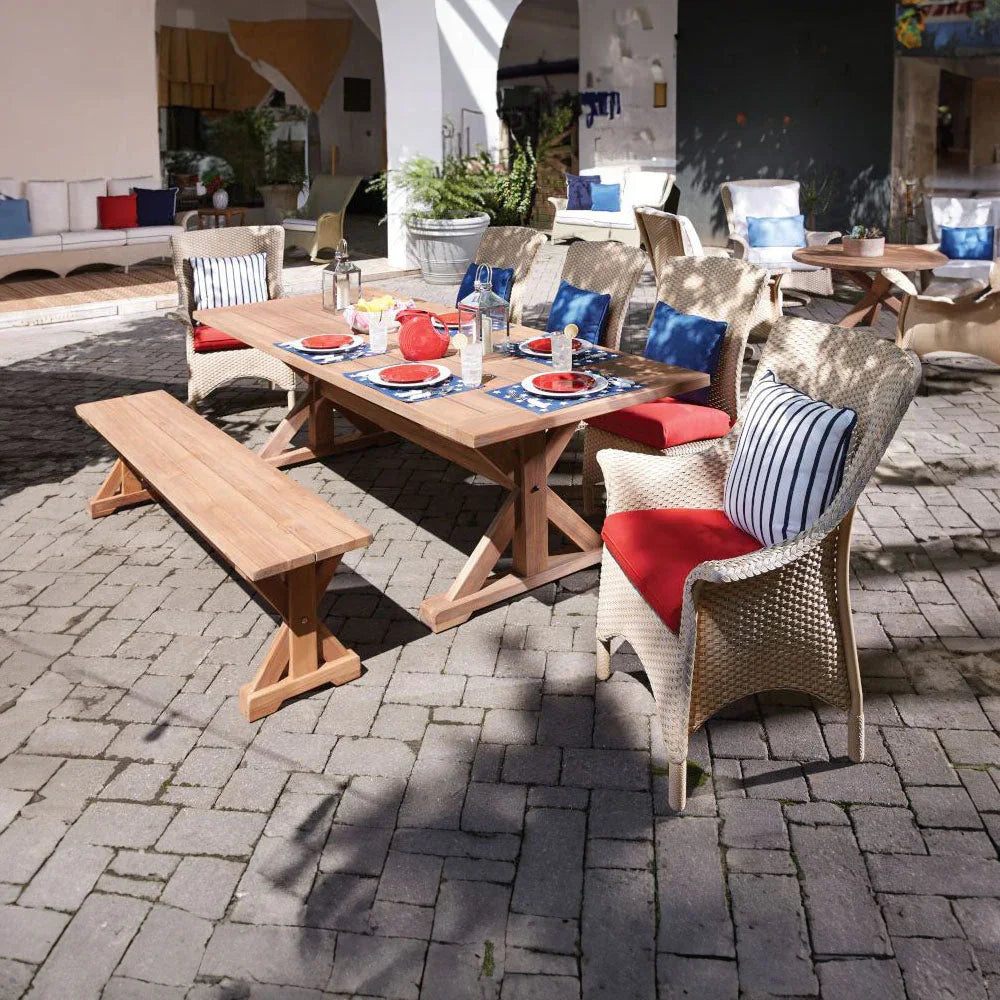
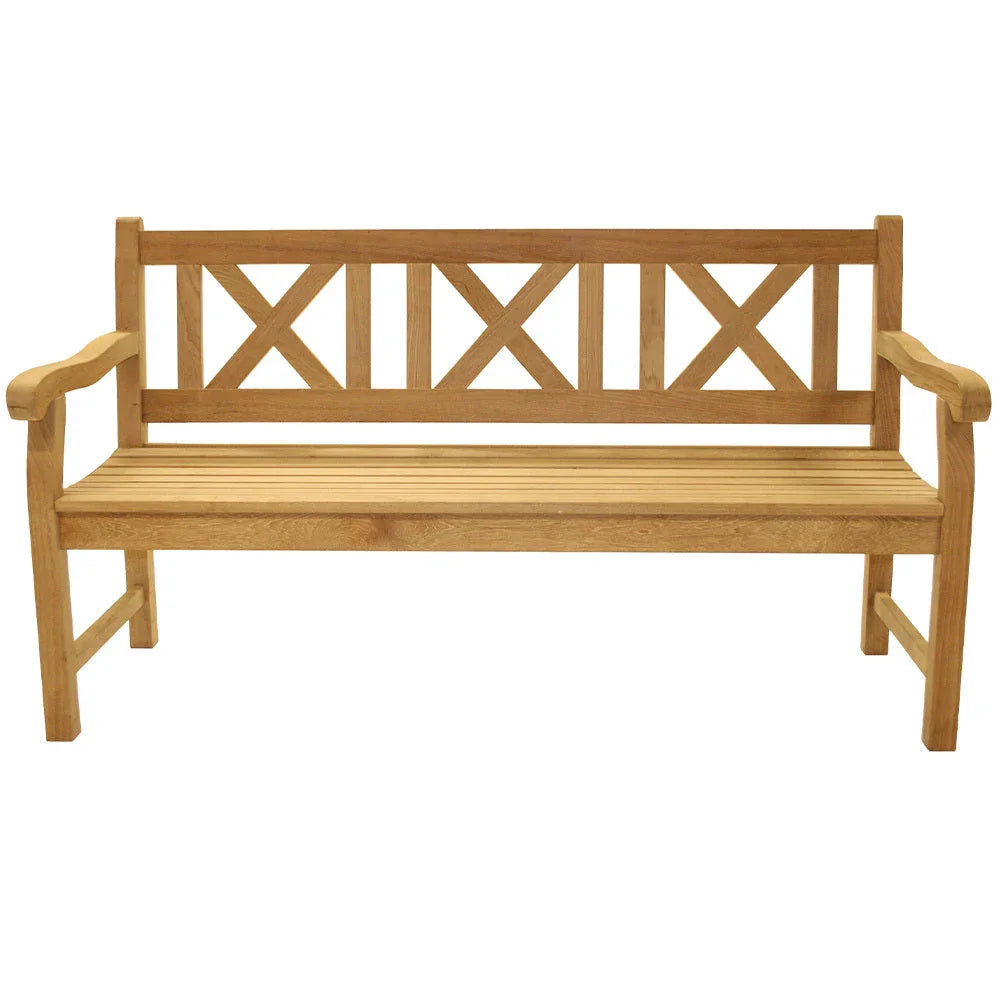
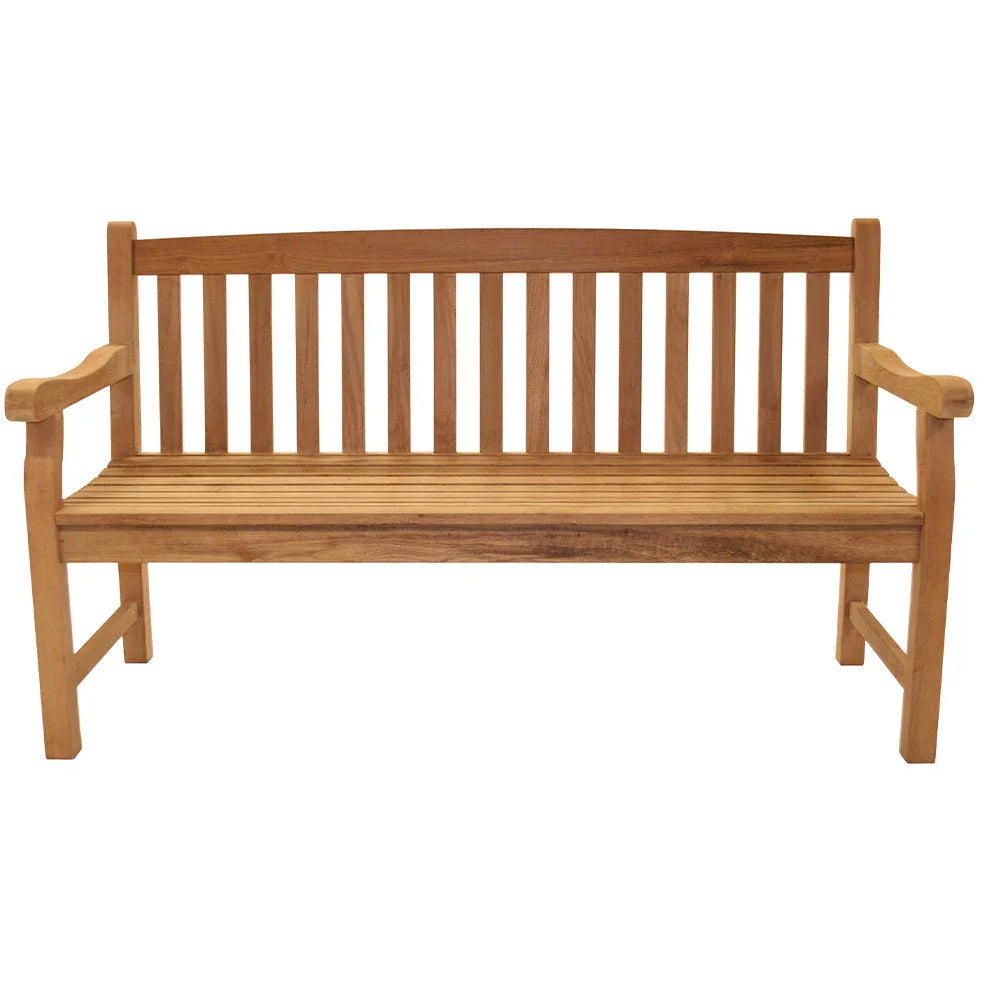
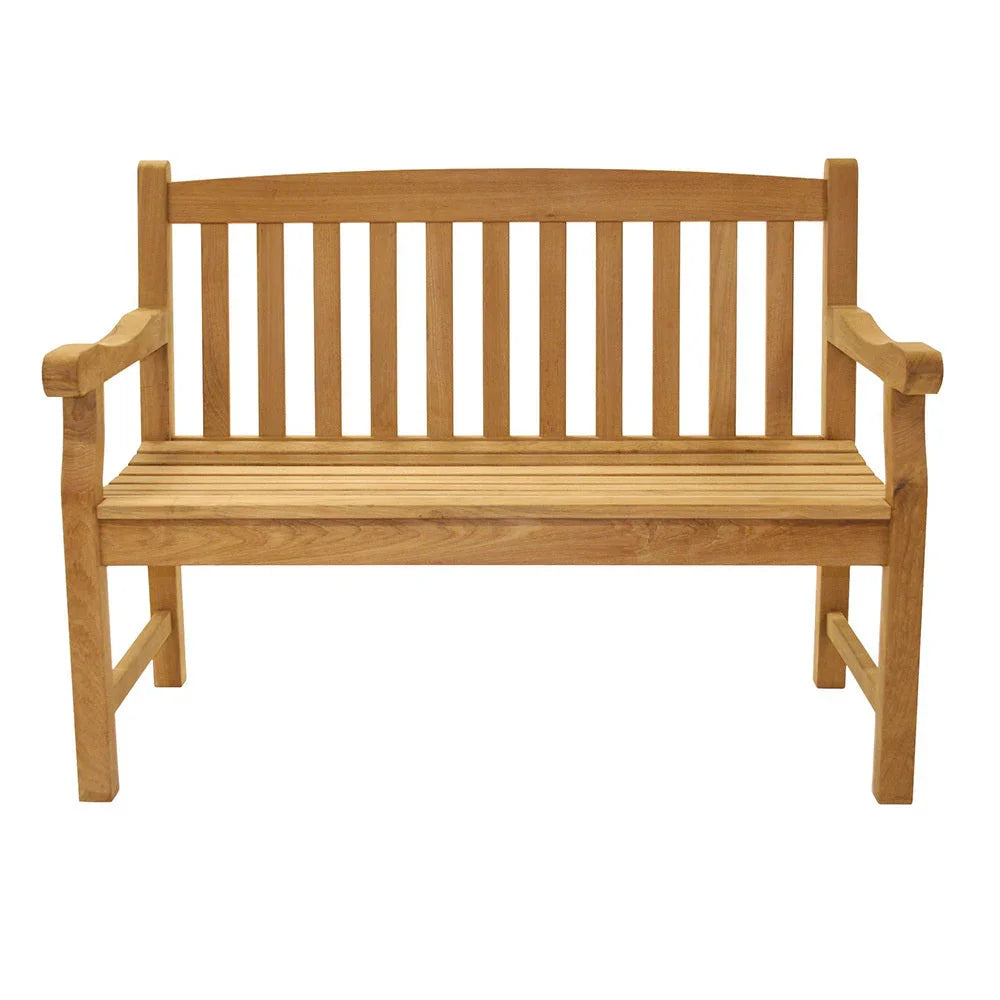
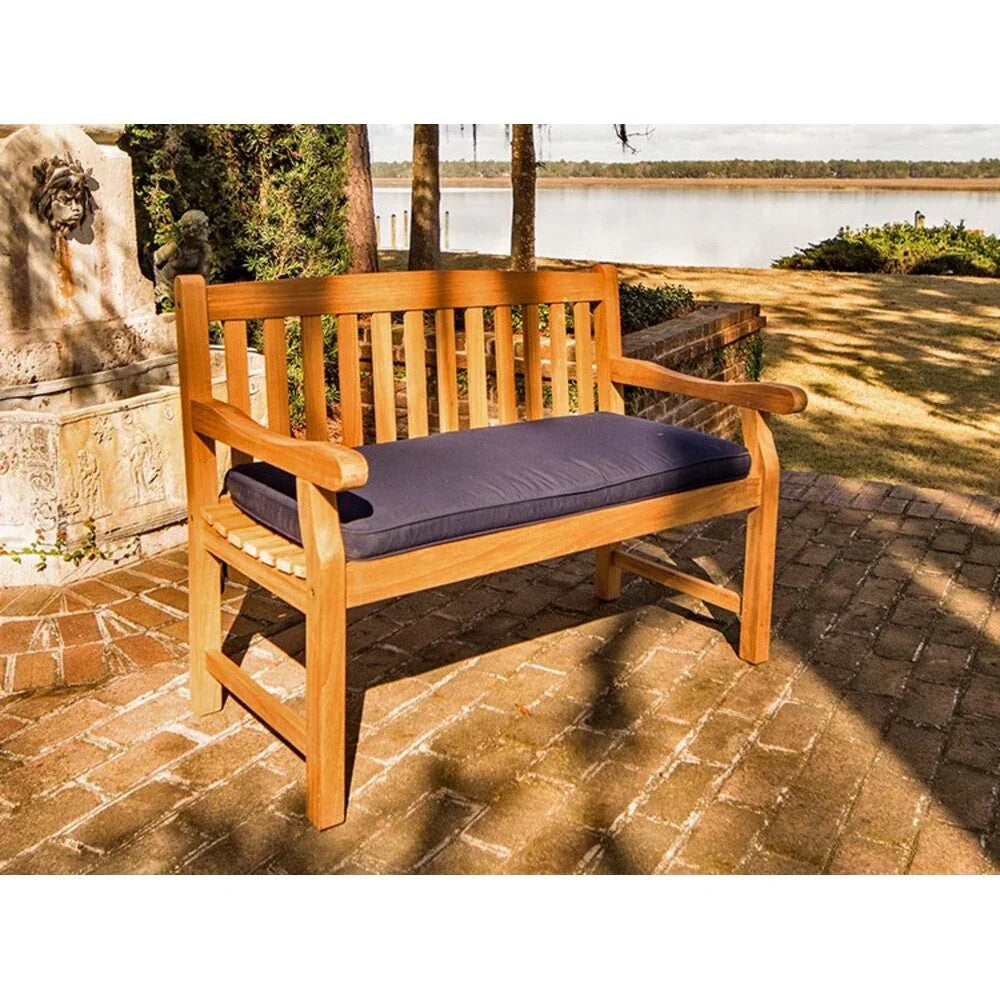
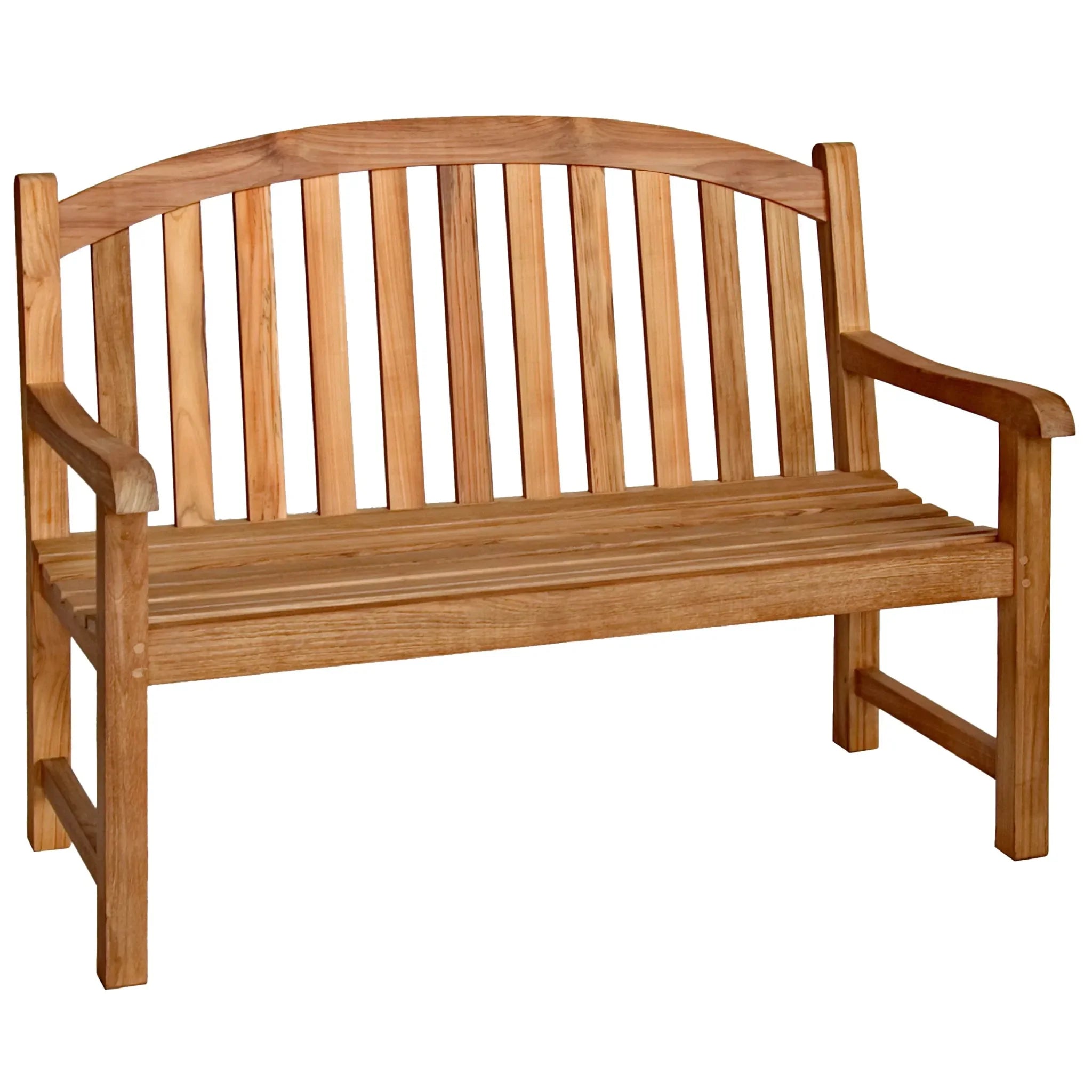
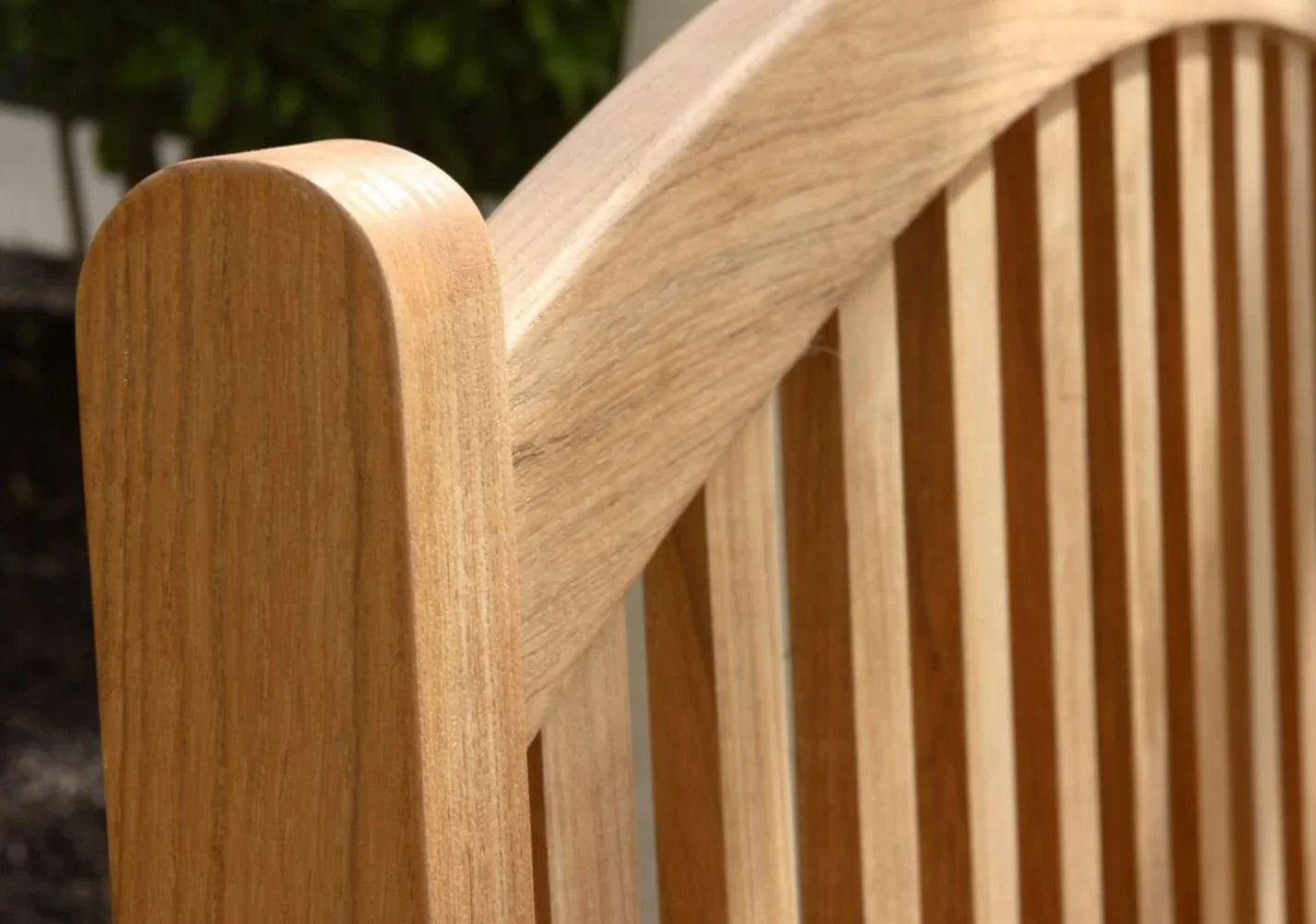
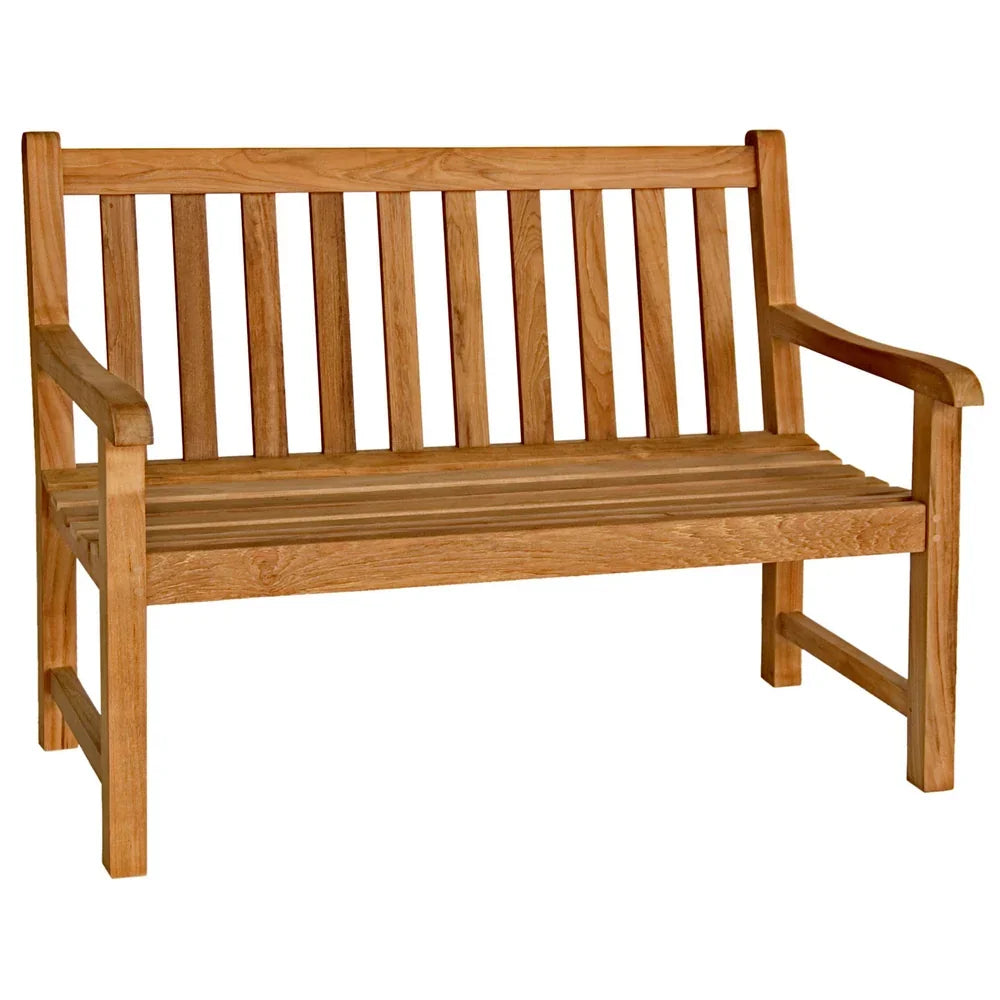
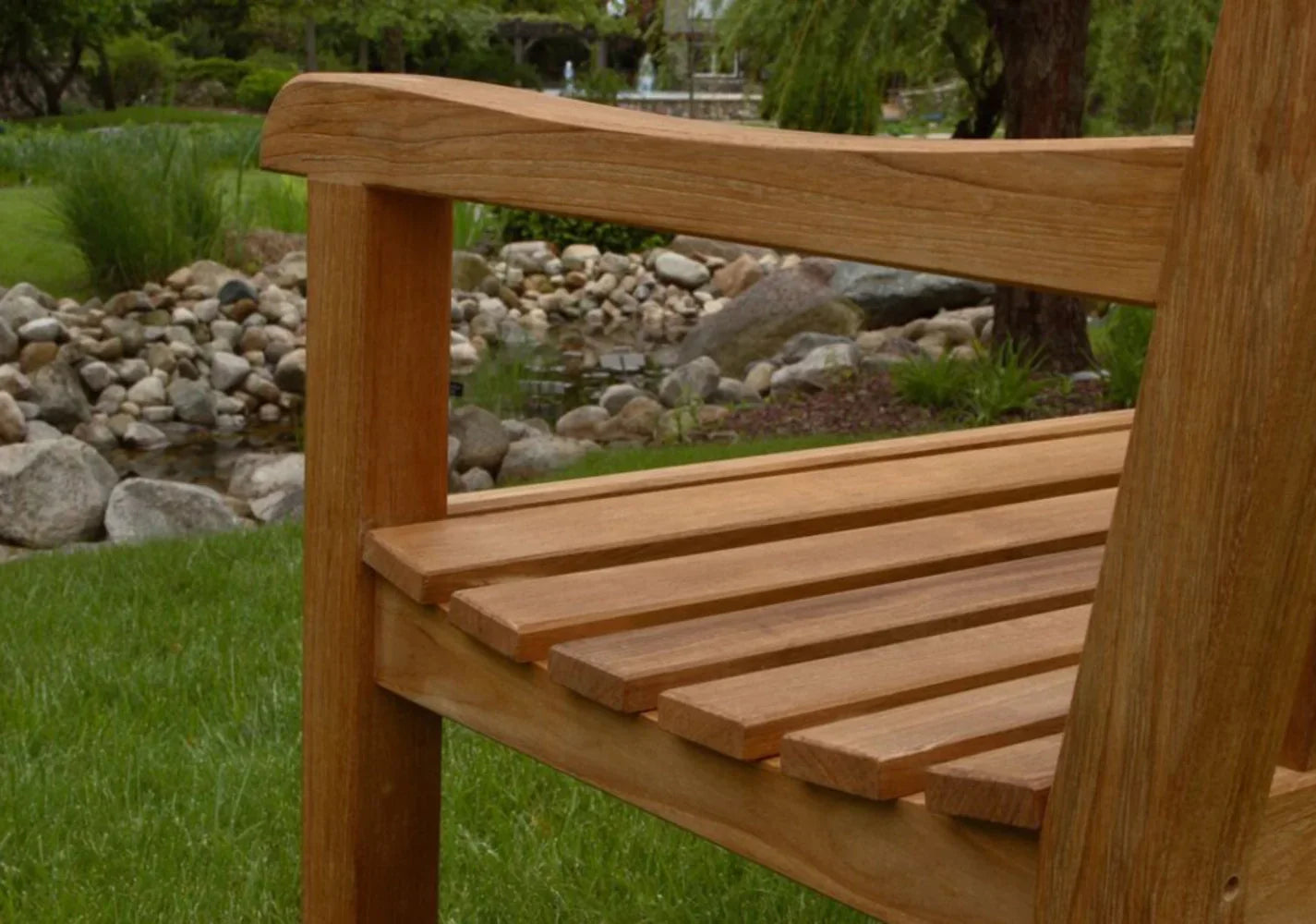
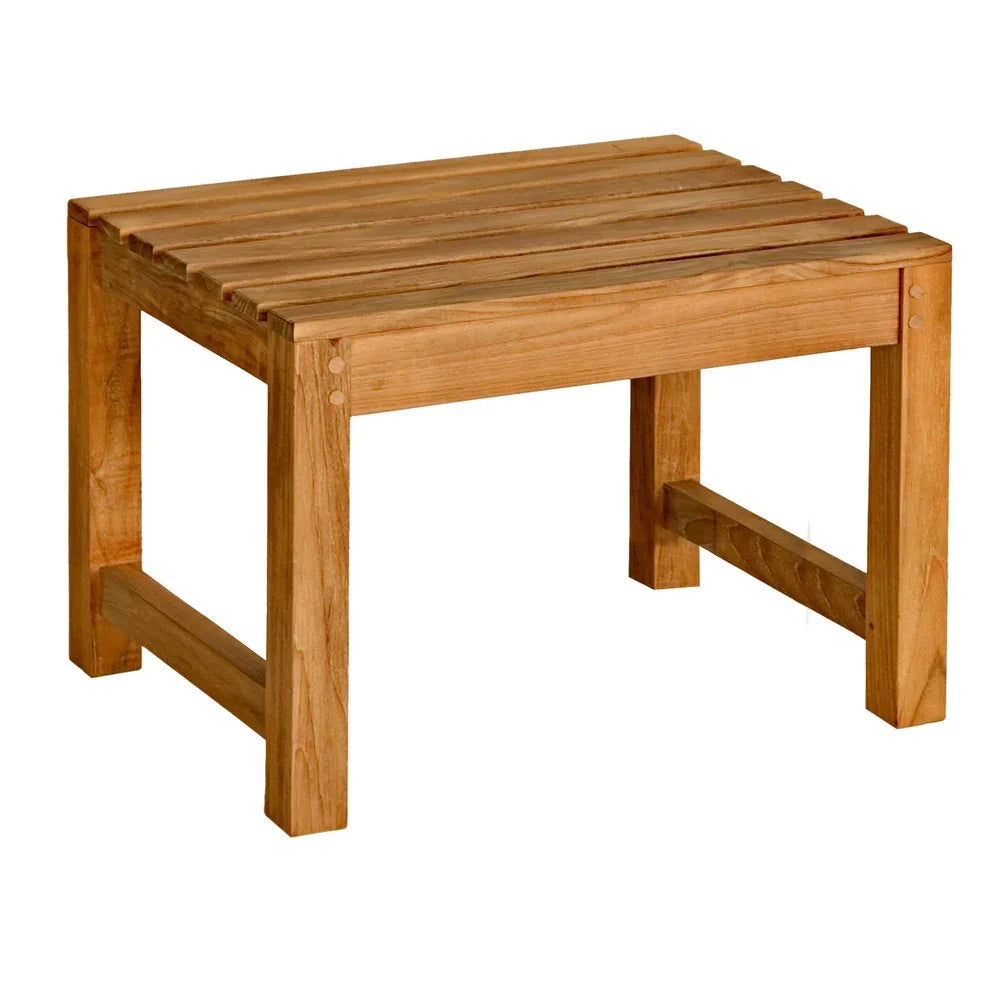
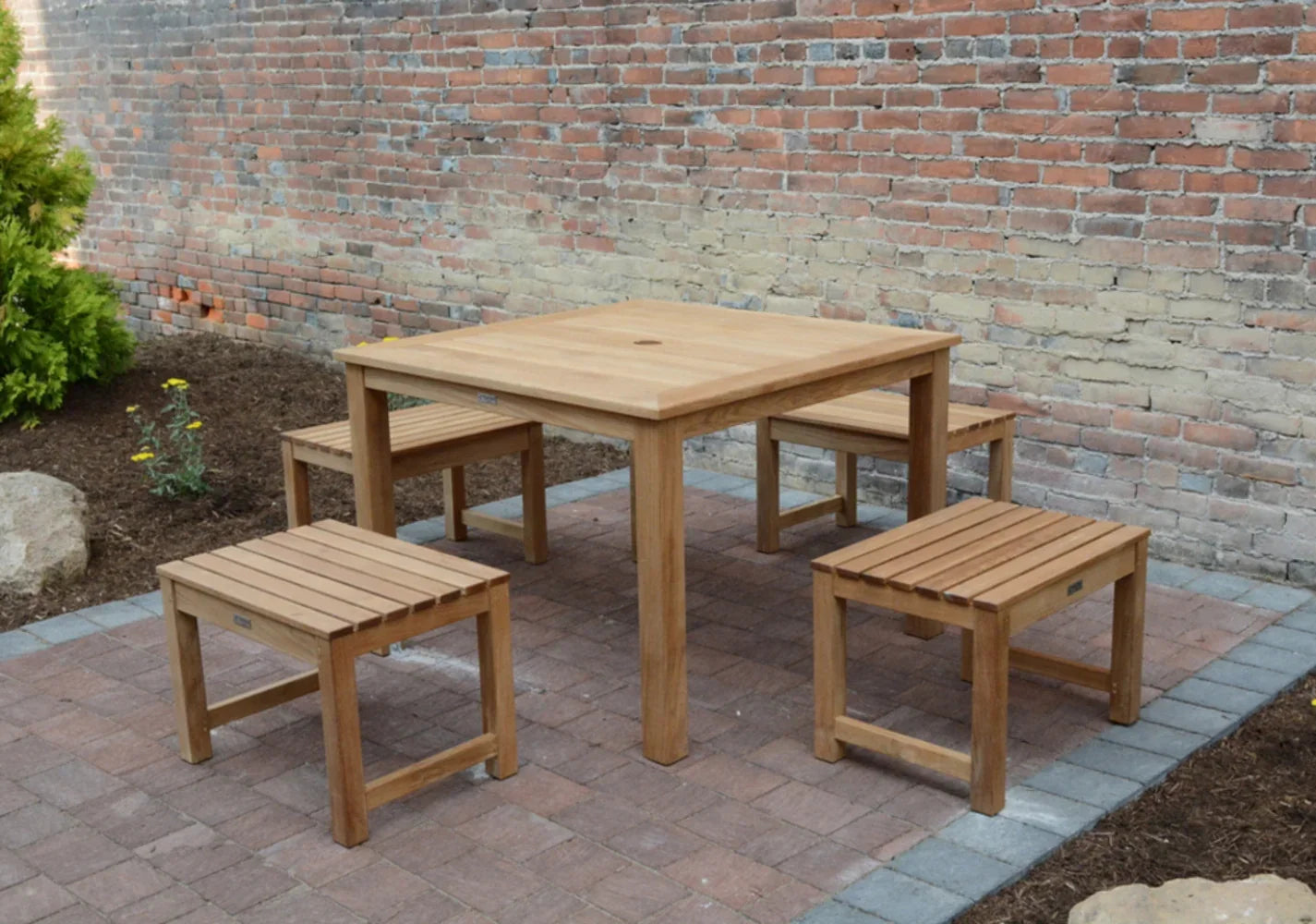
Teak earns its specification in commercial settings where the material itself signals property quality to arriving guests. The wood's silica content makes it resistant to moisture without chemical preservatives, and it weathers into a distinguished silver-gray patina if left untreated. Boutique hotel courtyards, shaded spa walkways, covered restaurant terraces: these are the environments where teak communicates a level of sophisticated warmth that powder-coated aluminum cannot replicate.
For operators who prefer the original honey tone, a light oiling once a season maintains it. In either case, teak is not the right call for open pool decks or areas subject to aggressive chemical cleaning. Its natural home in a commercial setting is a covered or semi-covered space where its grain and warmth read as deliberate, not accidental.
Powder-Coated Aluminum and Steel: Sleek Performance at Volume
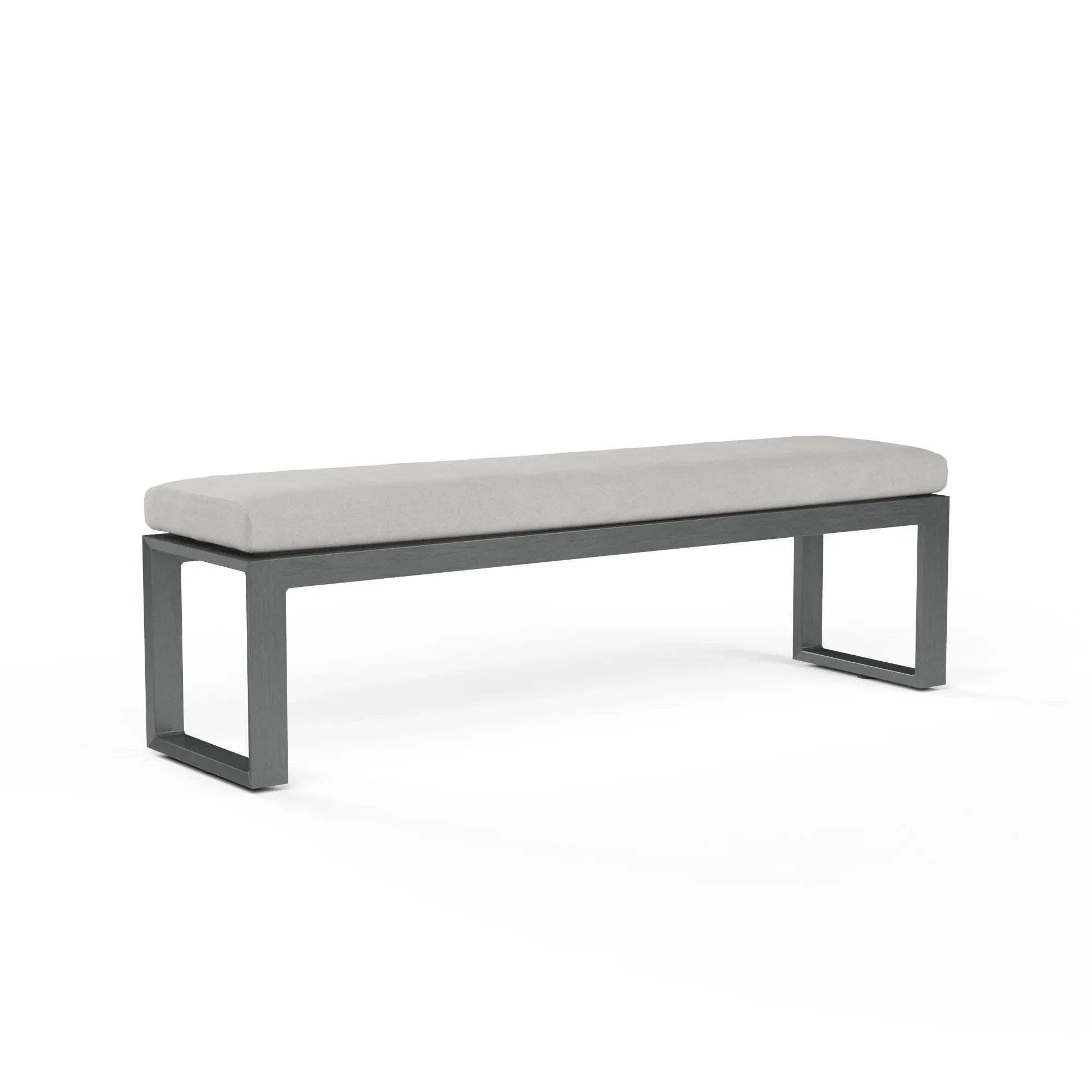
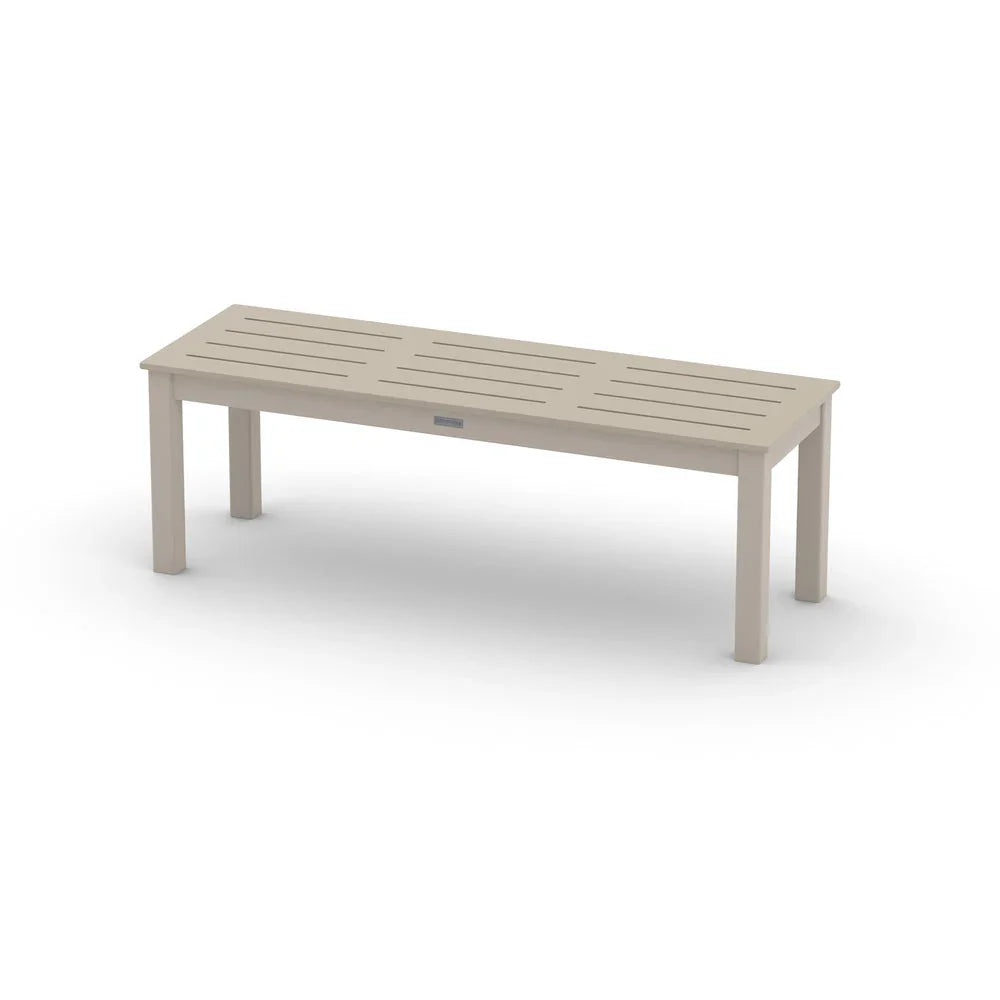
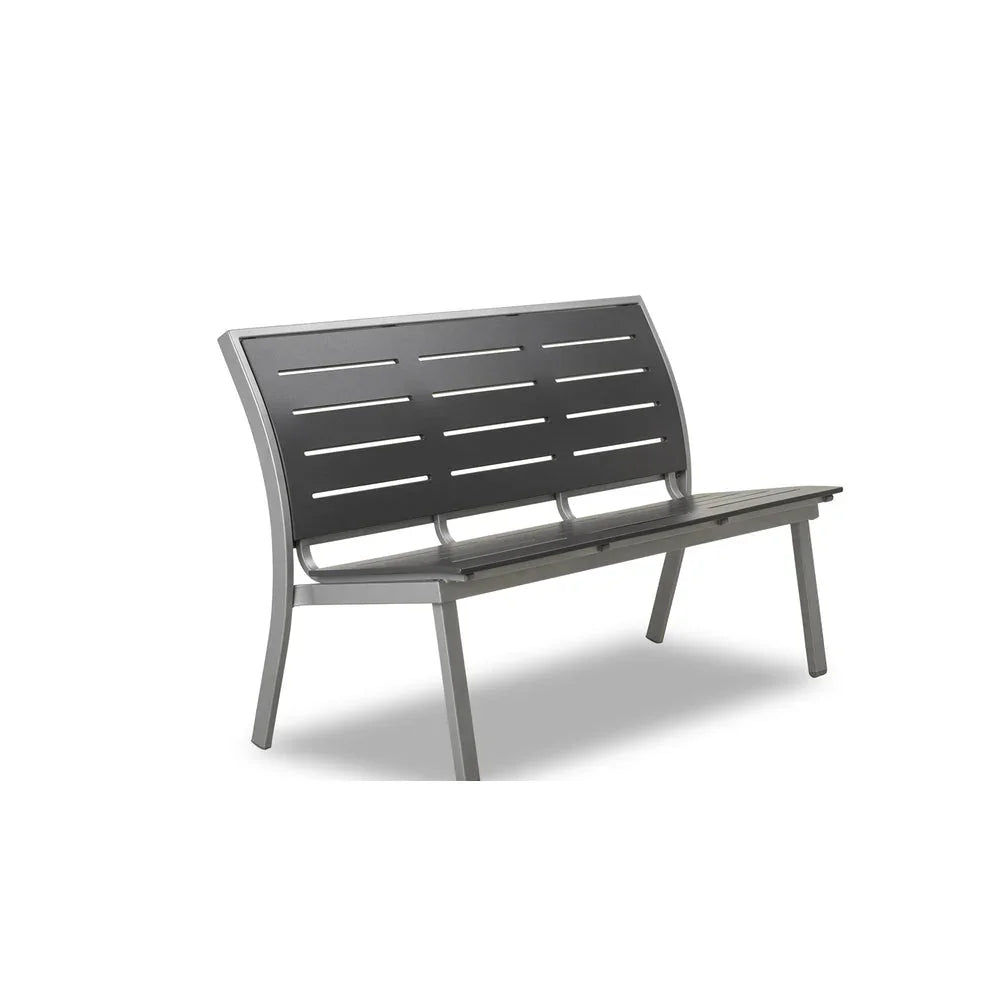
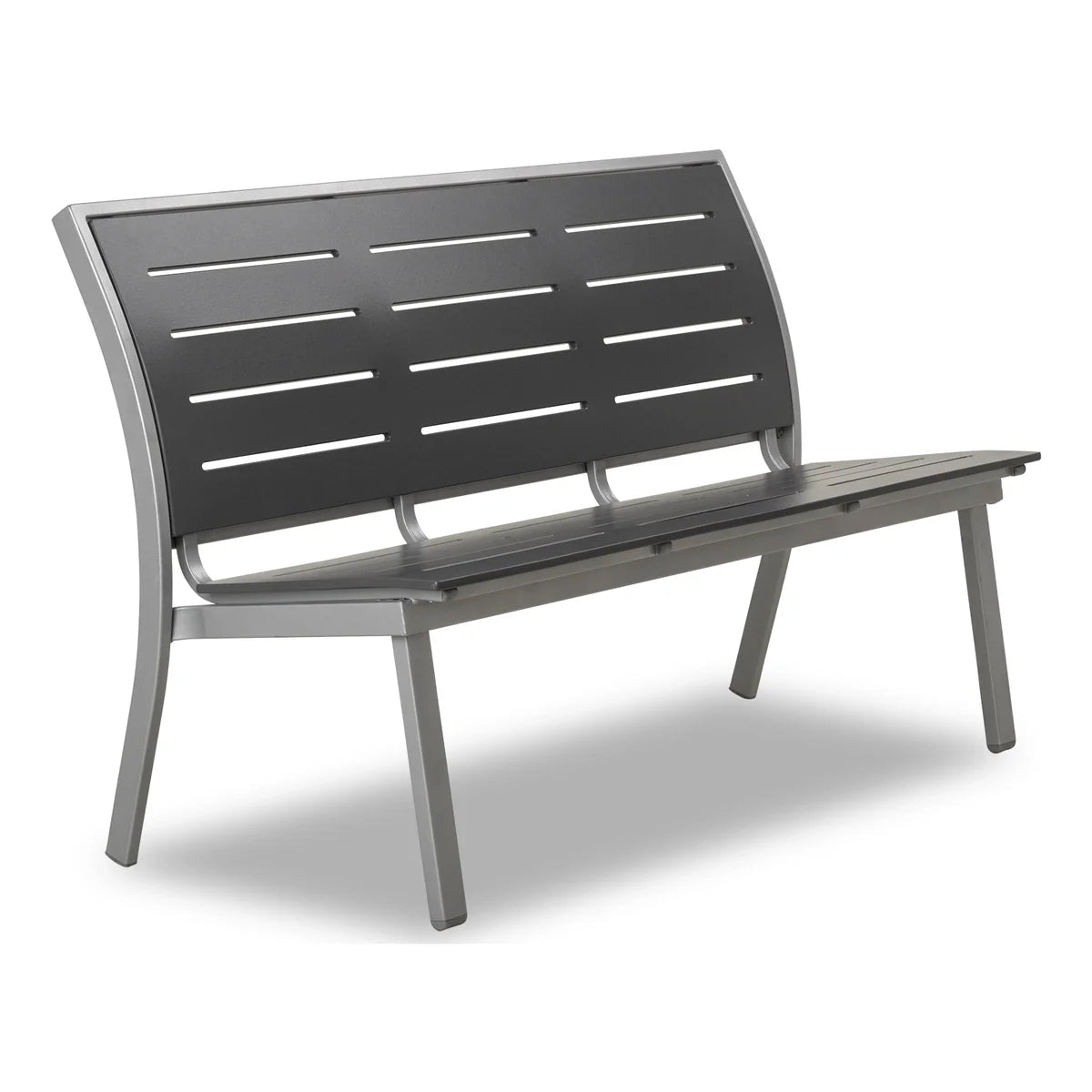
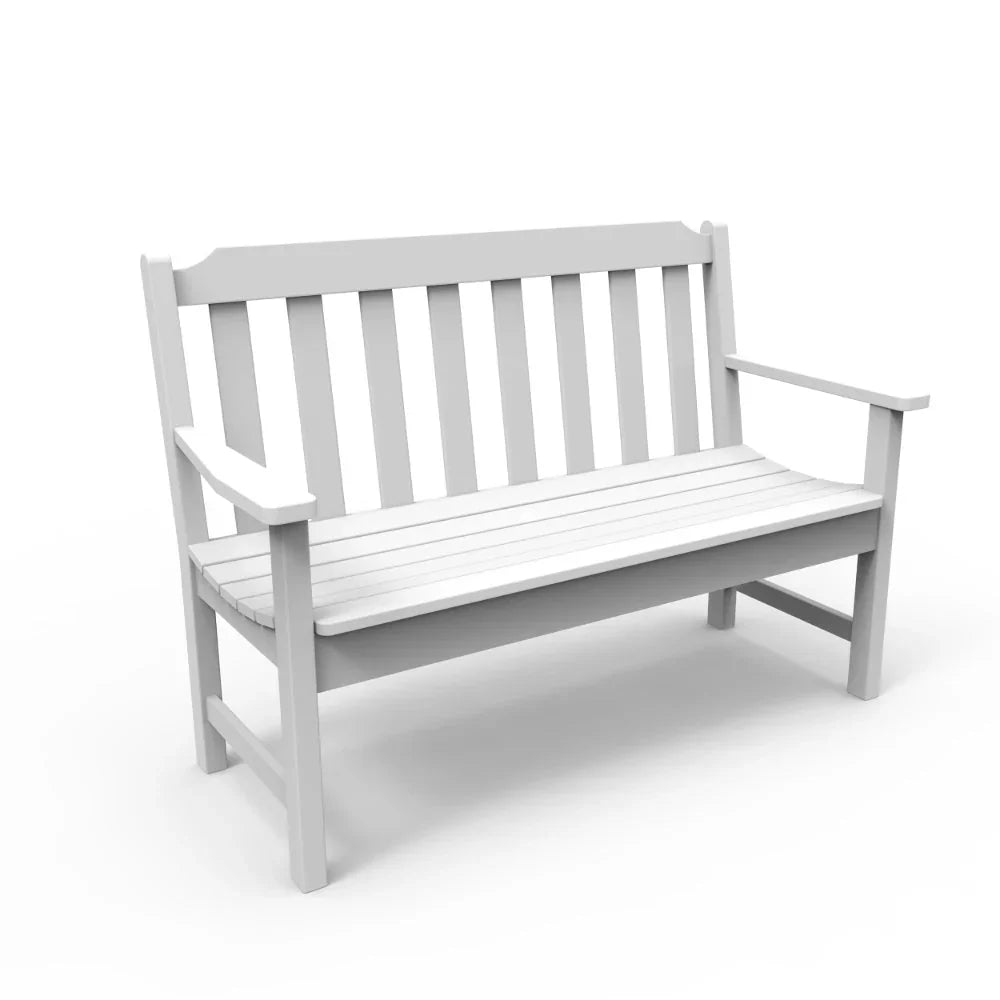
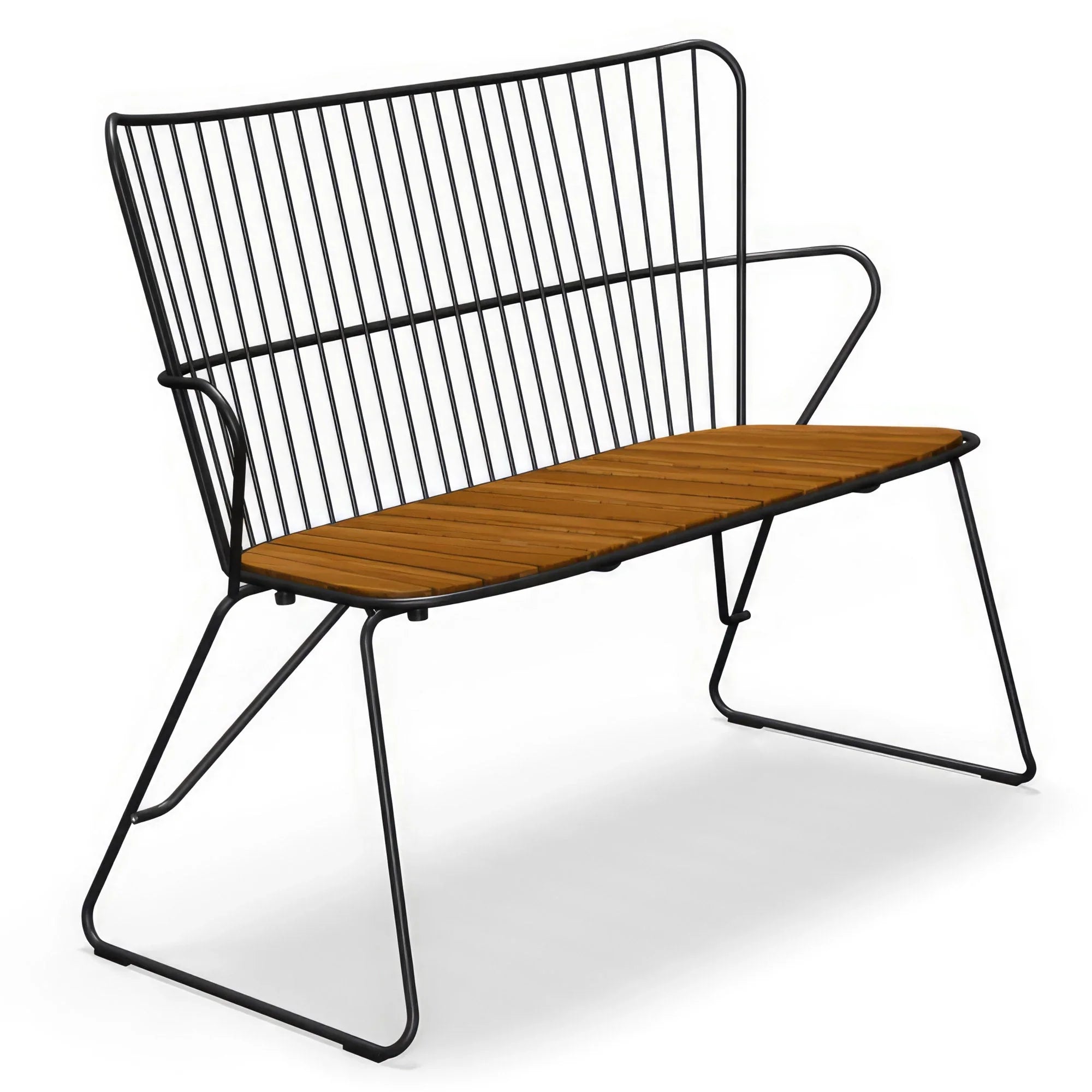
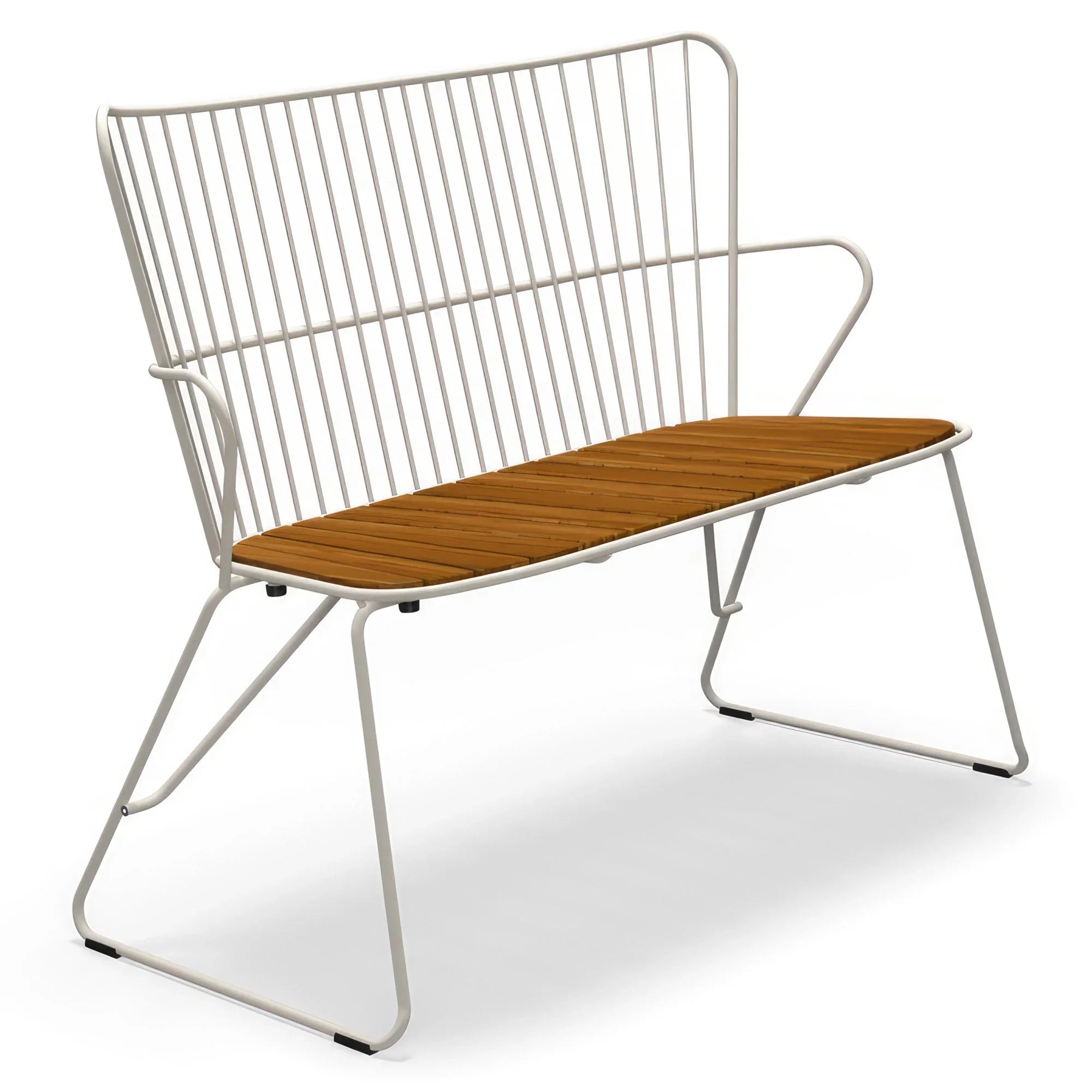
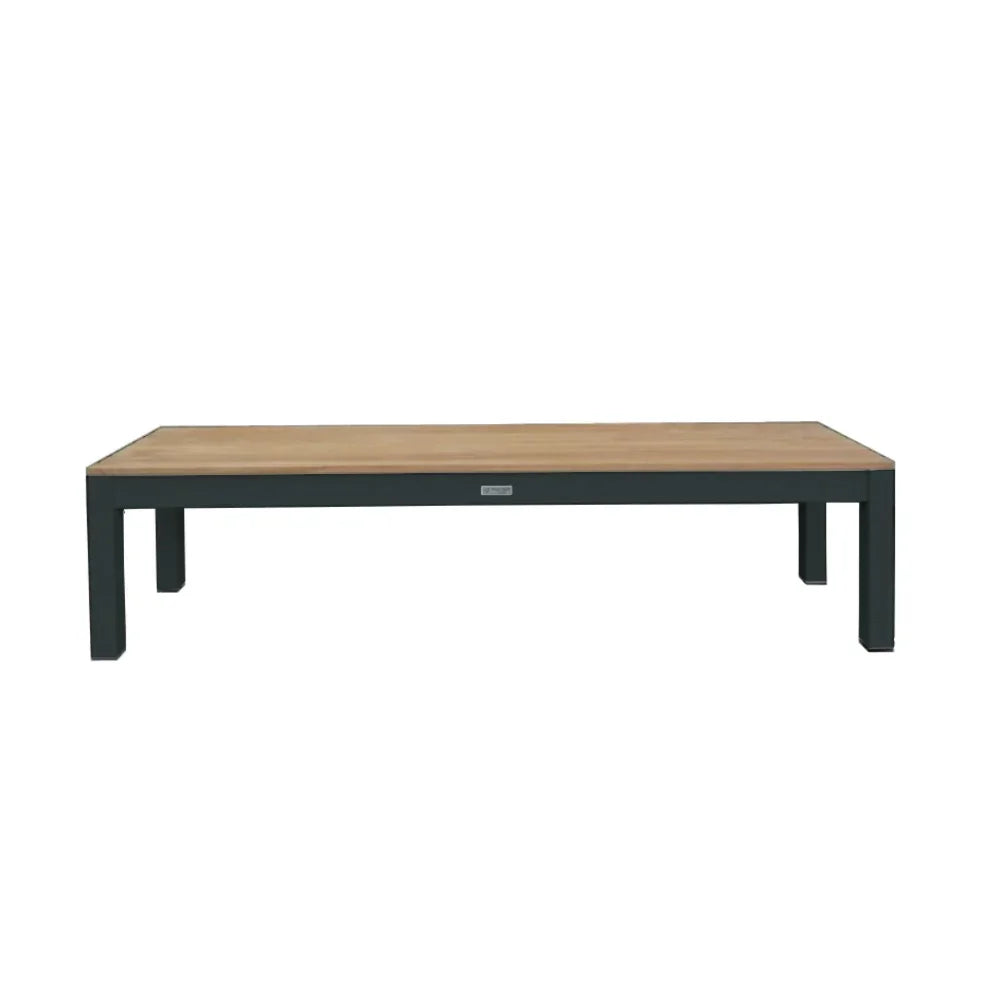
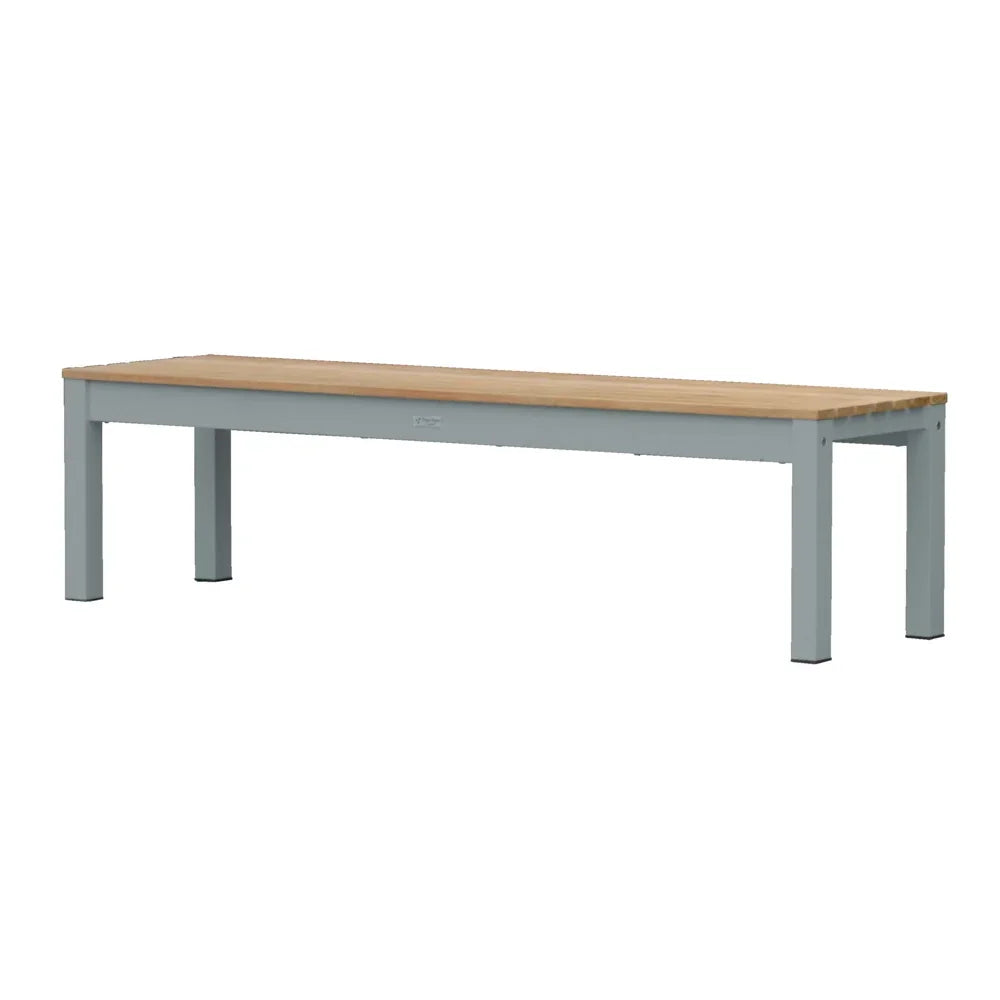
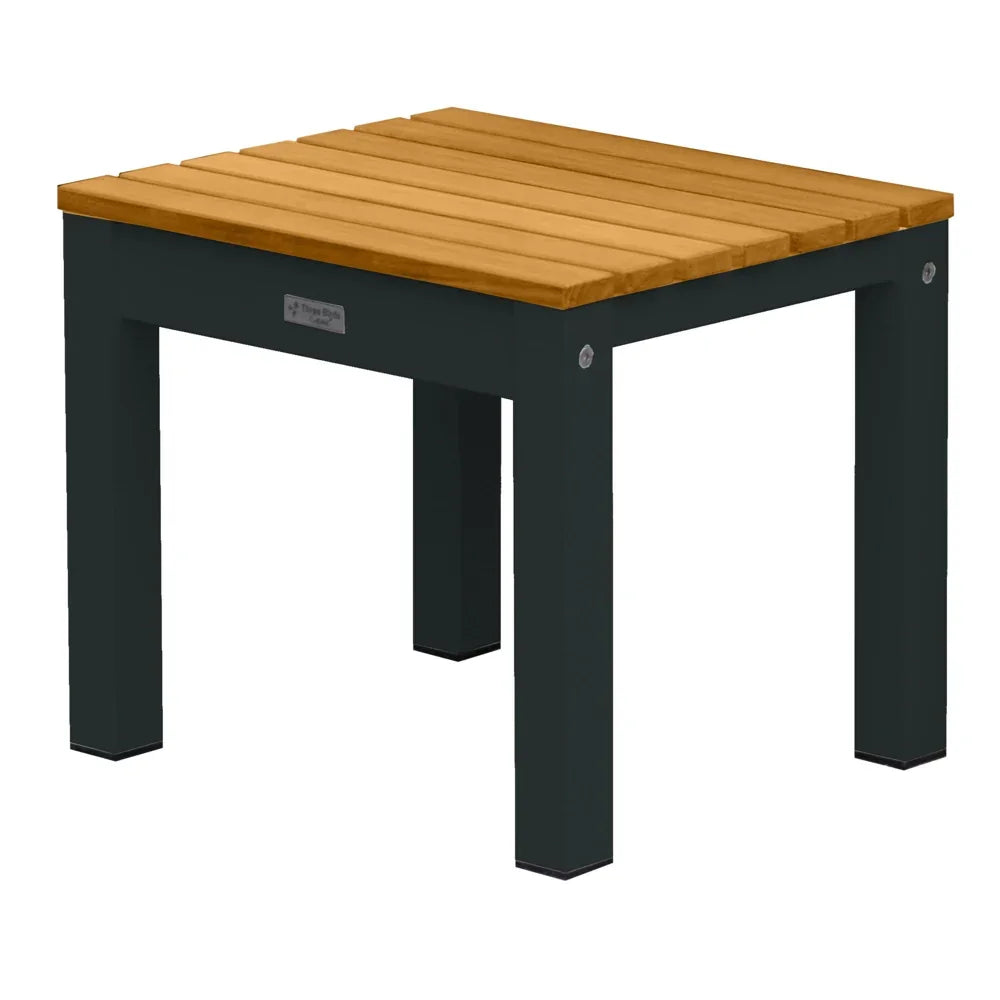
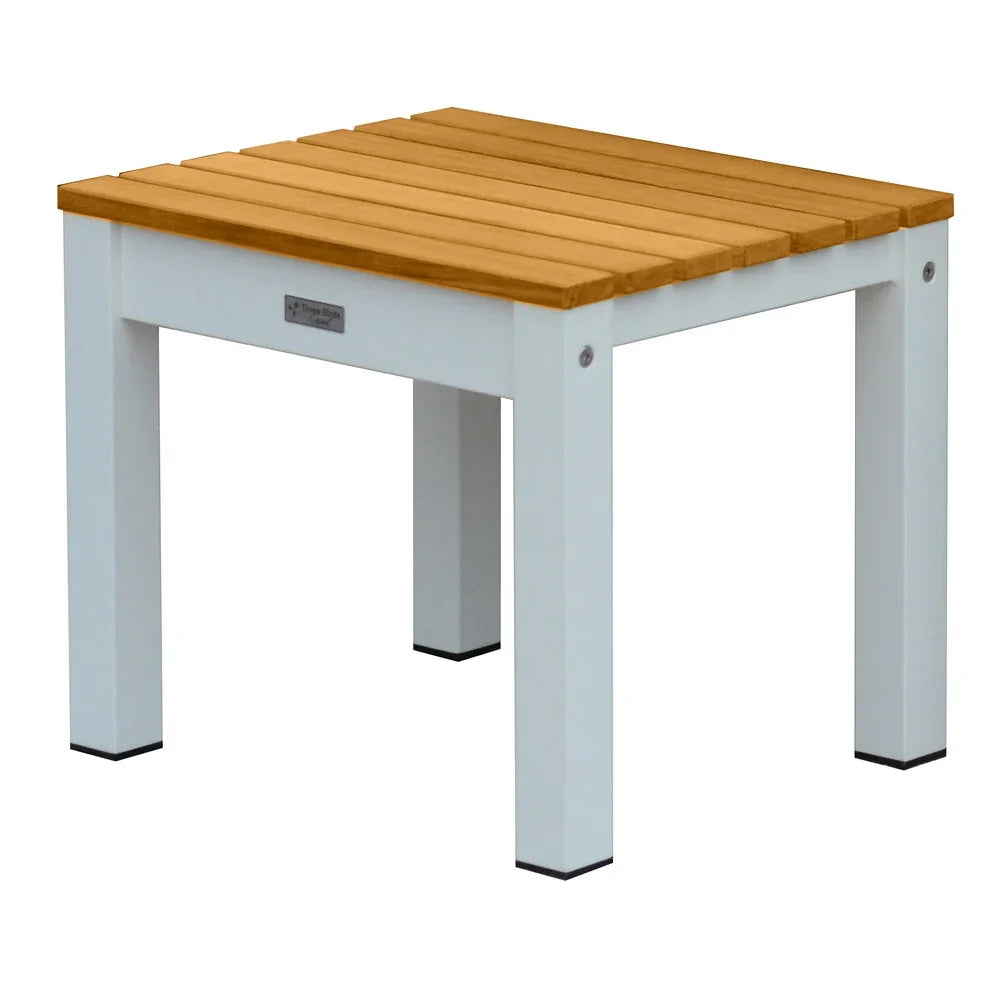
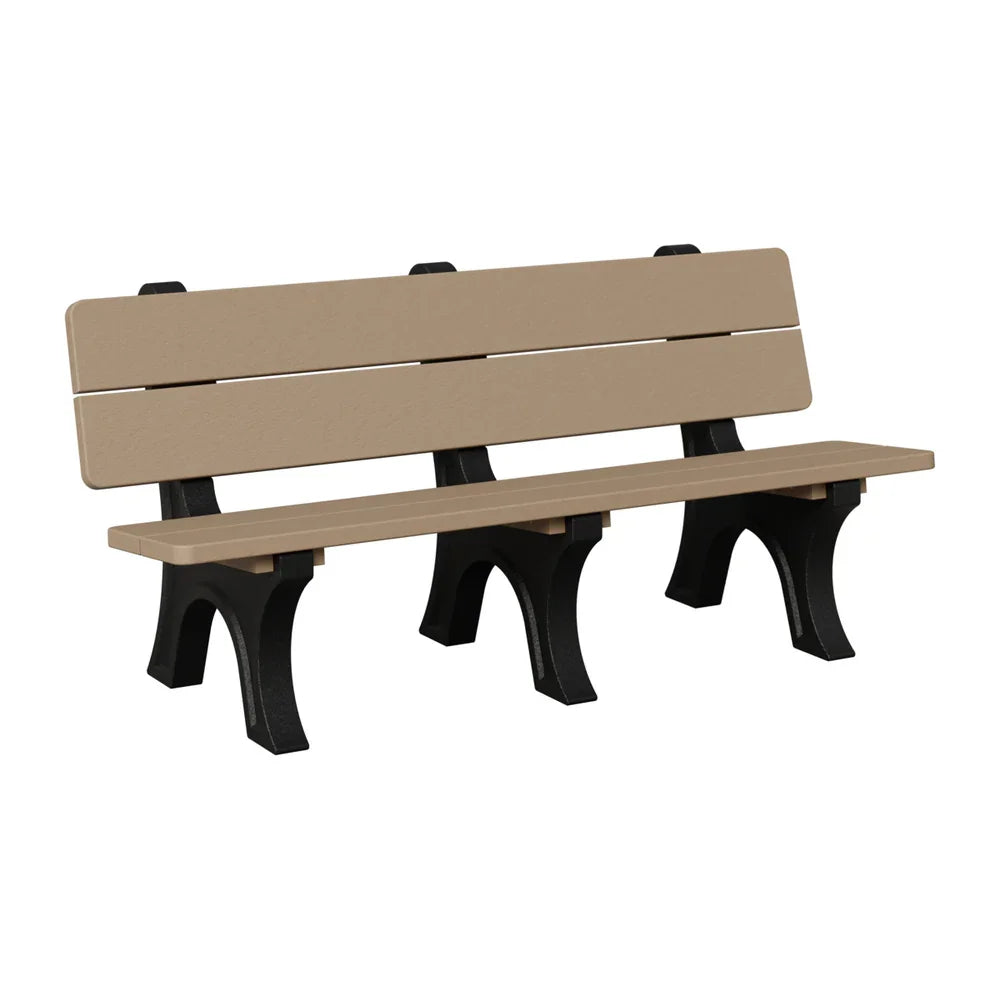
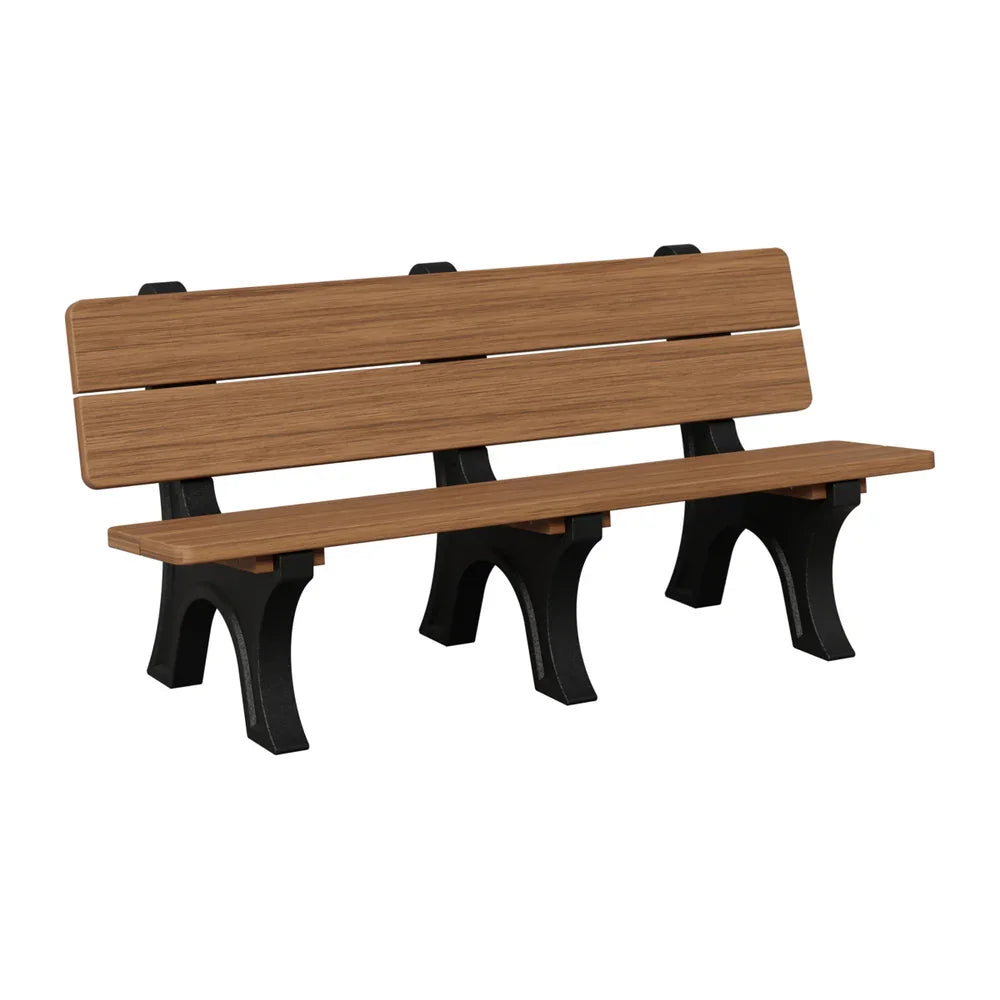
Aluminum and steel benches finished in commercial-grade powder-coat cover the widest application range: campus pathways, transit plazas, restaurant perimeters, urban courtyards. Powder-coat finishes provide corrosion resistance without the weight penalty of solid steel construction, and aluminum benches carry a 5-year commercial frame warranty on qualifying pieces. Both backed and backless configurations are available. Backless benches are commonly specified for high-density pedestrian areas where throughput matters as much as comfort, and they coordinate naturally with the broader park and garden furniture program used across campus and municipal settings.
Where These Benches Earn Their Keep
Hotel entryways and pool decks both point toward poly lumber, but the reasoning diverges. At the entrance, what earns specification is long-term surface integrity: no paint chips in year three, no rust transfer where a luggage cart clips a base, no refinishing cycle to coordinate with grounds staff. The pool deck argument is different in kind. Chlorine, salt water, and concentrated cleaning agents do not penetrate HDPE composite at the cellular level; there is no finish to degrade. The textured slatted profile also maintains grip when wet without additional treatment. Teak suits covered hotel entrances and boutique spa courtyards where the warm grain telegraphs property quality to arriving guests; its specification stops where continuous chemical exposure begins.
Corporate campuses and university grounds favor powder-coated aluminum for its price-to-performance ratio at volume. A practical advantage that matters across procurement cycles: standard powder-coat palettes stay in production for years, so a bench ordered in Phase 2 of a campus installation matches the finish of one purchased in Phase 1 three years earlier without a custom color match. Modular configurations fit the geometry of pathways and plazas without custom fabrication costs, and standard finish options coordinate with existing site furniture programs.
What Commercial-Grade Actually Means for Outdoor Benches
- Frame gauge and fastener specification: Heavier wall thickness on aluminum extrusions, stainless or galvanized hardware throughout, not zinc or uncoated steel. A residential bench in a high-traffic setting shows loose joints within two seasons.
- Powder-coat adhesion process: Commercial applications use chemical pretreatment (iron phosphate or zinc phosphate) that improves mechanical adhesion to the substrate. This reduces delamination from impact and thermal cycling, a failure mode that surfaces quickly in coastal or desert climates.
- Static load rating: Commercial benches are tested to higher ratings, often 500 to 750 lbs across the seat span, and frequently feature anchor-ready bases for vandalism resistance in public-access settings.
- Warranty scope: Residential warranties rarely transfer to commercial operators. Confirming the warranty explicitly covers commercial use before specifying is not a formality; it is the actual risk question.
- UV stabilization in poly lumber: Commercial-specification HDPE compounds UV stabilizers into the material at manufacture. Consumer-grade poly products may rely on surface treatments that degrade faster under the continuous solar exposure common in coastal and high-altitude installations.
Patio Productions ships commercial bench orders free anywhere in the United States, and white glove delivery is available for large-volume installations. Our design team provides free consultation on site-specific selection, finish coordination, and quantity planning. Commercial buyers, hospitality designers, and procurement teams managing multiple properties can access dedicated account support, volume pricing, and streamlined reorder processes through the Patio Productions Trade Program.
Common Questions About Commercial Patio Benches


