


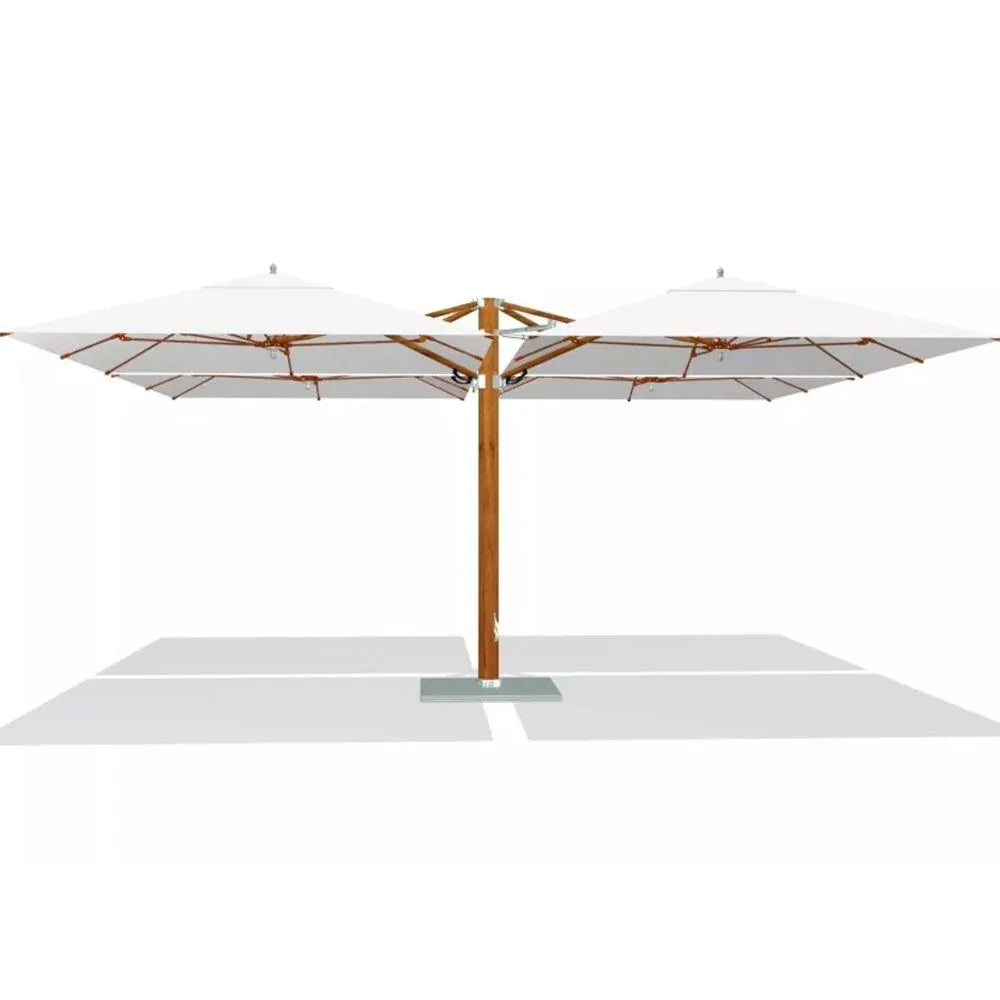
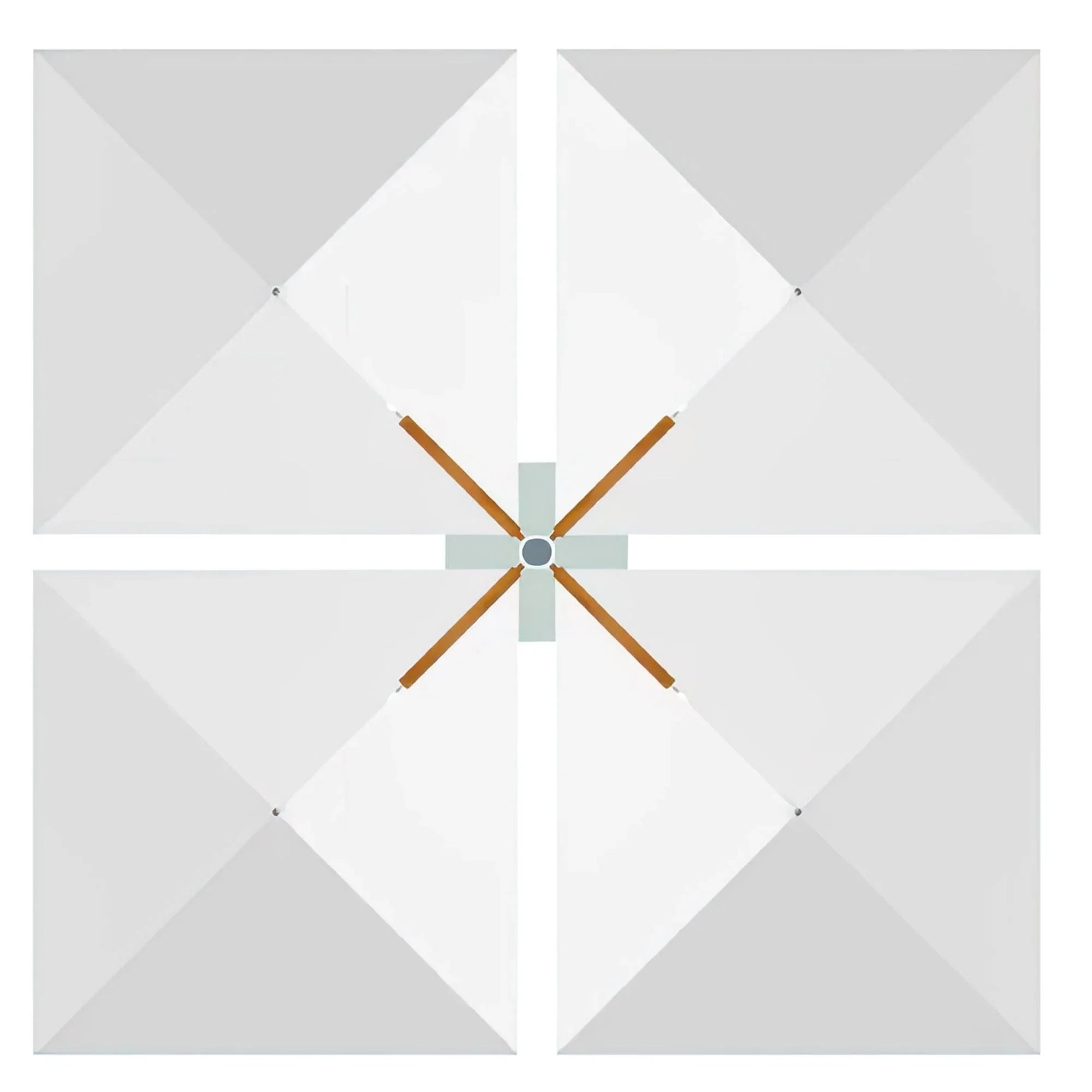
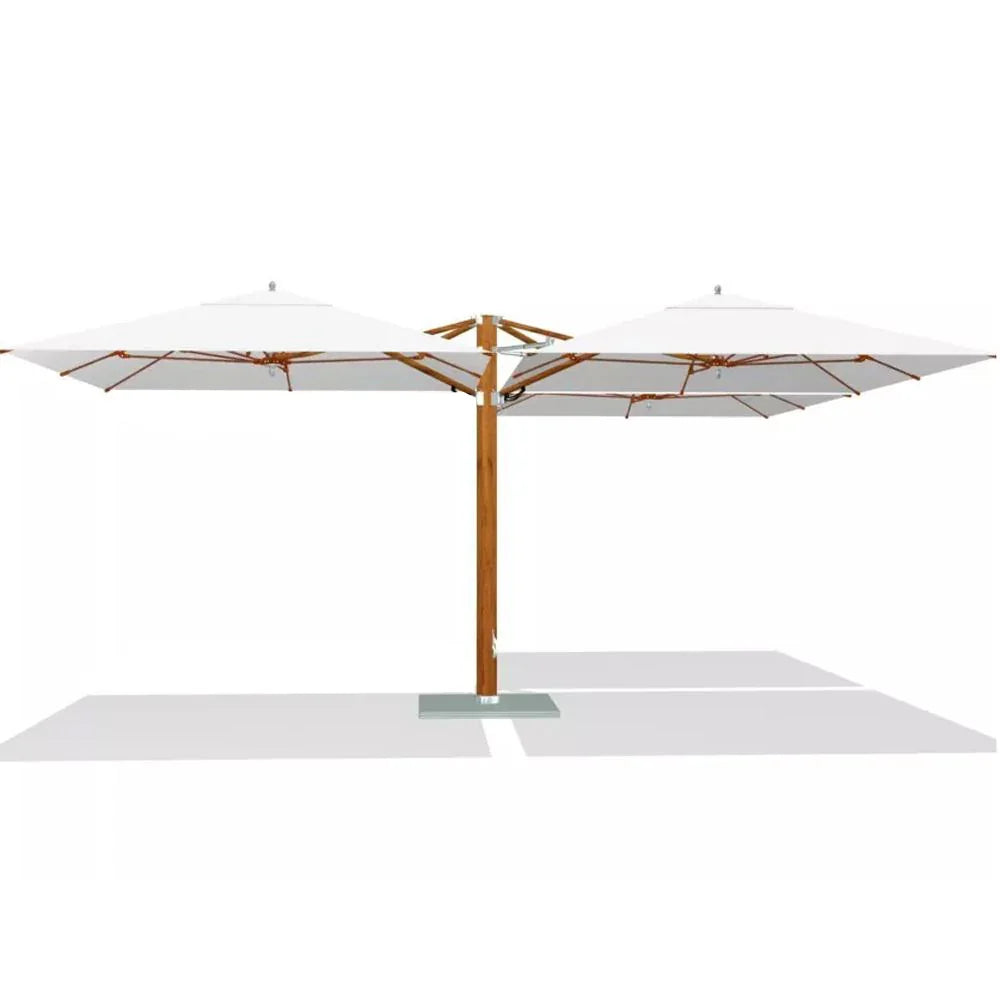
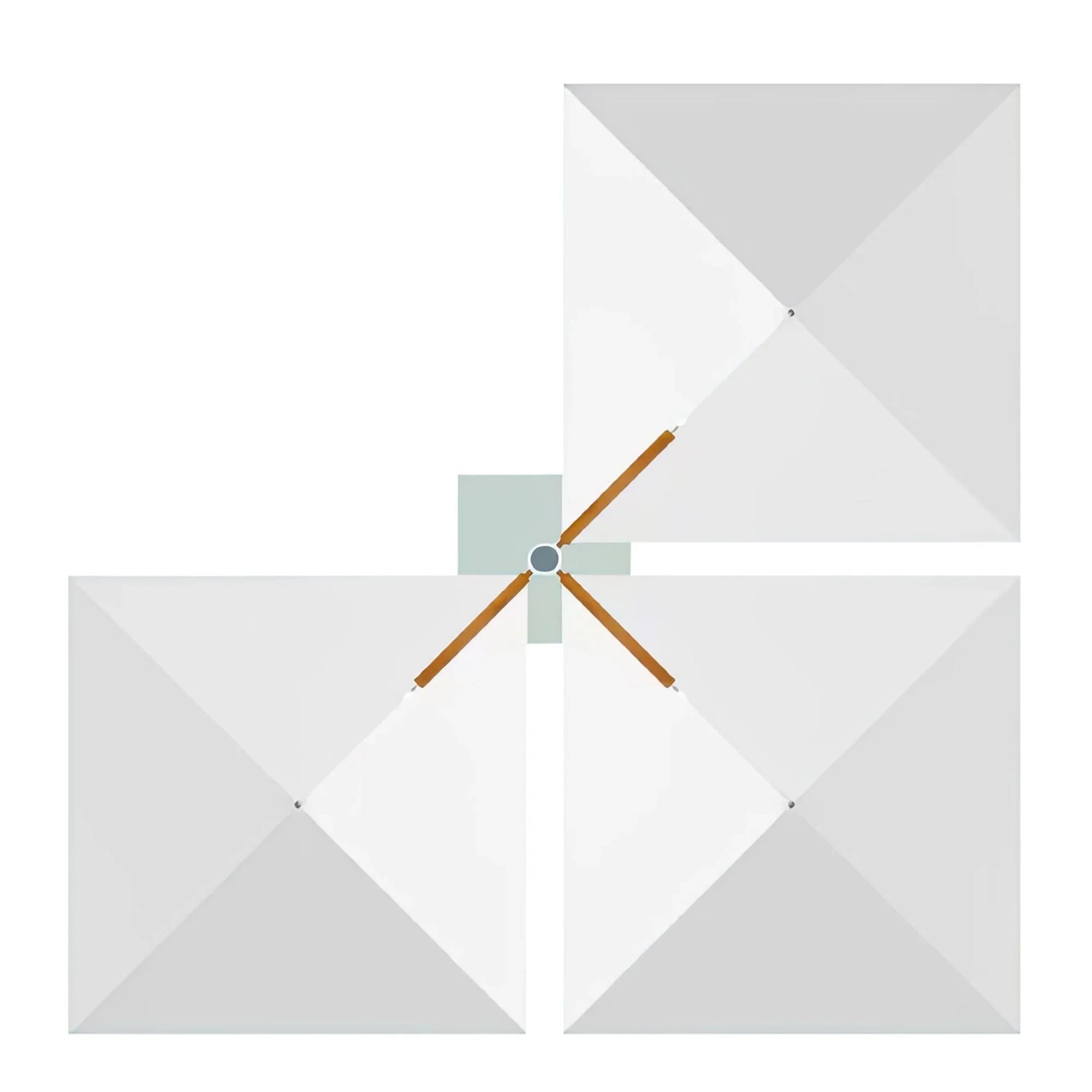
Cantilever Umbrellas: Shade Without a Pole in the Way
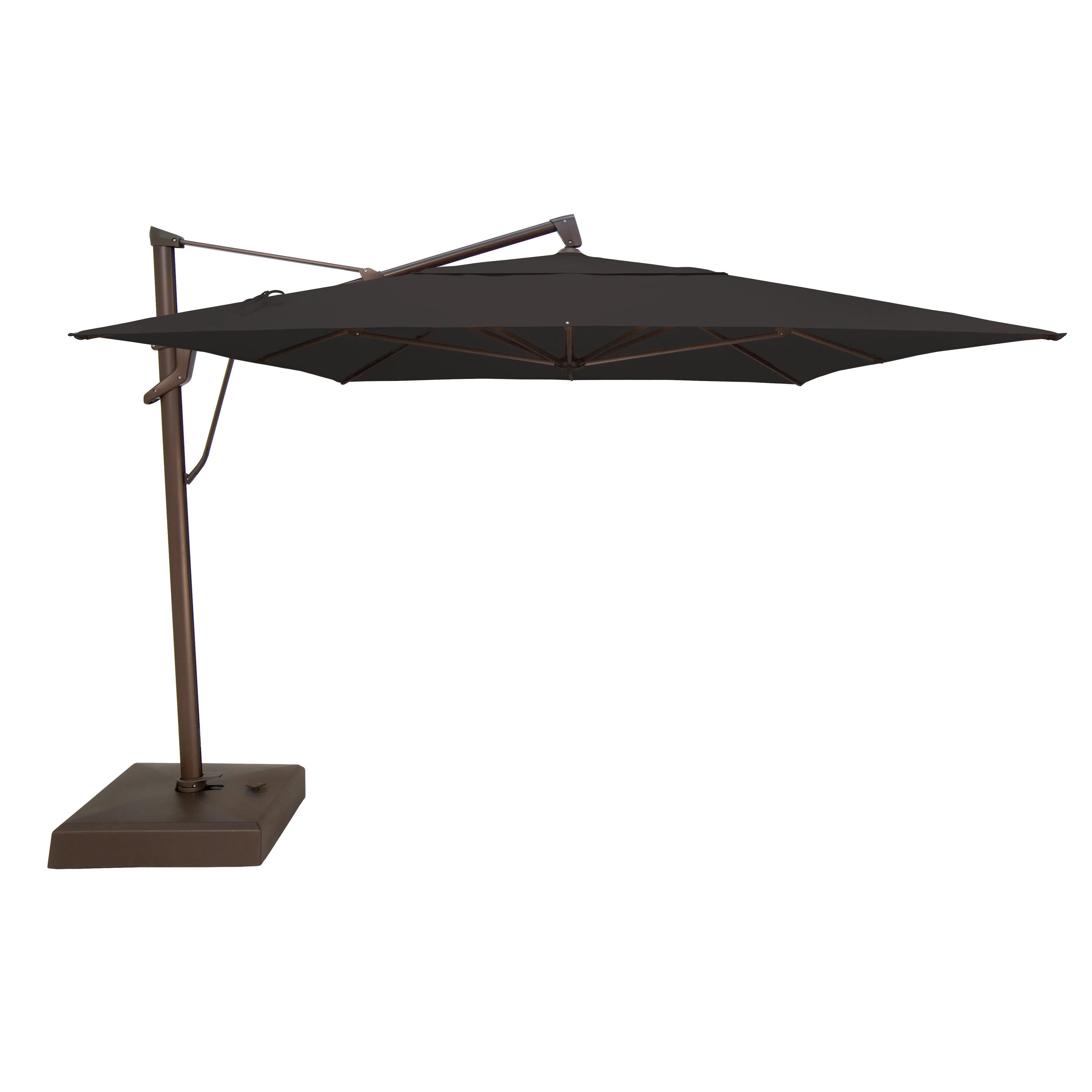
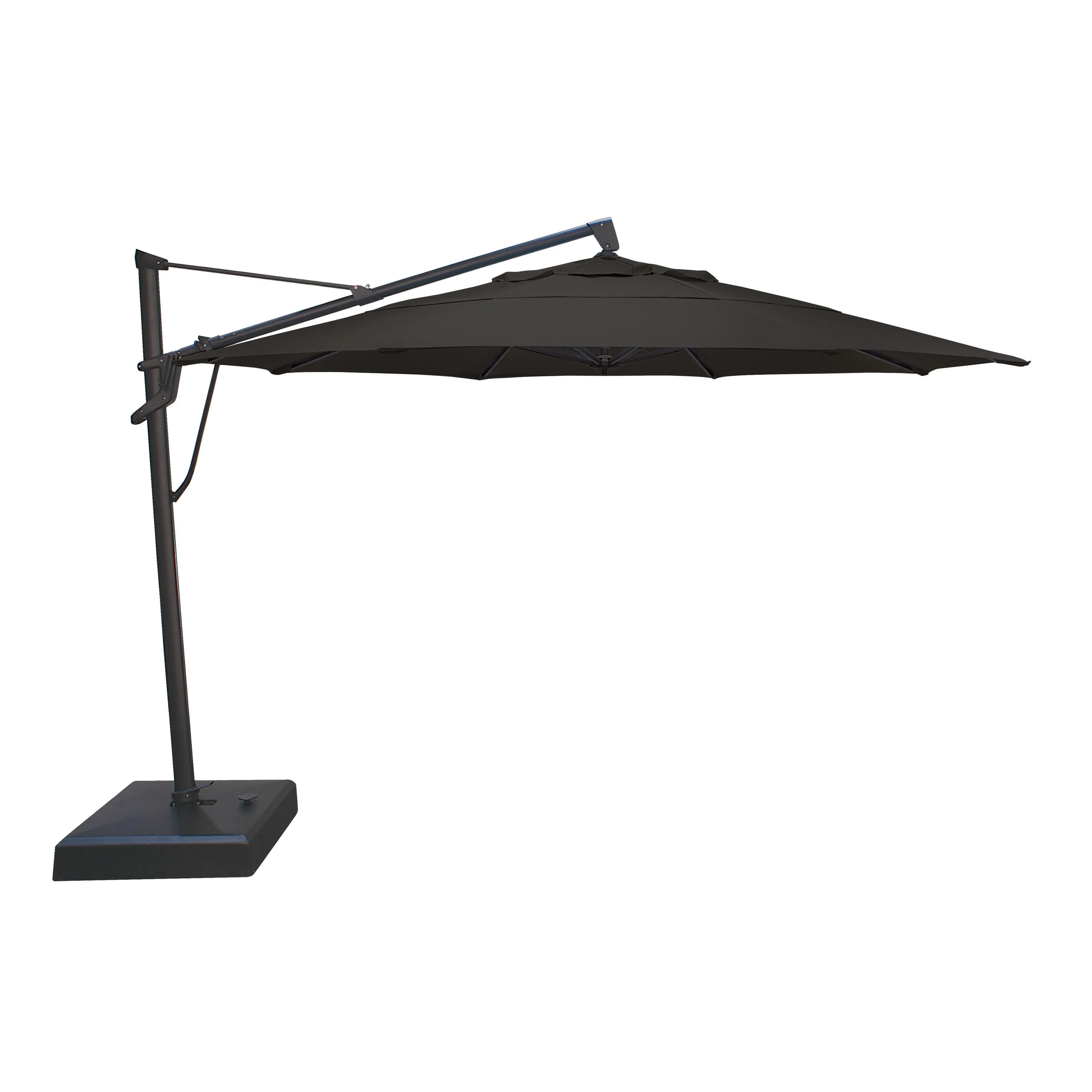
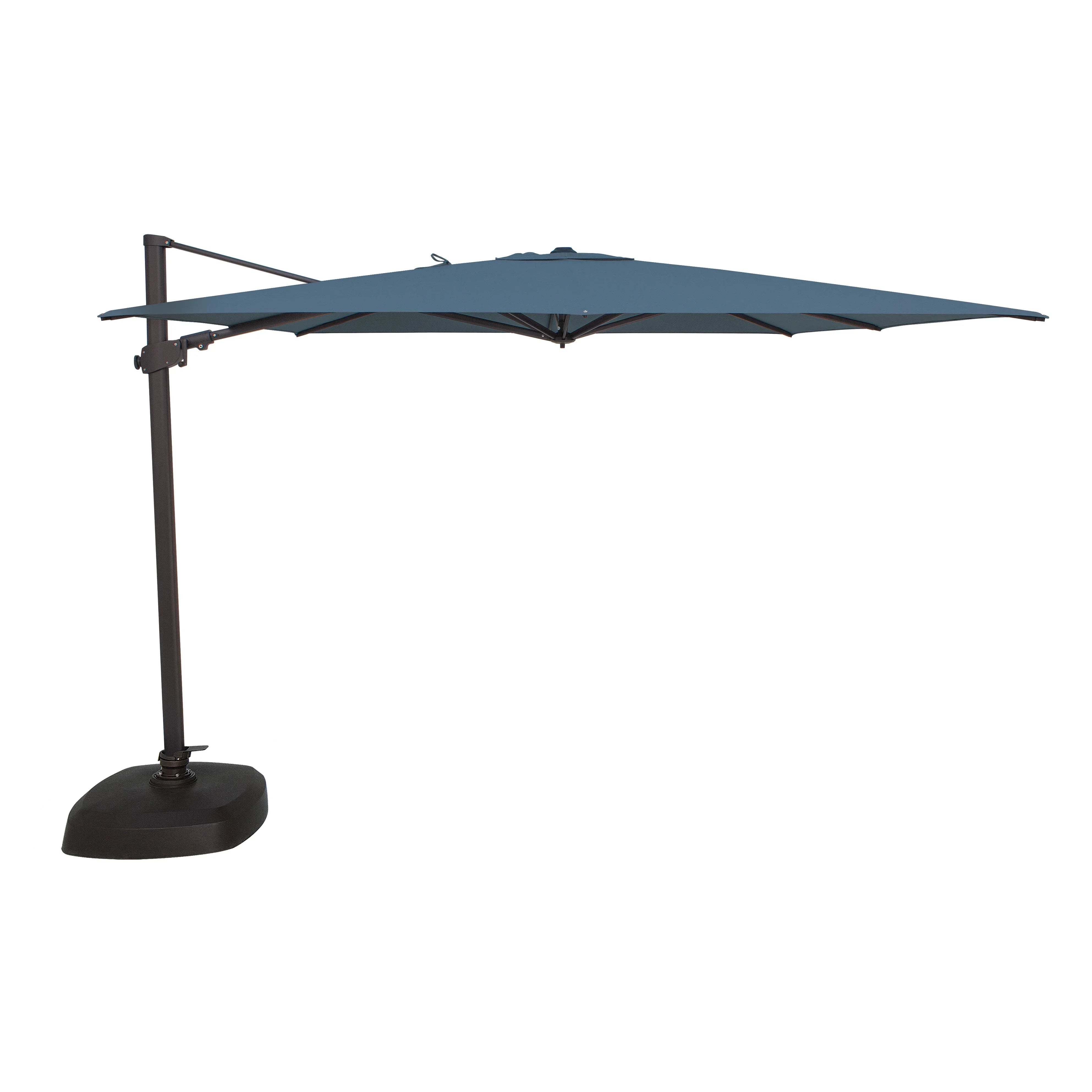
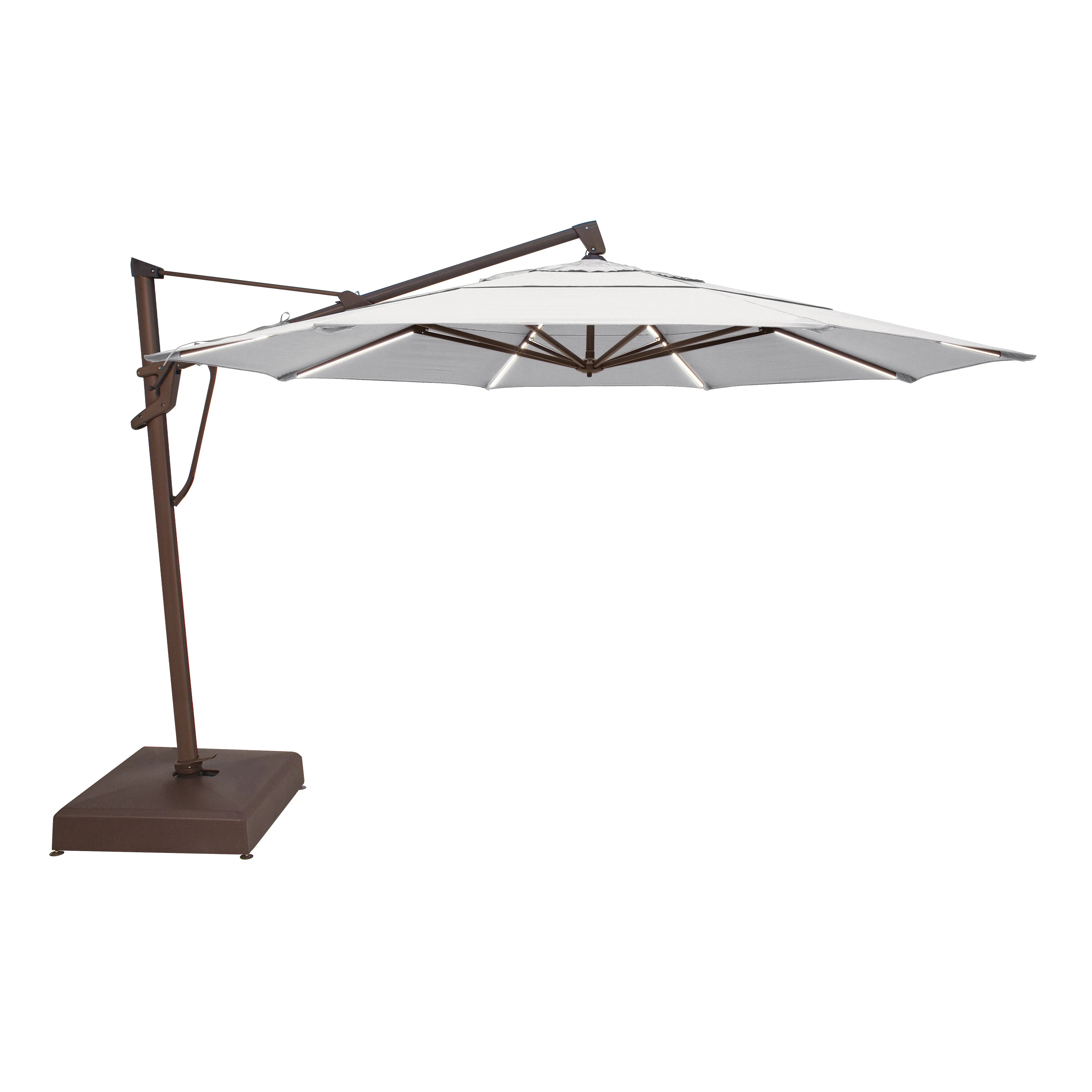
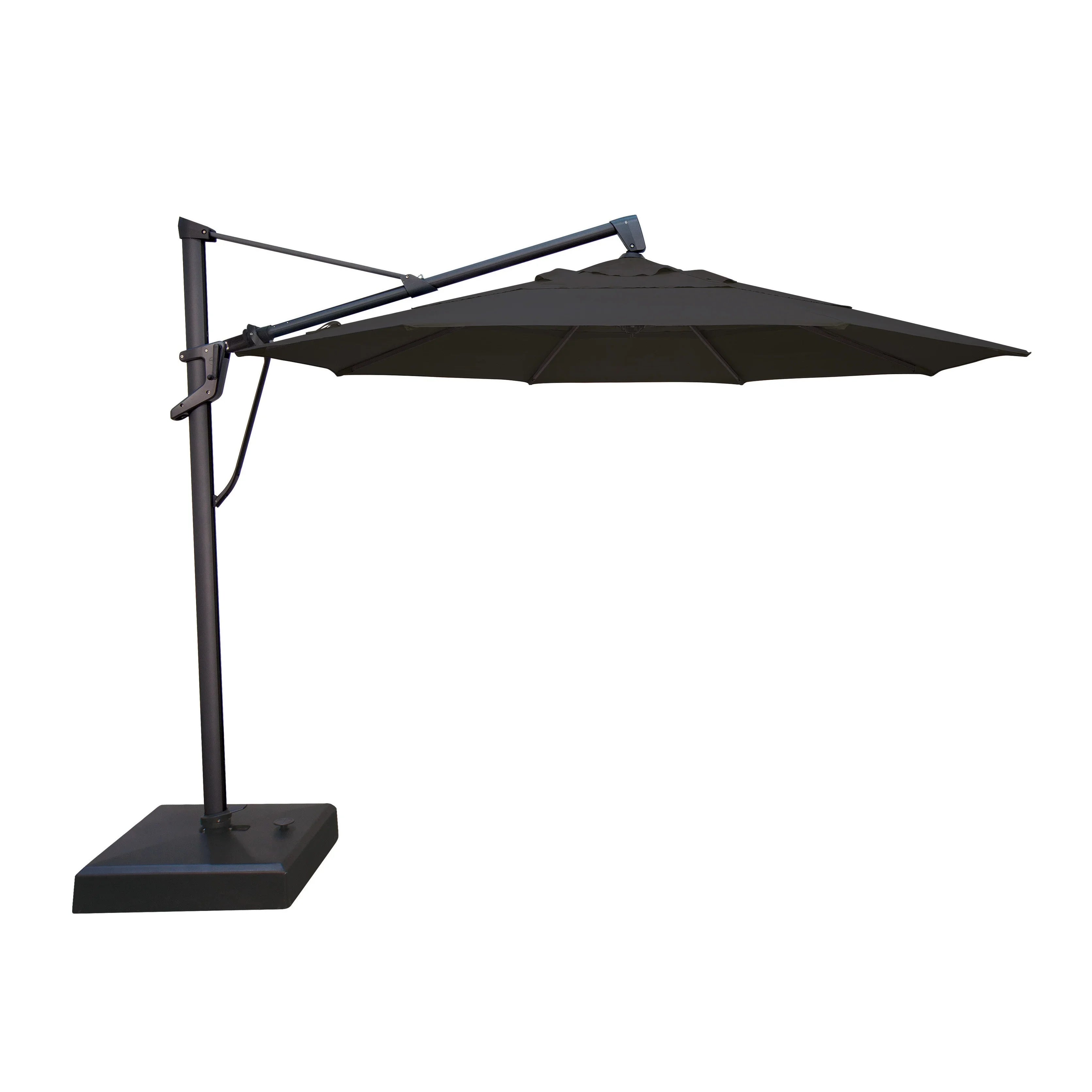
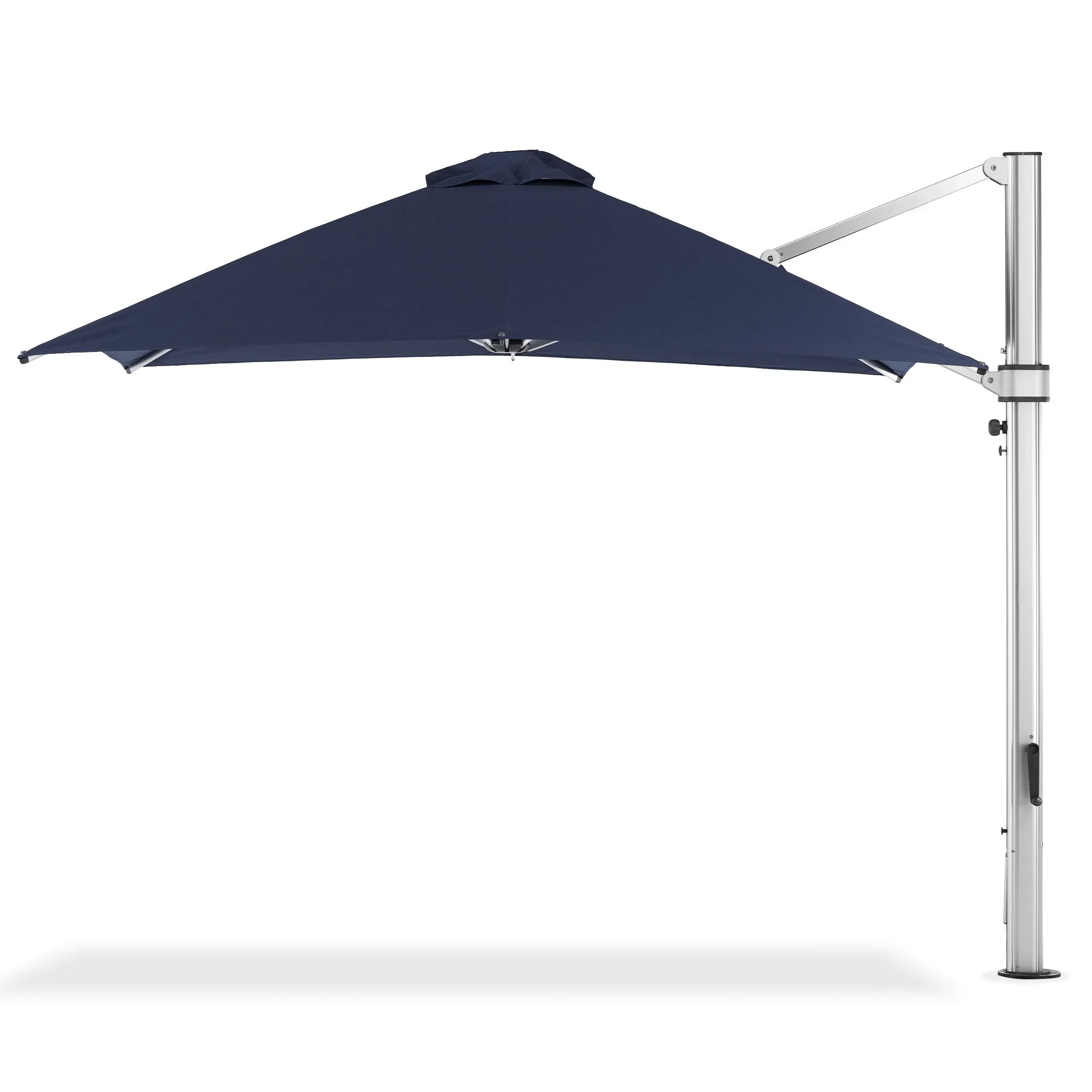
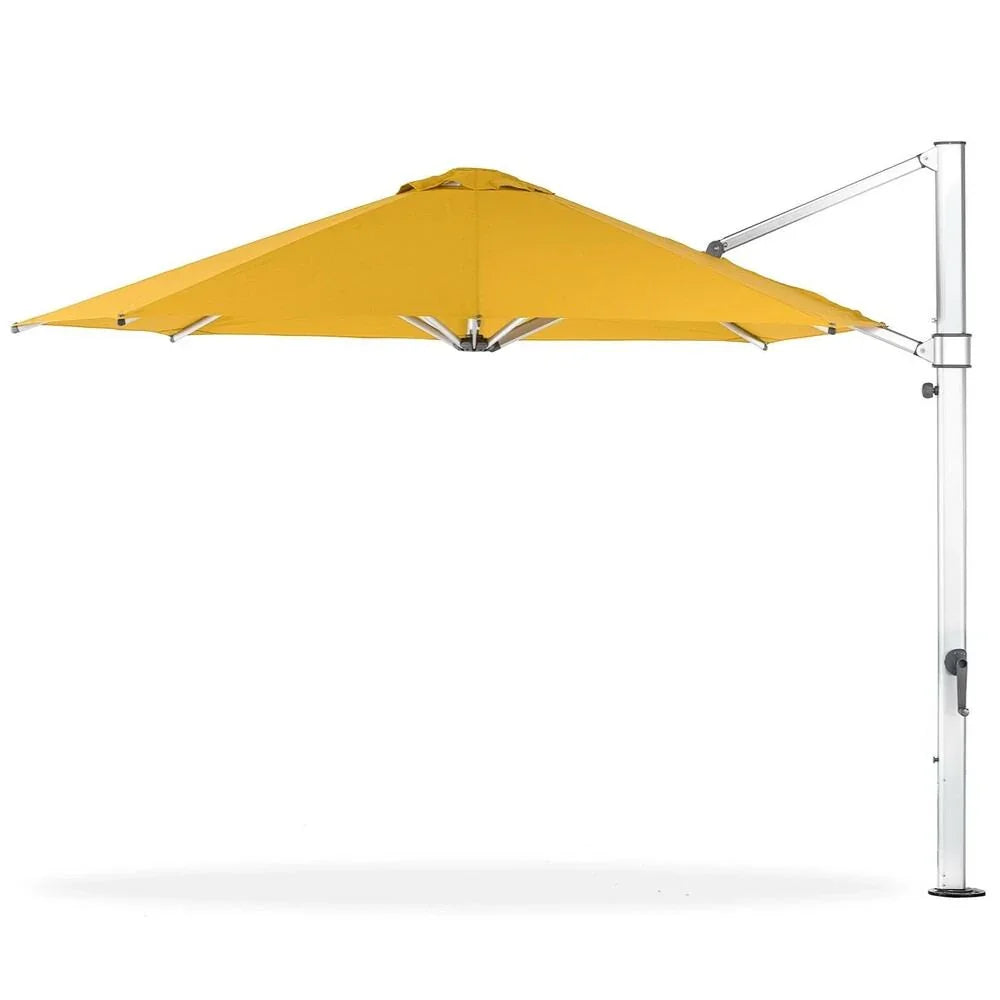
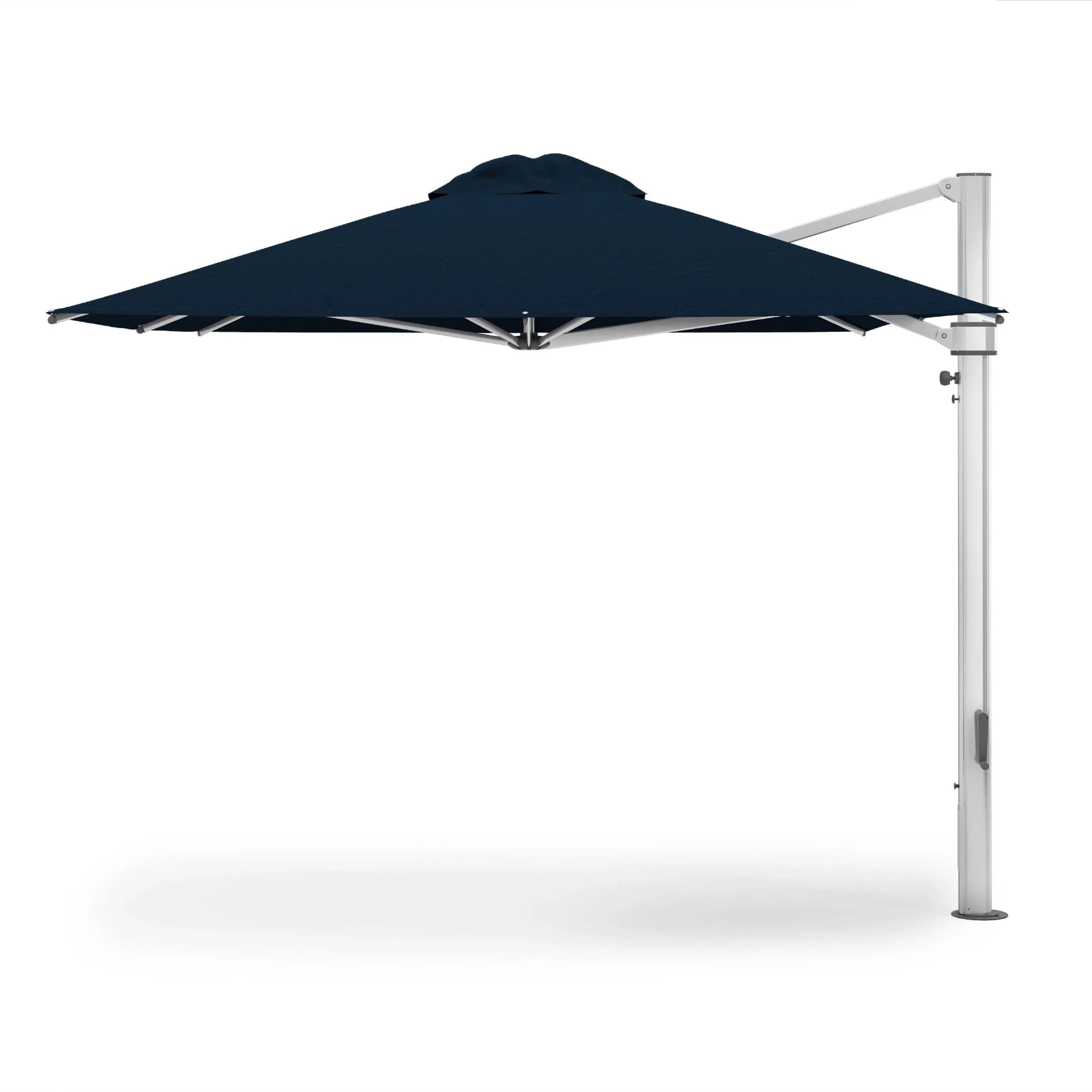
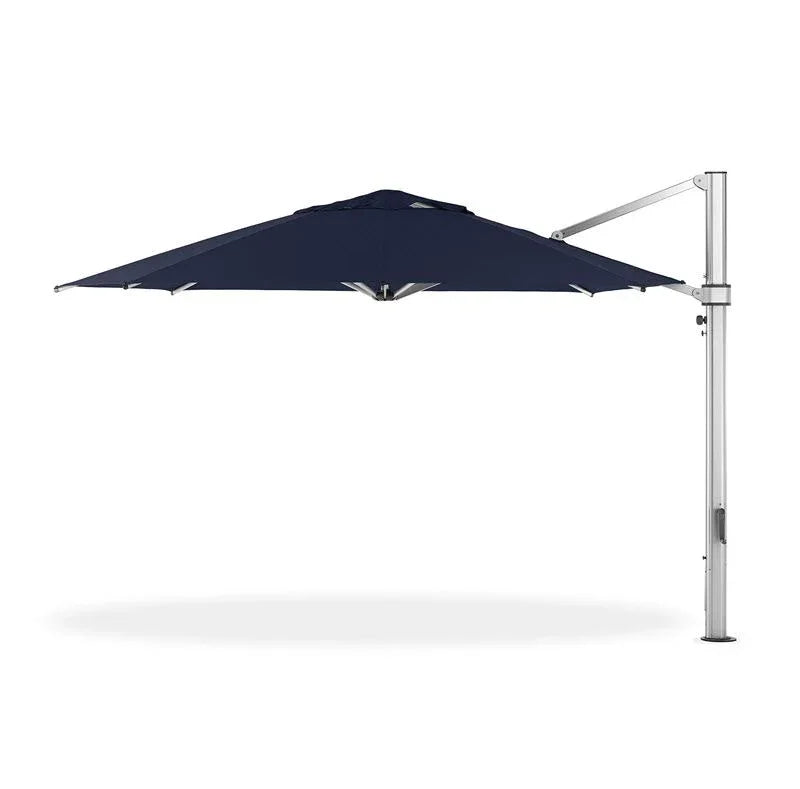
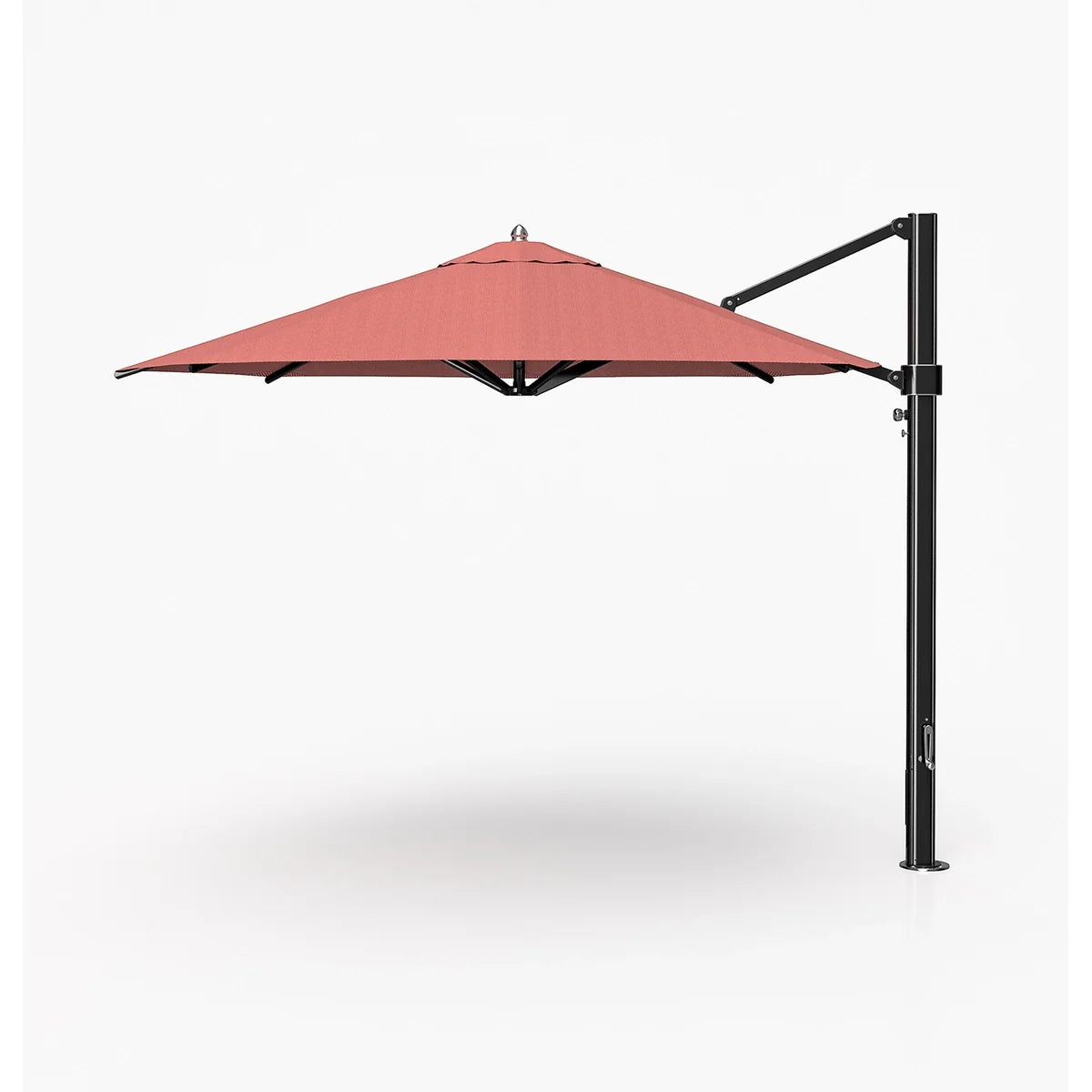
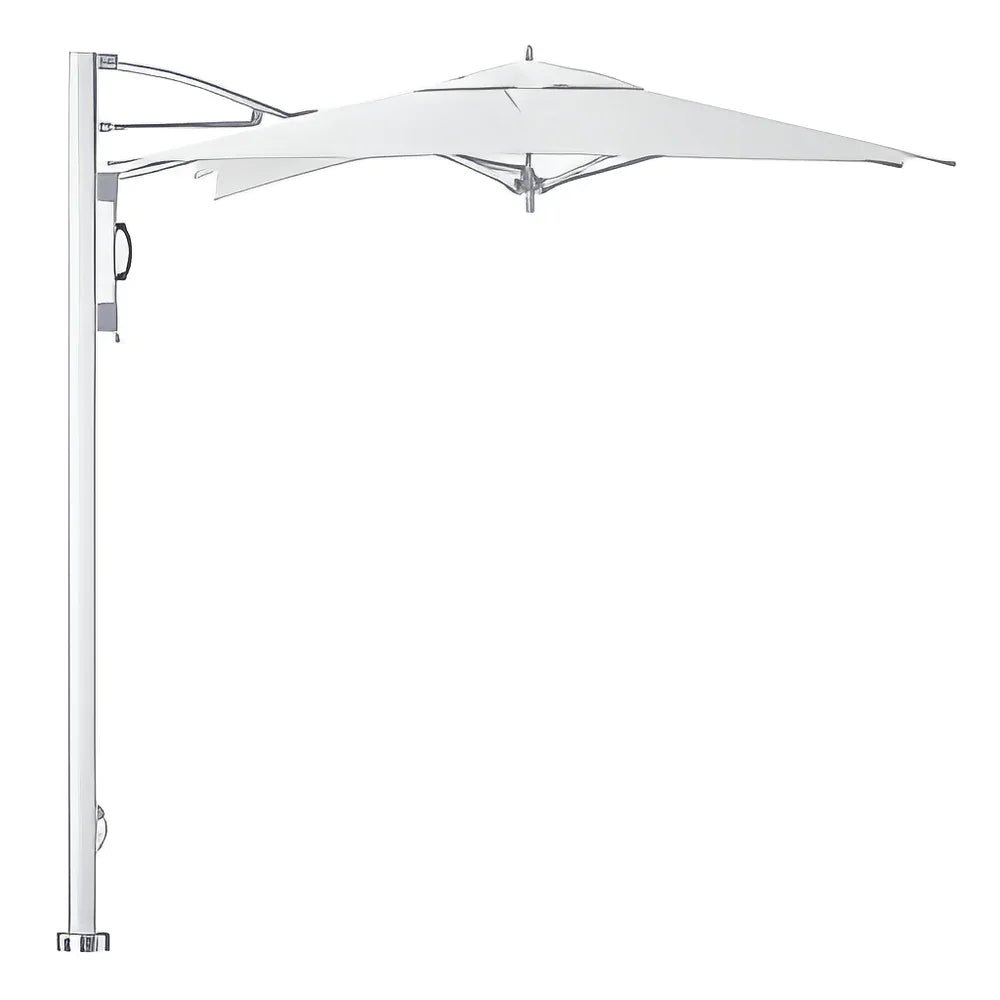
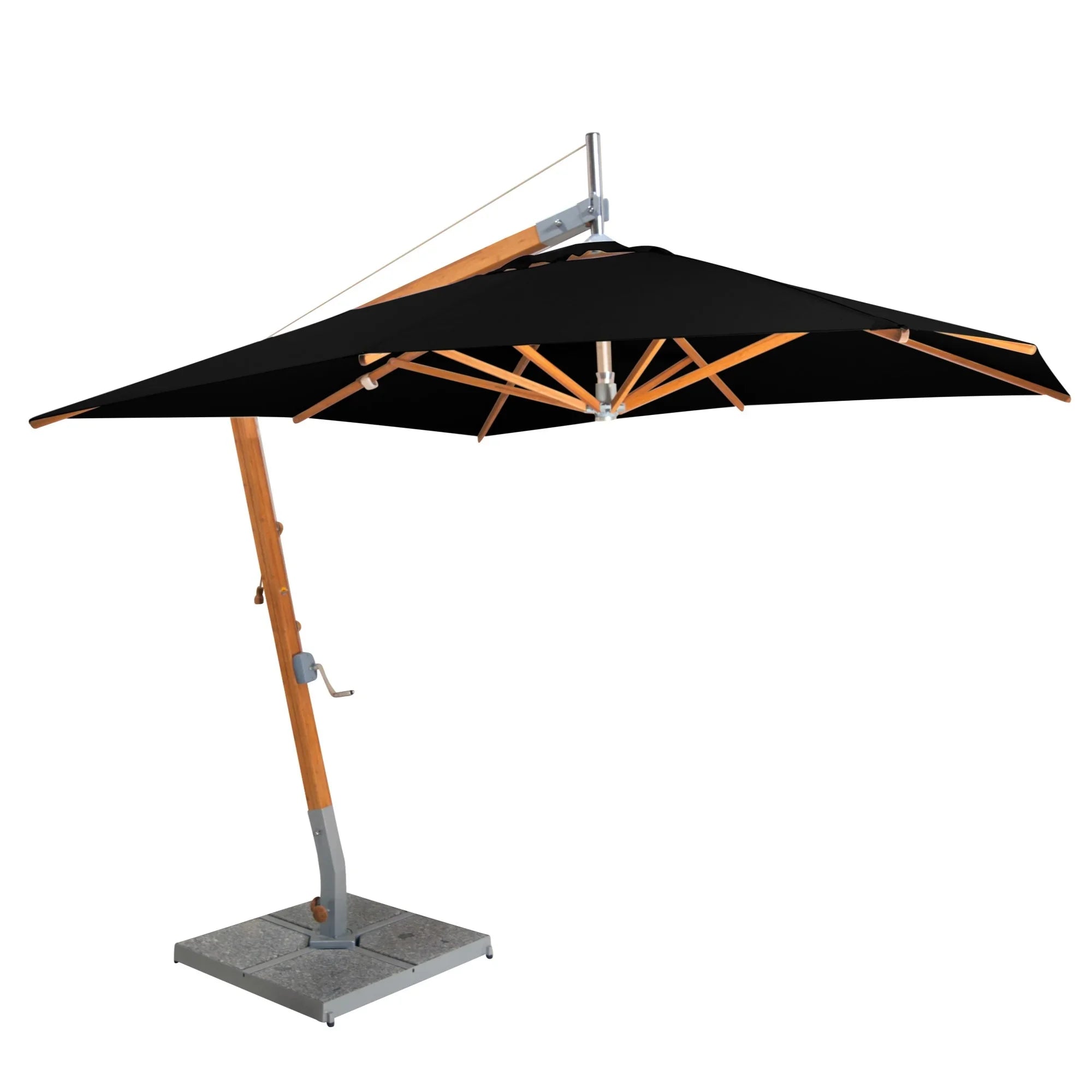
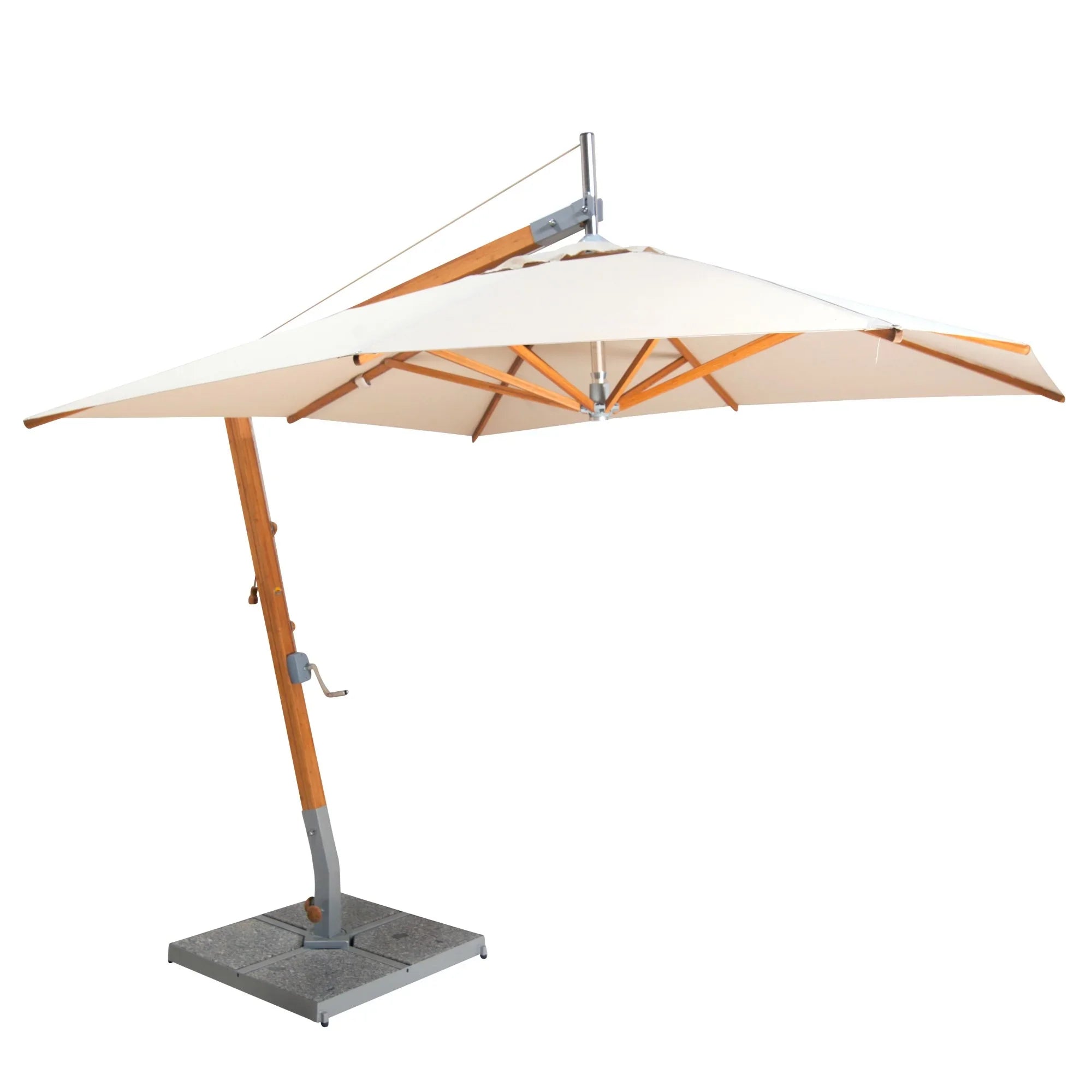
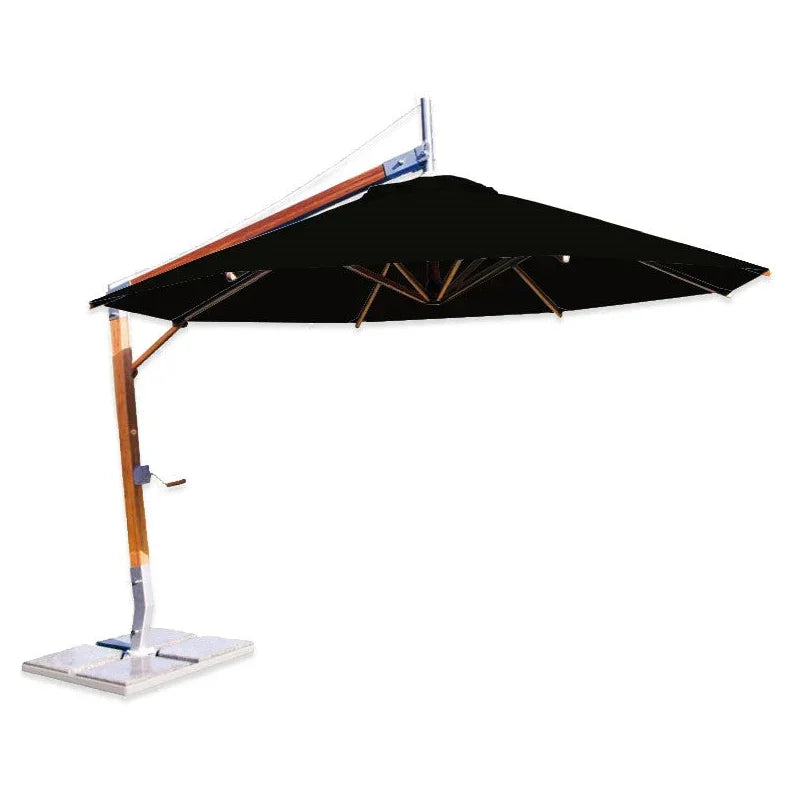
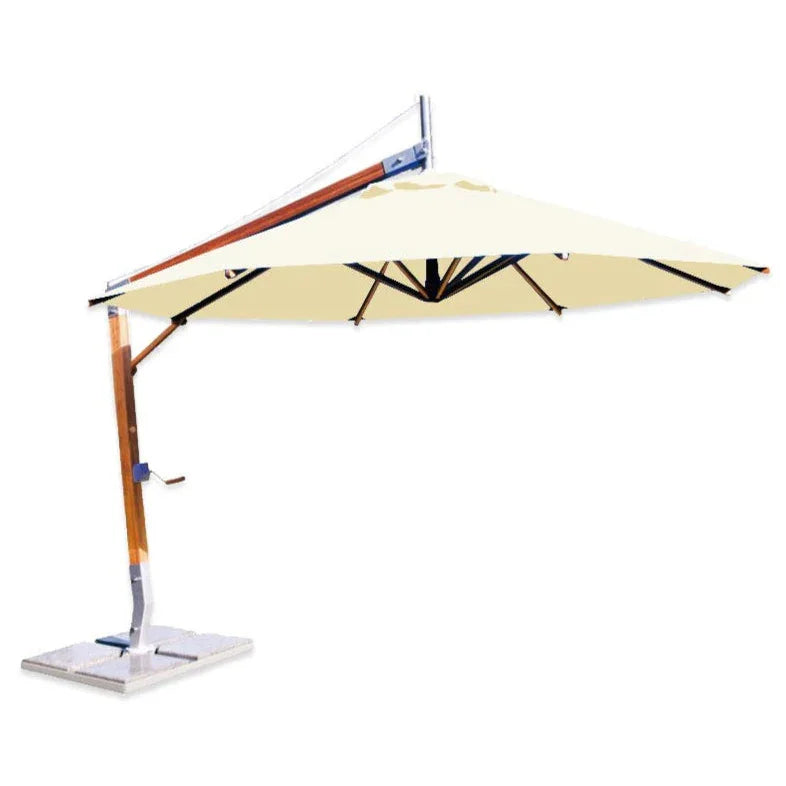
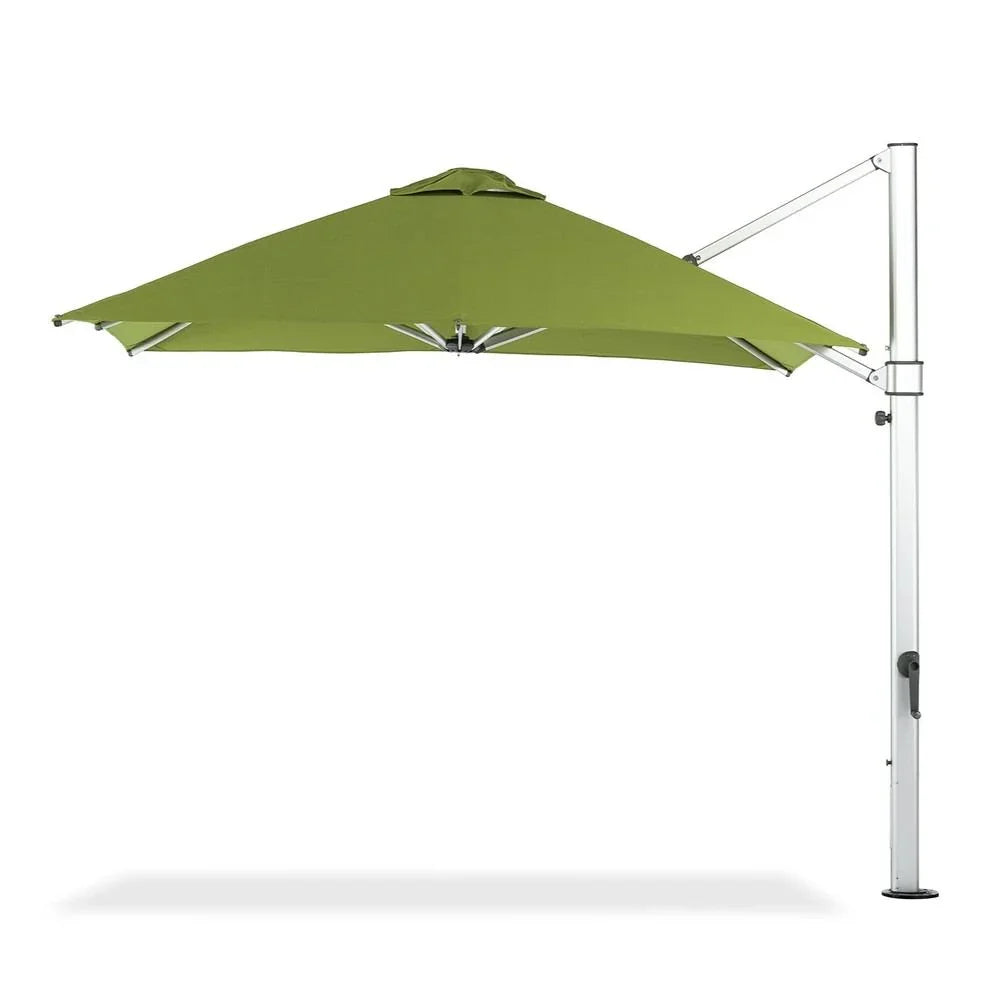
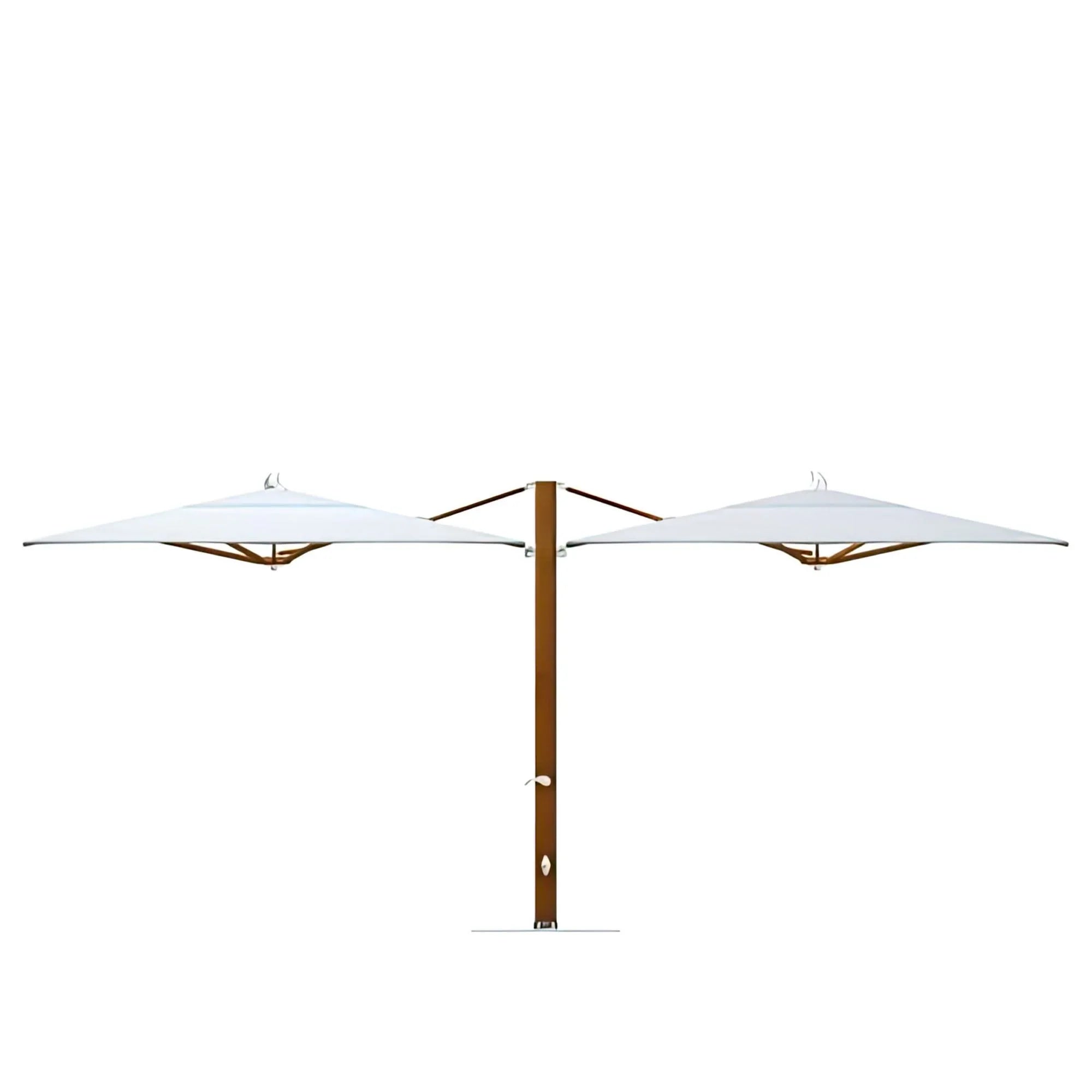
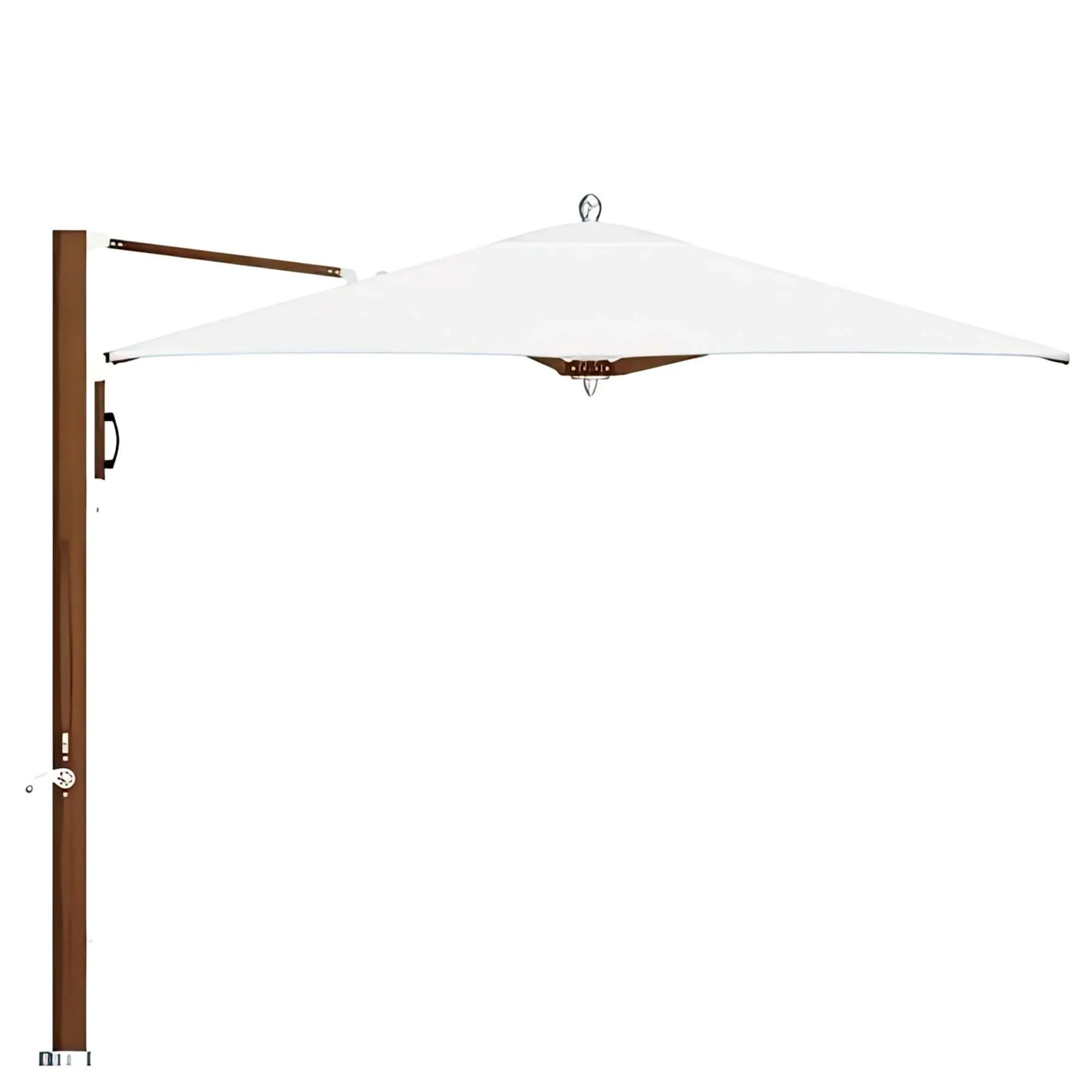
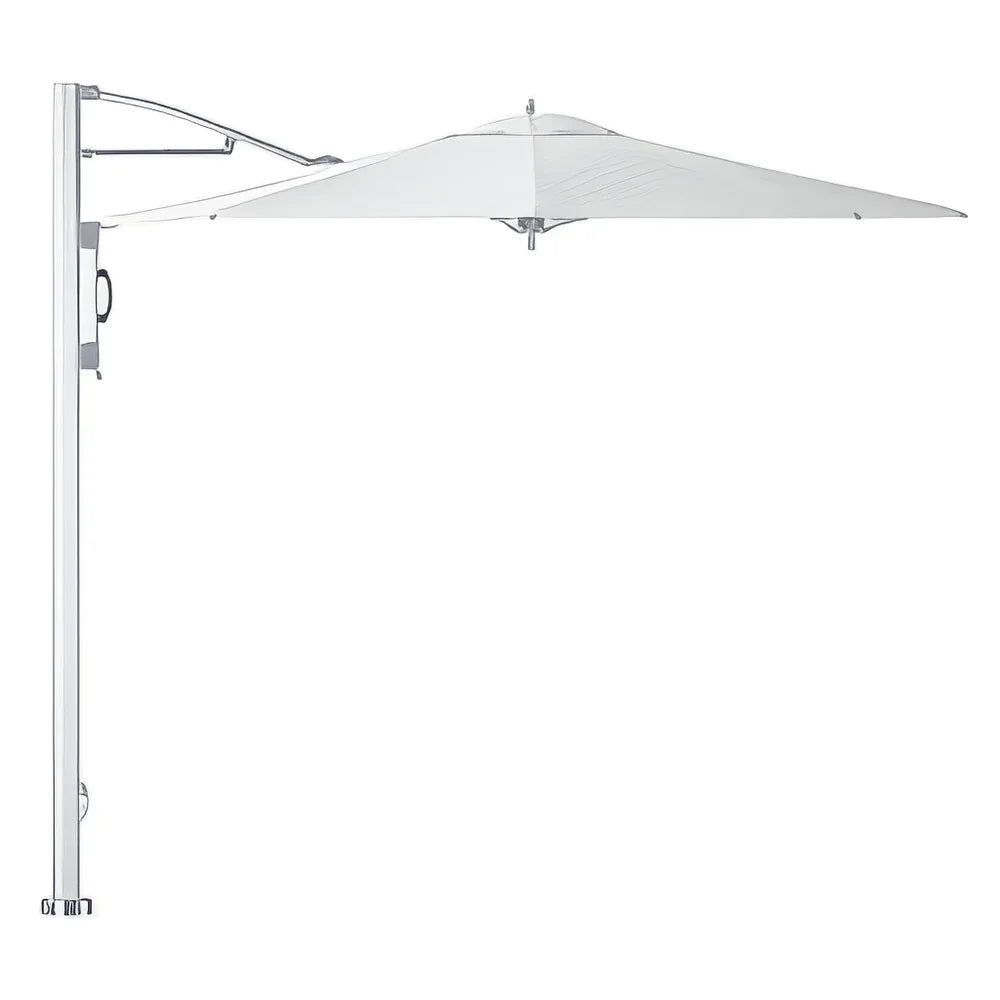
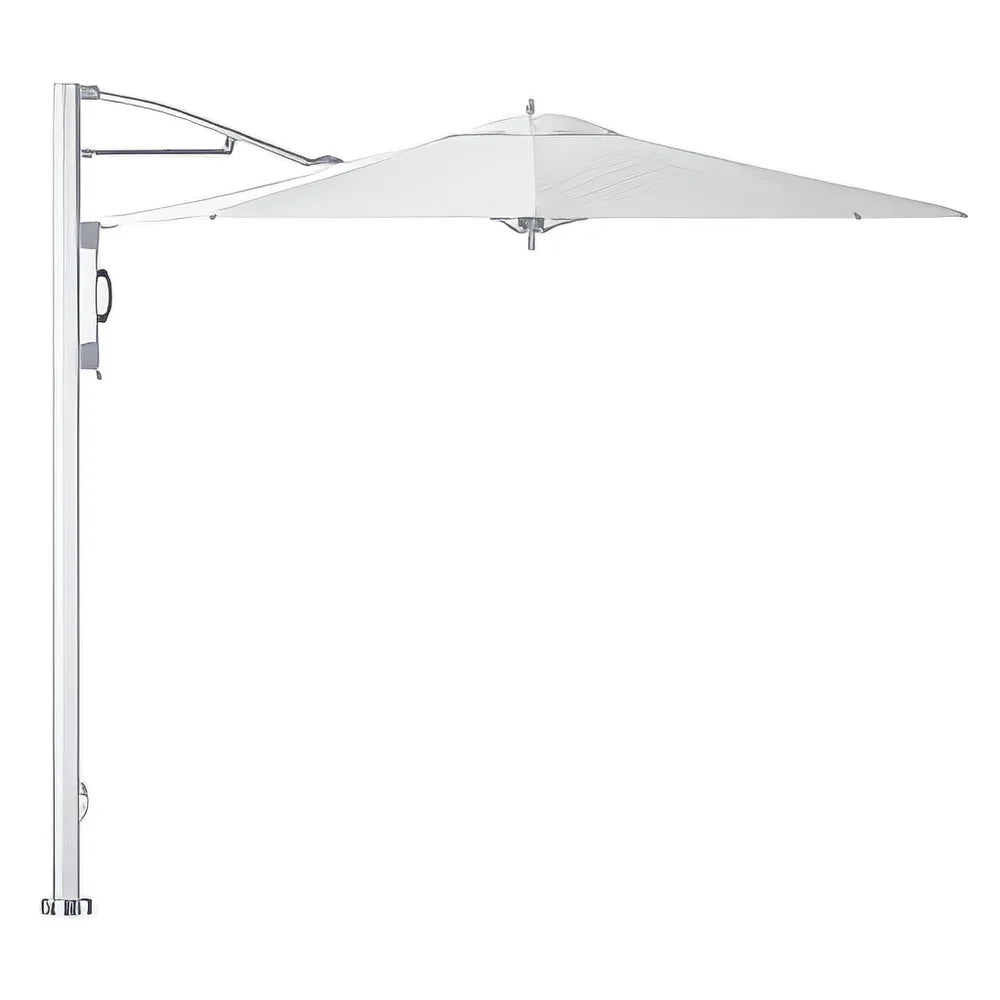
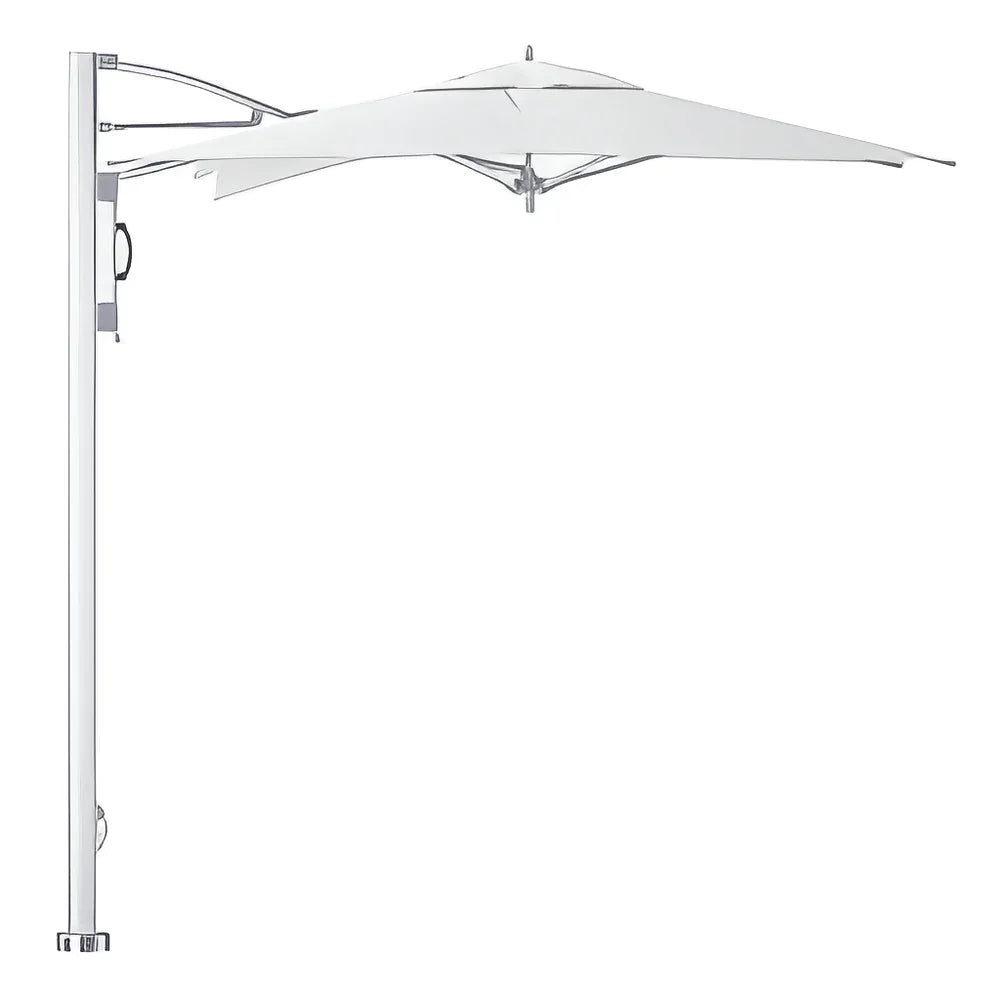
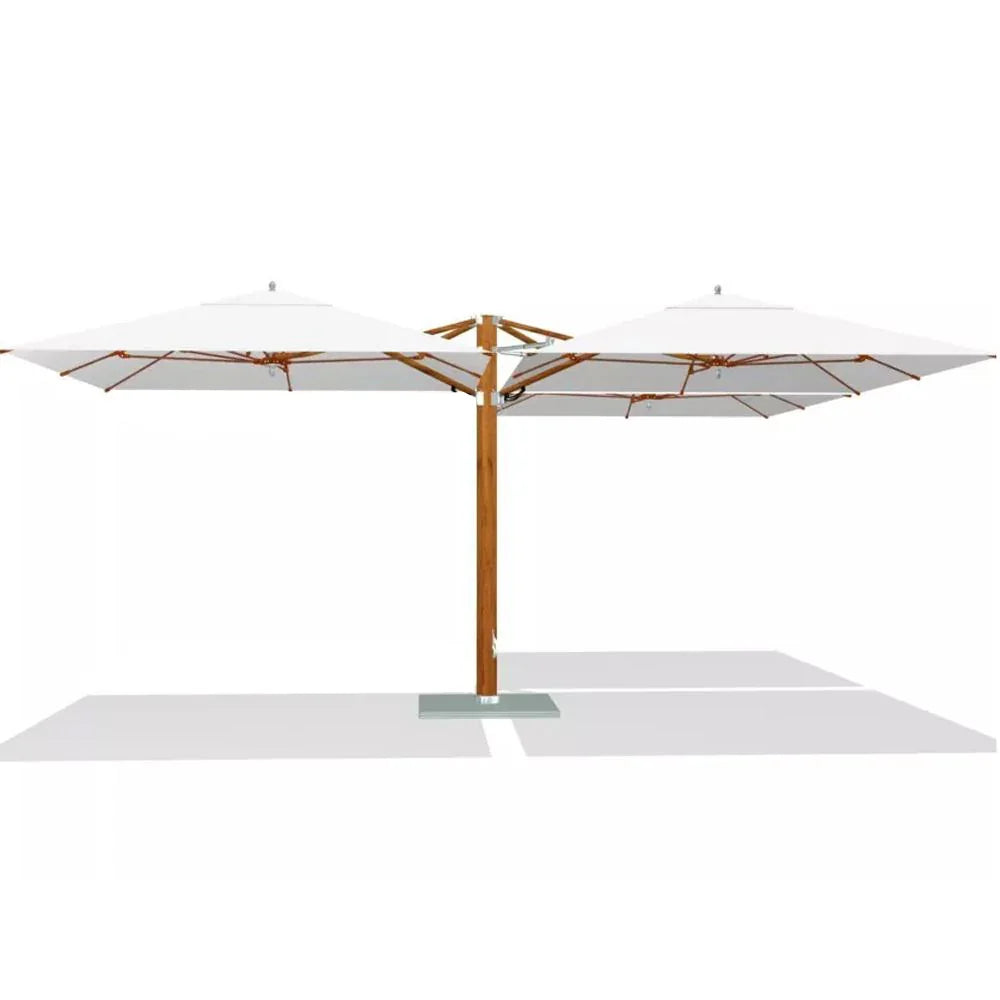
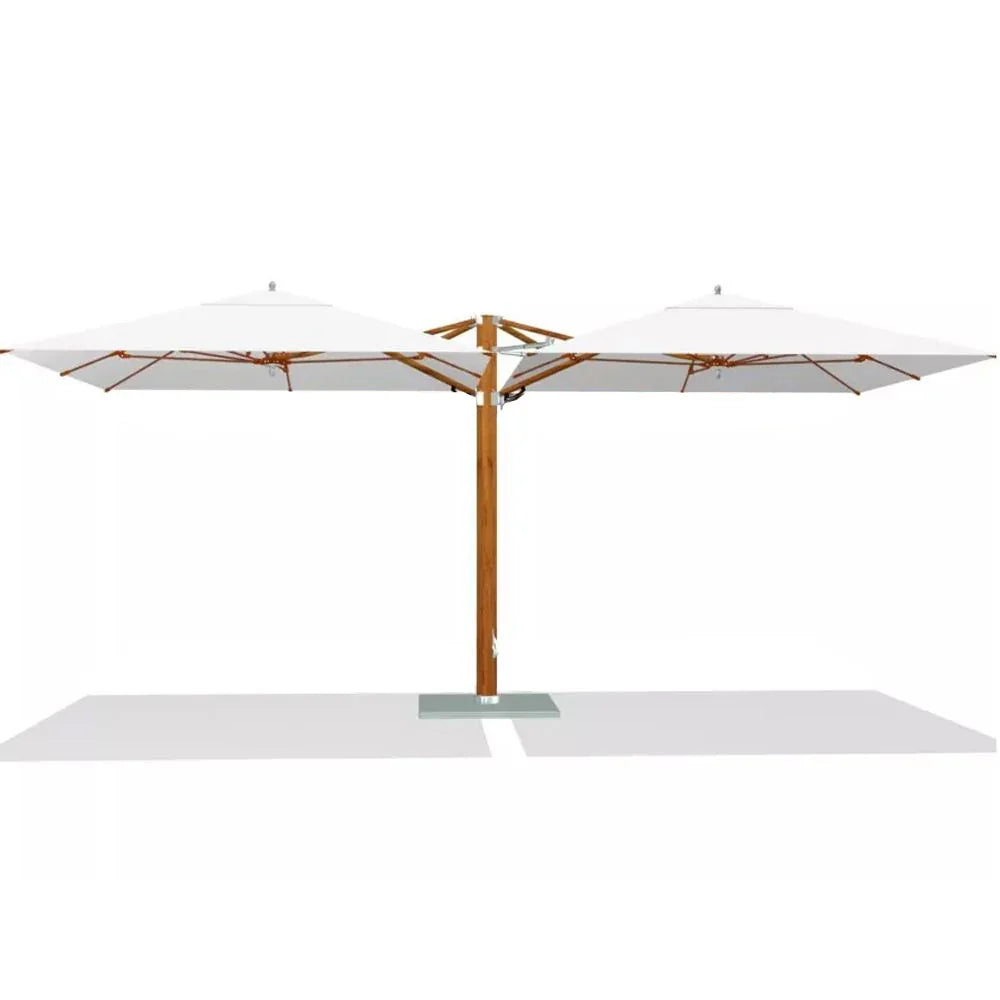
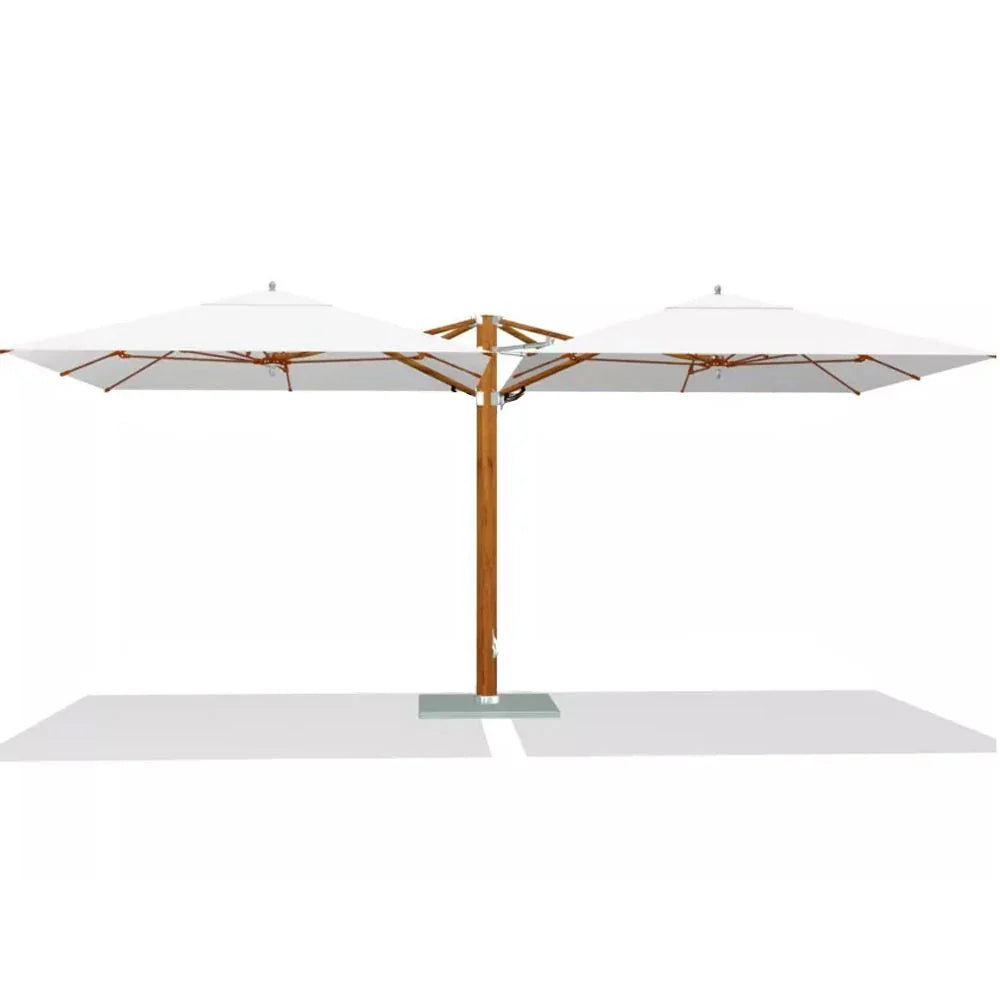
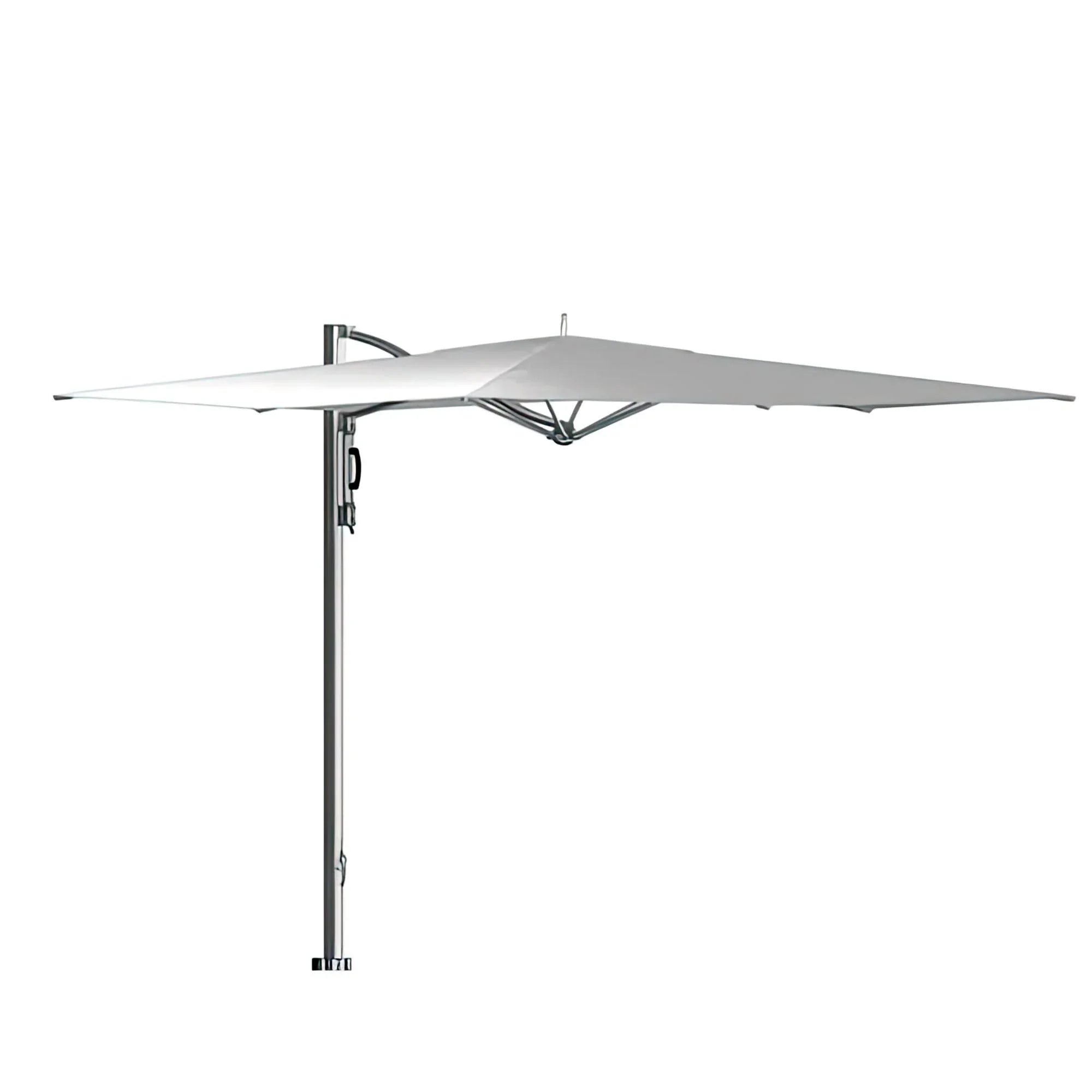
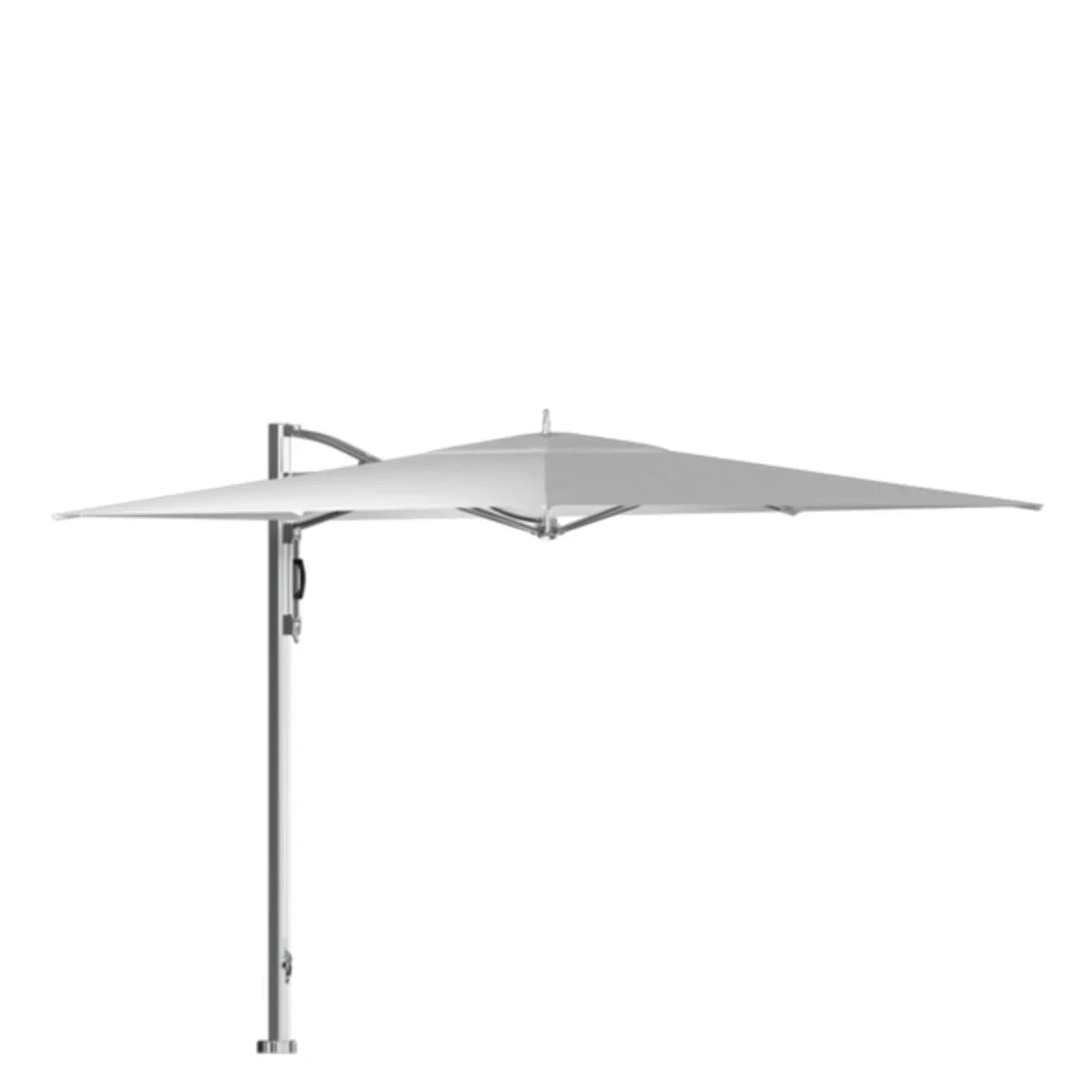
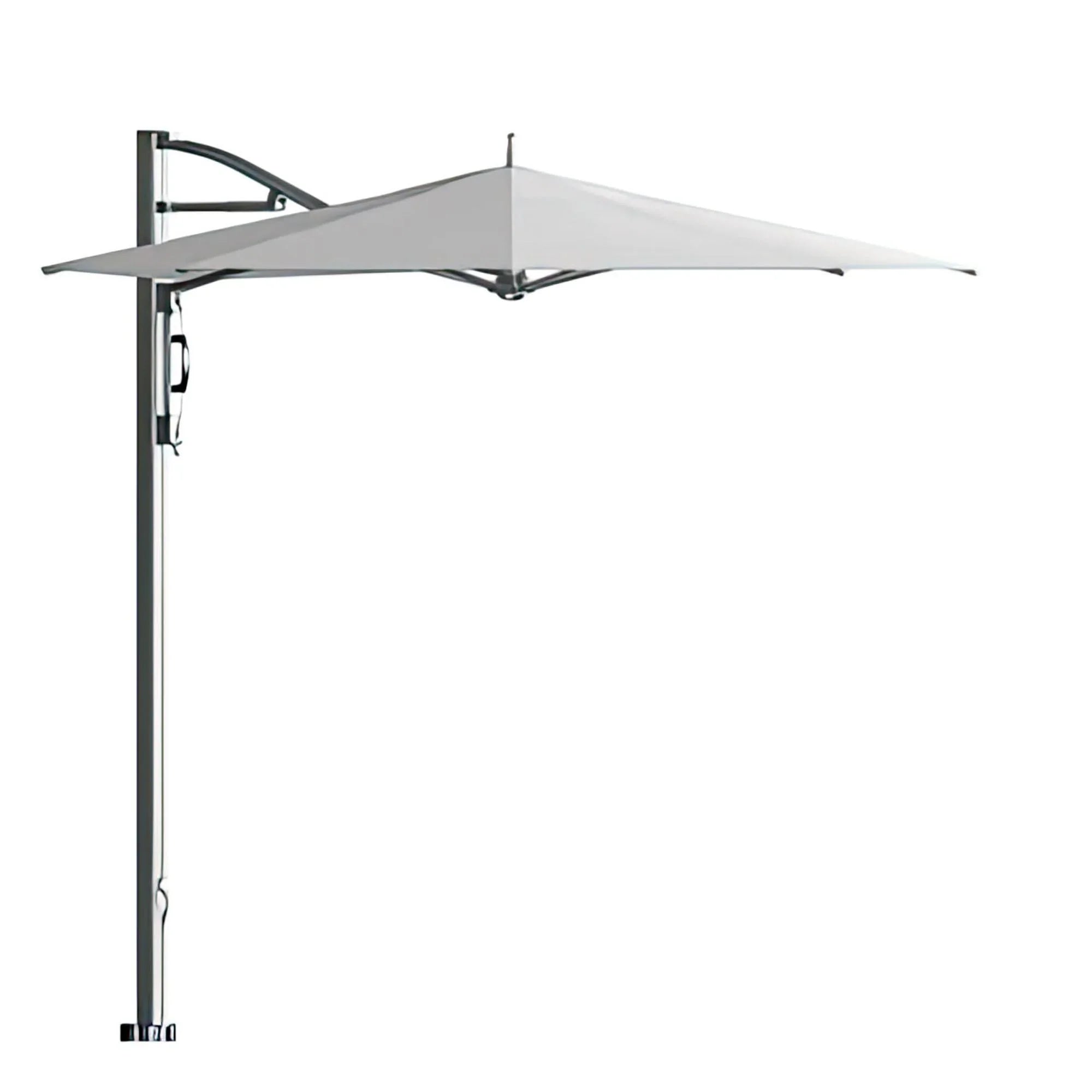
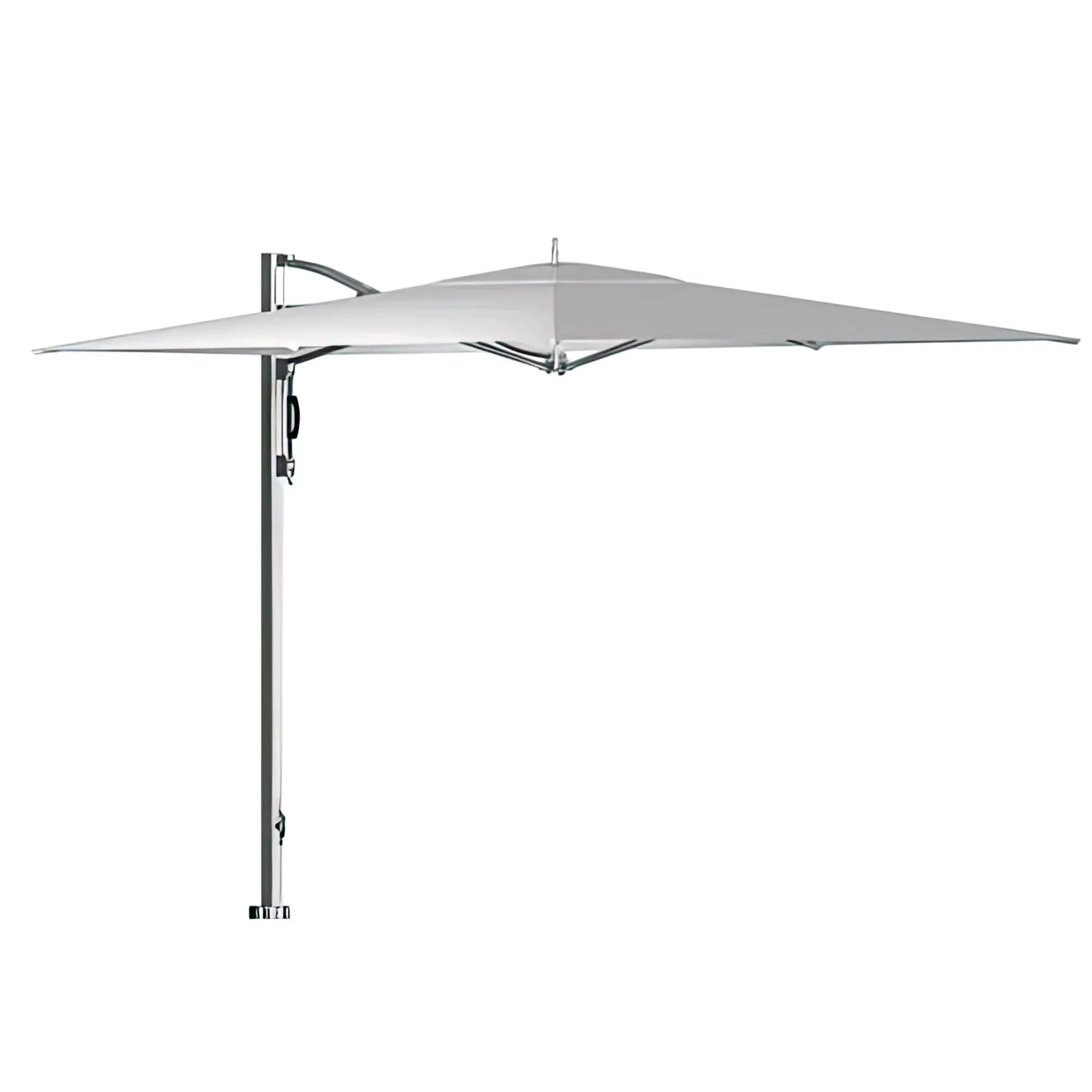
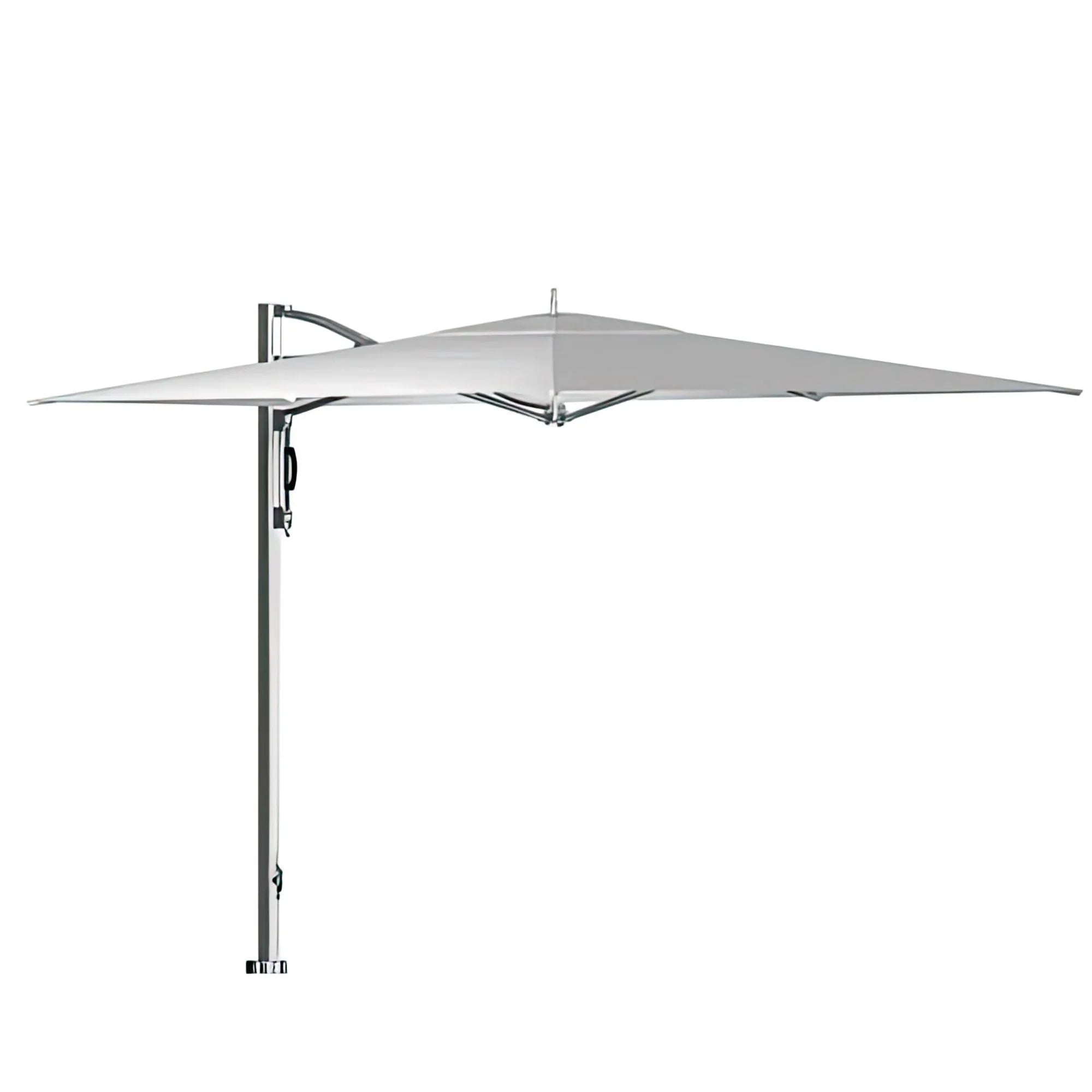
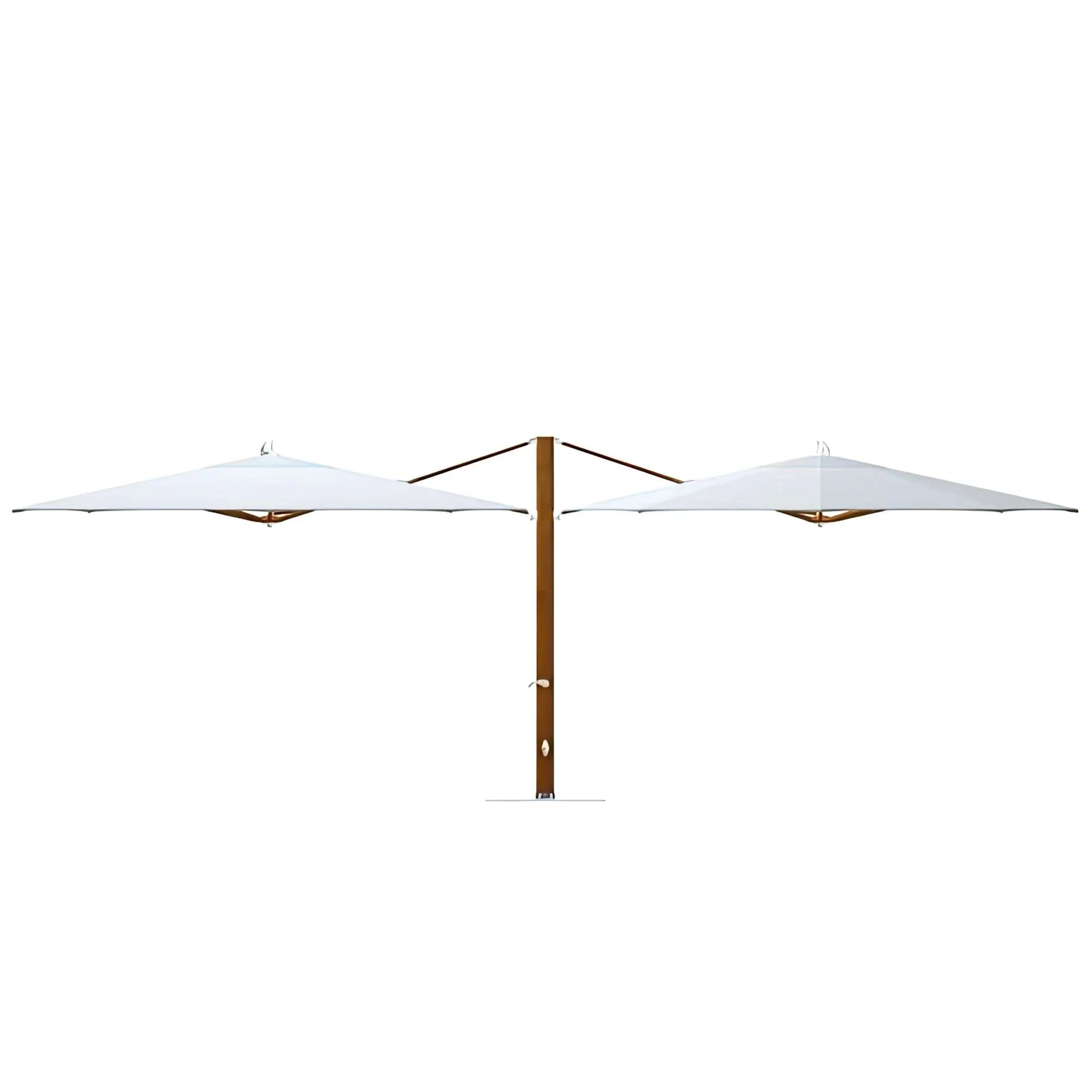
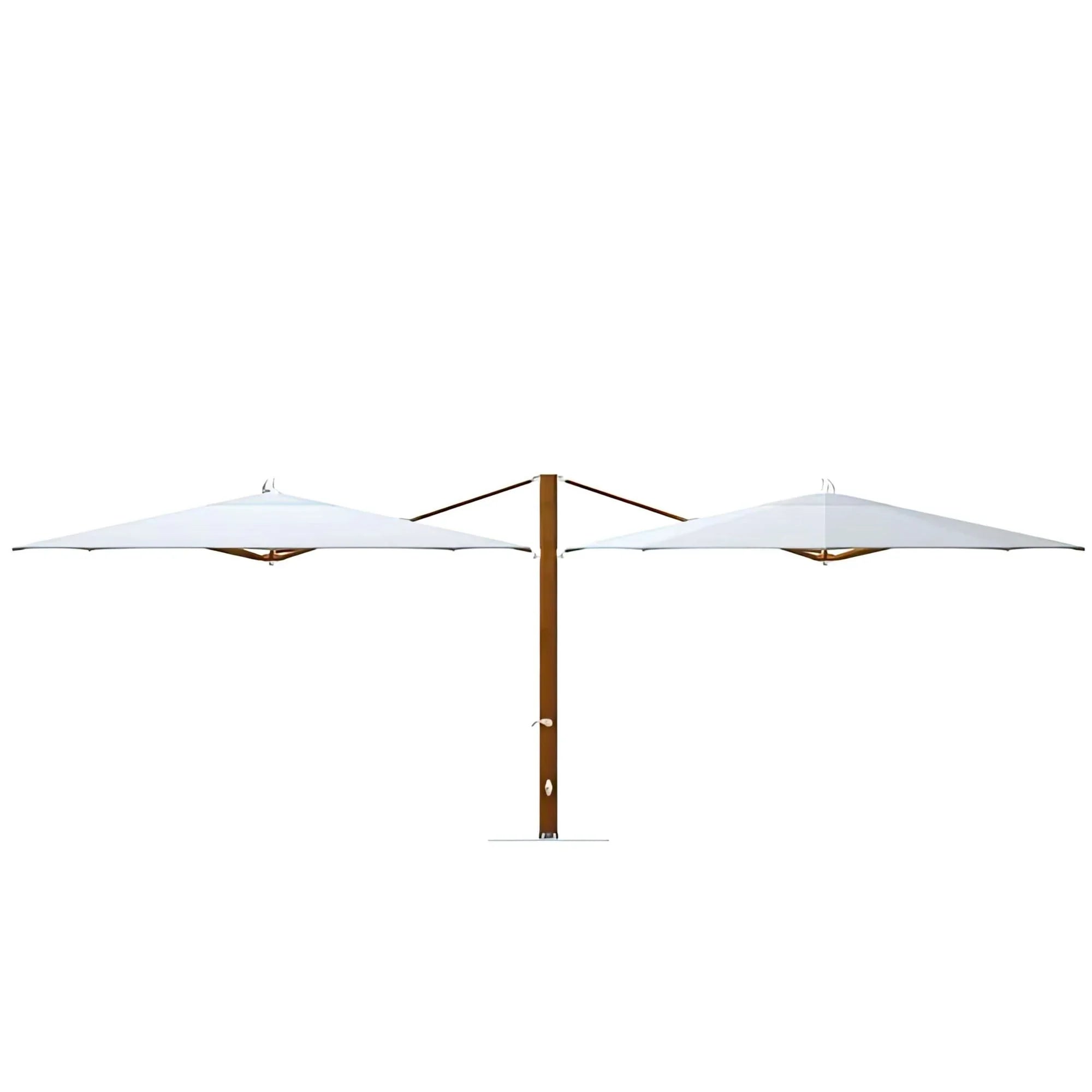
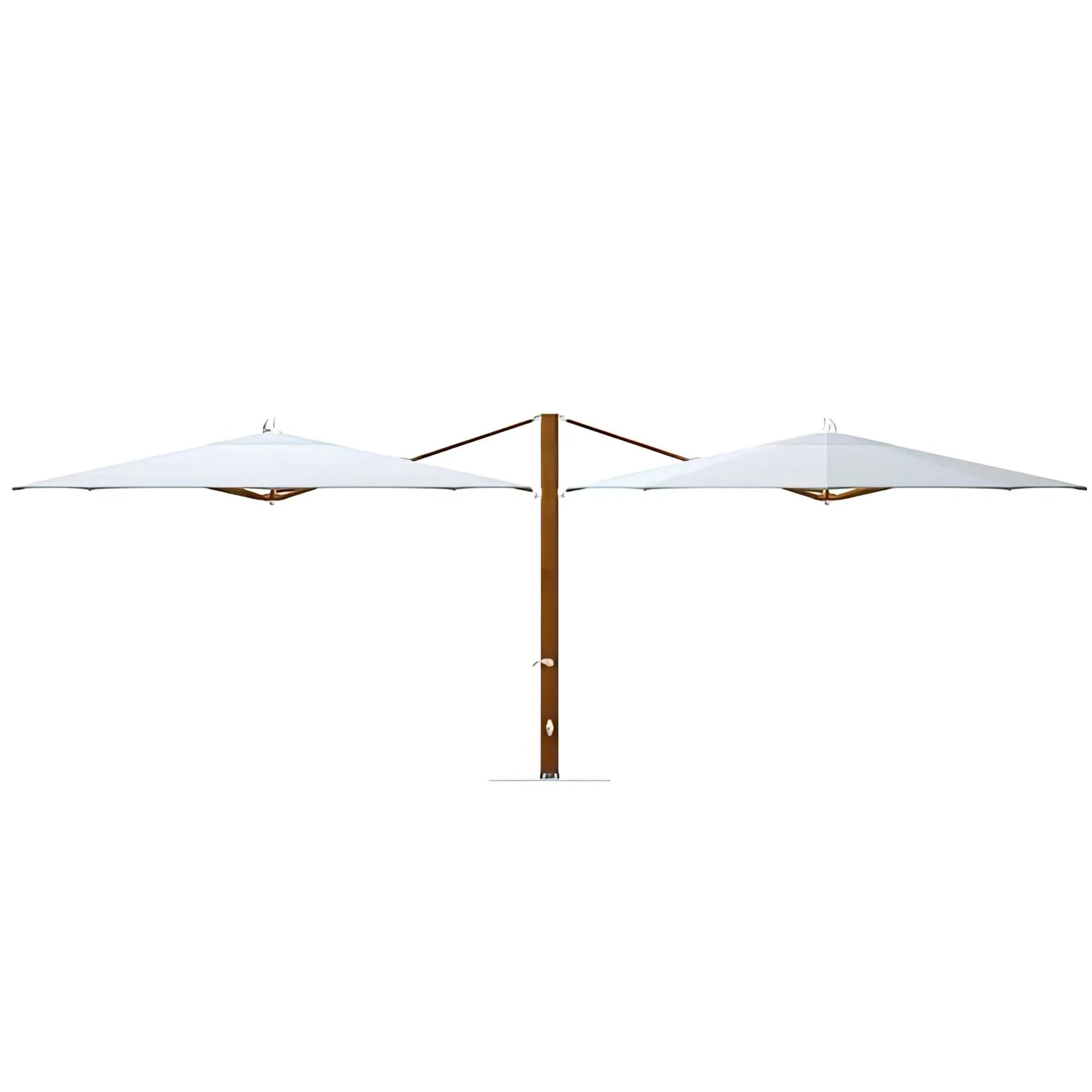
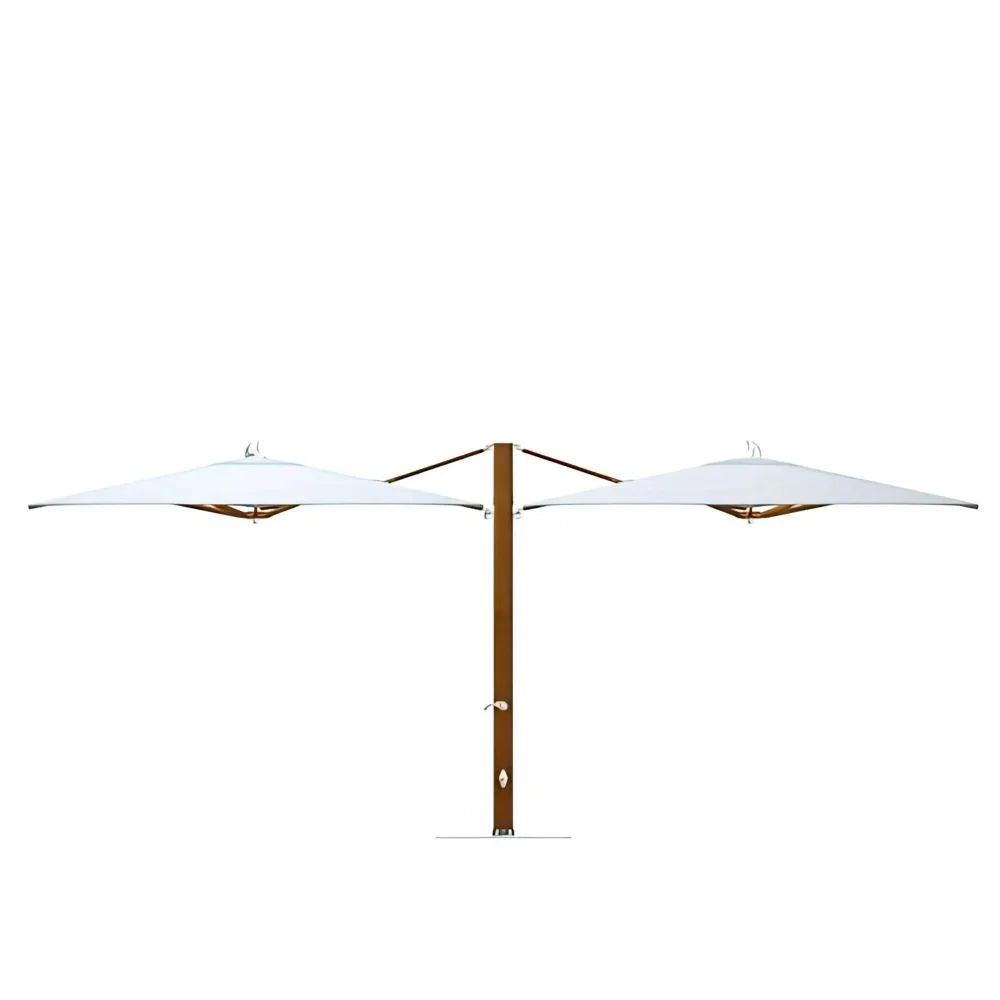
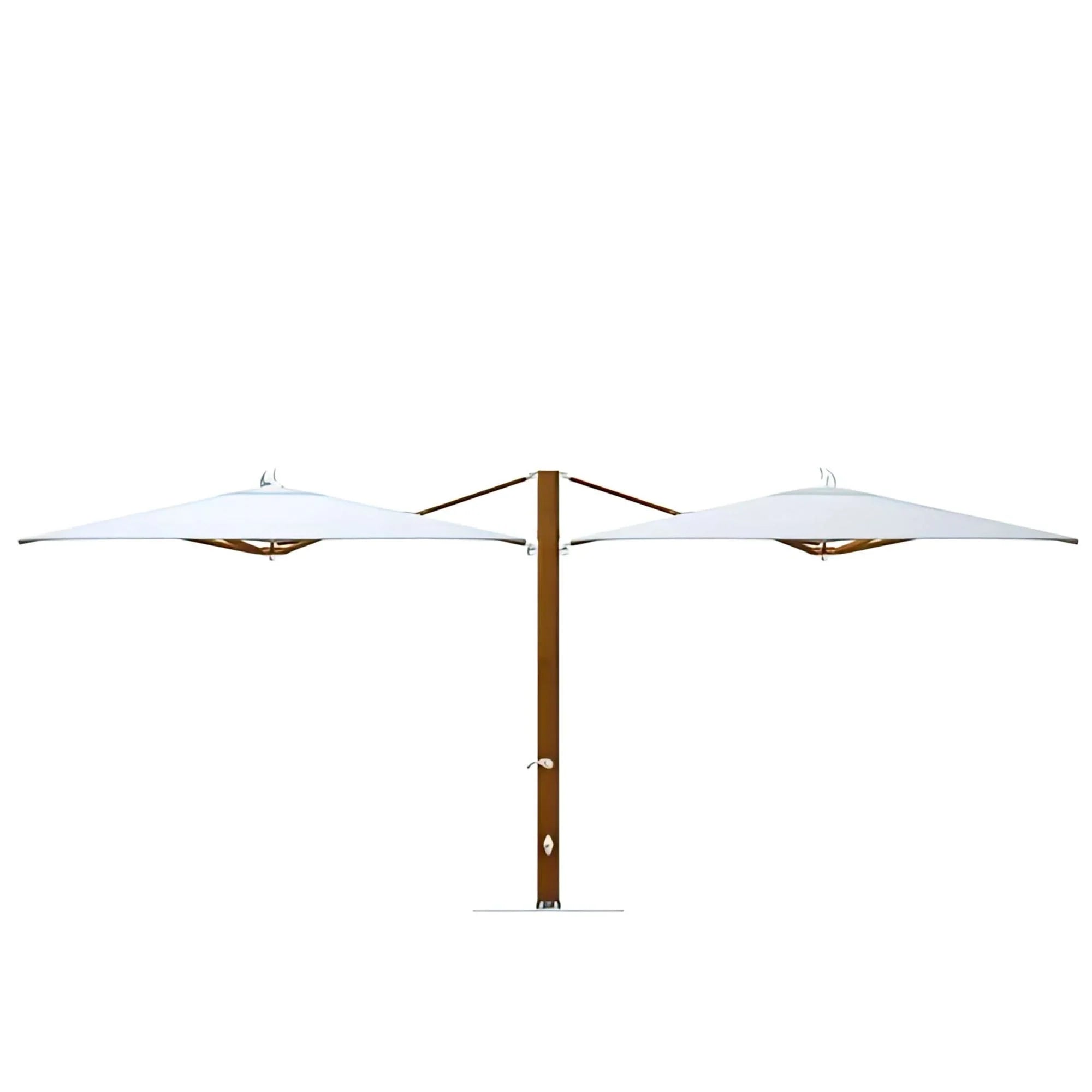
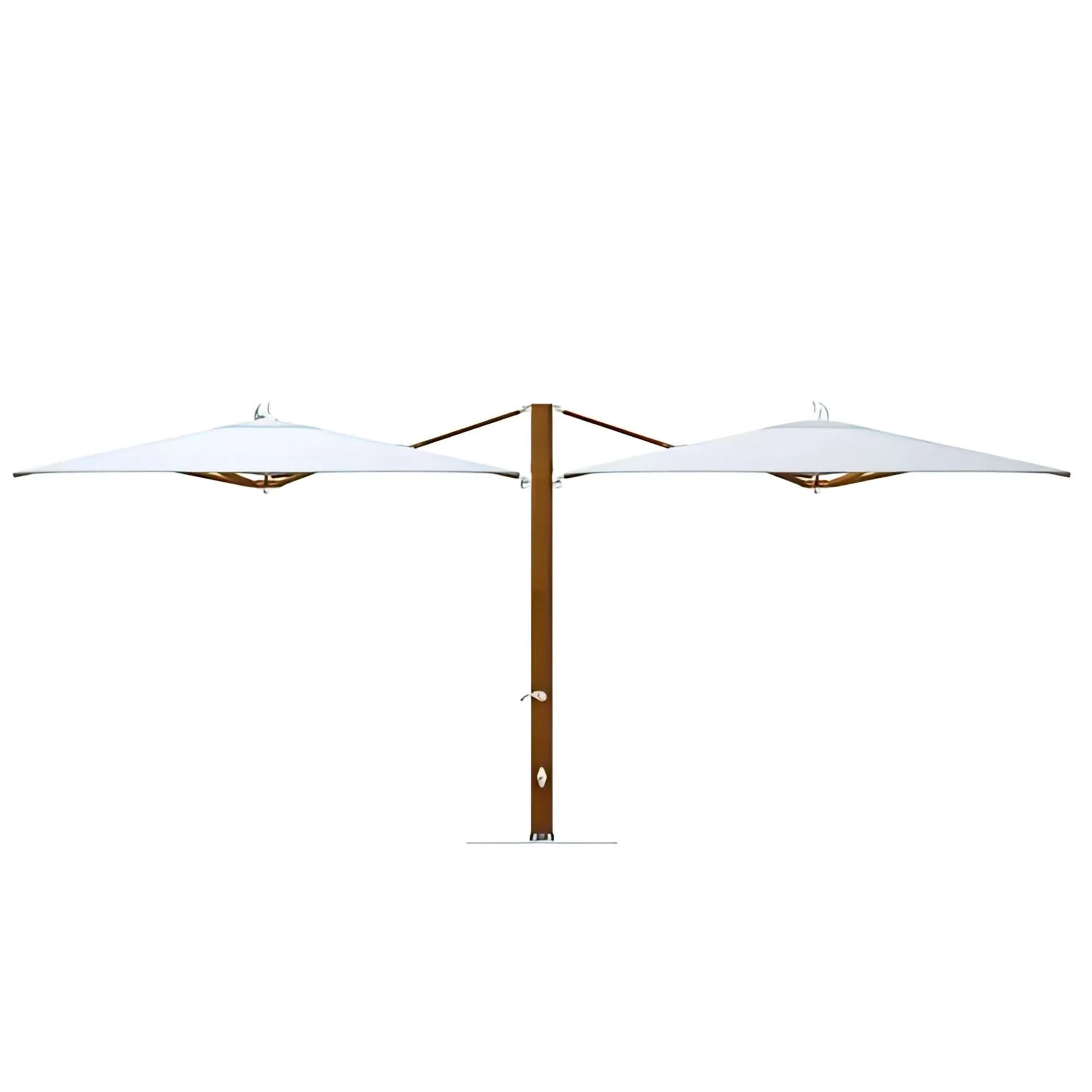
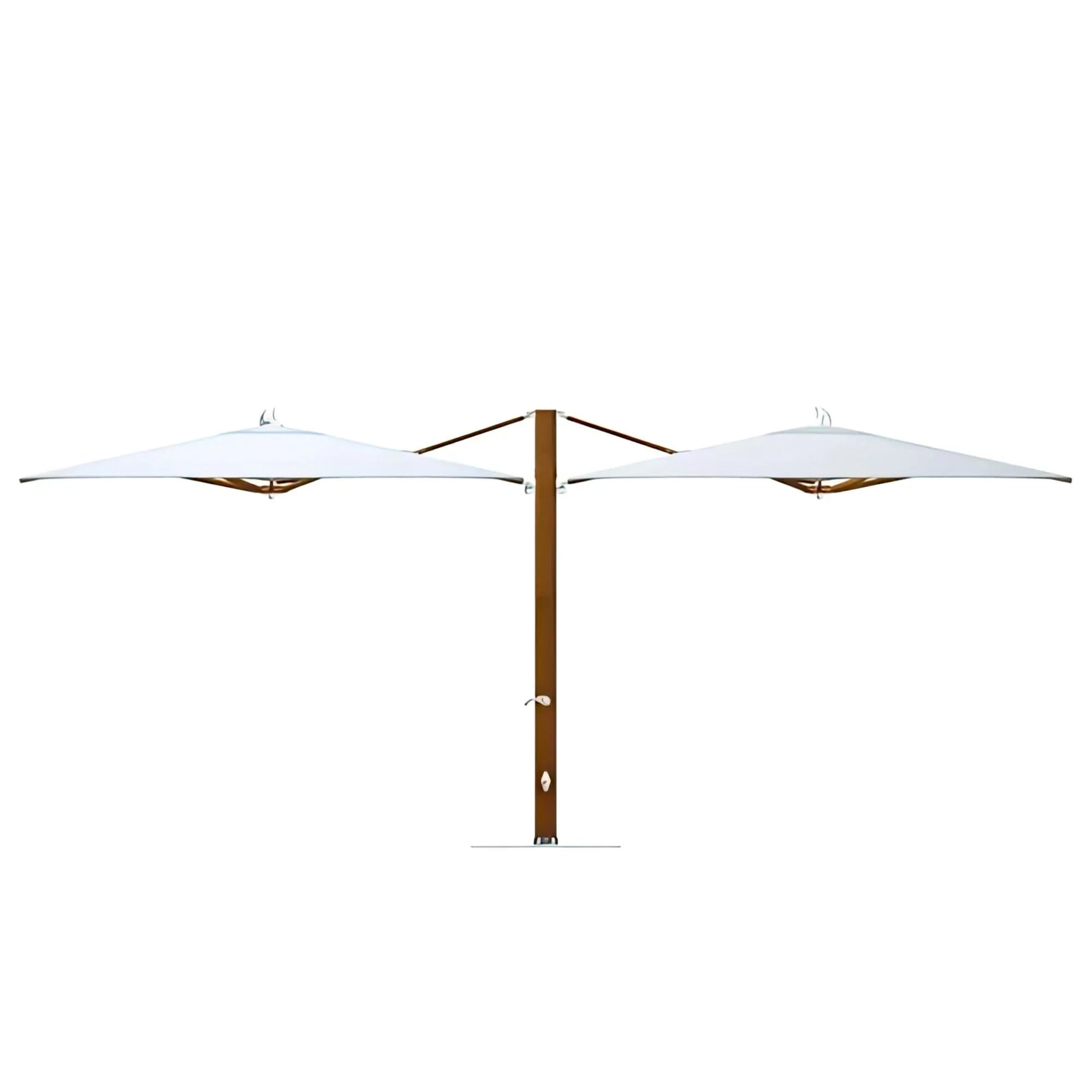
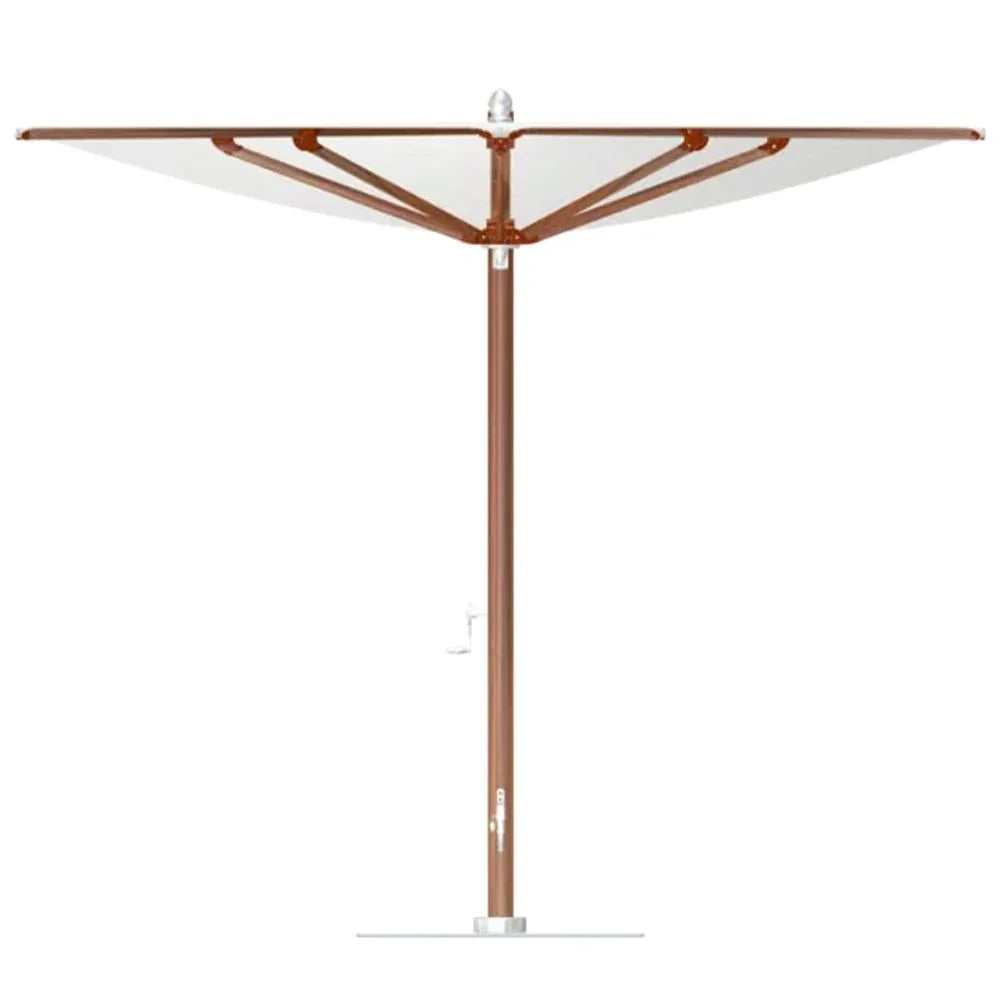
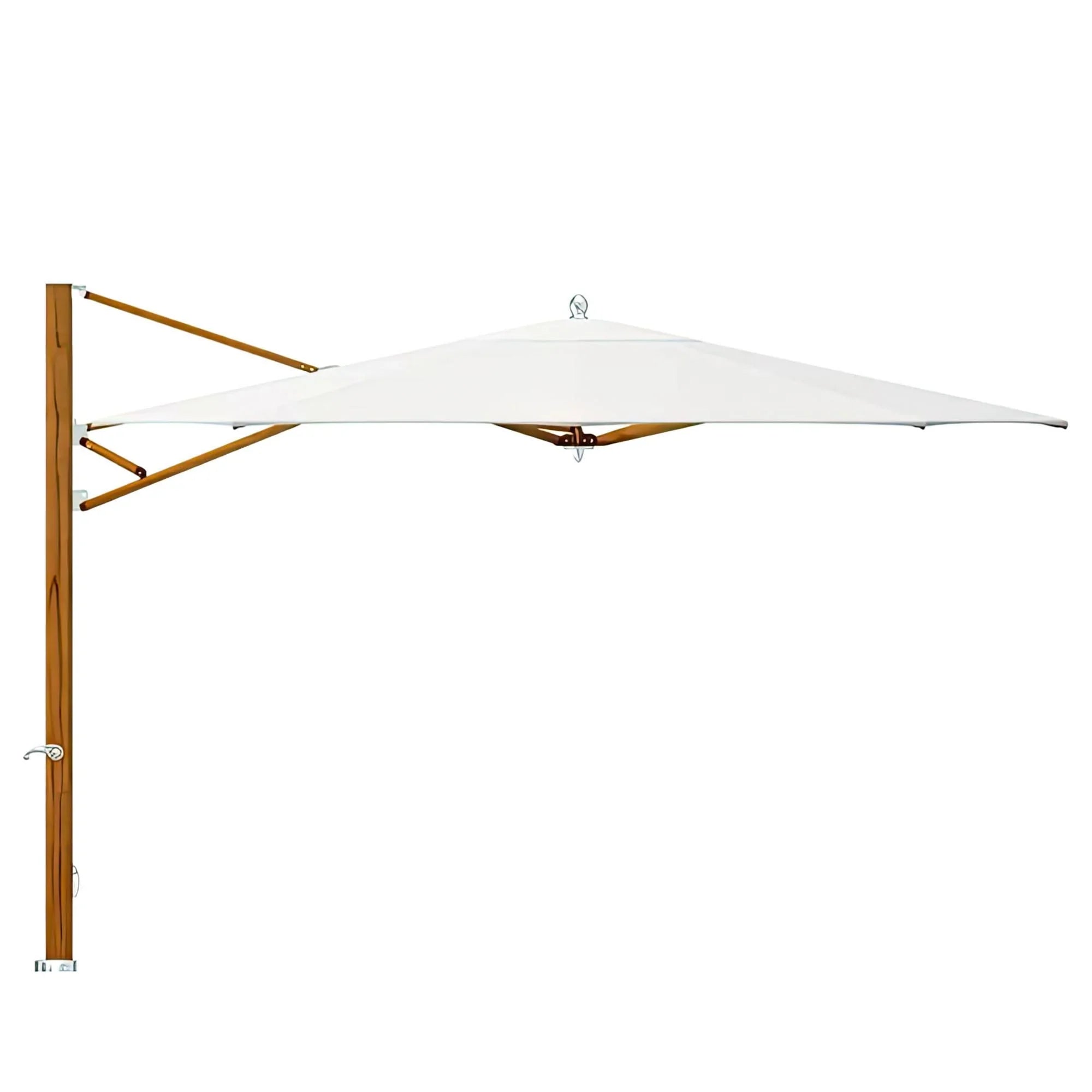
A market umbrella works because its pole runs through the table it's shading. A cantilever umbrella exists for every situation where that isn't an option: a sectional, a daybed, a pool deck, or any lounge arrangement where drilling a hole for a pole was never on the table. The offset arm does the work instead, suspending the canopy from the side so the entire seating area underneath stays open and unobstructed.
How the Offset Arm Actually Works
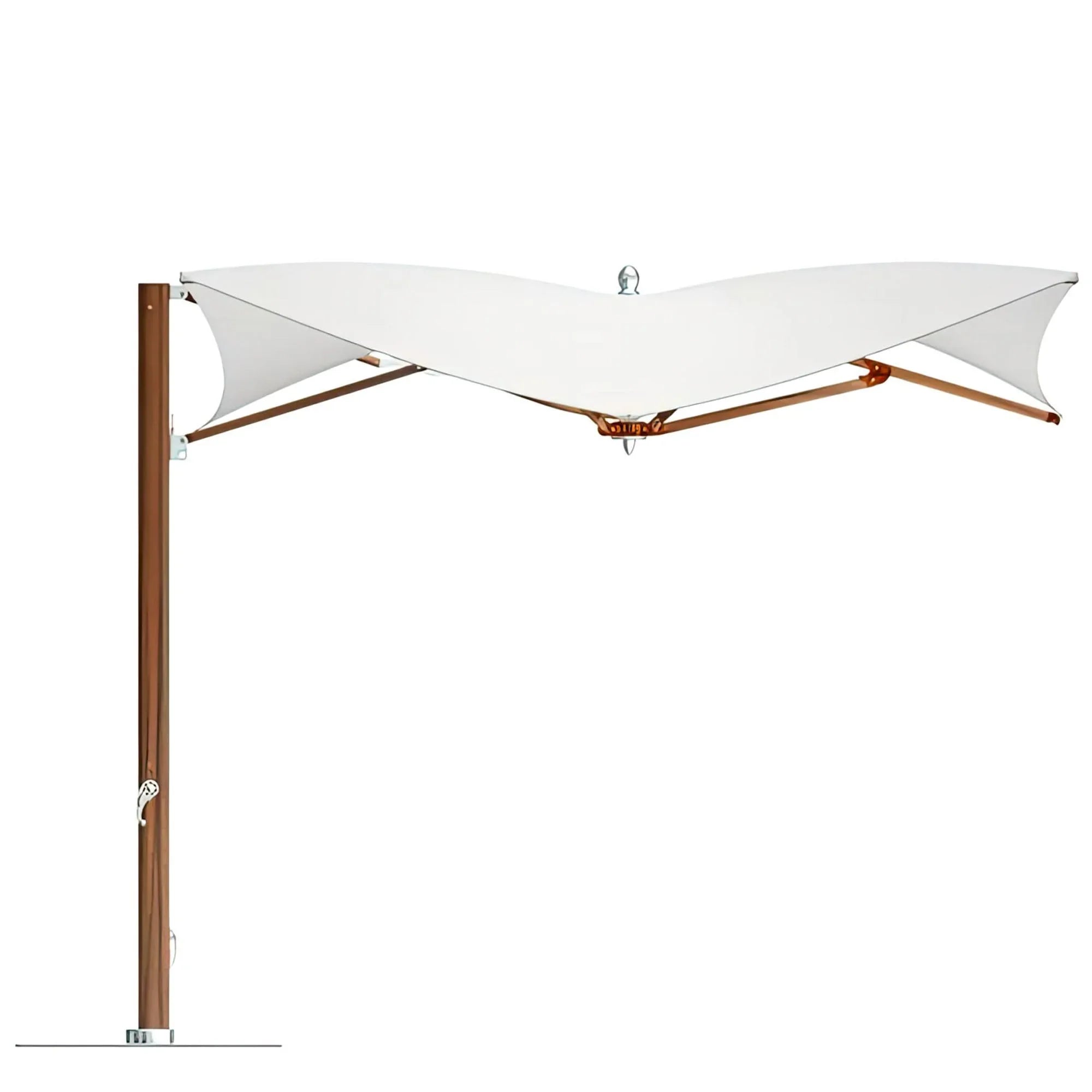
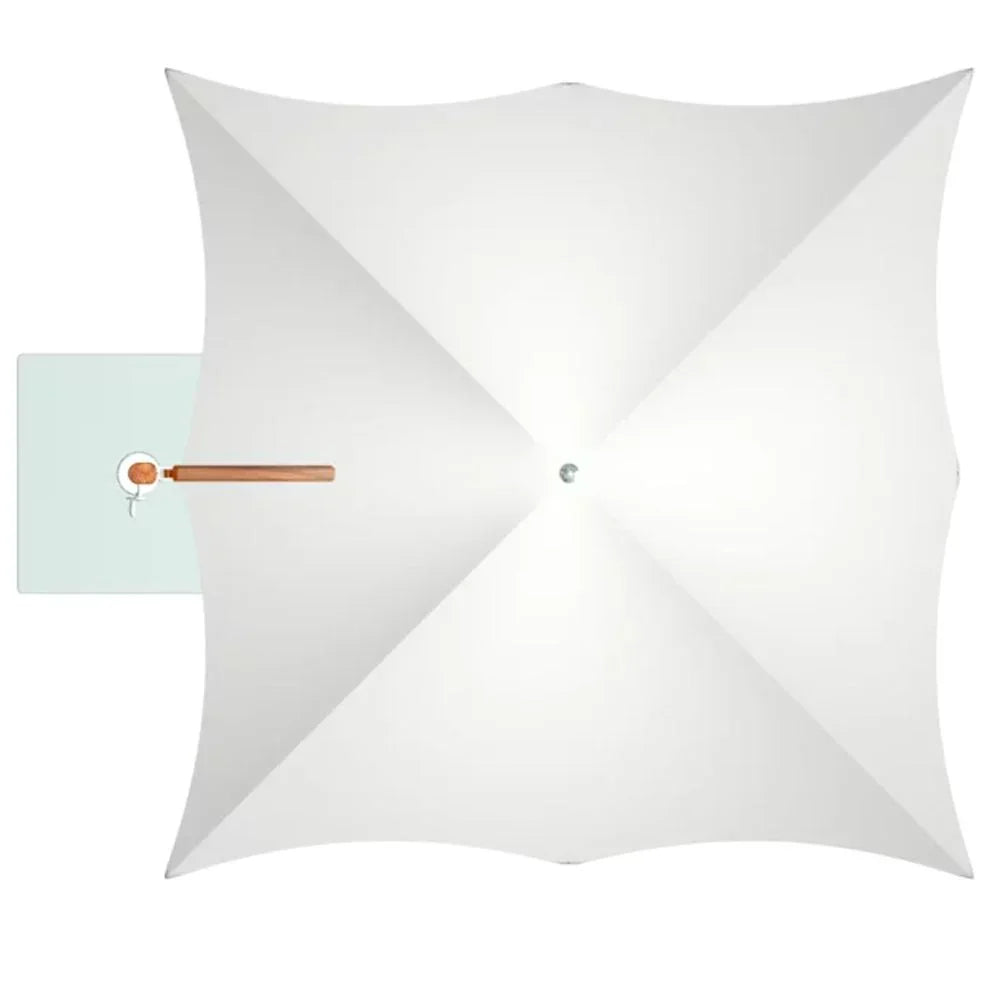
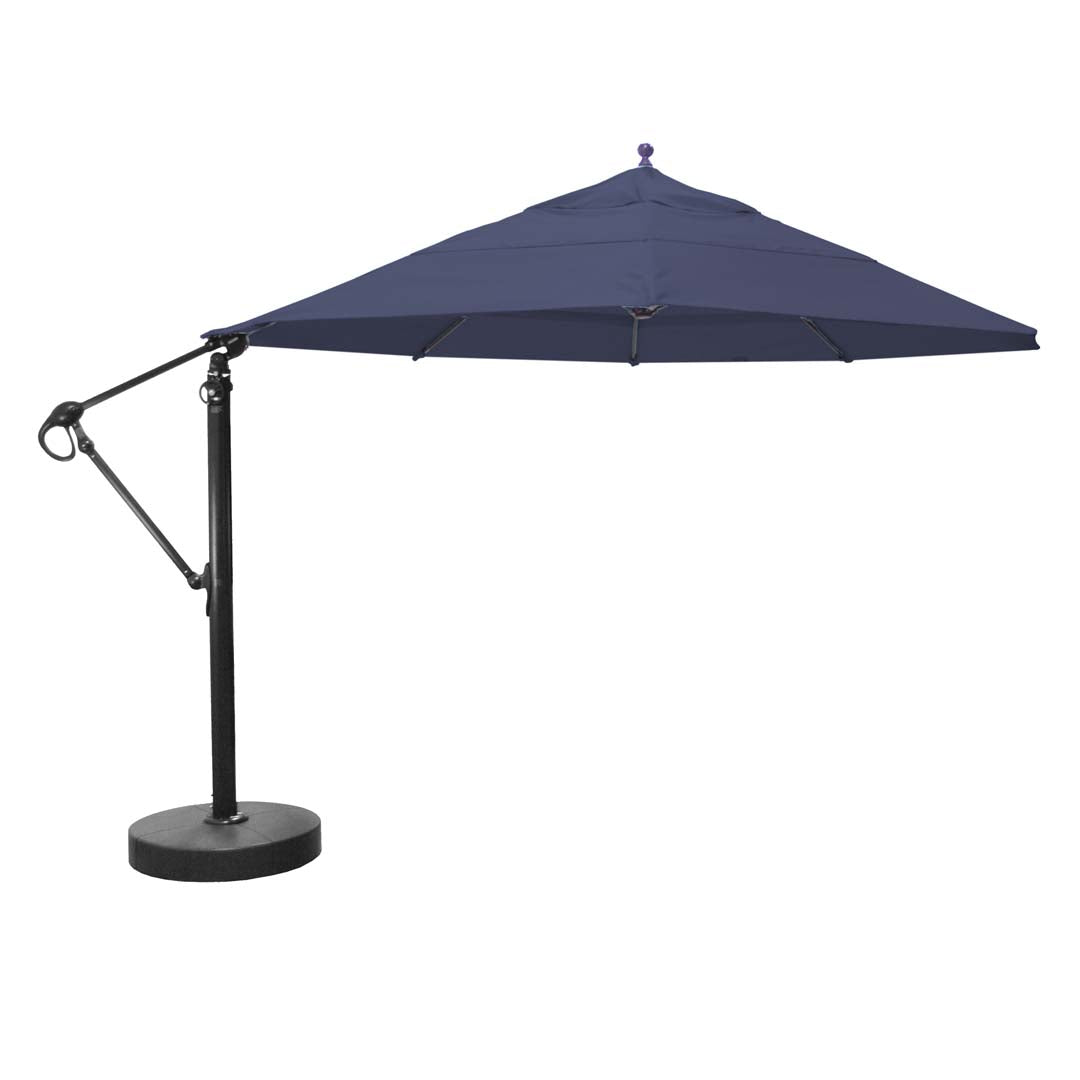
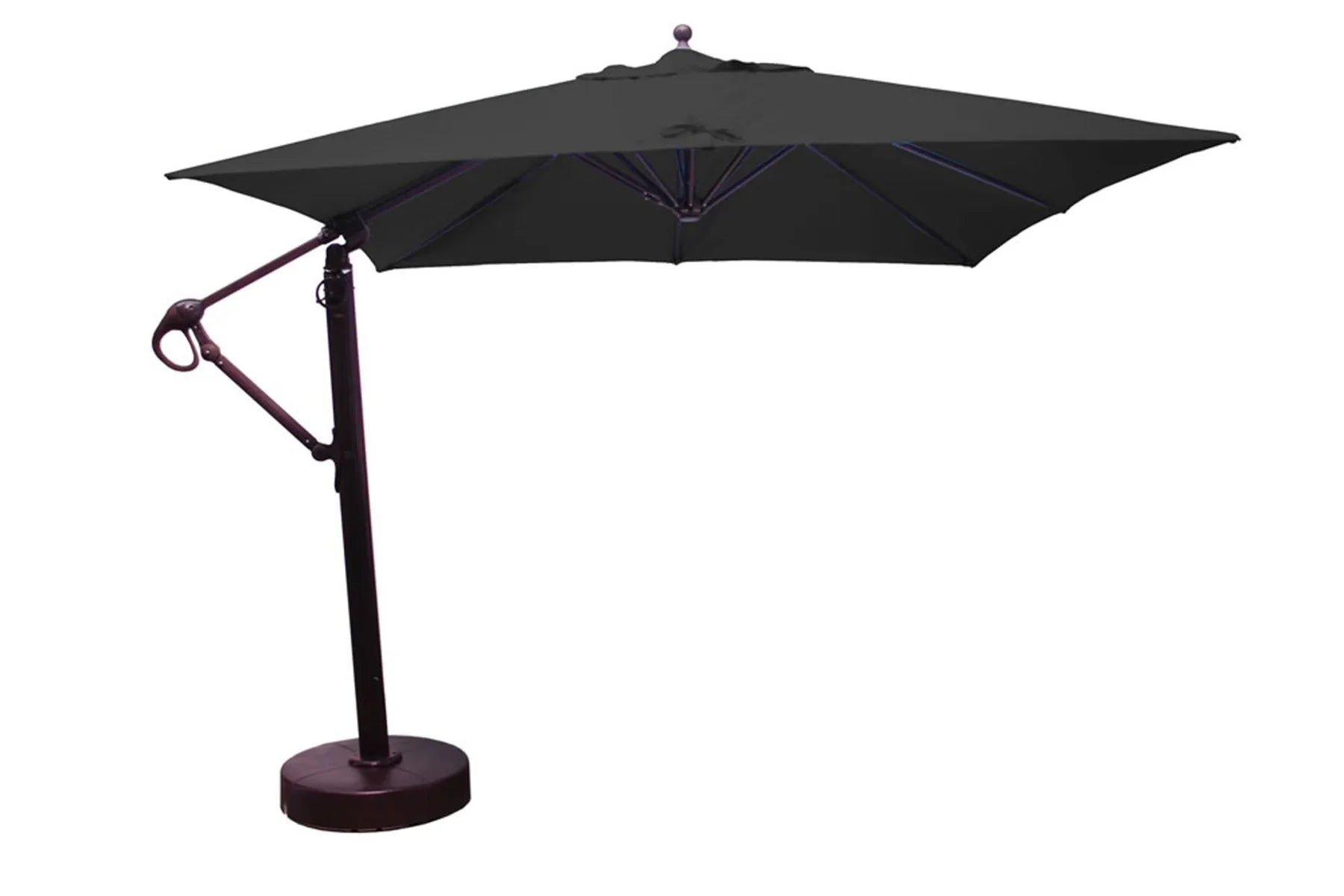
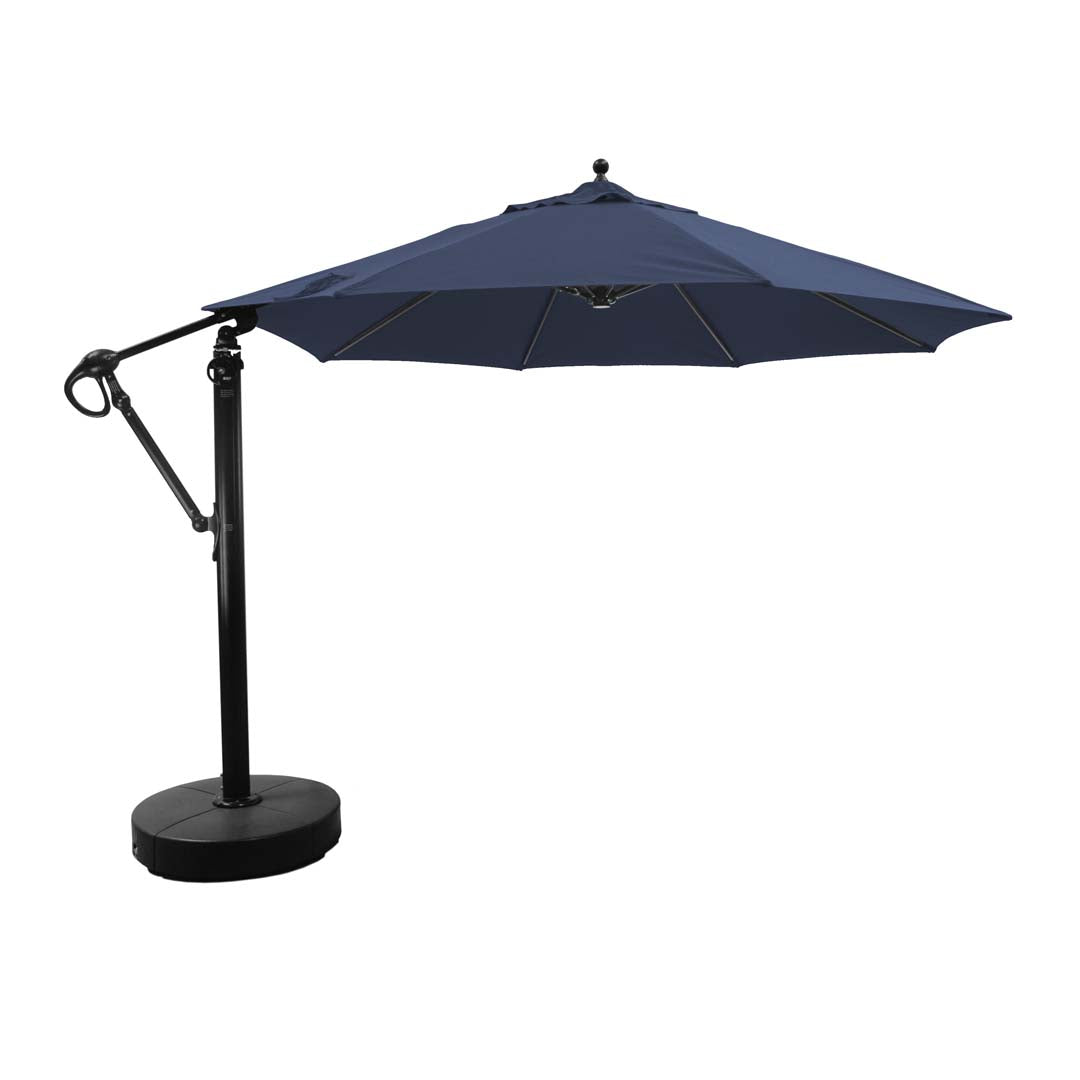
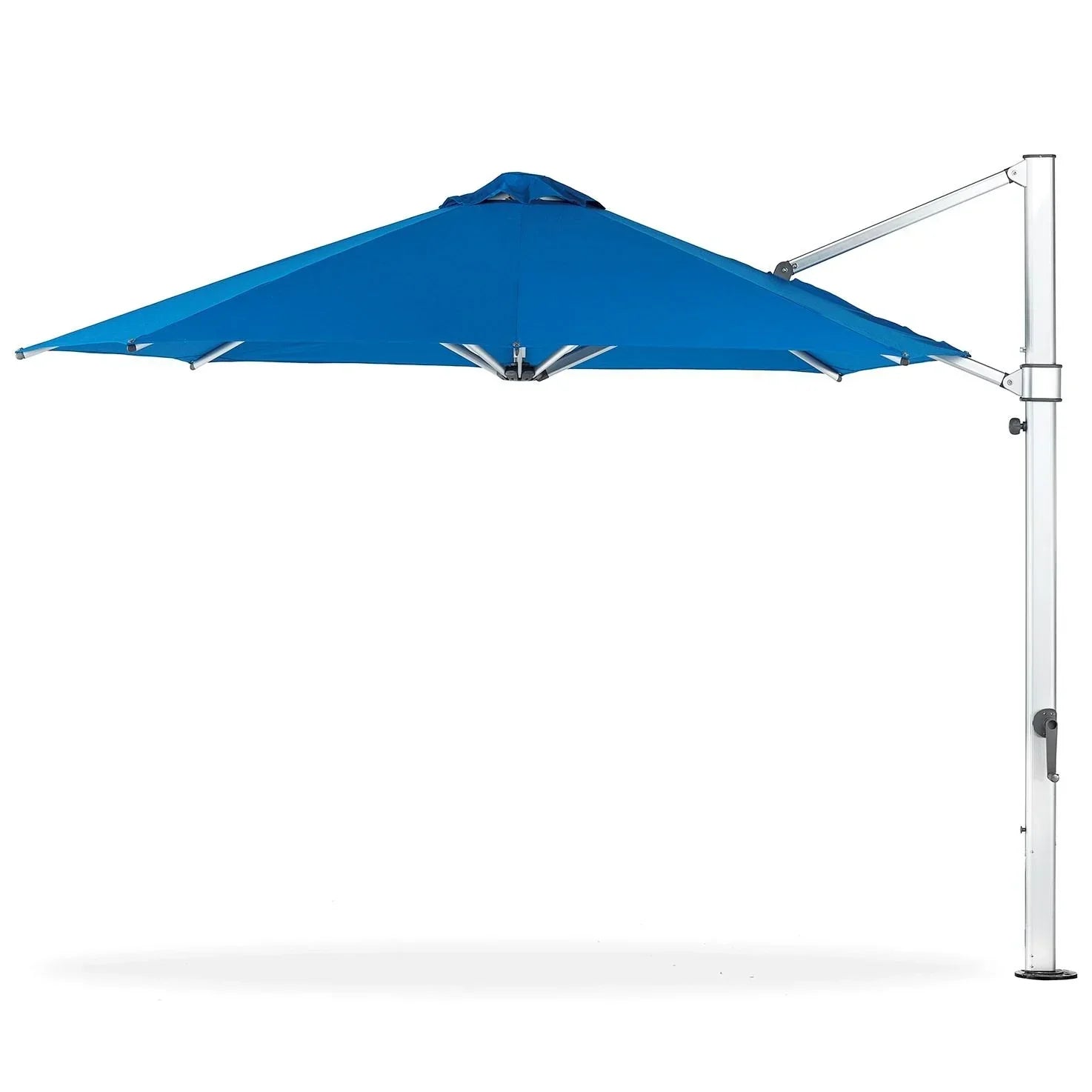
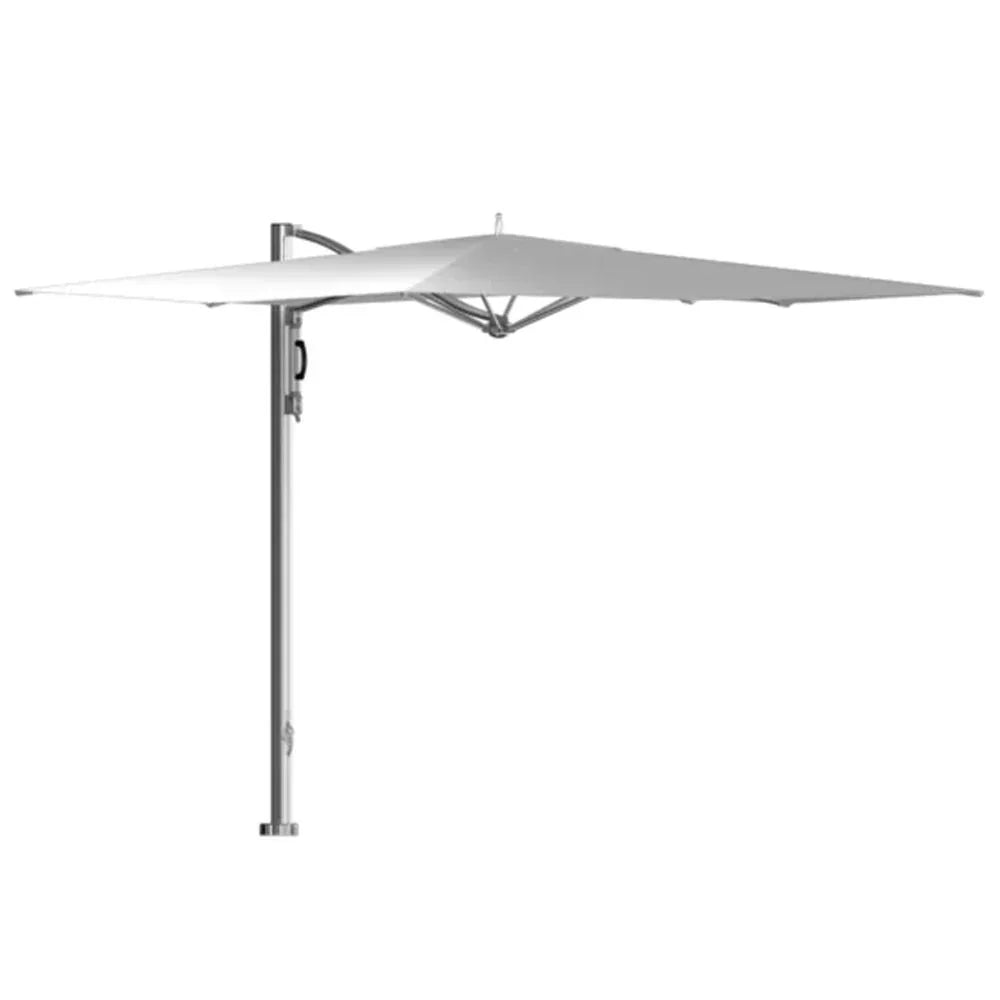
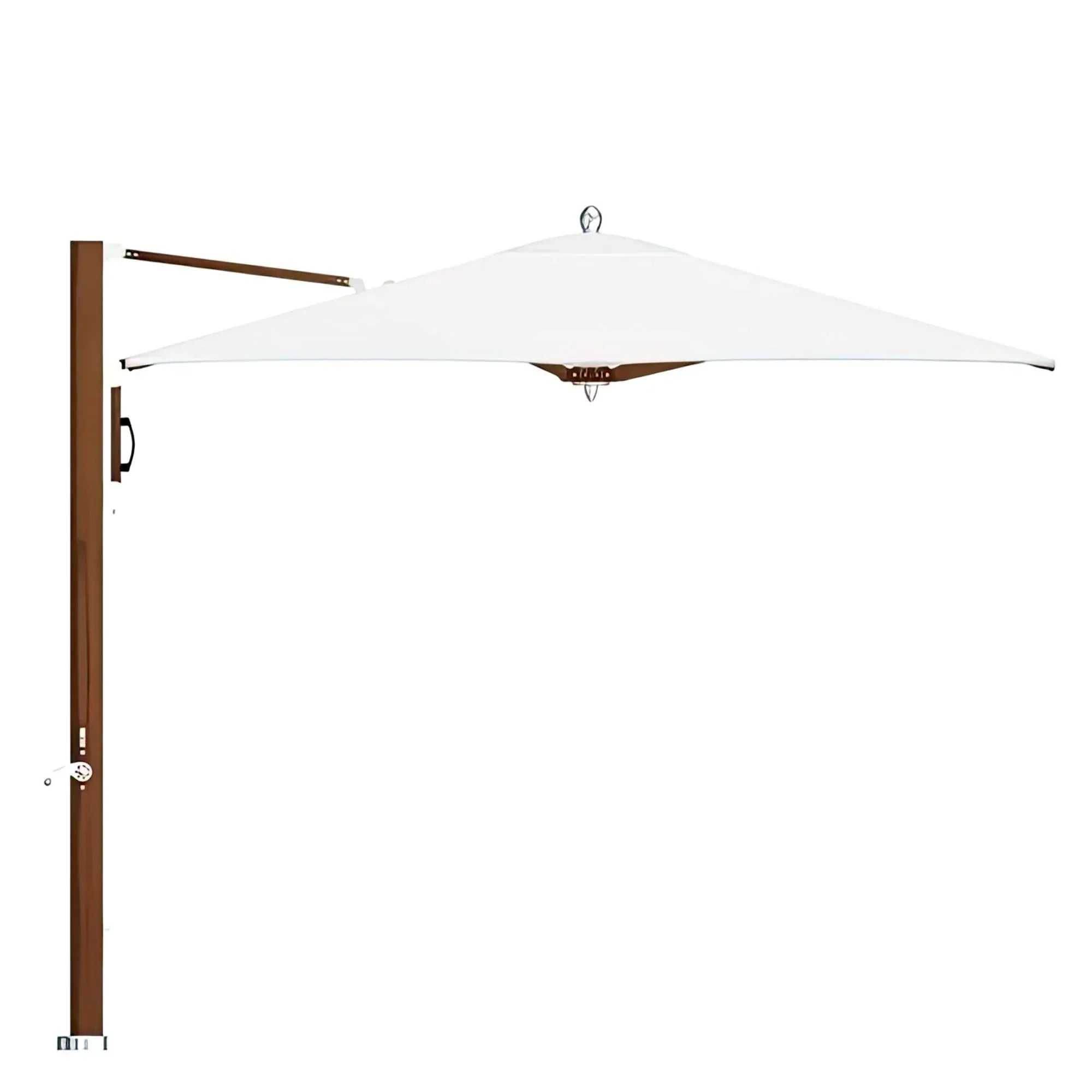
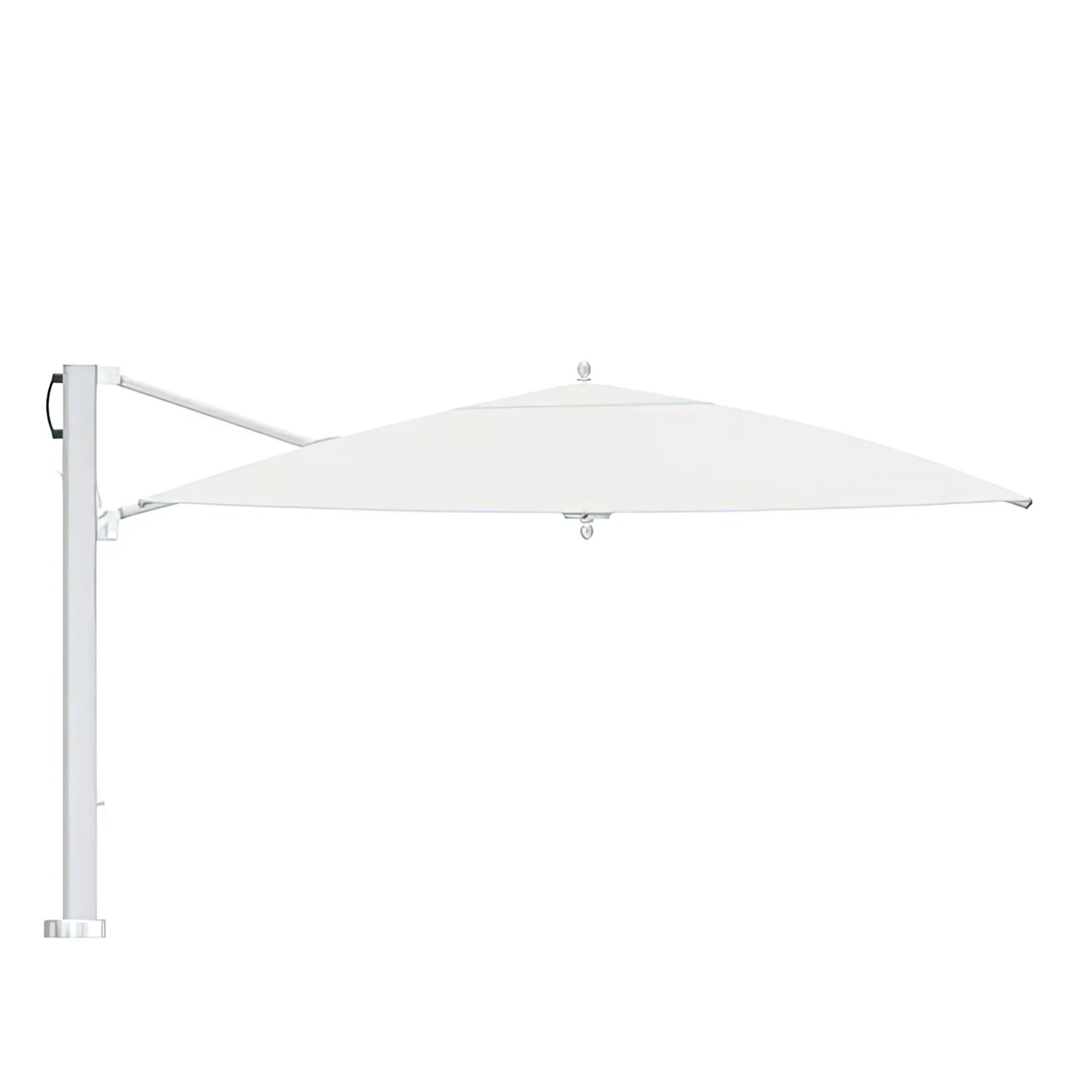
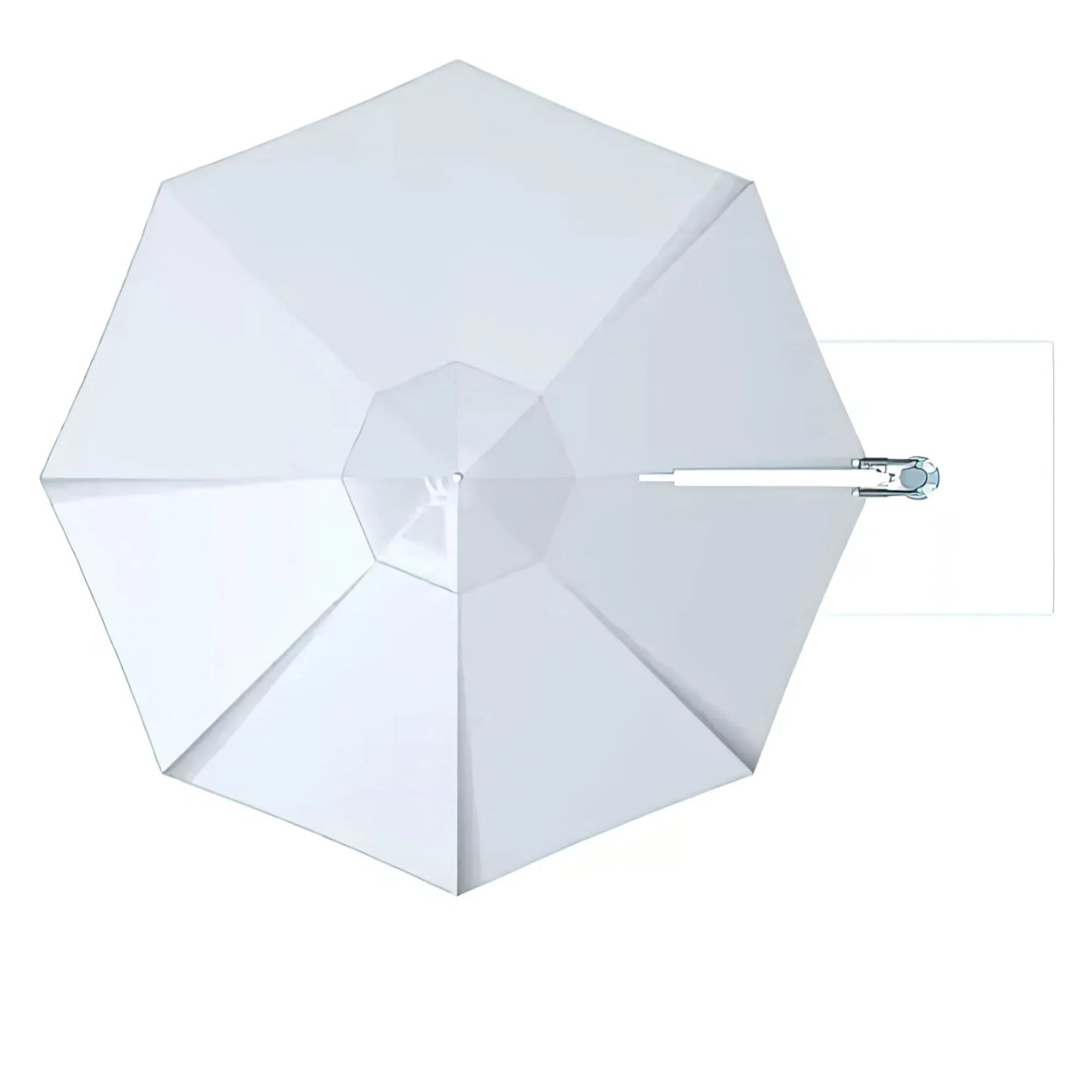
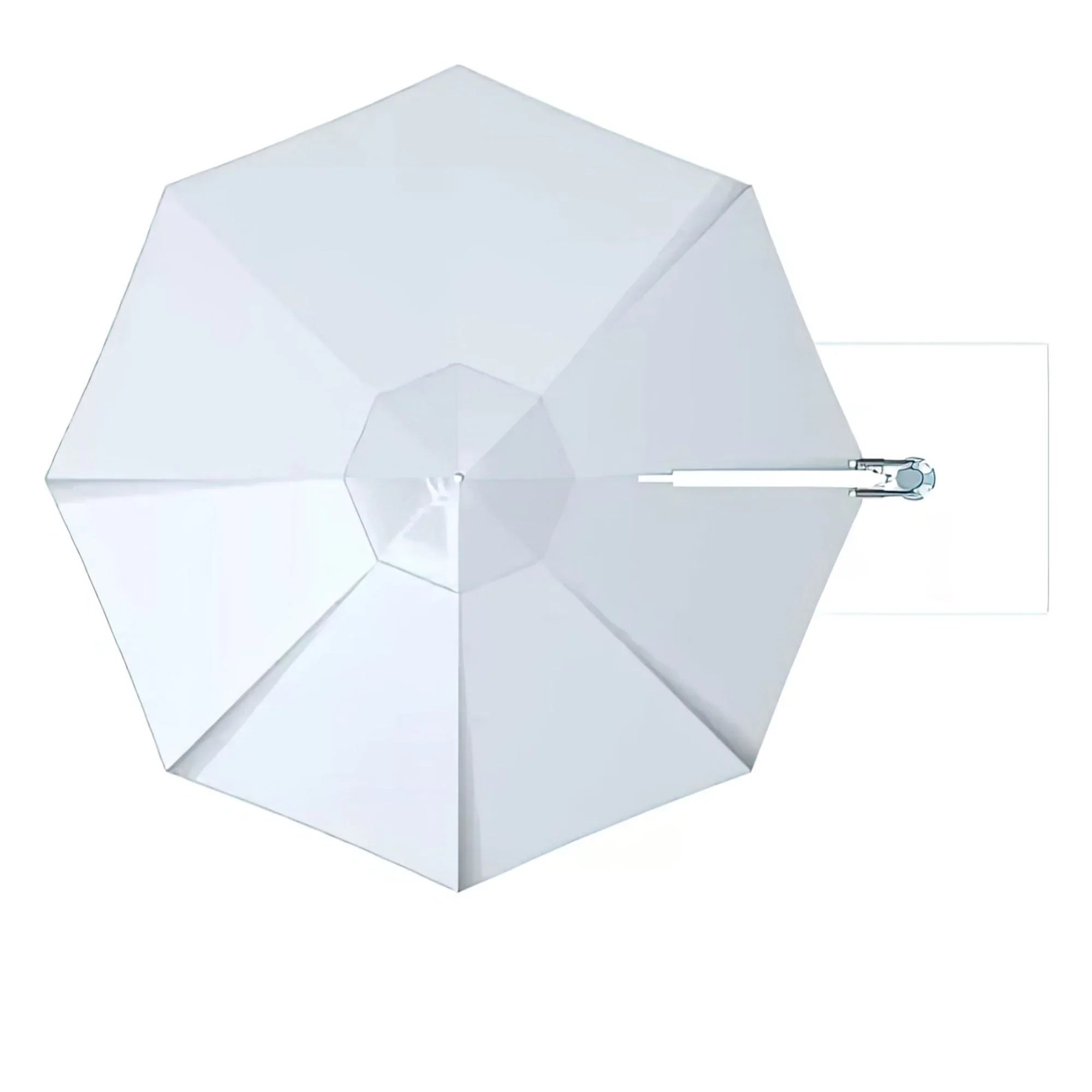
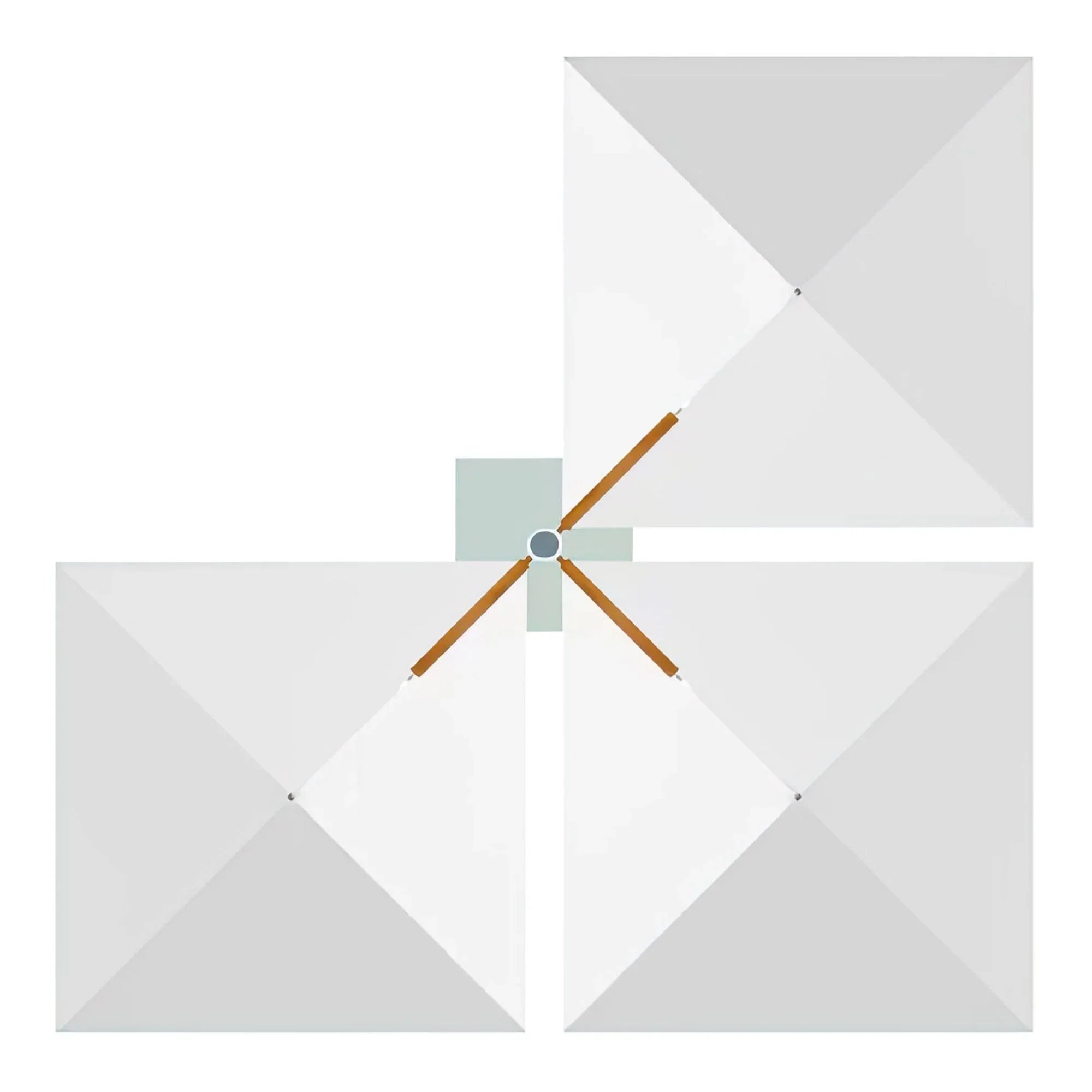
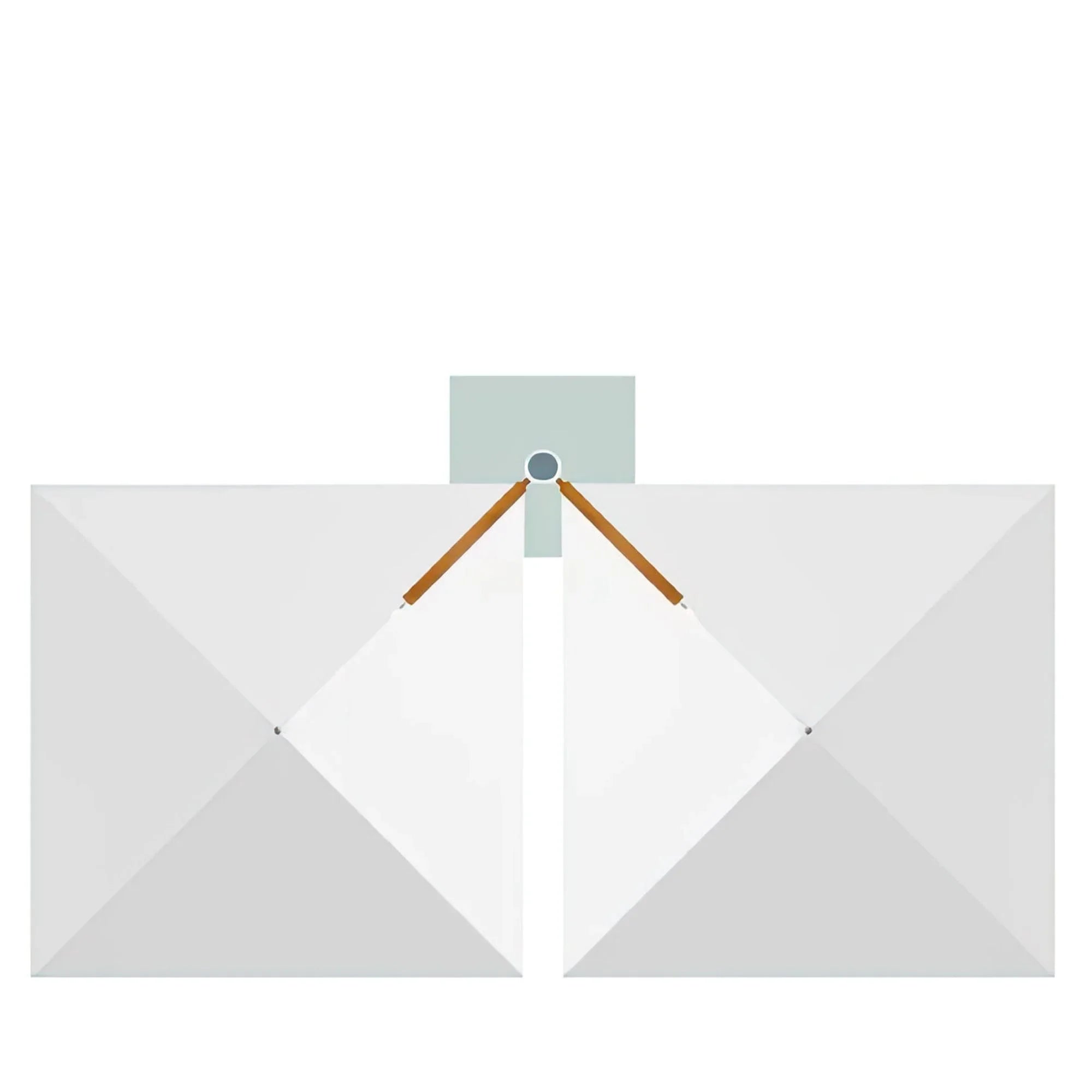
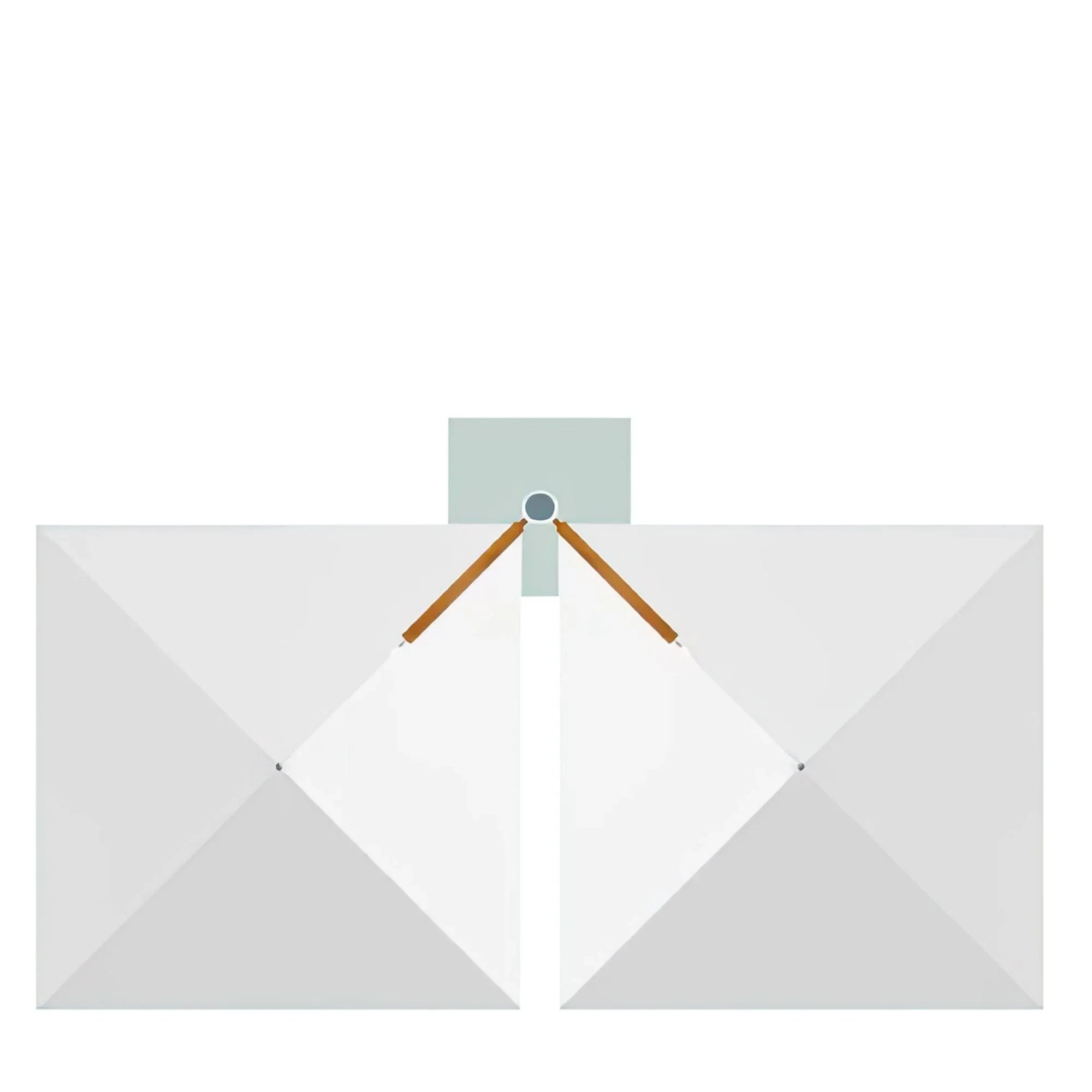
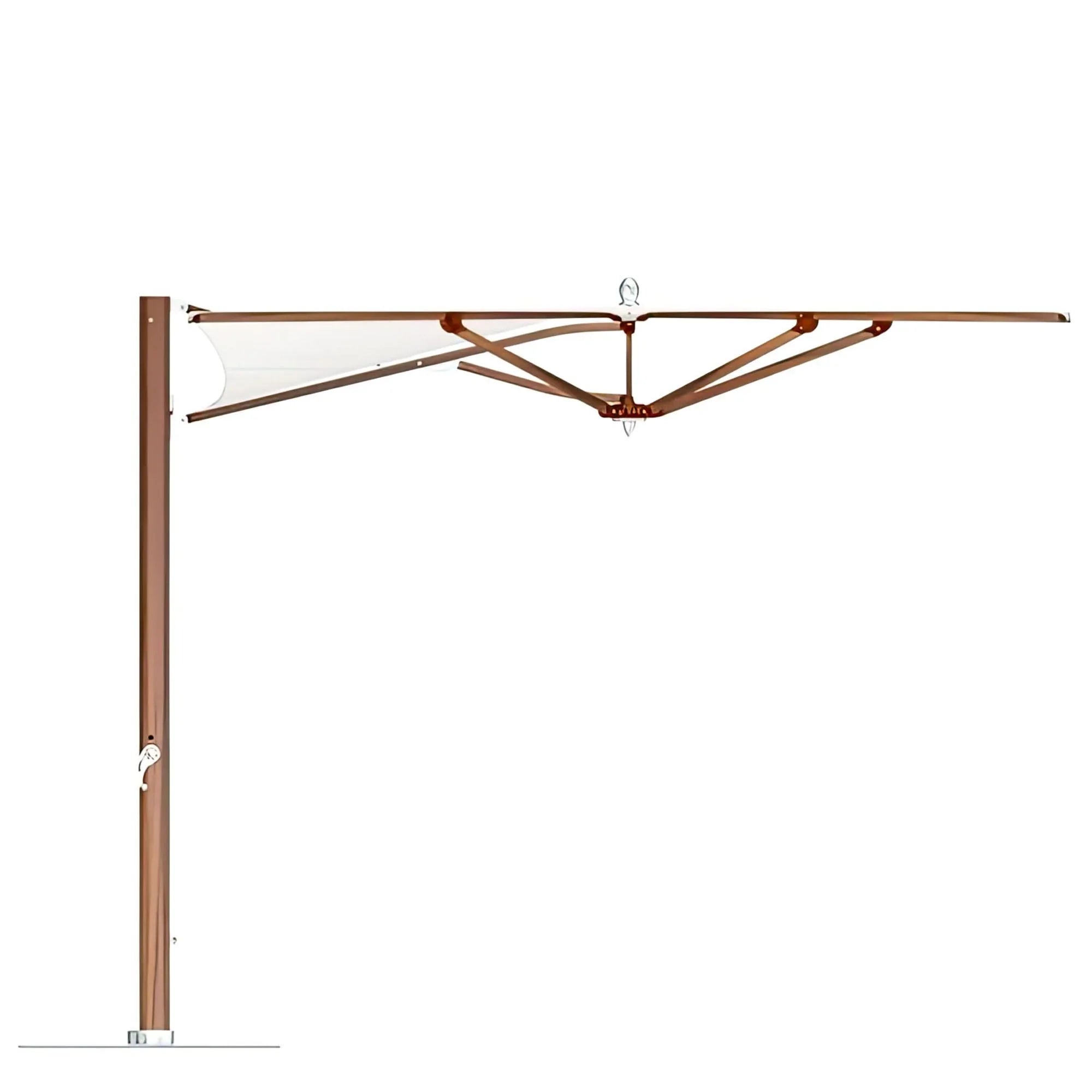
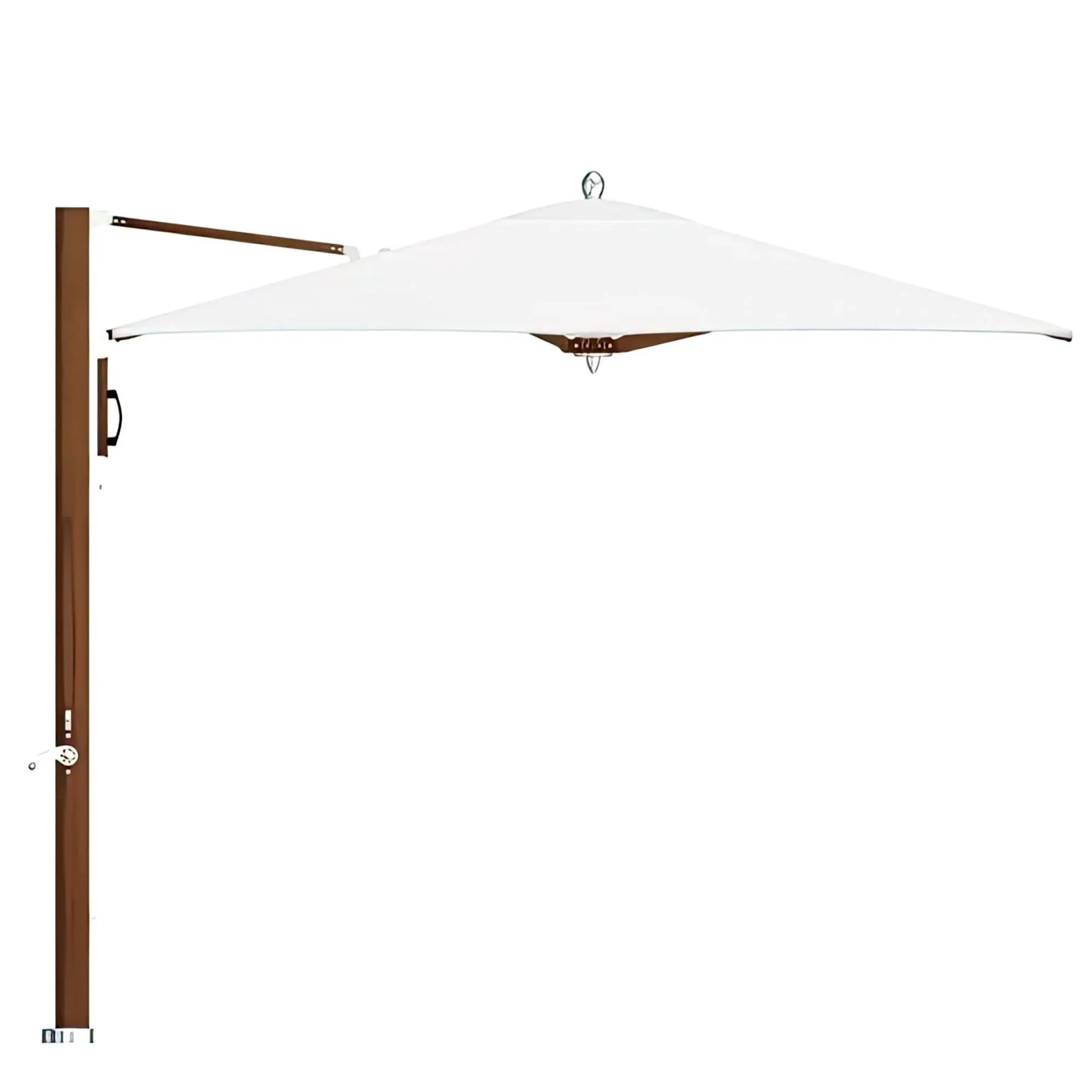
The mechanism is straightforward once you see it: a vertical post sits off to the side, and a horizontal or curved arm extends out from the top to hold the canopy above the seating area. Most models rotate 360 degrees around the base, so you can chase the sun through the afternoon without moving a single piece of furniture, and the better ones include a tilt function that angles the canopy against low-angle morning or evening sun. Look for a crank-and-pulley or gear-based tilt mechanism over a simple push design; it holds position better under wind load.
Base Weight Is the Part People Underestimate
Because the entire canopy hangs off to one side of the base rather than sitting directly above it, cantilever umbrellas need considerably more counterweight than a market umbrella of the same size, often 200 pounds or more in a portable base, or a permanent in-ground or concrete-set mount for the most stable setup. Skimping here is the most common mistake we see: an undersized base turns a beautiful umbrella into a hazard the first time real wind comes through.
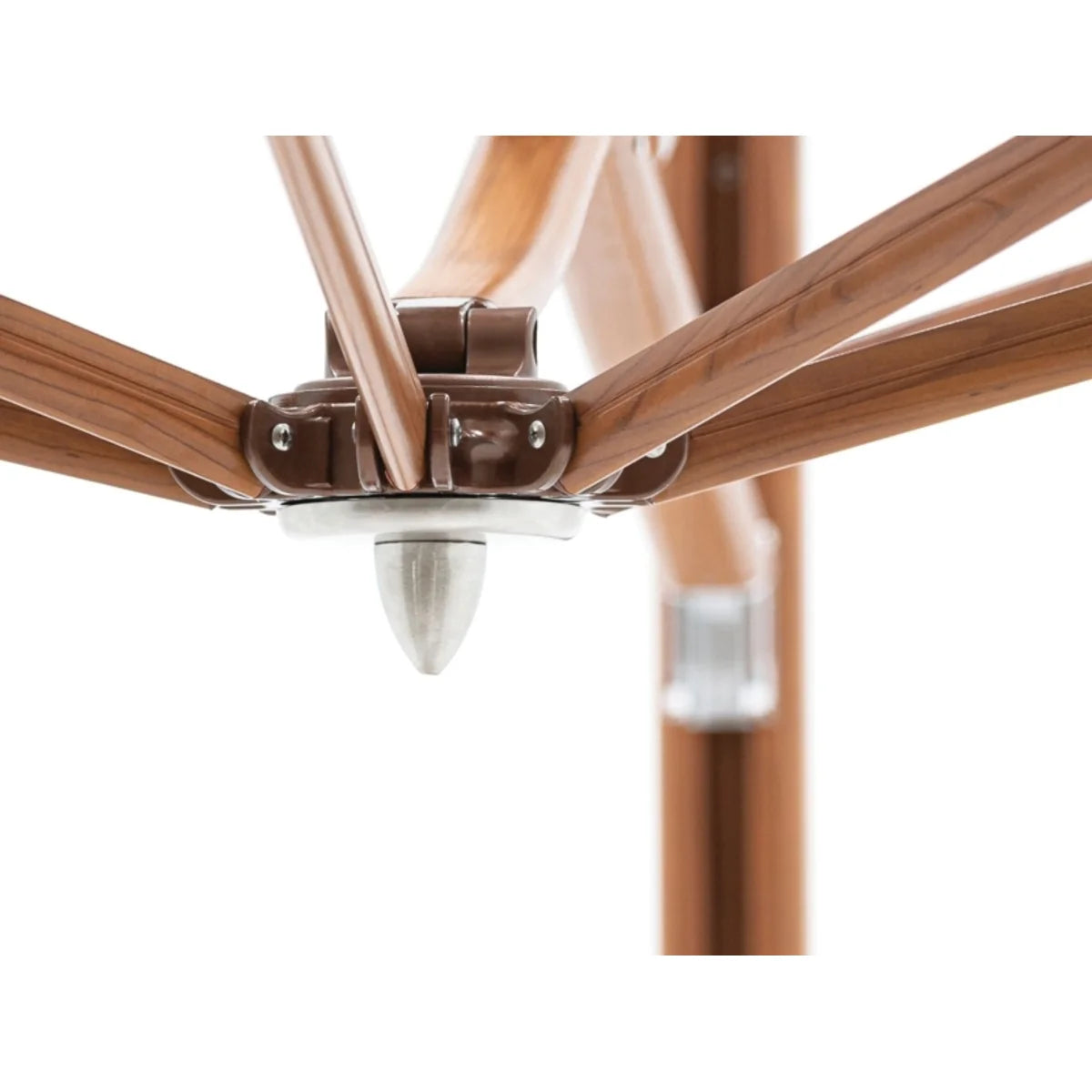
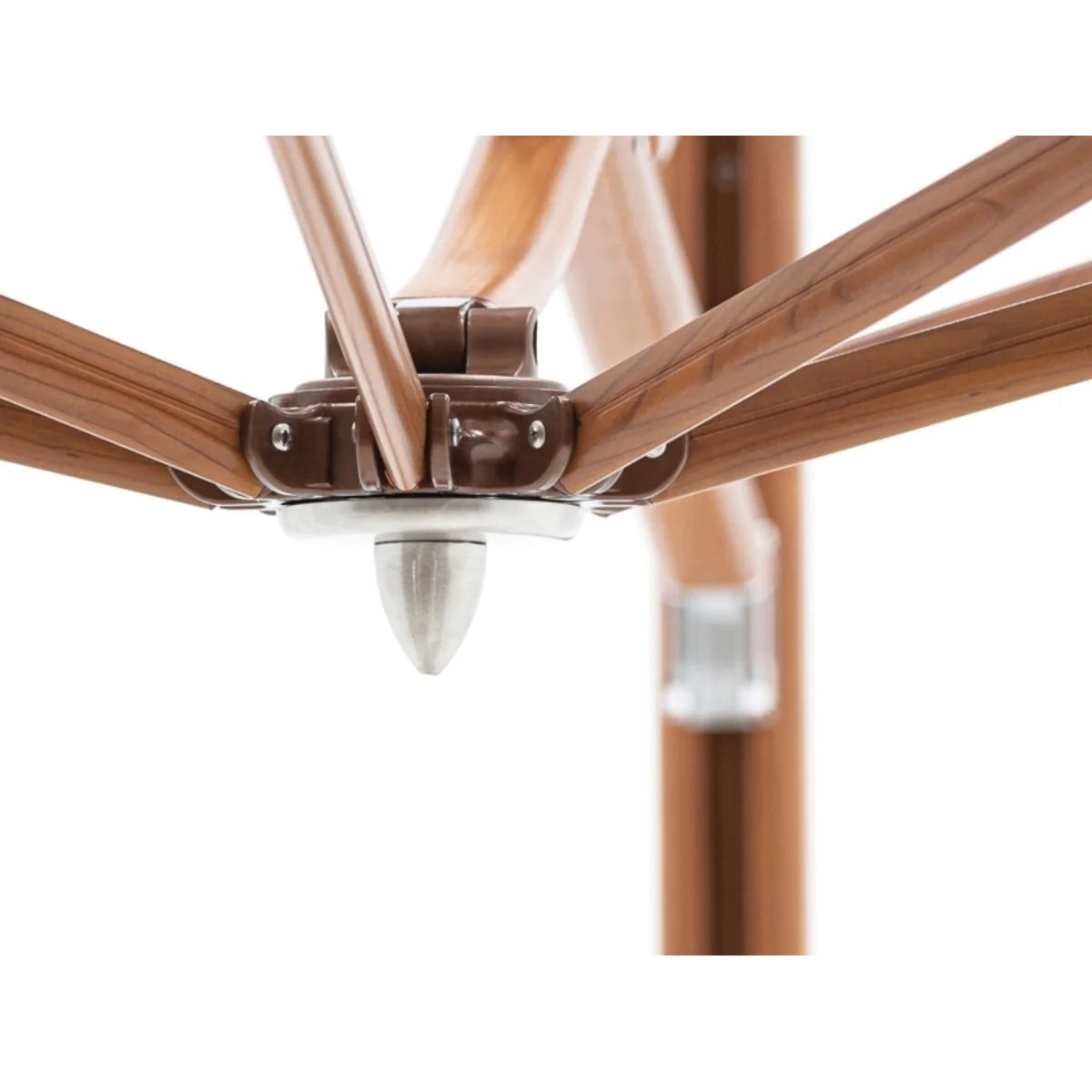
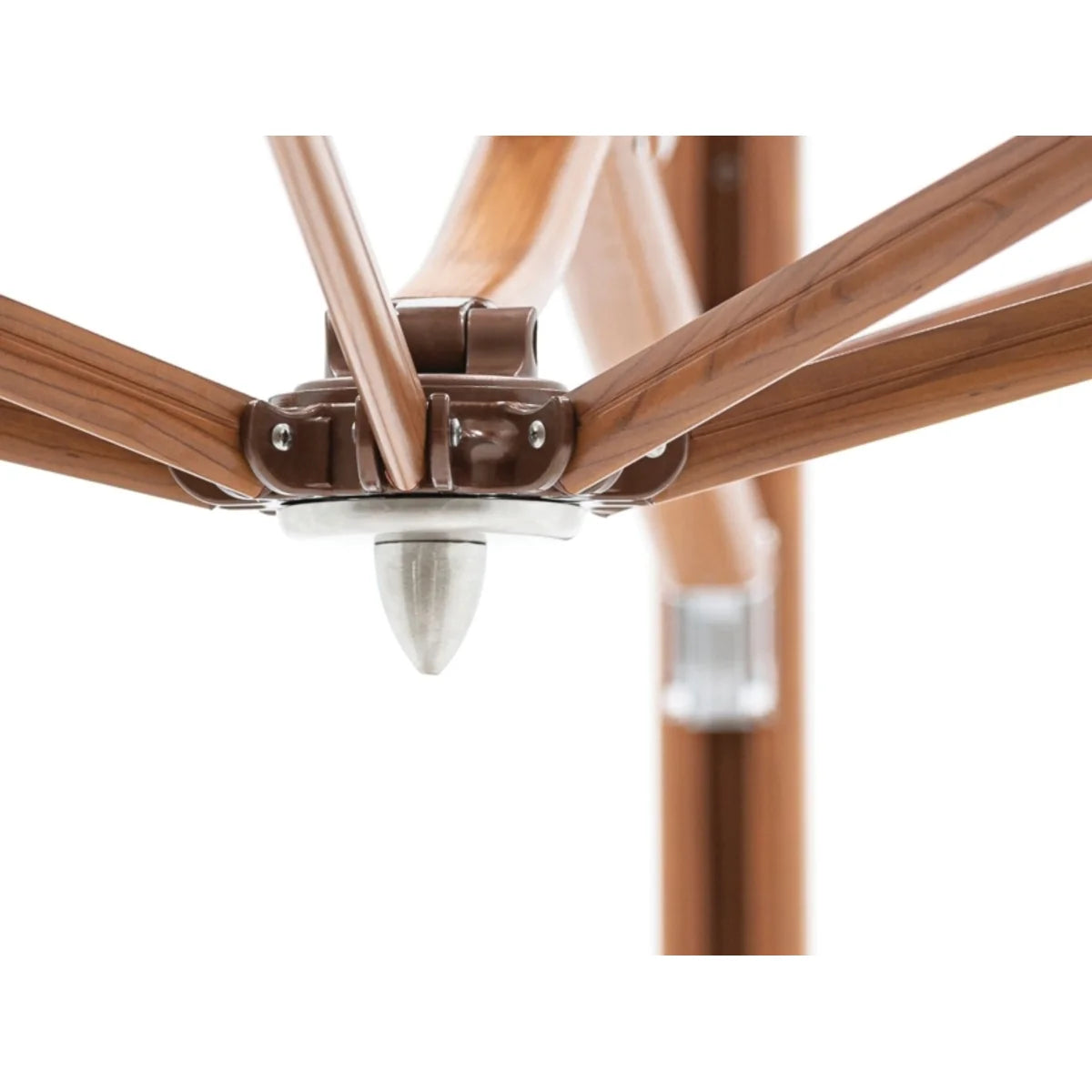
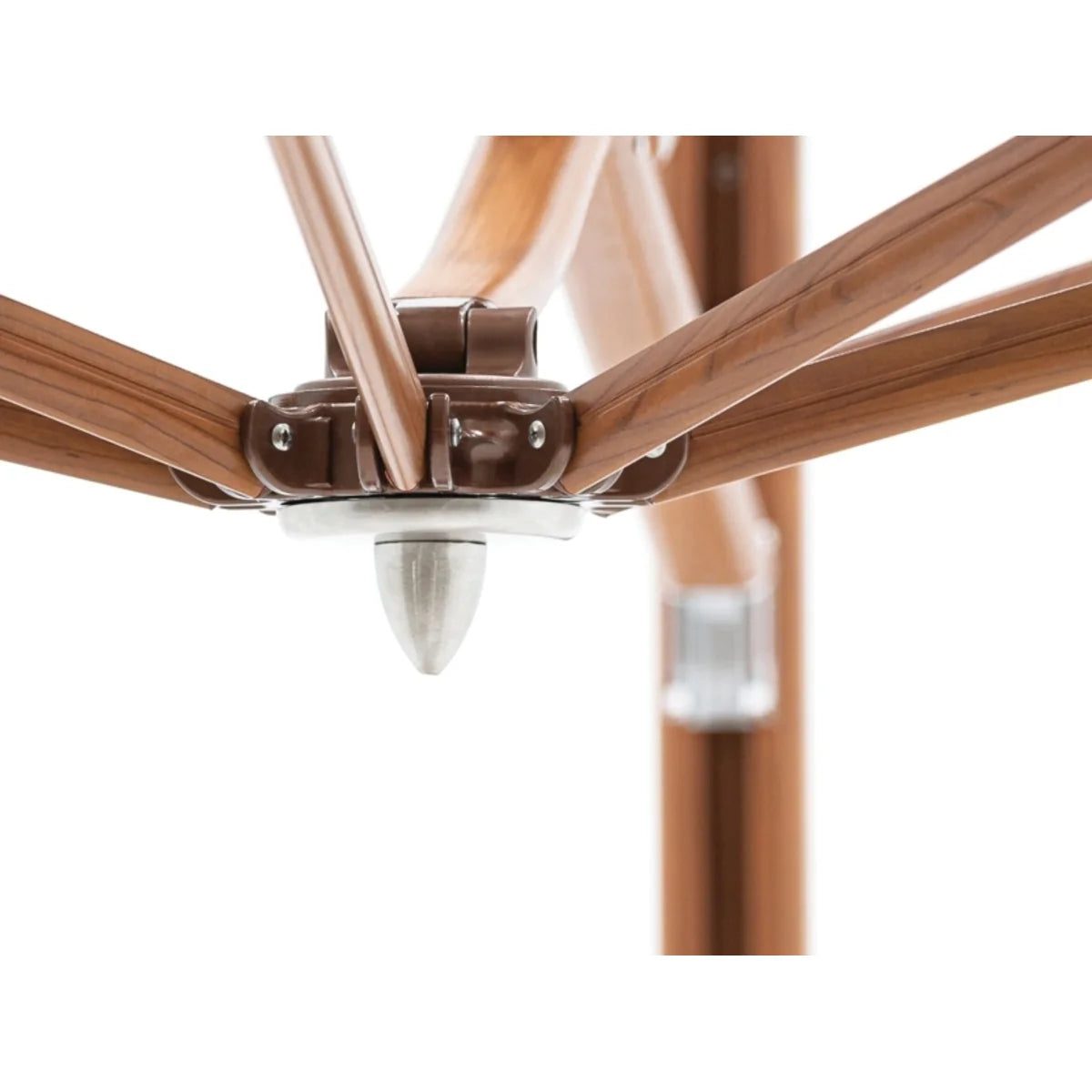
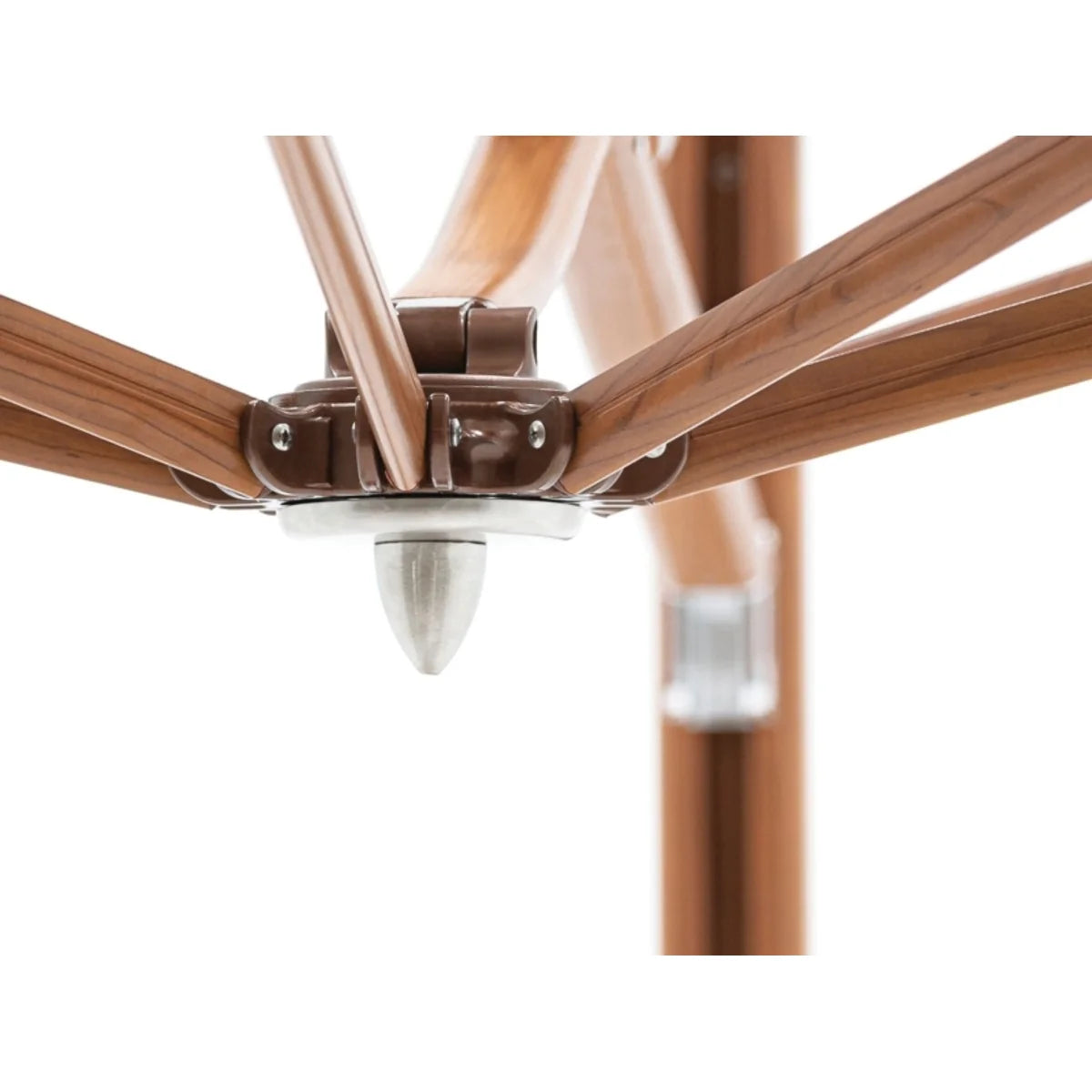
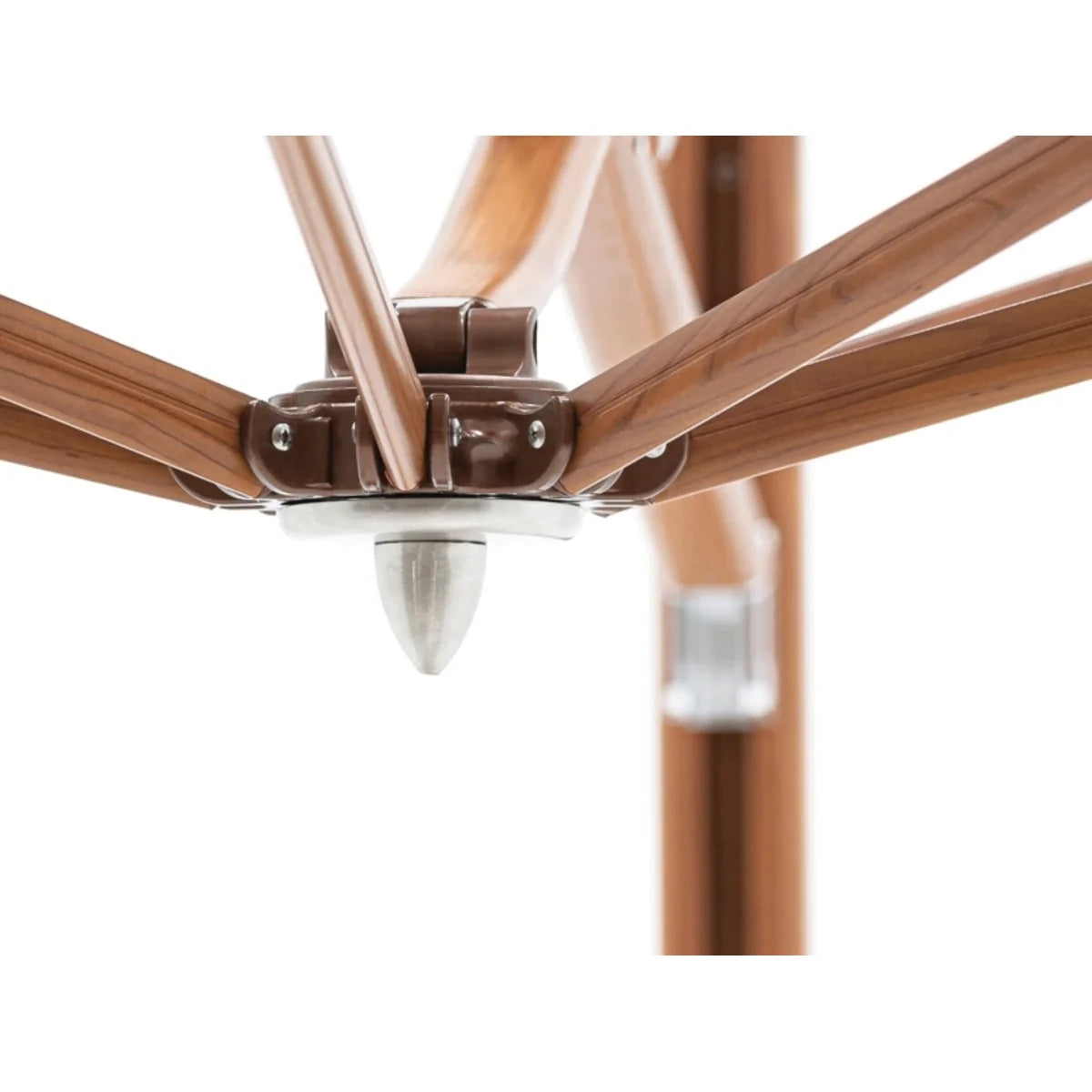
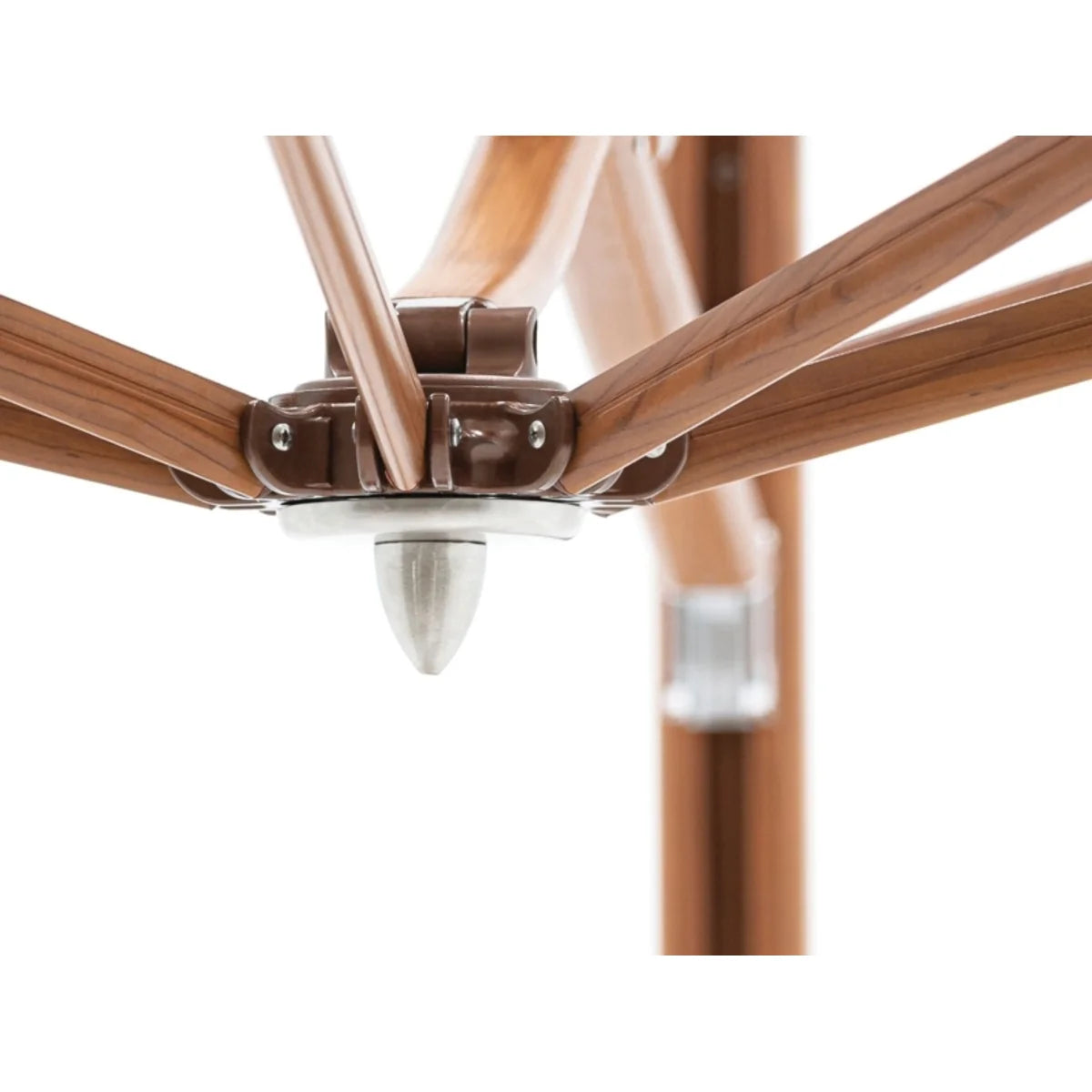
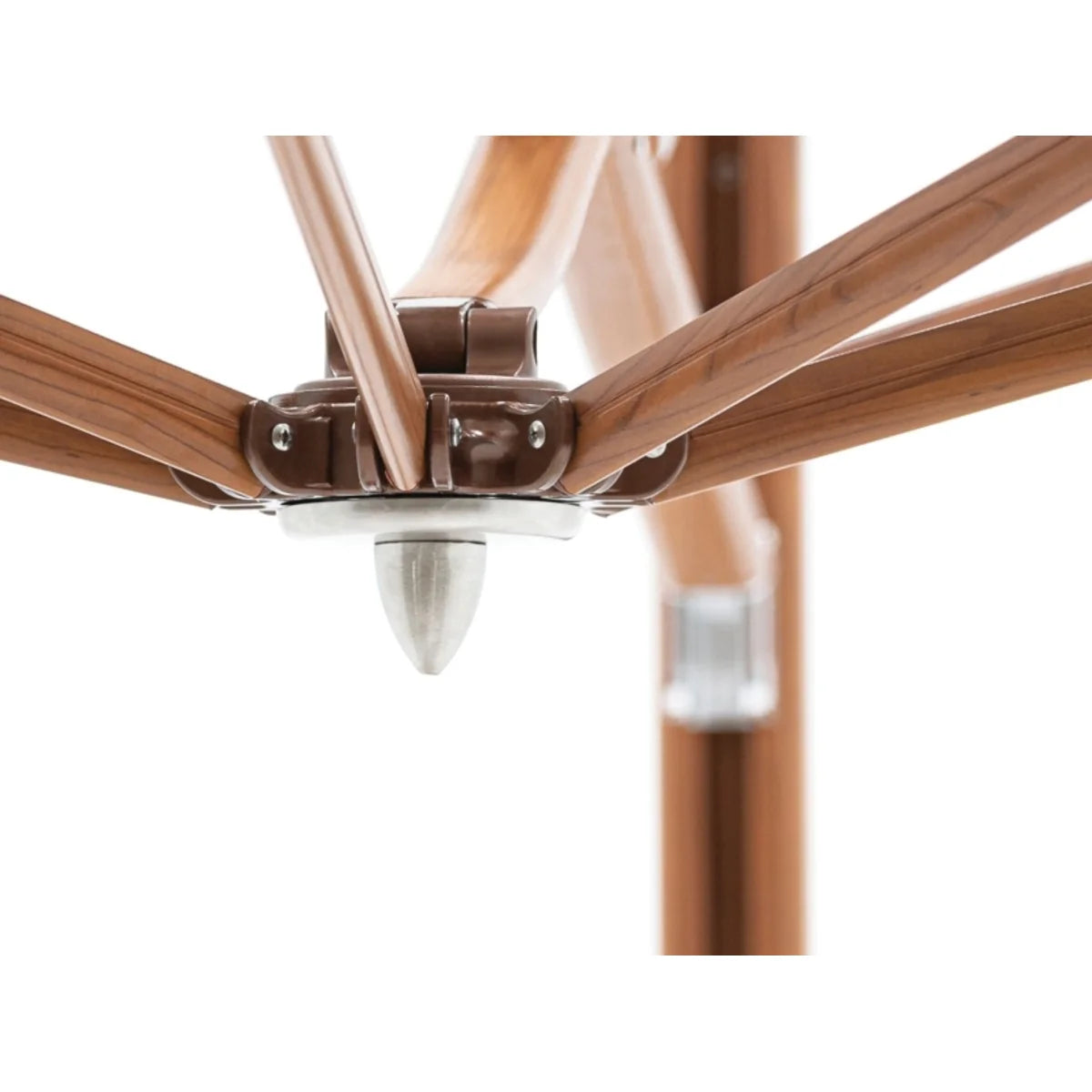
The materials underneath are the same standard as our full umbrella collection: powder-coated aluminum frames that won't rust at the pivot points, and solution-dyed canopy fabric from Sunbrella, O'Bravia, or Recacril that resists fading because the color runs through the fiber itself rather than sitting on top of it.
Where Cantilevers Make the Most Sense
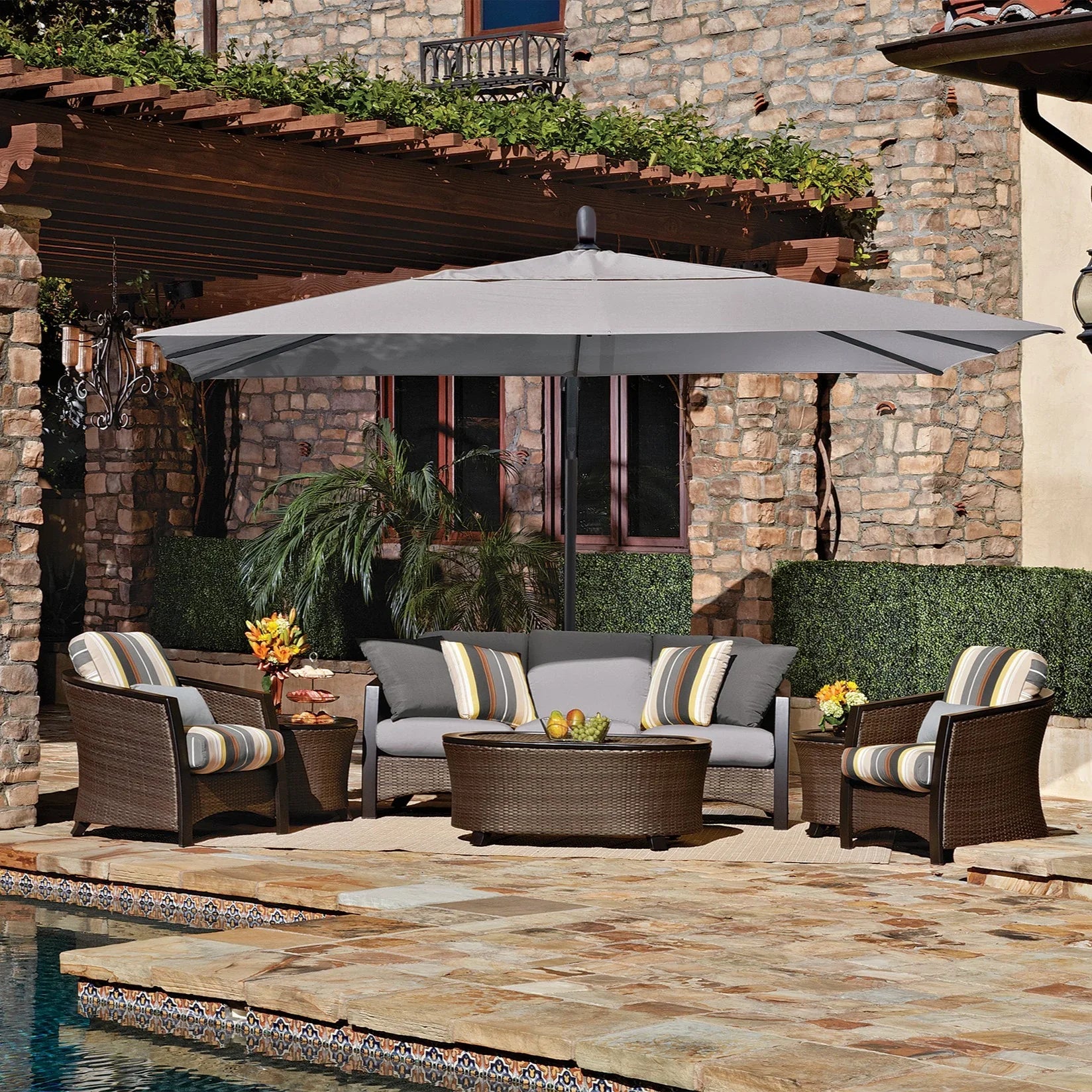
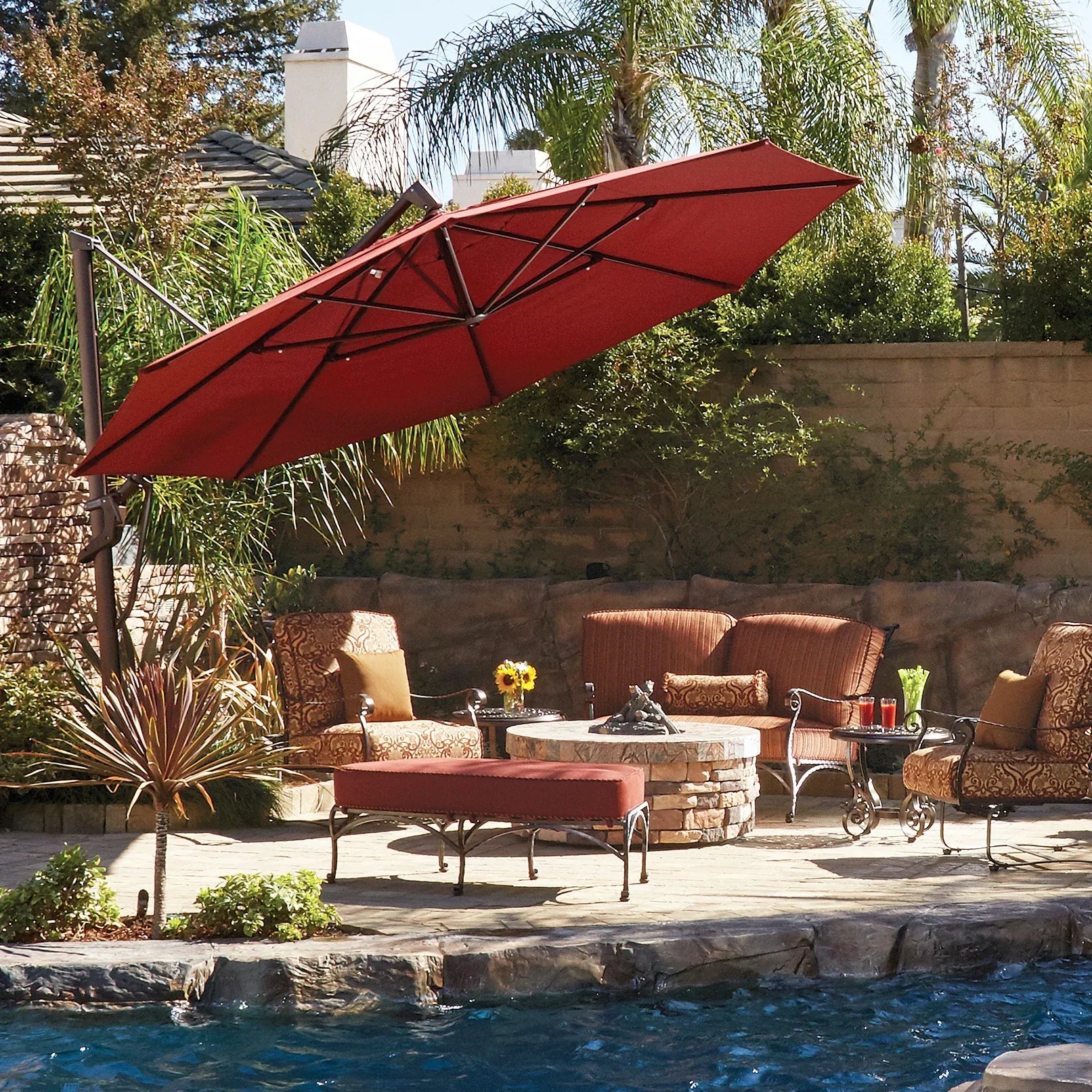
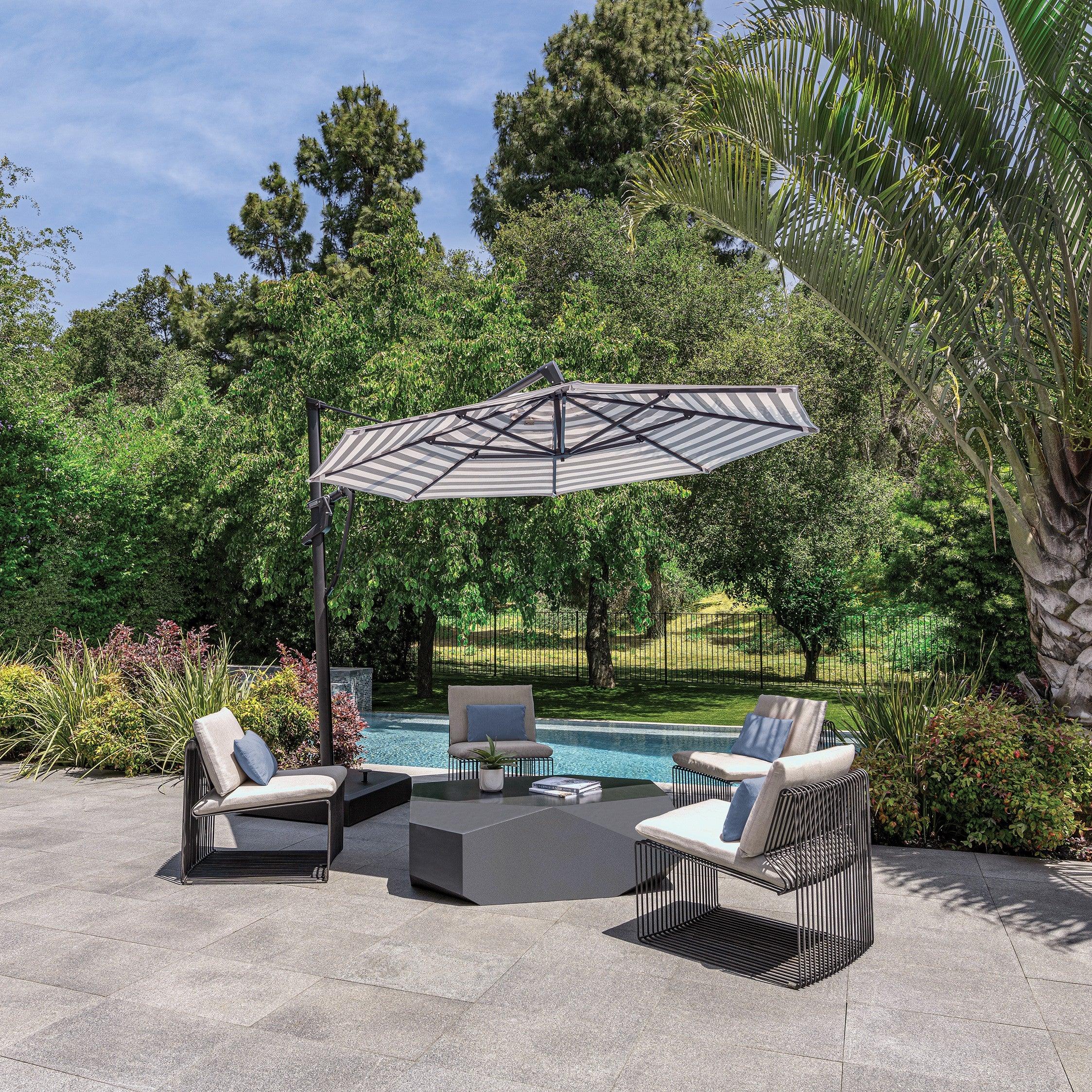
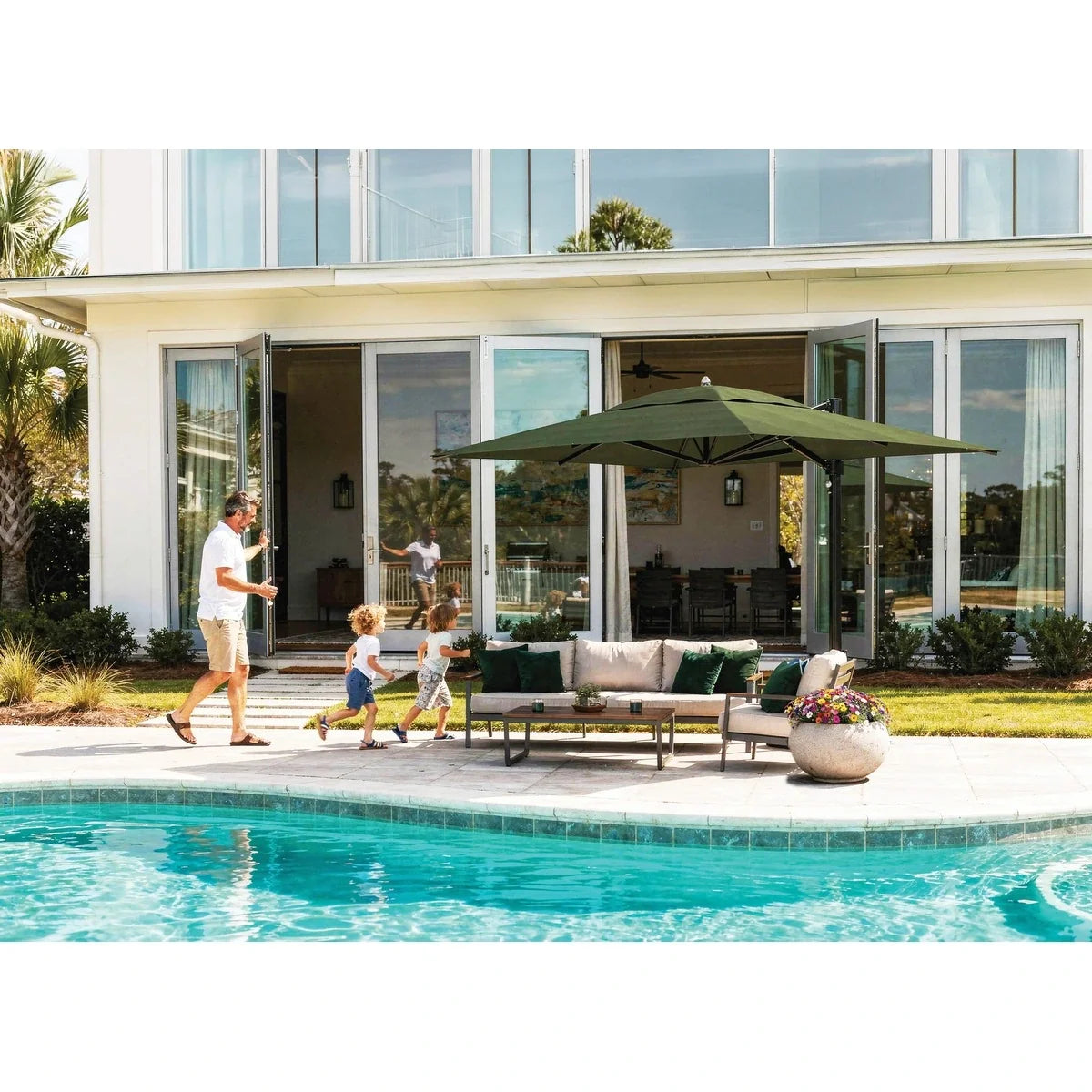
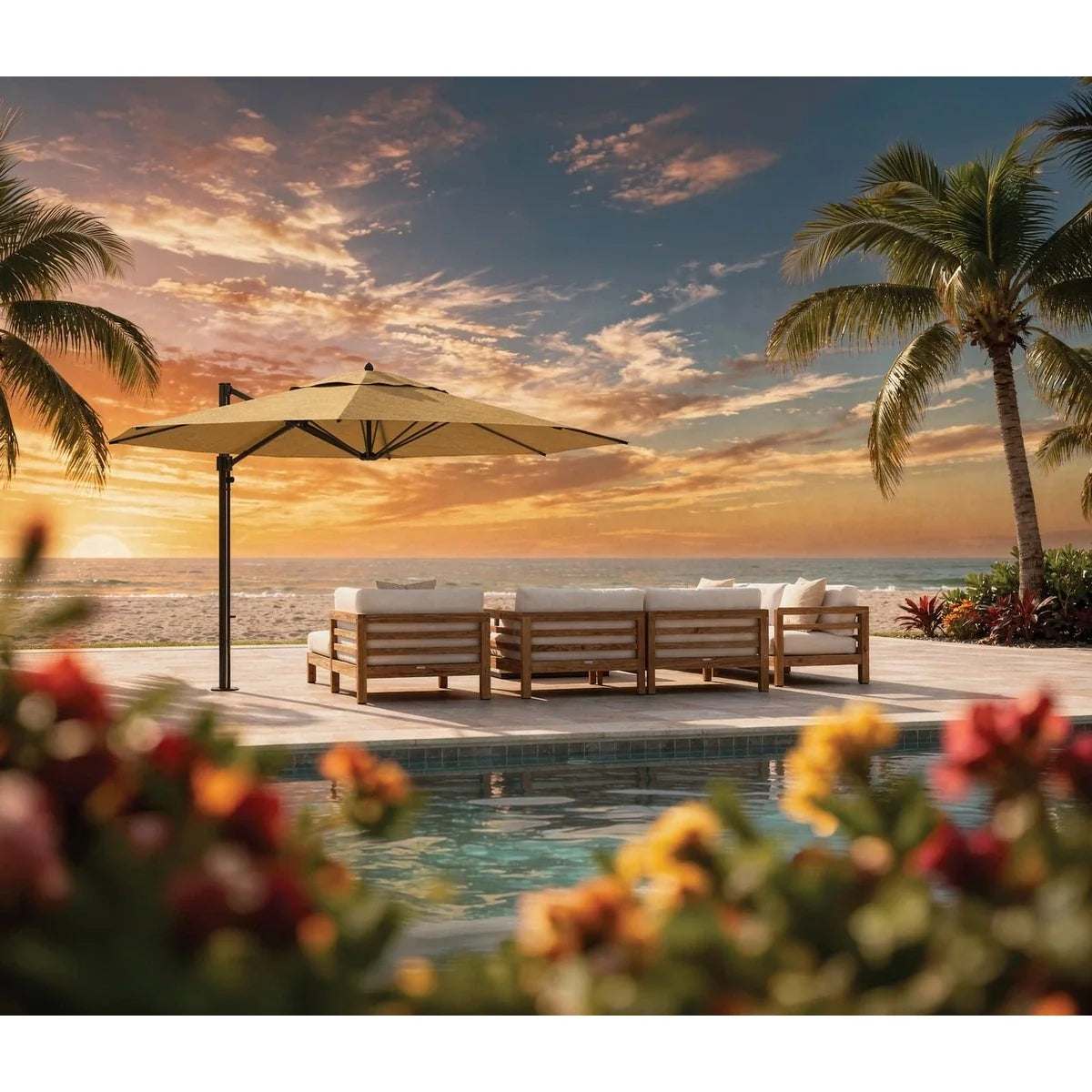
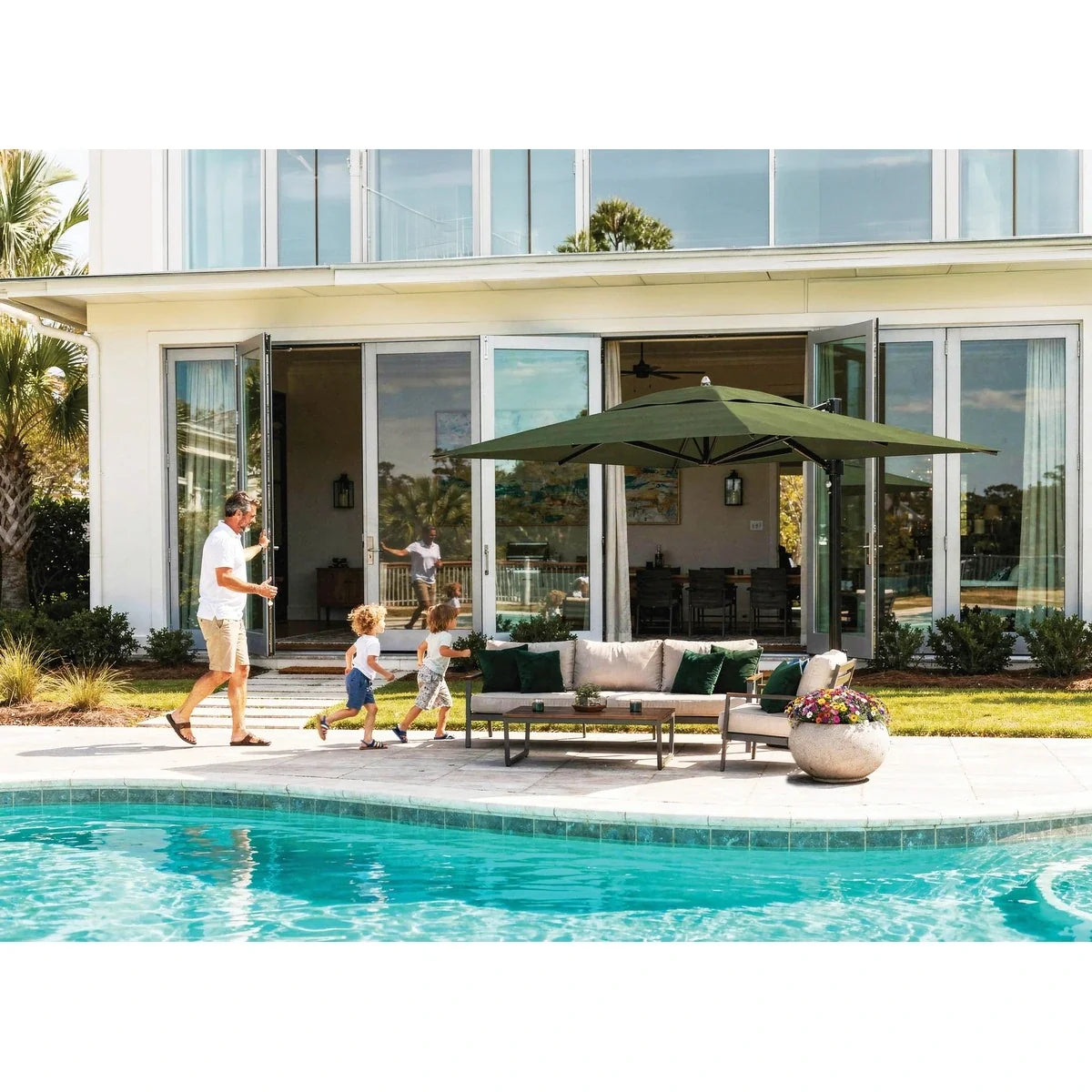
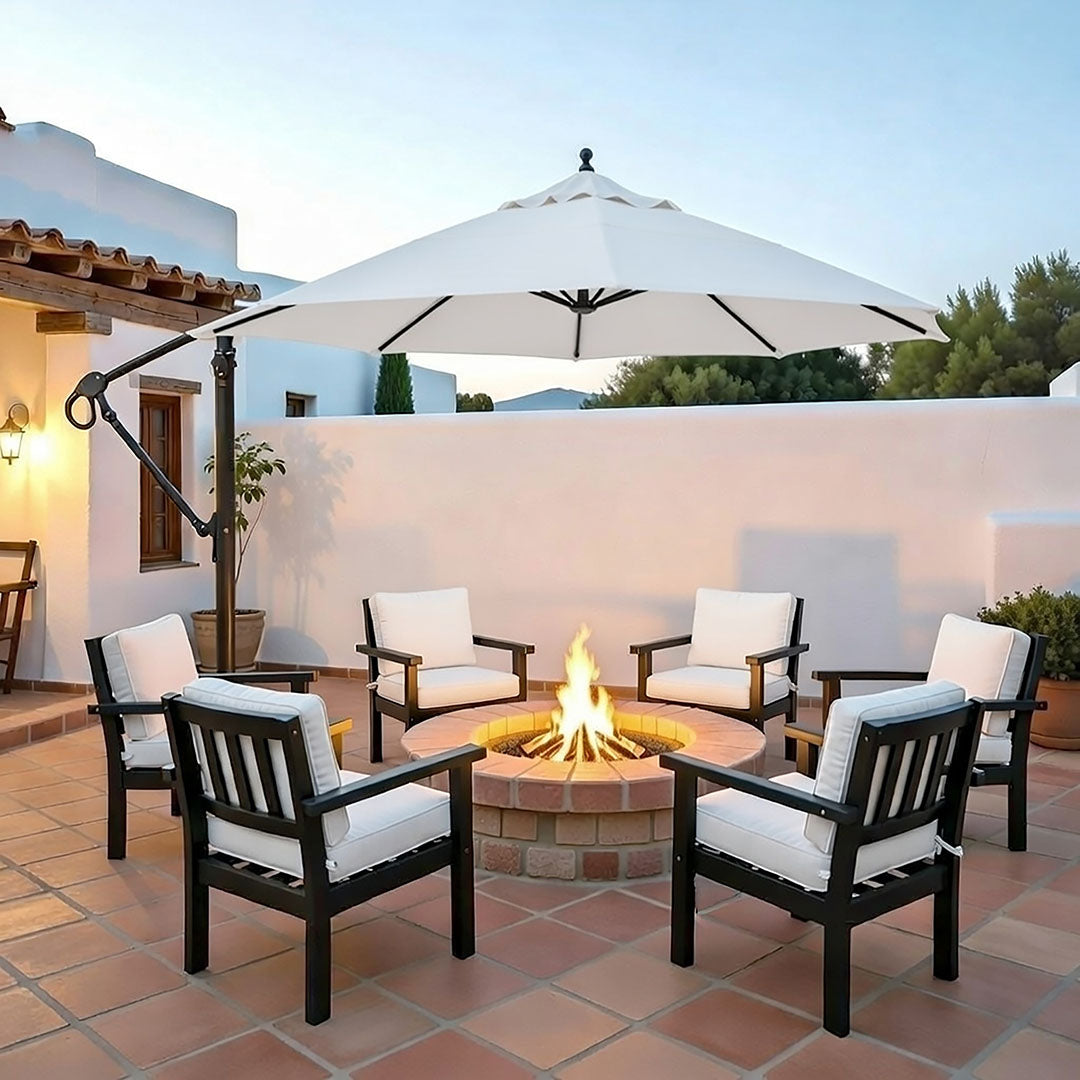
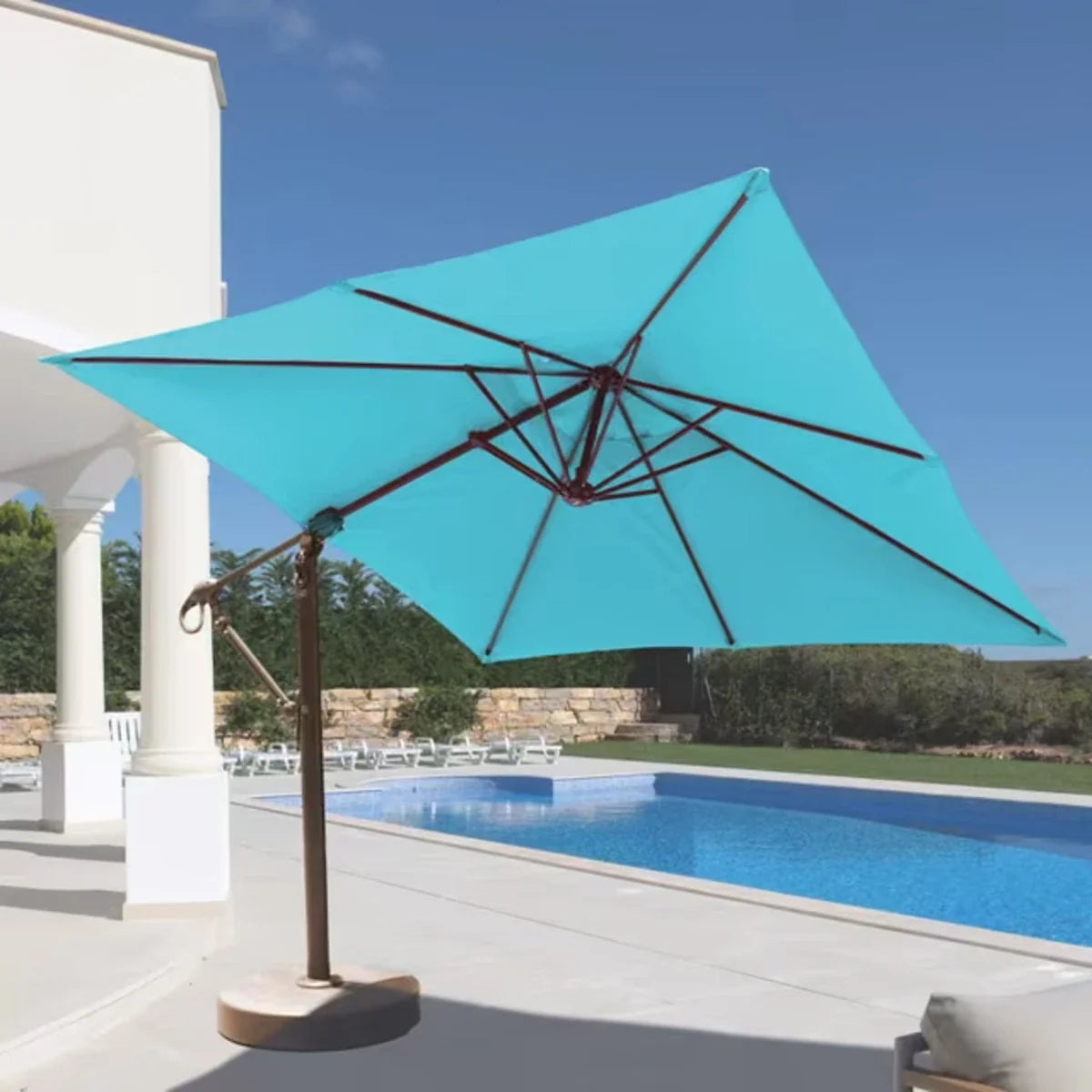
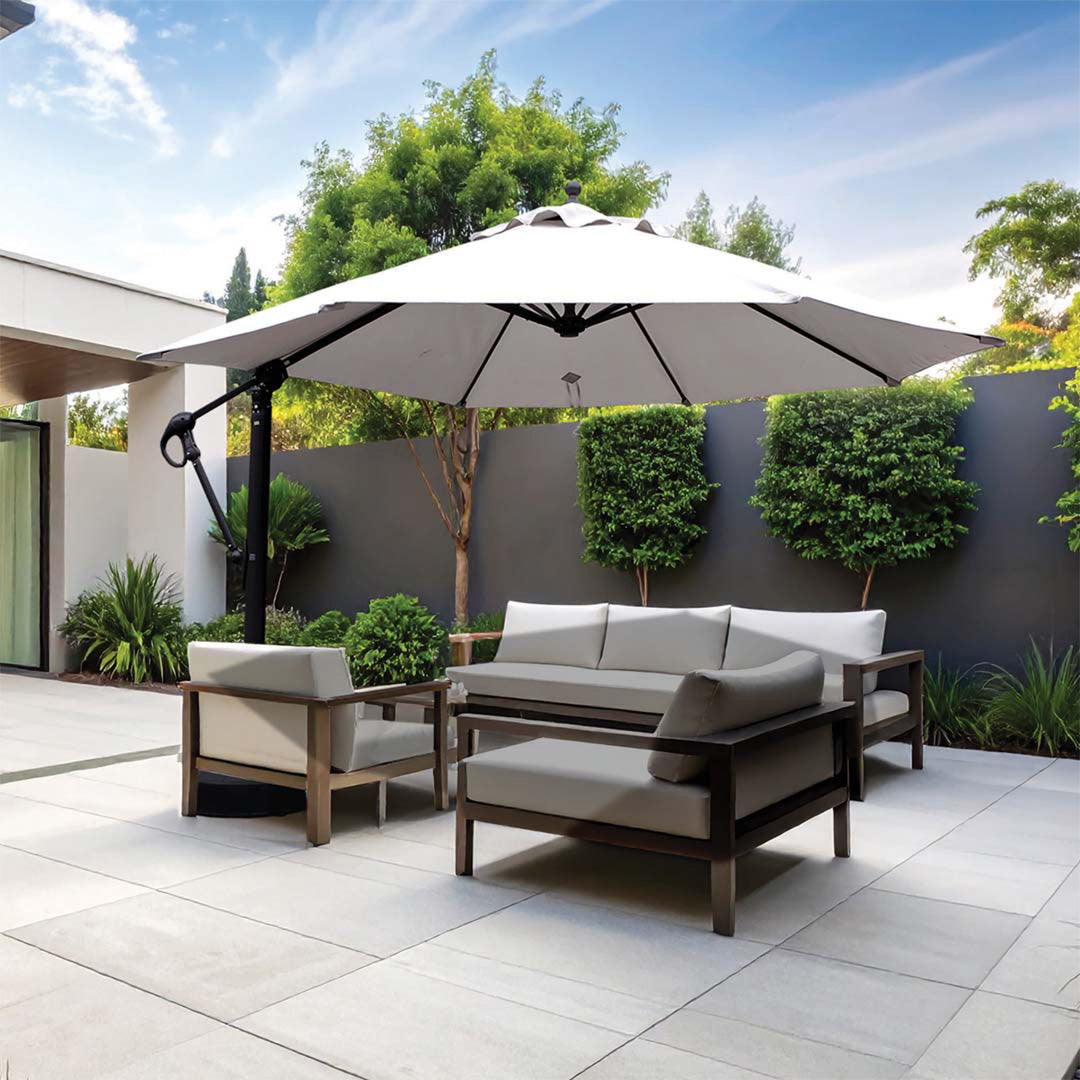
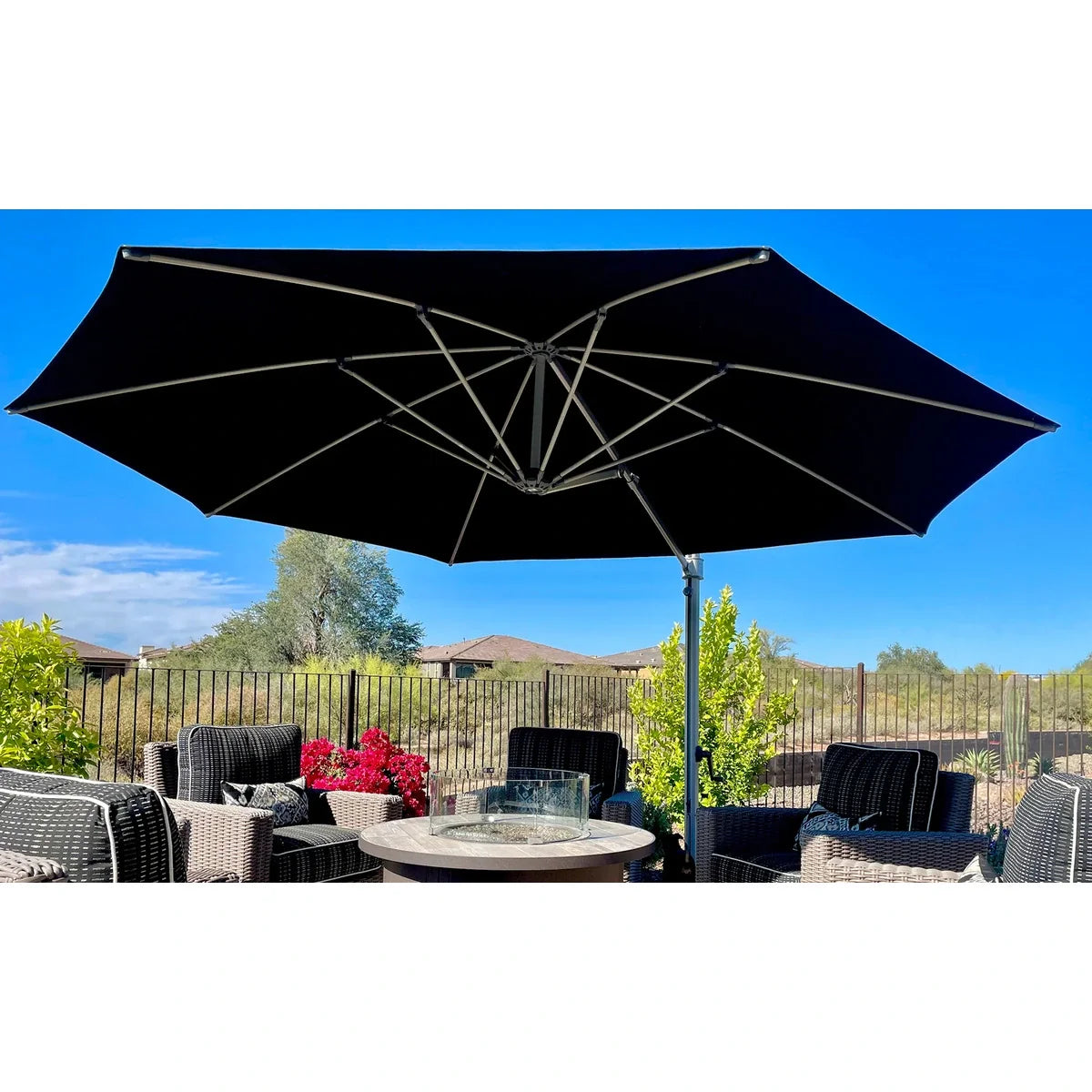
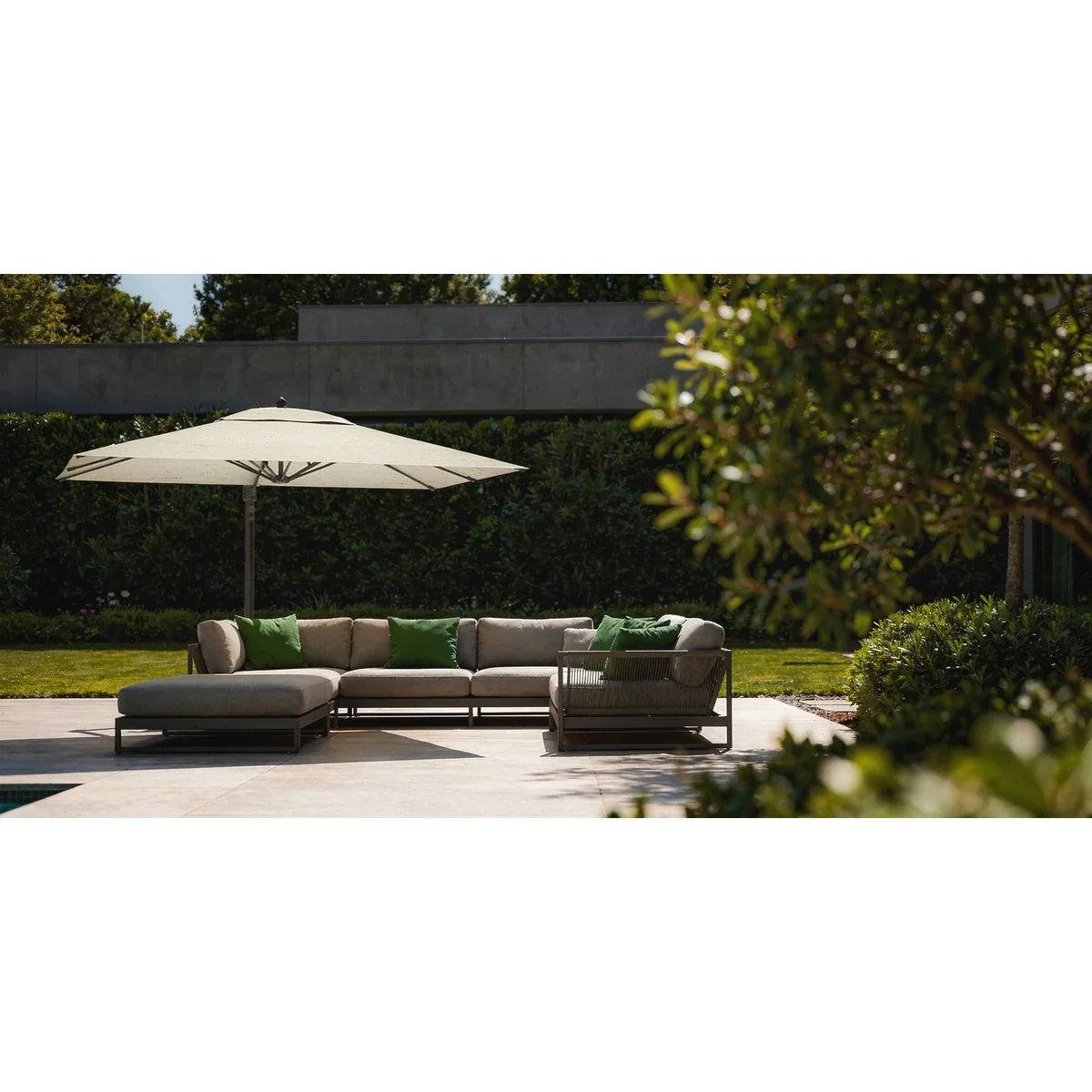
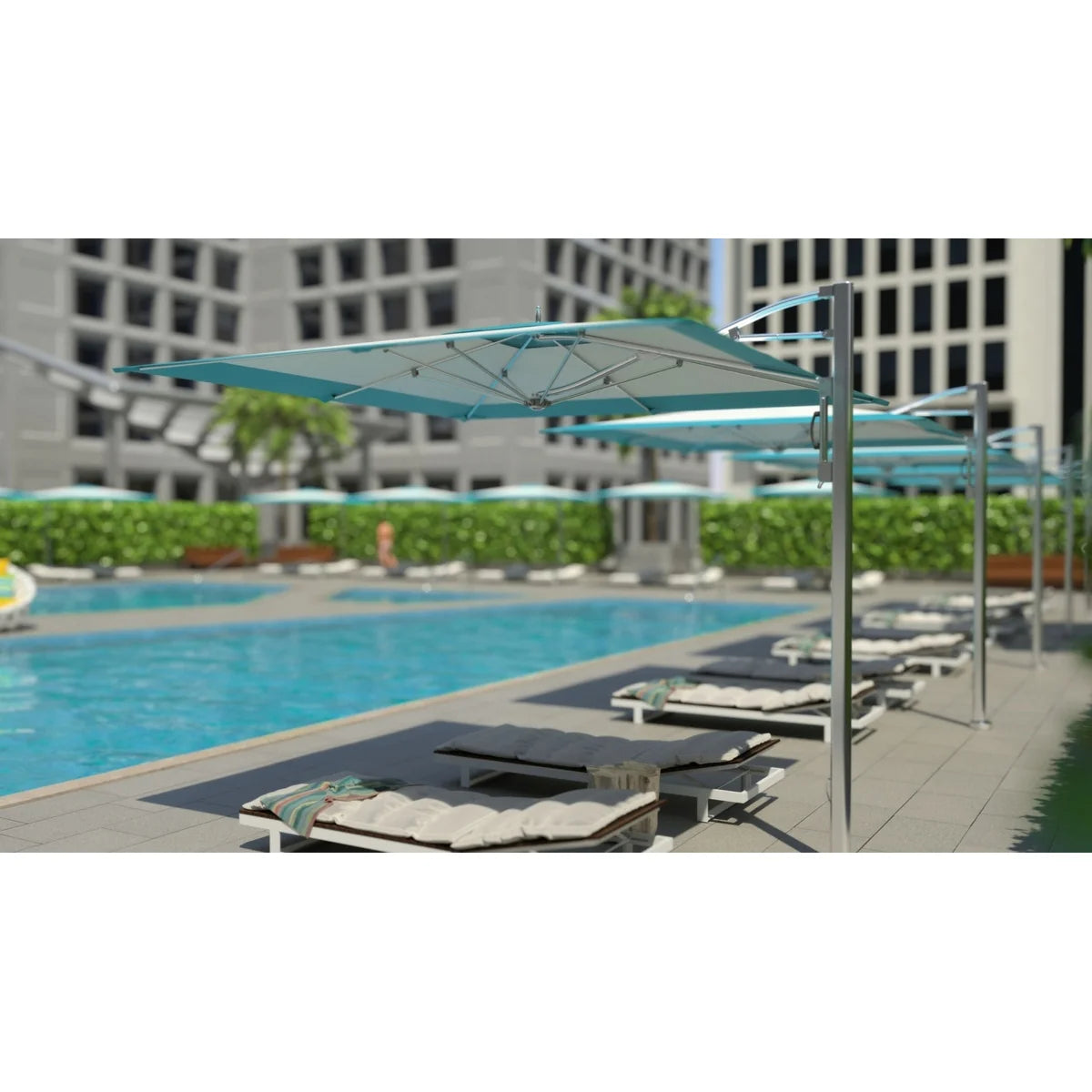
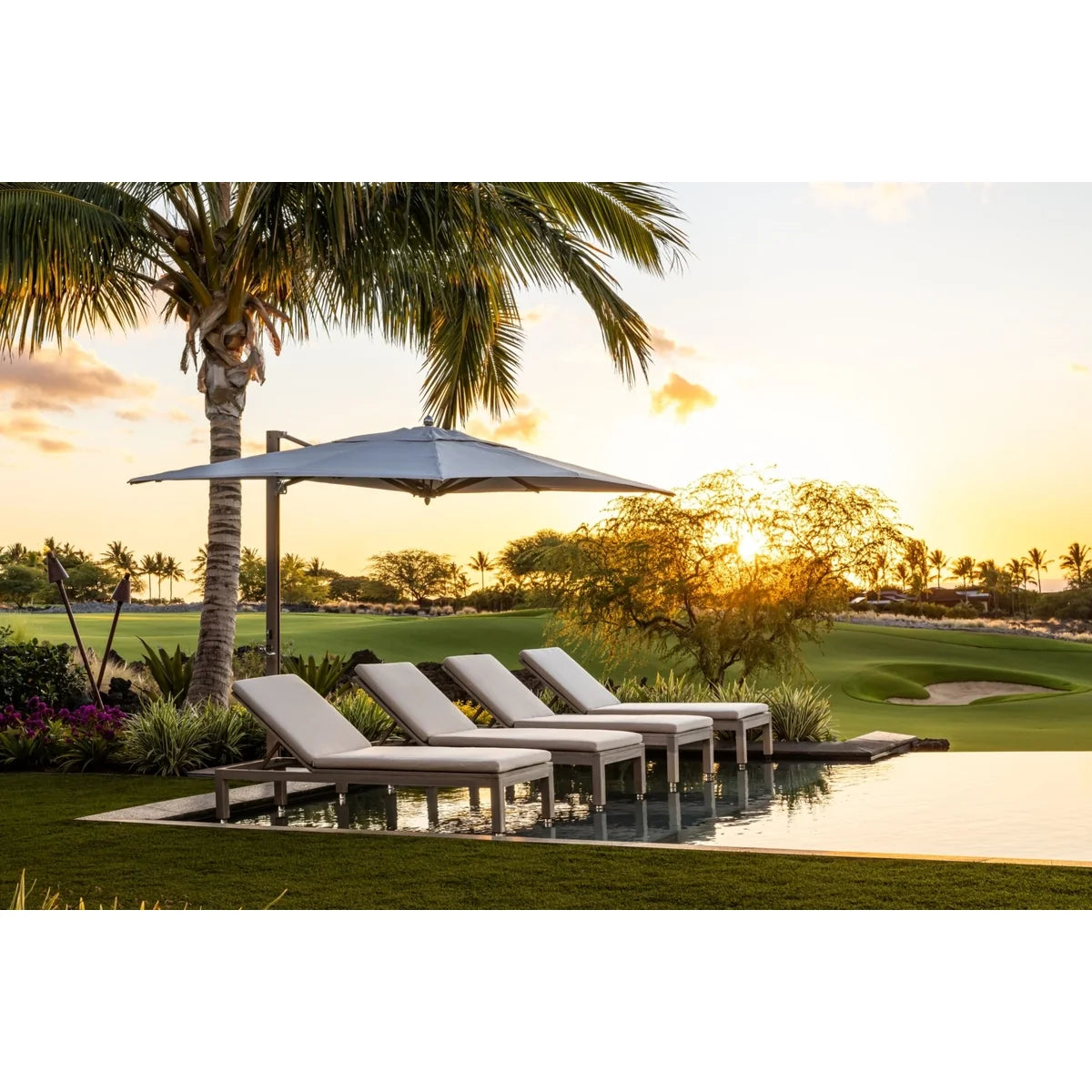
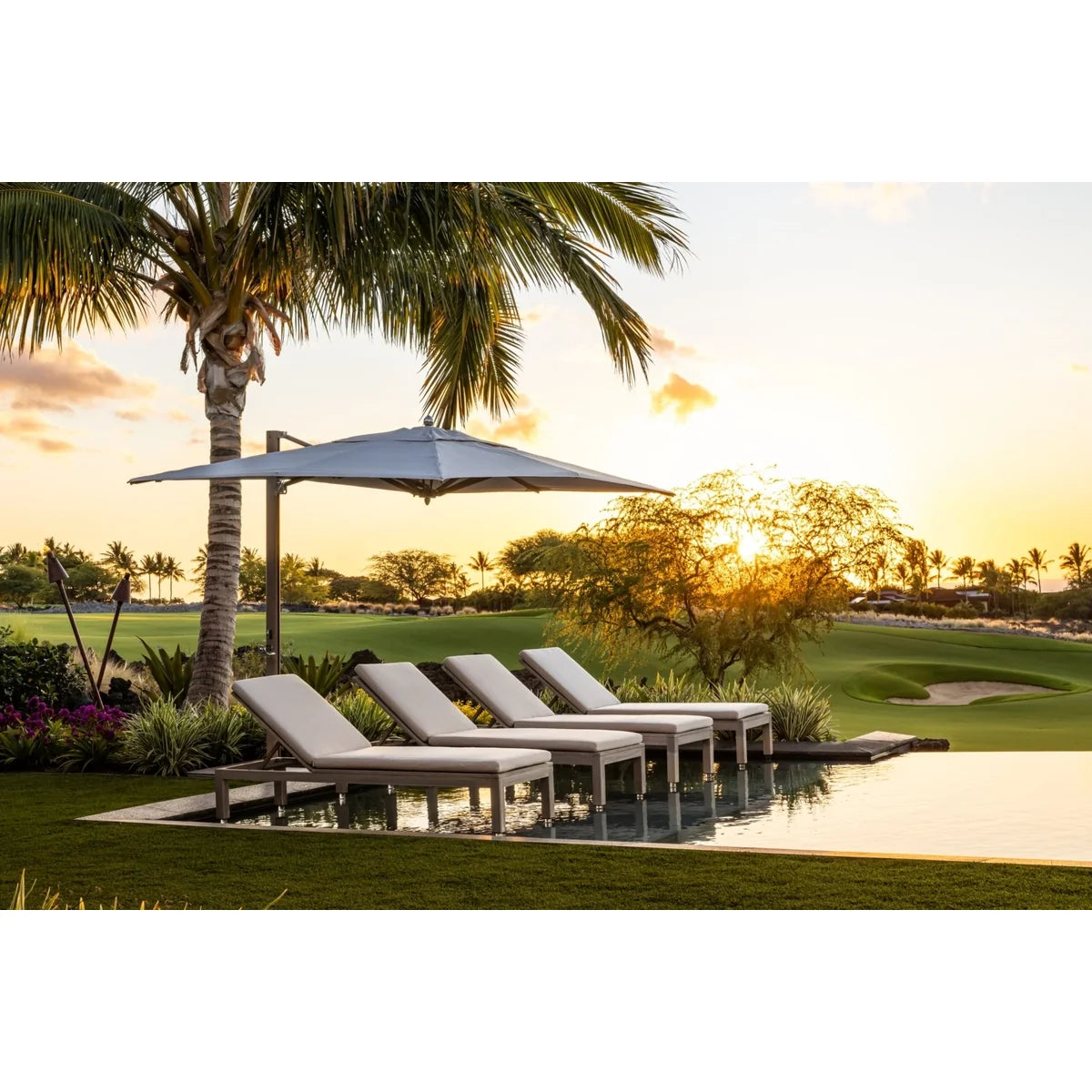
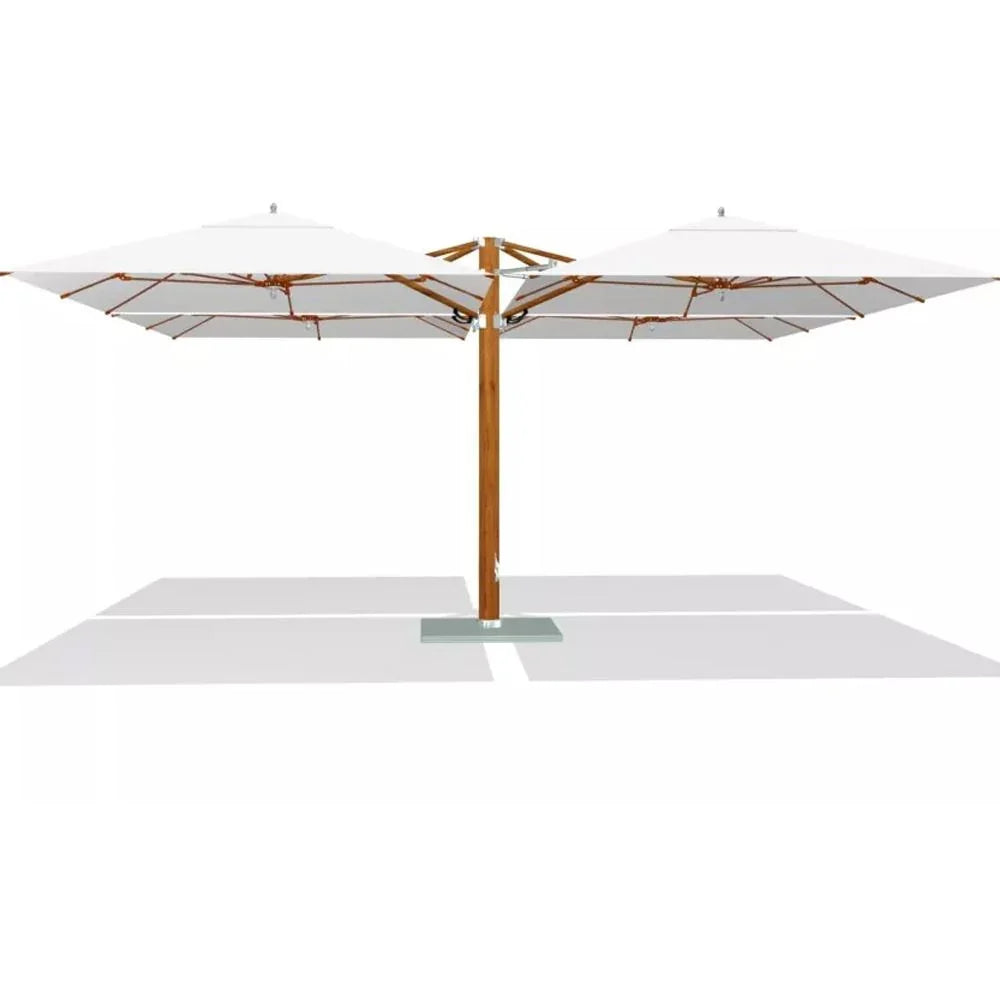
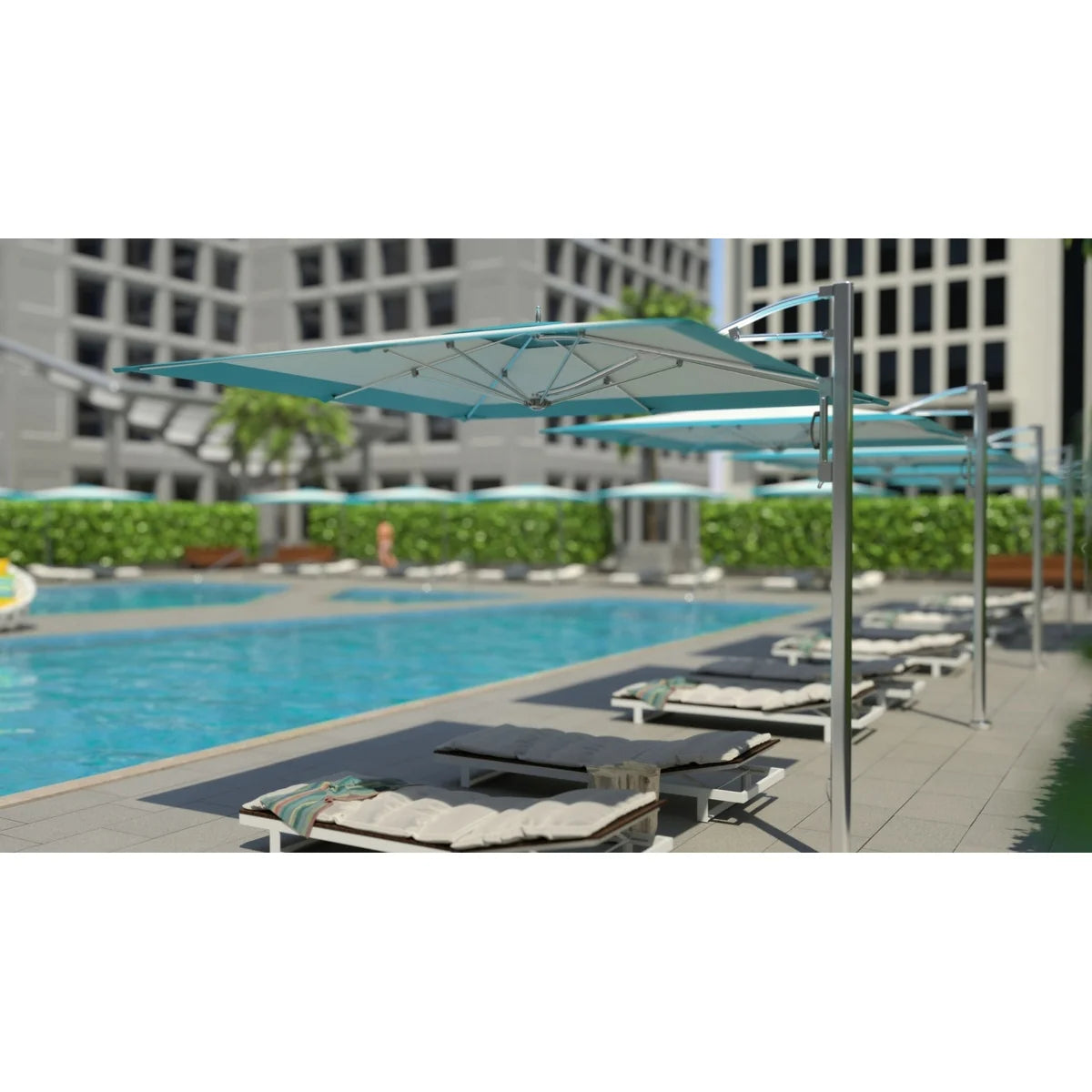
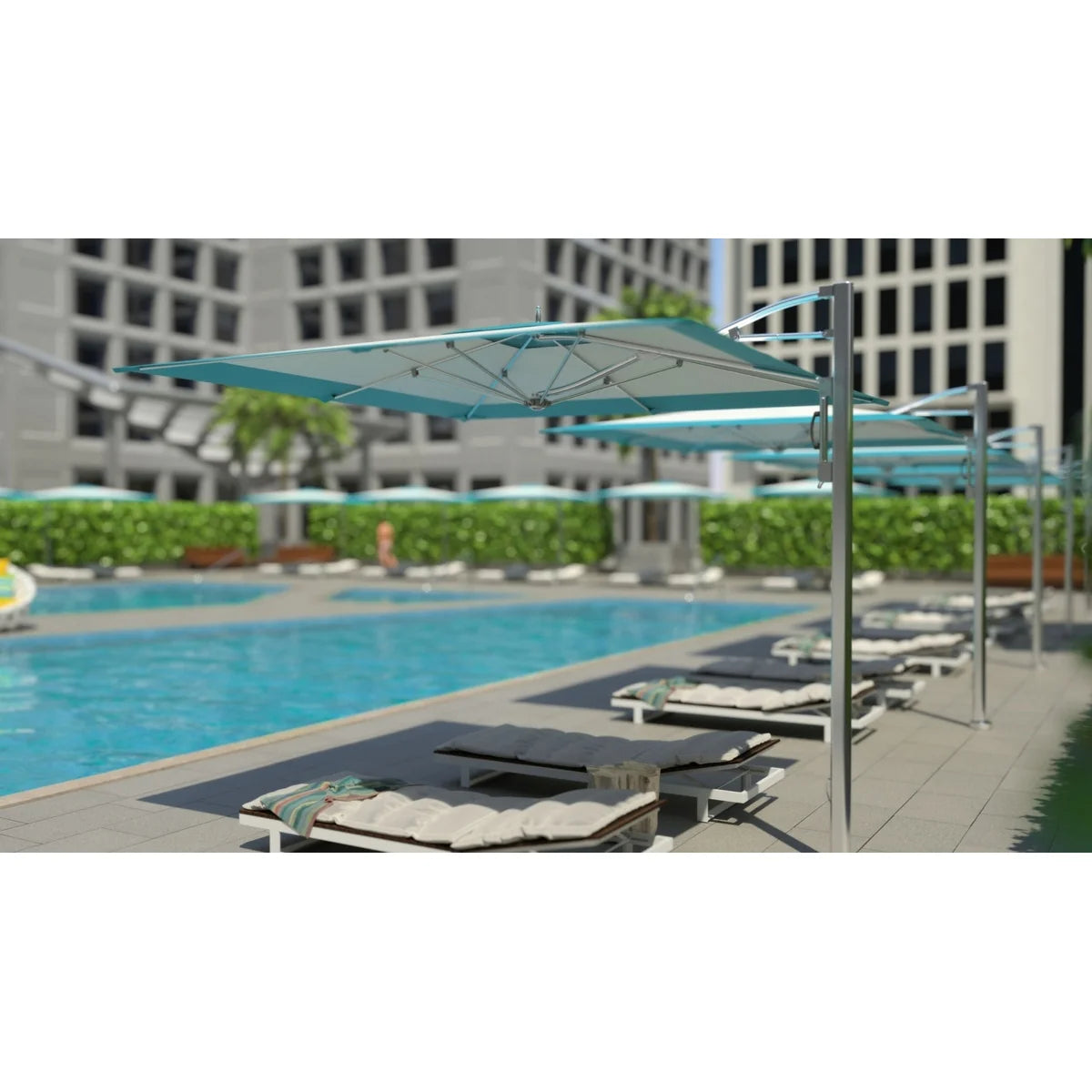
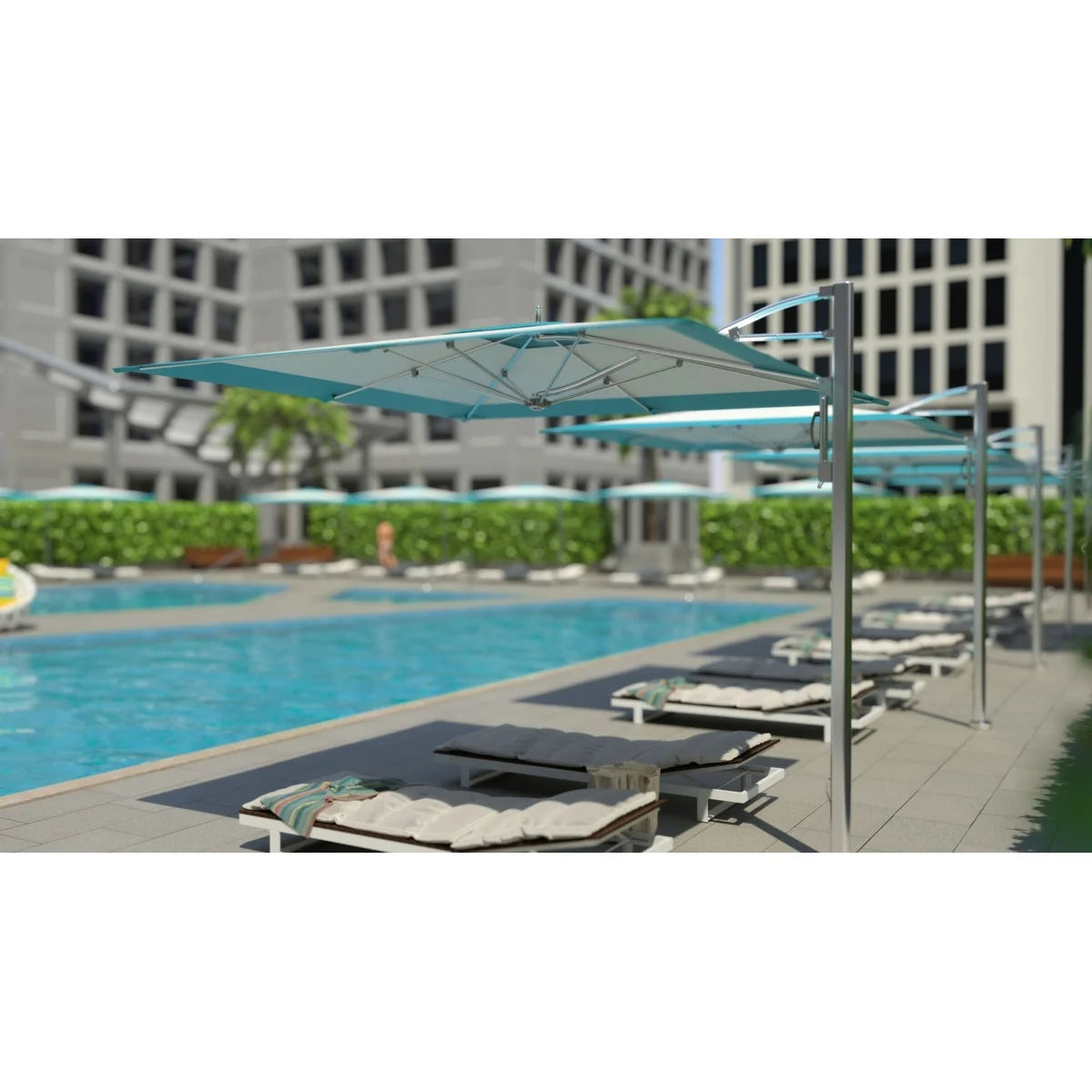
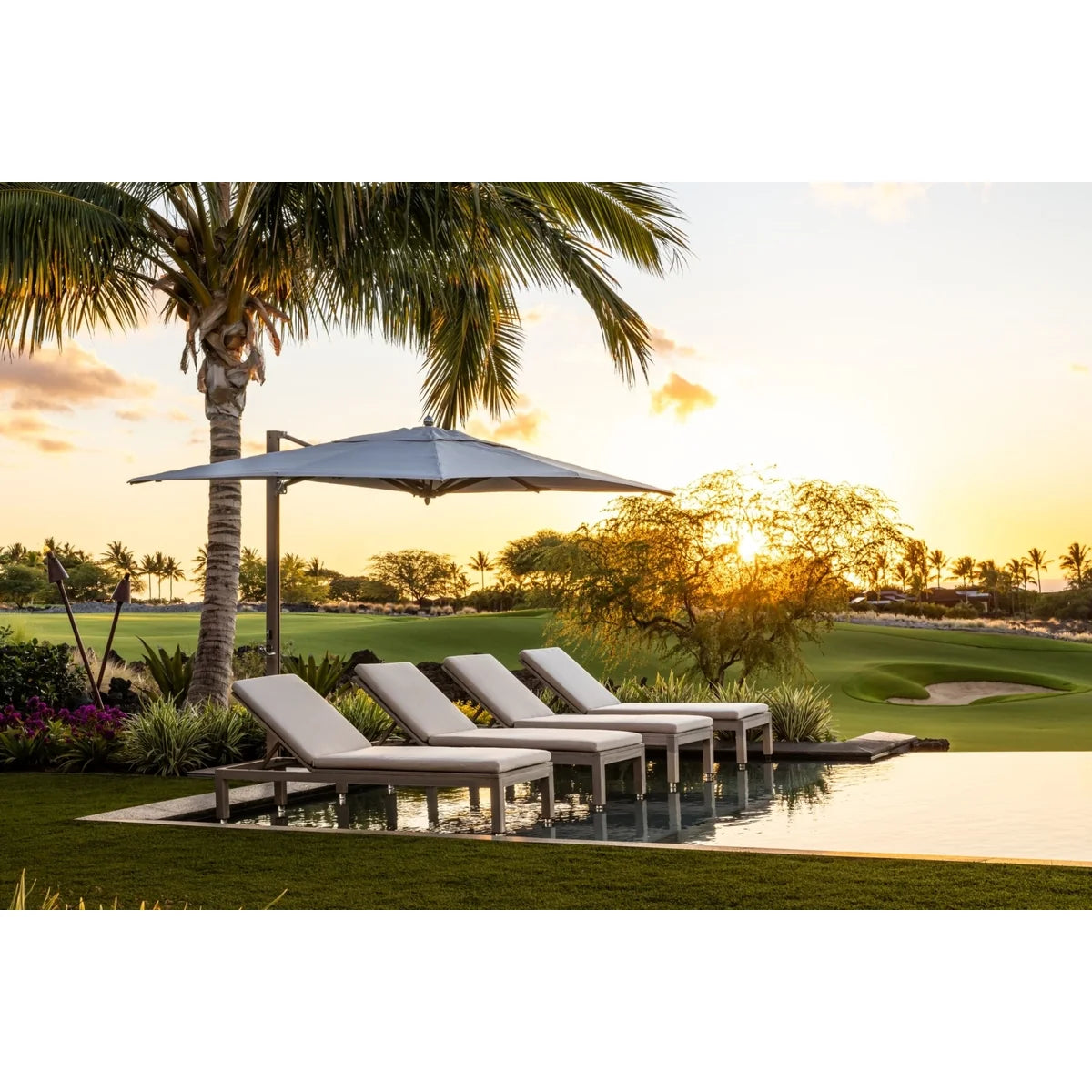
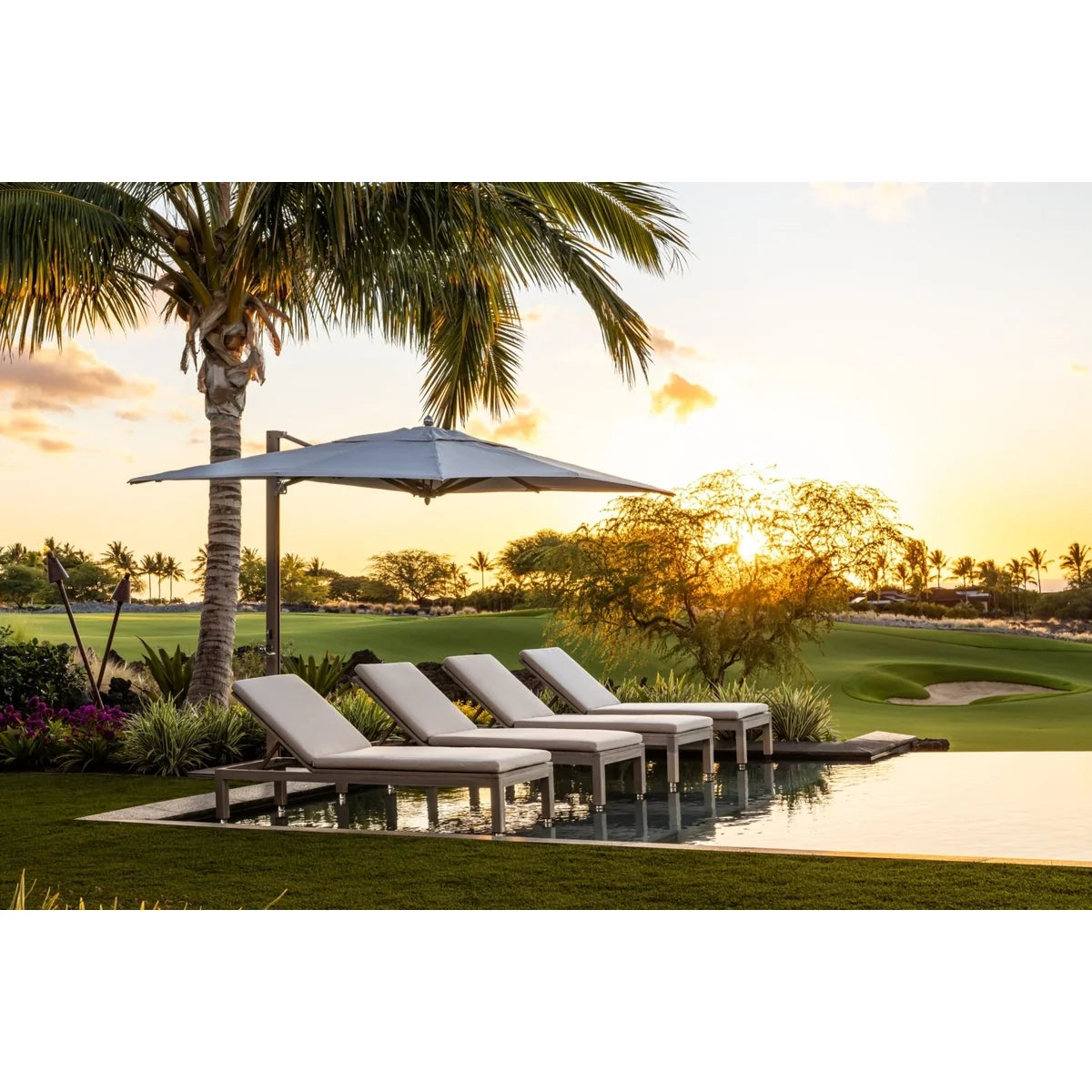
Poolside is the classic use case, since a center-pole umbrella has no table to run through over a chaise lounge or an outdoor sectional, and the pole would land in the middle of the seating anyway. They work equally well over an outdoor sofa set or a conversation area where the goal is shade without visually breaking up the furniture arrangement. For high-turnover commercial settings, our commercial patio umbrellas extend the same cantilever mechanics into heavier-gauge frames built for daily use.
Patio Productions is ICFA-certified and has been outfitting outdoor spaces from our San Diego showroom and nationally since 2007. Every order ships free in the U.S., and our team can help you match canopy size and base weight to your specific layout before you buy.
Common Questions About Cantilever Umbrellas
Plan on 200 pounds or more for a portable base, or a permanent in-ground mount for maximum stability. Because the canopy hangs entirely off to one side rather than directly above the base, cantilever umbrellas need significantly more counterweight than a market umbrella of comparable size. Windy or coastal locations should size up further or install a fixed mount.
Most cantilever umbrellas rotate a full 360 degrees around the base, and quality models include a separate tilt function. Rotation lets you follow the sun through the day without moving furniture. Tilt angles the canopy to block low-angle morning or evening sun specifically. Look for a crank-and-pulley or gear-based tilt mechanism, which holds its angle better under wind than a simple push-tilt design.
Yes, that's the primary use case a cantilever solves that a market umbrella can't. Because the pole is offset to the side instead of running through the center, a cantilever umbrella can shade a full sectional, sofa set, or daybed arrangement without a pole interrupting the seating layout.
A market umbrella's pole runs through the center of what it's shading; a cantilever's pole is offset to the side. Market umbrellas are the right choice for a dining table with an umbrella hole. Cantilevers solve everything else: lounge furniture, sectionals, and pool decks where there's no table to run a pole through.
Yes, close and secure it ahead of any significant wind, regardless of base weight. An open canopy catches wind load dramatically more than a closed one. Most cantilever umbrellas include canopy ties to keep the closed umbrella secured between uses.


