


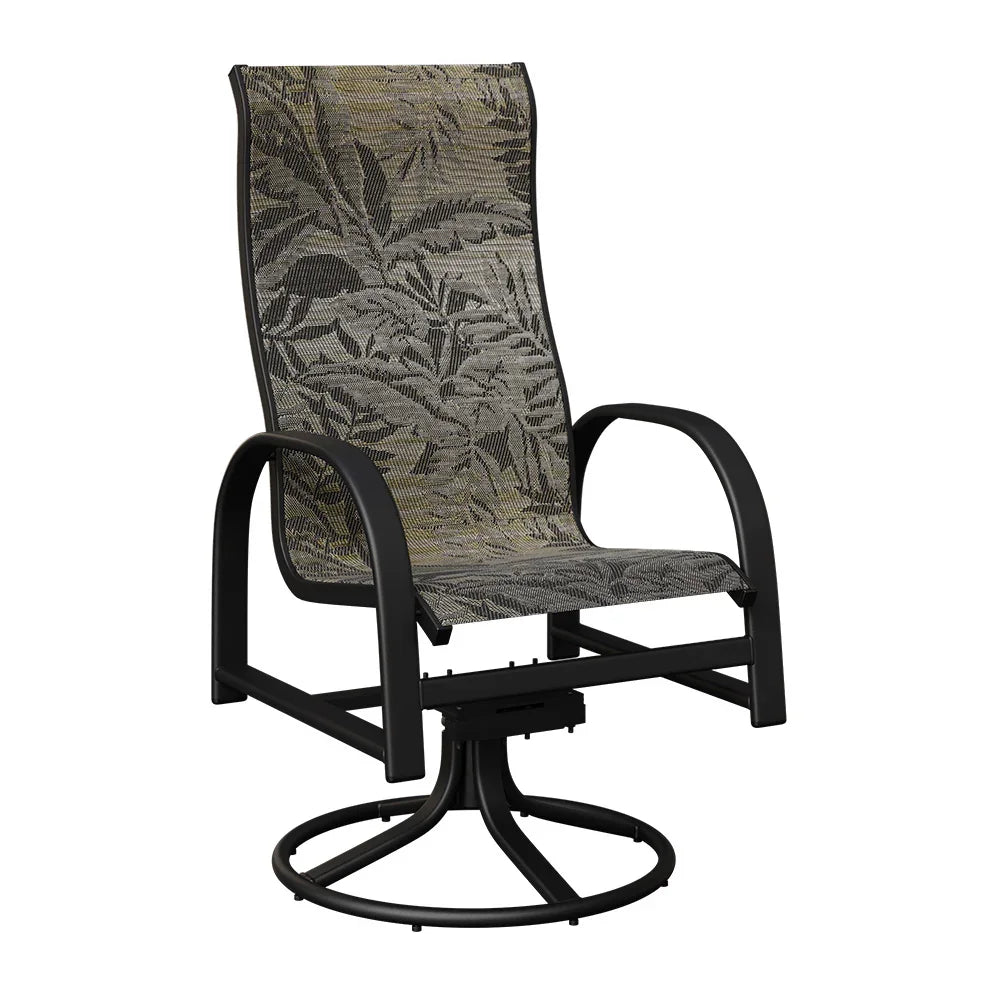
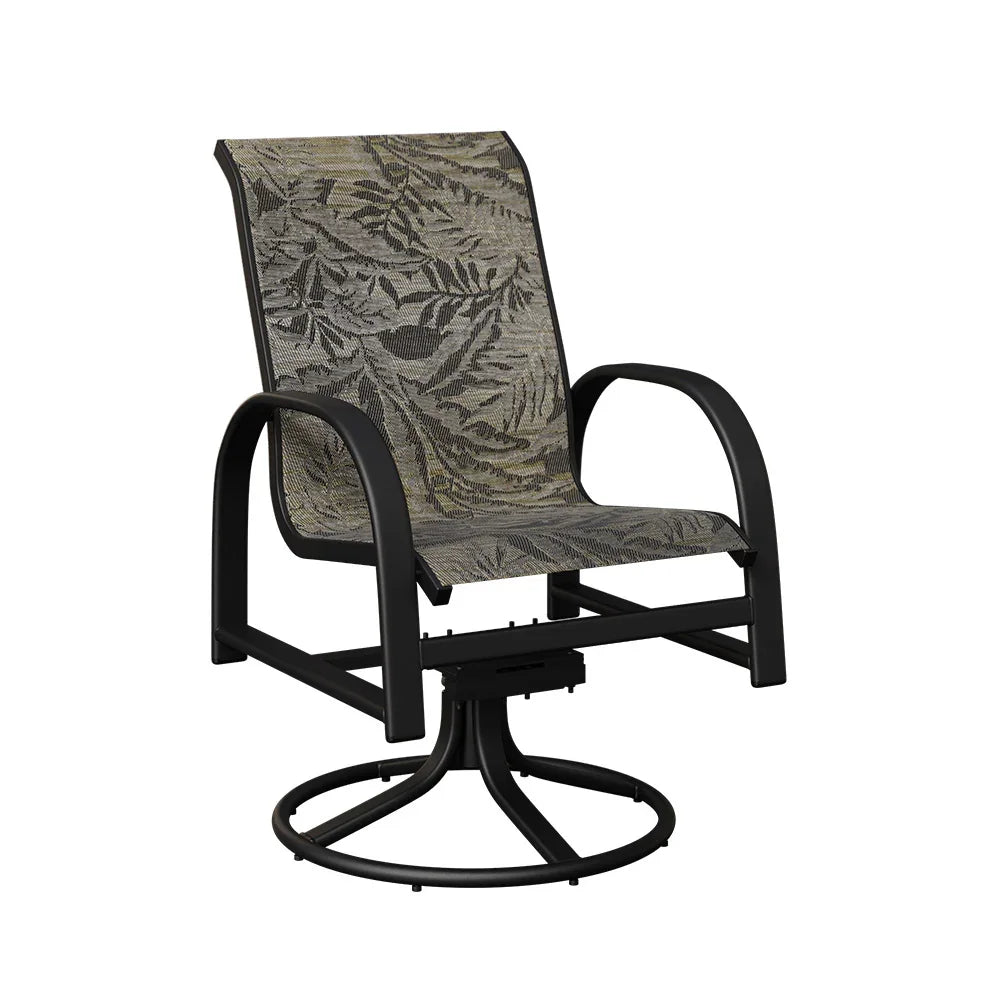
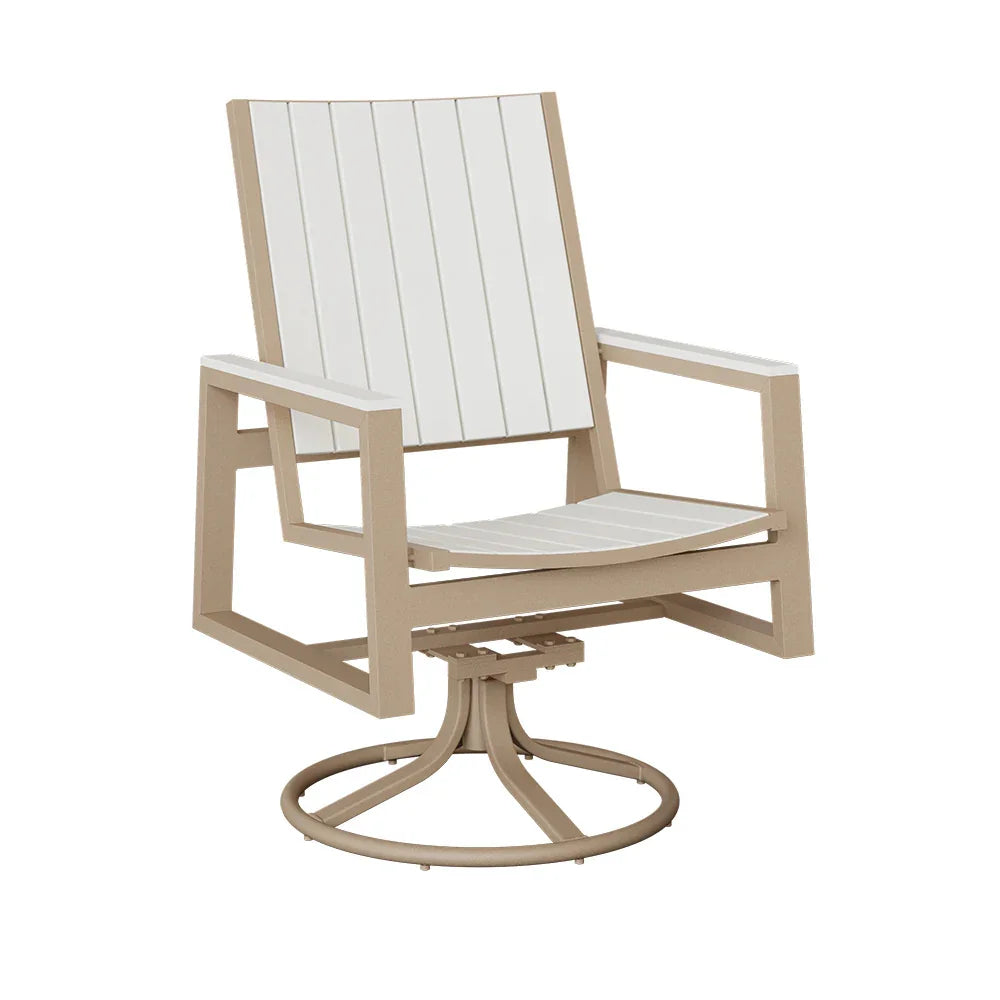
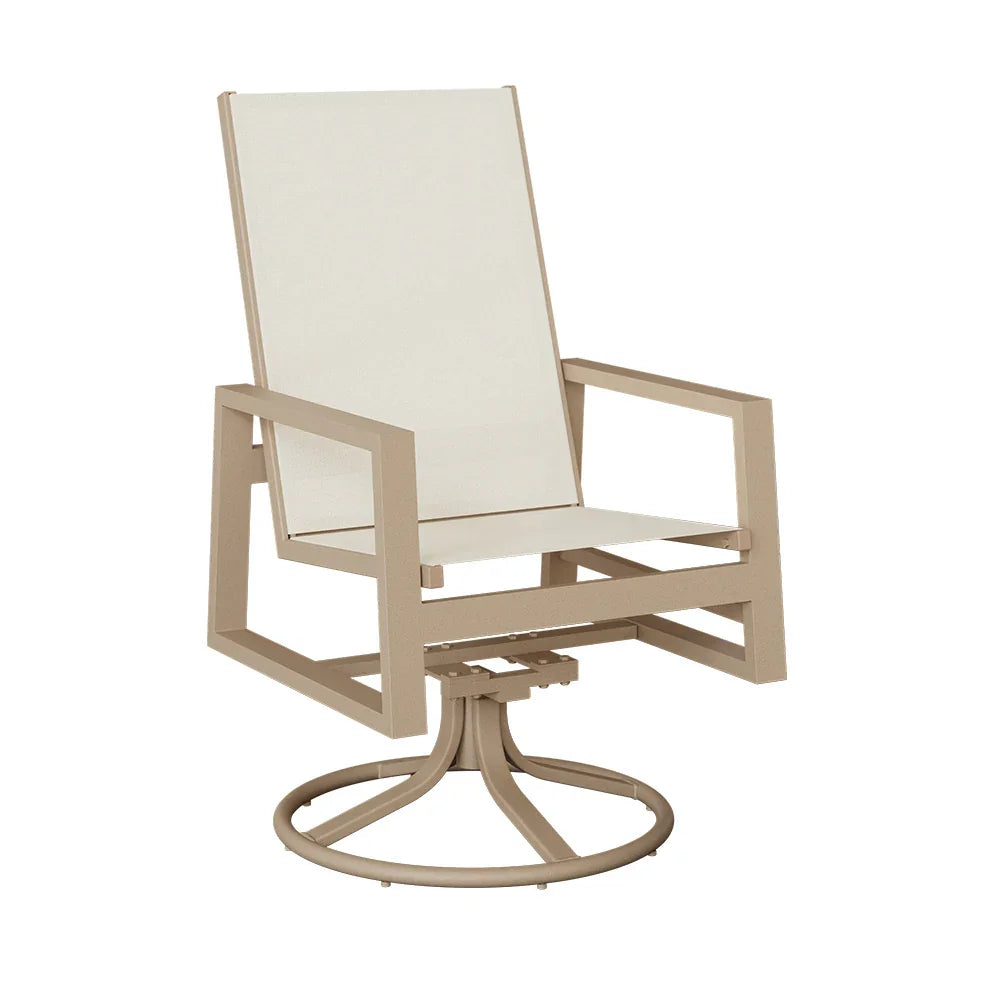
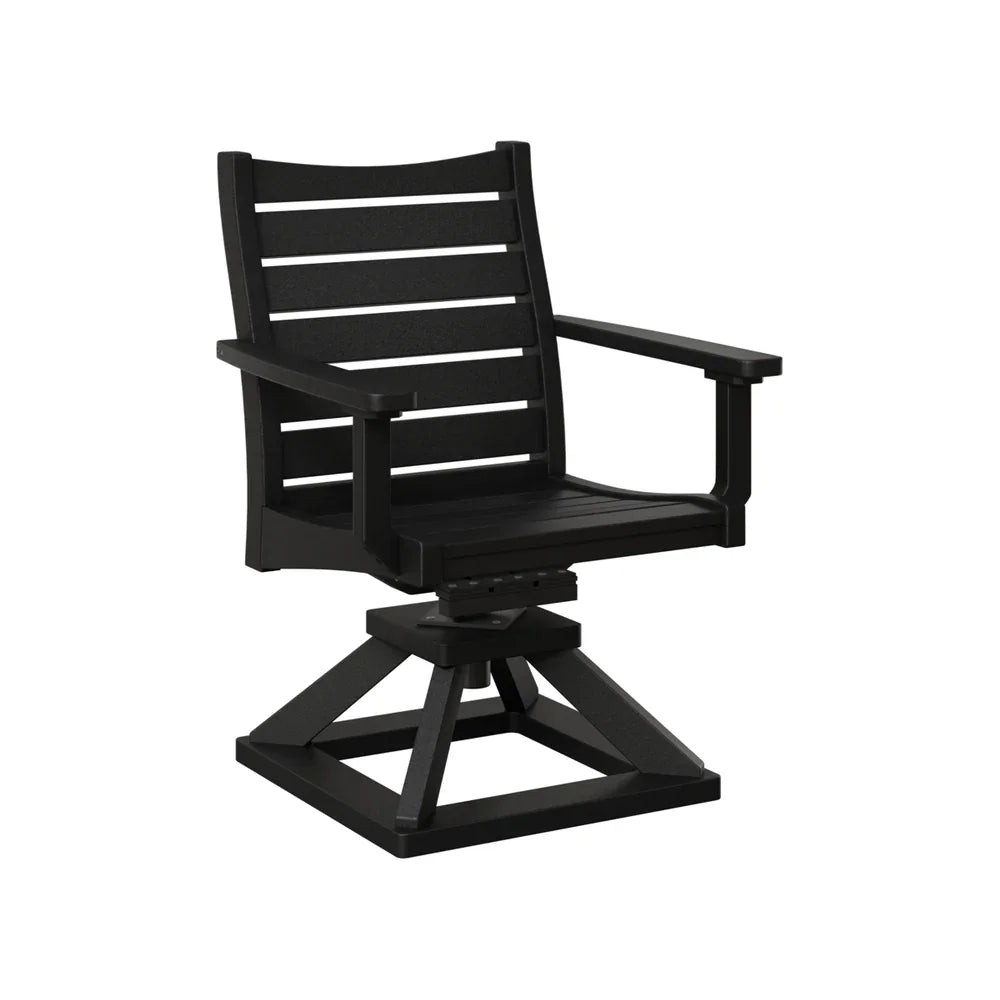
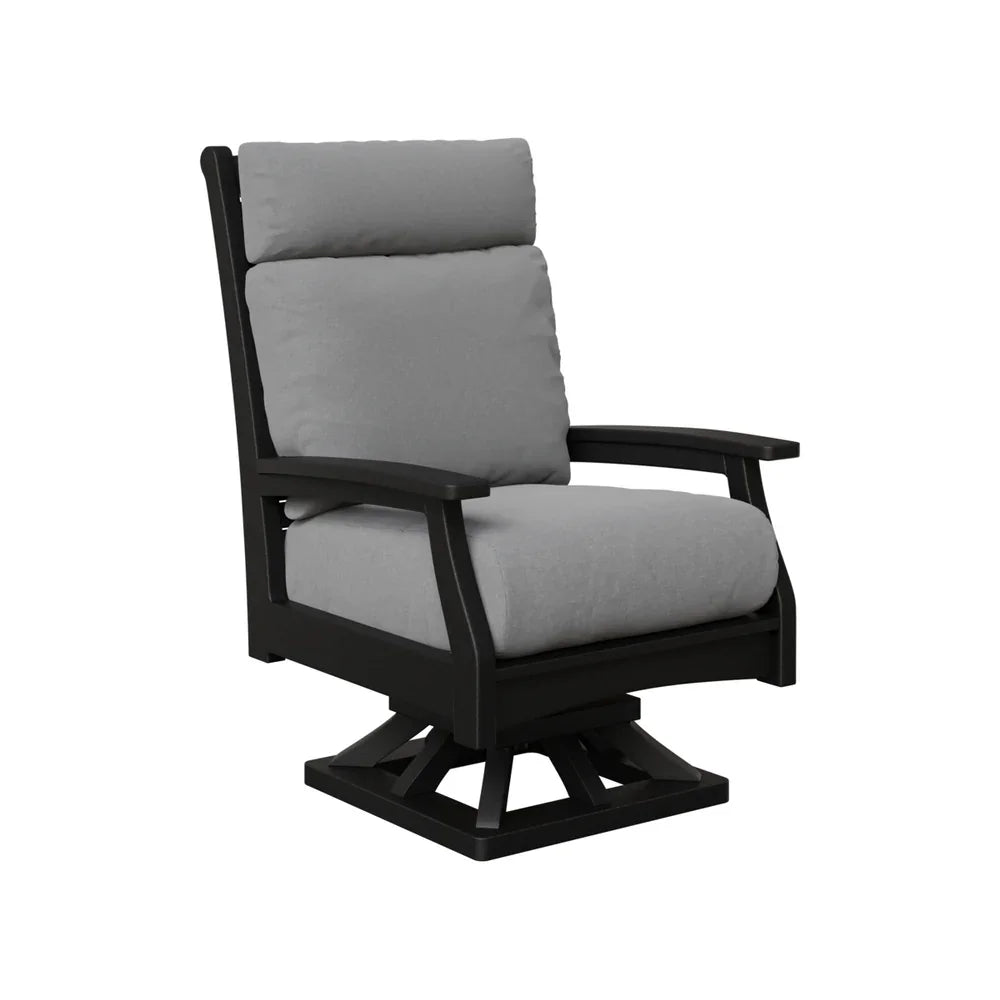
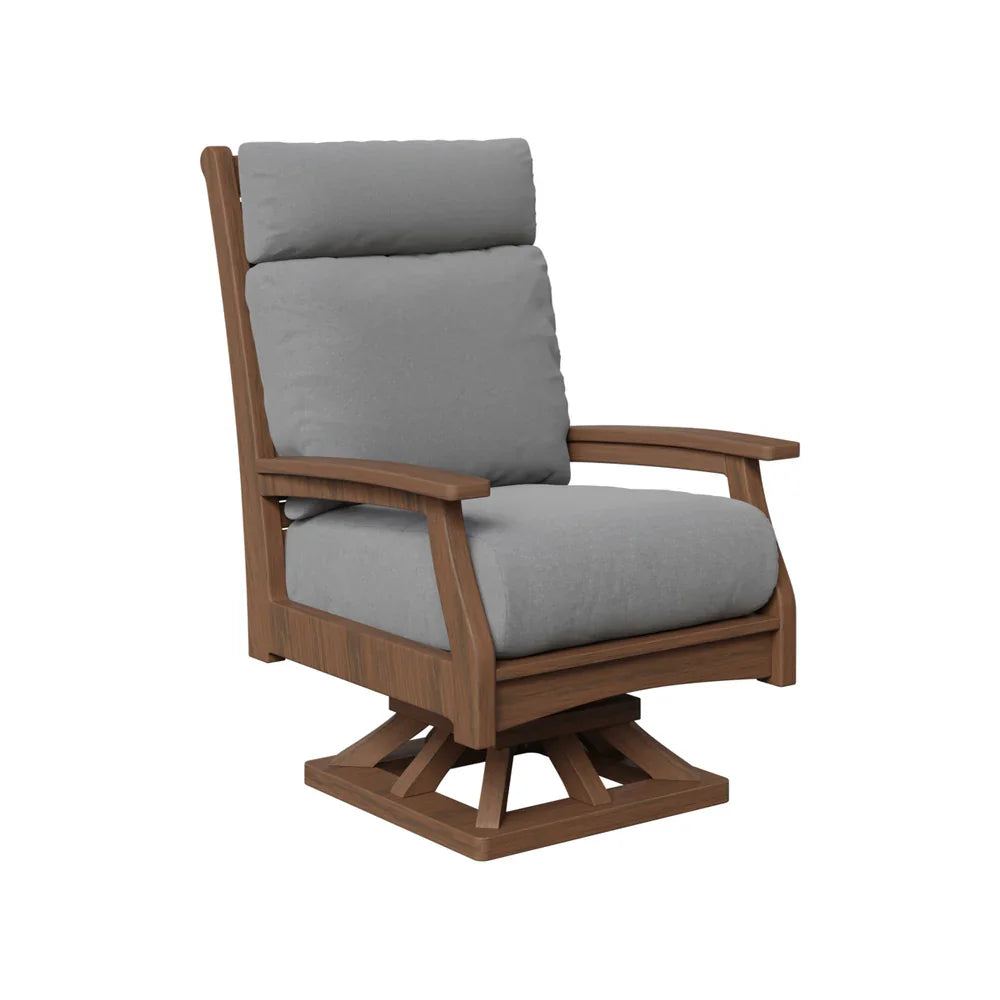
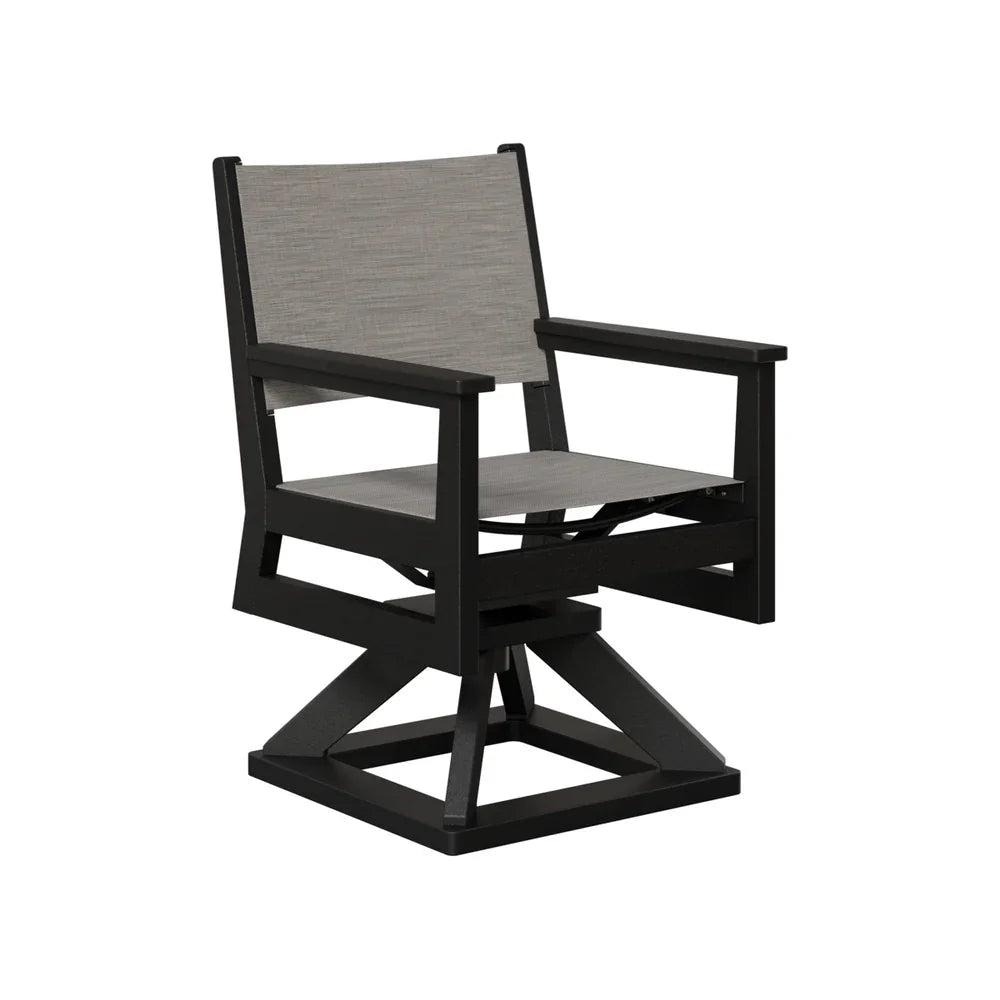
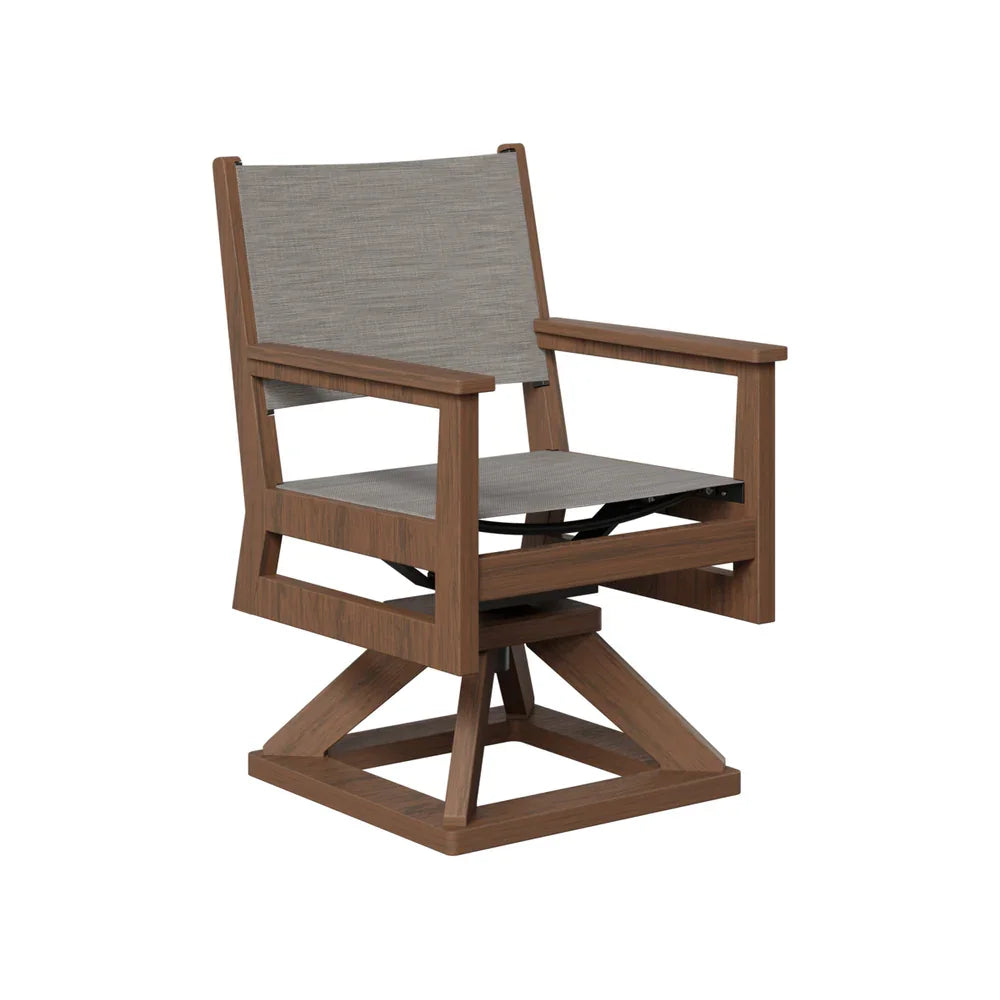
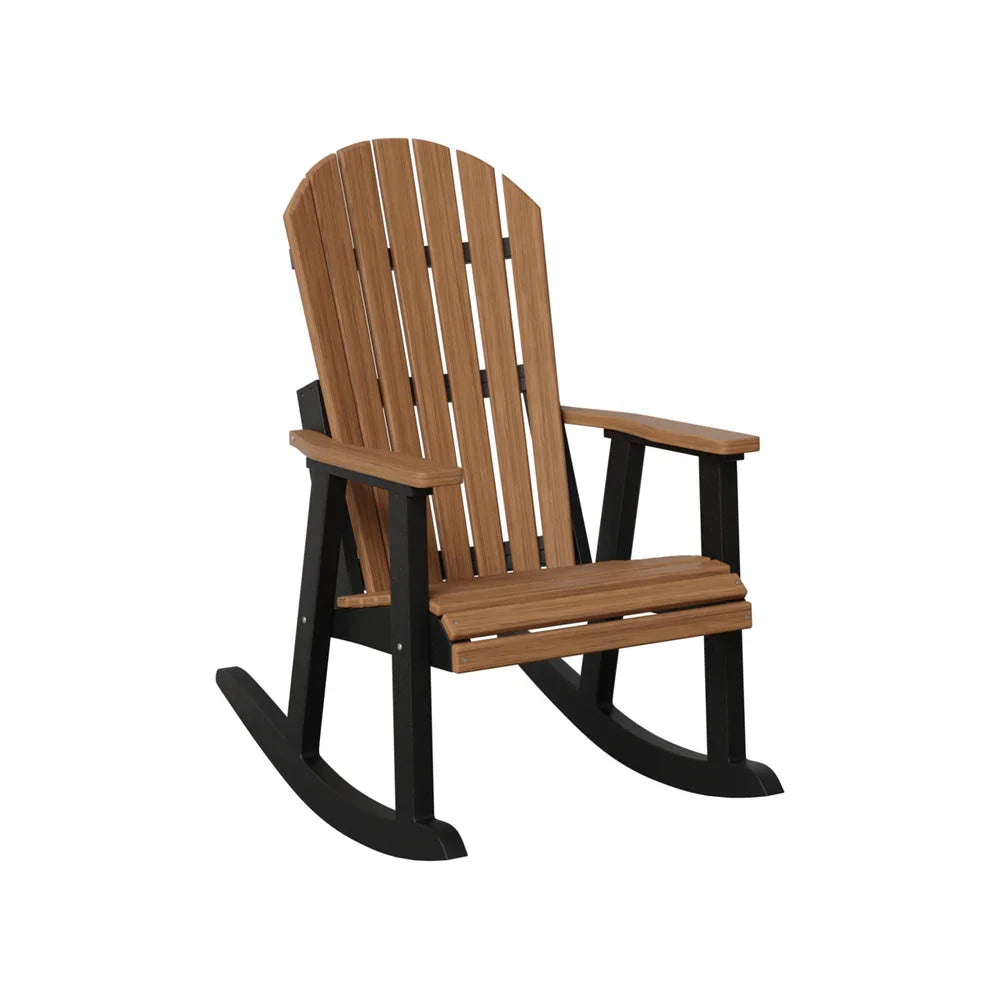
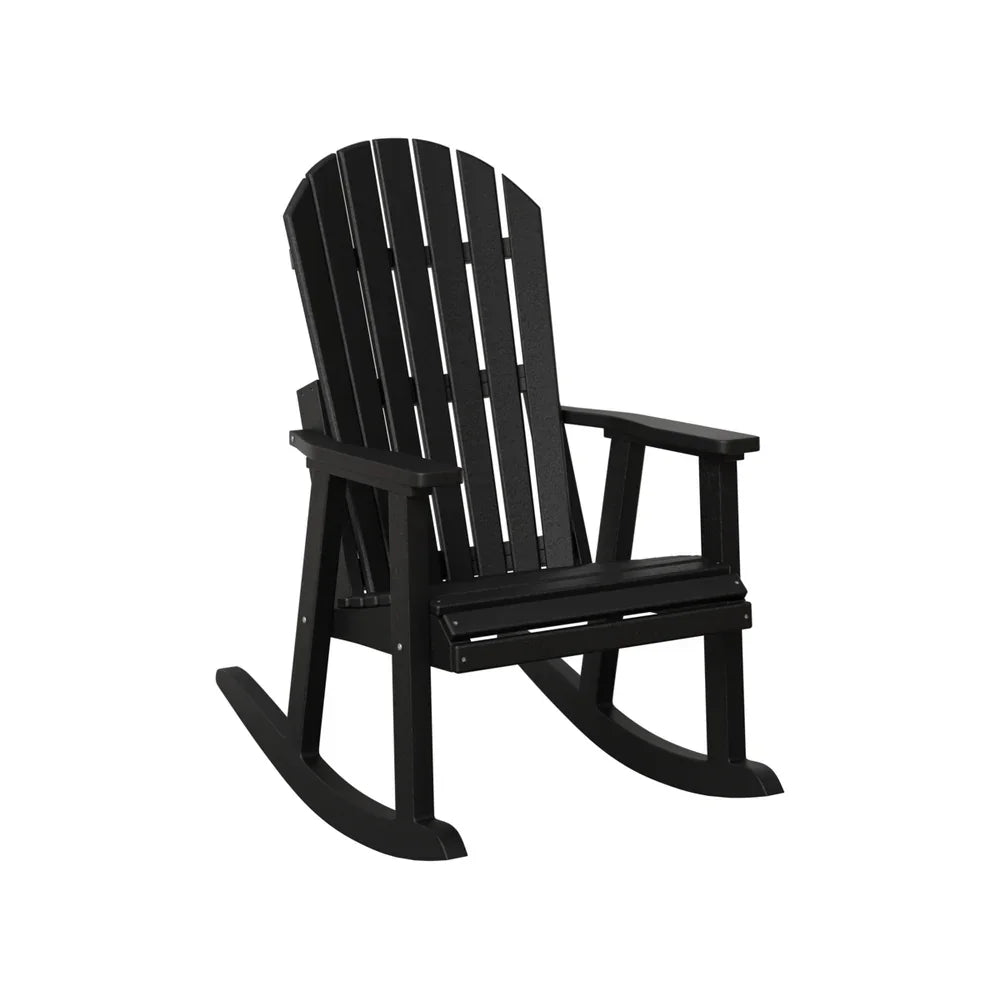
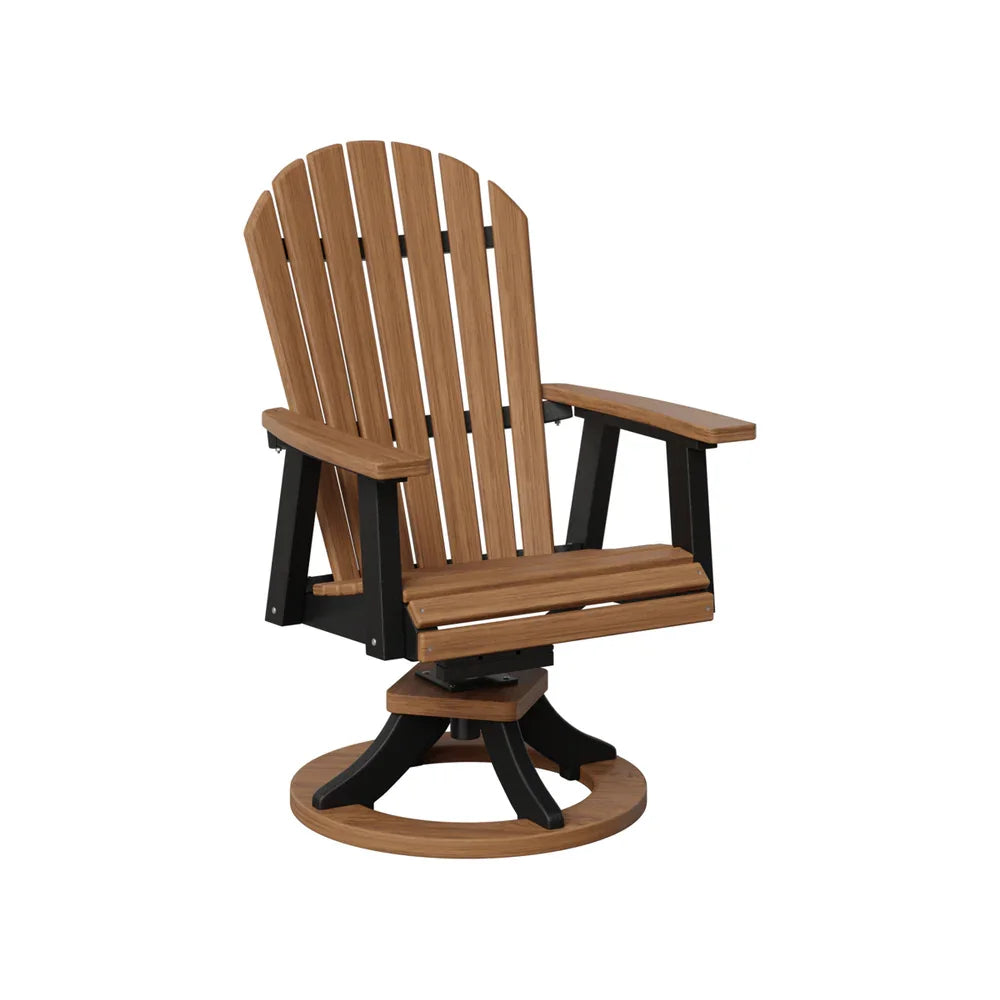



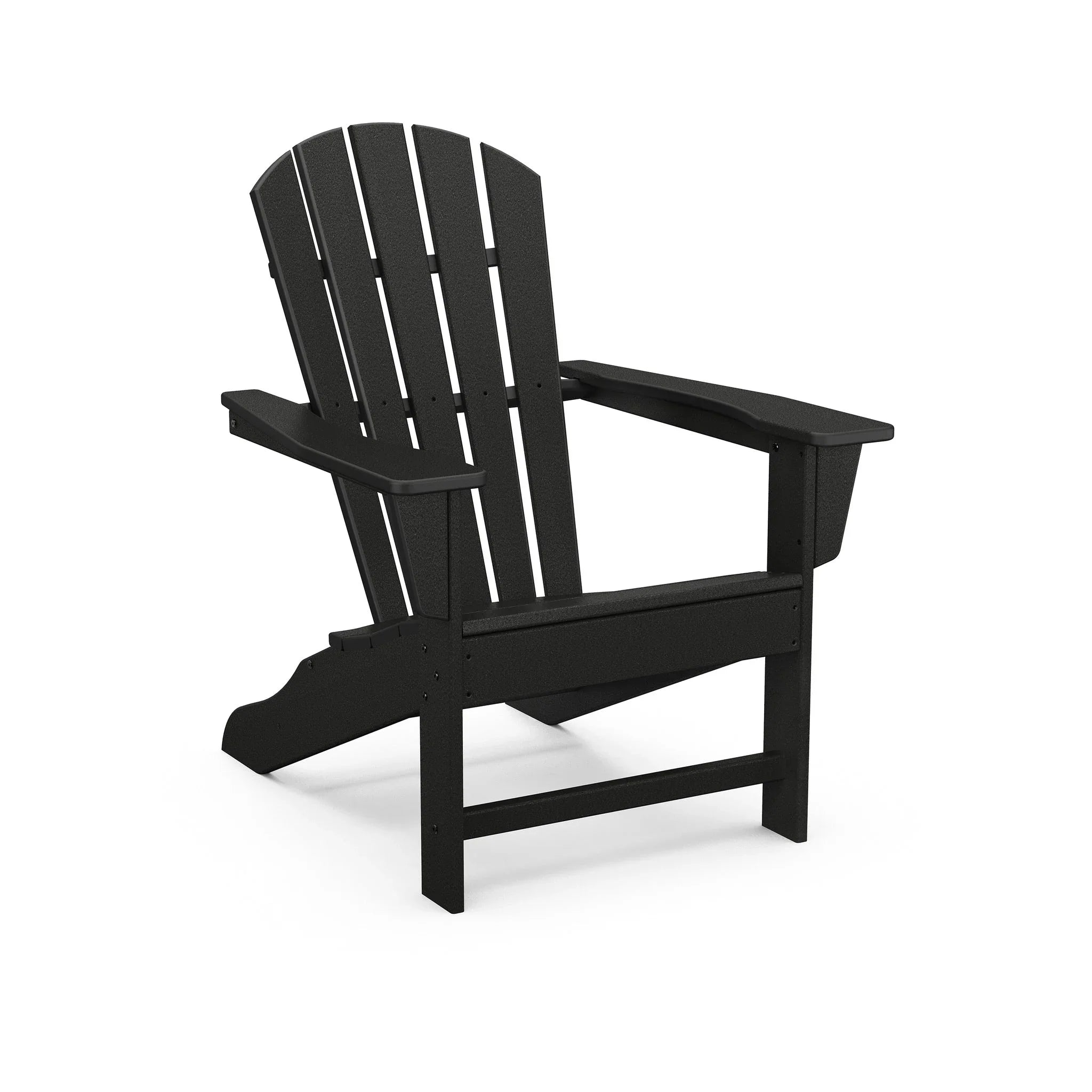
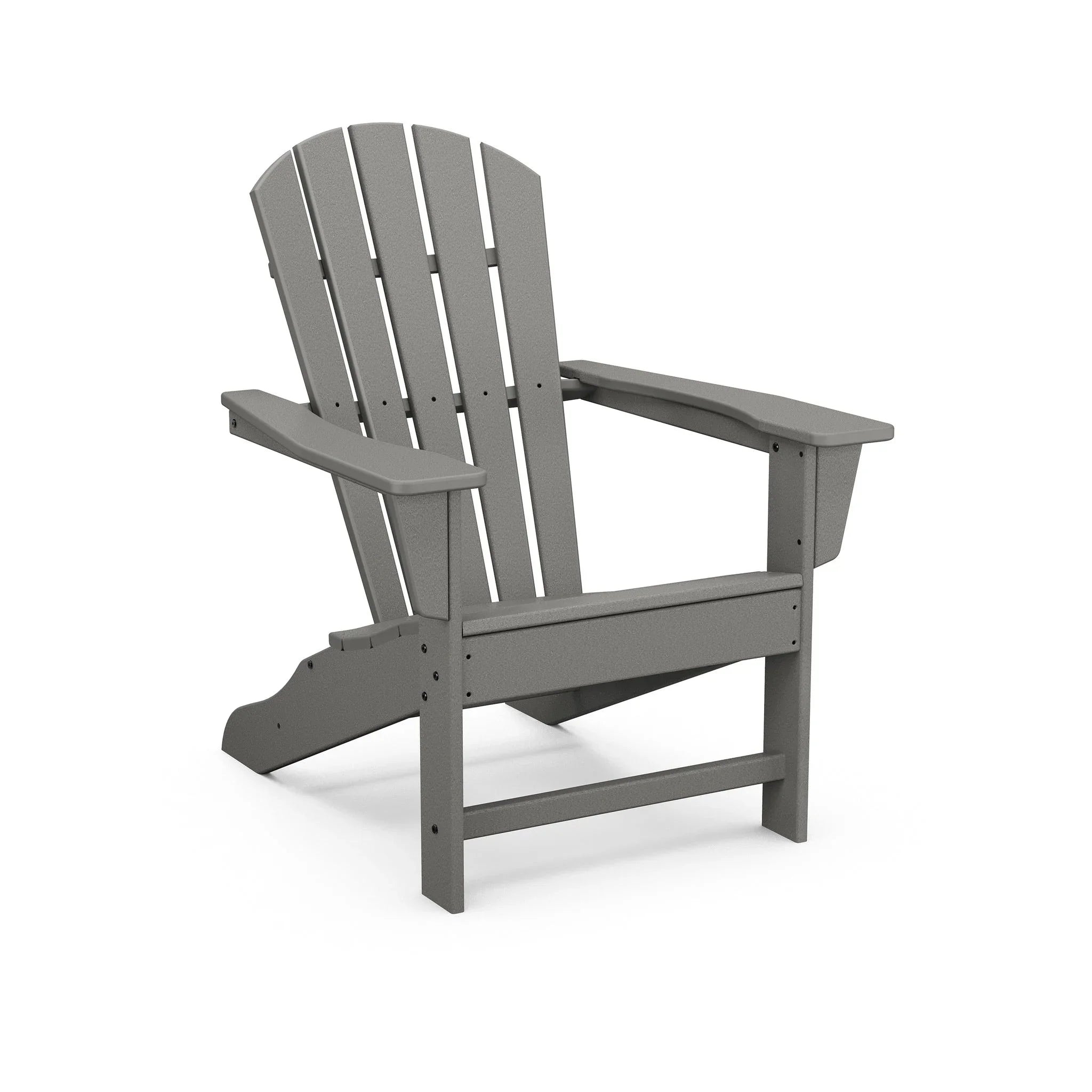
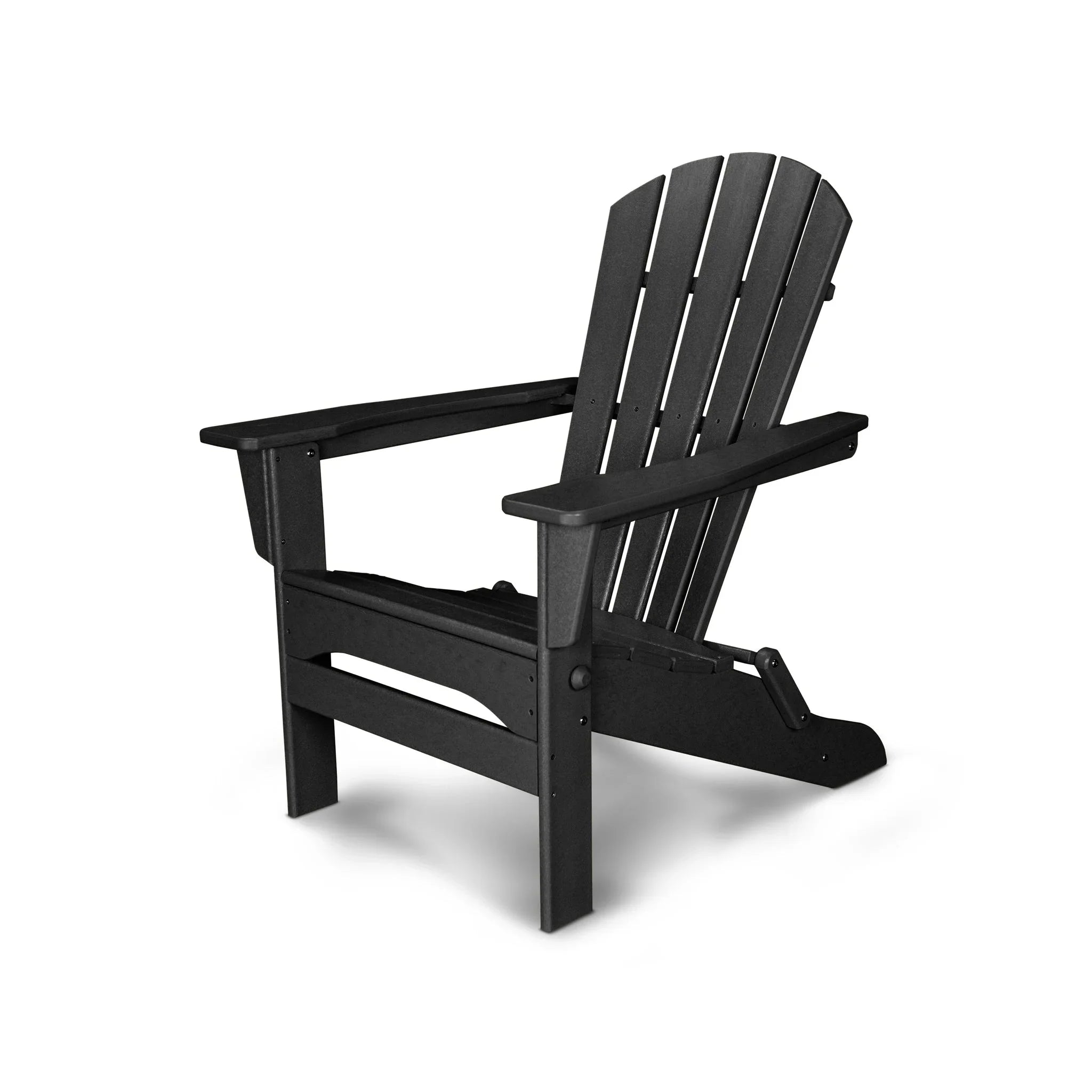
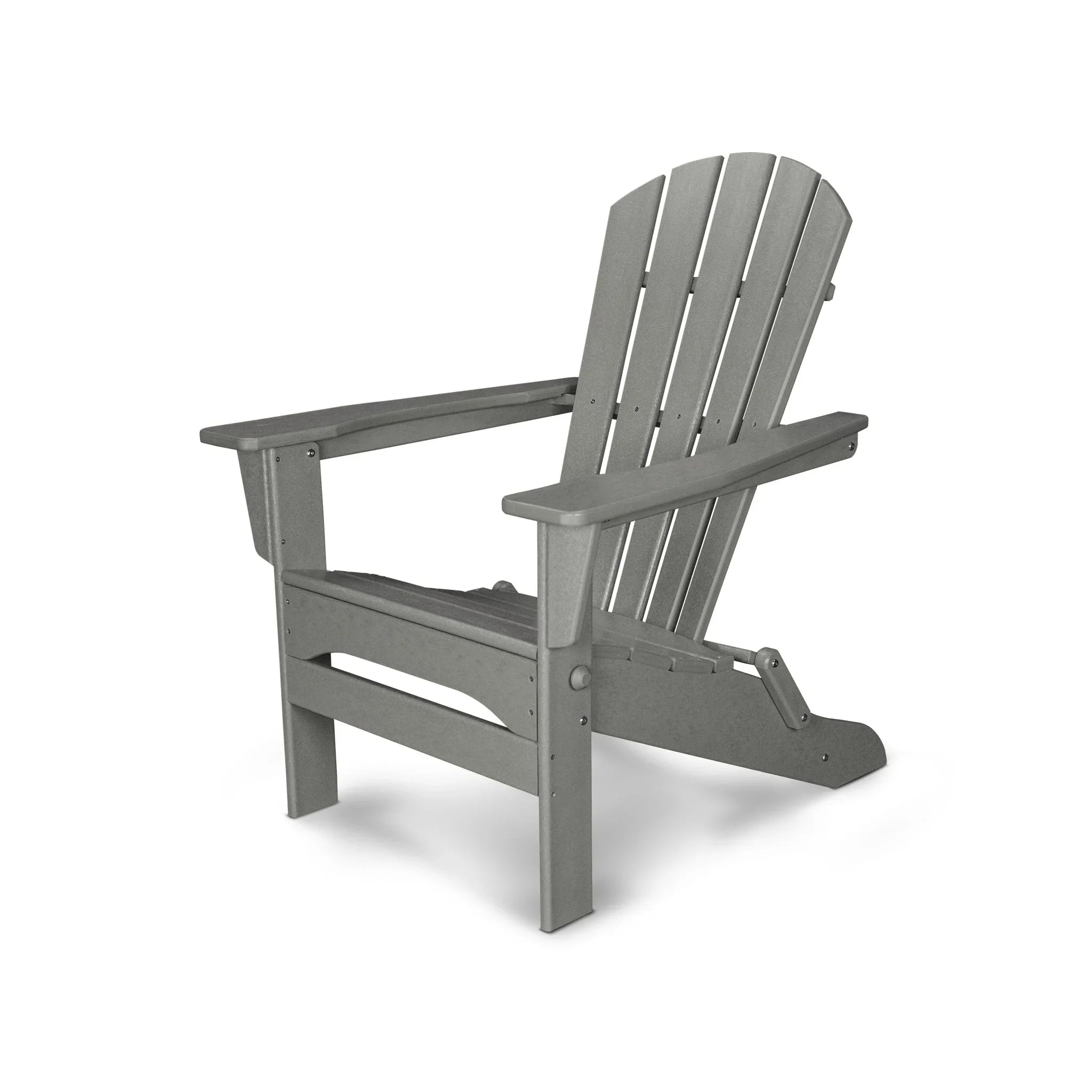
Deck Chairs: Adirondacks, Rockers, Gliders, and Hanging Seats
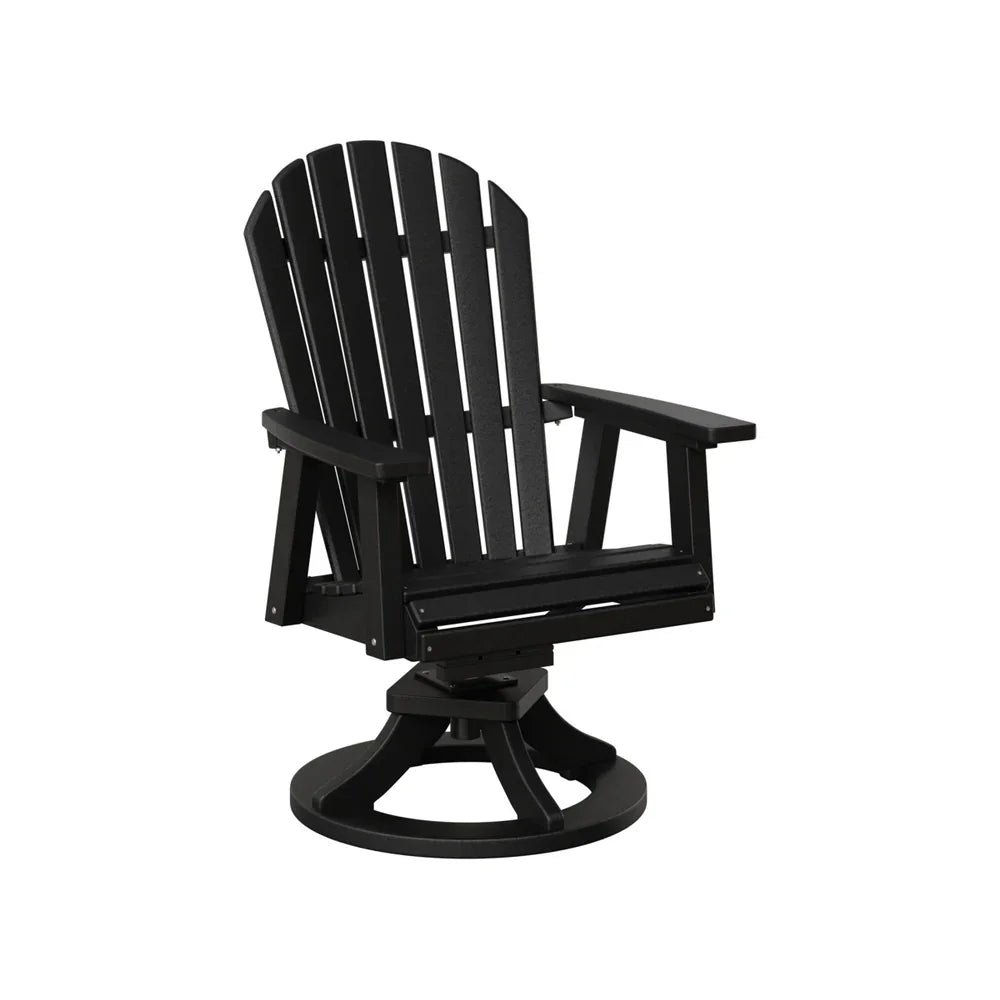
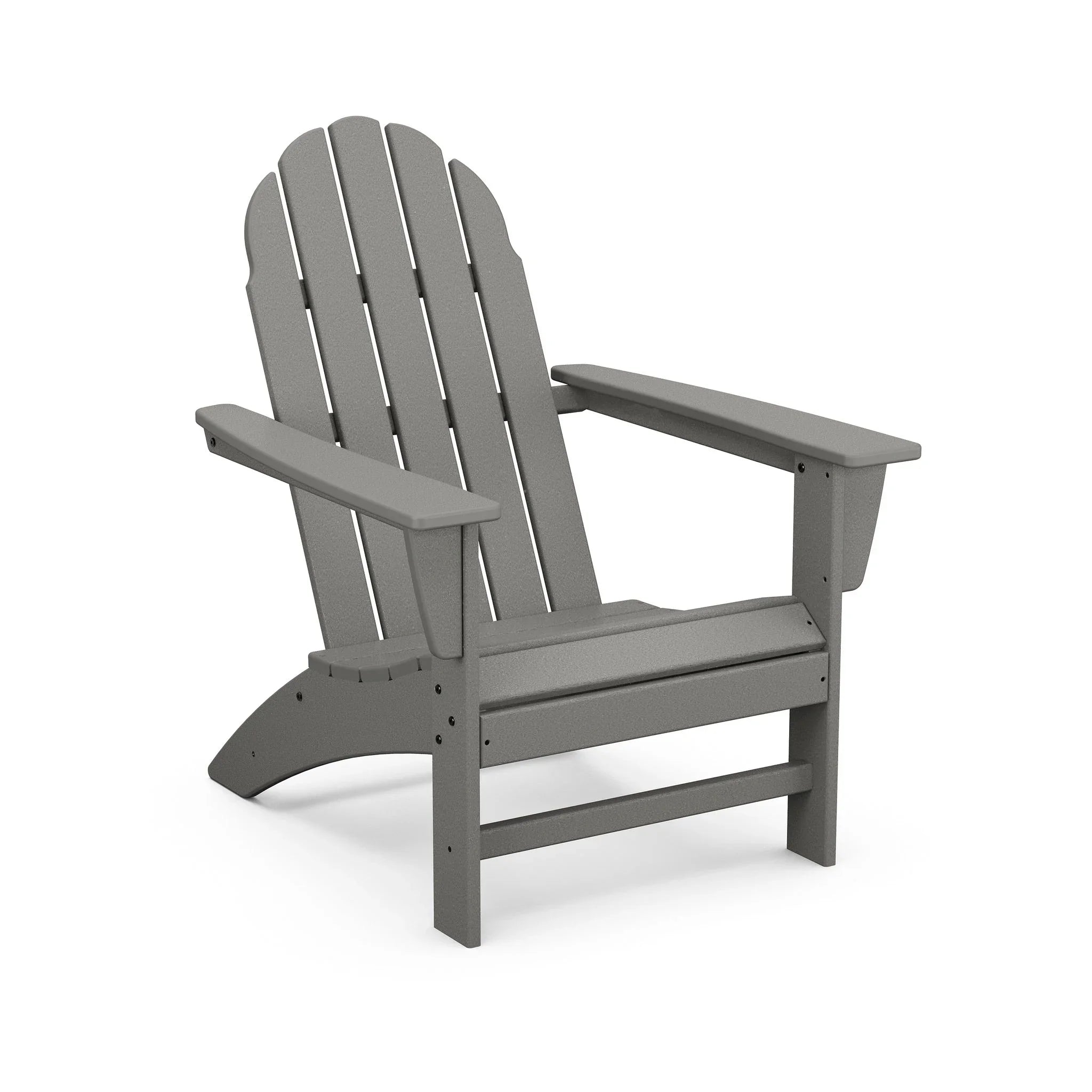
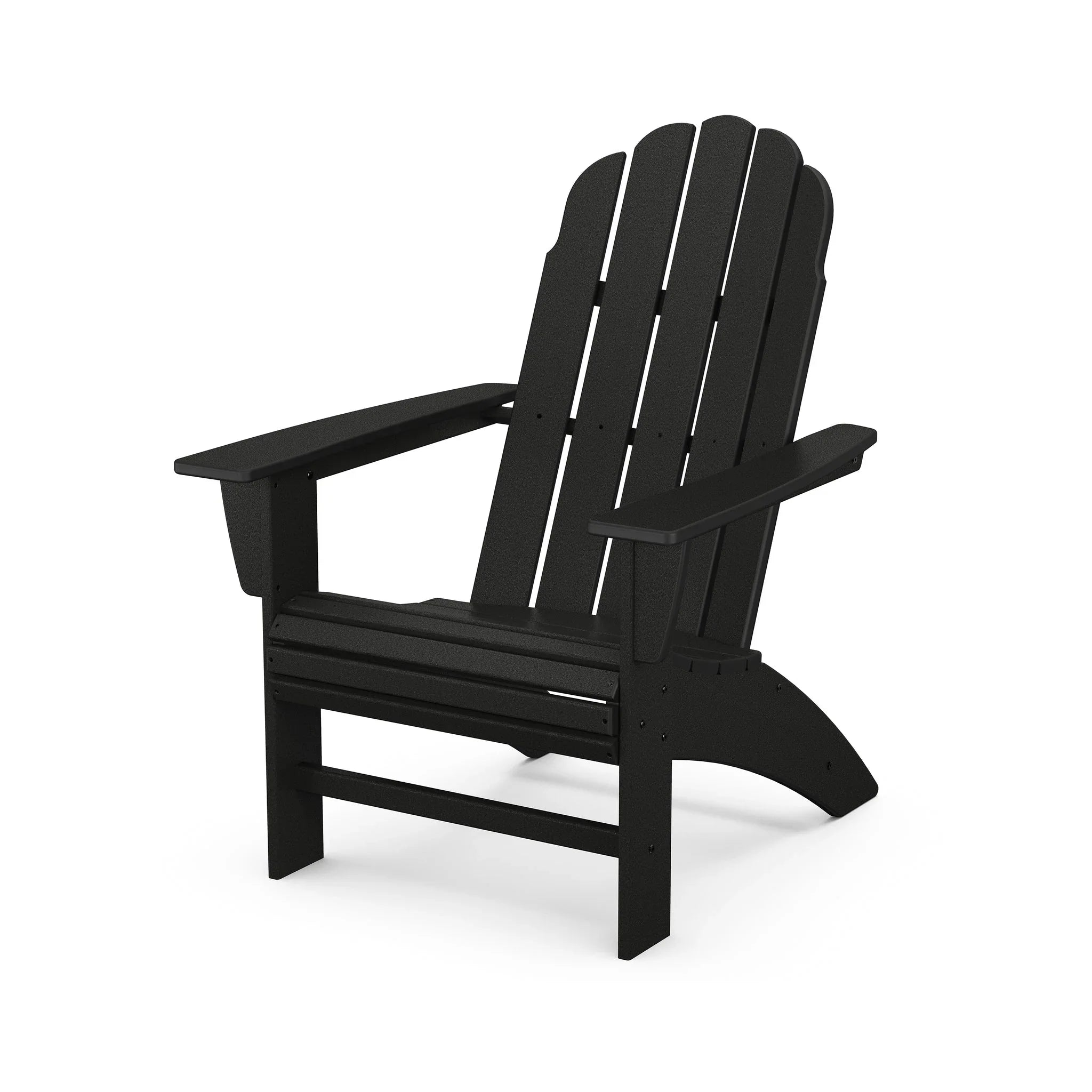
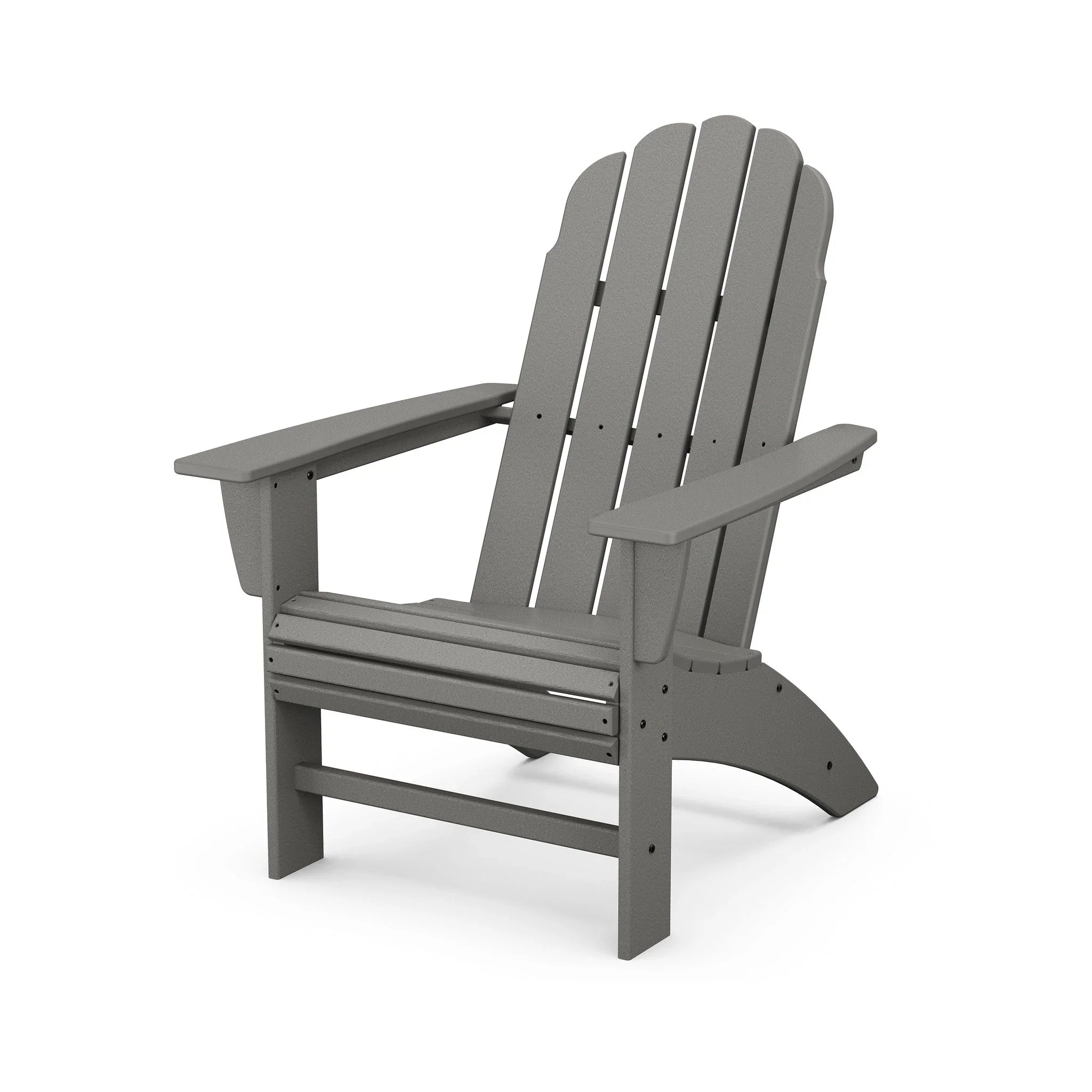
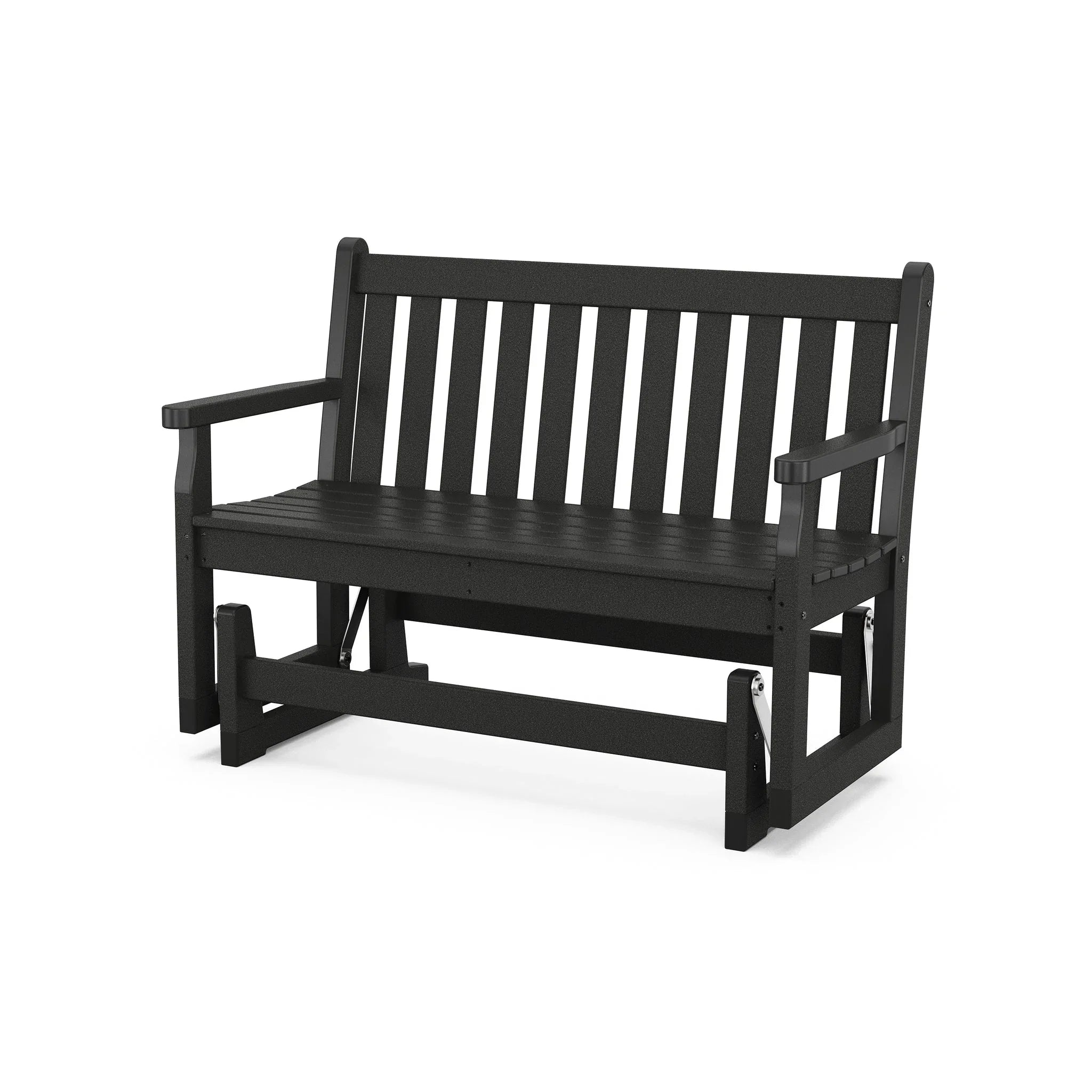
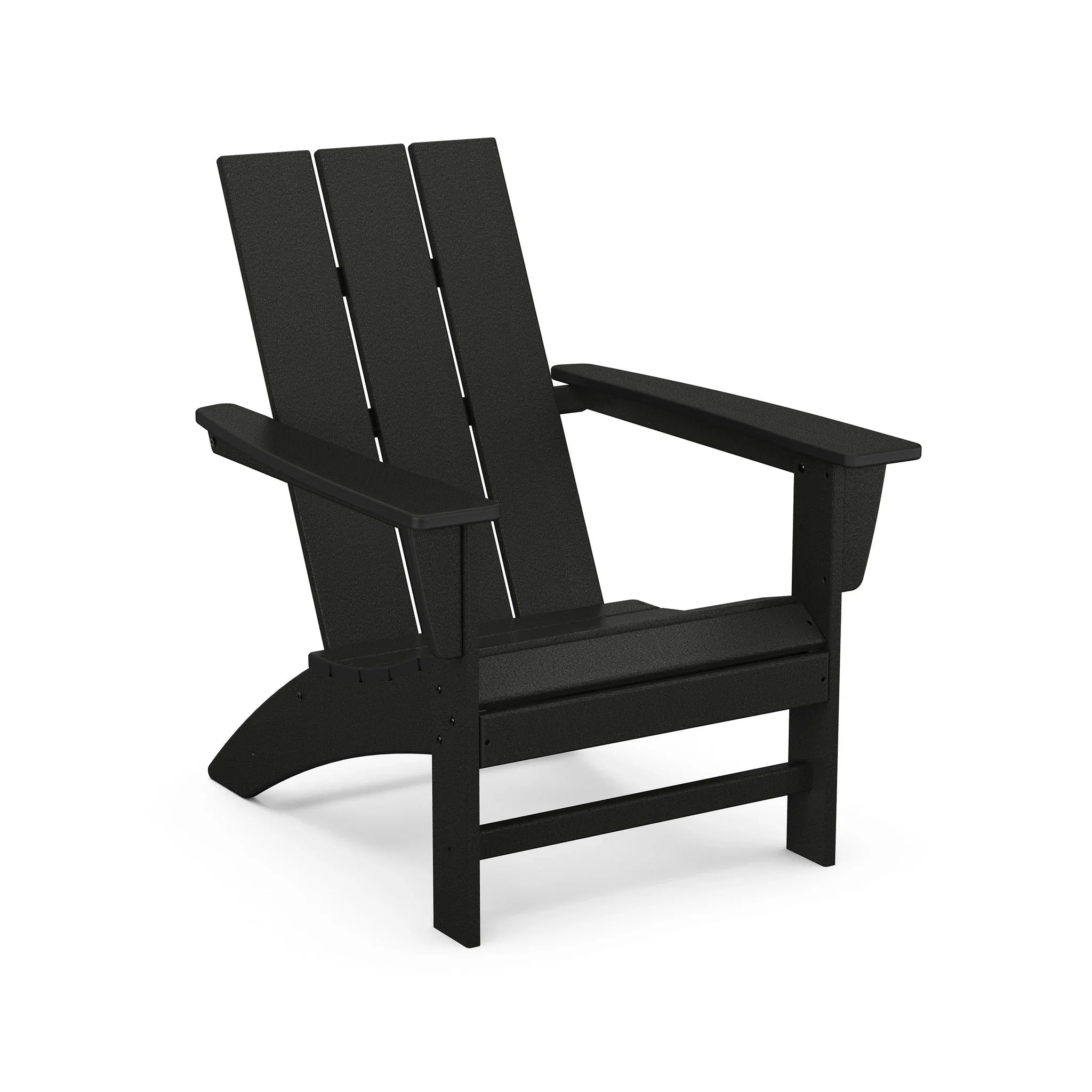
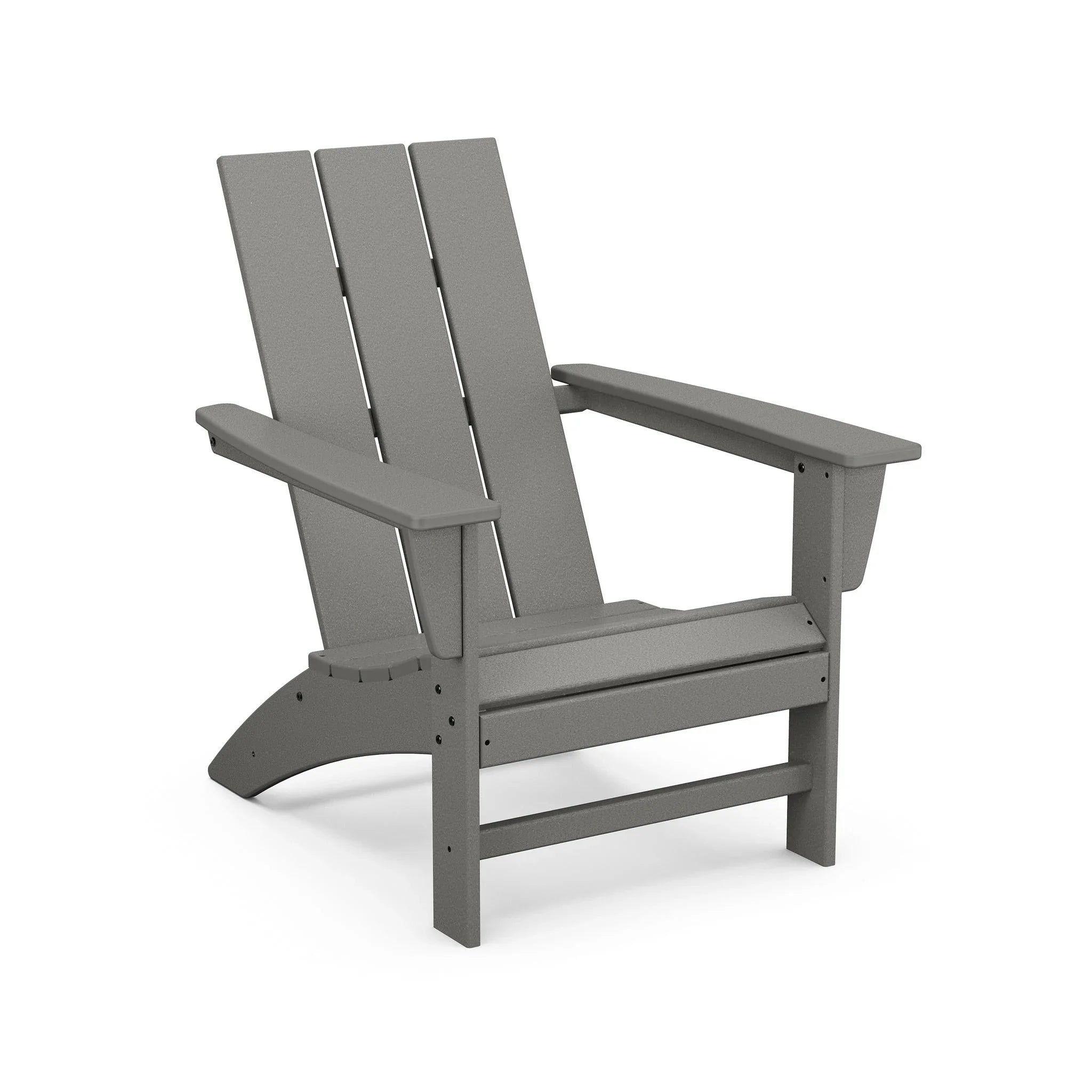
A deck chair isn't a dining chair and it isn't a sofa. It's the seat you sink into with nothing more ambitious planned than watching the light change, and that job description covers a wider range of furniture than most people expect. Our Adirondack chairs anchor the category with their wide armrests and reclined seat, but rocking chairs, gliders, and hanging seats all belong here too, each solving the same basic want (sit down, do nothing, feel good about it) with a different mechanism.
What separates a great deck chair from a merely adequate one usually comes down to two things: whether the motion (or lack of it) actually suits how you sit, and whether the material can handle being left outside without babying. Everything in this collection is built for that second part first.
Choosing by Motion: Fixed, Rocking, or Gliding
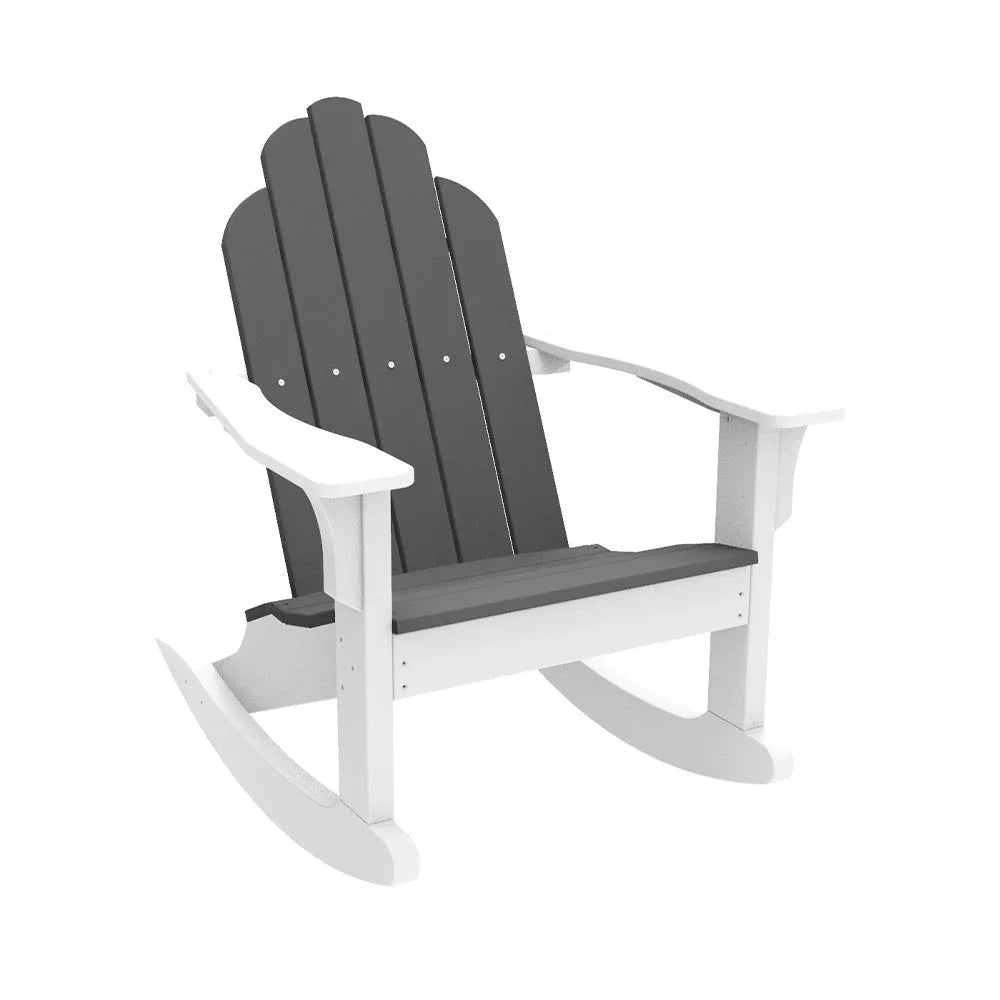
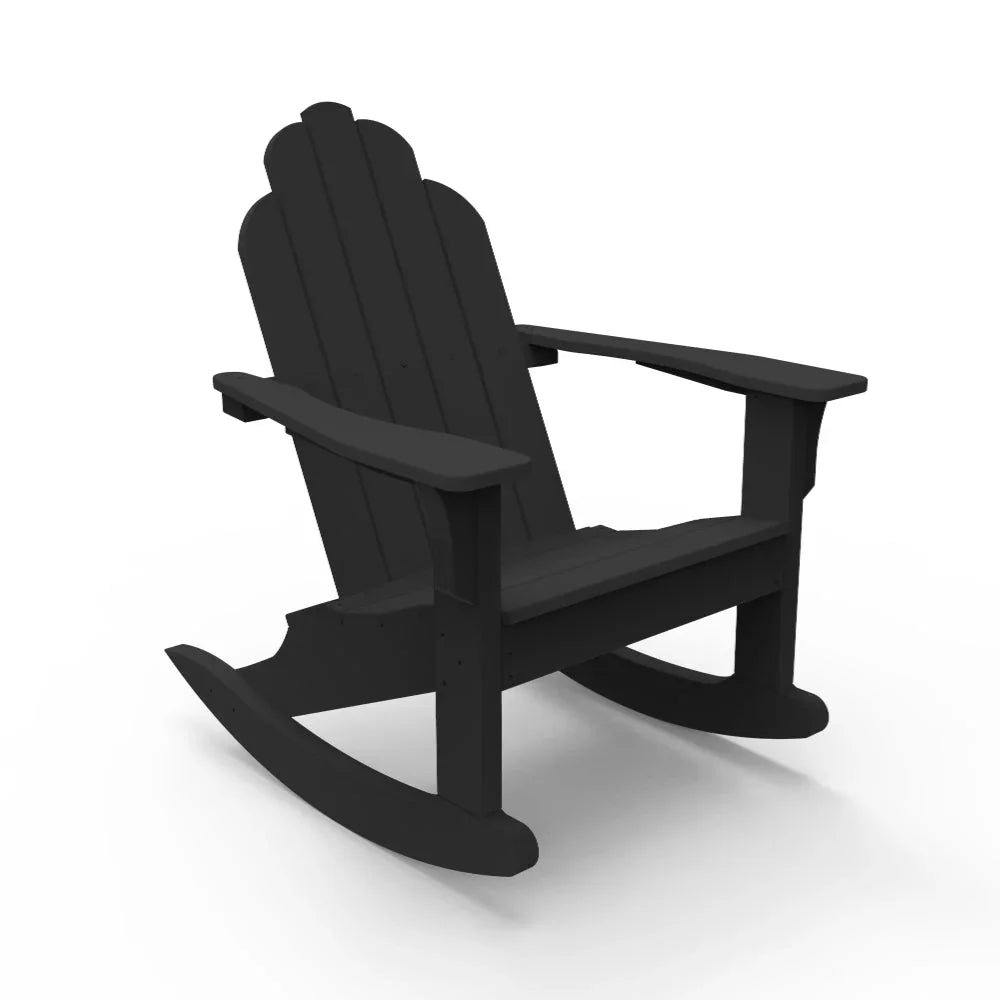
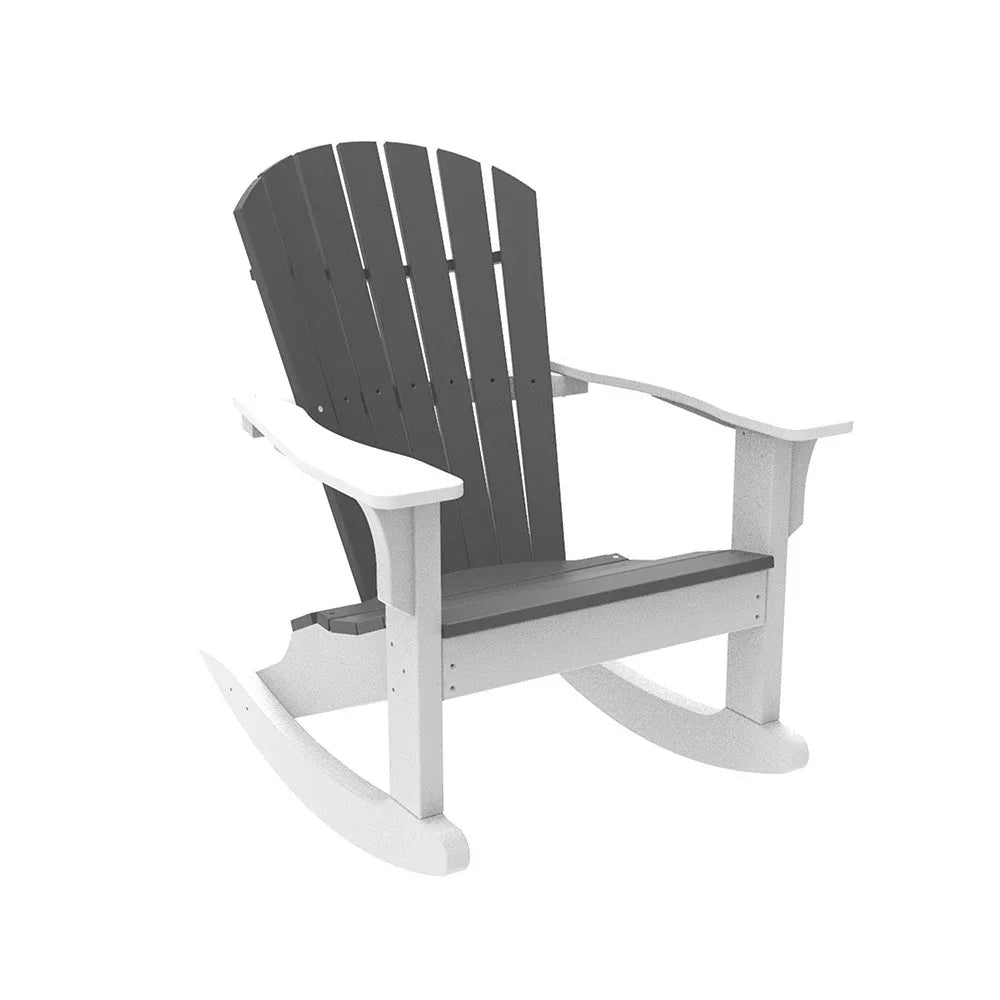
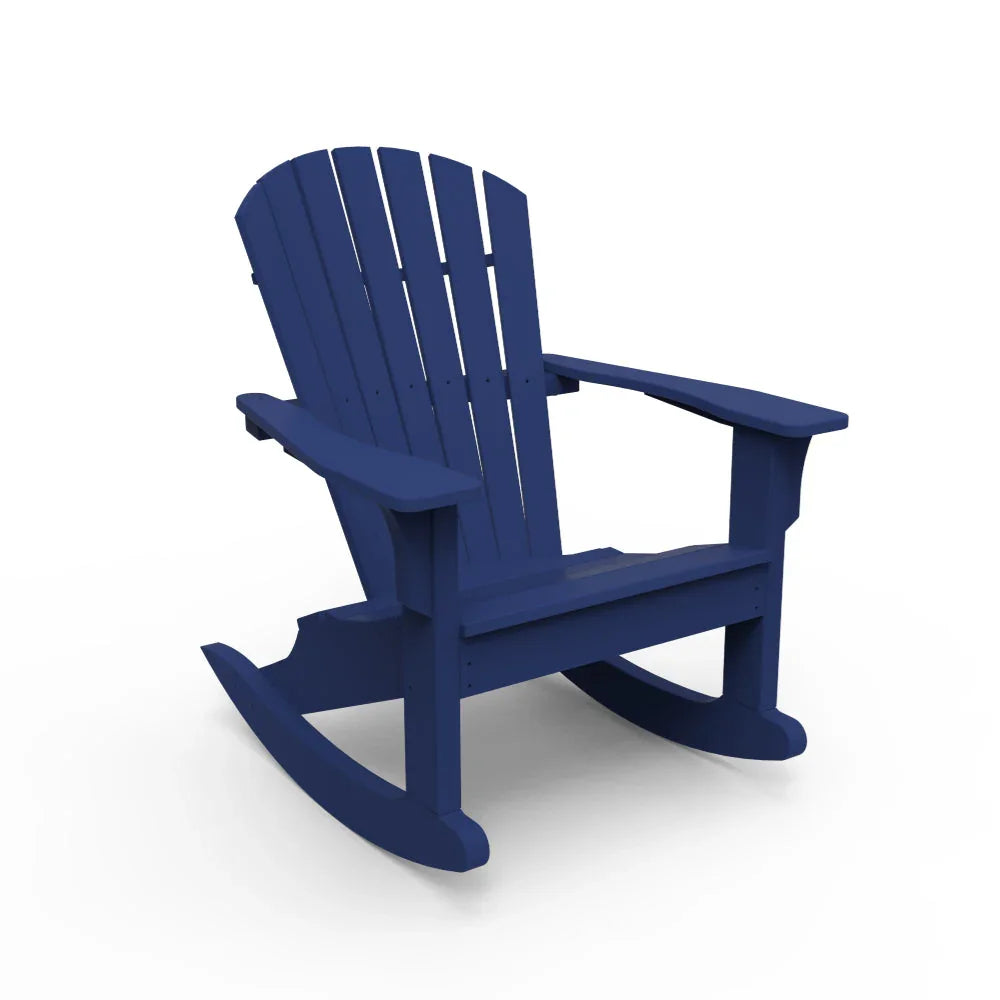
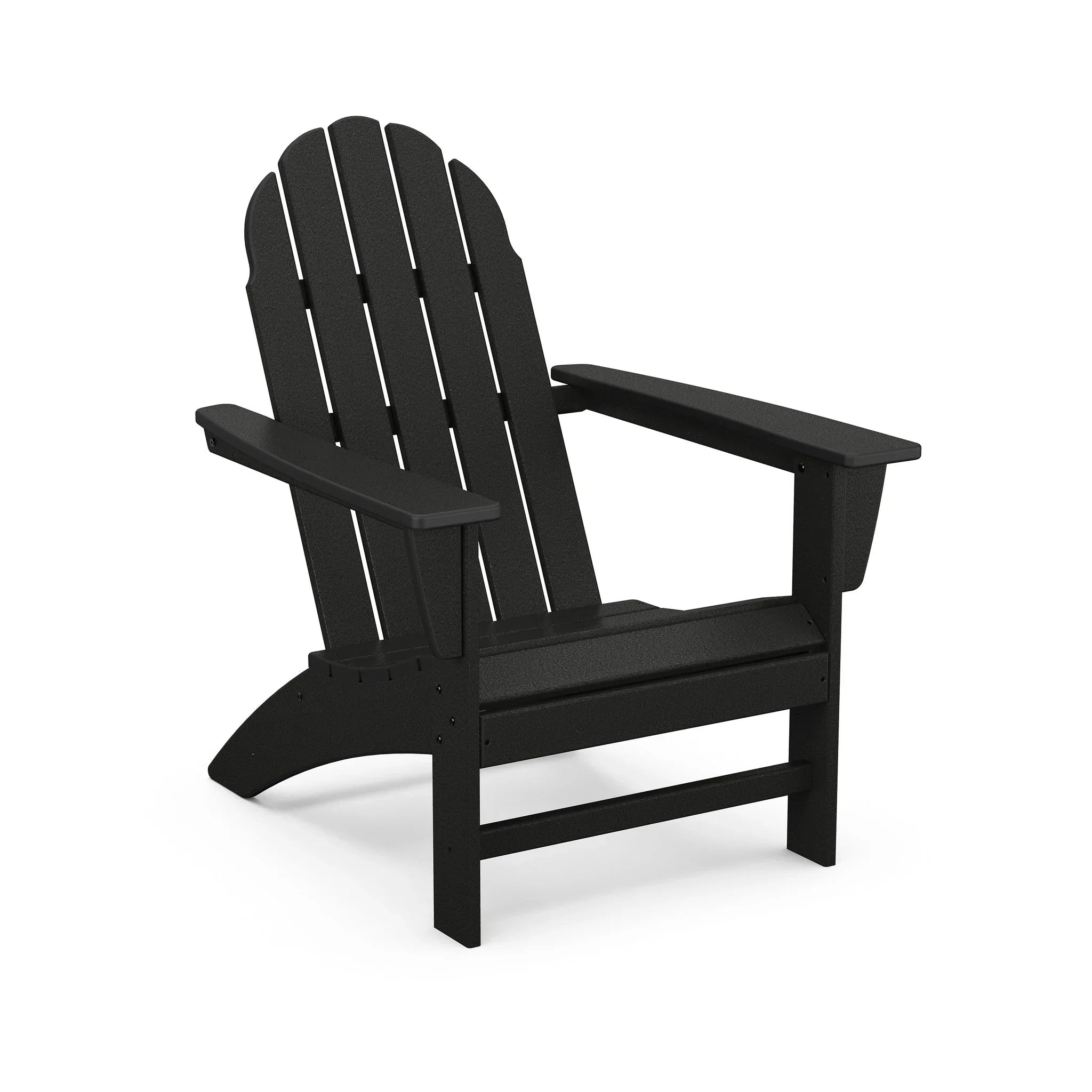
The Adirondack silhouette is fixed in place, and that's the point. Wide, flat armrests for a drink, a reclined back angle that takes the pressure off your lower back, and a low seat that isn't going anywhere. It's the classic for a reason: nothing to maintain mechanically, nothing that can squeak or need tightening.
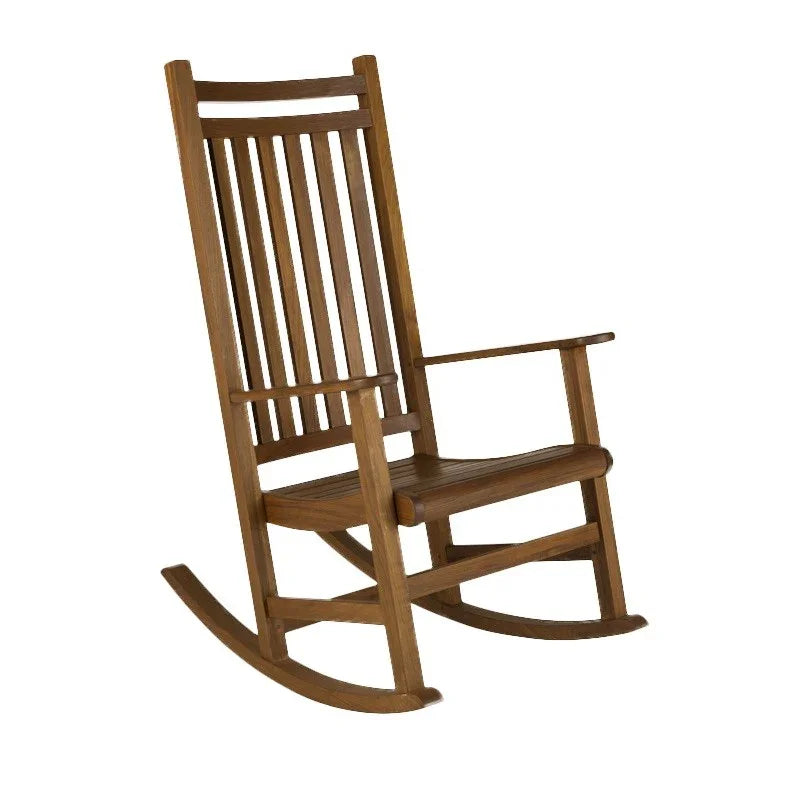
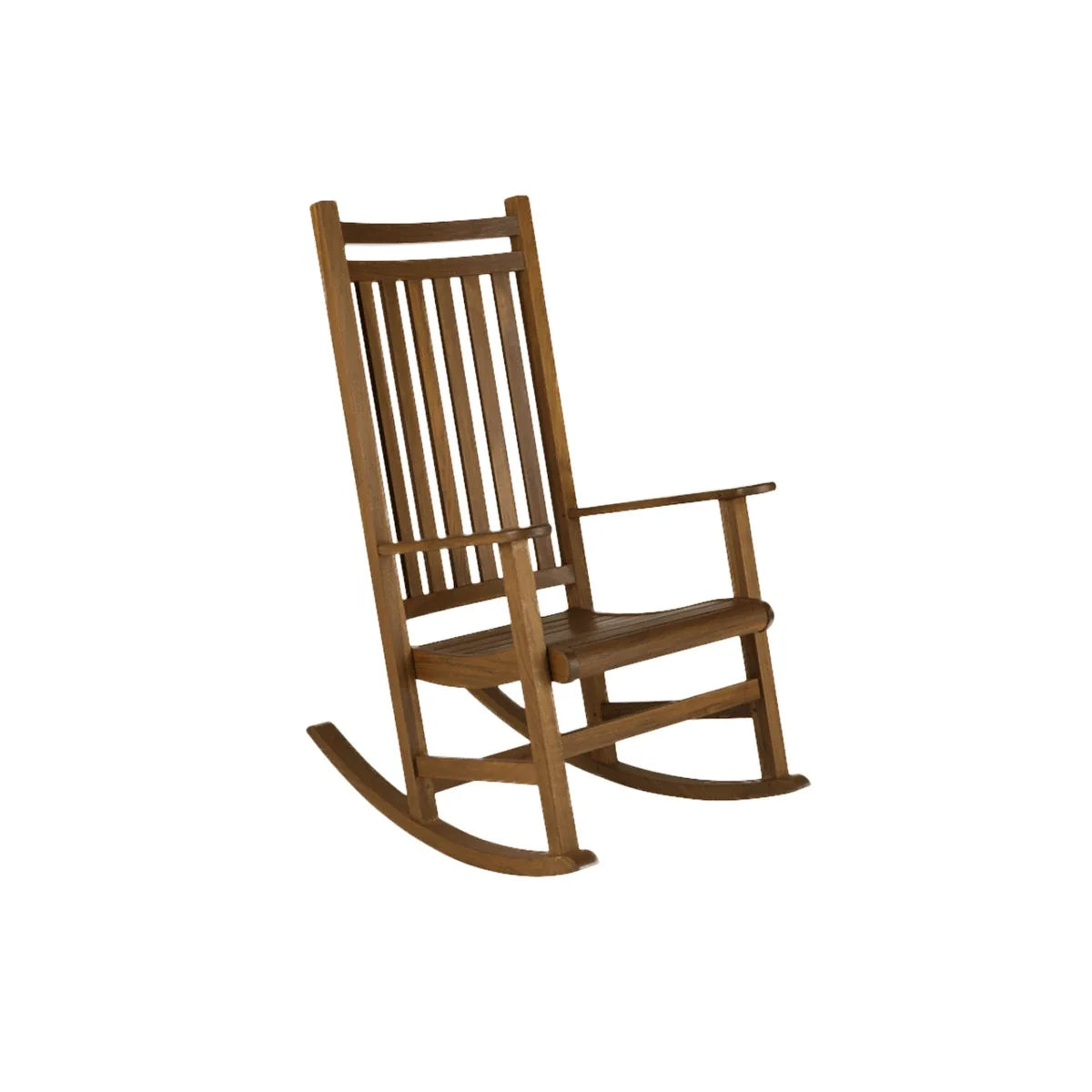
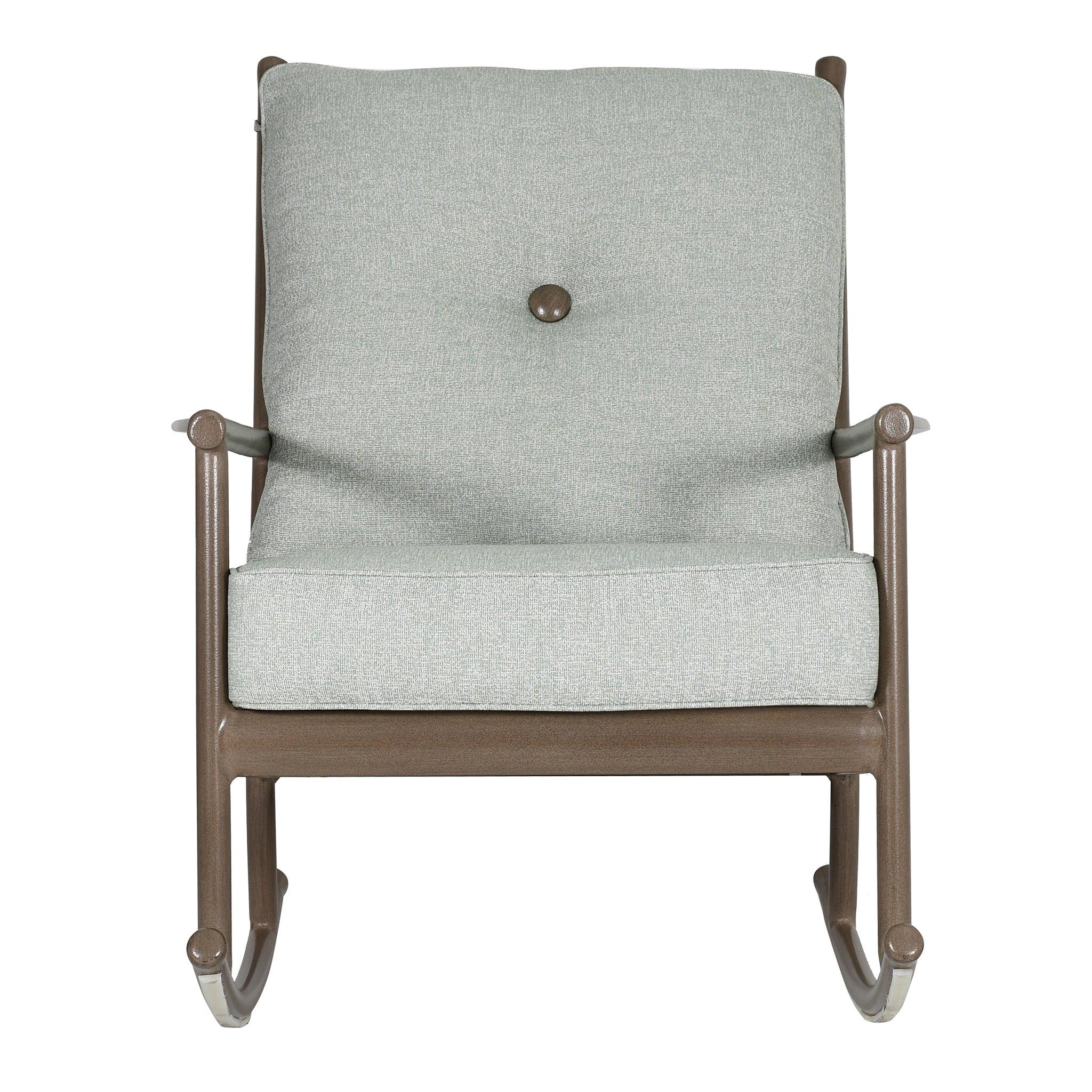
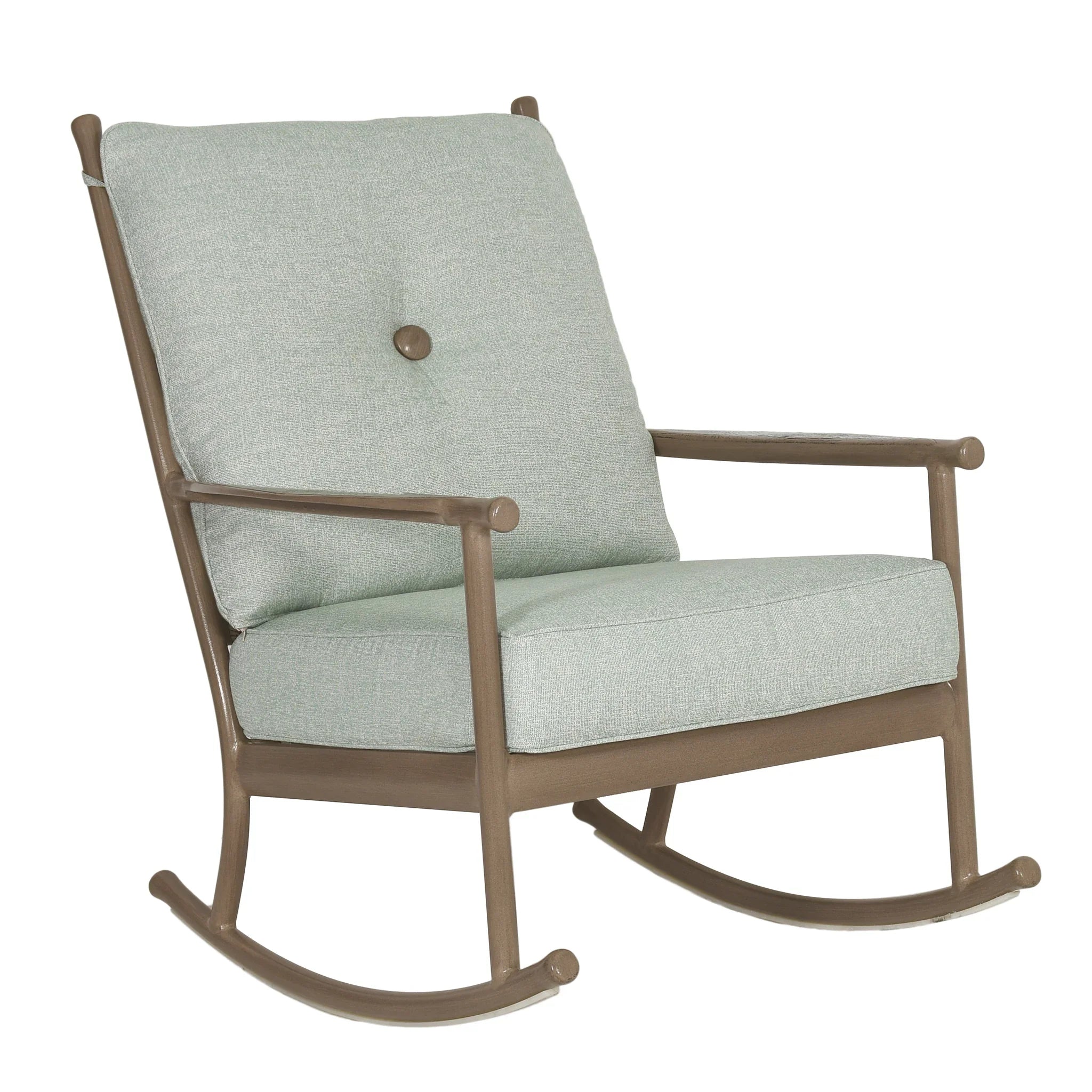
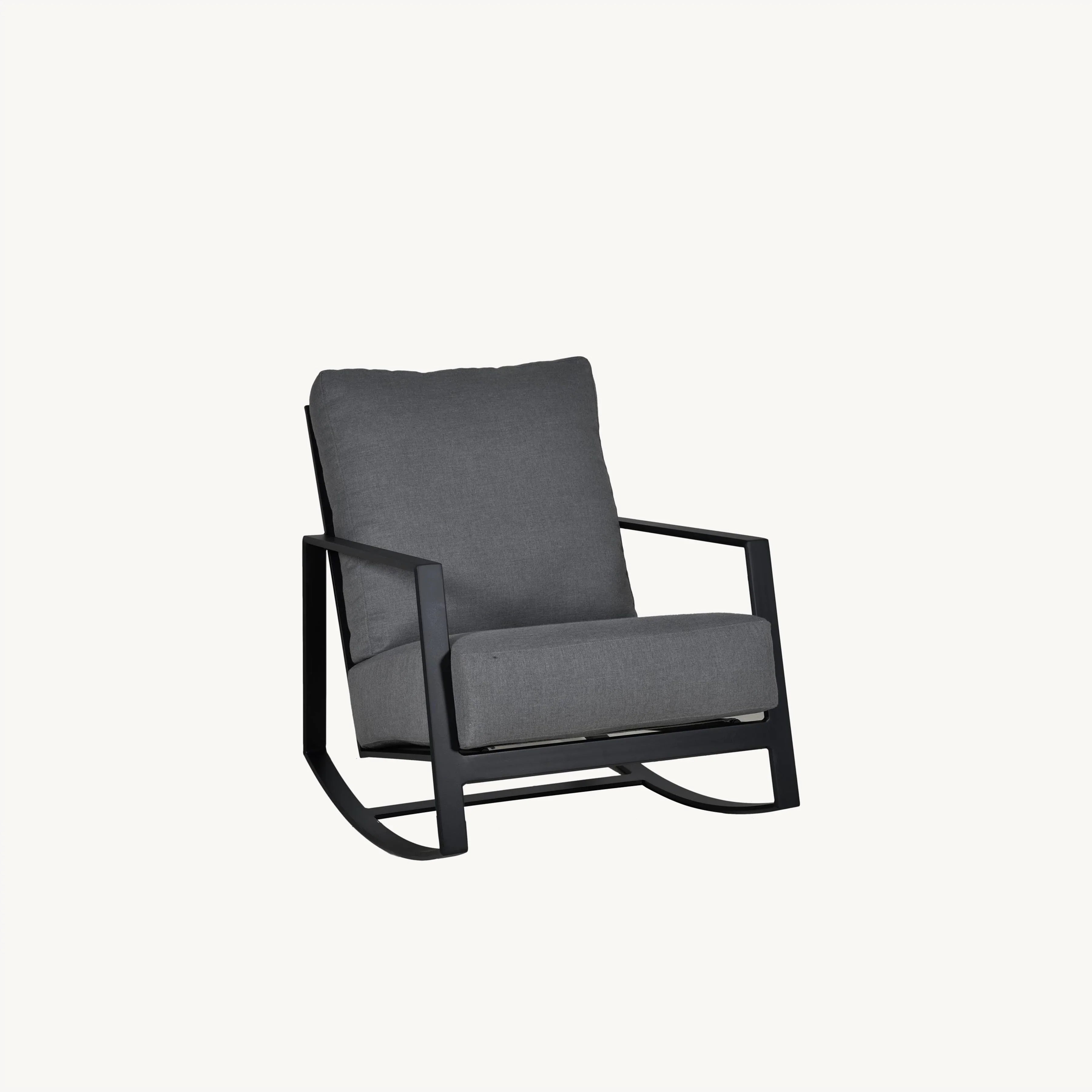
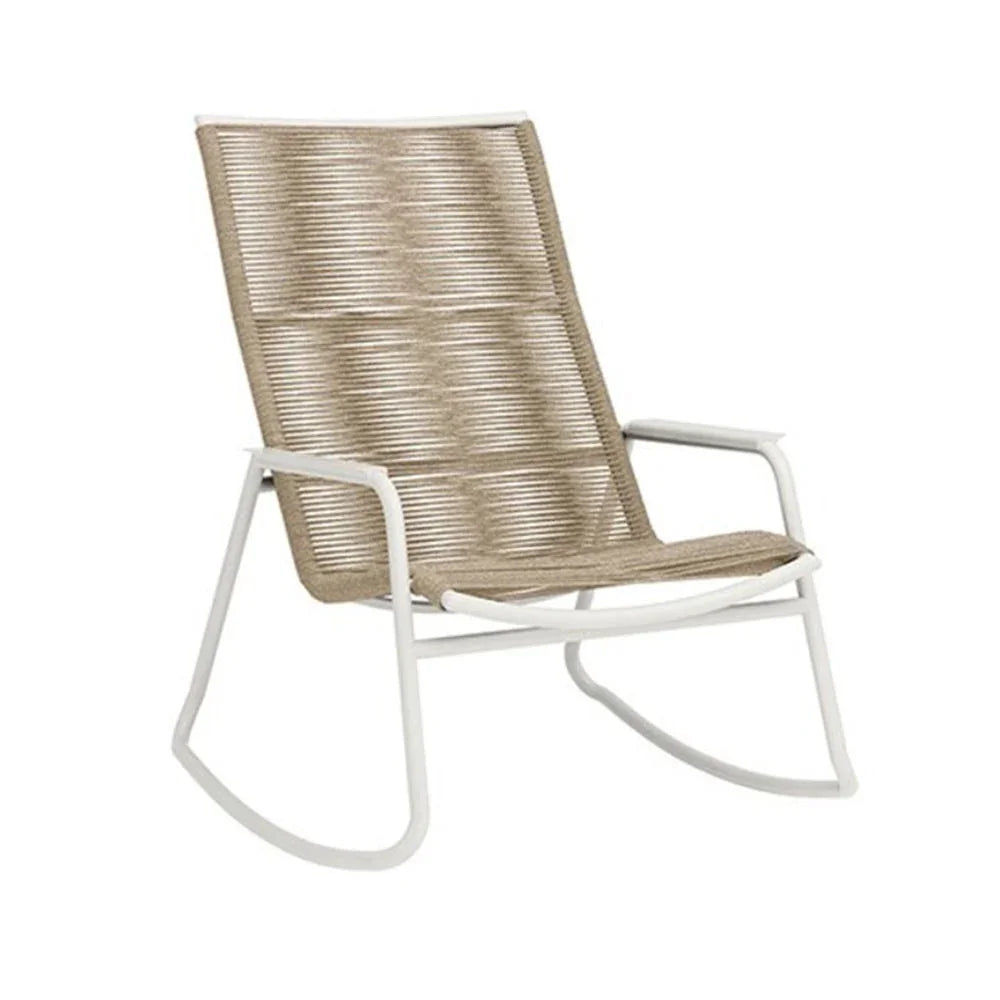
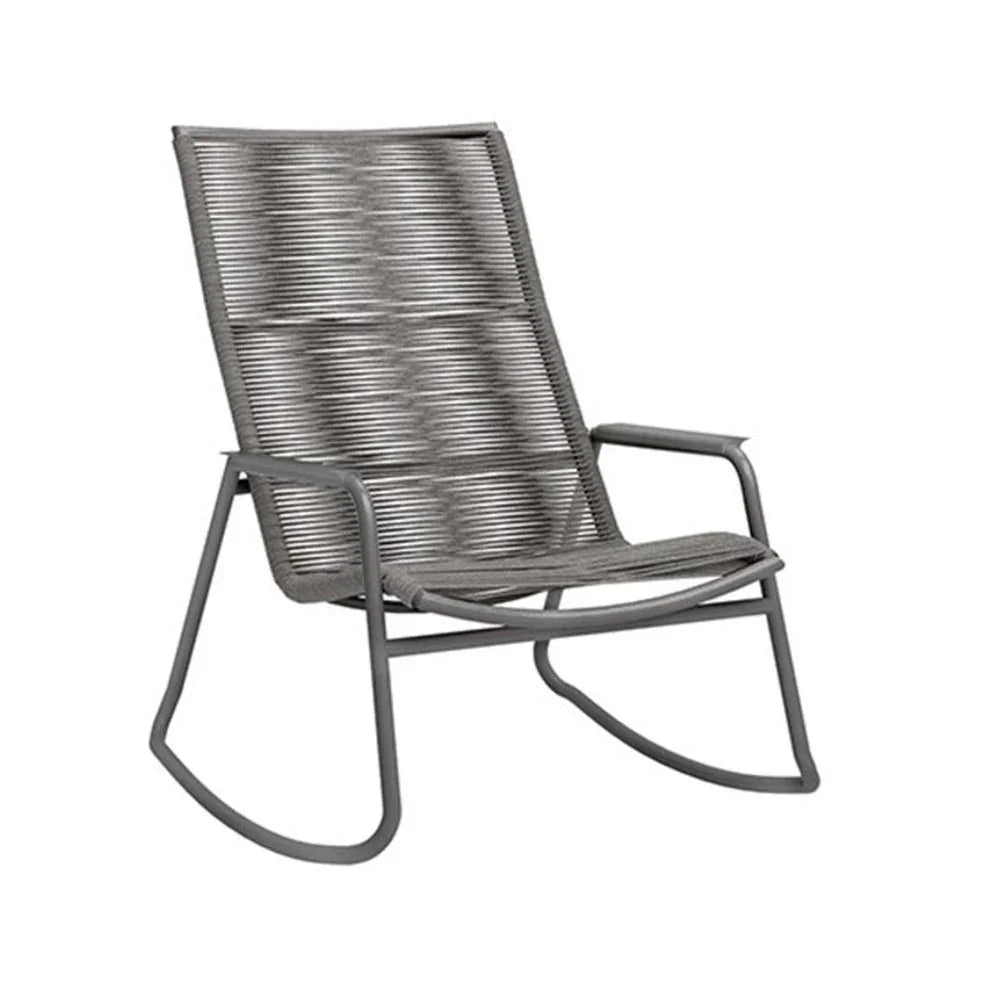
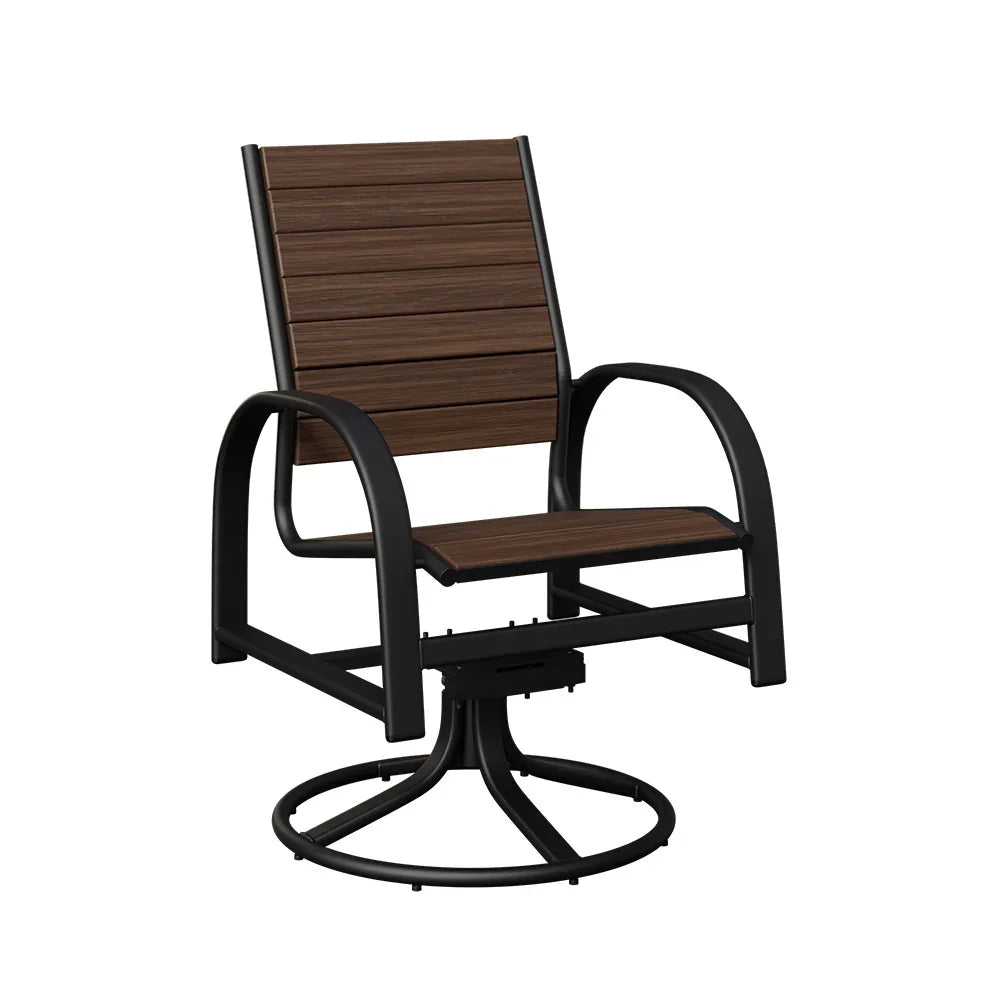
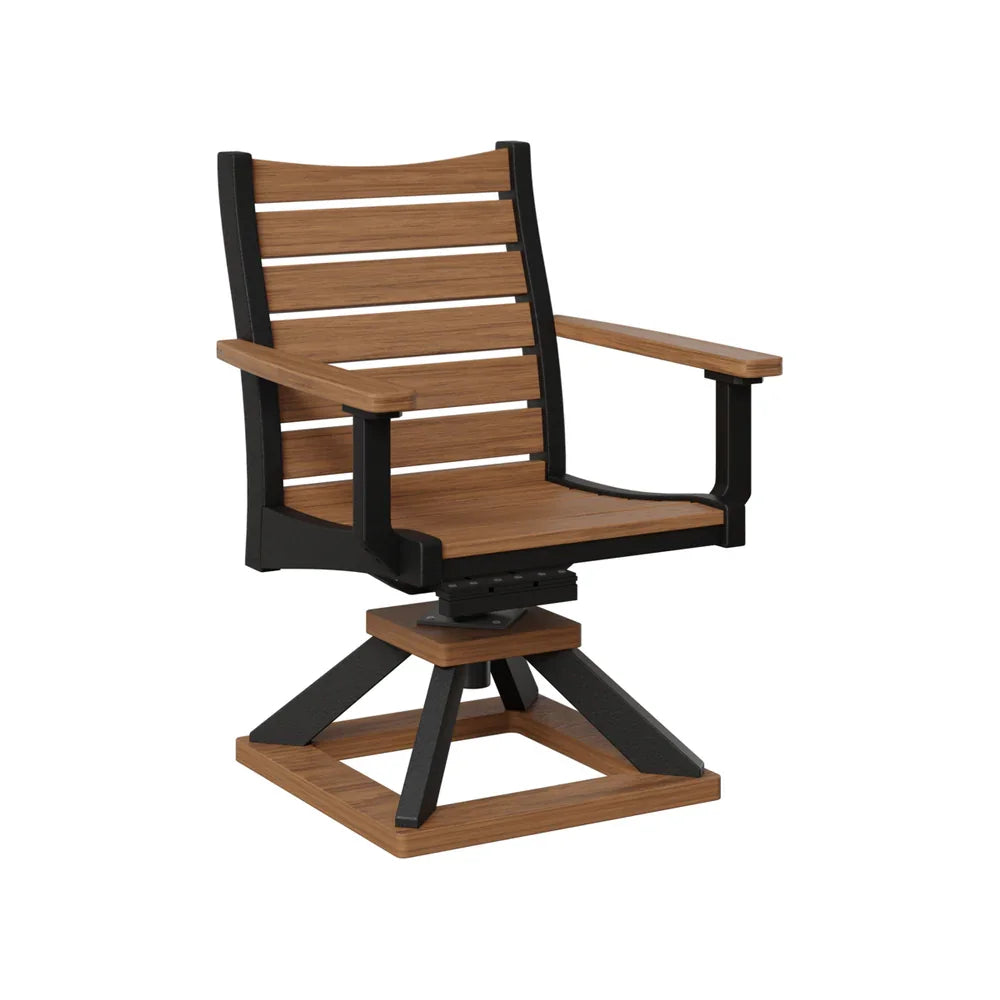
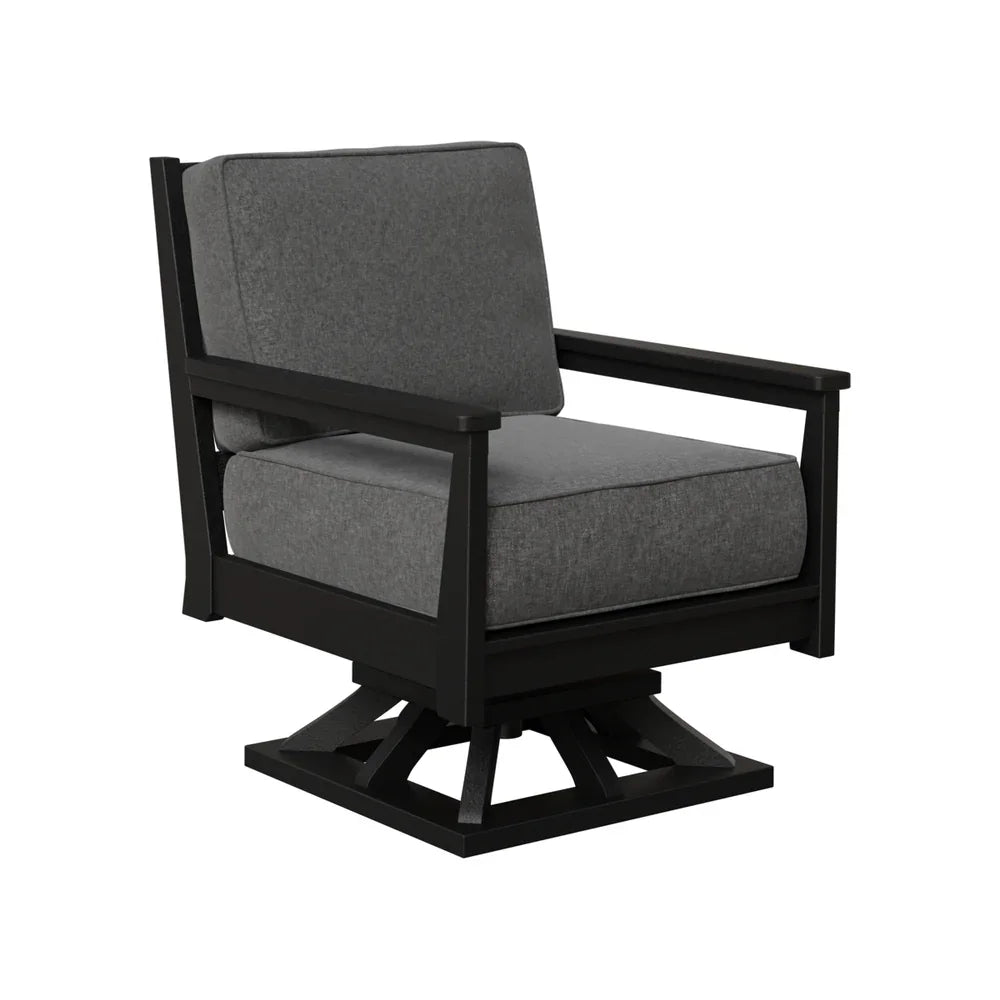
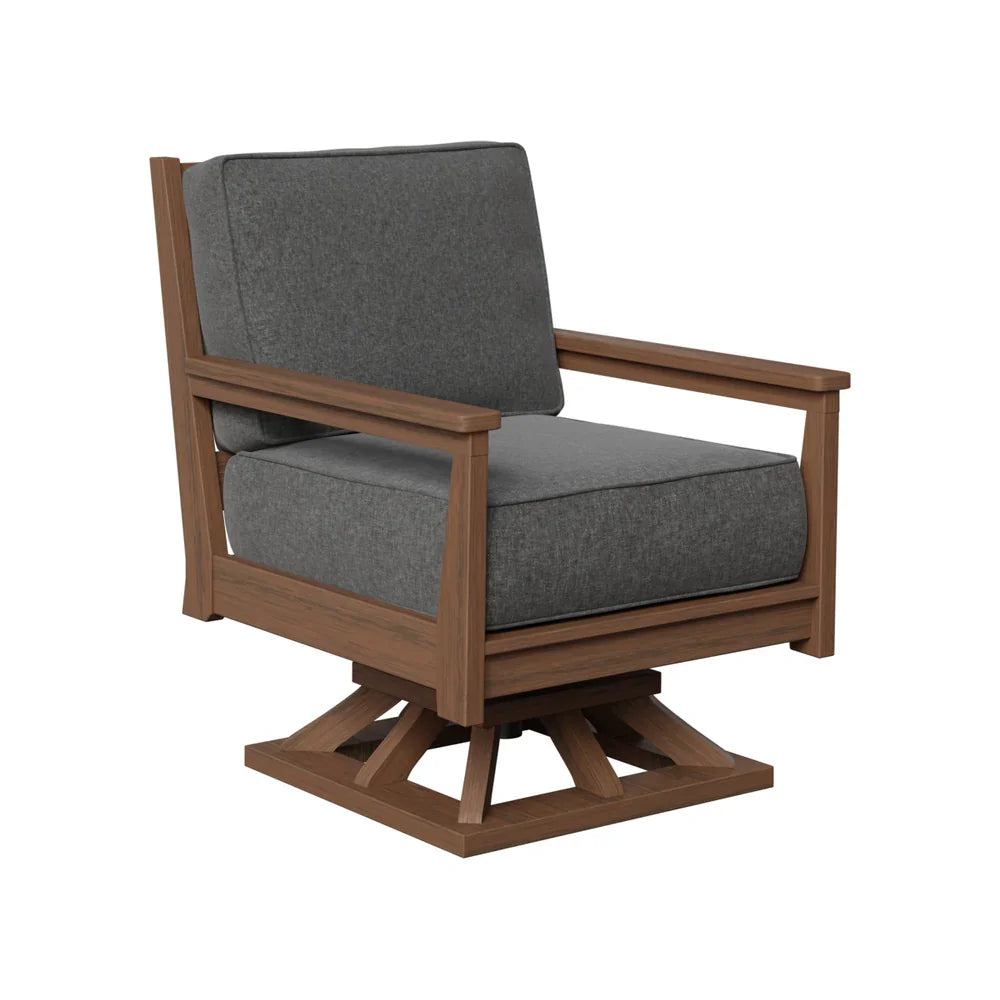
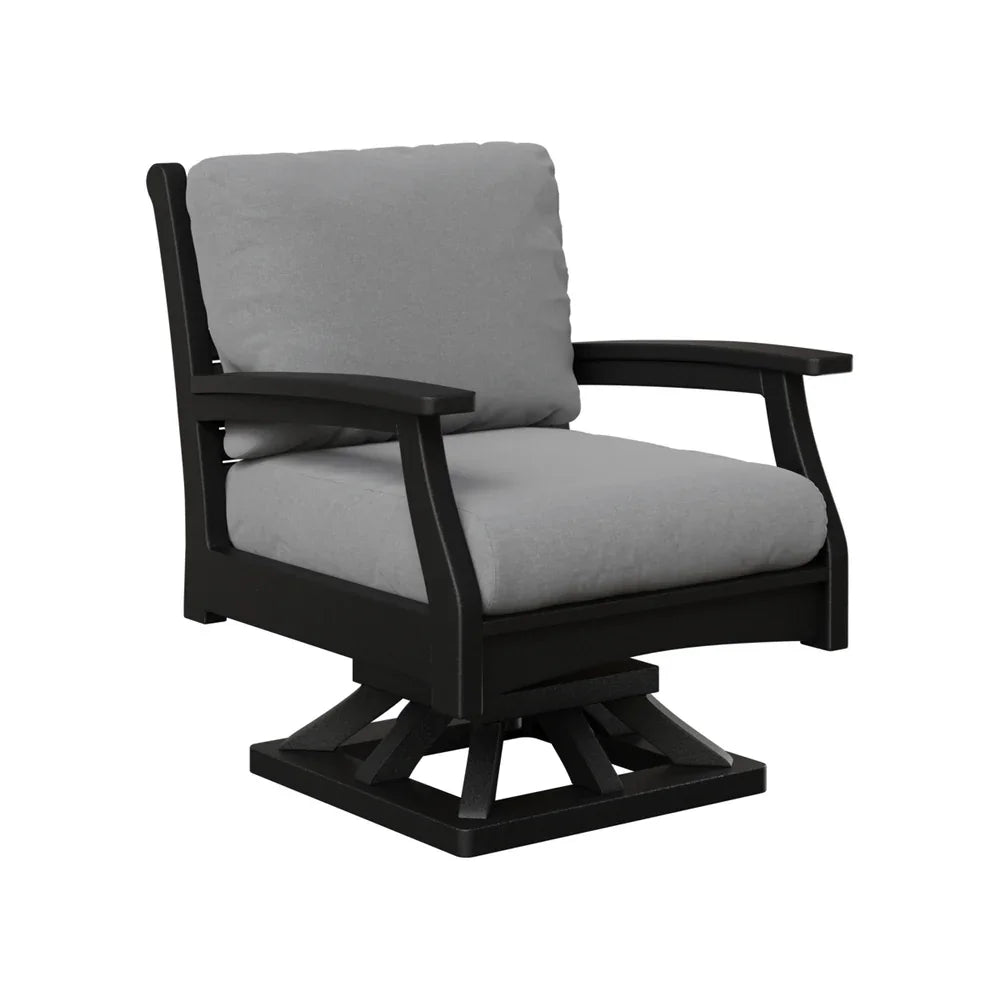
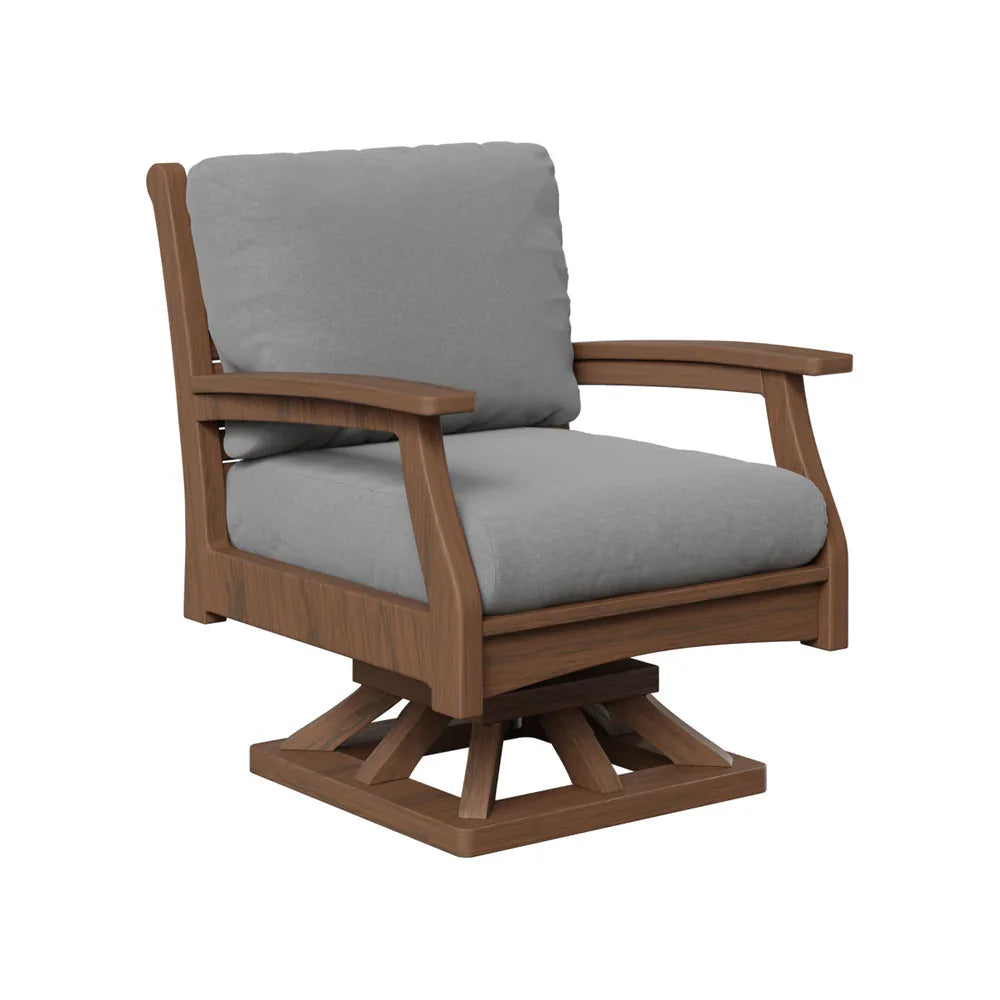
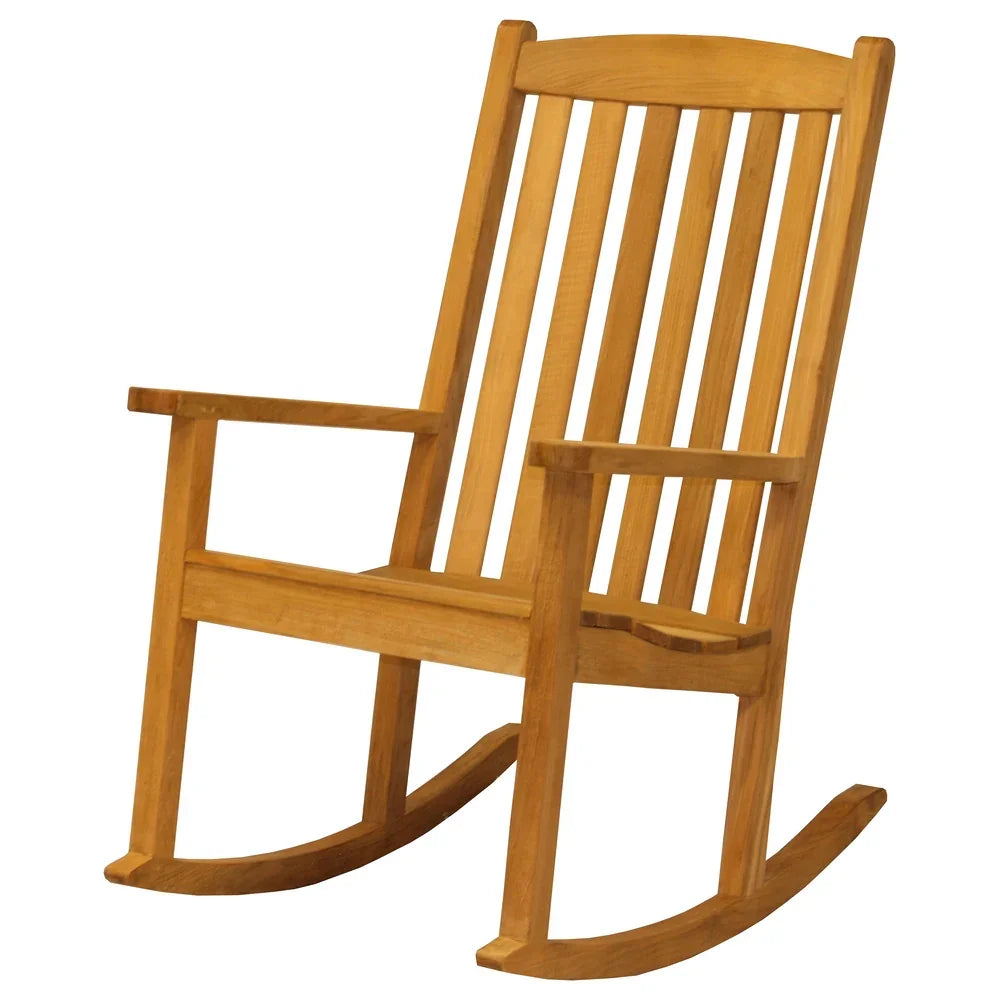
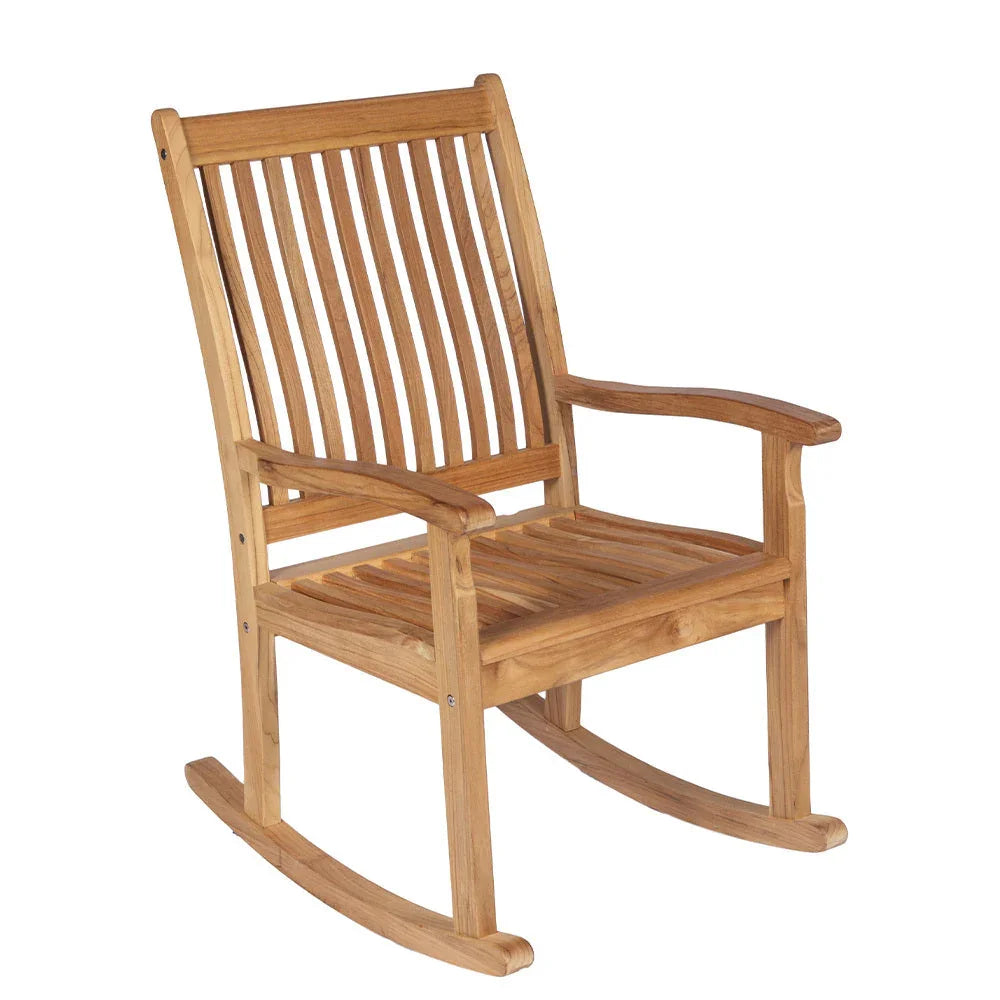
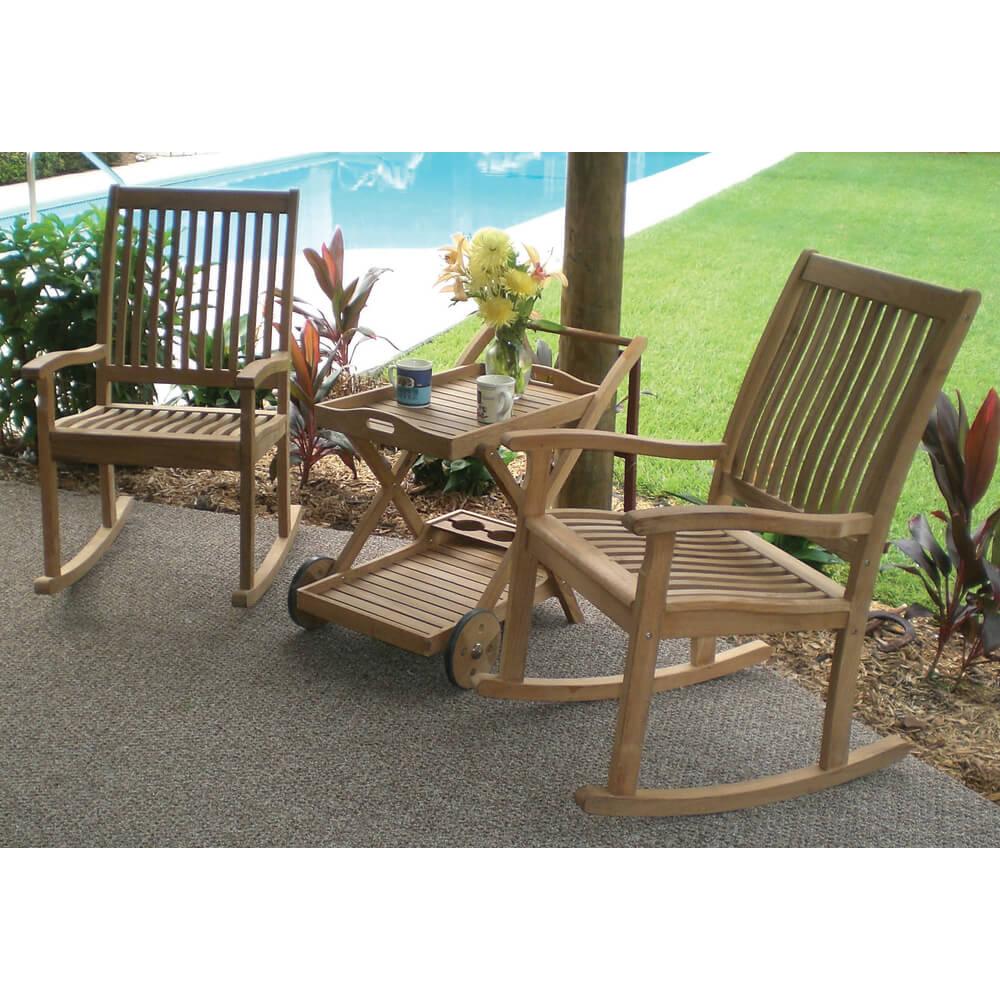
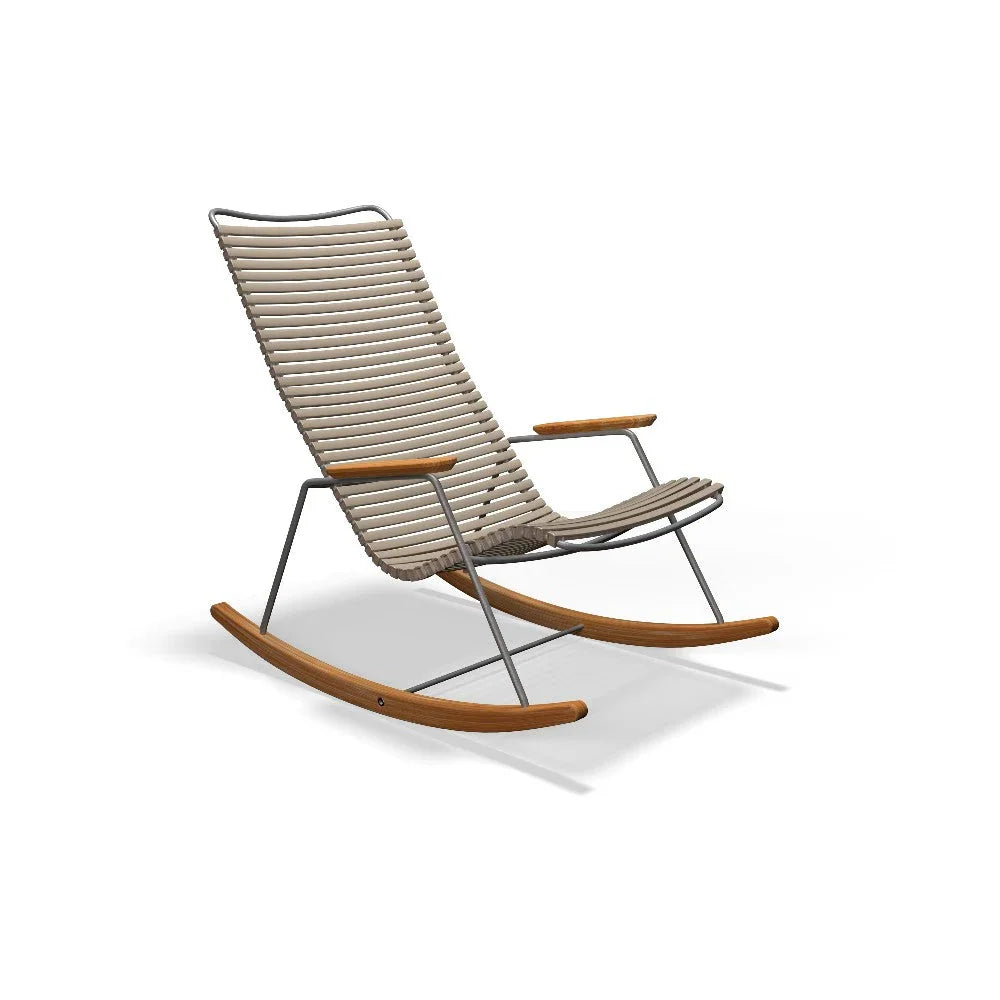
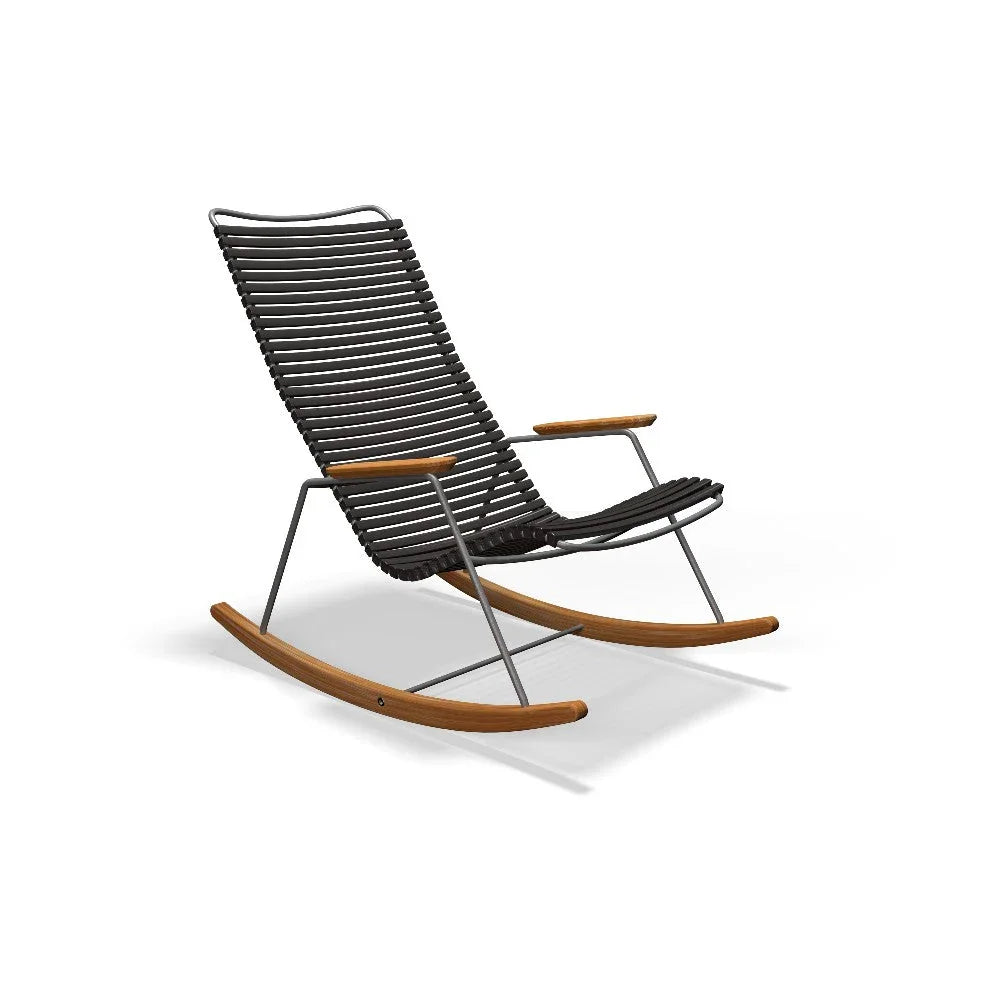
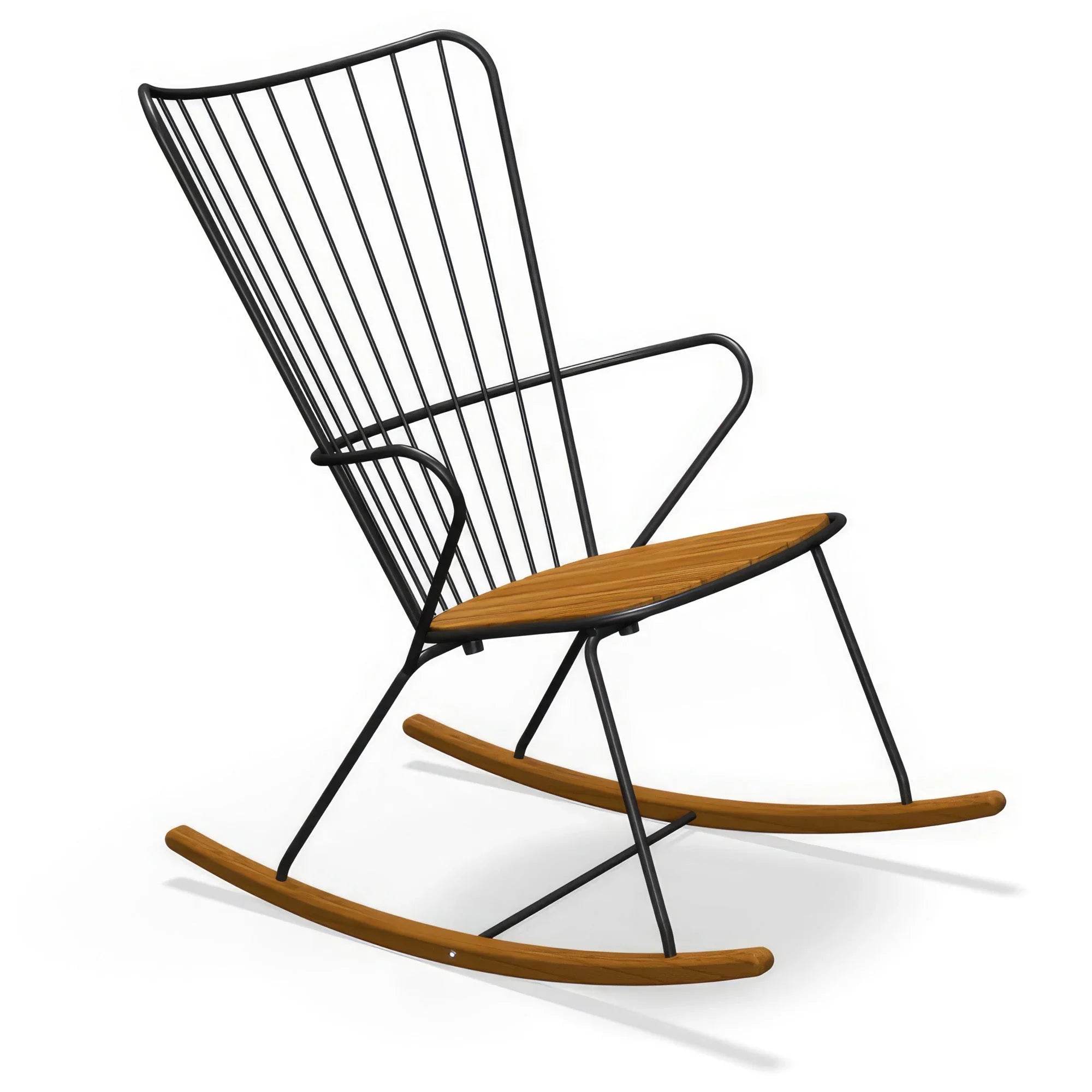
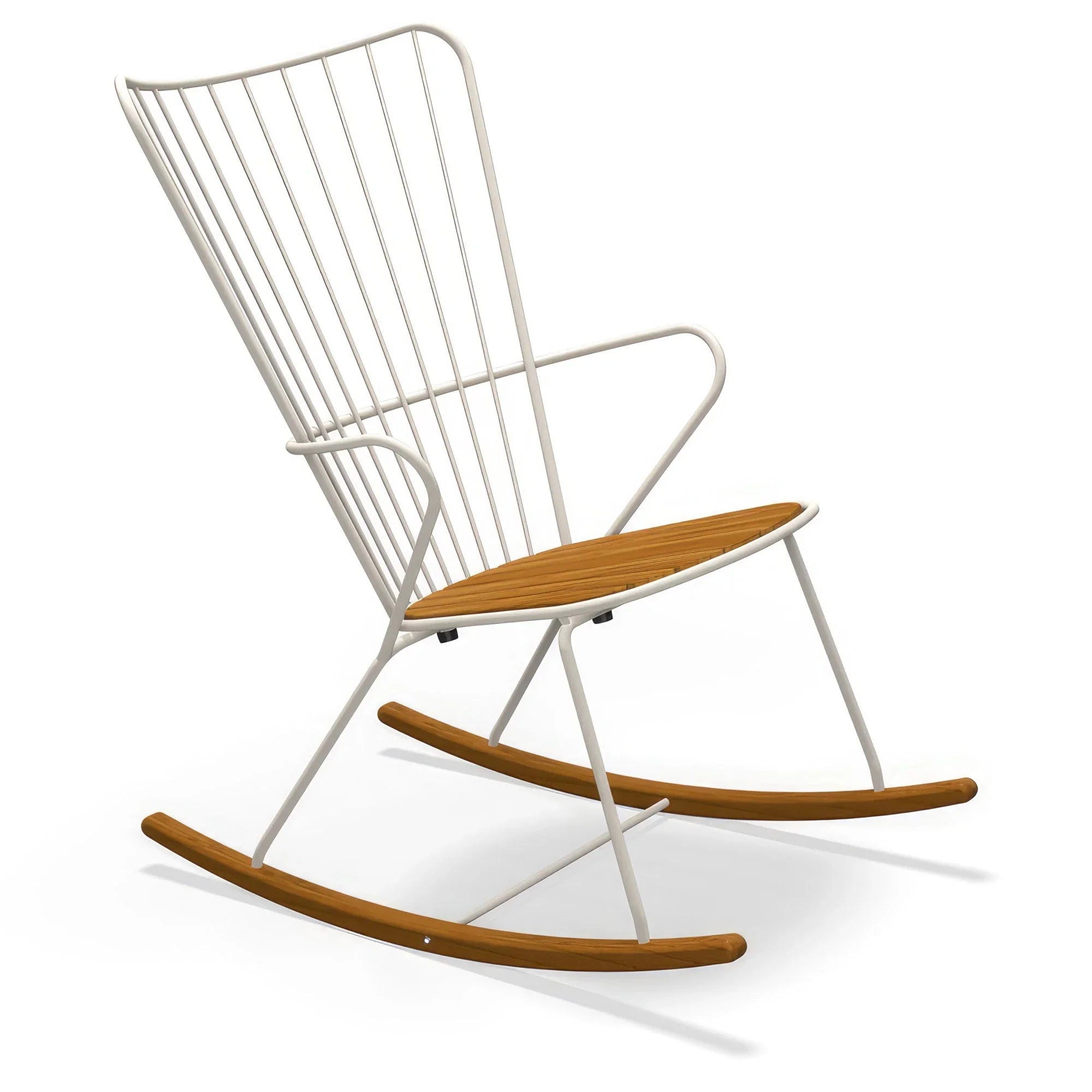
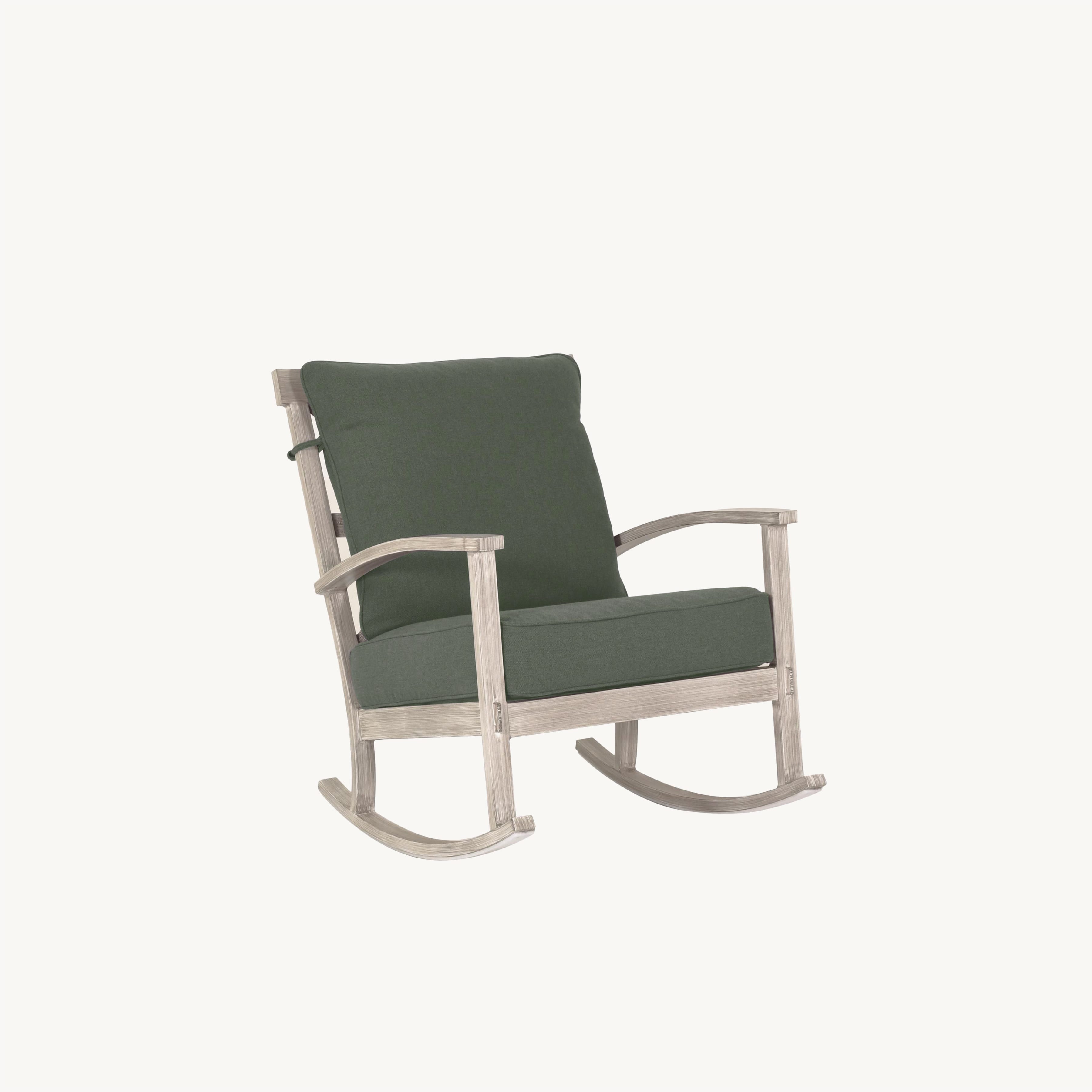
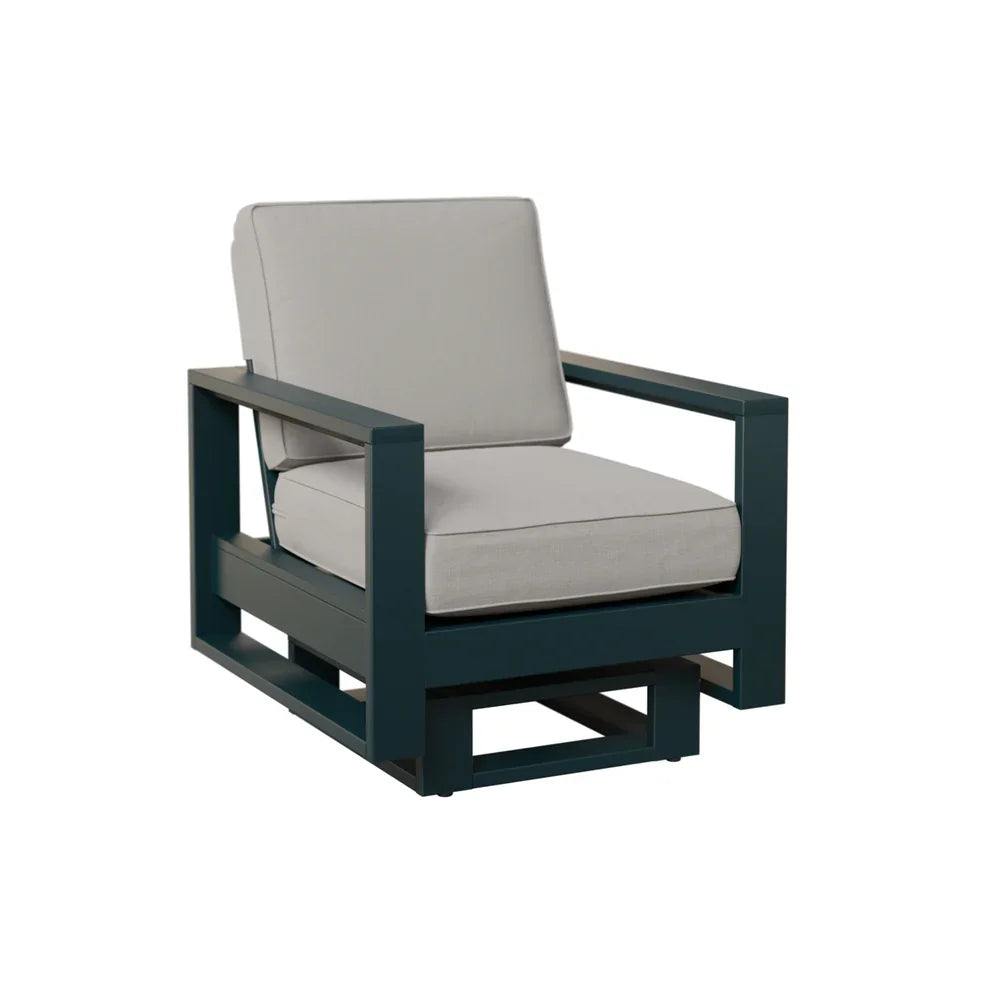
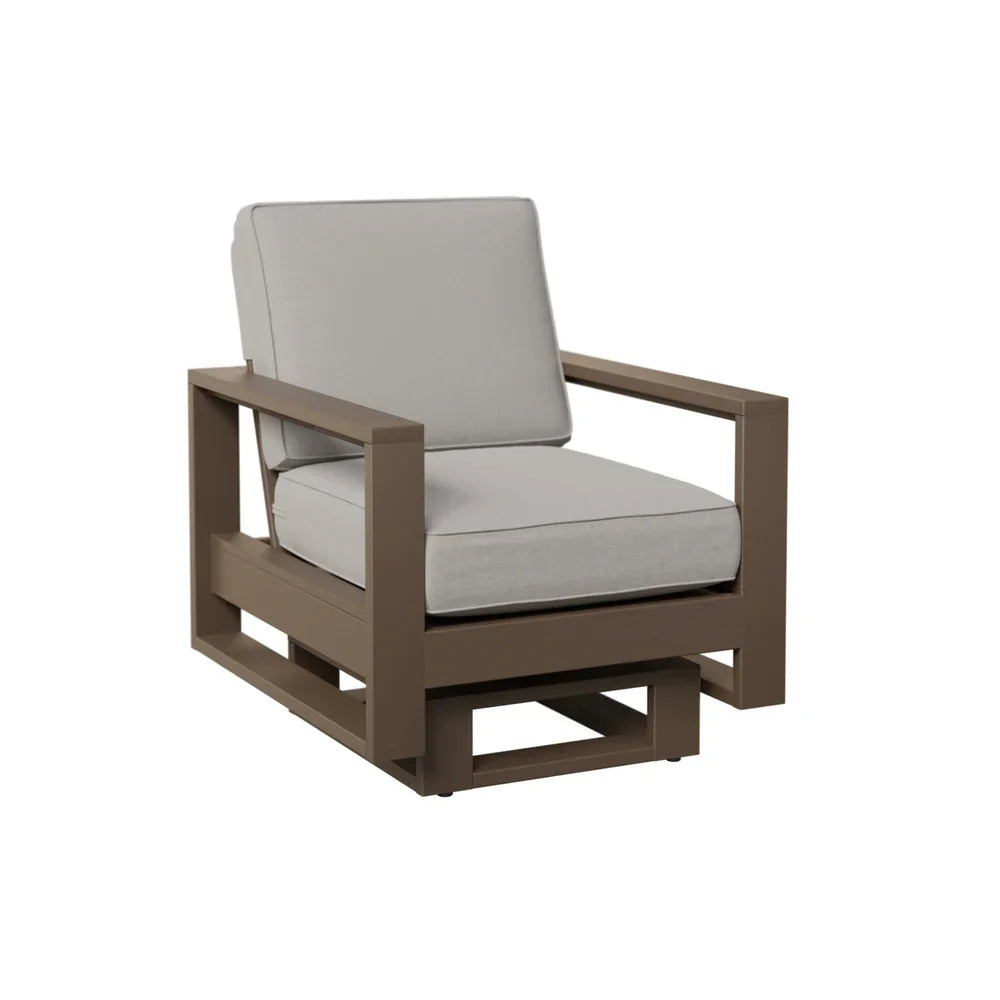
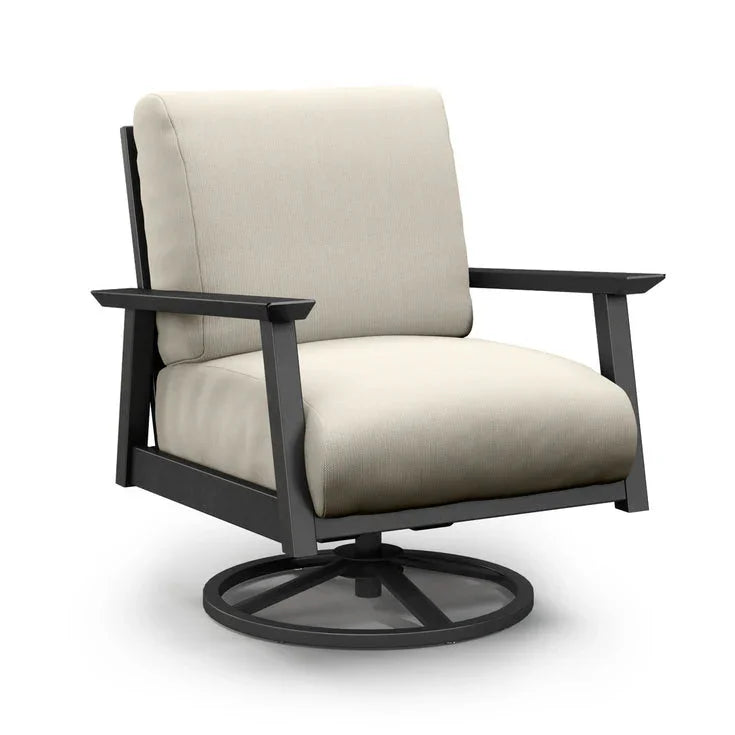
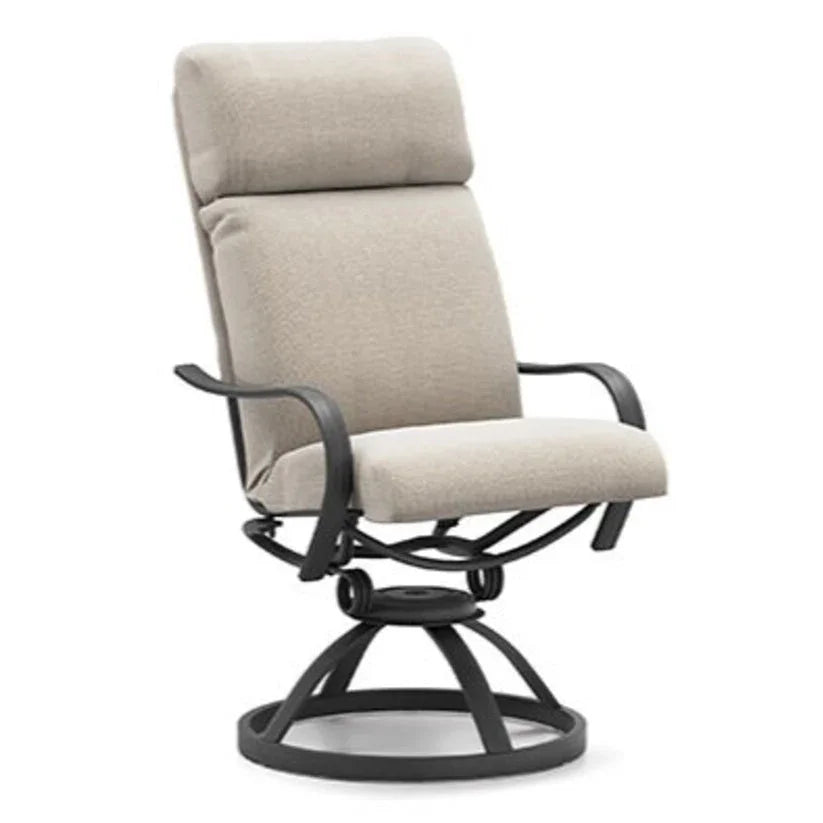
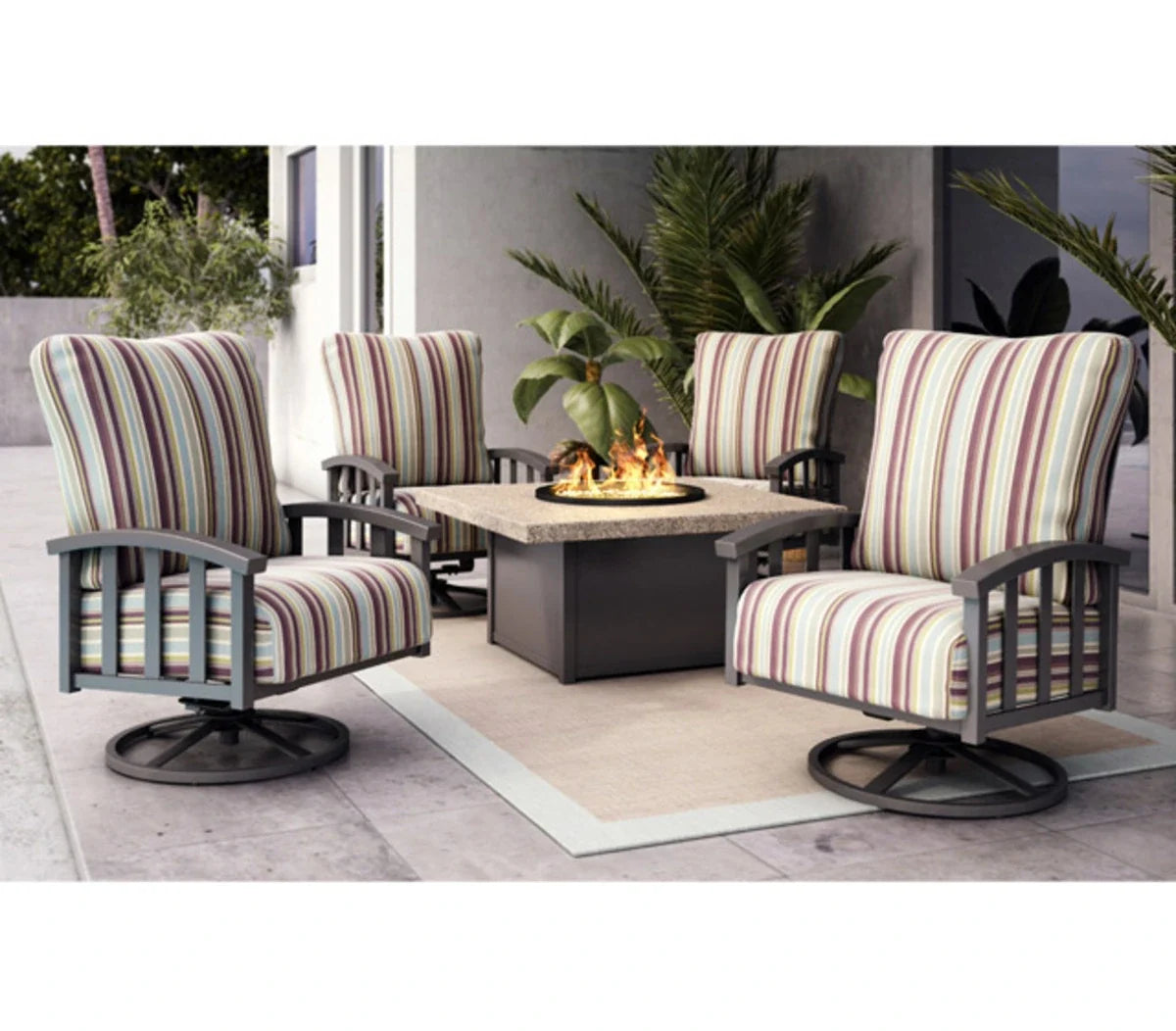
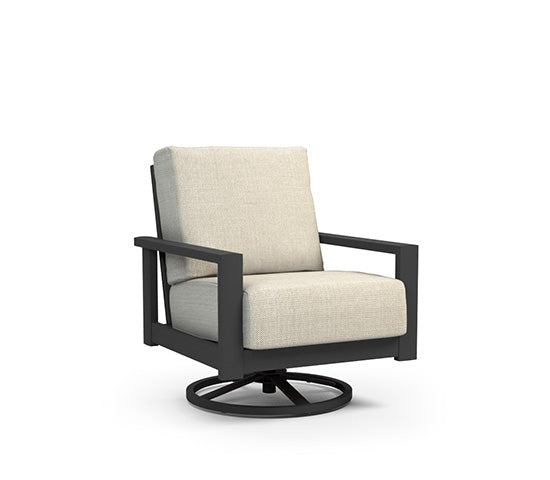
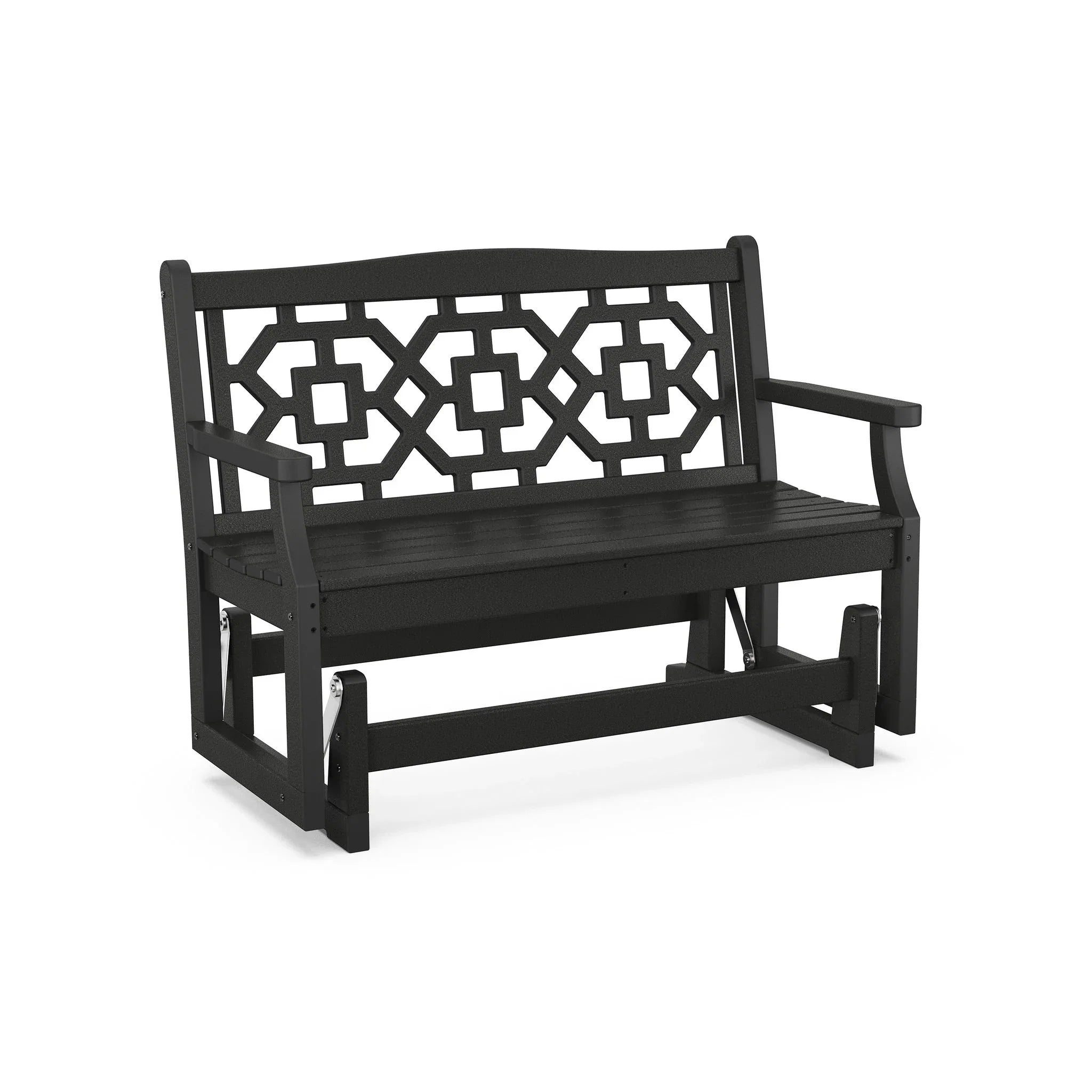
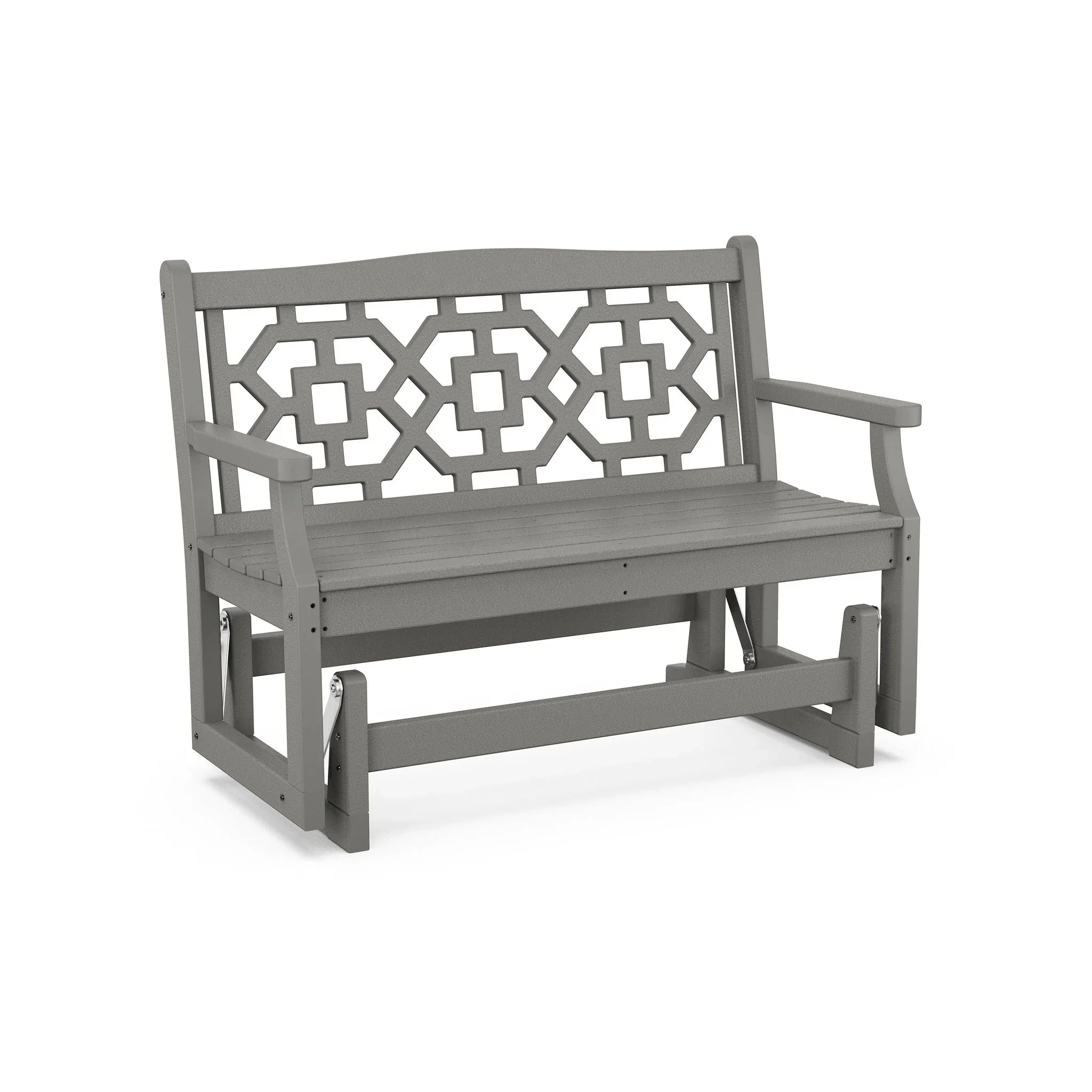
Rocking chairs add motion on curved runners, which changes the feel entirely, gentle, continuous, and restful in a way a fixed seat can't replicate. They do best on a flat, firm surface, since a rocker on soft grass or an uneven paver just won't glide the way it should. Gliders get you the same back-and-forth motion on a fixed base instead of runners, which makes them more forgiving on uneven ground and steadier for two people sitting side by side. If you've got a covered porch with hard flooring, a rocker is the more traditional pick. If your patio surface is anything less than perfectly flat, a glider will behave better.
What These Chairs Are Made Of
Material matters more here than in almost any other furniture category, since a deck chair spends more time sitting outside untouched than it does being used.
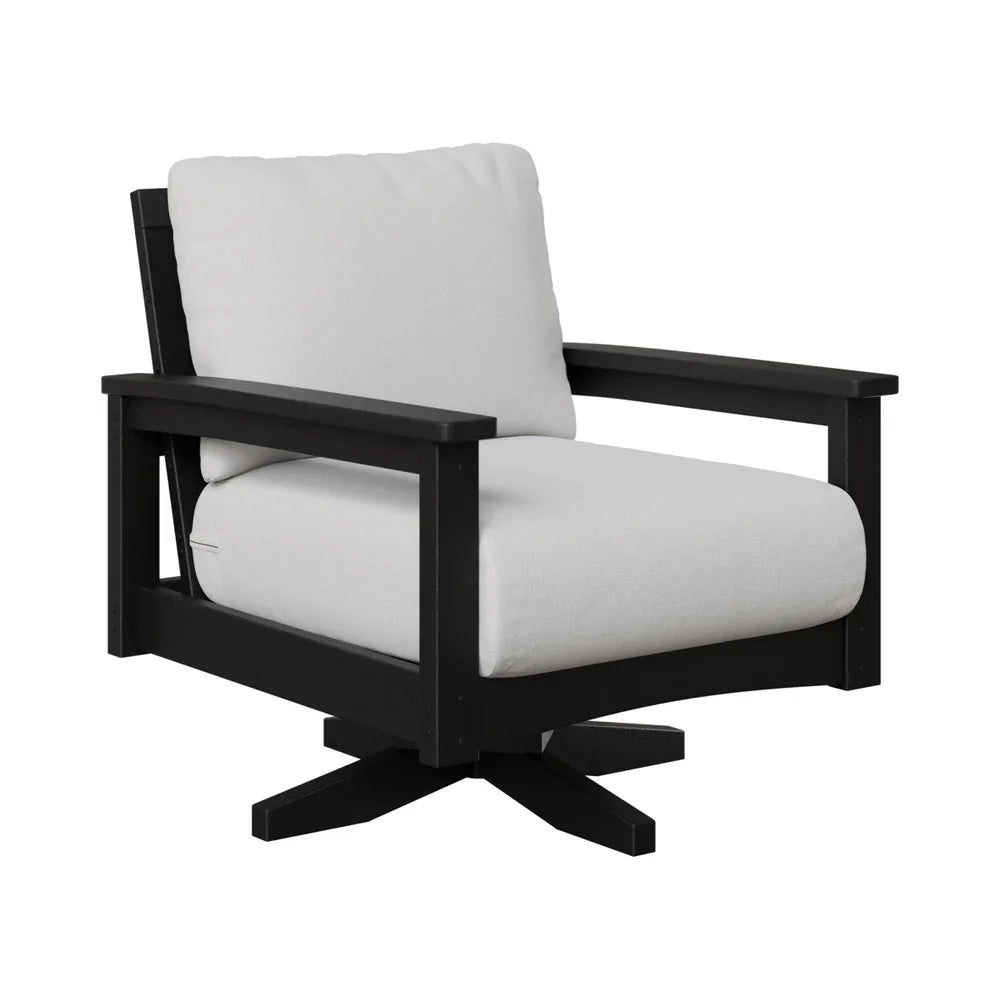
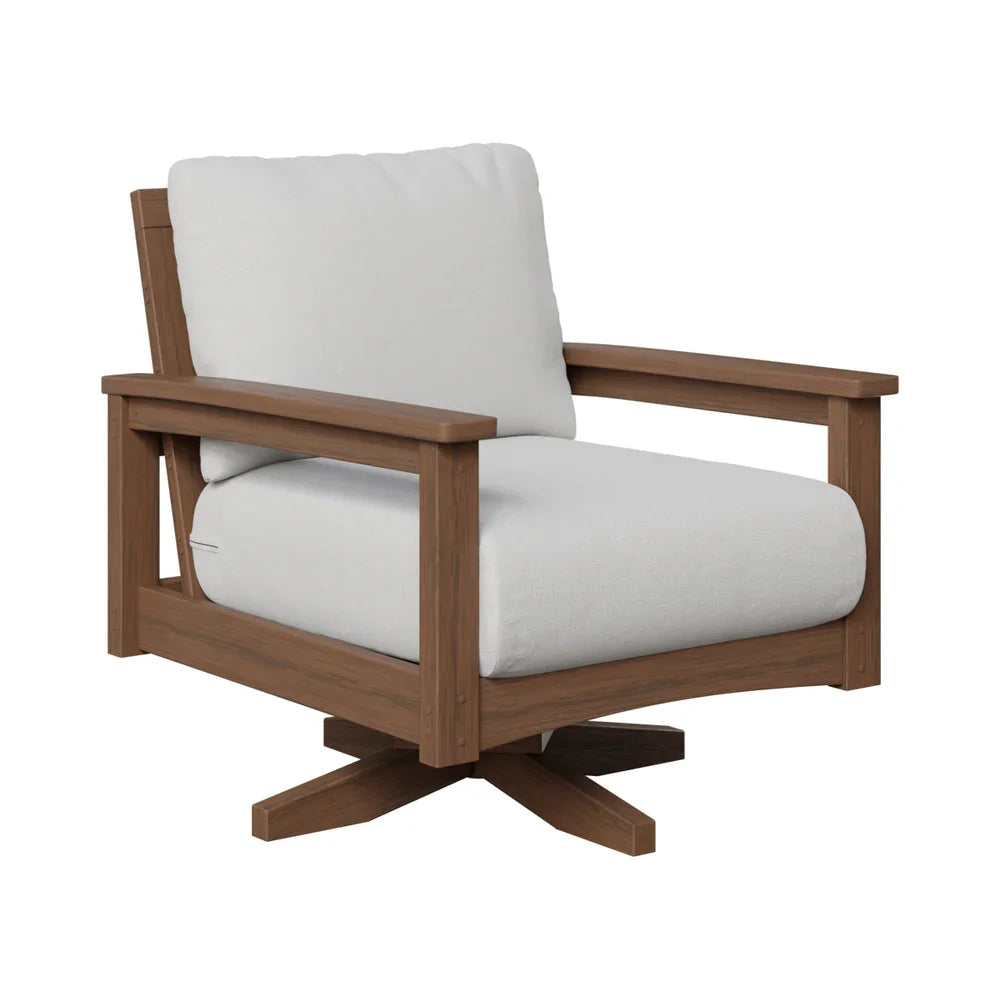
- Poly lumber (HDPE): Dense, solid-color planks made from recycled plastic. POLYWOOD pioneered the category and backs every piece with a 20-year lumber warranty; the color runs all the way through the plank, so there's no surface finish to chip or fade. Berlin Gardens builds a similar construction with its own palette. Leave it outside year-round and do nothing to it.
- Natural wood: Teak and other hardwoods bring genuine warmth and a look no synthetic fully replicates. Left untreated, it ages into a silvery patina; oiled periodically, it holds its honey tone. Heavier than poly or aluminum, which most people consider an advantage since it stays put.
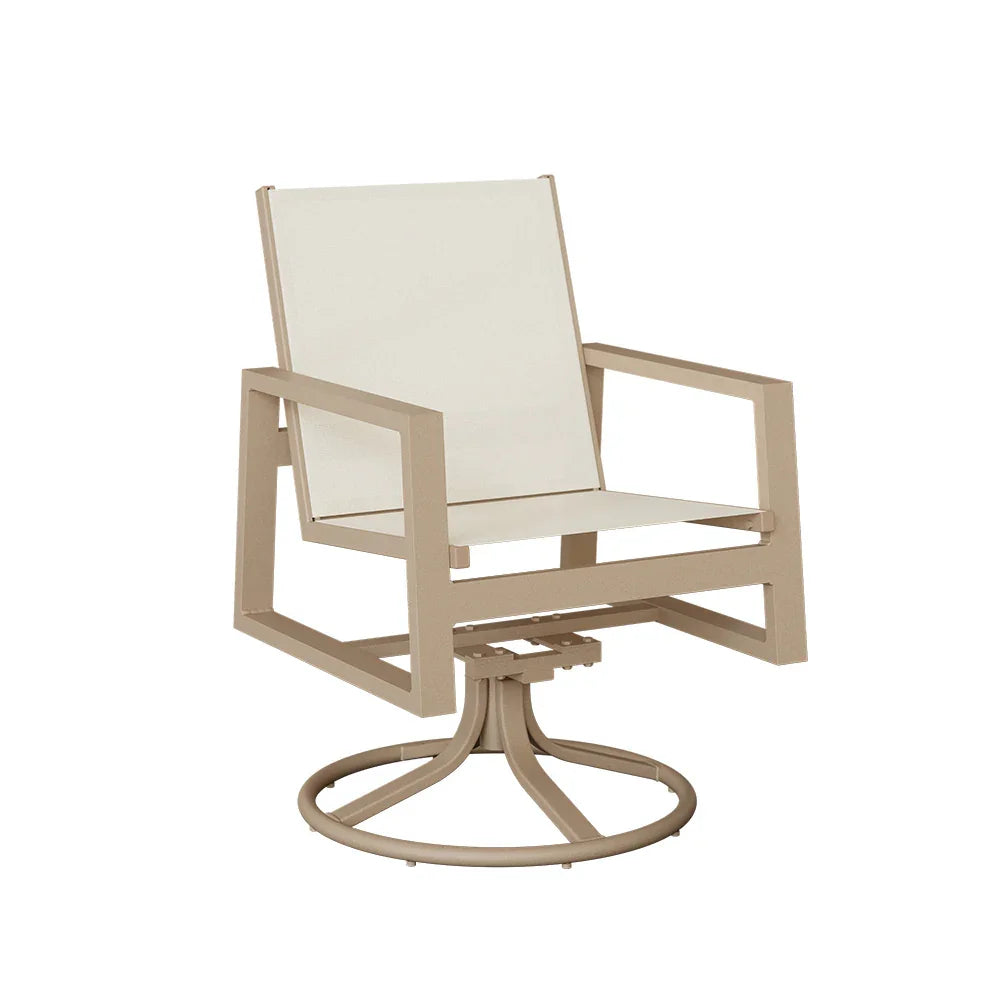
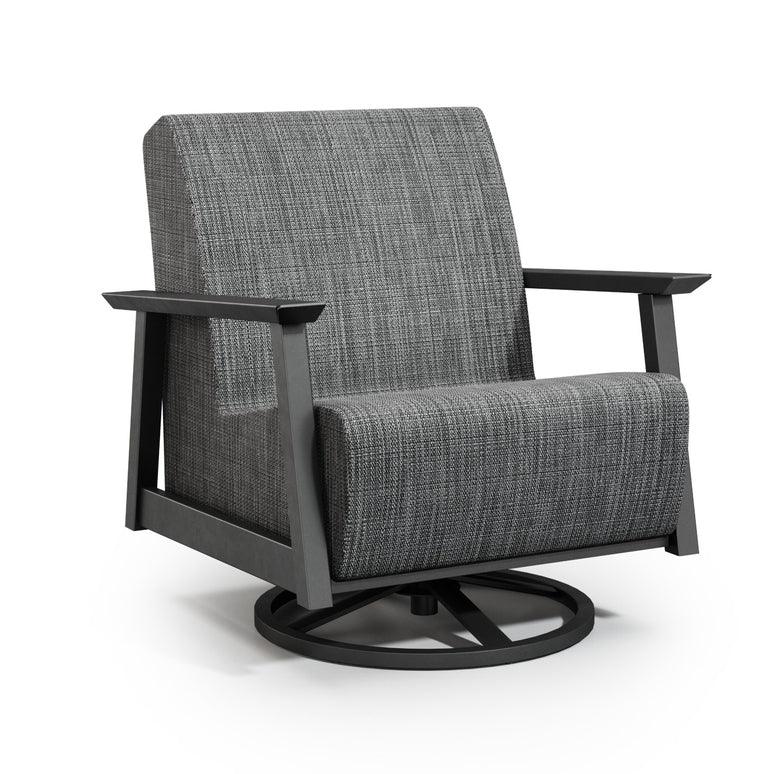
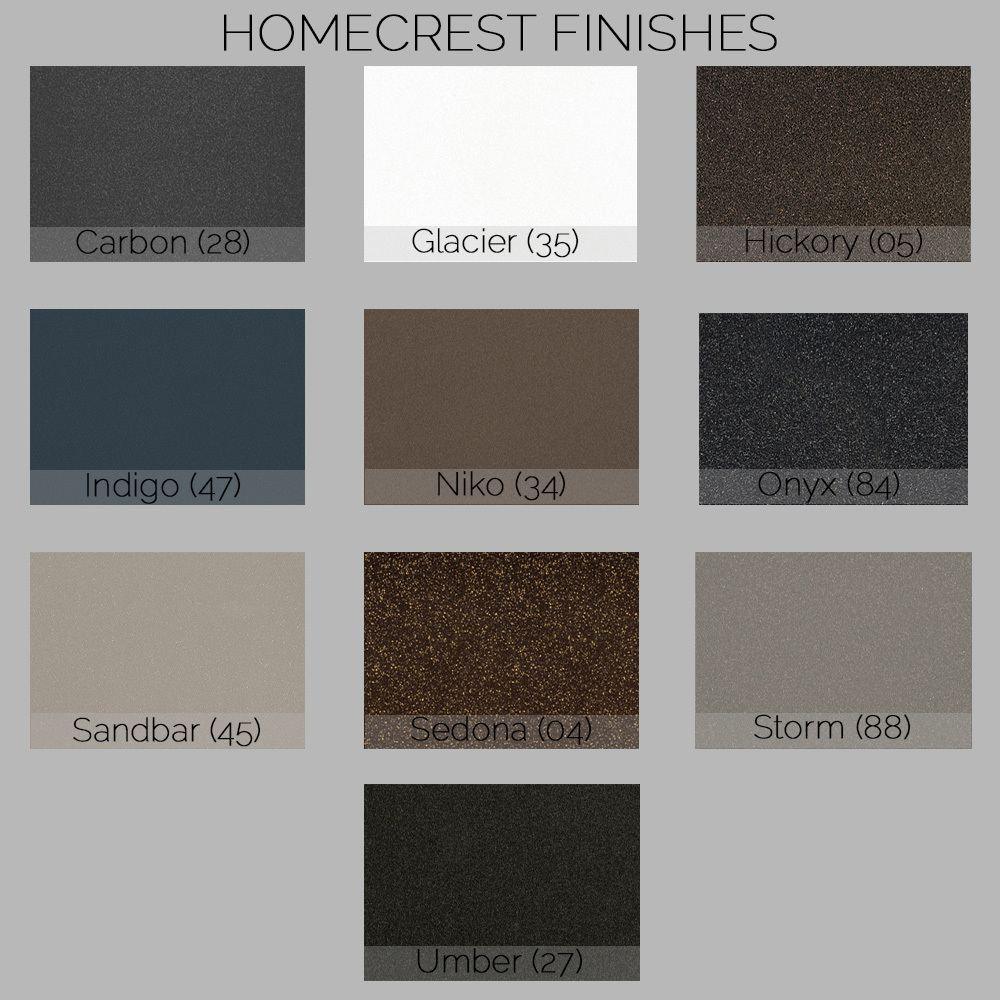
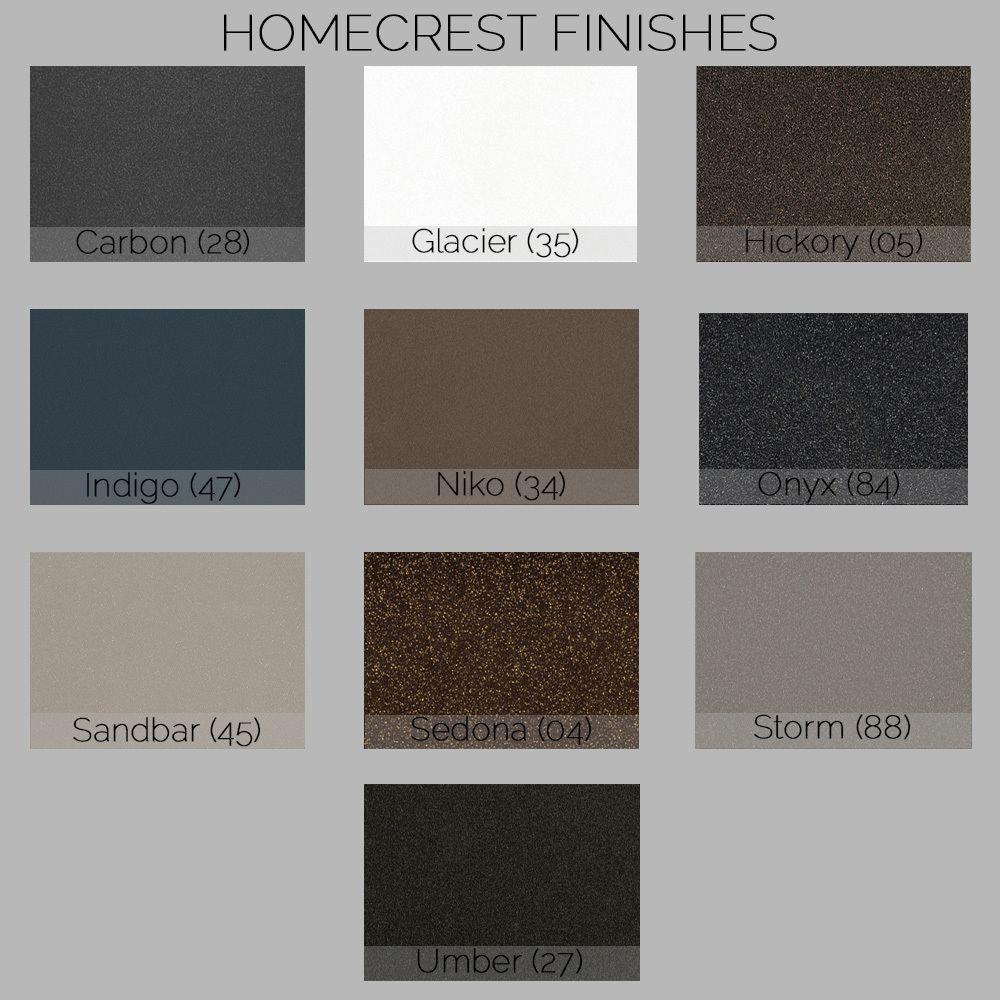
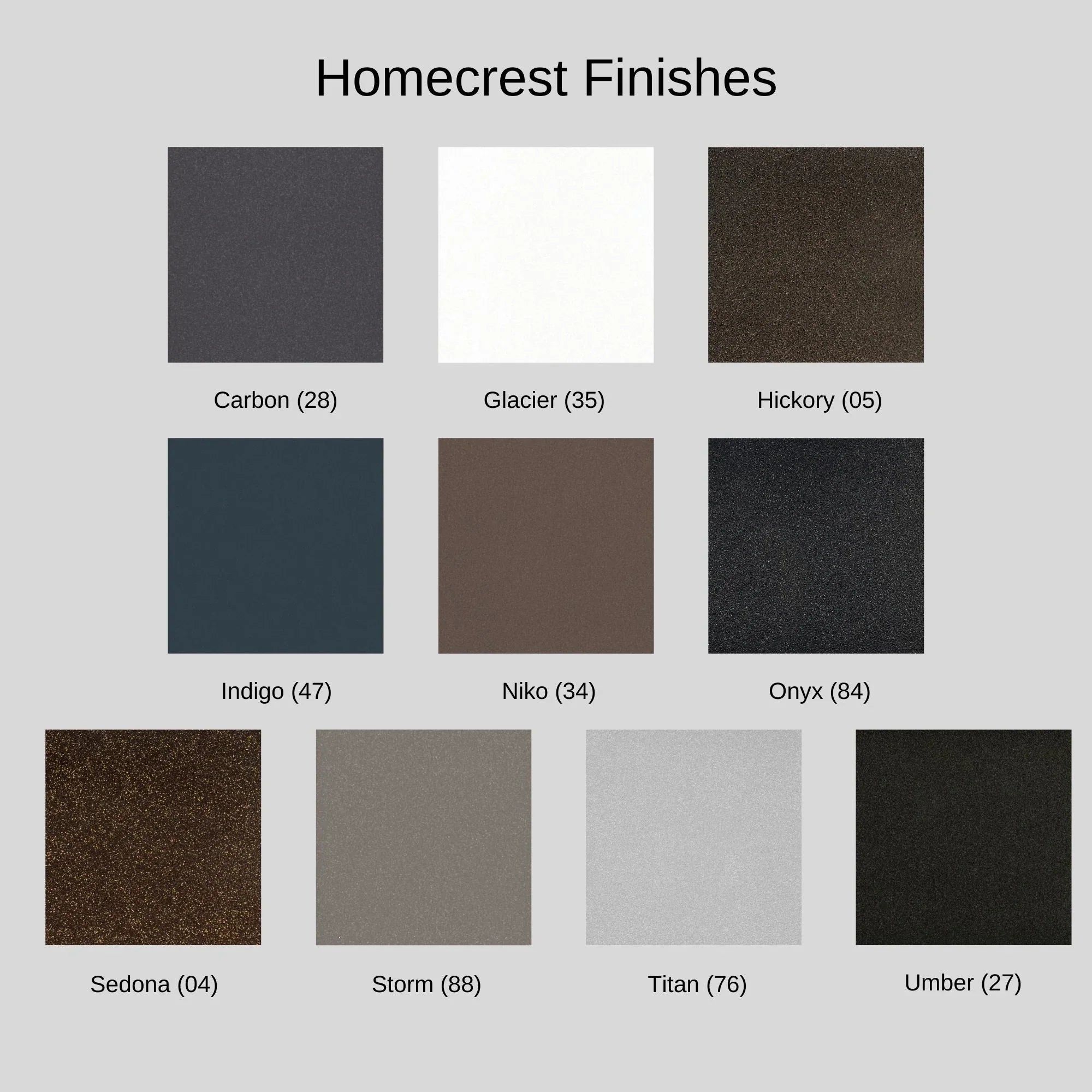
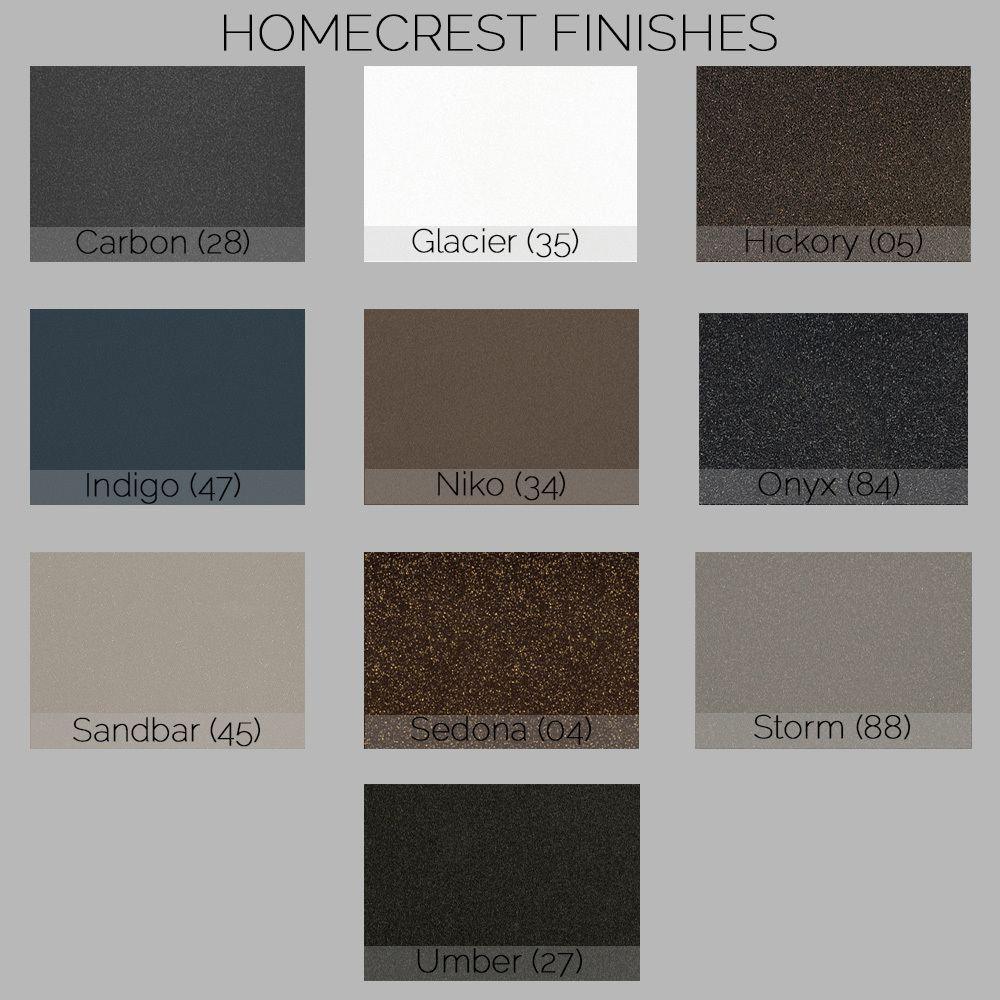
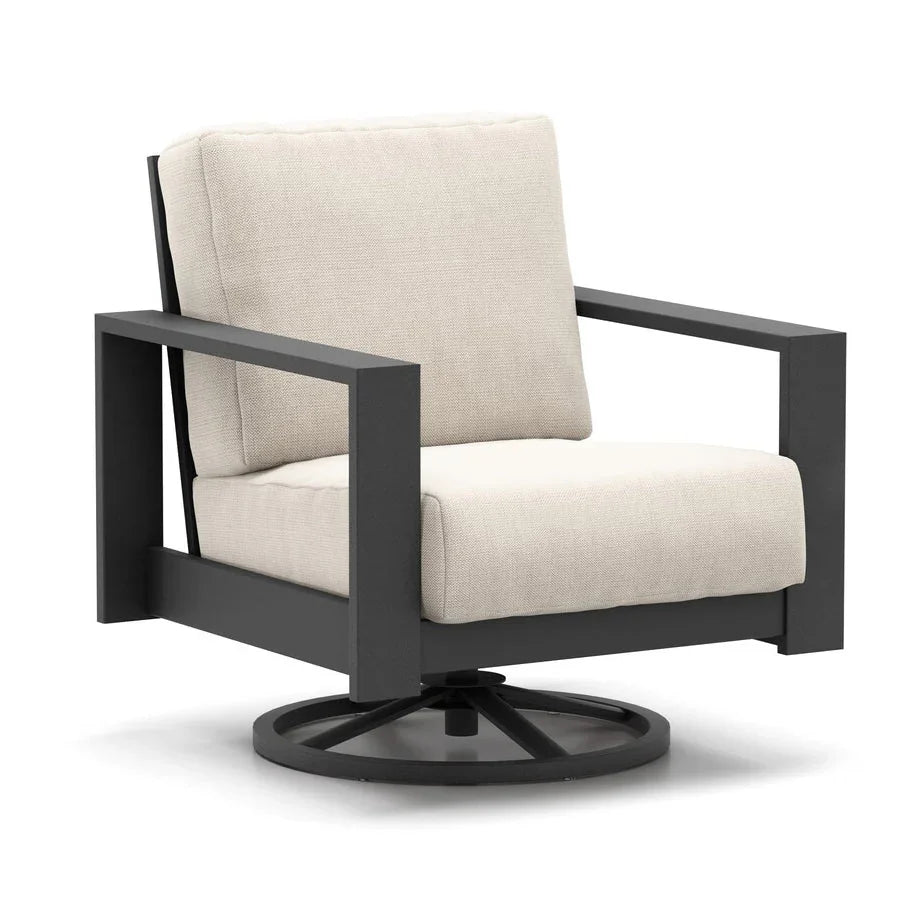
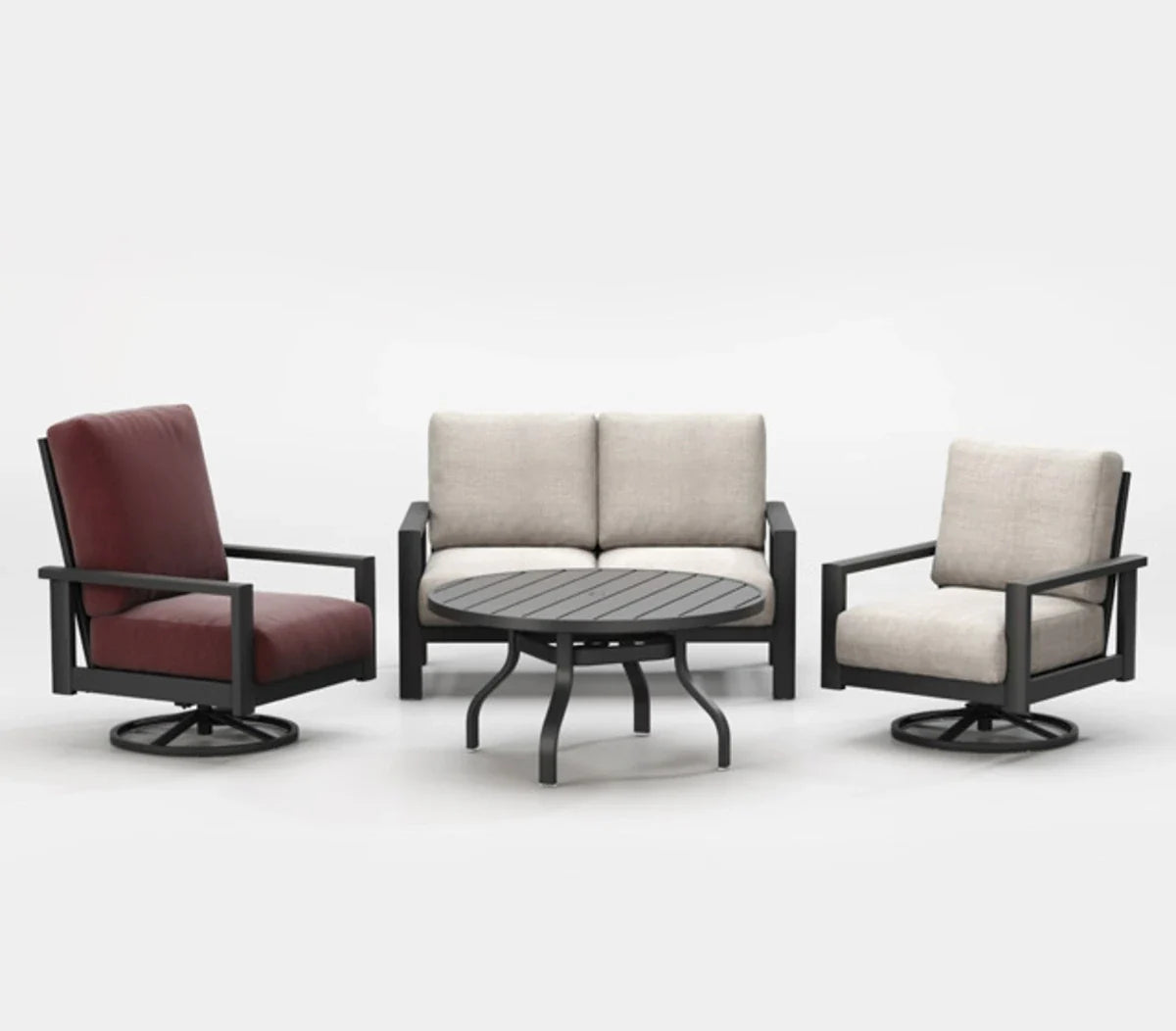
- Aluminum: Powder-coated frames that won't rust, light enough to reposition without thinking about it, and available in clean, modern profiles for anyone who wants the deck-chair function without the classic silhouette.
None of these is the objectively correct choice. Poly lumber wins on zero-maintenance; wood wins on natural material feel; aluminum wins on weight and modern styling. The right call depends on how much upkeep you actually want to do.
Where Each Style Earns Its Keep
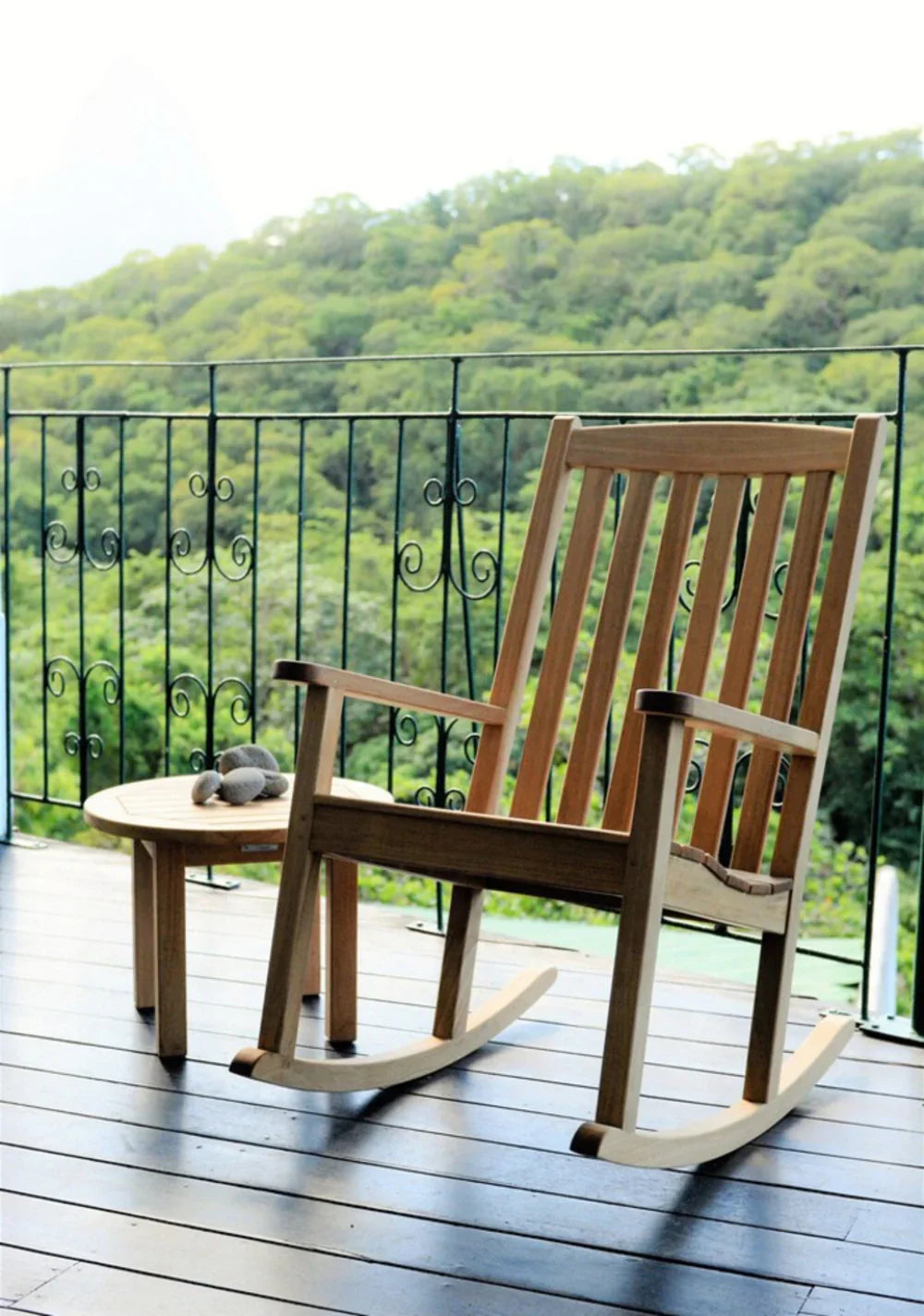
Porches and covered decks are a rocking chair's natural home, flat flooring, some shelter from direct weather, and exactly the kind of unhurried setting the motion rewards. Adirondack chairs work everywhere, from poolside to a fire pit circle, where their fixed stability and low profile mean nobody's chair is creaking while everyone else is trying to relax. Hanging chairs and porch swings want a different kind of setup entirely, something to suspend from, whether that's a covered porch beam, a dedicated stand, or a pergola, and they reward a spot people can retreat to rather than a busy gathering area.
None of these are mutually exclusive on one patio. A pair of rockers on the porch, an Adirondack cluster around the fire pit, and a hanging chair tucked in a corner cover three completely different moods without repeating a single silhouette.
Built to Actually Live Outside
Patio Productions is ICFA-certified and has been outfitting outdoor spaces from our San Diego showroom and nationally online since 2007. Every deck chair here ships free in the continental US, backed by a price match guarantee if you find the same piece for less elsewhere. Our design team offers a free consultation if you're trying to figure out whether a rocker or a glider makes more sense for your specific porch, or which material fits how much maintenance you're actually willing to do.
Common Questions About Deck Chairs
An Adirondack chair is fixed in place, a rocking chair moves on curved runners, and a glider moves on a fixed base instead. Adirondack chairs prioritize a reclined, stable seat with wide armrests and no moving parts. Rocking chairs add a gentle back-and-forth motion on curved runners, best suited to flat, firm flooring. Gliders create a similar motion through a fixed suspension base, which handles uneven surfaces better and typically seats two people side by side.
Rocking chairs need flat, firm flooring to rock properly; gliders are more forgiving on uneven surfaces. A rocker on soft grass or an uneven paver won't glide the way it's designed to, which is why porches and hard patio surfaces are the classic setting. Gliders move on a fixed base rather than runners, so they perform consistently even on ground that isn't perfectly level.
Poly lumber (HDPE) requires the least maintenance and holds up to nearly any climate without attention. POLYWOOD's poly lumber carries a 20-year warranty and never needs painting, staining, or sealing. Aluminum is the lightest and won't rust. Natural wood offers a look neither synthetic fully matches, but needs periodic oiling to hold its color, or can be left to weather naturally into a silver-gray patina.
Yes, but the mounting point matters as much as the chair itself. A hanging chair or swing is only as strong as what it's suspended from. A dedicated stand is rated for the chair's full weight capacity on its own; mounting to a porch beam or pergola requires confirming that structure can bear the same load safely, which is worth checking before installation rather than after.
Soap and water handles poly lumber and aluminum; wood needs periodic oiling if you want to keep its color. Poly lumber chairs need only a soft brush, soap, and water, with a dilute bleach solution for stubborn mildew. Aluminum frames wipe clean the same way; the powder coat handles the rest. Wood benefits from an annual oiling if you want to maintain its honey tone, or can be left untreated to weather into a silver-gray finish instead.


