Blending Composite Furniture with Natural Elements for a Cohesive Outdoor Look
If you want to create an inviting outdoor space that feels like an extension of nature, you can't just toss your composite furniture out on a patio. Sure, it'll be durable, but don't you also want an outdoor experience that borrows nature's beauty and balance to benefit all of your senses?
Well, composite furniture's durability, eco-friendliness, and wide range of colors and styles is a great place to start. So, how do you build on this foundation to design a space that borrows nature's health, vibrancy, and style in a cohesive, inviting way?
If you're asking yourself this question, you're not alone. Using natural elements to enhance your space's connection to our planet continues to be a homeowner priority.1 And today, we're exploring the many ways you can blend composite furniture and natural elements to bring your harmonious, nature-centered outdoor design to vibrant life.
Mixing Composite Furniture & Nature: Quick-Tips
- Composite furniture offers exceptional durability while providing a sleek, modern foundation for outdoor spaces
- Natural elements like wood, stone, and plants help soften synthetic materials and create visual balance
- The right color palette is crucial for blending composite pieces with organic elements
- Strategic lighting can enhance both composite and natural features after dark
- Proper maintenance of both composite furniture and natural elements ensures long-lasting beauty

Understanding Composite Furniture's Role
So, what makes composite furniture such a great foundation for a cohesive, nature-inspired outdoor space? Well, for starters, it boasts incredible durability and weather resistance. Sun, rain, wind, and more … not a problem. Plus, composite – being made from recycled plastics and wood fibers – is also eco-friendly. We have a full composite buyer's guide if you'd like to even more about this modern furniture material.
But since we're talking about creating a harmonious nature-based outdoor space, we need to learn how to complement composite outdoor furniture using natural elements. That's where the art of mixing materials comes into play. With smart integration of natural elements, you can create an outdoor space that feels both modern and organic.
Balancing Natural Elements and Composite
For any design challenge, the key to a cohesive look is finding the right balance of elements. As we previously mentioned, think of your composite furniture as the foundation, and natural elements you add become the soul of your space. Materials, colors, textures, accessories … they all play a role, and they must all play well together.

Wood Accents
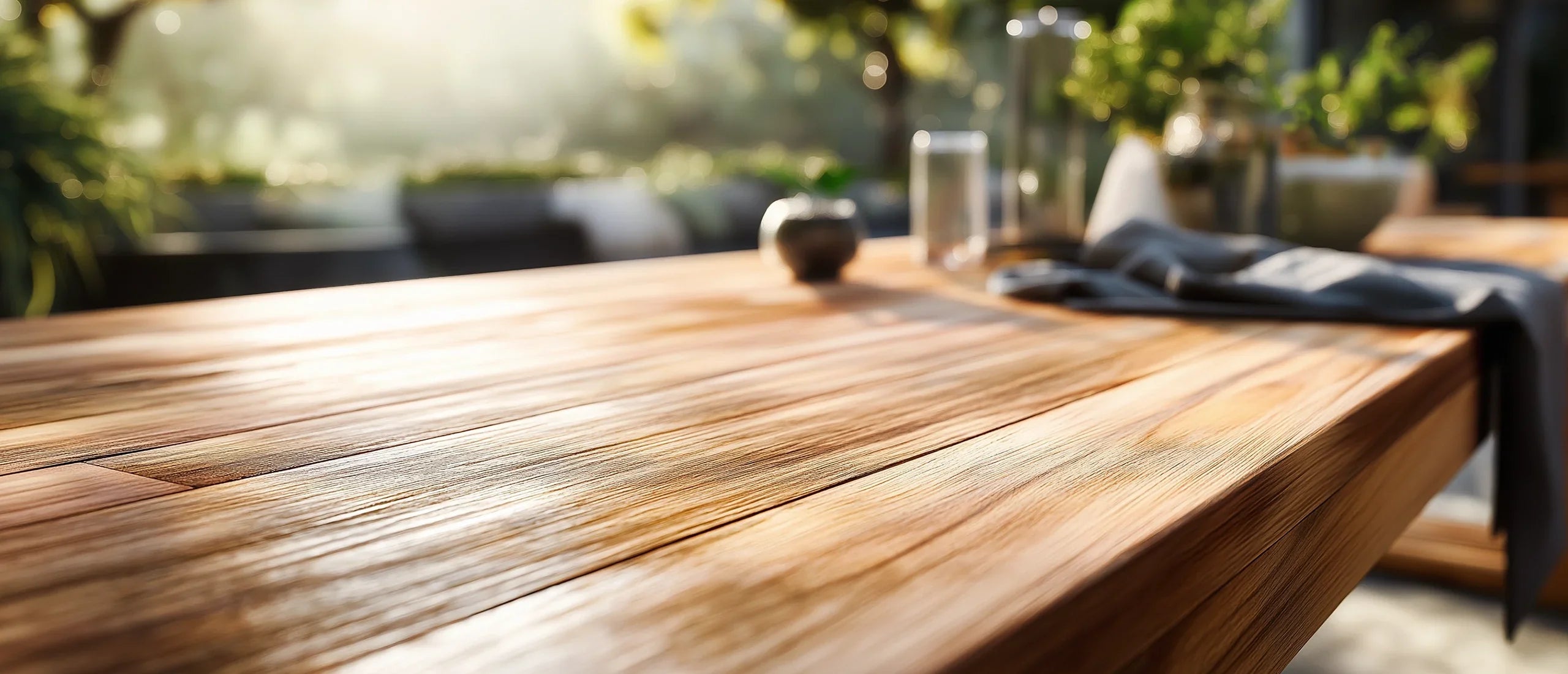
One great thing about composite patio furniture is that wood is already a part of its aesthetic. So, adding additioal wood accents or elements makes a lot of sense. Plus, wooden elements like teak side tables or cedar planters creates instant warmth and visual diversity. I love using reclaimed wood pieces alongside composite furniture - they tell a story while providing that perfect warm, organic contrast.
Stone Features to Compliment Composite
Another great natural material to compliment your composite furniture is solid, timeless stone. Stone tiles, a pebble path, or a slate accent wall are all beautiful ways to add texture and and a certain weight to your space. Natural stone often works particularly well with darker composite pieces, creating a sophisticated or rich palette.

Plant Life & Composite Furniture
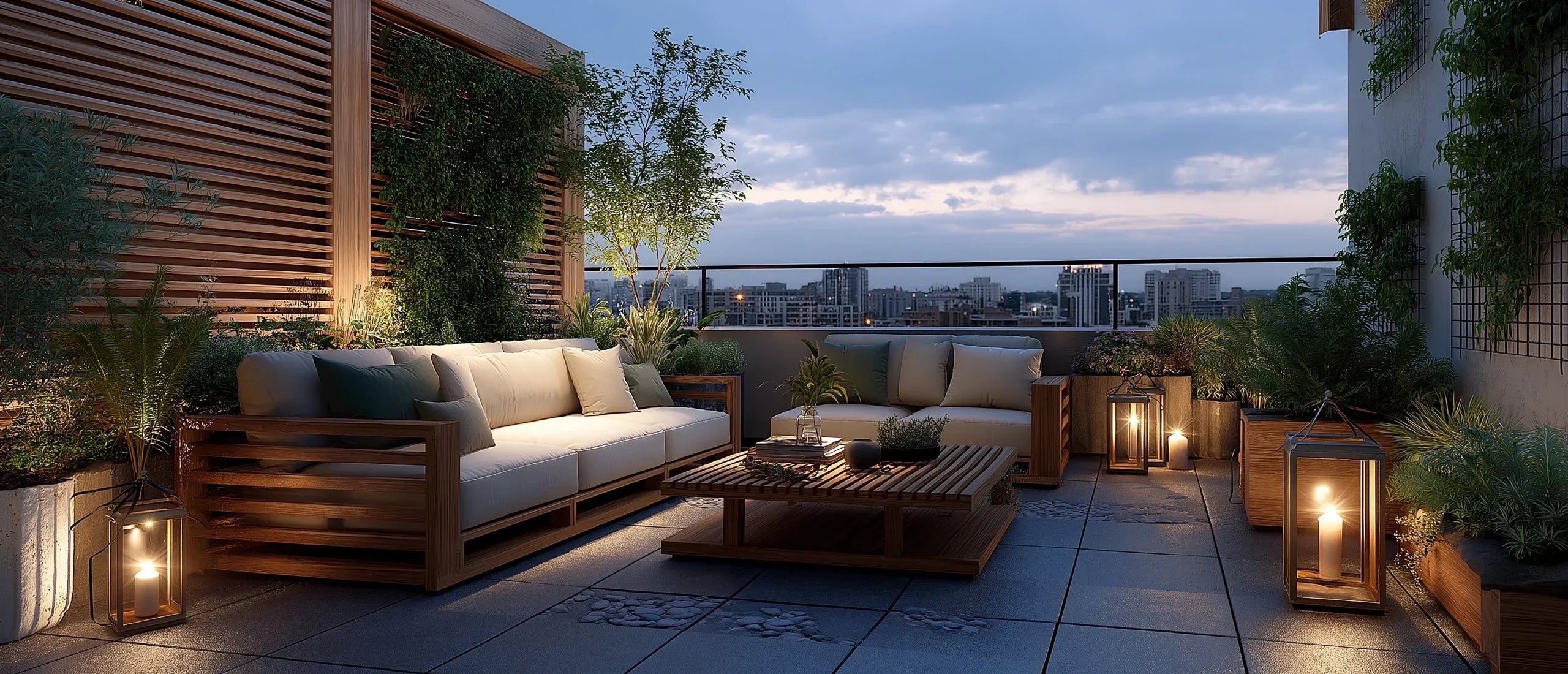
Few things immediately add a natural element to a design like plants. And they're often your best friends when it comes to softening composite furniture's modern aesthetic. Surrounding composite furniture with lush greenery in the form of potted plants, hanging baskets, or living walls is essential for tying the space together.
Plus, one strength of using plants is that they don't just look good. A diverse mix of foliage, blooms, and aromatic herbs can engage all of your senses – reinforcing the full connection to nature.
Really, there are a million options and plant combinations you could use, but here are a few simple ideas to get your creative juices flowing:
- Position tall grasses behind composite seating to create a natural backdrop
- Use trailing vines in nearby planters to add movement
- Place potted trees strategically to provide natural shade over seating areas
- Hanging gardens or garden walls can embellish your space and integrate natural elements in beautiful and unexpected ways
I've spoken to many customers who love the idea of adding plants to their exterior design, but either have allergies or simply can't put in the time to maintain the living plants. Artificial foliage and plants are a great solution for these situations. No, they can't compete with nature's own creations, but modern artificial foliage is surprisingly life-like, always beautiful, and super low-maintenance.

Natural Color Coordination That Works
Your choice of color is another of those main design tools you must consider in any outdoor design, and coordinating with your composite is no exception. It's also one of the most common questions the Patio Productions team answers for customers. But you really have to think about all the color elements you'll be working with, and how they'll all work together to create your perfect natural refuge. For this, you need to think about your composite's furniture's frame color, cushions and pillows, as well as any other furniture or accessory pieces you'll be incorporating.
Here's a quick 3-step starter process for composite color coordination:
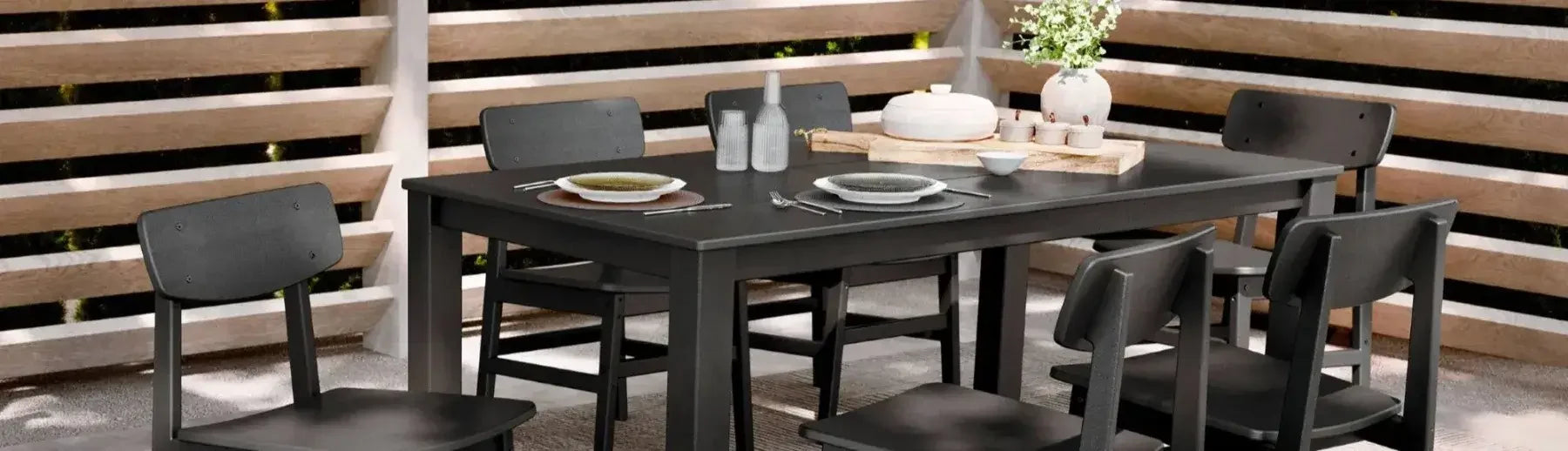
- Choose composite furniture in neutral tones (grays, browns, whites, or blacks) as your base
- Select natural elements that complement rather than match exactly
- Use plants and textiles to add pops of color that tie everything together

Softening Spaces with Textiles
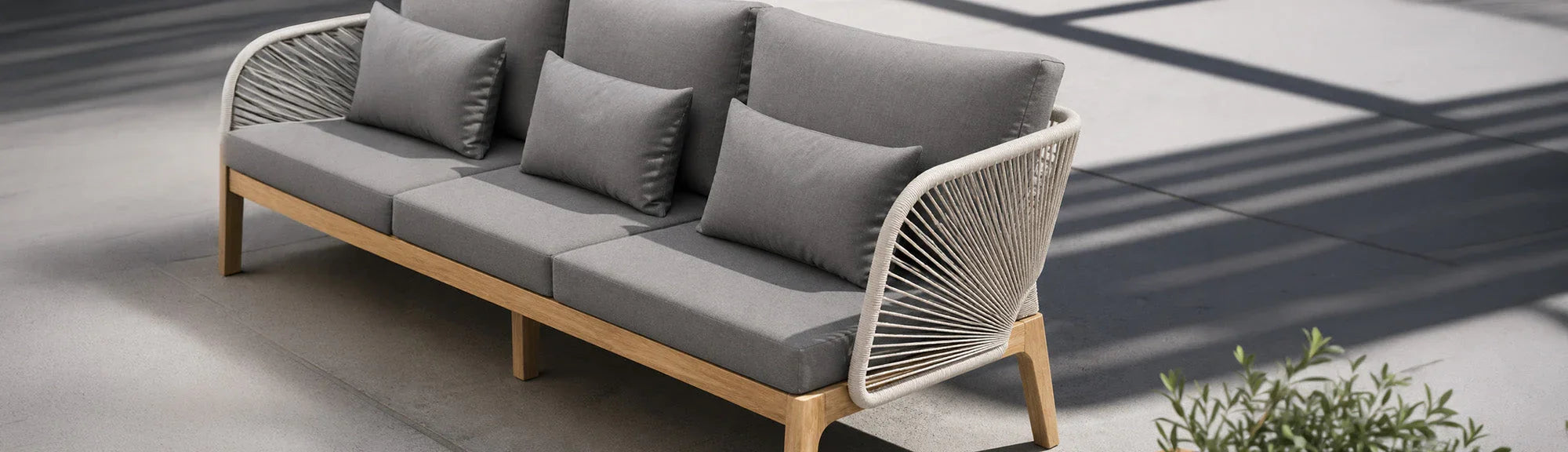
Integrating plush cushions, cozy throw pillows, and flowing curtains in natural fibers like cotton, linen, or hemp can be one way of giving your composite seating area a more natural vibe. You should know, however, that these materials don't stand up to weather, regular use, and stains as well as an outdoor fabric like Sunbrella or Outdura. Unless you don't mind replacing these fabric pieces often, I have to recommend you choose these outdoor materials, instead. Making these outdoor fabrics fit your natural aesthetic then becomes about visual texture and color choices. Look for nature-inspired colors and patterns to add some visual depth while maintaining a soothing ambiance. Purposefully layering varied textures enhances the overall sensory experience.
And, as always, make sure you're choosing the most comfortable outdoor cushions. You want to be as relaxed as possible in your cohesive outdoor space.
Lighting for Natural Ambiance
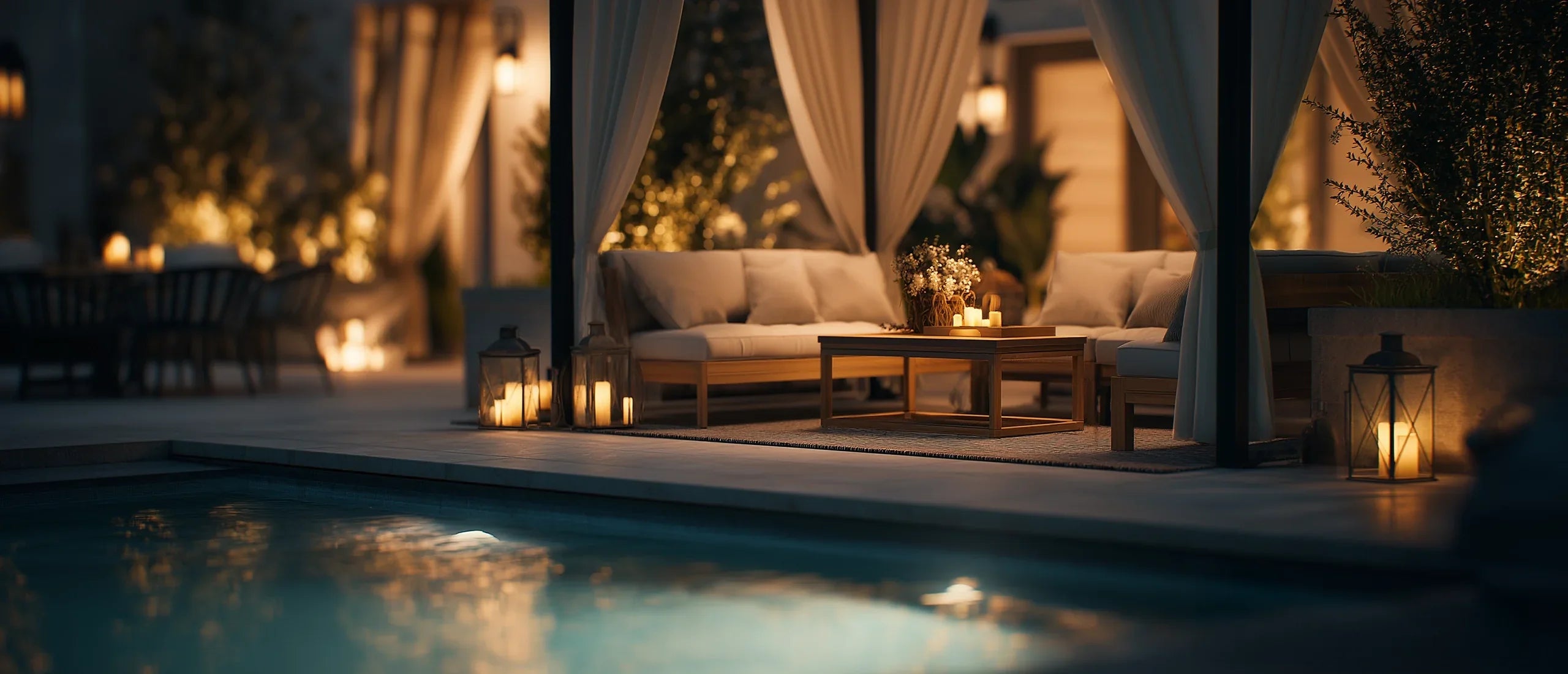
Outdoor lighting is another tool in your outdoor designer toolbelt you definitely shouldn't forget about. Keeping the party going after the sun sets just gives your space so much more flexibility. But the wrong lighting solutions can look too modern or fabricated. So, you have to know how to find and install the best outdoor lights. What options will compliment your composite furniture for that cohesive, natural vibe you want for your after-dark hangs?
- Solar-powered lanterns placed among plants
- Warm pathway lights that highlight both furniture and landscaping
- Candles, lanterns, and firepits create a natural, cozy ambiance

Arranging Composite Furniture for Visual Balance
Gathering all the right elements, then putting them together in an unuseful or unattractive way is definitely something you want to avoid. Your goal should be to create a cohesive, thoughtful furniture arrangement that promotes both conversation and relaxation. That's how the best outdoor memories are made. One great arrangement hack is to group your composite pieces into intimate seating areas and defining individual spaces with natural accents. This helps you establish a sense of purpose and flow, like how an ecosystem works together in nature. And don't forget verticality – think about including elements of varying heights. Tall plants, layered flowers, or multi-level tables… they can all add visual interest and depth.
Embracing the organic beauty of imperfection is key to avoiding an overly manicured appearance. Allowing natural elements to grow and evolve over time contributes to the authentic charm of the outdoor oasis. The goal is to create a space that feels effortlessly styled yet intentionally designed.
Engaging Multiple Senses Through Design
We touched on this before, but any experience with nature engages all of your senses. So, you're not just working towards visual cohesion. A truly inviting outdoor area has something for all the senses. Think about the peaceful trickling of a water fountain. Or how wind chimes or fragrant flowers can add more dimensions to a multi-sensory experience in nature. These subtle touches contribute to an atmosphere of tranquility and connection with the natural world.

The Final Touch
Remember, creating a cohesive outdoor look is an evolving process. Don't be afraid to experiment with different combinations until you find what works best for your space. The goal is to create an environment that feels both sophisticated and natural, where composite furniture and organic elements work together in perfect harmony.
By thoughtfully combining these elements, you'll create an outdoor living space that's not only beautiful but also functional and long-lasting. It's about finding that sweet spot where modern convenience meets natural beauty - and trust me, when you get it right, it's absolutely worth the effort.


ARTICLE REFERENCES
1) Outdoor Living Trends 2024, Fixr.com