Pro-Level Patio Pool Furniture Care and Maintenance: Guide for Ultimate Longevity
We live and work in San Diego, and the Patio Productions team has spent the past 18 years selling patio pool furniture. The most important lesson I've learned is this: proper year-round patio furniture care means the difference between furniture that lasts three seasons and furniture that lasts 10 or more. I've seen it all: cushions that faded before their time, and rusty frames that could have been prevented with a little maintenance.
Frequently Asked Questions About Poolside Furniture Care & Longevity
Choose pool-smart frames and finishes. Top performers: recycled HDPE/composites, synthetic (HDPE) wicker, marine-grade 316 stainless steel, powder-coated aluminum with drainage, and Grade-A teak. They resist water, UV, and corrosion—delivering multi-year durability with basic care. Patio Productions curates these materials for real pool environments.
Clean consistently and store smart. Wipe after swims, stand wet cushions on edge, and remove debris. Weekly: mild soap wash, tighten hardware, inspect wear, apply UV protectant. Seasonal: deep clean, coat/protect, prep storage. Regular cleaning (even four times a year) meaningfully reduces wear.
Use gentle mixes, then fully dry. Metal: 1 part vinegar to 2 parts water; baking-soda paste for rust; rinse, dry, then car wax. Cushions: vacuum, dish soap + warm water, rinse, dry in shade on edge. Synthetic wicker: compressed air, soap wash, low-pressure rinse, sun-dry.
Shade it, spray it, rotate it. Position for less peak sun, add quality umbrellas, apply marine-grade UV protectant every 3–4 months, and rotate furniture monthly for even exposure. Monitor early fading and address promptly to keep sets looking fresh.
Cover breathable, elevate, and label. Short-term: breathable covers, elevate off ground, ensure drainage, secure for wind. Long-term: clean thoroughly, apply protectants, store climate-controlled when possible, stack correctly, and label for easy spring setup.
Yes—balanced water protects finishes. Poor chemistry accelerates corrosion and fabric breakdown. Keeping the pool clear and balanced reduces splash damage on frames and cushions. Great furniture shines next to a well-kept pool—maintain both for best results.
Use the 50% rule and inspect structure. Replace if frame integrity is compromised, parts are unavailable, or repairs exceed ~50% of replacement. Repair when damage is cosmetic and parts are accessible—especially for high-quality or sentimental pieces. Keep a maintenance log to spot trends early.
So, how do you find and maintain pool and patio that'll go the distance, so you can enjoy your fun in the sun longer?
- Know your pool patio furniture materials - teak, synthetic wicker, composite, and everything else
- Regular cleaning and proper storage can extend patio furniture lifespan by up to 30%
- Using UV protectants increases fabric durability
- Inspecting and tightening hardware every 6 months prevents structural issues
- Most people underestimate the importance of seasonal storage
- Cleaning just 4 times per year significantly reduces overall wear and tear

Choosing Patio Pool Furniture Materials Built to Last
What you pick out for your pool patio furniture will dictate how long it lasts. One first-time owner came in for a set of traditional wicker chairs for his poolside. He wanted something he would have seen in old movies or in a classic hotel setting. He wanted the real thing. A year later, the natural fibers had rotted away from the constant moisture. Now I always guide the customer toward materials intended for pool environments.
Best Materials for Pool and Patio Areas
Recycled HDPE & Composite Wood
Composite wood and recycled plastics have revolutionized pool furniture by combining wood's aesthetic appeal with modern durability. These materials resist water absorption, won't splinter, and maintains their color despite constant pool splash exposure. While early attempts at composite struggled with heat retention, newer products incorporate cooling technology for comfort. Brands like POLYWOOD are even hitting Top 10 lists for best outdoor furniture, so you know you're getting great pool patio furniture!

Synthetic Wicker
Synthetic modern 'wicker' – made from high-density polyethylene – gives you the look of wicker without the maintenance. It won't absorb water, resists UV damage, and takes repeated splashing in its stride. It's also simple to clean with a bit of soap and water.
Marine-Grade Stainless Steel
Marine-grade stainless steel (316 grade) is pretty incredible for pool furniture frames – it is specially formulated to resist corrosion from chlorinated water and salt air. While the initial cost of 316 steel is higher than that of standard stainless steel, I have seen these pieces last 15+ years with proper care.
Aluminum
Powder-coated aluminum is a great option. It won't rust, it stays cool to the touch even in full sun, and it is lightweight enough to move around. Make sure your pieces have drainage holes so that they won't fill with water.
Teak
Teak brings natural beauty to pool areas while offering impressive durability. Its high oil content naturally resists water damage, rot, and pests. Around pools, teak develops a silvery-gray patina that many find appealing, though you can maintain the original honey color with regular sealing. While premium grade-A teak commands higher prices, its 20+ year lifespan in pool environments justifies the investment.
Patio Pool Furniture - Regular Care Maintenance Routines
Whatever type of pool and patio furniture you go with, you have to have a solid maintenance schedule. After years of experience with pool furniture in all types of climates and conditions, here's some steps and tips to avoid any unpleasant surprises.
Daily Care (when you use your pool furniture)
- Wipe down furniture after pool use to remove chlorinated water
- Stand cushions on edge when wet to allow proper drainage
- Remove any fallen leaves or debris that could stain surfaces
- Store cushions in a protected area overnight if possible
Weekly Tasks
- Clean all surfaces with mild soap and water
- Check for any loose screws or hardware
- Inspect for early signs of rust or wear
- Clean under furniture to prevent moisture accumulation
- Apply UV protectant spray to fabric surfaces

Advanced Pool and Patio Furniture Cleaning Techniques
I've fine-tuned these cleaning methods for various materials to ensure they're most effective – and won't ruin your furniture.
Metal Frames
- Mix one part white vinegar with two parts water
- Apply solution with a soft cloth, focusing on joints and crevices
- For stubborn rust spots, use a mixture of baking soda and water
- Rinse thoroughly and dry completely
- Apply a thin coat of car wax for extra protection
Cushions and Fabrics
- Vacuum to remove loose dirt and debris
- Mix gentle dish soap with warm water
- Clean entire surface to prevent water rings
- Use a soft brush for stubborn stains
- Rinse completely with clean water
- Stand cushions on edge in shade to dry
Synthetic Wicker
- Use compressed air to remove debris from weave
- Wash with mild soap solution
- Rinse with low-pressure hose
- Check for water accumulation in frame
- Allow to dry completely in sun
Protecting Against UV Damage
Sun damage is my arch-enemy when it comes to pool furniture, and my unofficial system for UV avoidance has worked very well for me over the years:
- Position Strategically: Arrange furniture to minimize direct sun exposure during peak hours
- Use Umbrellas: Invest in quality market umbrellas with UV-resistant fabric
- Apply Protectants: Use marine-grade UV protectant sprays every 3-4 months
- Rotate Regularly: Change furniture positioning monthly to ensure even exposure
- Monitor Fading: Check for early signs of UV damage and address promptly

Pool Maintenance: The Foundation of Your Outdoor Space
Your pool furniture can really only enhance your outdoor experience as much as the pool itself allows. I've seen pristine furniture arrangements lose their appeal next to a cloudy or falling-apart pool. I mean, it just makes sense - customers with well-maintained pools tend to get more life out of their furniture too – proper water chemistry means less corrosive splash damage on frames and less fabric degradation on cushions.
Knowing the basics of pool care is the foundation of your outdoor living space. You want to protect your pool or patio furniture investment? Keeping your pool looking and functioning well should be your first priority. To learn how to keep your pool in tip-top condition, you should go explore the Pool Care Basics Guides by Inyo Pools. They know what they're doing, and you can learn to keep the perfect chemical balance and water quality to go with your patio pool furniture care routine.

Pool Furniture Seasonal Maintenance Calendar
To keep your pool patio furniture looking good year after year, you have to know how to take care of it in every season. You can find more in-depth tips in our comprehensive year-round patio furniture care guide, but here are the most important habits you should create for each time of the year.
| Spring (March-May) | Summer (June-August) |
|---|---|
| Deep clean all surfaces Check and tighten all hardware Apply fresh UV protectant Inspect for winter damage Replace any damaged parts |
Weekly cleaning of all surfaces Monthly hardware check Reapply UV protectant mid-season Check cushion drainage Monitor for chlorine damage |
| Fall (September-November) | Winter (December-February) |
|---|---|
| Deep clean before storage Apply protective coatings Repair any summer damage Prepare storage areas Document maintenance needs |
Regular checks of covers Ensure storage area remains dry Plan spring updates/replacements Order replacement parts Review maintenance log |
Professional Restoration Techniques
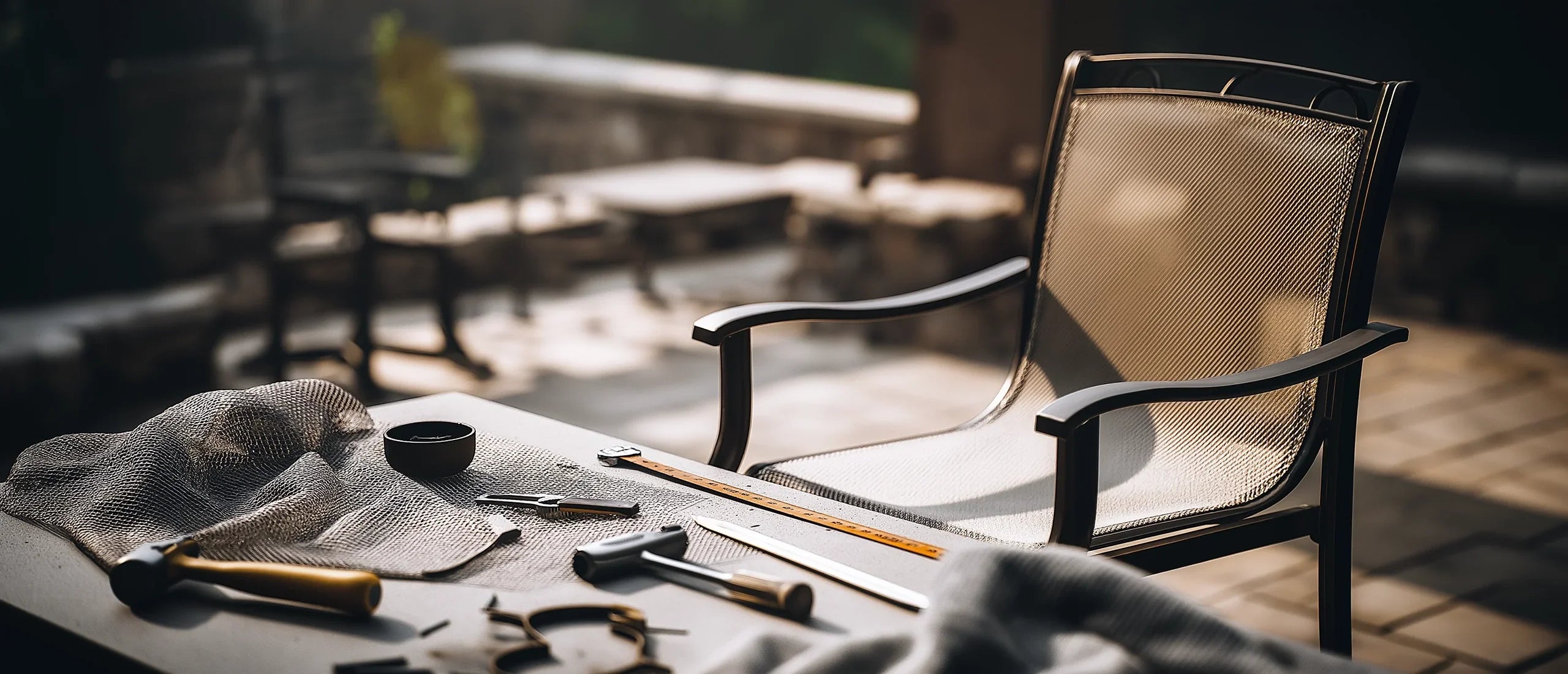
Sometimes even the most careful of us will have to call in the experts. But if you're the DIY type, here are some top tips for furniture restoration.
Frame Restoration
- Sand down any rust spots to bare metal
- Apply rust converter to affected areas
- Prime with marine-grade primer
- Paint with UV-resistant coating
- Seal with clear protective finish

Cushion Rejuvenation
- Remove covers carefully
- Clean foam with enzymatic cleaner
- Treat for mildew if present
- Replace damaged foam sections
- Apply fabric protector to covers
Storage Solutions
Proper storage is crucial for longevity. Here's what I recommend:
Short-Term Storage
- Use breathable furniture covers
- Elevate furniture off ground
- Create proper drainage
- Secure against wind
- Monitor for moisture
Long-Term Storage
- Clean thoroughly before storing
- Apply protective coatings
- Store in climate-controlled space
- Stack properly to prevent damage
- Label pieces for easy spring setup
When to Replace vs. Repair
Through years of helping customers make this decision, I've developed these guidelines:
| Replace When: | Repair When: |
|---|---|
| Frame shows significant structural damage | Damage is superficial |
| Rust has compromised integrity | Parts are readily available |
| Repair costs exceed 50% of replacement | Cost is less than 50% of replacement |
| Parts are no longer available | Furniture has sentimental value |
| Style is outdated and affects home value | Piece is high-quality or custom-made |
Looking Ahead: Long-Term Care Strategy
The key to keeping pool furniture in good shape is consistency and prevention, which is why I suggest keeping a maintenance log and creating calendar reminders for routine tasks. Small investments in time (and care products) can add years to your furniture's life.
Follow these tips, and you'll stay on top of things and your pool furniture will be ready for use year after year. Prevention, as the saying goes, is better than the cure.
Quality furniture – right down to the material it's made from, even – is an investment in your poolside life. If you treat your pieces well and clean up spills regularly, they'll reward you with years of comfort and style.