How to Take Care of Teak Furniture: Care and Maintenance
Teak patio furniture produces its own natural oil, which is the whole reason it's such low-maintenance outdoor wood. That oil keeps moisture from sinking into the grain, which is what resists dry rot in the first place. Most of the questions we get about teak come down to one thing: people bought it expecting zero upkeep, then panicked the first time it started turning silver. It's not damage. It's just what teak does. While you're learning to care for teak furniture, take a look at some of the outdoor furniture options built from all-natural teak wood at Patio Productions.
If you don't mind the grayish patina teak develops over time, it barely needs any maintenance at all beyond an occasional dusting. If you'd rather keep the golden-honey color, that's doable too, but it takes a bit of ongoing work. Below, I'll walk through cleaning, refinishing, what grade of teak you're actually working with, and how care shifts across the seasons, so you've got the whole picture in one place.
 Sealed Teak (left), Teak after Cleaning (middle), and Teak with a Grayish Patina (right).
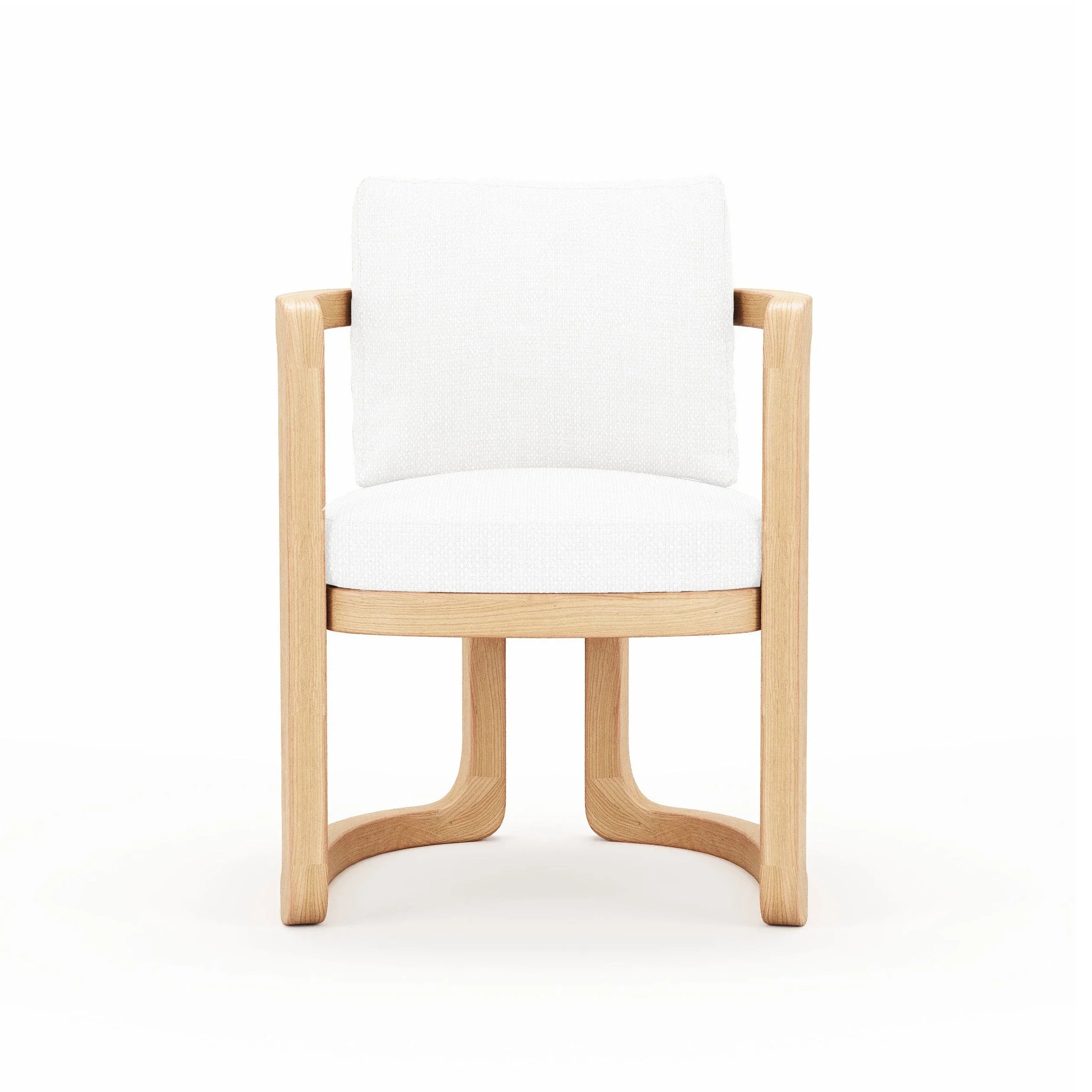
Shop for teak patio dining chairs like these for your patio!
Your Teak Care Quick Links:
Click a category to jump there
- What to know about teak
- Teak grades, and whether yours changes the care routine
- To clean teak
- To remove heavy stains
- To refinish and preserve color
- Seasonal care calendar
- What not to use on teak
- Replacing your teak
FAQs: Teak Furniture Care & Maintenance
Natural oils and a dense, tight grain do most of the work for you. Teak's own oils keep moisture from soaking into the wood, which is what prevents dry rot. Its density resists warping and cracking, and a rubber-like resin helps deter insects. Between those built-in protections, teak needs far less upkeep than most outdoor woods.
Yes. Grade A holds up with less maintenance than Grade B or C. Grade A is heartwood cut from mature trees, so it carries the most natural oil and needs the least intervention over its life. Grade B and C come from younger wood or sapwood, contain less oil, and tend to gray faster and dry out sooner if they're not sealed on a regular schedule.
Mild dish soap and water; diluted vinegar is safe too. Scrub with the grain using a soft cloth or soft plastic brush, then rinse. Skip pressure washing, metal brushes, and steel or brass wool, since all three can damage the surface. Occasional dusting between washes keeps pieces looking fresh.
Light sanding lifts most marks; use a teak-specific cleaner for grease. Fine-grit sandpaper handles the majority of water rings. For grease, apply a commercial teak cleaner to moistened wood, let it sit about three minutes, then scrub with a soft pad and rinse. Oyster teak is the exception: stick to mild soap and water only, since harsher cleaners strip its finish.
No. Use a teak sealer outdoors instead of teak oil. Teak already produces its own oil. Added "teak oil" evaporates outside within weeks, pulls some of the wood's natural oil out with it, and can encourage mildew, all without stopping the graying process. Sealers lock in teak's natural oils and hold up against sun and humidity. Oiling is better reserved for indoor teak pieces.
Clean, sand if needed, sun for two weeks, seal, then clear coat. Clean the piece and let it sit in the sun for about two weeks to open the grain. Spray on a teak sealer and rub it in with a lint-free cloth, adding a second coat for full coverage. Once that cures, lightly sand and apply two coats of a teak-specific clear coat. Skip generic varnish, which chips and flakes on teak.
Yes. Clean, lightly sand, then seal (and clear coat if you want). The silver patina is cosmetic, caused by sun oxidation, and doesn't affect structural integrity. Clean and lightly sand to expose fresh wood underneath, then seal to lock the honey tone back in. If you'd rather keep the gray look, seal only after the patina has already formed.
Somewhat. Summer UV and winter moisture are the two extremes to plan around. Spring is the natural time to clean and reseal after winter. Summer means more UV exposure and pollen buildup. Fall is a good checkpoint before weather turns. Winter is about keeping legs out of standing water and using breathable covers, since that's when mildew and blackened spots show up most.

What You Need to Know About Teak
Teak is a dense, hard deciduous tree found in tropical regions like Burma and Thailand. Tectona grandis, its scientific name, is one of the more valuable timbers in the world and pretty much unmatched for outdoor durability. Here's what actually matters for how you take care of it:
- Teak's natural density helps it resist bending, warping, or cracking over time.
- Natural oils prevent teak furniture from dry rot.
- Teak contains a rubber-like resin that repels many insects. You might have heard termites won't touch it; the truth is they will, just less readily than other woods. Read this to learn more about teak and termites.
- Because of these built-in protections, teak furniture costs more upfront than other wood or metal furnishings, but it earns that back in years of service.
Teak Grades, and Whether Yours Changes the Care Routine
Not all teak is cut from the same part of the tree, and that matters more than most buyers realize. Furniture is generally sold as Grade A, B, or C, based on which section of the trunk the wood came from and how much natural oil it retains.
- Grade A is heartwood from the center of a mature tree. Tight grain, the richest oil content, and the color you probably picture when you think "teak." This is what most premium outdoor brands use, and it's the most forgiving to own long term.
- Grade B comes from outer heartwood. Still solid, still real teak, but with more visible grain variation and somewhat less oil, so it can dry out and gray a little faster without regular attention.
- Grade C is sapwood, cut from the outer layers of the tree. It's the budget option, and it shows: lower oil content, less resistance to rot, and a shorter functional life outdoors even with good care.
None of this changes the basic cleaning steps below. What it changes is how forgiving your furniture is if you fall behind on sealing. Grade A can go years looking fine with just cleaning and no sealer at all. Grade B and C notice the difference faster. If you want the full breakdown of how grading works and how to tell what you're buying, we wrote a longer guide on the grades of teak.
PRO TIP: Ask the retailer directly which grade a piece is before you buy. Reputable sellers will tell you without hesitation. If they dodge the question, that's your answer.
Cleaning Teak Furniture
Teak is very easy to clean, easier than most people expect from a premium hardwood. A brush and mild dish soap gets you most of the way there. A splash of vinegar handles stubborn grime, and diluted vinegar won't damage the wood at all.
Always scrub with the grain for best results. Doing this once, right before the outdoor season kicks off, sets you up to just dust the furniture off with a soft cloth for the rest of the year.

Use a soft cloth or soft plastic brush while you clean. Skip metal brushes or steel wool; they'll scratch and dull the wood's finish fast.
Once you're done scrubbing, wipe the soap residue off with a clean cloth or hose the furniture down. Don't reach for a pressure washer, though. The heat generated by water hitting the surface at that pressure can damage and stain teak.

Did you know? Teak is an eco-friendly option for outdoor furniture, and there's an interesting reason why.
Removing Stains from Teak
For heavy stains, lightly sand the affected area with fine-grit sandpaper (more on sanding technique below). One trick I've picked up over the years for water stains is a clothing iron; it sounds odd, but it works, and it's quick.
Grease stains are a different animal, but they're still manageable. You'll want a commercial-grade teak cleaner, sold online or at most hardware stores. These are formulated specifically for teak decks and furniture, so they cut through grease and grime without corroding or discoloring the wood the way an all-purpose cleaner might.
To use one, apply it to moistened furniture, let it sit for roughly three minutes, then scrub with a soft pad and rinse clean.
If you're dealing with tough water stains specifically, we've got a full guide on how to remove water stains from teak furniture.

Golden Care makes a water-based EcoSafe Teak Protector that's free of hazardous VOCs and is a solid alternative to traditional teak sealers like SEMCO. It's a popular pick among premium teak furniture makers, for what that's worth.
Image courtesy © Golden Care
Oyster teak warning: don't use teak cleaners or any harsh cleaner on oyster teak furniture. Oyster teak has an oil-based finish designed to give it that aged look, and any harsh cleaner will strip that finish and ruin the wood's appearance. Only mild soap and water, every time.
Sanding Teak Wood
Lightly sanding teak reveals the fresh, glowing finish underneath the surface, restoring that original honey-brown color. Furniture with hard-to-reach areas takes more patience, since you'll be working those spots by hand. Once you've sanded and cleared away the dust, you're ready to seal.
Note: skip power sanding tools. The heat they generate can leave dark marks on teak's surface.
Did you know the deck of the Titanic was covered in teak?
How to Refinish Teak Furniture, Start to Finish
"Refinishing" sounds more intimidating than it actually is. For teak, it really breaks down into three stages: sealing, curing, and (optionally) a clear coat. Here's the order that actually works.

The grayish patina on outdoor teak furniture can be reversed with cleaning, sealant, and a clear coat.
Step 1: Understand Why You're Using a Sealer, Not Oil
You'll sometimes hear that all teak furniture needs is a light oiling once a year. That's not accurate for outdoor pieces, and it's worth understanding why before you buy the wrong product. Teak oil doesn't stop fading, and it can actually invite mildew.
Remember, teak already produces its own natural oil. Sealers protect that oil rather than adding more on top of it, which is why they hold up better against sun and humidity than oil does.
So where did the "oil it once a year" advice come from? It's not entirely wrong, just misapplied. Oiling works fine on indoor teak, where there's no sun or rain to fight against, and the oil just maintains shine and appearance over time. Outdoors, it's a different story entirely. Applied teak oil starts evaporating within a few weeks, and as it goes, it pulls a little of the wood's own natural oil out with it. The wood ends up drier and more vulnerable than if you'd done nothing at all. Oiling also disrupts teak's natural mold resistance, which is exactly the kind of thing you don't want happening on furniture that lives outside. And here's the part that surprises people: the oil doesn't even slow down graying. Since it doesn't change the wood's underlying chemistry, your furniture keeps aging right on schedule regardless. It's one of the more persistent myths in outdoor furniture care, and it costs people money on product they didn't need. If you've already got a bottle of Watco, Cuprinol, or Star Brite teak oil sitting around, none of this means you wasted your money, it just means that particular bottle belongs on indoor teak, not the set living on your patio.
Sealers work differently. They don't add resins or oils of their own; they lock in what's already there, while adding a layer of protection against sunlight, humidity, and mold. That combination is what actually slows weathering and helps hold onto the golden color, if that's the look you're going for. Small distinction, big difference in outcome!

Step 2: Apply the Sealer
- Leave the furniture in the sun for about two weeks to let the grain open up.
- Spray the surface evenly with sealer.
- Rub the sealer into the wood with a lint-free cloth.
- Apply a second coat once the first has absorbed.
A good sealer typically lasts a full year outdoors. Letting the furniture sit in the sun beforehand matters more than people expect, since an unopened grain won't accept the sealer evenly.
One thing worth knowing before you start: whatever color the wood is when you seal it is the color it's going to hold. If you seal teak while it's still golden, it won't age into that silver-gray look afterward. If you'd rather preserve the weathered, silvery finish, wait until the patina has fully developed before sealing over it.
Step 3: Add a Clear Coat (Optional, But Worth It)
Once the sealant has cured, a clear coat adds a nice sheen and an extra layer of protection. Use a clear coat product made specifically for teak, not a general-purpose wood finish.
- Lightly sand the surface, then apply two coats with a clean rag.
- Let the first coat dry fully before applying the second. Clear coat always goes on after sealant, never before.

If a full refinish feels like more than you want to take on for a single piece, our guide on refinishing a teak dining table like a pro walks through the process on one of the more common pieces people tackle first.
What Not to Use on Teak Furniture
- Teak oil, outdoors. It can lead to mold and mildew and won't slow the graying process, so you'd still be sanding it down to keep that honey-brown finish.
- Varnish, ever. It chips and flakes on teak. Stick to products made for teak specifically: teak cleaners, sealers, and teak-rated clear coats.
- Water repellents or general sealers. Not necessary; teak is already naturally water-resistant.
- Pressure washers. Great for wood decks, bad for teak furniture, since the force can discolor and roughen the surface.
- Steel wool or brass wool. Too abrasive. A Scotch-Brite pad, the kind you'd use in the kitchen, does the job without scratching.

Before and after photos of a stained teak table, via Irene Conforti.
Seasonal Care Calendar
Teak doesn't need a different routine every season the way, say, cushions or metal frames do. But there are a few points in the year where a little attention goes a long way, and skipping them is usually what leads to the stains and stubborn spots people write in about.
Spring
Spring is the natural reset point. Give furniture a full clean once the worst of winter weather has passed, and this is also the ideal window to reseal if you're maintaining the golden color, since the wood has had months to dry out and will take a sealer well.
Summer
Summer means the most UV exposure of the year, plus pollen and dust settling into the grain from being used and sat in constantly. A quick wipe-down every few weeks keeps both from building up. If you're chasing the golden look rather than letting it gray naturally, this is also when sealer wears fastest, so keep an eye on it.
Fall
Fall is a good checkpoint before the weather turns. Clean off summer buildup, check for any spots that need sanding, and decide whether furniture is staying outside or heading into storage for winter.
Winter
Because of higher moisture levels, it's best to bring teak indoors during winter if you can. Using outdoor furniture indoors isn't a bad idea at all. If bringing it in isn't an option, at minimum keep the legs out of standing puddles, since that's what accelerates deterioration. You'll know mildew has set in if the wood starts turning black in spots.
Don't panic if that happens. Mildew comes off with a thorough cleaning. If you spot black areas, clean the furniture as soon as you reasonably can, and don't let it sit through another wet stretch first. Those blackened spots are natural wood mold spores, not the more serious black mold people sometimes worry about, and they come off without much drama. If you want the deeper walkthrough, we cover it in removing mildew and black spots from teak.

Furniture covers are worth the investment if teak is staying outside through winter. These ones include breathable air vents that promote airflow and help prevent mildew from forming underneath.
PRO TIP: Keep teak furniture out of damp, shaded corners of the yard year-round, not just in winter. Shade plus moisture is the combination that invites mold, far more than sun ever does.
Bird Droppings, Any Season
Bird droppings stain wood quickly, so remove them as soon as you notice them rather than waiting for a scheduled cleaning. It's one more reason furniture covers earn their keep: they protect against droppings, UV rays, and general wear all at once.
Removing the Silver Patina from Teak Furniture
If you've decided you want the honey-gold look back after teak has gone gray, you can get there with a caustic-acid cleaner or by lightly sanding the surface to reveal the color underneath.
Worth remembering: that gray patina is a natural defense against weather, and it's purely cosmetic. It doesn't affect the wood's structural integrity at all. It develops through sun-driven oxidation, and products like the Golden Care line mentioned above are built specifically to protect against UV exposure and mildew, and to help lift oil, food, and varnish residue when you do want to go back to the original tone.
Find a Replacement Teak Set
Patio Productions is an online e-tailer of upscale home goods. We carry top brands while keeping prices competitive, since everything ships direct from the warehouse to your door.

Shop the Teak Tango Sofa
If you're weighing options besides teak, we also carry a great selection of outdoor wicker furniture and cast aluminum outdoor furniture. And if it's a full teak dining set you're after rather than a single piece, our teak dining sets collection is a good place to start.
Here's a sample of our teak furniture for sale at Patio Productions:


A quick note on sourcing, since it comes up more than you'd think: look for teak certified by the Forest Stewardship Council when you're shopping. It's the clearest signal that the wood was harvested responsibly rather than pulled from unmanaged forest.
Additional Resources:
- How to Protect Patio Furniture from Freeze Damage
- Proper Furniture Maintenance
- How to Clean and Care for Resin Wicker Furniture
Reader Comments
Kairi Gainsborough March 19, 2016
I didn't know that teak furniture is so unique compared to other materials. It is so interesting that it turns silver over time because of this. I do like the aged look of it, but I am also surprised what a difference cleaning and sealing the wood can make. It looks like new again. The next patio set I buy should be teak.
Patio Productions March 25, 2016
Absolutely! The aged patina look gives the furniture a classic and sophisticated quality. The natural warm color is also very aesthetically pleasing. Let us know if we can help find the right teak patio set for you!
Birgit De La Torre April 6, 2016
You prefer sealer over oil. Can you recommend a product?
Bob Locke July 27, 2016
I would like to eliminate the wasps.
What can I can do to get rid of these?
steve August 26, 2017
Dear Bob,
It is a clear mistake to try and seal your teak furniture with marmalade. I find peri-peri marinade lightly applied not only preserves the honeyed colour of your teak but also its spicy flavour deters wasps and other insects too!
Jay Jorgenson December 15, 2016
I really like what was said about outdoor teak furniture because my wife and I have some on our porch. The reason I really like them is because they can stay on the porch and go through all this weather, and then work good as new when all this weather is over. I really like how this article mentioned to look out for termites. This is a real threat to teak furniture.
Natalie April 25, 2017
Hi, I have some outdoor teak furniture on a roof top garden at my workplace. Beautiful pieces. However, over time, seagulls have brutally pooed all over the furniture. I do try to wipe it off immediately but over time, the seagull poo has stained it. I know seagulls have acid in the faeces which could be the reason why it leaves a white stain on the wood. Could you recommend a solution for protecting the wood, or maybe a coat of something to at least disguise the stains. Thanks.
Patio Productions April 26, 2017
For bird stains, you can lightly sand away these areas with fine-grit sandpaper. Another option is commercial grade teak cleaner, which can be found online or at a local hardware store.
To minimize the amount of exposure, you can try using an outdoor furniture cover for when the pieces are not being used.
Charlene May 2, 2017
Someone pressure washed my teak porch chair
Grain is slightly raised
Scotch bright pad or fine grit sandpaper??
Do I need to oil or what
I had a grey patina which I loved
Thanks
Patio Productions May 2, 2017
Definitely go with a fine grit sandpaper when working with teak furniture. If you want to maintain the grey patina oiling is not necessary.
To allow the furniture to age gracefully, we do recommend cleaning it with a plastic brush to remove dust and pollen that gets trapped between the grain over time.
Christy May 24, 2018
Can you clarify what you mean by a plastic brush? I am buying a teak bench today and do not want much maintenance so I plan to just let it turn its silvery color. It will be exposed to the elements in all seasons except winter I'll put it in the garage. Thanks!!
Patio Productions May 25, 2018
Thank you for your comment.
To clarify, I am referring specifically to a soft plastic bristle brush. The kind you would feel comfortable using to wash your car and won't leave any scratch marks.
If you're too aggressive with the scrubbing process it can damage the surface of the wood.
Brandon May 22, 2017
Hi,
I just purchased a used teak table set that has been kept at a beach house, so it's quite weathered, but still in very good shape. It is not quite silver yet. I would like to get it to the color of the table on this page.
http://www.golden-care.com/our-products/teak-other-hardwoods/hardwood-protector.html
I'll follow the process on this site, but where can I purchase the red wood product mentioned on the previous page? I live in South Carolina.
Thanks!
Paul Wadsworth June 1, 2017
If a sealer has been applied to teak do you don't have to apply the sealer every year there after? If you apply the sealer once and then choose not to apply sealer after that and leave the teak outside what will happen?
Patio Productions June 4, 2017
To maintain the natural color, teak should be maintained every 6 months. That consists of cleaning the wood and applying a sealer or teak oil.
If you leave the teak outside without any maintenance, it will start to grey and develop a silver patina. Some people like this look. The good thing is that even though the teak will turn grey over time, you can always restore it to its former glory by re-applying a sealer or teak oil.
Shirley July 19, 2017
I have several teak pieces from my years teaching in the Philippines..Purchased from
Ricardo Lynn in Taiwan. I have only used lemon oil on my pieces. Is that the best thing to do?
I want to put some of the pieces outside on the patio. So there will be some morning sun exposure.
Thanks for any suggestions.
Monica December 21, 2017
I have a pair of beautiful outdoor aged chairs and an indoor table (I assume it was sealed originally, it is exactly as it was 20 years ago!) that I would like to move outside. Will the table ever get to be silver, like the chairs?
Patio Productions December 24, 2017
Teak will age naturally when left outdoors. But you still want to keep an eye on the table to make sure it ages gracefully. It's important to clean it once a year to remove dust and pollen that can gather in the grain of the wood.
If the table was originally sealed, you may need to give it a thorough sanding before placing it outside to remove any residual sealant. This will allow the table to patina evenly. Be sure to take good care of the chairs as well.
Sharon April 24, 2018
I love the light grey our teak table has turned. Now I would like to clean it and seal it. The cleaning is the easy part BUT all the sealer is find seem to color the teak back to the golden brown whereas I would like to keep it grayish!
What brand or suggestion do you have to keep it as it is, clean and grey??
Patio Productions April 24, 2018
Thank you for your comment.
To allow your teak to age naturally and beautifully, all that is recommended is a good thorough cleaning at least once a year (every 6 months). The cleaning process helps remove any dust and pollen in the grain of the wood. Dust and pollen can accumulate over time and lead to mildew growth (dark/black discoloration) and can even cause the wood to crack.
Other than that you don't need to apply a sealer. A sealer would be more useful for protecting and preserving the natural blonde color and to slow down the greying process.
David Finn April 25, 2018
I was not aware of the difference between Teak Oil and Teak Sealer. I have just cleaned our teak garden table and applied two coats of teak oil to restore the lovely golden colour. Can I now apply a teak sealer to help retain the colour and prevent mildew growth or is it now too late because of applying the teak oil first?
Patio Productions April 25, 2018
Thank you for your comment.
Unfortunately it seems like you will have to wait a few months before you can apply the sealer. You don't want to seal after applying teak oil because you have to allow the teak oil to breath and evaporate naturally over time. Otherwise the oil can cause the type of problem you're trying to prevent, which is the growth of mold and mildew. Teak oil isn't actual teak oil. The reason it is called teak oil is because it is meant to be used on teak, but it is generally made of either linseed or tung oil. If you were to oil your teak and then seal it, you would be creating the perfect environment for mold and mildew to grow.
Next time, you only need to go with the sealer. Clean the furniture first using a teak cleaner and then apply the sealer. The sealer will help protect against UV rays and preserve the golden color for a longer period of time than teak oil.
Neo Plibb October 9, 2018
This whole page is misleading about teak. Don't know where you get your information but it's wrong.
Patio Productions October 10, 2018
Thank you for your comment.
We research these topics as best we can. We also provide advice based on our personal experience.
What information did you find wrong or misleading? We are always willing to update the information provided in our blog posts.
Natalia December 29, 2018
Hi, I sanded and sealed my outdoor teal table with Semco sealer then had a family dinner resulting in kids greasy finger prints all over the table. I tried light sanding and a reapplication of semco sealer but it seems the stains are very deep. Is there a way to remove and prevent greasy finger stains on sealed teak tables?
Patio Productions January 12, 2019
Thank you for your comment. That is a good question.
After searching online, I see there are several recommended methods for removing grease stains from wooden furniture. Some methods include using baking soda and others include using an hot iron to steam the grease out of the wood. We recommend searching for and using the method that works best for you. We also recommend testing the method out first before applying it to the entire table to make sure it works and will not cause any further damage.
ts babu December 31, 2018
I am completely making new furniture and cupboards with teak wood. I have observed their wood treatment during the course of work.
1. First they filling the holes with Janata paste
2. Sanding with no. 60 and 80
3. Wood filler application
4. Sanding with no. 120
5. applying spirit
6. sanding with 120
7. applying spirit
8. sanding with 420 paper
9. applying sealer.
10. sanding with 420 paper
11. finally applying ONE COAT OF EMPORIUM PU
12. ANOTHER COAT GLOSSY
is it correct method
Dawn Hinton March 22, 2019
My teak table has lost its patina colour over winter and it doesn’t look great. It has been covered. Any suggestions. If I just leave it will it turn silver again in the areas where it has gone back to it natural honey colour?
Jim Mack July 4, 2019
I have a Teak table that was sealed with Cetol (Gloss) One board needed re-finishing due to damage. I sanded it to bare wood and re-applied the sealer. It turned very dark and unacceptable. I sanded it off to start over. Now I notice that any sanding results in the Teak turning a darker shade. Why? If I let it sit a few days, it turns yellow again. I want to re-apply the sealer, but I don't want this one board to turn out darker than the others. Bleaching doesn't seem to help. Help!!!
Patio Productions July 14, 2019
Thank you for your comment. Unfortunately, we have never come across a problem like this. We are not familiar with Cetol gloss either. Perhaps it would be a good idea to reach out to the manufacturer of the Cetol gloss and ask them what they recommend for your situation.
Debbie J. Hamby July 12, 2019
I over applied Danish oil on new teak patio set. What problem does this cause? I now know how to apply and remove excess oil in a timely manner.
Instead of trying to remove the shiny surface, I am thinking to allow it to deteriorate over time considering oil is recommended to be applied every 6 months to maintain the wood.
Richard Marseglia July 16, 2019
I just purchased a new Teak Grade A Patio Set, I also purchased Teak Oil to keep it fresh. Would it be recommended to apply Teak Oil on the new furniture immediately, or let the natural oils do their job for a few weeks prior to applying?
Thanks!
Patio Productions July 20, 2019
It is best to wait until the furniture needs to have the oil applied, meaning it is starting to show fading in the color tone of the wood. Most people recommend applying a teak oil once a year or every 6 months.
Karin August 31, 2019
For water stains on teak, is it best to remove them right away or is it OK to just remove the water and try either the salt/acid or the iron solution at a later time?
Cristina Pamplona September 5, 2019
The problem is that I have two little children and I use the table daily but greasy stains and water stains appear almost every time we use the table and the only solution I find is to cover the table with unsightly acrylic resin tablecloths.
Which product is best to apply to a teak table for indoors so that greasy finger stains do not appear? Do you know any commercial product for this porpouse?
Patio Productions September 7, 2019
Thank you for your comment. Unfortunately, that is the price of owning teak furniture, it requires more attention to prevent staining and maintenance to keep it clean and hold that beautiful blonde color. There is teak sealer, but that is for protection against the sun and helps maintain the teak's natural color tones. The best way to prevent grease stains is exactly what you are doing, use a tablecloth and make sure to keep it clean. I have heard of baking soda used to remove grease stains but have never tried it personally.
Aqib Malik September 8, 2019
The above information is great and really helping for those who love teak. Much of the Information was still new to me and i appreciate the effort taken. Great Work!!!
Michael September 20, 2019
I have an indoor teak dinner table that is a rich reddish brown colour but i want it to be grey, how would i achieve this?
Patio Productions September 28, 2019
That is a great question. Teak is not a natural reddish brown so the table must have had some sort of finish applied to give it that color tone. In cases such as this, you will need to let the finish wear off over time. As the finish fades, the table will also begin to take on a grey/silver patina. The important thing is to make sure to clean the table every few months to remove any dust and pollen that can settle in the grain of the wood.
Car Tailing December 9, 2019
Hi Cheryl, I'd like to thank you for posting this article with us. I'd like to know what are the best alternatives for these products you recommend in case of their unavailability? Thank you!
Dale Hardaway February 15, 2020
My wife and I recently bought a round mid-century modern Ricardo Lynn teak dining room table. We tested it for lead (3M Lead testing kit) and it reveled a presence of lead on the surface. What advise do you have? We have WATCO Teak Oil (one step finish)
Thank you