How to Remove Mildew and Black Spots from Teak Outdoor Furniture
Here's a teak outdoor furniture care no-brainer: no one should have to use the words "mildew" and "black spots" in the same sentence as "my teak furniture." It's just wrong … but it happens. And it's more than just a bad look - mold can seriously affect your good health. So, to take care of your teak so it can take care of you, let's learn how to remove those disgusting mildewy black spots from your gorgeous teak outdoor furniture. It's easier than you might think to get your teak looking shiny and new again.
TLDR: Mildew, Removal, and Protecting Your Teak
- Mildew and black spots commonly form on teak furniture exposed to moisture and humidity
- Cleaning solutions like vinegar or dish soap mixed with water can effectively remove mildew
- Always use a soft-bristled brush and avoid pressure washing teak to prevent damage
- Regular cleaning, allowing furniture to dry fully, and applying teak oil or sealer helps prevent mildew
- With proper care, teak furniture can maintain its natural beauty for many years
Frequently Asked Questions: Clean Mildew & Black Spots from Teak
Moisture, humidity, poor airflow, dirt, and infrequent cleaning. Teak resists mildew, but persistent moisture and debris let mold settle in. Usual suspects include high humidity, stagnant air, organic buildup, and long gaps between cleanings. Addressing these conditions prevents new spots from taking hold.
Soft-bristled brush, warm water, mild dish soap; white vinegar for tougher spots. Gather a soft brush, bucket, mild soap, warm water, clean cloths, and optional gloves/eyewear. For stubborn stains, use a 1:1 white-vinegar and water mix. Always rinse thoroughly; don’t let vinegar dry on the wood.
Scrub gently with soapy water, or use diluted vinegar, then rinse and dry. Mix warm water with mild soap. Scrub gently with a soft brush, then hose off at normal pressure. For tougher spots, apply the vinegar mix, let it sit briefly, scrub lightly, and rinse well. Allow the teak to dry completely.
Avoid bleach—it strips teak’s natural oils and can cause uneven aging. Bleach may kill mildew but can damage the wood, leaving spots that weather differently and increasing future vulnerability. Stick with mild soap and water or a white-vinegar solution for effective, wood-safe cleaning.
No. Pressure washing can pit the surface and blast out natural oils. Use a garden hose on normal pressure instead. Aggressive washing roughens the grain, harms the finish, and shortens the furniture’s life. Gentle cleaning preserves teak’s strength and appearance.
Clean regularly, keep pieces dry, use breathable covers, store well, and improve airflow. Wash at least seasonally, wipe moisture after rain, avoid crowding against walls, and store in a dry, ventilated place off-season. You can apply teak oil or sealer on dry wood to add protection.
Yes. Some growths can be harmful—protect yourself or call pros. Soft yellow, brown, or white puff spots may be mold. Wear gloves and eye protection, clean outdoors with the methods above, and consider professional help for significant infestations to protect your health.
Why Does Mildew Crash Your Teak Patio Party?
You love your teak patio furniture. (I mean, what's not to love?) So instead of just learning how to remove those disgusting black spots, let's chat about why these unwanted mildew guests show up in the first place. You see, teak is naturally resistant to mold and mildew - thanks to its dense structure and natural oils. But that doesn't mean it's completely impervious; even Superman has kryptonite.
So, what causes mildew and mold when you keep your teak furniture outdoor?
Mildew On Teak Furniture - the Usual Suspects:
- High humidity and moisture
- Lack of proper ventilation
- Accumulation of dirt and organic debris
- Infrequent cleaning
Moisture and humidity, my friends. They create the opportunity for mold and mildew to grow. And those ugly black spots you're seeing? Yep, that's the mildew and mold settling in where it ain't welcome. So, now let's learn how to kick'em to the curb.

The Right Way to Remove Mildew from Teak
Your beautiful teak outdoor furniture is depending on you. So let's talk about the right way to send mildew and mold packing. The good news is, you probably have everything you need right in your kitchen and bathroom cabinets. And the other good news? There's not a chemical on the list.
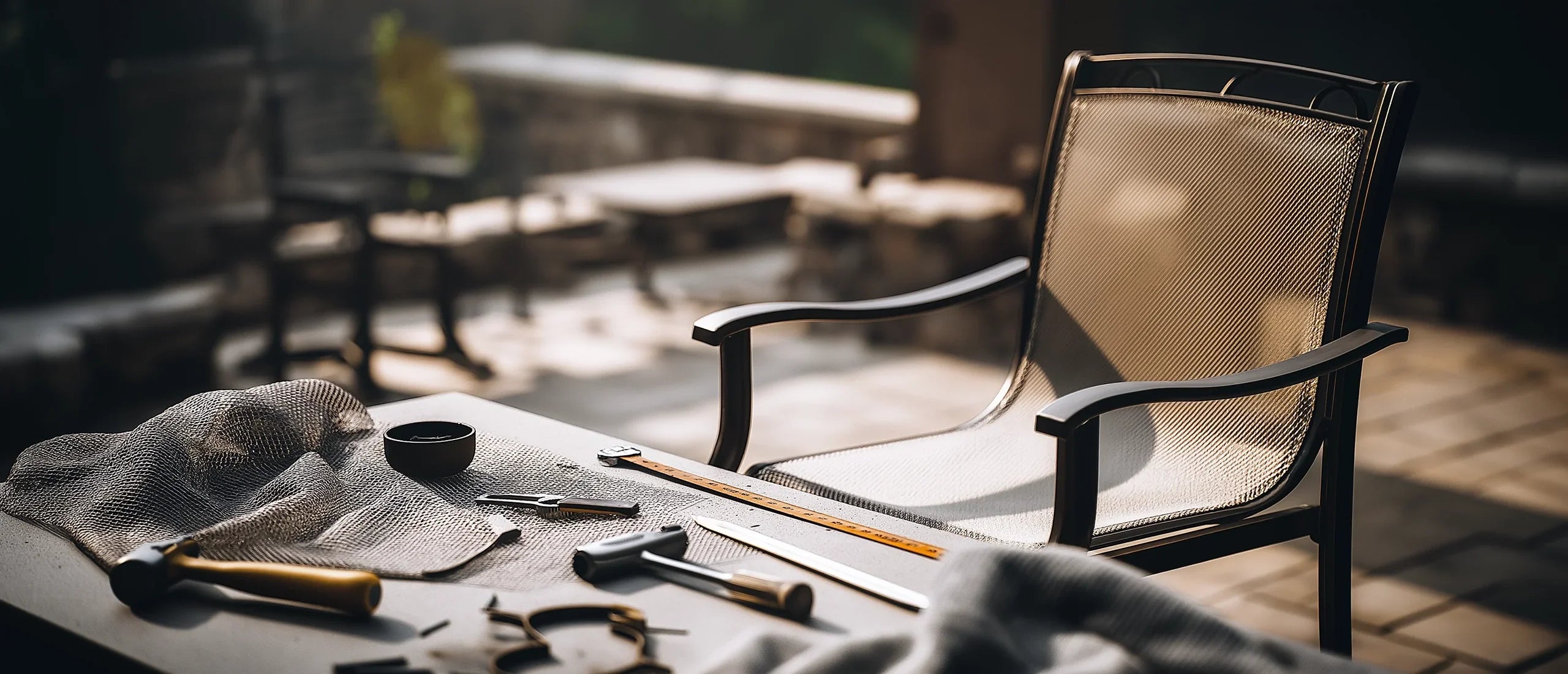
Your Handy Mildew-Removal Tools:
| Soft-bristled brush | Bucket |
| Mild dish soap | White vinegar |
| Warm water | Clean cloths |
| (Optional) Rubber gloves | (Optional) Protective eyewear |
If the infestation isn't too bad yet, you can whip up a simple cleaning solution with some warm water and dish soap. Mix it up in a bucket, grab a soft-bristled scrub brush (emphasis on soft-bristled, we're not trying to scour the wood into oblivion here), dip it in the suds and go to town on those stains. Really get in there and show 'em who's boss. When you're done, rinse everything off with the hose on a normal pressure setting. See, no pressure washer needed!
For tougher mildew stains, you can kick things up a notch by adding some white vinegar or bleach to your cleaning arsenal. I like to use a 1:1 ratio of vinegar to water for most jobs. Some people recommend adding bleach for really stubborn black spots. I highly recommend avoiding using bleach for outdoor teak (see below). Apply your washing mix with a soft rag or sponge, let it sit for a spell, then scrub gently until the stains disappear. Just be sure to rinse everything really well. Leaving vinegar to dry on the teak can affect its color and finish.
Pro Teak Care Tip: To Bleach or Not to Bleach?
Now, you might have heard that bleach is a miracle worker for mildew. While it's true that bleach can kill mold and mildew, I'd advise against using it on your precious teak. Bleach can be harsh on the wood and strip away its natural oils. Not only does this leave it more susceptible to future mildew attacks, but it affects how teak outdoor furniture ages.
For high-quality outdoor teak furniture, the slow evaporation of those oils is what creates teak's beautiful aging-to-silver effect. So when bleach strips those oils from a spot, that specific spot will age differently than the rest of your furniture piece. You don't want to have just one spot a different color. So stick with the gentler vinegar solution - your teak will thank you.
A Teak Outdoor Furniture Care No-No
Okay, a quick tangent. A buddy of mine told me about the first time she spotted mold on her own teak chairs. To hear her tell the story, she panicked. She grabbed the pressure washer, and went to town. Don't be like Donna - pressure washing teak is a BIG no-no. She blasted away the her teak's natural oils and turned the surface into a pockmarked mess. Don't do what Donna did.
MOLD WARNING:
If you're seeing those soft yellow, brown, or white puff spots, you're actually looking at mold growth. This is more likely to be dangerous to your health if it gets into your body. It can be breathed in or transferred from your skin to your mouth. Both can be dangerous, so please take it seriously. When this stuff showed up inside my house, I called in professional cleaners. But here's some solid mold-removal instructions should you need them.

Prevention is Key to Total Teak Outdoor Furniture Care
Now, an ounce of prevention is worth a pound of cure, as they say. So how can you stop mildew and mold from crashing your patio party in the first place?
| Preventative Measure | Description |
|---|---|
| Regular Cleaning | clean that beautiful teak furniture at least twice a year (more frequently in humid climates). |
| Proper Storage | Store your furniture in a dry, well-ventilated area during the off-season. |
| Use Furniture Covers | These are really useful if you can't store teak indoors for the winter or even when you won't be using it for a while. Get breathable covers for the best teak protection. |
| Keep It Dry | Wipe down your furniture to remove excess moisture after it rains or if you get a lot of morning dew. |
| Maintain Good Air Flow | Air flow is your teak's bestie. So don't crowd or place your teak furniture against walls. |
Regular cleaning is the first line of defense - once a season, or whenever things start looking grimy, whip up that soapy water and give your teak pieces a good once-over. After a rainstorm, wipe off any standing moisture and let your furniture dry completely before putting the cushions back on.
You can also apply teak oil or sealer a couple times a year to put up an extra barrier against the elements. Just wait until your teak is nice and dry, slather on a thin coat following the directions on the bottle, kick back and let it sink in and do its thing. Easy peasy!
Of course, sometimes despite our best efforts, Father Time and Mother Nature will collude to fade that beautiful teak into a silvery patina. Some folks dig that weathered look, but if you want to turn back the clock, a light sanding and a fresh coat of teak protector can help wind back the years and return your furniture to its warm honey tones.

Taking Back Your Teak
Some common household items and a little know-how. That's all you really need to remove those cringe-inducing mildew black spots from your teak outdoor furniture. Stay on top of your new mildew prevention routine (regular cleaning and keeping it dry), and your teak patio furniture will be looking beautiful and mold-free for years and years.
And as always, the good folks over here at Patio Productions are just a call or click away. And we're happy to answer any more teak care questions you may have. Or, stop by our San Diego store if you're ready to find the right luxury teak furniture for your outdoor space.
Until next time: keep on learning, and keep living life outside!


Article References
1) Mold and Health, United States Environmental Protection Agency (www.epa.gov)