What is the Best Wood for Outdoor Decks?
The best wood for most outdoor decks is cedar or redwood. Both naturally resist rot and insects, stay stable in changing weather, and look beautiful. Pressure-treated pine is the best budget choice, ipe and other tropical hardwoods last the longest, and composite decking is the best option if you want a deck that never needs staining.
Reviewed by the Patio Productions showroom team · Last updated October 2026
Best Deck Materials at a Glance
| Material | Cost | Typical lifespan | Maintenance | Best for |
|---|---|---|---|---|
| Pressure-treated pine | $ | 15–20+ years | Wash yearly; seal or stain every 2–3 years | Budget decks |
| Cedar | $$ | 15–20 years | Wash yearly; stain every 2–3 years | Natural look; wet or cold climates |
| Redwood | $$–$$$ | 15–25 years | Wash yearly; stain every 2–3 years | Rich color; West Coast |
| Composite | $$–$$$ | 25–30+ years | Clean once or twice a year; no staining | Low maintenance |
| Ipe and tropical hardwoods | $$$$ | 25+ years | Oil yearly to keep the color, or let it gray | Longest-lasting real wood |
Lifespans assume regular maintenance and vary by climate. Cost is relative: $ is lowest, $$$$ is highest.
What to Look for in Deck Wood
A deck lives outside year-round, so durability matters more than looks. Before you choose, compare:
- Rot and insect resistance. Moisture and pests are the biggest threats to a wood deck.
- Stability. Some woods warp, crack or split as they go through wet and dry or freeze and thaw cycles.
- Maintenance. Most wood decks need cleaning every year and staining or sealing every few years.
- Cost and availability. Prices vary widely by region. Redwood, for example, costs less on the West Coast.
Cedar

Cedar is one of the most popular deck woods. Although it's a softwood, its natural oils help it resist rot and insects better than most woods. Cedar also adjusts to the moisture around it, so it's less likely to warp or crack, which makes it a great choice in wet or freezing climates.
Cedar has a warm, natural look and takes stain well. With proper care, a cedar deck typically lasts 15 to 20 years. Plan to wash it every year and restain every two to three years.
Redwood

Redwood offers durability similar to cedar, with a rich reddish color. Natural oils and tannins help it resist moisture, rot and insects. Like cedar, it should be washed every year, and you'll need to stain it every couple of years to keep its color.
In most of the country, redwood costs more than pressure-treated wood. On the West Coast, where it grows, it's easier to find and often more affordable.
Pressure-Treated Wood

Pressure-treated wood is the most affordable deck material and the easiest to find. Most is southern yellow pine, though Douglas fir is common in the West. The lumber is sealed in a chamber where preservatives are forced deep into the wood under pressure, which helps it resist rot and insects. Learn more about treatment grades from Decks.com.
Pressure-treated wood isn't as attractive as cedar or redwood, and it's more likely to check or crack as it dries. With yearly washing and a coat of sealer or stain every two to three years, it can last 15 to 20 years or more. Most decks use pressure-treated lumber for the frame, even when the deck boards are another material. Use fasteners rated for treated lumber.
Ipe and Tropical Hardwoods

Ipe (pronounced EE-pay) and other tropical hardwoods are the most durable and the most expensive deck woods. They're extremely dense and naturally resist moisture, insects and warping, and a well-built ipe deck can last 25 years or more.
The downsides: the boards are heavy and hard to cut, and every fastener needs a pre-drilled pilot hole, which increases labor costs. These woods are also harder to find and more expensive to ship. If you choose a tropical hardwood, look for FSC-certified lumber from responsibly managed forests. To keep the rich color, oil the deck every year, or let it weather to a silvery gray.
Composite Decking

Composite decking is made from wood fibers and recycled plastic, usually with a protective outer shell. (PVC decking is similar but contains no wood.) It comes in many colors and finishes, won't rot or splinter, and never needs staining. Just clean it once or twice a year.
The trade-offs: composite costs more upfront than pressure-treated wood, can get hot in direct sun, and doesn't have the look or feel of real wood. Popular brands include Trex.
Our Recommendation
- Best overall: Cedar or redwood
- Best budget: Pressure-treated pine
- Longest-lasting real wood: Ipe
- Lowest maintenance: Composite
How to Care for a Wood Deck

- Clean it every year. Sweep often, and wash the deck every spring with a deck cleaner. If you pressure wash, use a low setting so you don't damage the wood.
- Stain or seal every two to three years. A good finish blocks moisture and UV rays.
- Keep it dry. Clear leaves and debris, and move planters occasionally so moisture doesn't collect underneath.
- Fix problems early. Replace damaged boards and tighten loose fasteners before small problems spread.
For step-by-step instructions, see how to refinish a wood deck.
Furnishing Your Deck
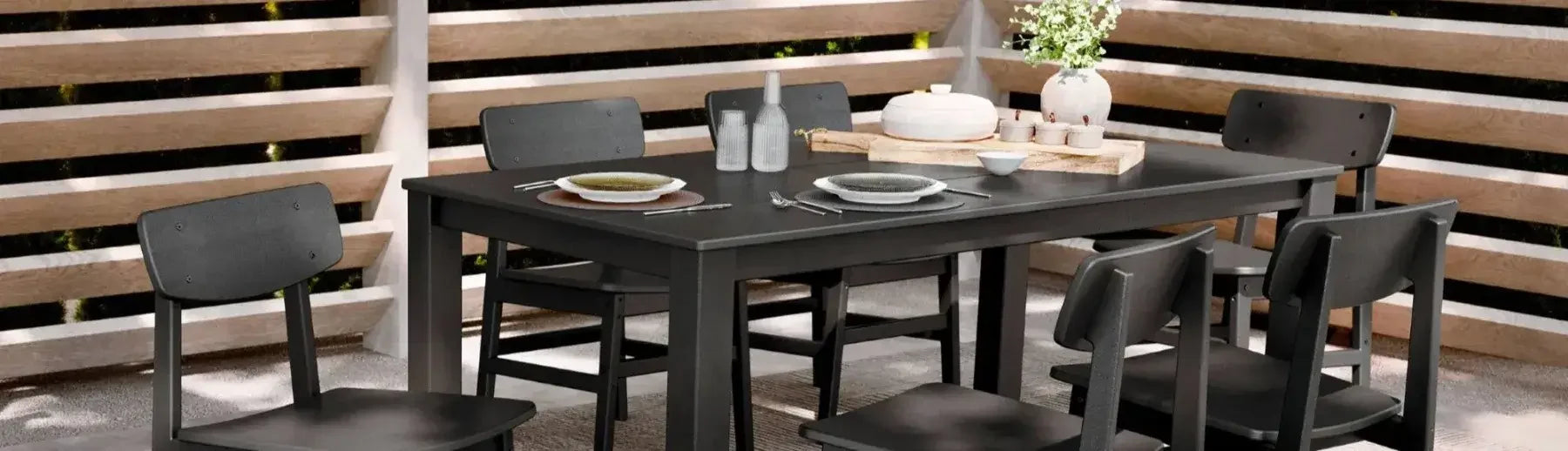
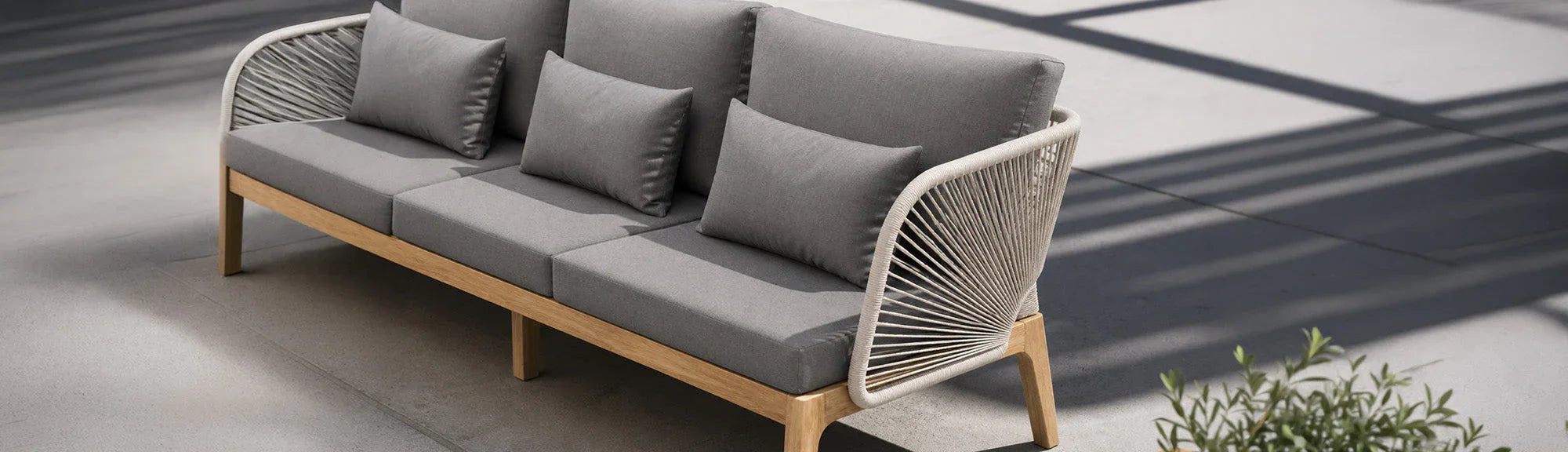
The right furniture keeps your deck looking good, too. Add protective glides or pads to furniture feet, use an outdoor rug under dining and seating groups, and choose weather-resistant materials like powder-coated aluminum, teak, all-weather wicker and solution-dyed fabrics. Learn how to keep patio furniture from scratching your deck, and get layout tips in our 8 keys to the perfect patio furniture arrangement.
Shop outdoor furniture, or ask our design team for help choosing pieces for your new deck. You can also visit our San Diego showroom. For wood furniture, see our guide to choosing the best wood for patio furniture.
FAQs: Best Wood for Outdoor Decks
Cedar or redwood for most homeowners. Both resist rot and insects naturally, look beautiful, and are easy to stain. If you're on a budget, pressure-treated pine is the most affordable choice. For the longest-lasting real wood, choose ipe. If you want minimal upkeep, consider composite decking.
Ipe and other tropical hardwoods. Ipe is extremely dense and naturally resists rot, insects and warping, and it can last 25 years or more. The trade-offs are a high price, heavy boards and harder installation.
Pressure-treated pine. It's widely available and the most affordable decking. Treated lumber resists rot and insects, and with regular cleaning and sealing it can last 15 to 20 years or more.
Cedar looks better; pressure-treated costs less. Cedar is naturally rot-resistant, more stable and better looking. Pressure-treated pine is cheaper and very durable, but it's more likely to check, crack or warp as it dries.
It depends on whether you value low maintenance or a natural look. Composite lasts a long time and never needs staining, but it costs more upfront than pressure-treated wood, can get hot in direct sun, and doesn't have the look or feel of real wood.
About 15 to 25 years for most woods, and longer for tropical hardwoods. Lifespan depends on the wood, your climate and maintenance. Washing your deck every year and staining or sealing every two to three years makes a big difference. See how to refinish a wood deck.
Use glides, pads and outdoor rugs. Add protective glides or felt pads to furniture feet, and place an outdoor rug under dining sets and seating groups. See how to keep patio furniture from scratching your deck.