
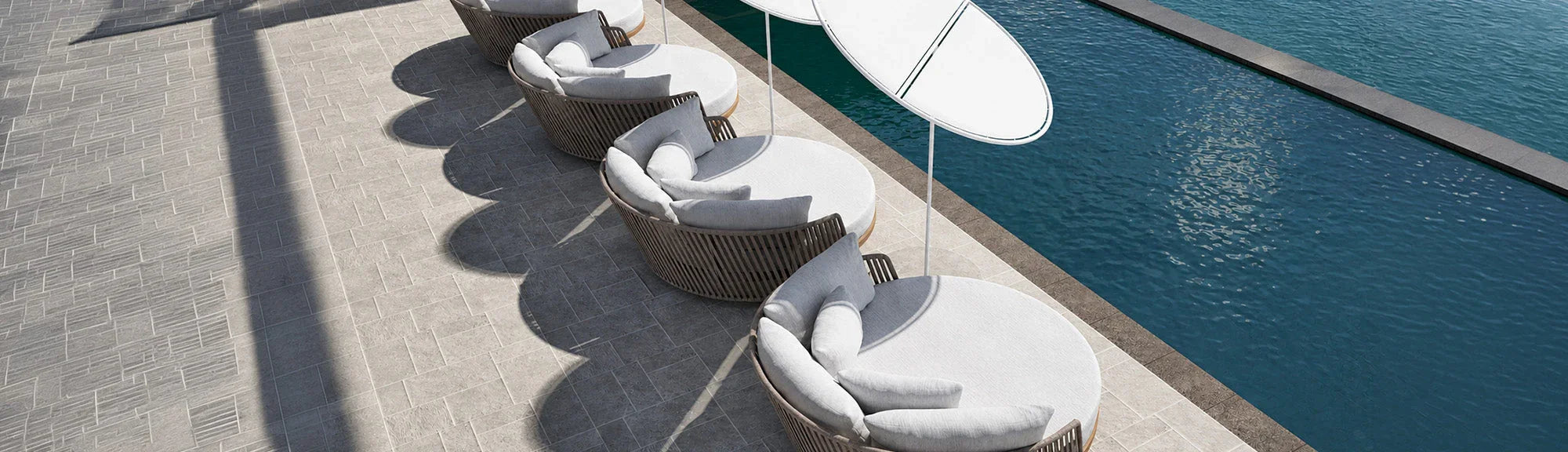
Outdoor Daybeds
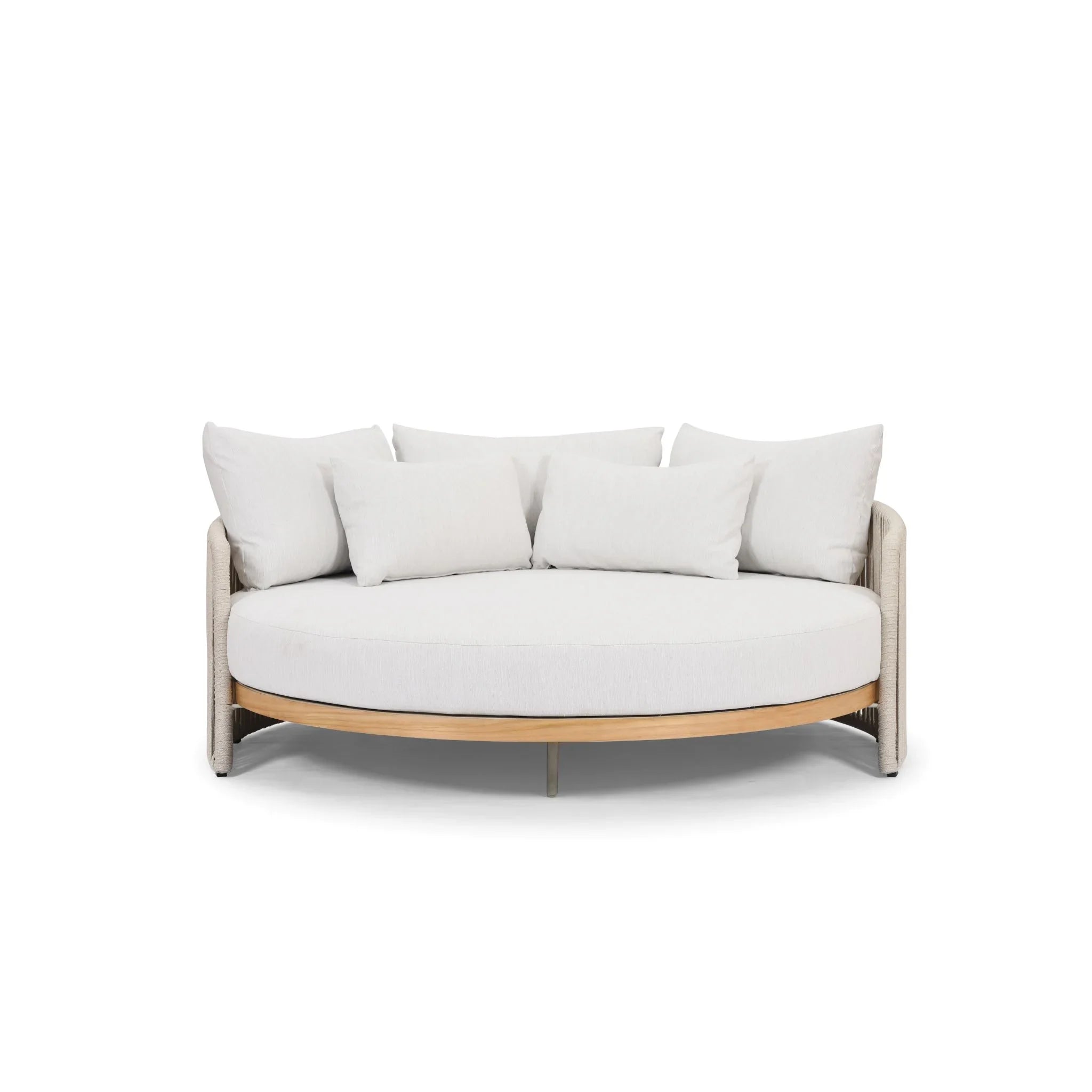
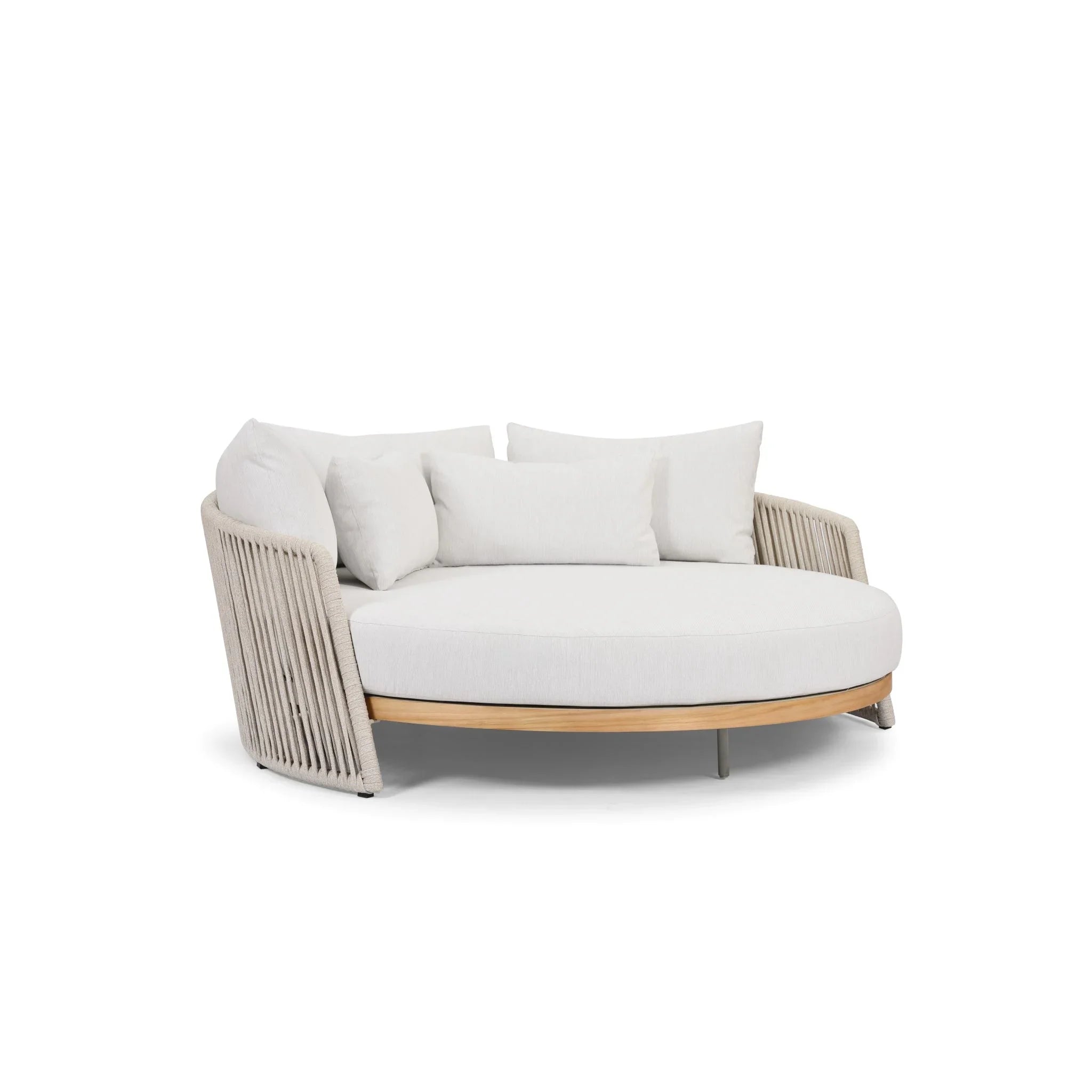
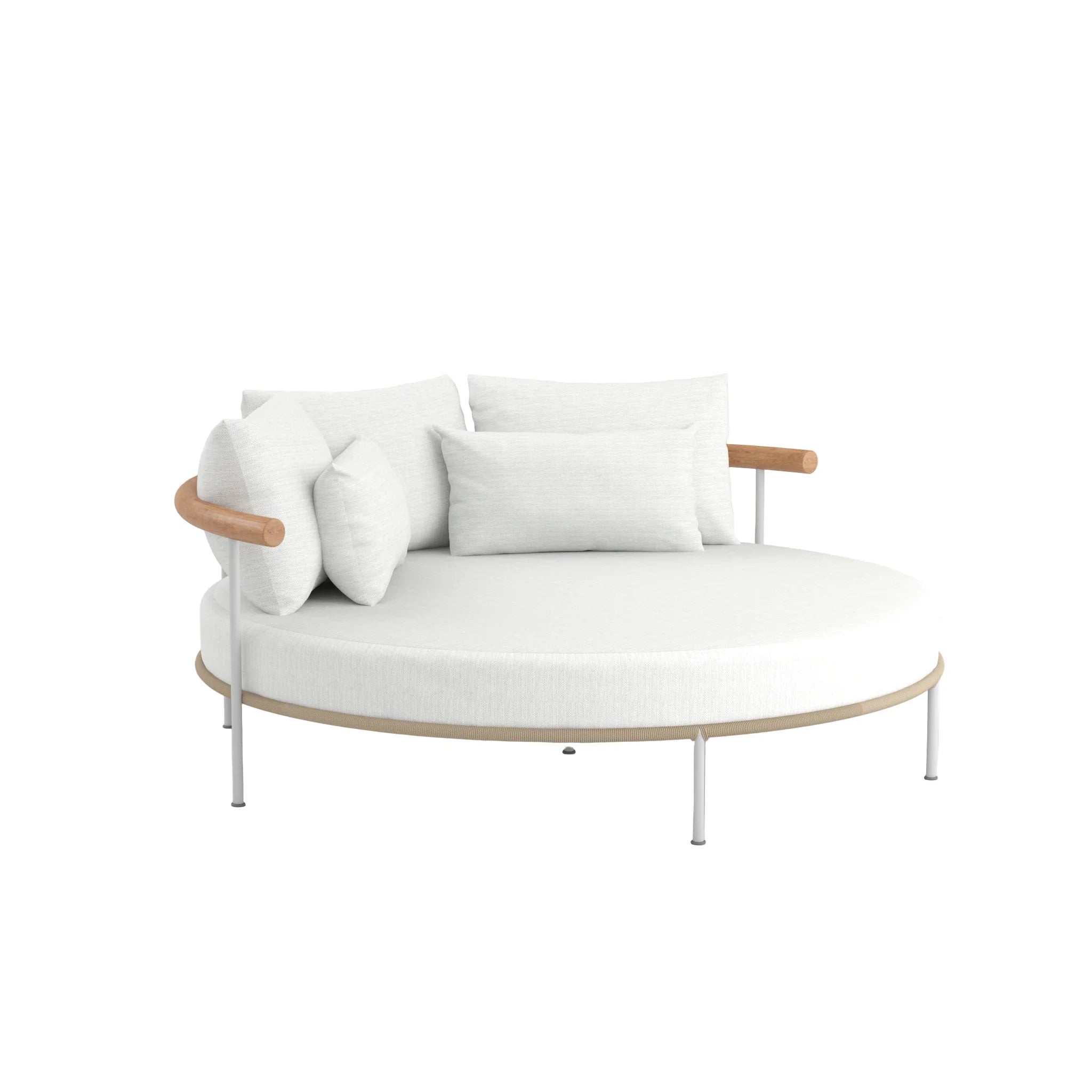

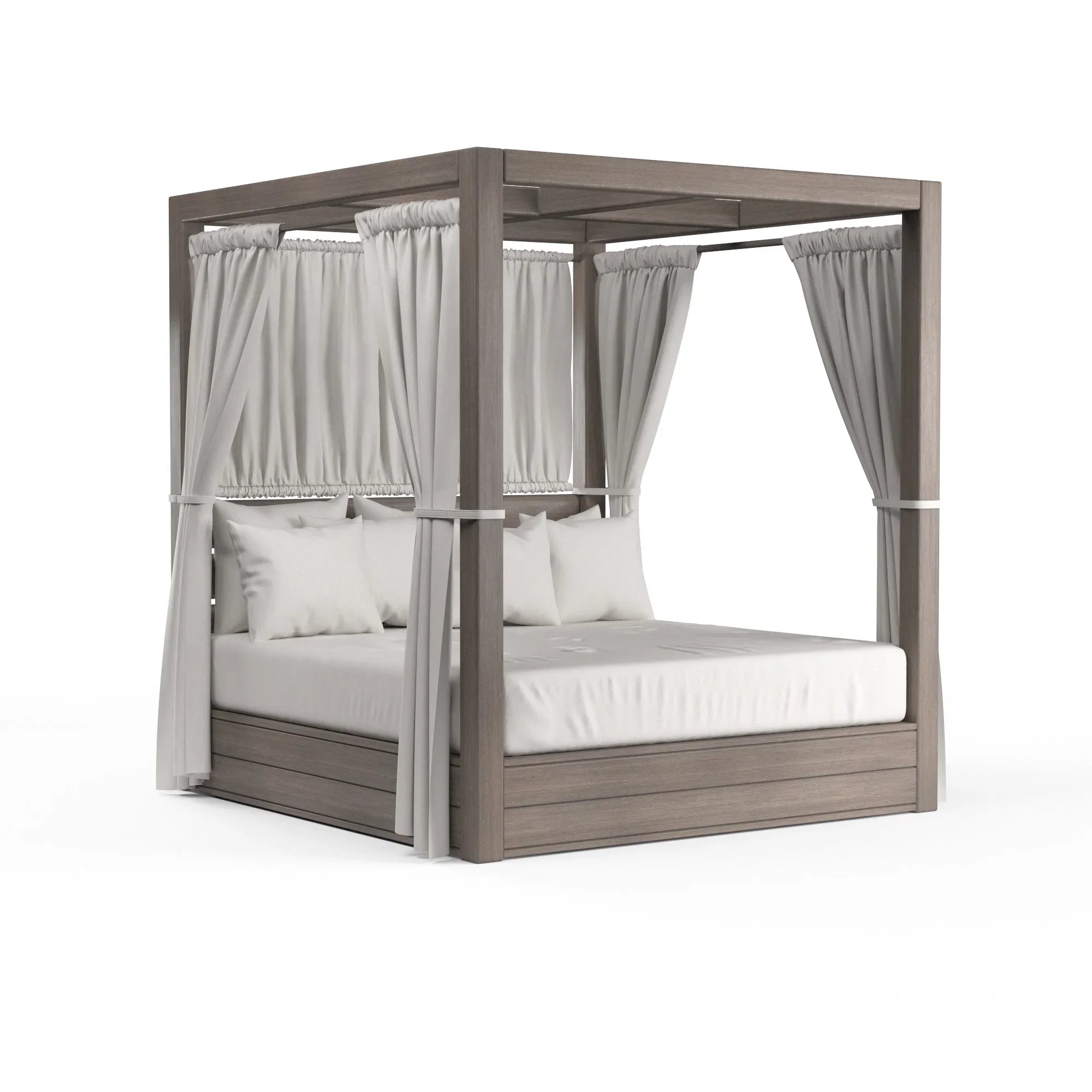
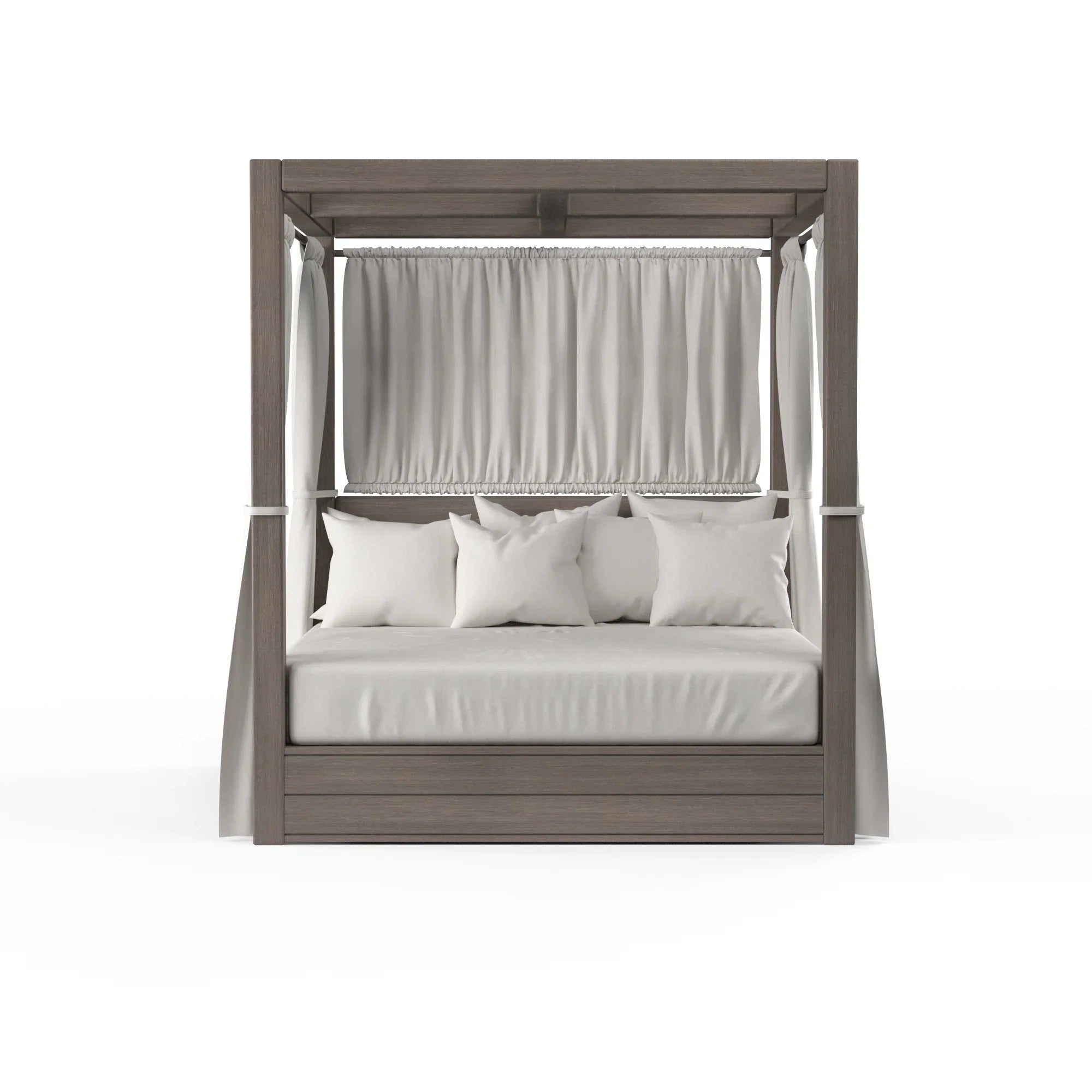
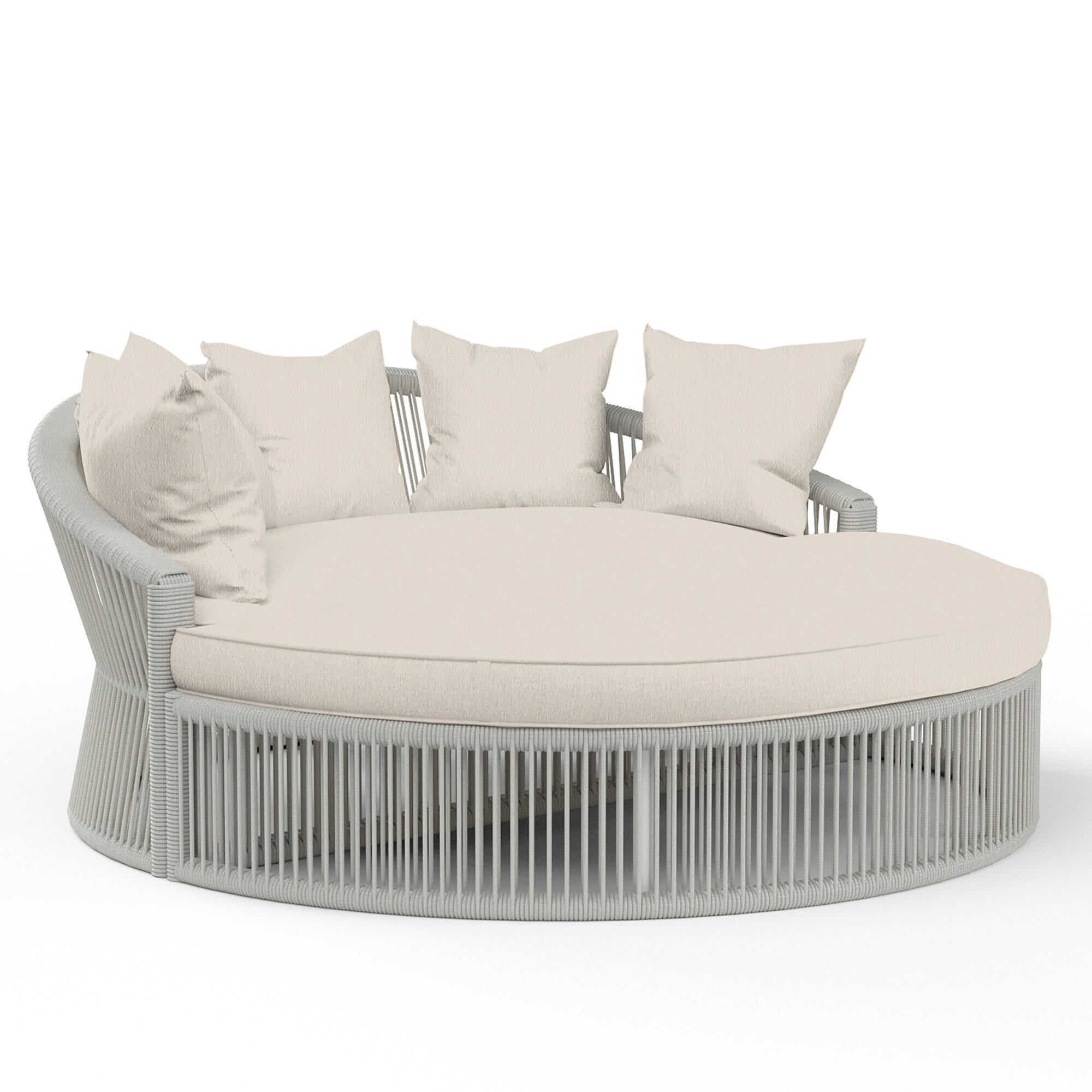
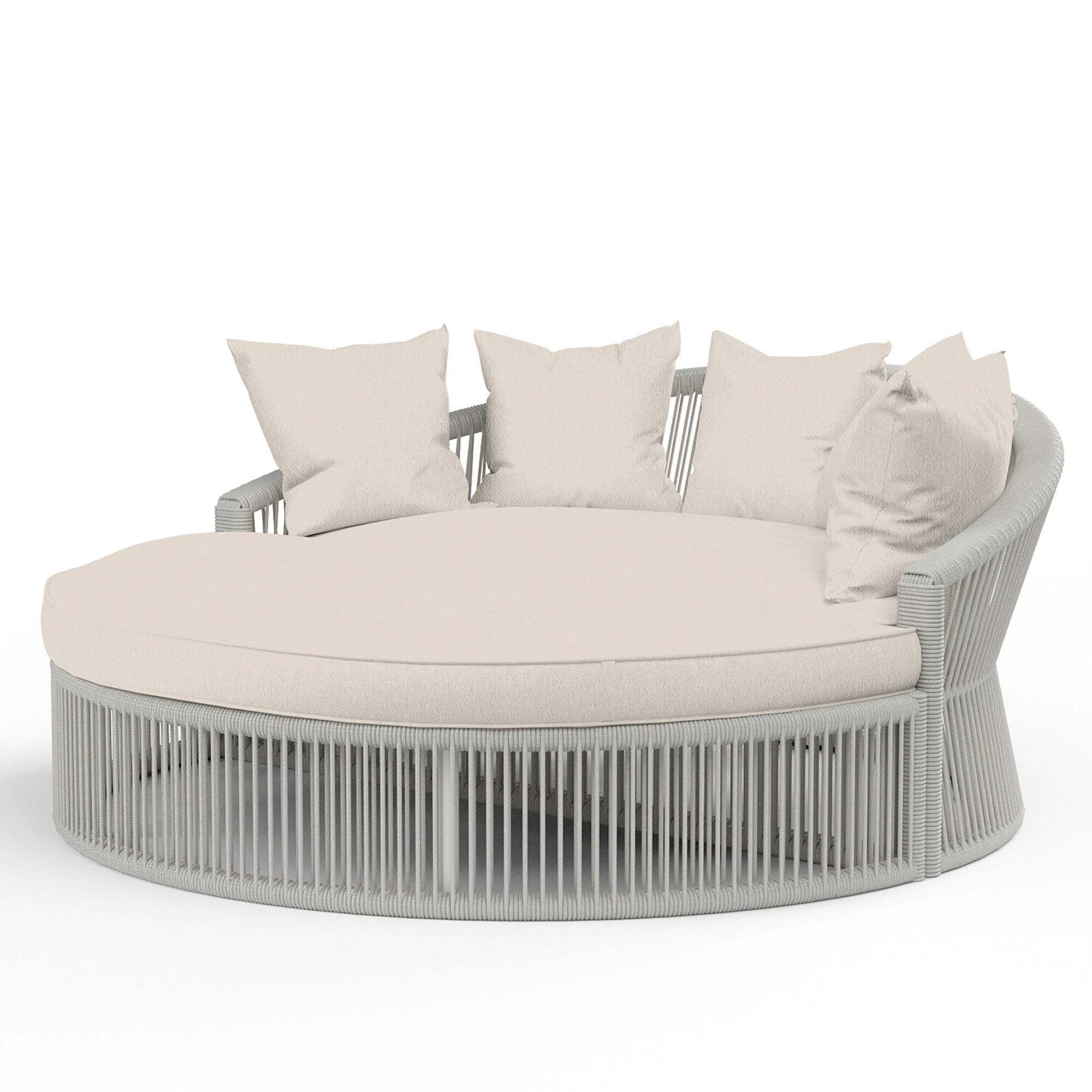
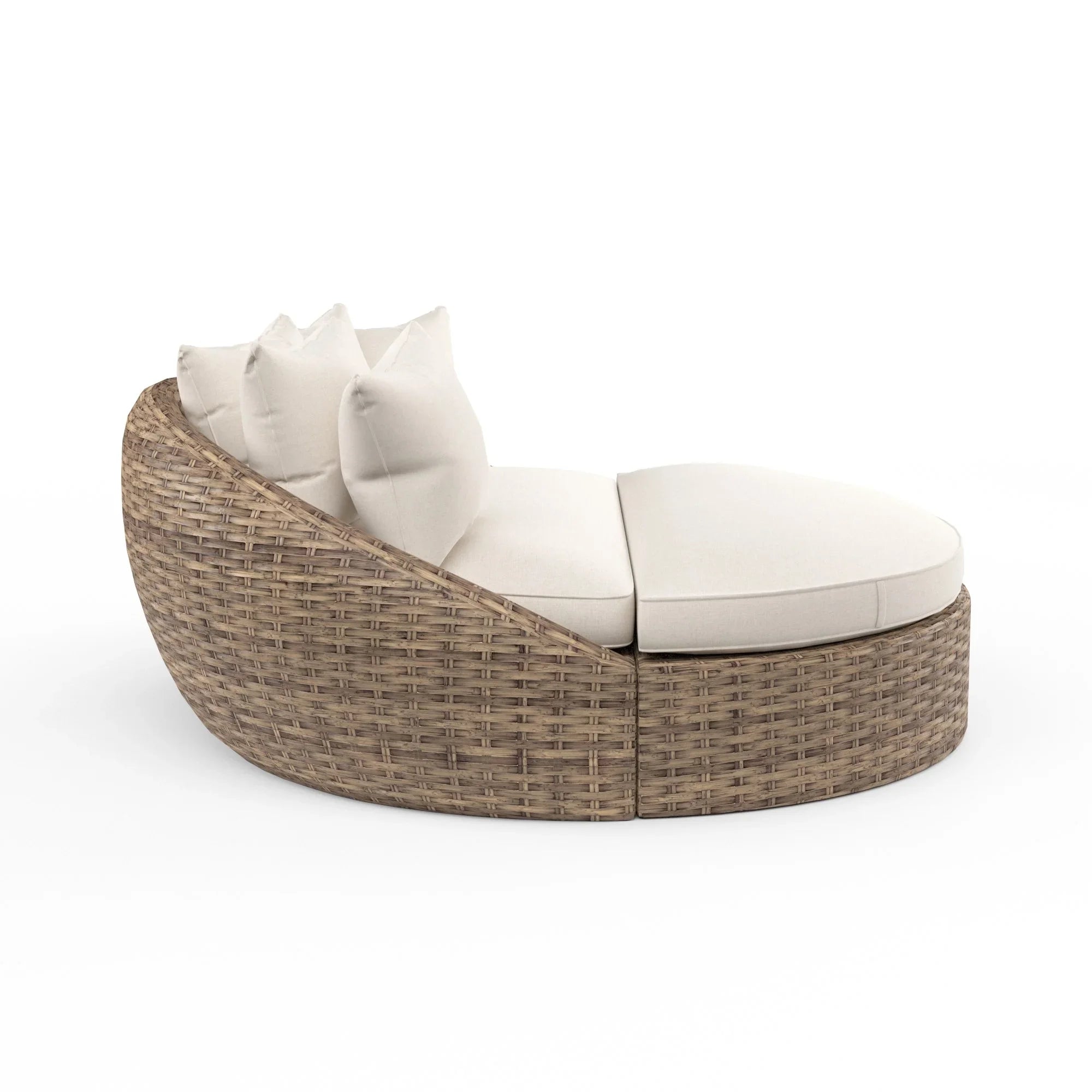
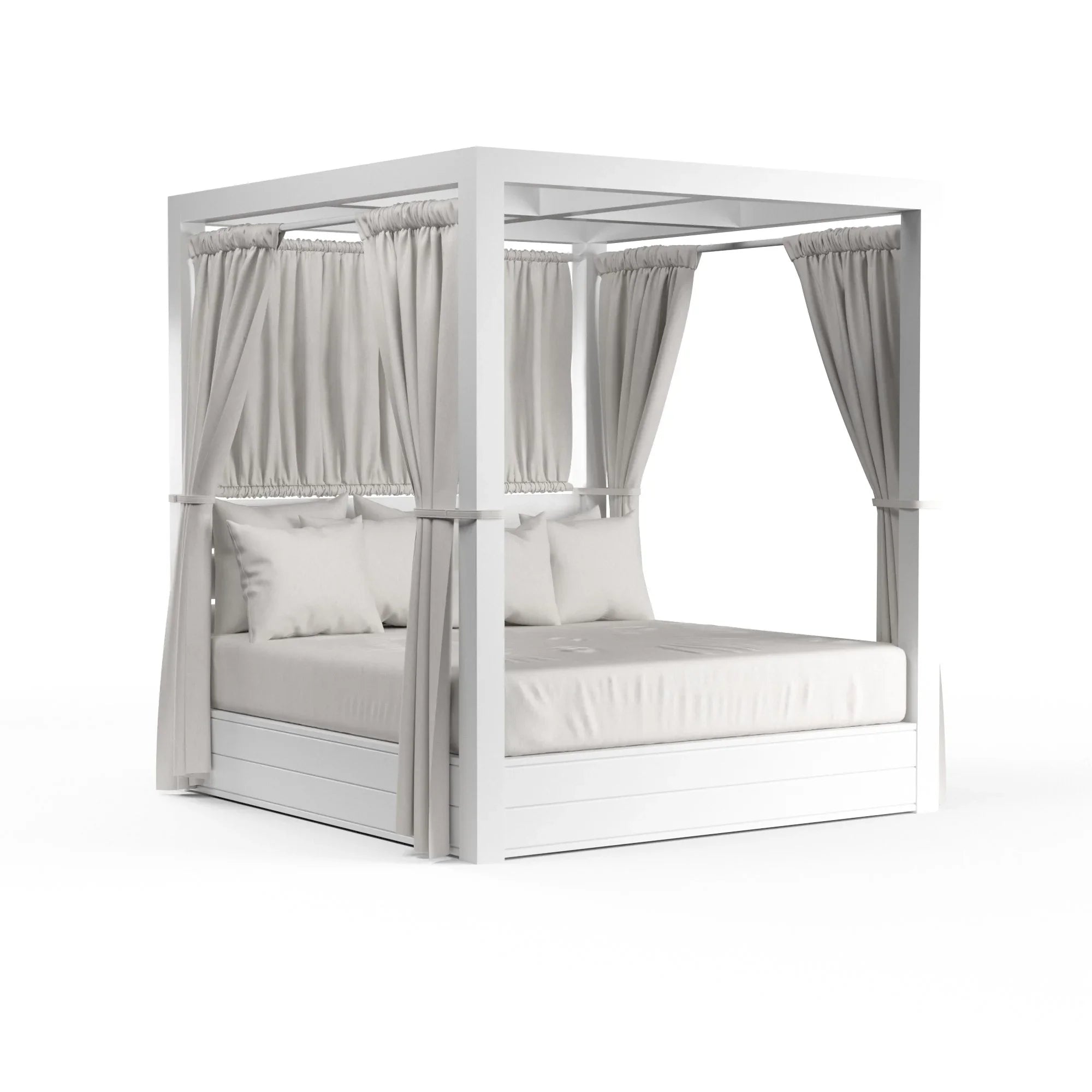
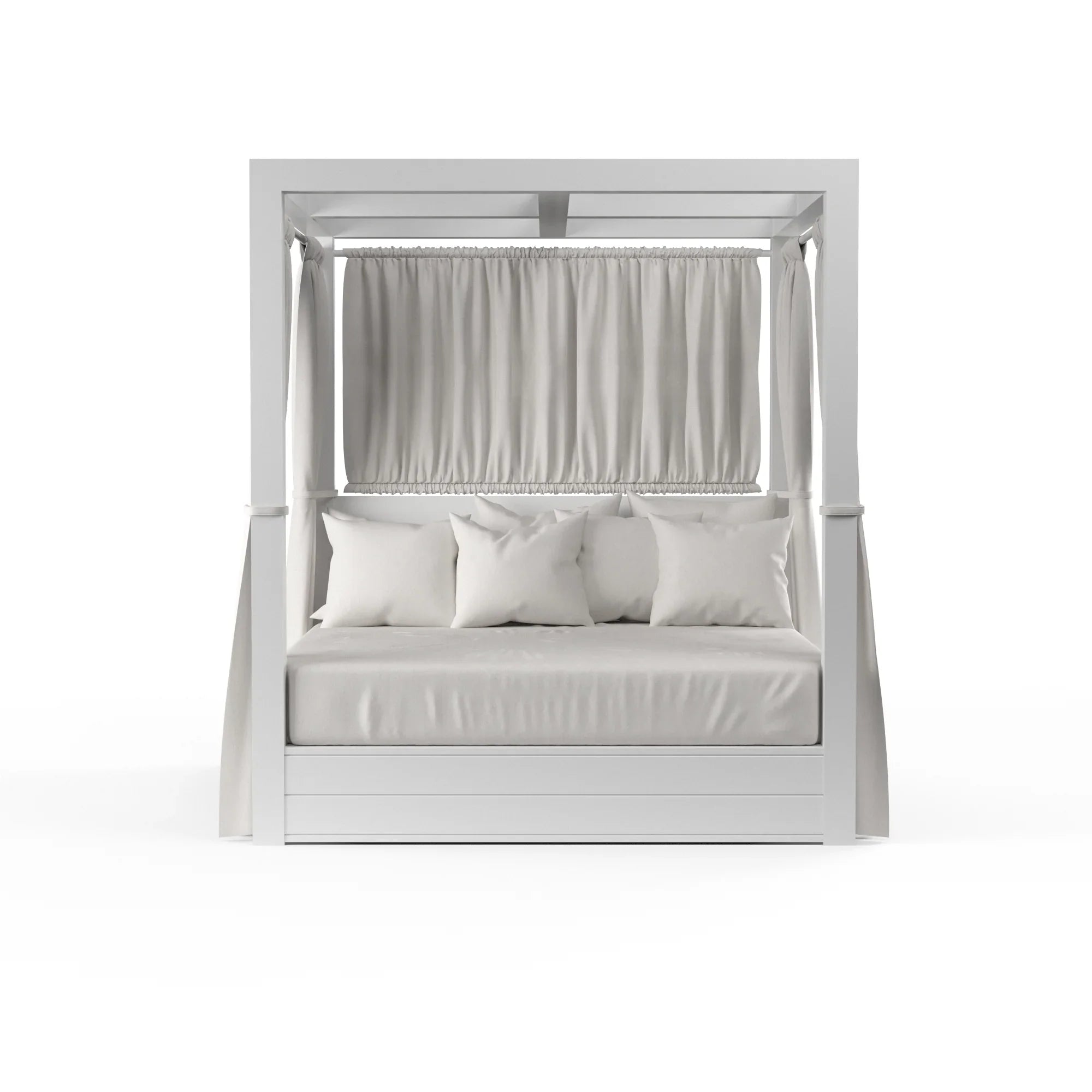
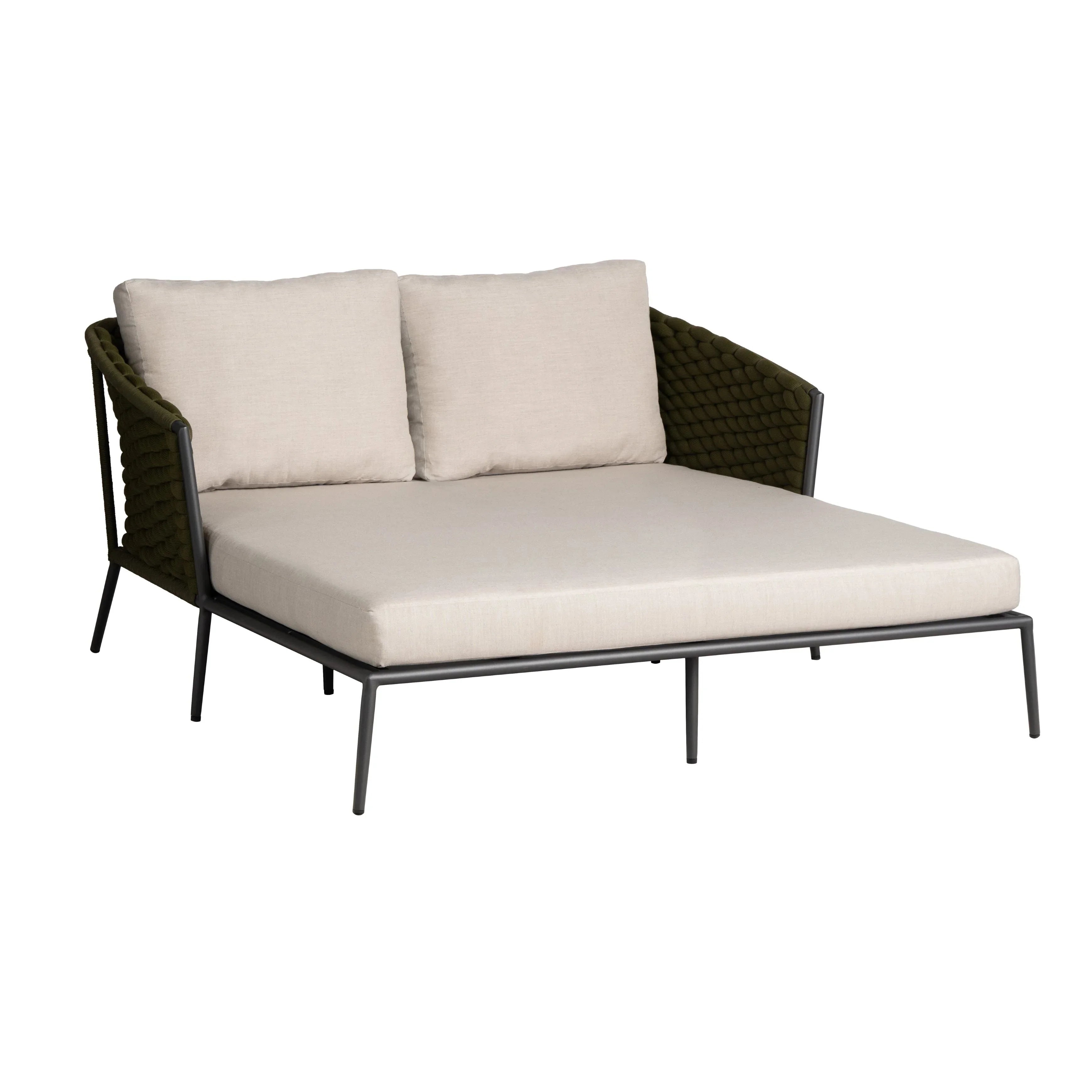
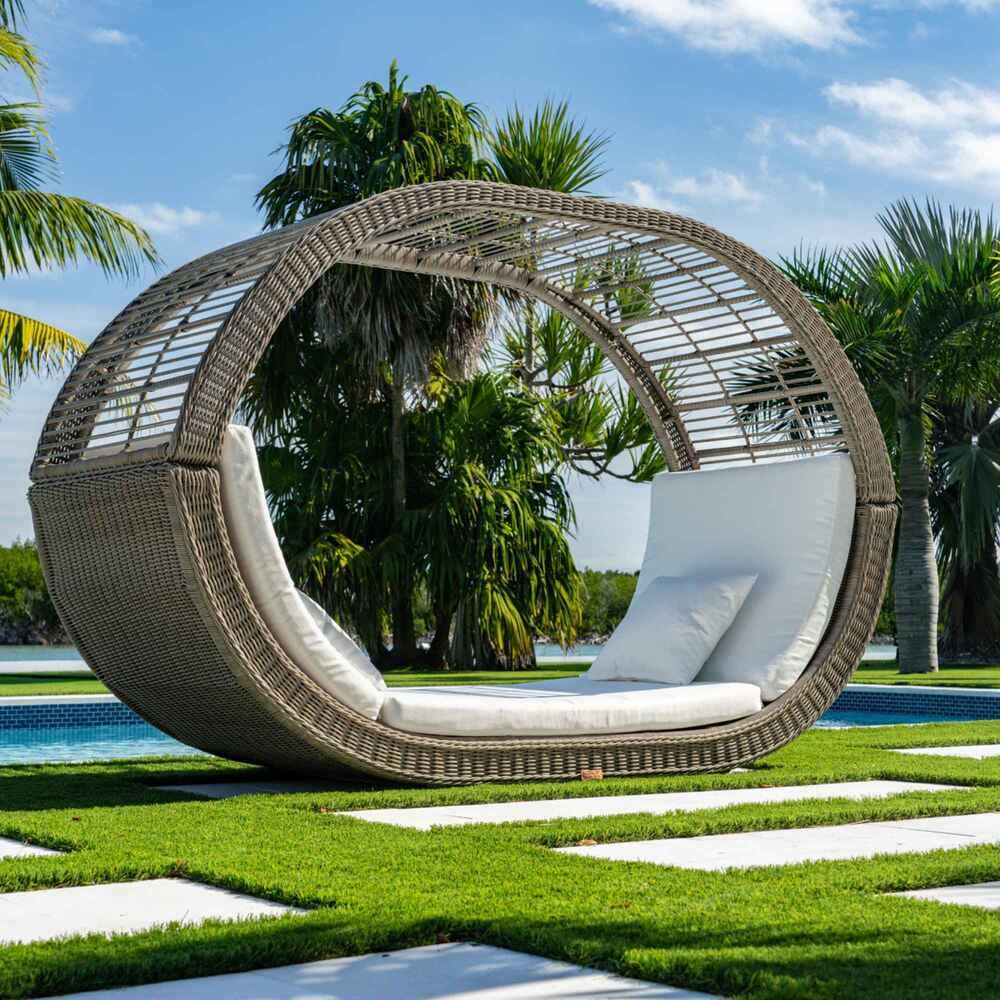
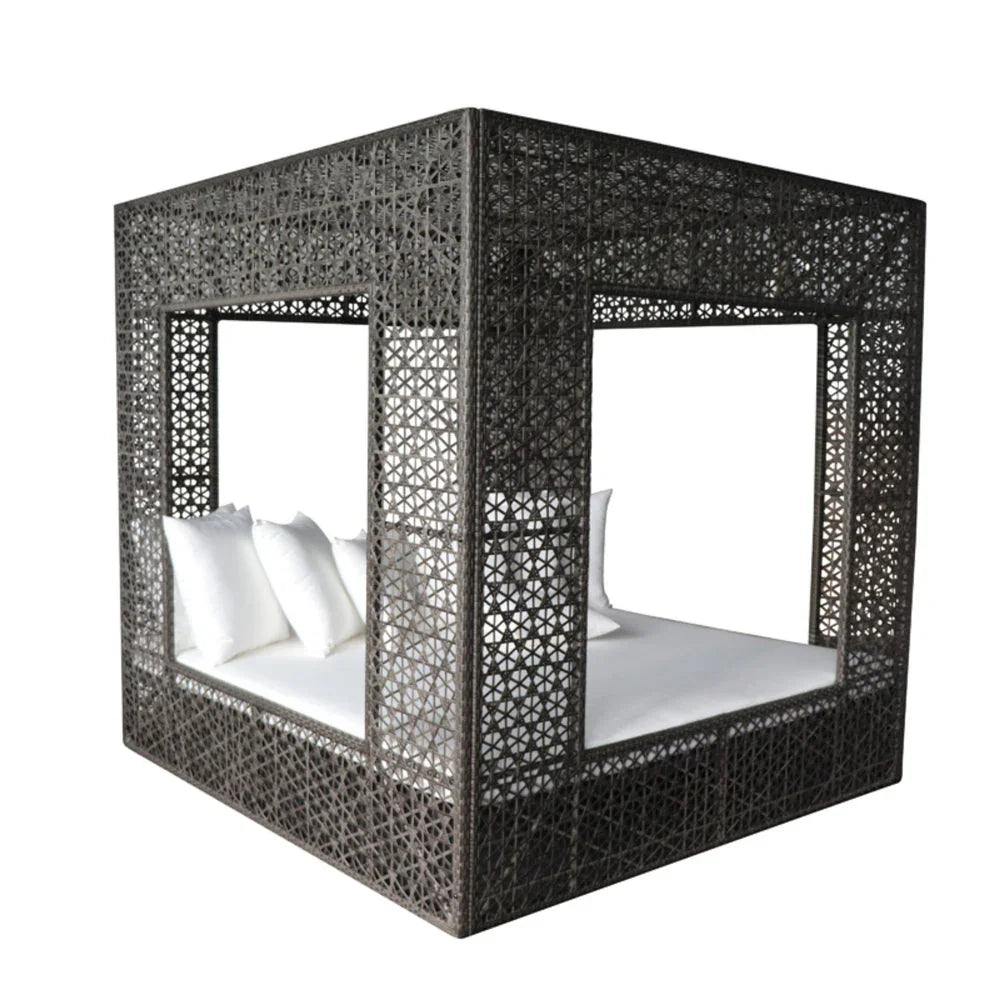
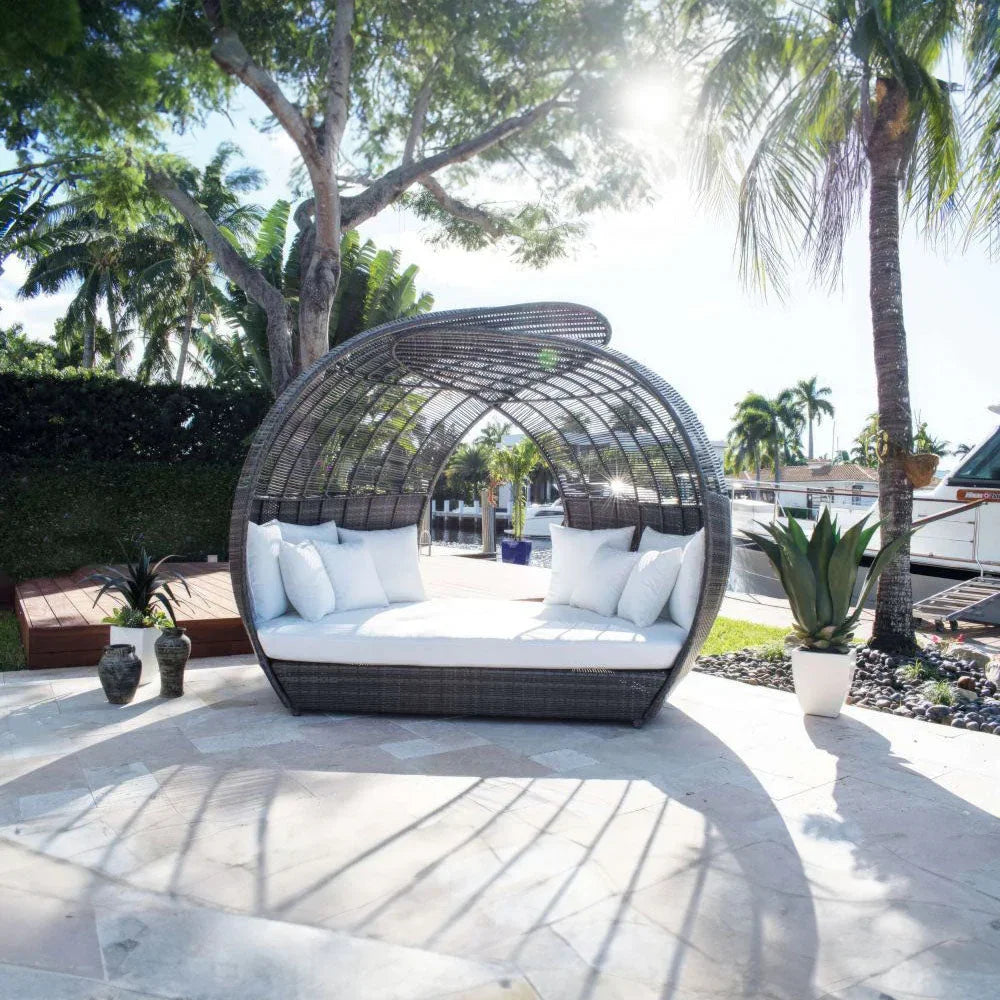
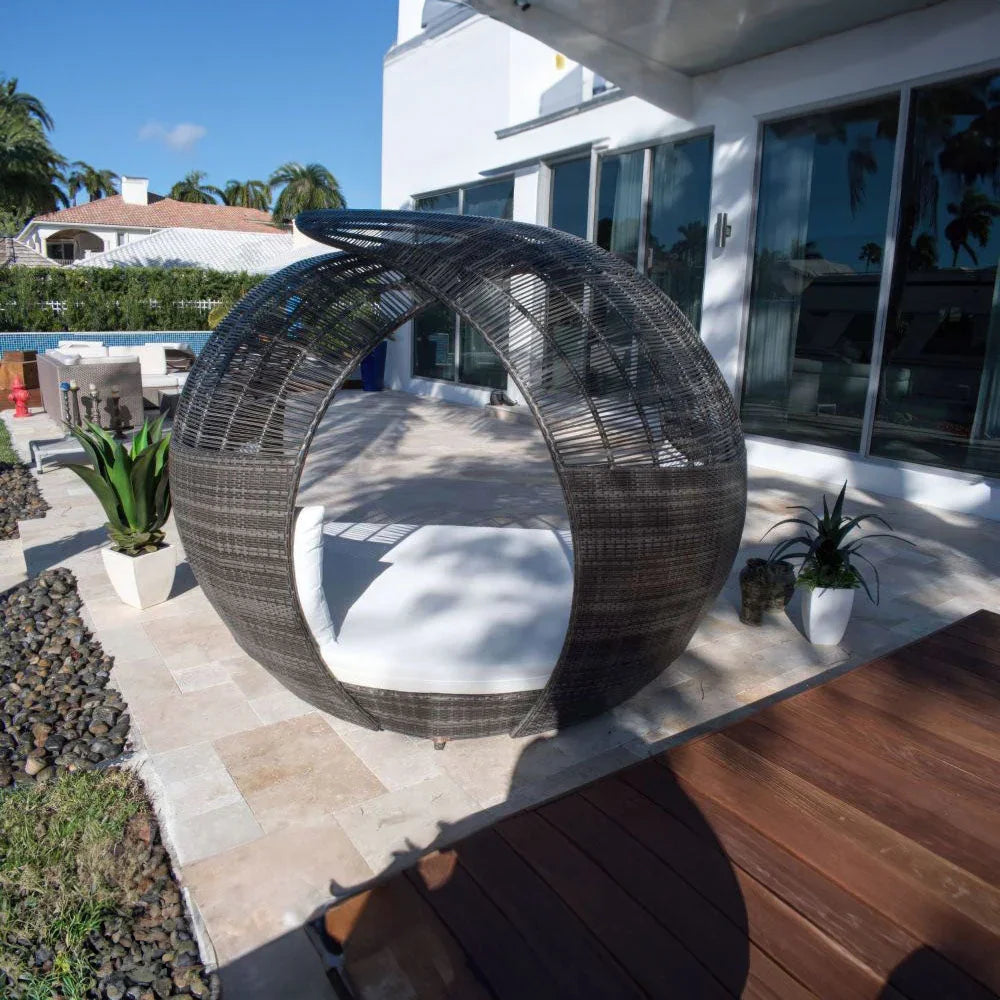
Outdoor Daybeds for Resort-Style Lounging
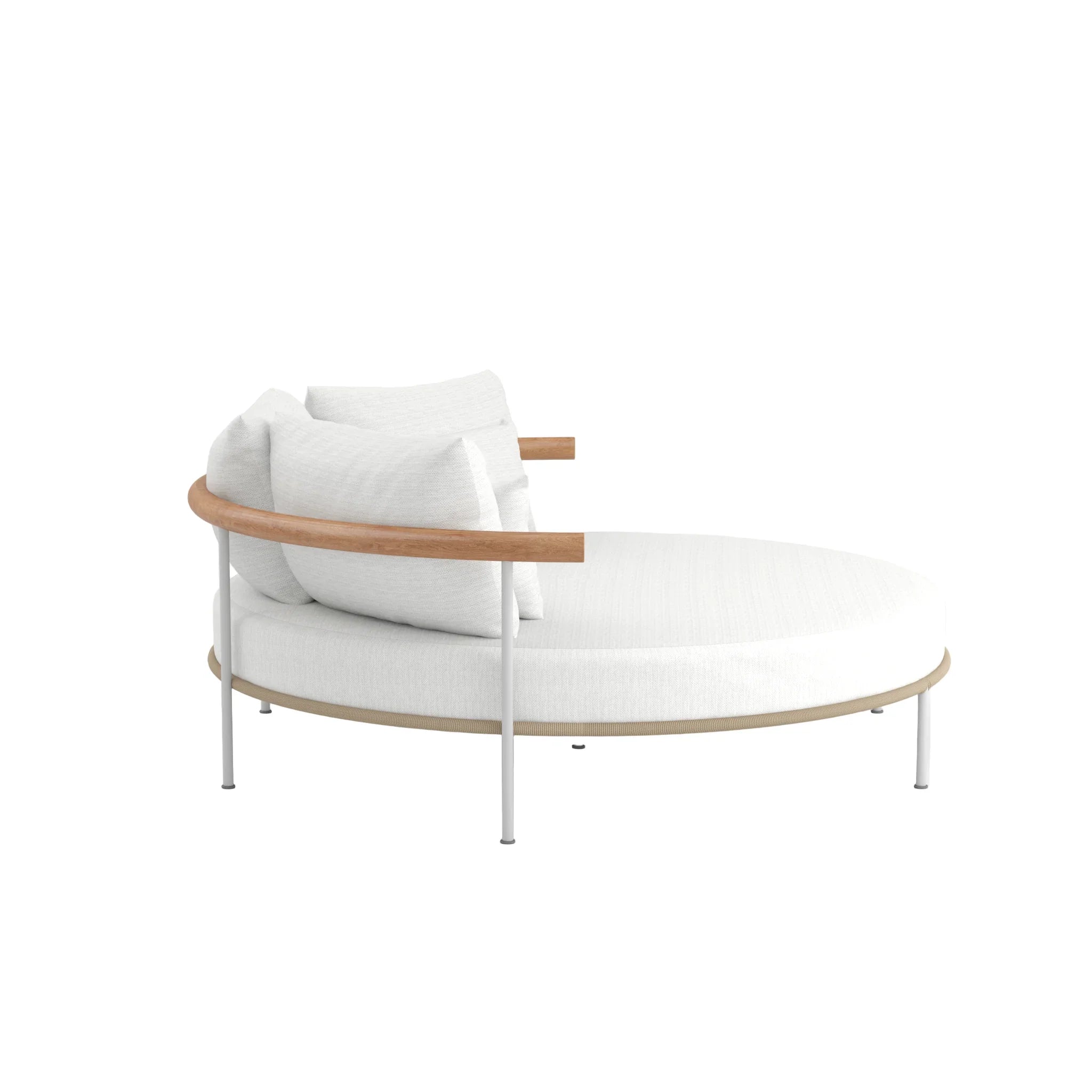
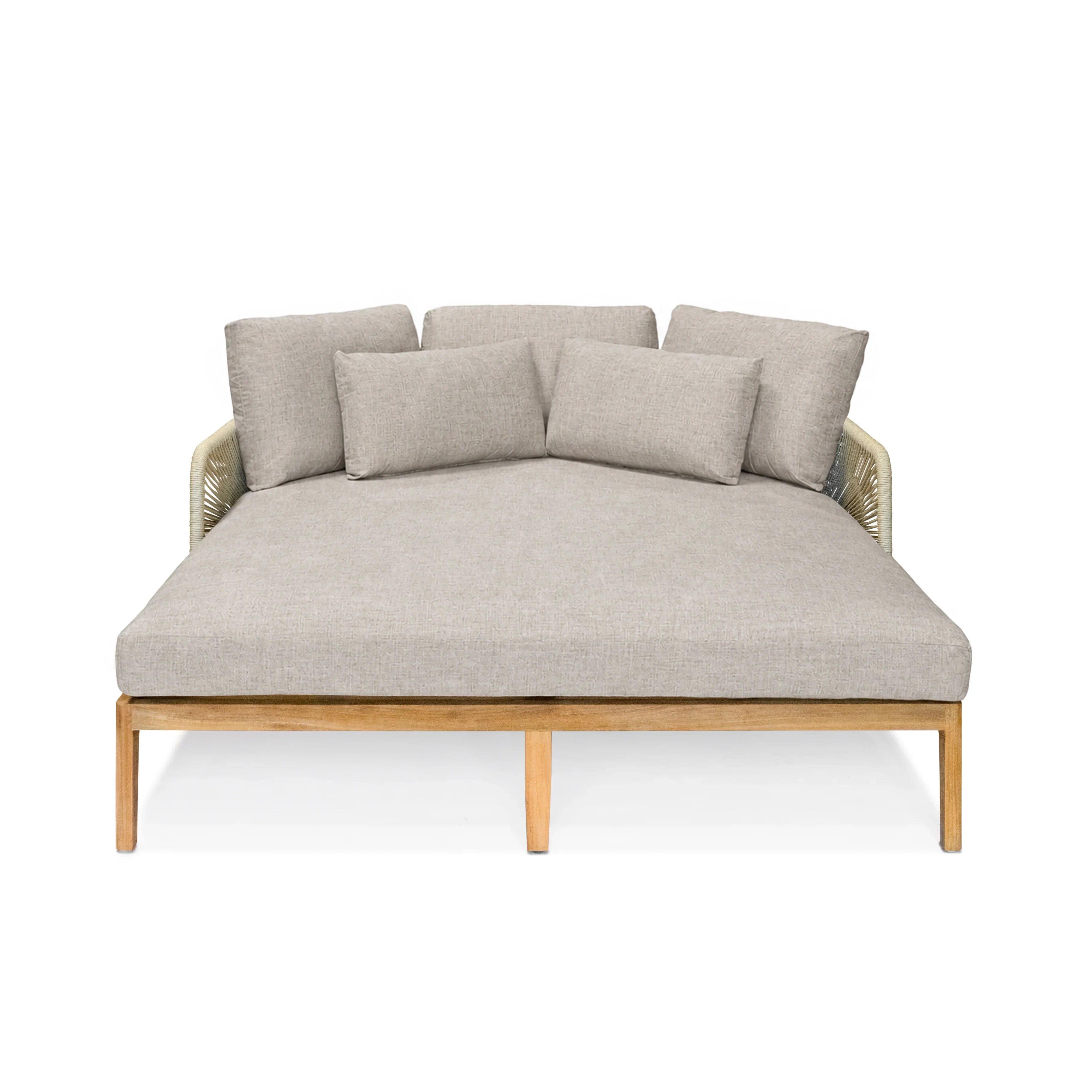
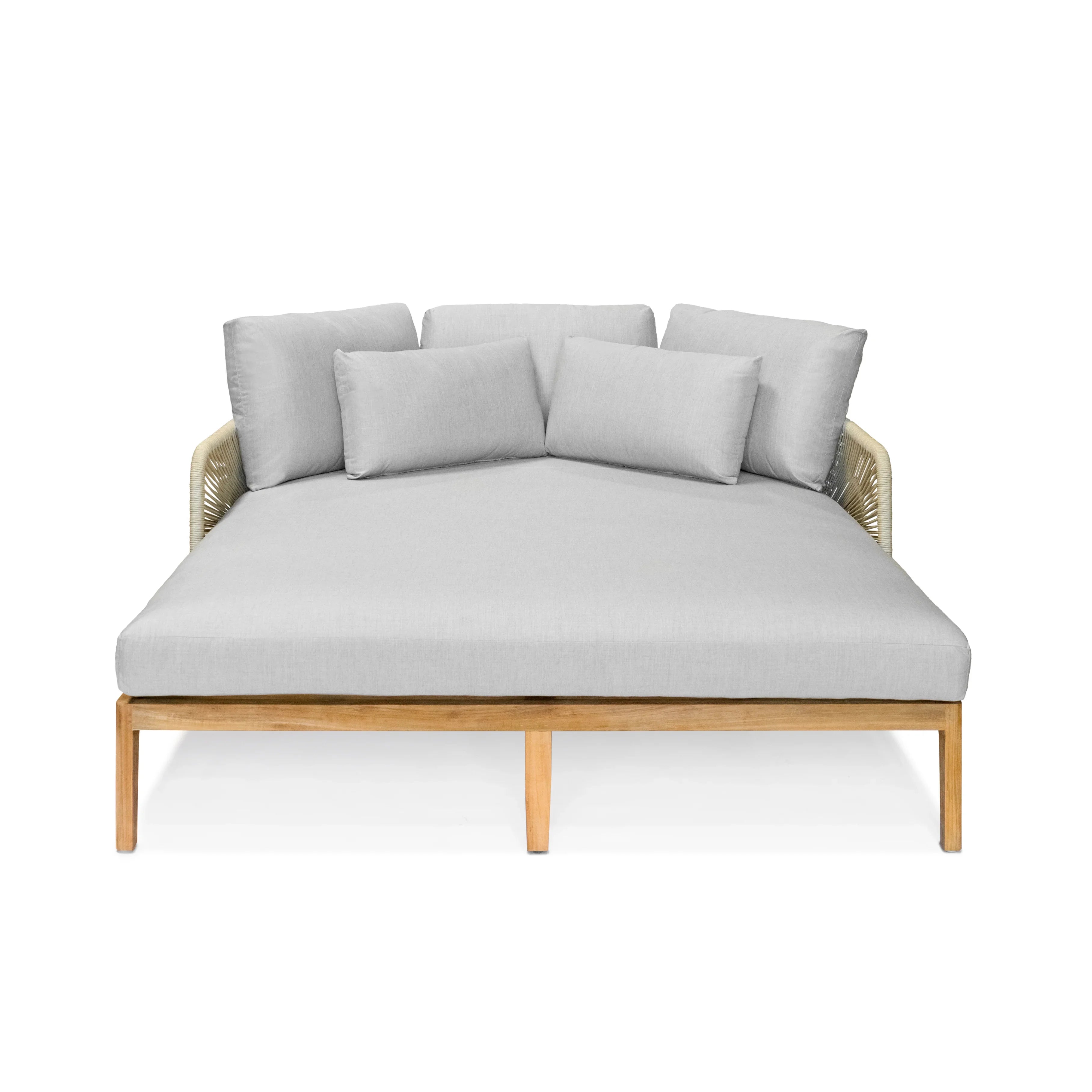
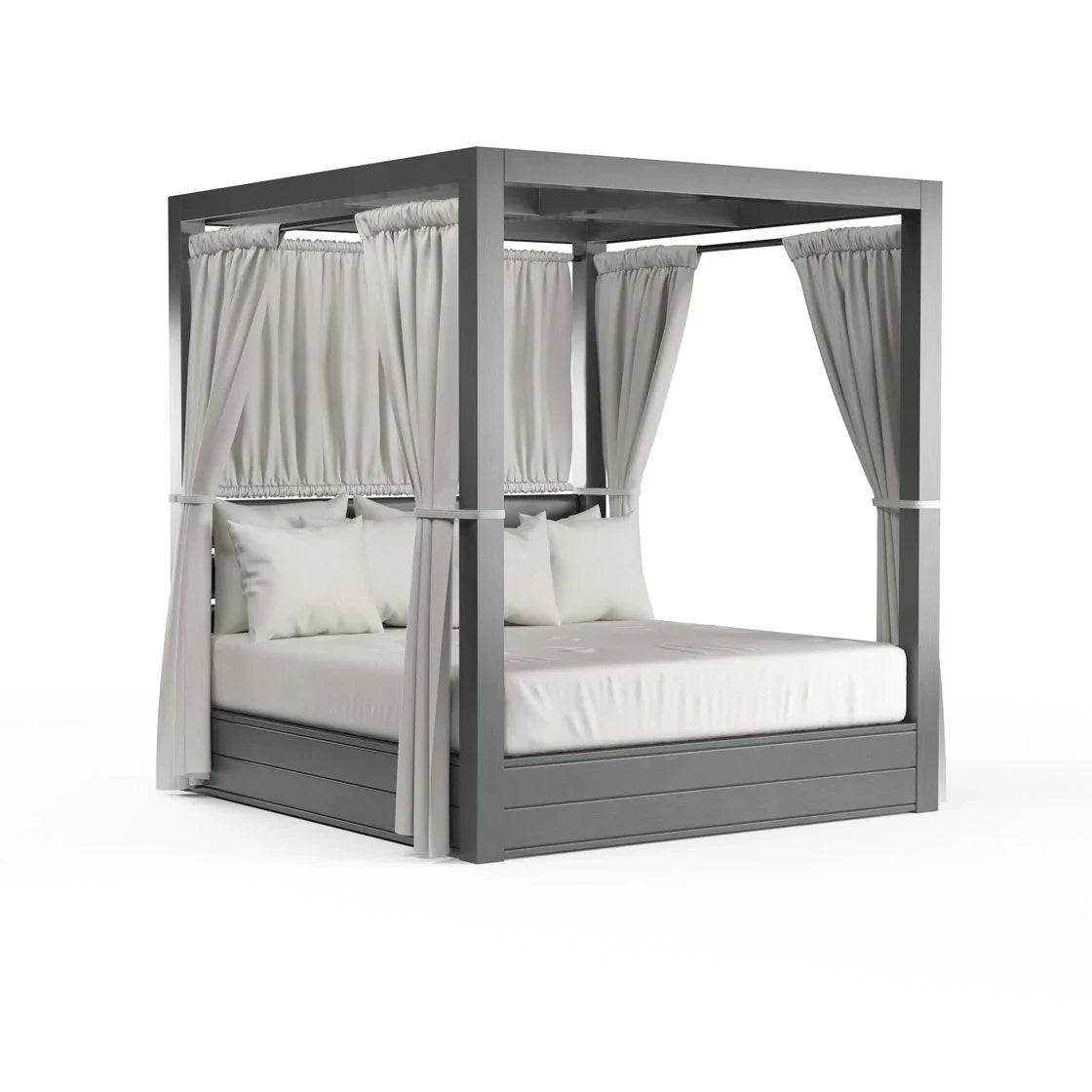
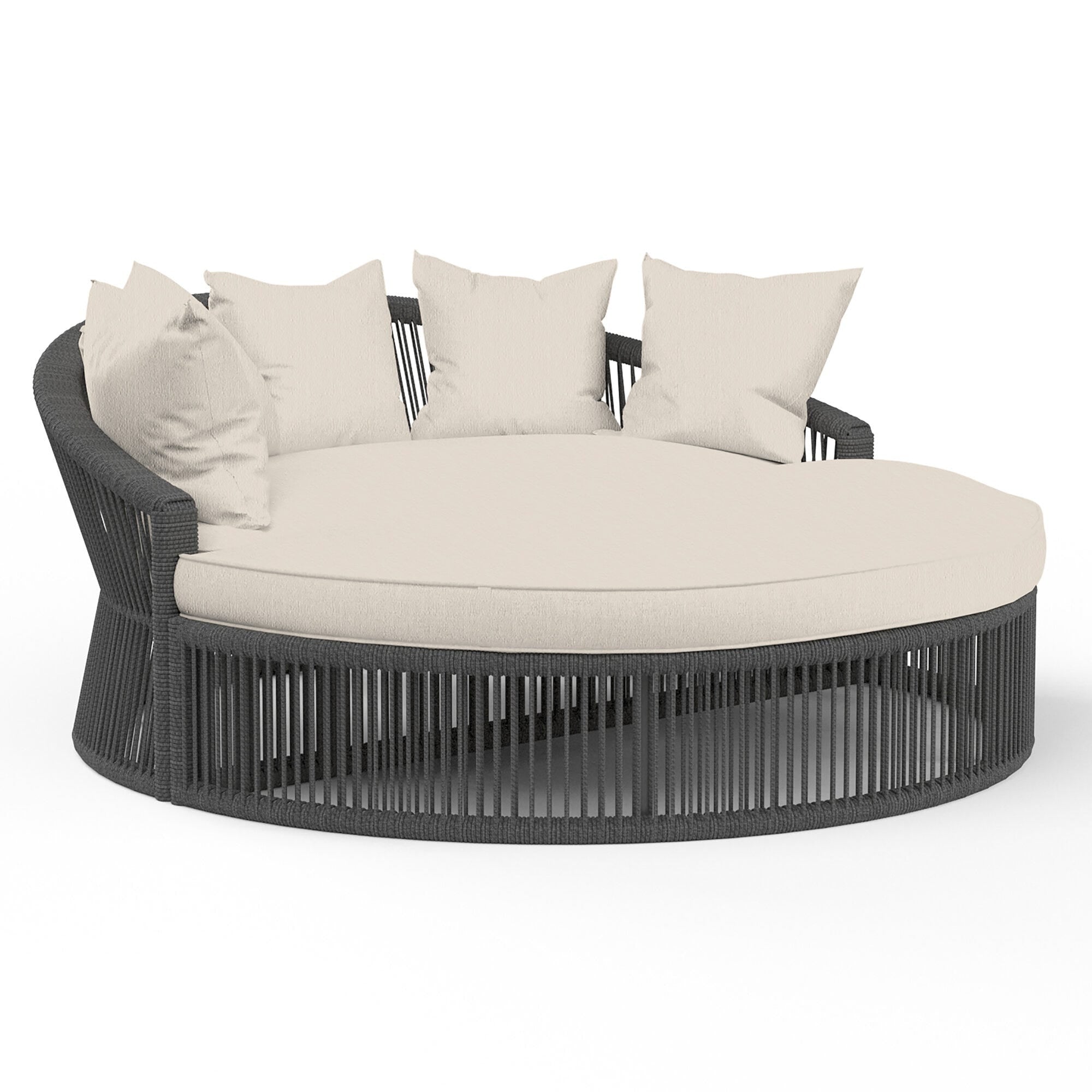
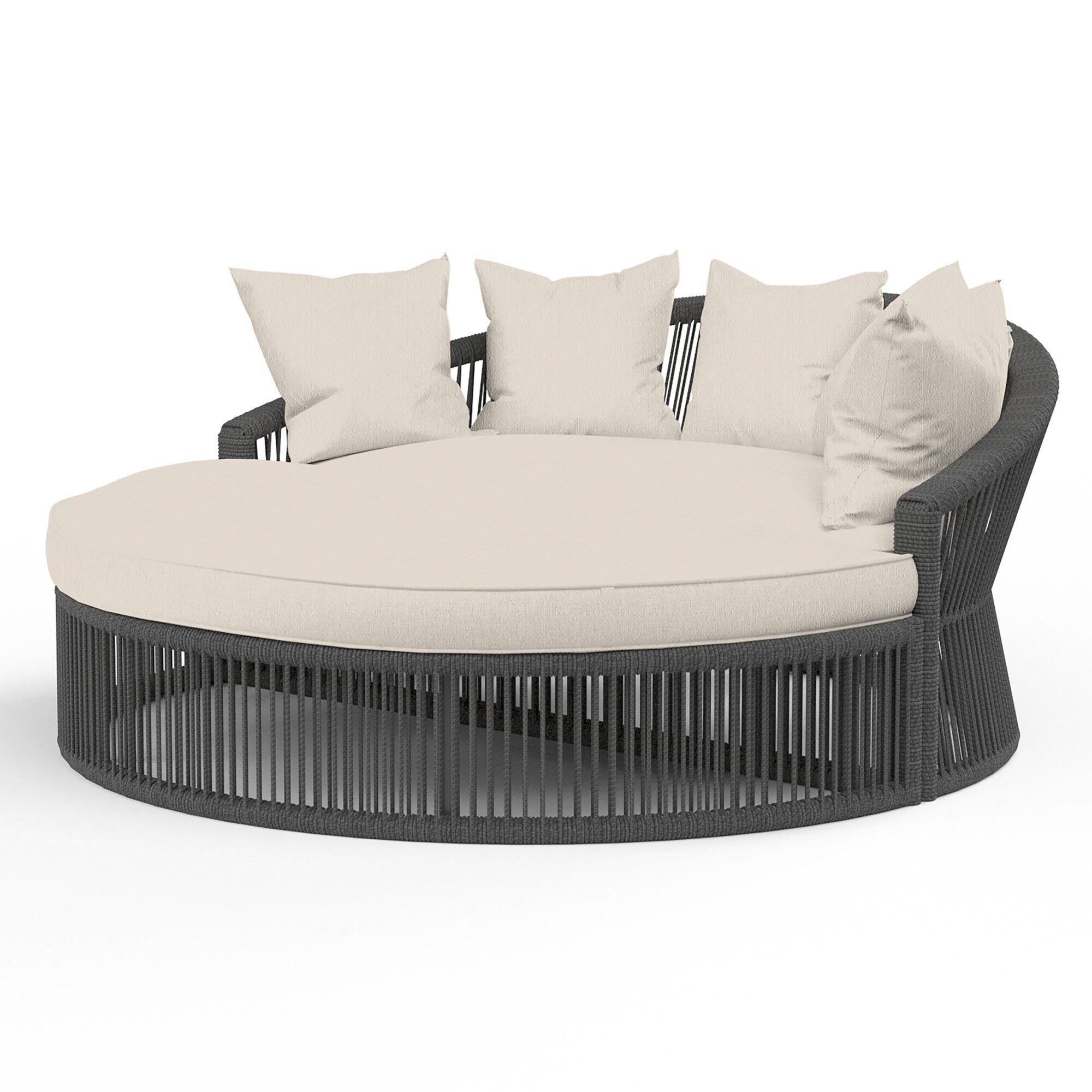
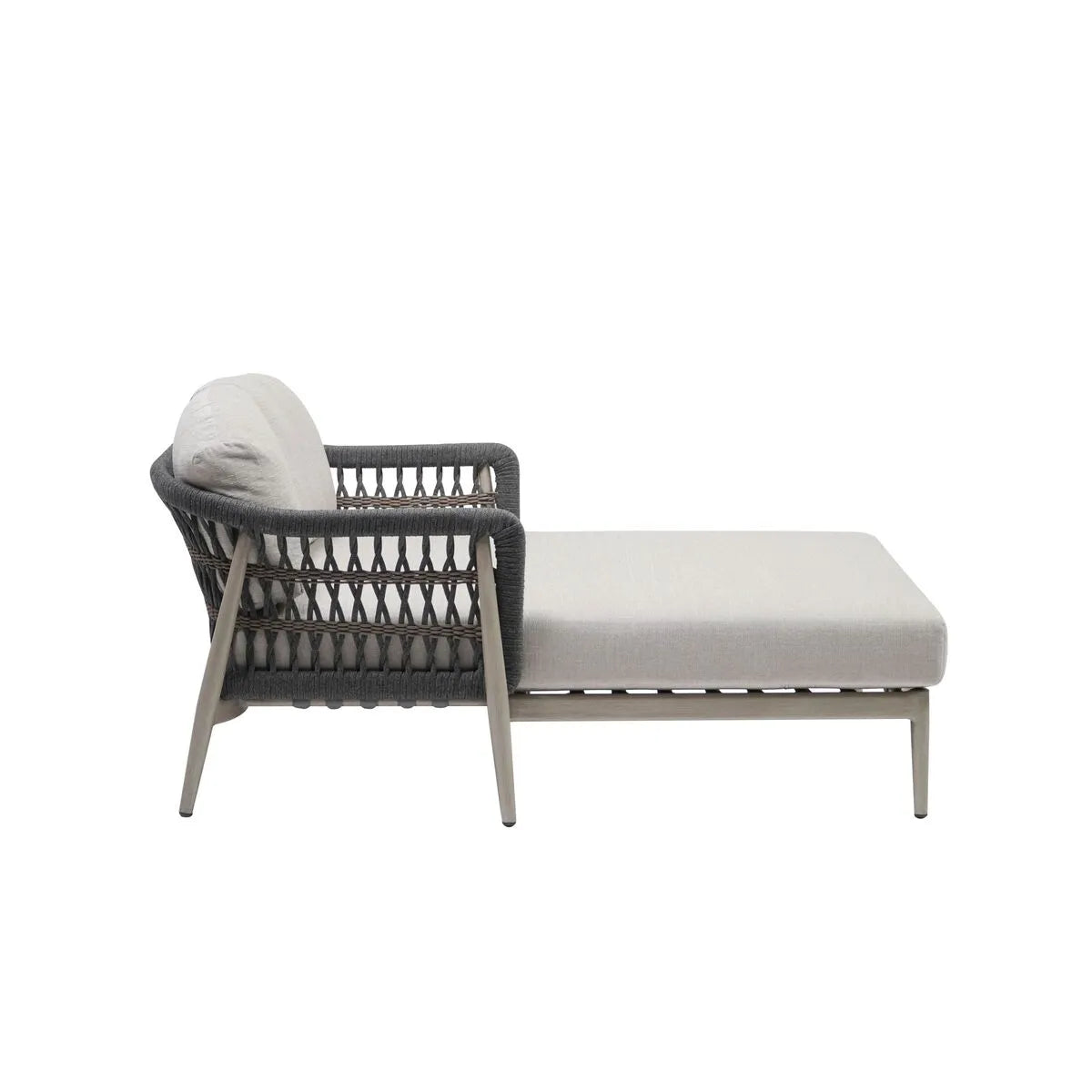
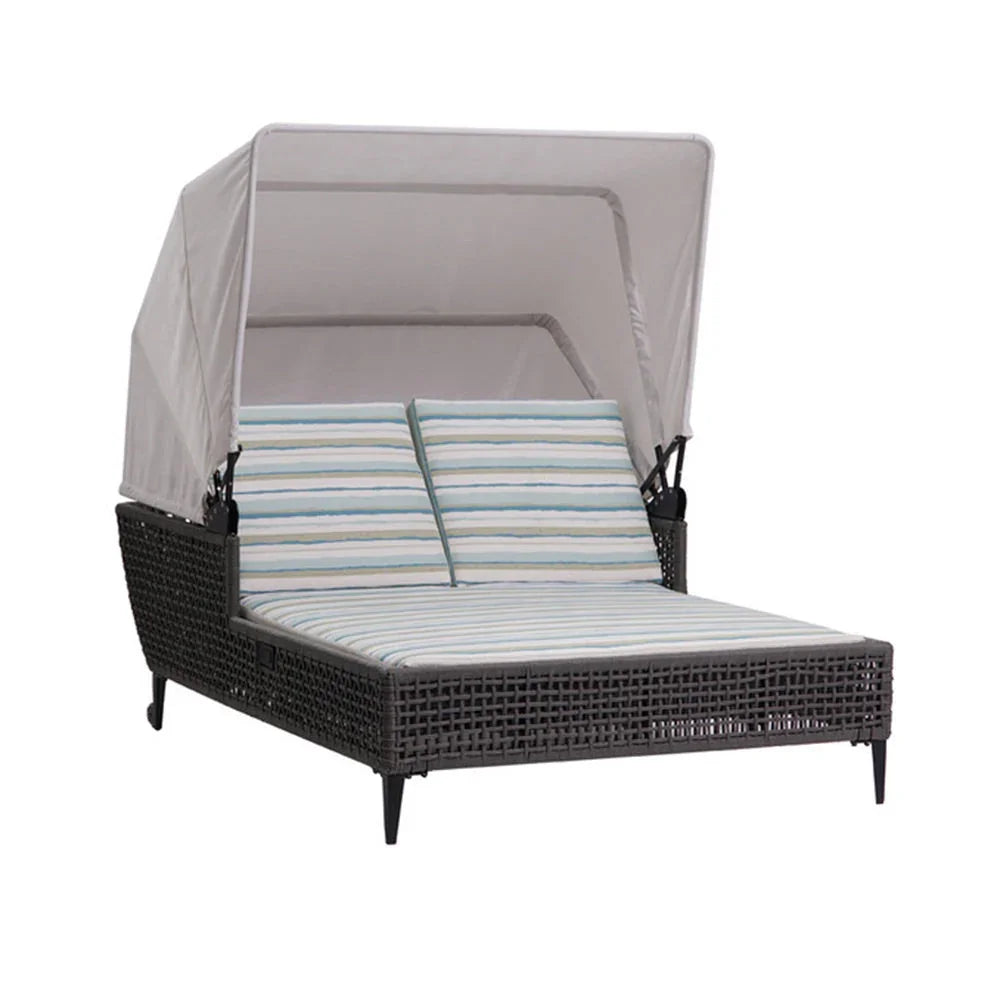
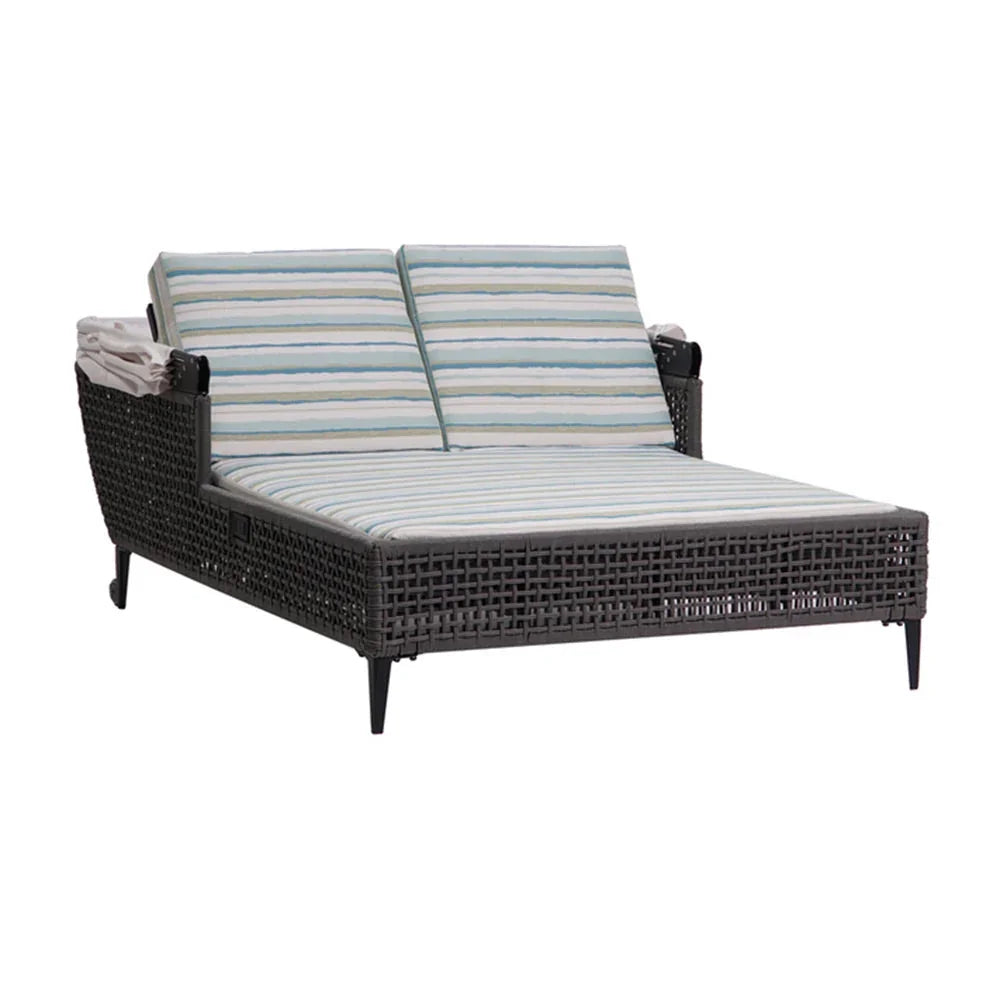
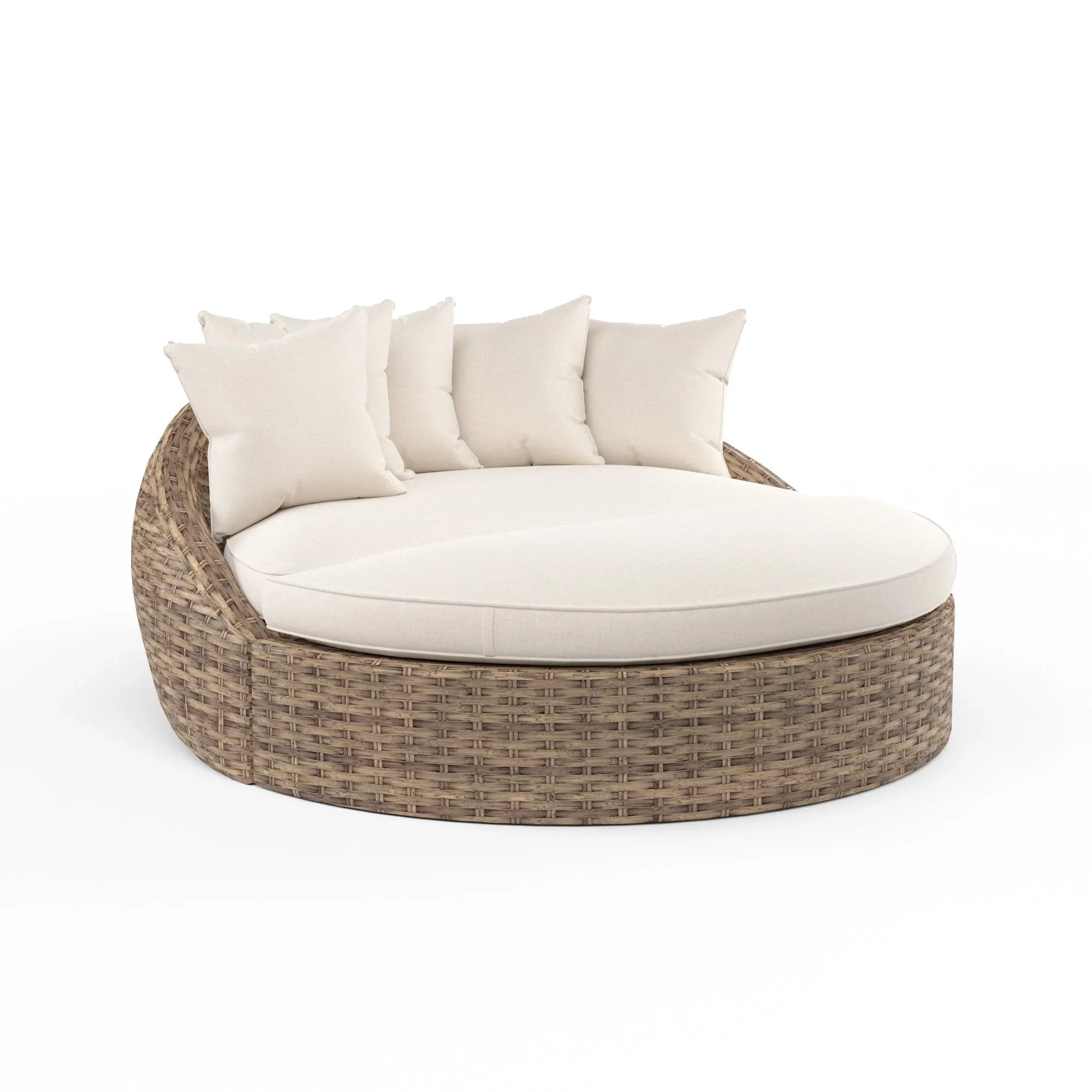
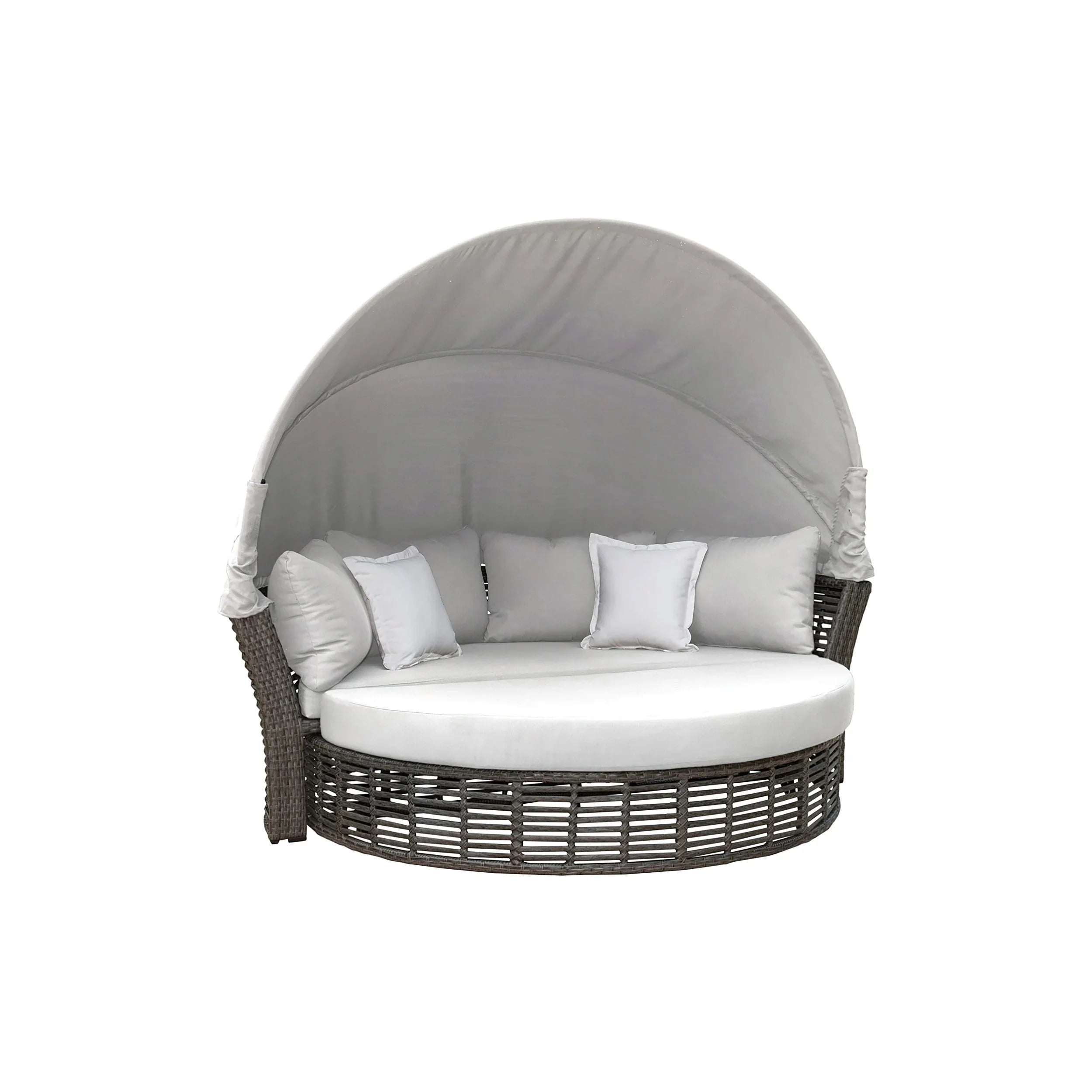
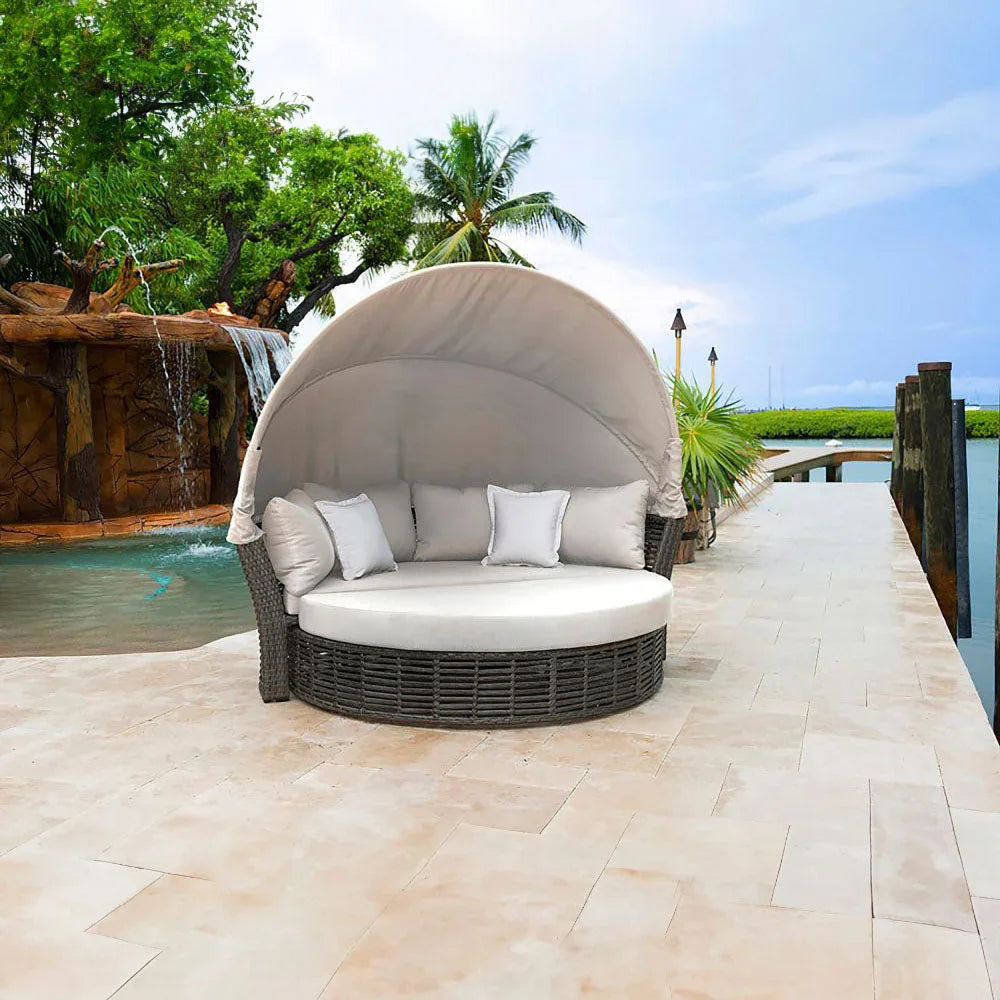
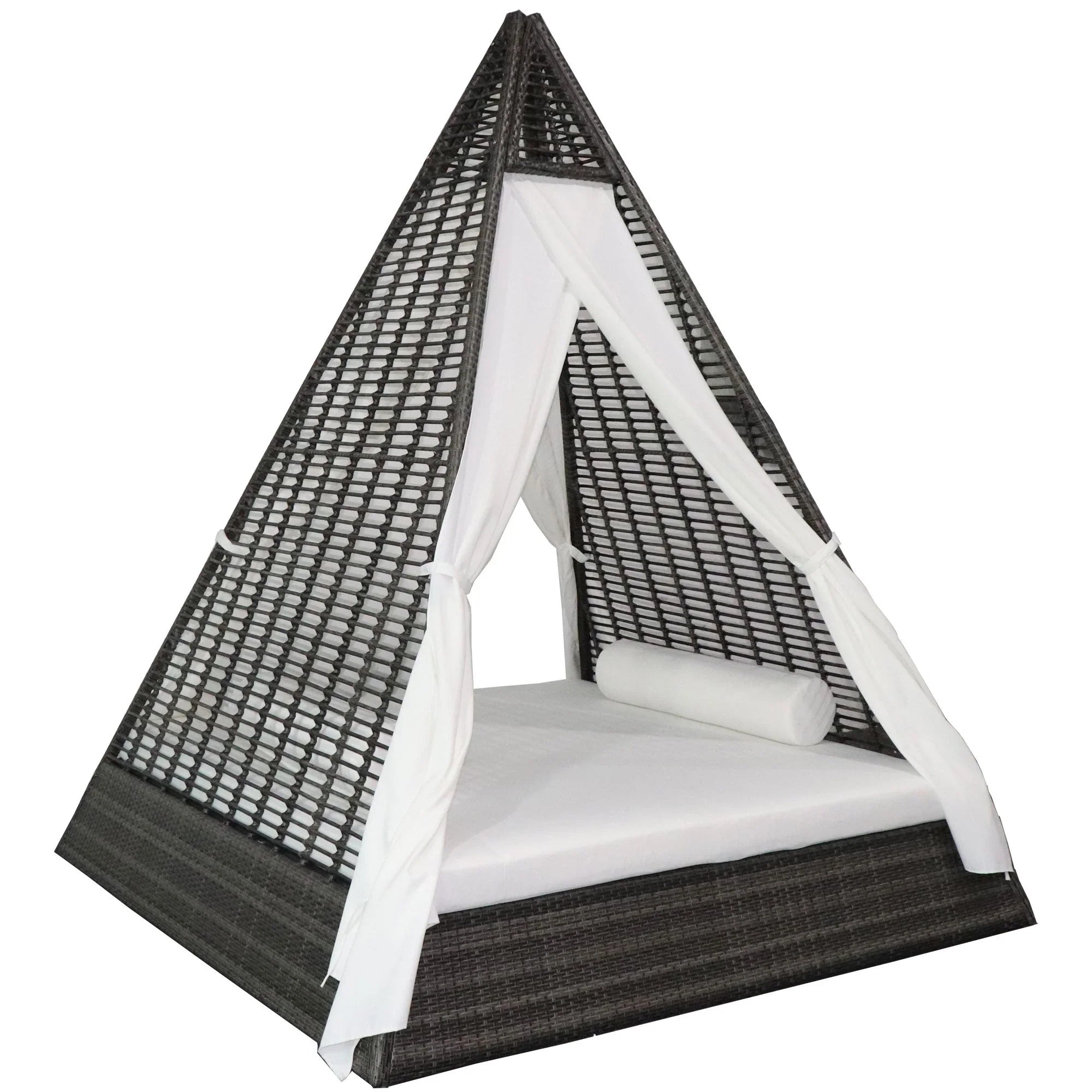
An outdoor daybed does one thing a standard chaise lounge can't: it gives you a real horizontal surface wide enough to stretch out fully, alone or with someone else. That extra width, usually 60 inches or more, is what turns a pool deck or covered patio corner into the kind of spot people actually gravitate toward instead of the chair nobody sits in.
The Frame and Material Range
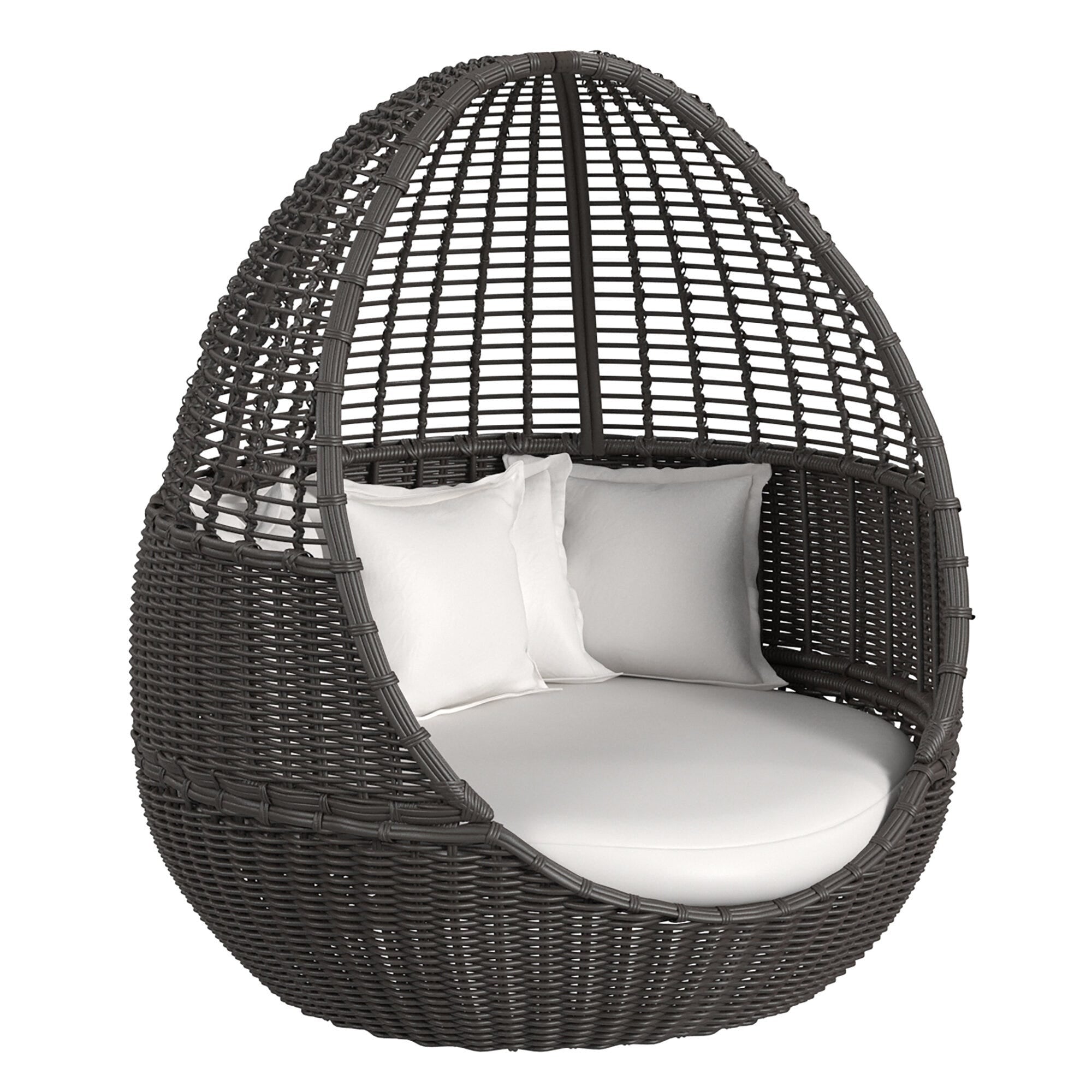
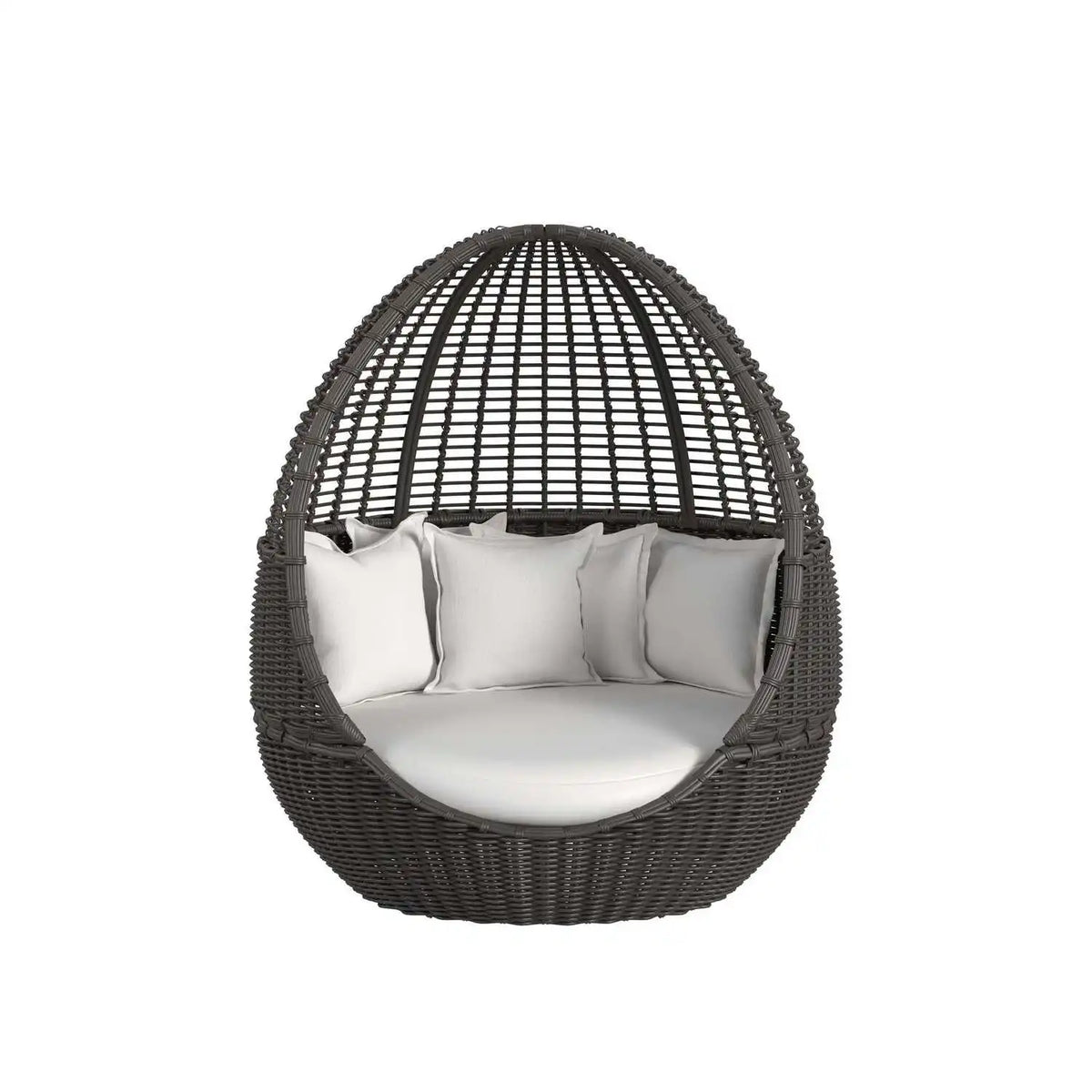
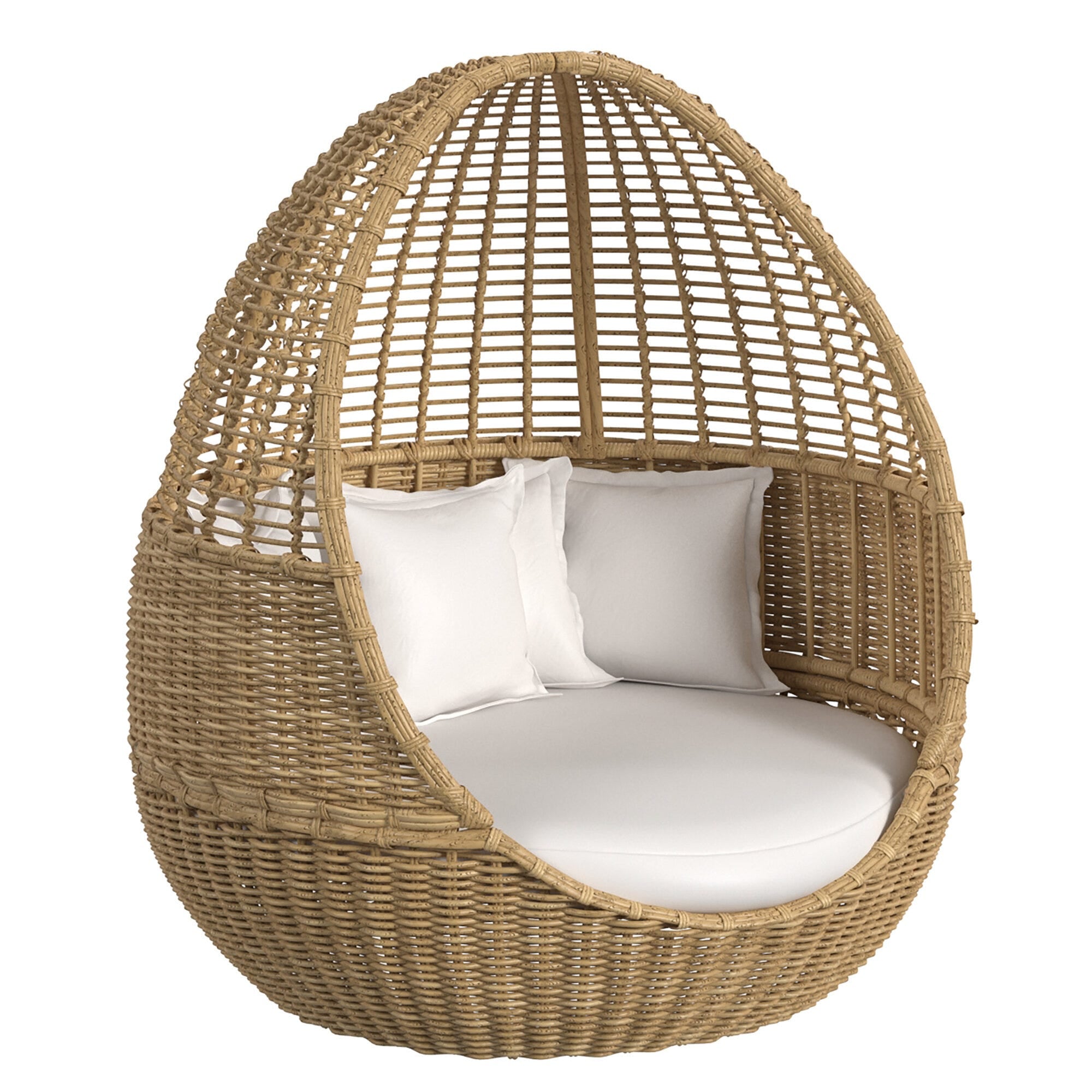
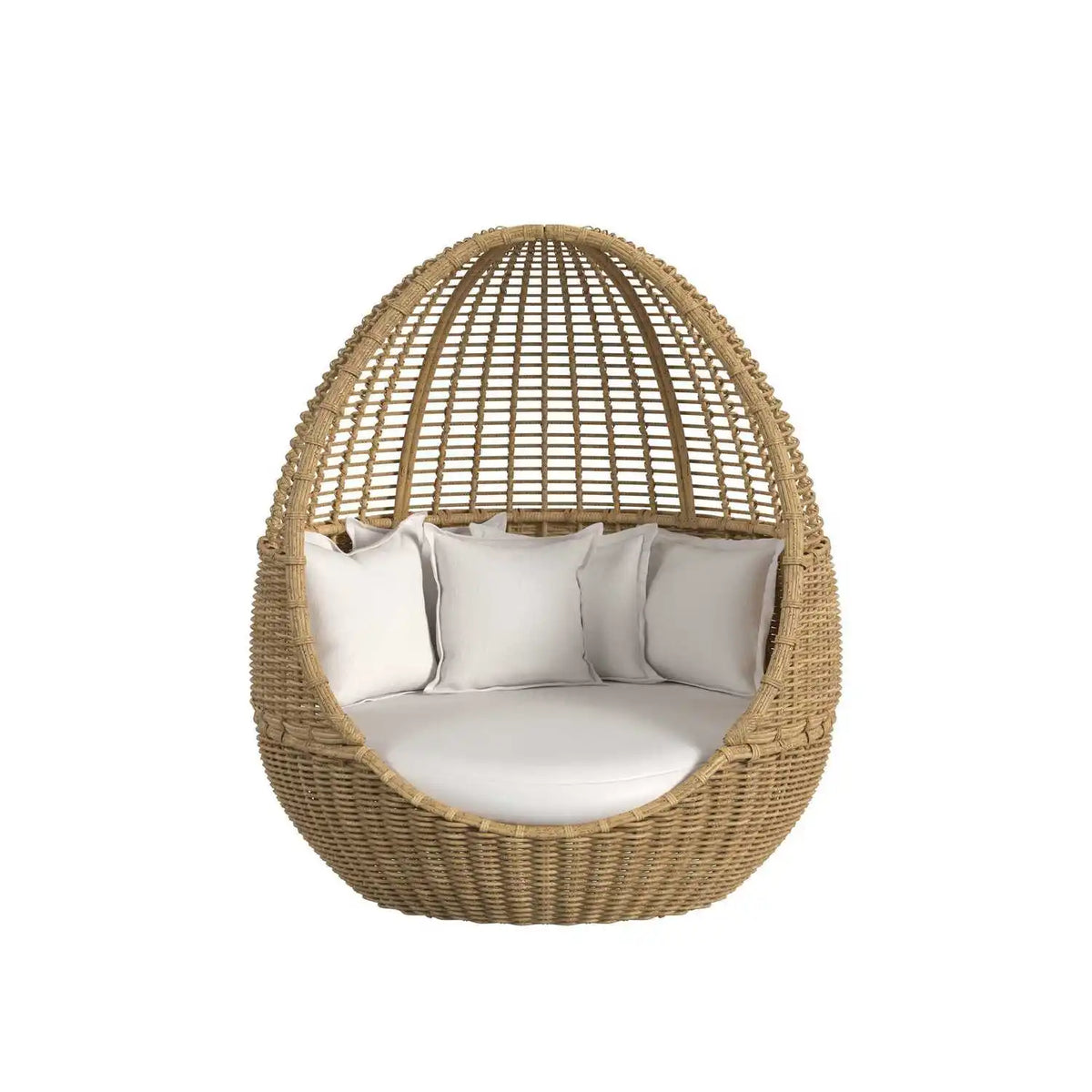
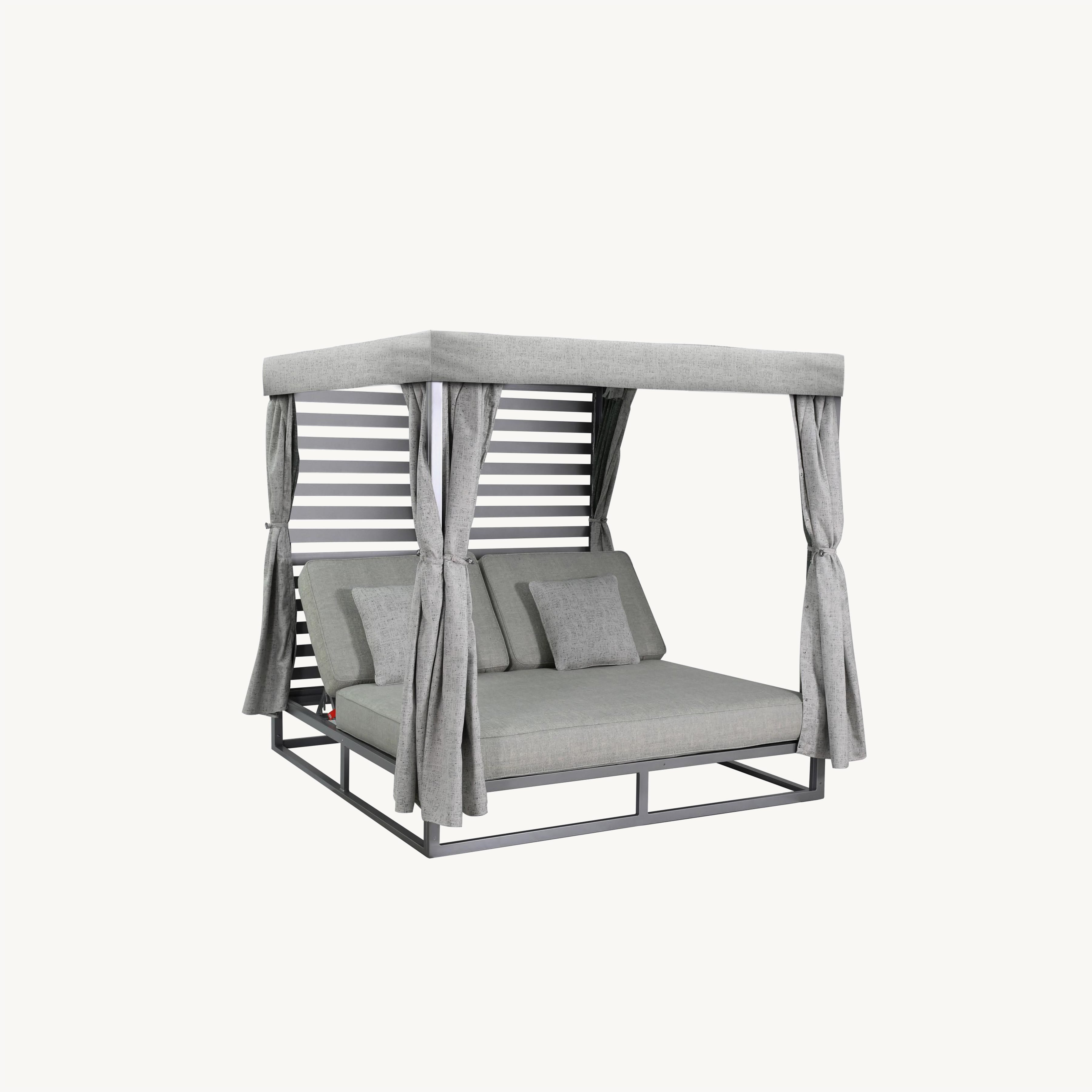
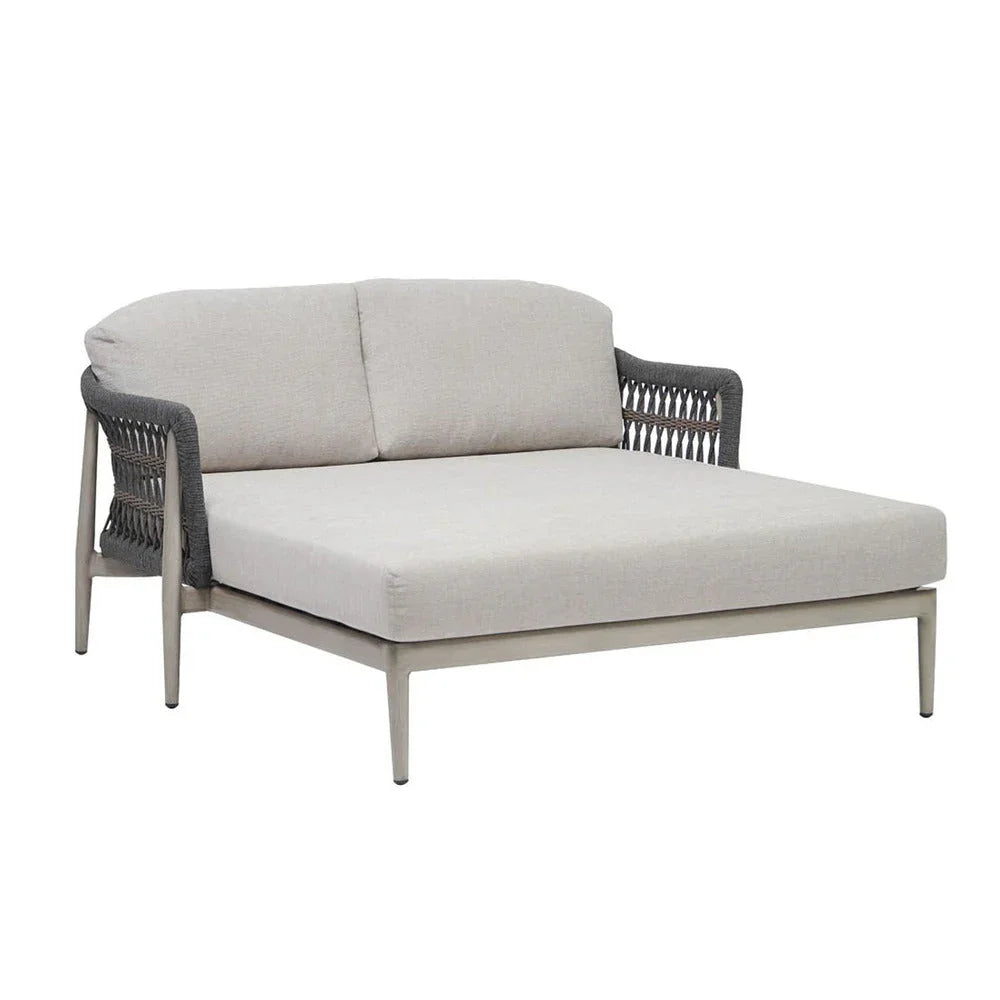
Aluminum is the dominant frame material in this collection, from Sunset West's resort-style resin wicker and aluminum daybeds to Castelle's cast aluminum daybed with an integrated canopy frame. Ratana and our own Outova Reserve house brand round out the aluminum and wicker options with cleaner, more contemporary profiles. For a different material story entirely, Harmonia's teak daybed pairs Grade A teak with hand-wrapped olefin rope, a combination that trades the low-maintenance case for real wood character and a distinctive woven texture.
Our outdoor wicker daybeds collection is worth a separate look if all-weather resin wicker is specifically what you're after, including Panama Jack's tropical-leaning silhouettes and Lloyd Flanders' proprietary Lloyd Loom weave, hand-woven over a rust-resistant aluminum frame rather than machine-extruded like most resin wicker on the market.
Daybed Swings: The Hanging Format
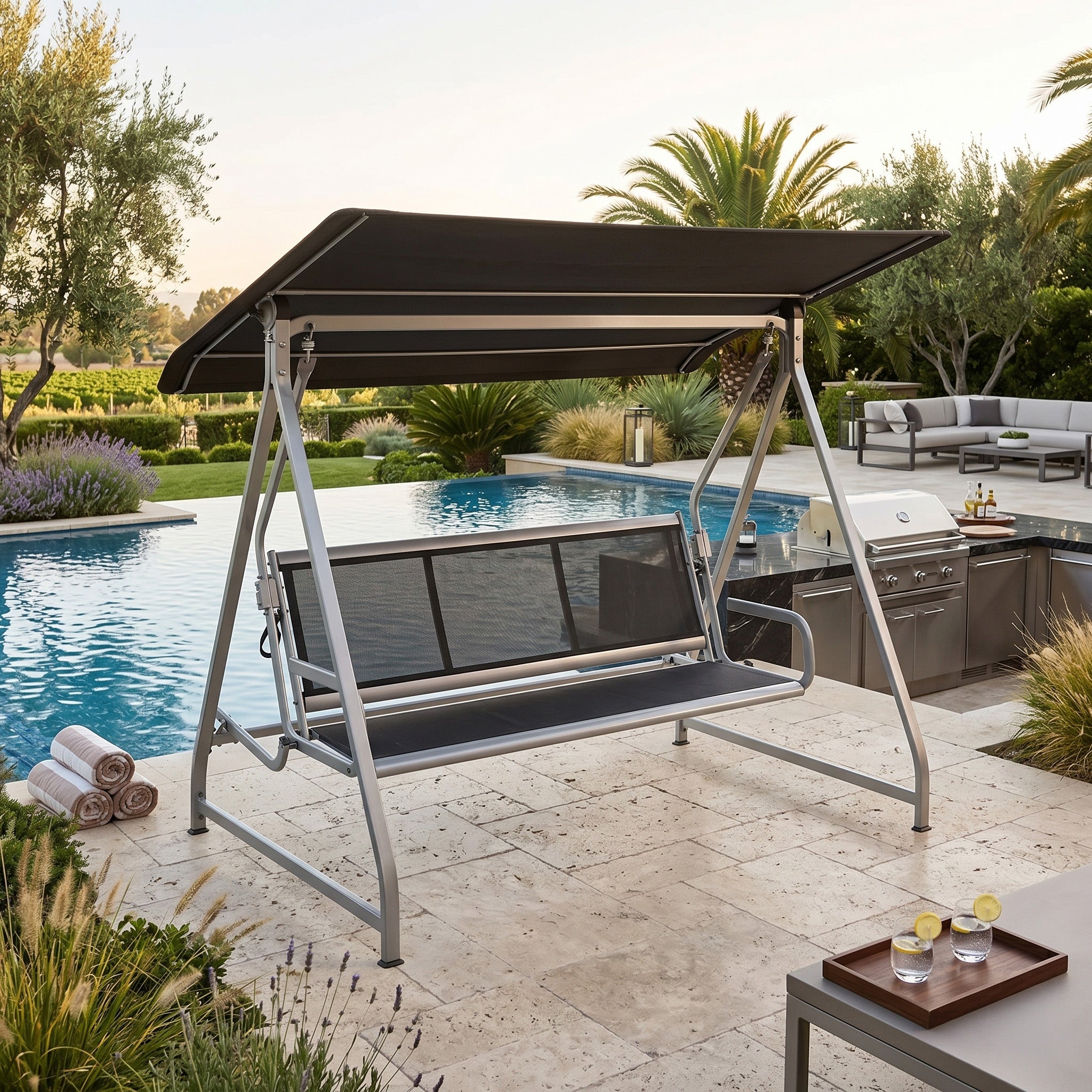
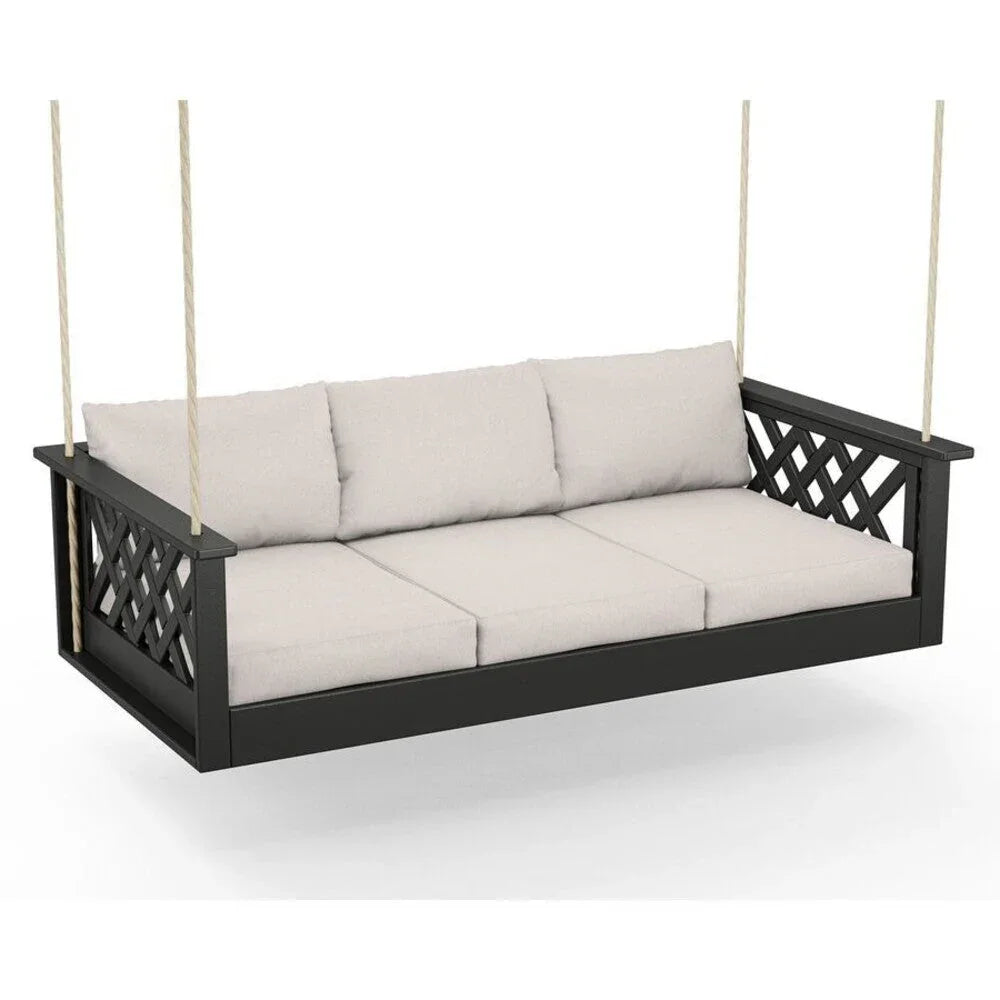
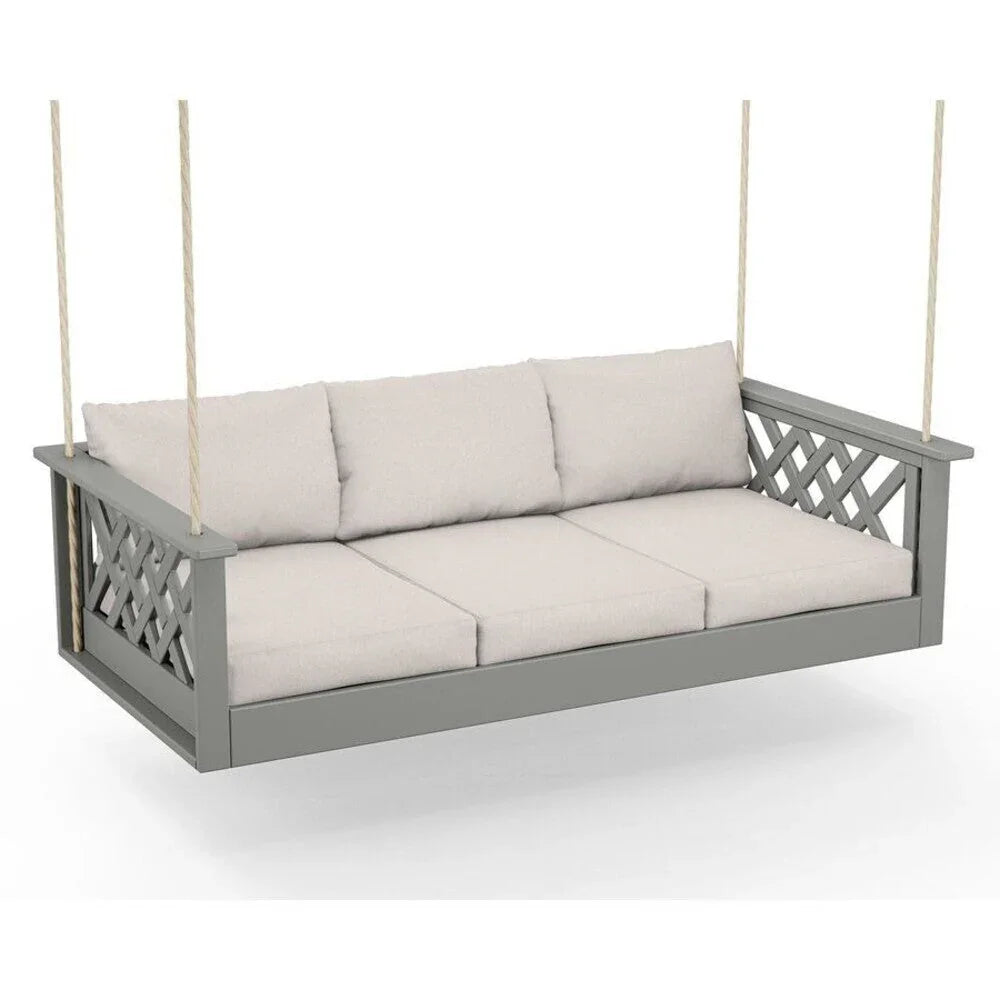
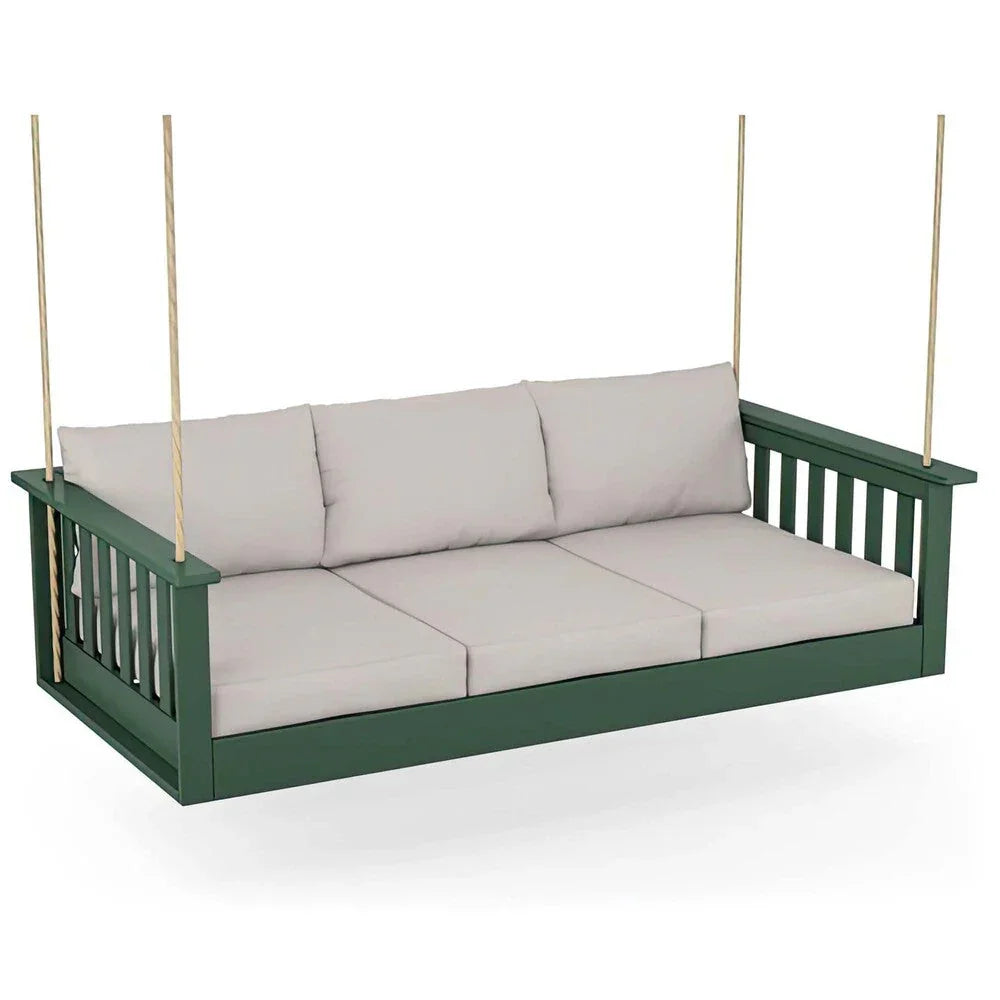
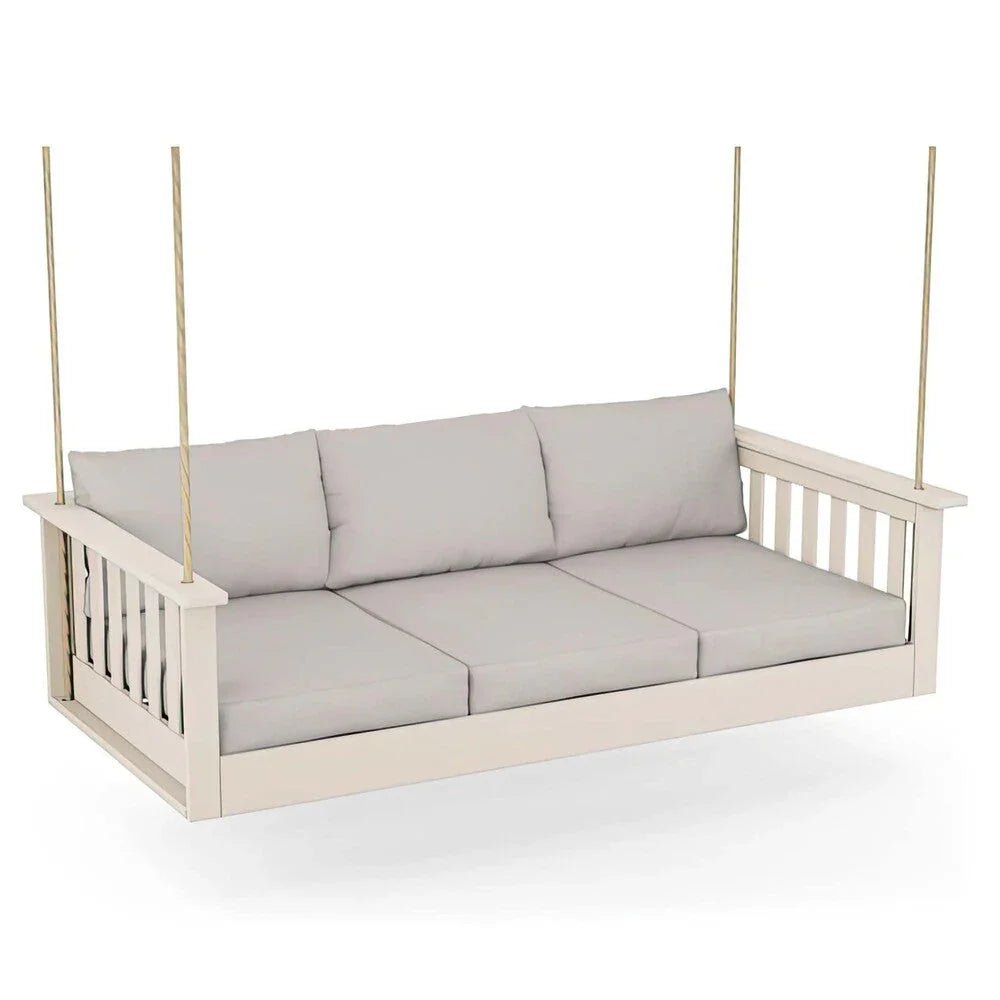
A daybed swing suspends the same wide lounging surface from a frame or overhead structure instead of setting it on legs, adding a gentle motion that a fixed daybed doesn't have. POLYWOOD's daybed swing lineup builds this format in solid HDPE lumber, which means zero maintenance and no cushions to fade, since the material itself holds its color for decades. It's the right call for a covered porch or pergola where a hanging silhouette fits the architecture better than a platform base.
Cushions and Weather Resistance
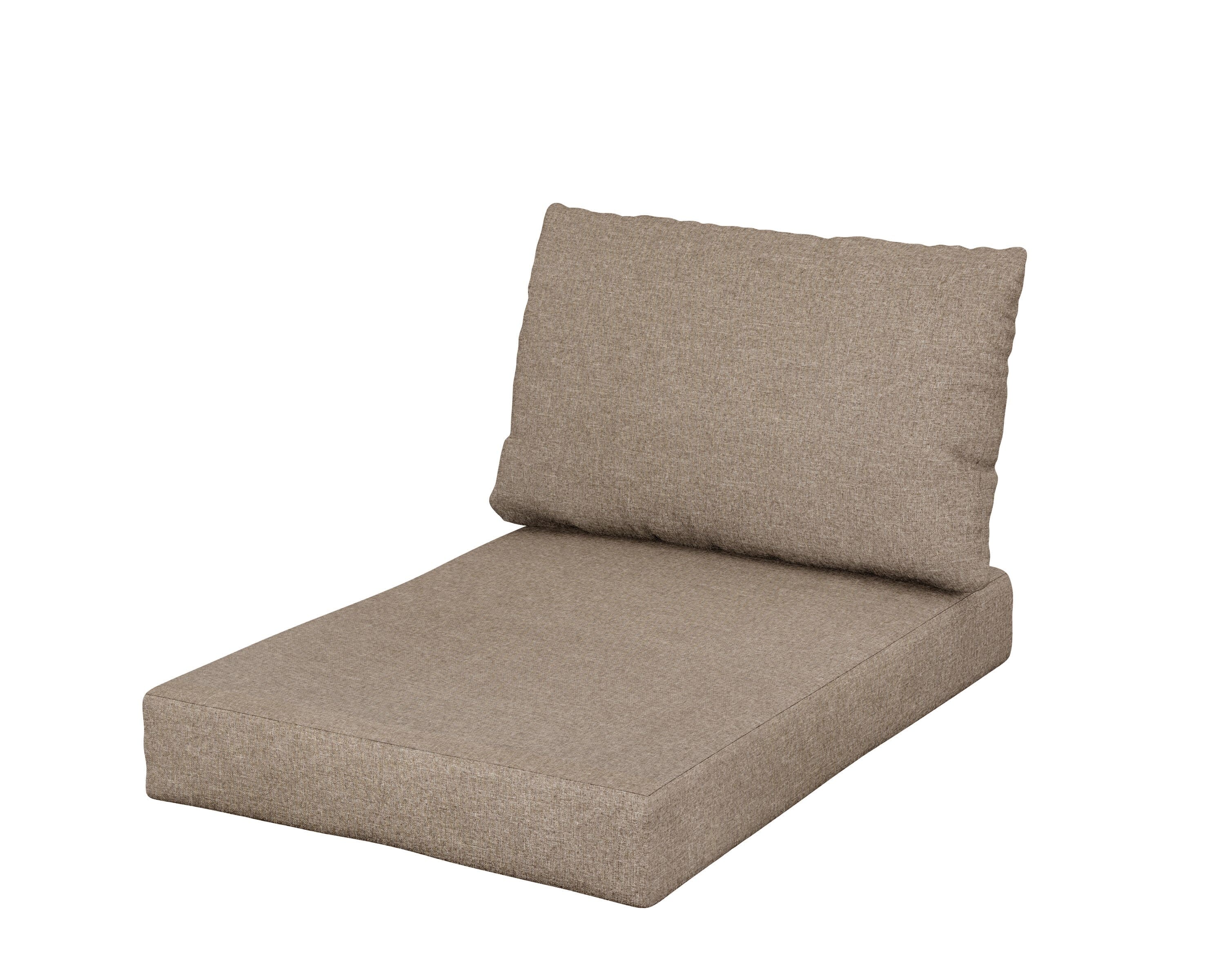
Every daybed cushion in this collection runs through Sunbrella fabric over quick-dry foam, solution-dyed so the color resists fading rather than sitting on the surface waiting to bleach out. Frames are either powder-coated aluminum, which won't rust at the joints, or the teak and rope combination on Harmonia's teak daybed, which needs only occasional oiling to hold its color. Either way, these are built to live outside full time, not to be dragged in before every rain.
For a full outdoor room built around this kind of lounging, pair a daybed with pieces from our Outdoor Great Room collection, and add an outdoor umbrella if the spot doesn't already have shade. Patio Productions is ICFA-certified and has been outfitting outdoor spaces from our San Diego showroom and nationally since 2007. Every order ships free in the U.S., fully assembled, and our team offers complimentary design consultations to help you size a daybed to your space.
Common Questions About Outdoor Daybeds
A daybed is wider, usually 60 inches or more, built for one or two people lounging side by side or fully stretched out. A chaise lounge is single-width and typically adjustable to different recline angles. A daybed trades that adjustability for a wide, flat lounging surface, closer to a bed than a chair.
A daybed swing suspends the same wide lounging surface from an overhead frame or structure instead of setting it on legs. The hanging format adds gentle motion and works especially well under a covered porch or pergola. POLYWOOD builds its daybed swing lineup in solid HDPE lumber for zero-maintenance, fade-proof use.
Powder-coated aluminum and all-weather resin wicker dominate the category, with teak and rope as a distinct alternative. Aluminum frames, often paired with resin wicker, cover most of the daybeds in this collection. Harmonia's teak daybed is the exception, built from Grade A teak with hand-wrapped olefin rope for a different aesthetic and material feel entirely.
Yes, daybed cushions in this collection use Sunbrella fabric over quick-dry foam. Sunbrella is solution-dyed, meaning the color runs through the fiber rather than sitting on the surface, so it resists fading, mildew, and staining. Quick-dry foam sheds water rather than absorbing it, so cushions dry fast after rain.
Poolside and covered patio corners are the most common placements, ideally paired with shade. A daybed works best somewhere people intend to linger, not just pass through. Pairing it with an umbrella or existing shade structure extends how much of the day it's actually usable.


