

Umbrella Bases for Stable, Wind-Ready Shade
A patio umbrella is only as stable as the base holding it down. Wind catches a canopy long before it touches furniture, and an undersized base is the most common reason an umbrella tips, spins, or ends up on the ground after a gust. Whether you're anchoring a table umbrella at the center of a dining set or setting up a freestanding umbrella away from any table, the right base does the real work of keeping it upright.
Table Bases vs. Freestanding Bases
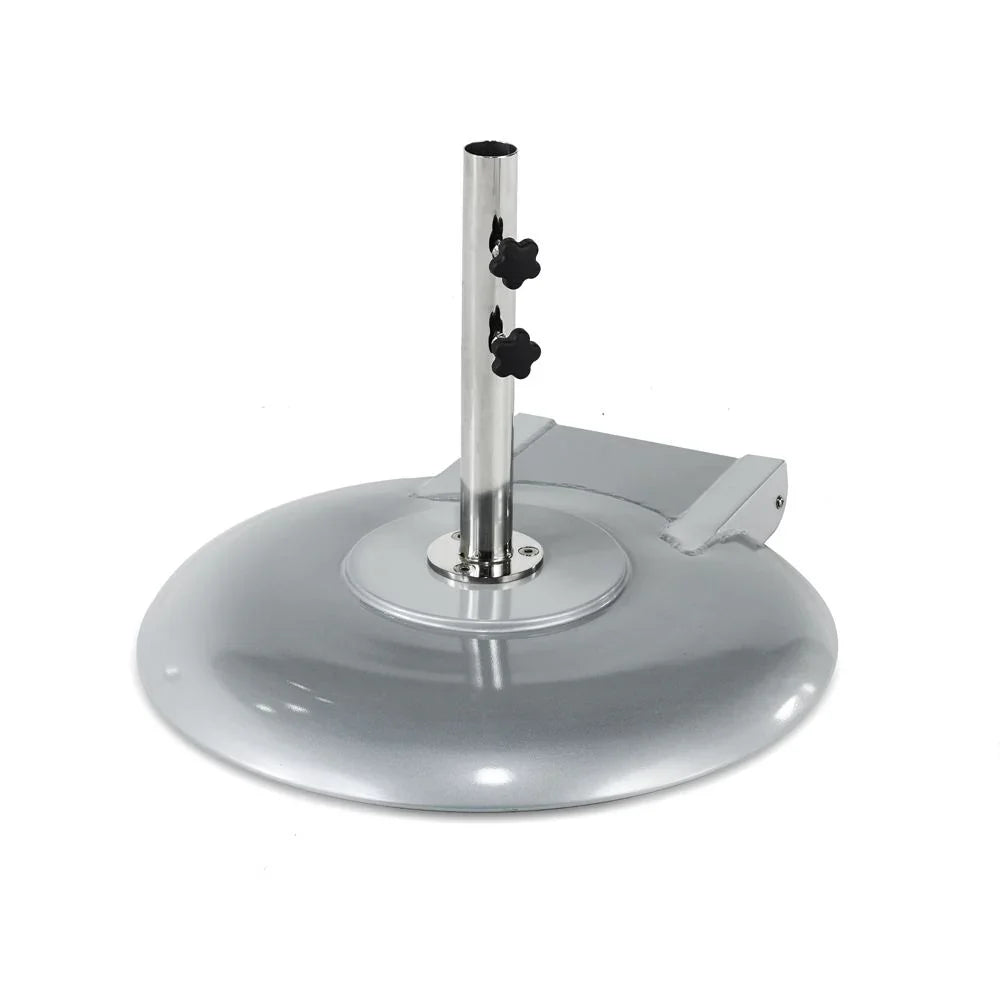
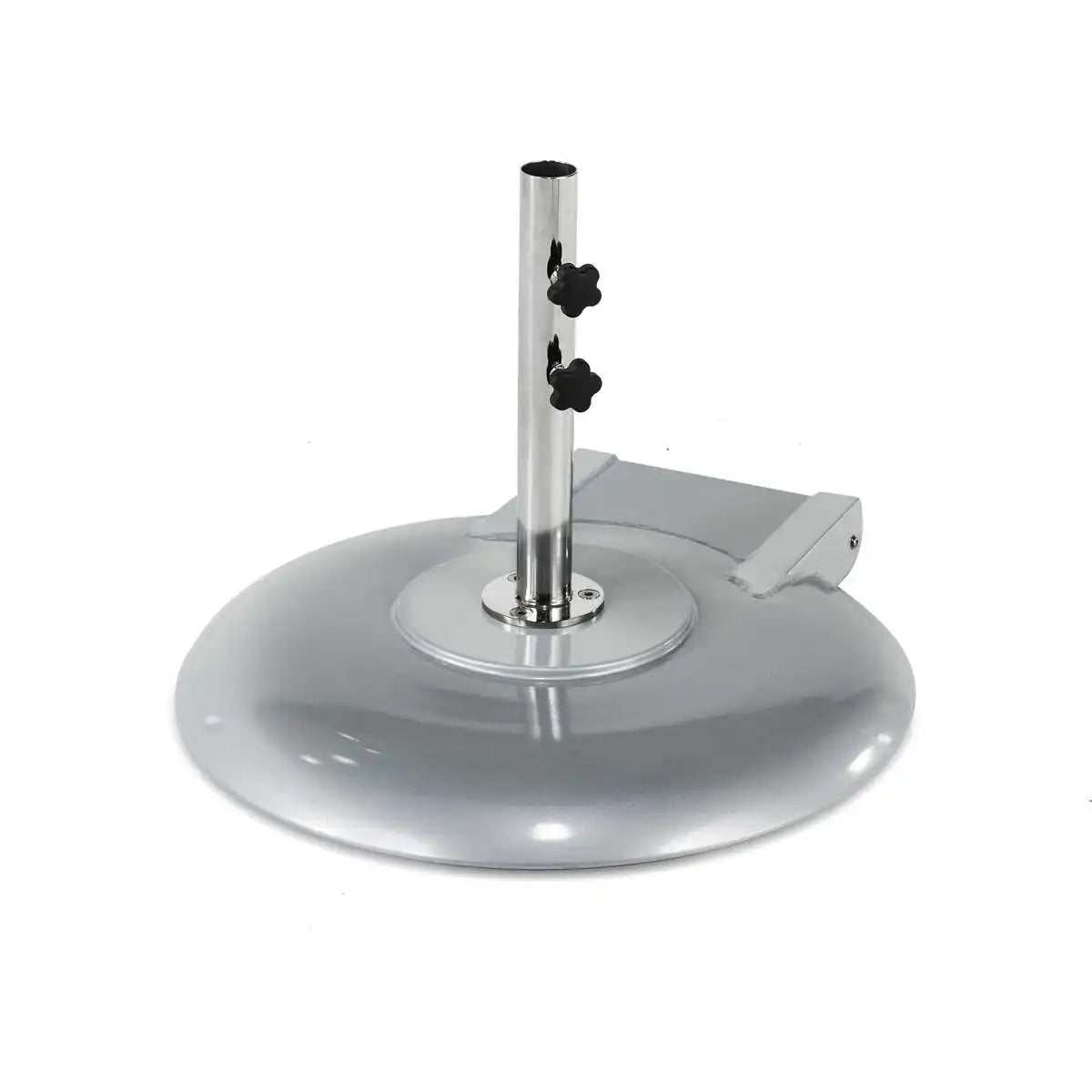
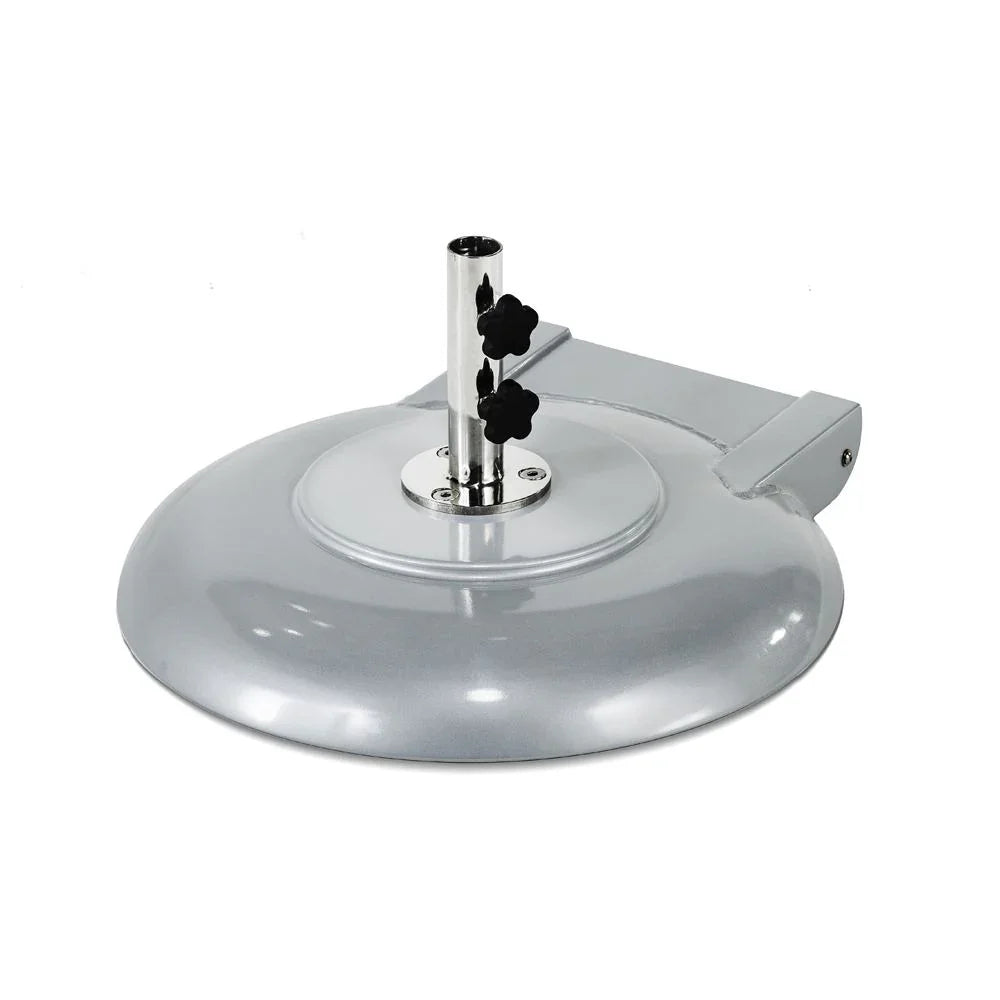
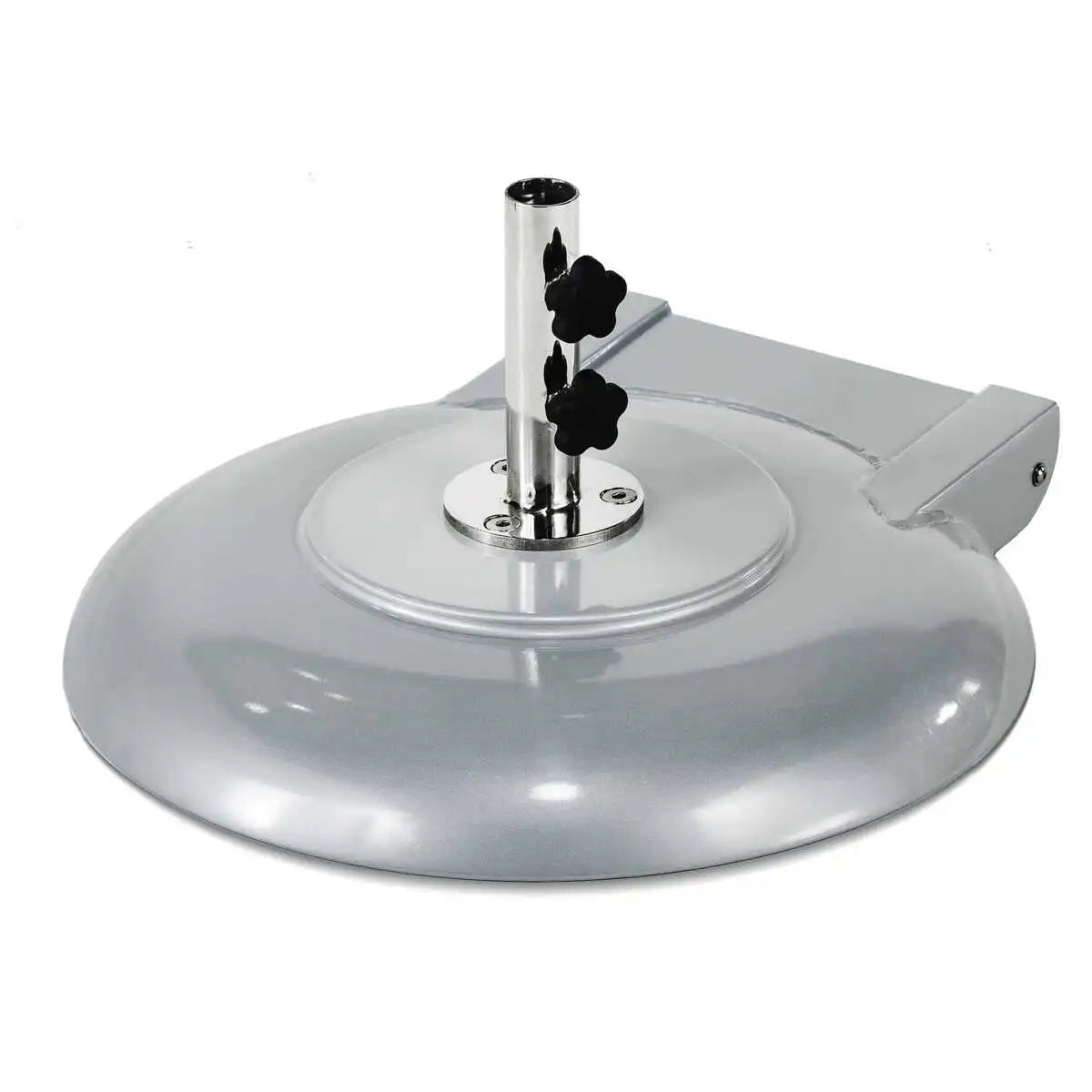
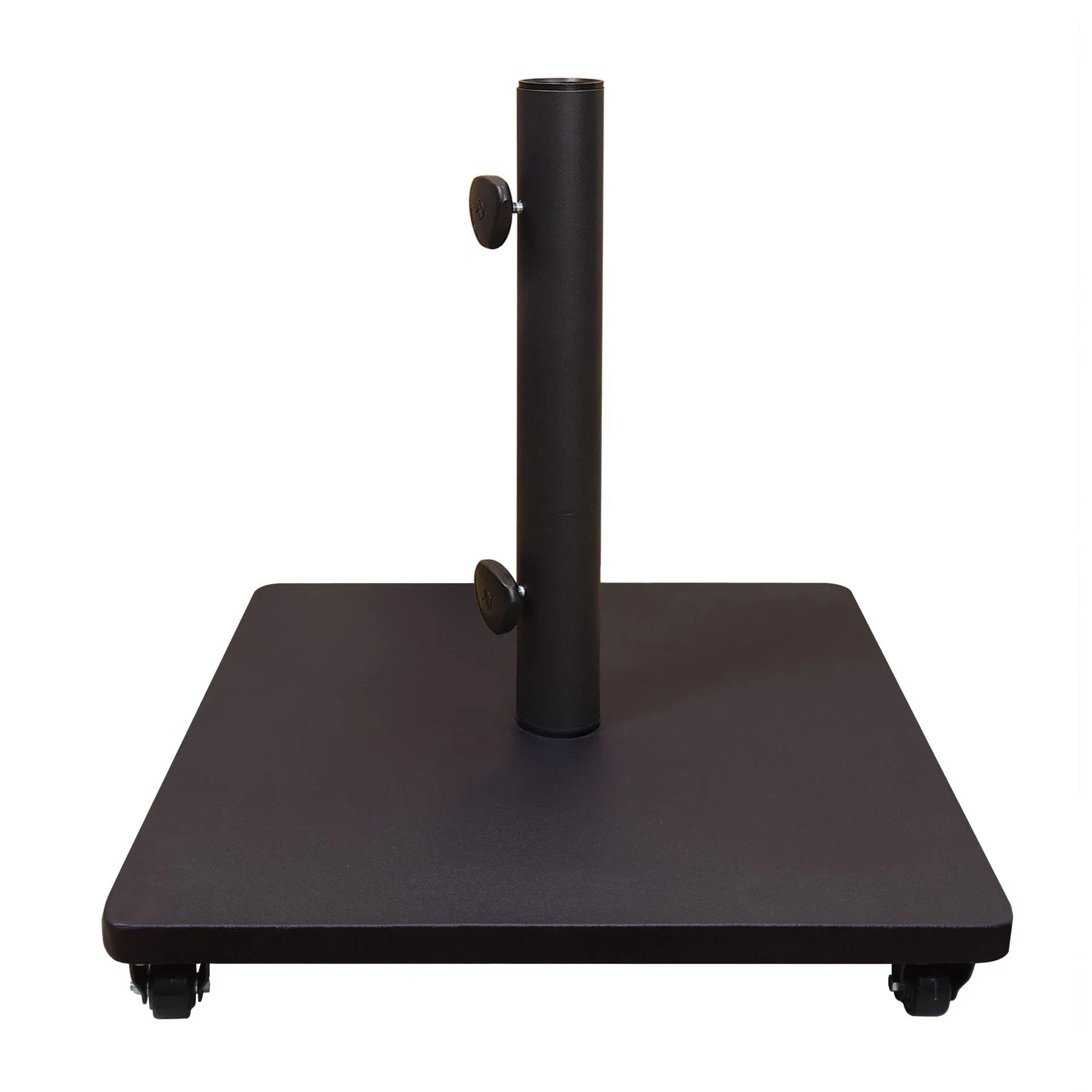
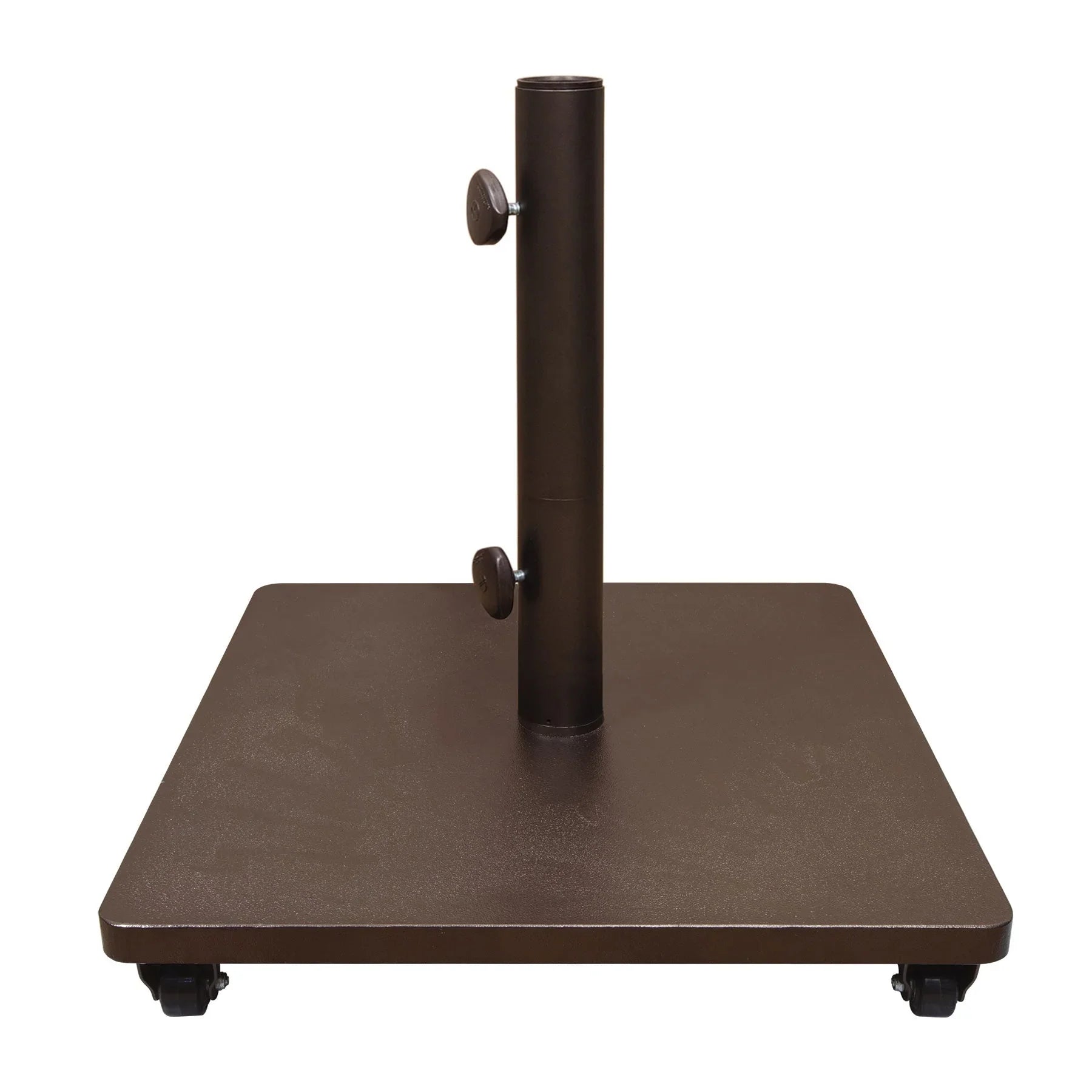
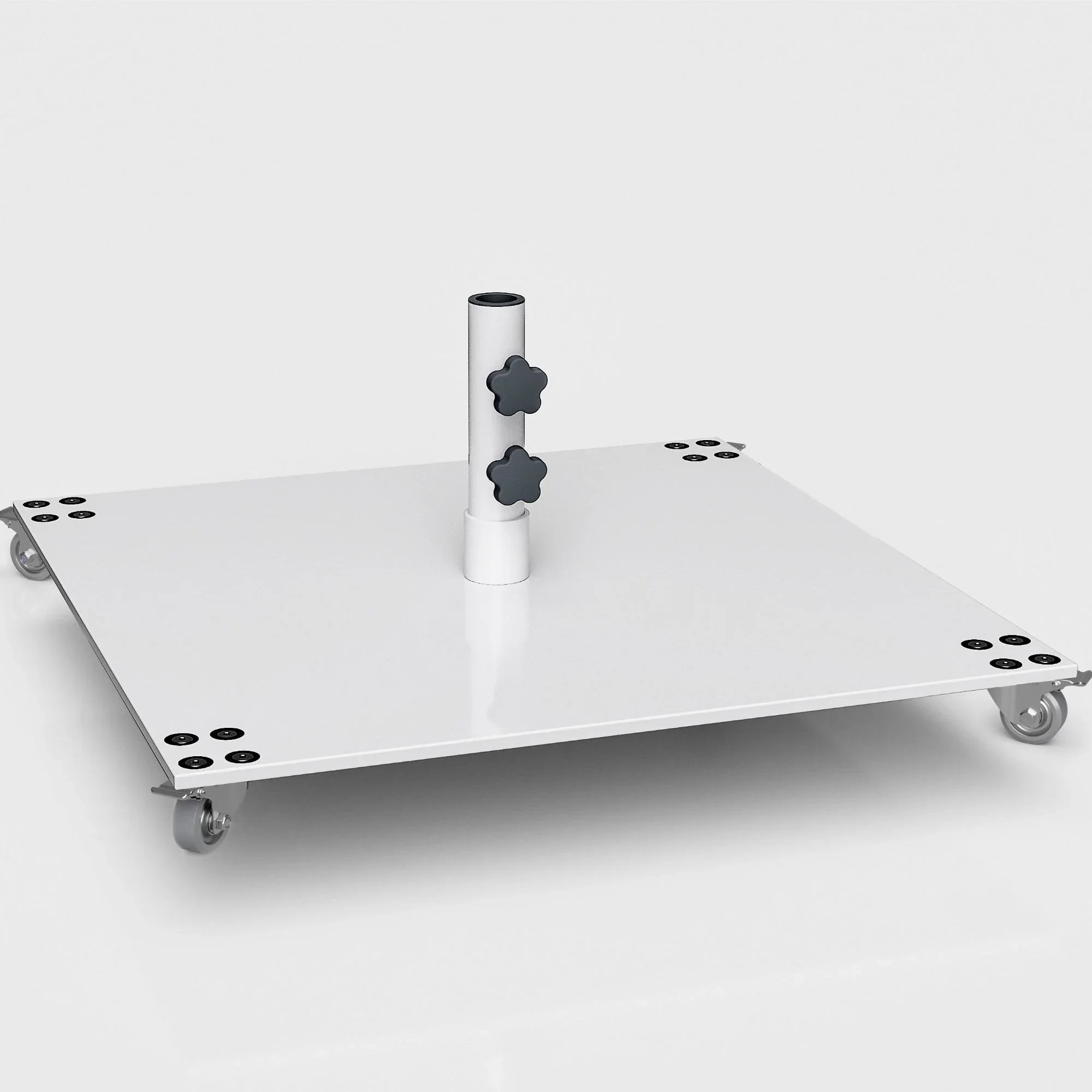
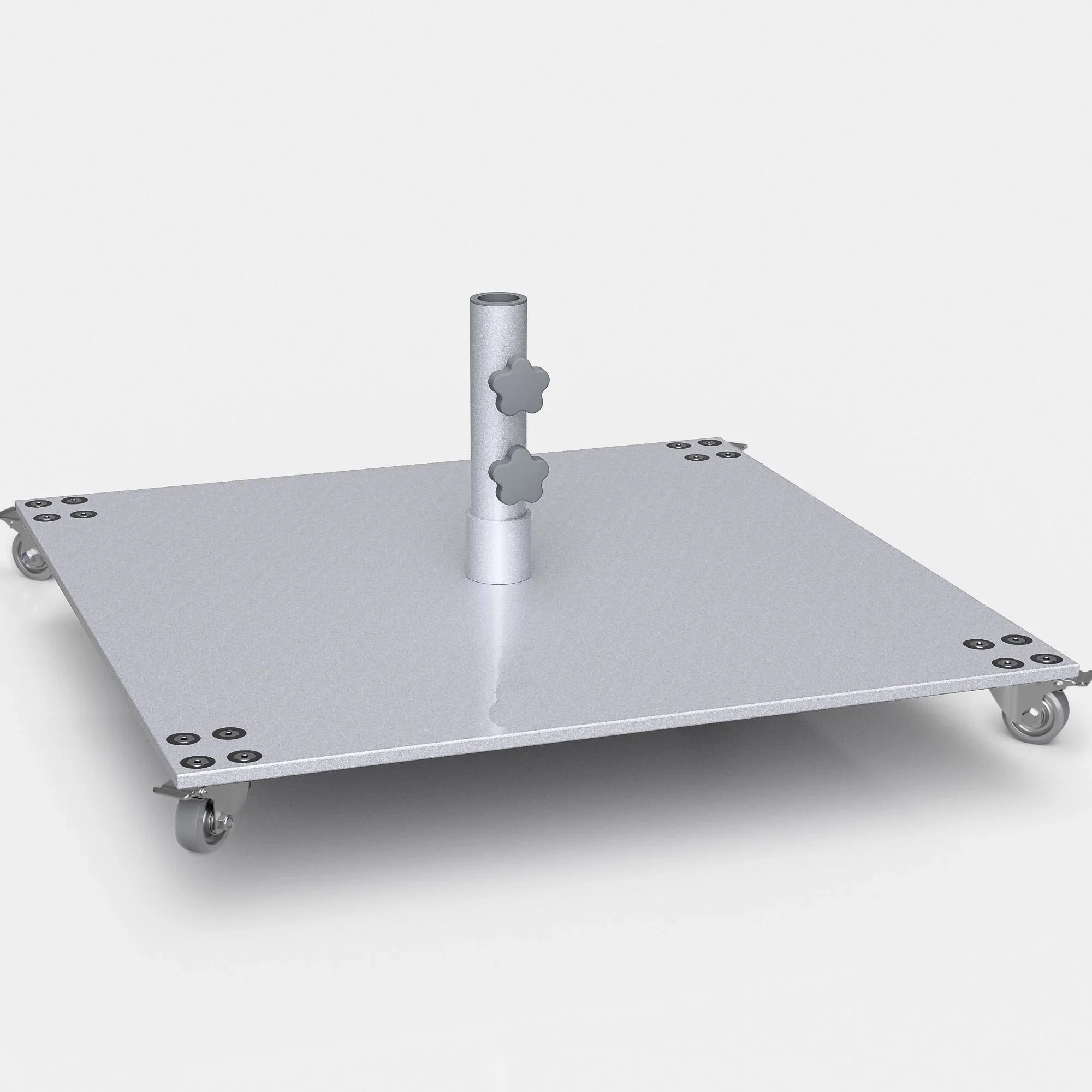
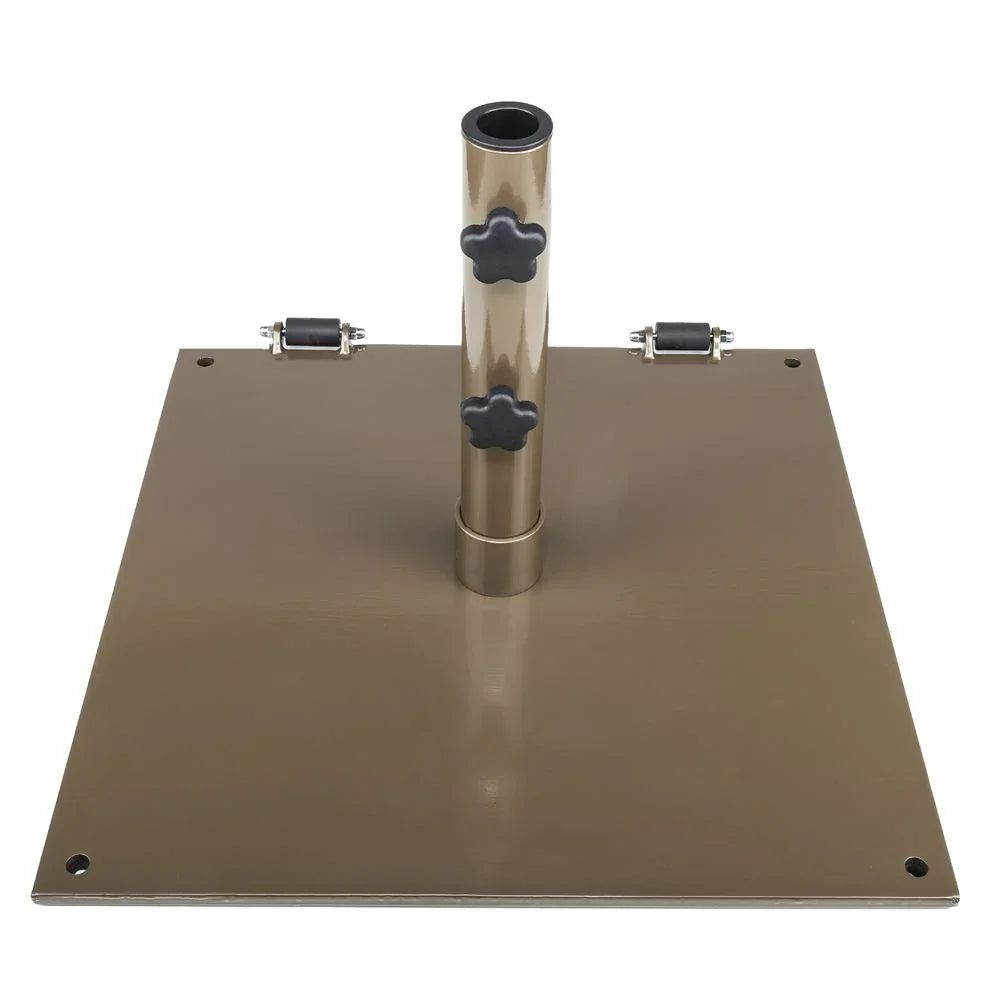
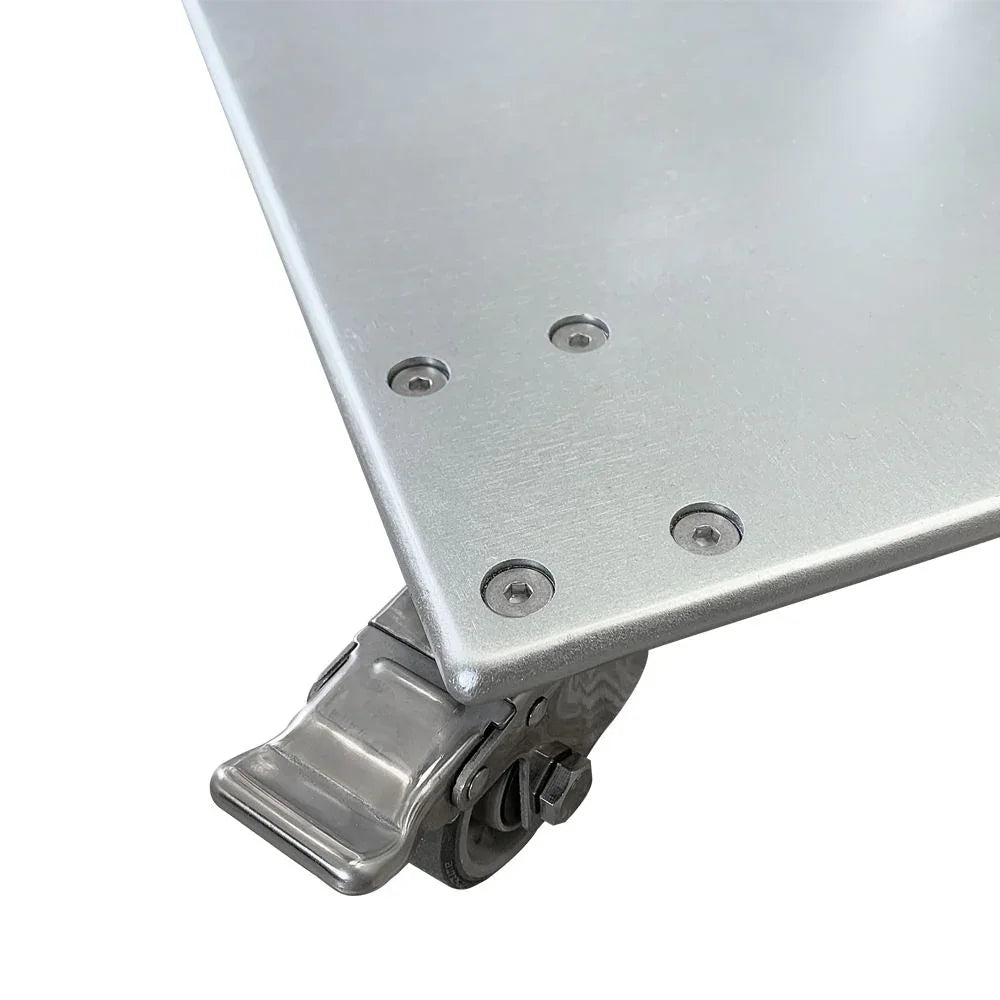
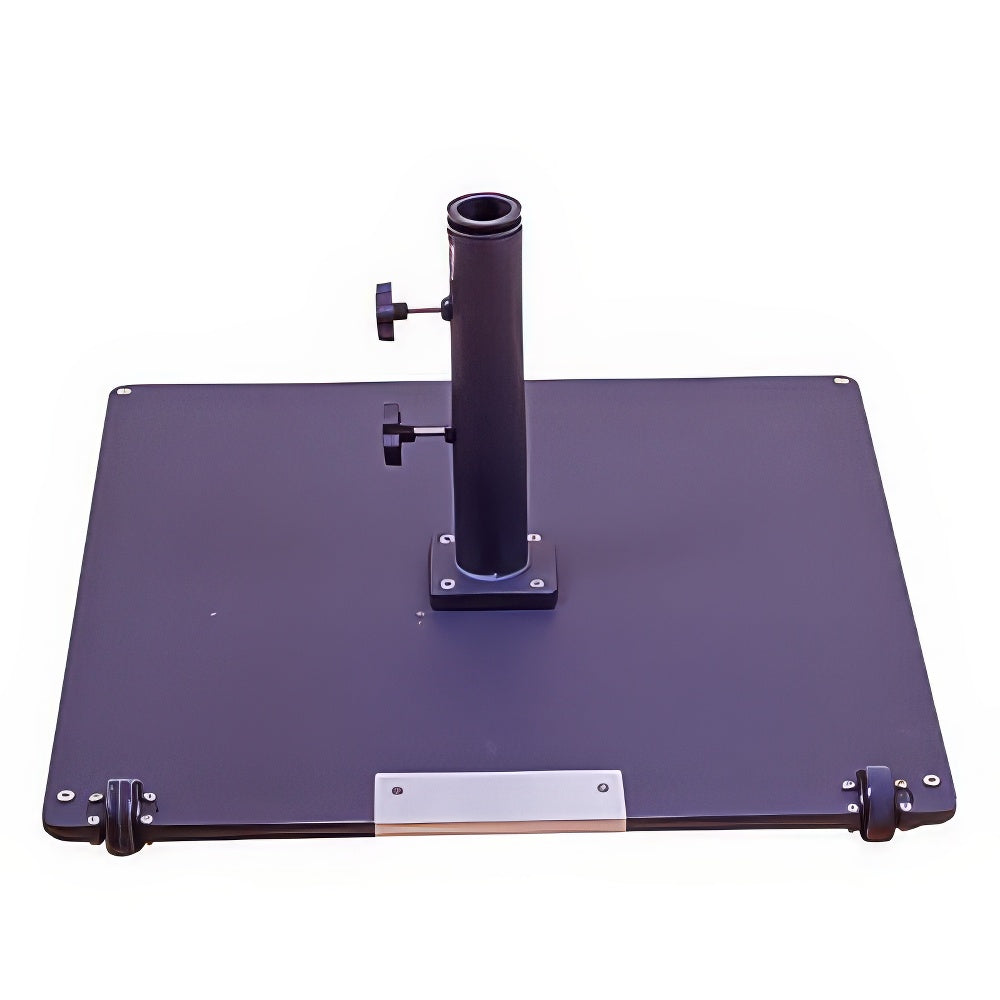
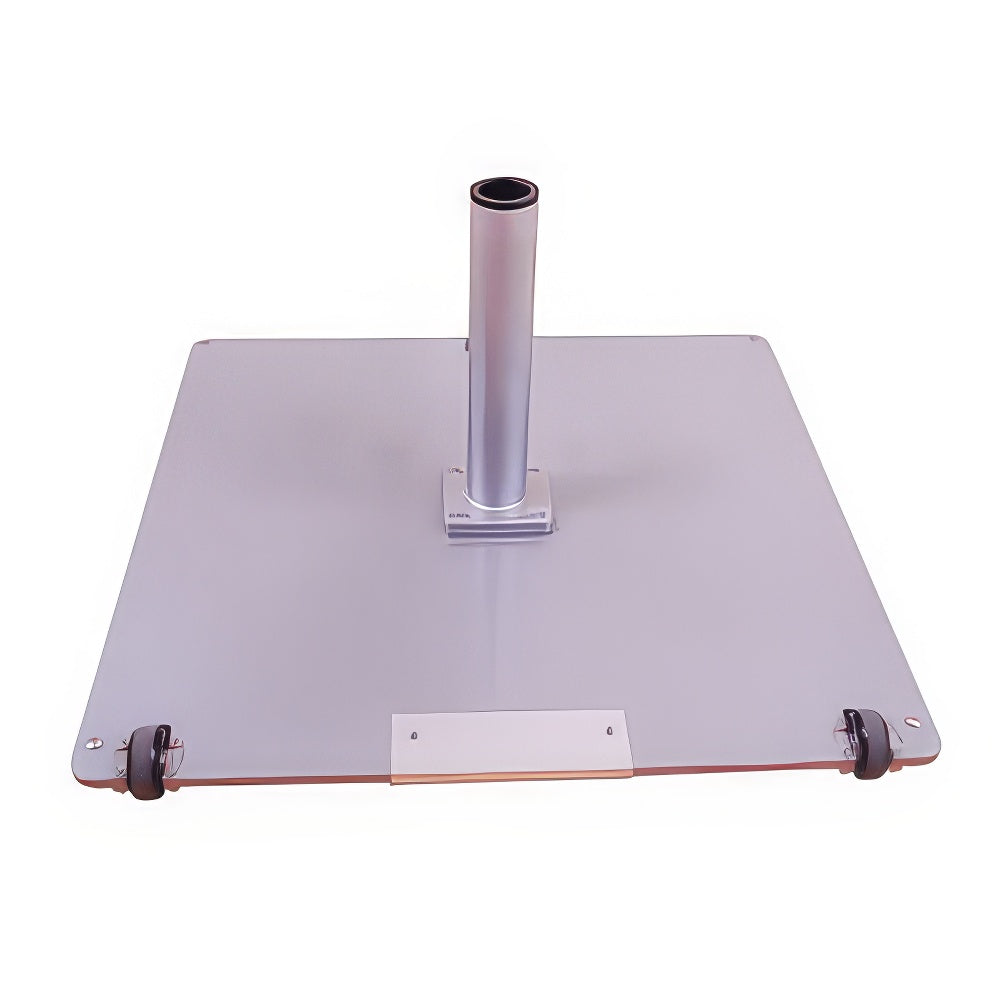
A table base slides through the umbrella hole in a patio table and sits flush underneath, out of the way of chairs and place settings. A freestanding base does the same job without a table at all, which is why several of our freestanding options add locking caster wheels: a base that size needs to roll into position rather than get carried.
Materials and Weight
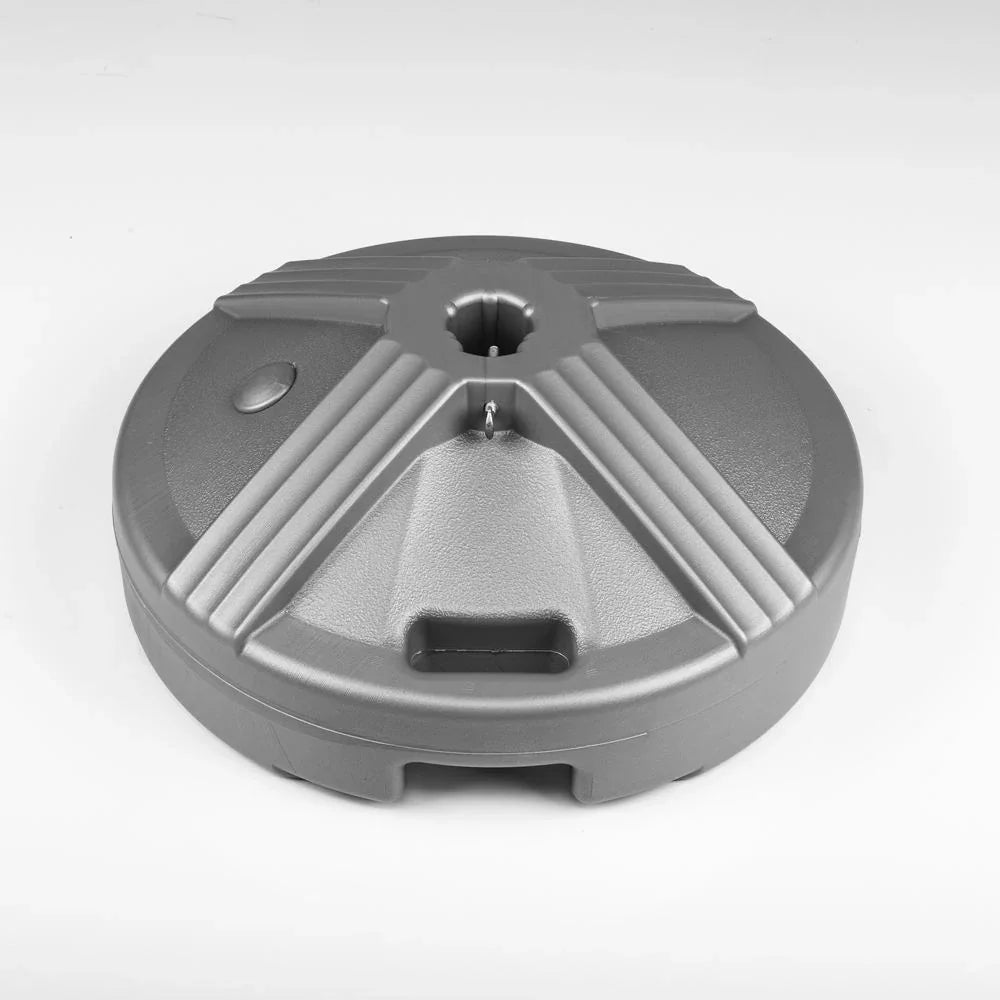
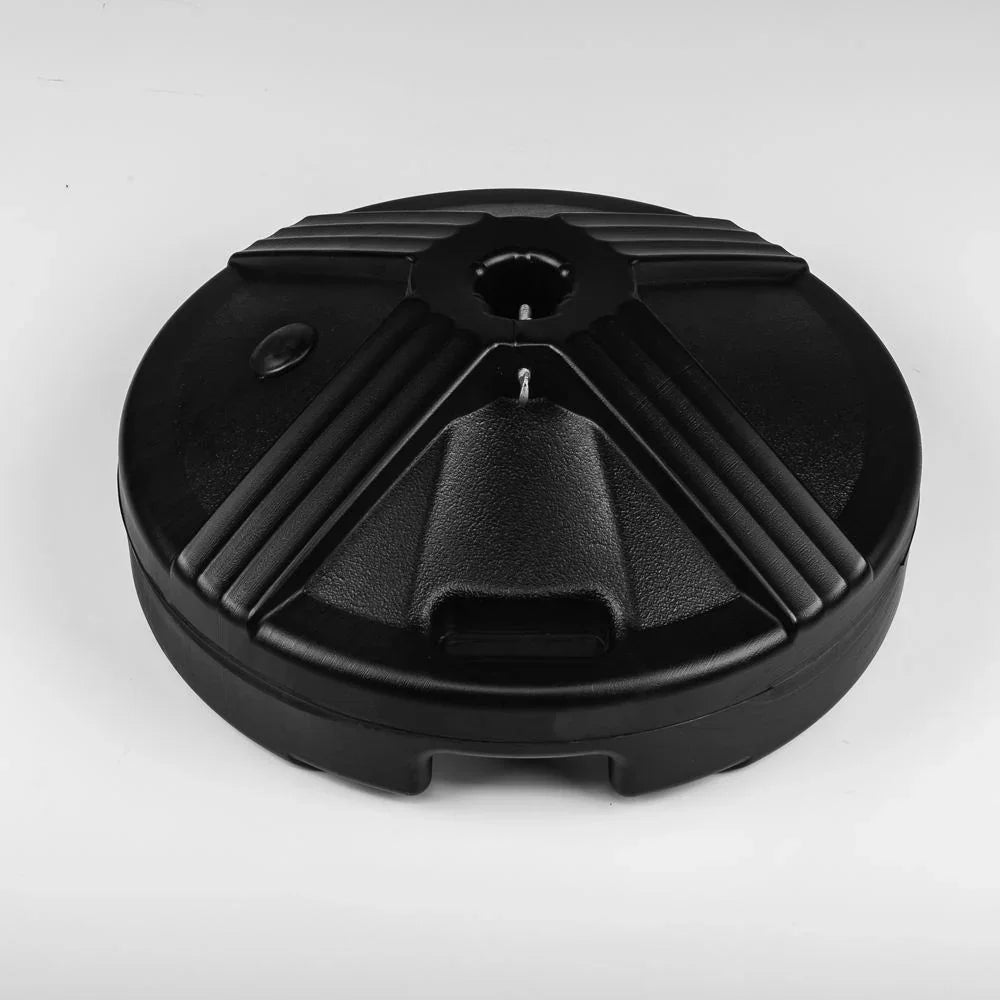
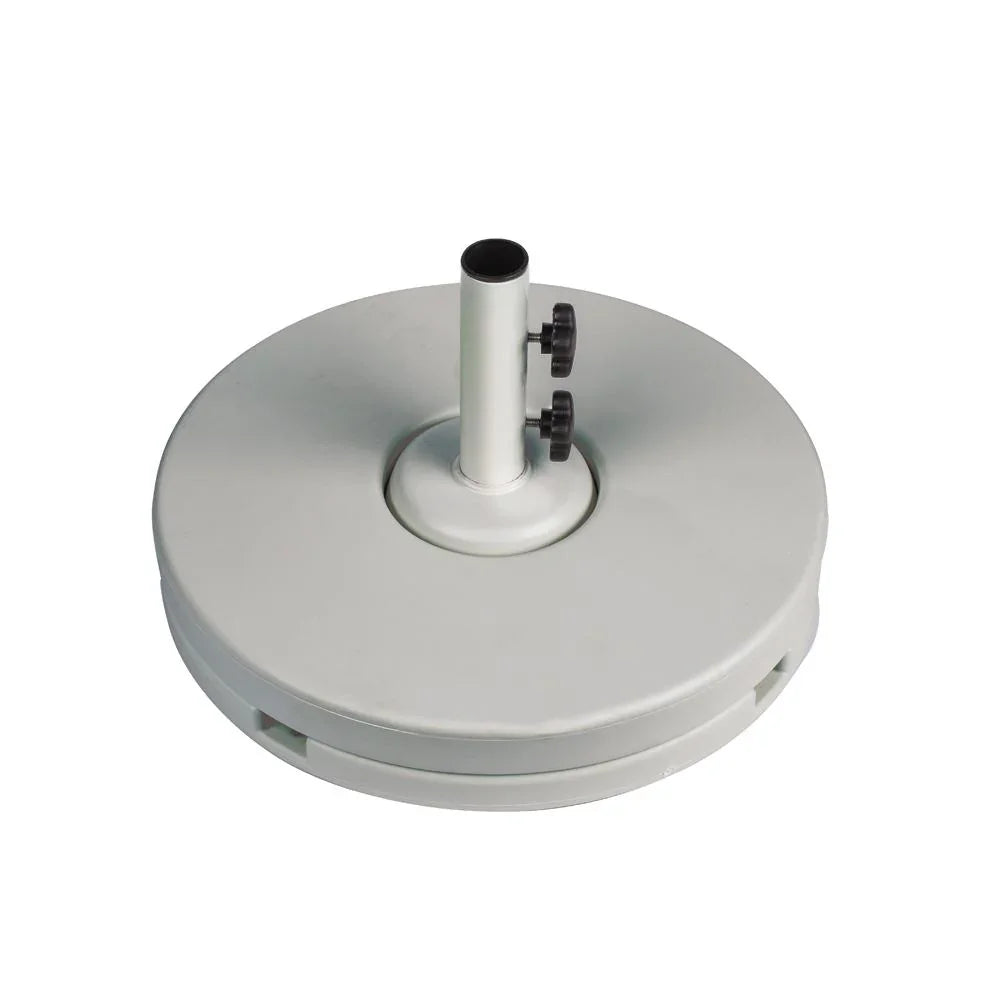
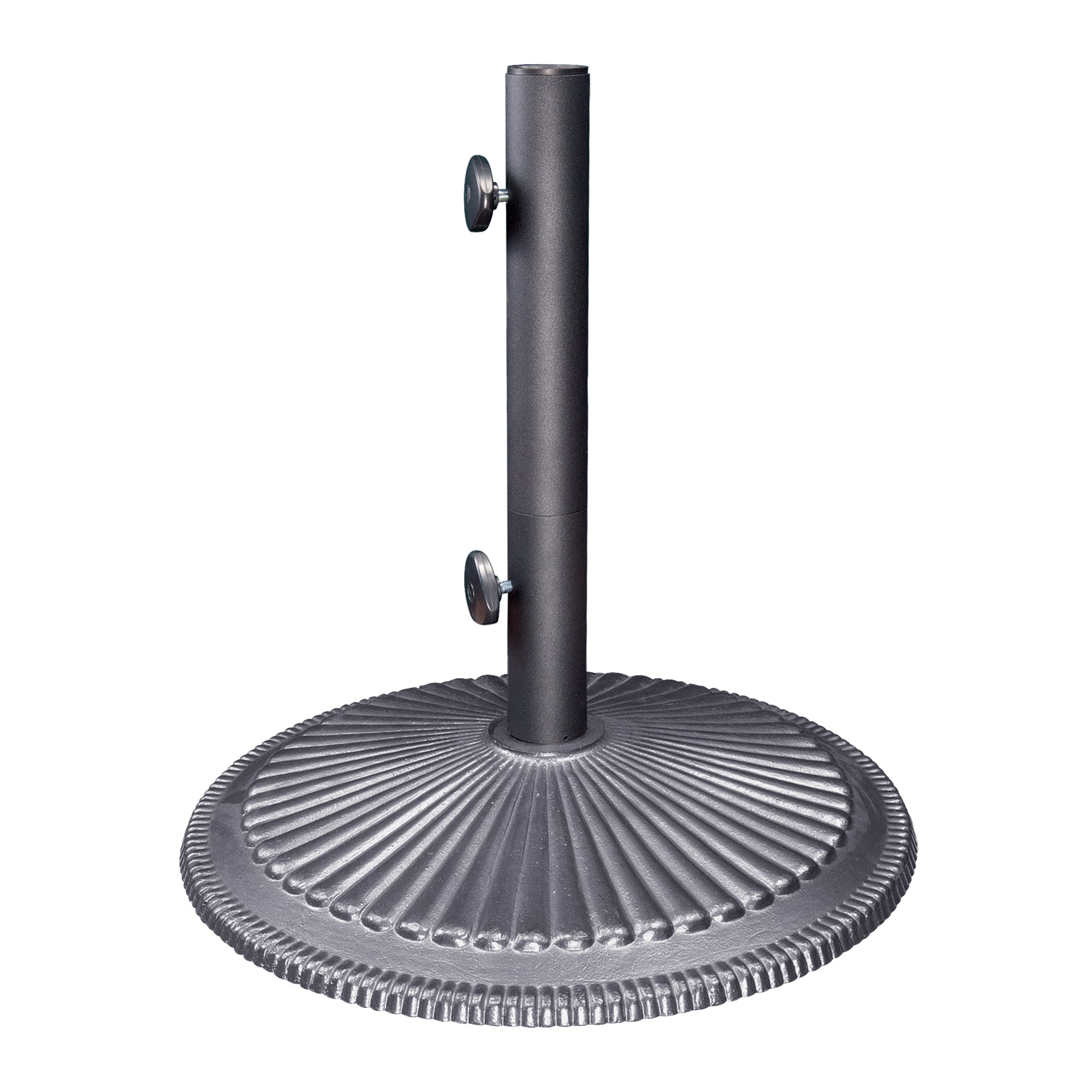
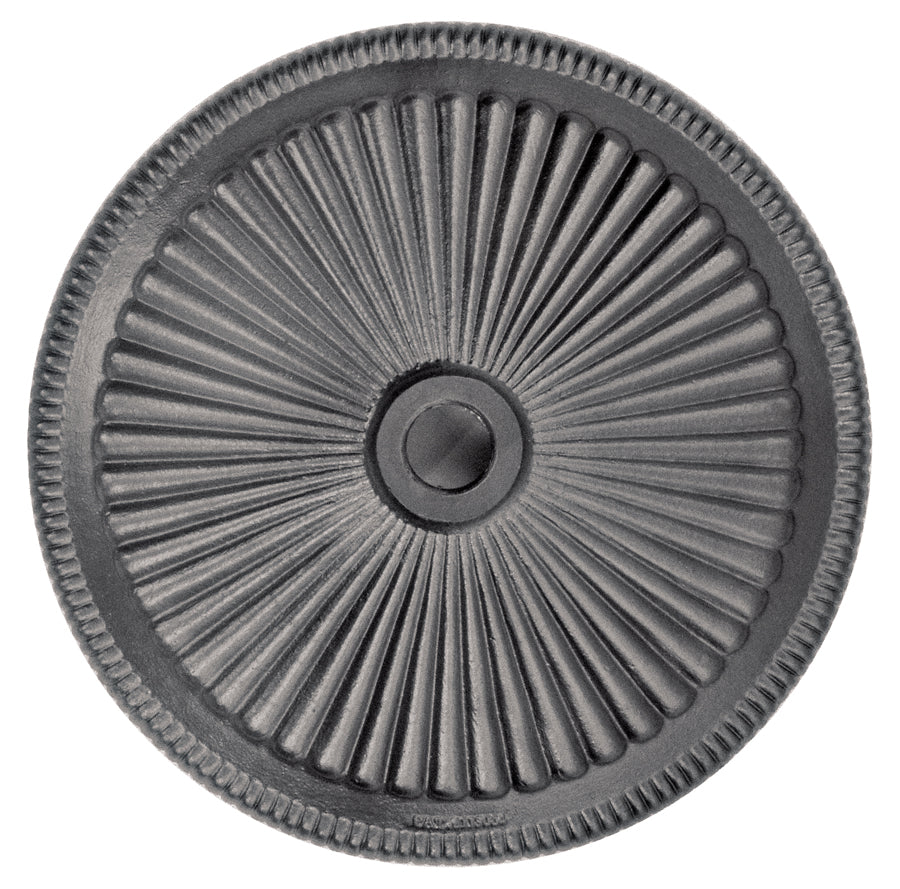
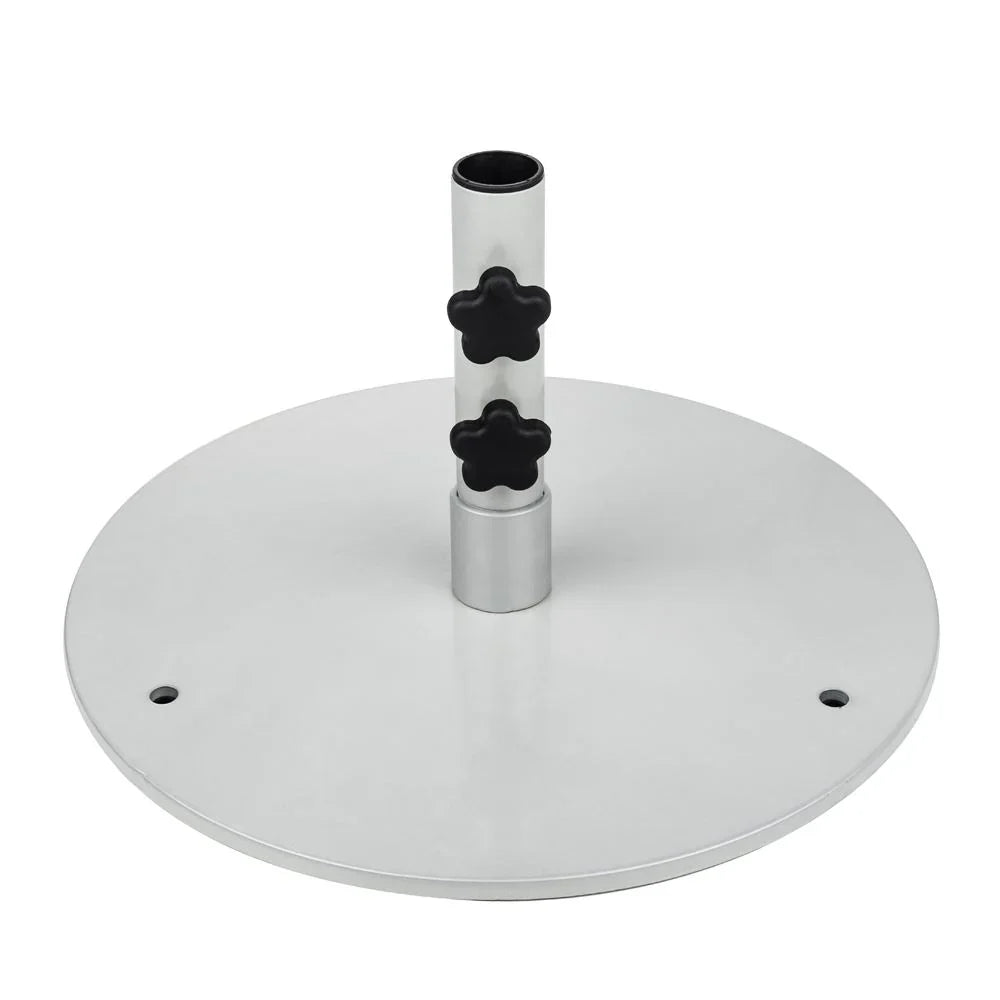
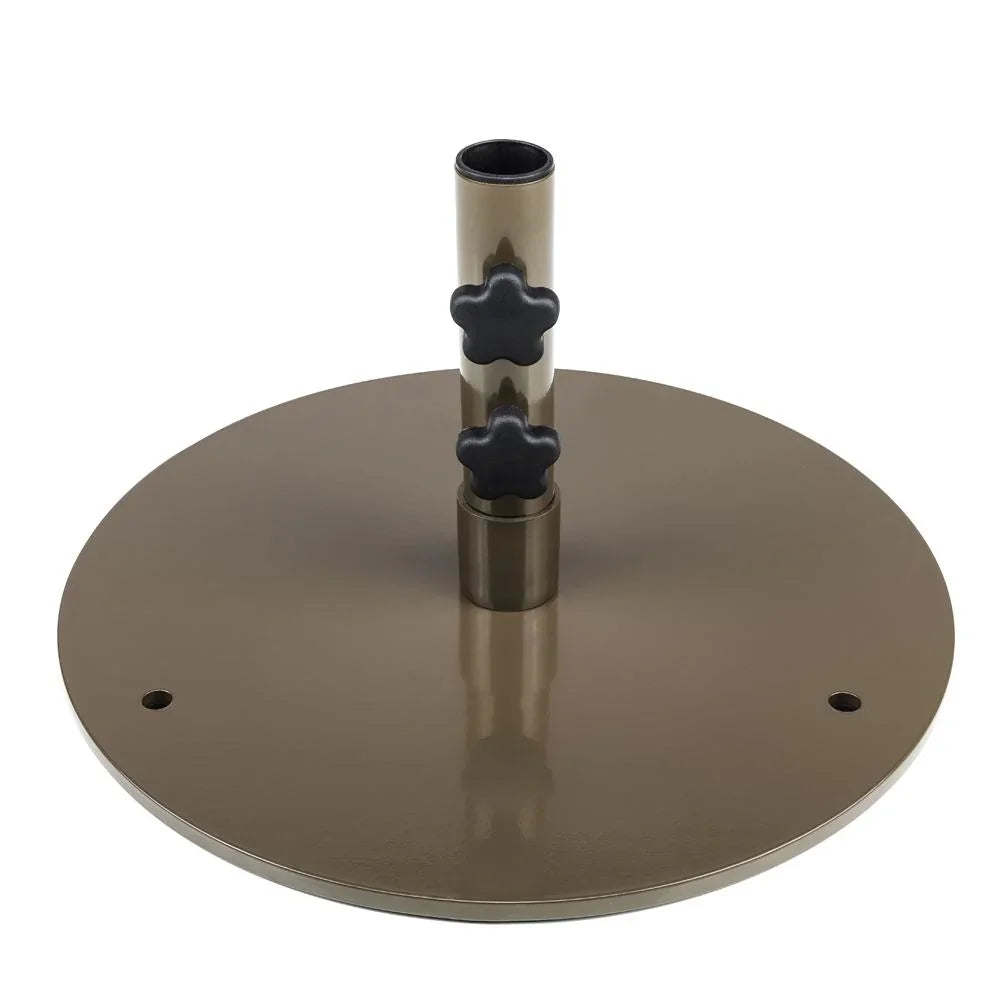
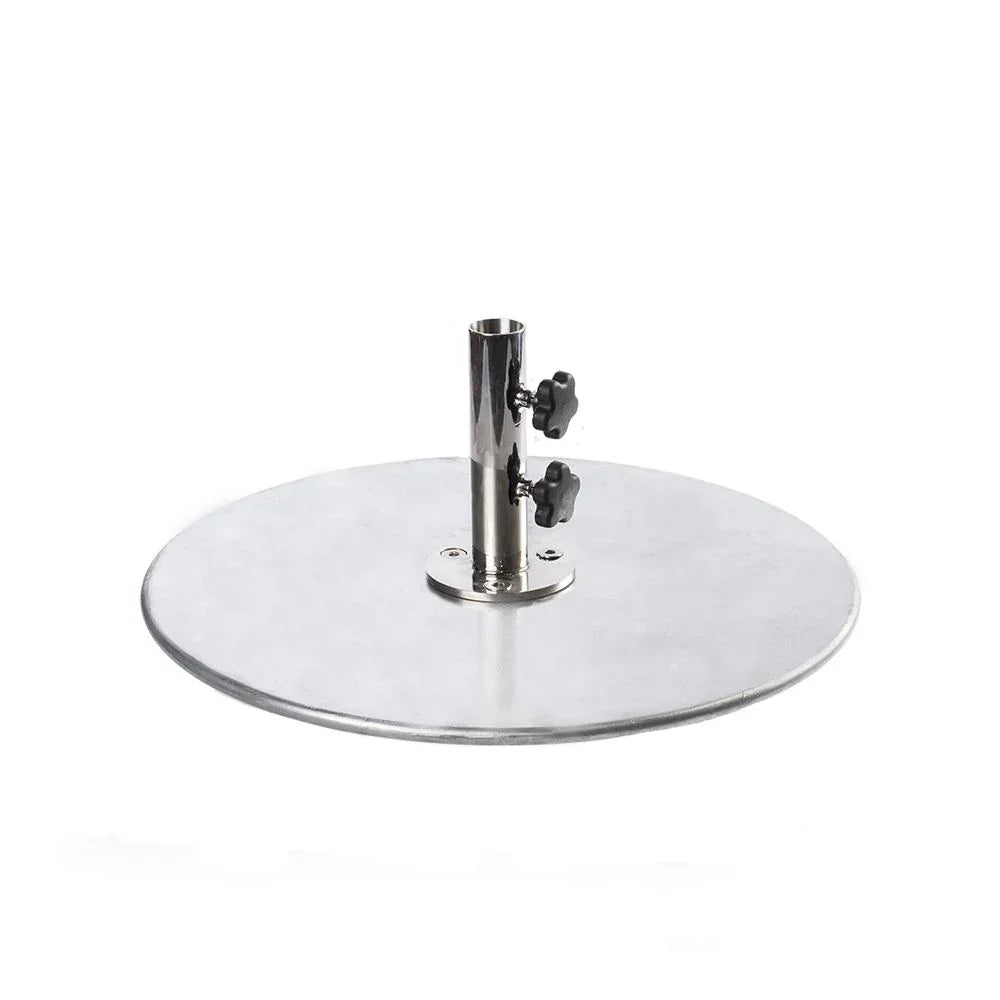
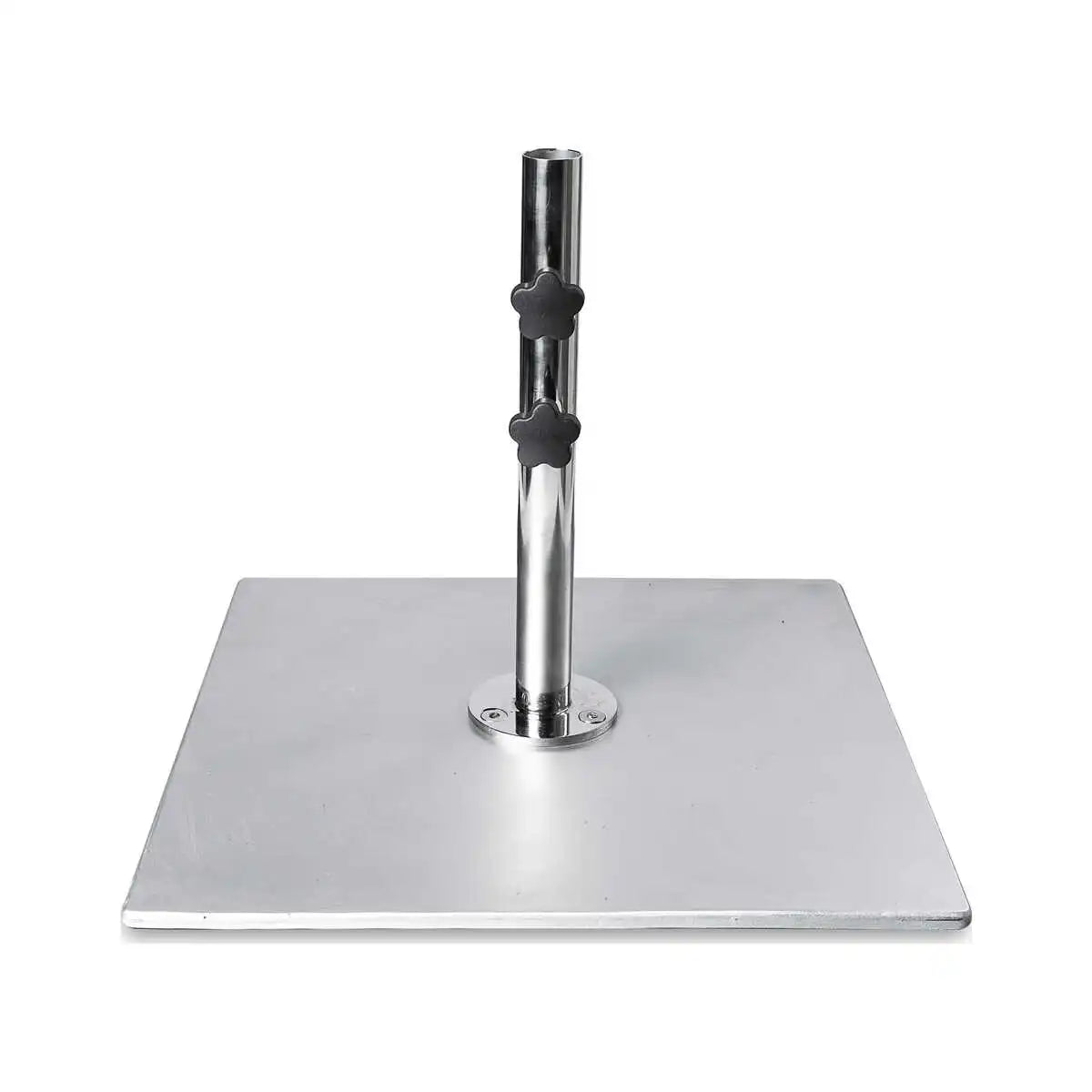
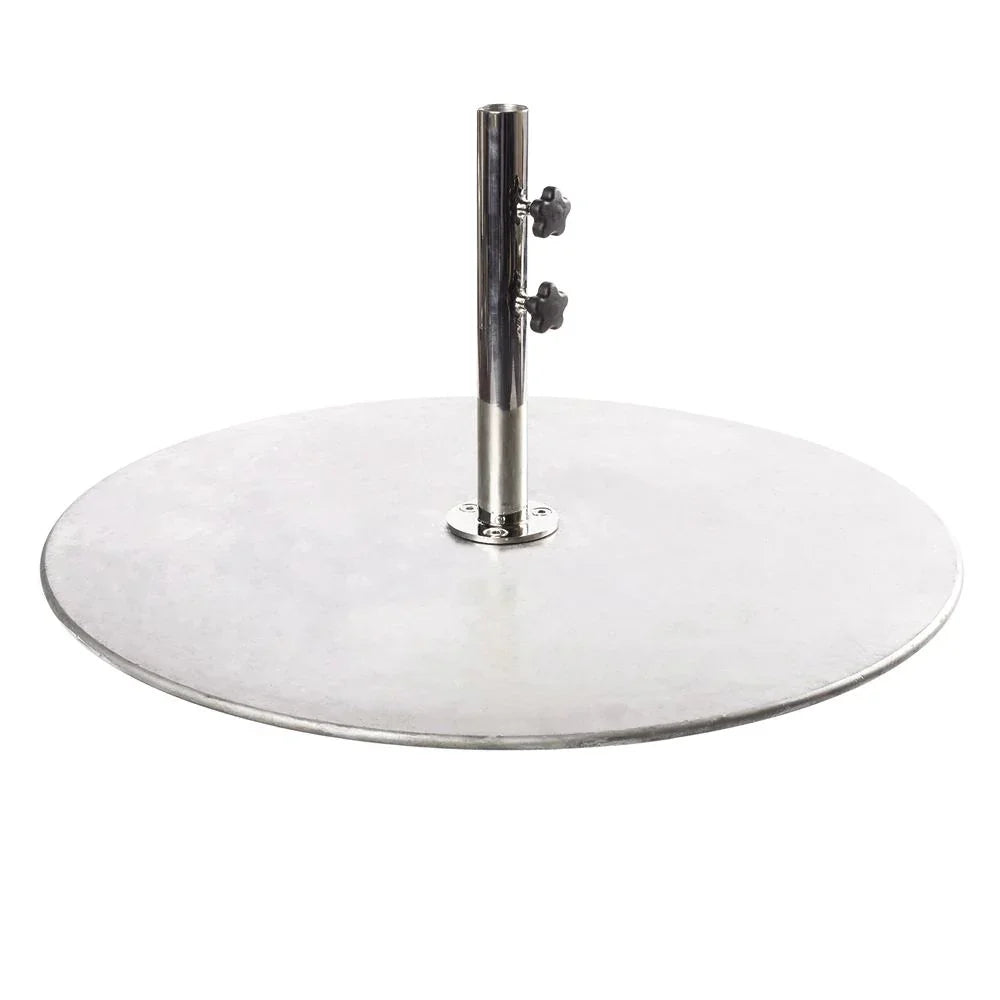
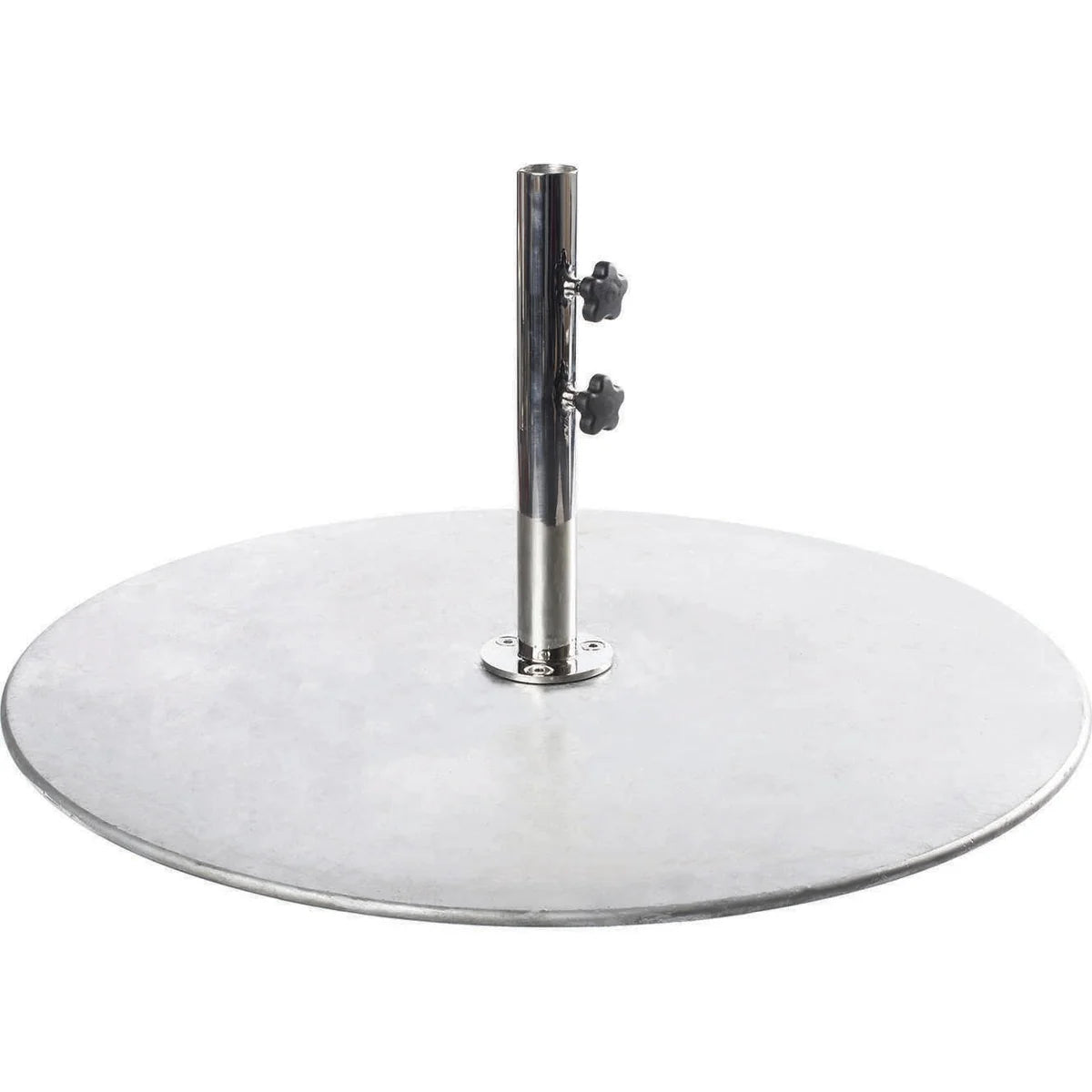
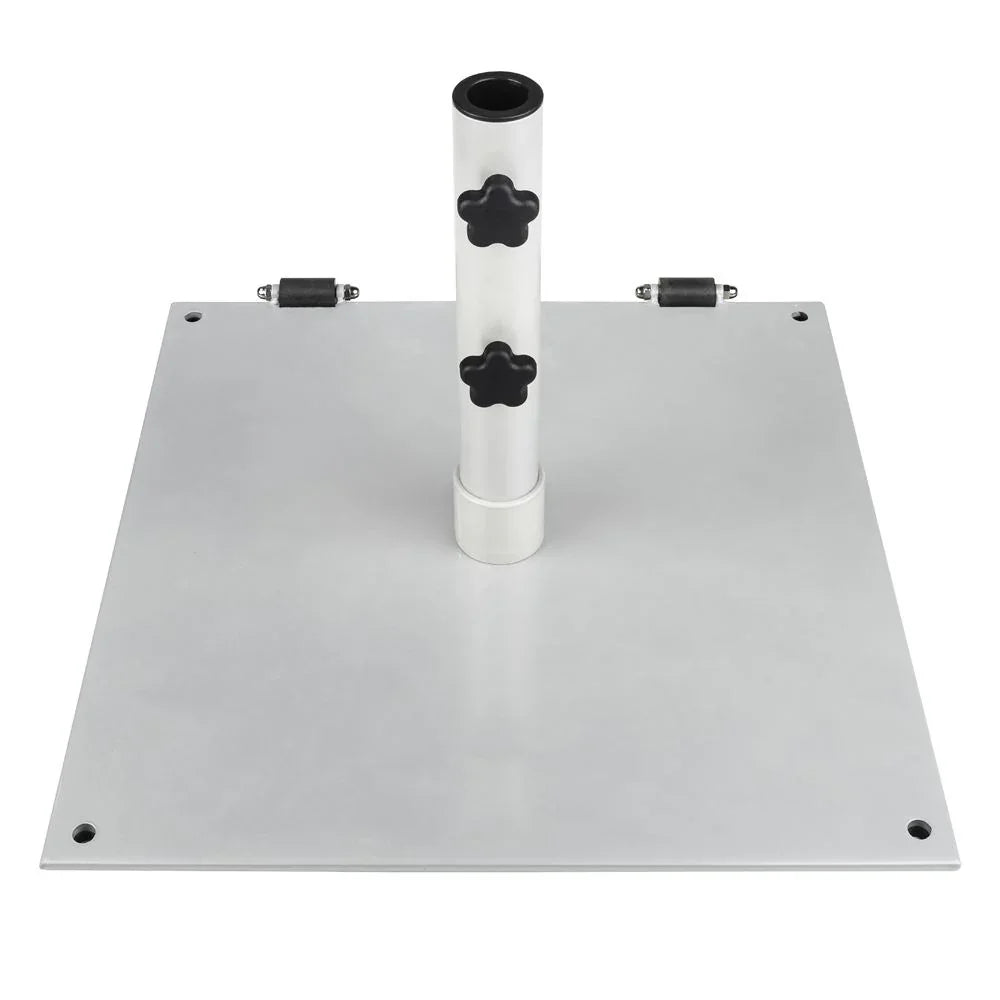
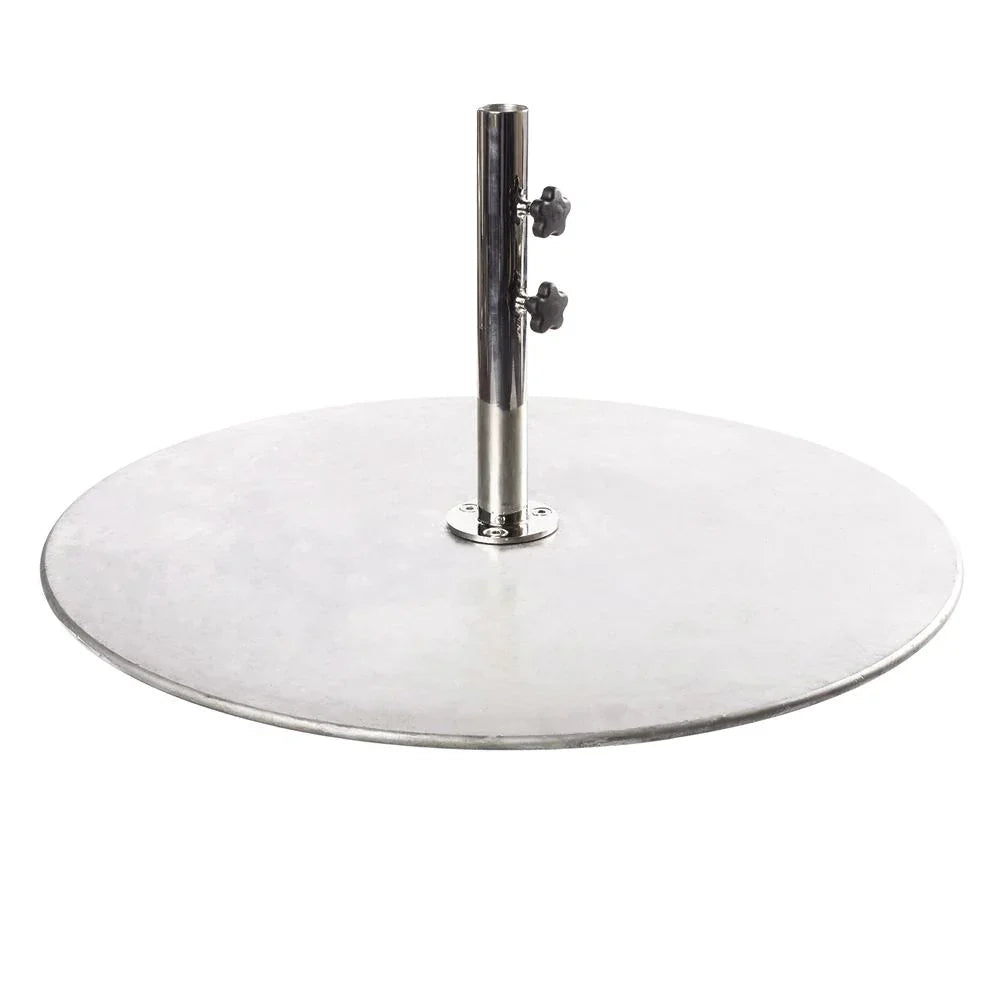
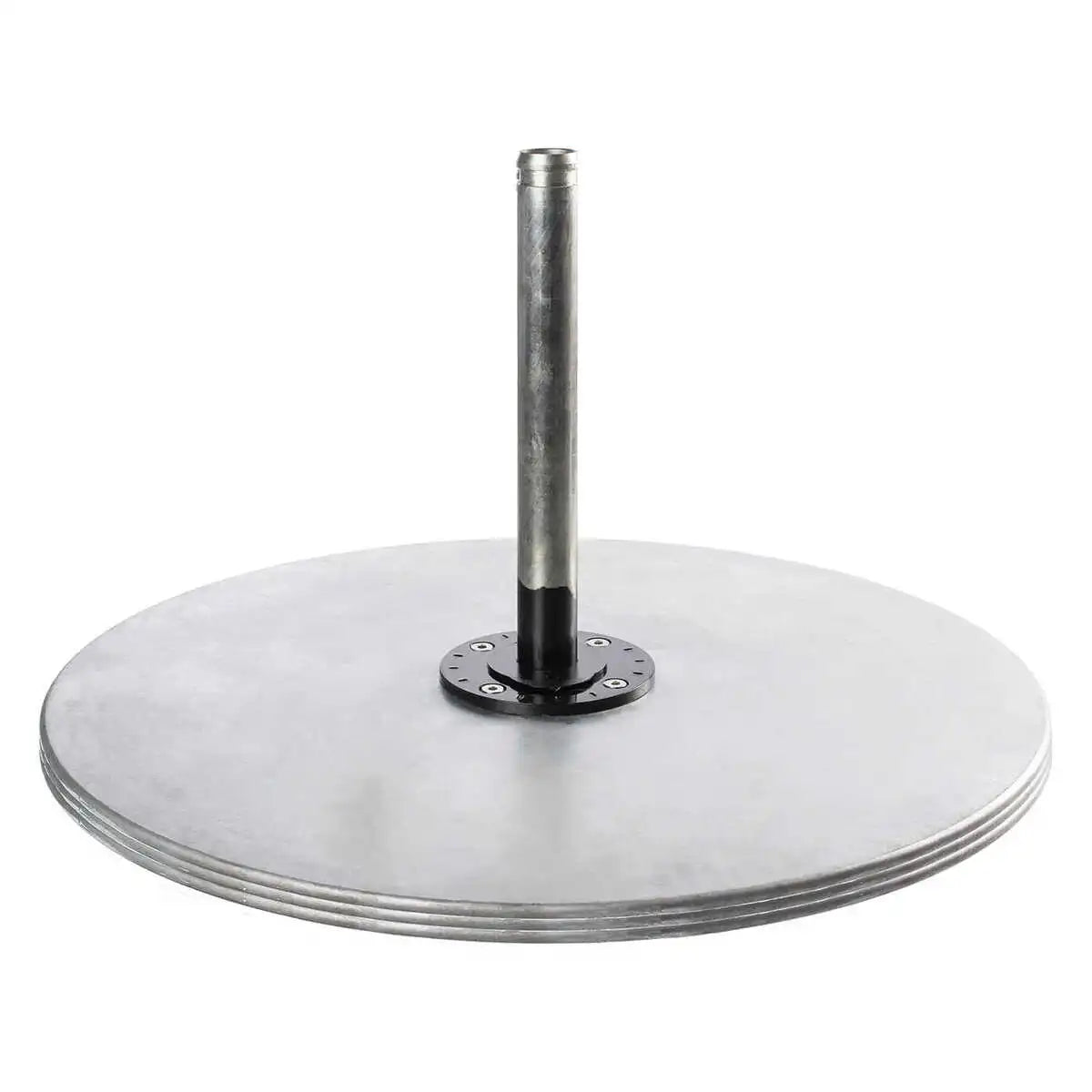
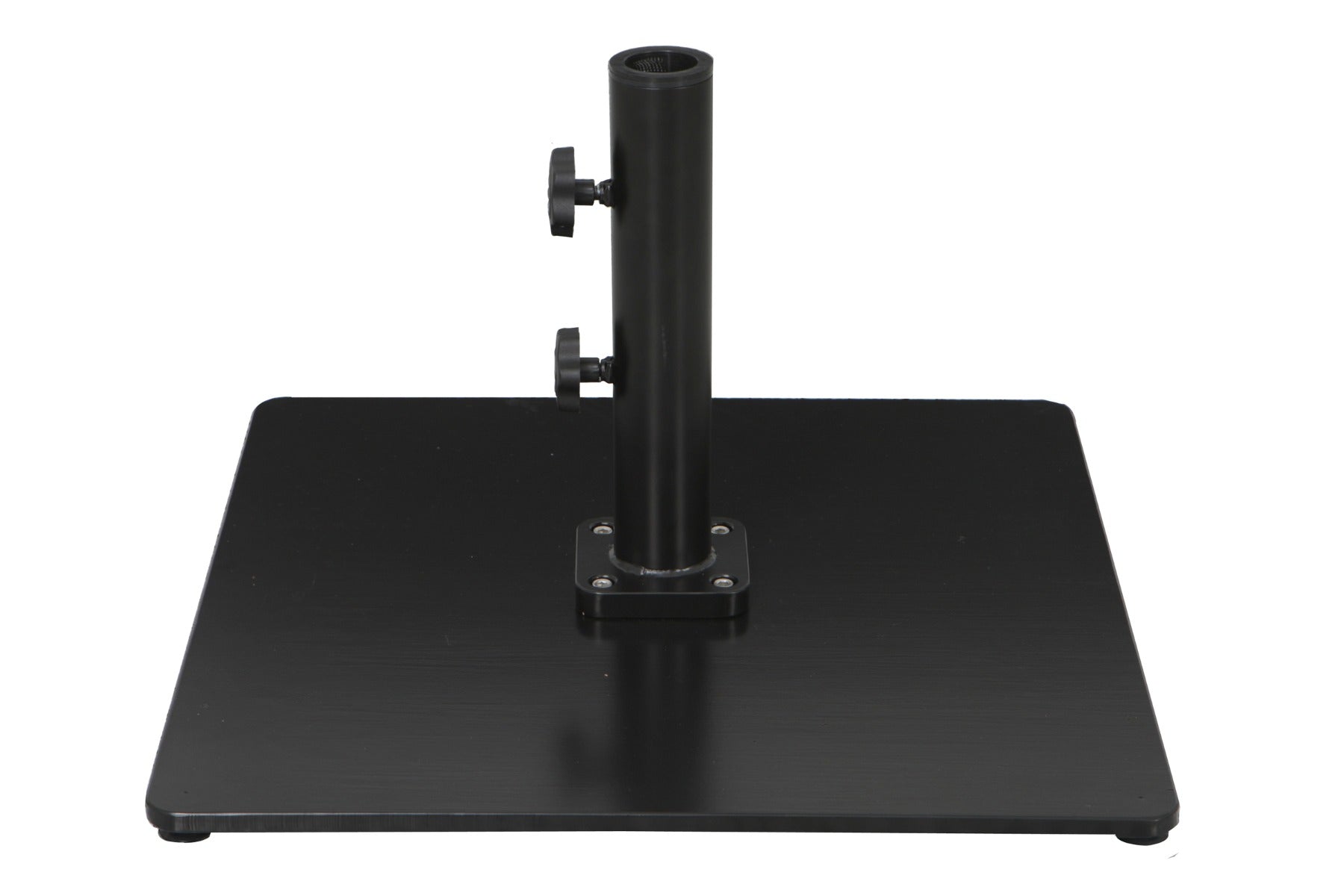
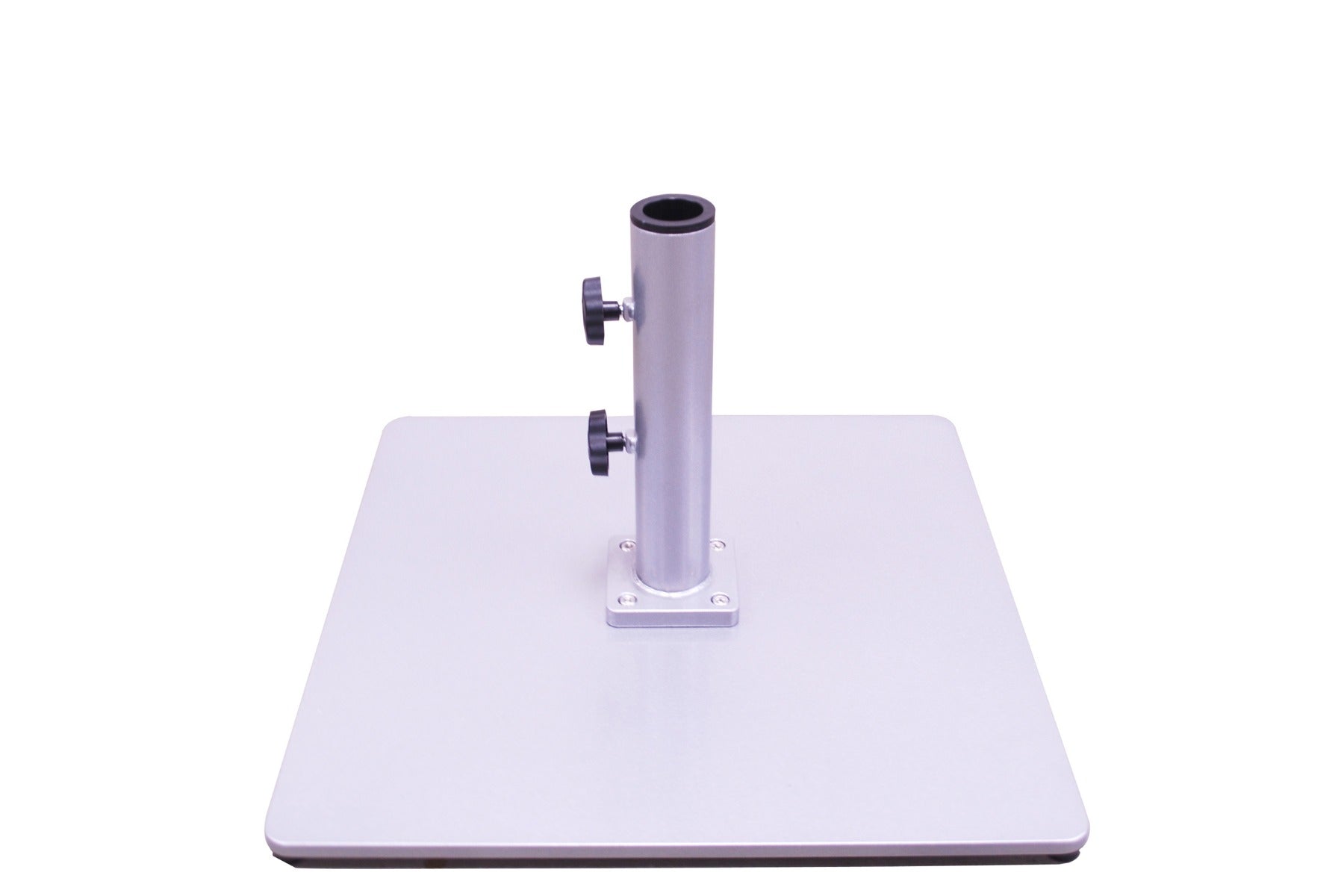
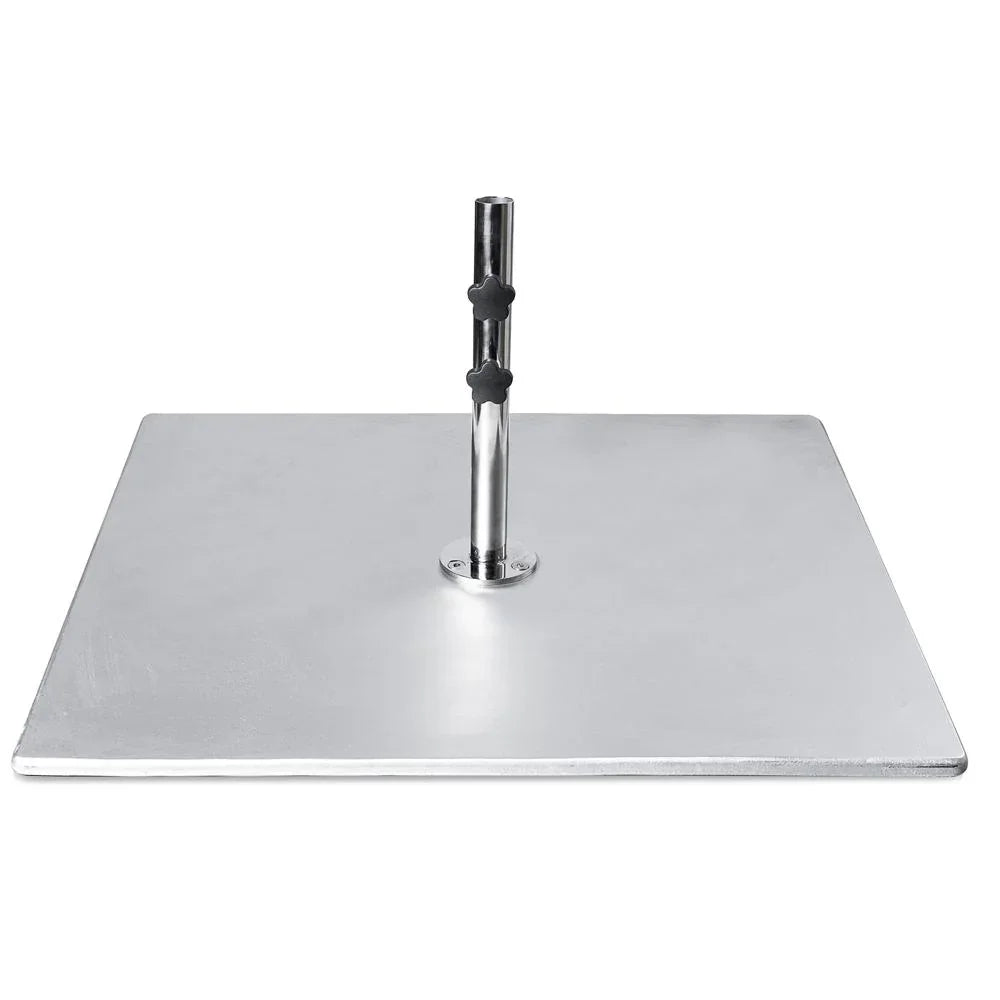
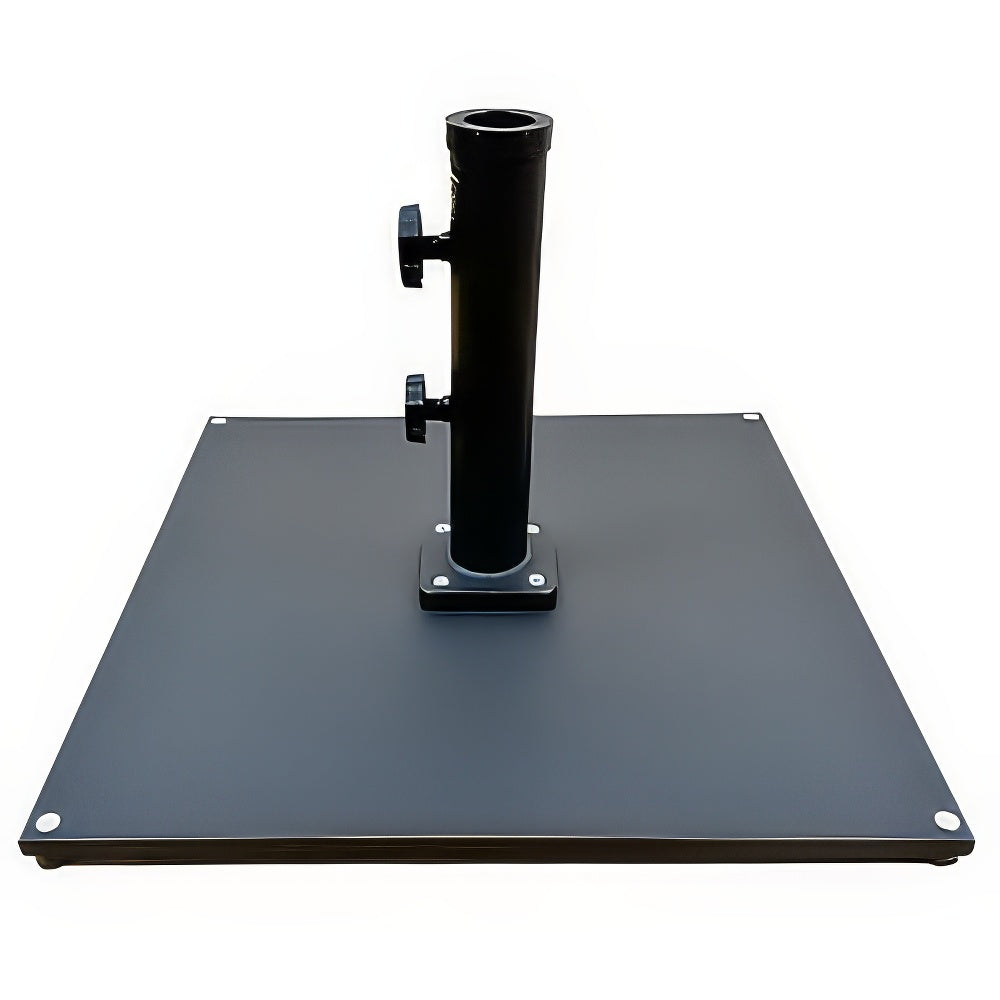
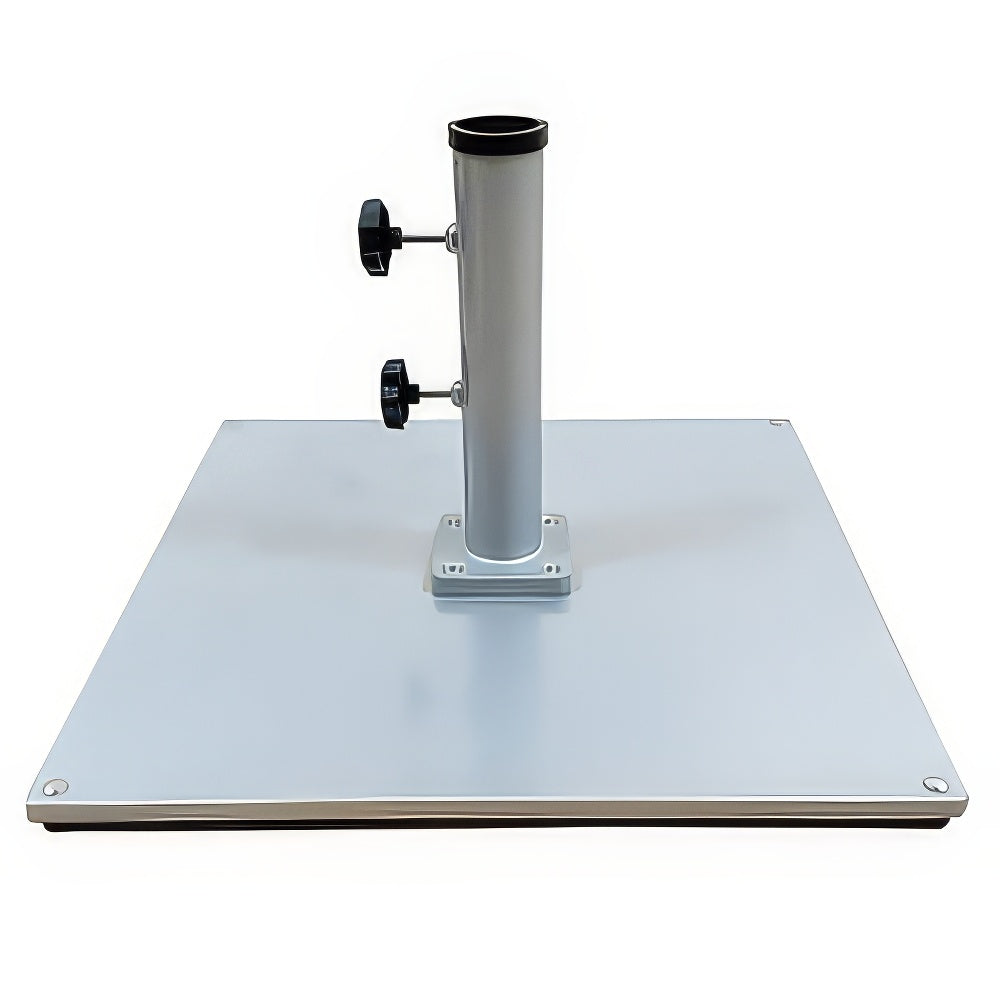
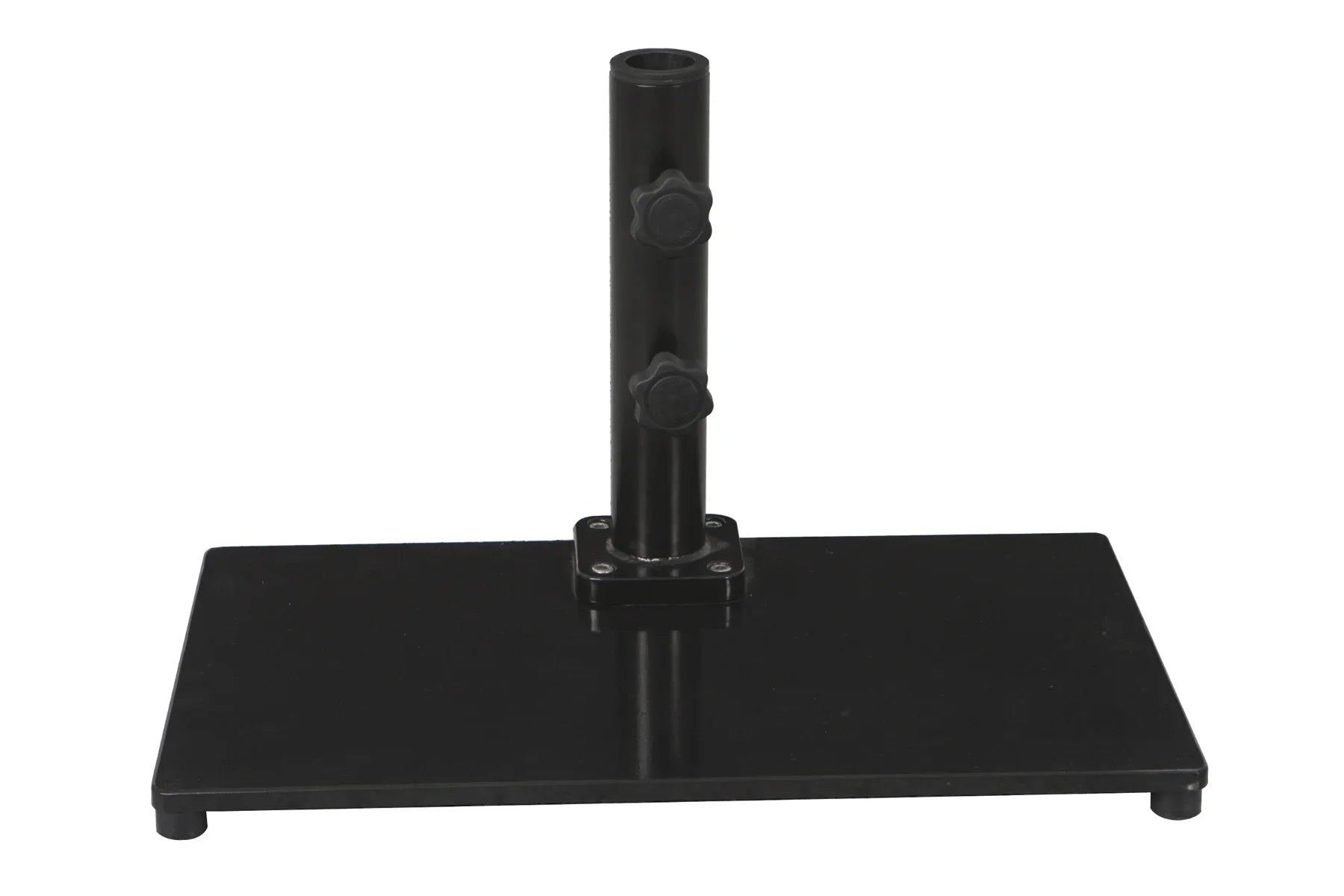
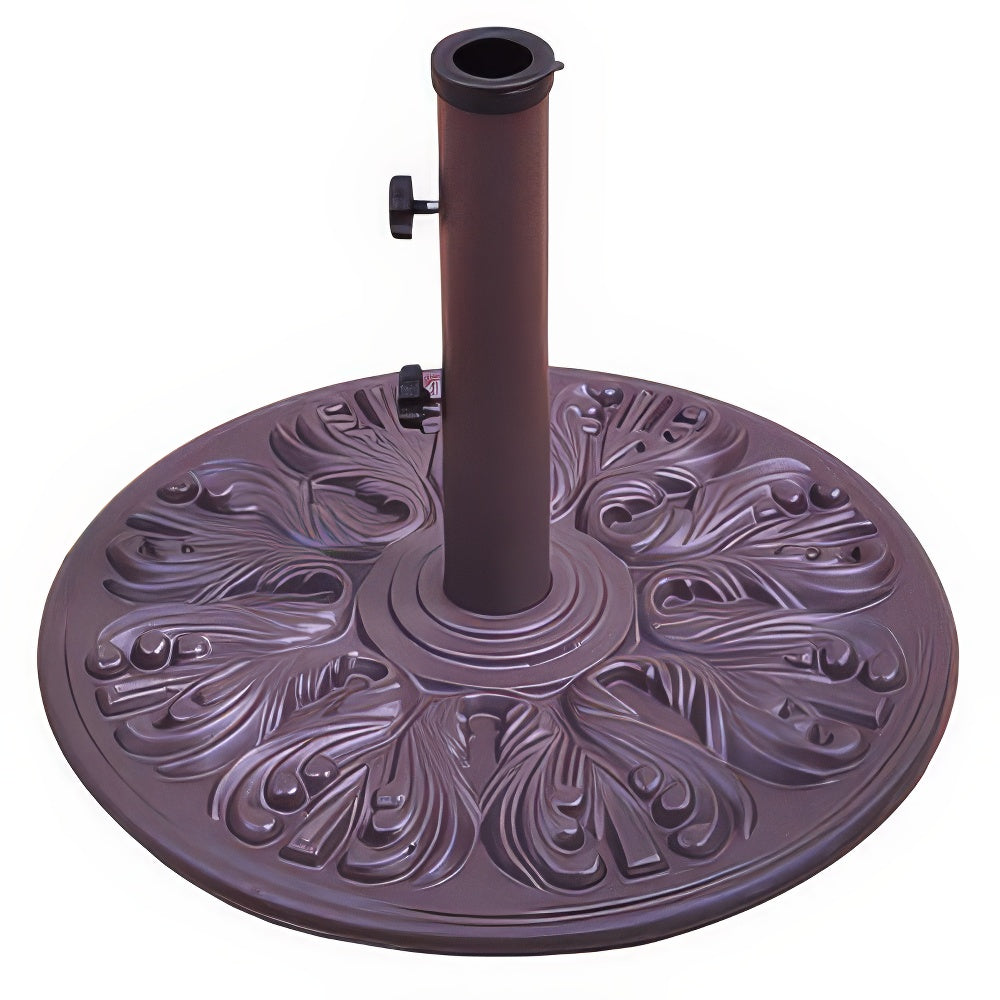
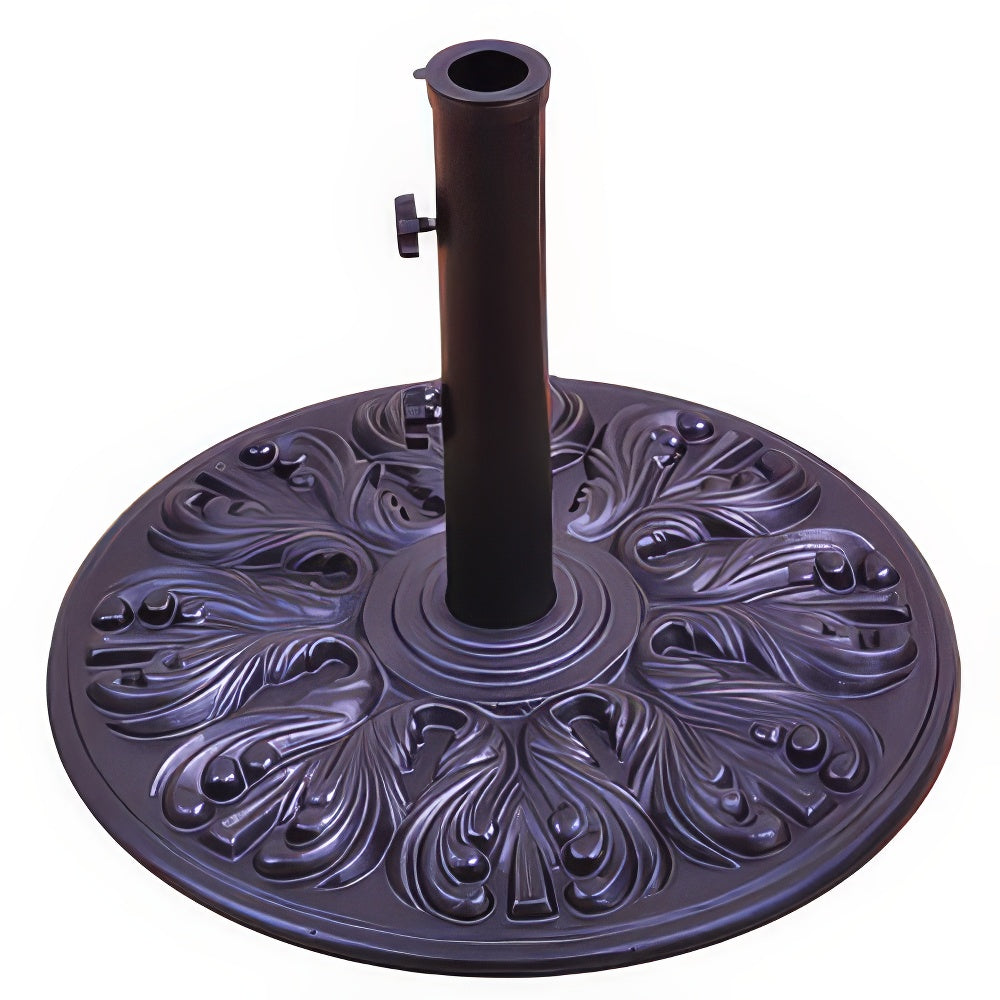
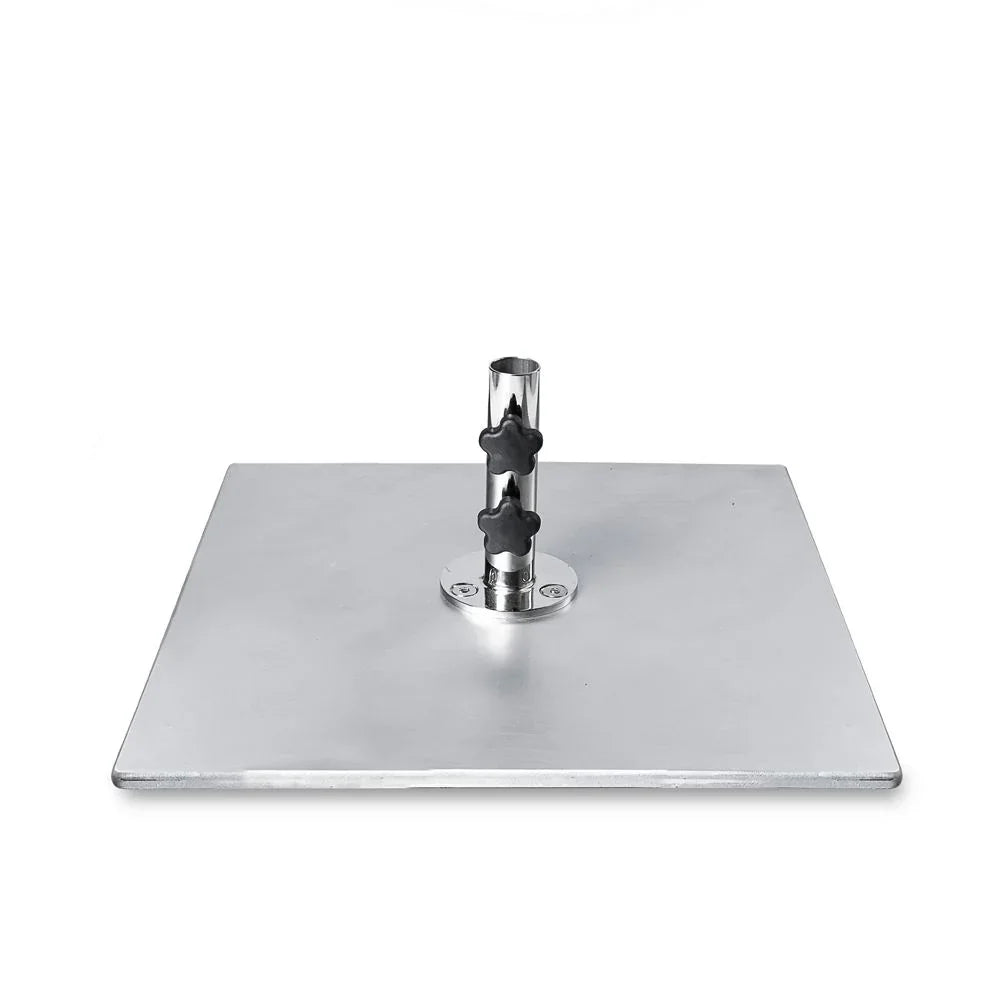
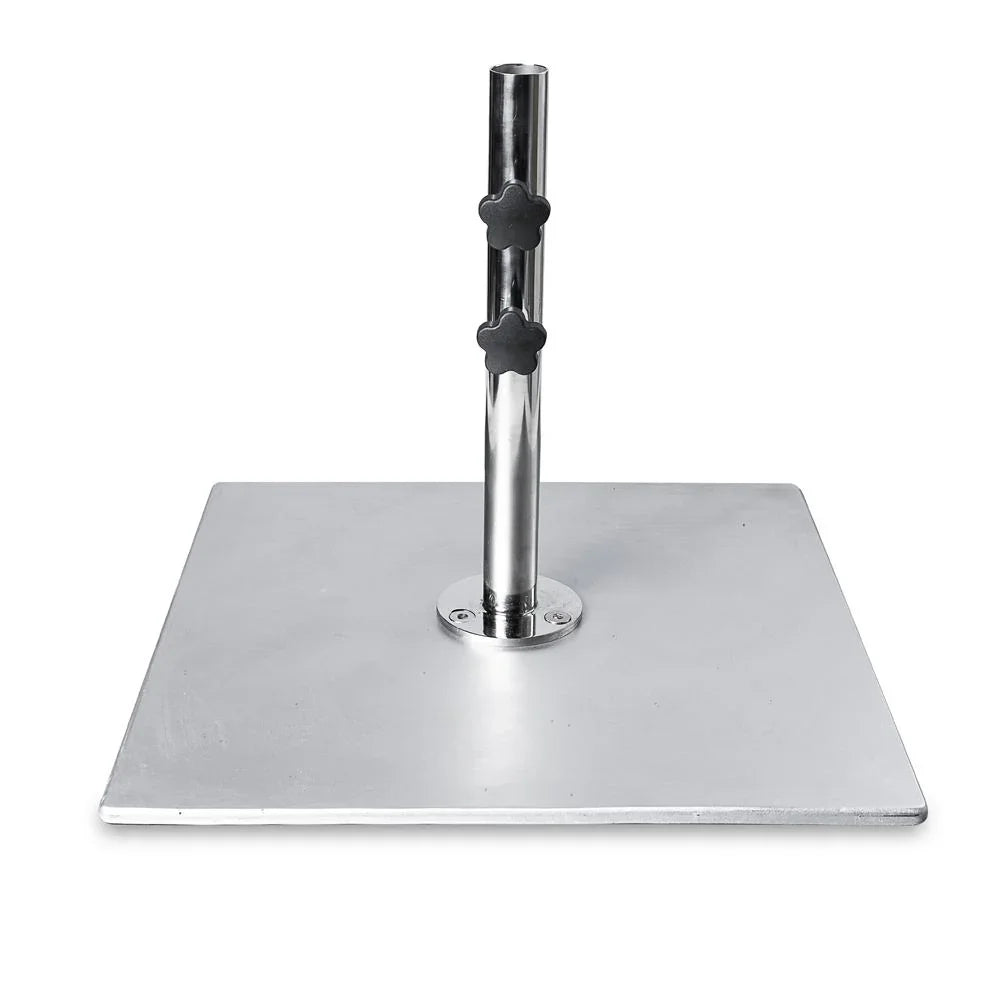
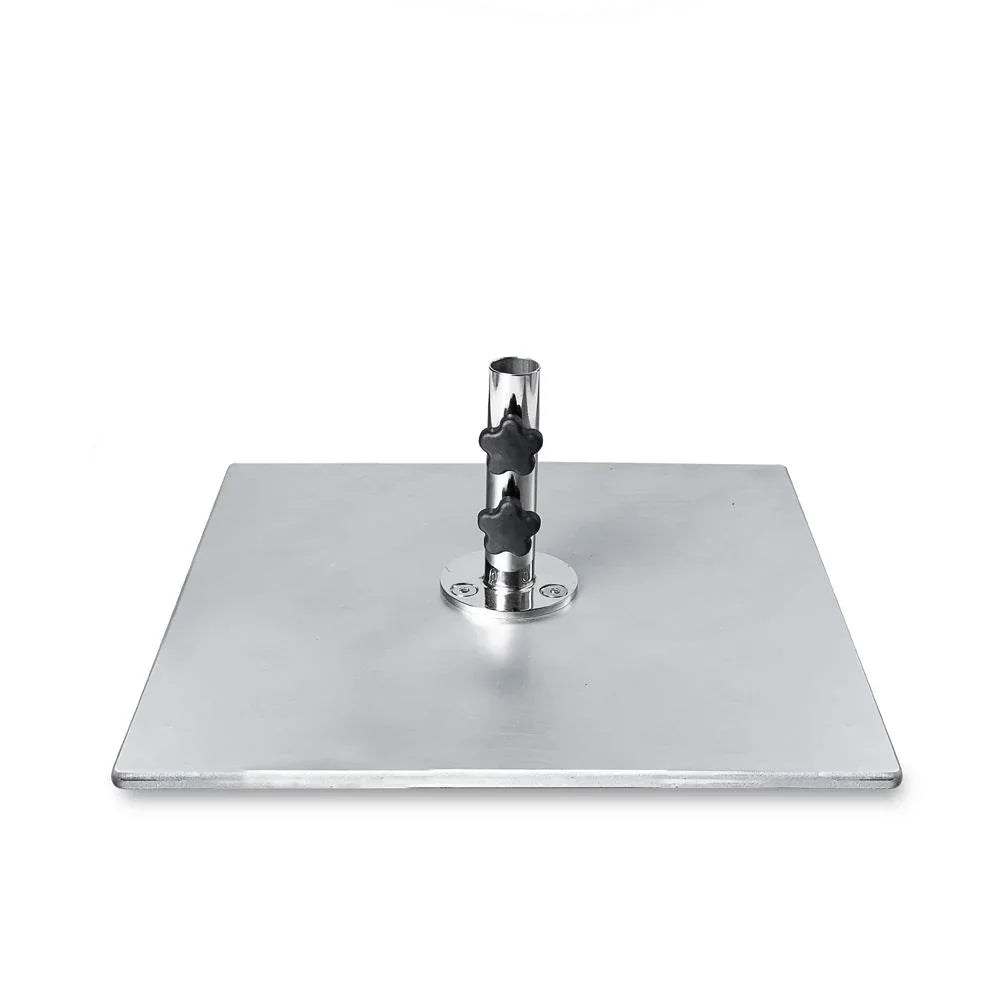
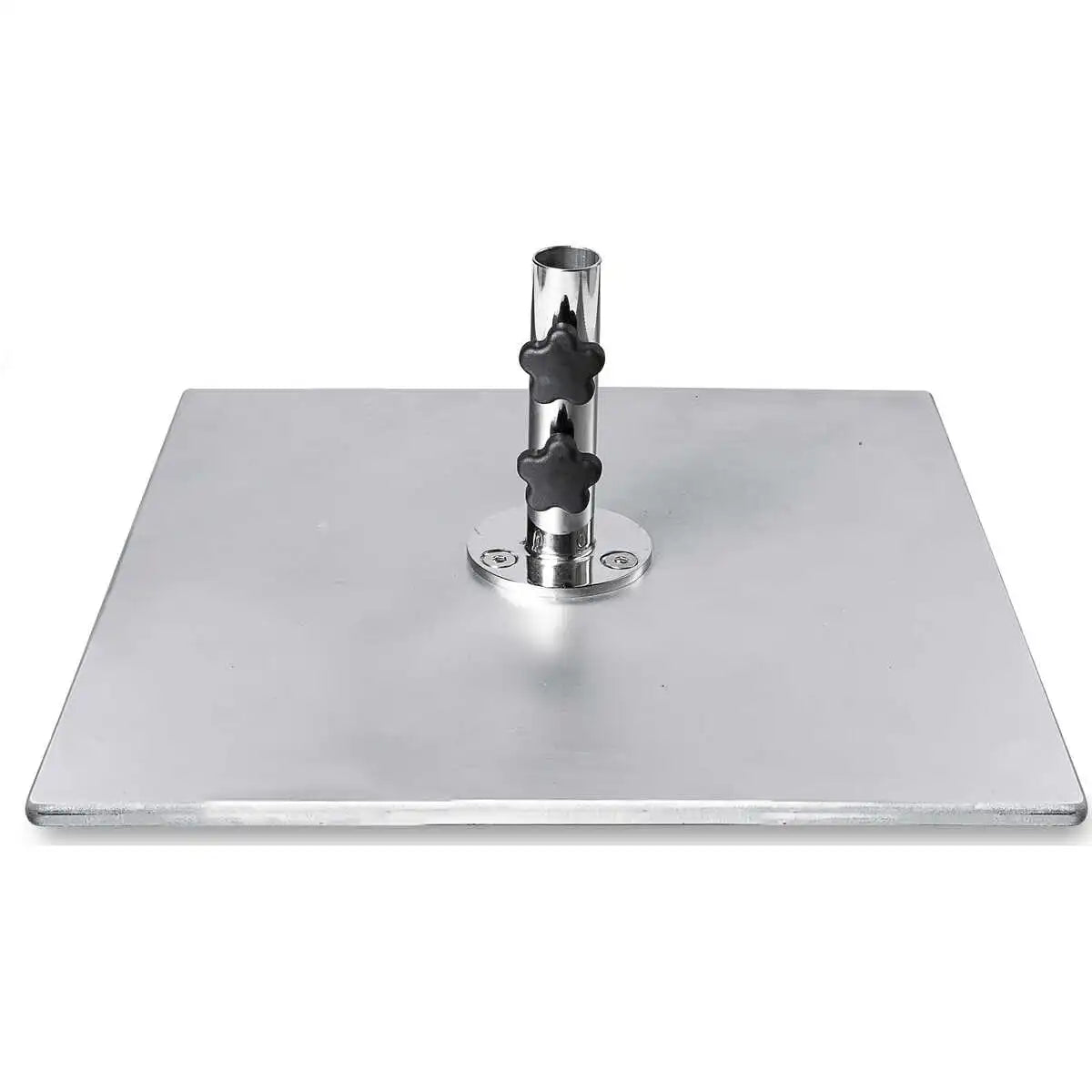
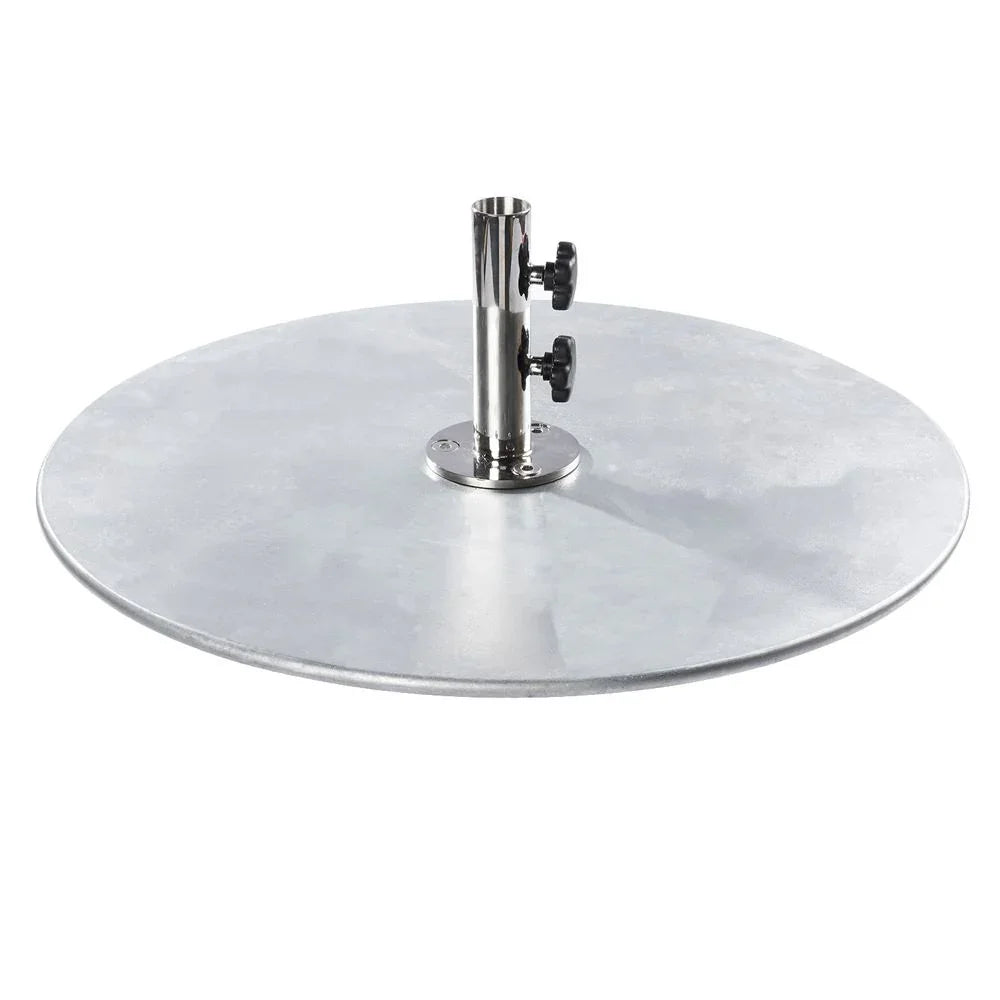
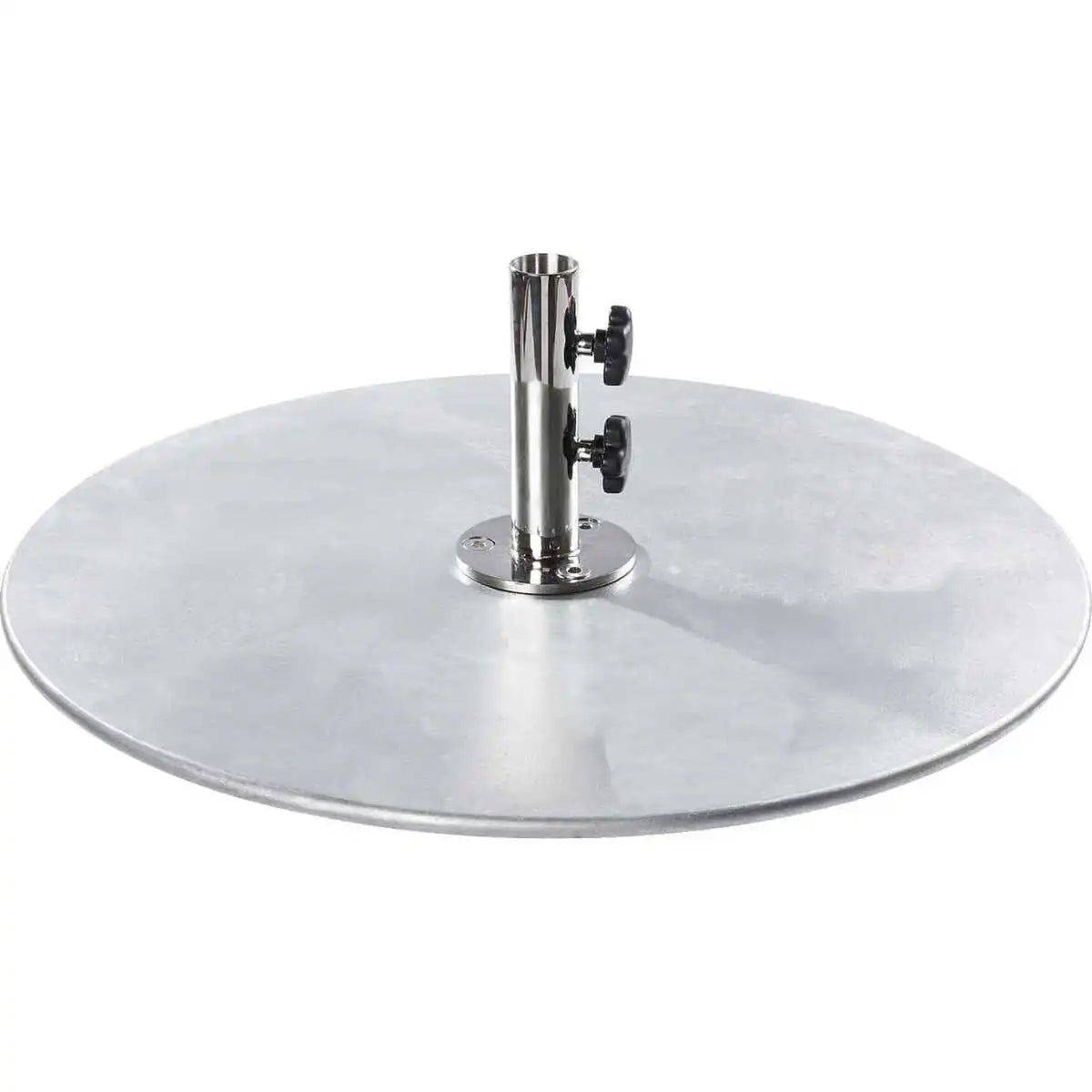
We carry bases from 40 lbs up to 200 lbs, in cast iron, steel plate, resin-coated concrete, and aluminum-shelled concrete. Heavier isn't automatically better here: a 40-50 lb cast iron or steel plate base is plenty for a smaller table umbrella in a sheltered backyard, while a large cantilever or an umbrella in an open, wind-exposed spot needs the extra hold that only a 100+ lb concrete base provides. Galvanized steel plate bases are also stackable, which matters if you're outfitting several tables at once and want to store spares without them taking over a shed.
We carry umbrella bases from Galtech (cast iron and steel plate, 40-95 lbs, including a wheeled option), Frankford Umbrellas (resin-coated concrete and aluminum-concrete freestanding bases, 50-200 lbs, several with wheels for mobility), and Treasure Garden (steel market umbrella bases, including a wheeled commercial-weight option).
Looking for the umbrella itself? Head back to Umbrellas to browse market, cantilever, and commercial styles.
Frequently Asked Questions: Umbrella Bases
It depends on umbrella size and how exposed the spot is to wind. A small table umbrella in a sheltered area can usually get by with 40-50 lbs. Larger market umbrellas, cantilevers, and anything in an open or breezy location should move up to 75-100+ lbs. When in doubt, size up rather than down.
Use a table base if your umbrella goes through a table's umbrella hole. If you're setting up an umbrella on its own, away from any table, choose a freestanding base instead. Freestanding bases are also the ones to pick if you plan to move the umbrella around the patio.
It's mostly about weight density and finish. Cast iron and steel plate pack the most weight into the smallest footprint and typically have a finished, furniture-like look. Concrete bases (resin-coated or aluminum-shelled) reach much higher weights, which is why the heaviest freestanding options are almost always concrete.
Yes, once you're past about 75-100 lbs. A base that heavy isn't something you want to carry, even short distances. Locking casters let you roll it into position and lock it down once the umbrella is set.
Generally yes, but check your umbrella manufacturer's minimum weight recommendation first. Fences, walls, and nearby structures all cut down on wind exposure, but gusts can still funnel through gaps unpredictably. Manufacturer weight minimums exist for a reason, so treat them as a floor, not a suggestion.


