
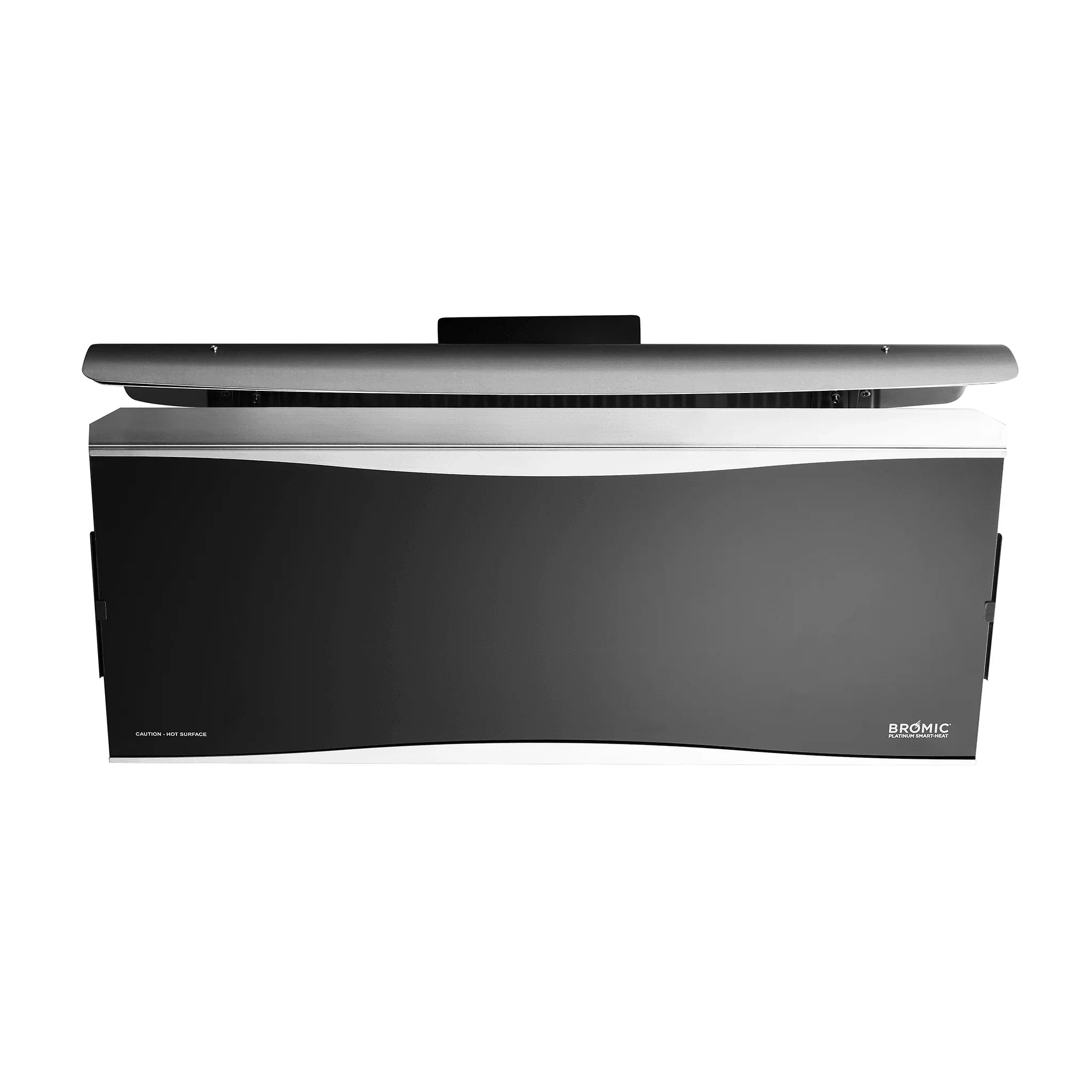
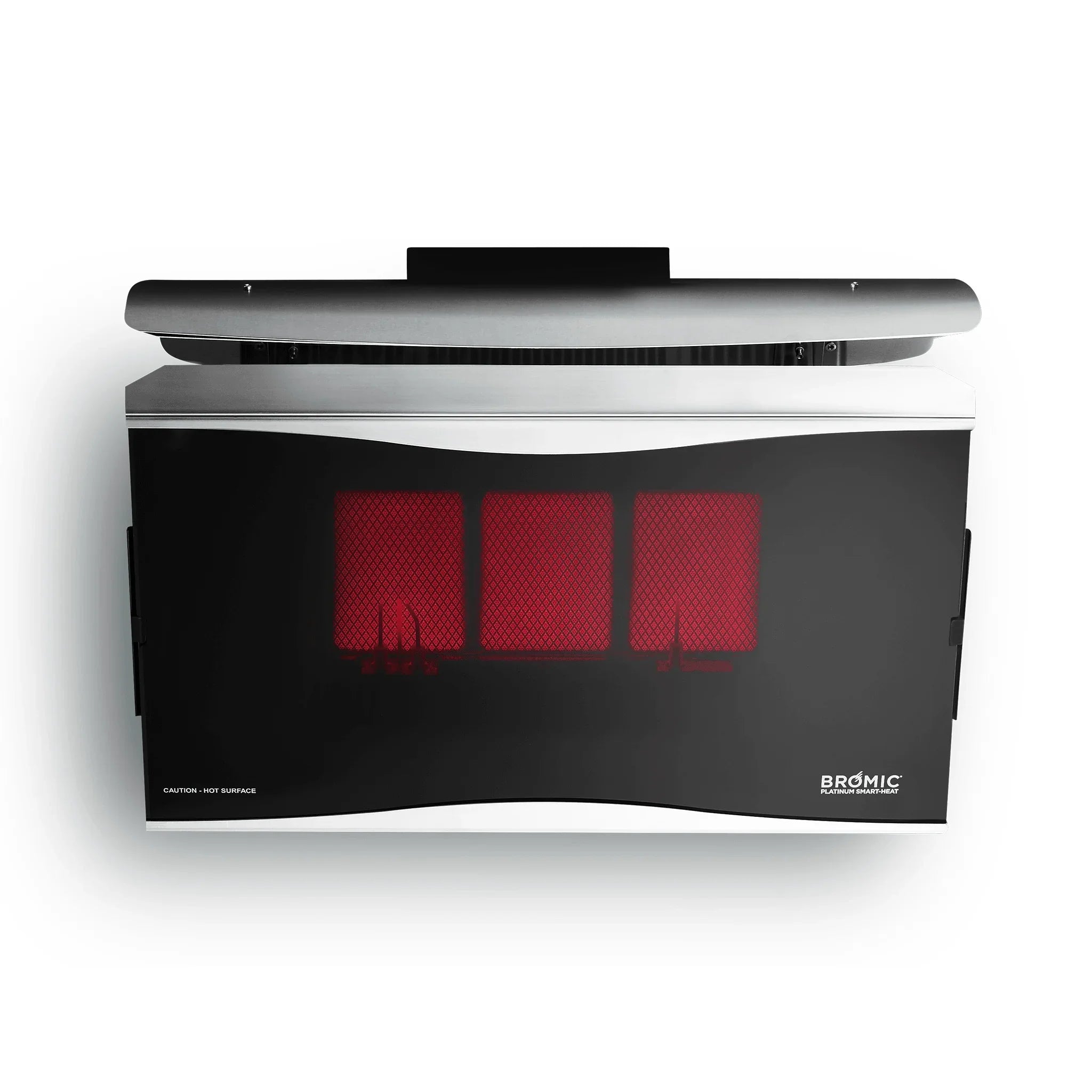
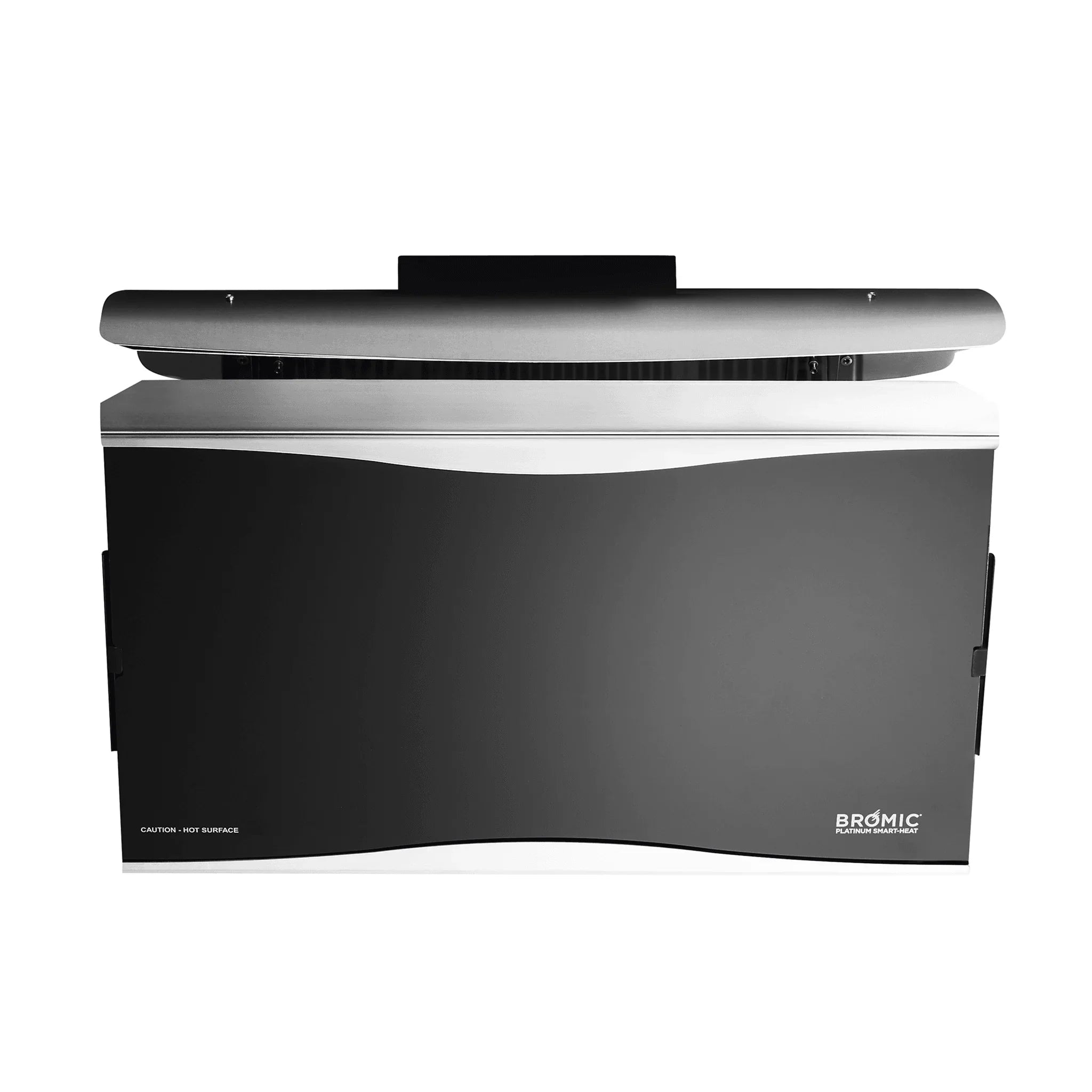



Heat Where You Actually Sit
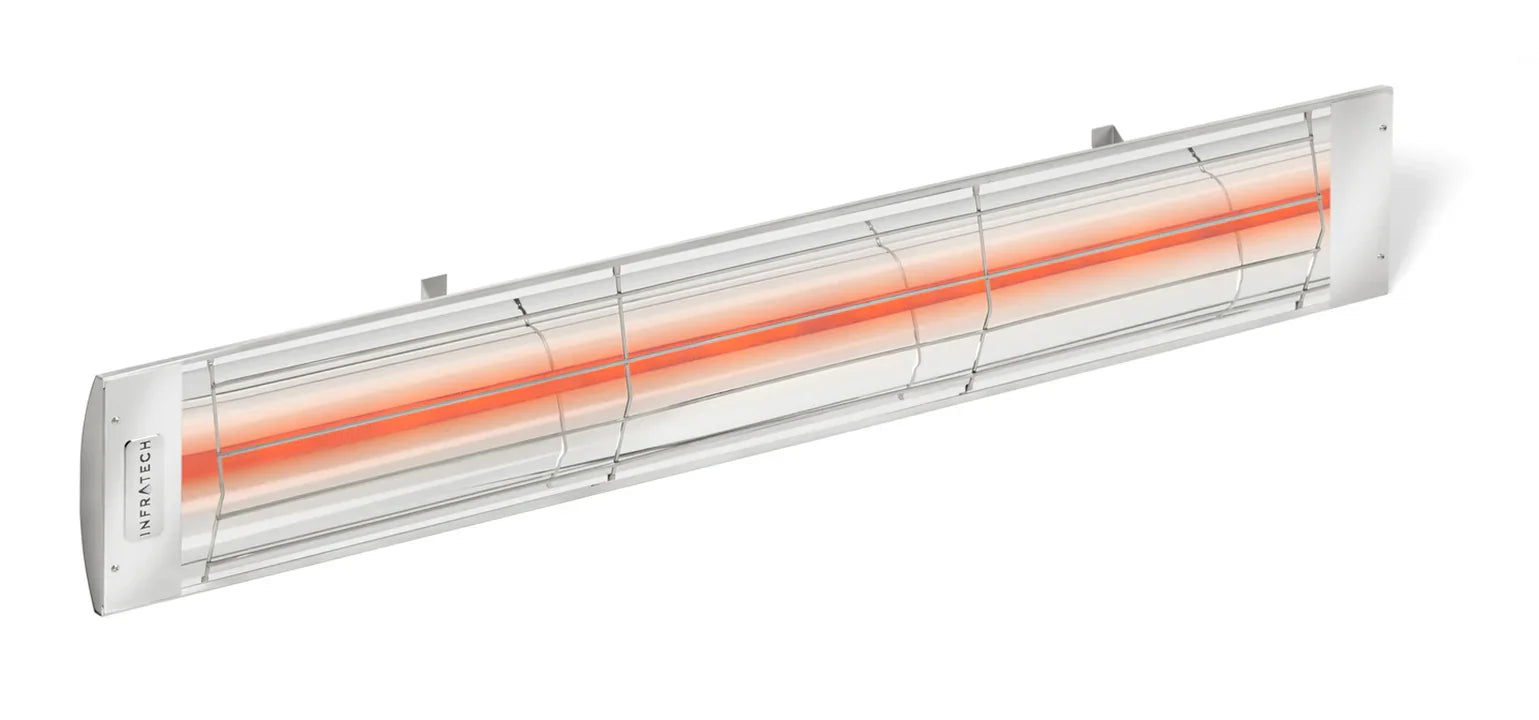
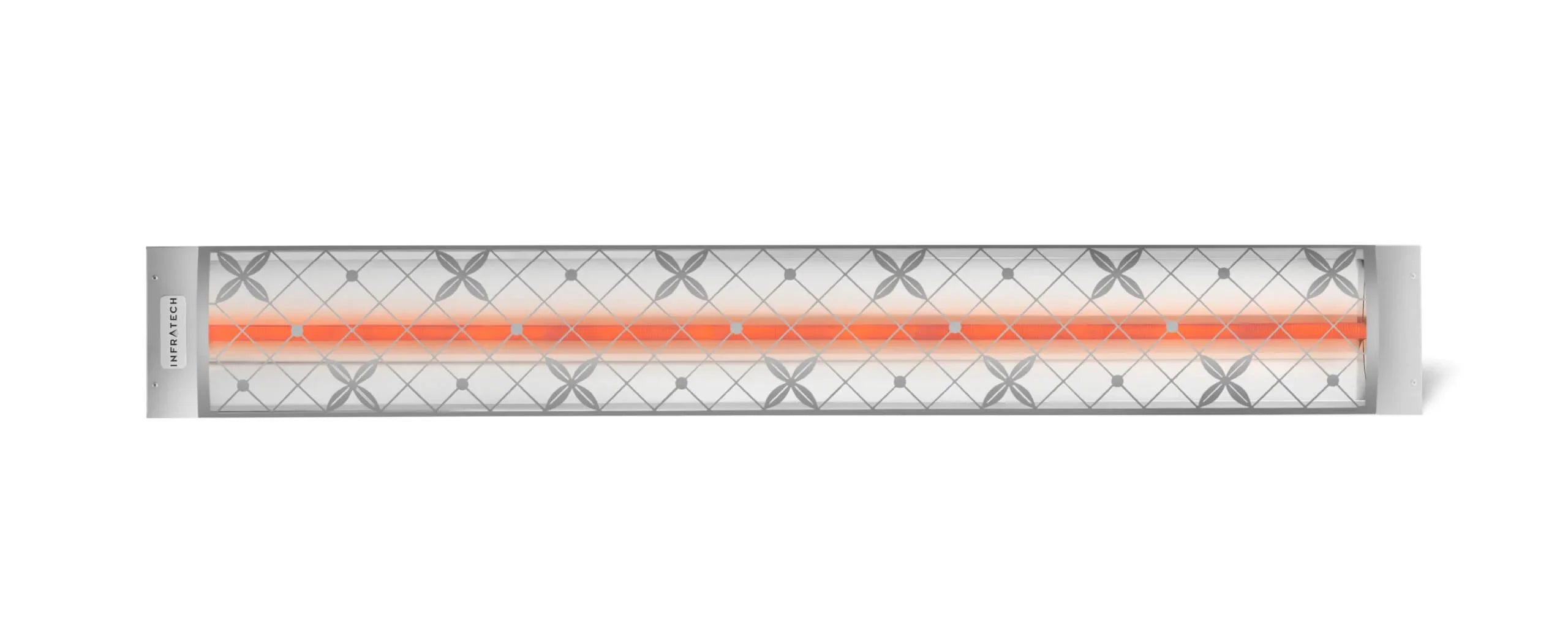
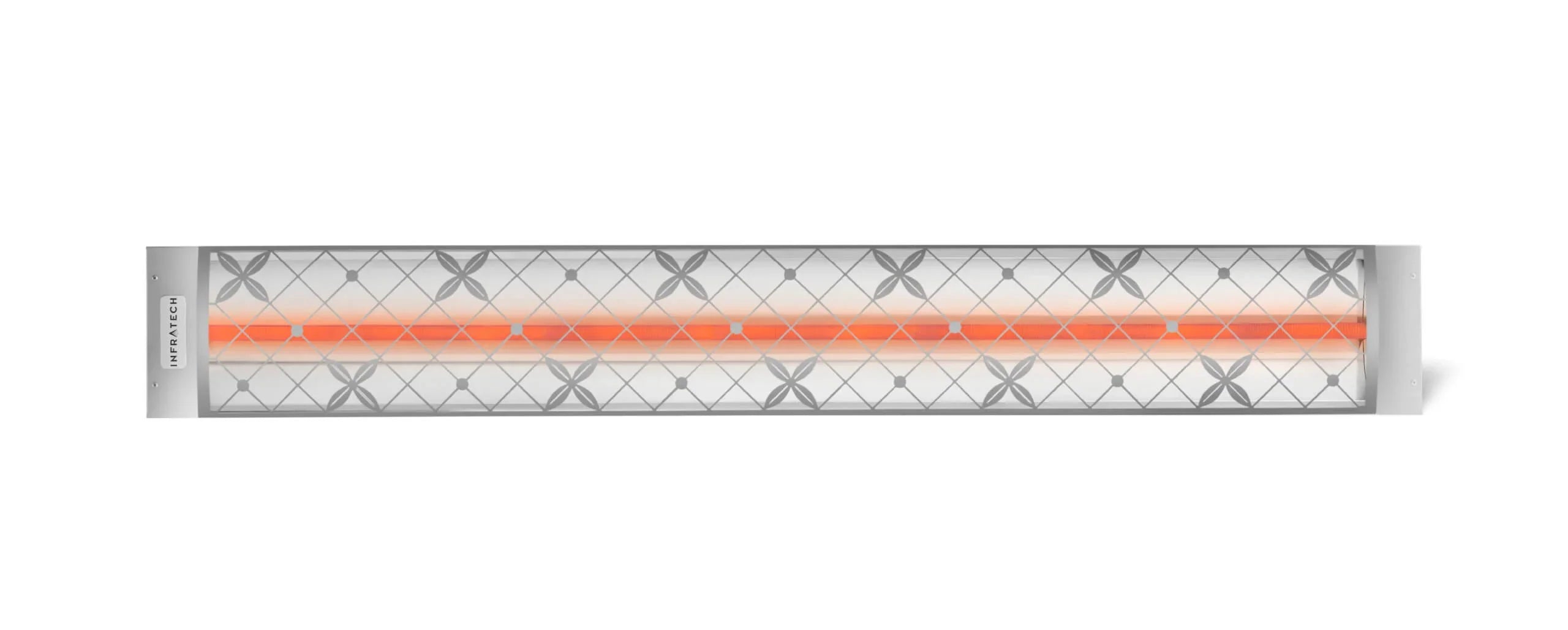
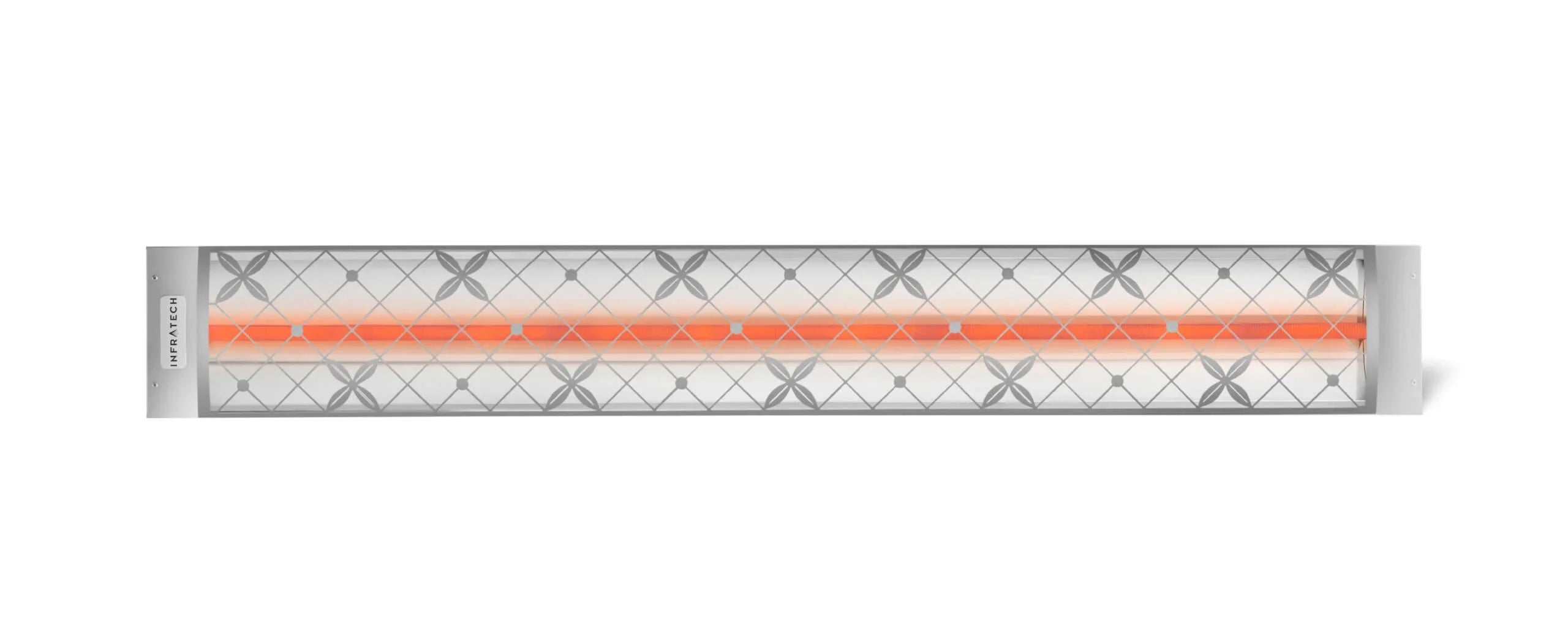
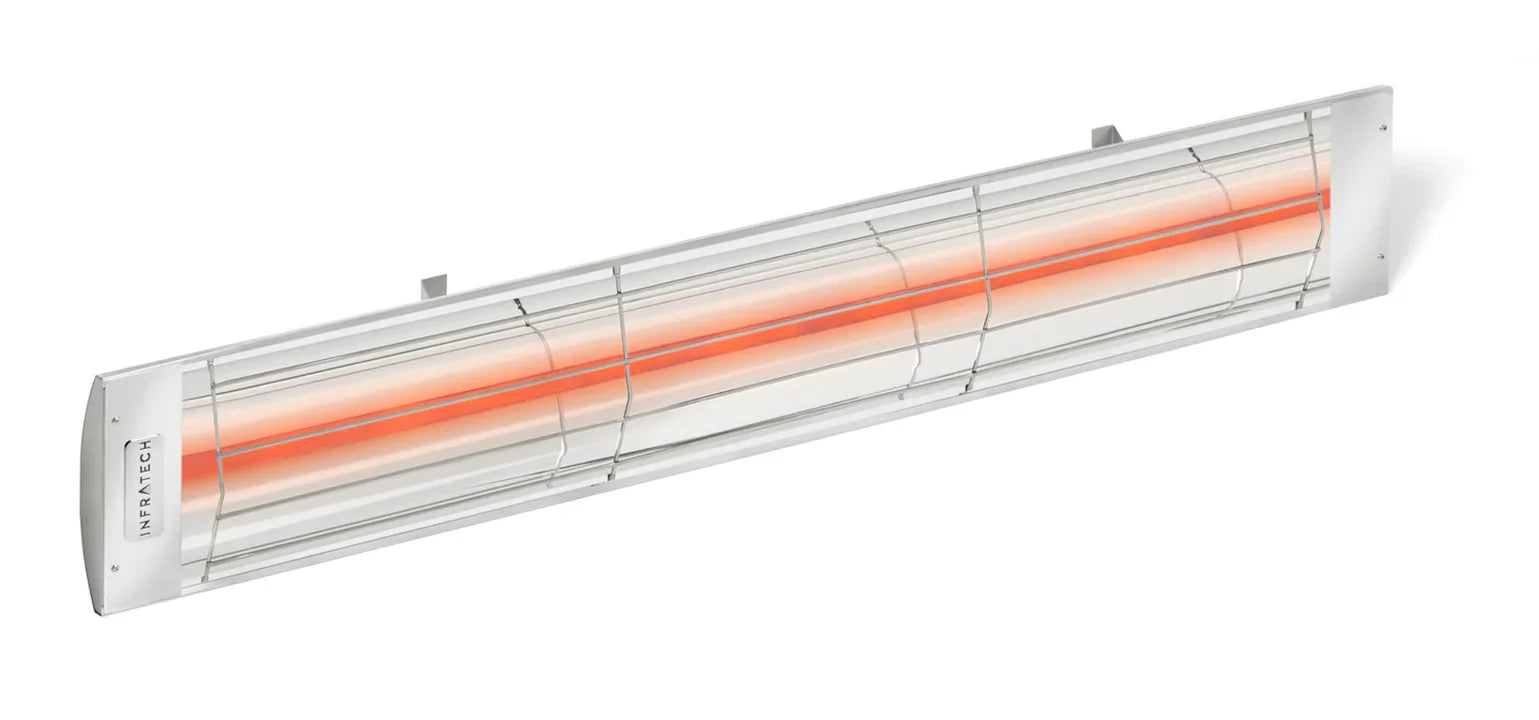
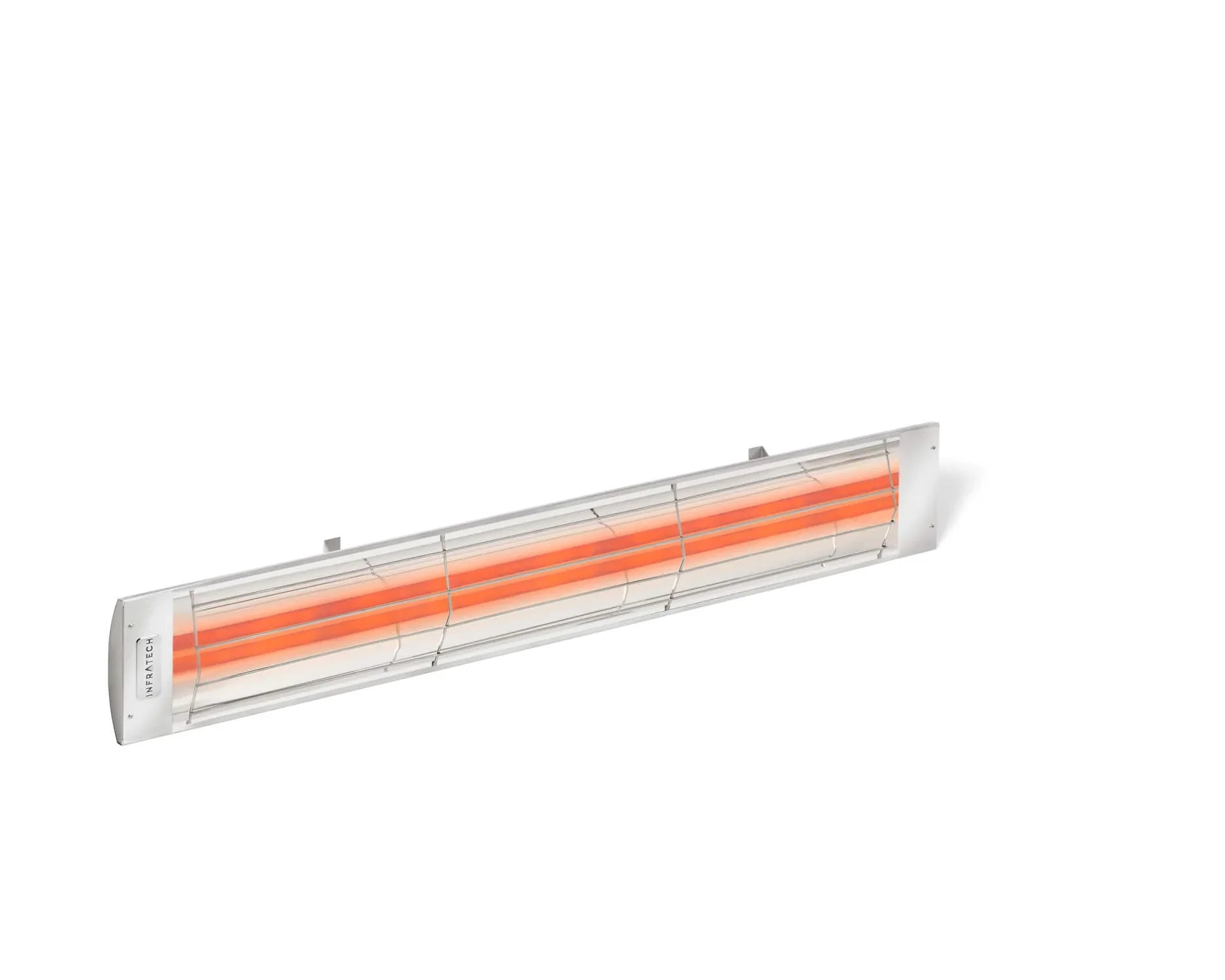
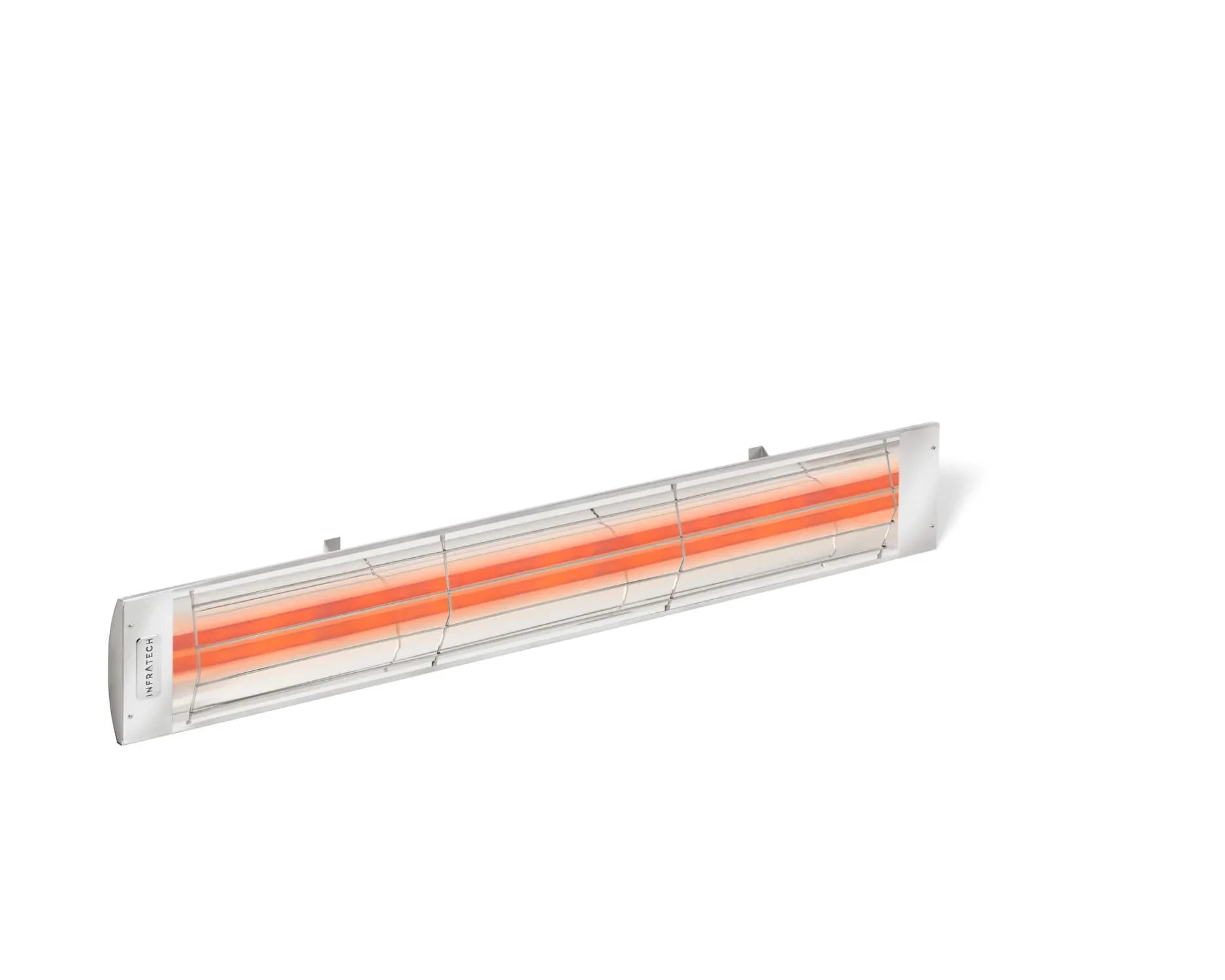
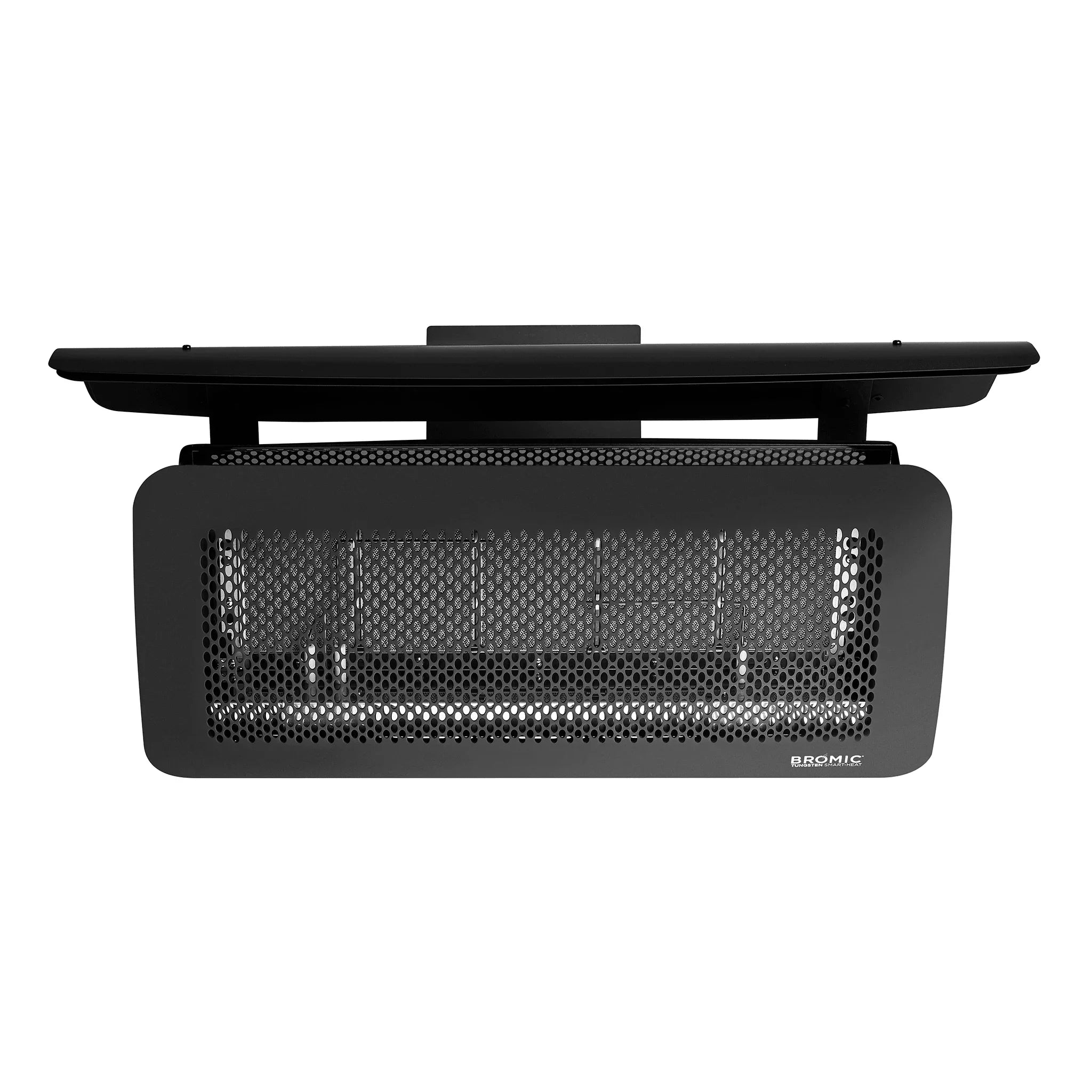
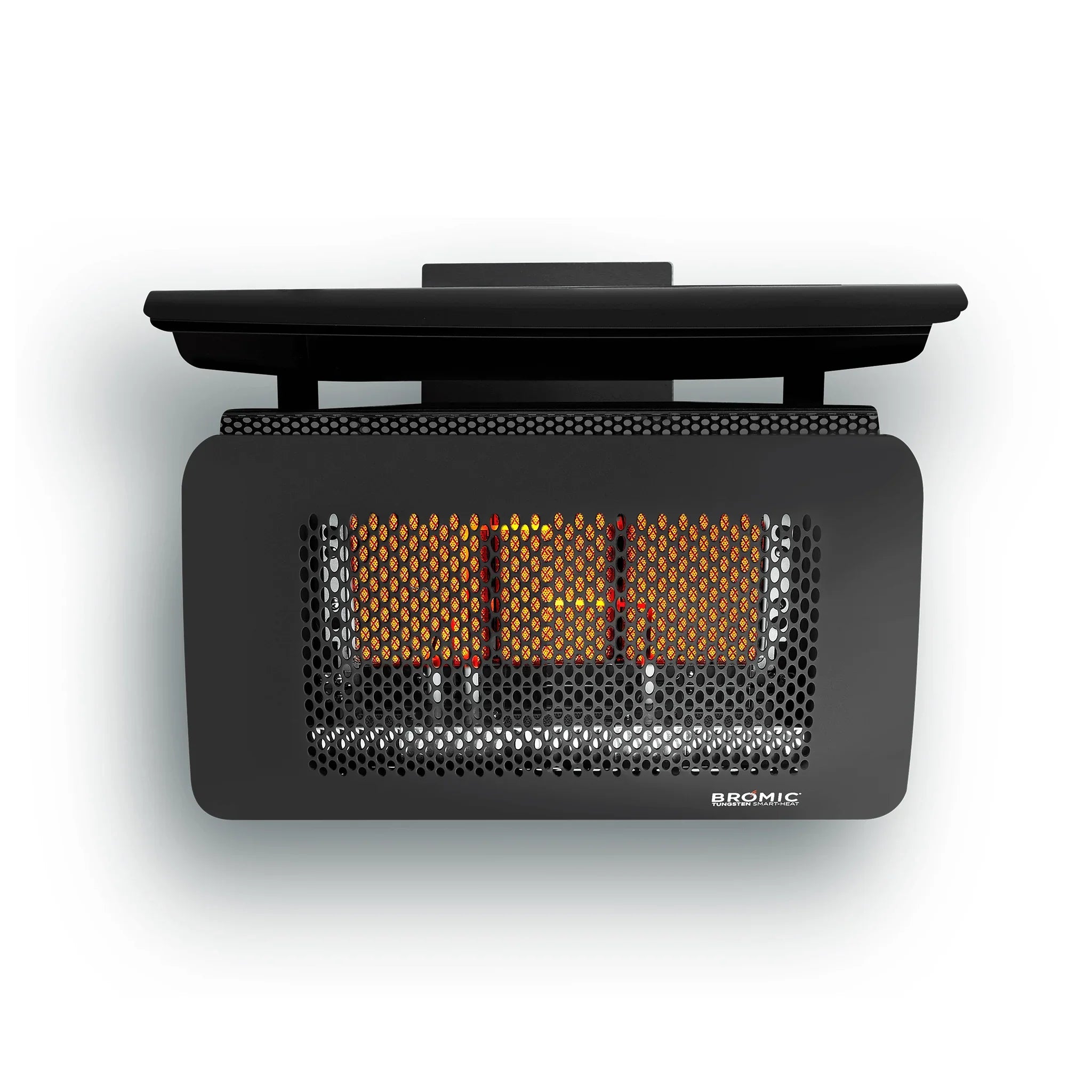
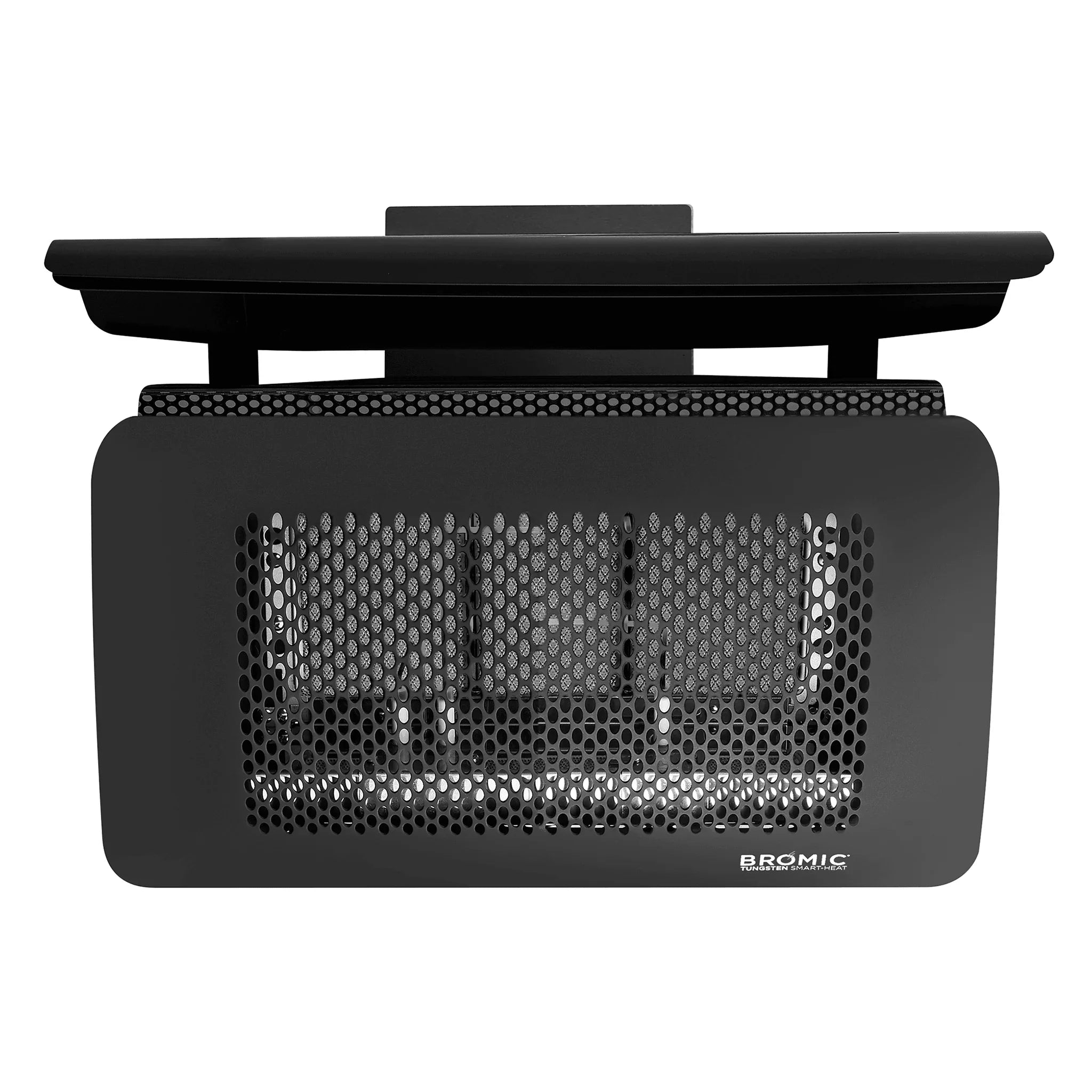
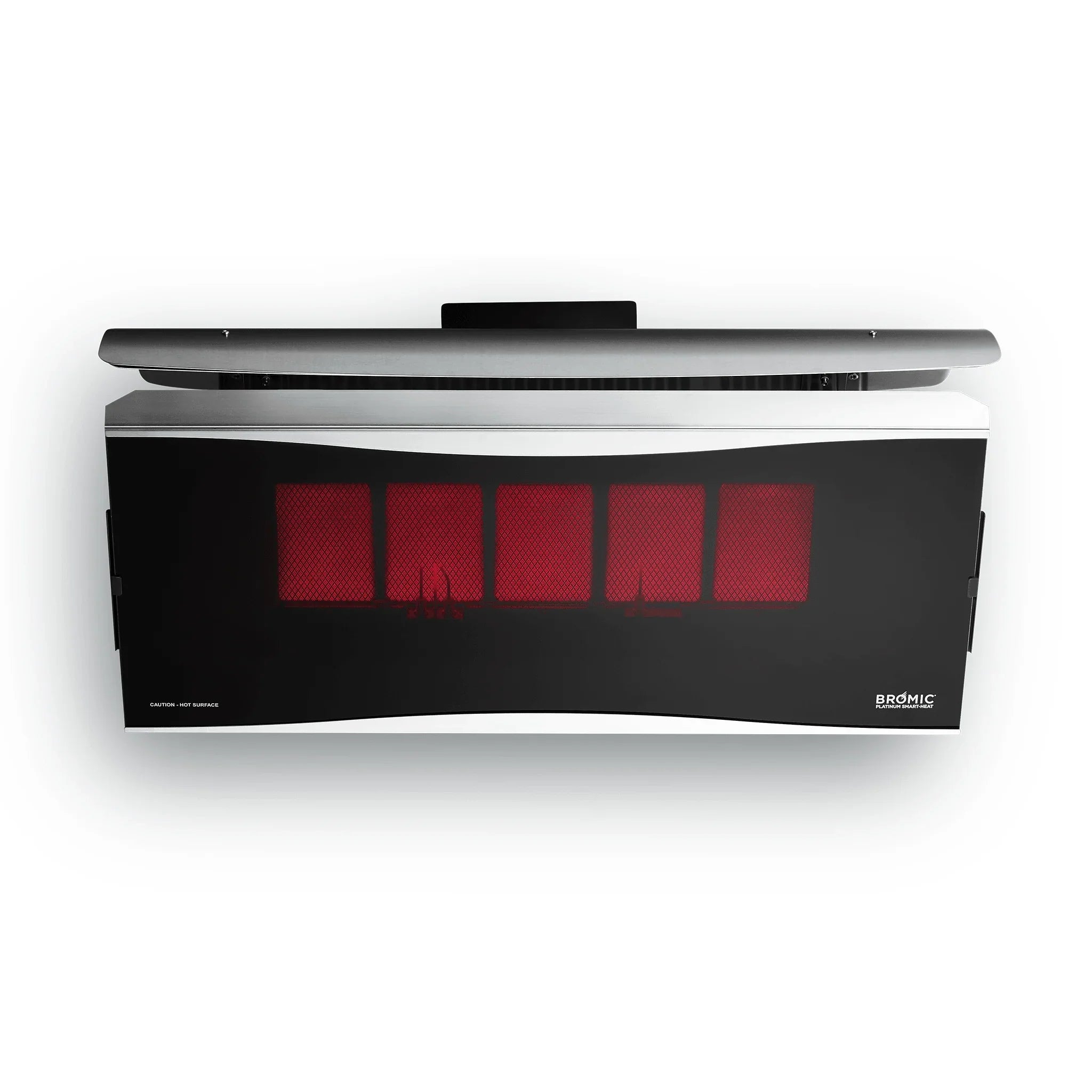
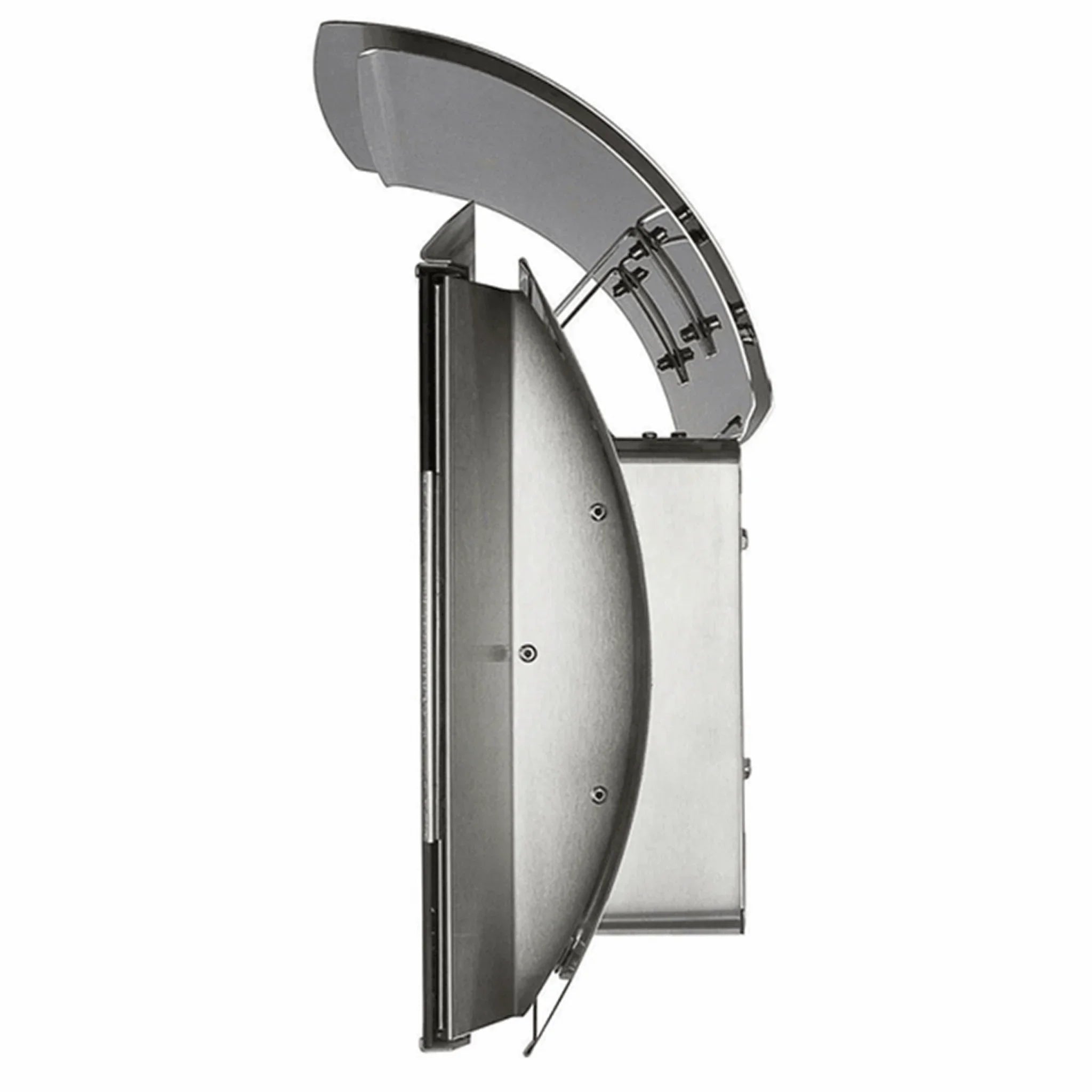
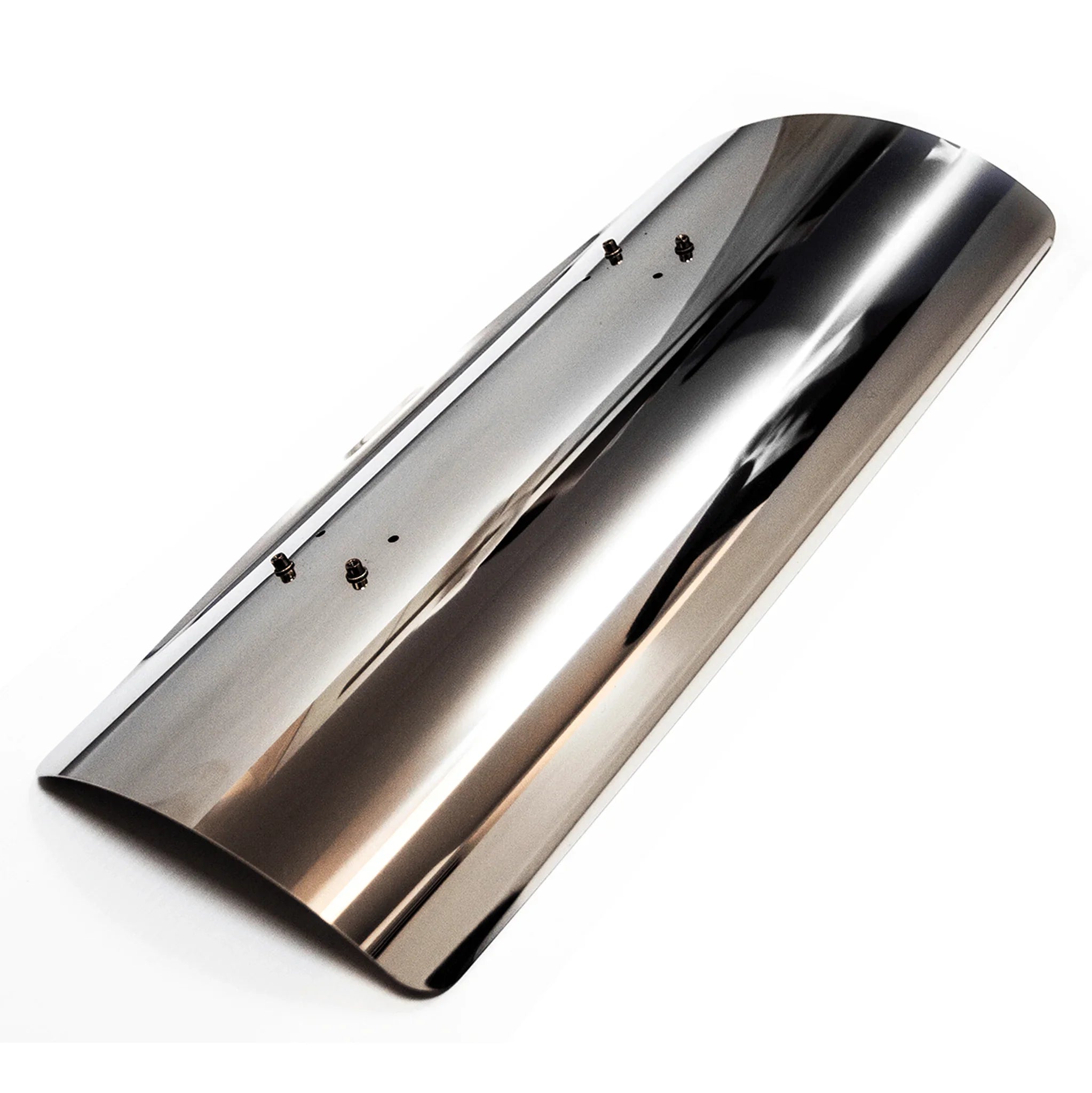
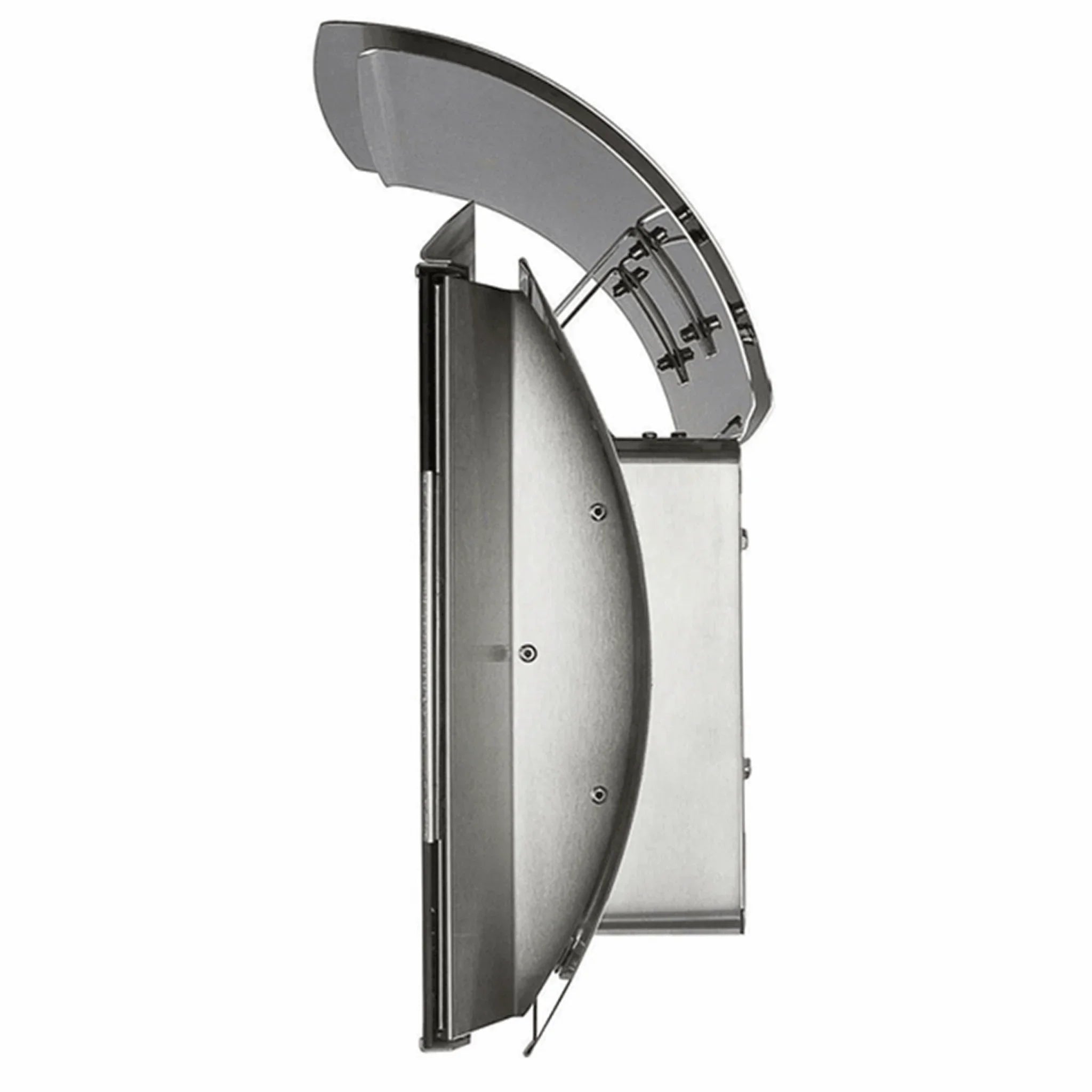
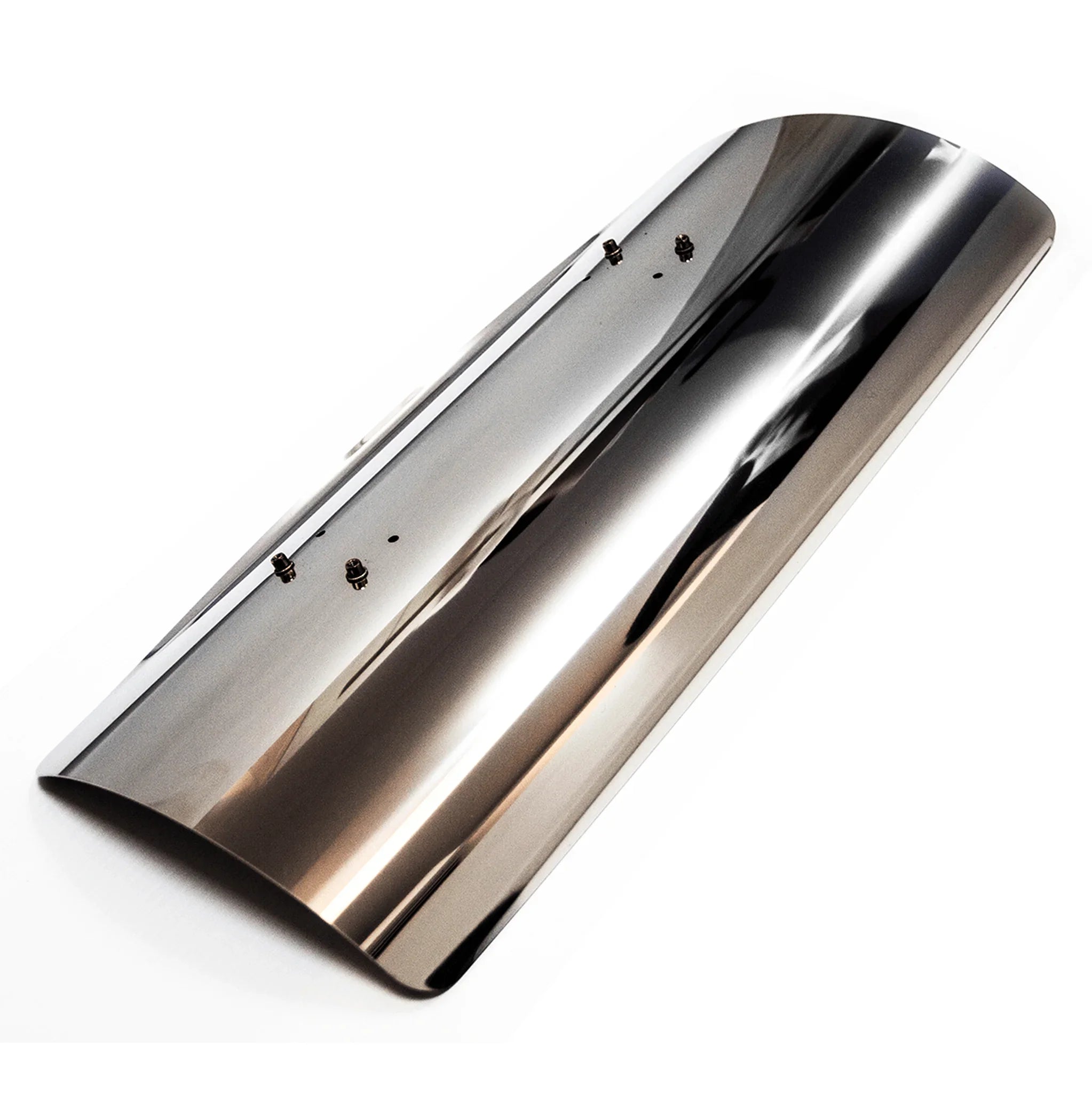
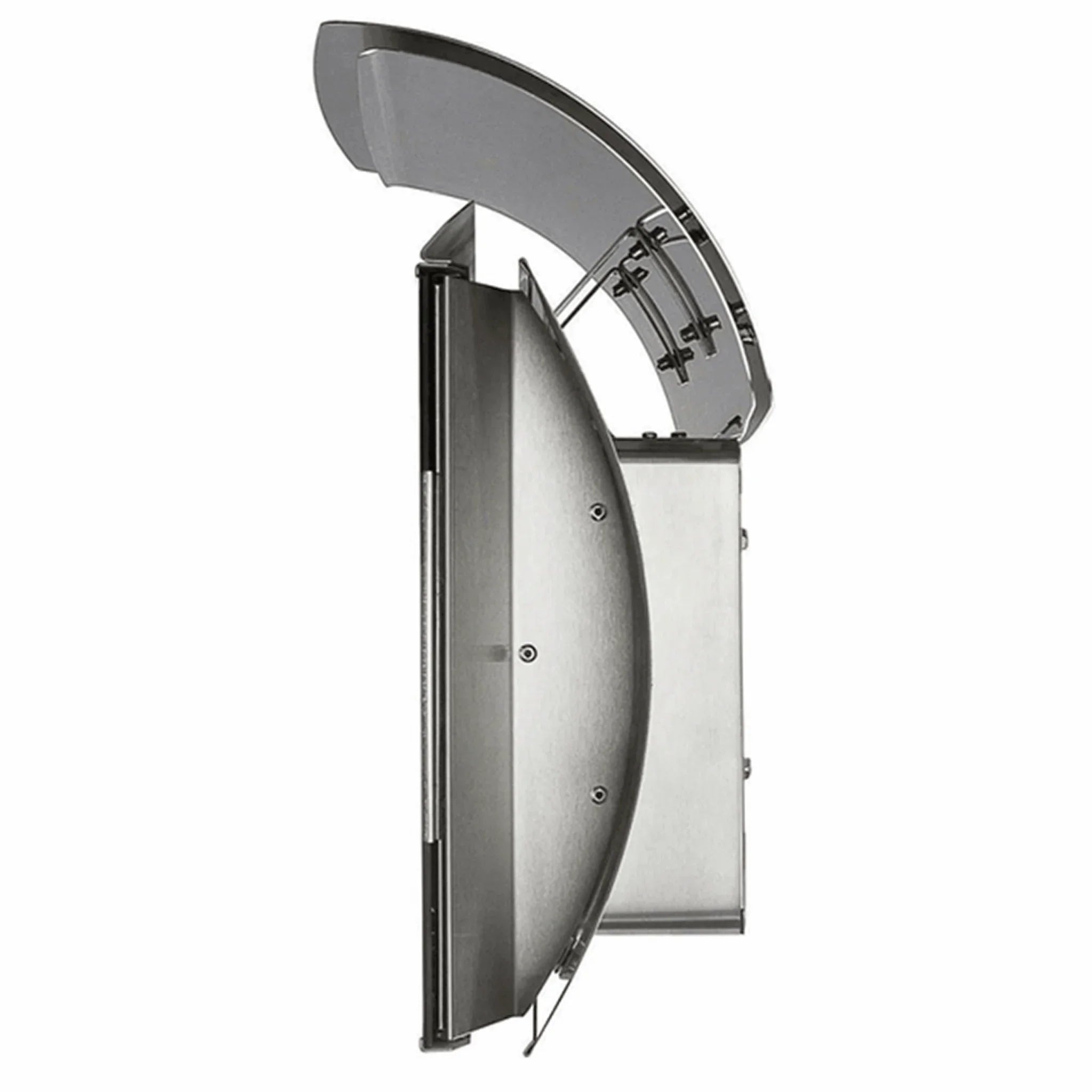
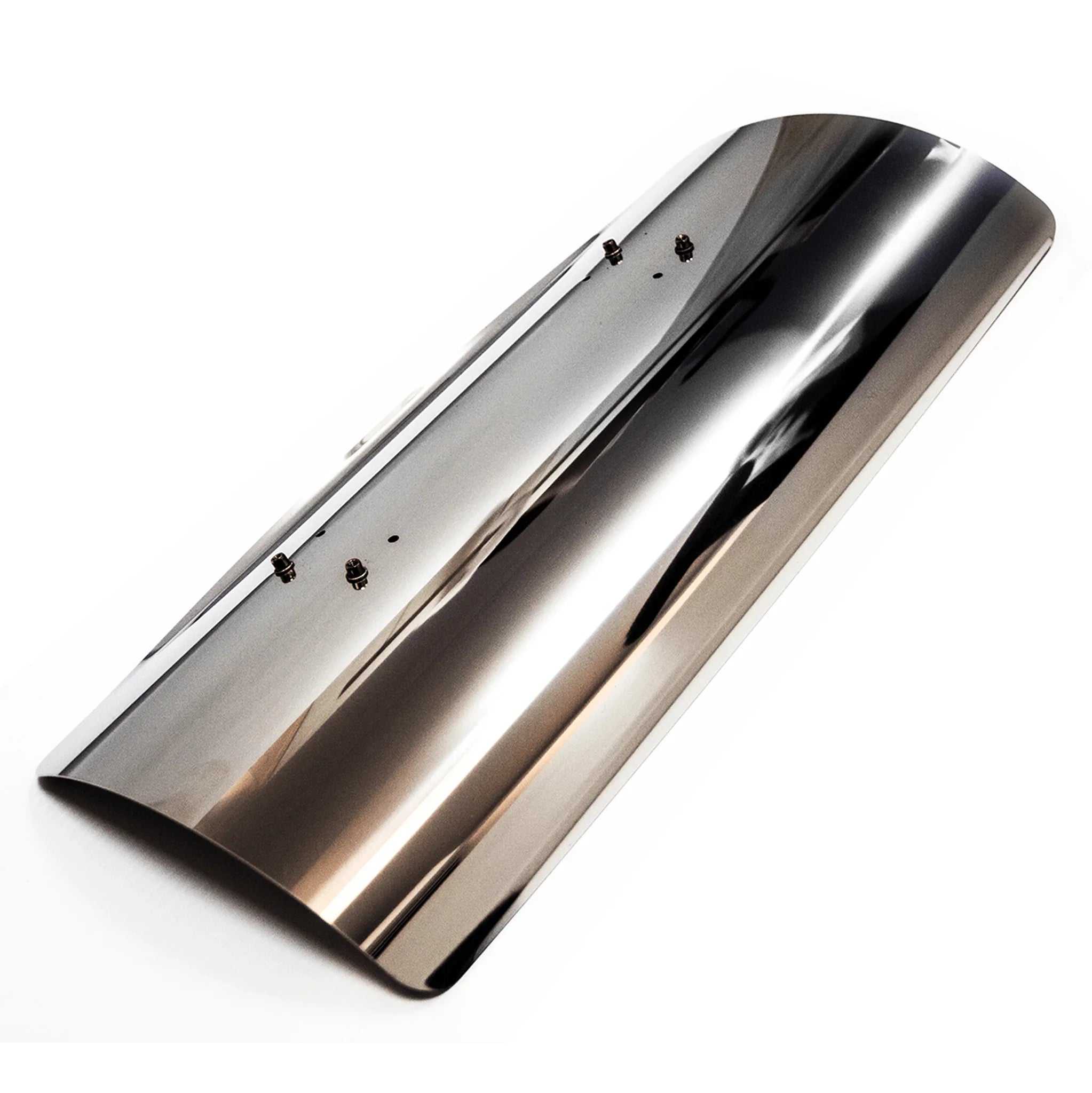
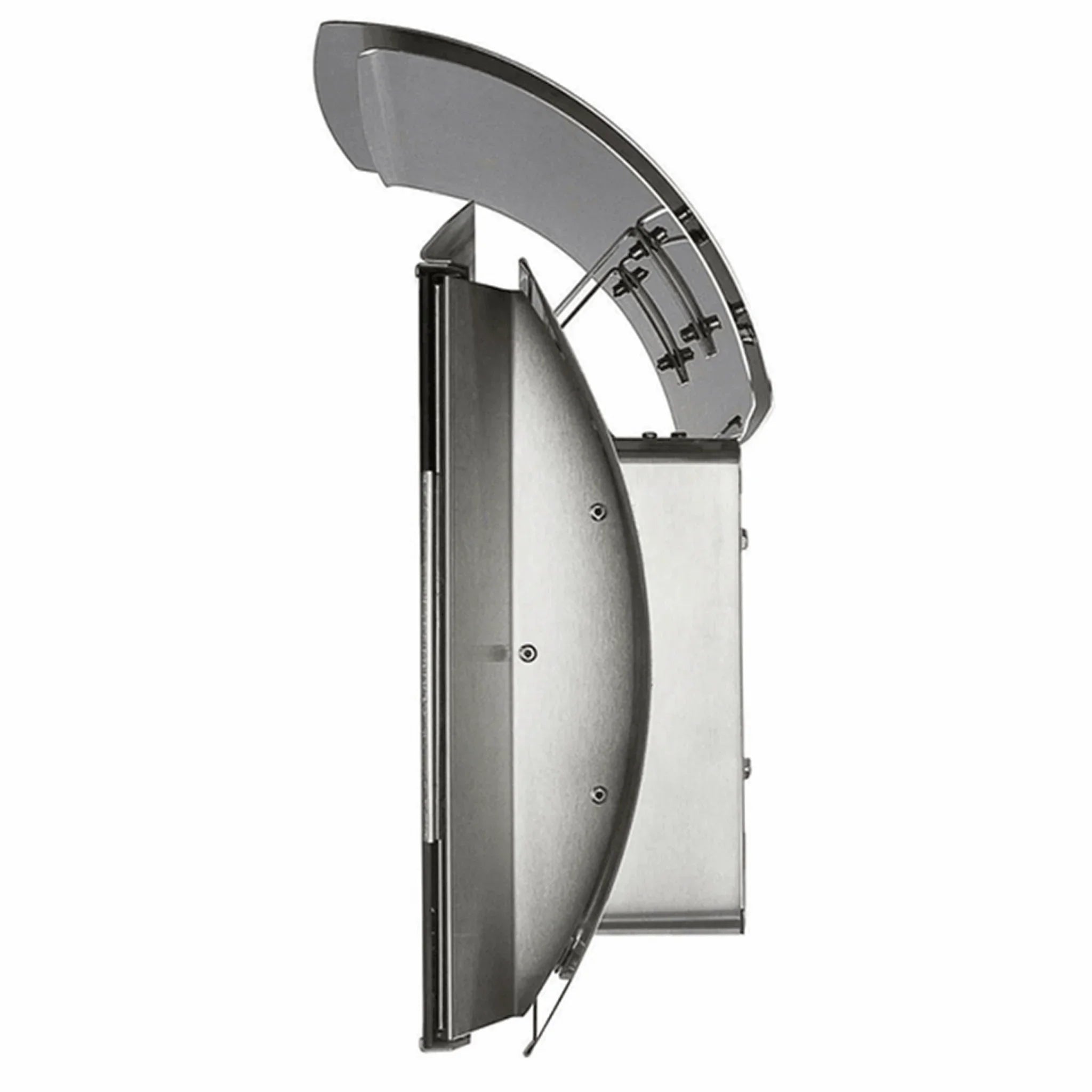
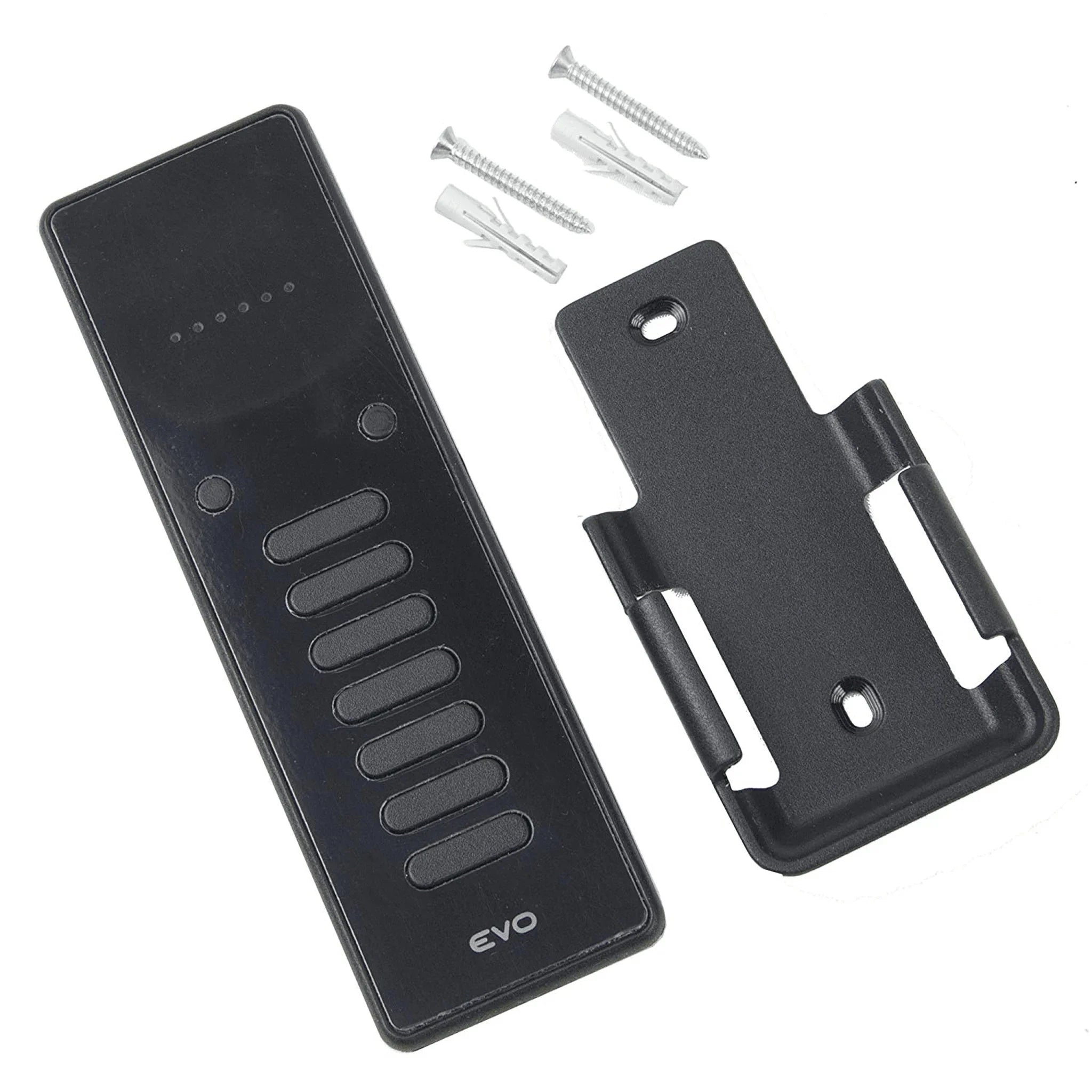
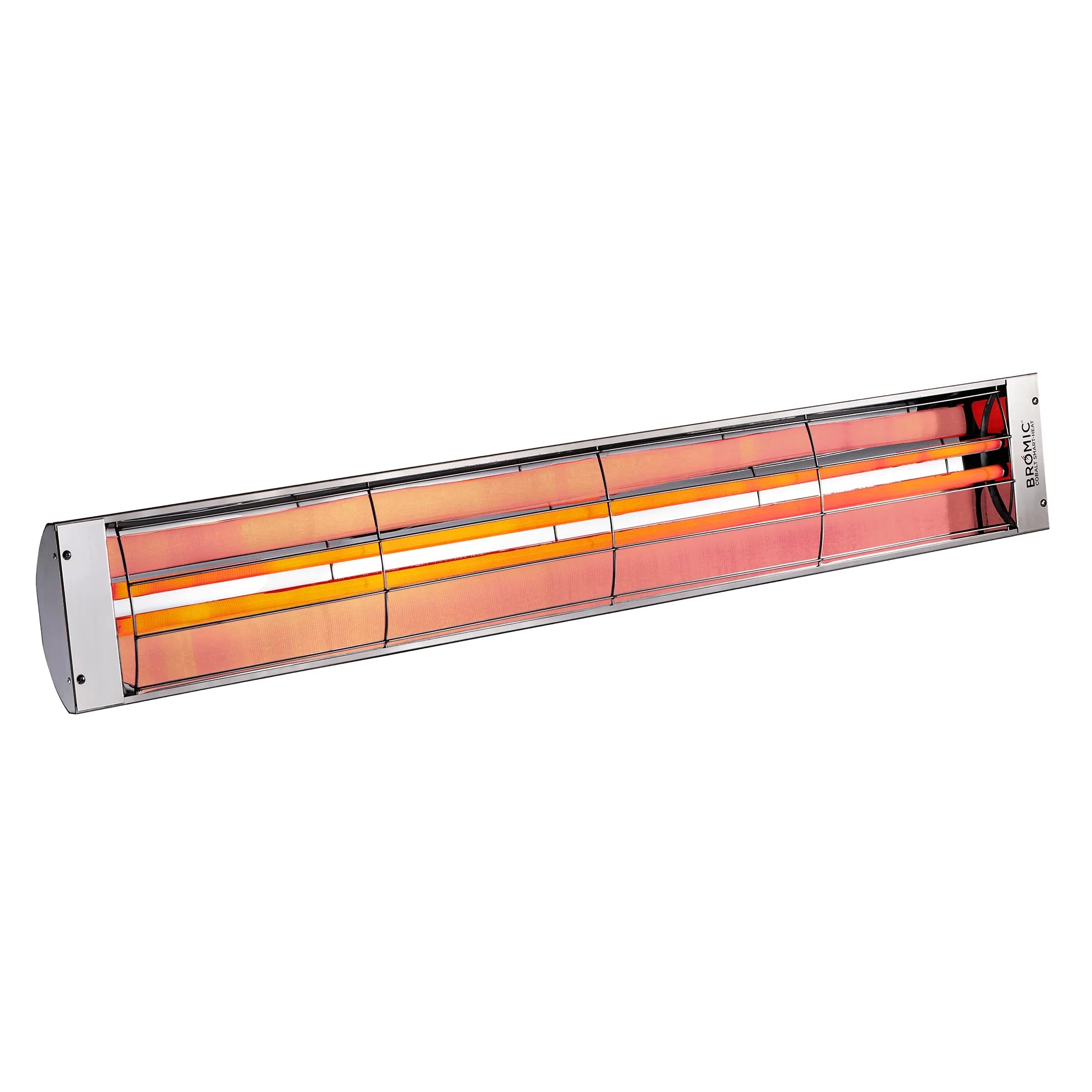
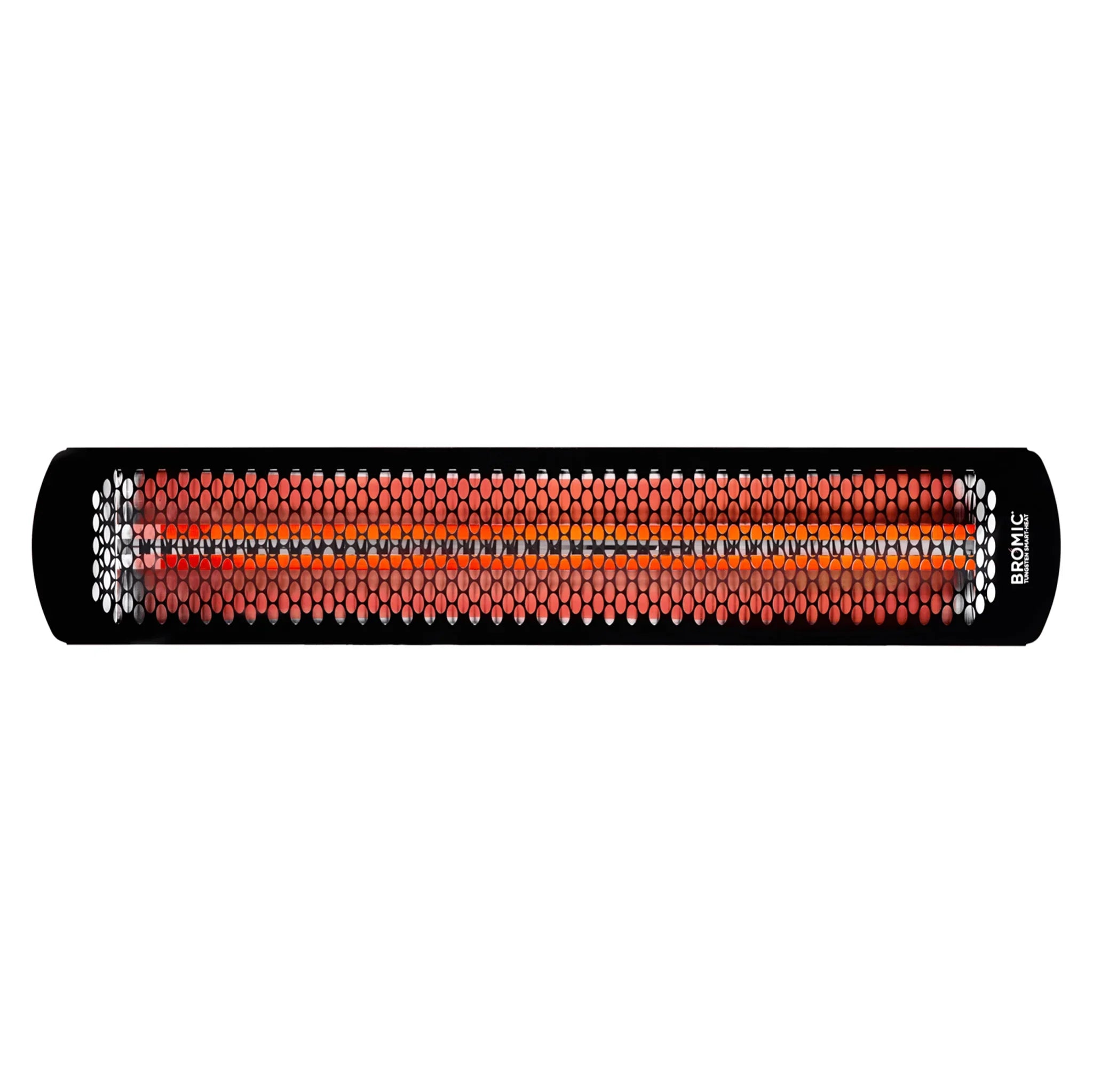
A great outdoor space can lose three or four months of usable time to the simple problem of temperature. An outdoor patio heater solves that — not by warming the air in general, but by directing heat at the people sitting in it. Part of our outdoor furniture collection, the heaters we carry range from overhead infrared units to freestanding propane towers, with enough variation in output, mounting style, and fuel source to fit covered patios, open decks, and everything in between.
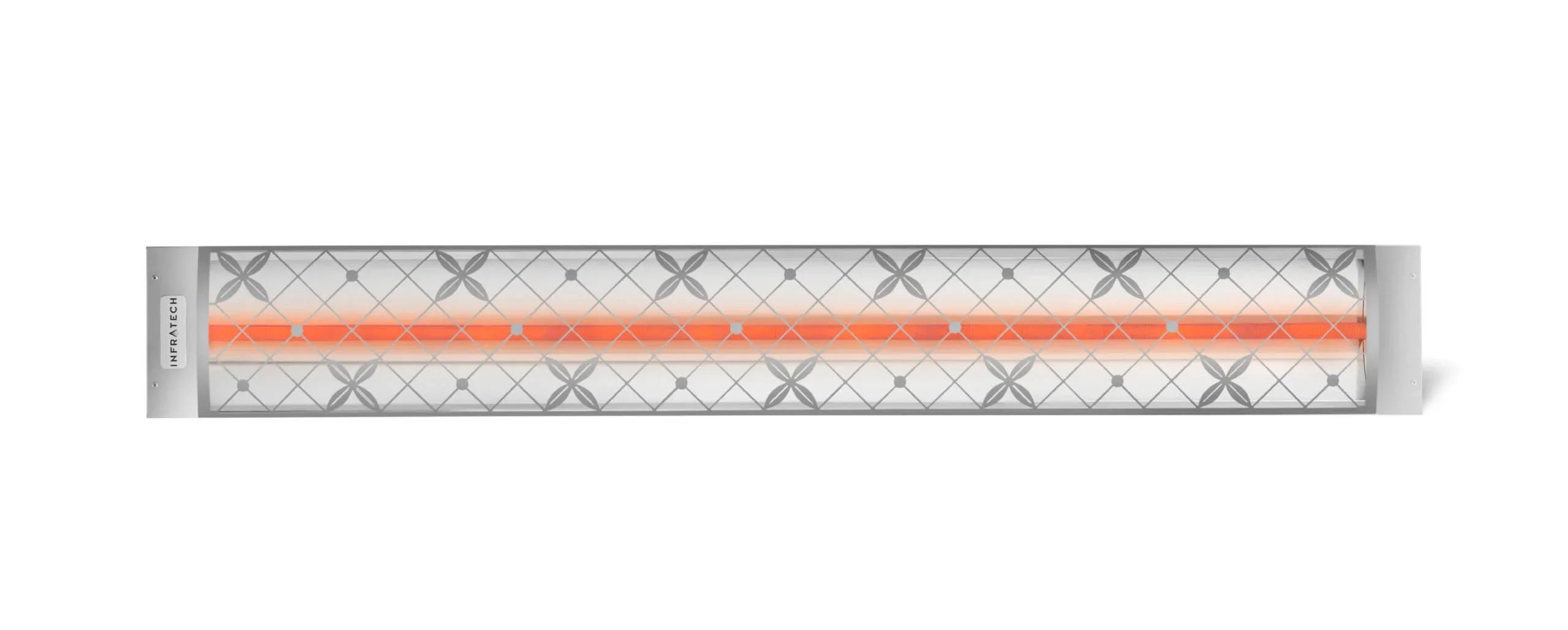
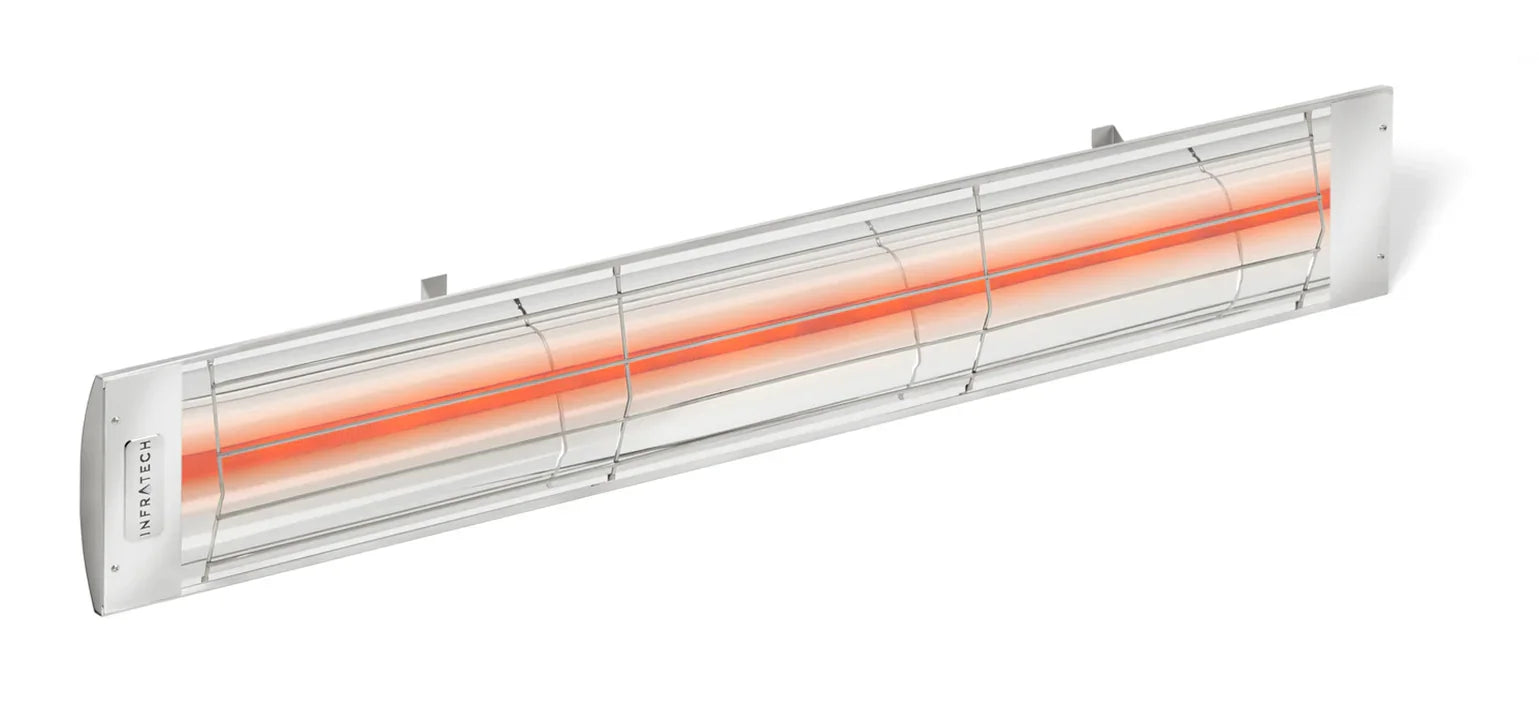
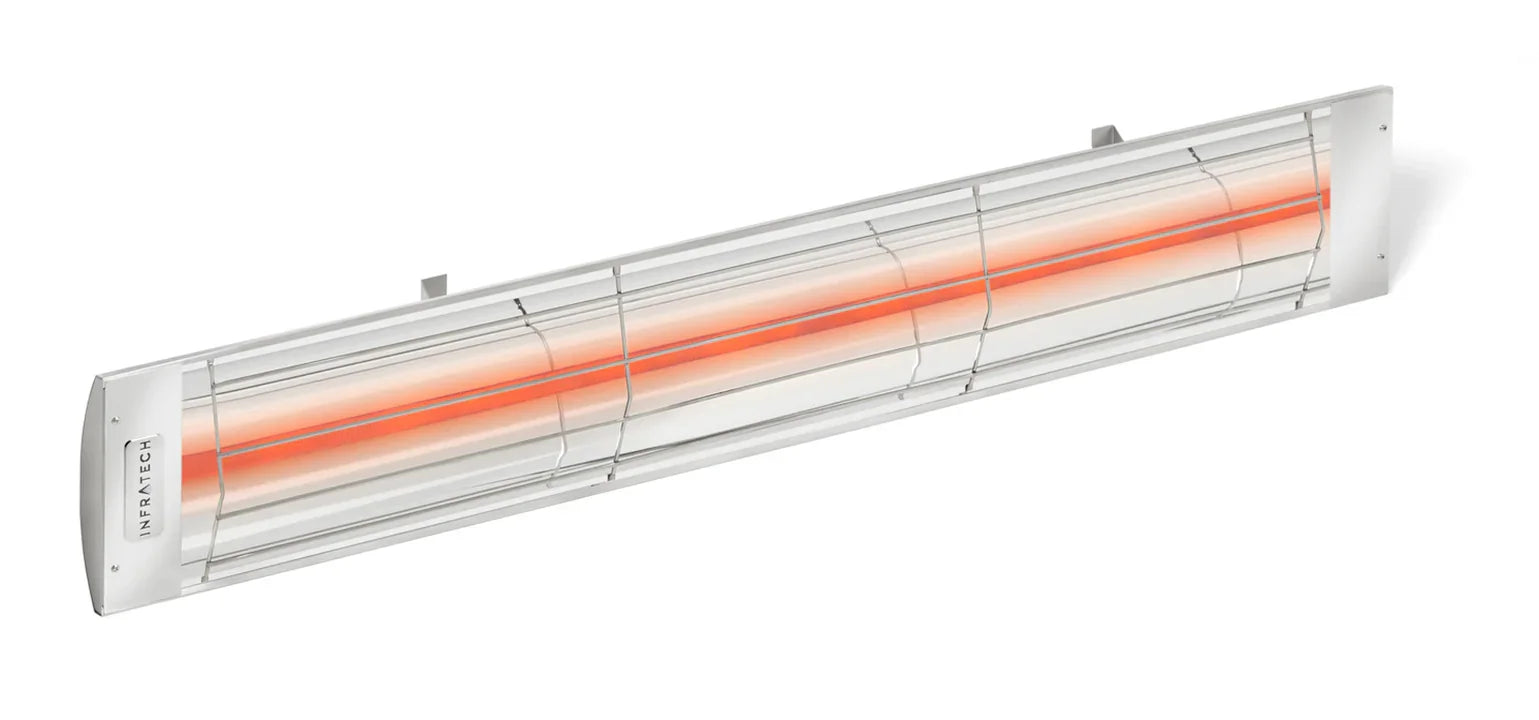
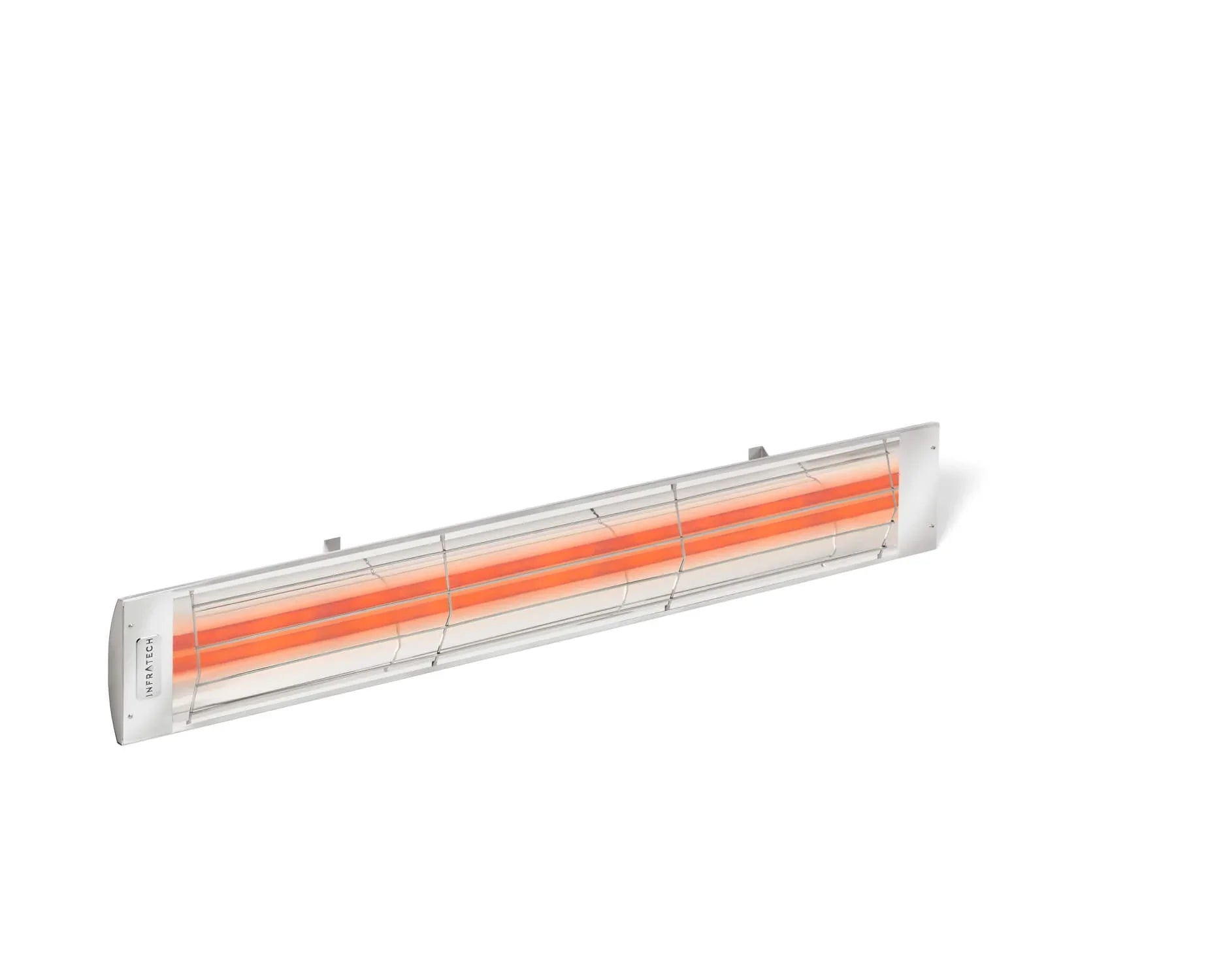
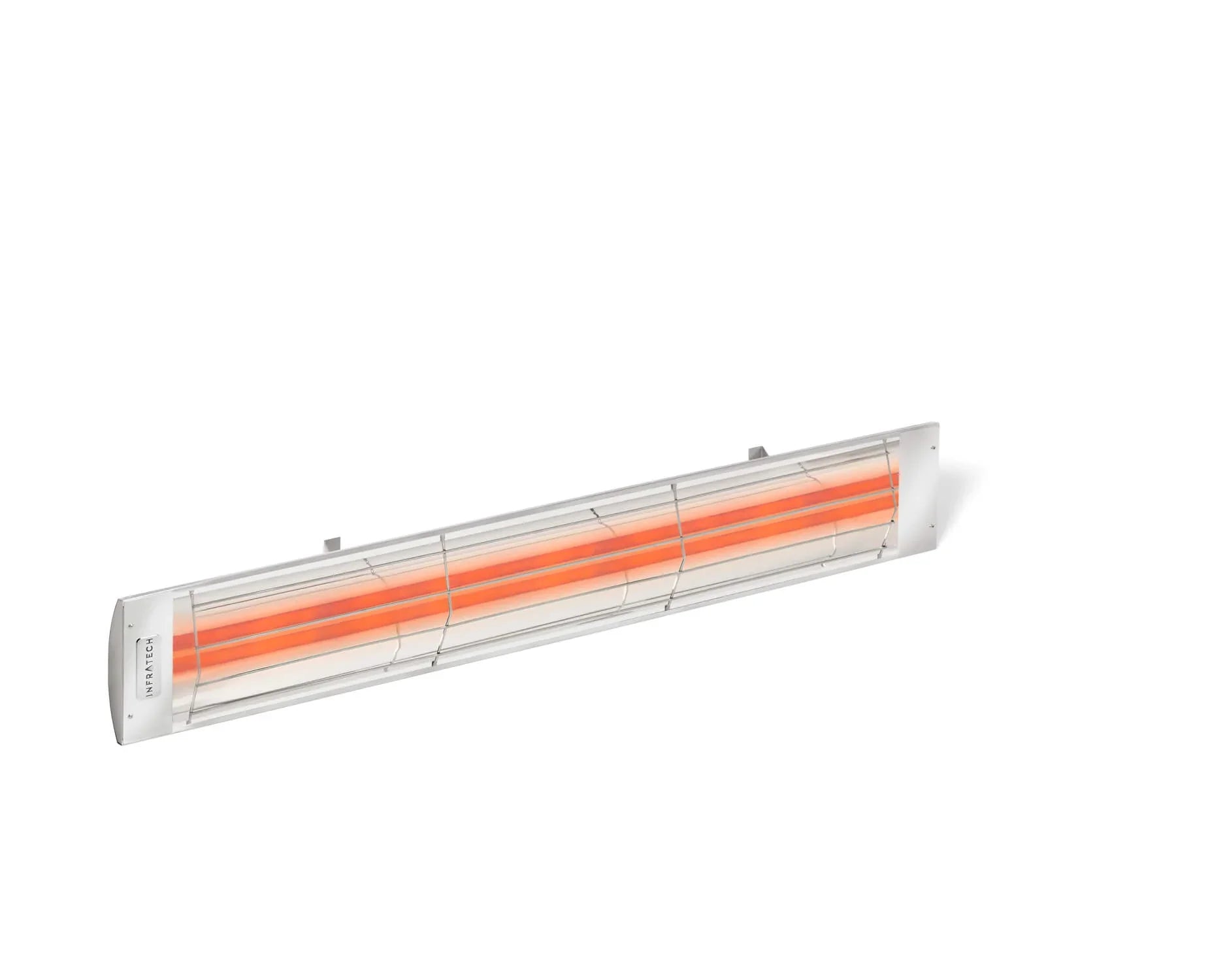
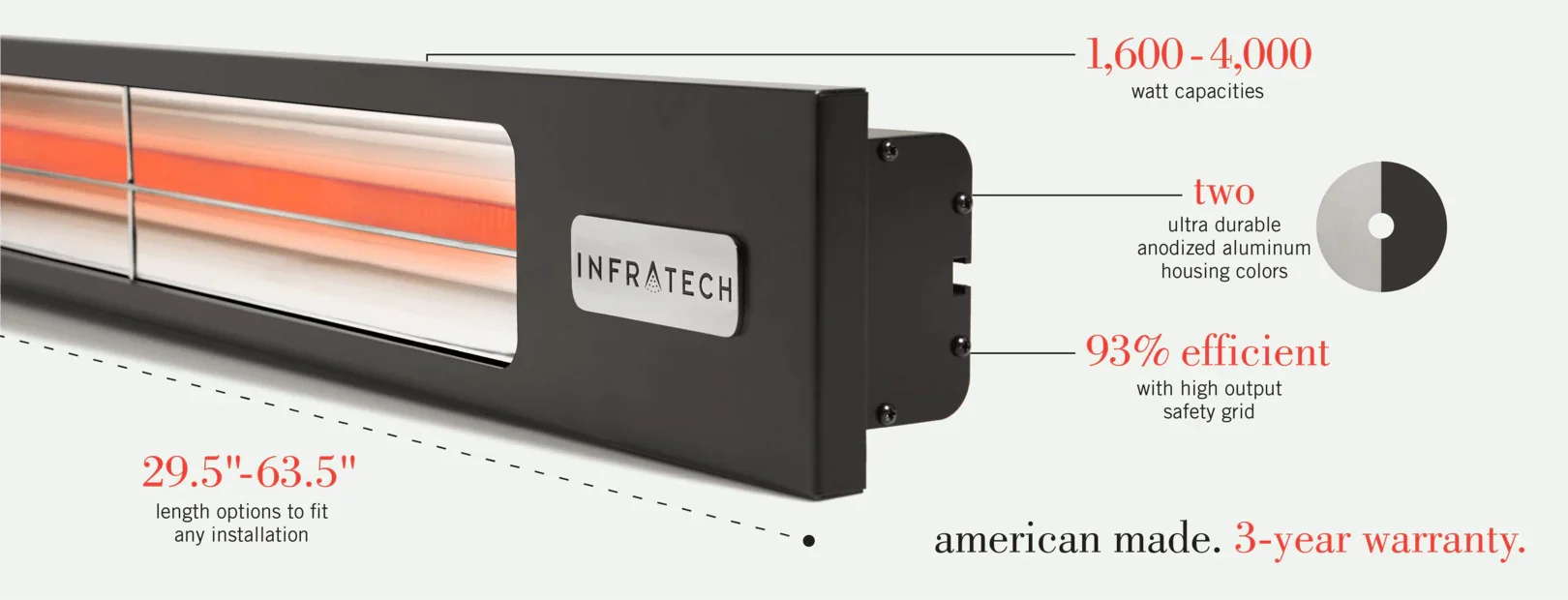
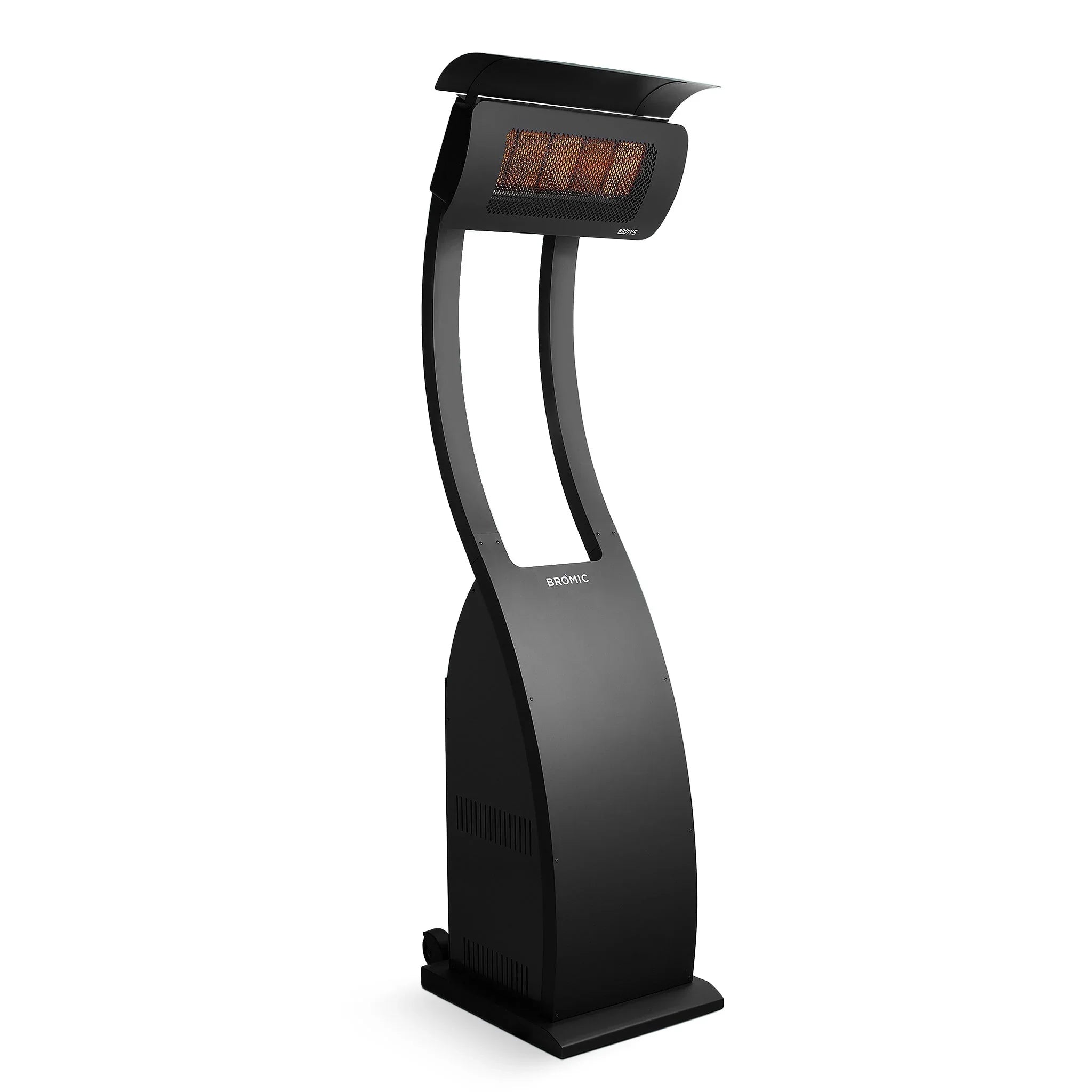
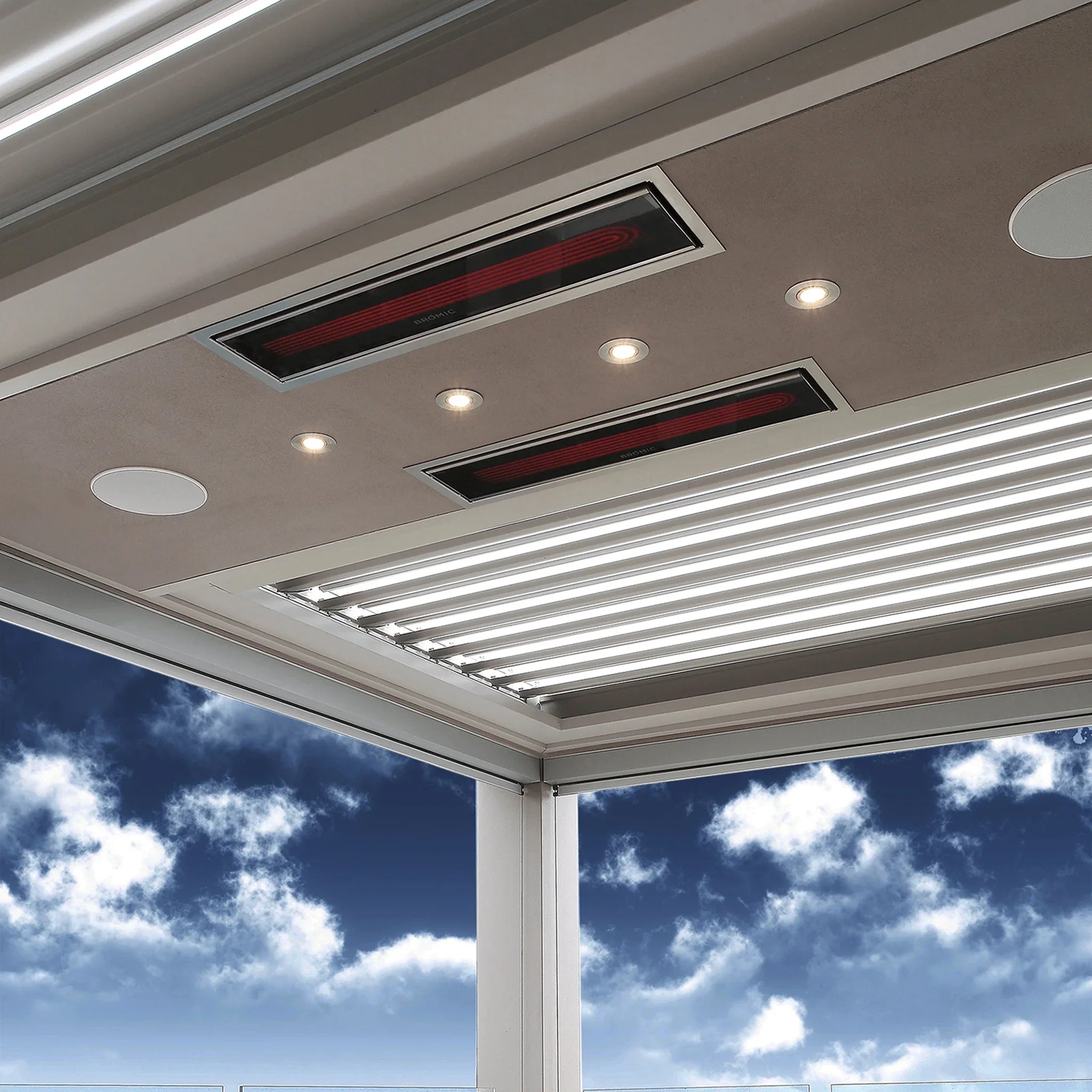
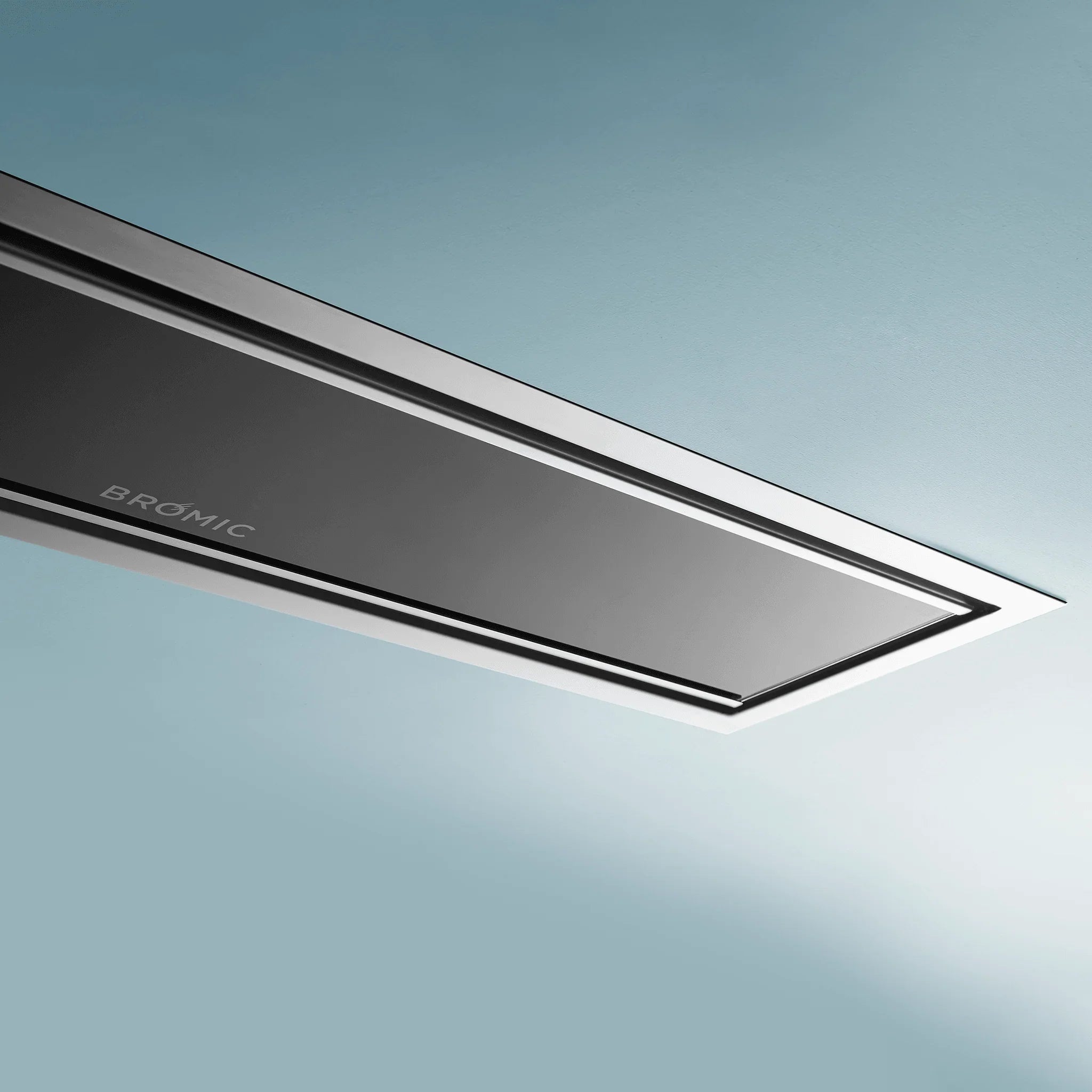
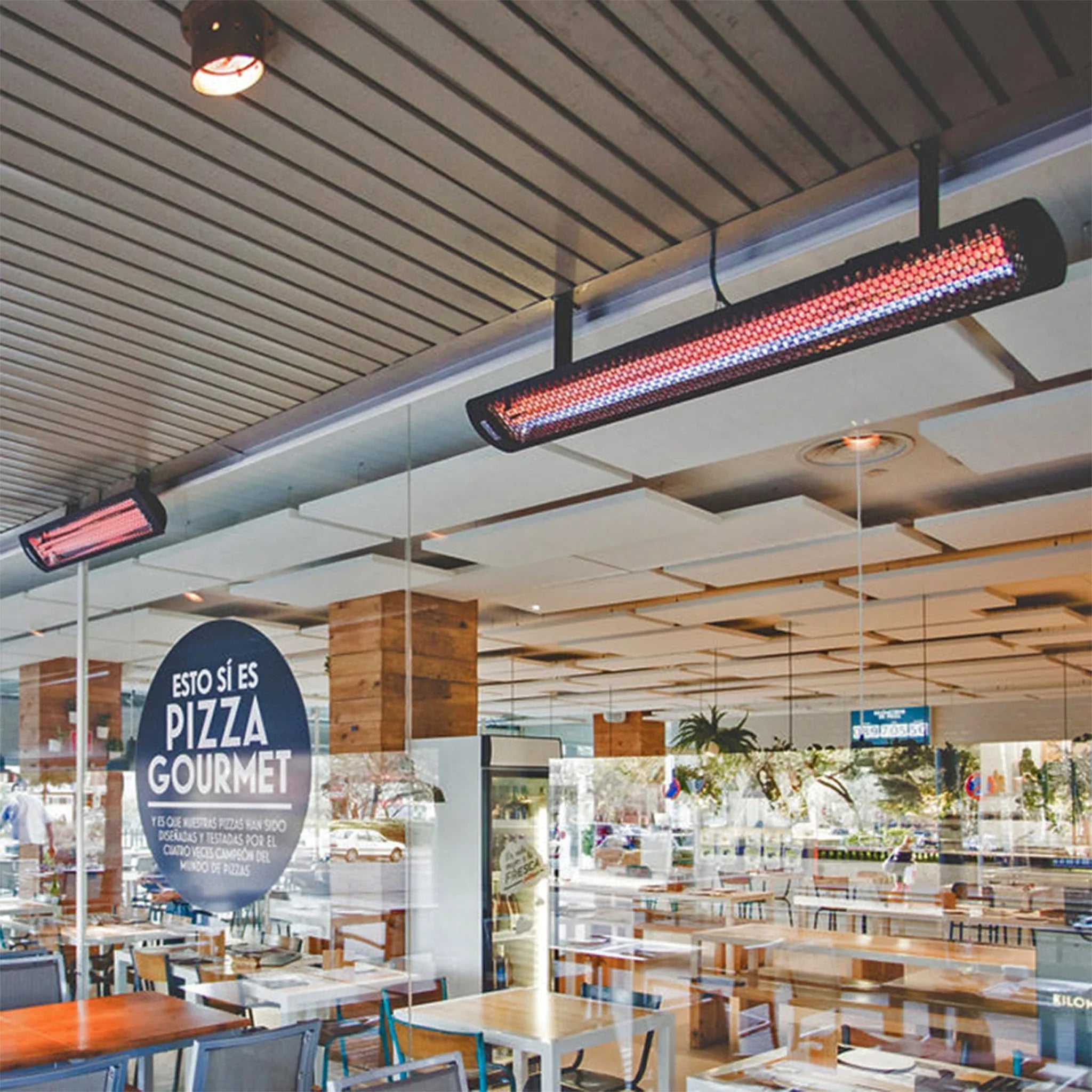
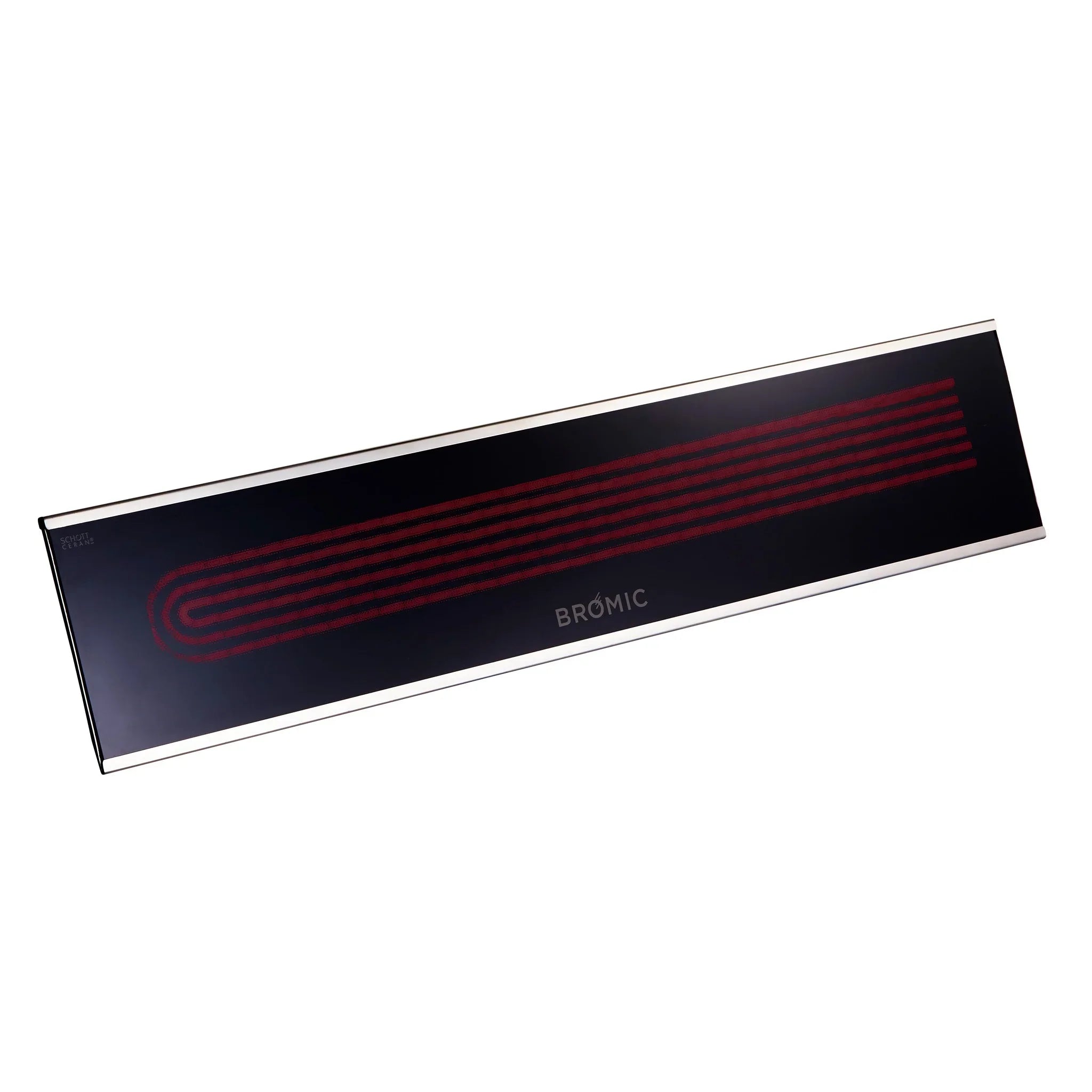
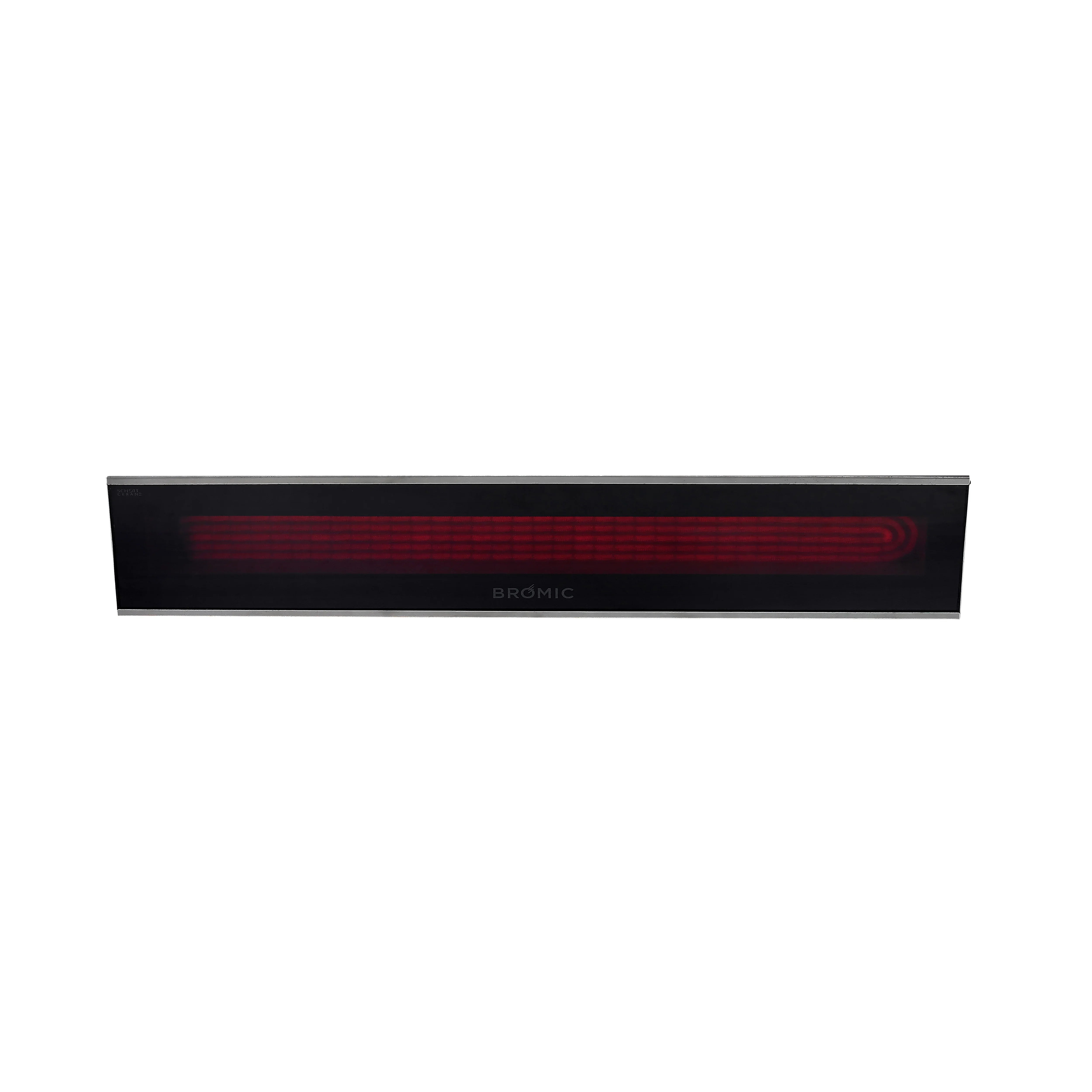
Infrared is the dominant technology in quality outdoor heaters because it works the way radiant heat does in nature — the warmth travels in a direct line to what it hits rather than attempting to heat open air that's constantly dissipating. A 1,500-watt infrared unit aimed at a seating group keeps guests comfortable in temperatures that would otherwise have cleared the patio twenty minutes ago. Propane models offer more flexibility in placement and higher peak output for larger areas or open settings where a mounted unit isn't practical.
What to Look for in an Outdoor Patio Heater
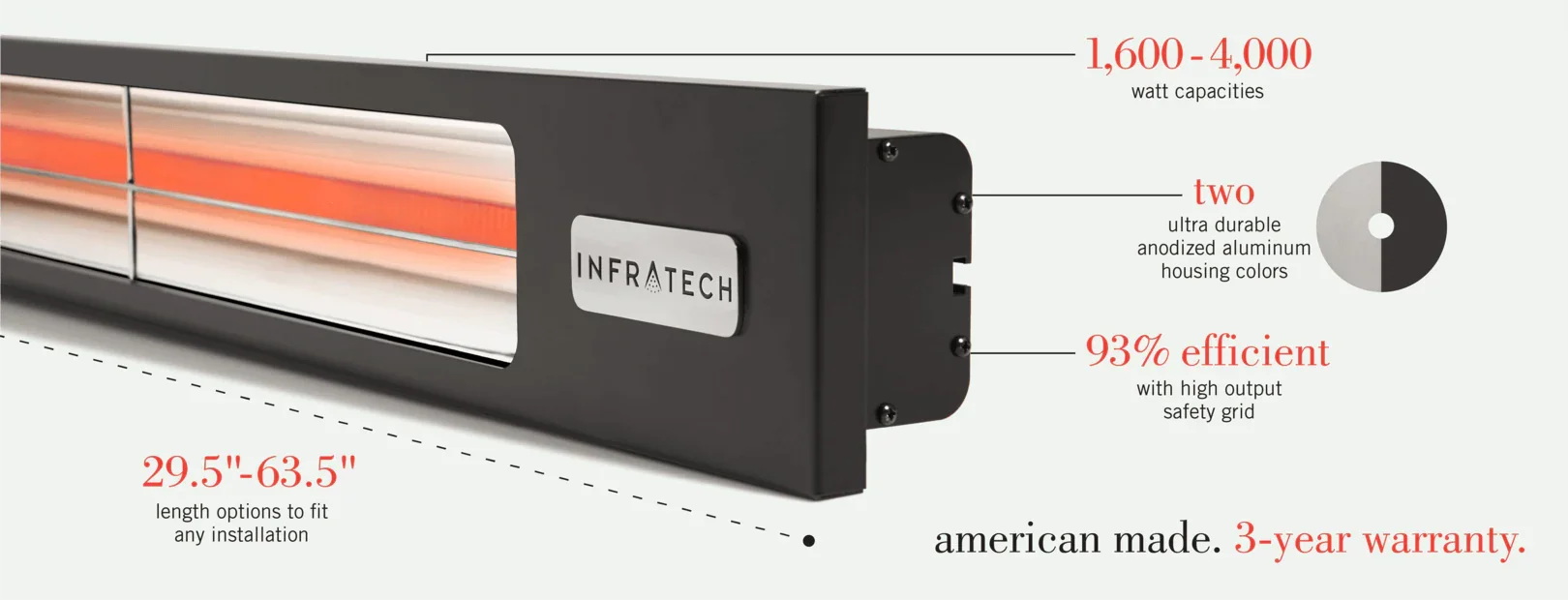
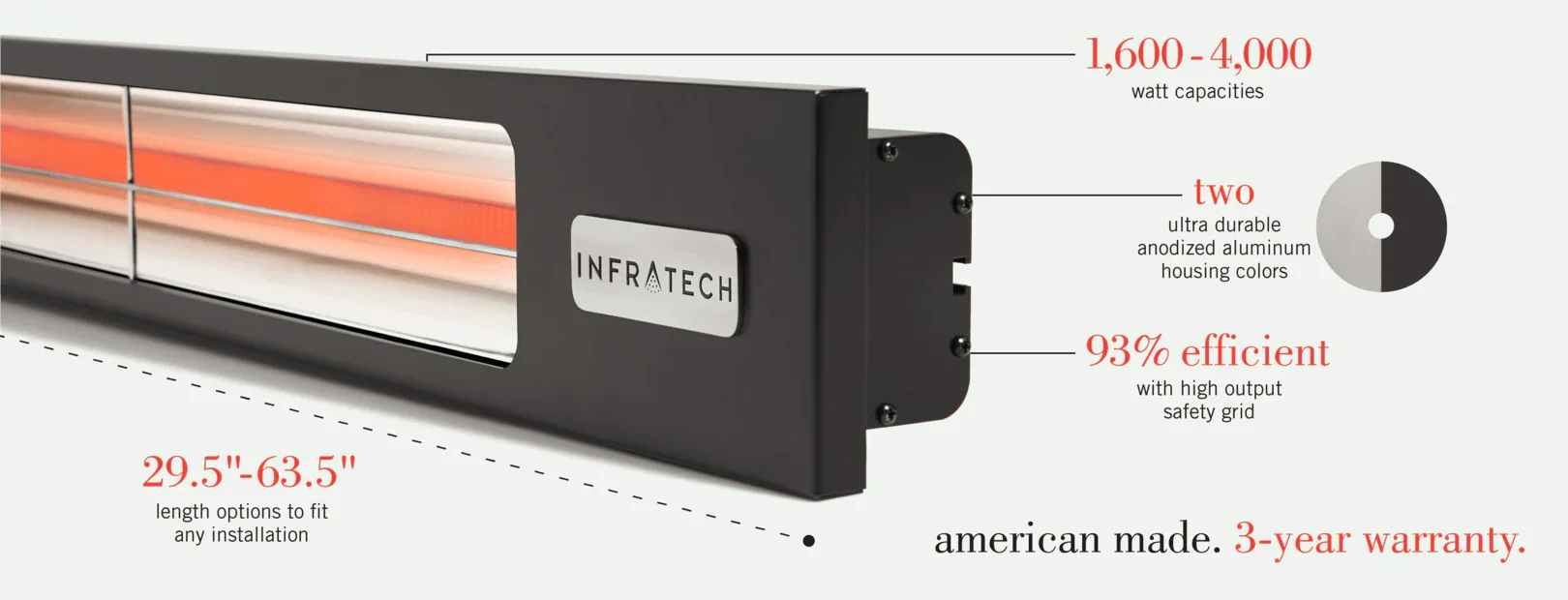
Output, measured in watts for electric infrared and BTUs for gas models, determines how large an area a heater can effectively cover. As a rough guide, a 1,500-watt electric infrared unit handles a small defined seating area; 3,000 watts covers a standard covered patio section; commercial-grade units in the 6,000+ watt range are suited for large pergolas or restaurant patios. BTU ratings for propane heaters follow similar logic — 40,000 BTU handles a modest open area, 60,000+ is for larger gatherings or breezy conditions where the heat needs to fight wind.
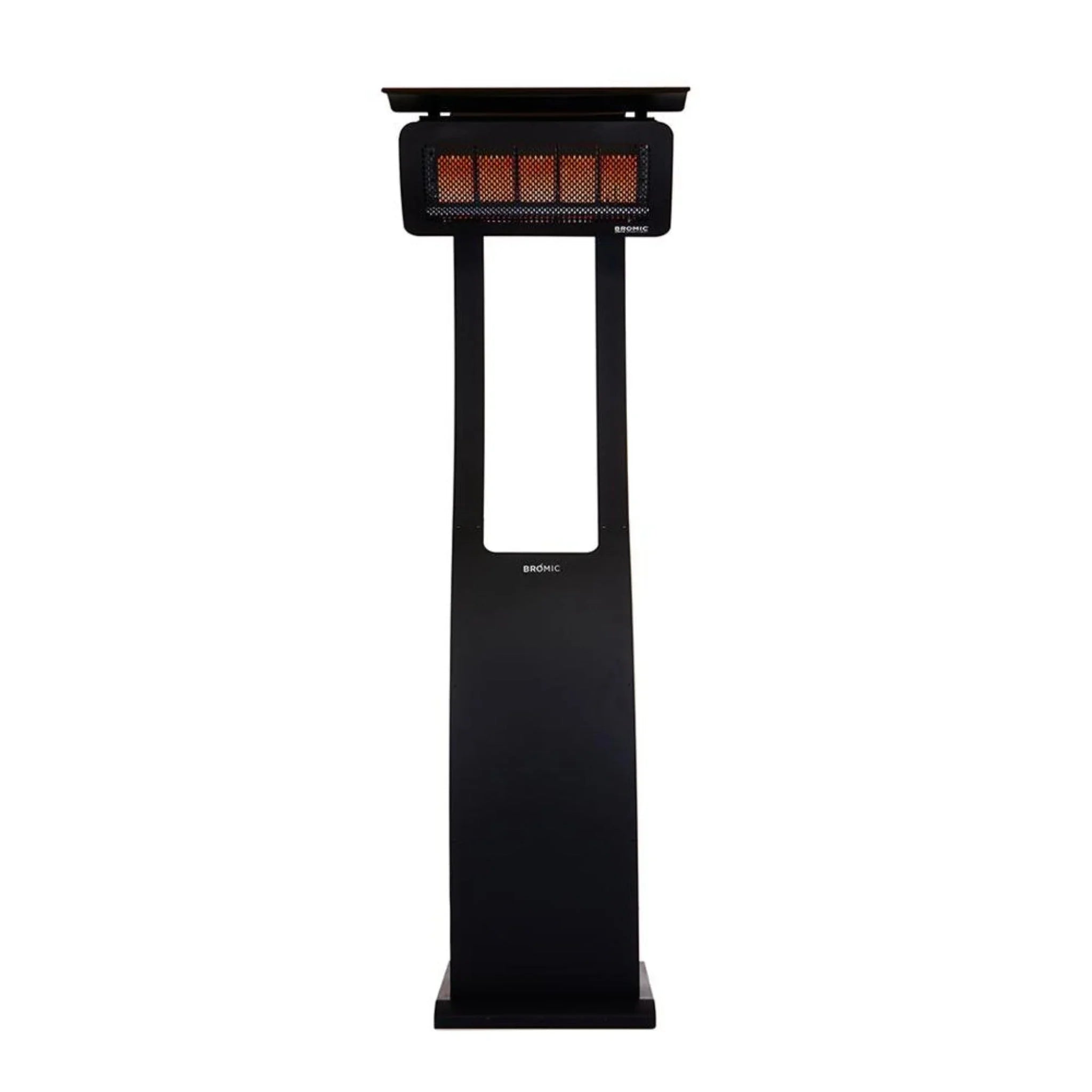
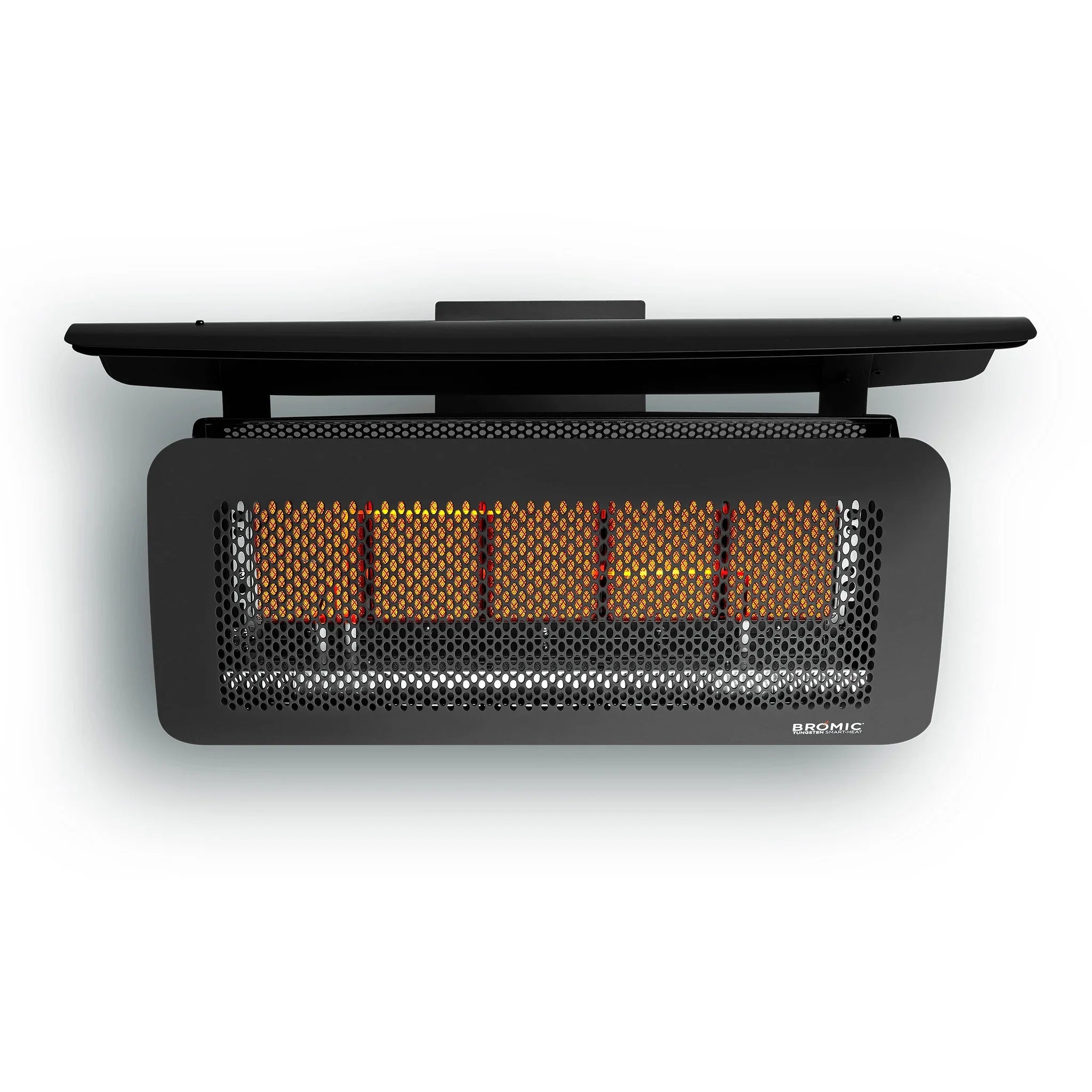
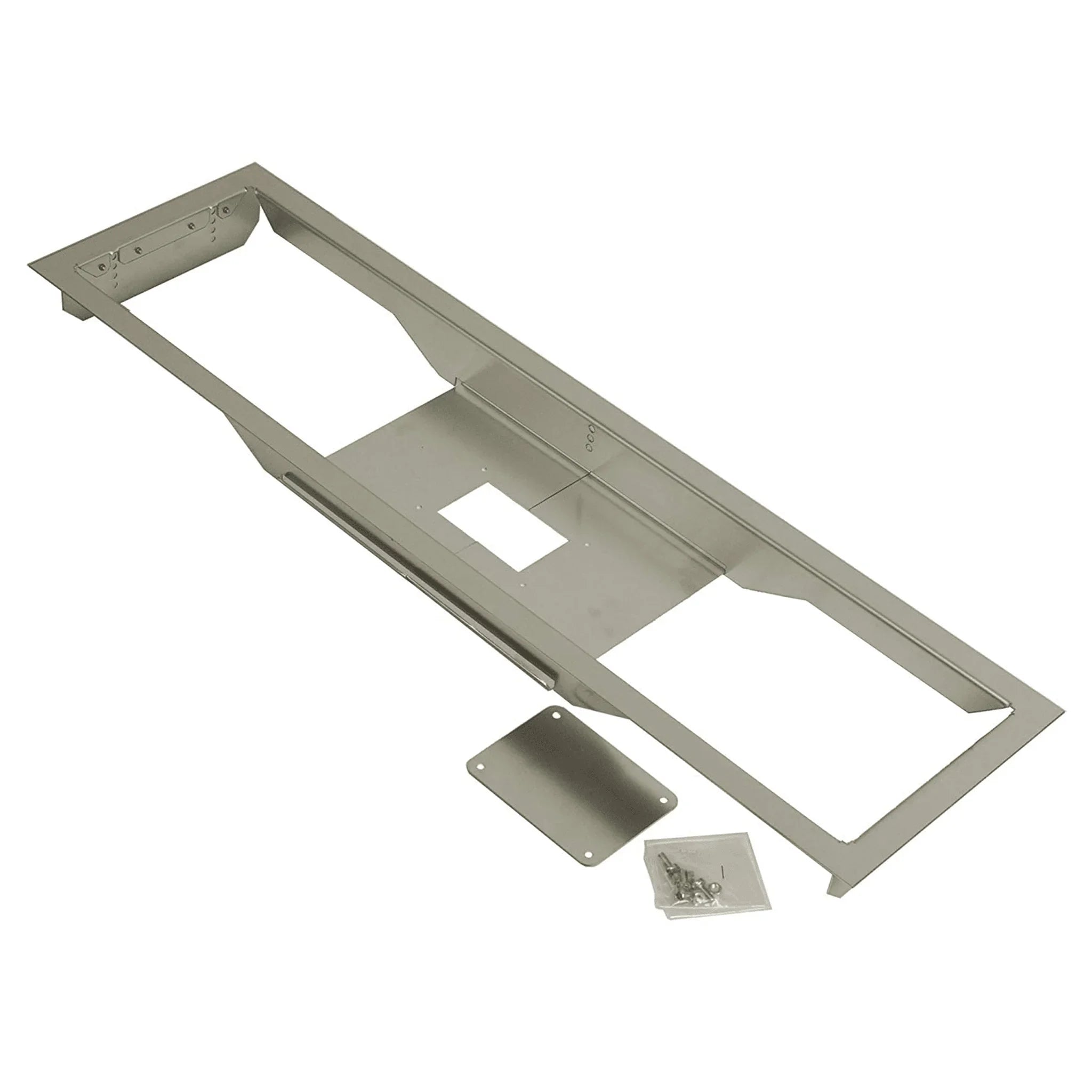
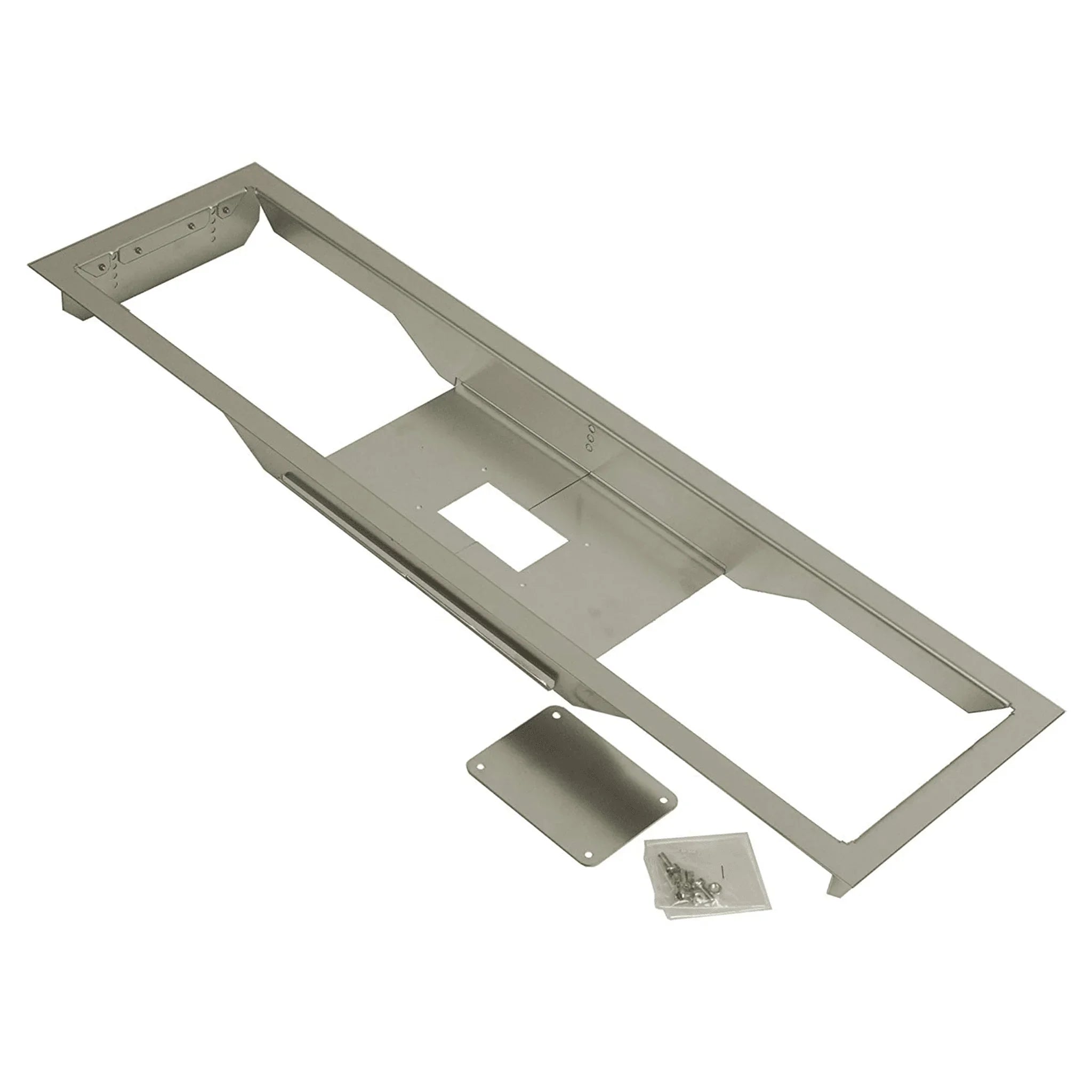
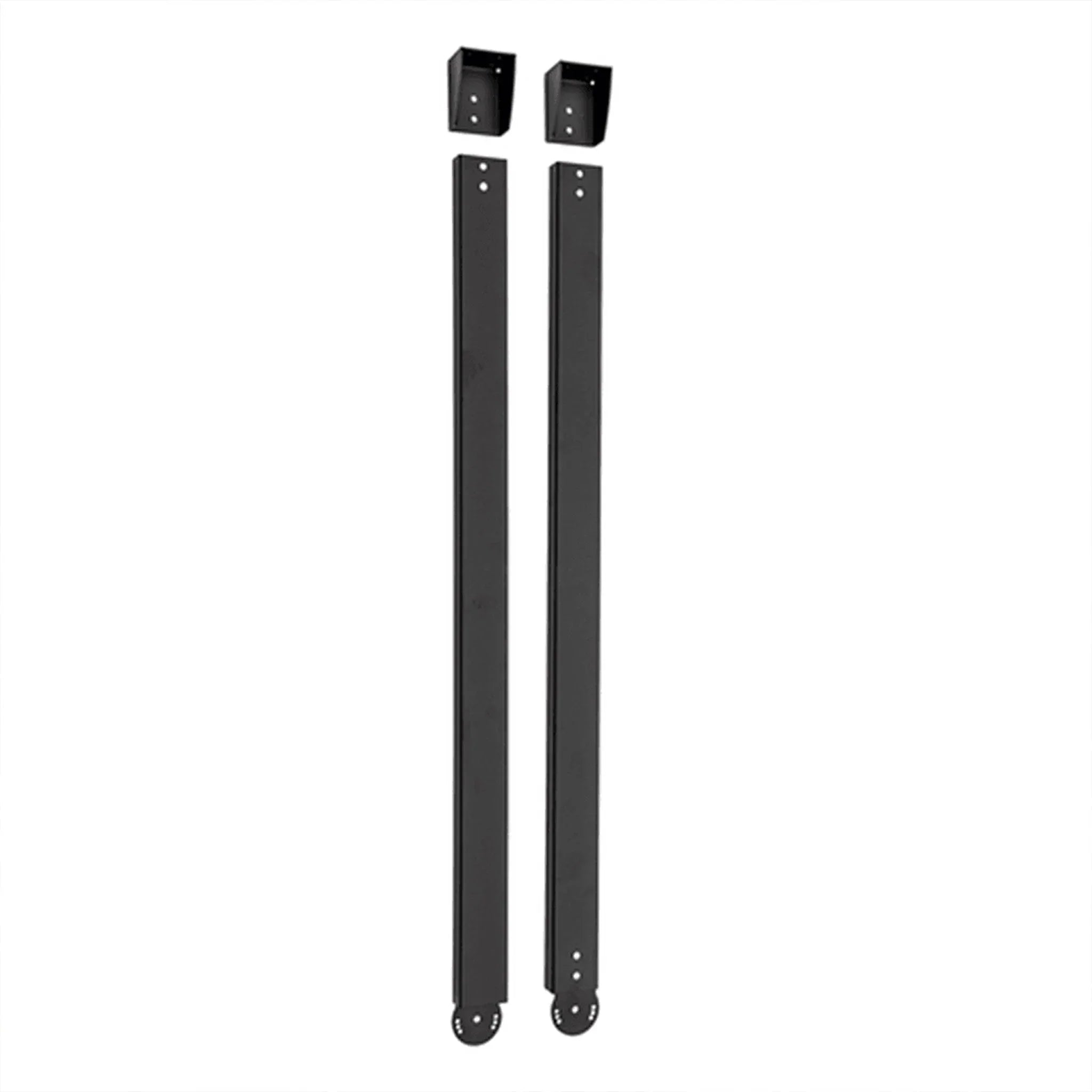
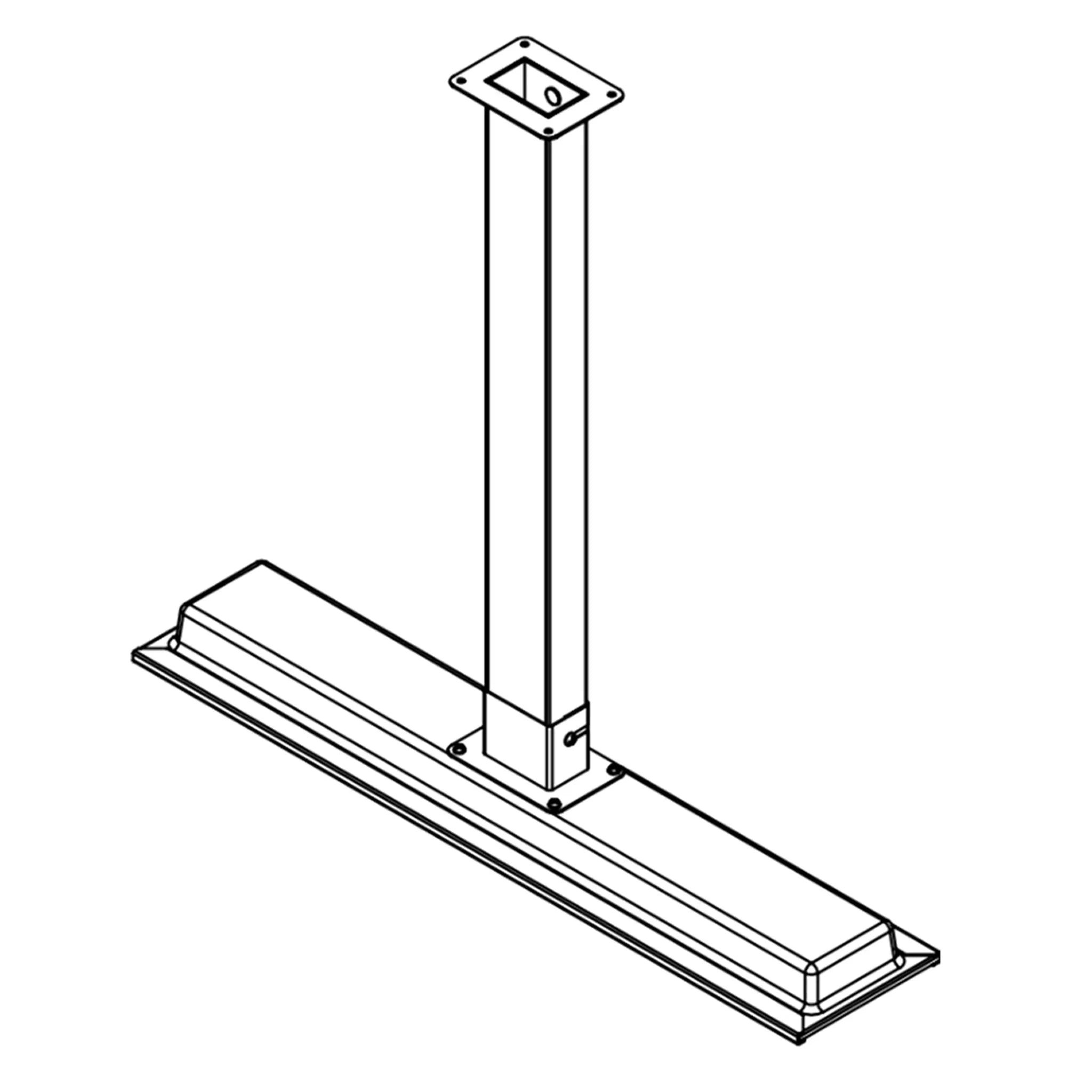
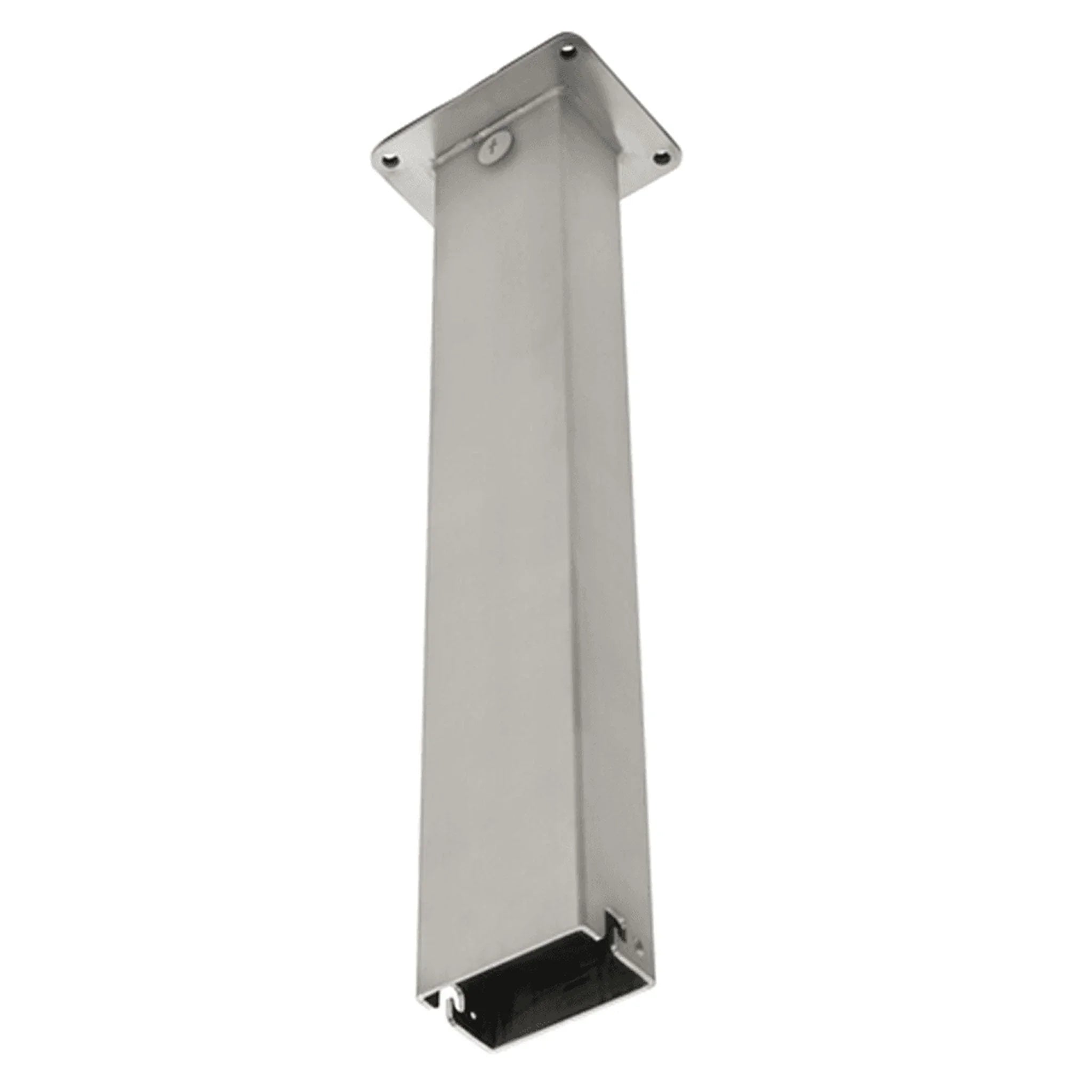
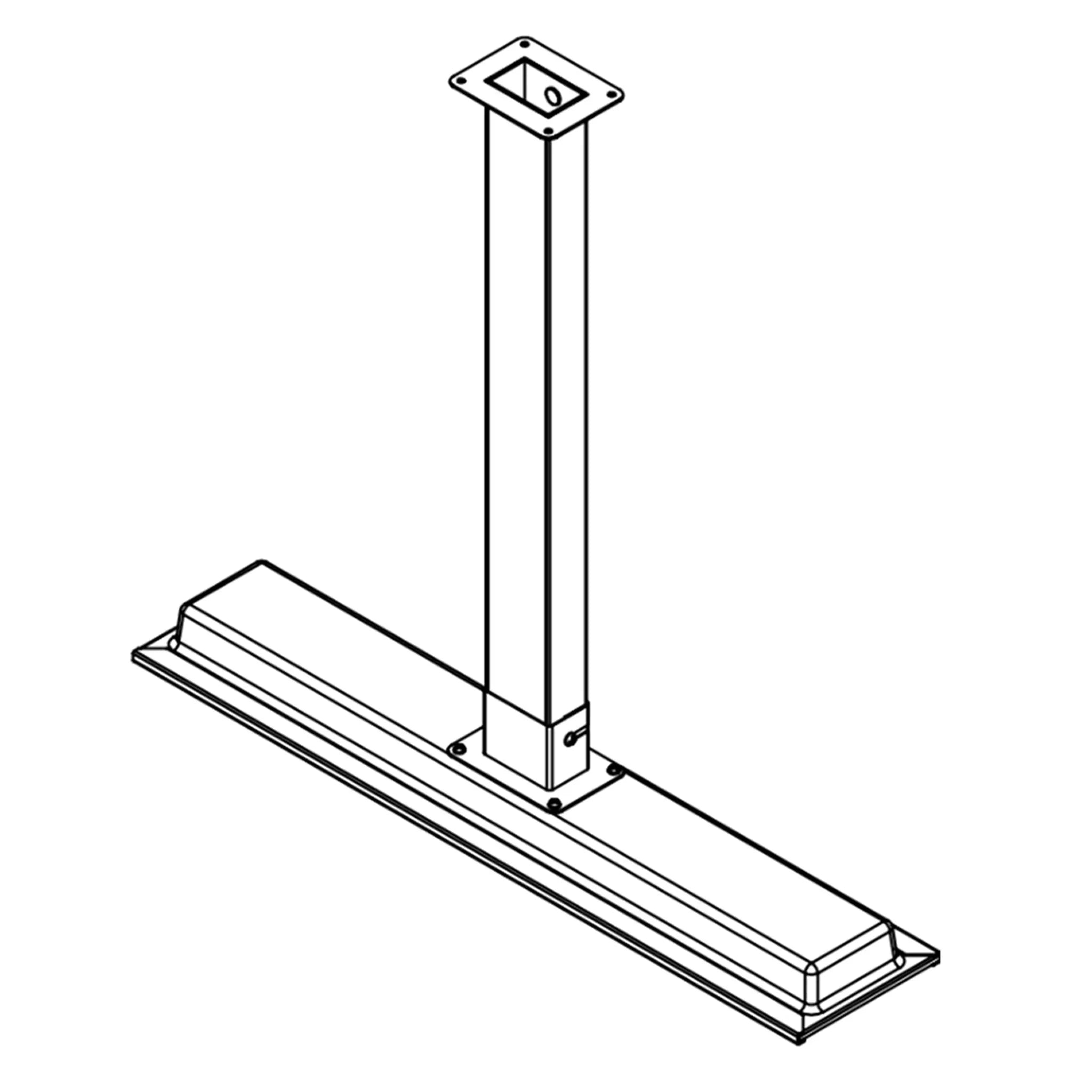
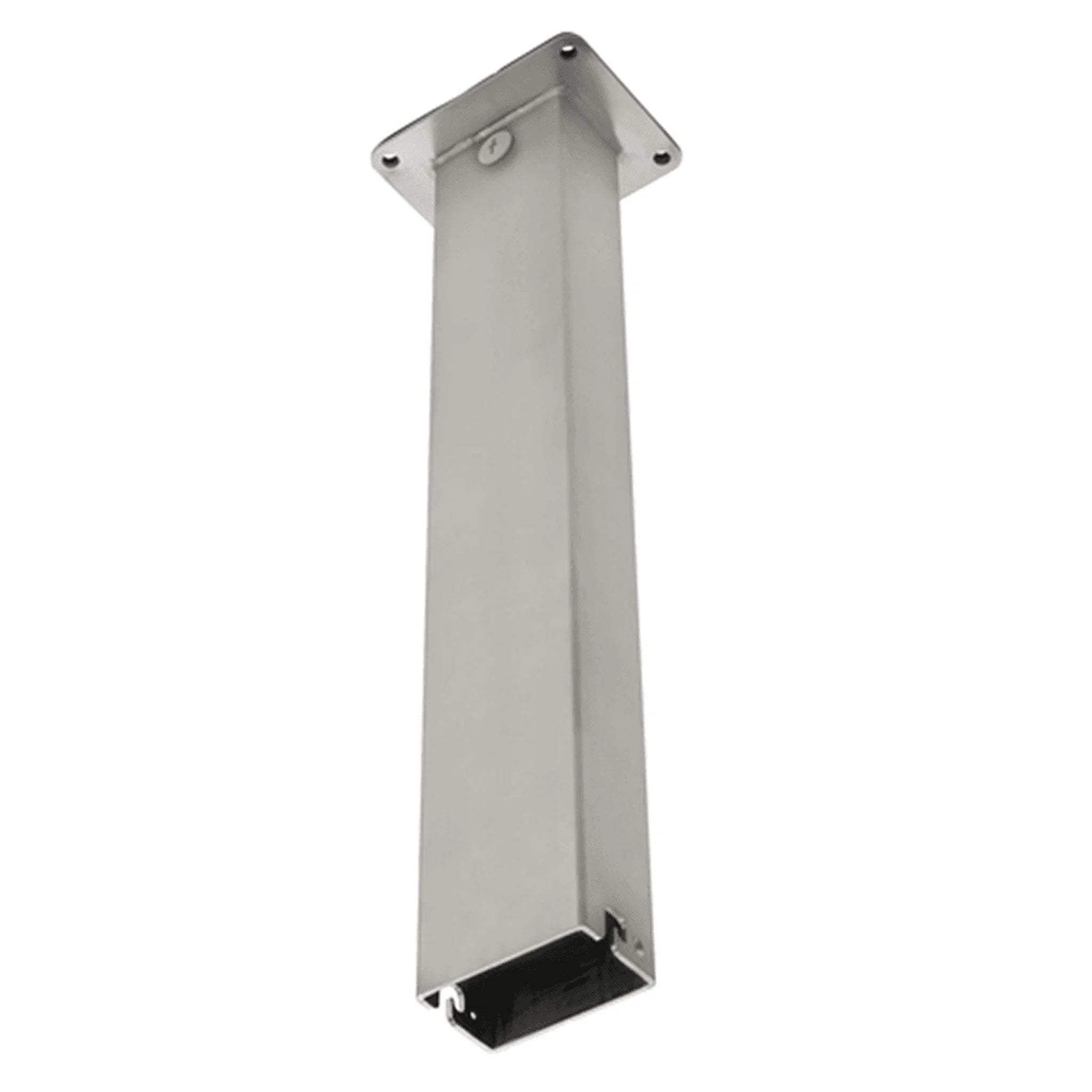
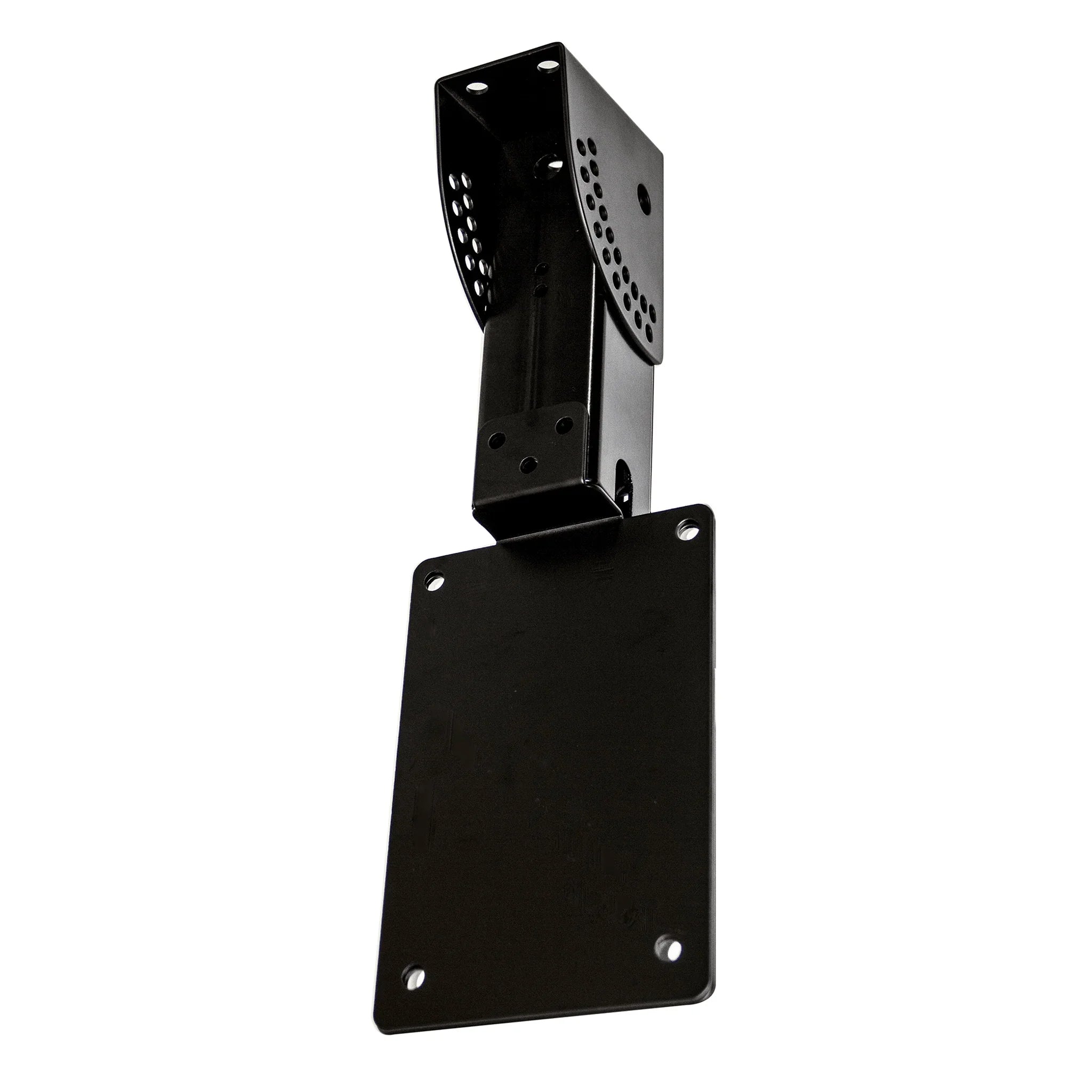
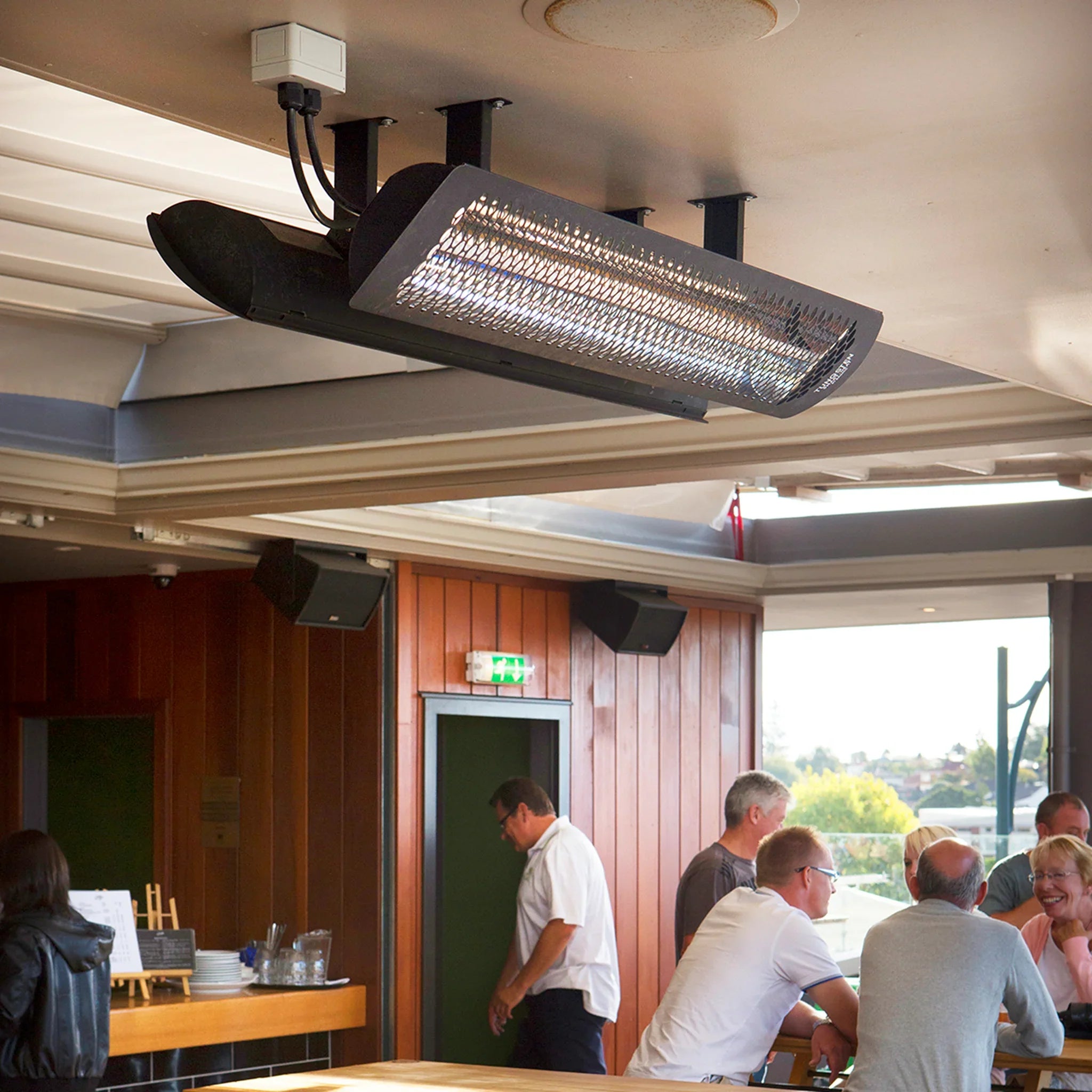
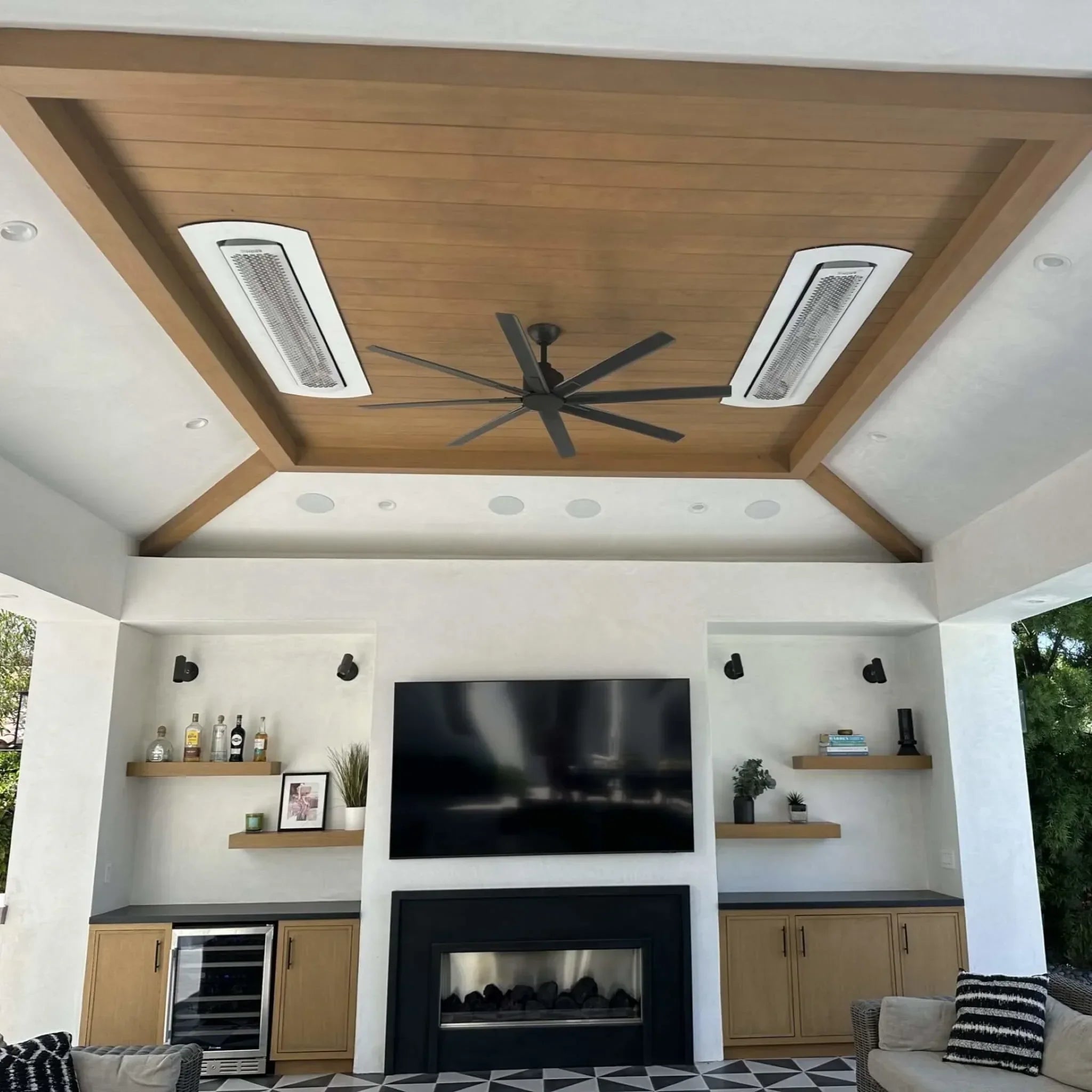
Mounting configuration is the other key variable. Wall-mounted and ceiling-mount units are ideal for covered patios and pergolas: permanent installation, no footprint on the floor, aimed exactly where the heat needs to go. Freestanding propane towers are the most flexible option — move them to where the seating is, not where a wall stud happened to be. Tabletop models work well for intimate settings or as supplemental warmth around a fire table. Patio Productions is ICFA-certified and has been outfitting outdoor spaces from our San Diego showroom and nationally since 2007. Every order ships free in the U.S. and arrives fully assembled. Our USA-based team offers complimentary design consultations to match the right heater configuration to your outdoor space.
Common Questions About Outdoor Patio Heaters
Plan for roughly 10 watts of infrared heat per square foot of covered patio space. A 150-square-foot covered patio typically needs 1,500 to 2,000 watts of infrared output, or 40,000 BTU if using propane. Open, uncovered patios need more output because heat dissipates faster without an overhead surface to reflect warmth back down. Wind exposure increases requirements further — if your patio is regularly breezy, size up.
It depends on the patio: electric infrared suits covered patios with outlet access, propane suits open areas and larger gatherings. Electric infrared is quieter, requires no fuel management, and is well-suited for covered patios where a permanent overhead or wall-mounted unit makes sense. Propane offers higher peak BTU output, works without electrical infrastructure, and the freestanding format gives you flexibility to reposition. If you have a covered patio with access to an outdoor outlet, electric infrared is typically the cleaner long-term solution. For open areas or large gatherings, propane towers often make more practical sense.
Wall-mounted and ceiling-mount units are built for permanent outdoor installation; freestanding propane heaters do better with a cover when not in use. Wall-mounted and ceiling-mount units are built for permanent outdoor installation and typically rated for weather exposure. Freestanding propane heaters are also weather-resistant but benefit from covering when not in use, particularly in climates with heavy rain or snow. Disconnect and store the propane tank if the heater won't be used for an extended period. Electric models should have all connections verified as outdoor-rated and protected from standing water.
Electric infrared heaters are designed for covered outdoor use; propane heaters require adequate clearance and ventilation. Electric infrared heaters are designed for covered outdoor use and are commonly installed under pergolas and roof overhangs. Propane heaters require adequate clearance and ventilation — always follow the manufacturer's minimum clearance requirements for ceiling height and overhead obstructions. Natural gas and propane models should not be used in fully enclosed spaces. When in doubt, electric infrared is the safer choice for tight or covered installations.


