
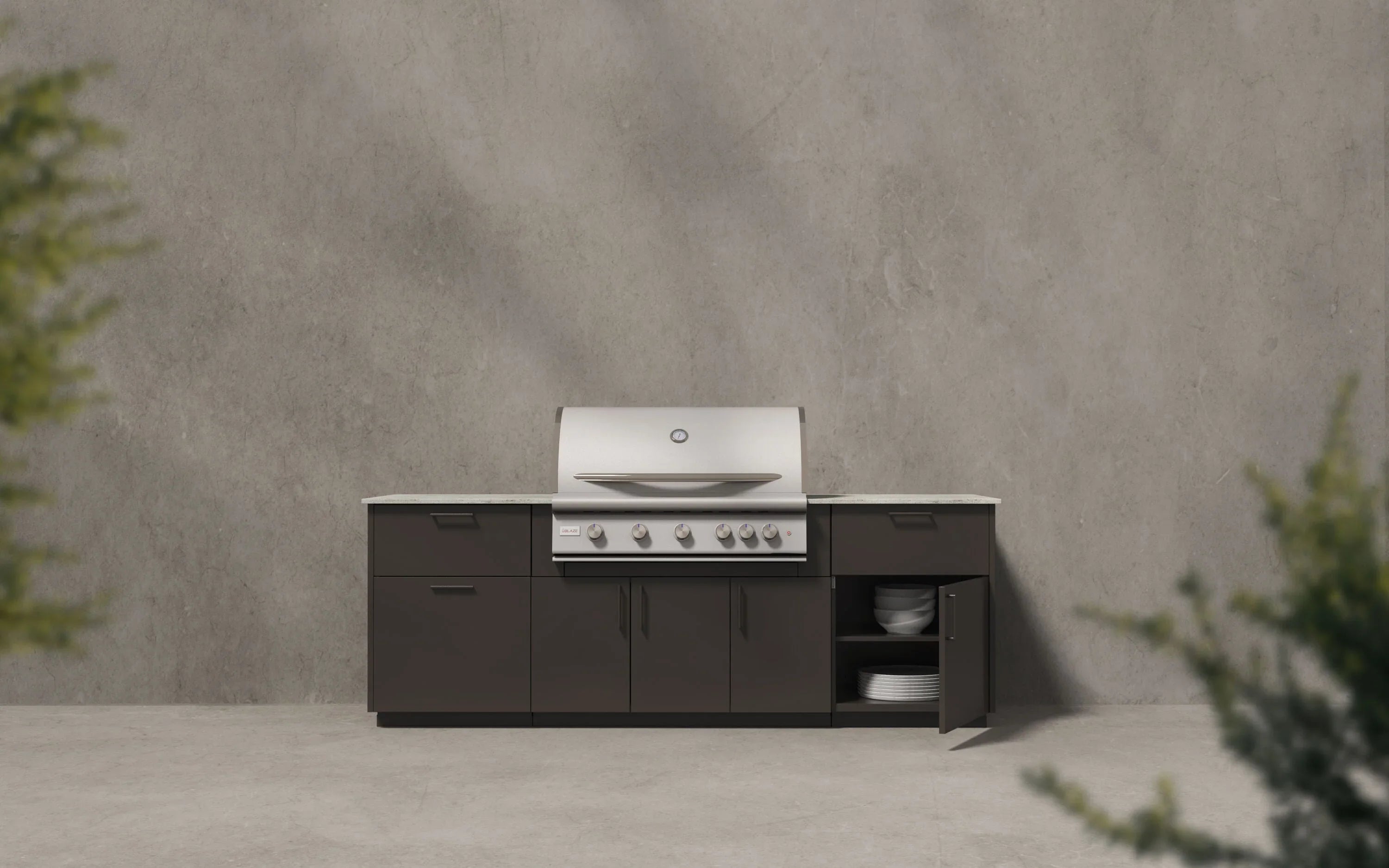
Outdoor Kitchen Islands
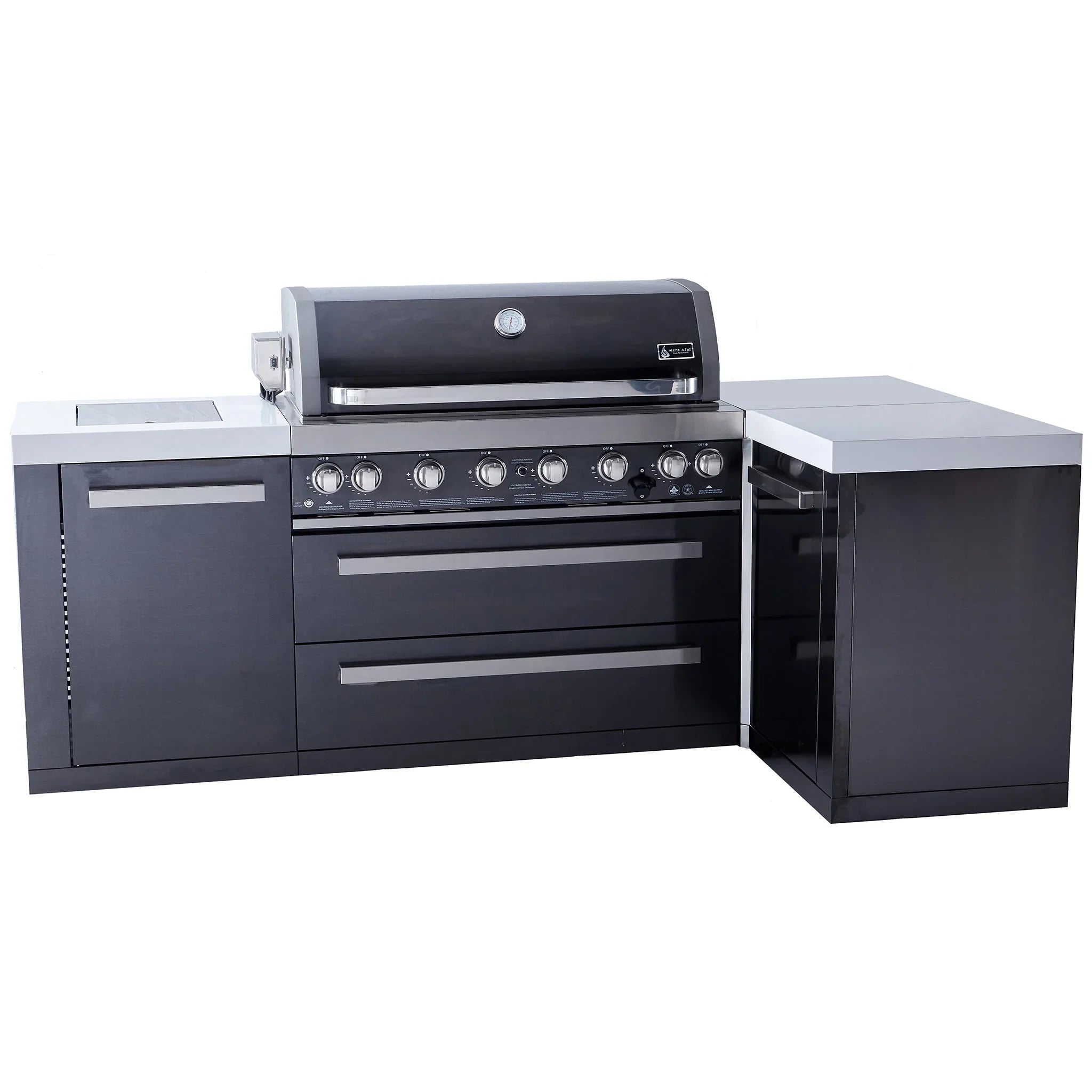
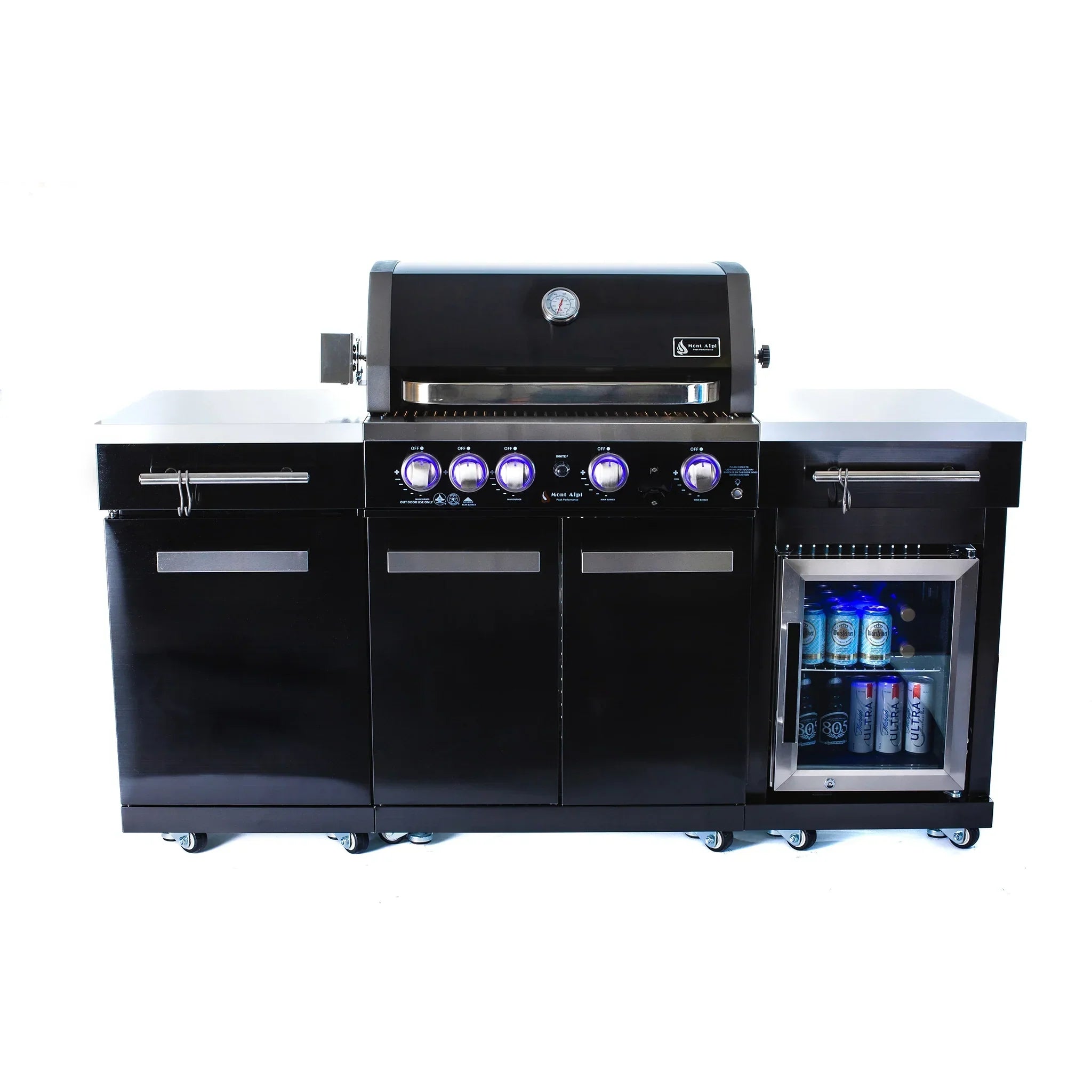
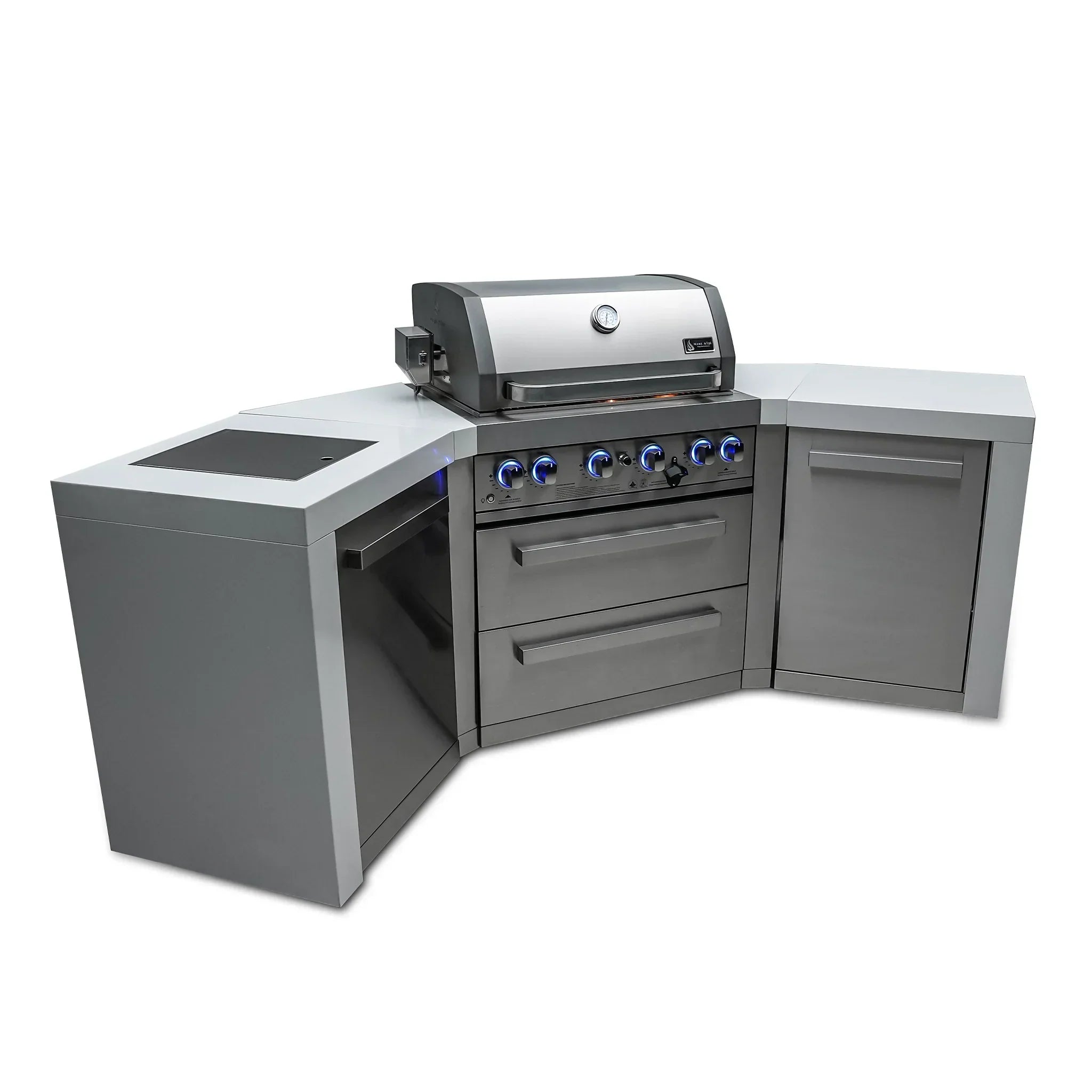
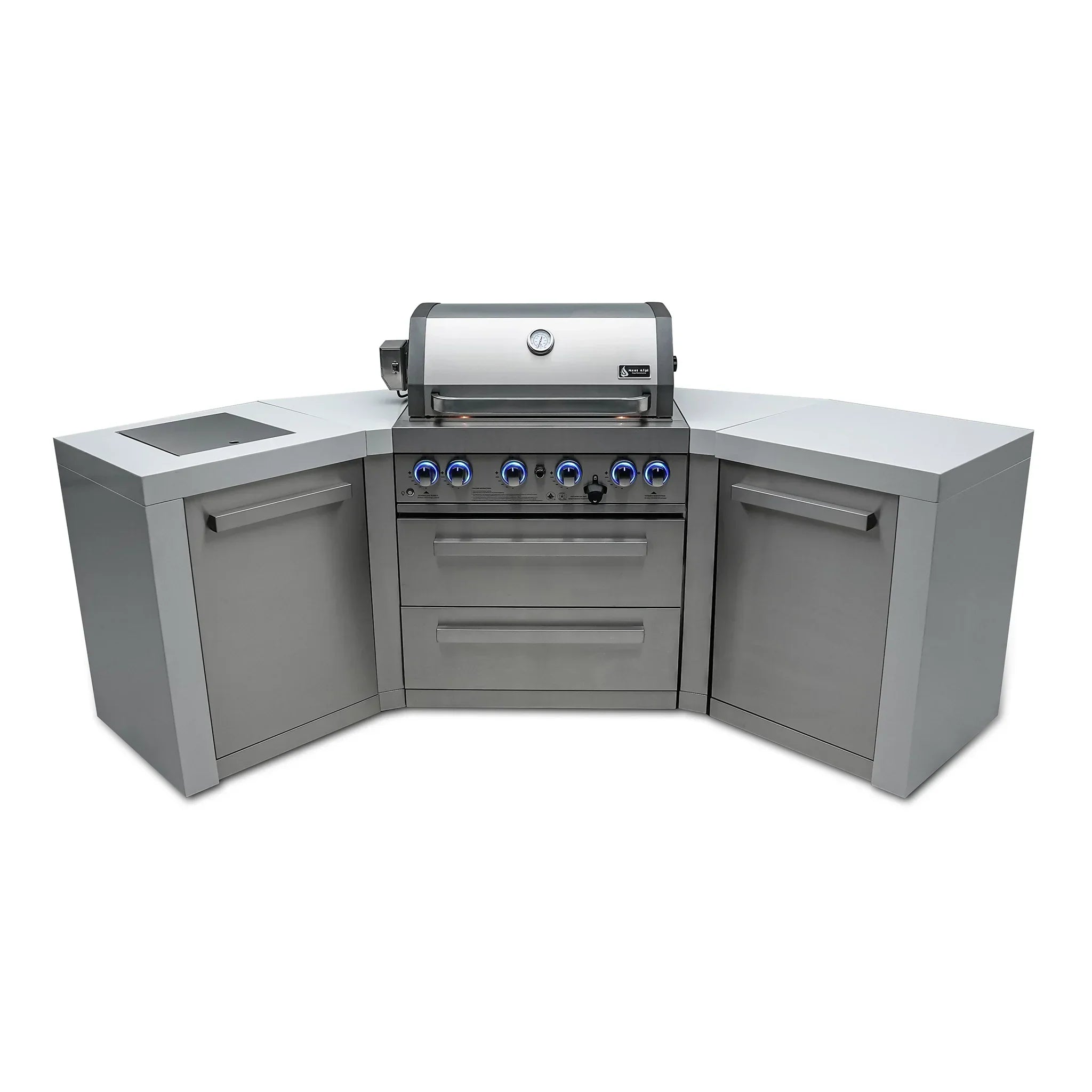
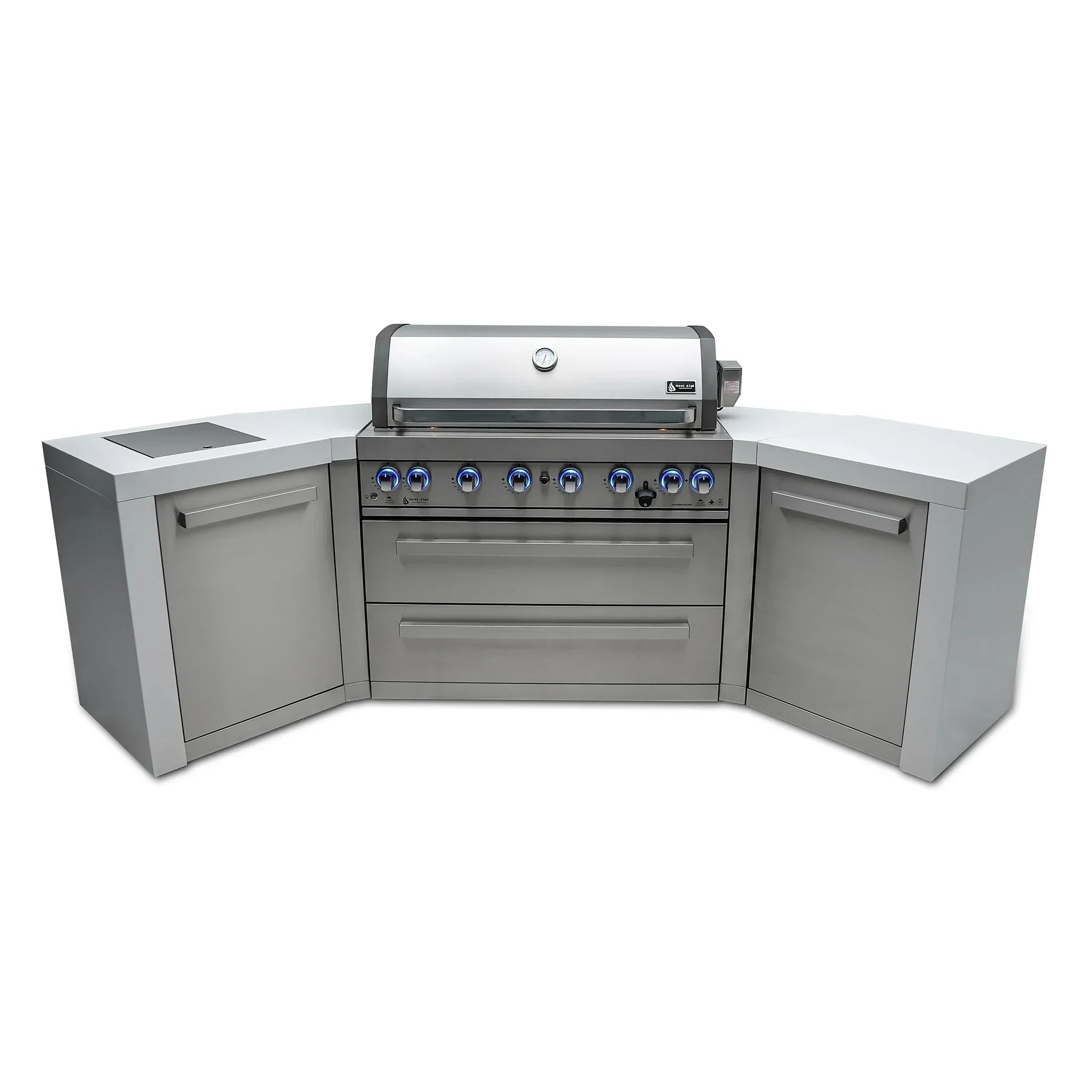
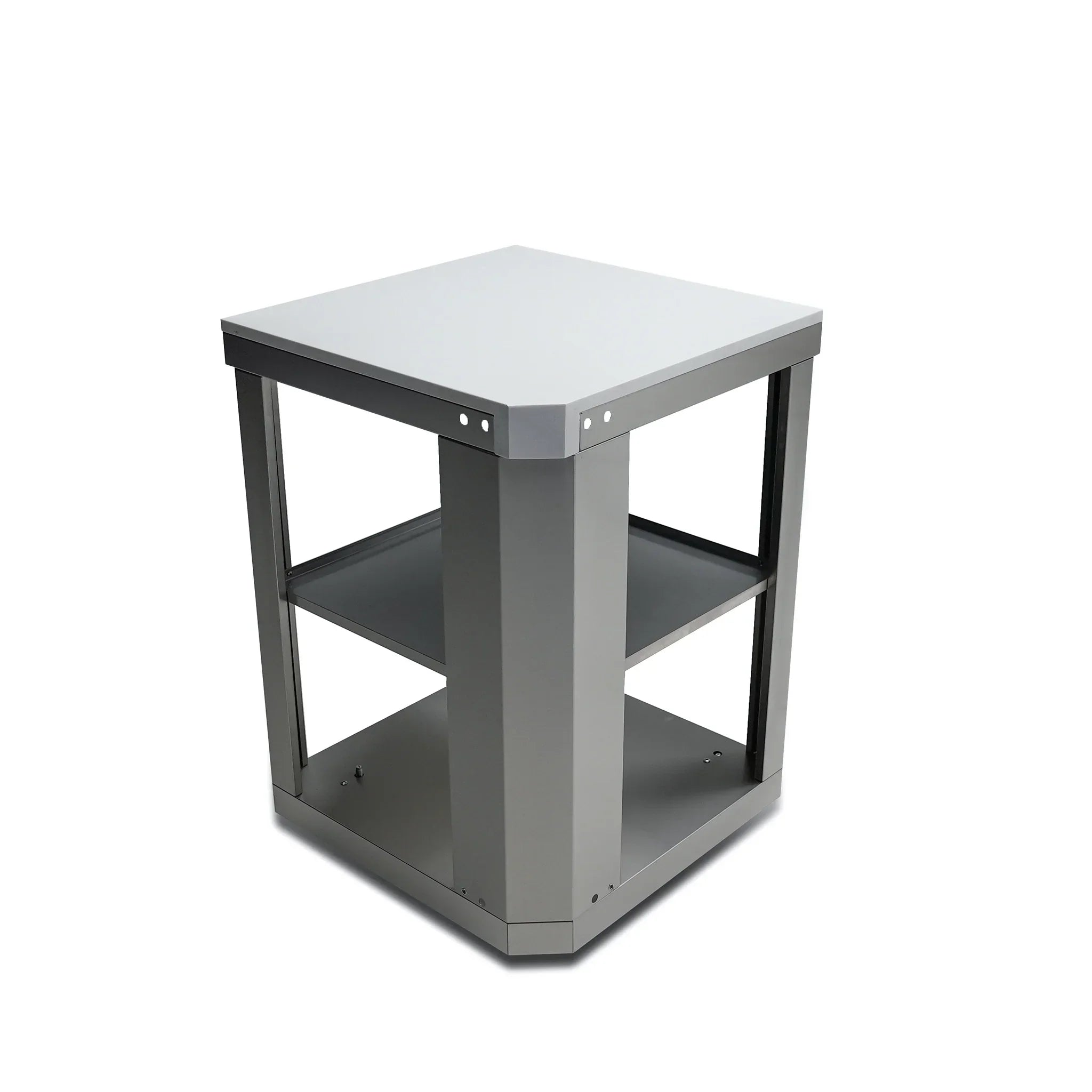
Outdoor Kitchen Islands: The Working Core of a Backyard Kitchen
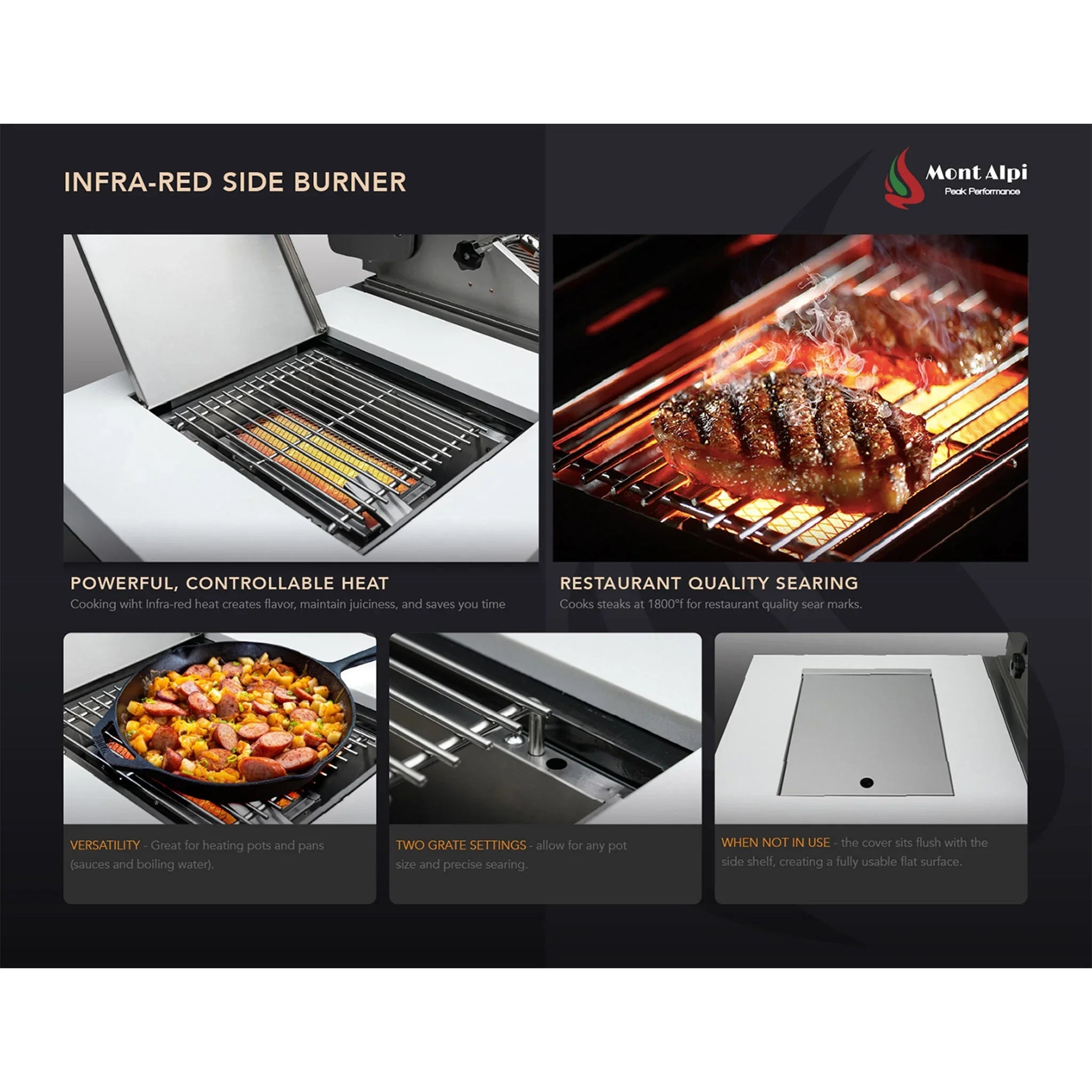
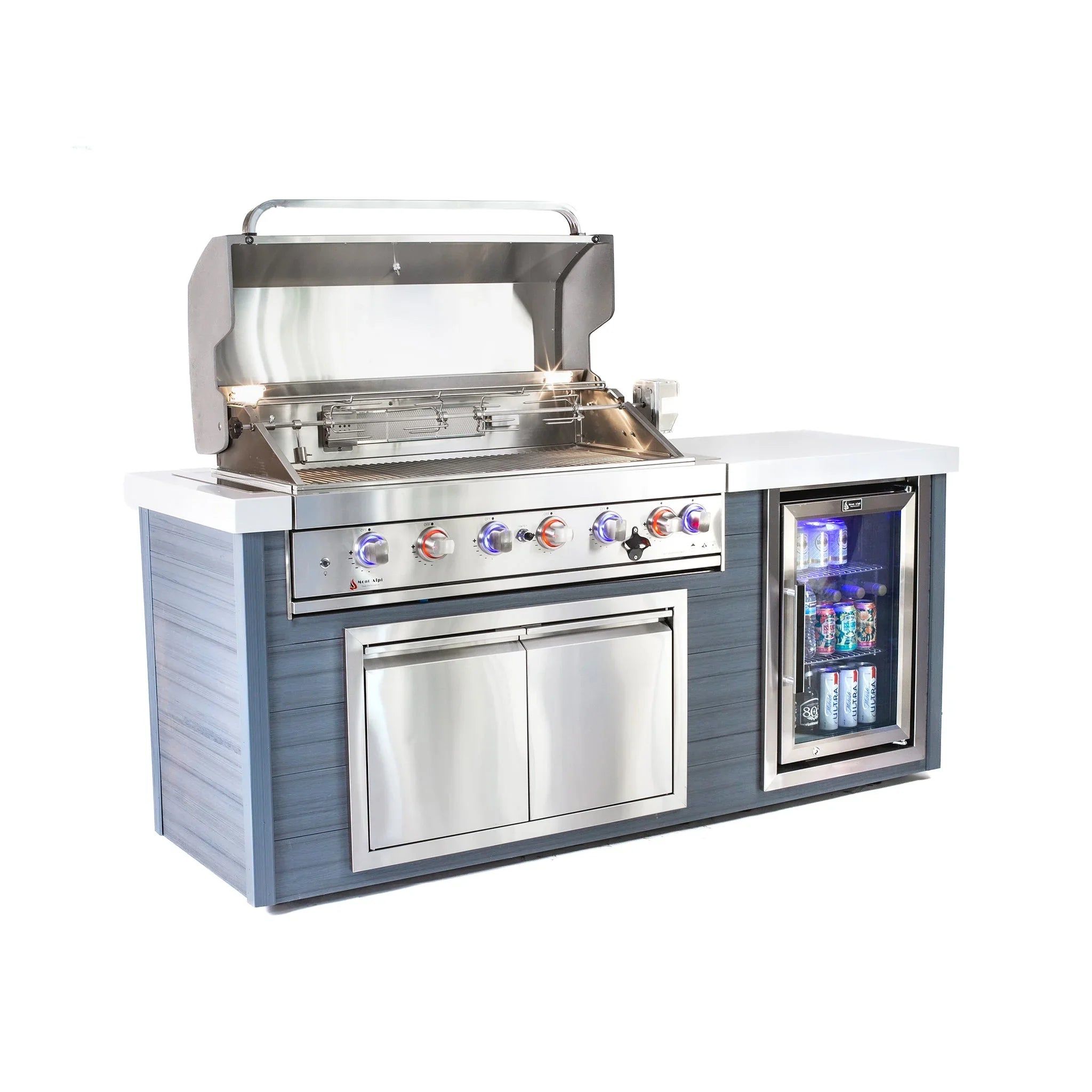
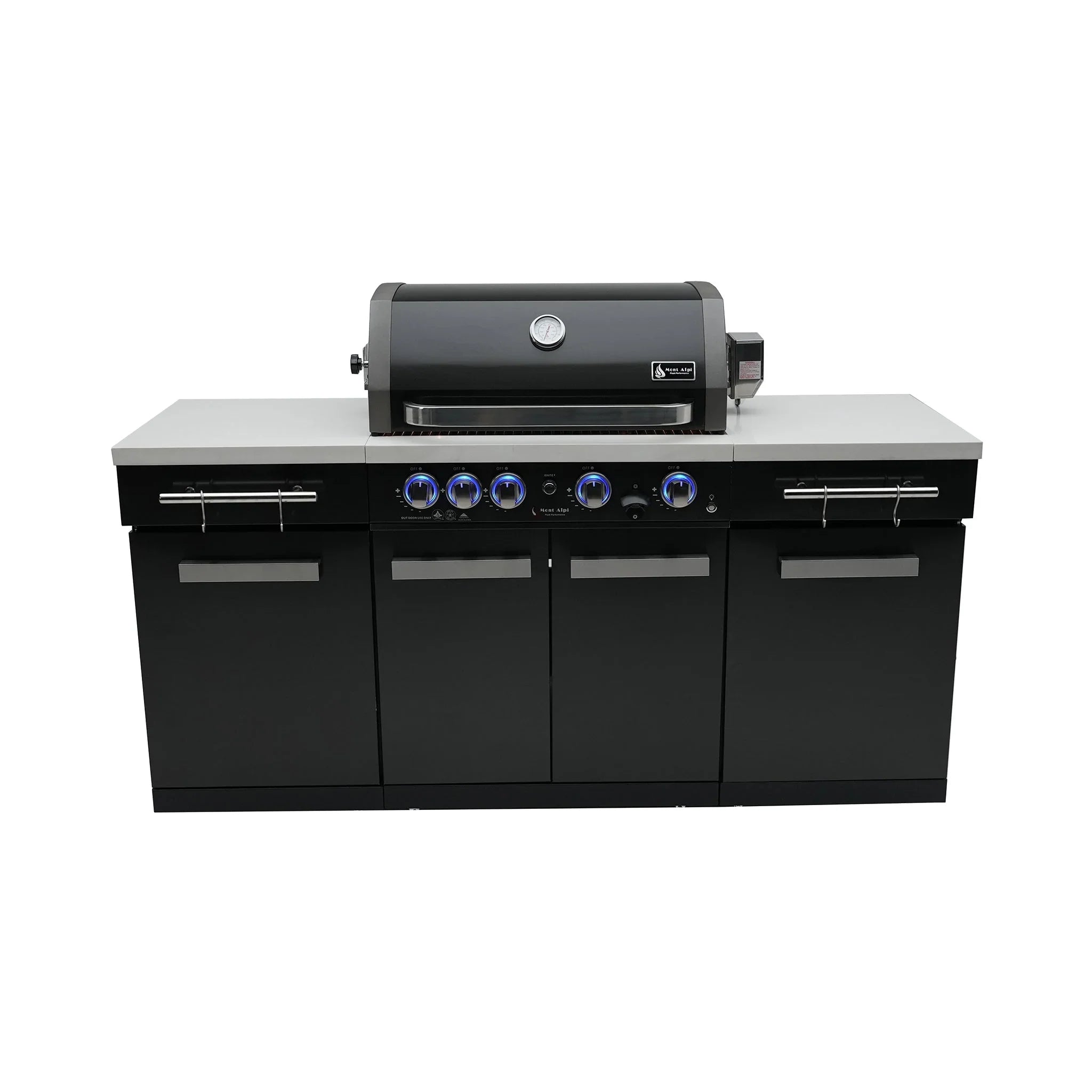
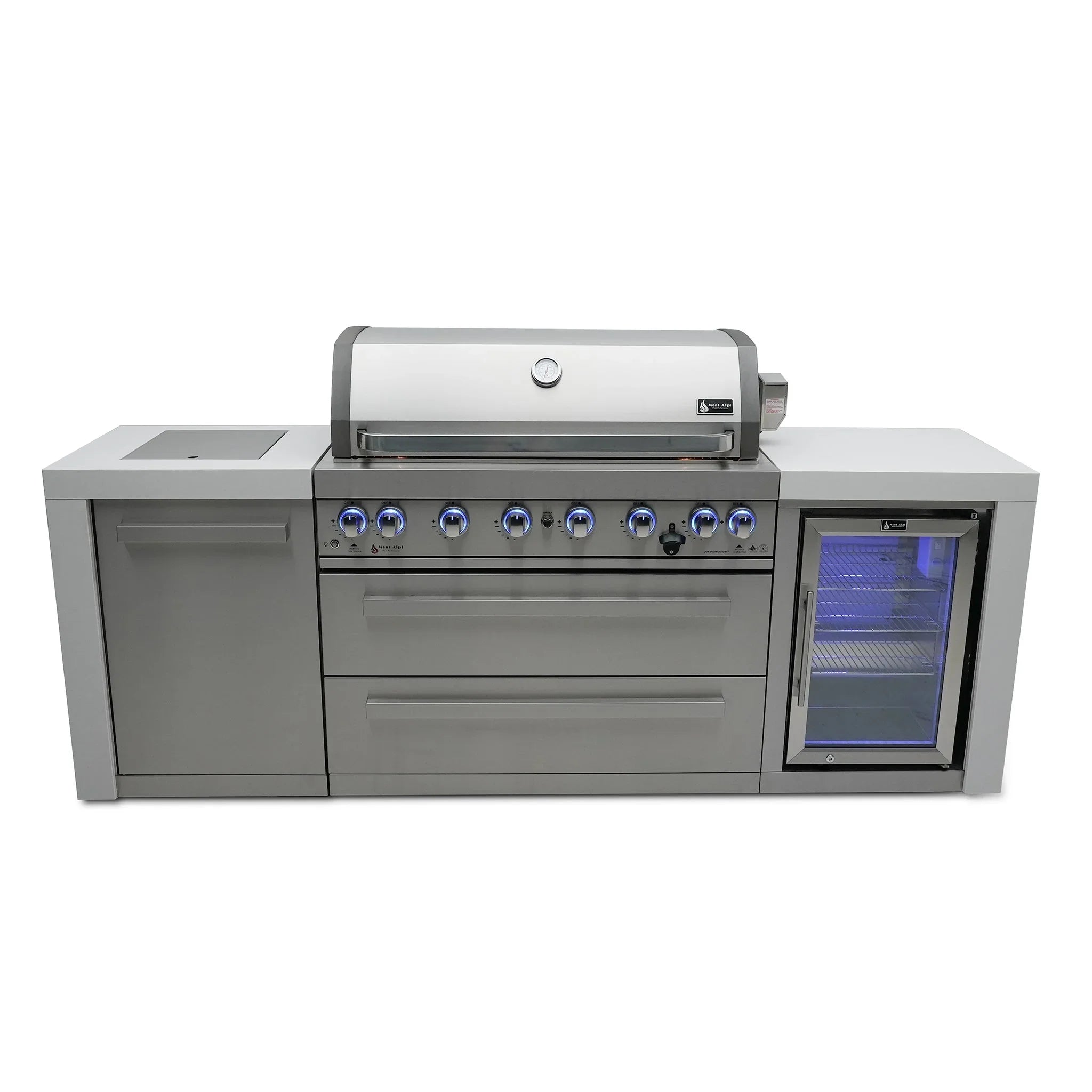
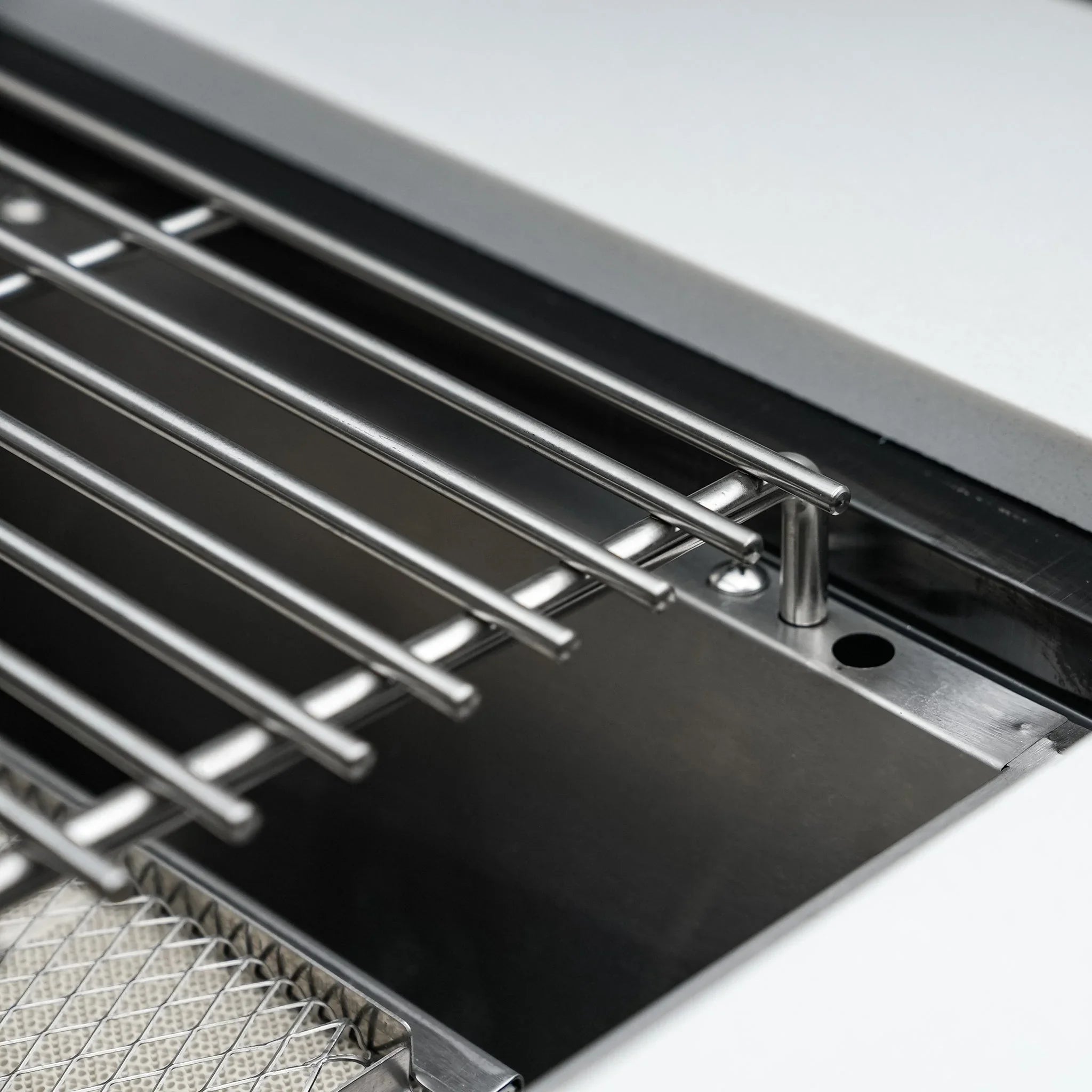
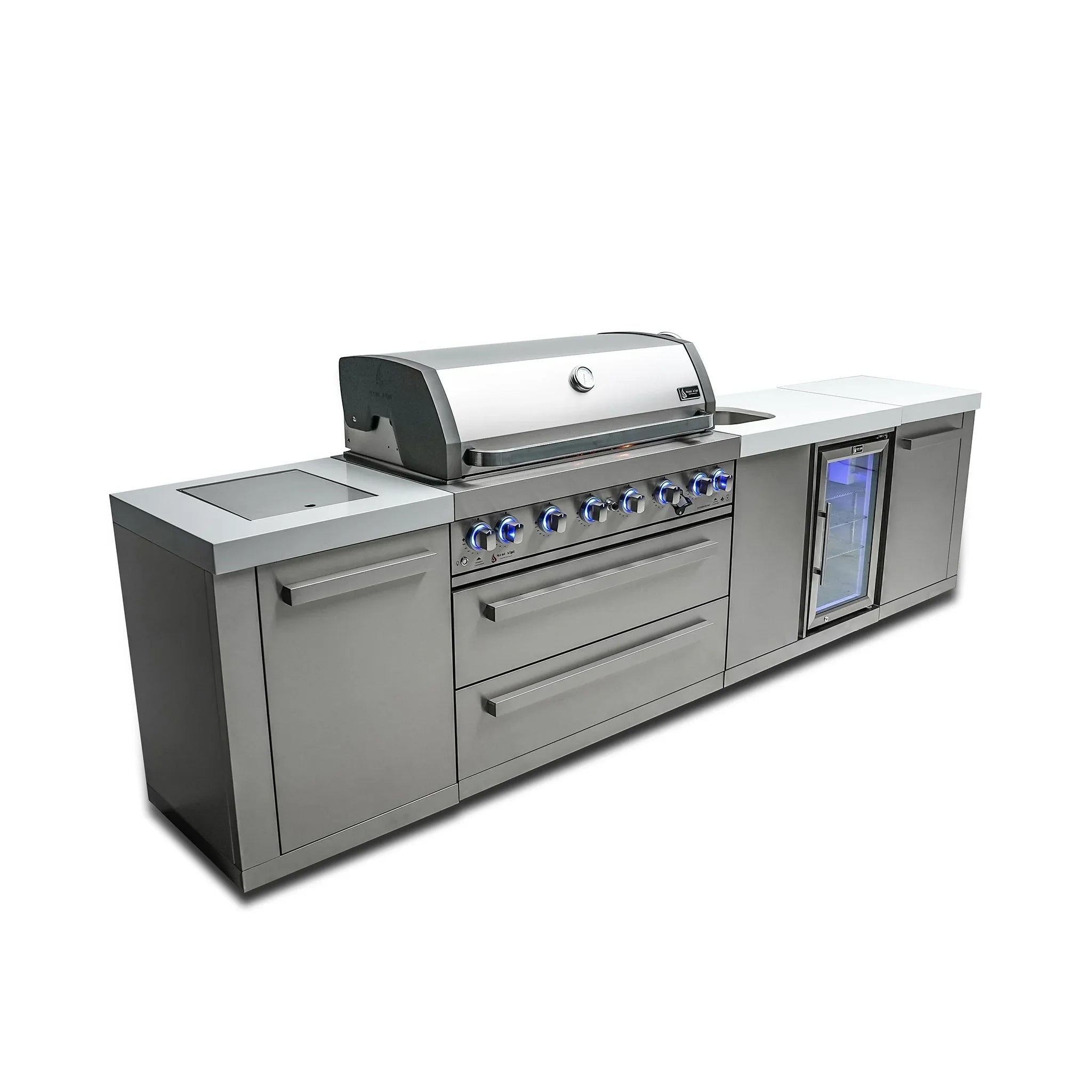
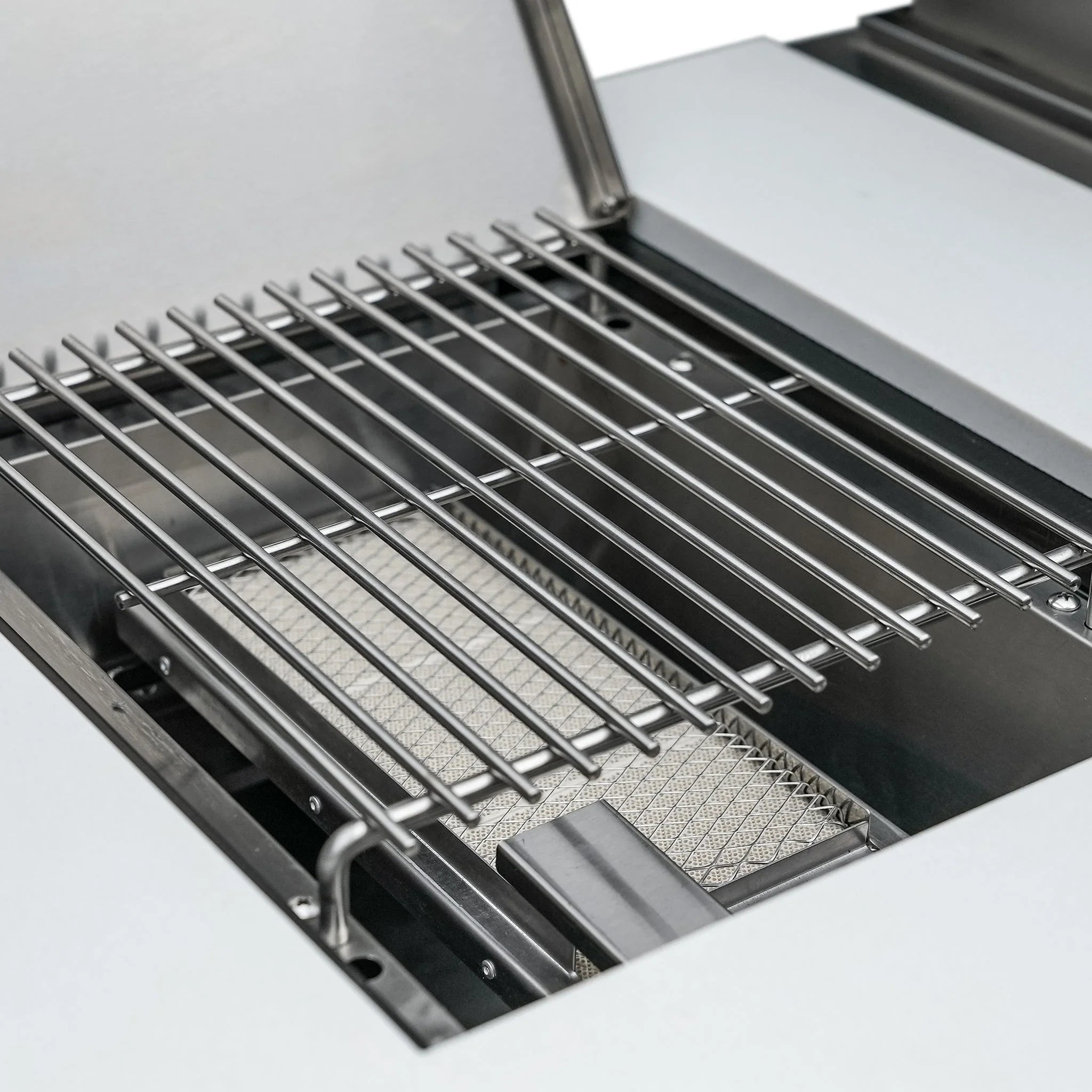
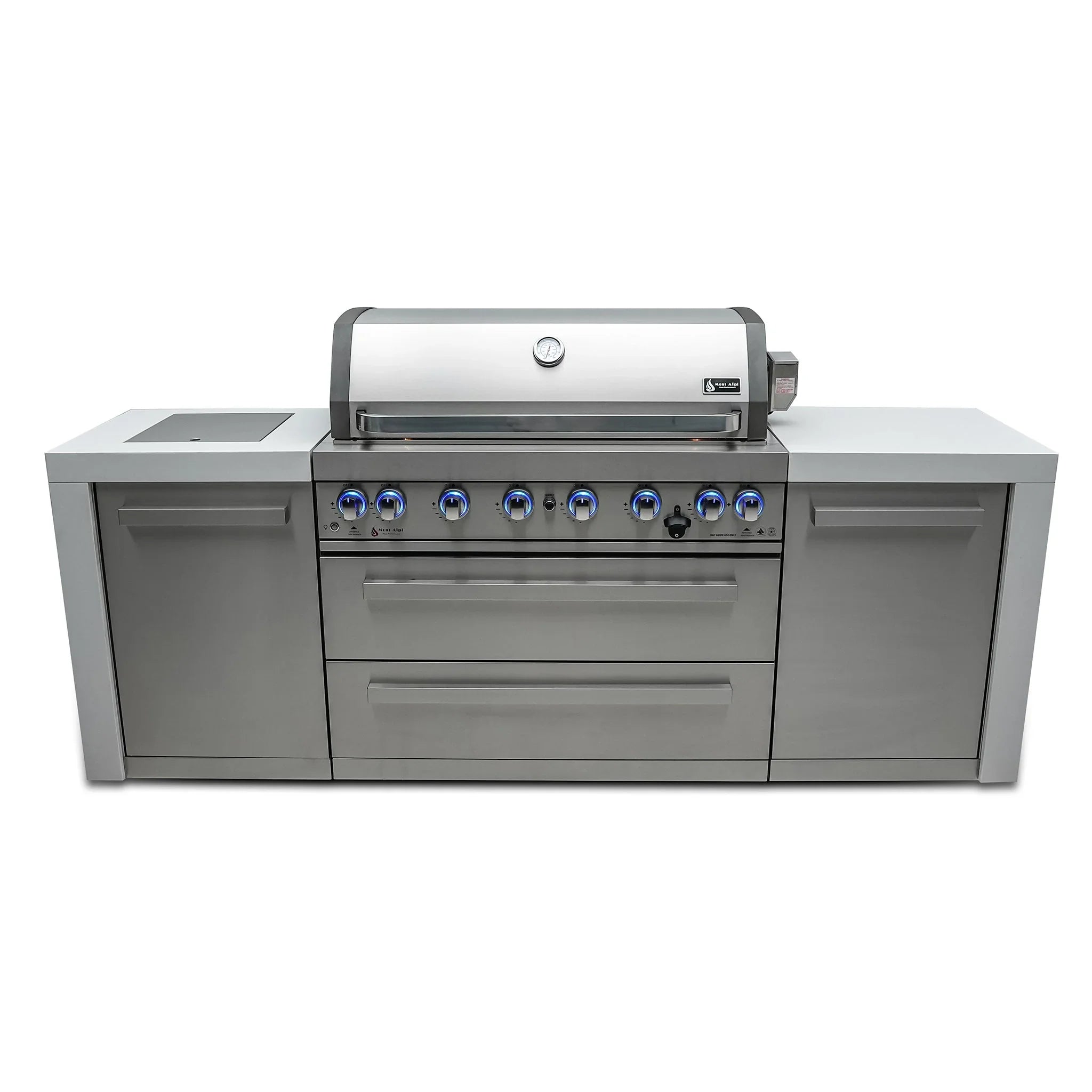
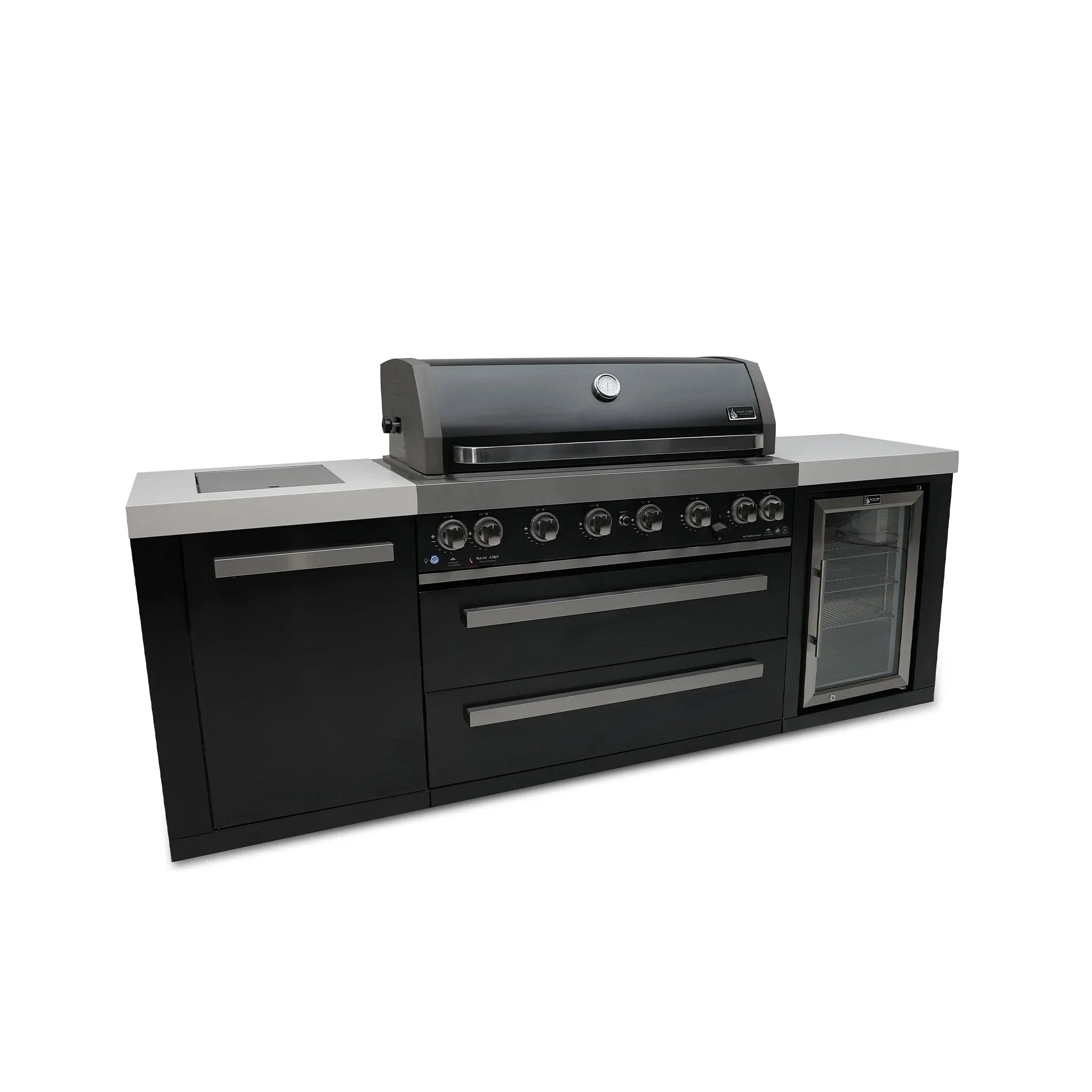
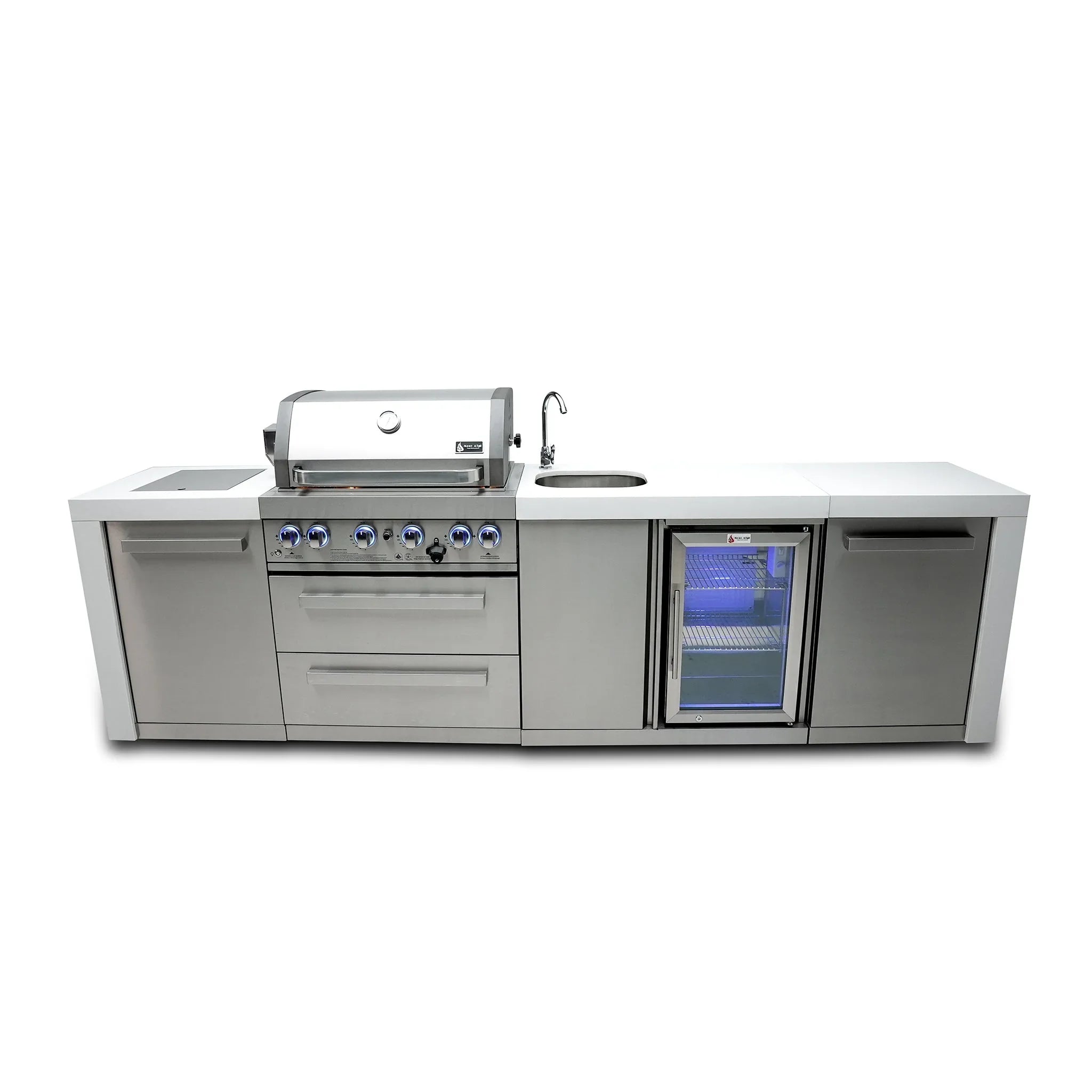
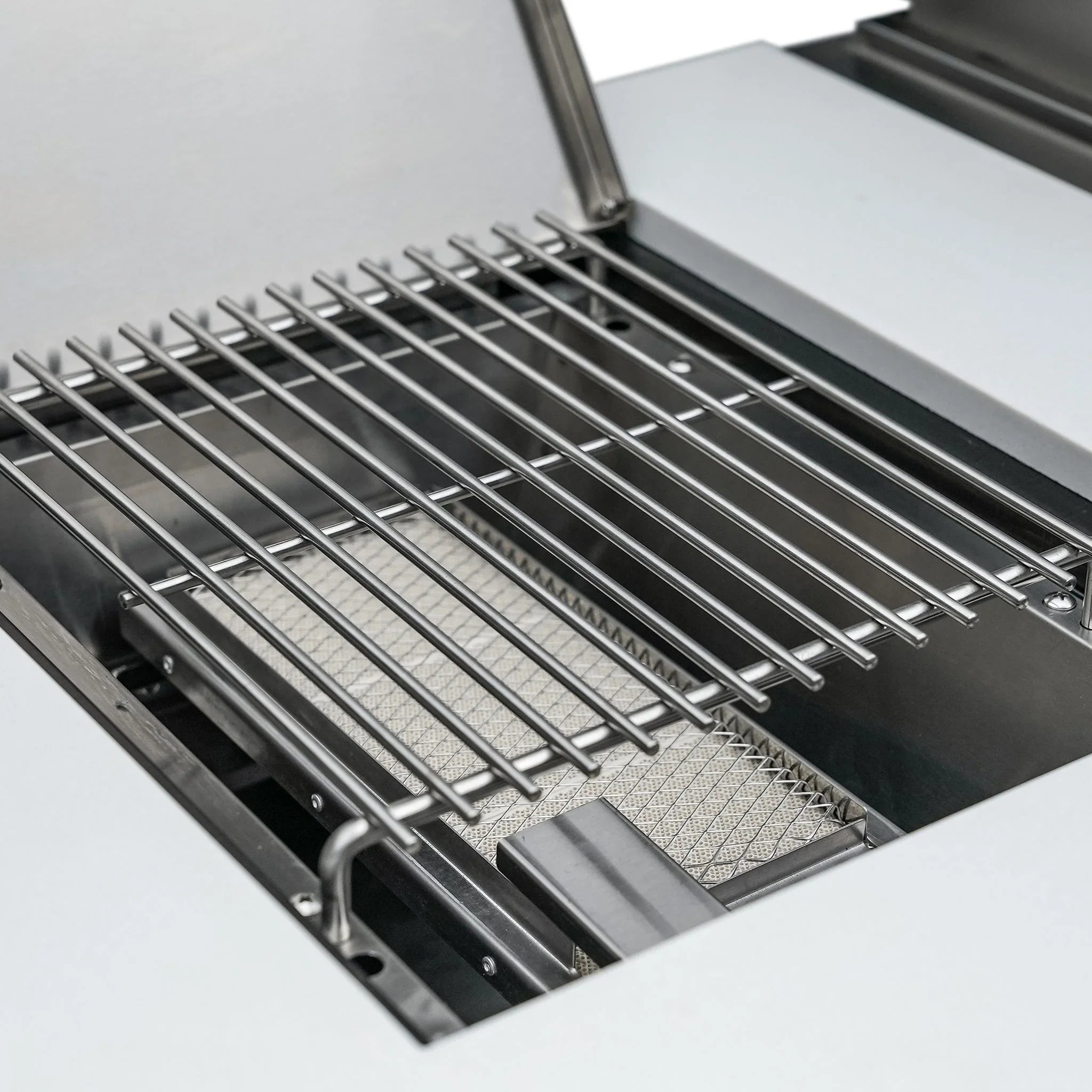
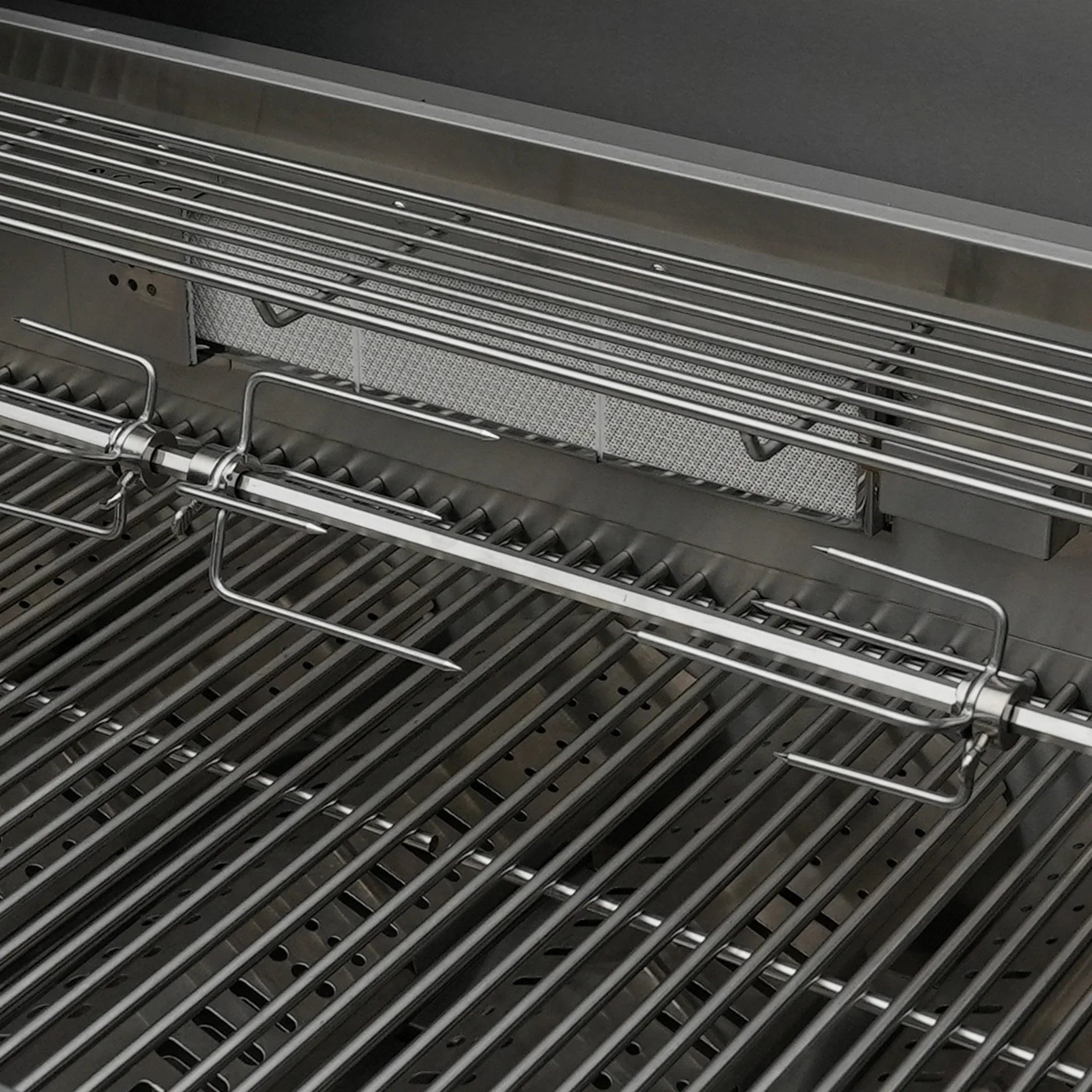
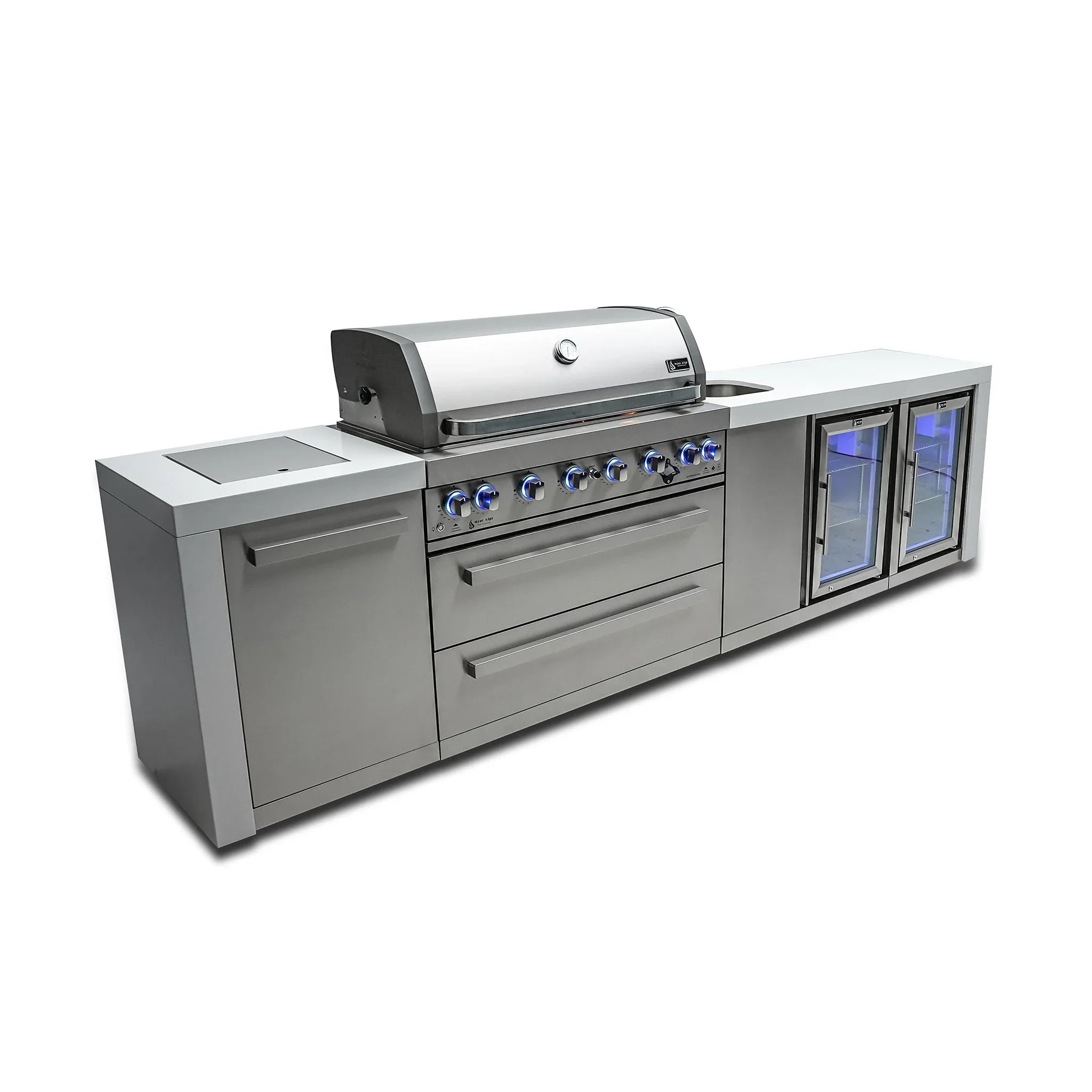
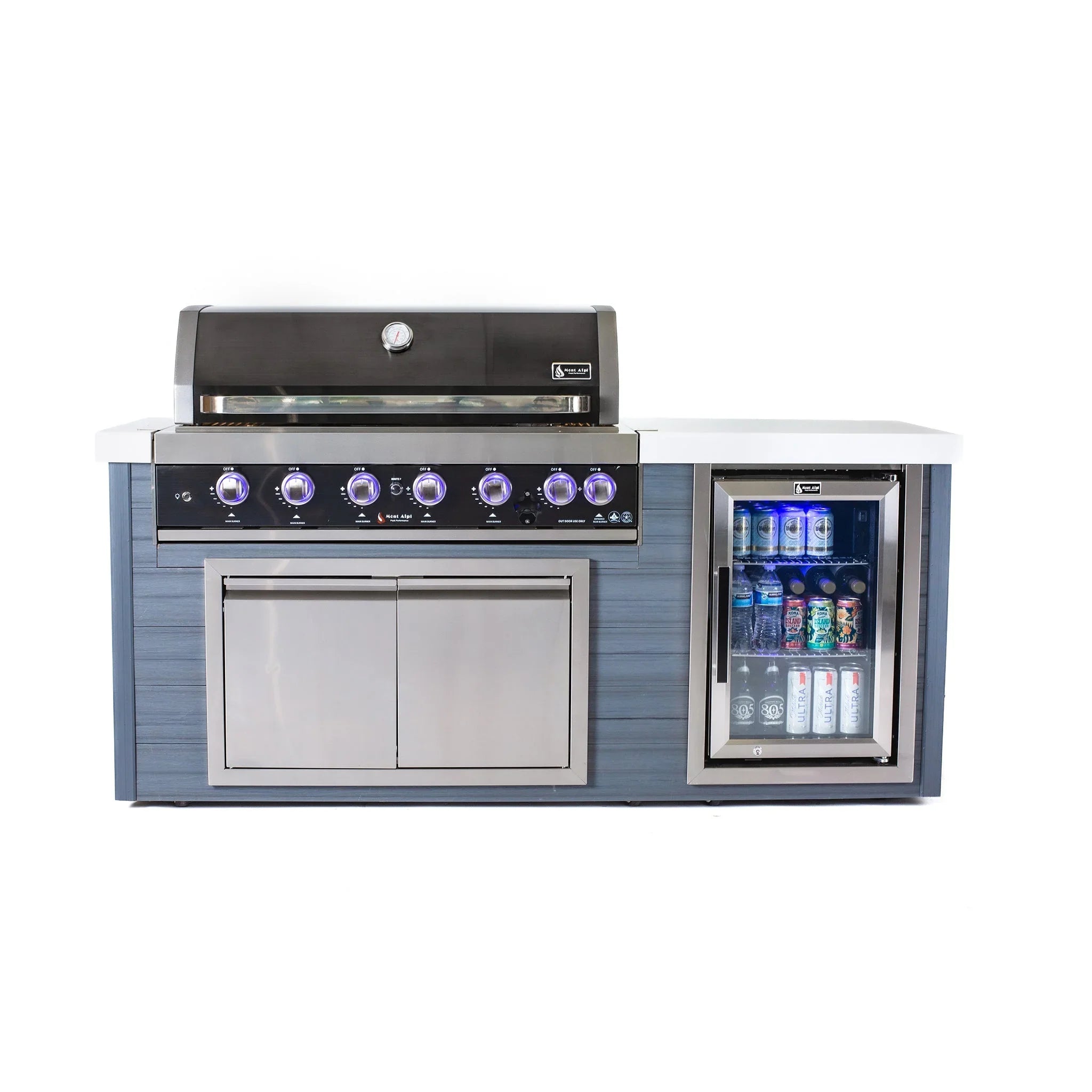
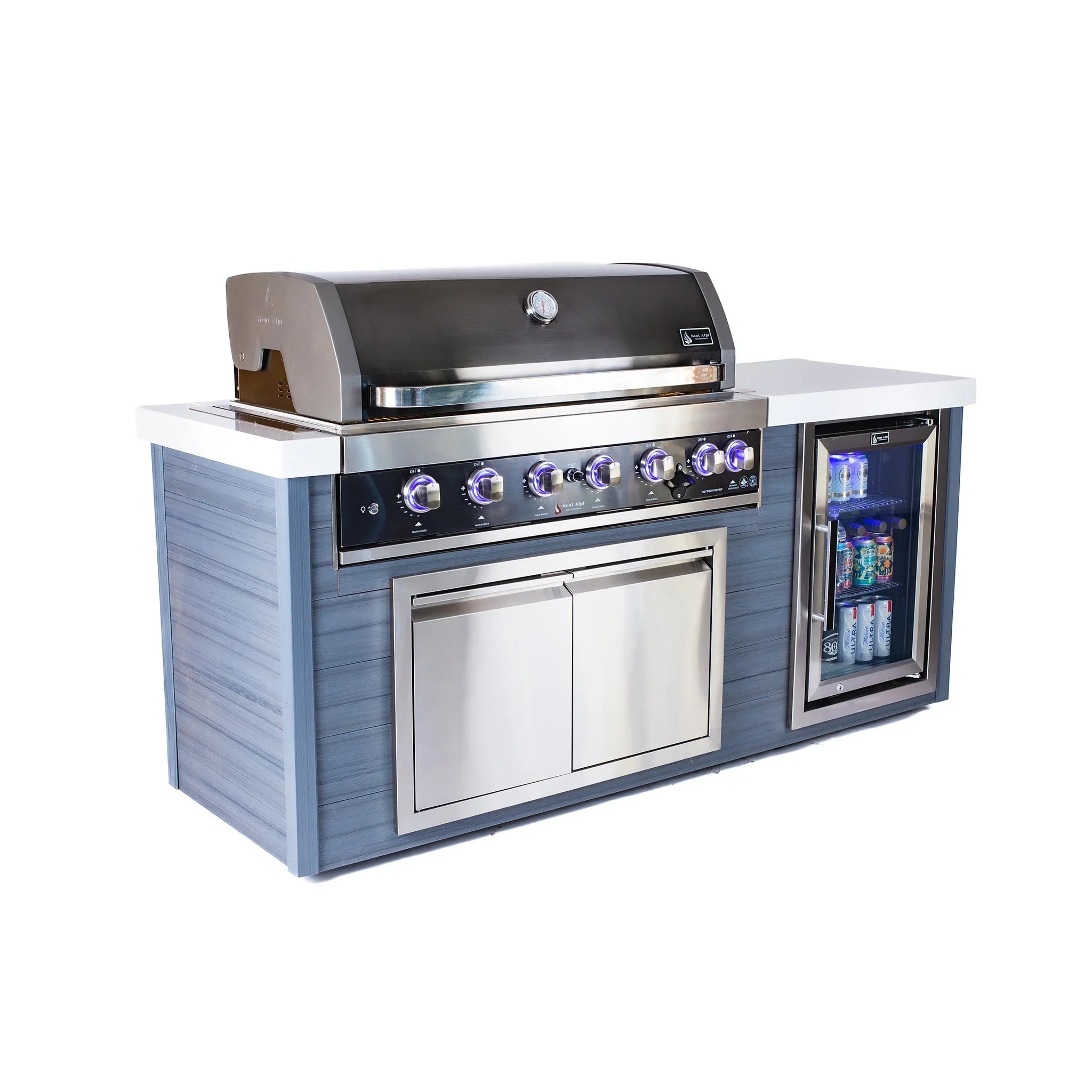
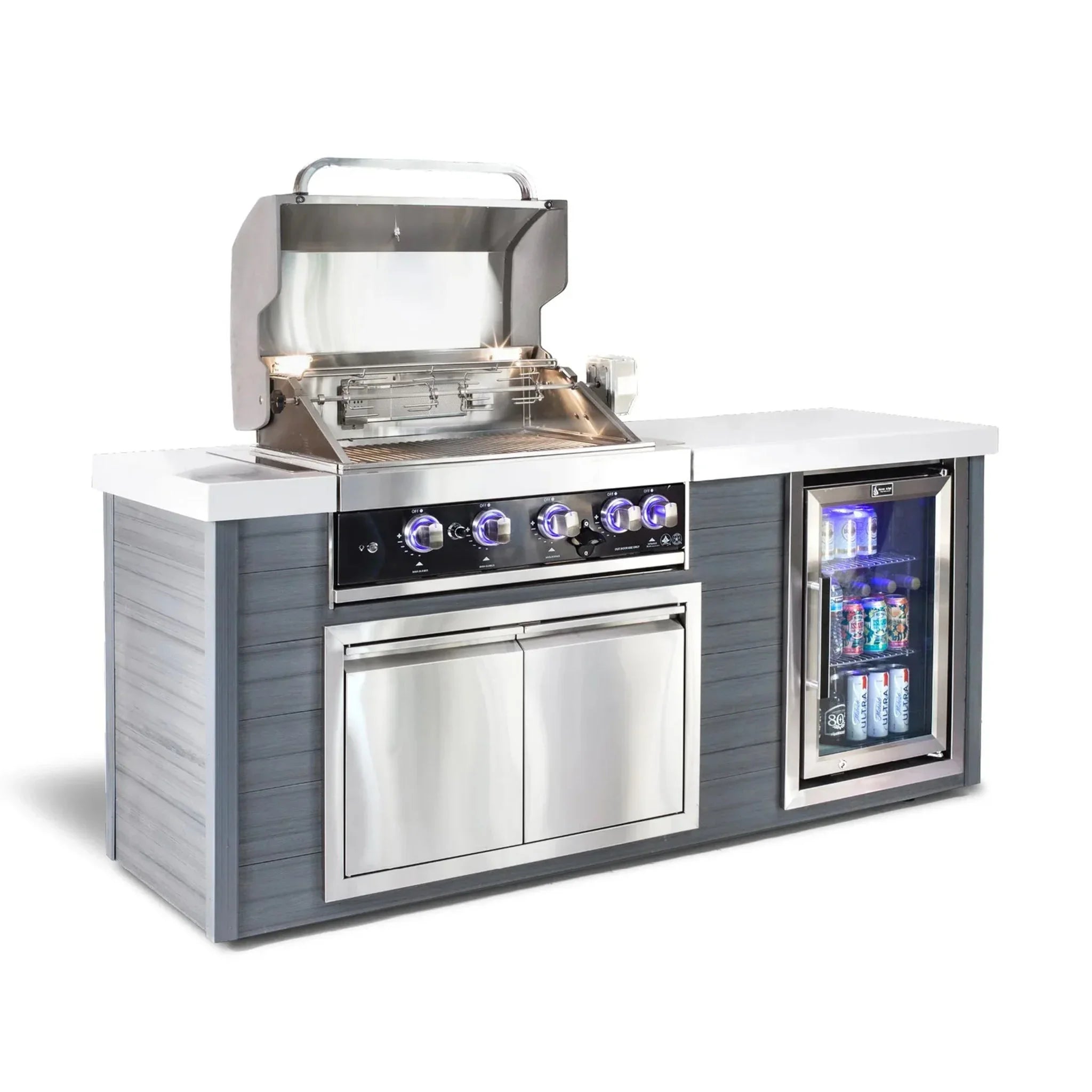
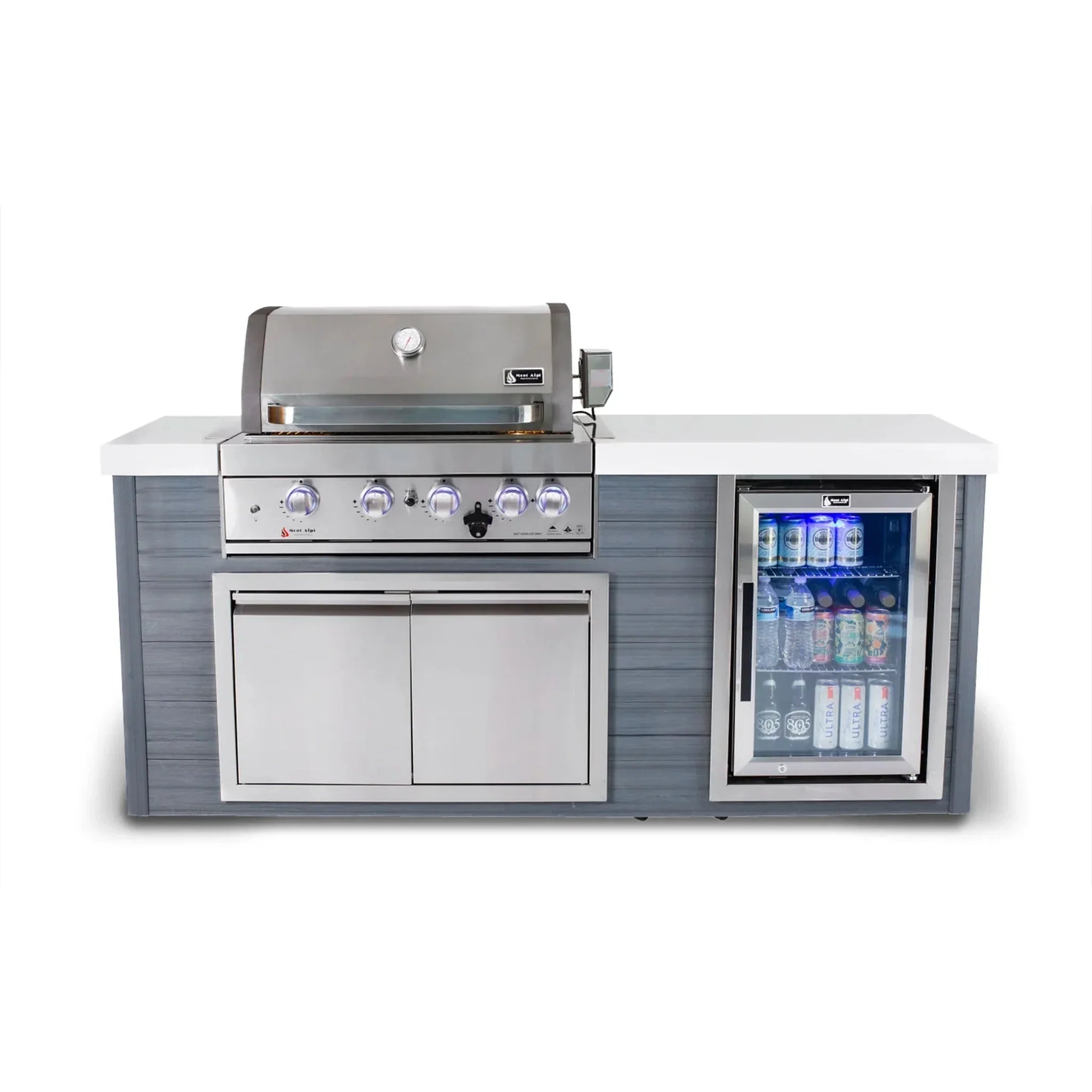
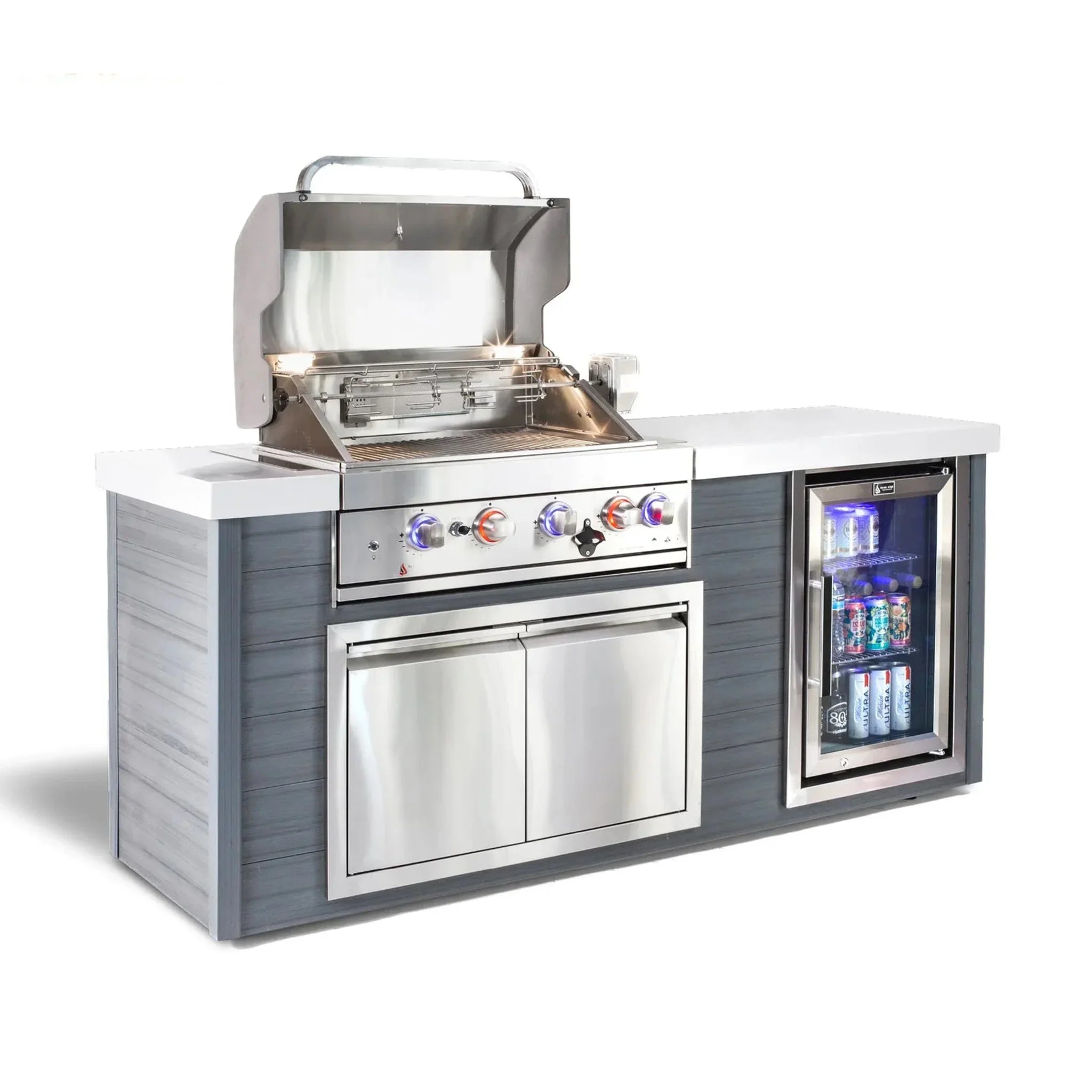
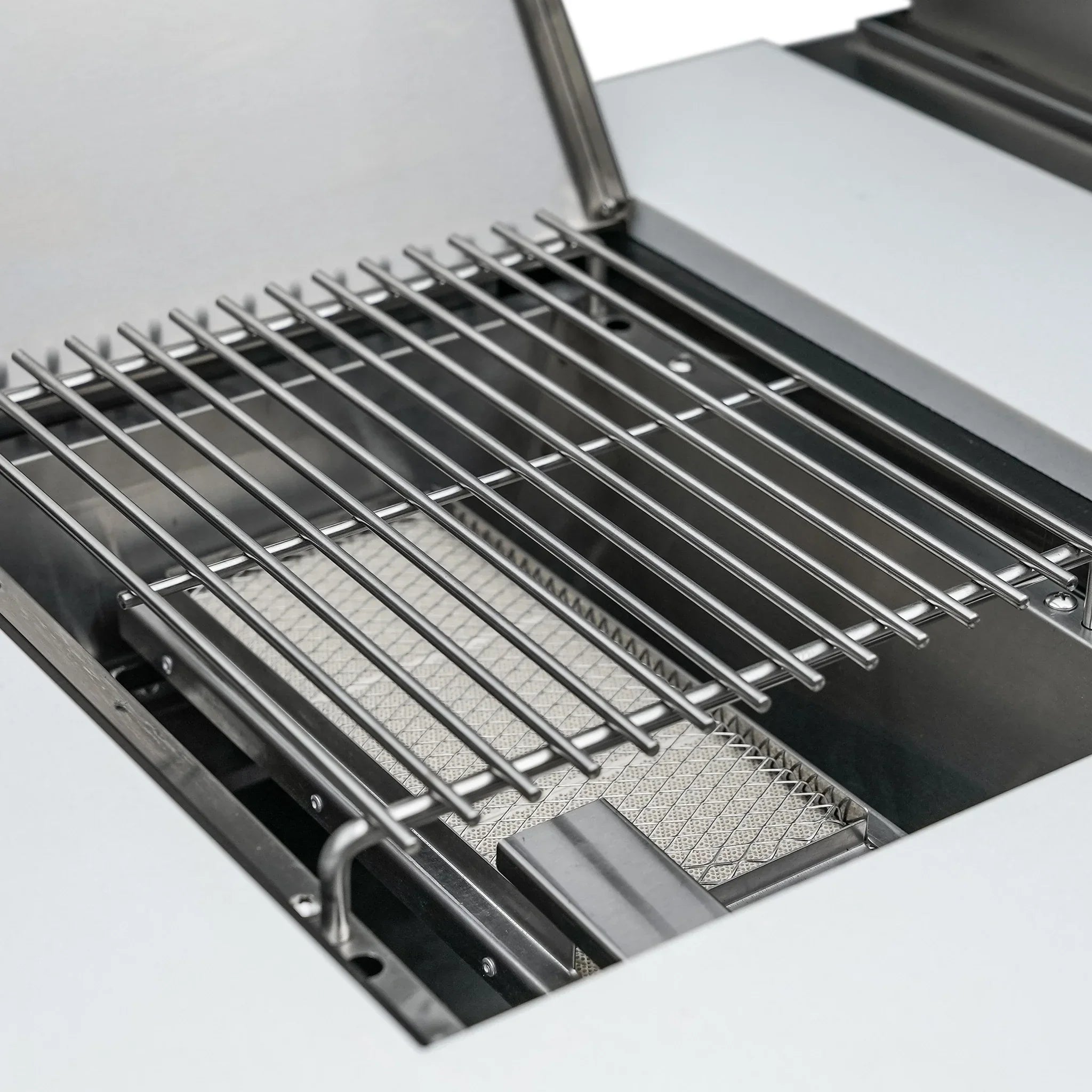
A grill is a starting point. An outdoor kitchen island is what turns it into a cooking station. Part of our outdoor kitchens collection, these modular structures provide the countertop, the storage, the side burner, and the frame that makes a built-in grill a permanent installation rather than a cart with ambitions. The difference between grilling in a backyard and actually cooking outdoors often comes down to whether there's a surface to work on and a drawer to find things in.
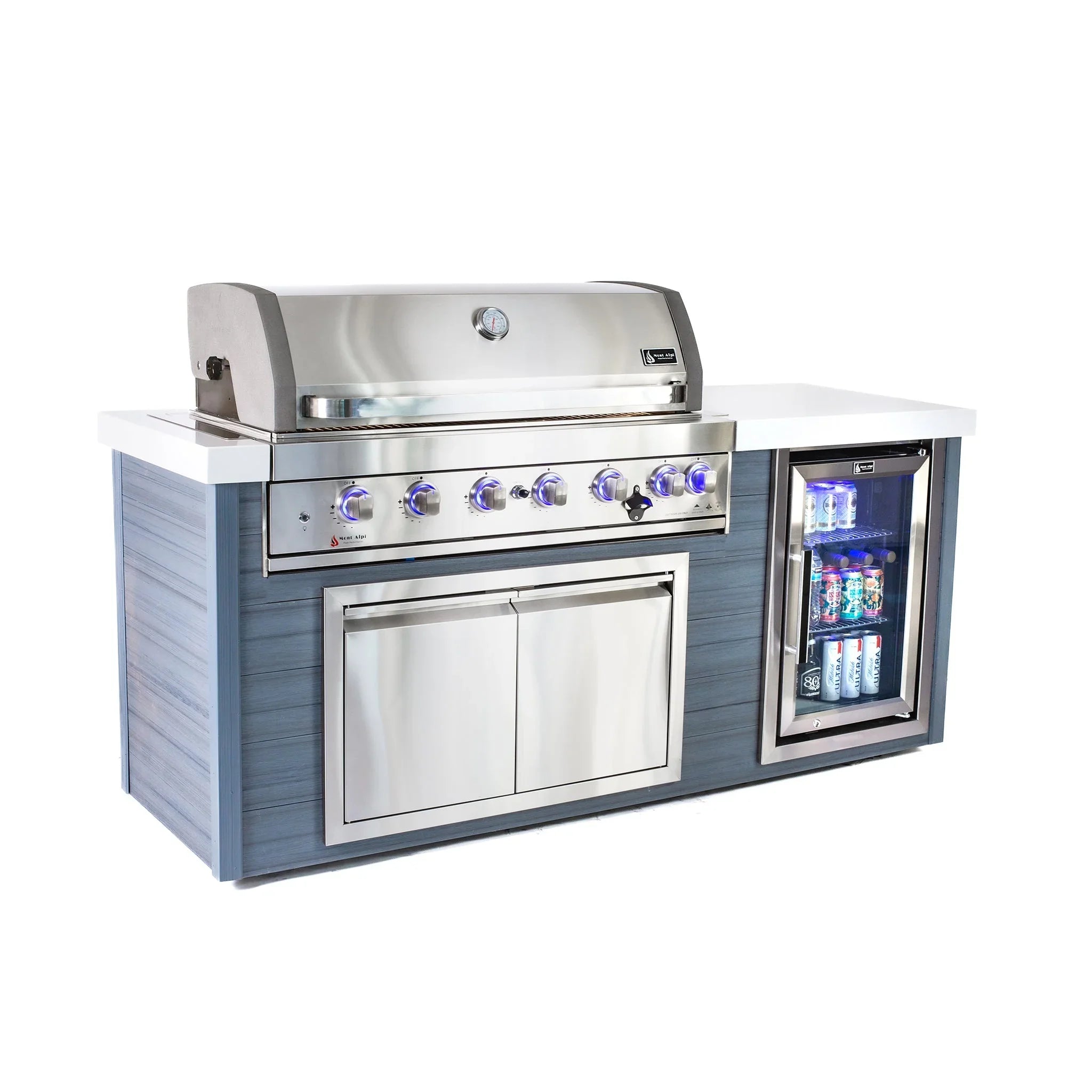
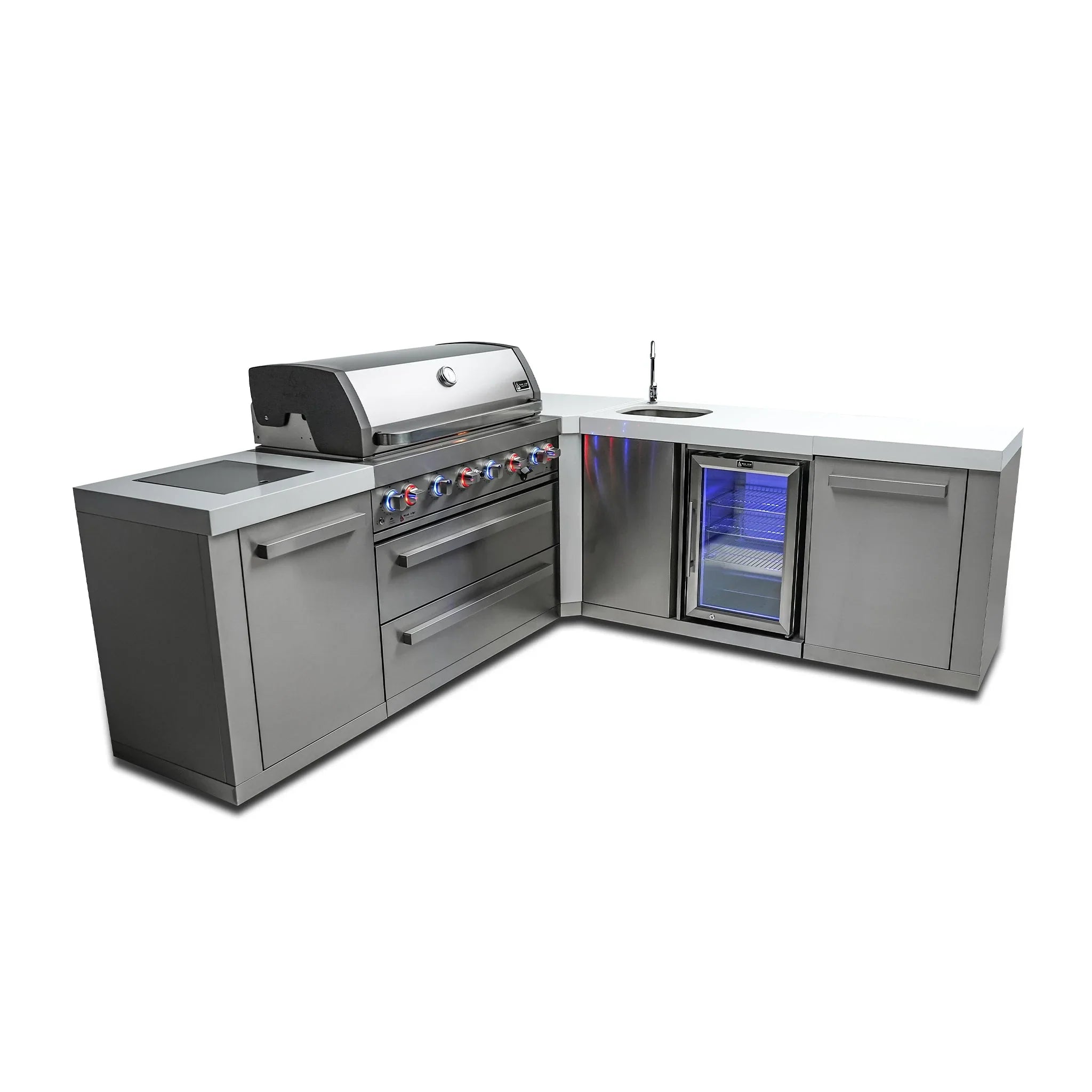
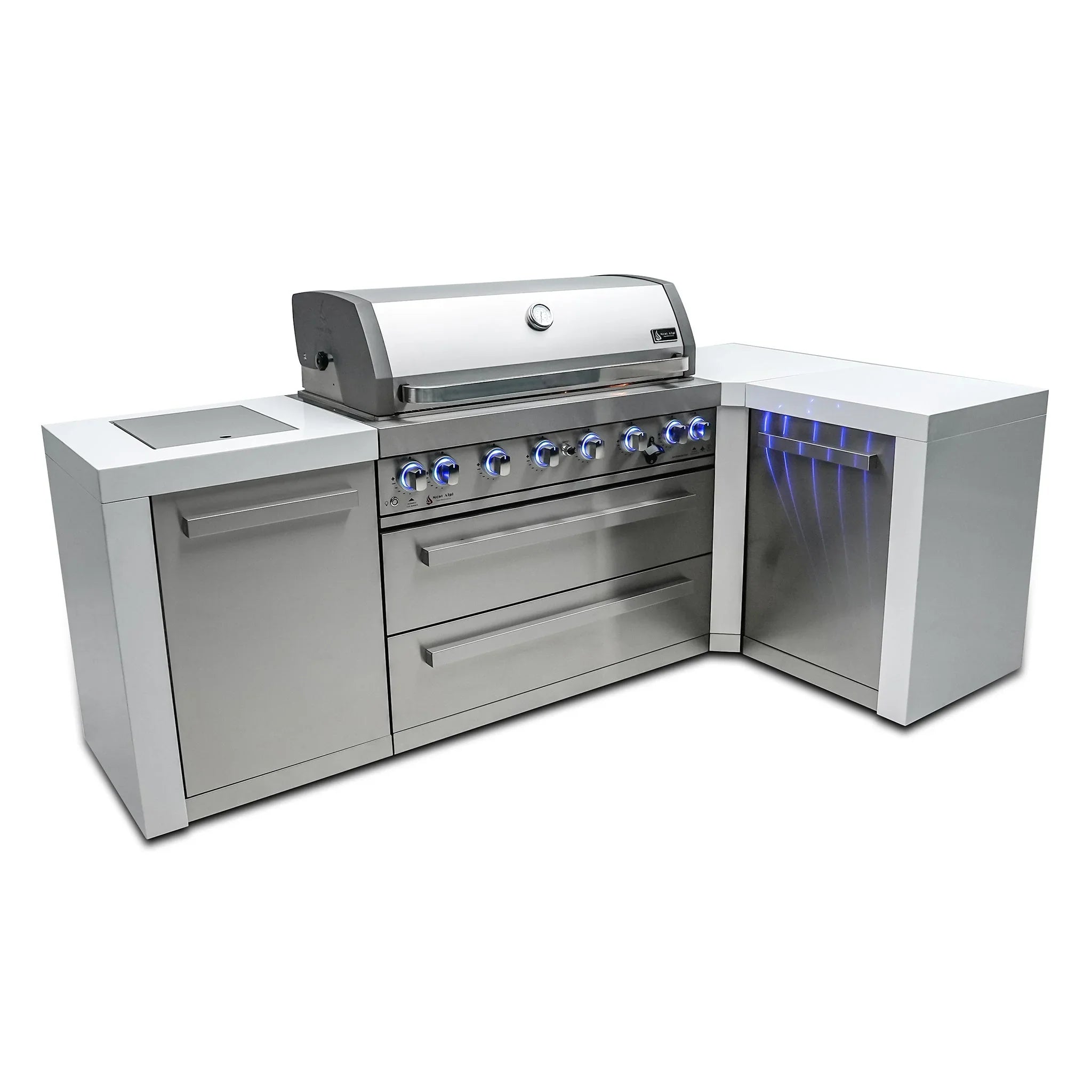
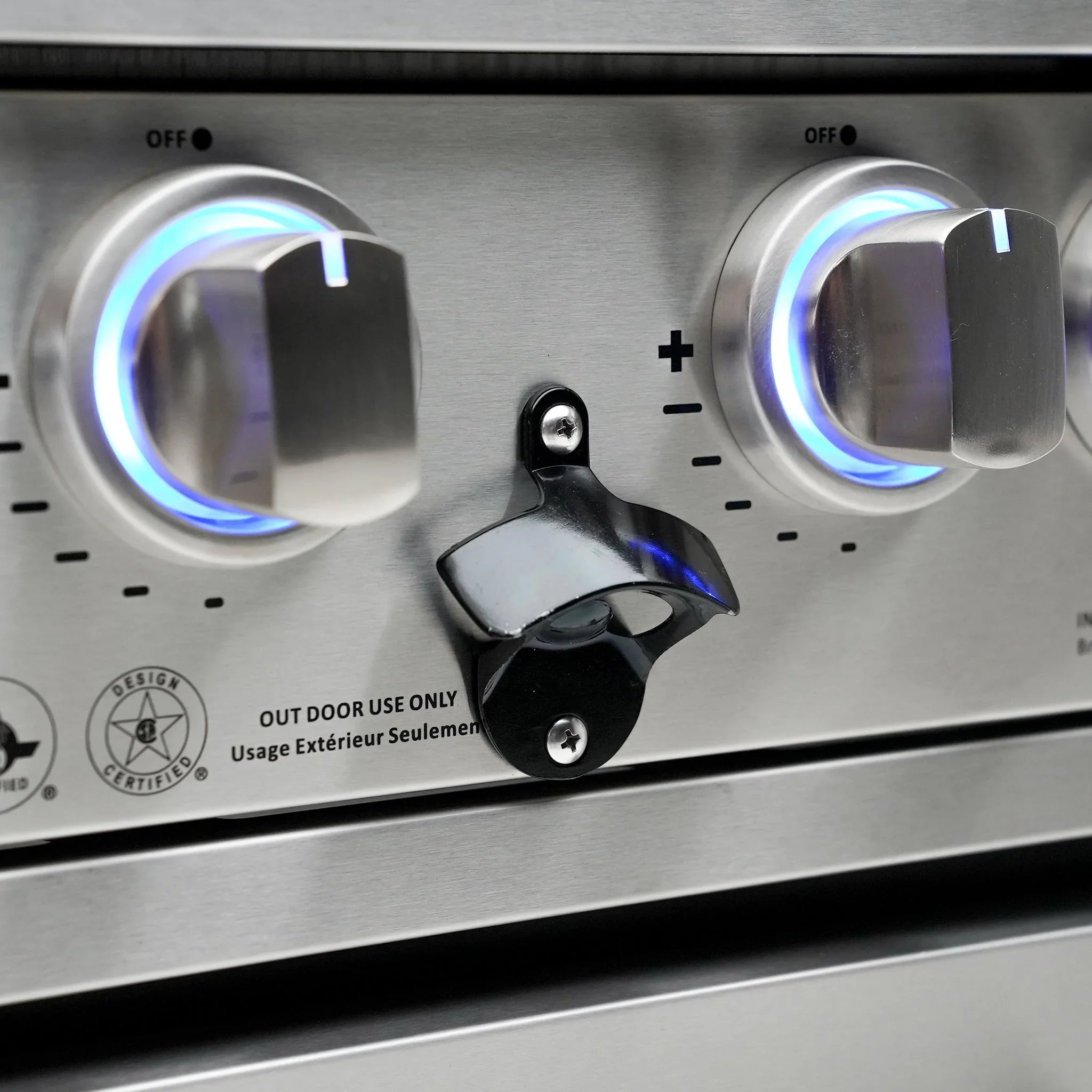
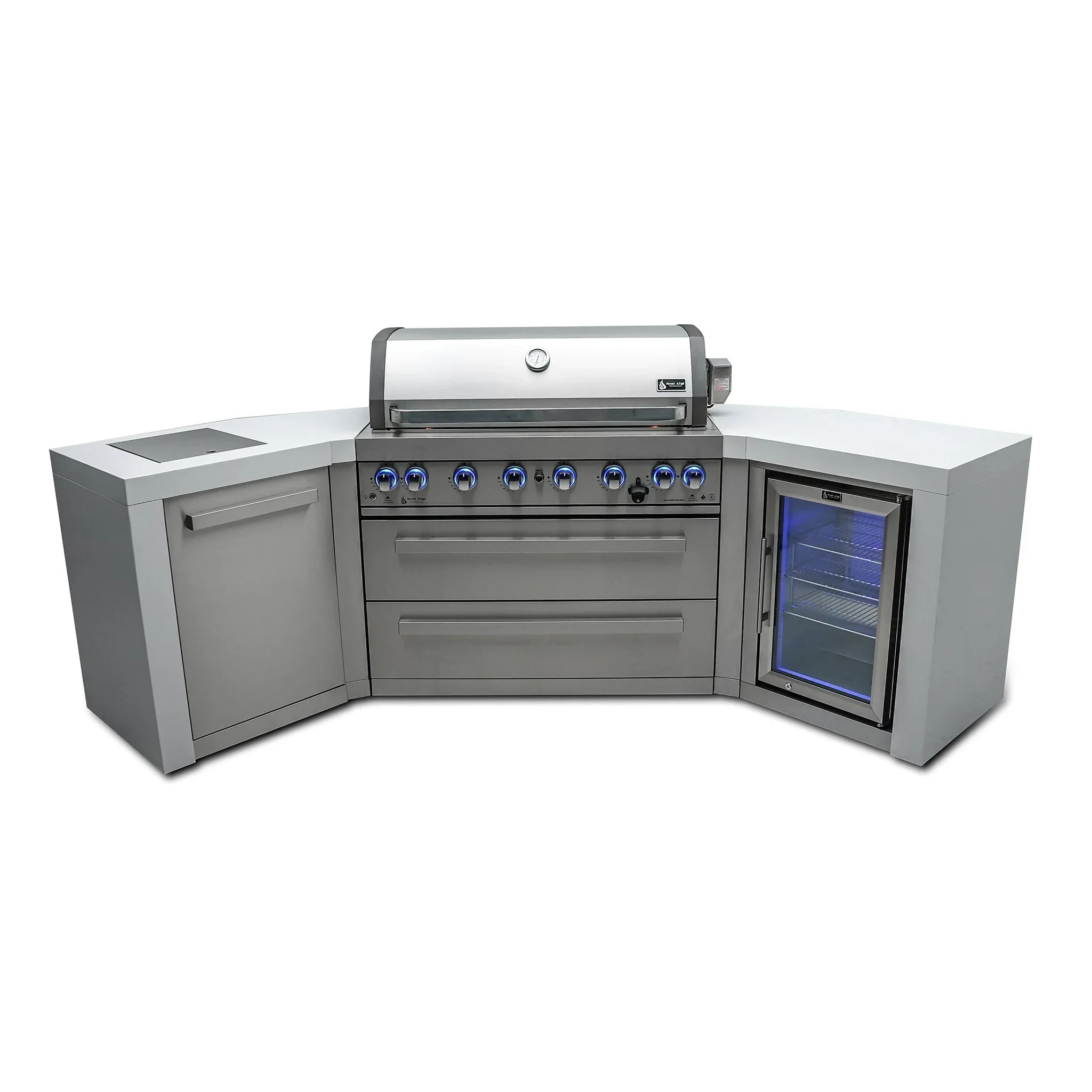
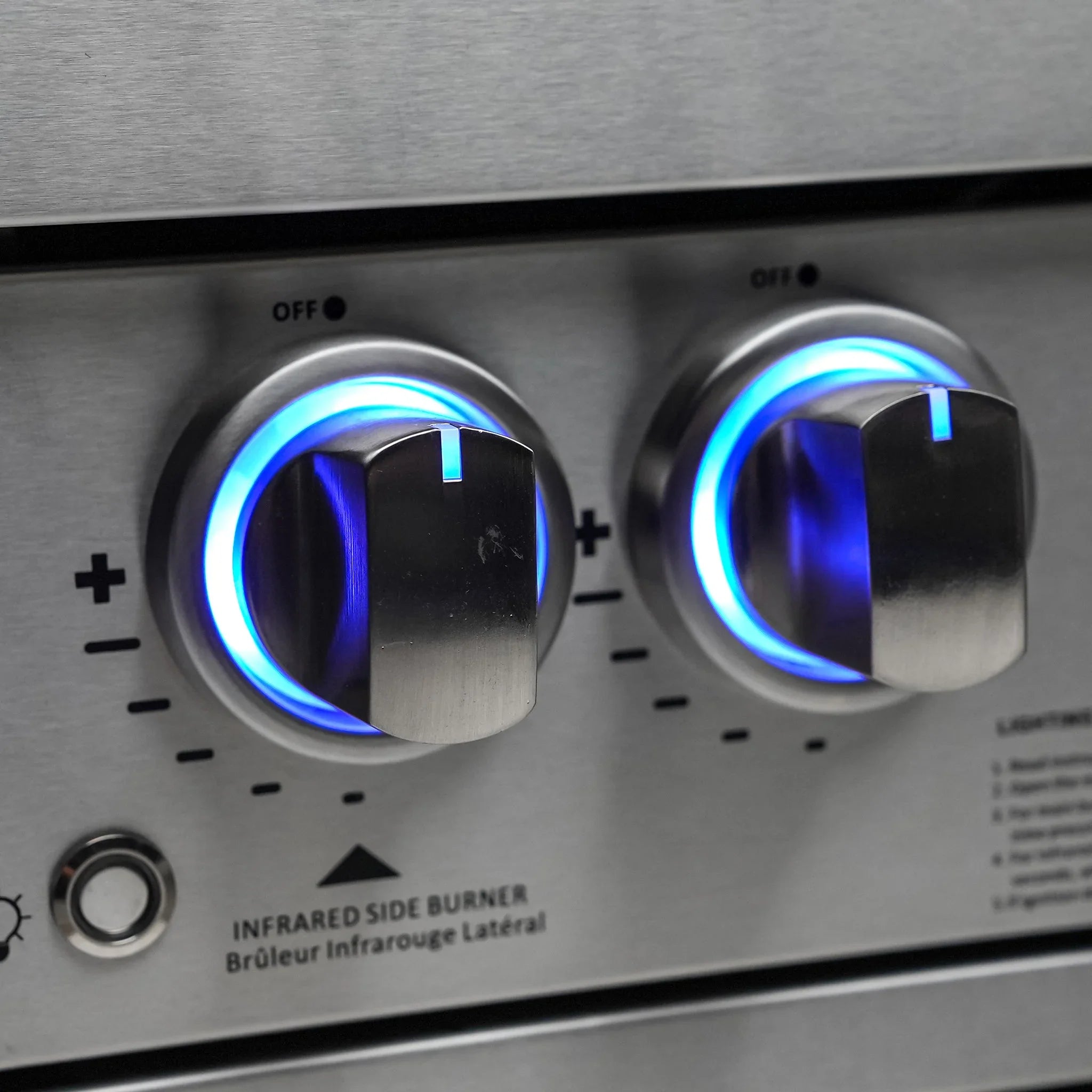
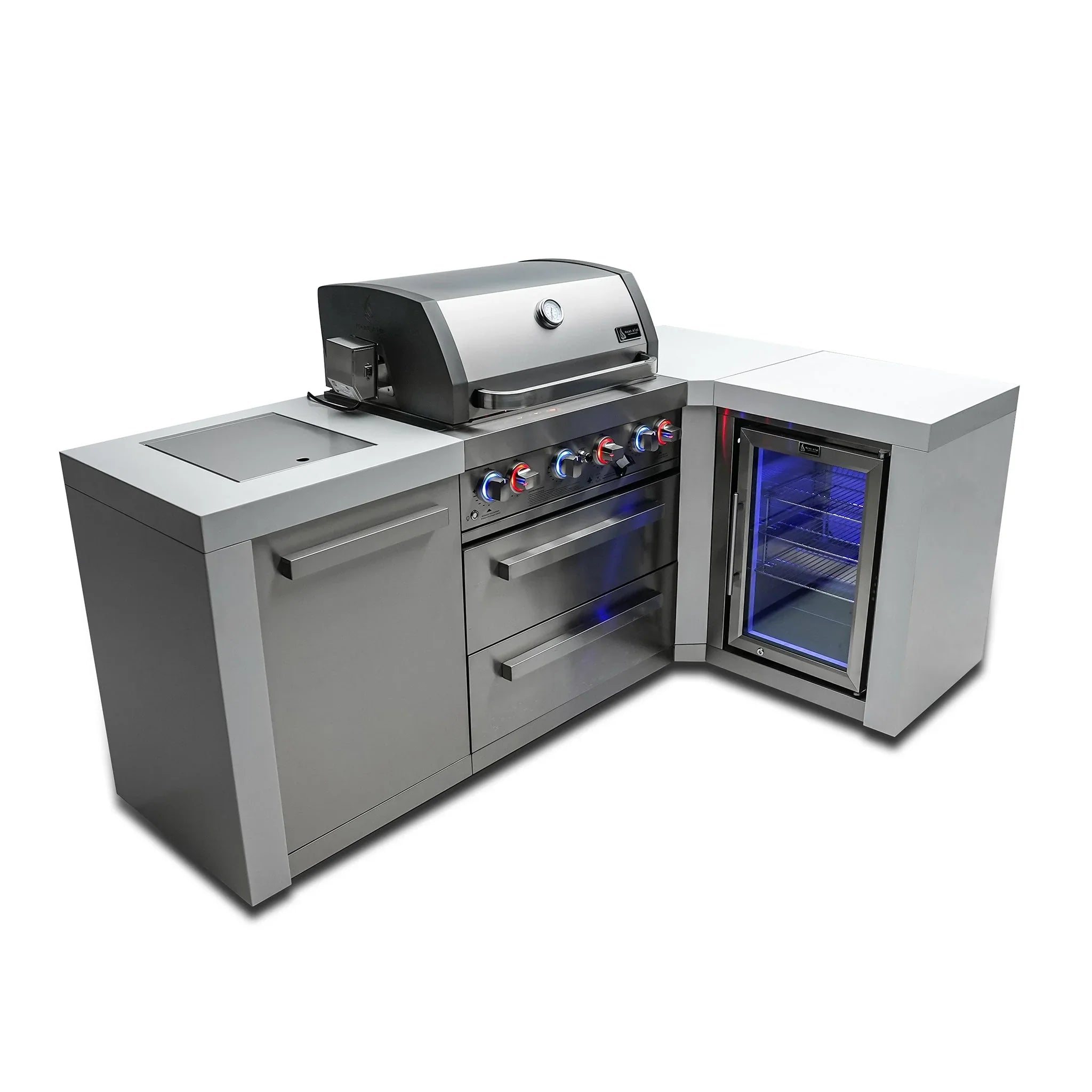
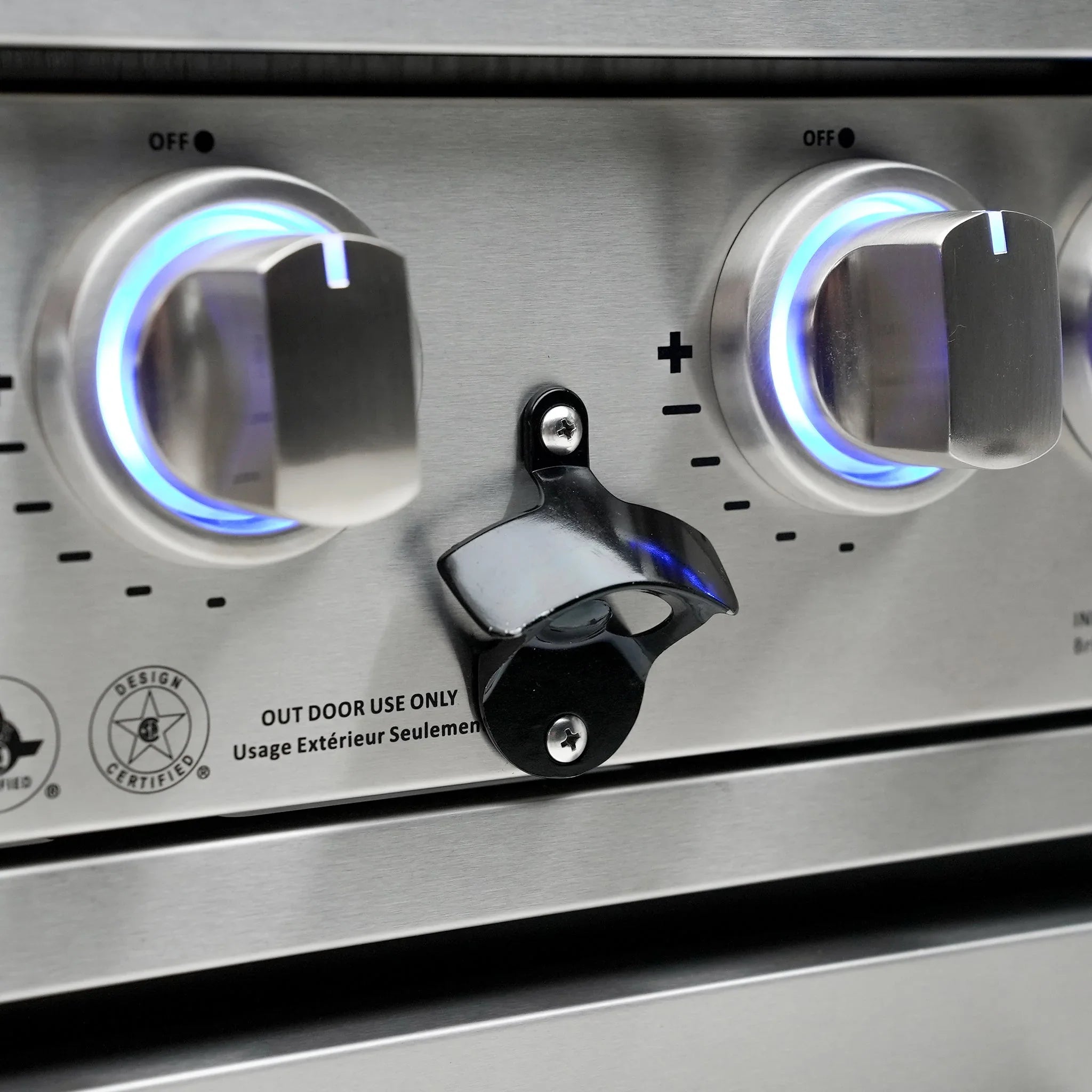
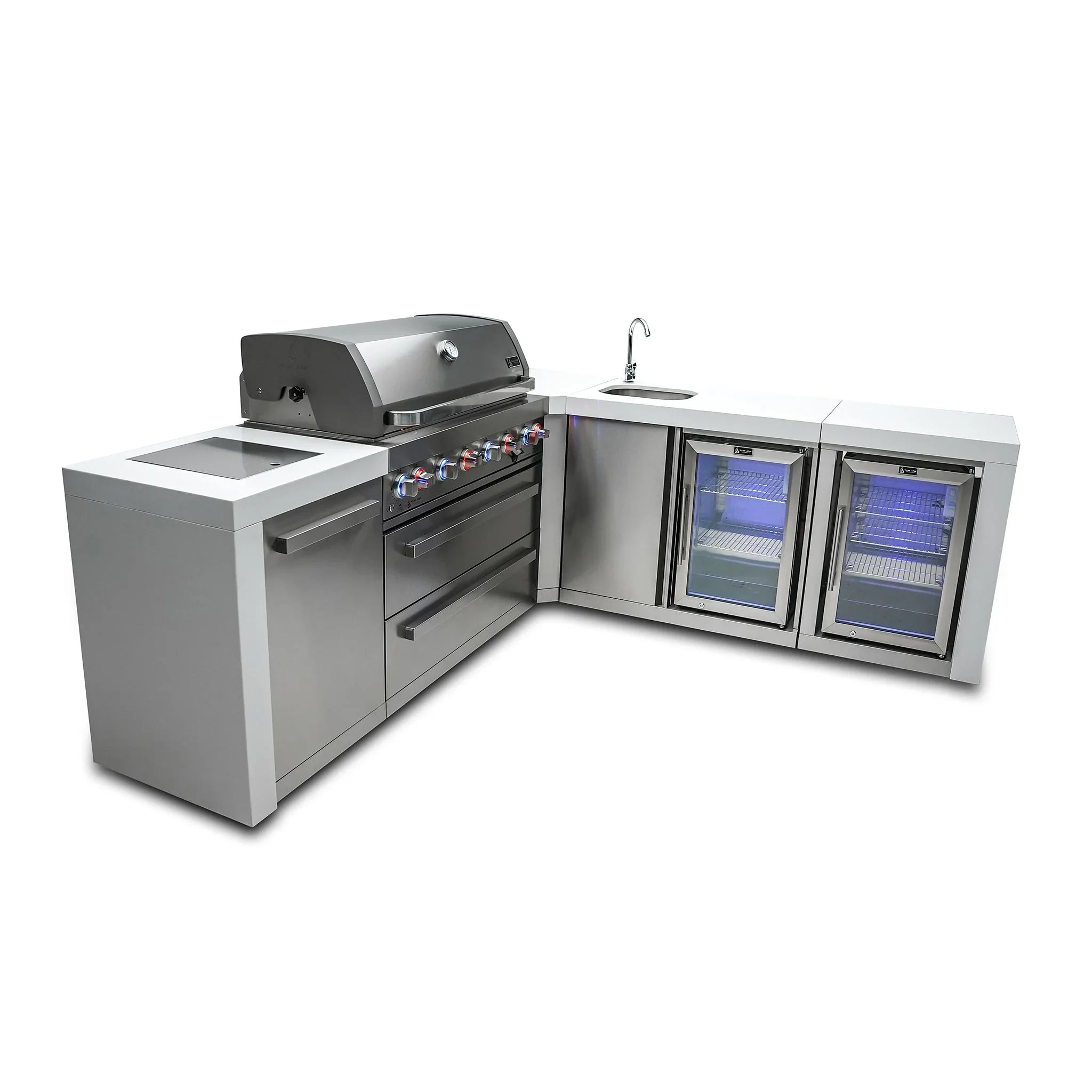
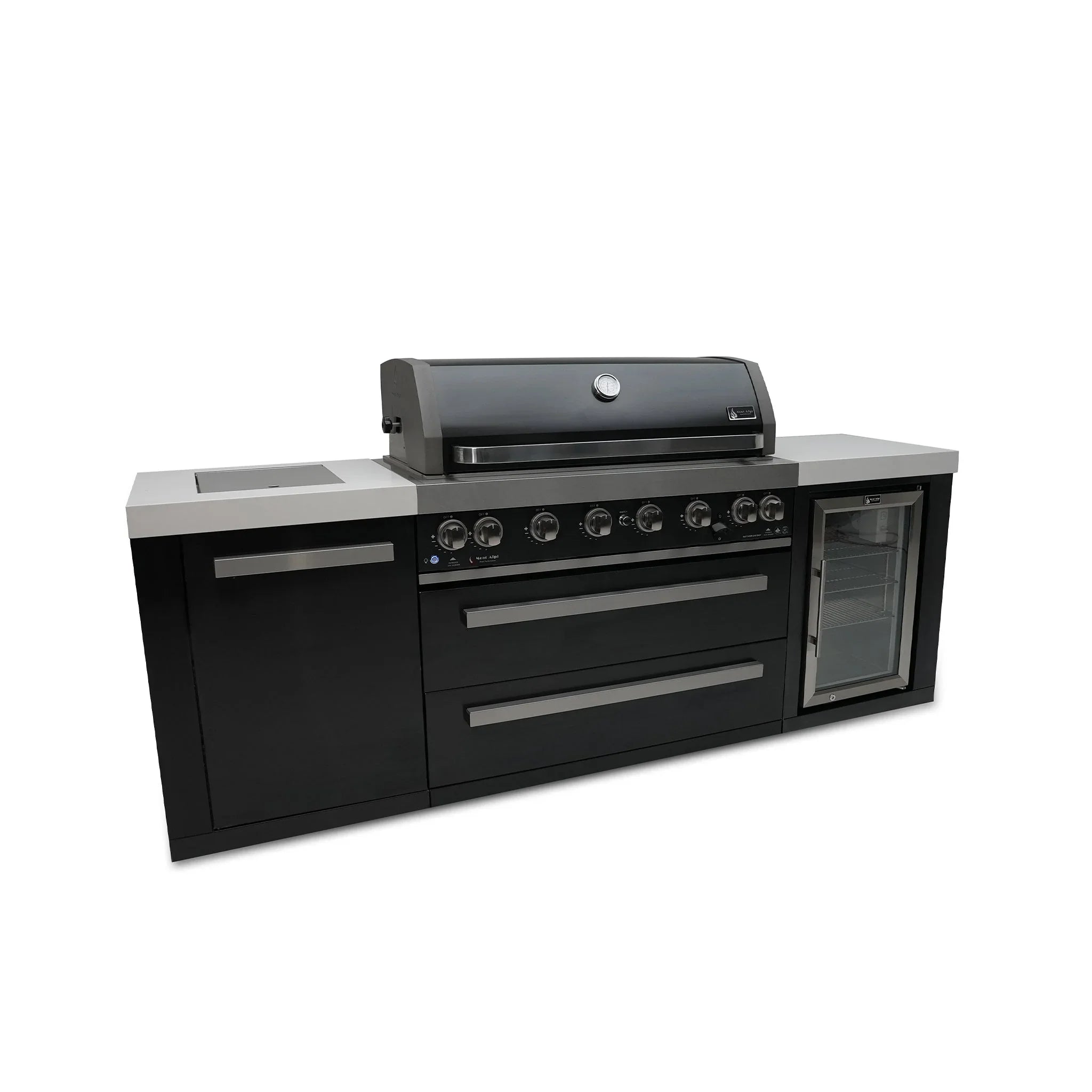
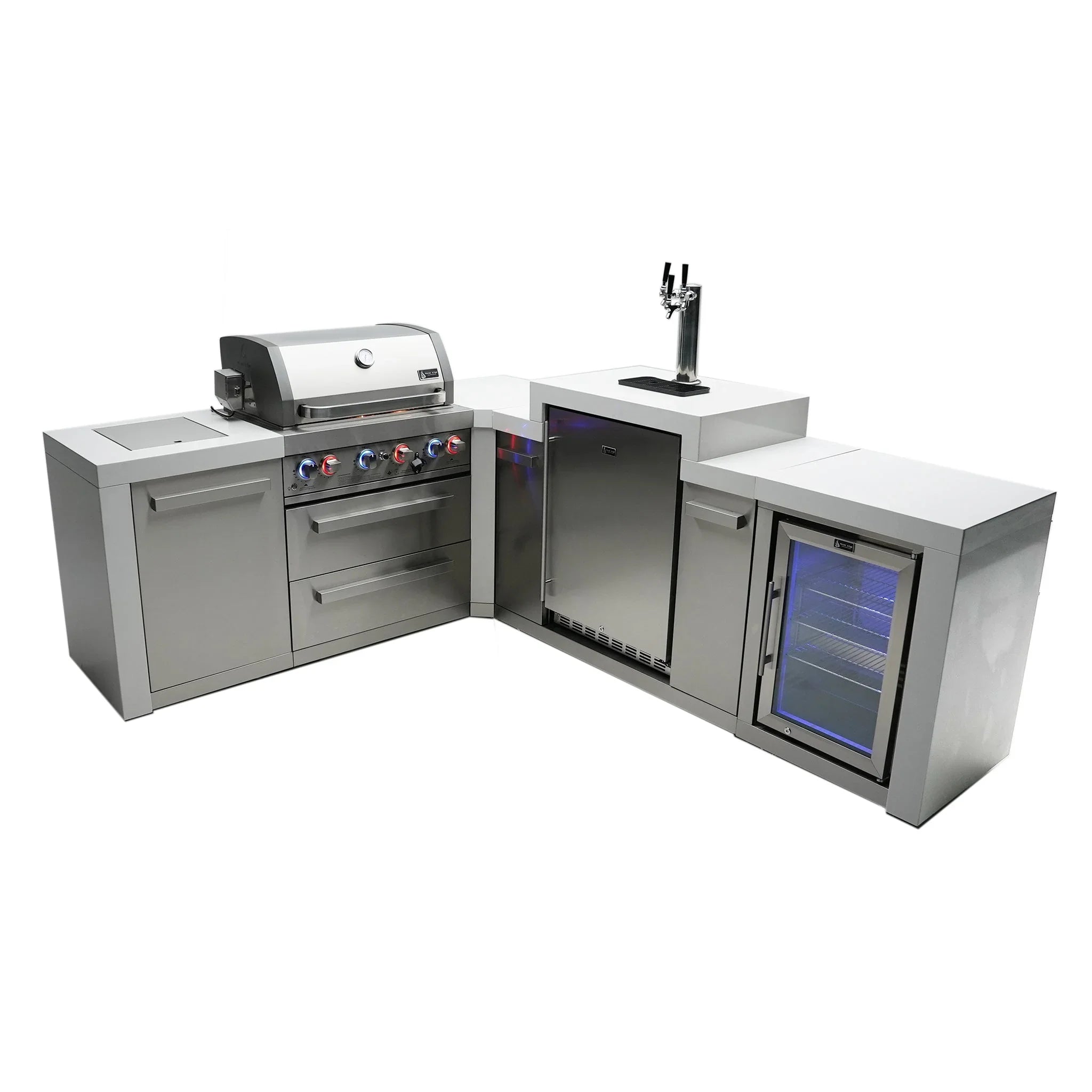
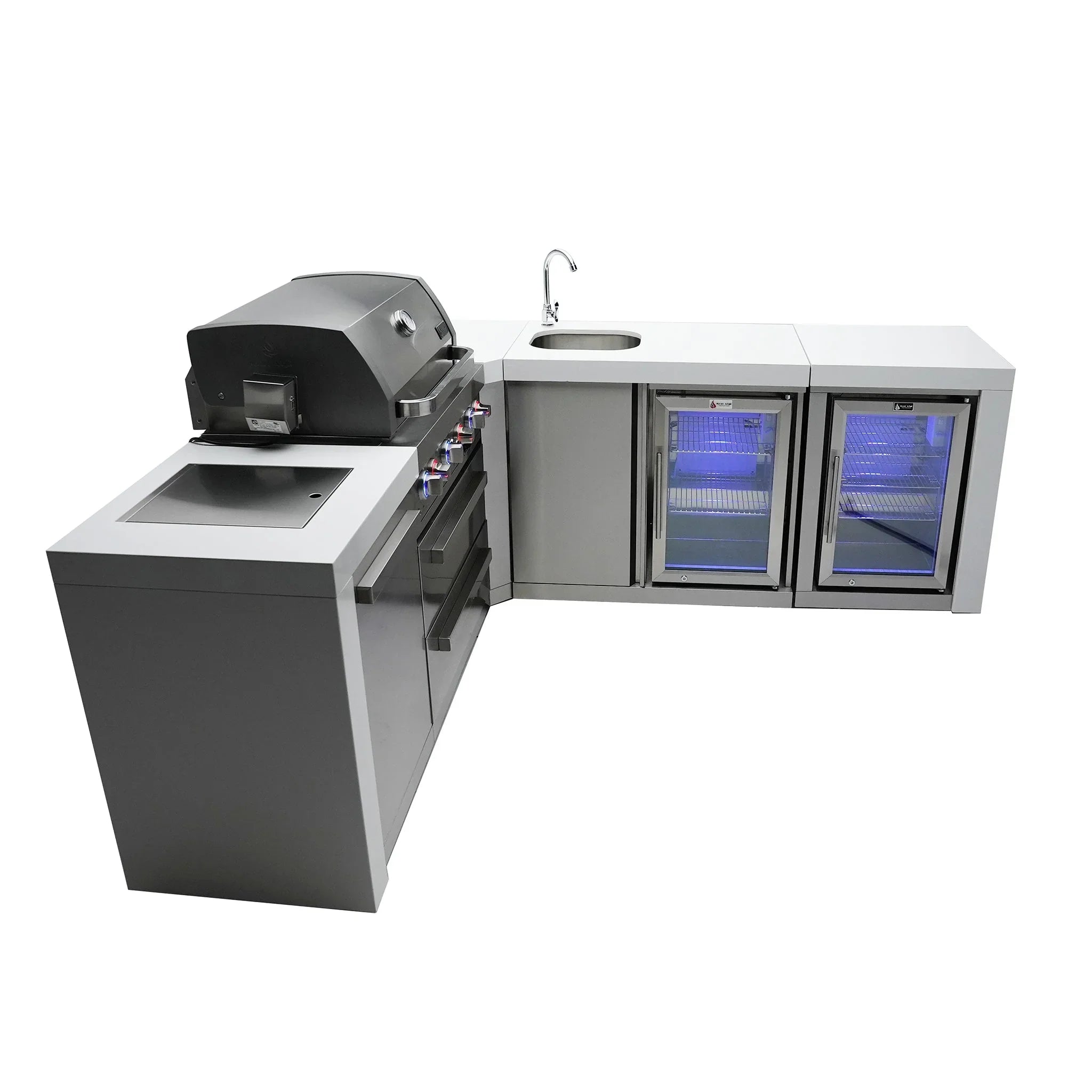
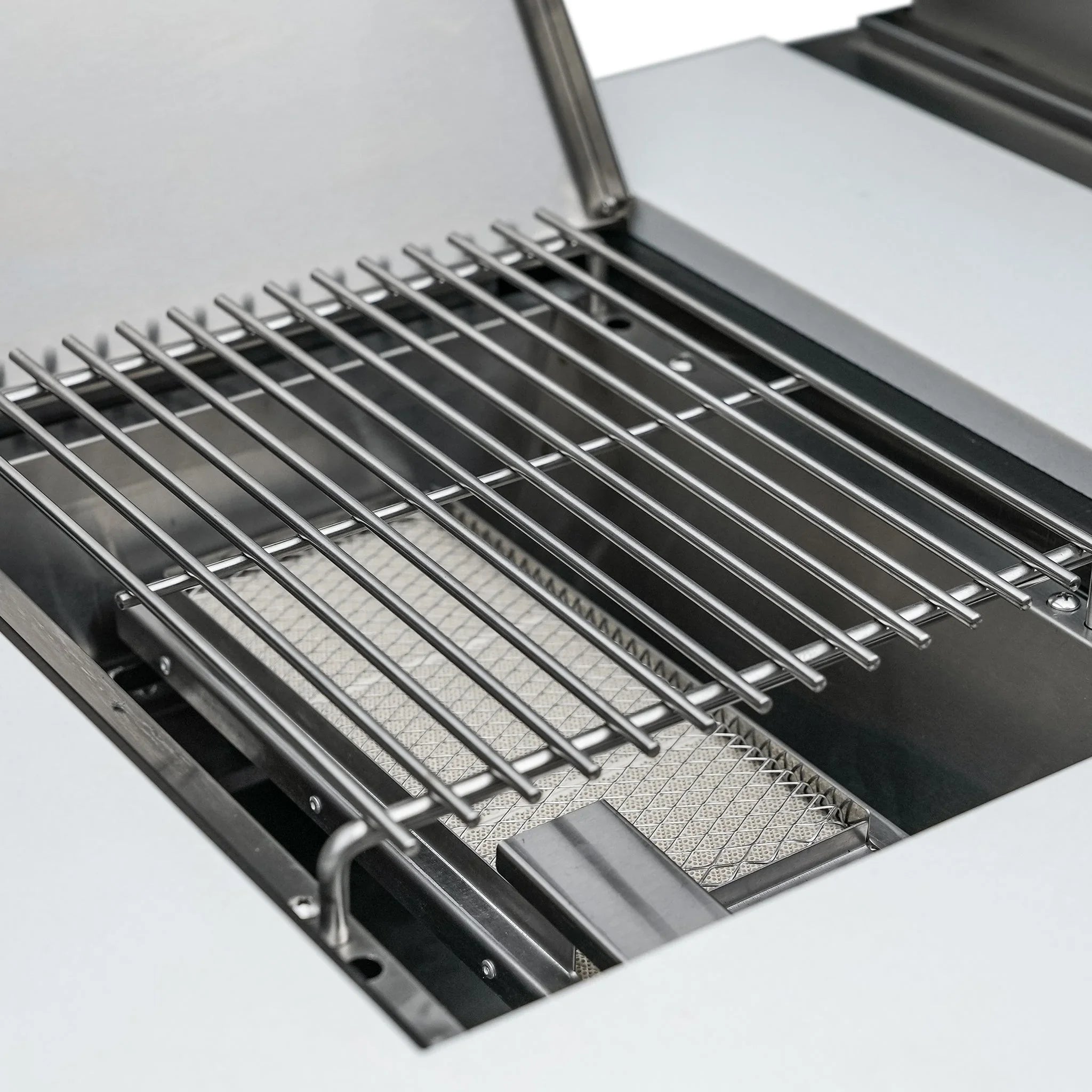
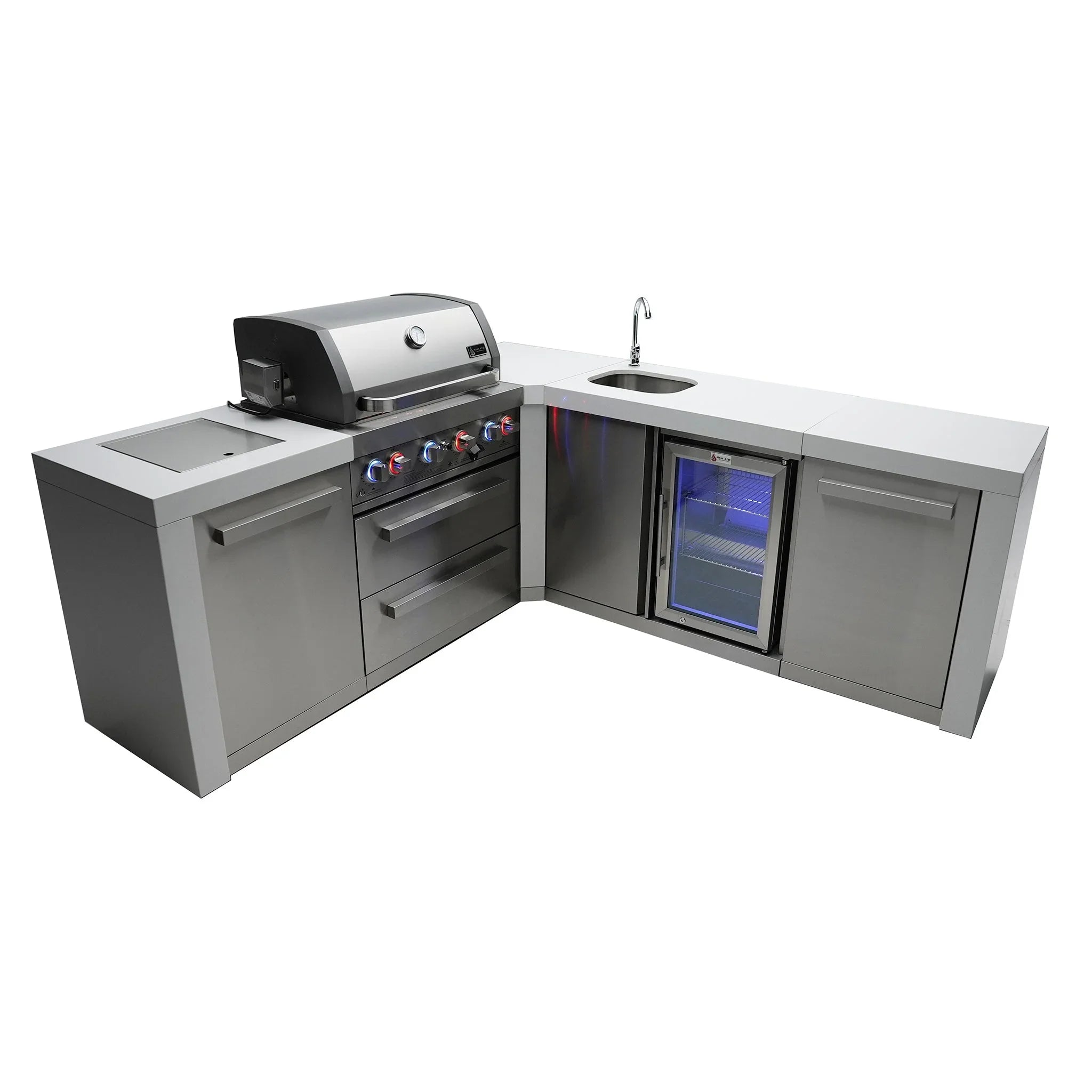
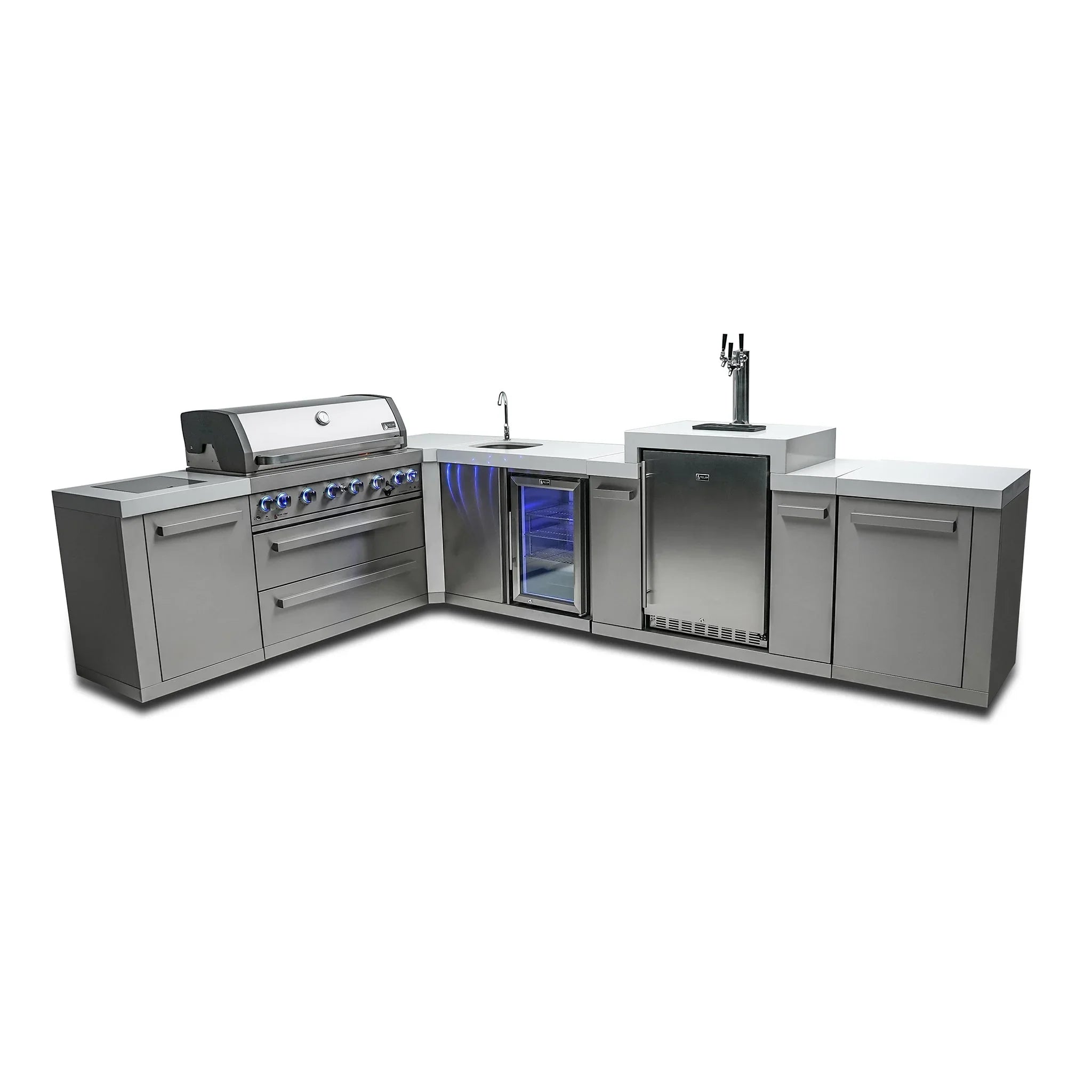
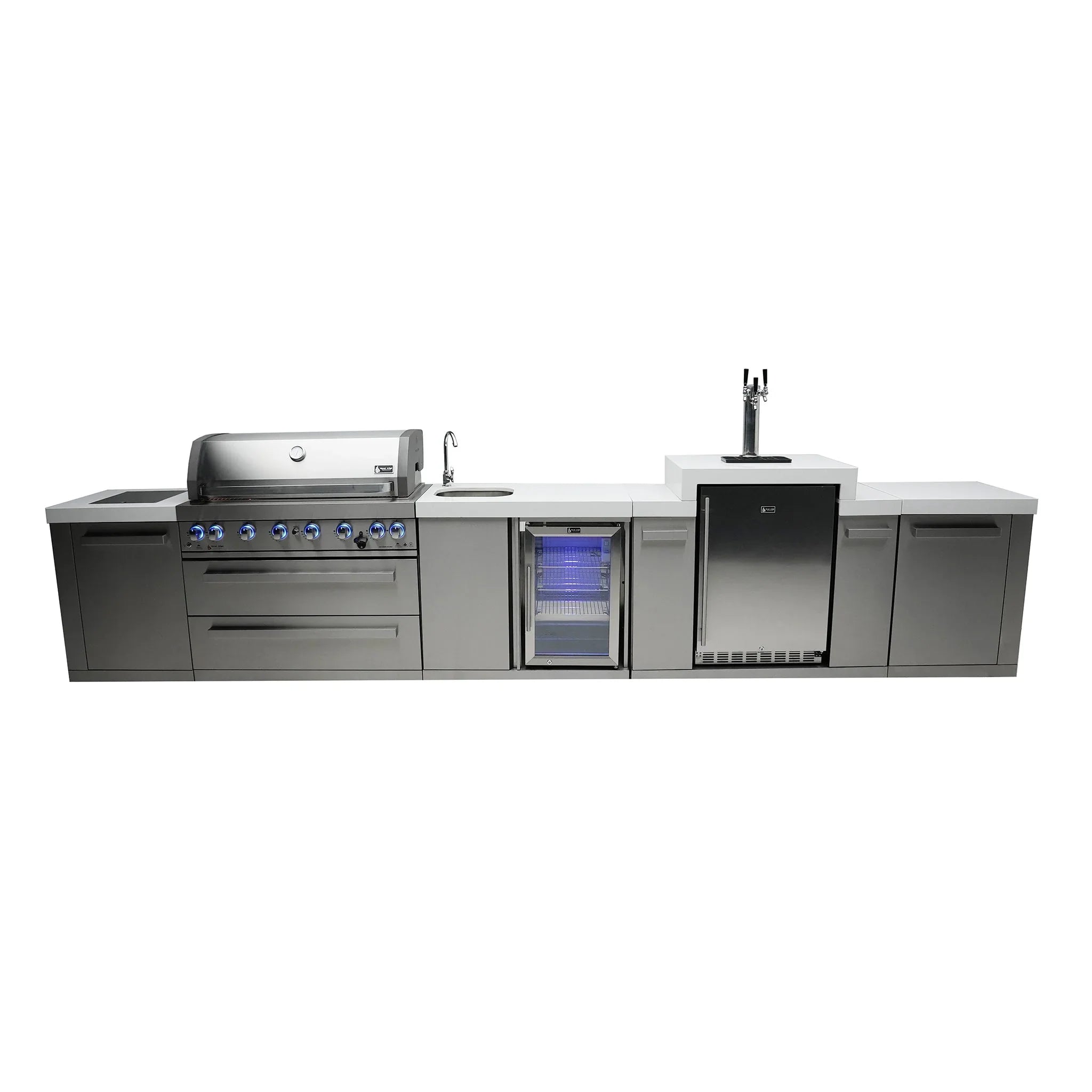
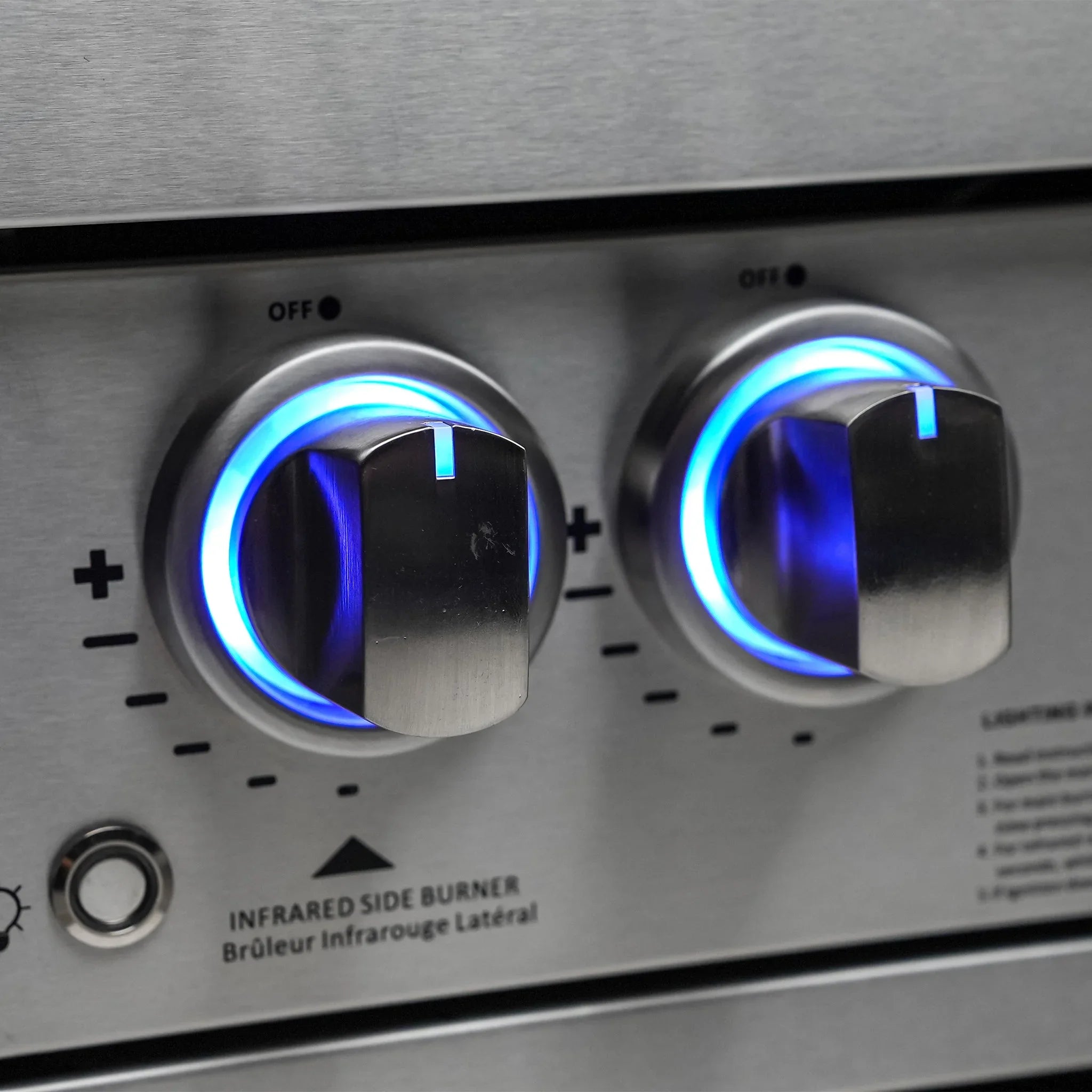
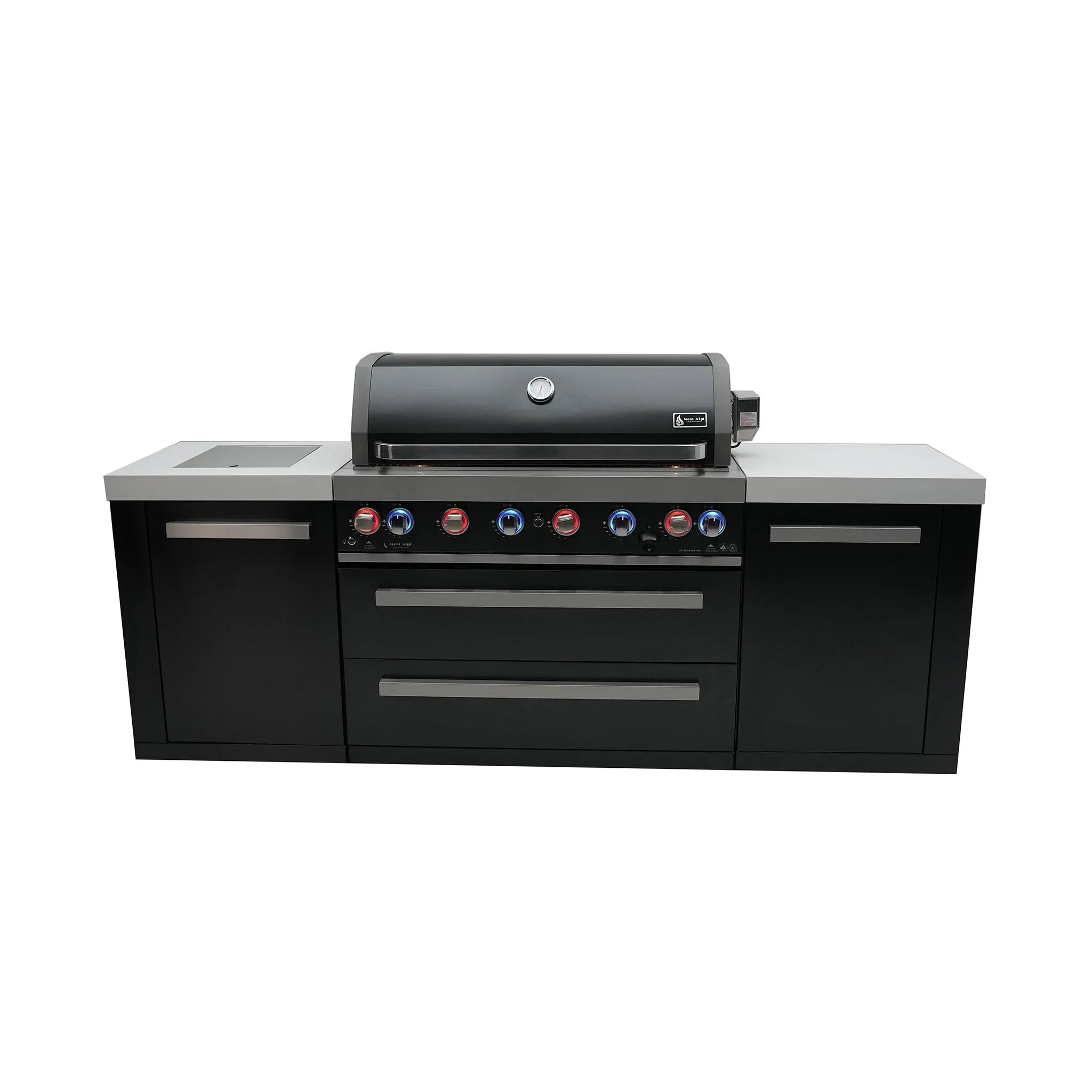
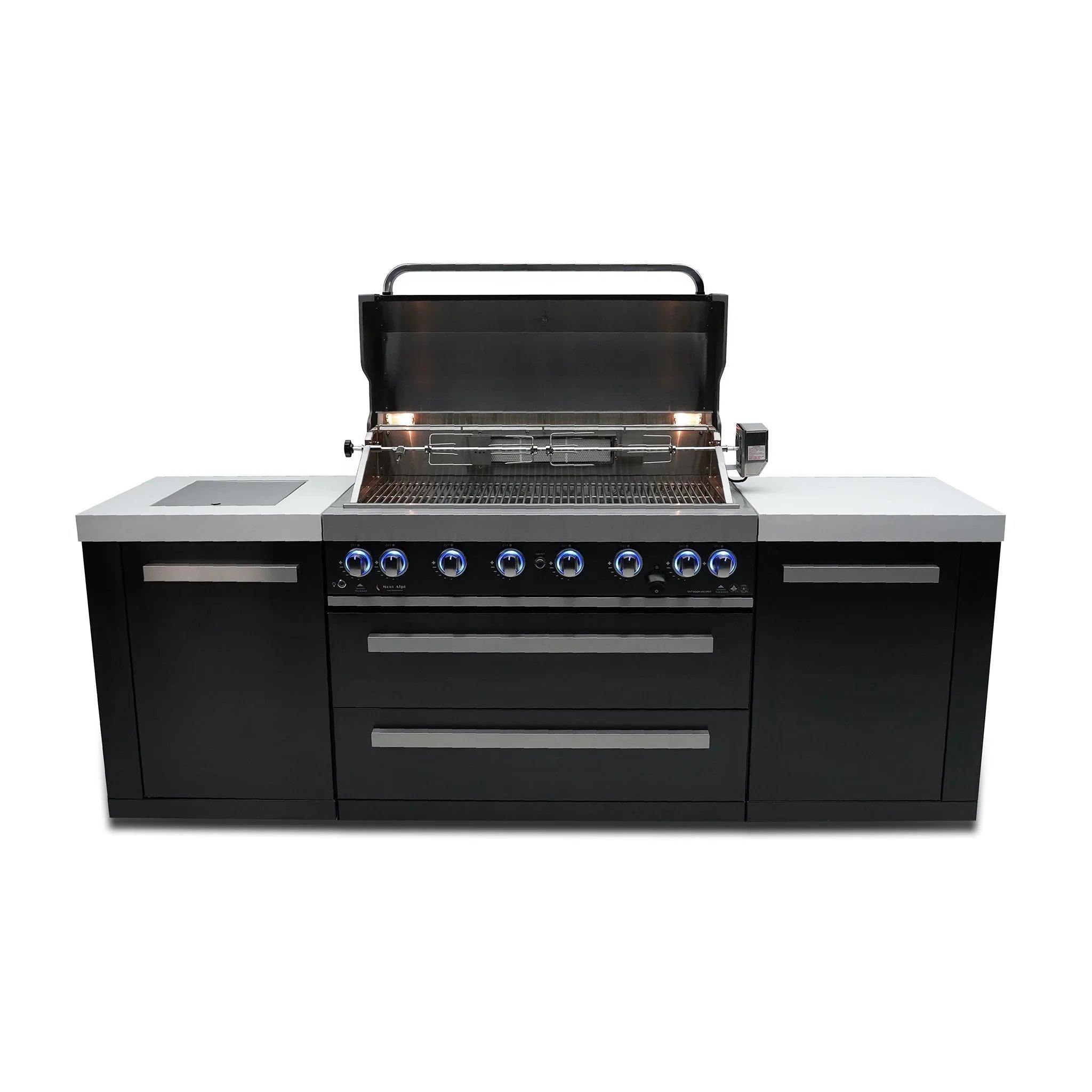
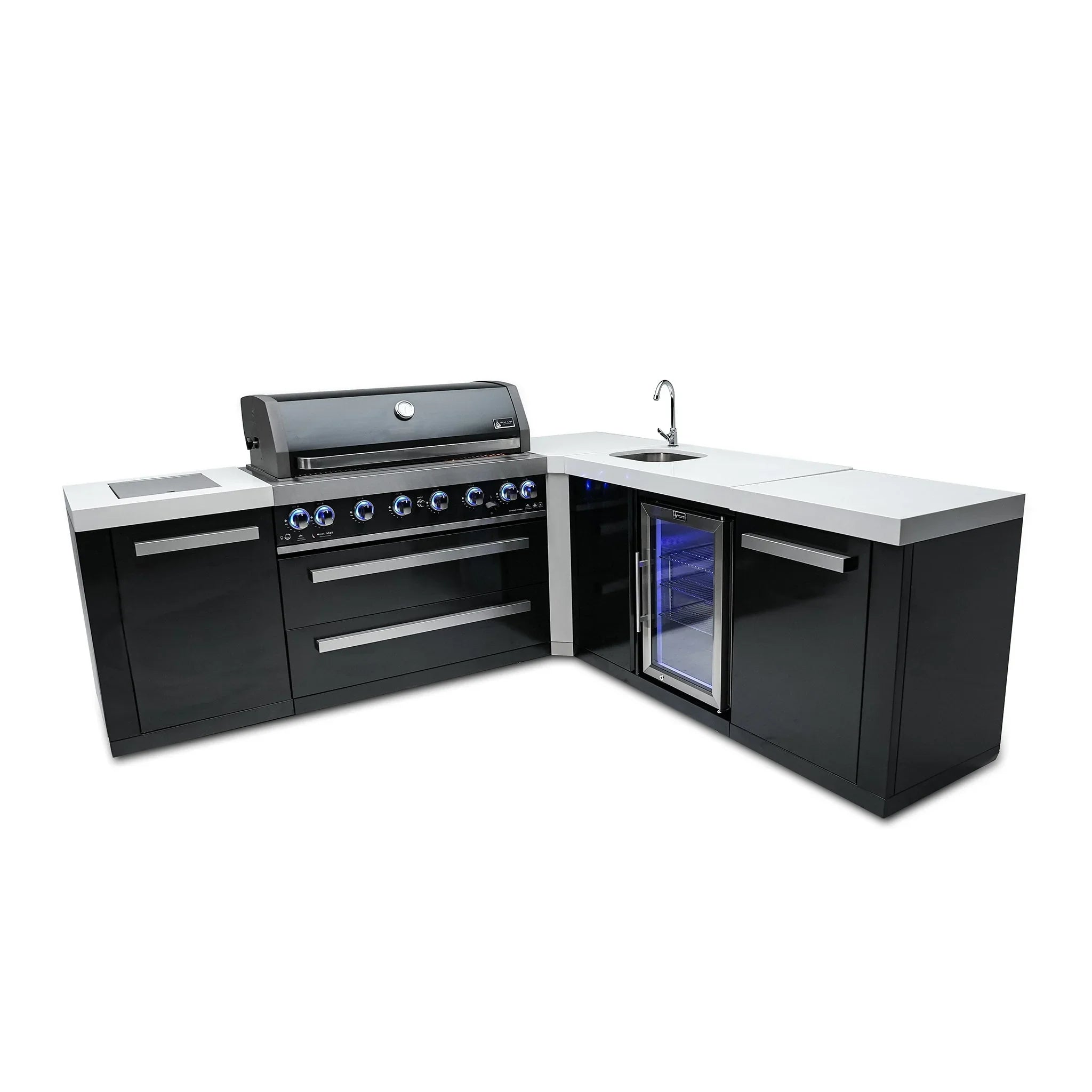
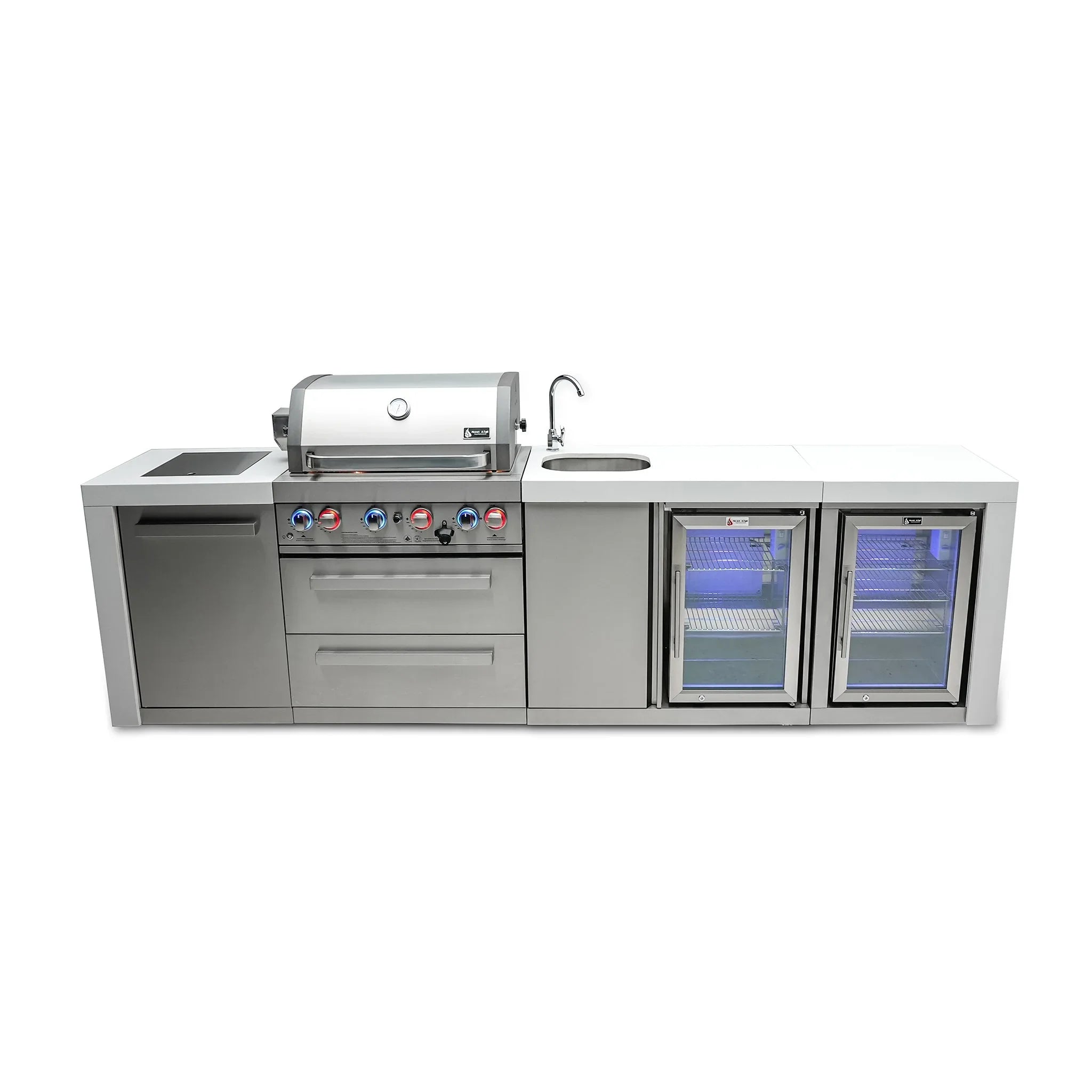
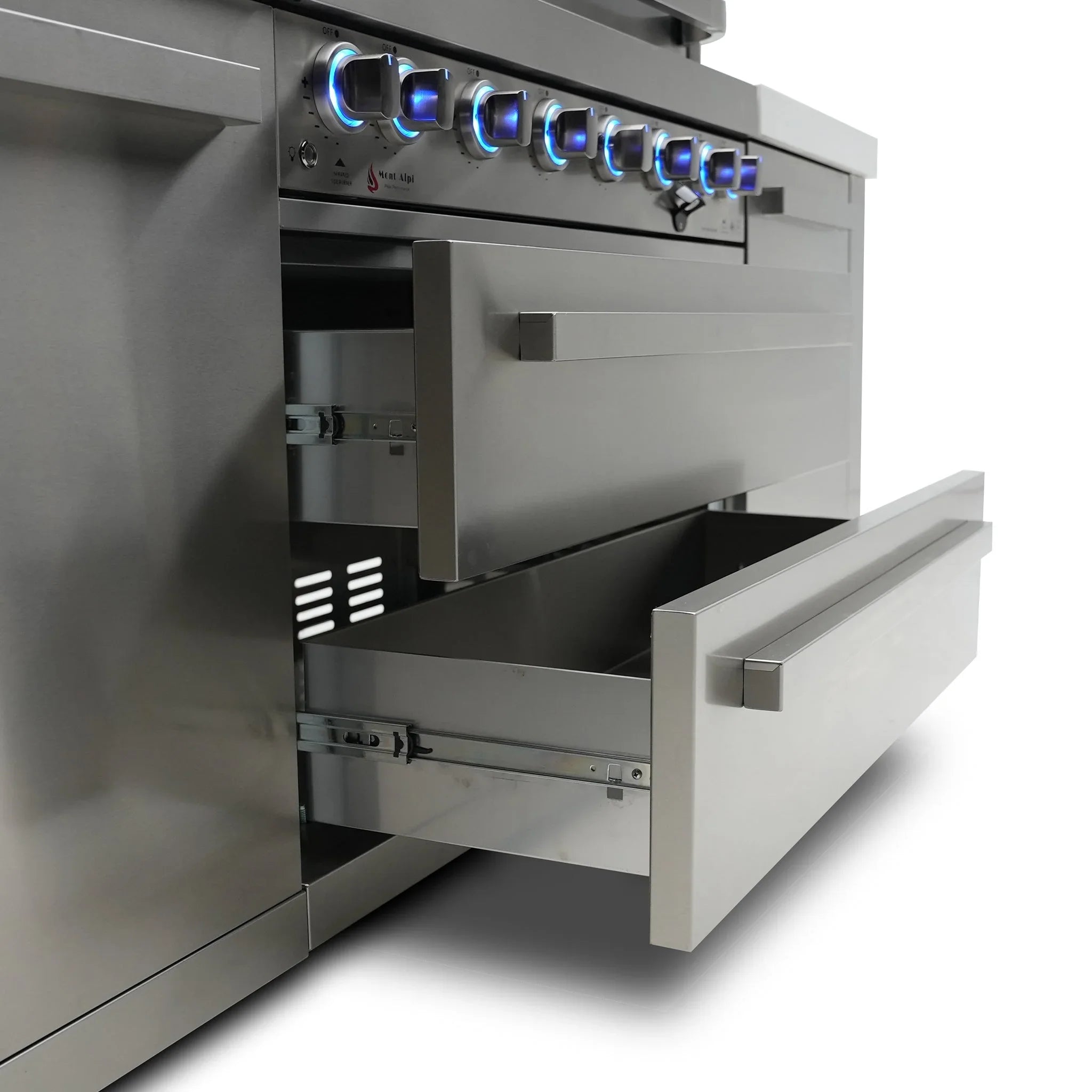
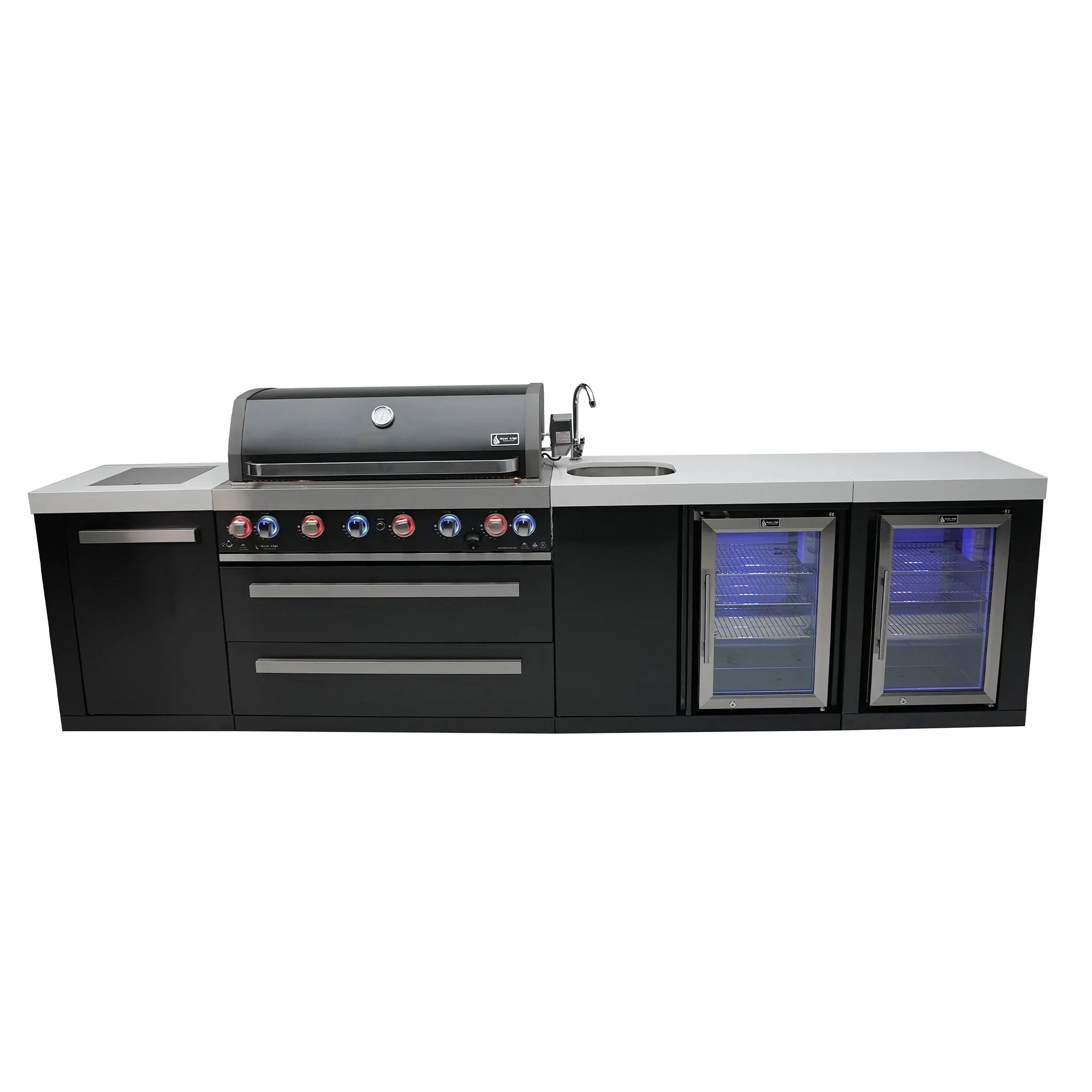
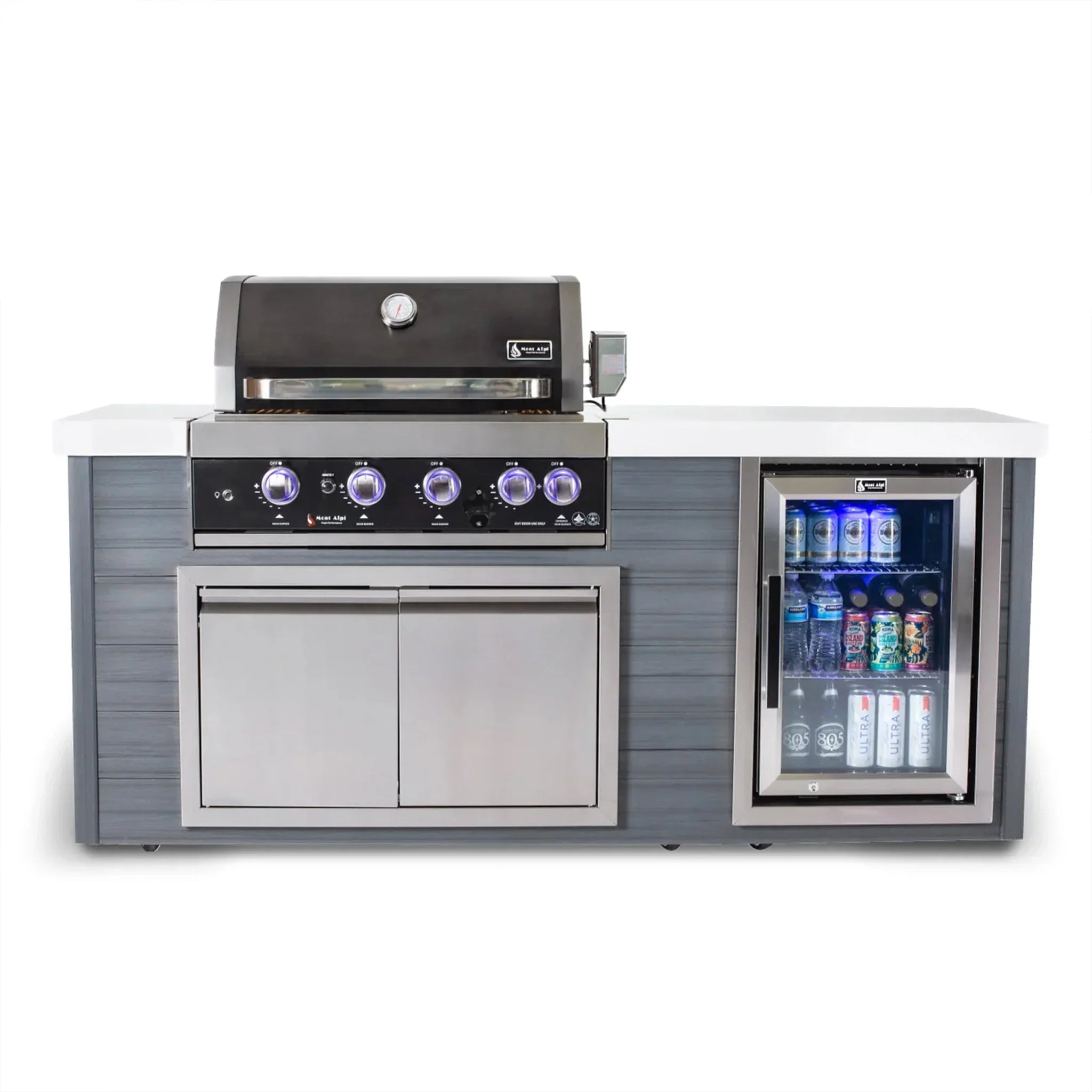
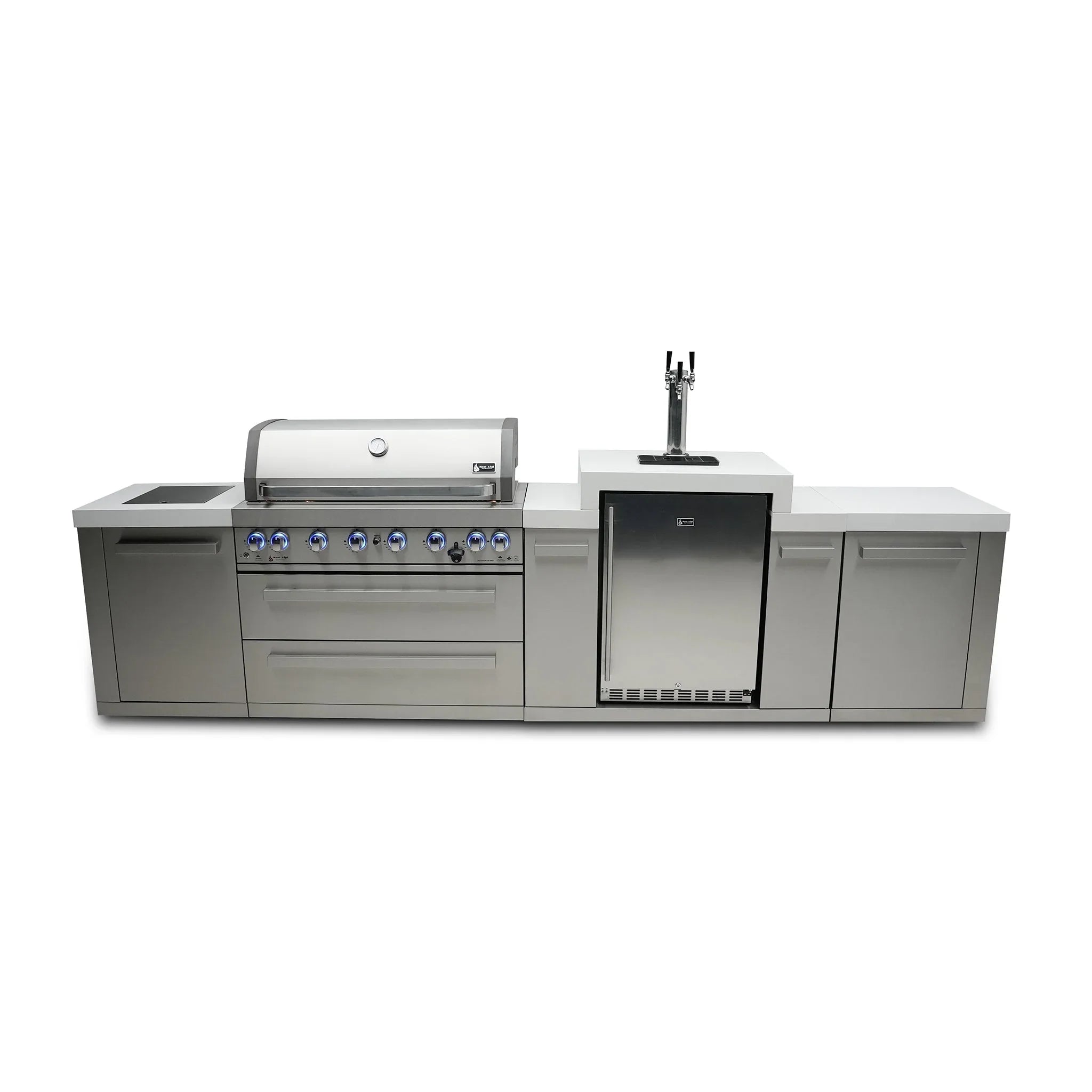
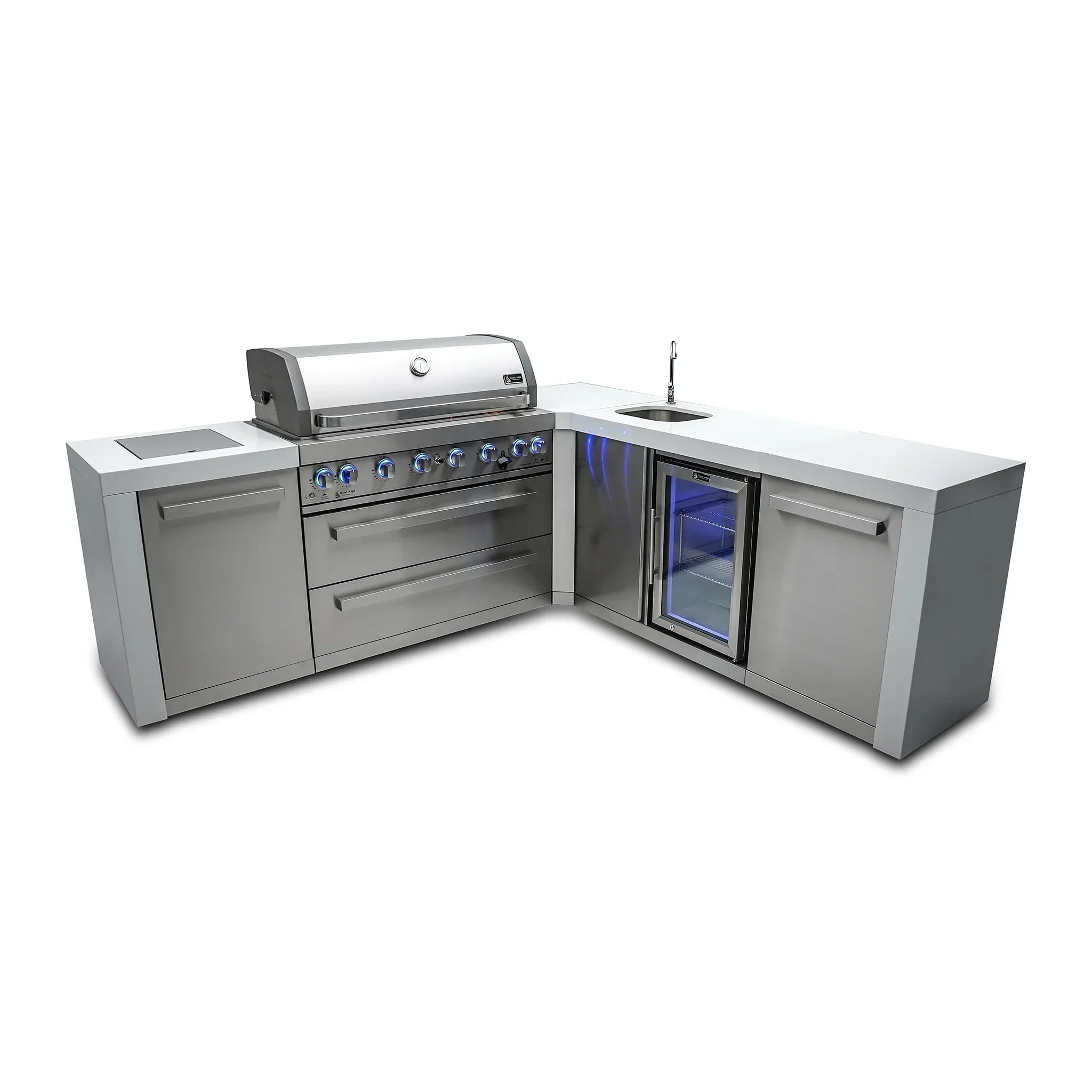
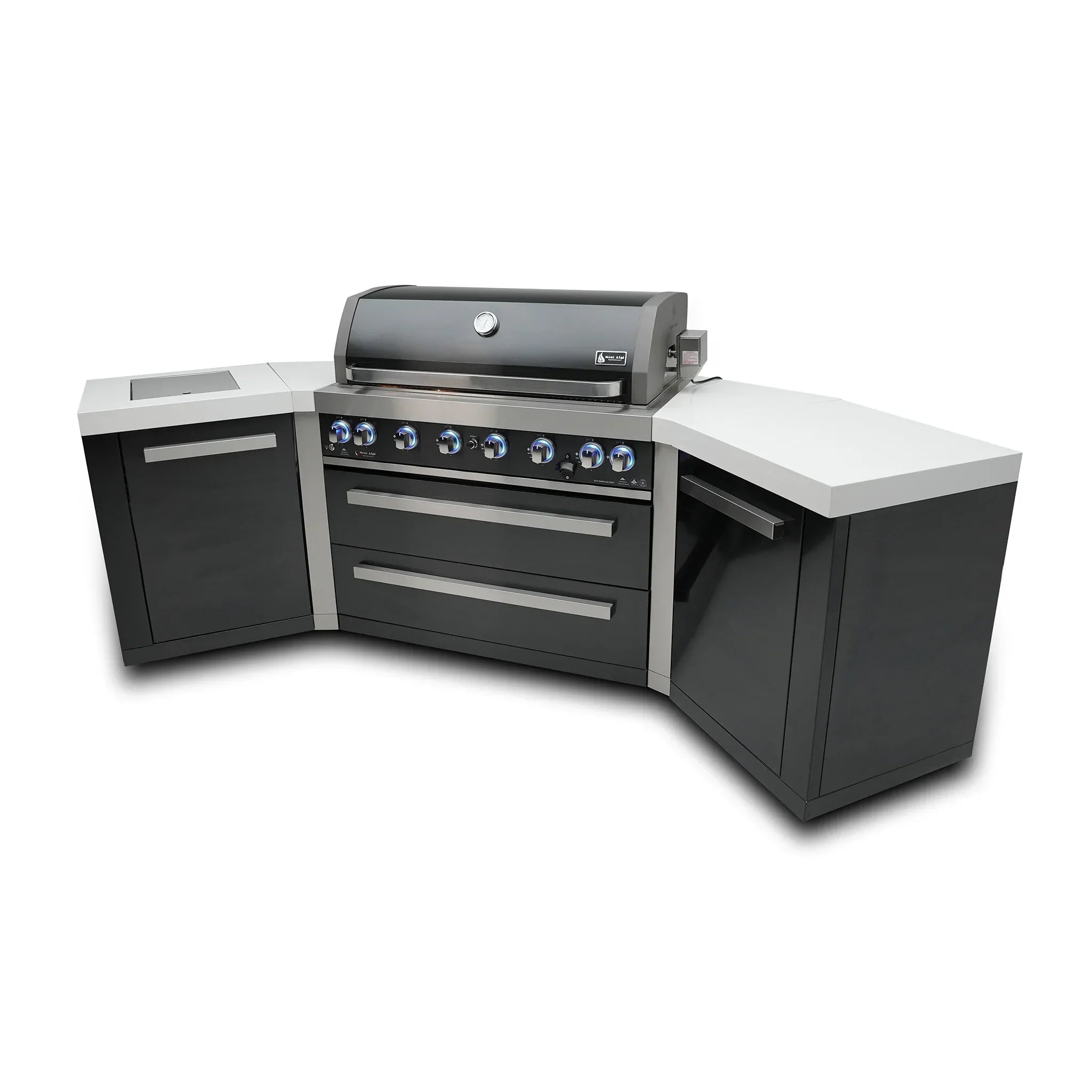
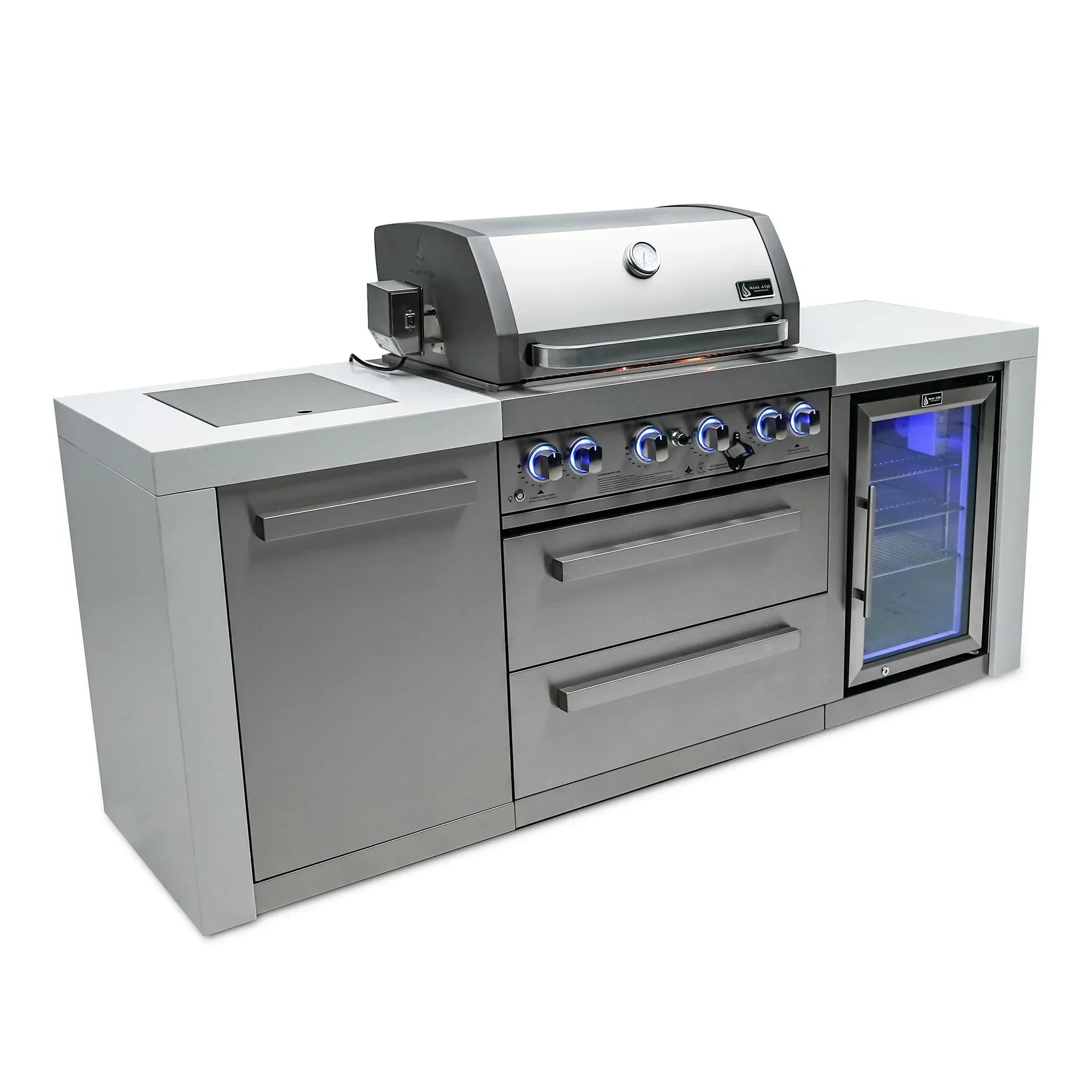
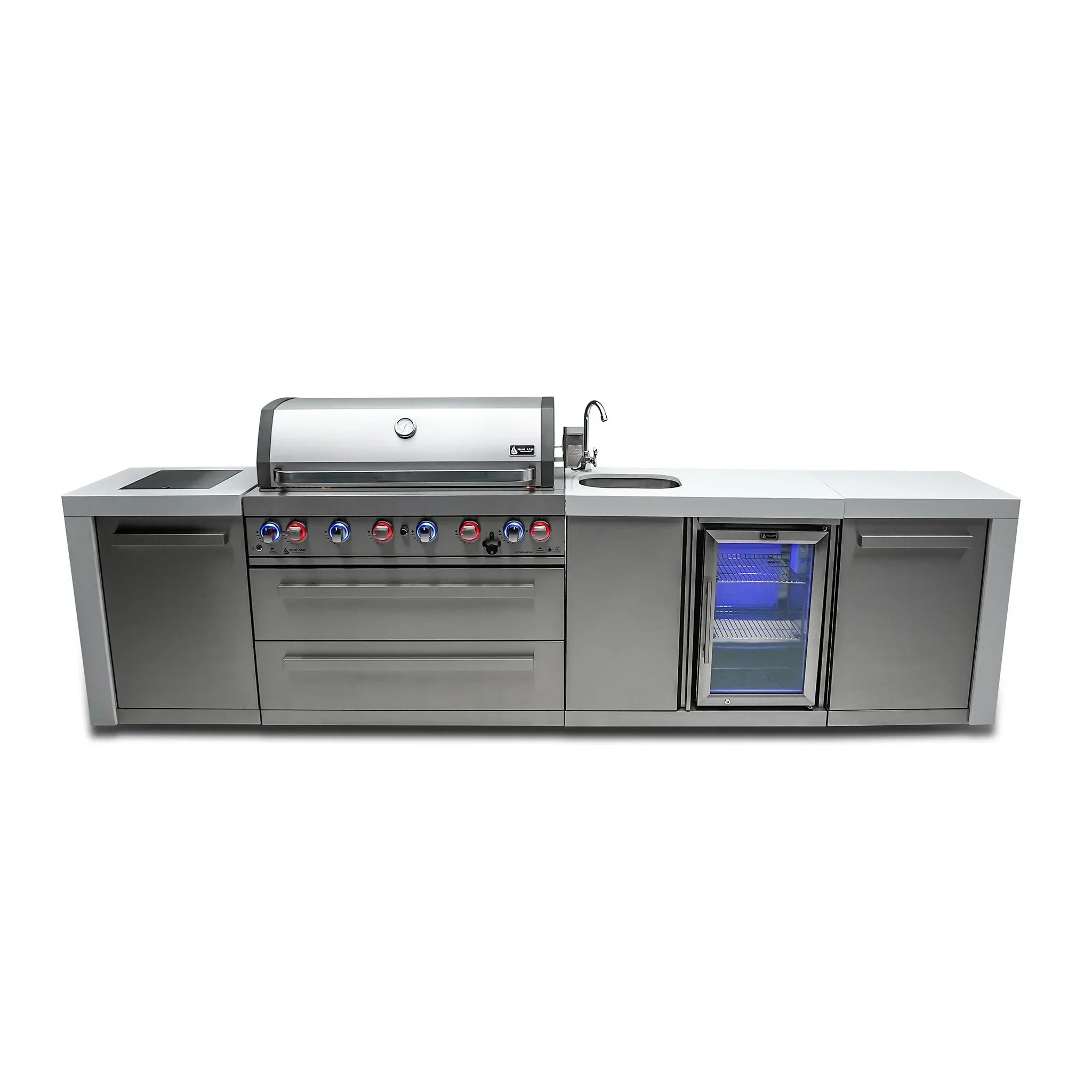
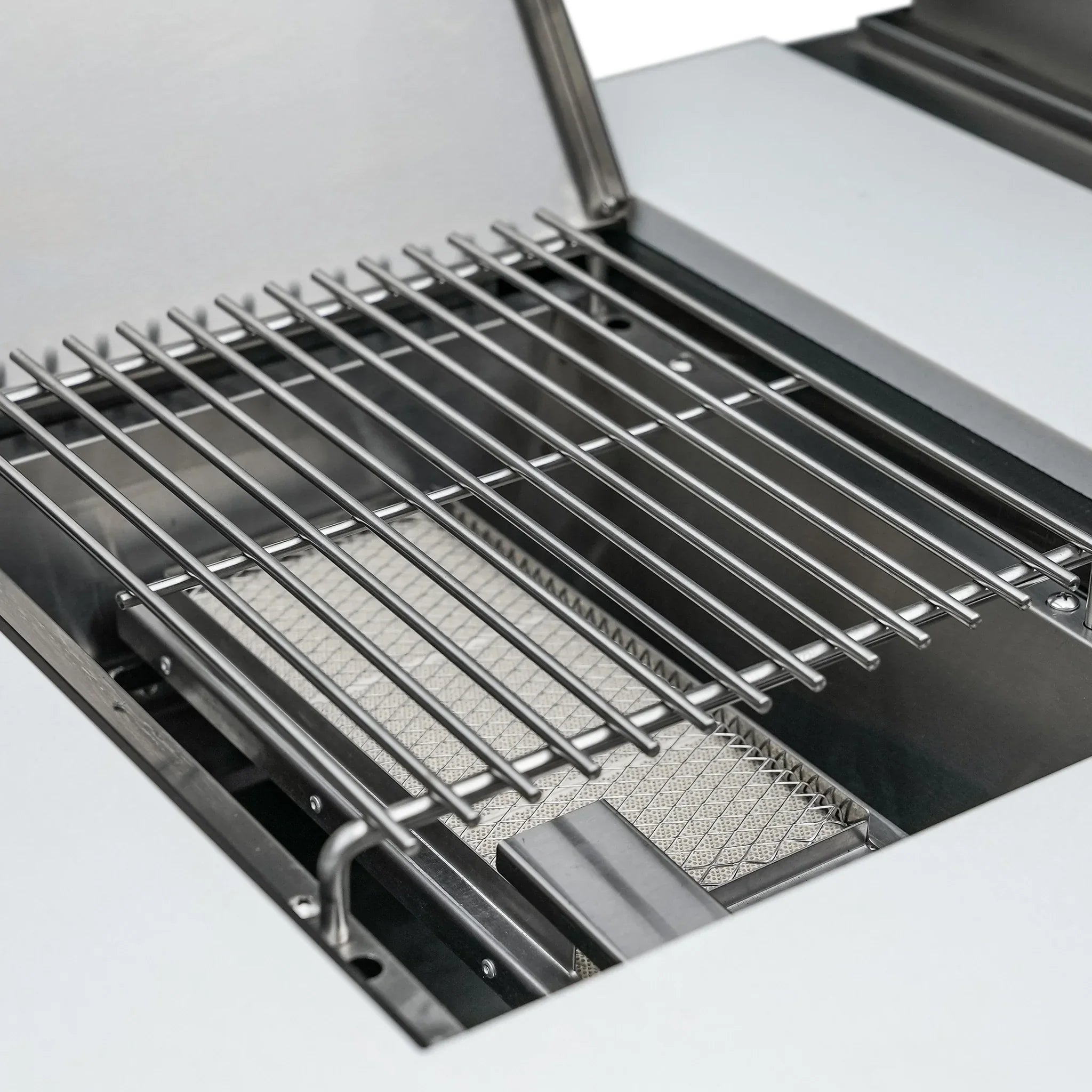
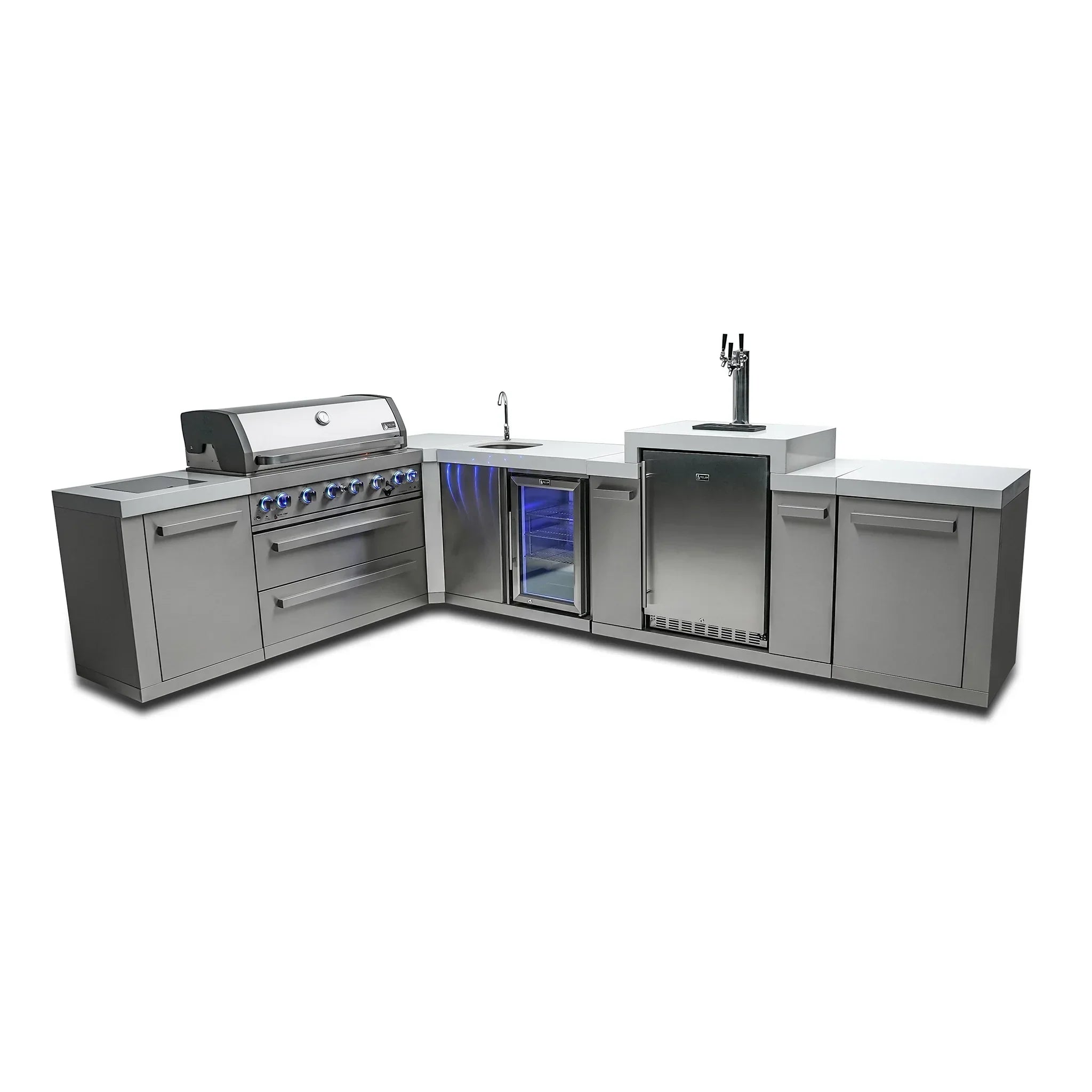
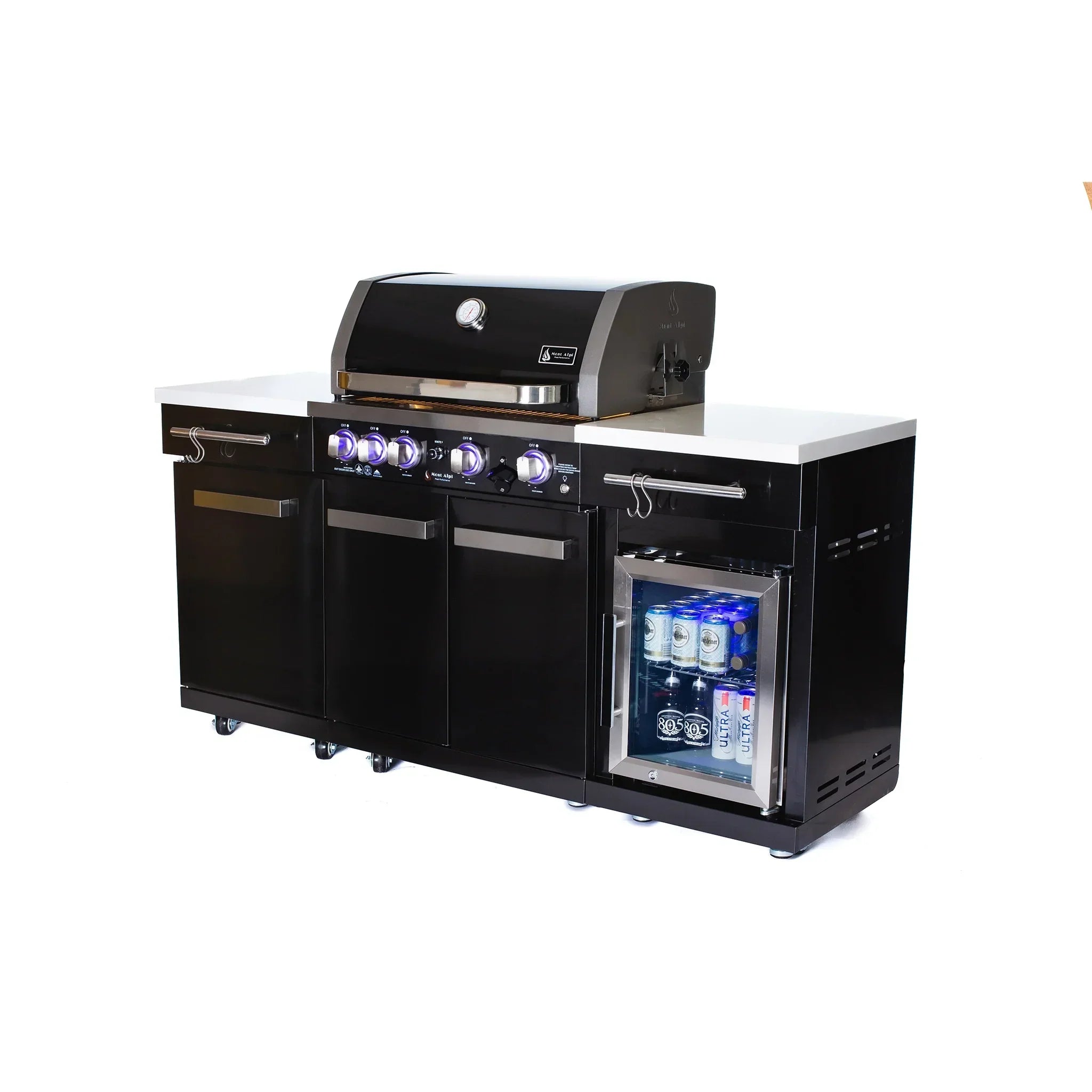
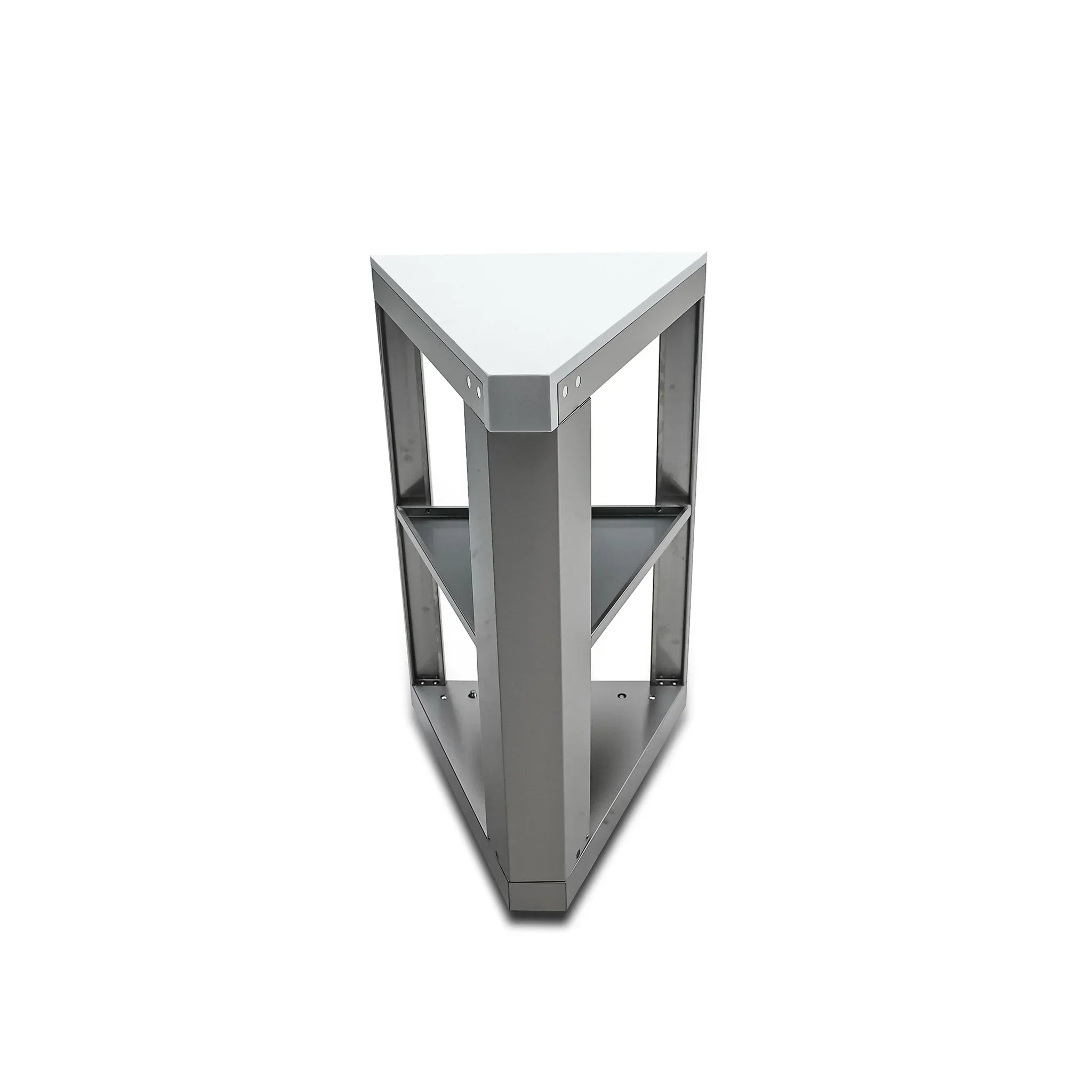
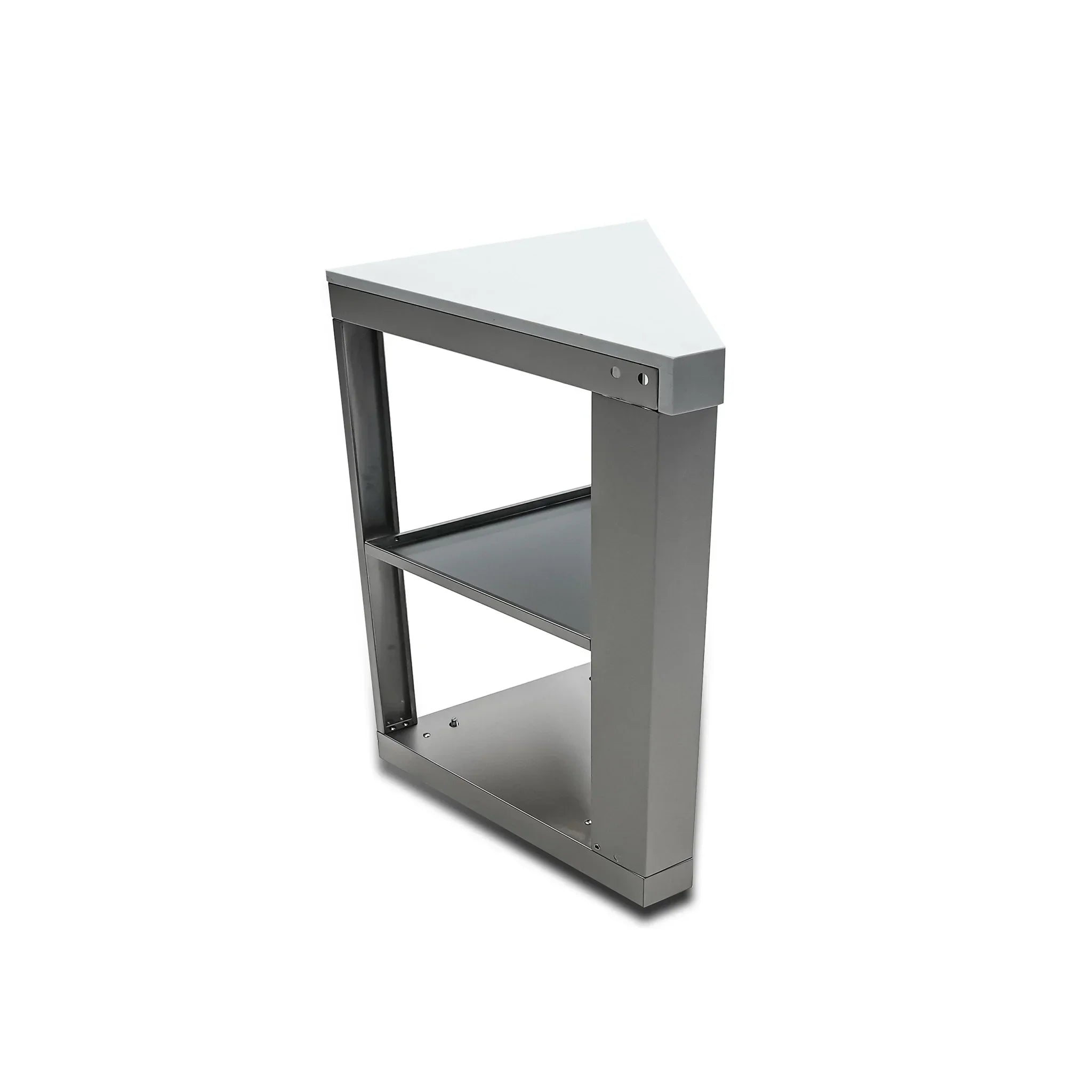
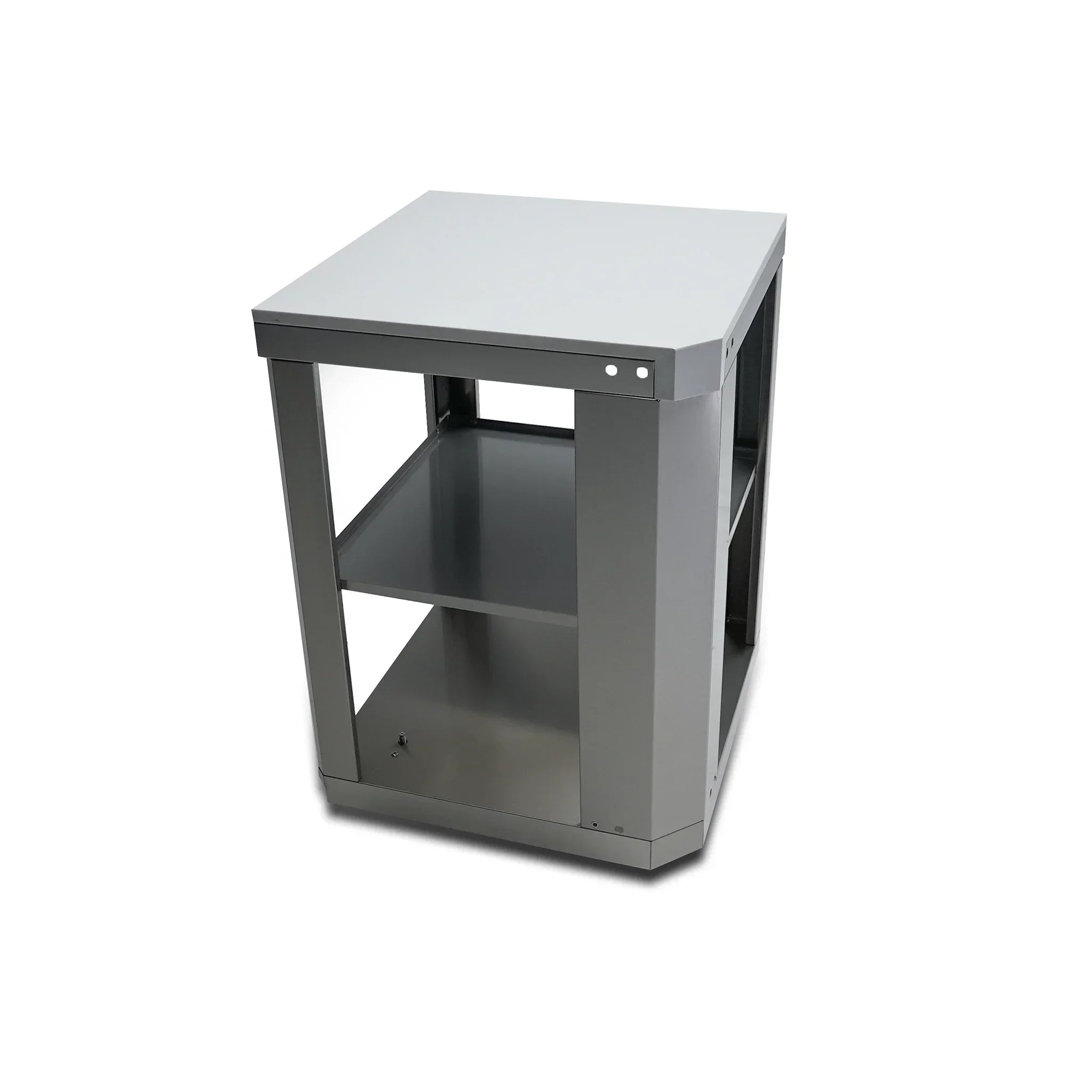
Islands in our collection run from compact single-island setups — a grill drop-in, two doors, and a stretch of counter — to full L-shaped and U-shaped configurations that create a proper outdoor kitchen zone with room for multiple cooks. Blaze and Mont Alpi build modular systems designed to be configured around the space and priorities you actually have. Every component is weatherized for permanent outdoor installation, and the stainless steel and powder-coated finishes handle the full range of outdoor conditions without demanding much in return.
What to Look for in an Outdoor Kitchen Island
Counter space matters more than most people expect. A 30-inch grill needs about 12 inches of working surface on each side at minimum — space for a cutting board, a plate, something to set down a spatula without it landing on the concrete. Islands that look generous in a showroom can feel cramped the moment a full cooking session is underway. If you're configuring from scratch, err toward more counter than you think you need. Side burners, access doors, and drawer sets are all add-ons; the counter dimensions are the thing that's hard to change later.
Frame materials determine how the island holds up long-term. Stainless steel frames resist corrosion in coastal and humid environments but can be expensive. Powder-coated aluminum frames offer comparable corrosion resistance at a lighter weight and wider finish range. Some island systems use a concrete backer board and stucco exterior for a more architectural look — durable, but a permanent commitment that doesn't move once installed. Most modular systems lean toward stainless or powder-coated aluminum for exactly that flexibility.
Configuring for Your Space
Modular island systems are designed around the assumption that no two backyards are the same. A linear run works against a fence or exterior wall and is the simplest configuration to install. An L-shape creates a corner cooking zone with natural workflow between grill and prep surface. A U-shape or island-with-bar-counter transforms the cooking station into a social hub — guests sit on the opposite side while the cook works, and the island becomes the center of the evening rather than a station at the edge of it.
Our team offers complimentary design consultations to help map the right configuration for your space. Bring a rough sketch of your patio dimensions and an idea of how you like to cook, and we'll help work through the rest. Patio Productions is ICFA-certified and has been outfitting outdoor spaces from our San Diego showroom and nationally since 2007. Every order ships free in the U.S. and arrives fully assembled. Our USA-based team offers complimentary design services, full island configuration guidance, and white glove delivery on select orders.
Frequently Asked Questions About Outdoor Kitchen Islands
| What material is best for an outdoor kitchen island? |
Stainless steel and powder-coated aluminum are the two most common frame materials, and both hold up well outdoors. Stainless is naturally corrosion-resistant, making it a strong choice for coastal or high-humidity environments. Powder-coated aluminum is lighter, available in more finish colors, and resists corrosion equally well in most climates. Countertop materials — granite, concrete, stainless — each have different maintenance profiles; granite is low-maintenance and durable, concrete can stain without sealing, stainless integrates cleanly with grill components. |
| Are outdoor kitchen islands permanent? |
Modular systems can be moved or reconfigured, though in practice most outdoor kitchens are connected to a gas line and treated as permanent. Frame-and-component island systems from brands like Blaze and Mont Alpi are designed to be installed once and left in place. Concrete-clad or masonry outdoor kitchens are fully permanent once built. If flexibility matters, stick with a modular metal-frame system rather than a built-in masonry approach. |
| How much counter space do I need in an outdoor kitchen island? |
As a general rule, plan for at least 12 inches of counter space on each side of the grill for basic food prep and plating. If you're adding a side burner, account for the space it occupies and clearance around it. A total counter run of 6 to 8 feet is comfortable for most cooking setups; anything under 4 feet tends to feel cramped once a full meal is underway. When in doubt, bigger is better — you'll use the space. |
| What accessories should I add to an outdoor kitchen island? |
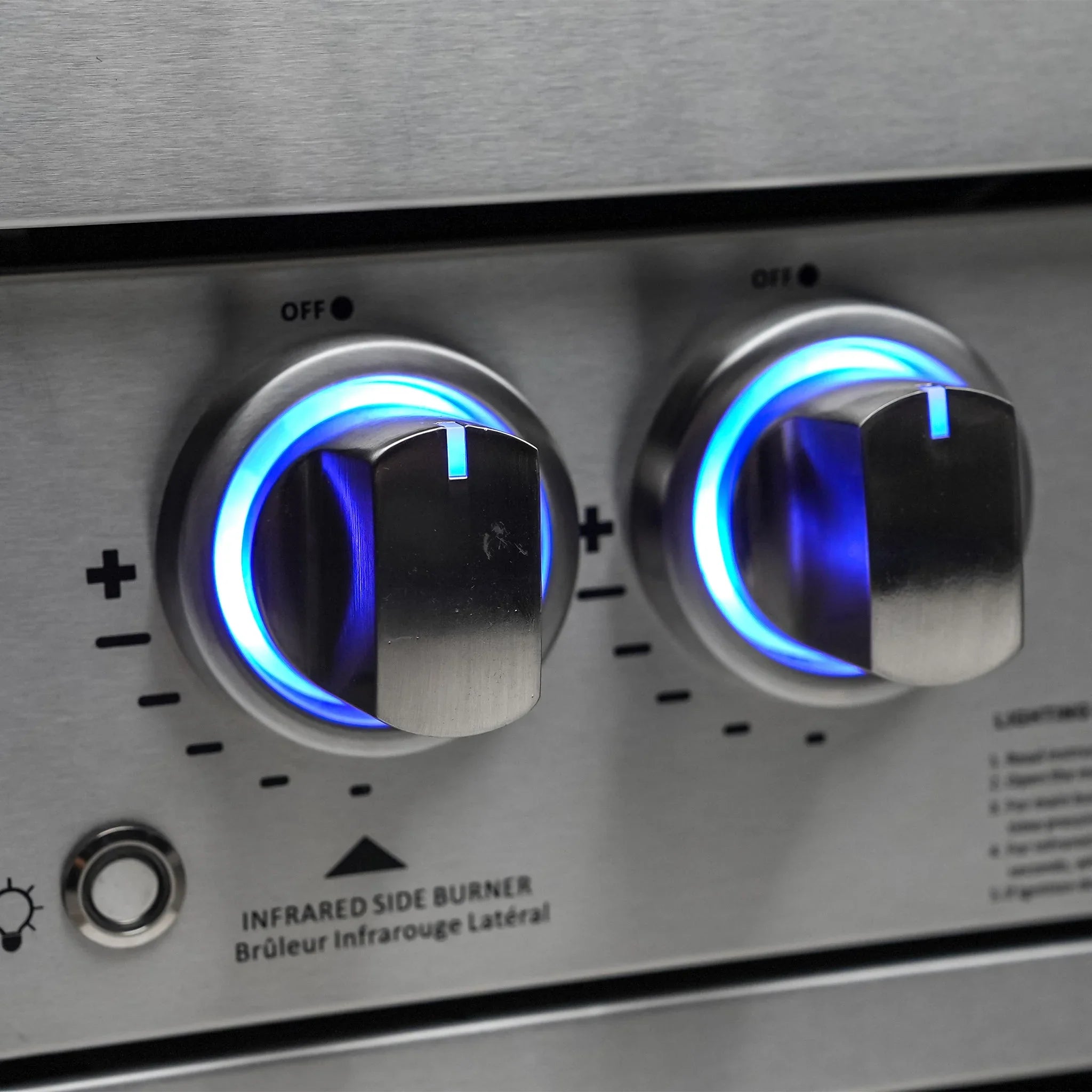
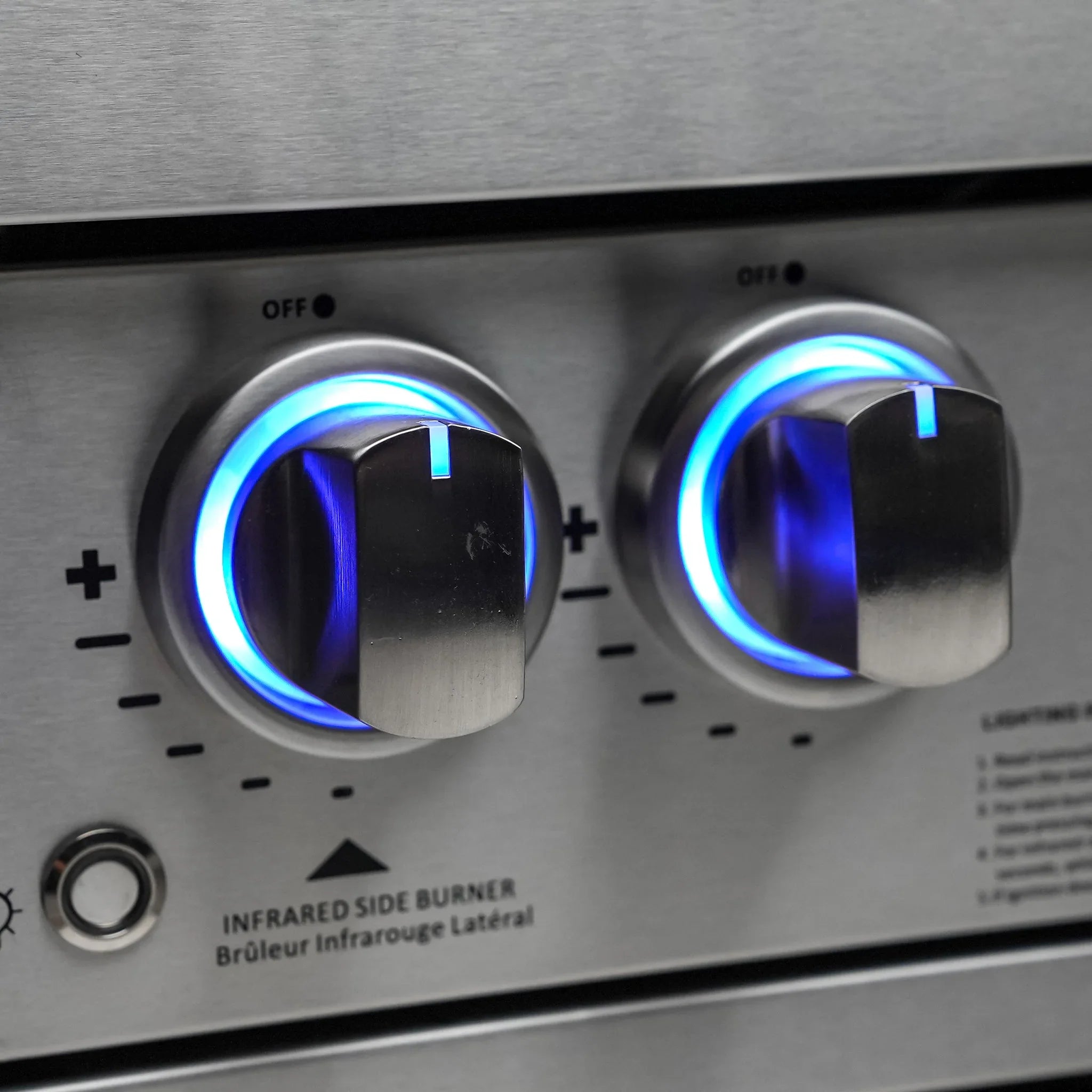
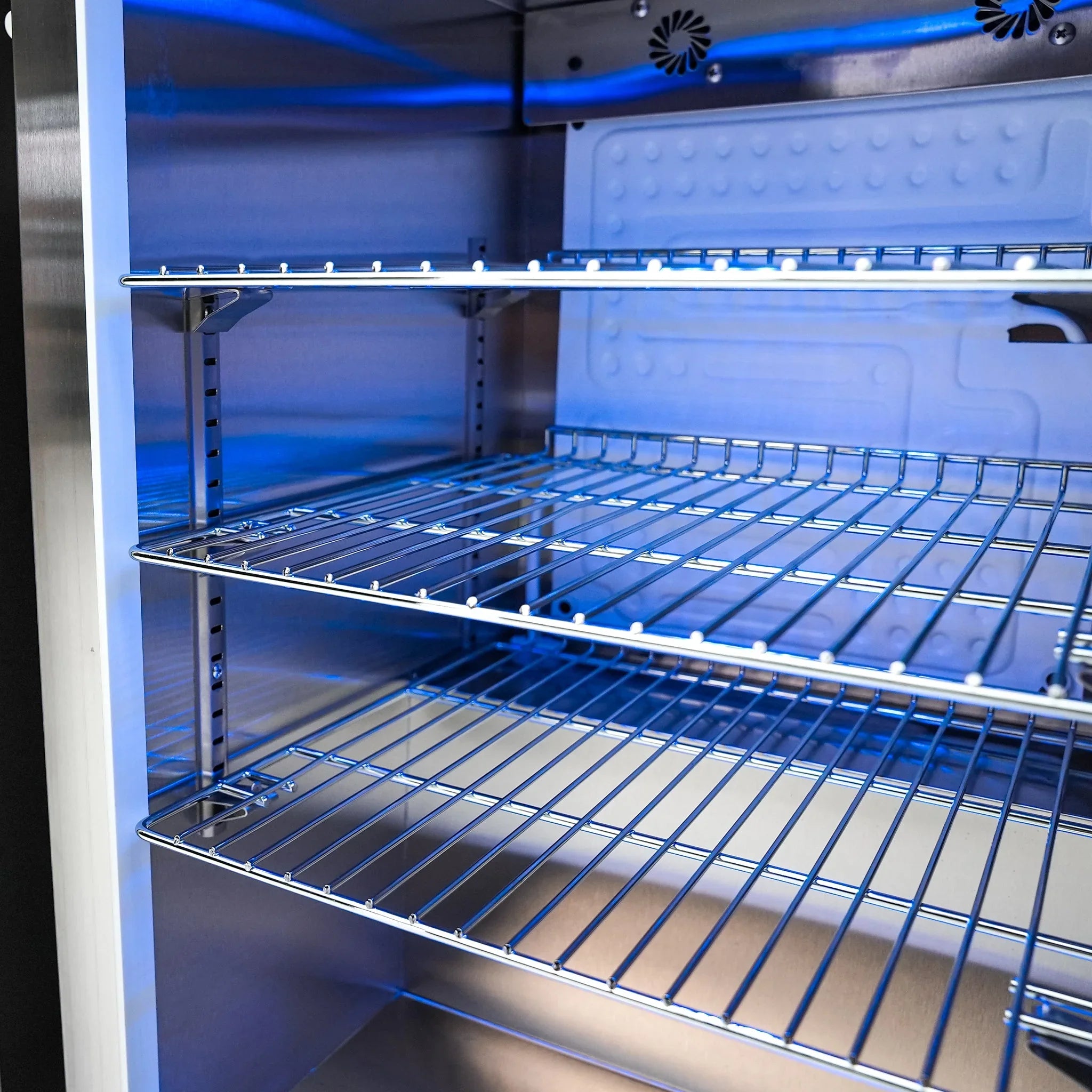
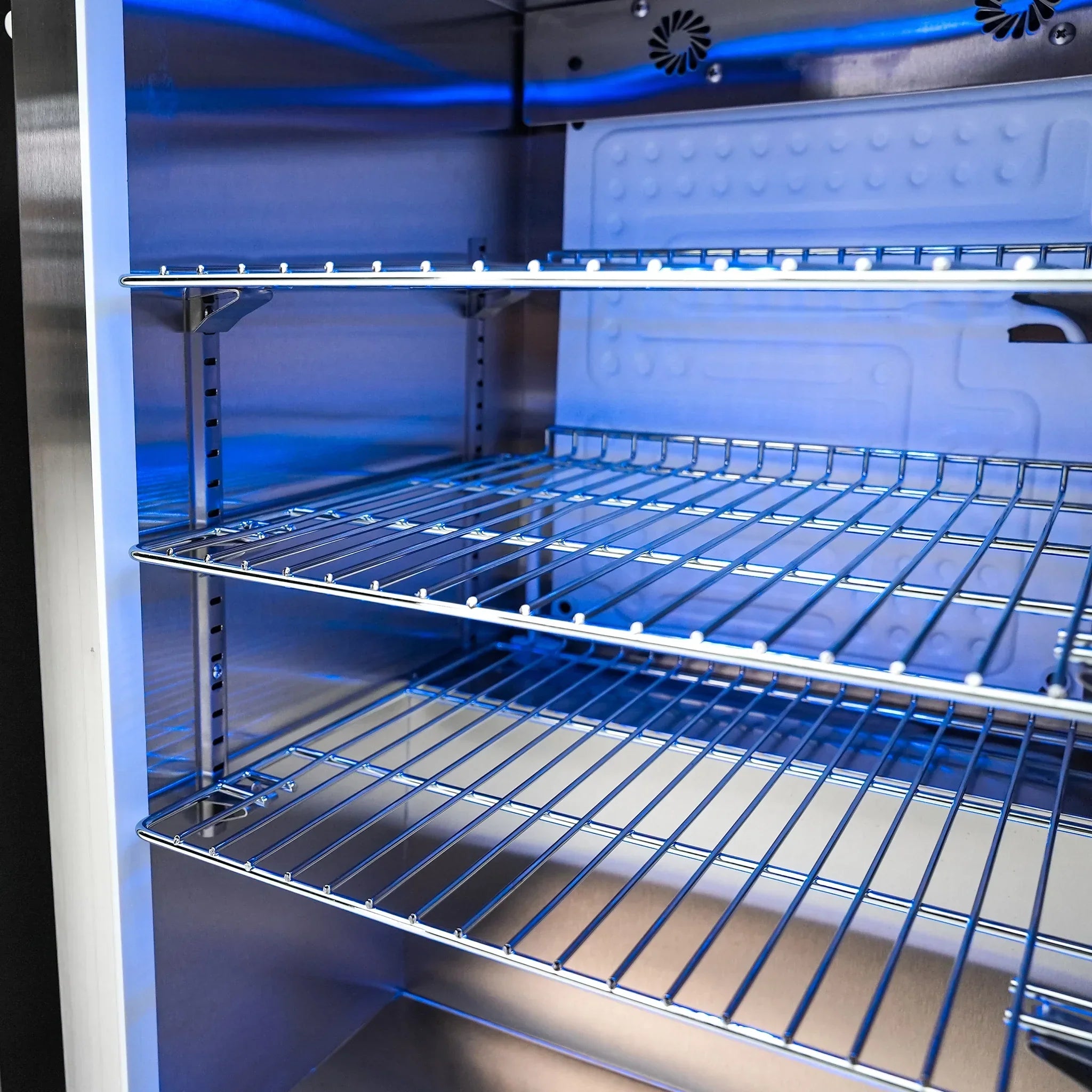
The most commonly added accessories are an outdoor refrigerator (eliminates trips inside for drinks and ingredients), a side burner (adds a separate heat source for sauces, sides, and boiling), access doors and drawer sets (storage for utensils, towels, and grill tools), and paper towel and trash can integrations. An outdoor sink is a significant upgrade for serious cooking setups, but requires a plumbing connection. Start with the refrigerator and storage — those have the highest day-to-day impact. |


