

HDPE vs PVC Wicker: What's the Difference?
Finally find information on the difference between High Density Polyethylene (HDPE) and PVC wicker! Although they are both plastics, the two differ in terms of strength, hardness, transparency. This discussion can go deeper into specifics but I'm going to sum it all up for you.
You can use this information when shopping for outdoor wicker patio furniture. Prices vary greatly on synthetic resin wicker sets and that's largely because of the material used. To make sure you don't wind up on the losing end, take a moment to read through this comparison of HDPE and PVC Synthetic wickers.

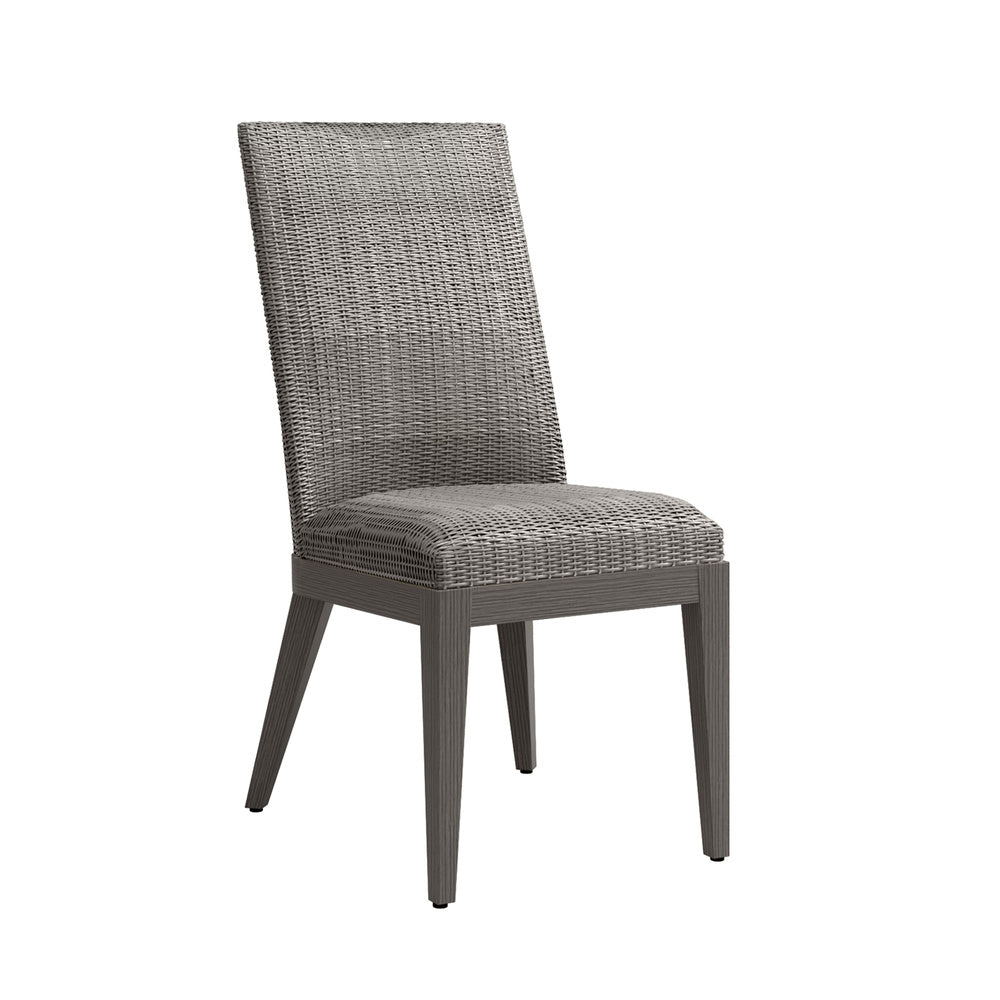
A close up of HDPE wicker.
[READ: How to Choose Quality Wicker Furniture Without Paying the Price]
Comparing HDPE and PVC Wicker Strands
There are two types of plastics; thermoplastics and thermosetting polymers.
Frequently Asked Questions: HDPE vs PVC Wicker
Both are plastics but differ in strength and structure. HDPE offers higher tensile strength and hardness and tolerates higher temperatures. PVC is a vinyl polymer known for low production cost. Prices on resin wicker vary largely by which material is used.
They are thermoplastics. Thermoplastics can be melted and molded repeatedly and are recyclable. Thermosetting polymers can be molded only once. PVC is amorphous while HDPE is semi-crystalline.
Low cost and widely used vinyl polymer. PVC is the third most popular plastic after PE and PP. It is lightweight and durable with low production cost and is commonly used to make pipes.
Higher strength and temperature resistance. HDPE provides more tensile strength and intermolecular force, resists many solvents, is lighter and harder, and can withstand about 230°F. It is recyclable and used in items like water pipes and wood plastic composites.
Material choice drives price and performance. The big swing comes from whether the strands are PVC or HDPE. Understanding the material helps you avoid paying more for less suitable construction.
Yes, it relates to hardness and density. PVC is amorphous. HDPE is semi-crystalline, which influences hardness and density and helps explain the higher tensile strength noted for HDPE strands.
Know which plastic the wicker uses. When comparing sets, note if strands are PVC or HDPE. HDPE brings higher strength and temperature tolerance. PVC emphasizes cost. Use this to judge value before you buy.
This preliminary overview just begins the analysis, continue below to discover how HDPE and PVC wicker differ in durability and application.
Thermoplastics
- Can be melted and molded repeatedly. This is why they are recyclable.
- Used to make bottles, plastic bags, wire insulation, pool toys, and containers.
Thermosetting Polymers
- Can be melted and molded only once. Become solid when cooled.
- Several types of thermoplastics; either amorphous or semi-crystalline.
- PVC (polyvinyl chloride) is amorphous while HDPE is a semi-crystalline.
What is PVC?
PVC is a cheap vinyl polymer that is used to make pipes. It is the third most popular plastic following polyethylene (PE) and polypropylene (PP). Some of its key features are as follows:
- Lightweight and durable material.
- Low production cost.
- PVC is heavier and stronger in terms of pressure capacity (pipes).
[READ: Wicker vs Rattan -What's the Difference?]
What is High Density Polyethylene?
Also abbreviated as PEHD (Polyethylene High-Density), High Density Polyethylene is a polyethylene thermoplastic that is made from petroleum. HDPE offers more tensile strength, and intermolecular force. Tensile strength measures the force required to pull something apart as applied in wicker strands.
- Resistant to a variety of chemical solvents.
- Lighter, stronger, harder, and can withstand higher temperatures.
- Can withstand temperatures of 230 degrees Fahrenheit.
- Has absorptive characteristic that dampens vibrations.
- Has a higher Crystallinity than Polypropylene. Crystallinity influences hardness and density, hence the name High Density Polyethylene.
- Polyethylene is the most widely used plastic. Eco-friendly material that can be recycled!
- Used to make fireworks, wood plastic composites, water pipes.
HDPE is made from the catalytic polymerization of ethylene. Polymerization is achieved through suspension, gas, or solution-phase reactors. Comonomers (butane, octane, and hexane) are added to increase intermolecular force.
Additional Resources:
- Natural Wicker vs Synthetic Resin Wicker
- The Patio Buyers Guide
- How to Choose the Best Material for Outdoor Furniture








%20and%20PVC%20wicker!%20Although%20they%20are%20both%20plastics,%20the%20two%20differ%20in%20terms%20of%20strength,%20hardness,%20transparency.%20Th...)