7 Tips on - How to Choose the Right Outdoor Patio Furniture Cover
Whether new or used, your outdoor furniture will bring that vacation feeling to your outdoor spaces this summer. To protect your furniture from the elements and damaging UV light and to maintain its best appearance over time, outdoor furniture coverings are crucial. Here are tips to help you select the best covers for your outdoor furniture because your outdoor furniture deserves the best.
Outdoor patio furniture covers to protect the furniture against the elements, and quality, fabric, and weather conditions are some things to consider. Water, sun, and other elements damage outdoor furniture, and covers keep them in good and lasting condition.
Designed and manufactured to withstand changing weather conditions, if protected, outdoor patio furniture will last longer. Moving your patio furniture into the shade or storing it until the summer helps, but the inconvenience is often frustrating. Instead of constantly moving your outdoor patio furniture, you should consider covers to protect your table and chairs from dents, scratches, and the elements.
Don't let this be your nice outdoor furniture in the rain:

Frequently Asked Questions: Choosing Patio Furniture Covers
High quality fabric prevents costly replacements. Some covers look durable but fail in real weather. Choose strong, waterproof materials designed for sun, wind, and water. Better construction lasts longer and protects finishes, saving money over time.
Measure height, width, depth, then match carefully. Too tight can scuff finishes. Too loose can blow off and collect dust. Measure highest and lowest points of chairs, tables, loungers, and sets. For round table sets, bundle chairs under the table, wrap a rope, note circumference and height.
Use straps, elastic hems, leg ties, or drawcords. Fasten covers to furniture legs with buckles or elastic. Choose designs with zippers, Velcro, or 360 degree drawcords for odd shapes. A snug, secured fit sheds water and stays neat during gusts.
Waterproofing, UV stability, and tear resistance. In rainy or windy zones, look for durable fabric with specialized waterproof coatings and double stitched seams. UV stabilized materials survive hot summers and guard furniture from sun damage for years.
It reduces scratching and finish wear. A soft backing protects paint, varnish, aluminum, wicker, and wood from scuffs, especially when wind moves a not perfectly fitted cover. It also helps limit moisture issues against the furniture surface.
Yes. Double stitching strengthens seams. Single stitched seams can loosen and leak. Double stitched edges resist tearing and keep water out, helping the cover last as long as your furniture.
Polyester breathes better. Vinyl is budget friendly. Vinyl is waterproof and inexpensive but not breathable, which can trap moisture and lead to mold or rust. Polyester is light, breathable, scratch resistant, and UV resistant, fitting snugly and drying quickly. It usually outperforms vinyl in most climates.
Tips On Choosing the Right Outdoor Patio Furniture Cover
Outdoor patio furniture gives a warm holiday feel and encourages outdoor gatherings. Some outdoor furniture covers withstand the elements better than others do, and extra protection from a cover will extend its use.
1. The Quality Of Furniture Covers
Quality is critical when you choose outdoor furniture covers. The quality of the cover is as important as the furniture, and if you buy a low-quality cover, you will have to replace it regularly, or it will not give the needed protection. Ensure that the outdoor patio cover is made from a strong fabric and that it will last and protect your furniture from the sun, wind, and water.
Today there are various patio furniture covers available, and at first glance, they may seem solid and durable. Unfortunately, there are patio covers that look the part but do not hold up when it is tested and often have to be replaced seasonally, ending up costing a fortune.
Choose waterproof covers manufactured from high-quality and durable fabric to avoid costly mistakes. To ensure that your patio covers will protect your furniture and last a long time, check that the material is durable.
2. Patio Furniture Covers Must Be The Correct Size

Choosing the correct size is as important as the quality because a too-tight cover may damage the furniture or be a struggle to fit. If the outdoor patio furniture is too loose, wind may blow it off, and dust will still collect on the furnishings under the cover. If the cover is too long and touches the ground, rain or water will ruin the cover.
Measuring each piece is the easiest approach to getting the right size cover for outdoor patio furniture. Measure the height and width of the highest and lowest points of the outdoor patio furniture, including the depth of the deck chairs, coffee tables, sun lounges, and outdoor armchairs.
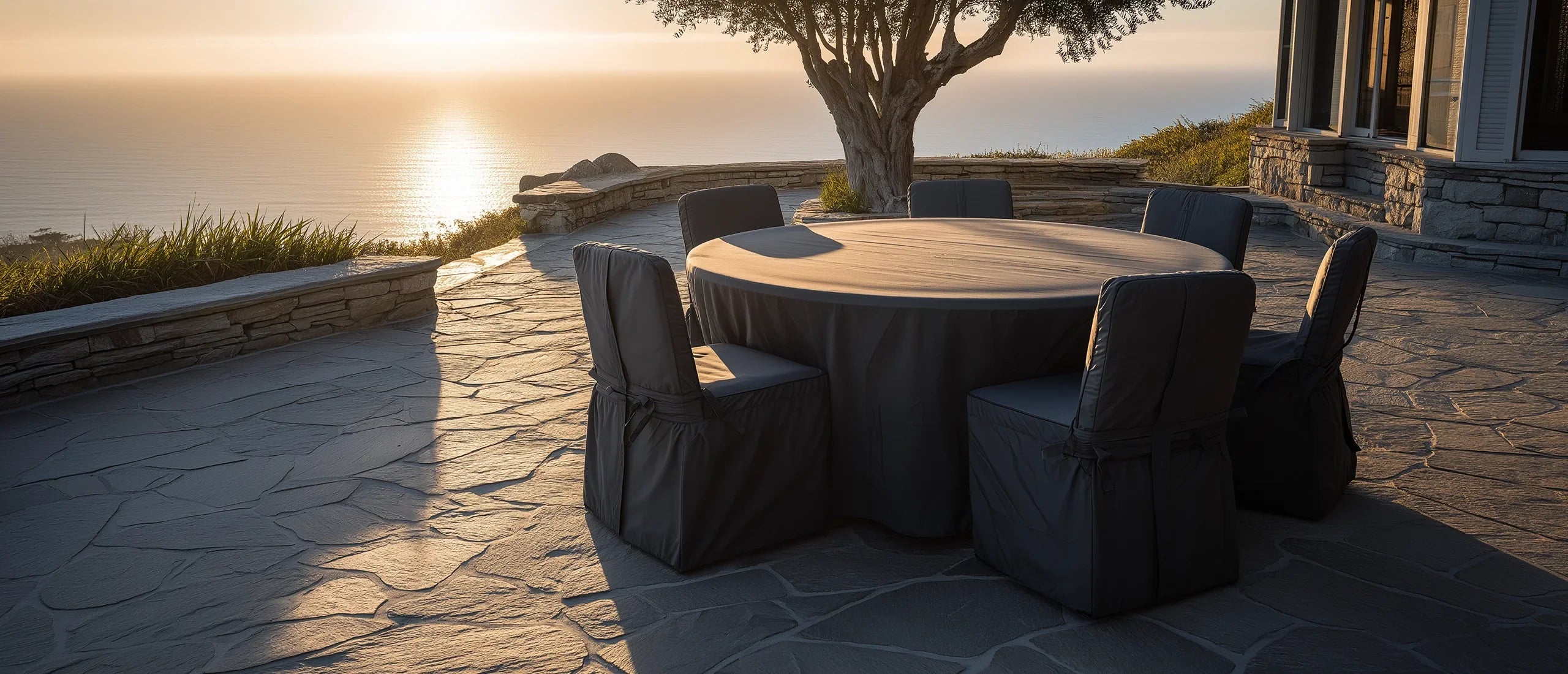
Use a circular cover with a drawcord to protect outdoor tables with matching chairs by placing them under the table and tying a rope to them. Once you have the rope around the table with its matching chairs, measure the circumference and the height to get the correct size cover.
Place the chairs under the table and measure the height, width, and depth for a square or rectangular table and chair set. The outdoor patio furniture cover must fit over the table's square with the chairs.
3. Patio Furniture Covers Must Be Secured
Ensure that the cover has straps, elastic hems, Velcro, zipper, leg ties, etc., to fasten the outdoor patio cover to the furniture, ensuring that it stays on. Straps will keep the furniture cover tight through windy times but also keep it neat and stretched for water to run off and avoid it accumulating on the furniture. If your patio furniture has odd angles, choose a cover with a drawcord that raps 360° around it.
The outdoor patio furniture cover stays on the furniture piece with fasteners, buckles, and elastic by tying them to the legs of the patio furniture. The patio furniture cover will not move as long as the knot is secure. Elastic closures are simple to utilize on outdoor patio furniture because it clings to the furniture.
For the best results, ensure that you measure the covers correctly and that the method you use to secure the cover, whether with clips, ropes, or fasteners, keeps the cover firmly attached to the outdoor patio furniture.

4. Patio Furniture Covers Must Withstand The Elements
Buy patio furniture covers that work well with your climate and weather conditions. Patio furniture covers are diverse and come in a great variety, and some covers work better in hot sunny environments and others in rainy or windy conditions. Read the manufacturer's specifications to help you get a better understanding, and see if the outdoor patio furniture cover will suit your requirements.
Outdoor patio furniture exposed to wind needs a cover made with a high-quality, durable material that is resistant to tearing and double stitched on the sides, which is a good indication. Because water is one of the most damaging elements for outdoor patio furniture, considering a specialized waterproof coating is imperative, especially if you want to prevent water from seeping through.
Wind and water are two elements that can ruin outdoor patio furniture, and few realize that the sun can cause just as much, if not more, damage. Patio covers protect your outdoor furniture from the sun, but the covers also need to last. If the patio cover has a specialized UV-stability coating, it will survive many hot summers and protect your favorite patio furniture from sun damage for years.
Waterproof and UV-proof covers keep your furniture dry in any weather, from slight drizzle to heavy downpours, and will keep the original colors of your furniture safe and looking great for years to come!

5. A Soft Inner Protects Patio Furniture
A soft inner will prevent scratches on painted outdoor patio furniture. If your patio furniture's subjected to a lot of wind, anything less than a perfect fit may cause the cover to scratch. Because it is difficult to find aftermarket patio covers that fit perfectly, it is a good idea to buy covers with a soft inner backing to prevent scratching.
The outdoor furniture cover's inner differs from the outer because the inside of the cover protects the furniture against any mold and scratches. In contrast, the cover's exterior provides waterproofing and protection from the sun and other elements.
When the outdoor patio furniture cover is removed, the soft inner prevents scratching or damage to the varnish or aluminum surfaces and protects the furniture's wicker, wood, or paint.
6. Proper Stitching Strengthens Patio Furniture Covers
Proper stitching is one of the most important things to look at before you buy outdoor patio furniture covers. The double stitching on the edges not only looks good but also reduces the chance of the cover easily tearing. A single stitch cover may loosen over time and cause your outdoor patio furniture to get wet, nullifying why you covered it in the first place.
Seam reinforcement in outdoor patio furniture covers is an excellent option because it provides double-duty protection and ensures that the cover lasts as long as your outdoor patio furniture.
7. Outdoor Patio Furniture Cover Fabric
Outdoor patio furniture covers must be waterproof, durable, and withstand harsh weather. Vinyl and Polyester are the two most common fabrics for outdoor patio furniture covers because of their unique design. Selecting the correct fabric for your outdoor patio furniture will need some consideration; here is a comparison of Vinyl and Polyester, the two most used materials, to help you choose.
Vinyl Outdoor Patio Covers
Vinyl patio covers are lightweight, easy to store, not to mention inexpensive, durable, and moisture resistant, and great if you are looking for protection on a budget. Vinyl is perfect If you want to store your patio furniture inside.
Vinyl is strong and works great in windy conditions, but its stiff composition makes it difficult to conform to the shape of patio furniture. If your vinyl covers do not fit seamlessly to your furniture, it will cause dirt and debris to get underneath the cover, and loose covers damage the furniture more, especially if the wind causes it to rub.
A common misconception is that Vinyl performs well in rainy and humid conditions because of its waterproof ability, but the fact is that vinyl covers are not breathable. Because vinyl covers are not breathable, water droplets can form under the cover and remain trapped, causing mold, mildew, or rust. Breathability is essential in wet conditions to let the moisture stuck underneath the covers escape.
Polyester Outdoor Patio Covers
Polyester is a robust and scratch-resistant fabric that protects outdoor patio furniture from debris without scratching it up. The material has breathable to protect your outdoor patio furniture against UV rays, color fading, water damage, mildew, and mold. Polyester breathability lets the water evaporate quickly and ensures that it does not stay on your furniture for a lengthy period.
Since it is so light, it is easy to put on and remove from your outdoor patio furniture, and packing up, folding, and storing it is a breeze because it takes up very little space. Polyester covers fit snugly on outdoor patio furniture and keep out dust and other debris that can cause damage. Polyester fares well against the wind, sun, and rain and is an excellent fabric for outdoor patio furniture covers.
Polyester covers outperform Vinyl covers in just about every climate and situation, but they are more expensive. Consider how long you want your outdoor patio furniture to last if you do not want to pay a lot for a polyester cover.
Your outdoor patio furniture is made to last outside if you maintain it but covering it will keep it beautiful longer, and choosing the correct cover will help it last. Outdoor patio furniture covers made from Polyester or Vinyl are UV, water, and wind resistant. Patio furniture covers must be durable to protect the furniture against harsh weather.
In Summary
Outdoor patio furniture is an investment that can bring joy and relaxation to your outdoor spaces for years to come. However, elements such as heavy rain, sun, tree sap, and strong wind can quickly damage your beautiful furniture without the proper protection. To extend the life of your outdoor patio furniture and keep it looking its best, it's important to use furniture covers.
When selecting furniture covers, it's crucial to consider the quality and waterproof protection of the material. Look for covers made from durable, waterproof fabric to ensure that they will withstand the elements and provide adequate protection for your furniture. It's also important to choose the correct size cover to fit snugly over your furniture without being too tight or loose.
In addition to the right size and material, the cover must be secured to the furniture to keep it in place. Look for patio furniture covers with straps, elastic hem cord, or other fasteners to ensure they stay on and provide the necessary protection. Finally, always consider the cover's fabric and choose a durable, waterproof material to ensure that it will last and provide the necessary protection for your outdoor furniture.
By following these tips, you can protect your outdoor patio furniture and extend its life, ensuring that it brings you joy and relaxation for many years to come.
To see all of the patio furniture covers we carry, click here.
Here is just a sample of some of our covers:
Furniture Cover

WeatherX Furniture Cover-Sofa
$119.00

WeatherX Furniture Cover-LoveSeat
$89.00

WeatherX Furniture Cover-Club Chair
$79.00

WeatherX Furniture Cover-Square Ottoman
$49.00

WeatherX Furniture Cover-Double Ottoman
$69.00

WeatherX Furniture Cover-Sectional Middle
$109.00
Video Summary: