How to Protect Your Patio Cushions from Ravenous Squirrels
To protect patio cushions from squirrels, store them indoors or in a storage box when you're not using them, cover your furniture, and remove food sources like bird seed and fallen fruit. Squirrels tear into cushions to collect soft filling for their nests, so blocking access works best. Scent repellents like hot pepper, vinegar and peppermint, plus motion-activated sprinklers, add another layer of protection.
Reviewed by the Patio Productions showroom team · Last updated October 2026
We've learned this lesson firsthand. In 2015, we had just furnished our San Diego showroom with brand-new custom cushions. One morning we walked in to find stuffing everywhere and shredded fabric still clinging to the cushions; squirrels had wrecked an entire display overnight. Here's what we've learned since about keeping squirrels away from outdoor cushions.
Squirrel Deterrents at a Glance
| Method | How well it works | Cost | When to use it |
|---|---|---|---|
| Store cushions indoors or in a storage box | Very effective | Free to low | Every night or when not in use |
| Furniture covers | Very effective | Moderate | Whenever furniture isn't in use |
| Remove food sources | Effective | Free | Ongoing |
| Netting or hardware cloth | Effective | Low | Over furniture when not in use |
| Motion-activated sprinklers | Effective | Moderate | Near problem areas |
| Vinegar and pepper spray | Moderate; wears off | Low | Reapply after rain |
| Peppermint oil | Moderate; wears off | Low | Reapply every few days |
| Repelling plants | Mild | Low to moderate | Planters around seating |
Why Squirrels Go After Patio Cushions

Squirrels aren't eating your cushions; they're collecting nesting material. Soft filling is perfect for lining their nests (called dreys), especially in late winter, spring and late summer, when they're raising young. Once a squirrel finds an easy source, it will keep coming back.
Food also draws squirrels to your patio. Bird feeders, fallen fruit, acorns, pet food bowls and even crumbs from outdoor meals can bring them close, where they quickly discover your cushions.
1. Store Your Cushions When You're Not Using Them
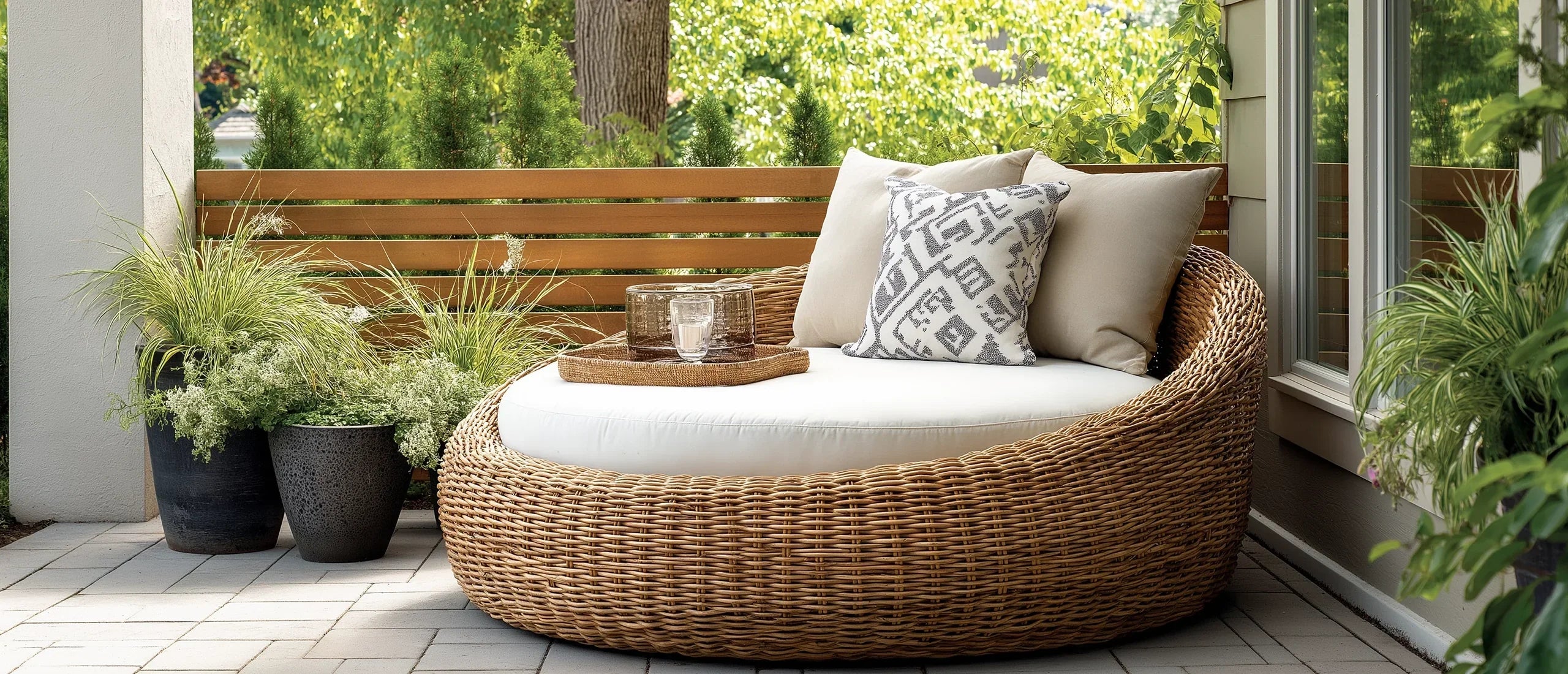
The most reliable way to protect cushions is to keep squirrels from reaching them. Bring cushions inside at night or when you'll be away, or keep them in an outdoor storage box or cabinet. Shop outdoor storage and cabinets.
2. Cover Your Patio Furniture

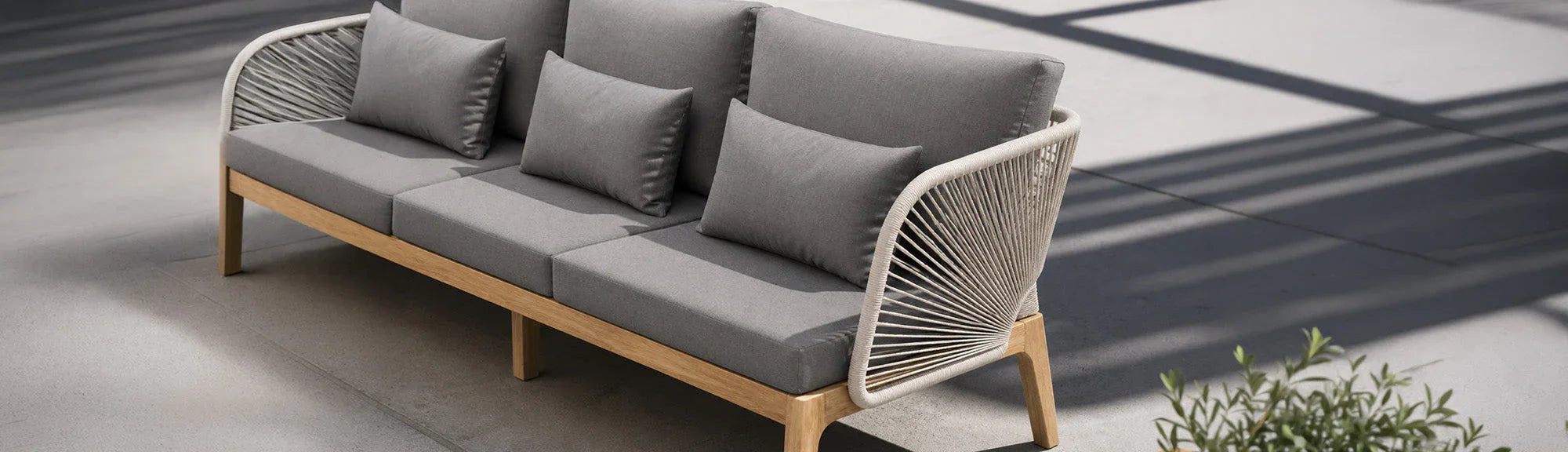
If storing cushions isn't practical, cover them. Fitted, water-resistant furniture covers protect cushions from squirrels as well as sun, rain and dirt. Look for covers with secure fasteners or drawstrings so squirrels can't slip underneath. Our Weather-X sectional covers are one option, and our guide on how to choose the right outdoor furniture cover can help you find the right fit.
For a budget option, drape garden netting or hardware cloth over furniture when it's not in use. Extend it several inches past the furniture, overlap seams, and weigh down the edges with pots or pavers.
3. Remove Food Sources

- Move bird feeders away from the patio, and use squirrel baffles on feeder poles.
- Pick up fallen fruit, nuts and acorns regularly.
- Bring pet food bowls inside.
- Clean up crumbs and spills after outdoor meals, and keep trash cans tightly closed.
4. Try a Homemade Pepper Spray
Squirrels dislike capsaicin, the compound that makes hot peppers hot. This simple spray can help discourage them:
Homemade Vinegar and Cayenne Squirrel Spray
- 2 cups white vinegar
- 2 tablespoons cayenne pepper
- 2 cups water
- A 32-ounce spray bottle
- Heat the vinegar until it's hot, then remove it from the heat.
- Stir in the cayenne pepper and let it cool completely.
- Strain the mixture into the spray bottle and add the water.
- Shake well and spray around the patio and on furniture frames. Reapply after rain.
Before you spray cushions: pepper and vinegar can stain or discolor some fabrics, so test a hidden spot first and let it dry. Wear gloves, avoid touching your eyes, and keep children and pets away from treated areas.
Peppermint oil is another option. Mix 15 to 20 drops with water in a spray bottle, or place cotton balls soaked in peppermint oil around the patio. Like pepper spray, it wears off, so reapply every few days.
5. Startle Squirrels with Motion and Sound
Squirrels are cautious, and surprises can keep them away:
- Motion-activated sprinklers spray a short burst of water when they detect movement. They're harmless and often very effective.
- Motion-activated lights or sound devices can startle squirrels, especially at dawn and dusk.
- Move devices around. Squirrels get used to things that stay in one place. Fake owls and other decoys that never move stop working quickly.
6. Use Plants and Landscaping

- Trim tree branches away from your patio cover, roof and furniture so squirrels can't jump down onto cushions.
- Plant strong-smelling herbs and flowers such as marigolds, mint, rosemary, garlic and lavender in planters near your seating. They may help discourage squirrels and they look great.
- Consider permanent barriers. A screened patio enclosure is the most complete long-term solution. For ideas, see these backyard landscape design ideas.
Watch: How to Protect Your Patio Cushions from Squirrels
Keep Your Cushions Looking New
Squirrels aren't the only threat to outdoor cushions. Sun, rain and dirt take a toll, too. Learn how to clean patio furniture cushions and pillows, how to remove mold and mildew from patio furniture, and what to look for in our outdoor cushion buying guide.
Need replacement cushions or new furniture? Our design team can help, or visit our San Diego showroom.
FAQs: Protecting Patio Cushions from Squirrels
They aren't eating them; they're collecting nesting material. Soft cushion filling is perfect for lining nests, especially in late winter and spring when squirrels are raising young. Food nearby, like bird feeders or fallen fruit, draws them to your patio in the first place.
Store cushions or cover them when they're not in use. Taking away access is the most reliable fix. Bring cushions inside or put them in a storage box at night, use fitted furniture covers, and remove food sources like bird seed and fallen fruit.
Hot pepper, vinegar and peppermint. Capsaicin from hot peppers irritates squirrels, and strong scents like vinegar and peppermint oil can discourage them. Scent repellents wear off quickly, so reapply them often, especially after rain.
Test it first. Pepper and vinegar sprays can stain or discolor some fabrics, so test on a hidden spot and let it dry before spraying the whole cushion. Wear gloves, avoid your eyes, and keep children and pets away from treated areas.
Often, yes. A sudden burst of water startles squirrels without harming them. Place sprinklers near the spots squirrels visit most, and move them occasionally so squirrels don't get used to them.
Not for long. Squirrels quickly learn that a decoy that never moves isn't a threat. Devices that move, spray or make noise work better, especially if you change their position often.
Late winter through spring, and again in late summer. These are squirrel nesting seasons, so be extra careful to store or cover cushions during those months.