Synthetic Turf vs. Natural Grass: Which Is Better?
Some debates just never really die down, do they? Today, we're getting into the weeds of a biggie: synthetic turf vs. natural grass. Which one takes the crown for your backyard, sports field, or commercial space? Spoiler: there's no simple answer. (Womp womp)
The good news is that we're exploring the facts, stats, and pros/cons of artificial grass and natural grass... to help you make the best choice for your budget, outdoor needs, and vision.
Frequently Asked Questions: Synthetic Turf vs. Natural Grass
It depends on use, climate, and budget. Natural grass excels at cooling, filtration, and that classic feel—but needs water and upkeep. Synthetic turf shines in high-traffic, low-maintenance situations with year-round looks. Patio Productions helps you choose what fits your goals—residential, commercial, or sports—without overcommitting your time or resources.
Minimal upkeep; higher upfront cost. Synthetic turf offers consistent, water-saving, high-traffic performance and can last up to 12 years. Consider tradeoffs: about 40% higher install cost than natural grass, potential heat retention, microplastic concerns, special pet-waste cleaning, and eventual full-surface replacement.
Great environmentals; higher maintenance. Natural grass cools through evaporation, absorbs CO₂, produces oxygen, filters water, and cushions falls. Downsides: frequent mowing/fertilizing, significant watering (about 1,000 gallons weekly in season), muddy wear spots, seasonal dormancy, and faster replacement in heavy-use zones.
Synthetic = uptime; natural = fewer injuries. Synthetic turf boosts speed and weather resilience; about 70% of urban facilities use it. Research and player surveys note fewer injuries on natural grass and more fatigue/soreness on artificial. Choice hinges on usage intensity, water limits, and budget.
Weigh eco, upkeep, and climate. Natural lawns can cool neighborhoods and boost curb appeal if you can commit to care and water. Synthetic works well for pet runs, small areas, severe water restrictions, and low-maintenance lifestyles. We’ll tailor options to your routine and region.
Consider a mixed strategy. Balance first impressions, daily traffic, water-saving incentives, and total cost. Many businesses pair synthetic in high-wear corridors with showcase natural lawns elsewhere. Patio Productions can spec durable seating to complement either surface and protect your investment.
Grass: mow/water/fertilize. Turf: clean/brush/check. Natural: mow properly, water deeply but infrequently, fertilize per type. Synthetic: remove debris, rinse, brush fibers, monitor seams/infill, schedule annual deep clean. Our team aligns care plans with how your space is actually used.
Artificial Grass vs. Natural Grass - At a Glance
- Natural grass provides better environmental benefits and temperature control at the cost of higher maintenance and water usage, so it's better for those of you in areas with adequate rainfall and maintenance resources
- Synthetic turf rocks in high-traffic areas with little maintenance, but comes with higher upfront costs and potential heat concerns (particularly in warmer climates like our own San Diego)
- Your synthetic vs natural grass choice should be based on your needs and plans - sports facilities, residential, and business applications all have different demands (which we'll explore below)
- Understand the distinct maintenance requirements and long-term cost implications of both before making your final decision
Watch a summary of this article!
The Great Debate: Understanding Your Options
I grew up in the sticks (translation: my little hometown barely counted as more than 'rural'), and I'll admit that I grew up with a firmly "anti-synthetic turf" mindset. But that was back when artificial grass looked and felt like scratchy, neon green plastic. But fake grass technology has come a long way. And these days, after years of working with outdoor designers and landscapers, I've learned that both options have their place, depending on your specific needs and circumstances.
ADVANTAGES
| Synthetic Turf | Natural Grass |
|---|---|
| Minimal maintenance requirements | Creates a natural cooling effect through evaporation |
| Consistent appearance year-round | Absorbs CO2 and produces oxygen |
| Suitable for high-traffic areas | Provides natural water filtration |
| No water requirements for basic maintenance | Offers superior fall cushioning for sports |
| Can last up to 12 years with proper care | Delivers that classic, unmistakable look and feel |
DISADVANTAGES
| Synthetic Turf | Natural Grass |
|---|---|
| Higher initial installation costs (approximately 40% more than natural grass) |
Requires regular maintenance (mowing, fertilizing, weeding) |
| Can retain heat, especially in sunny conditions | Uses significant amounts of water (approximately 1,000 gallons per week during growing season) |
| Potential environmental concerns regarding microplastic release | Can become muddy or damaged in heavy use areas |
| May require special cleaning for pet waste | May need replacement every 5 years in high-traffic areas |
| Eventually needs complete replacement | Seasonal appearance changes and potential dormancy periods |

Natural Grass: Nature's Original Solution
Natural grass is and will always be considered the traditional choice, and for good reason. It's just hard to really replace what nature spent millennia developing, and nothing quite matches the feel of real grass under your feet on a warm summer day.
For starters, natural grass is nature's own cooling system. It helps keep your space comfortable through evaporation while doing its part for the environment by absorbing CO2 and producing oxygen. It's also like a natural water filter. And for sports facilities, athletes get a more forgiving, cushioned play experience. That classic, real-grass look and feel just can't be beat.
But I'll be honest - it's not all sunshine and rainbows. Keeping natural grass looking and performing its best takes real maintenance commitments: regular mowing, fertilizing, and keeping those weeds in check. The water usage is substantial - often about 1,000 gallons weekly during growing season. If you're in a dry climate or drought-prone area, that's a LOT of water. High-traffic spots can easily turn into mud pits pretty quickly, and really heavily used areas might need to replaced every 5 years or so. Plus, something you'll just have to accept: real grass follows the cycle of the seasons, meaning sometimes you're looking at a brown patch when your grass goes dormant.

Synthetic Turf: The Modern Alternative
From my years helping customers choose outdoor solutions, I've seen synthetic turf really shine in certain situations. Its biggest appeal? You can practically install it and forget it - maintenance is minimal compared to natural grass. One thing my clients absolutely love is how it stays picture-perfect year-round, no matter the weather. It's a champion in high-traffic areas, and switching from natural to artificial grass can save thousands of gallons of water per meter annually. Plus, with proper care, you can expect it to last up to 12 years before needing replacement.
Thinking about using artificial grass in your backyard? Learn how to choose the best fake grass for your stylish backyard design.
But I should be upfront about the downsides too. That initial installation cost can be a real eye-opener - you're looking at about 40% more than natural grass to get started. I've had customers in San Diego tell me how hot it can get in direct sunlight, which is definitely something to consider in warm climates. There are also some environmental concerns about microplastic release that can't be ignored. If you have pets, you'll need to plan for special cleaning to handle waste properly. And while it does last a long time, remember that eventually, you'll need to replace the entire surface - it's not a one-and-done solution forever.

Making the Right Choice for Your Needs
One of the best things you can do to make the right choice between synthetic turf and natural grass is talk to experienced, trusted lawncare professionals. I strongly recommend you give Artificial Turf Supply a call. They've been pros in this industry for years, and can help you decide what's best for you. It doesn't matter if you live here in sunny San Diego or anywhere else in the US, they know how to help you navigate all the little landscaping details and challenges you could run into for your lawn, business, or sport venues.
Here's some high-level guidance I've gathered from their team. The best grass choice really depends on how you want your outdoor space to look and perform. Here's some information that will be helpful to get you started.

Sports Facilities: Synthetic Turf vs. Natural
Experts, extensive research, and statistics all suggest that the ground cover for sports facilities face unique challenges. I mean, this is some of the heaviest of duty traffic that grass is likely to encounter.
- Player Performance: synthetic turf consistently leads to faster, more competitive play
- Player Safety: Natural grass results in fewer injuries, and surveys find that most NFL players report more fatigue and soreness after playing on artificial grass
- Maintenance Costs: Natural grass fields require significant upkeep during active seasons
- Weather Resilience: Synthetic turf allows play to continue in various weather conditions
- Usage Trends: About 70% of urban sports facilities now use synthetic turf
My Recommendation: For high-use sports facilities, particularly in urban areas or regions with limited water resources, synthetic turf often proves to be the more practical choice. However, professional or well-funded sports venues with adequate resources should consider natural grass for optimal player enjoyment and safety.

Residential Use: Which Grass is Greener?
Now, the choice of synthetic turf vs. natural grass for a residential lawn is a whole different game. You're likely looking at different types of artificial grass, for one thing. But a home lawn's usage is just measured differently than a sports arena.
So, if you're considering a refresh for your lawn this spring, these tips will help you know what to looking for.
- Environmental Impact: Natural grass helps reduce local heat island effects
- Property Value: Well-maintained natural grass often enhances curb appeal
- Who Uses It: Friends, family, kids, and dogs can all benefit from natural or synthetic grass (it's the same with outdoor furniture, just keep those pets from tearing anything up)
- Maintenance Requirements: Consider your time and resources for upkeep
- Climate Considerations: Local weather patterns should influence your choice
My Recommendation: This one's truly a toss-up. If you're the eco-conscious or water conservation type, I typically suggest natural grass. However, synthetic turf can be excellent for small areas, pet runs, regions with severe water restrictions, or if you're prioritizing a low-maintenance lawn lifestyle.
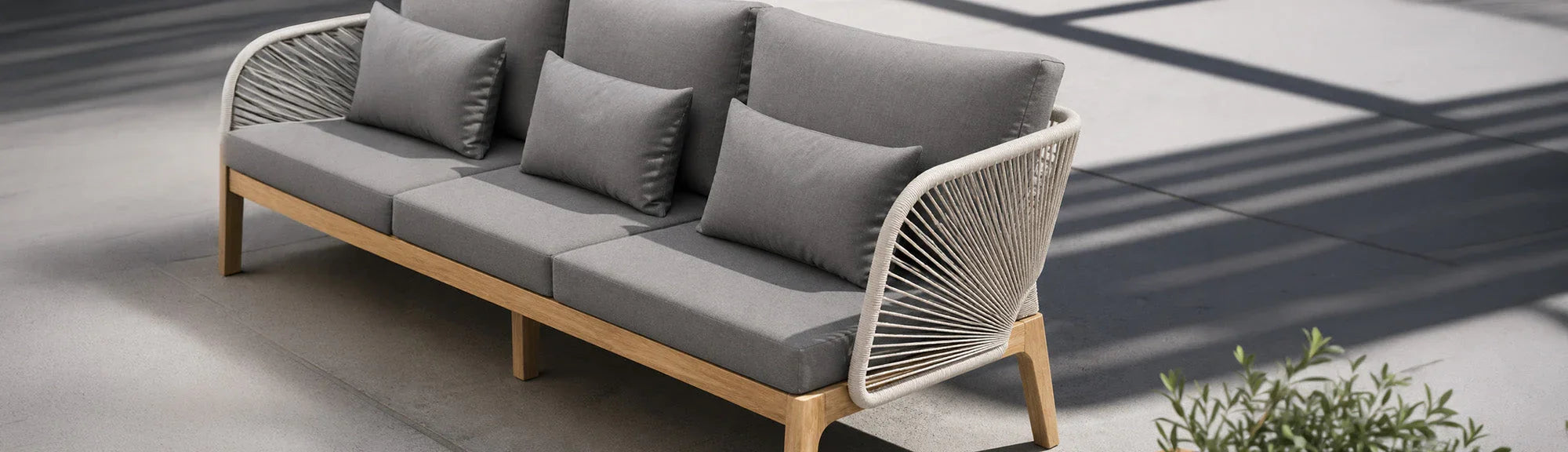
Find the highest-quality luxury sofa sets for your backyard or patio!


Commercial Properties: Synthetic Turf vs. Natural
Choosing the right grass for a business or commercial space can be tricky. You have to balance budget, long-term cost, customer experience, and how your choice aligns with your business's values, reputation, and goals. There's a lot to consider. Here are some of the fundamental data points that can get you moving in the right direction.
- Traffic Patterns: Is your commercial grass space functional or decorative? How much traffic will it get daily?
- Installation & Maintenance Budget: modern artificial grass trades long-term costs for higher up-front expense
- Visual Appeal: First impressions and customer experiences really matter for businesses
- Water Conservation: Many regions offer incentives for water-saving landscapes
My Recommendation: Have you considered a mixed usage approach? Synthetic turf is great for high-traffic areas, while lush natural grass creates wonderful showcase spaces.

Installing and Maintaining Synthetic Turf or Natural Grass
Whether you choose natural grass or synthetic turf, proper installation and maintenance are crucial for long-term success.
| Natural Grass Maintenance | Synthetic Turf Maintenance |
|---|---|
|
Regular Mowing • Maintain proper height for your grass variety • Never cut more than 1/3 of blade length • Keep blades sharp for clean cuts |
Regular Cleaning • Remove debris promptly • Rinse periodically to prevent odors • Address spills immediately |
|
Irrigation • Water deeply but infrequently • Monitor soil moisture levels • Adjust watering schedule seasonally |
Surface Care • Brush periodically to maintain fiber position • Check seams regularly • Monitor infill levels |
|
Fertilization • Follow local guidelines for timing • Use appropriate nutrients for your grass type • Consider organic options when possible |
Long-term Care • Professional deep cleaning annually • Repair damage promptly • Plan for eventual replacement |
And the Synthetic vs Natural Grass Winner Is…?
After years in the industry and countless conversations with customers, I've learned there's no universal "better" choice. It all just depends on your specific plan, budget, and grass needs.
| Usage Requirements | Environmental Conditions | Resource Availability |
|---|---|---|
| Traffic intensity | Local climate | Initial budget |
| Type of activities | Water availability | Maintenance capabilities |
| User preferences | Sunlight exposure | Long-term commitment |

Your Choice & Your Future
Did we put the ole synthetic turf vs. natural grass debate to bed once and for all? No, and it'll likely continue to evolve as technologies and environmental concerns grow and eUPDATE. I'm thinking that more and more hybrid solutions will be created and embraced. Improved synthetic materials that better mimic natural grass keep getting developed, so visual beauty, foot-feel, durability, and ease of maintenance are ultimately in your hands as the consumer.
I do know this, though. You can succeed with artificial grass or the natural stuff when you make an informed choice and follow through with proper maintenance. Do your homework, know the implications of your choice, and planning accordingly. That's good advice for lawncare … and life in general.
I also know that a great set of luxury patio furniture will make your backyard, business courtyard, or sports venue experiences more relaxing. It's all about maximizing your joy from the natural world around you, right?
So go plant your feet on some beautiful grass (artificial or otherwise), plant your backside on some cushy patio furniture, and make some memories worth cherishing.
ARTICLE REFERENCES
- "Turf vs. Grass Fields", The Daily Utah Chronicle
- "Field Turf", Wiki