
Filters
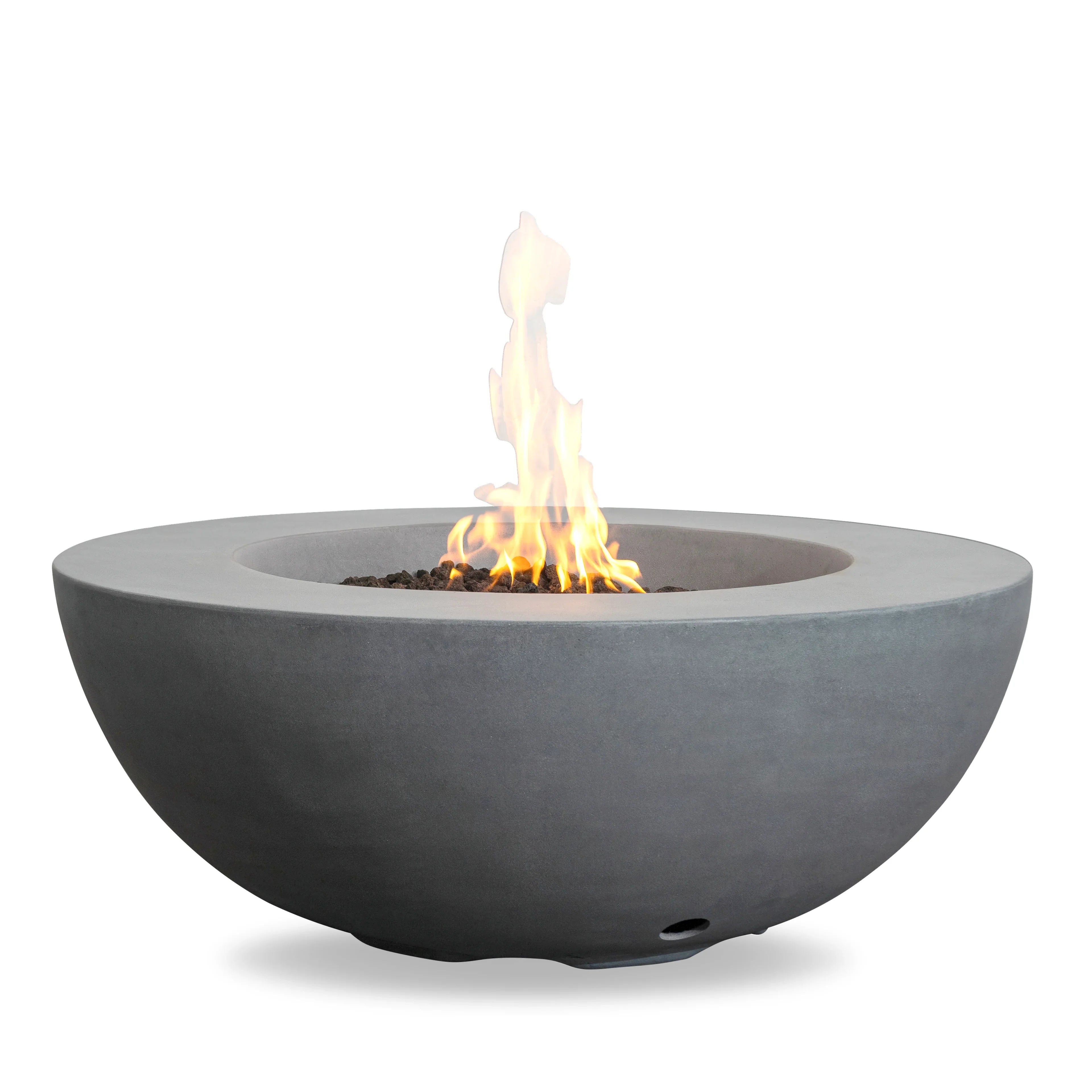
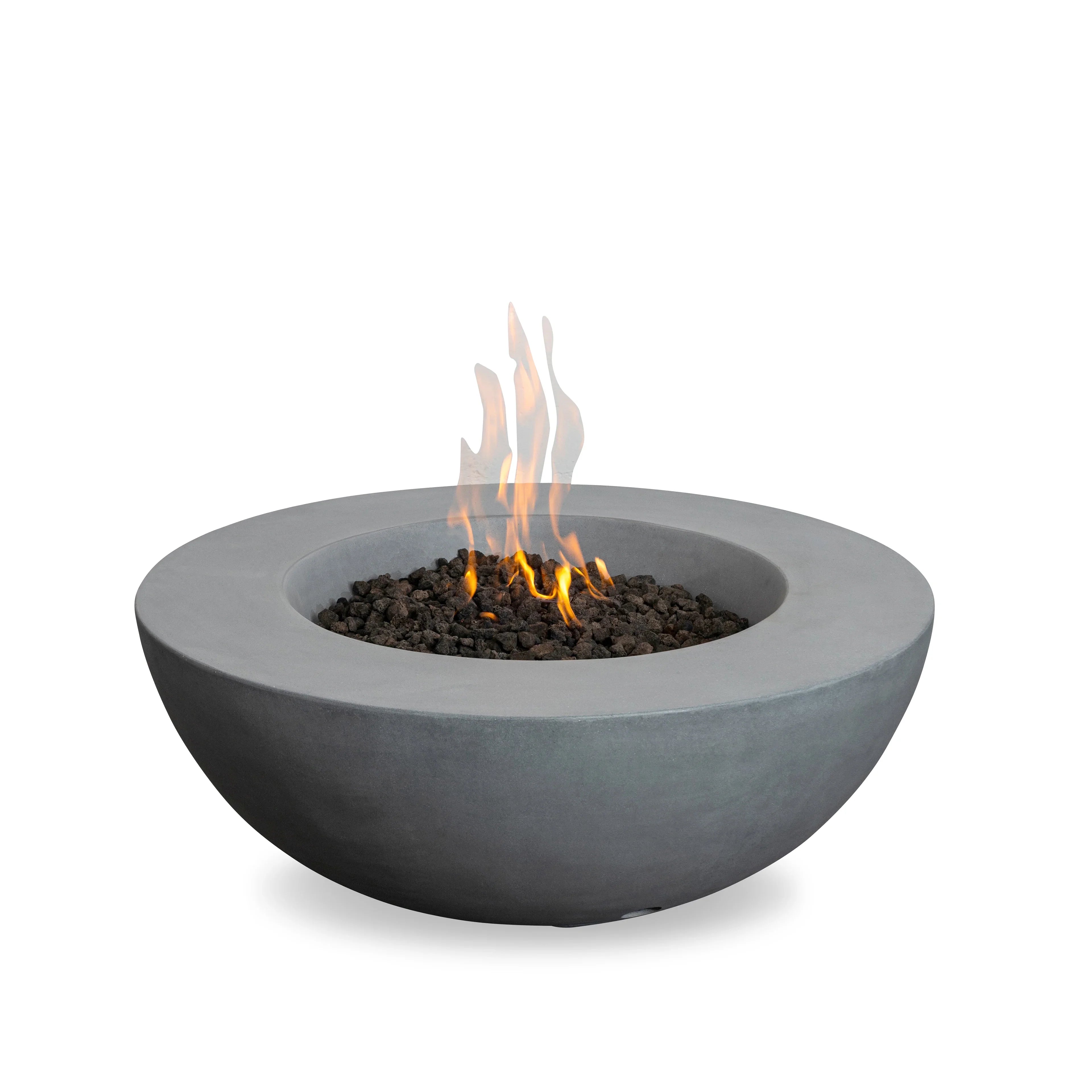
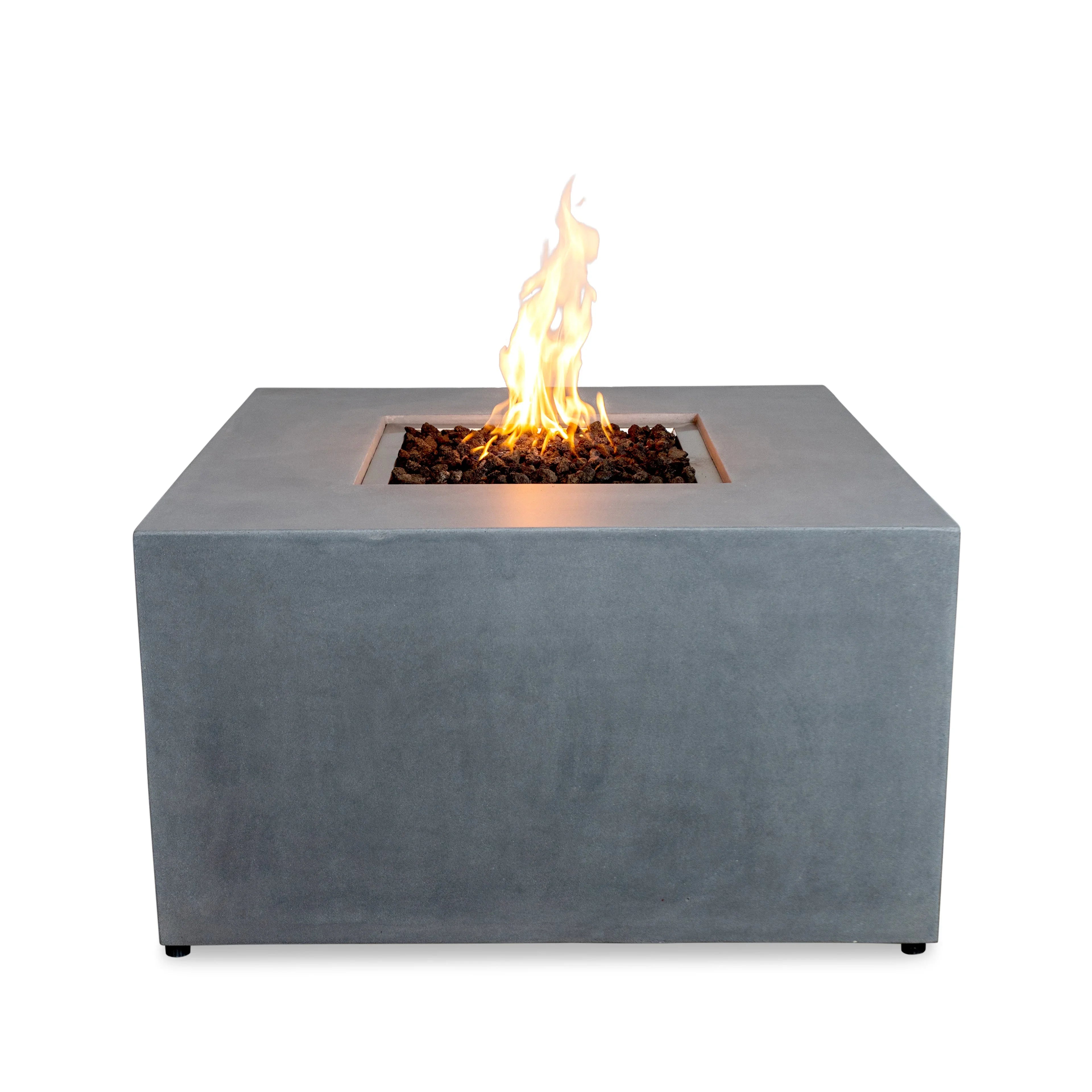
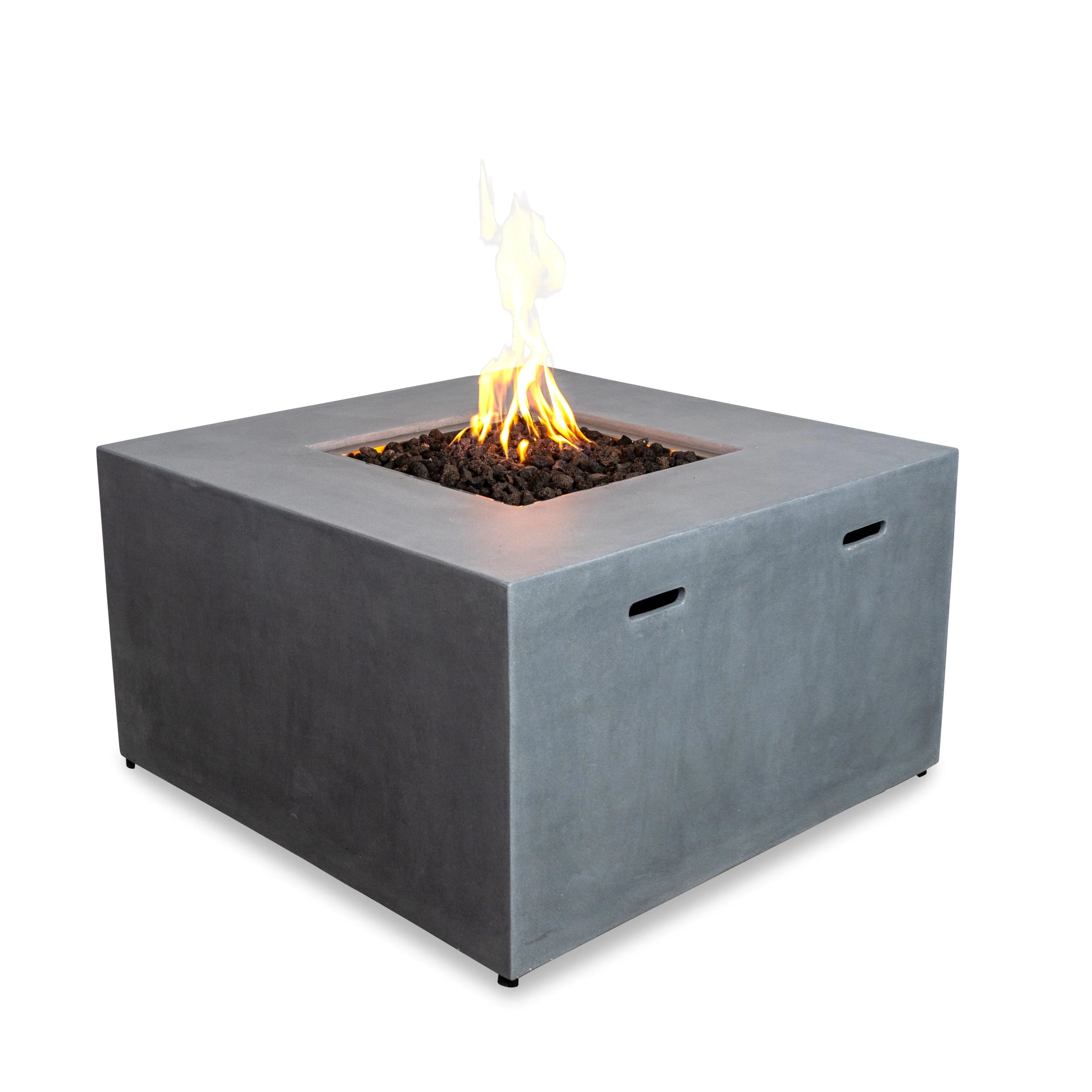
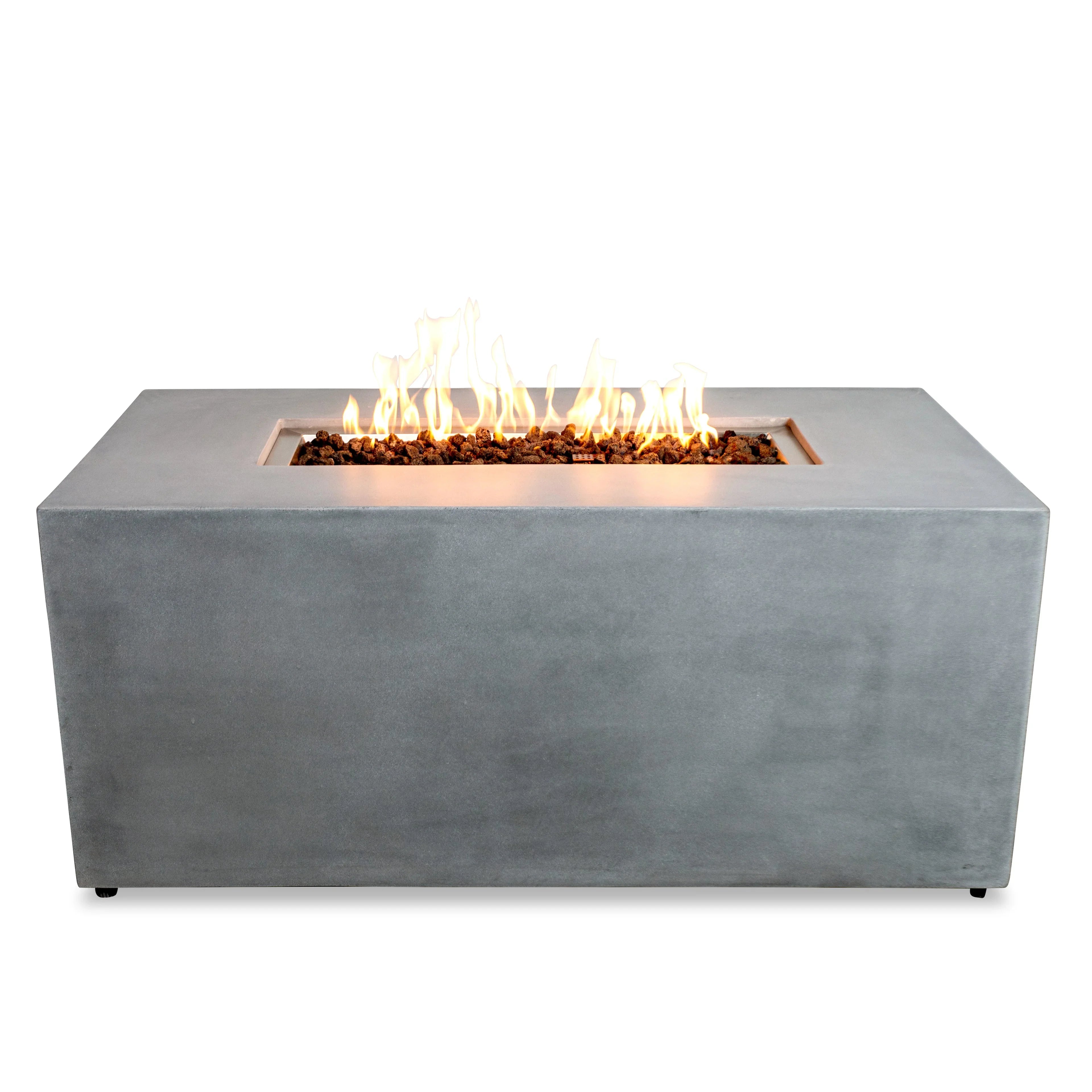
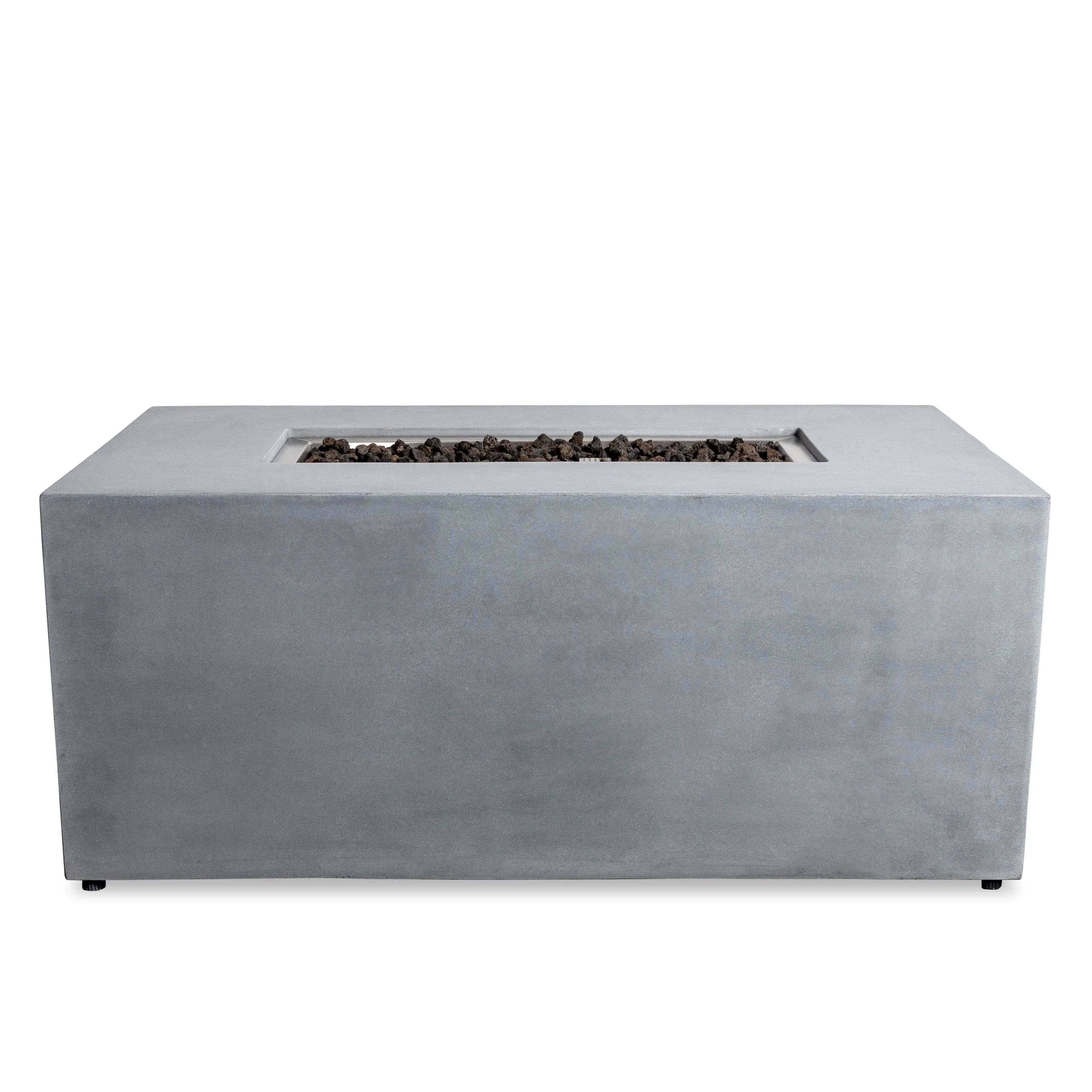
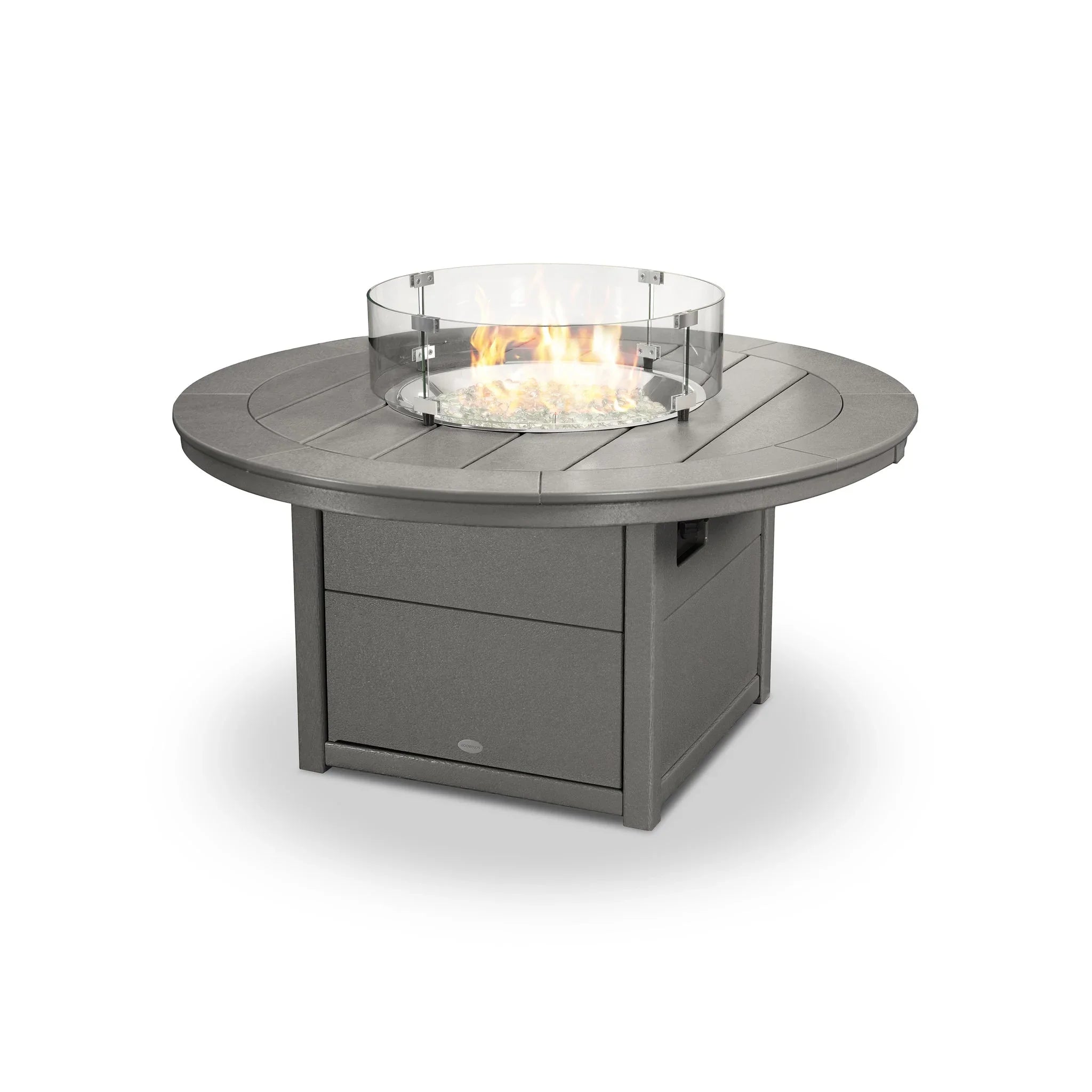
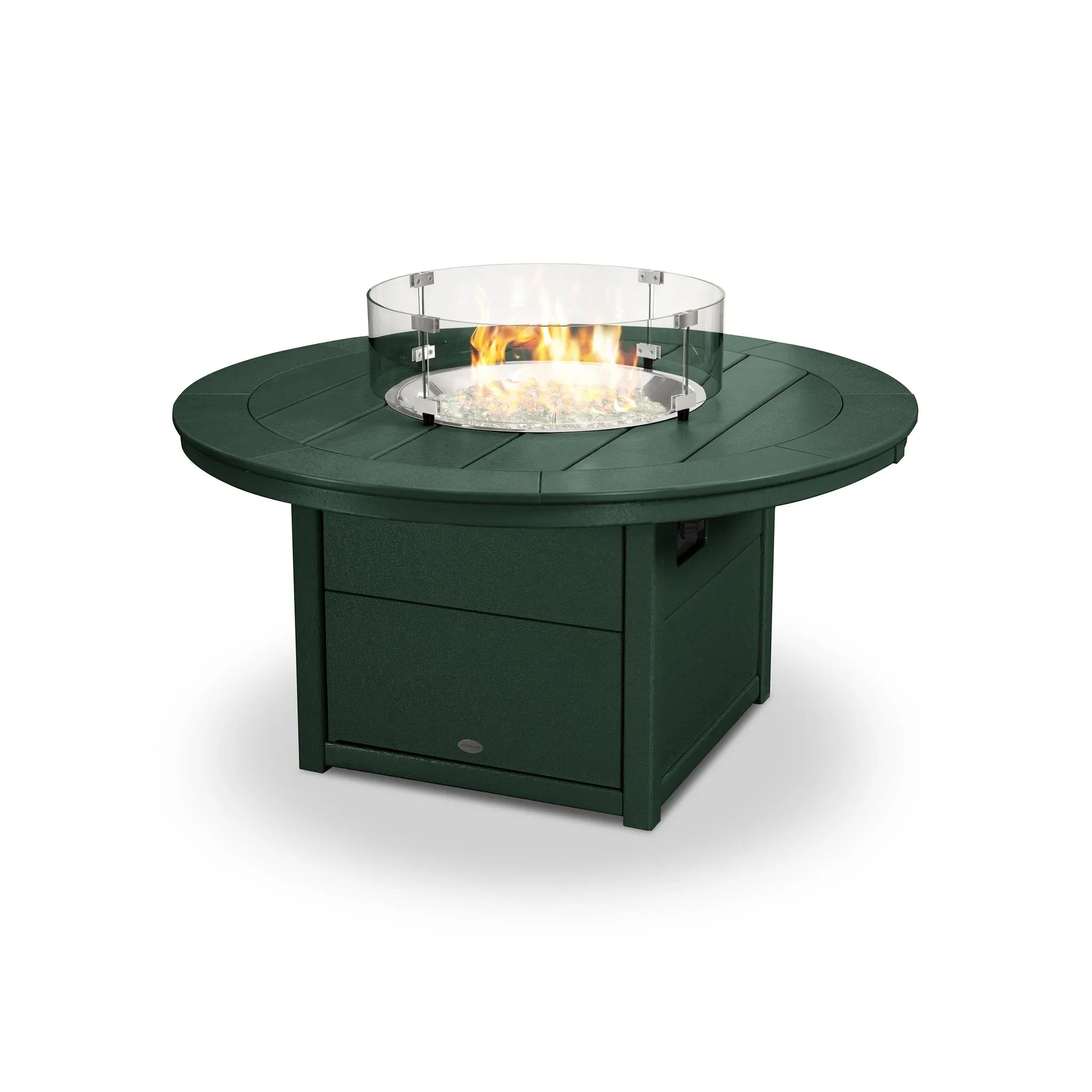
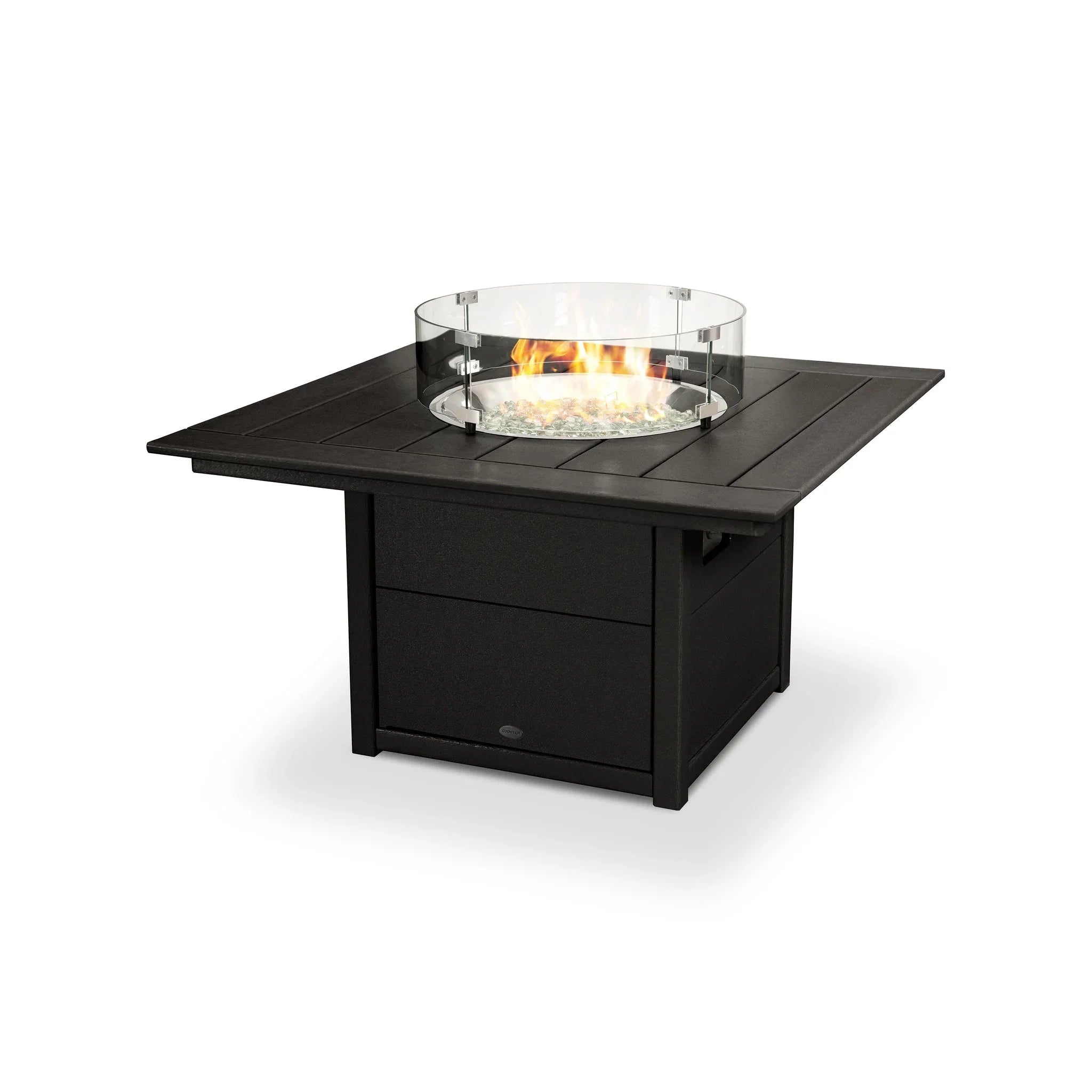
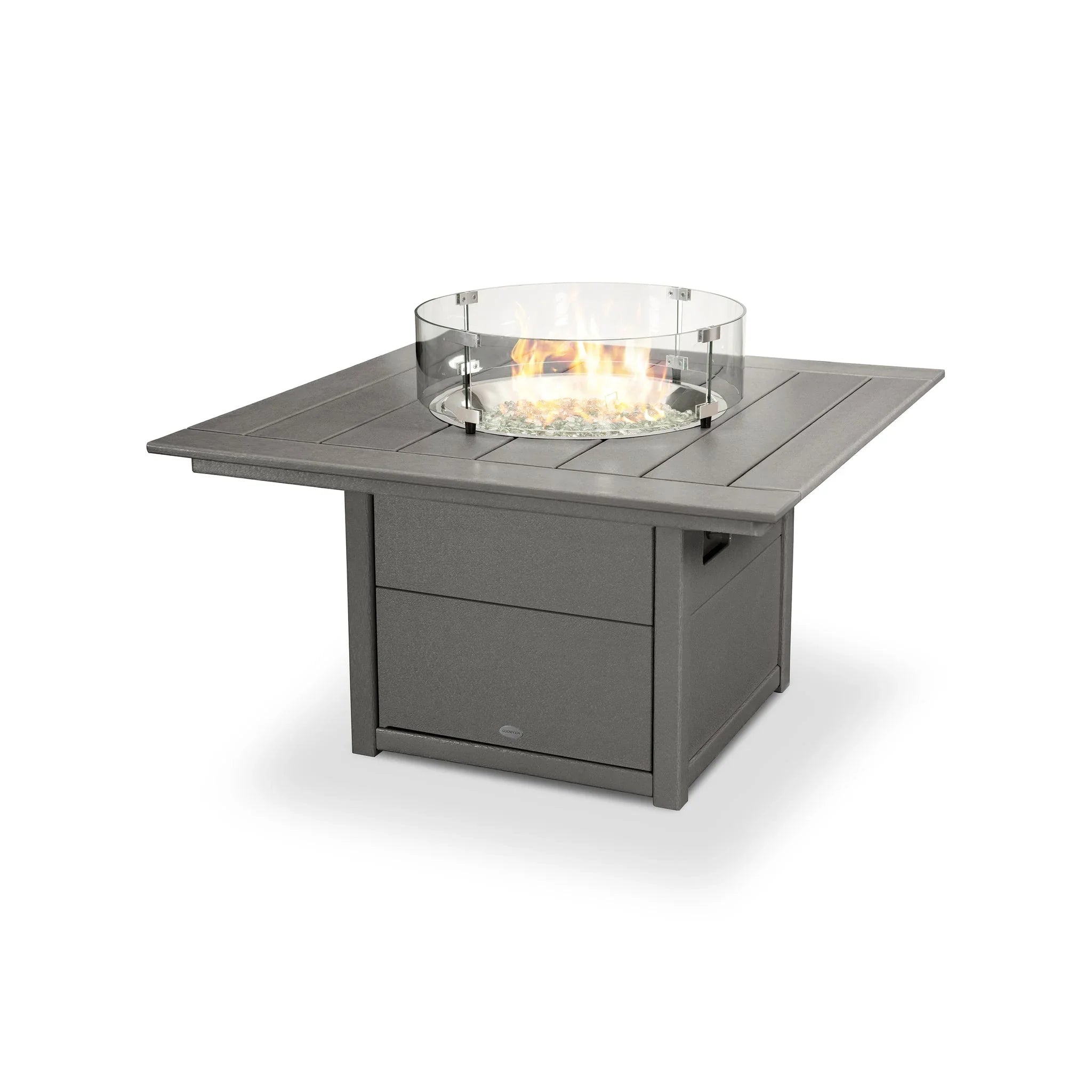
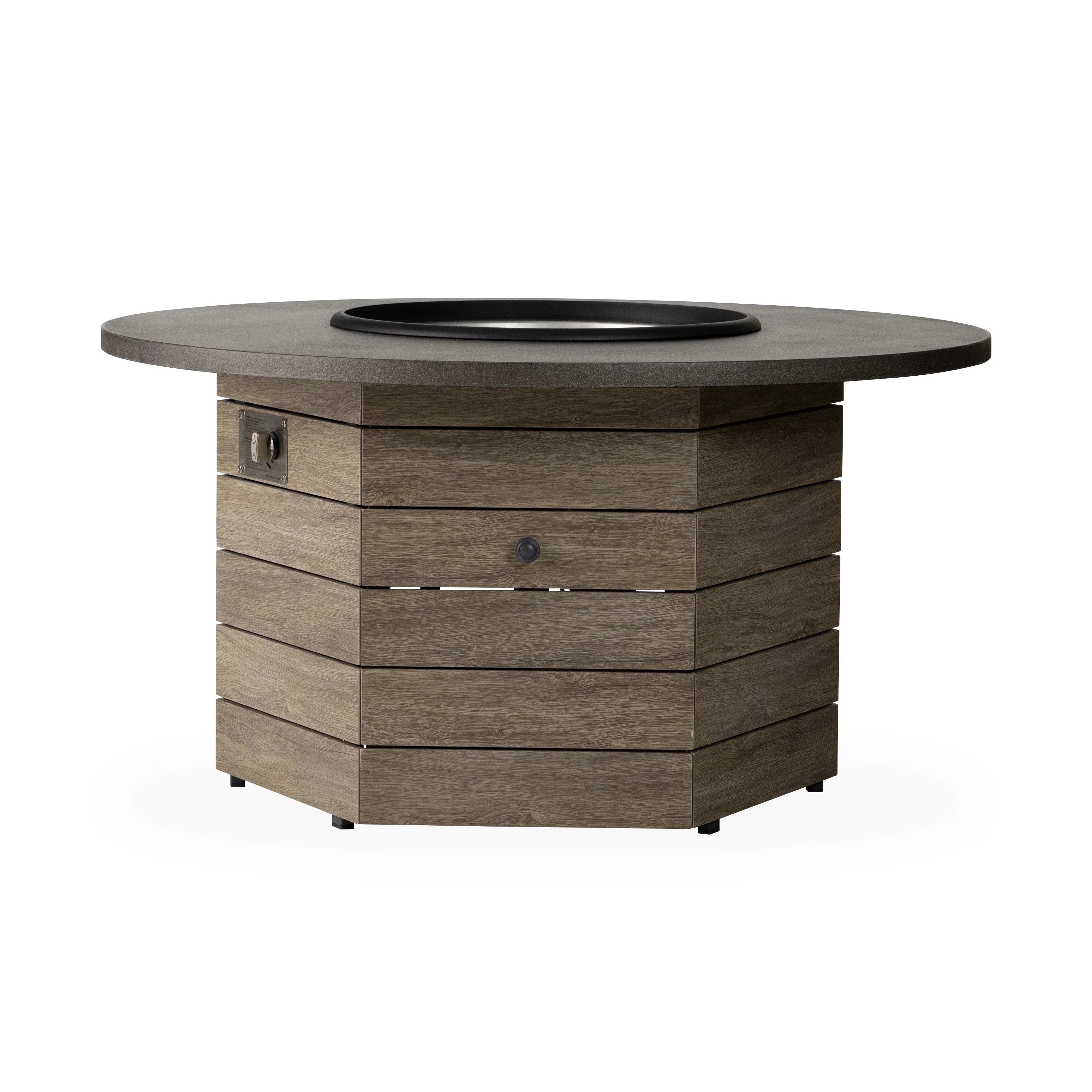
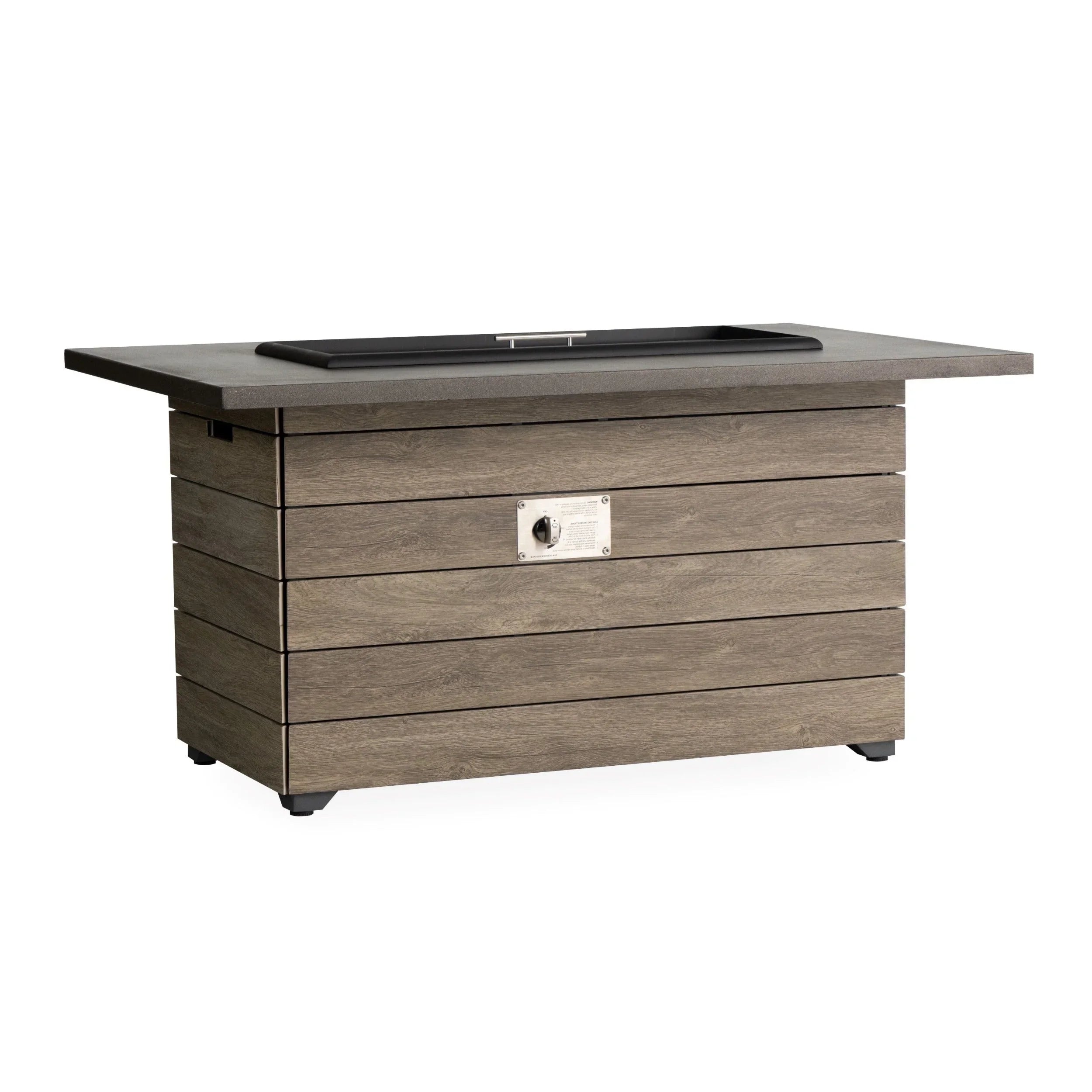
Commercial Fire Pits and Fire Tables Built for Nightly Service
A fire feature does something no umbrella or heat lamp can replicate: it turns a table into a destination. Guests request it by name, linger longer, and order another round. The commercial outdoor furniture at Patio Productions includes fire pits and fire tables engineered for environments where the ignition cycles six nights a week, not six weekends a year, and where that distinction determines whether equipment holds up for three seasons or three years.
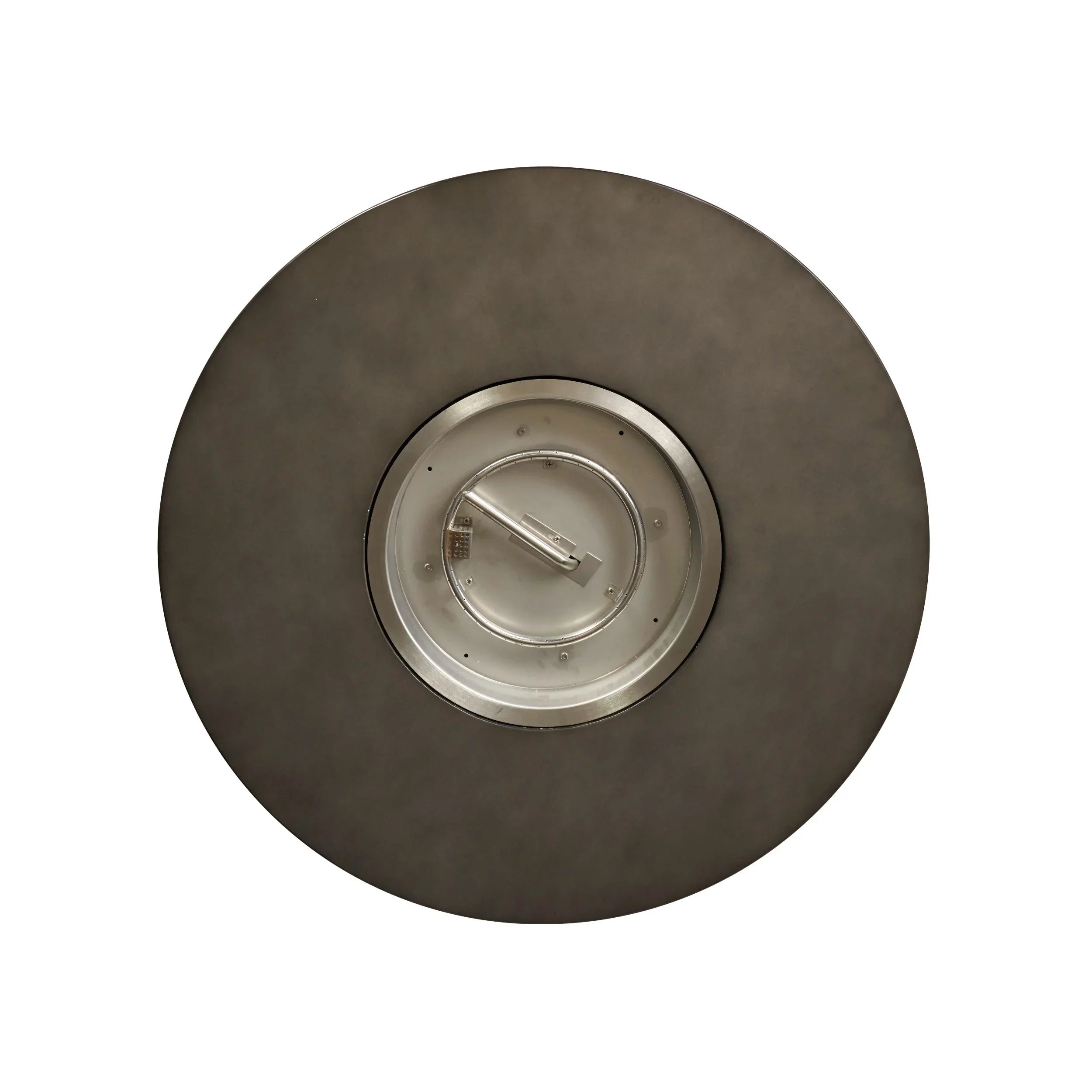
The gap between residential and commercial fire features shows up in three places: the ignition system, the burner assembly, and the frame or bowl materials. Commercial ignition components are rated for repeated daily cycling without the degradation that accumulates in residential-grade piezo systems over time. In the burner assembly, consistent BTU output across hundreds of consecutive service hours is the baseline specification, not a premium feature. Frames and bowls, whether powder-coated steel, cast aluminum, or concrete composite, are specified to handle thermal expansion and contraction through full seasons of operation without warping, cracking, or compromising finish adhesion.
Gas and Propane: Choosing the Right Fuel Configuration
Natural gas and liquid propane each make sense under different site conditions, and the right answer almost always comes down to what is already on the property. Natural gas eliminates tank management entirely, which matters significantly on a rooftop bar or hotel pool deck where staff interruptions to swap cylinders create service friction and fire code complications. If the installation has an existing gas line within reasonable run distance, natural gas is almost always the preferred specification.
Liquid propane offers installation flexibility that natural gas cannot match. When running a gas line is structurally complicated, cost-prohibitive, or not approved by building management, a propane configuration delivers the same clean flame aesthetic with no compromise in visual impact. Modern commercial propane burners achieve consistent output across the full BTU range. Many operators also keep propane configurations available as a secondary setup for seasonal programming or event spaces that move around the property.
Shape and Placement: How Fire Features Work in a Layout
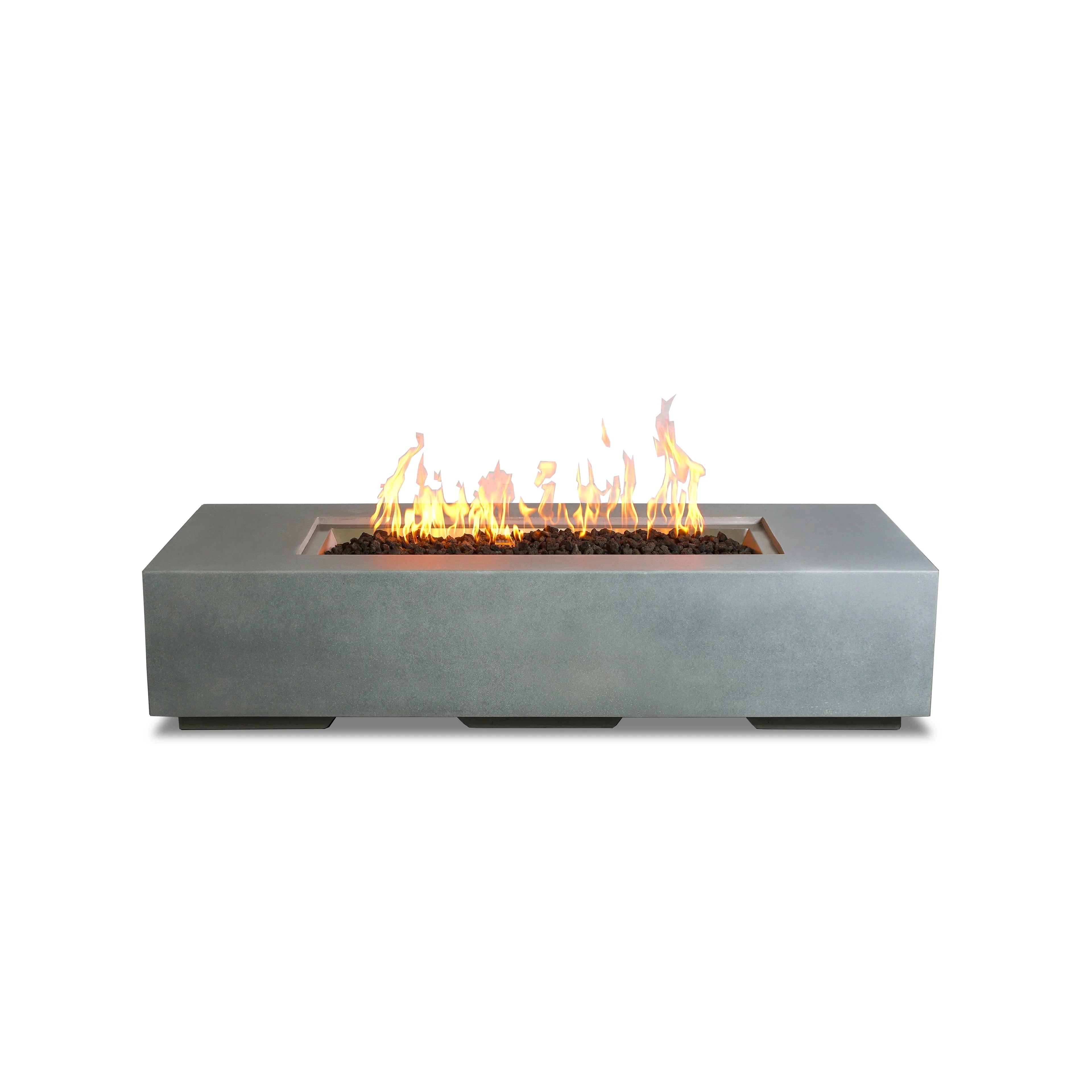
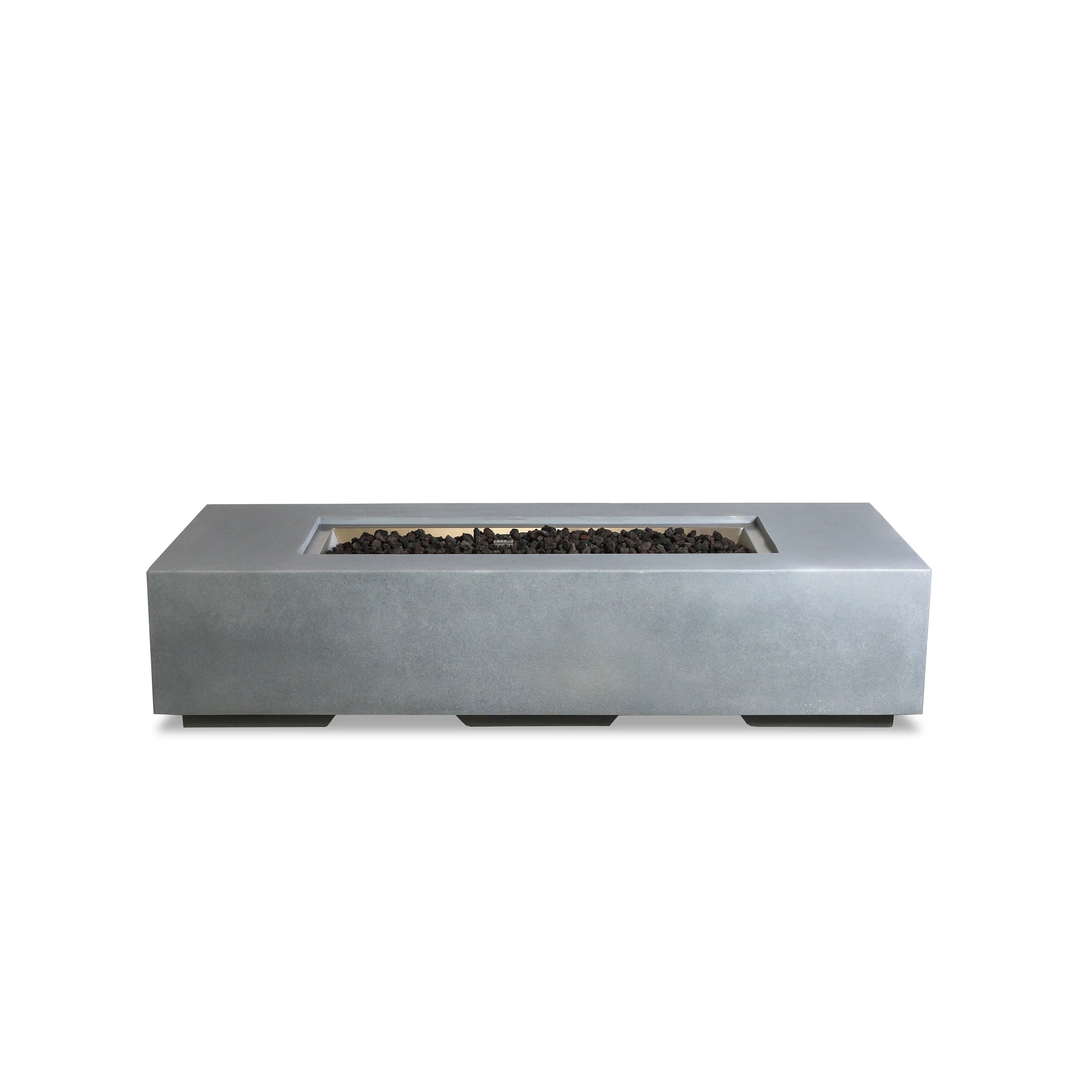
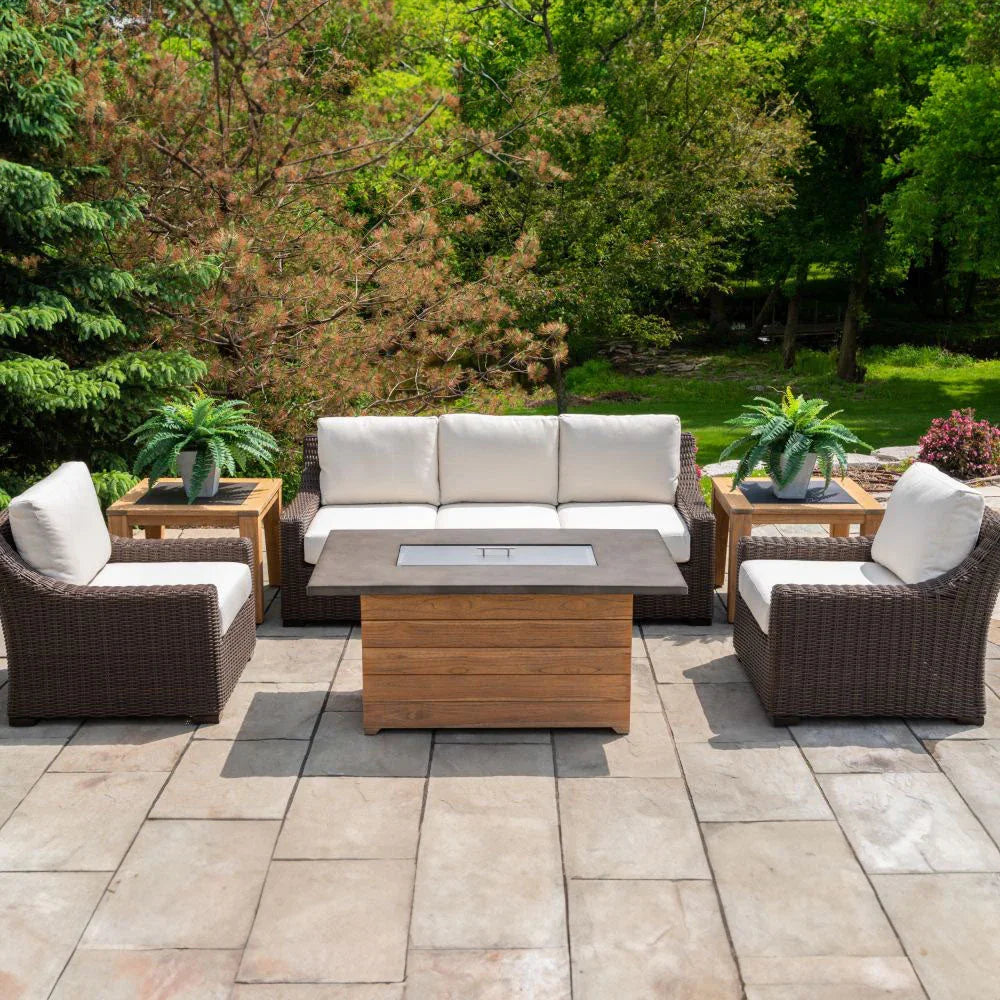
Rectangular and Square Fire Tables
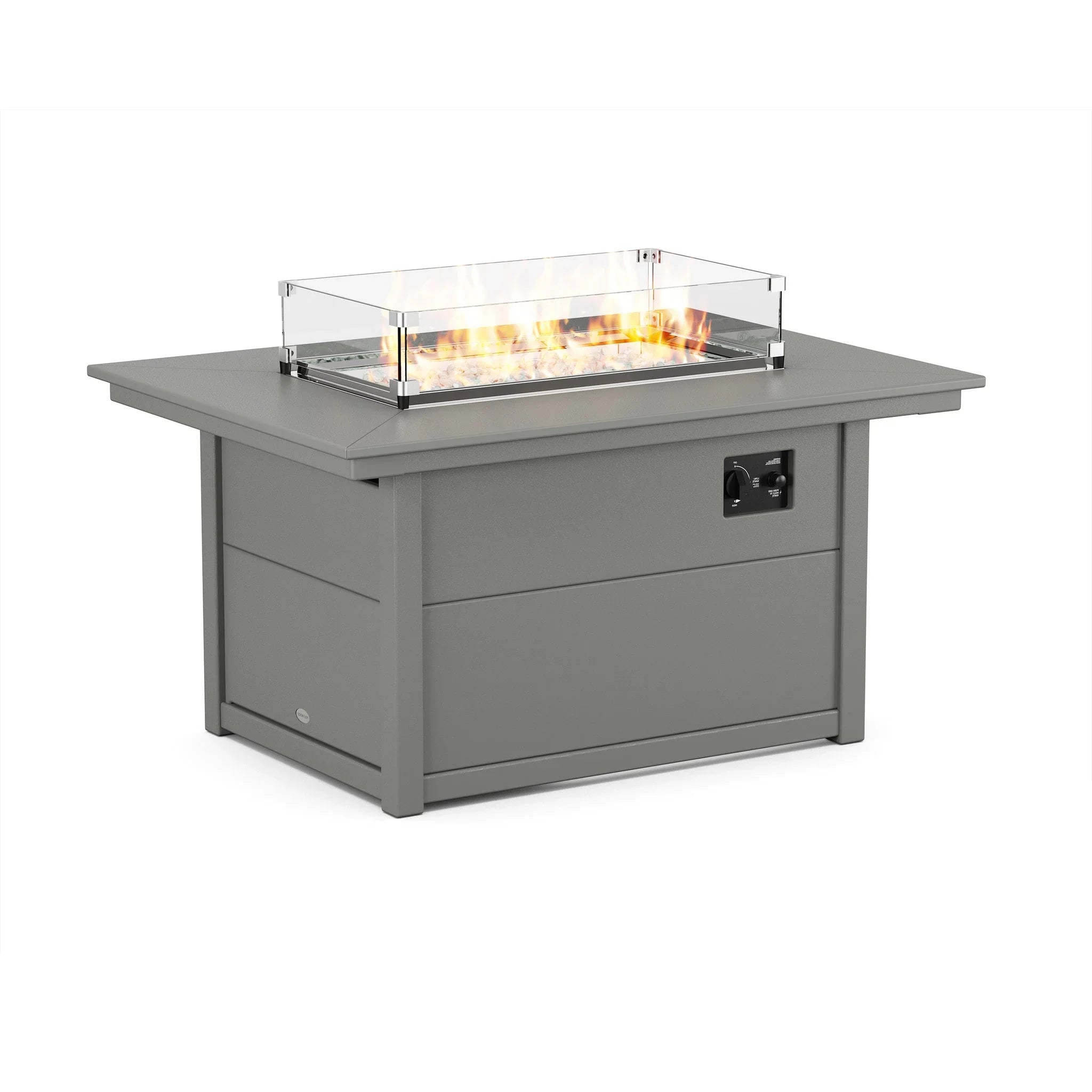
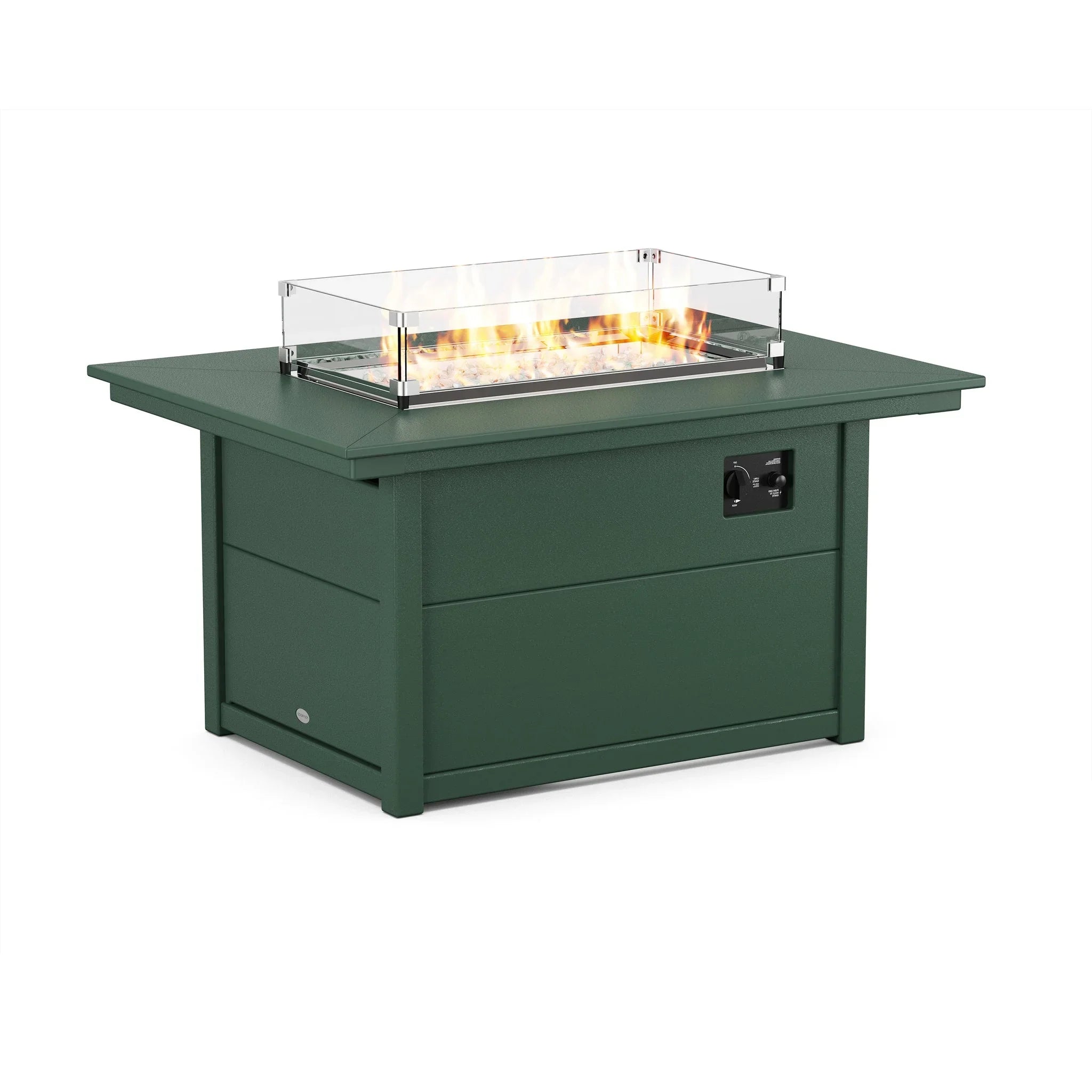
Rectangular fire tables integrate with commercial lounge layouts in a way round bowls cannot. The linear geometry aligns with the axes of sectional seating, maintains clear service paths on either end, and fits naturally into the floor plan language of most commercial patios. Several collections pair coordinated commercial patio sectionals directly with matching fire tables, which means the finish tones, frame profiles, and proportions are specified as a unified system rather than assembled from mismatched sources. Guests notice when a patio was designed, and matched collections read that way from across the room.
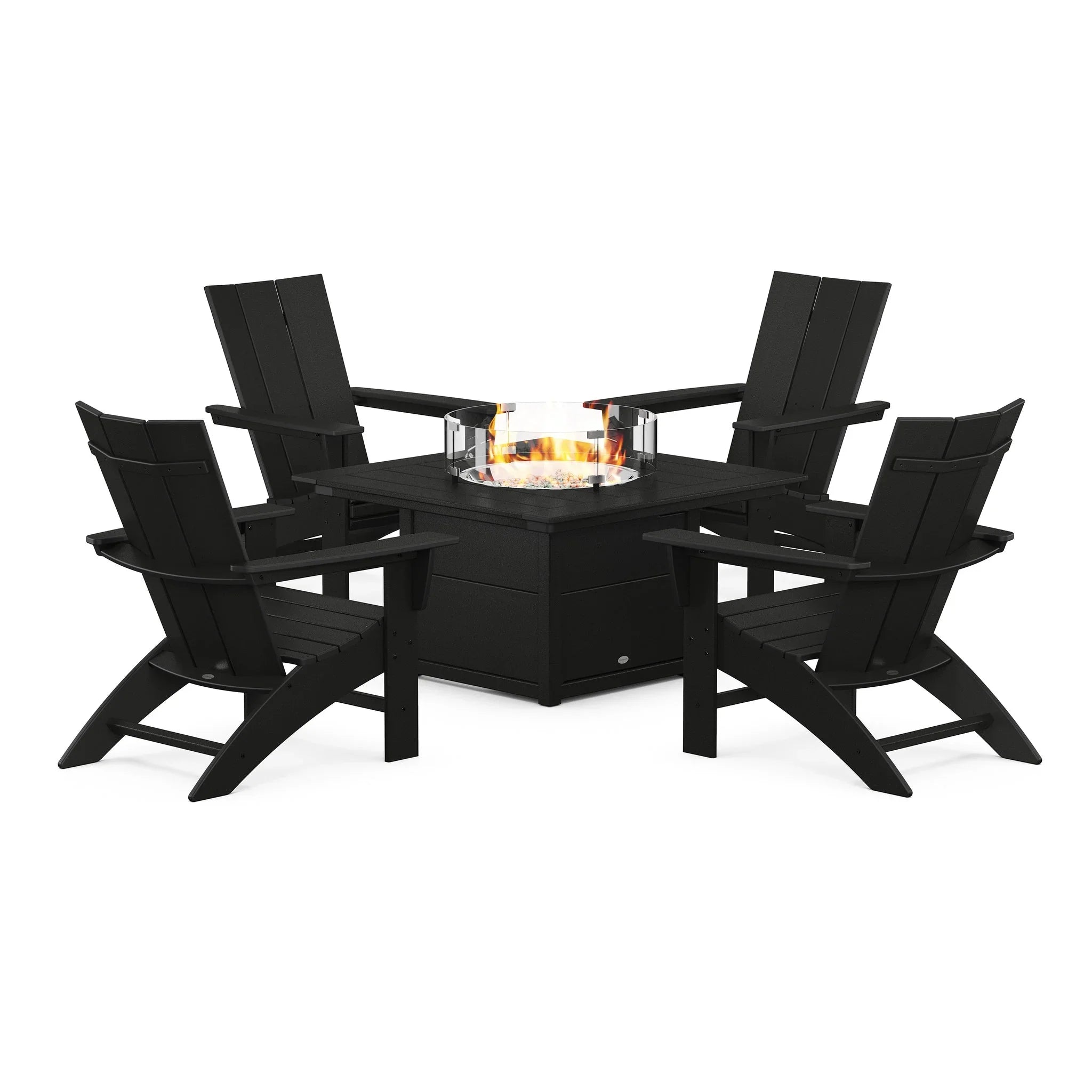
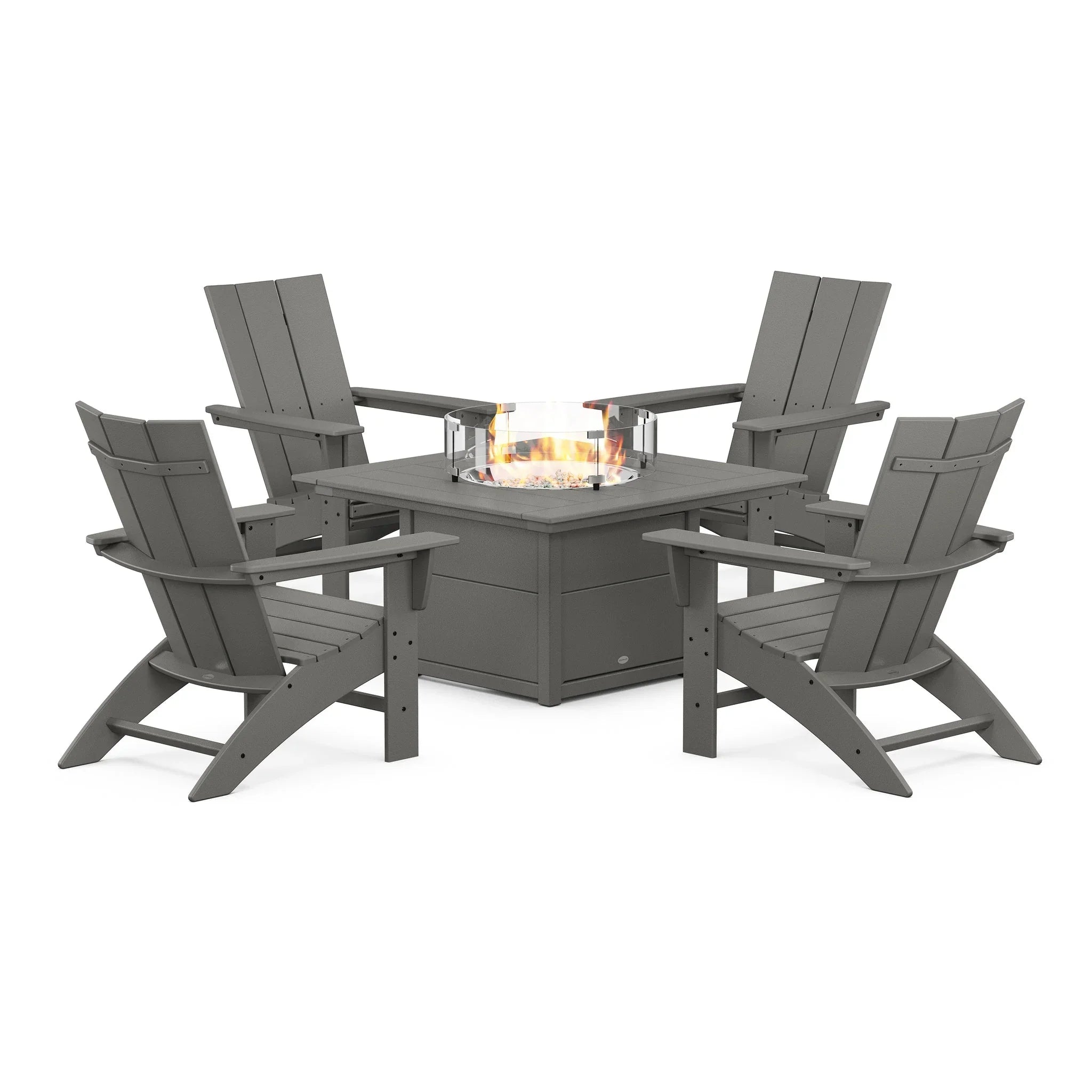
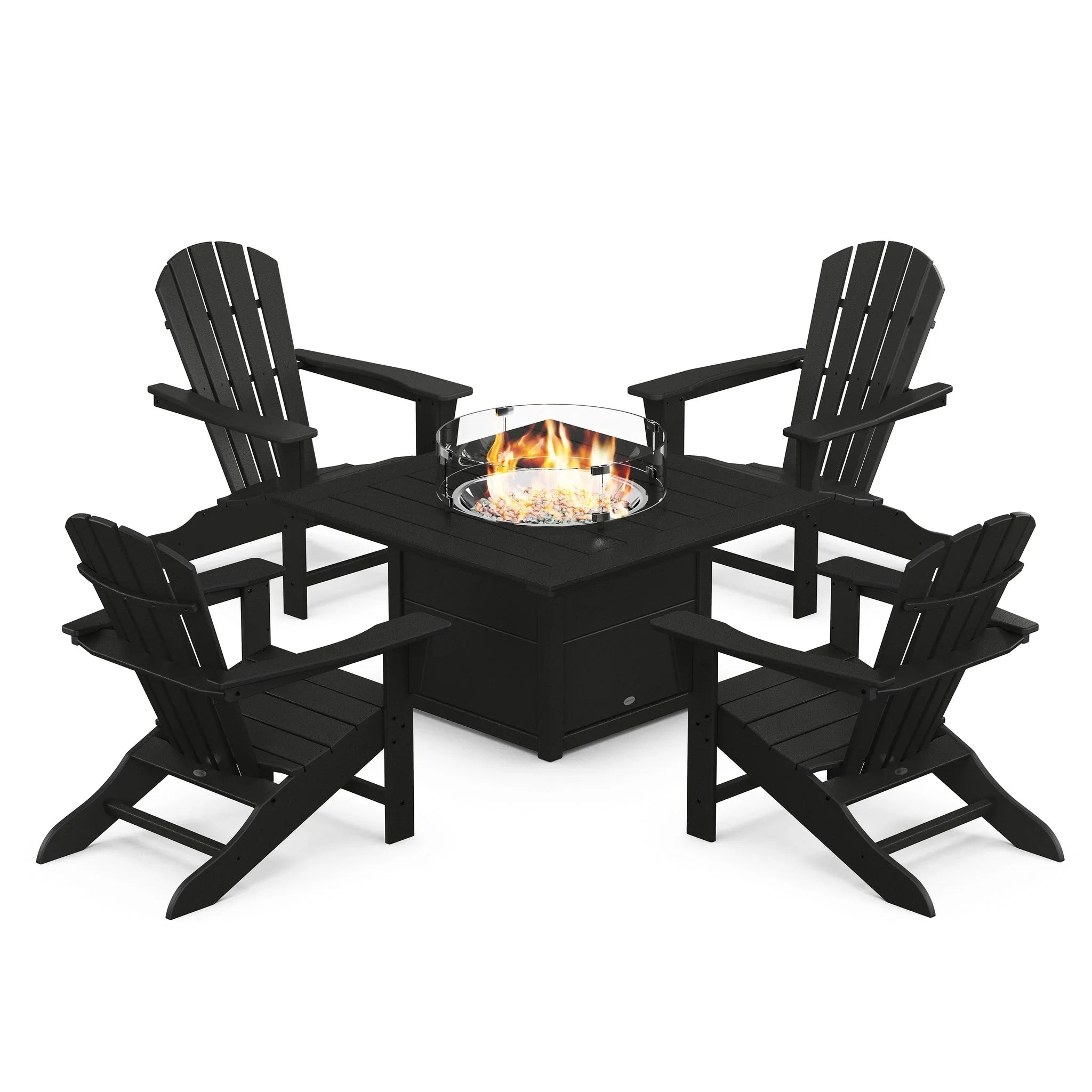
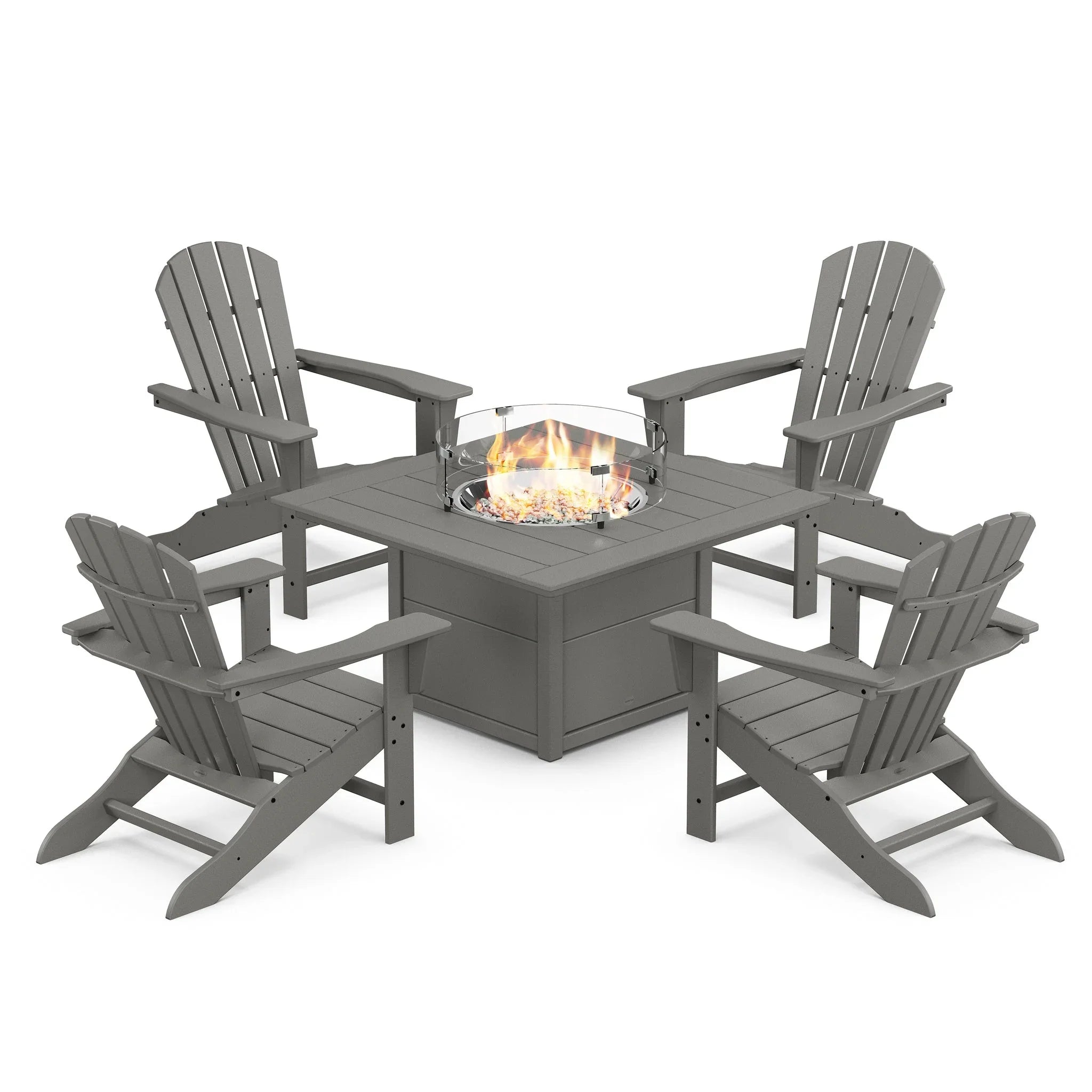
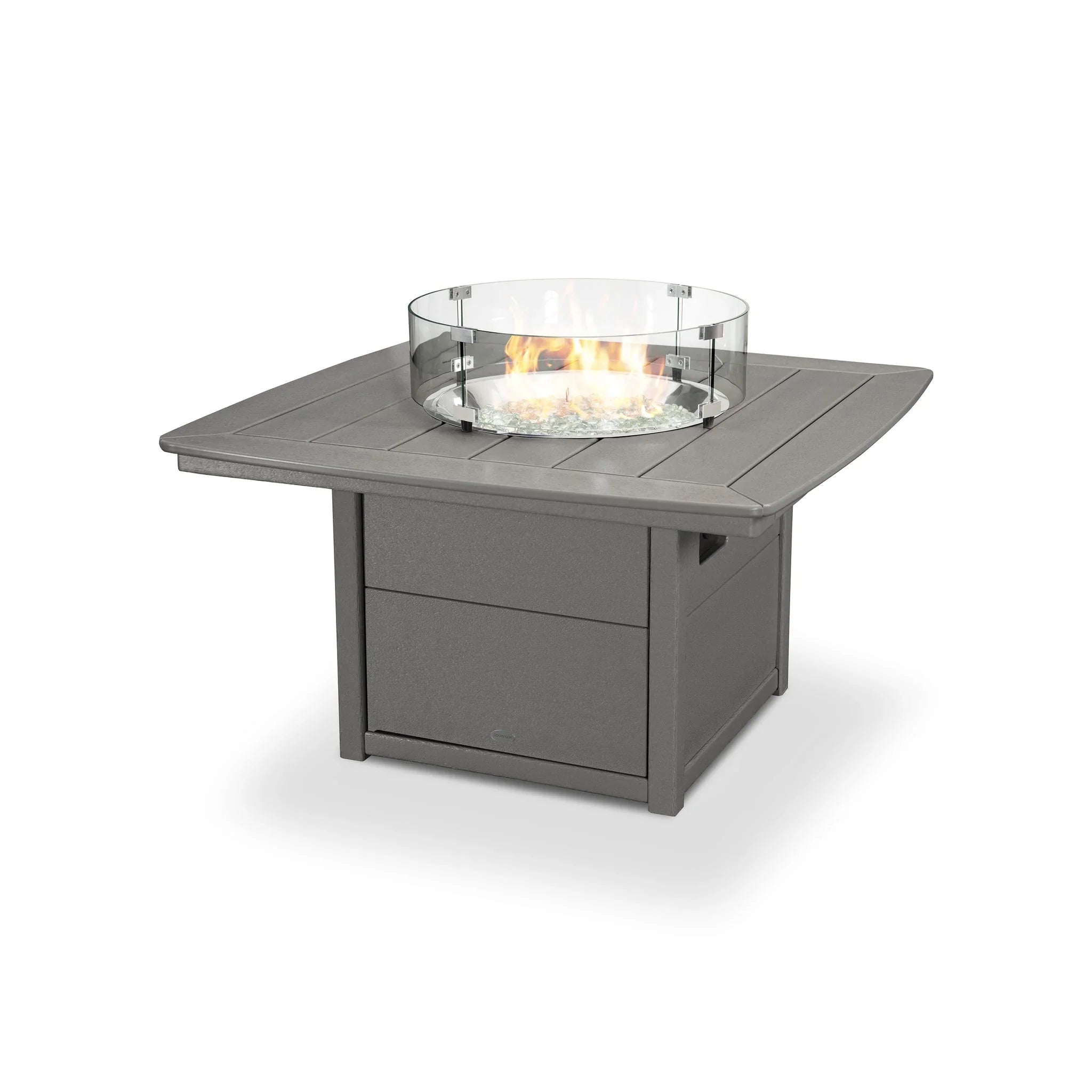
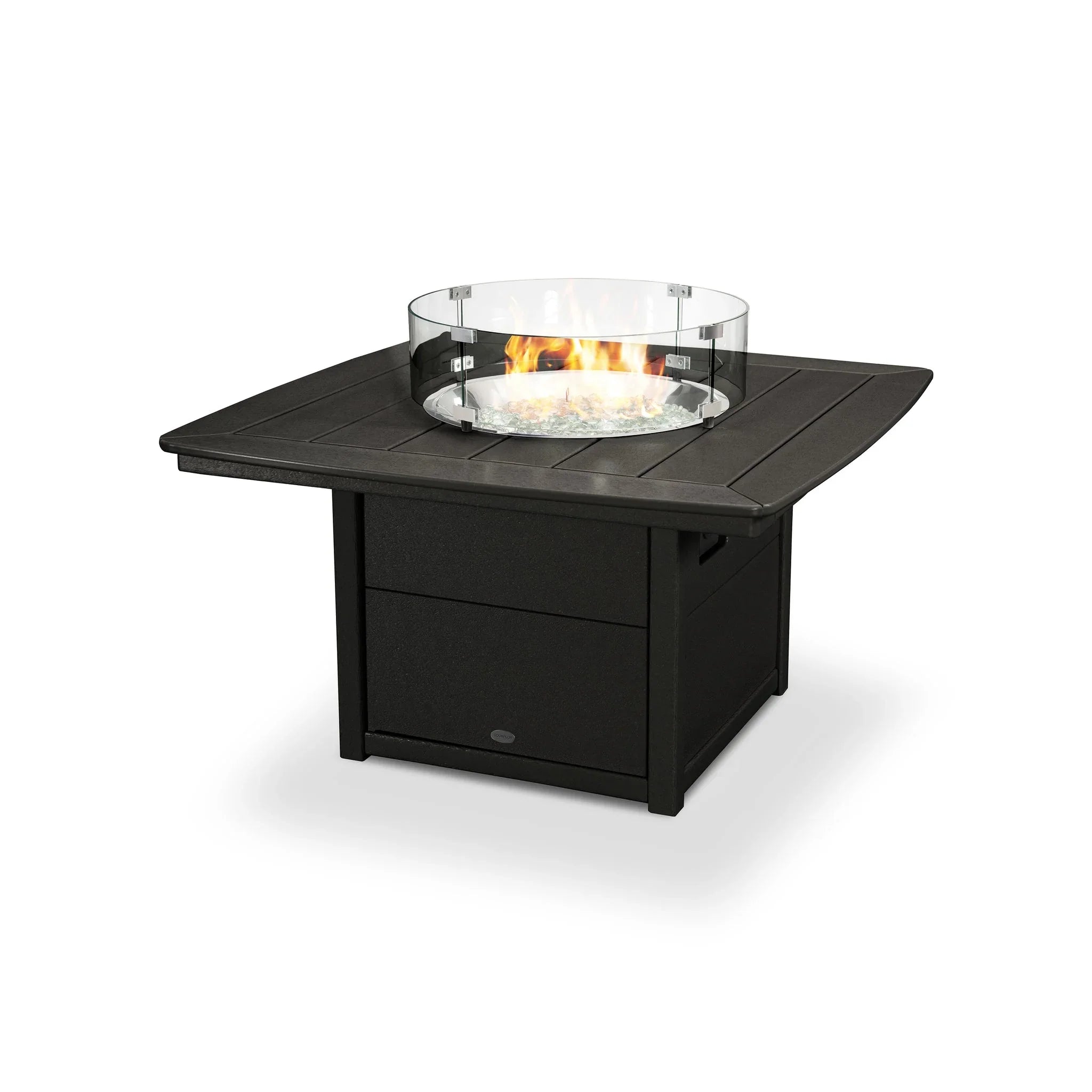
Square fire tables work especially well in symmetrical configurations: four lounge chairs arranged around a centered table, or as the anchor of a banquette-style arrangement. Their contained footprint makes them efficient for tight terrace layouts where a rectangular table would feel imposing against the surrounding architecture.
Round Fire Bowls and Standalone Focal Points
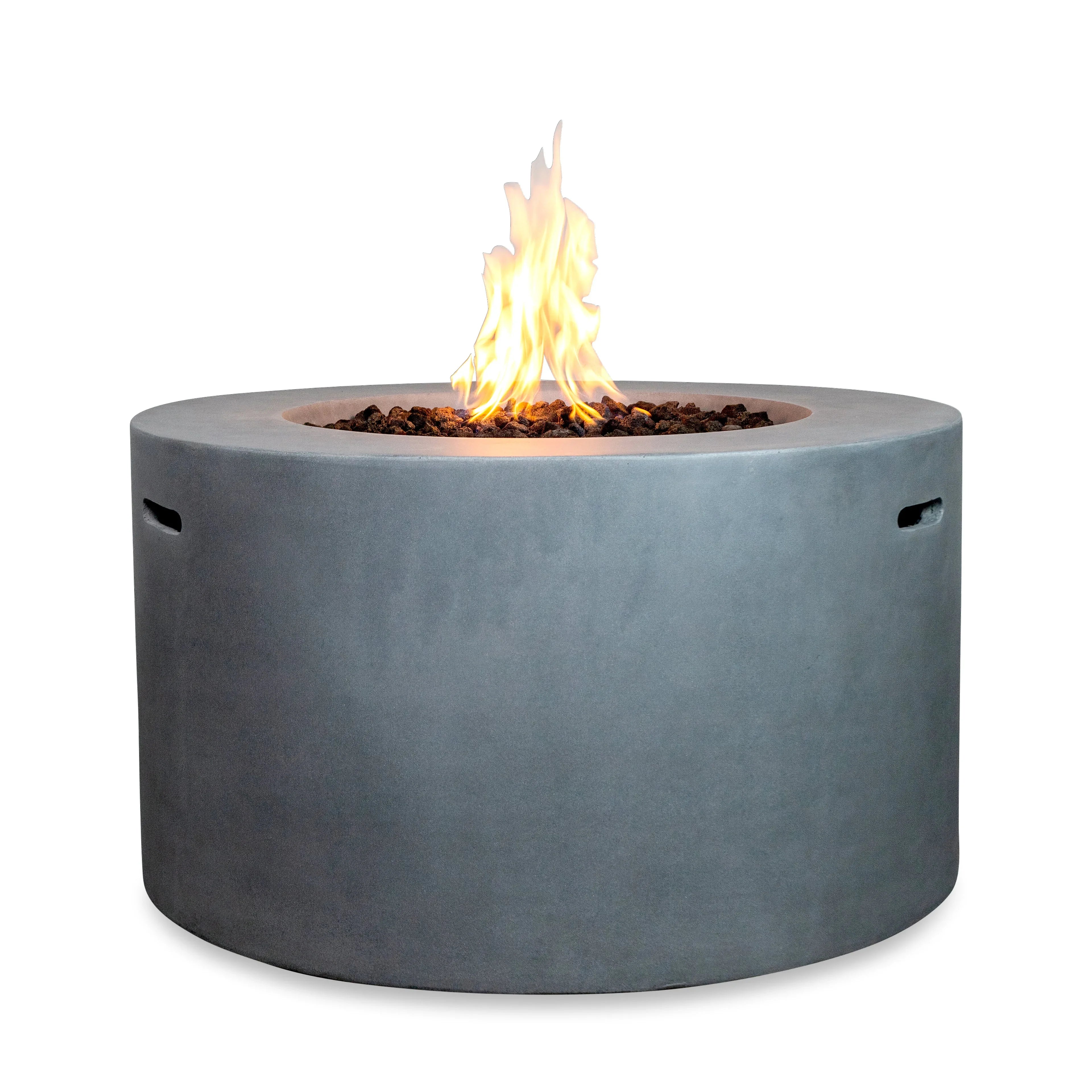
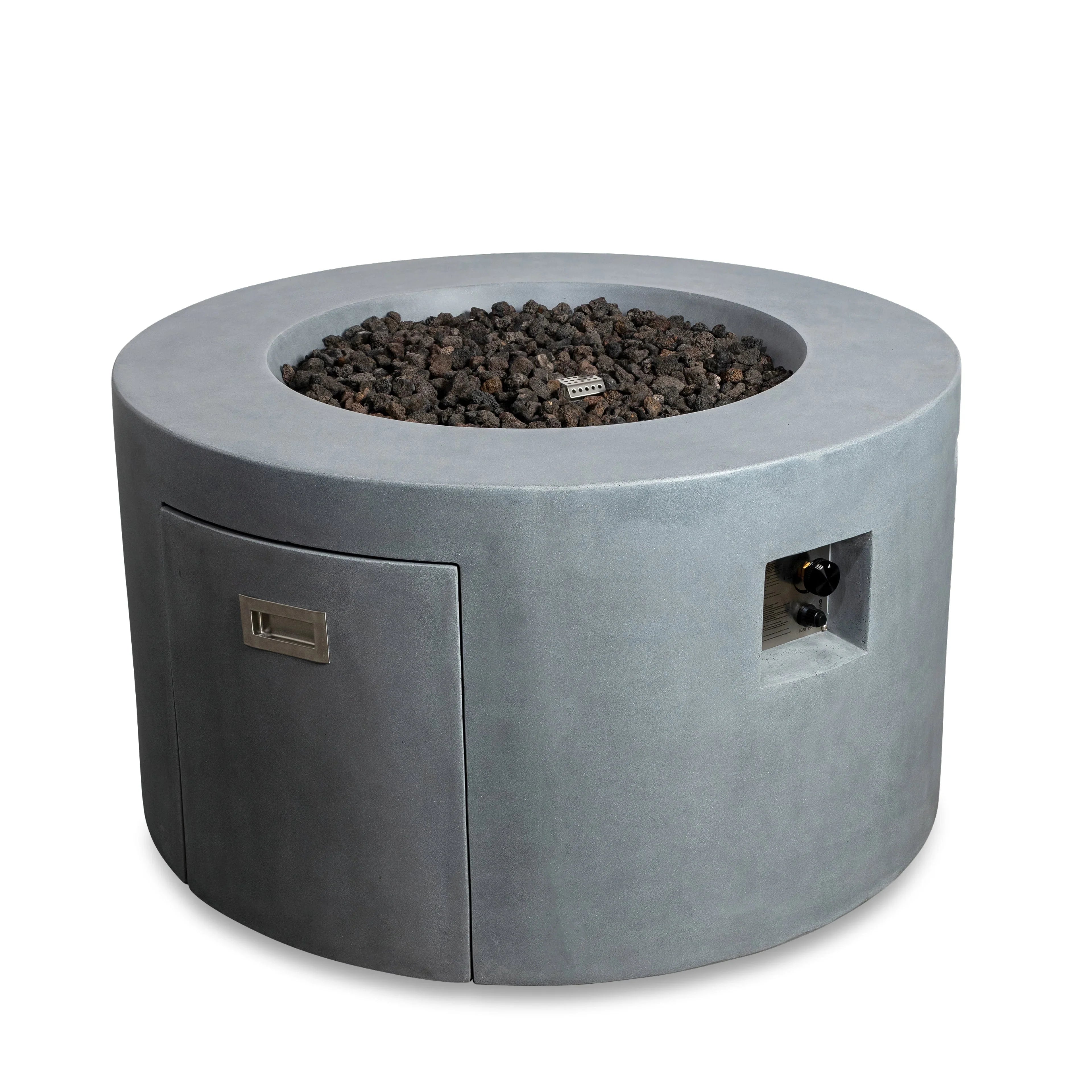
Round fire bowls function differently in a space. They are destination pieces rather than layout anchors, and their placement logic follows its own set of rules. A gorgeous cast aluminum bowl positioned at the end of a terrace or along a garden perimeter draws guests toward it without dictating how they arrange themselves around it. The informal geometry encourages pull-up seating, standing conversation, and the kind of spontaneous gathering that extends service naturally. Round bowls also photograph strikingly well, which has real marketing value when a hospitality brand's social presence and Google photo reviews drive cover counts.
Materials: What Each Means for Commercial Operation
Specifying the right bowl or table material requires understanding how each performs under commercial heat load and outdoor exposure over multiple seasons:
- Powder-coated steel: Dense thermal mass, excellent structural rigidity, and longevity measured in decades when the coating is a high-temperature formulation rated for direct heat proximity. Heavier to move than aluminum, which can be an advantage in high-wind coastal locations.
- Cast aluminum: Lighter than steel, fully corrosion-resistant without additional treatment, and capable of capturing fine detail in the casting process. Commercial aluminum fire pieces carry a 15-year frame warranty and ship free to any address in the USA.
- Concrete composite: The poured surface takes compound forms that cast or fabricated metal processes cannot achieve, and weathers to a natural patina that improves visually over time. Best suited for covered or semi-covered installations where freeze-thaw cycles are not a seasonal concern.
- Glass fiber reinforced concrete (GFRC): Captures the same sophisticated surface aesthetic as standard concrete at a fraction of the weight, making it the practical specification for rooftop installations where structural load limits apply.
The Revenue Case for Outdoor Fire Features
In coastal and mild-climate markets, shoulder months represent the most recoverable lost revenue on an outdoor patio program. A terrace in San Diego or Miami that goes cold in October and March is leaving high-margin outdoor covers behind. Fire features change that equation directly. Guests who would request an indoor table on a 58-degree evening will take the fire table outside without hesitation.
Hotel Fire Pits: Pool Decks, Terraces, and Rooftop Bars
Hotel operators are among the strongest buyers in this category, and the reasoning is operational as much as aesthetic. A resort pool deck that goes dark in October represents lost food and beverage revenue on infrastructure that's already staffed and maintained. Hotel fire pits positioned on the pool terrace or garden lounge turn those marginal-weather evenings into destinations. Guests who would have retreated inside will linger at a fire feature without being asked, which means longer stays, higher per-guest spend, and covers that wouldn't otherwise exist.
For hotel rooftop bars, fire pits in the $4,000–$8,000 range generate enough incremental cover revenue in a single shoulder season to justify the specification many times over. There's a secondary return as well: a lit rooftop fire feature becomes a signature image in OTA listings, social content, and Google photo reviews, each of which influences booking decisions in ways that are difficult to attribute but very easy to feel when they stop.
Restaurant Patio Fire Pits: Shoulder-Season Covers and Table Revenue
The math on restaurant fire pits is direct. A fire table in a high-demand outdoor section keeps guests at the table longer on cool evenings, the average check goes up, and the section stays productive later into the night. More concretely: a guest who would have requested an indoor table on a 55-degree evening takes the fire table outside without prompting. A fire table in the $3,000 to $6,000 range, running four nights a week through two shoulder months, pays back its installation cost within a single season for most operators in temperate markets. The ongoing operational cost is gas or propane. The more relevant question is usually how many and where, not whether.
Patio Productions has been specifying outdoor furniture for restaurants, hotels, and commercial accounts since 2007. Fire feature selection and placement is one of the more consequential decisions in a patio program, and our design team offers complimentary consultations for commercial projects of any scale, from a single rooftop addition to a full new-build pool deck specification. Browse the complete outdoor fire pits and fire tables range to compare configurations before reaching out. For hospitality groups, interior design firms, and procurement teams working on larger projects, the Patio Productions Trade Program provides dedicated account management, commercial pricing structures, and white glove delivery on larger orders. Reach out and we will put together a specification package built around your space.
Common Questions About Commercial Fire Pits


