
Filters




The Outdoor Kitchen: Where the Party Actually Happens
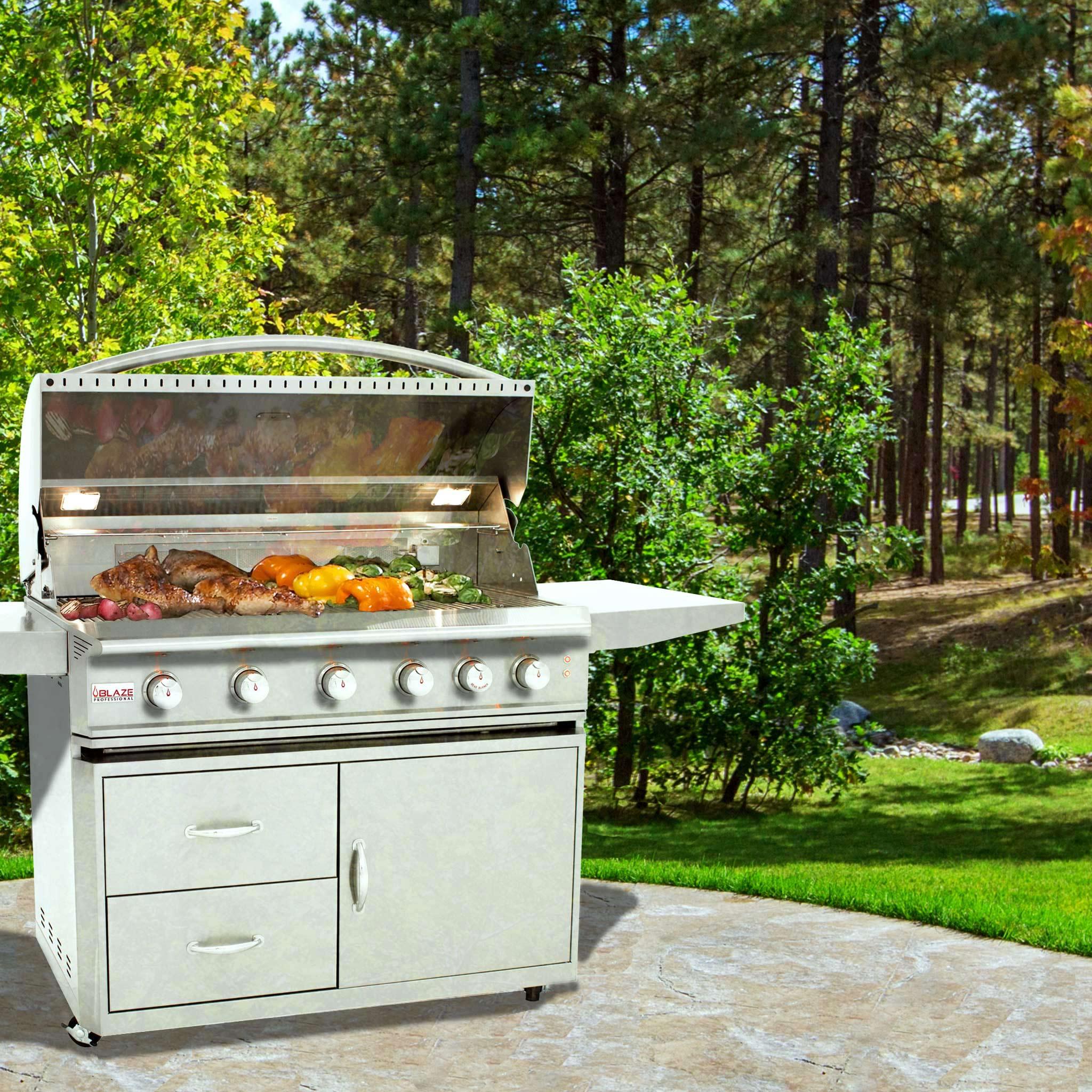
The grill used to be the whole story. Set it on the patio, wheel it out for summer, wheel it back in November — functional, fine, and not particularly inspiring. An outdoor kitchen changes that calculus entirely. Part of our broader kitchen and grills collection, these setups bring the full logic of an indoor kitchen outside: a dedicated cooking station, counter space to actually work, storage within reach, and a place for guests to gather that isn't the sliding door. The backyard becomes somewhere to be, not just a place to stand while the food cooks.
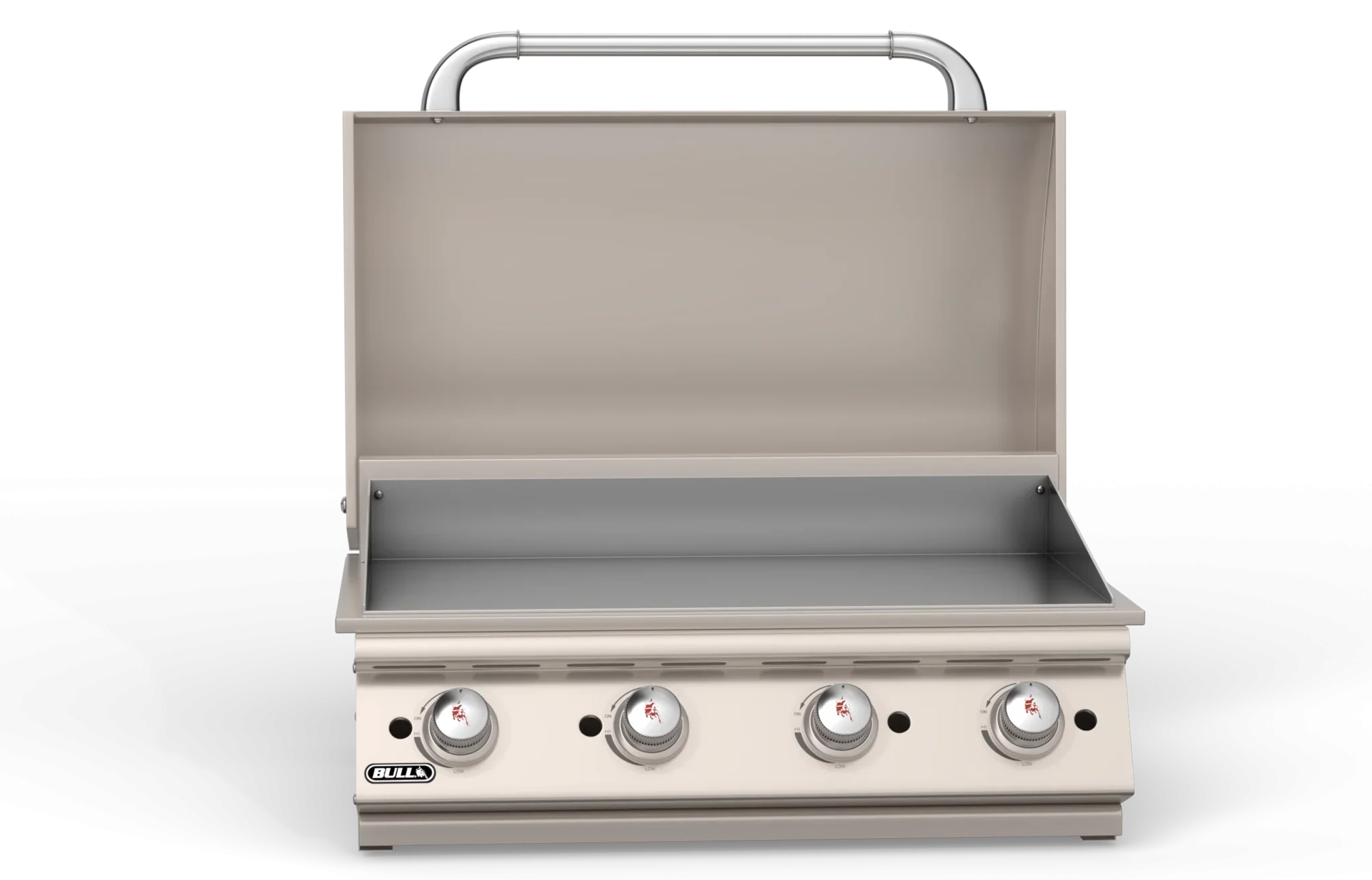
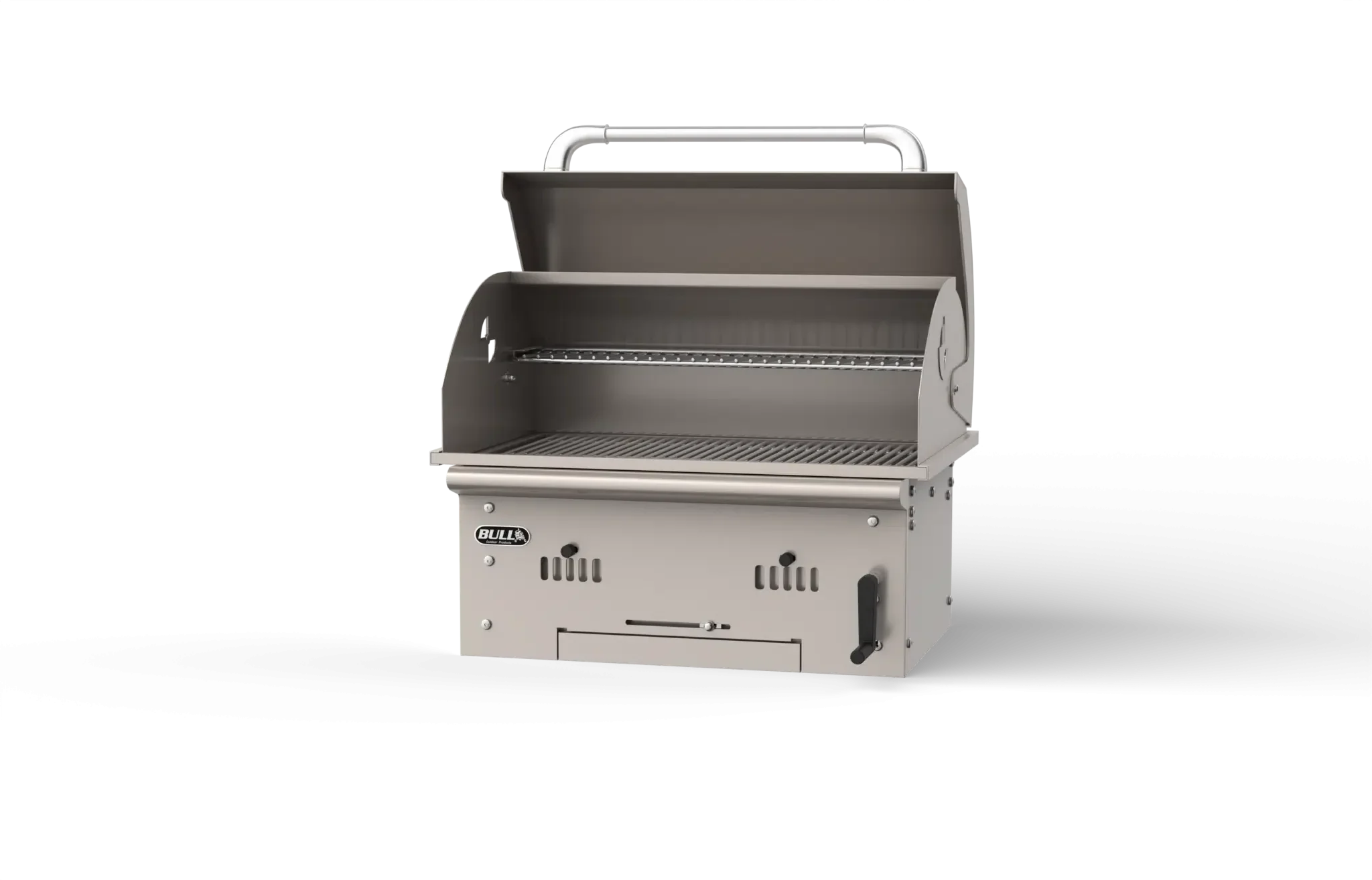
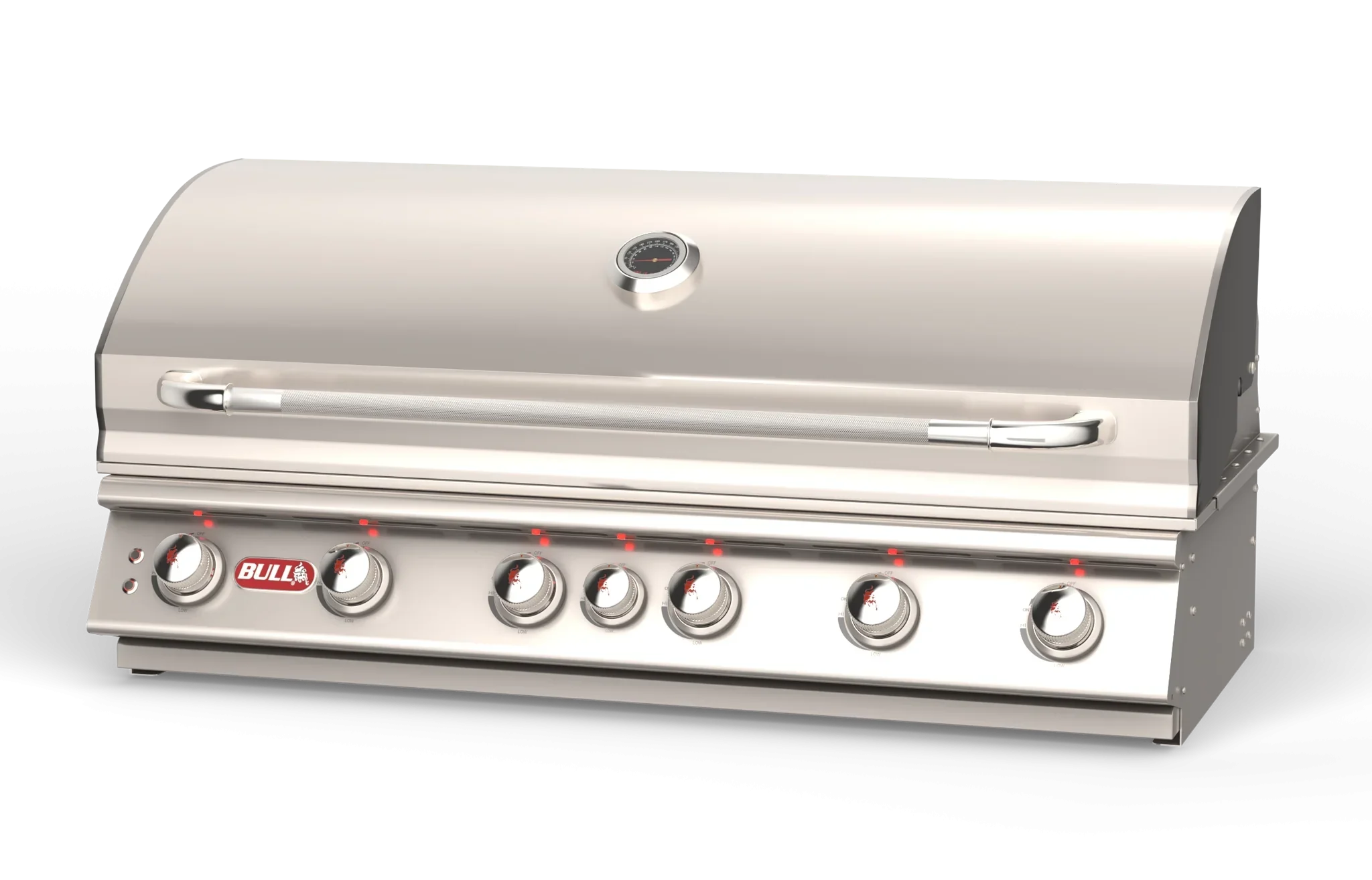
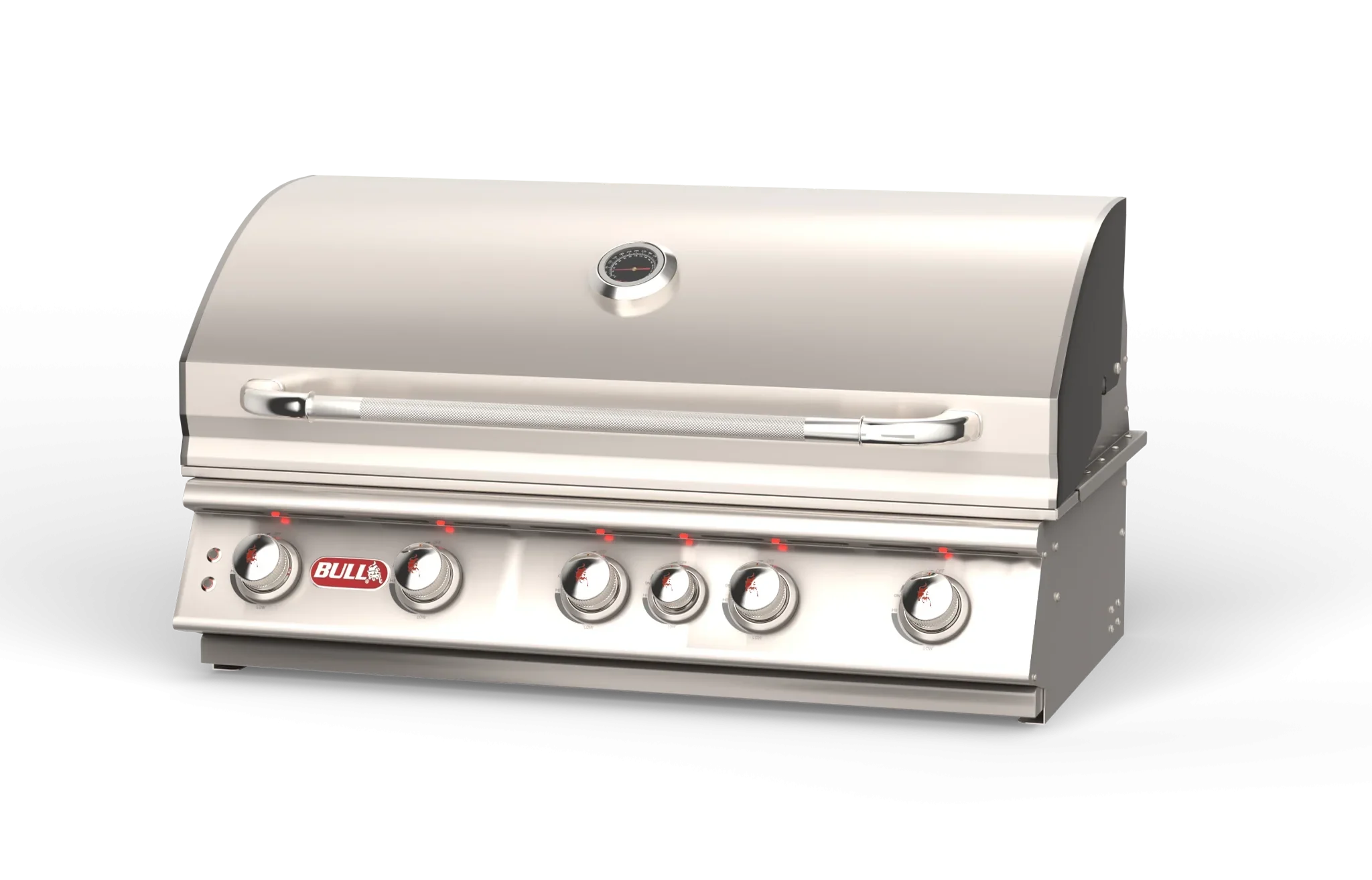
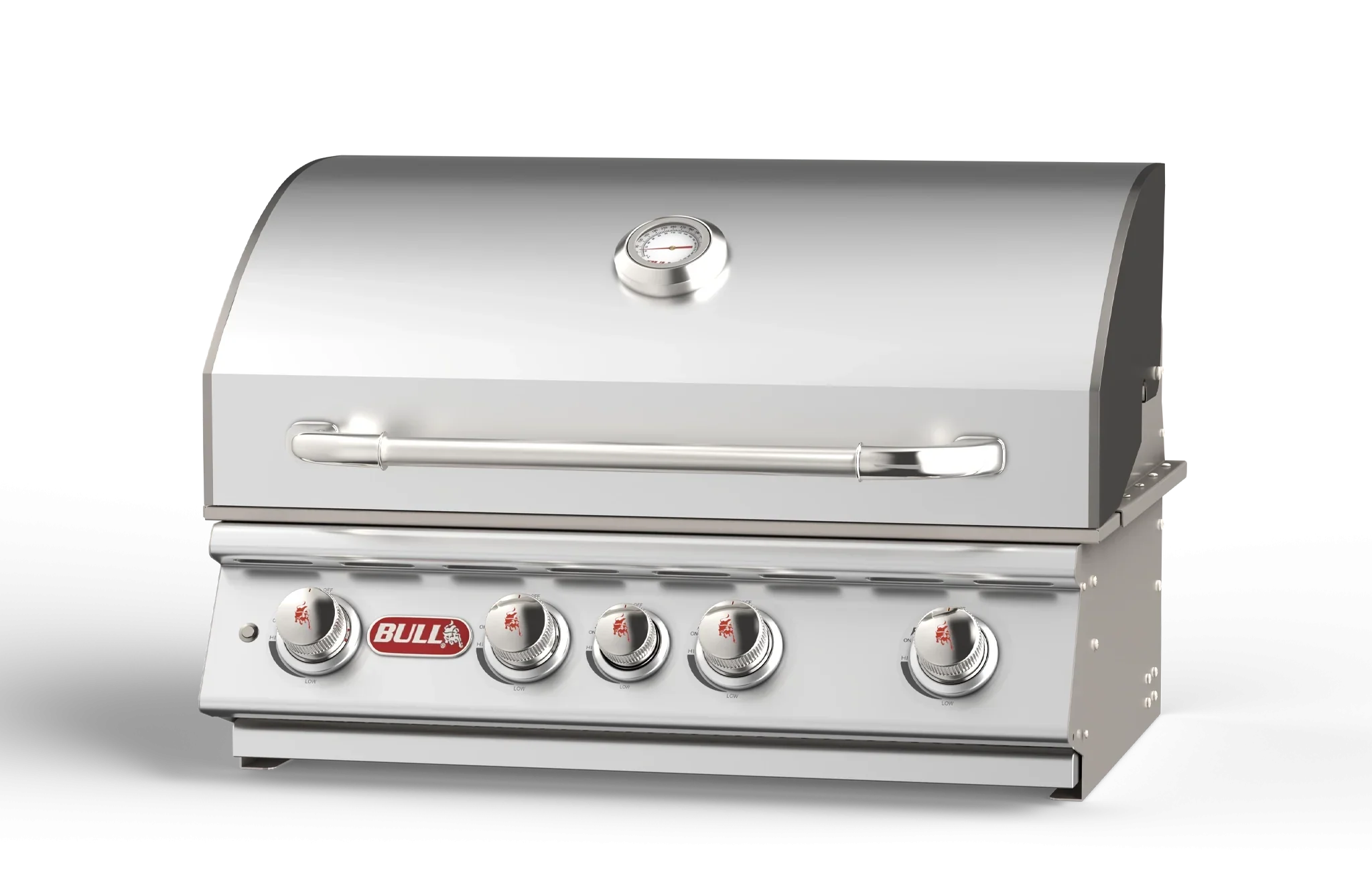
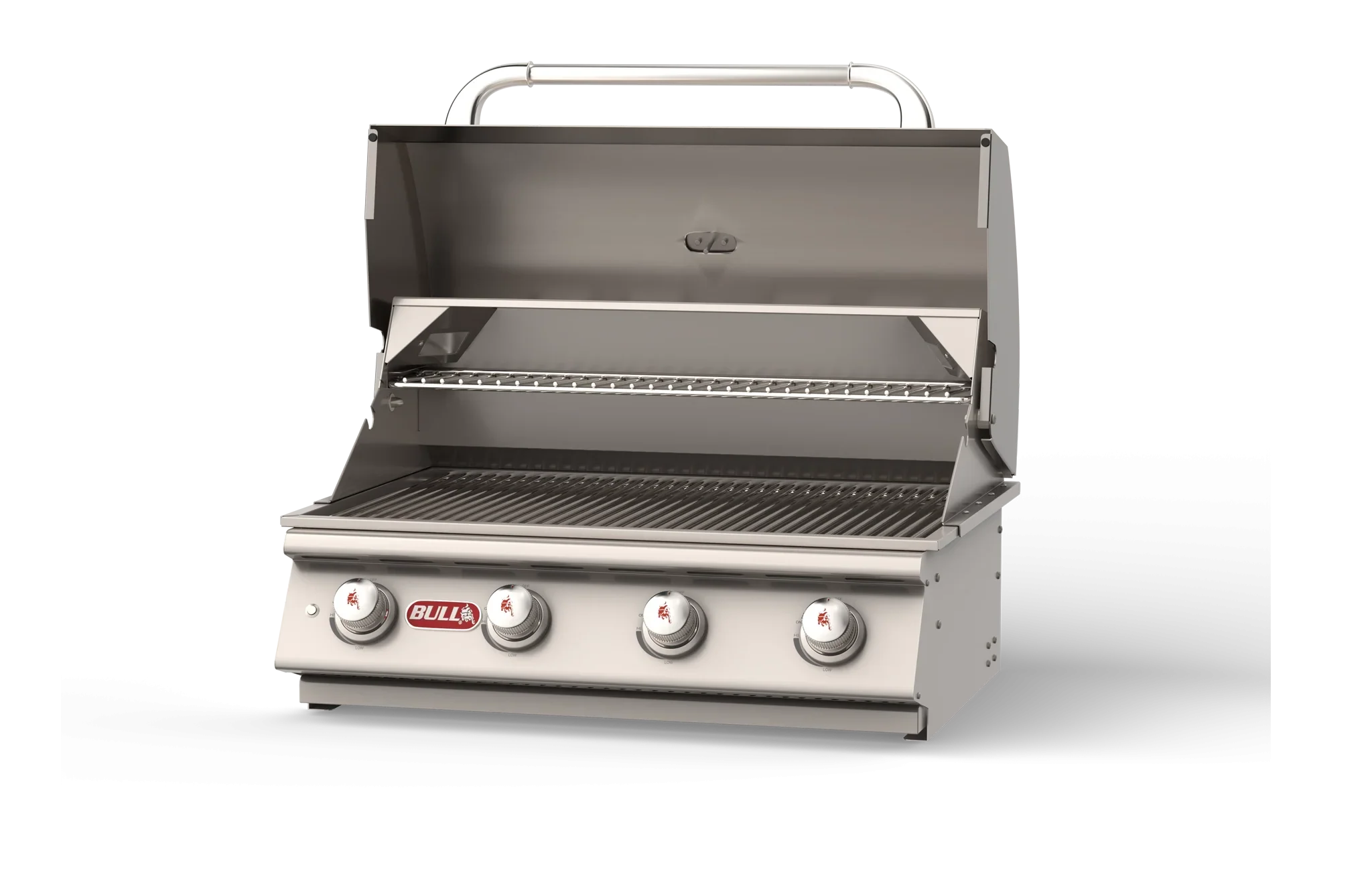
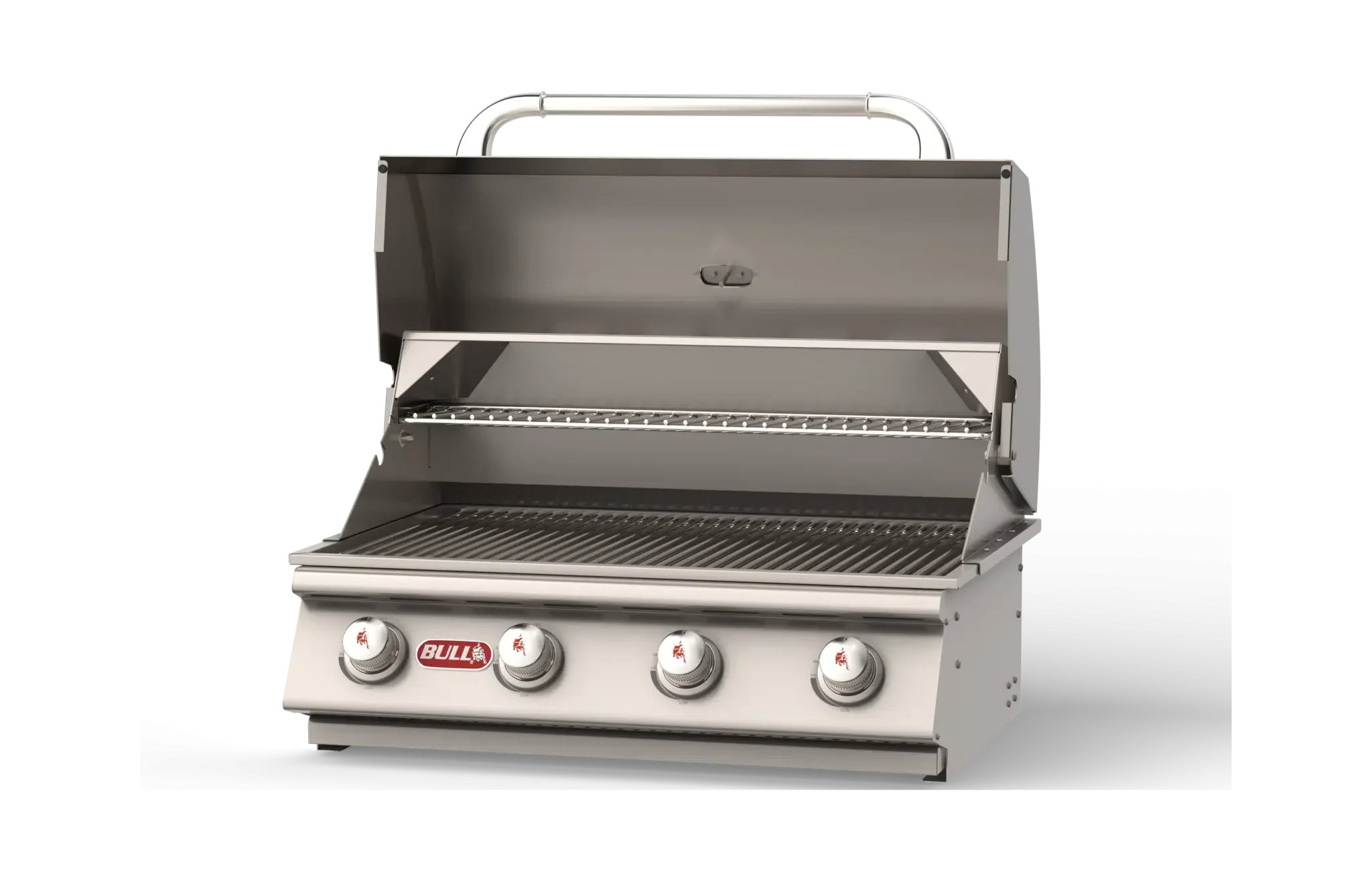
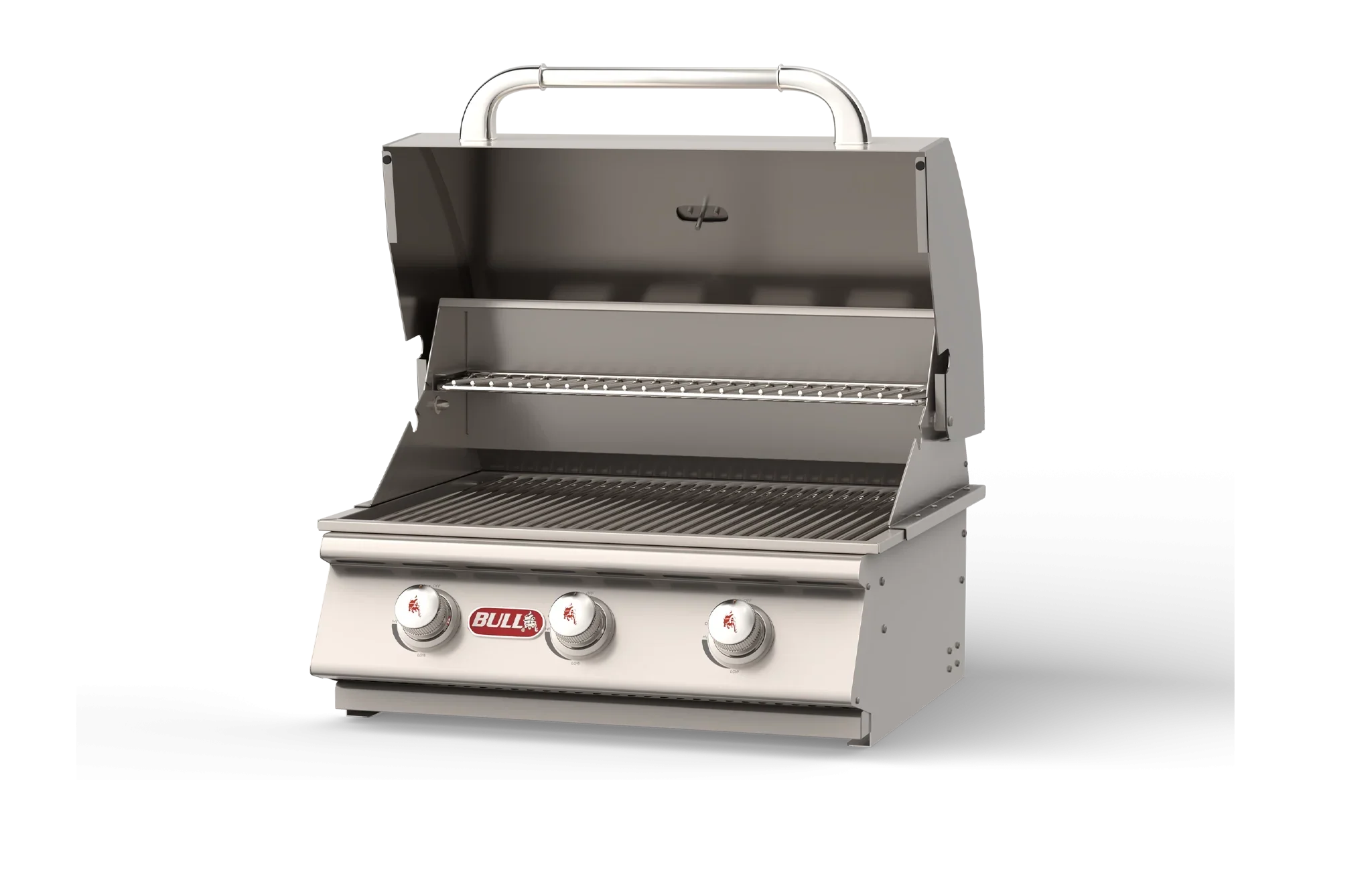
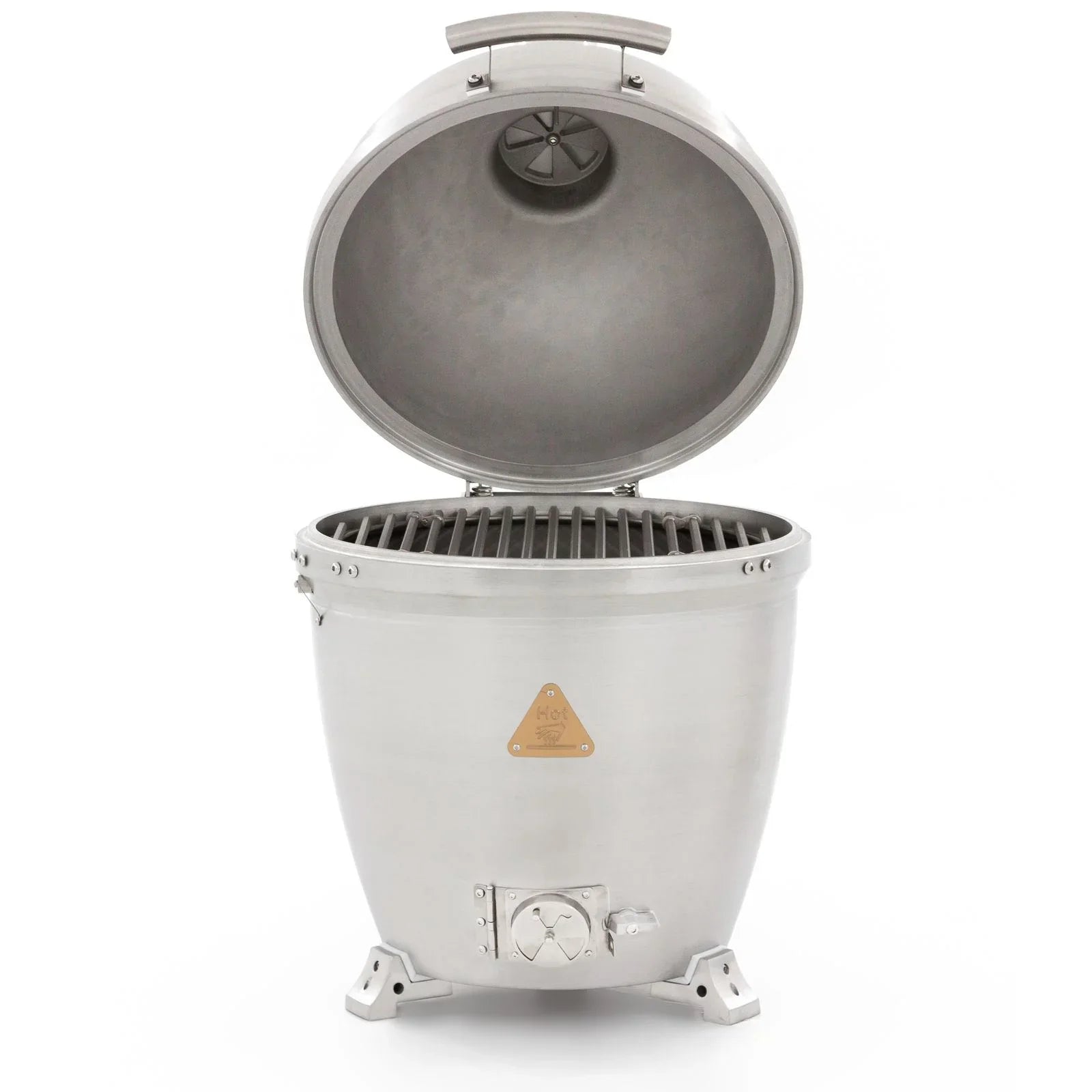
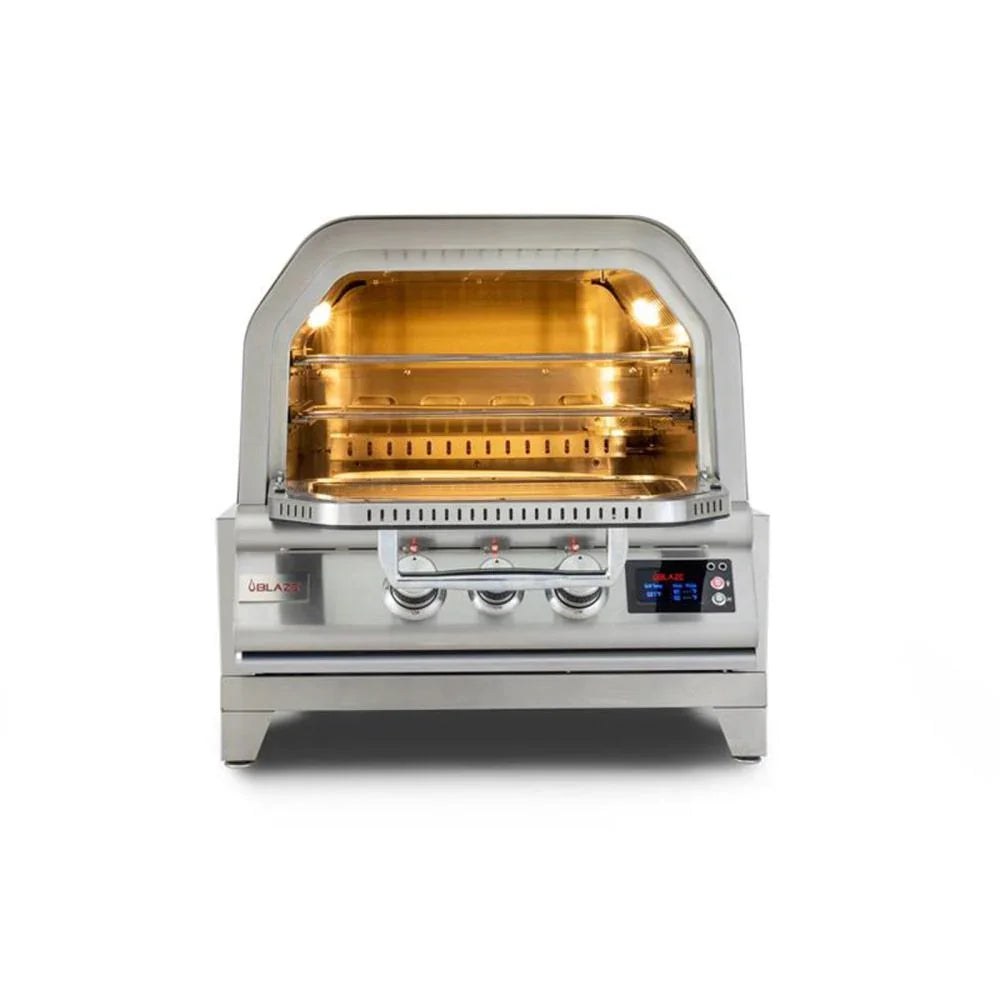
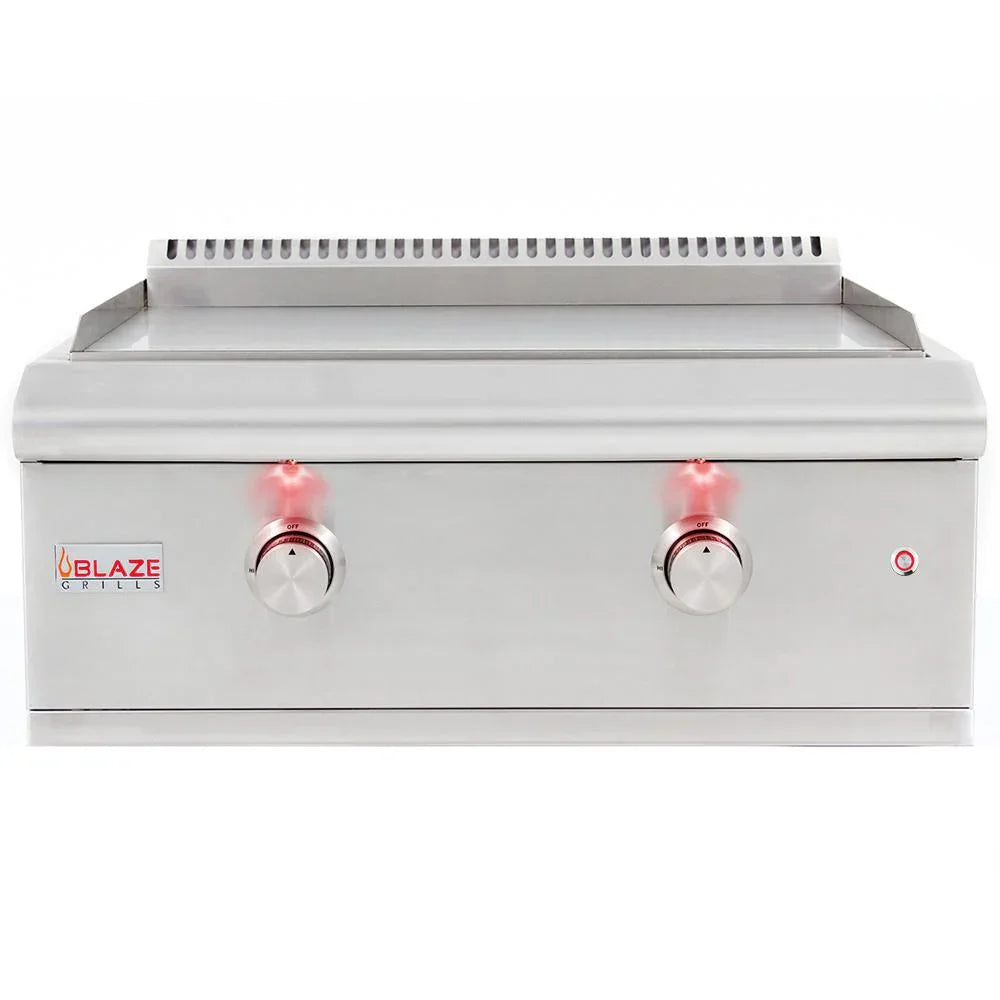
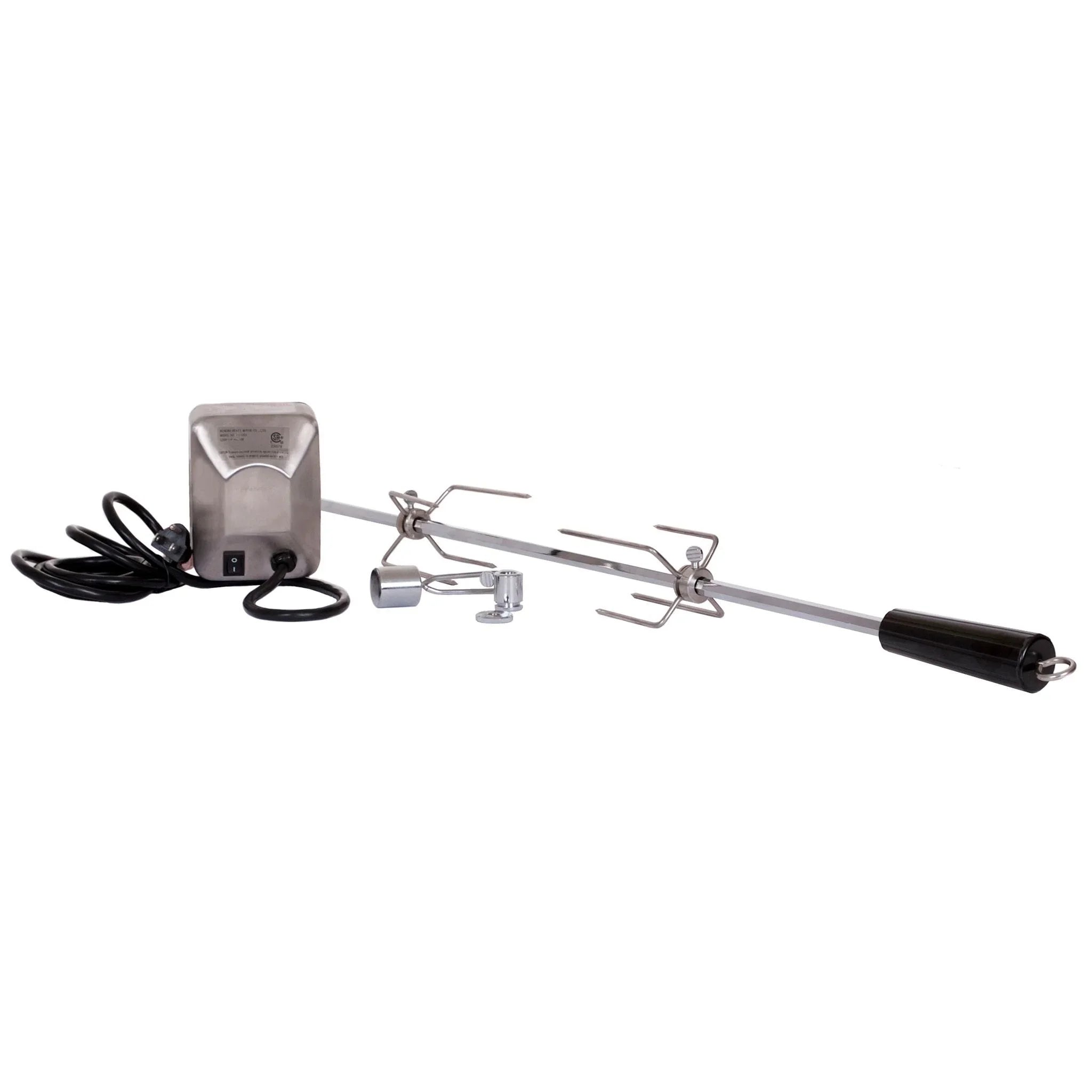
Our outdoor kitchen category covers the complete ecosystem — built-in gas grills that drop cleanly into an island frame, kitchen islands that provide the counter space, storage, and infrastructure to build around, refrigeration, and the accessories that make a cooking station genuinely functional. The result is a space that earns its footprint year-round rather than spending most of its life covered under a tarp.
What Goes Into an Outdoor Kitchen
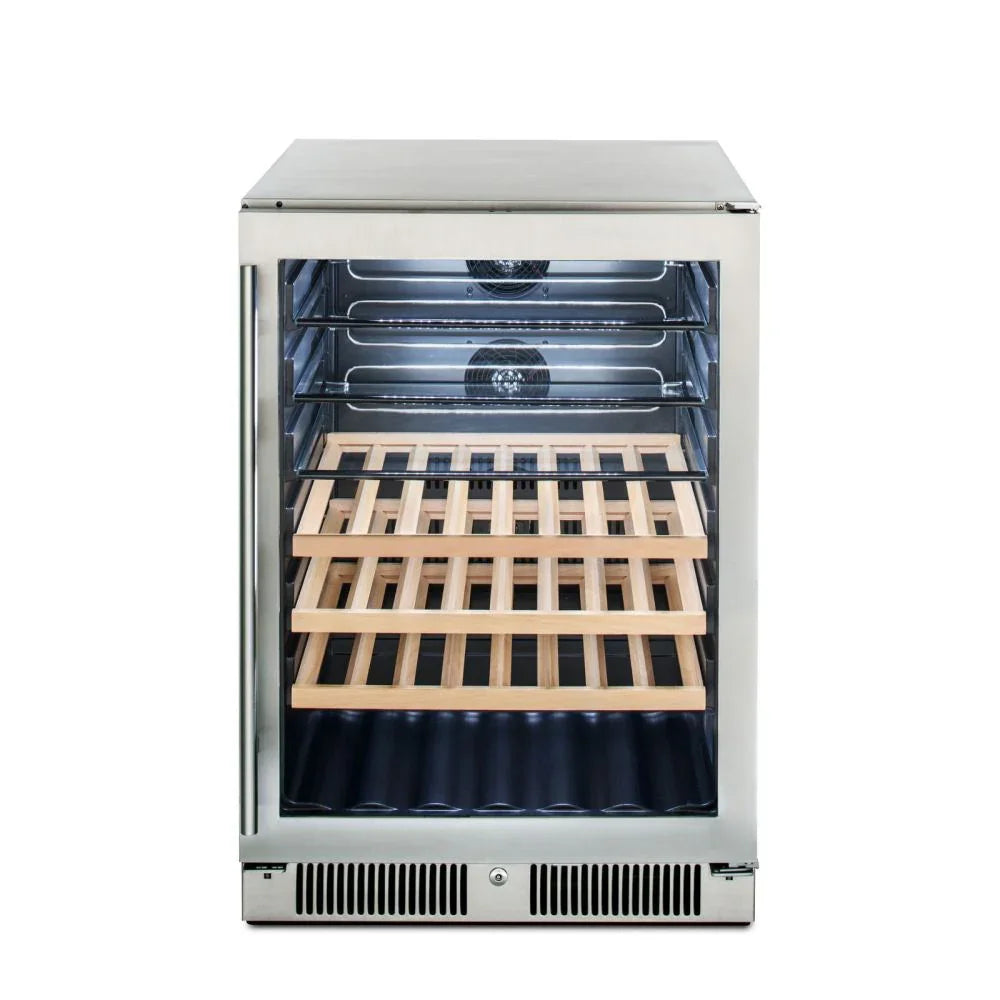
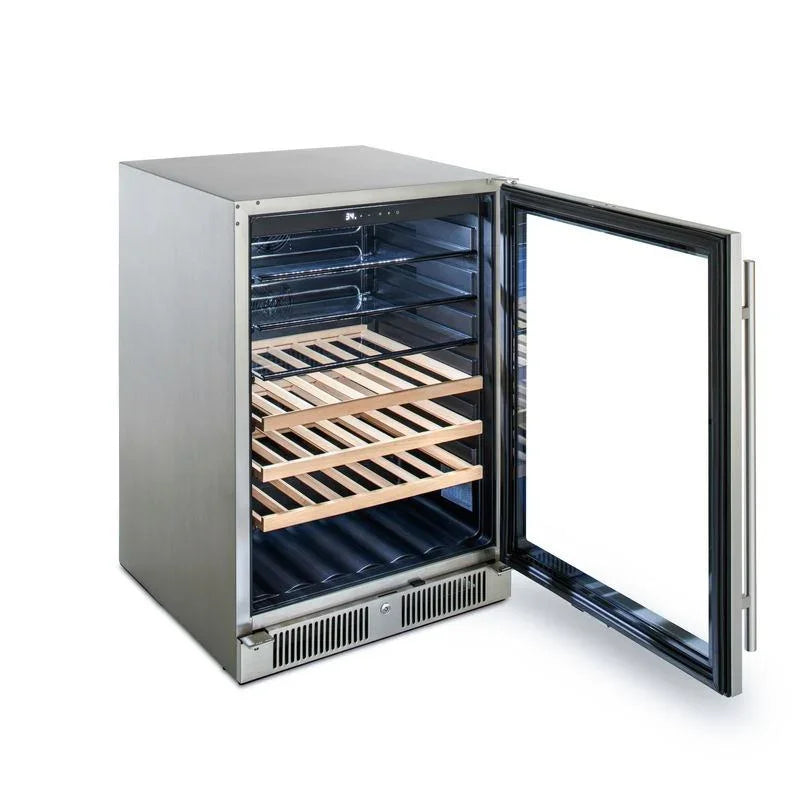
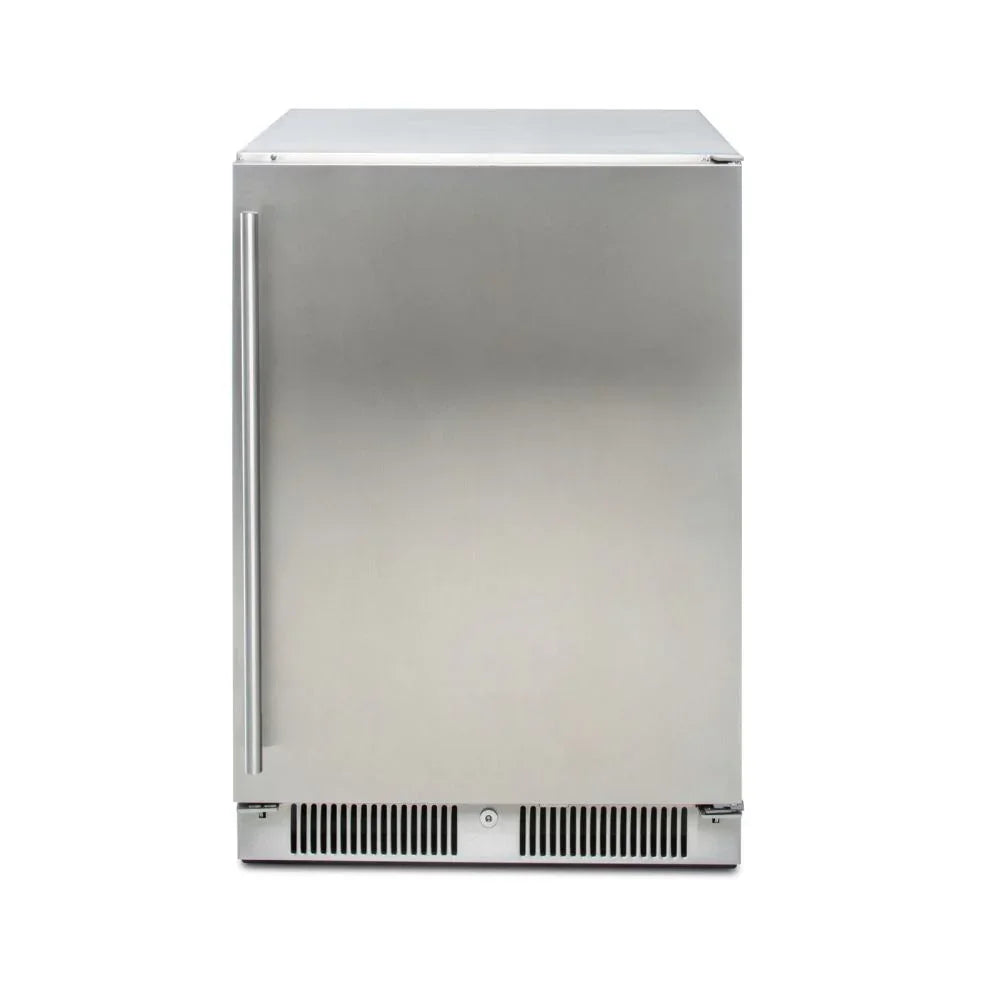
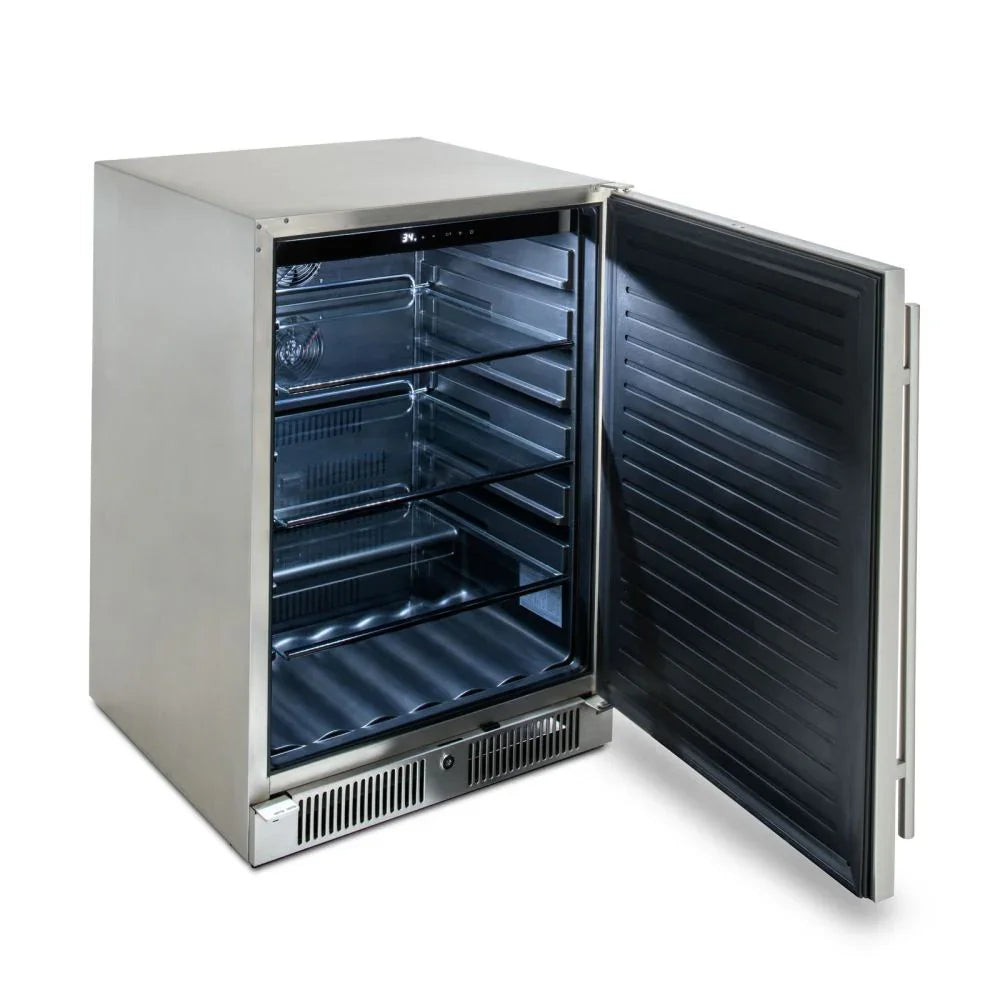
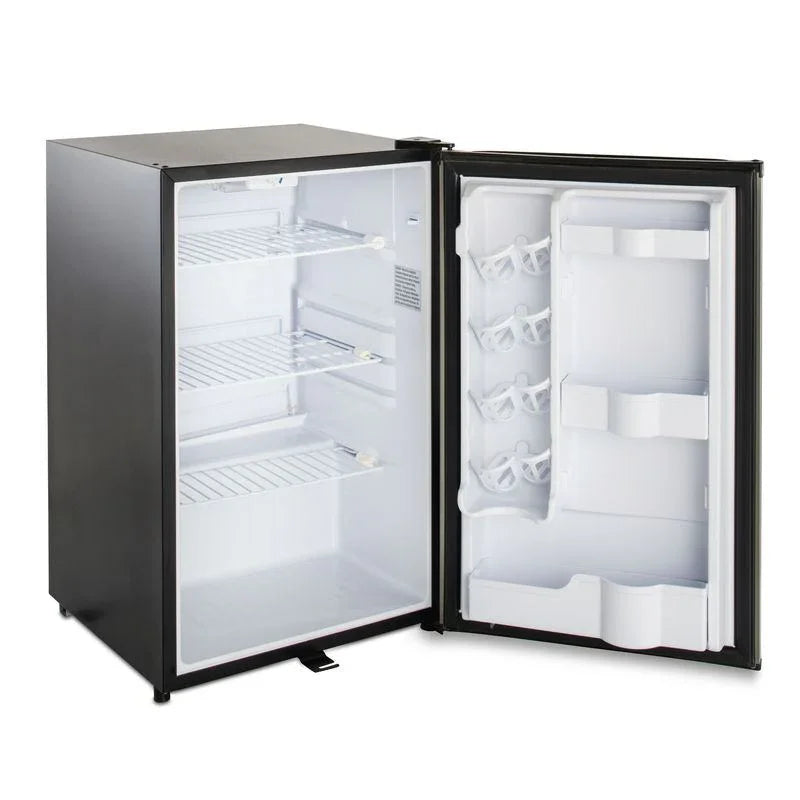
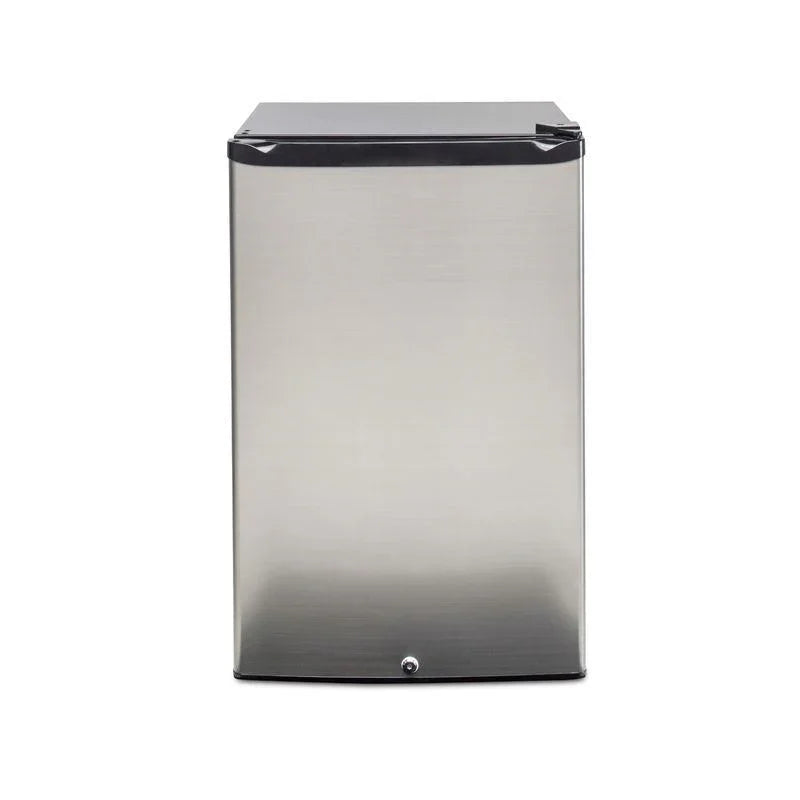
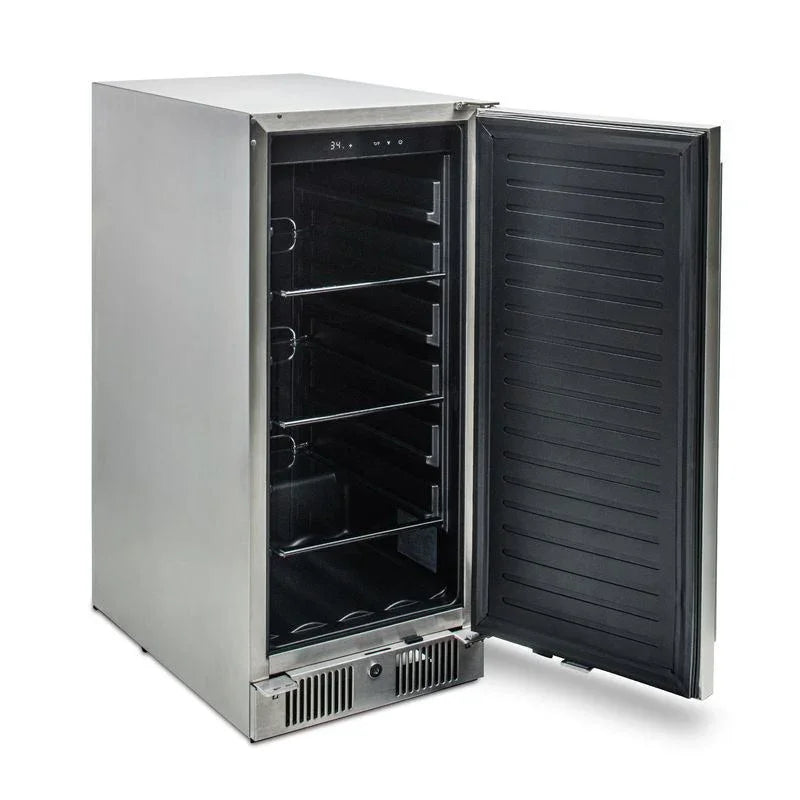
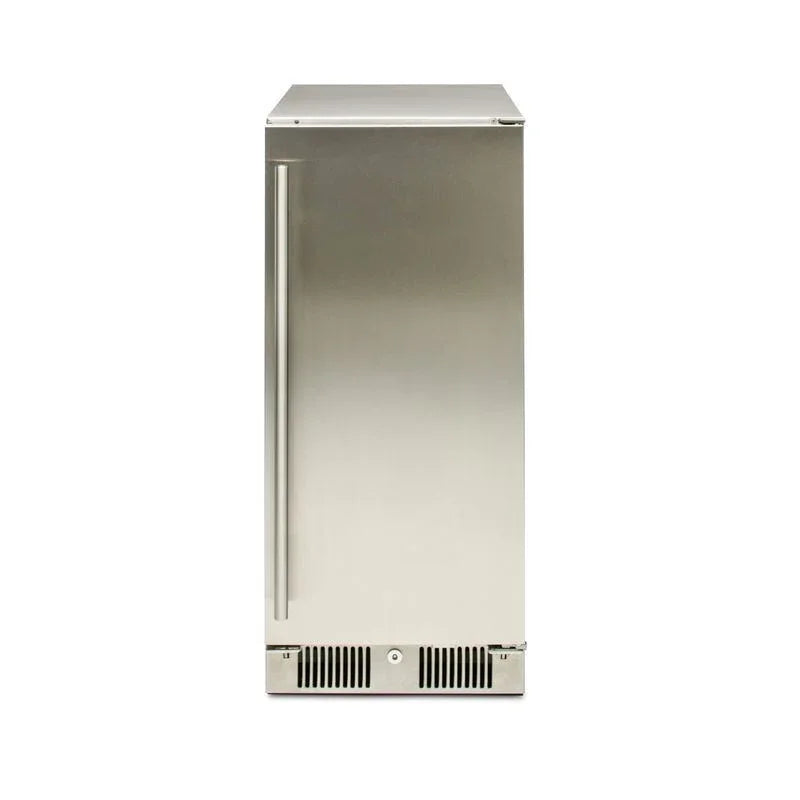
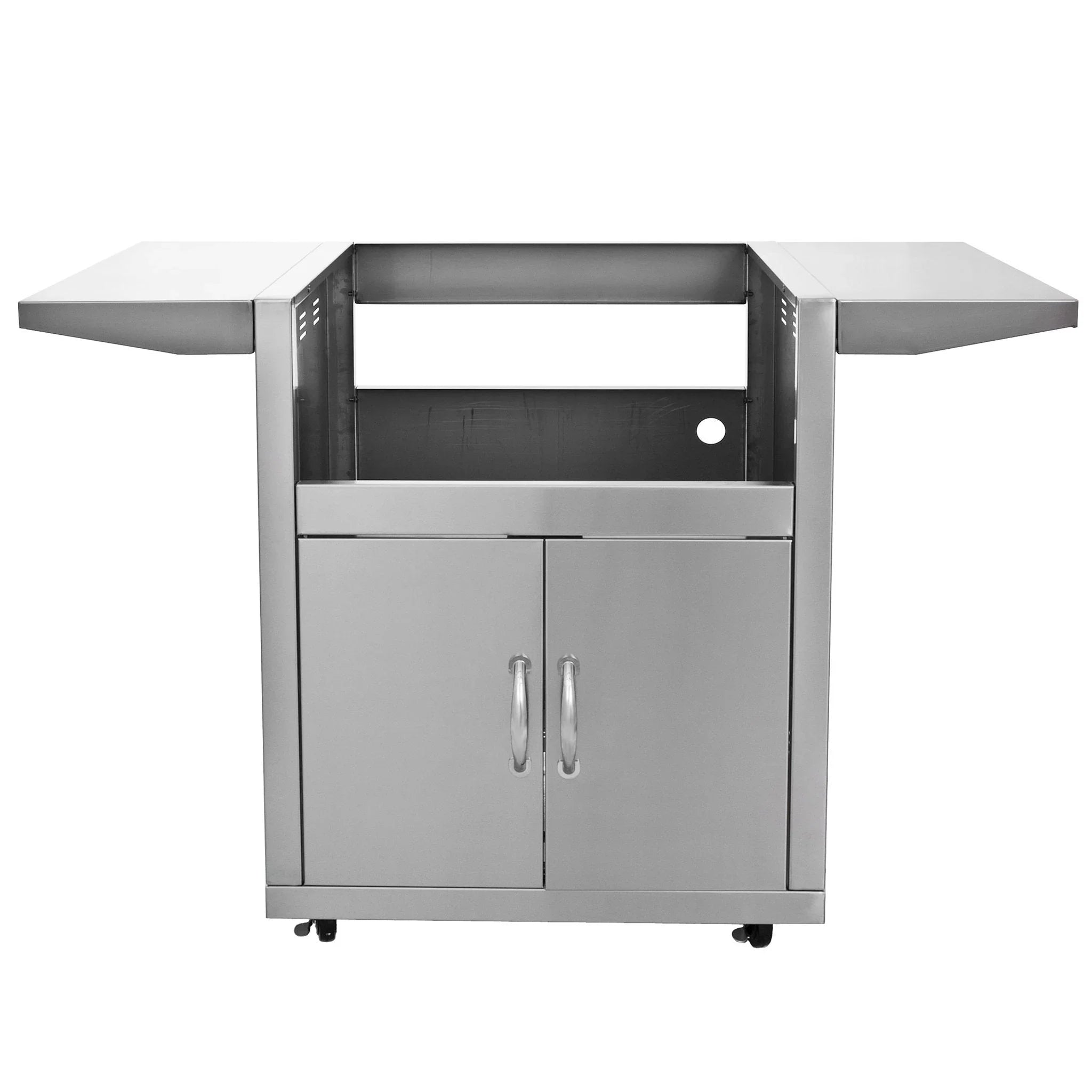
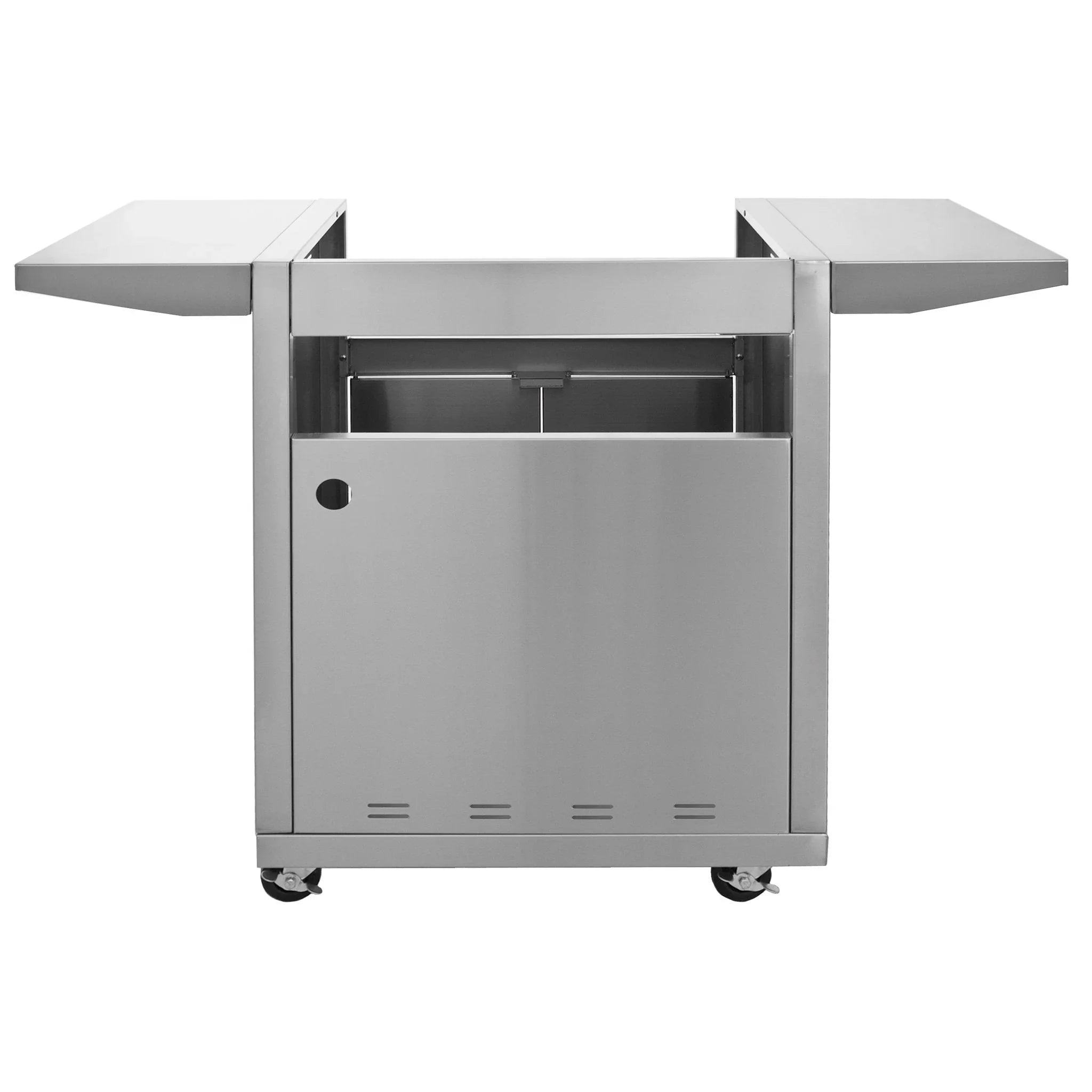
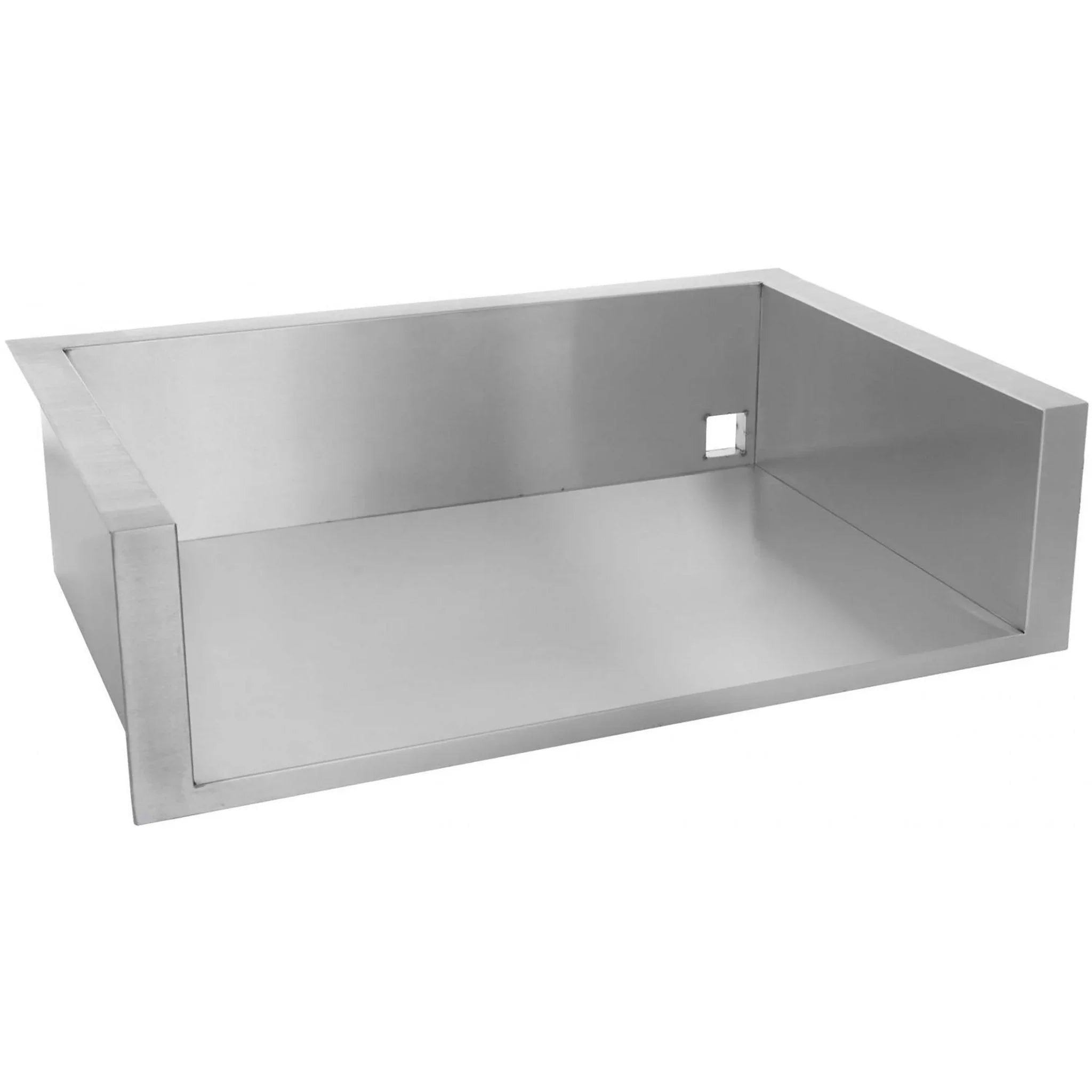
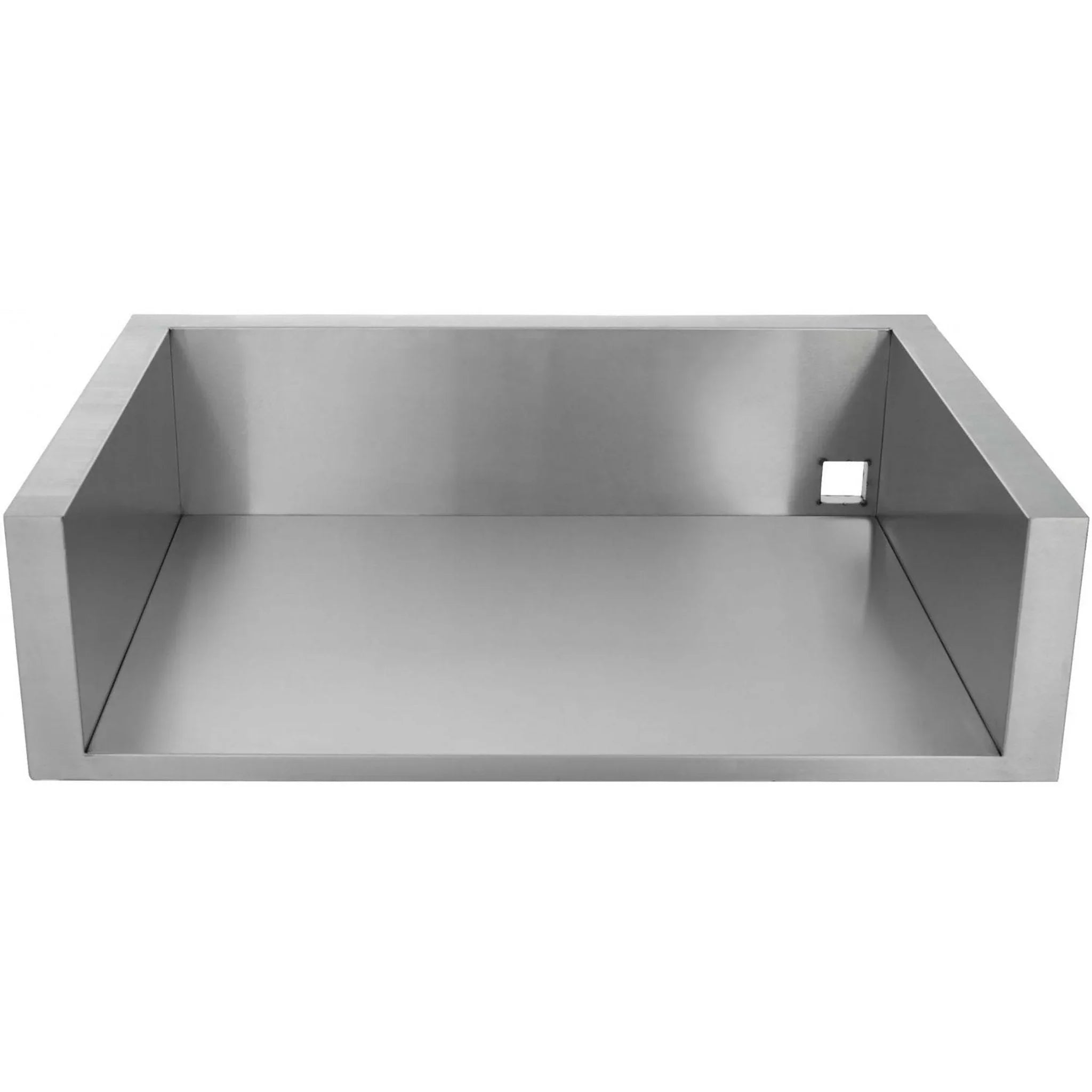
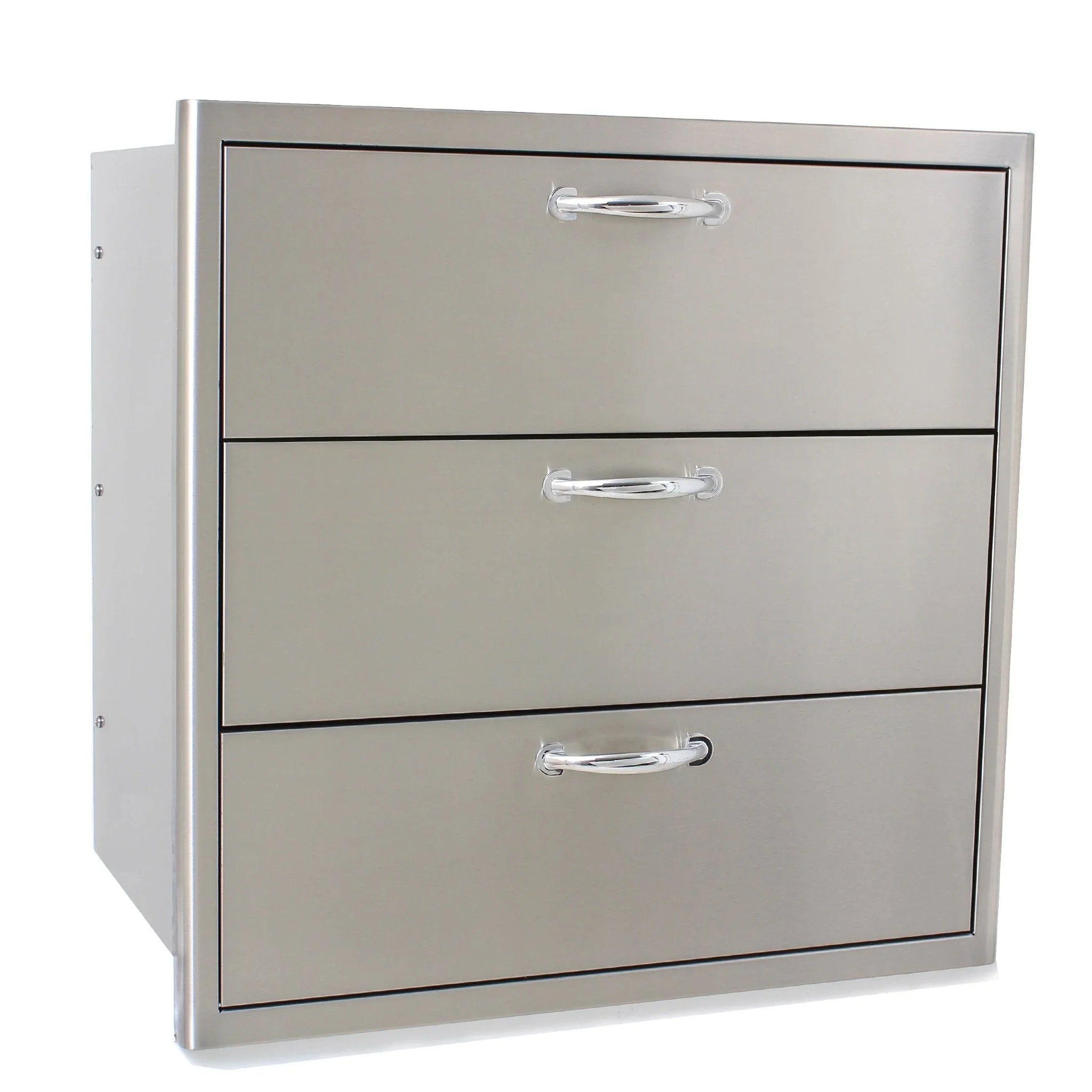
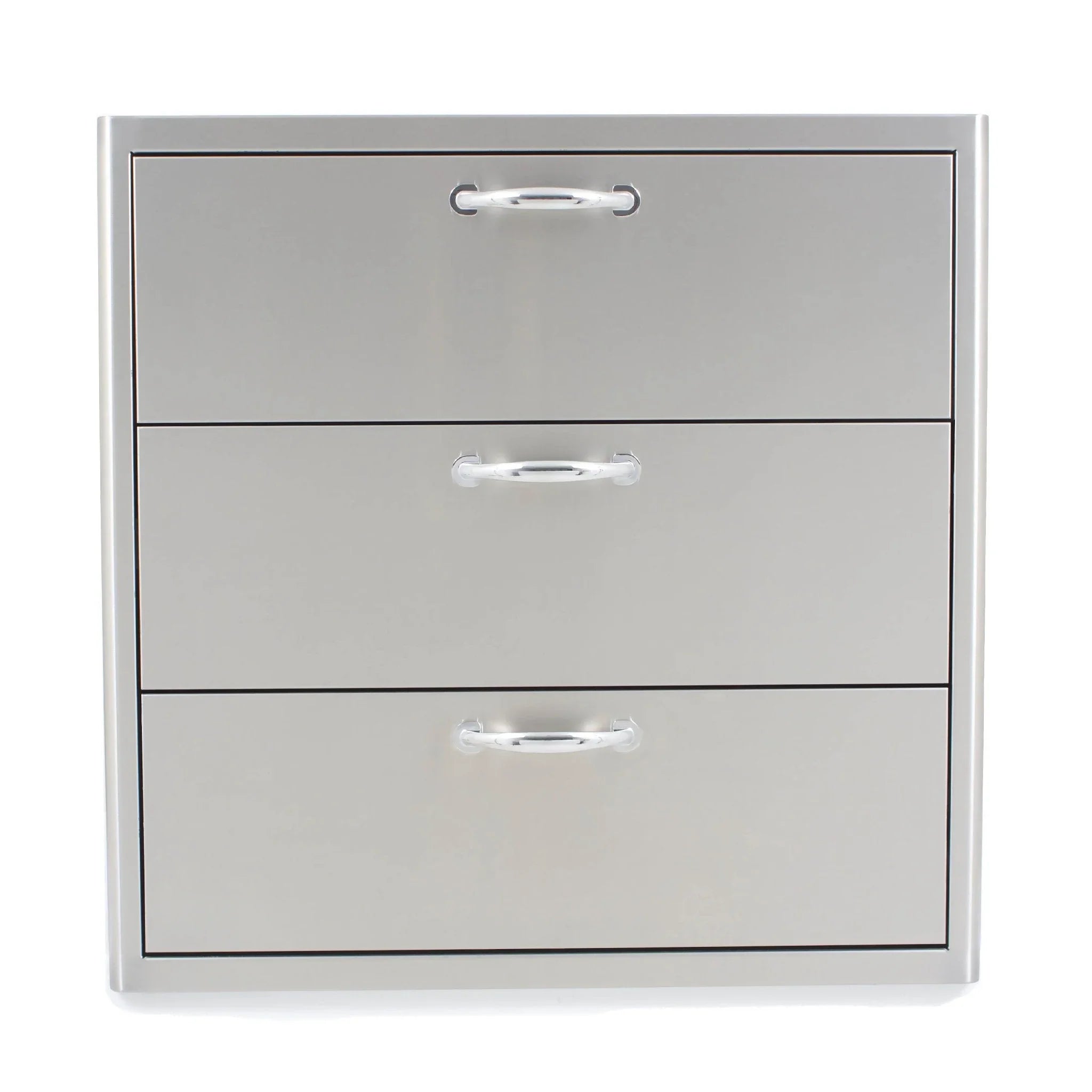
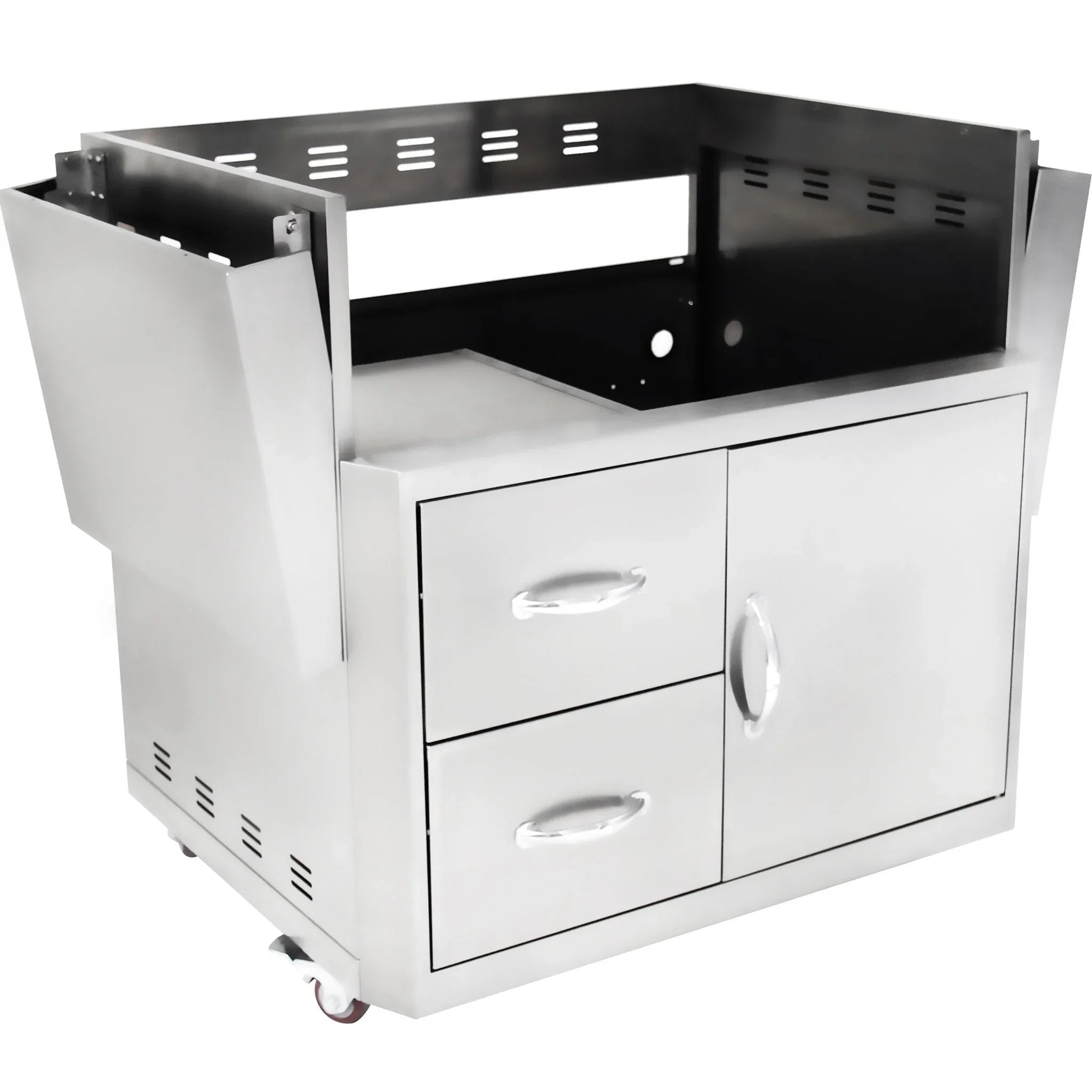
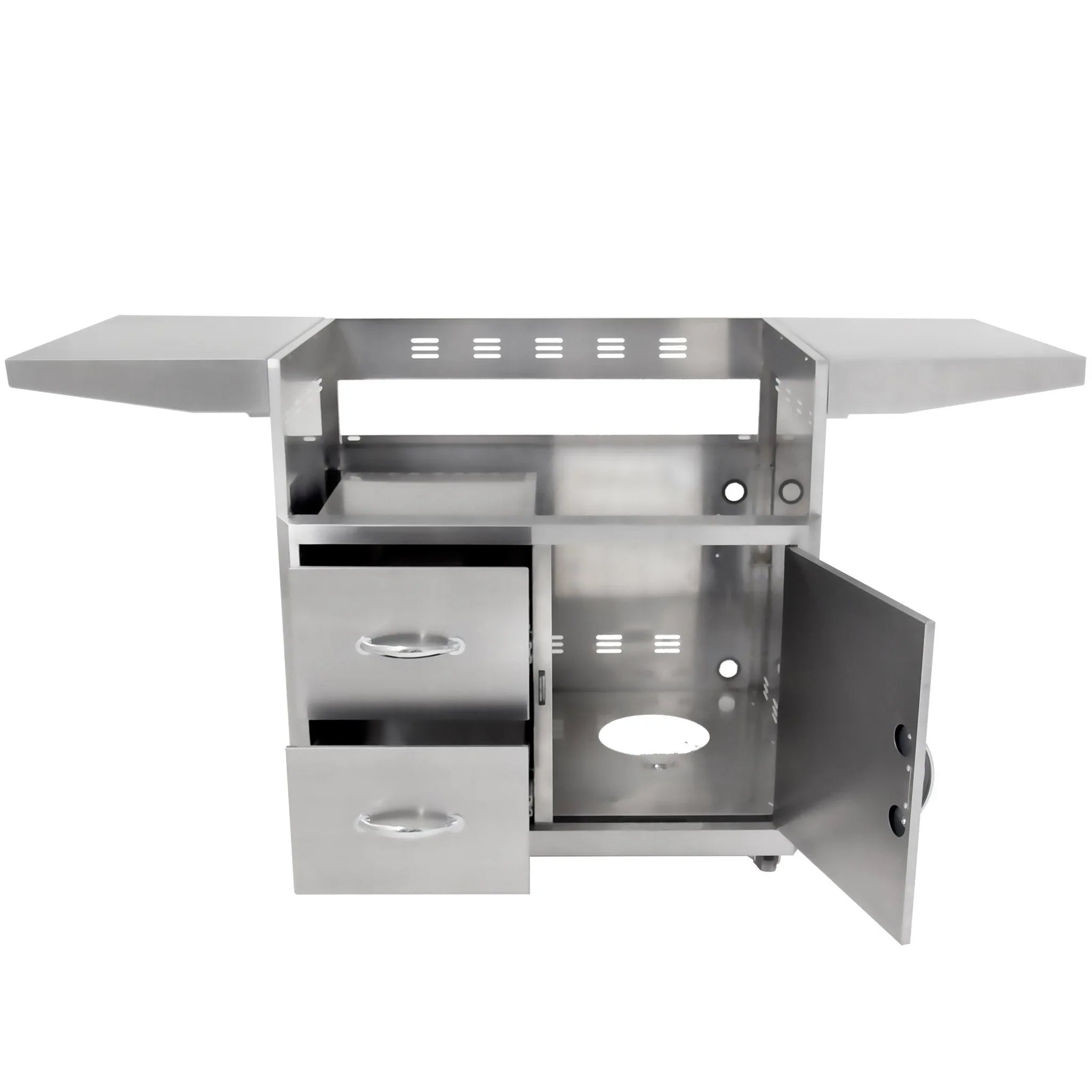
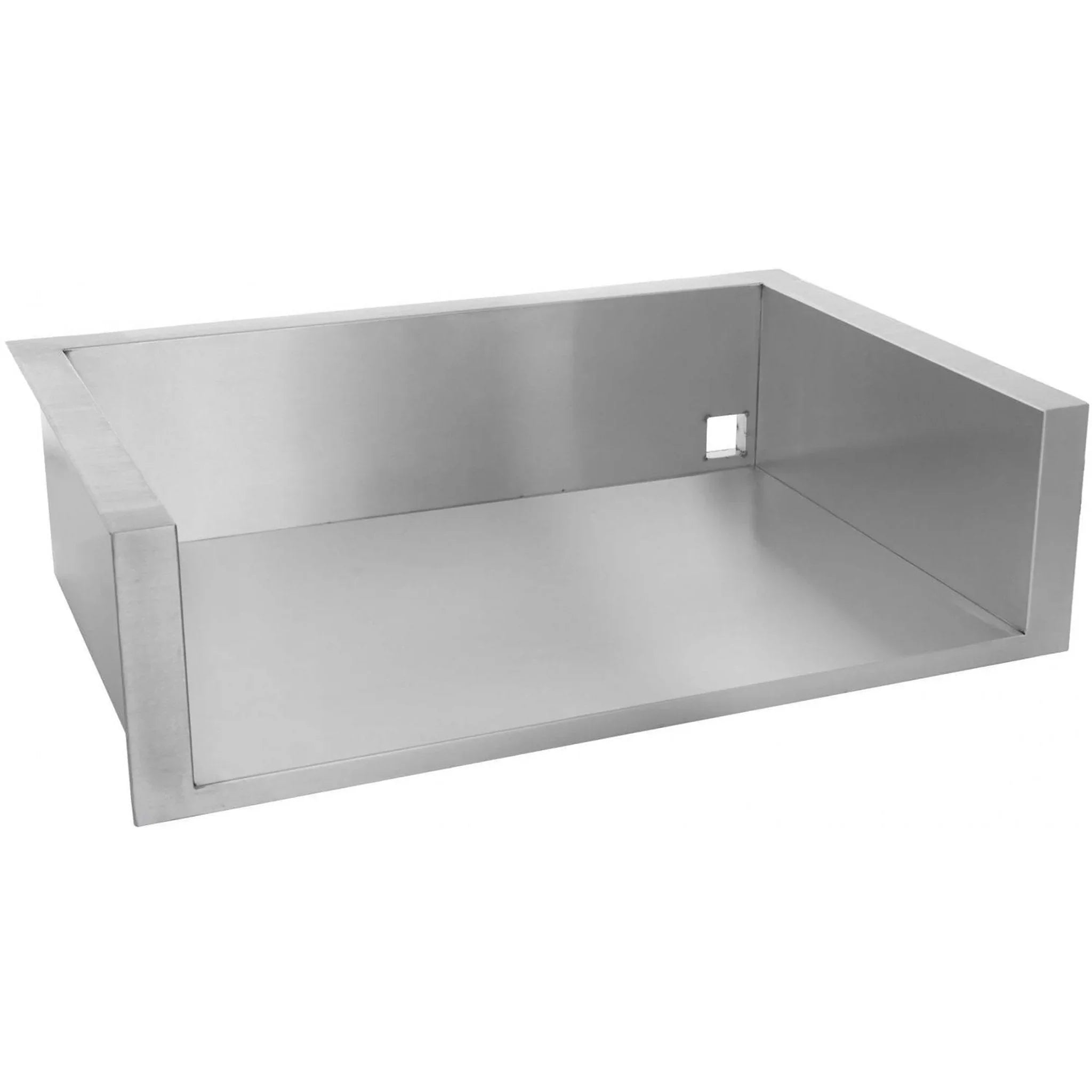
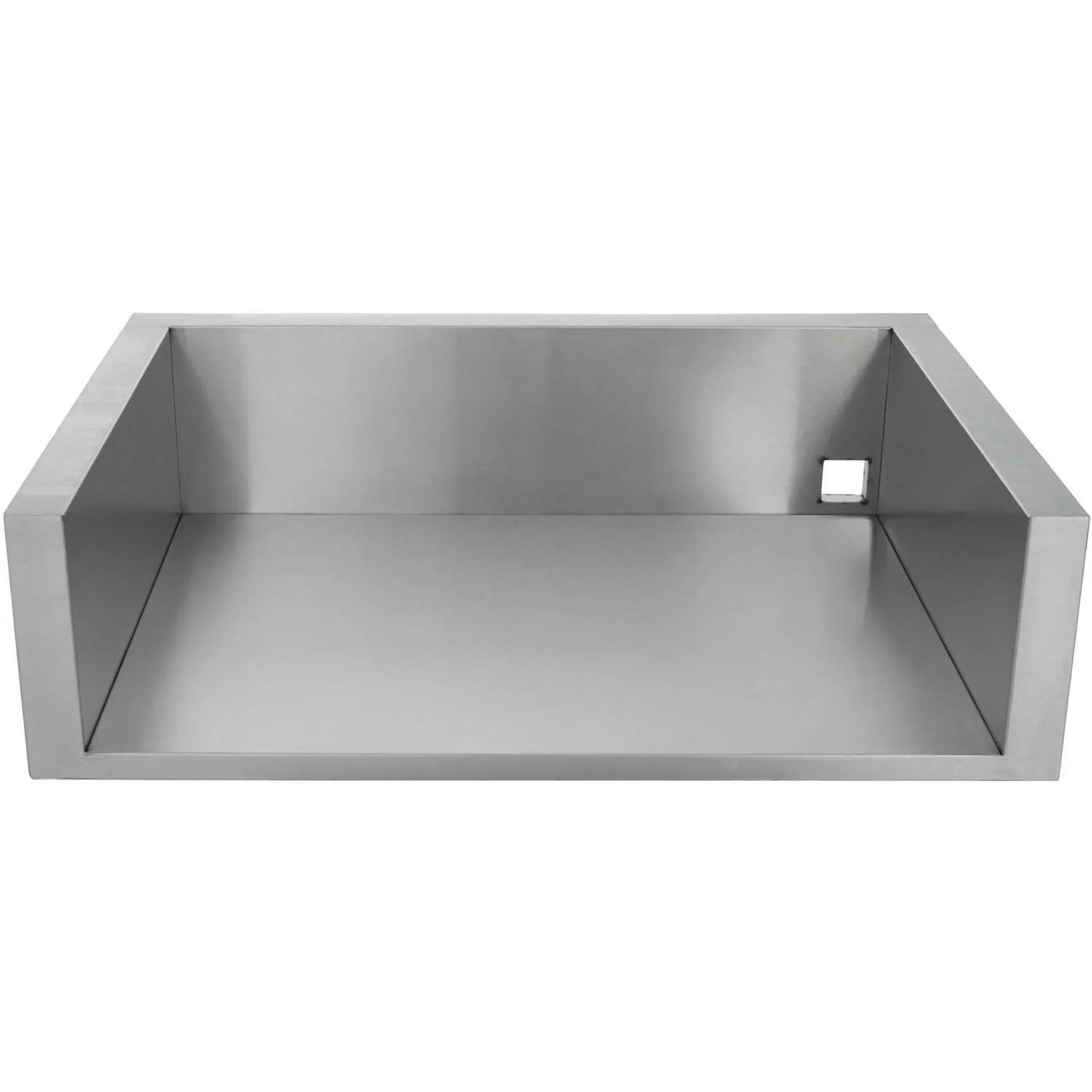
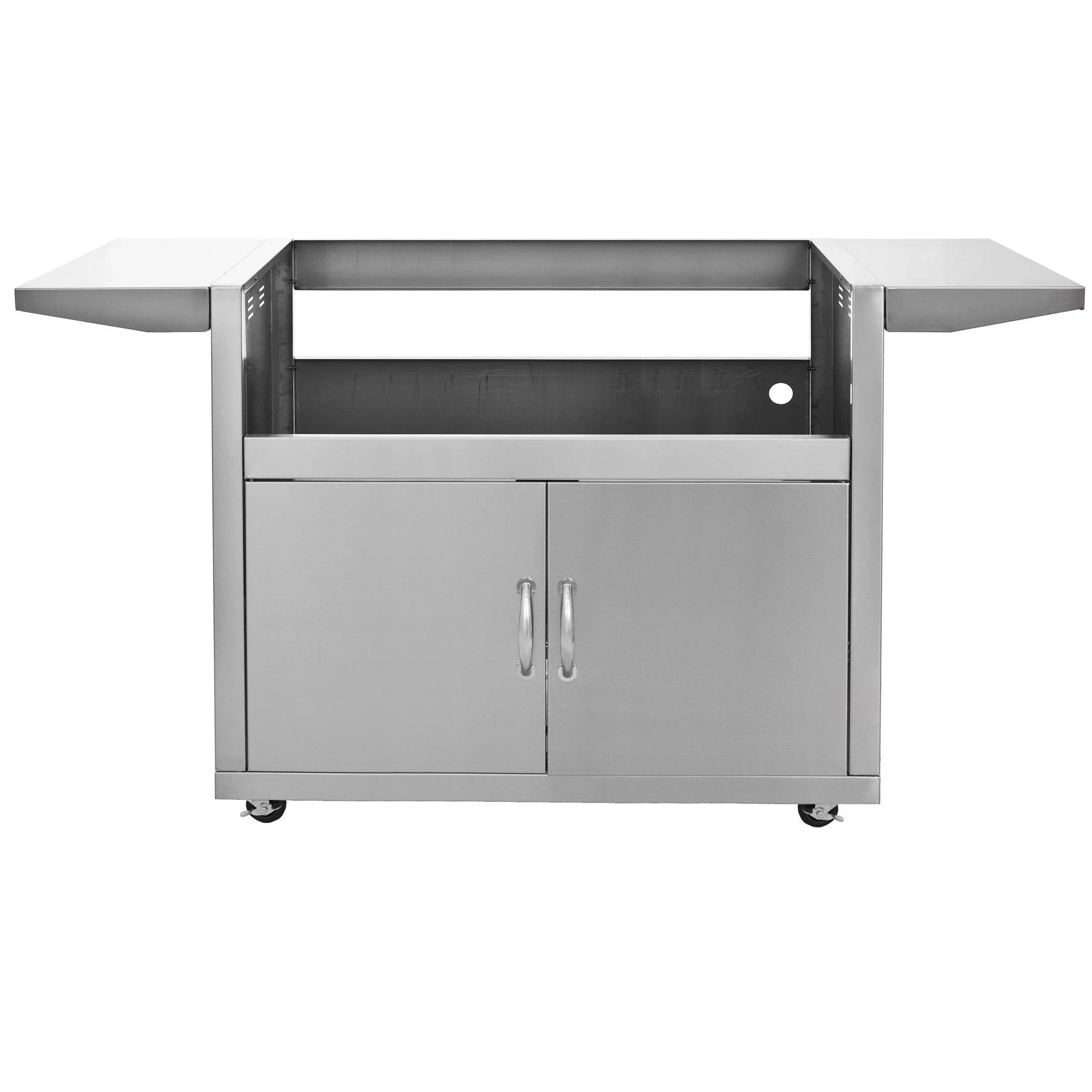
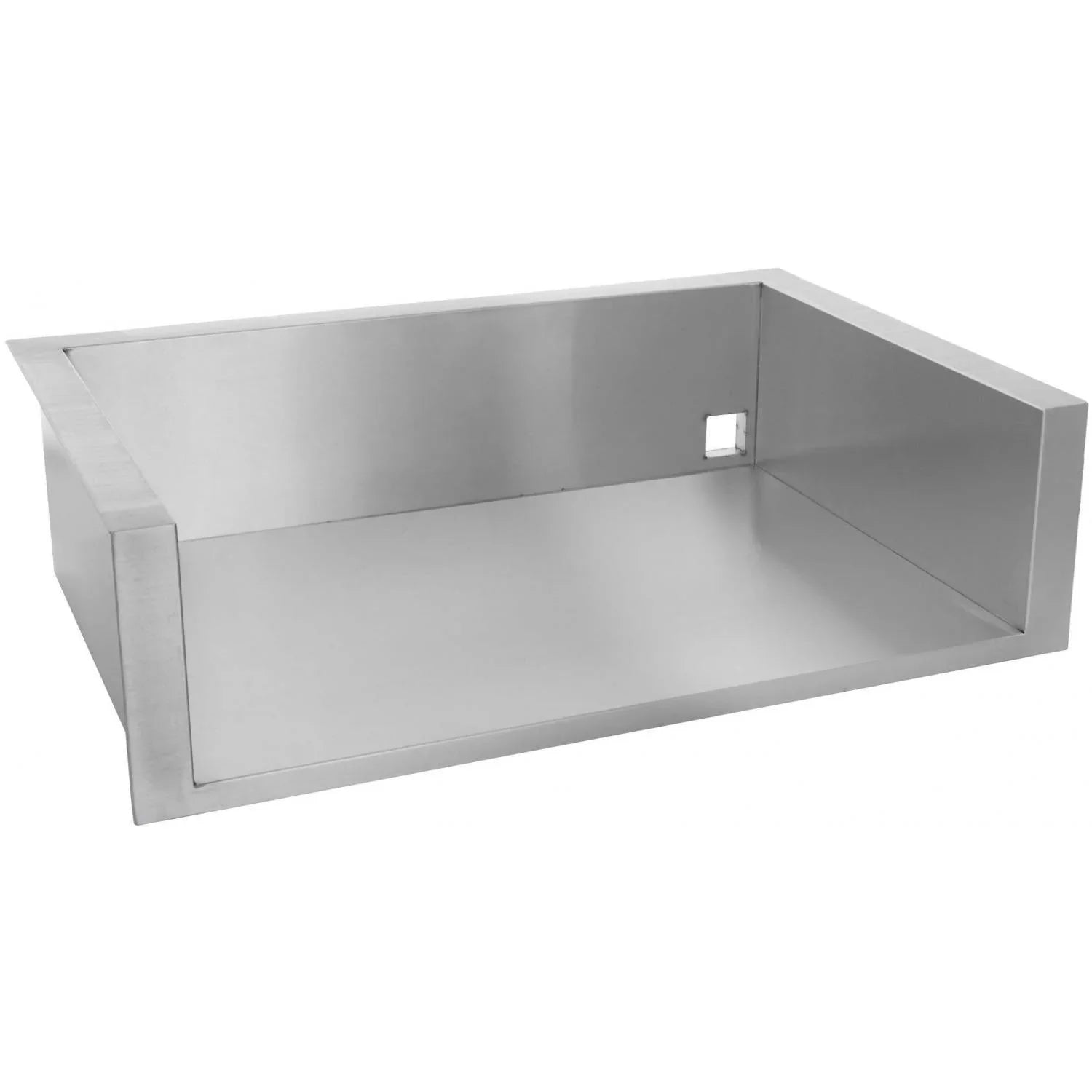
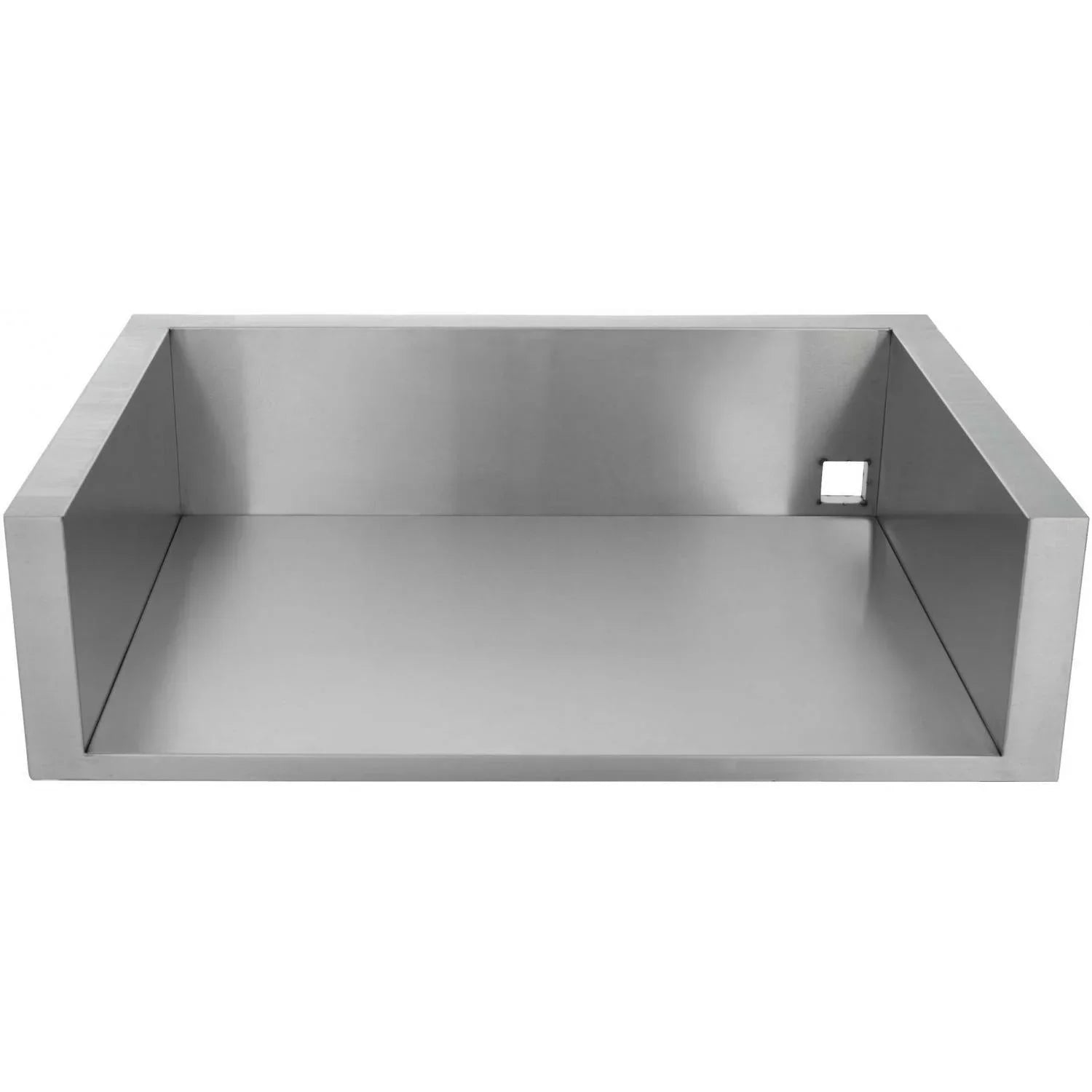
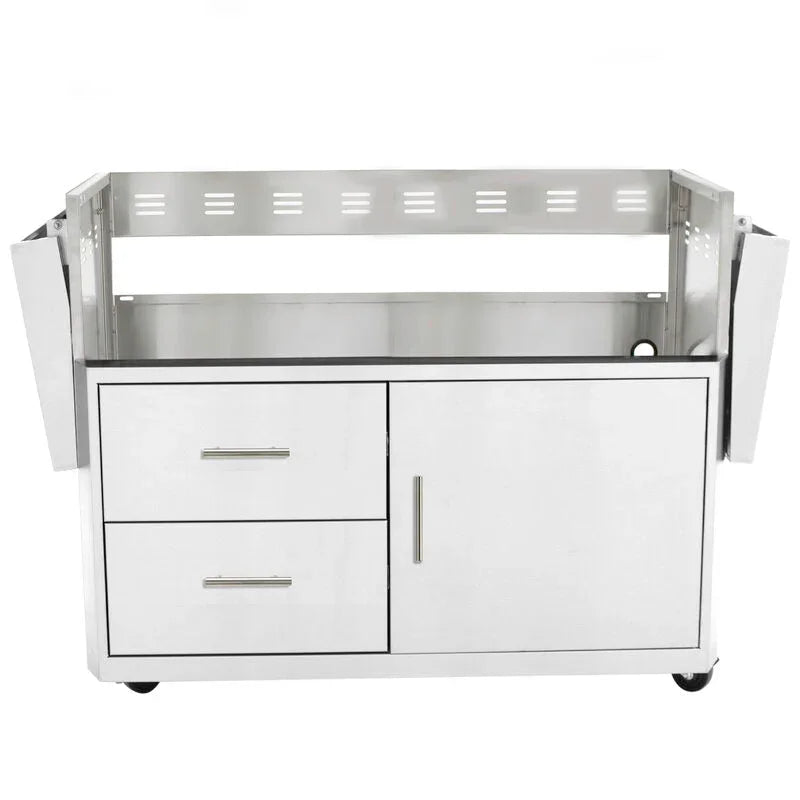
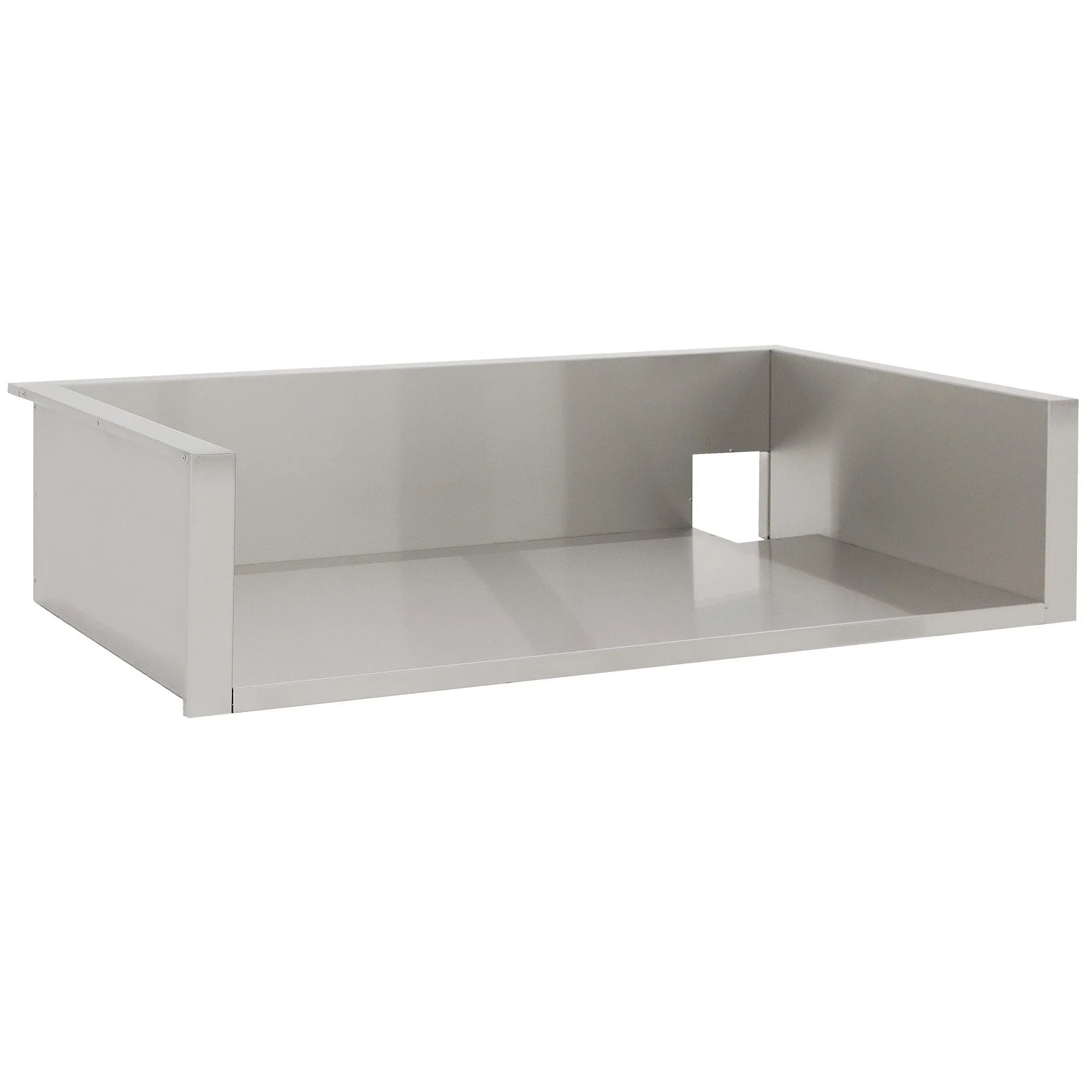
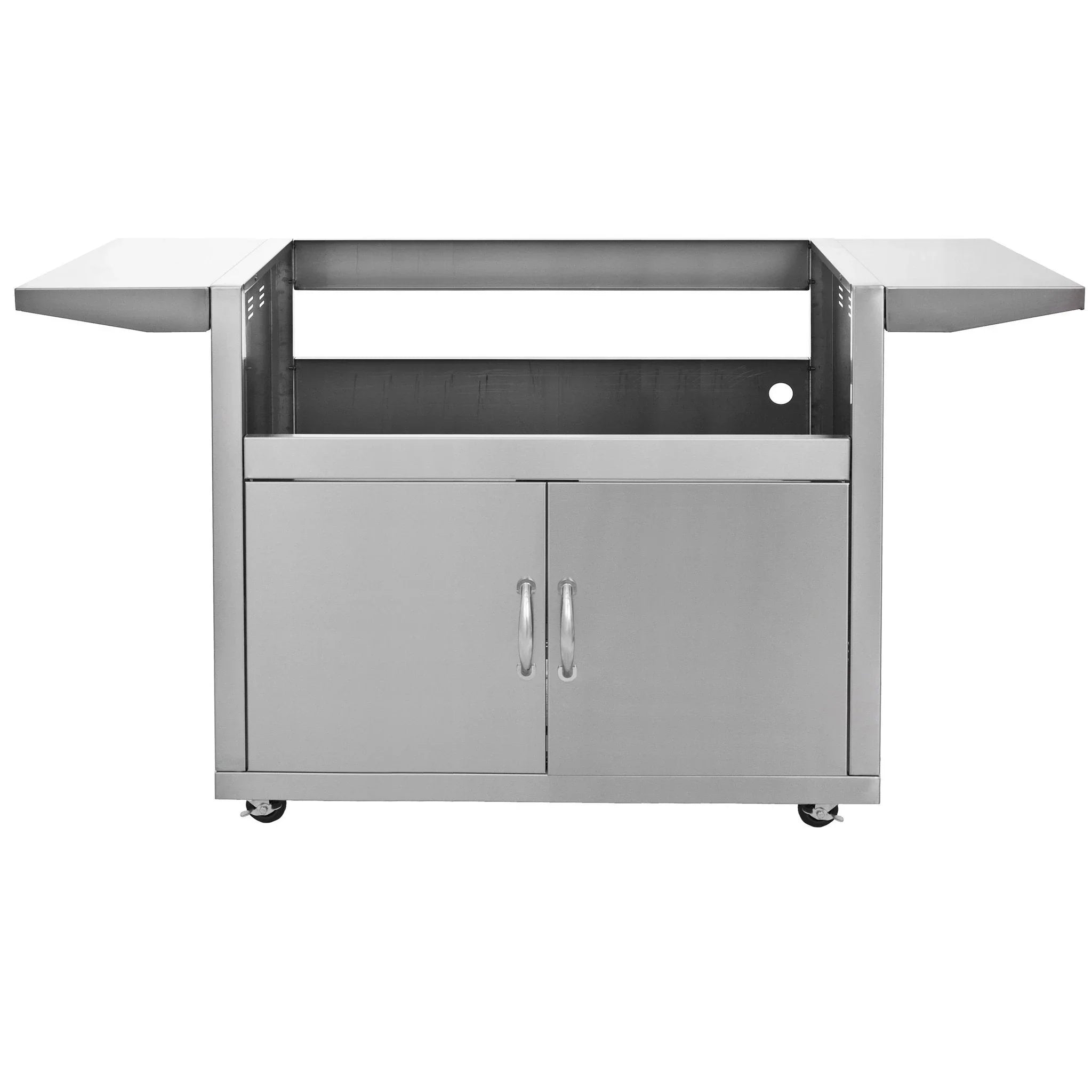
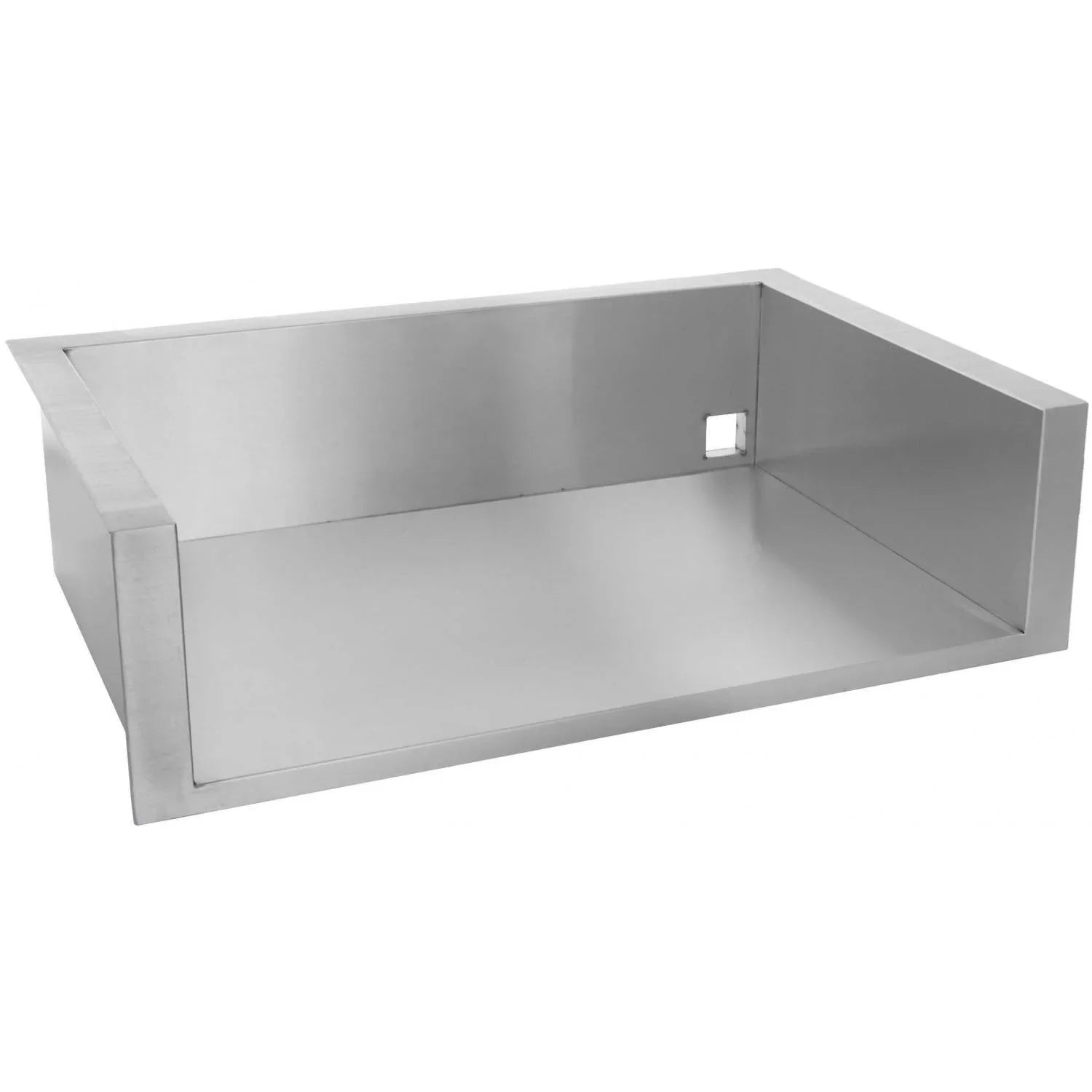
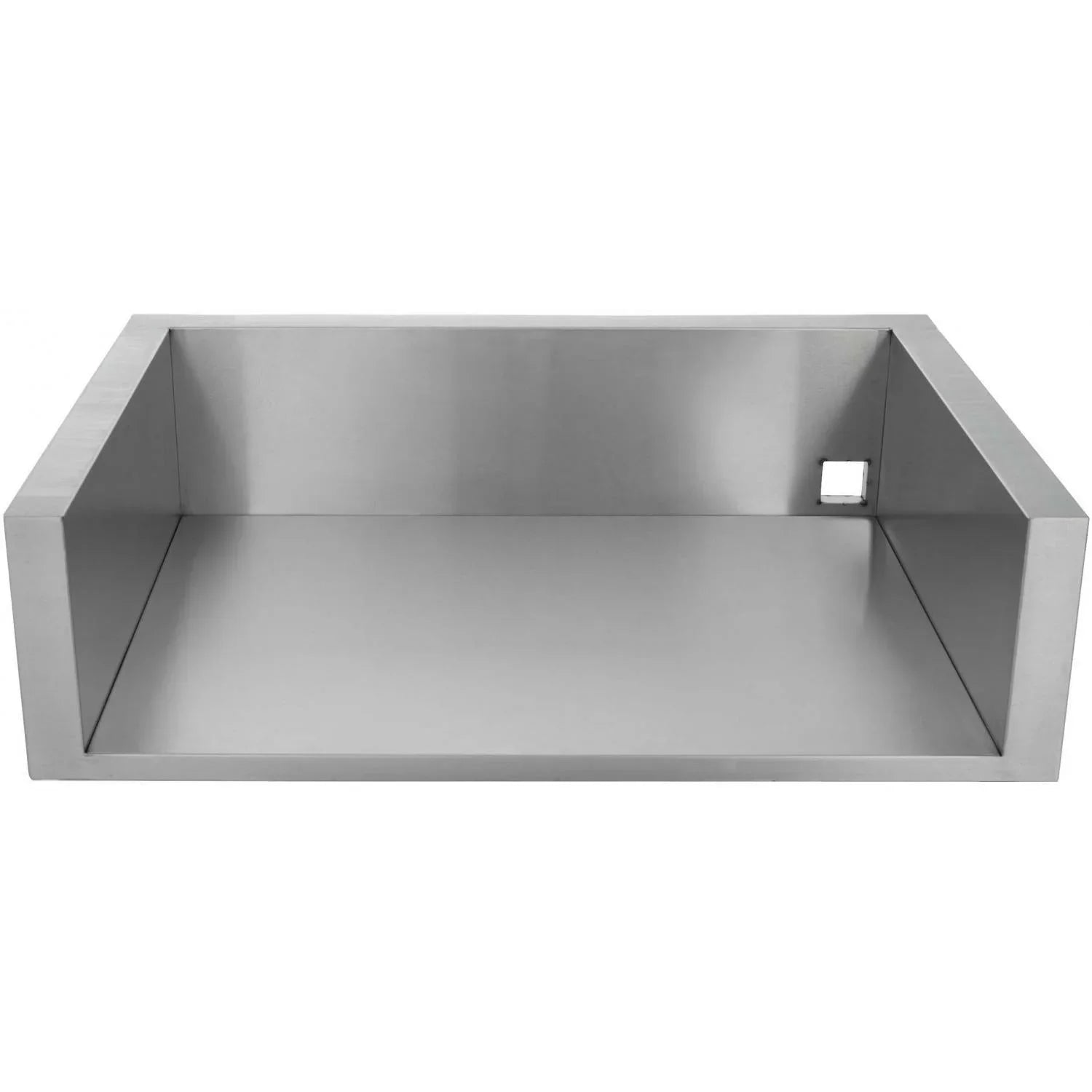
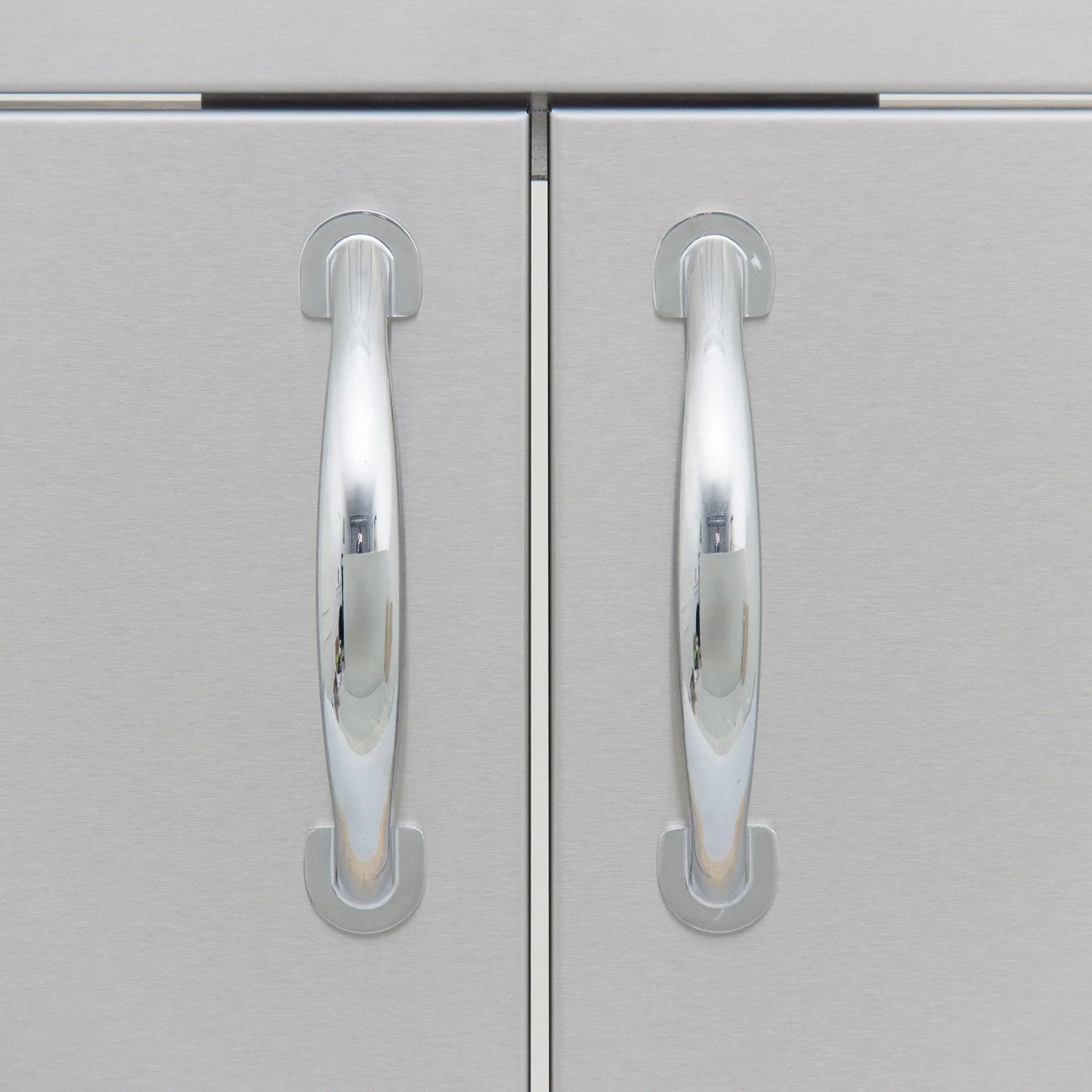
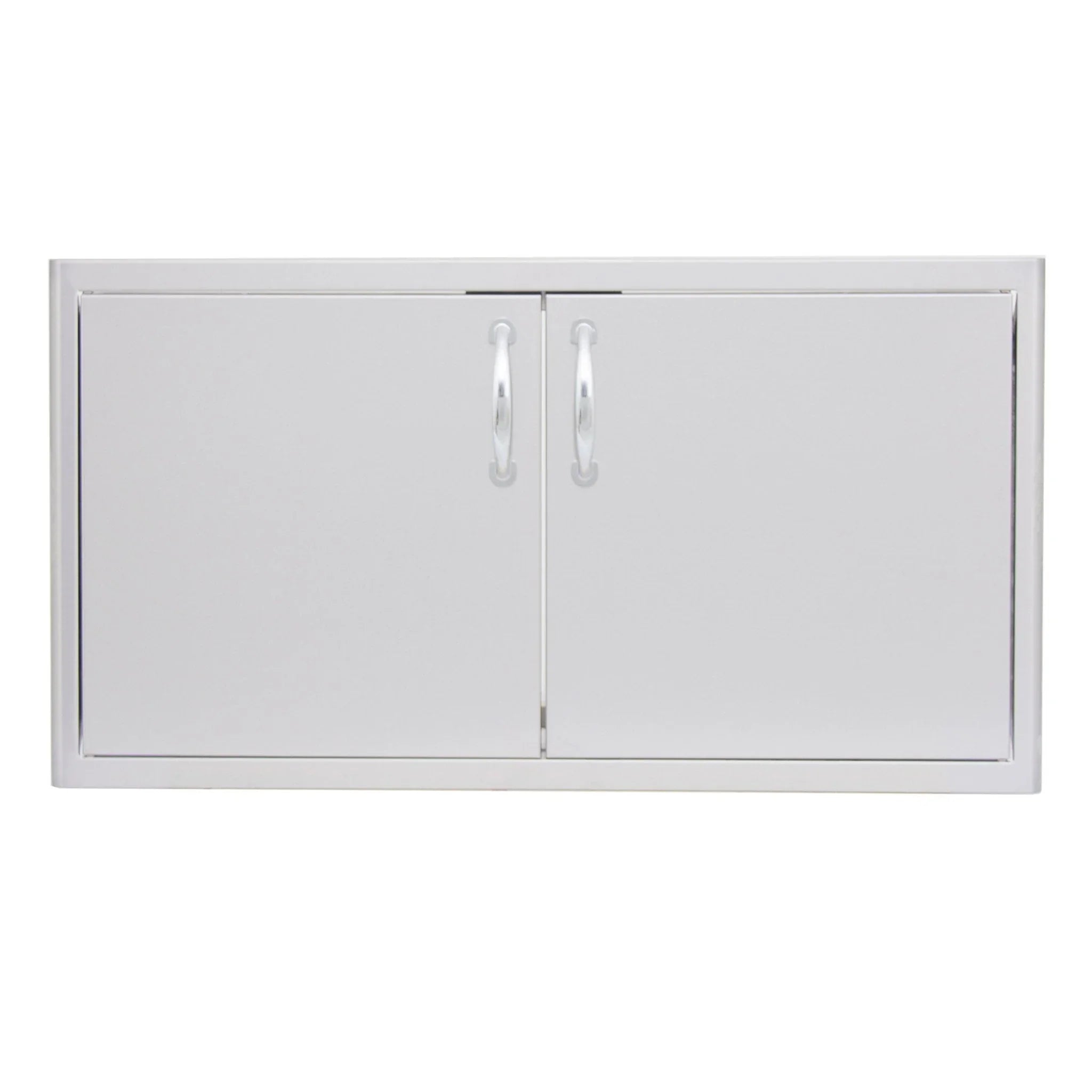
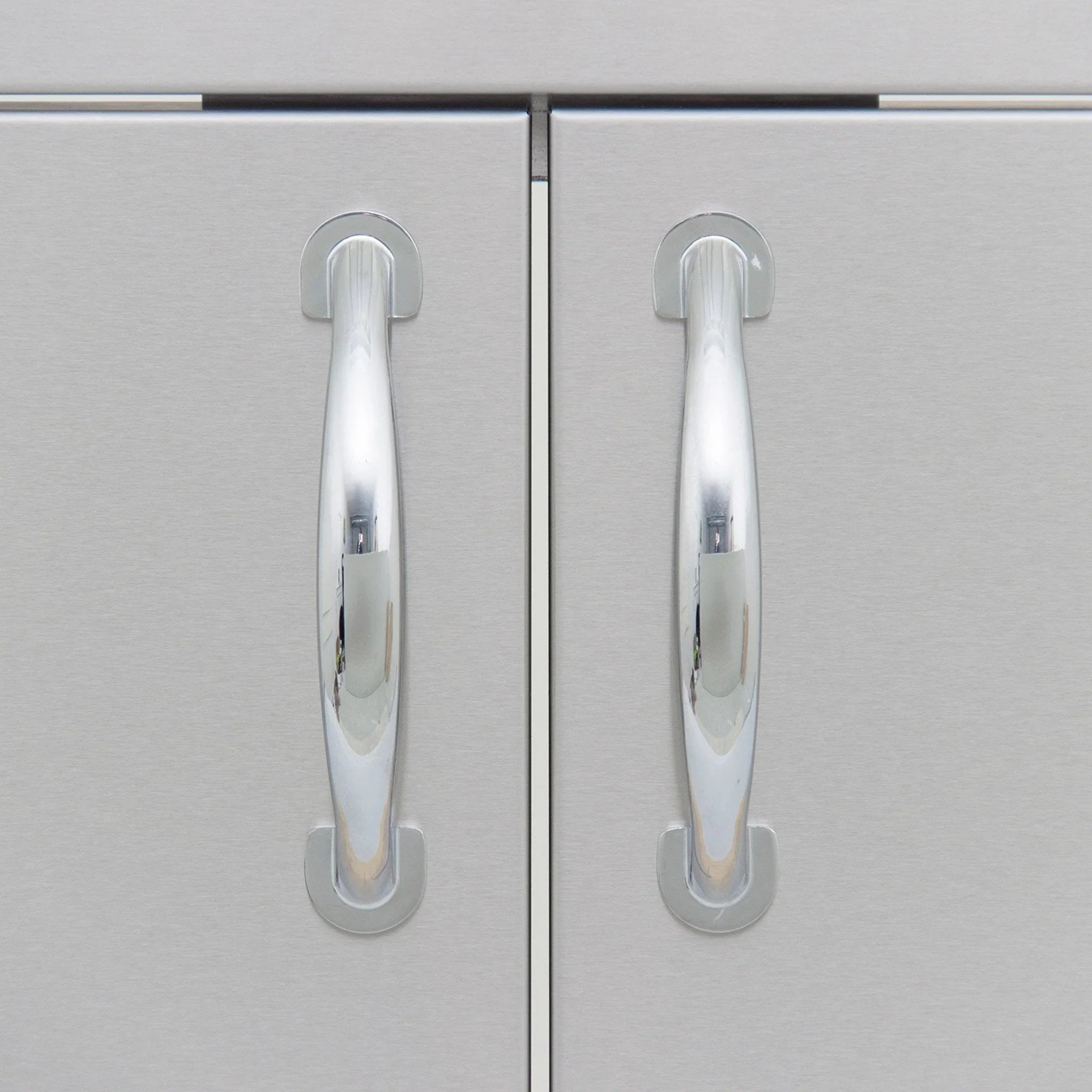
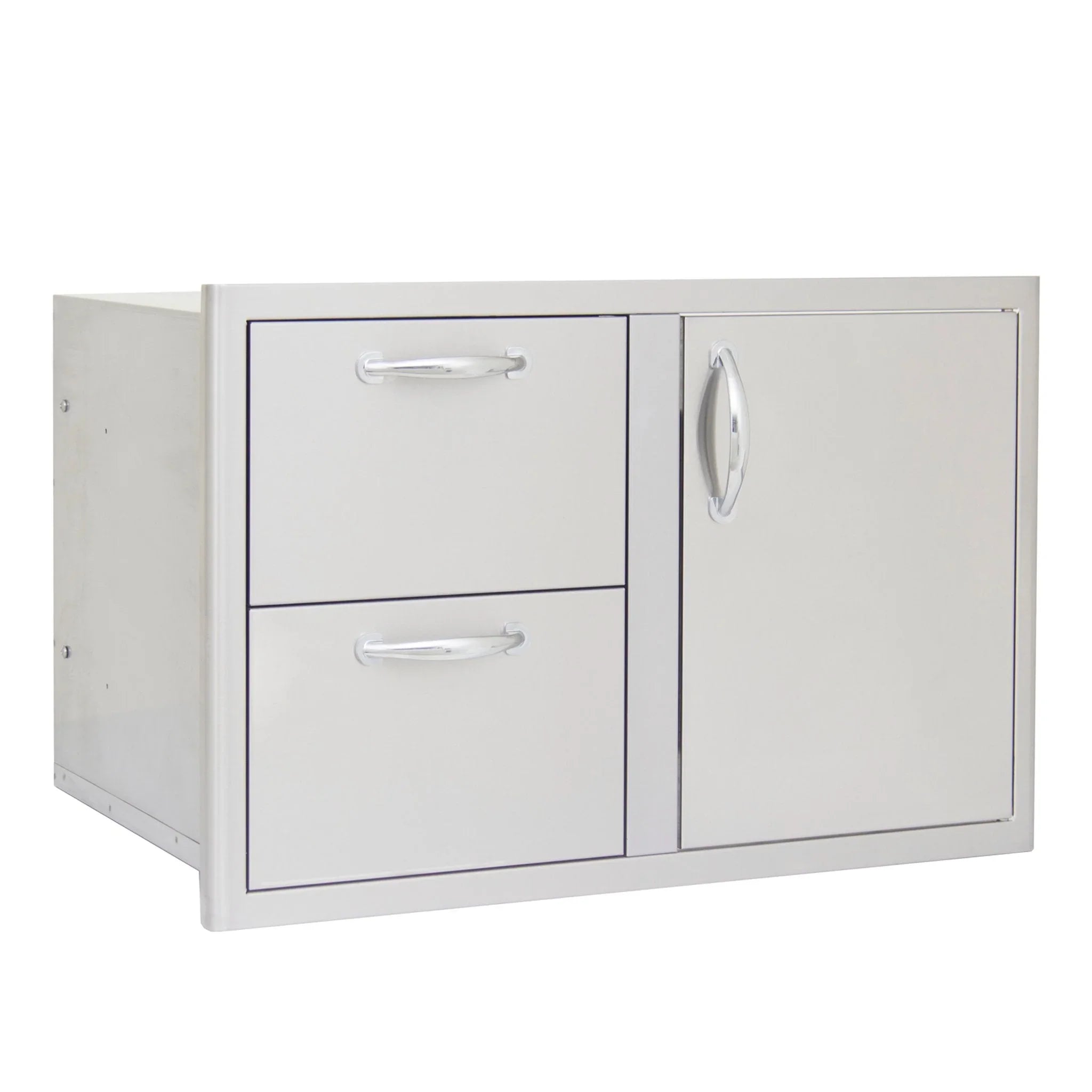
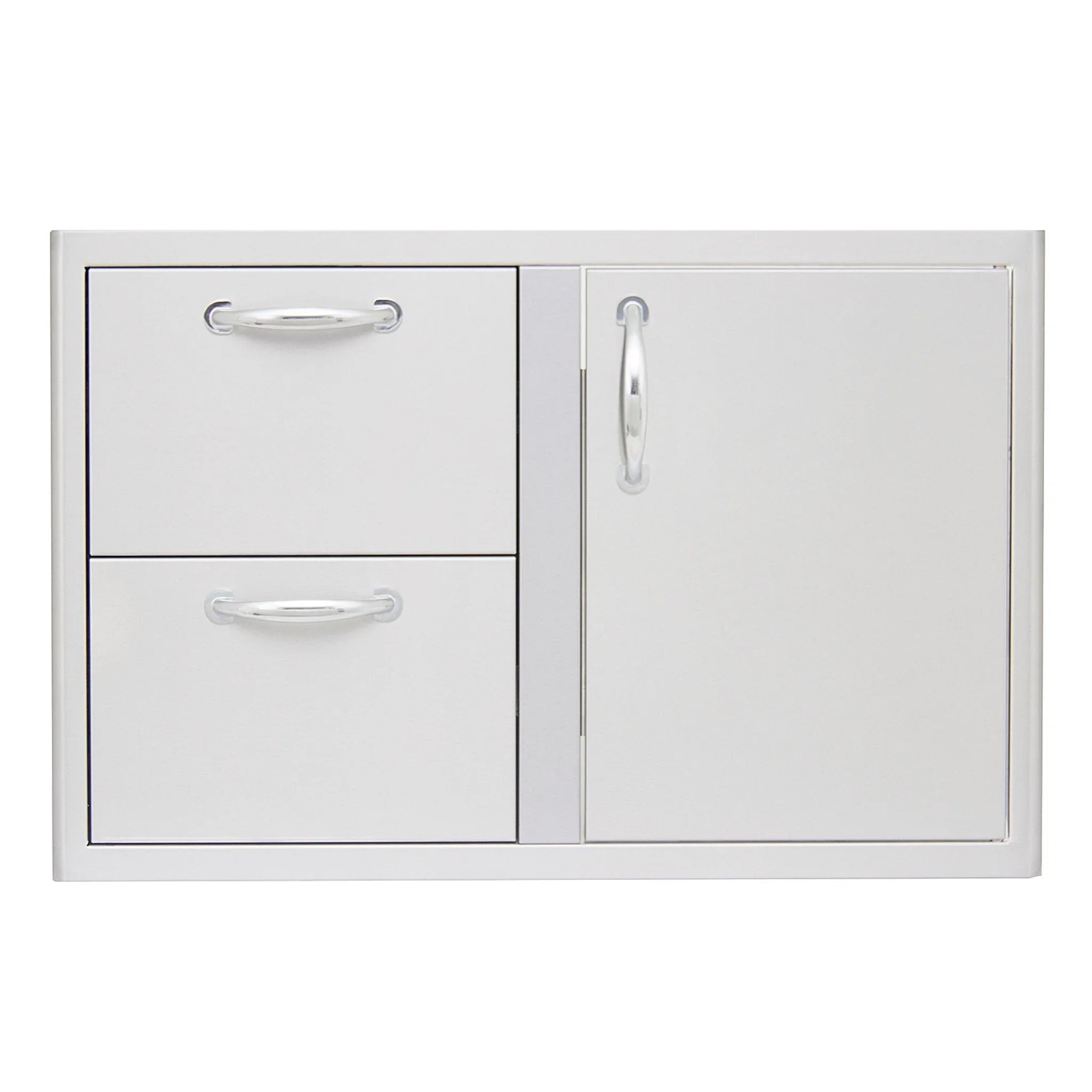
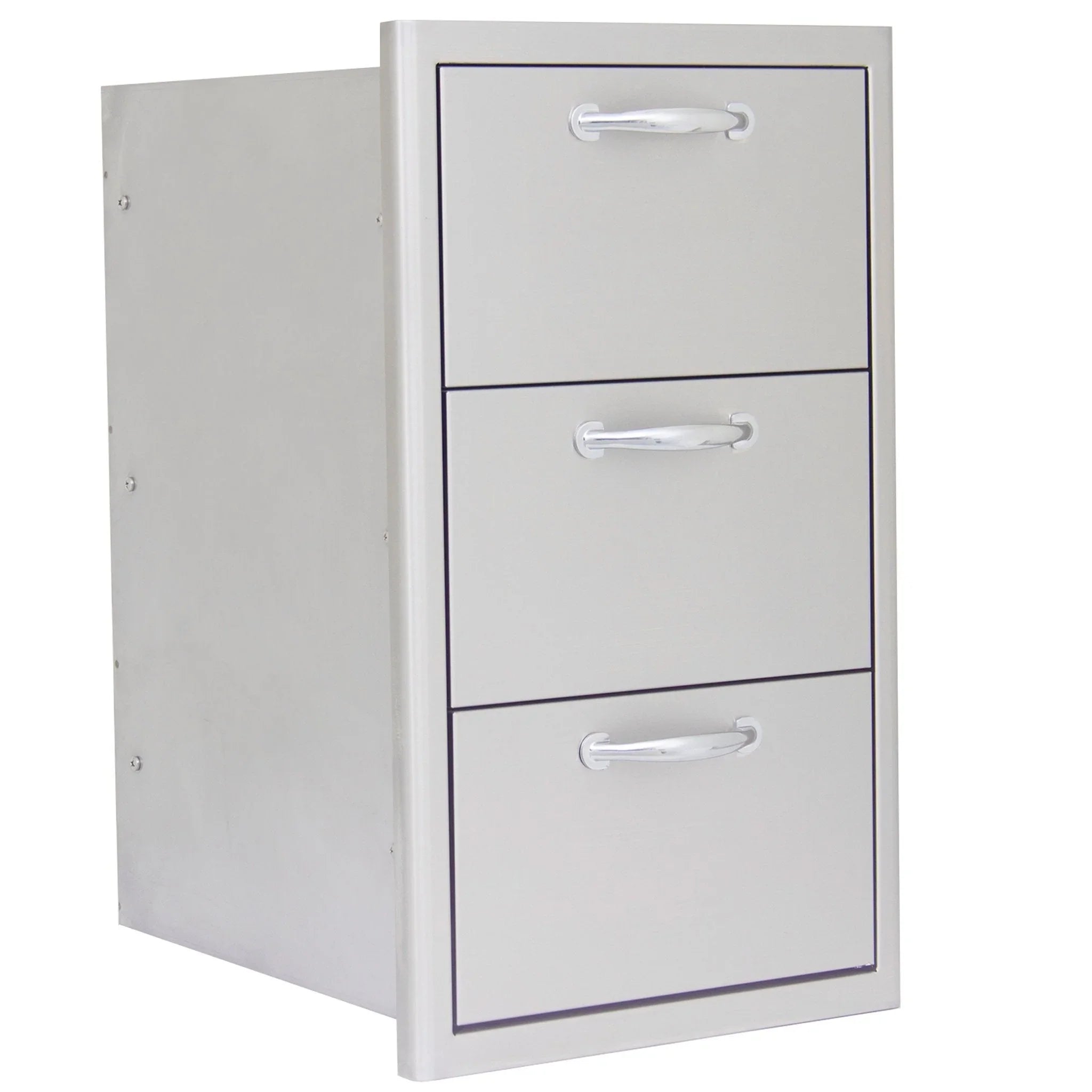
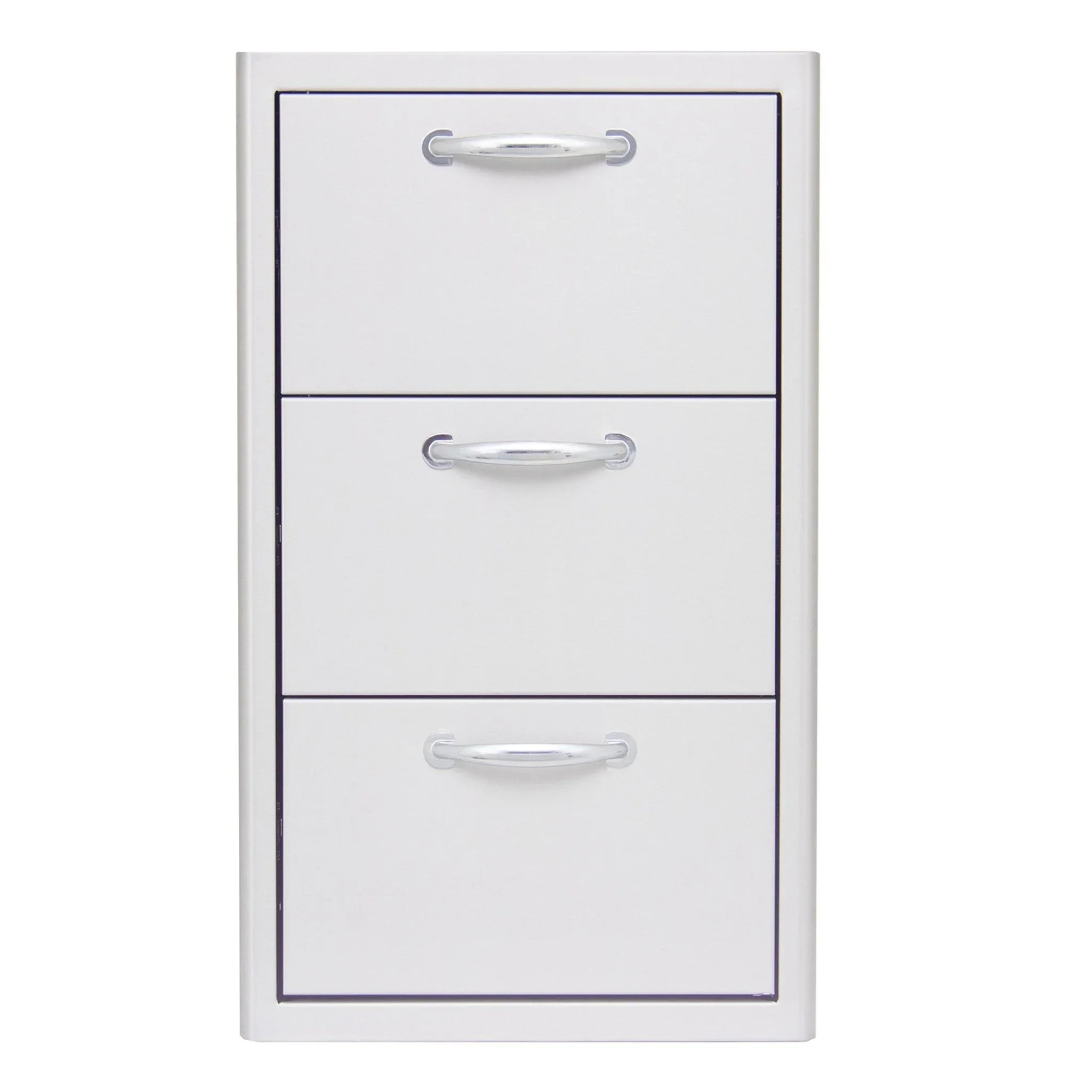
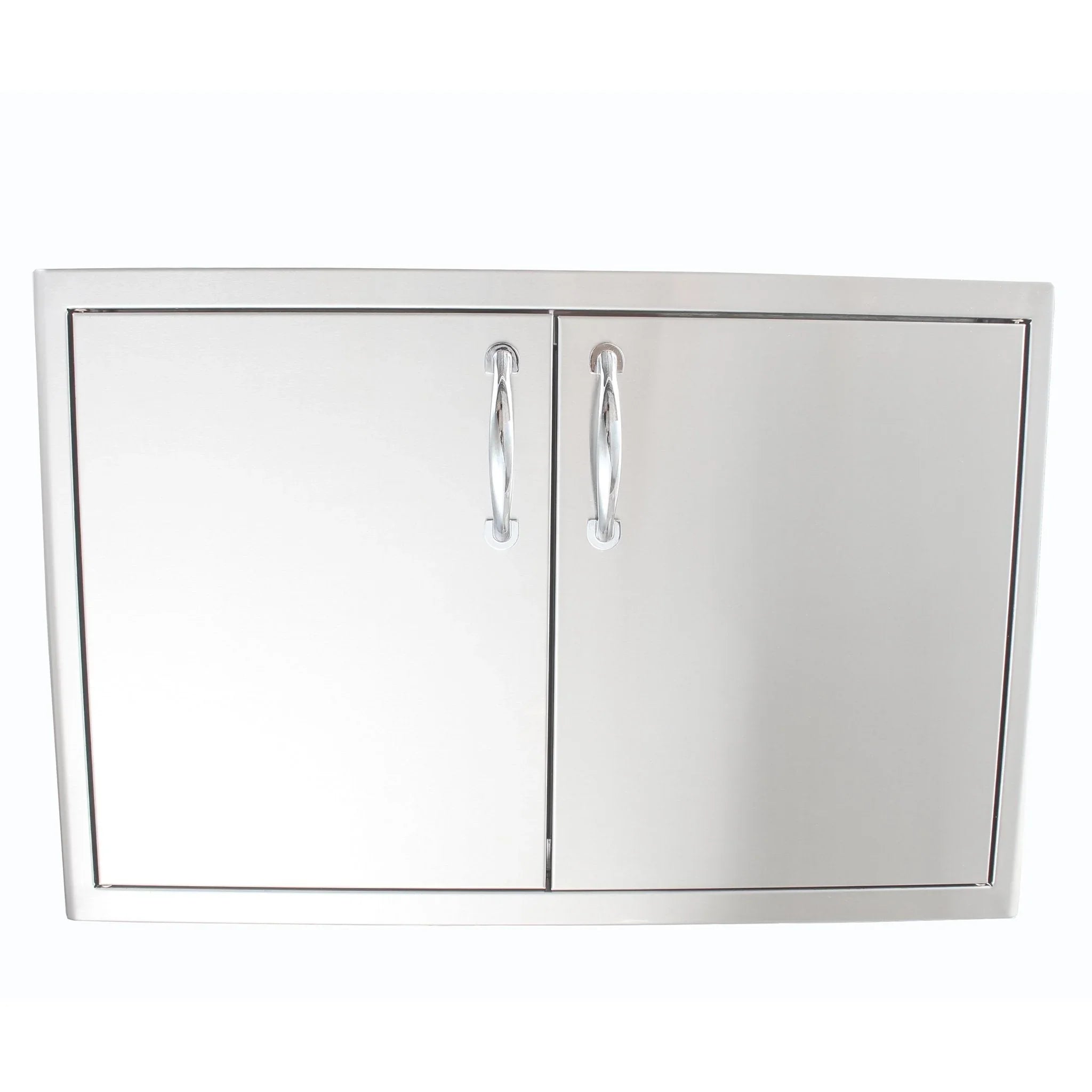
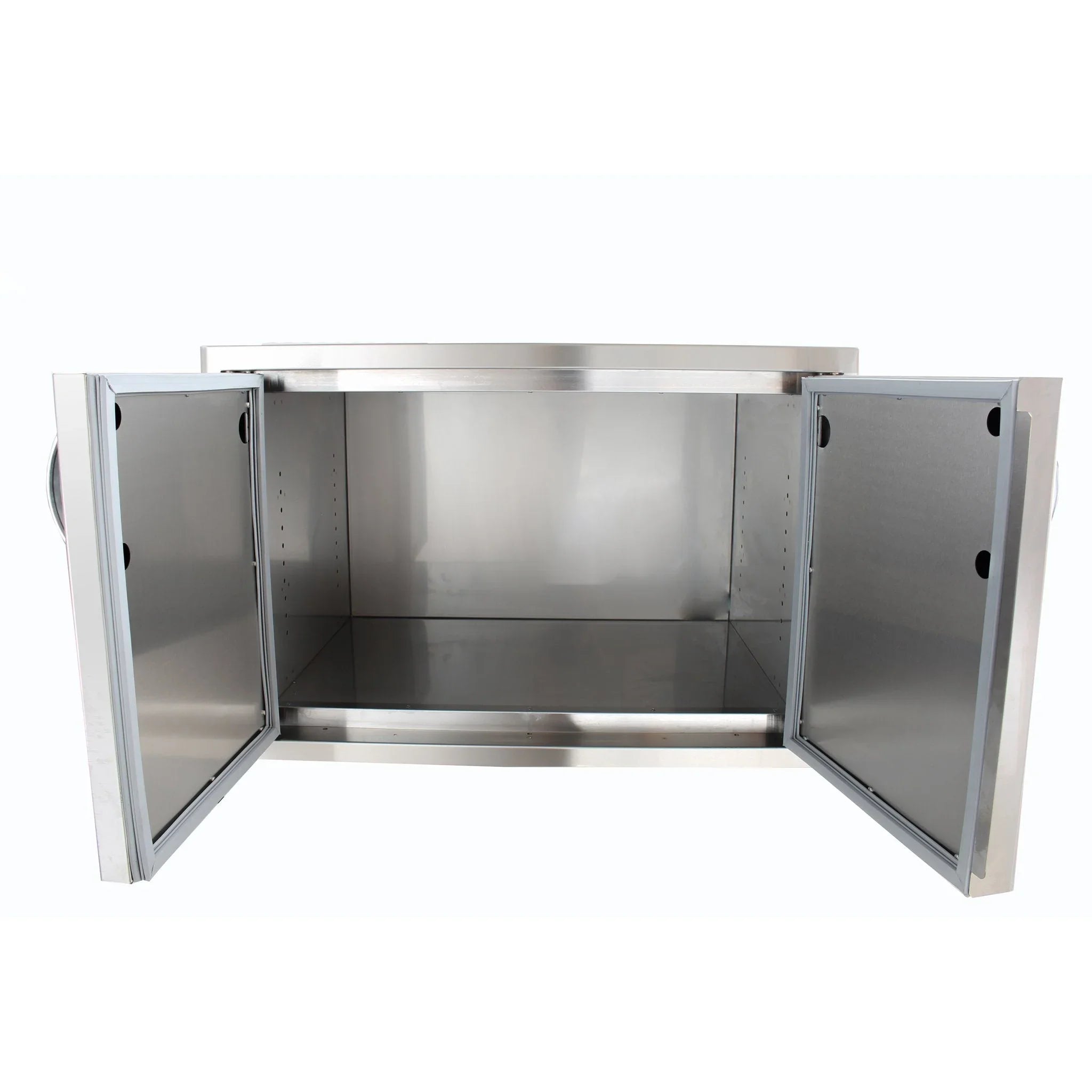
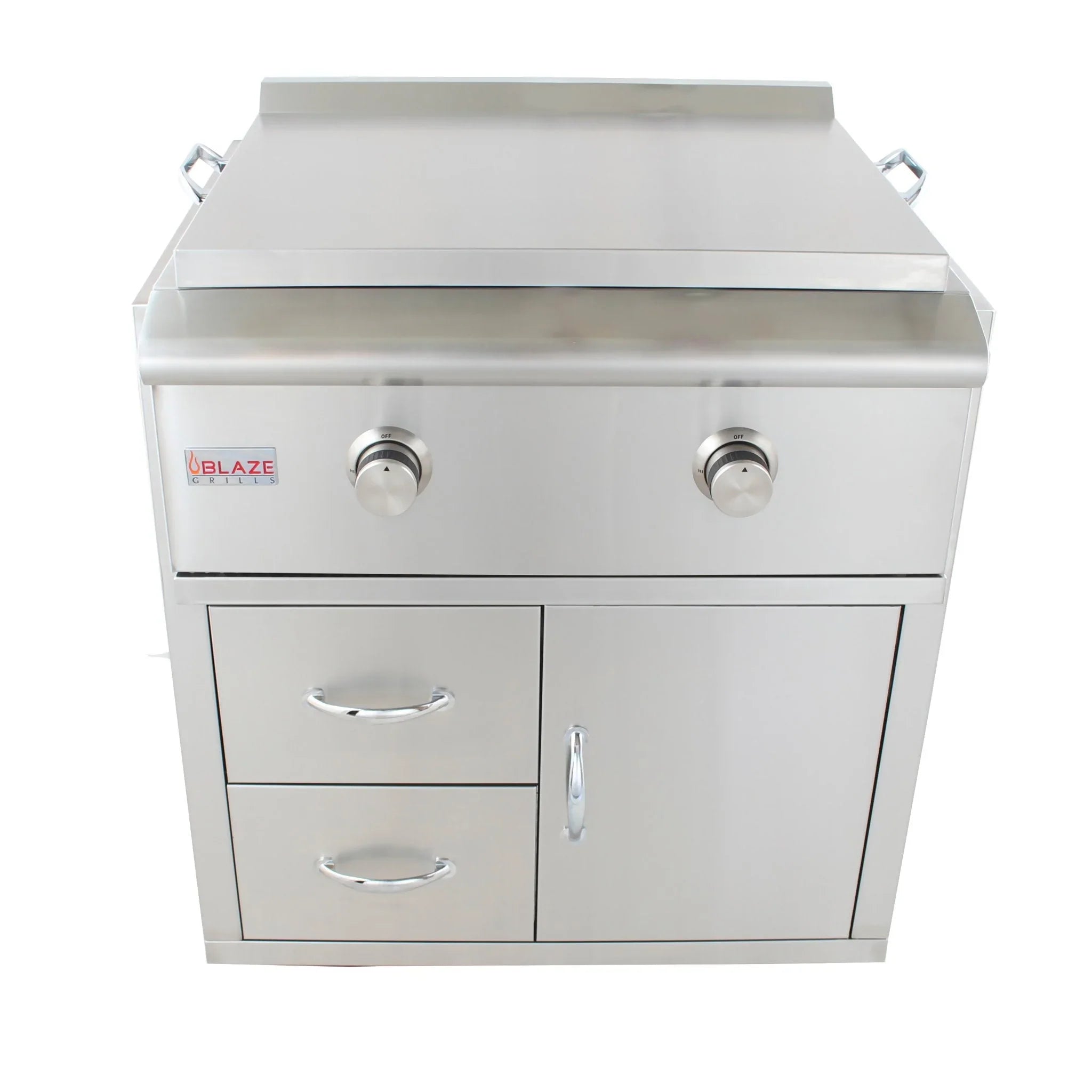
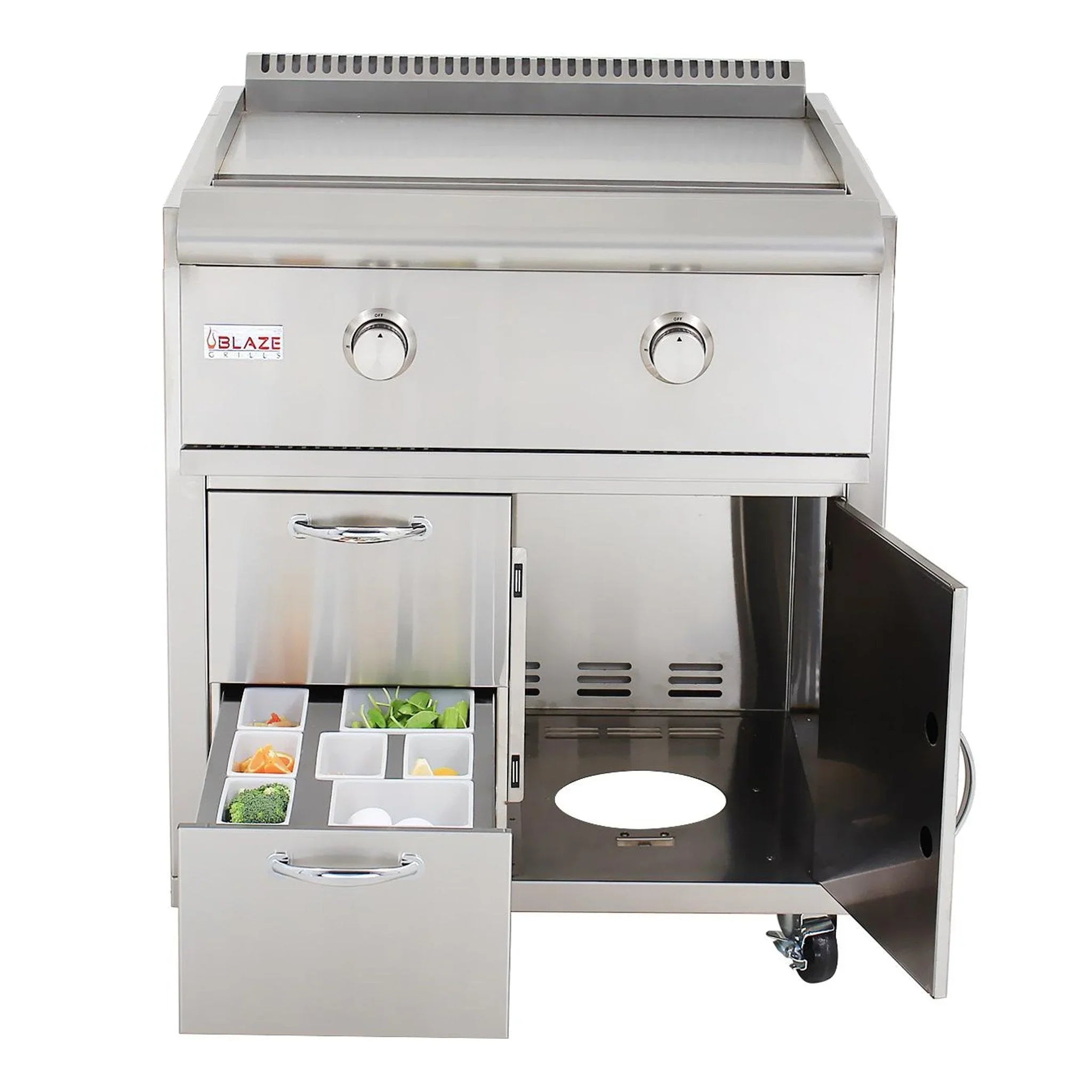
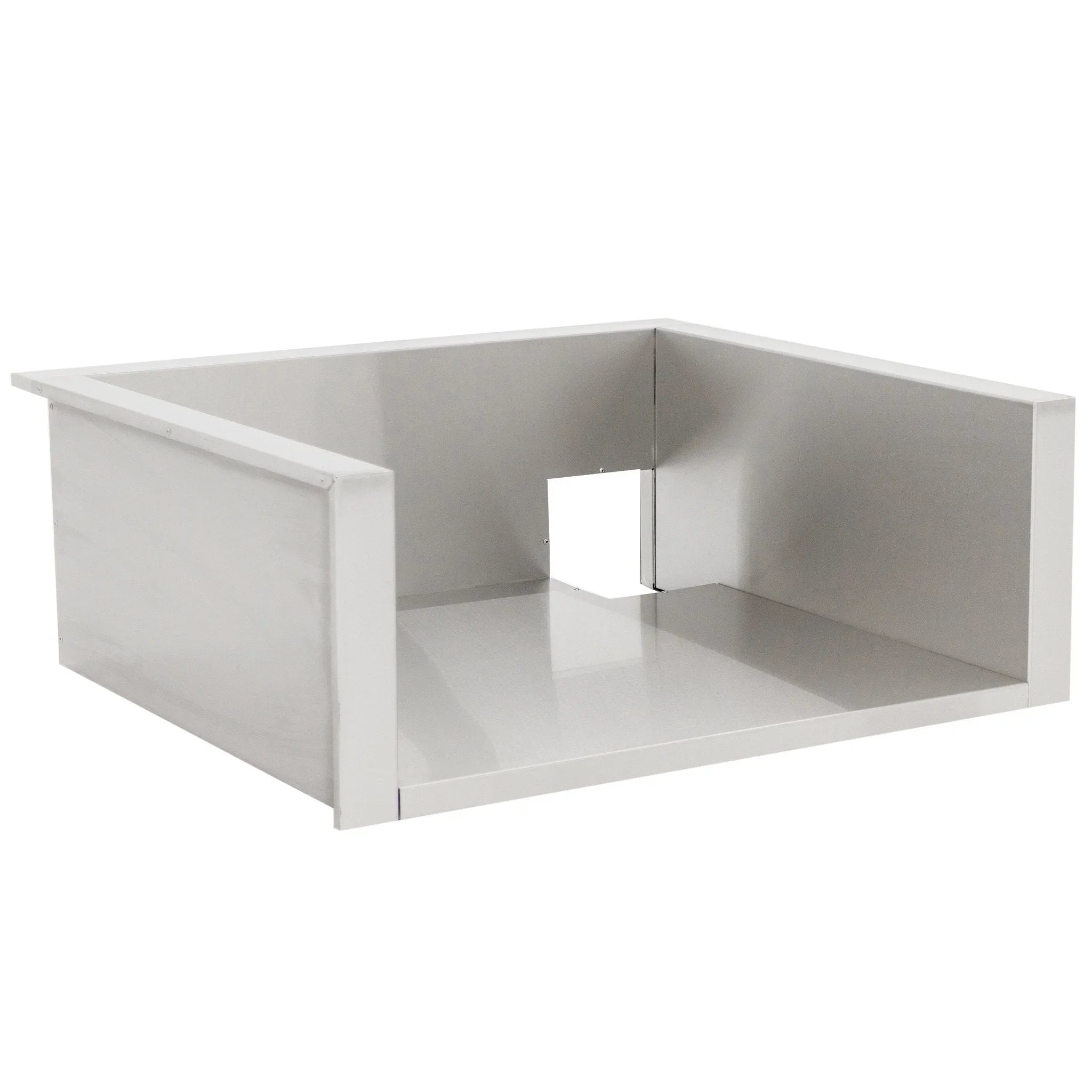
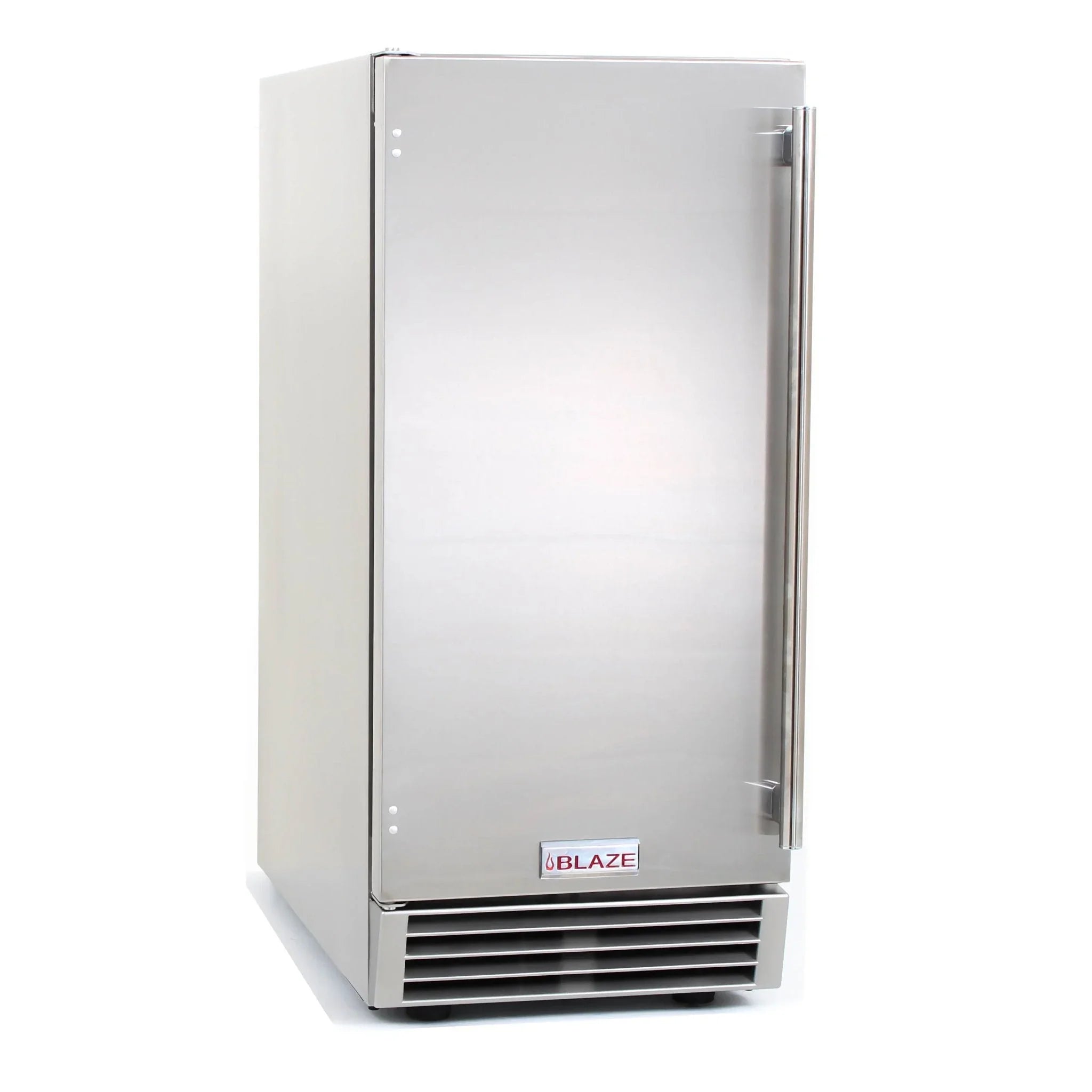
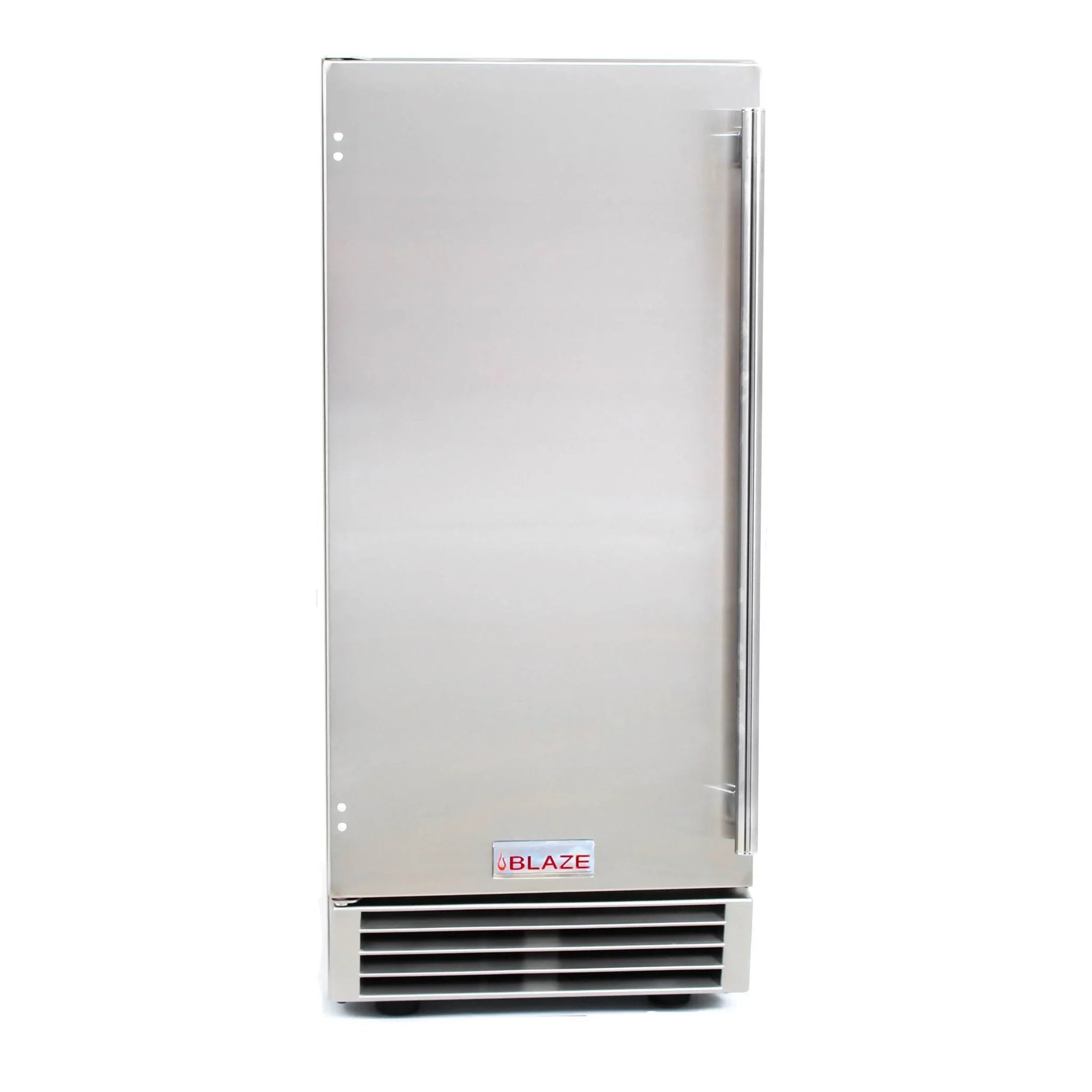
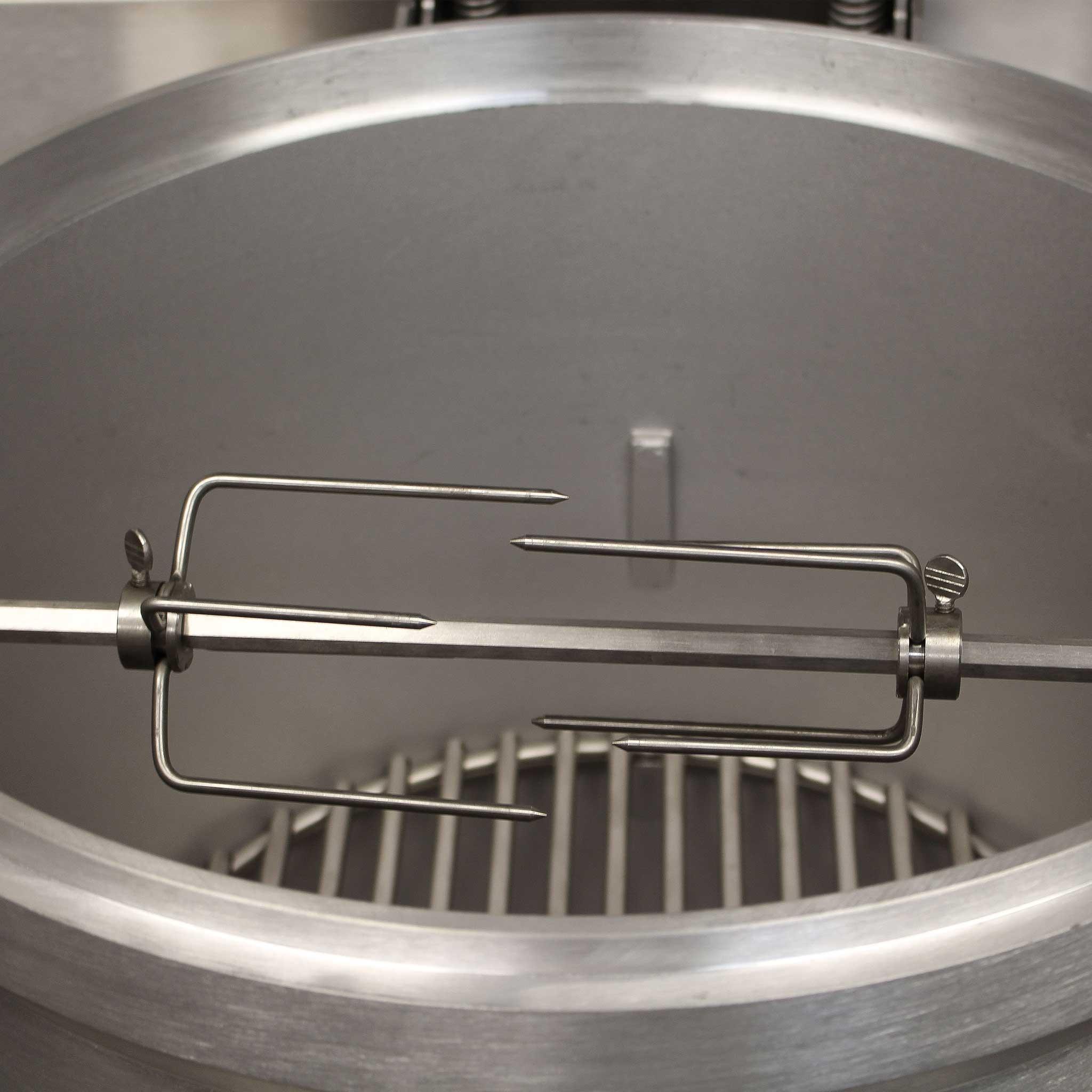
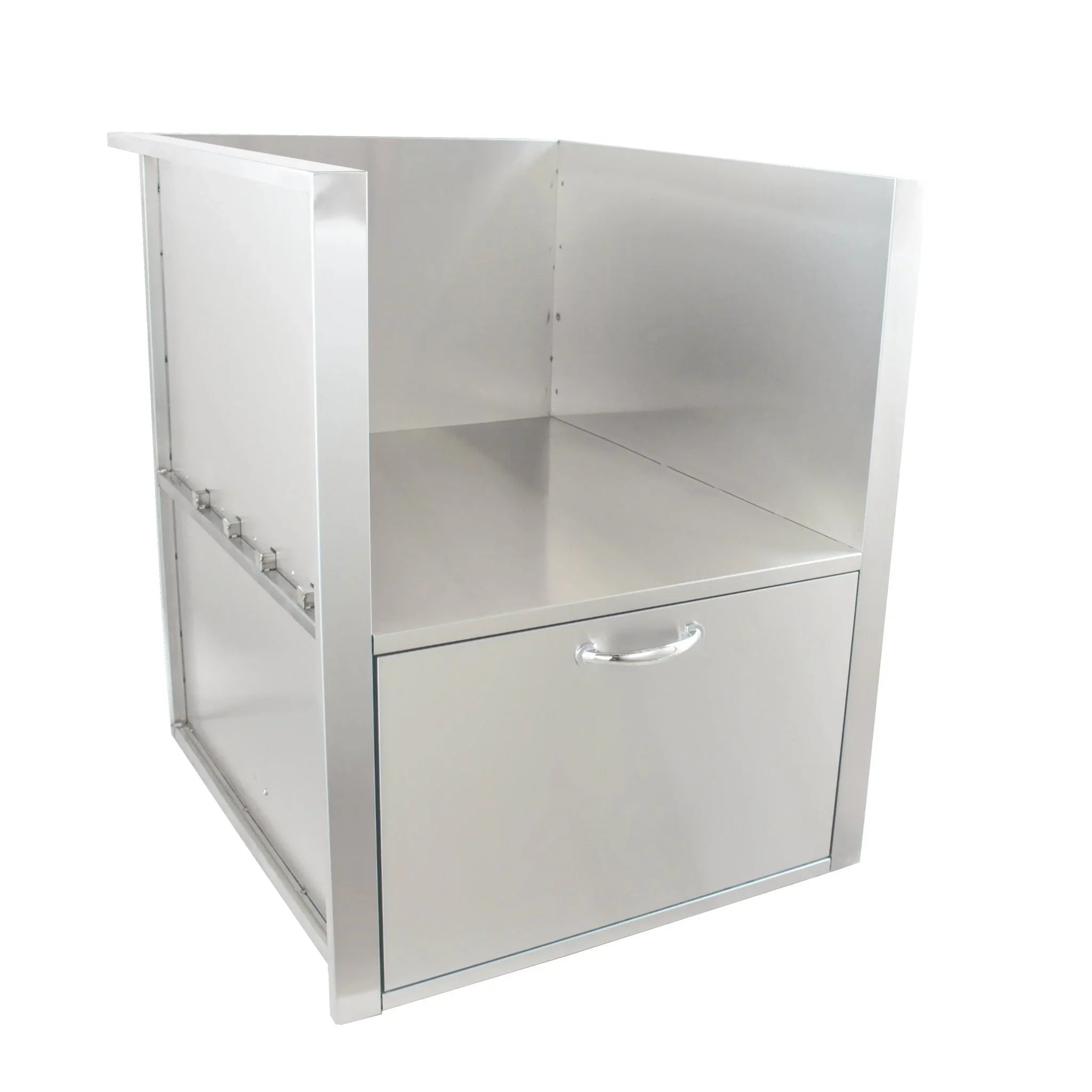
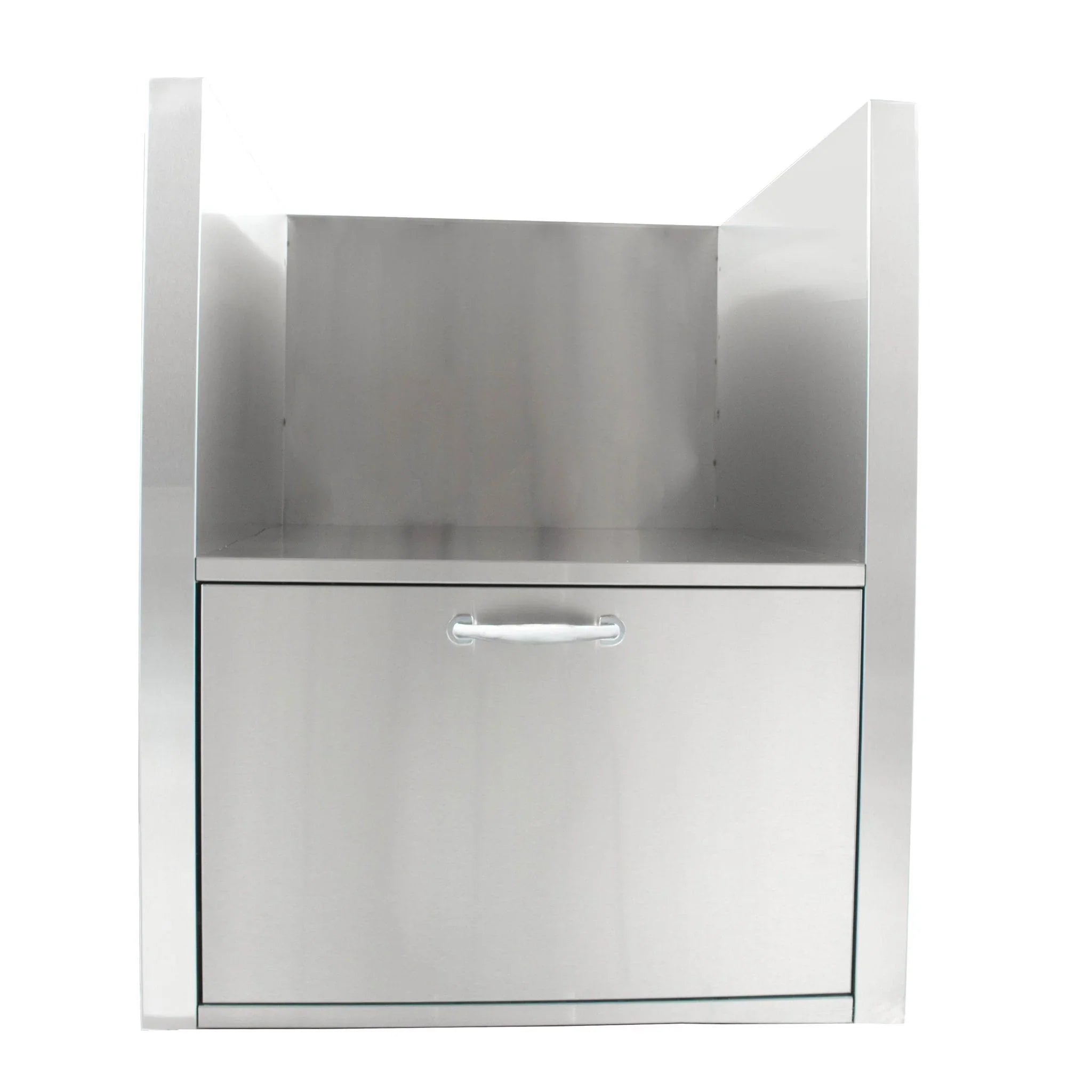
The grill is the starting point, but it's rarely the whole answer. A built-in grill drops into a stone, stainless, or powder-coated frame and stays there — no propane tank to trip over, no cart to move out of the way when you need the space. Around it, an island provides the working surface: prep space, a side burner if you want one, storage for utensils and fuel, and the structural frame that makes everything feel permanent rather than assembled from parts. Add a refrigerator and you've eliminated most of the back-and-forth to the indoor kitchen that defines every outdoor cooking setup that doesn't have one.
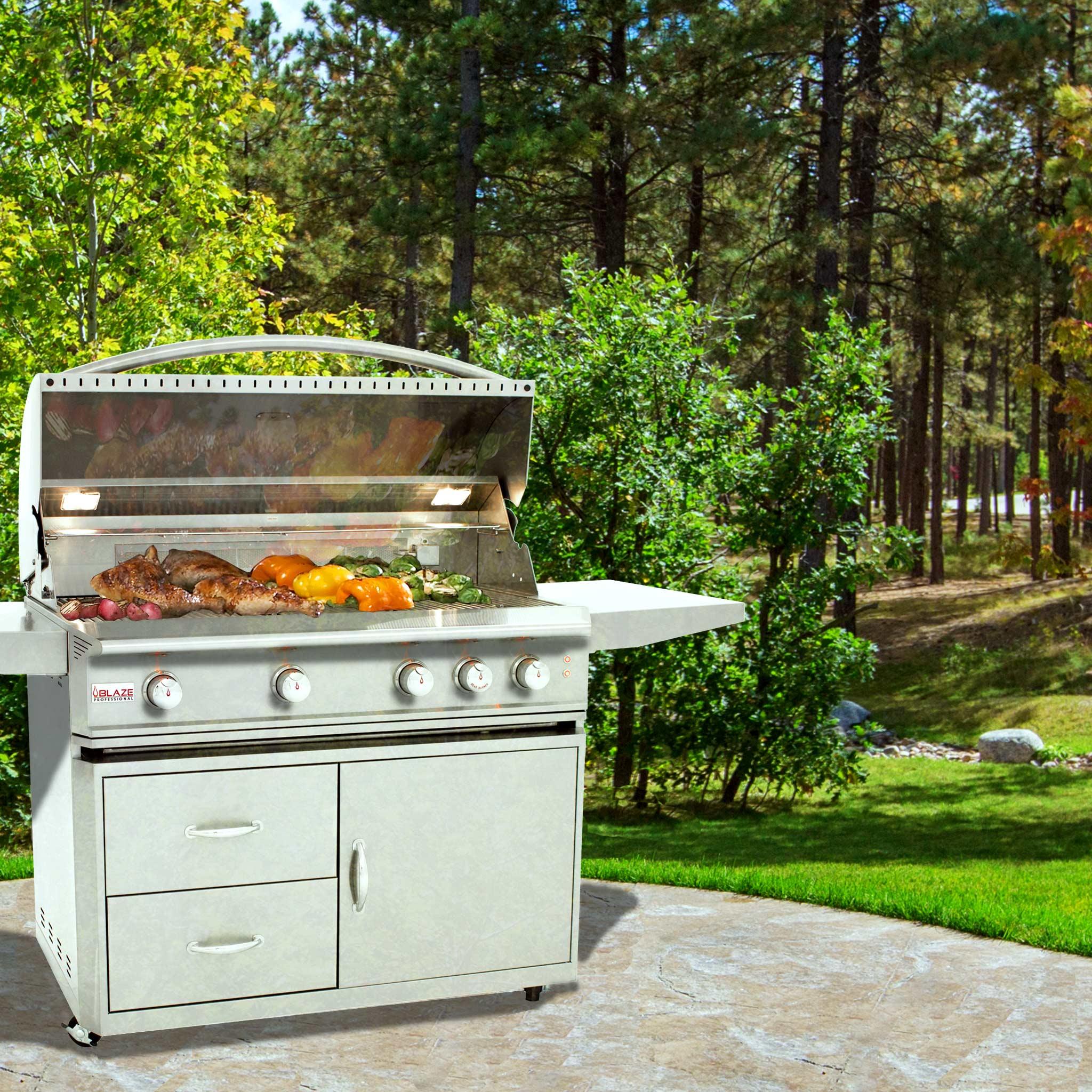
Brands like Blaze and Mont Alpi have made this level of outdoor kitchen accessible without requiring a commercial contractor. Their modular systems are designed to be configured for the space you have — a linear run along a fence, an L-shaped corner setup, a freestanding island in the middle of a large patio. The components are weatherized, the finishes are built for outdoor permanence, and the BTU output of a built-in grill is typically well above what a cart grill can deliver.
Designing Around the Cooking Station
The most common mistake in outdoor kitchen design is treating the cooking zone as an afterthought — tucked against a wall, facing away from the guests, functionally isolated from the entertaining area. A well-considered outdoor kitchen faces the action. The cook is part of the evening, not separated from it. Counter height creates a natural gathering point; guests stand on the other side with drinks while food gets prepared in front of them. That configuration is worth thinking through before anything gets installed.
Our San Diego showroom team offers complimentary design services to help work through exactly these decisions — layout, brand selection, component configuration, and how the kitchen integrates with the rest of your outdoor furniture. Patio Productions is ICFA-certified and has been outfitting outdoor spaces from our San Diego showroom and nationally since 2007. Every order ships free in the U.S. and arrives fully assembled. Our USA-based team offers complimentary design services, custom configurations, and white glove delivery on select orders.
Frequently Asked Questions About Outdoor Kitchens
| What do I need to build an outdoor kitchen? |
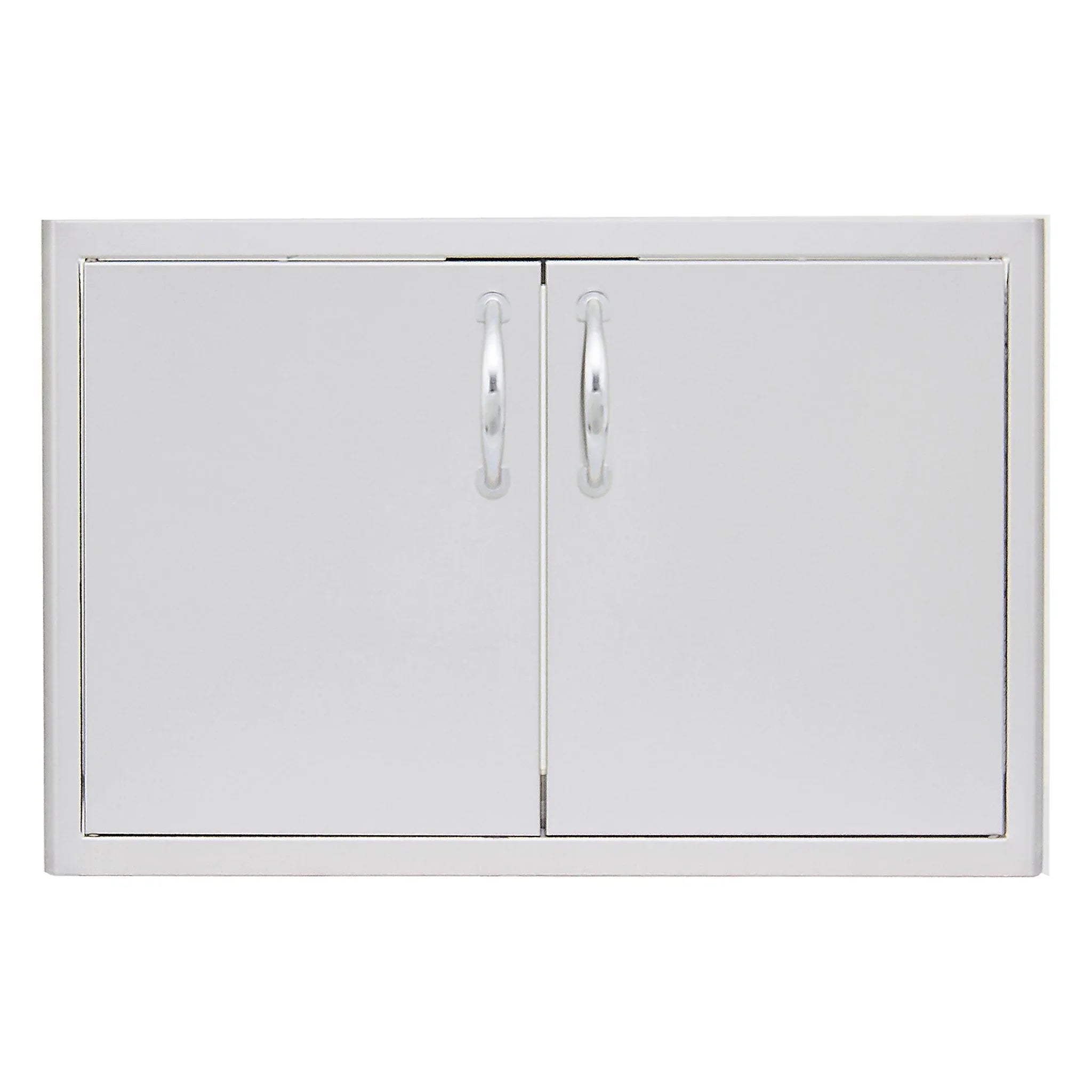
At minimum: a built-in grill, a surrounding island or frame to mount it in, and a gas line or propane connection. From there, the most common additions are an outdoor refrigerator (eliminates trips inside for drinks and ingredients), a side burner for sauces and sides, storage drawers and cabinets, and counter space for prep. Modular island systems from brands like Blaze and Mont Alpi are designed to be configured around the space and priorities you have — there's no single required setup. |
| Can outdoor kitchen components stay outside year-round? |
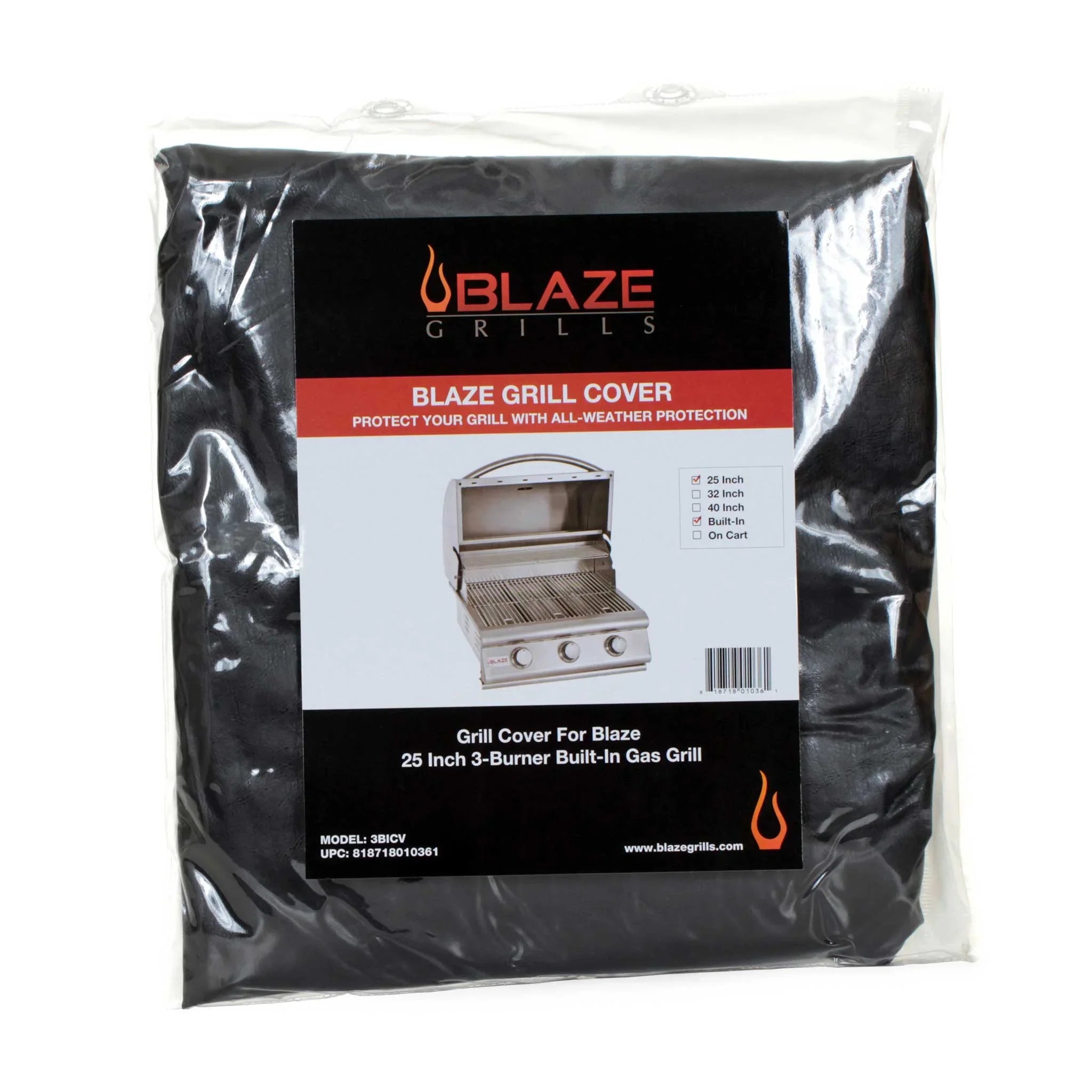
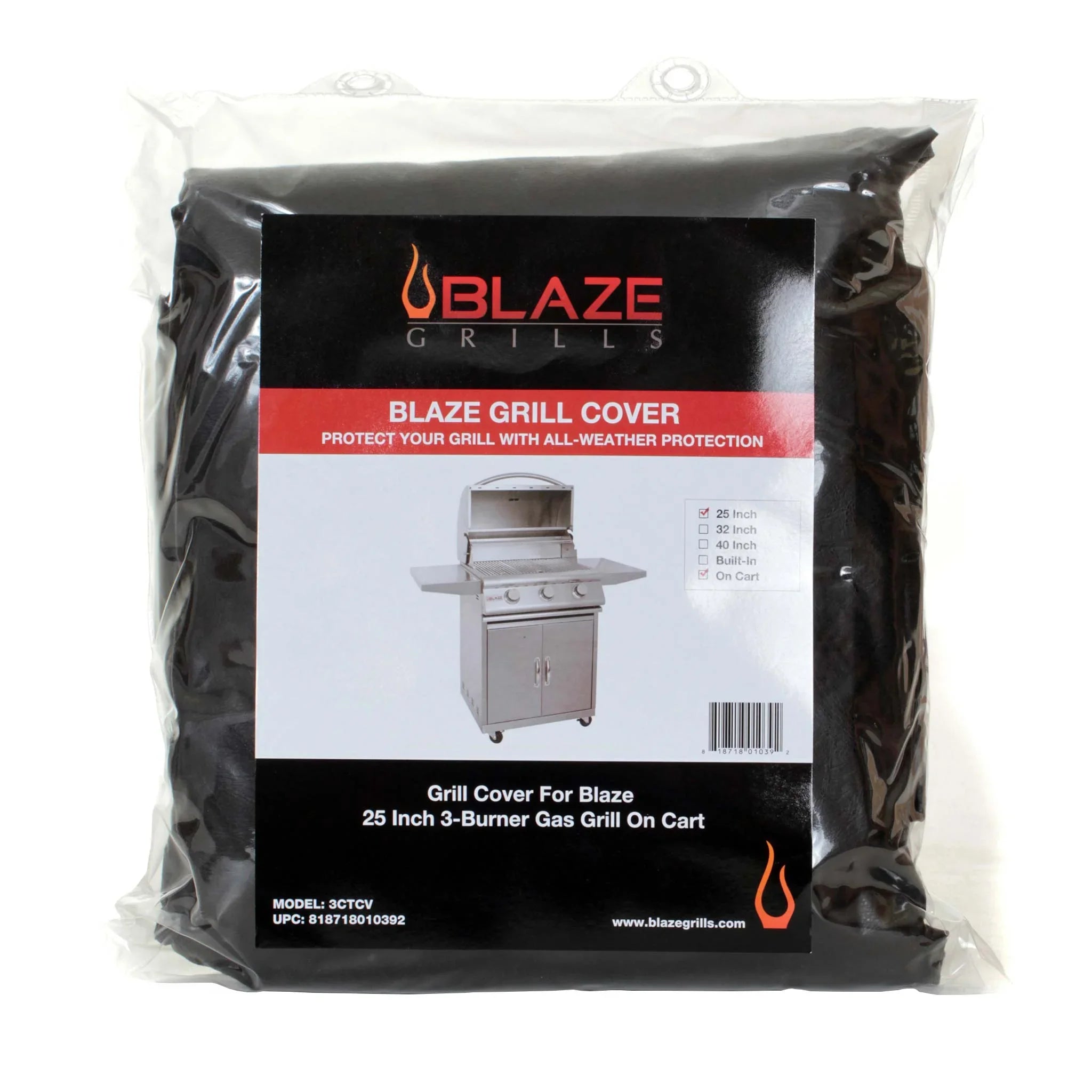
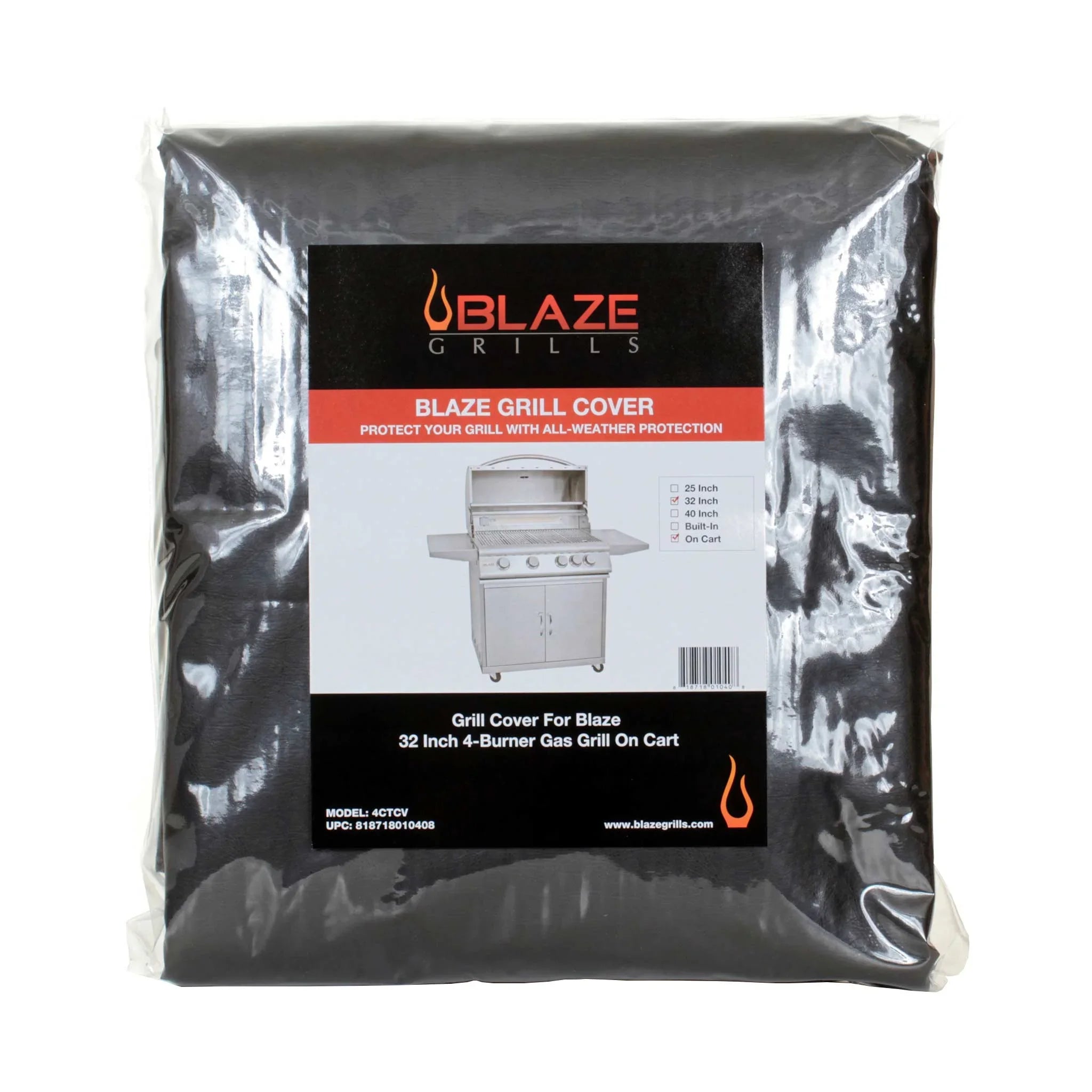
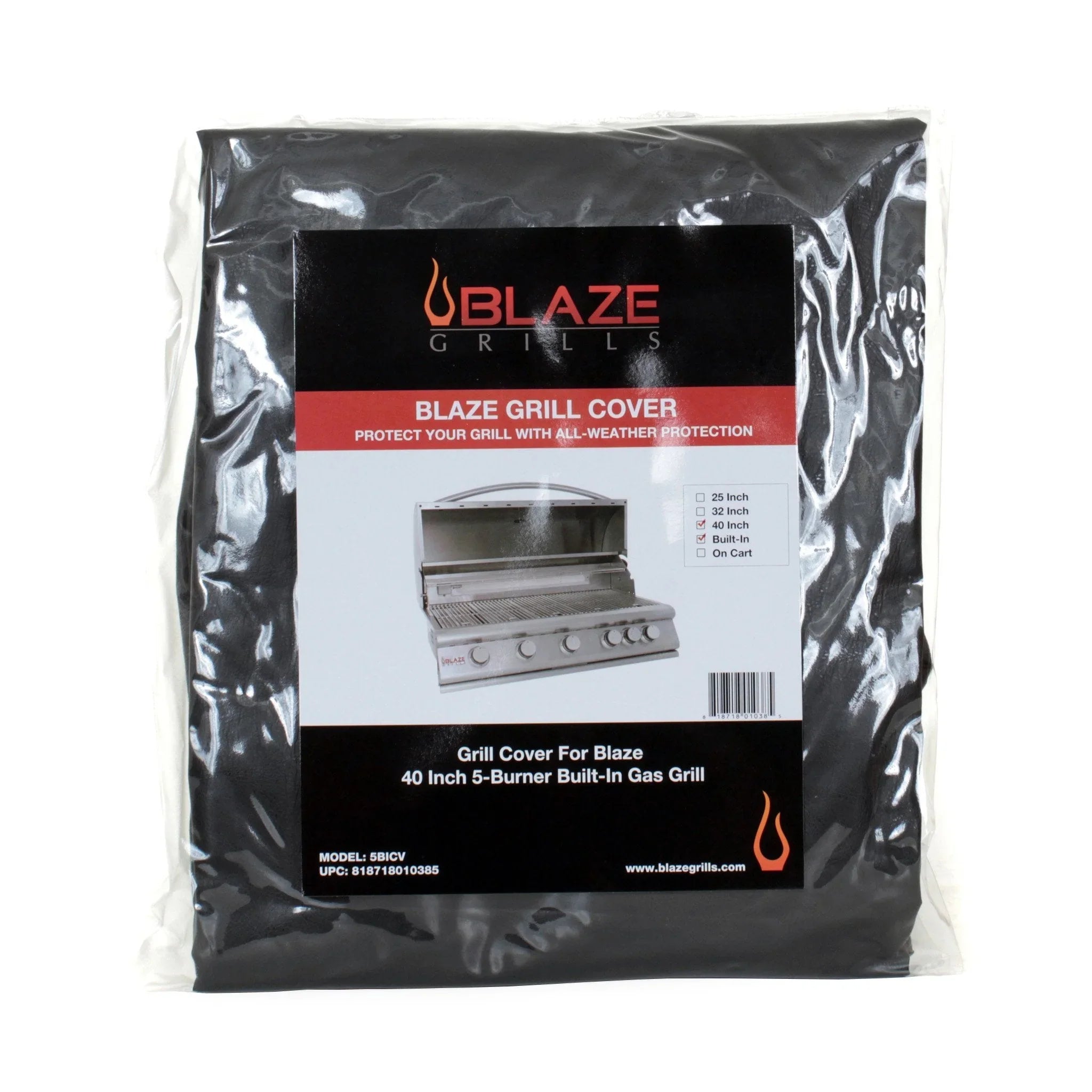
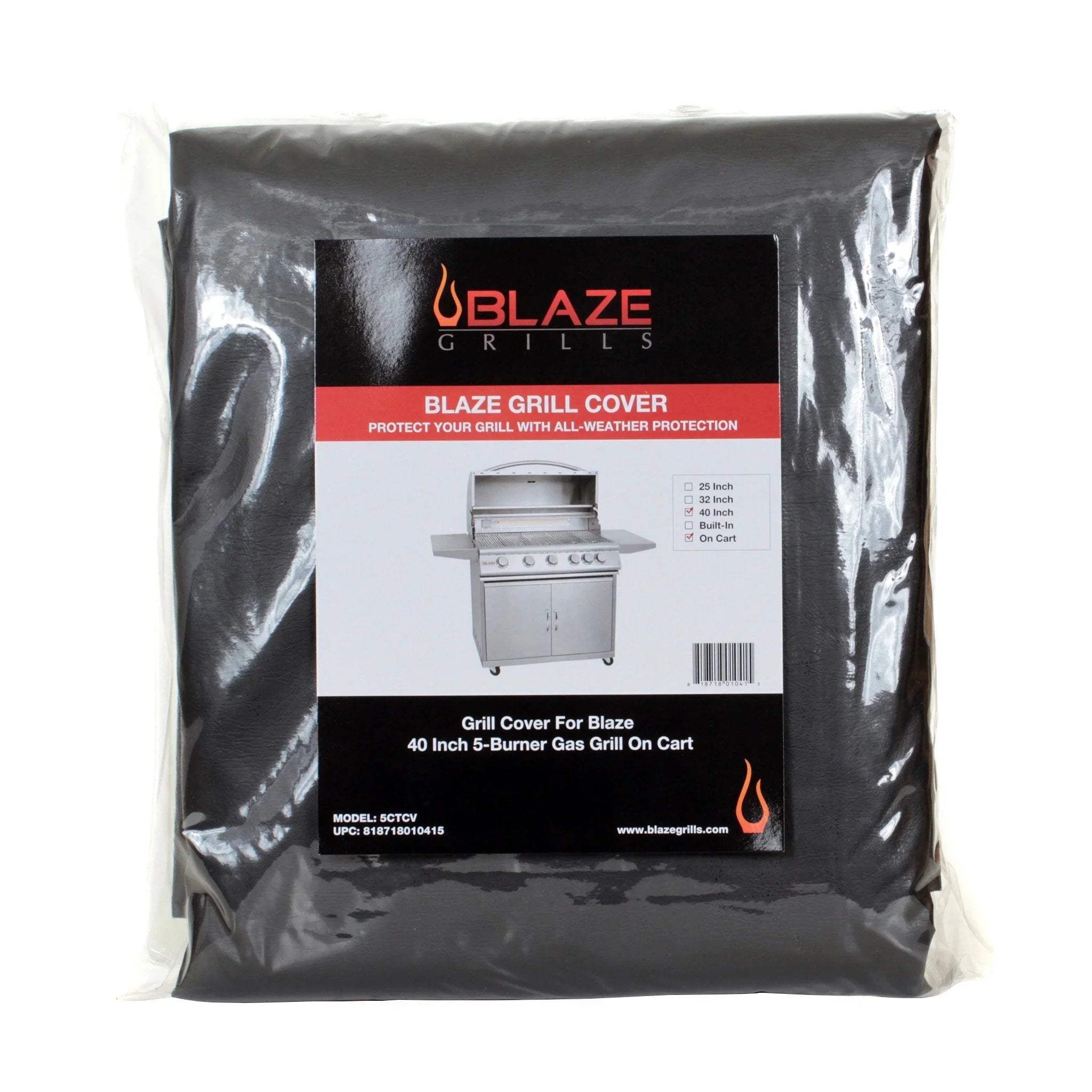
Yes. Stainless steel grills and powder-coated island frames are built for permanent outdoor installation. In climates with hard winters, covering the grill during the off-season extends the life of burners and grates, and draining any water lines before freezing temperatures is standard practice. The structural components — island frames, stone or concrete counters — require no seasonal storage. |
| Do I need a gas line for an outdoor kitchen? |
Not necessarily. Most built-in grills are available in both natural gas and propane configurations. Natural gas requires a dedicated line run from the house — a permanent setup that eliminates the need to swap tanks. Propane runs from a standard tank connected to the grill, which can be concealed inside a base cabinet. Both deliver comparable performance; the choice usually comes down to whether you want the permanence of a gas line or the flexibility of propane. |
| What's the difference between a built-in grill and a freestanding grill? |
A built-in grill is designed to be dropped into a cutout in an island or countertop frame — no cart, no wheels, permanently integrated into the cooking station. They typically offer higher BTU output than cart grills at the same price point, since the budget isn't split between grill and cart. A freestanding grill is portable and self-contained. For a permanent outdoor kitchen, a built-in grill is the right starting point. |


