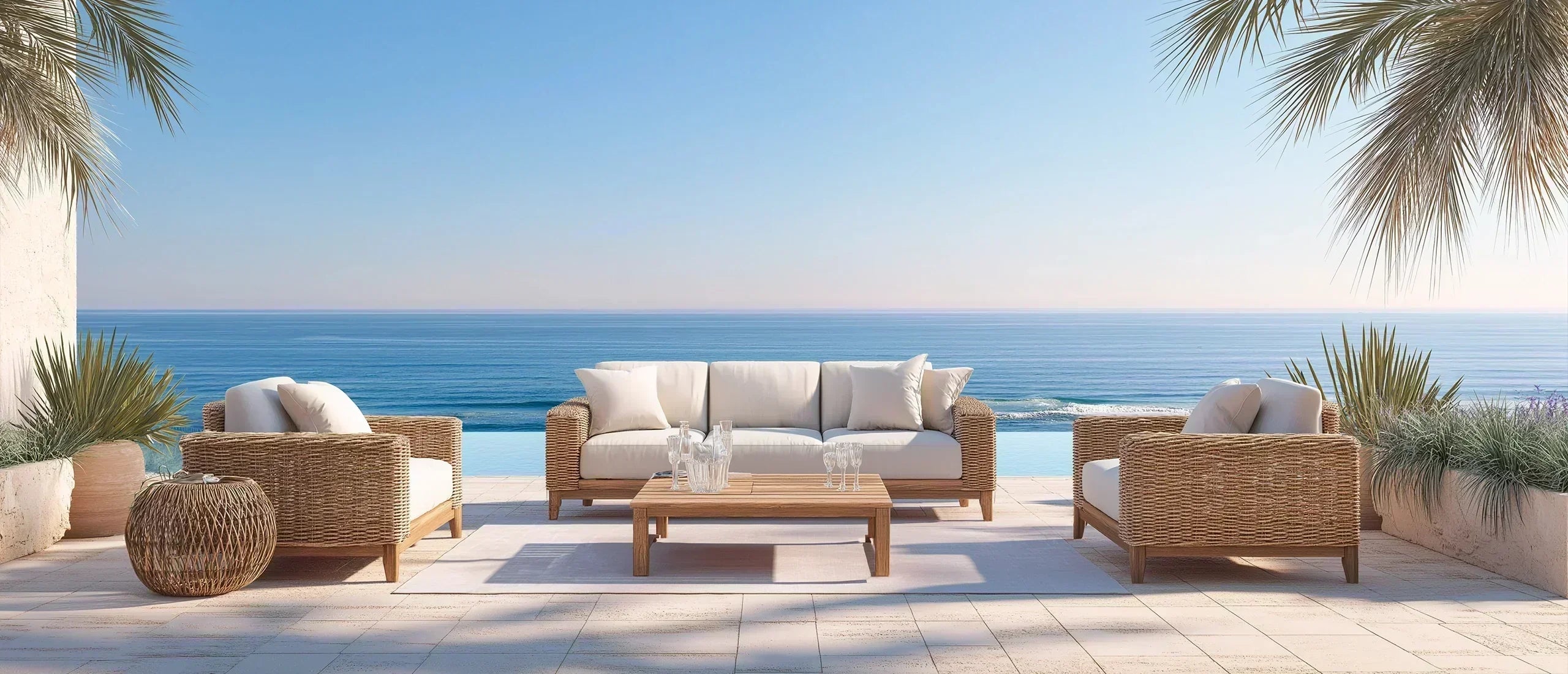
How to Identify Quality Wicker Outdoor Furniture
Navigating today's wicker outdoor furniture market to find just the right piece for your patio can make even the smartest shopper's head spin. What are the best brands? How do you choose the best materials? And what even makes a high-quality wicker piece of furniture? All great questions, and today I've interrogated the Patio Productions team to uncover all the best answers. We're cutting through the clutter to get you the best information to identify quality wicker for your patio, poolside, balcony… basically any outdoor space that needs some well-made wicker.
So, if you're shopping for your next wicker patio piece or set, and want a deeper dive into all of today's important details and tips, take a few minutes to read our Complete Outdoor Wicker Furniture Buyer’s Guide. A little research now will pay off big time.
Whether you're upgrading your patio furniture or buying your first set, this guide will help you actually spot quality wicker furniture… and avoid the landfill-bound junk.
Frequently Asked Questions About Identifying Quality Wicker Outdoor Furniture
HDPE resin wicker is the long-haul champ. If I want “buy it once, relax forever” vibes, I’m hunting for HDPE (often recycled, UV-resistant, and colorfast). Natural rattan is for covered spaces only. LDPE tends to sag sooner. And shiny vinyl? Nope—it cracks, fades, and screams “future curb alert.”
Look for tight, even, handwoven patterns. My quick test: scan for symmetry, evenly spaced rows, and zero frayed ends. Quality pieces usually feel sturdier because they’re handwoven (often built in small rows at a time), not cranked out by a machine. If the weave looks sloppy now, it won’t get better later.
Powder-coated aluminum is my top pick. It’s lightweight and rustproof, which is exactly what outdoor furniture needs. Steel can rust, and wood can work if it’s the dense, outdoorsy kind. Flip the piece (or ask someone to): I’m checking welds, crossbars, and rigidity—good bones matter.
Expect 10+ years with HDPE + aluminum. Cheap sets can die in under three years (tragic). For real longevity, I’m looking for UV-resistant HDPE, powder-coated aluminum frames, tight weaves, and mildew-resistant fabrics. Bonus clue: strong warranties usually mean the brand actually believes in what it’s selling.
Uneven weave, loose ends, shiny vinyl, and wobble. If it’s glossy and squeaky, I’m suspicious. If the weave is uneven or the strands look messy, I’m out. And if the frame feels featherlight and wobbly, that’s a “walk away” moment. Rust-prone steel is another deal-breaker—nobody wants patio stains.
Good Outdoor Wicker - Quick Tips
- Recycled high-density polyethylene (HDPE) resin wicker is the gold standard for long-term durability and eco-friendliness.
- Tight, handwoven weaves are a dead giveaway of premium craftsmanship.
- Look for aluminum powder-coated frames, because they're rust-resistant and lightweight.
- Quality wicker furniture should last 10+ years, while budget sets barely last three.
- Check the manufacturer's warranty. Great brands stand by their product.
- If the price seems suspiciously low, it probably is. Cheap materials = short lifespan.

Materials Used in Outdoor Wicker Furniture
Let’s kick things off with the most misunderstood part of outdoor wicker: the material. So, what's the misunderstanding? Well, wicker isn’t actually a material. It’s a weaving process. And you can find it made from outdoor wicker, natural rattan, and a few other variants of plastics. And it's your choice of a high-quality material that really counts.

Recycled Resin Wicker is the all-star of wicker materials. You'll also hear it called outdoor wicker or synthetic wicker, but it's all made from high density polyethylene. And this stuff is built to last. It's UV-resistant, tough as nails, scratch-resistant, and won’t fade even after years in the sun. We're proud to offer recycled HDPE wicker furniture, which is made from post-consumer heavy plastic milk jugs and detergent bottles. So you can feel good that your wicker is keeping plastic out of oceans and landfills!
If you want outdoor furniture that can handle wild weather, rowdy kids, and the occasional spilled margarita, HDPE is your best bet.
Low-Density Polyethylene (LDPE) is a noticeable step down from HDPE, but still shows up in plenty of patio sets. It’s softer and more flexible, which can make it comfortable at first. But it tends to sag and lose its shape over time. LDPE is also more vulnerable to sun damage and weathering, so you might notice fading or cracking after a couple of seasons. If you’re looking for furniture that’ll go the distance, LDPE might leave you disappointed.

Natural Rattan is the classic choice for that breezy, tropical look, and it’s absolutely gorgeous in the right setting. But here’s the catch: rattan is a diva when it comes to moisture. Leave it outside in the rain or humidity, and it’ll warp, crack, or even grow mold faster than you can say “patio party.” Save natural rattan for covered patios, sunrooms, or indoor spaces where it can stay dry and beautiful.
Shiny Vinyl Plastic is the material you want to avoid at all costs. If the wicker looks glossy, squeaky, or suspiciously like a pool toy, it’s probably made from cheap vinyl. This stuff gets brittle, cracks, and fades in no time, and it never really looks or feels like quality furniture. We can't really recommend this plastic option… unless it's your only option.
One other important benefit of high-quality resin wicker is that you can find it in a huge range of colors and styles. Yes, natural rattan gives you that classic natural look, but resin wicker gives you so many more design choices to design your ideal outdoor look. And according to our analysis, 78% of consumers now prefer synthetic wicker, specifically HDPE, because it handles sun, rain, and kids with equal grace.
Still not sure whether outdoor wicker or rattan is best? Get a deep-dive on comparing these two wicker options.

Types of Outdoor Wicker Weaves
This is where your eyes matter more than your wallet. The tightness and uniformity of the weave tells you everything you need to know about craftsmanship.
Quality Weave Checklist:
- Evenly spaced rows
- Symmetrical pattern
- No frayed or misaligned strands
- Handwoven strands (3–5 rows at a time)
It probably won't surprise you, but handwoven wicker lasts longer and feels sturdier than machine-made versions. Our customers consistently tell us that handwoven wicker feels more stable under everyday use.
Choosing a Solid Frame for Your Wicker
Finding great outdoor wicker furniture is kind of like finding a good house. It's gotta have good bones, right? So the craftsmanship and materials of the frame have a huge impact on its durability and longevity.
Best Wicker Furniture Frame Materials:
- Aluminum: Lightweight, rustproof, and durable. Often powder-coated for extra protection.
- Steel: Heavier but prone to rust—even if it’s painted.
- Wood: Your best options are dense, durable woods like teak, acacia or ipe. They all hold up well outdoors.
How do you test the frame strength? Lift it. If it’s featherlight and wobbly, put it down (gently) and walk away. Ask a sales rep to flip the piece over so you can inspect the welds, crossbars, and support structure. No shortcuts here. Good support = longer life = better investment.
Evaluating Wicker Comfort and Ergonomics
You can know everything about patio furniture materials, styles, and durability, but if your wicker patio furniture feels like sitting on a basket of rocks… that's a no-go. Checking customer reviews and knowing the top wicker brands are both incredibly helpful, but our team always, ALWAYS recommends you actually spend some time testing wicker furniture before you click the buy button. If you're in the San Diego area, stop by our Patio Productions store. We'll get you in some super-comfy wicker to test… for as long as you'd like.
If personal testing isn't an option, here are some important signs of wicker comfort:
- Comfy cushions with high-resilience foam or multi-layer memory foam
- Solution-dyed acrylic or olefin covers that won’t fade or mold
- Good seat depth (around 20-24 inches is ideal for lounging)
Personally, I believe great wicker should feel like a hug and a hammock had a baby. Sit, lounge, stretch—test it like you would a couch. Only then will you know if resin wicker is the best material for your loungers.

Outdoor Furniture Durability, Weather Resistance, & Warranty
Outdoor furniture has to be tougher than indoor furniture since it battles sun, rain, wind, and the butts of everyone you invite over, which is why discovering budget-friendly resin wicker furniture options that deliver style, durability, and comfort without breaking the bank—from smart shopping tips to versatile pieces that maximize your outdoor space investment—makes perfect sense.
Durability Checklist:
- UV-resistant resin (HDPE) to prevent fading (some survive up to 10,000 hours of sun)
- Powder-coated aluminum frames to stop corrosion
- Mildew-resistant & UV-resistant fabric like Sunbrella or Outdura
- Tightly bound weaves that don’t sag when wet
Un-fun fact: only 25% of cheap wicker lasts more than 3 years. Meanwhile, quality sets with HDPE and aluminum often last a decade or more with minimal maintenance.
Check the Wicker Manufacturer's Warranty
Well-known, high-craftsmanship wicker outdoor furniture brands like Harmonia Living, Ebel, and Ratana make quality pieces that they're confident will last. That's why you should check the warranty of each wicker piece you're considering. Look for residential warranties that are measured by year (not months) for the wicker itself, and great brands will offer warranties over 10 years for their frames.
It's a red flag when the manufacture isn't willing to offer a good warranty. So double-check before you put any cash down.

Recognizing Quality Finishes and Coatings
Here’s where the "small stuff" becomes a big deal. Finishes matter. A well-finished frame doesn't just look great—it protects your investment.
- Matte finishes = high-end
- Shiny plastic coating = skip it
- Color-infused resin = better fade resistance
- Powder-coated frames = smoother texture, longer life
The finish is like the topcoat on your nails or the sealant on your fence. it’s what holds the whole look together and keeps things sealed.
Get an insider look at some of the best white outdoor wicker furniture sets.

Comparing Quality Outdoor Wicker Brands and Manufacturers
This is where it can feel overwhelming. So many names, so many price tags. But there’s a big difference between a brand you’ve heard of and a brand that builds to last. I've wrangled up a few that make wicker outdoor furniture to go the distance on your patio.
Reputable Outdoor Wicker Brands Known for Quality:
- Sunset West – Great for luxury outdoor spaces with timeless design.
- Harmonia Living – Durable and modern at a fair price point.
- Lloyd Flanders – Known for handwoven quality and premium materials.
- Forever Patio – A favorite for smart shoppers who want longevity without spending a fortune.
- Hospitality Rattan – Comfortable, flexible sets that don’t cut corners.
Here's what we tell our customers all the time: a good brand isn’t always about flashy ads. It’s about warranty support, material transparency, and consistency across their product lines. It's why we're proud to partner with these great brands to bring you wicker patio pieces you know will look great for a long time!


Price vs. Quality Considerations
You’ve heard it before: "You get what you pay for." But let’s break that down with numbers, not slogans.
| Price Range | What You’re Likely Getting |
|---|---|
| Under $500 (for set) | Vinyl wicker, steel frame, thin cushions, short lifespan |
| $1,000–$3,000 (set) | PE resin wicker, aluminum frame, decent cushions |
| $3,000+ (set) | Handwoven HDPE wicker, thick powder-coated aluminum, high-end fabrics, 5–10 year warranty |
One thing to remember is that quality wicker furniture pays for itself over time. Why replace a set every 3 years when a good one will outlast your kids’ sports careers?
A red flag: If you find a “7-piece set” for under $800, it’s likely mass-produced, thin-frame furniture made of shiny plastic. It might look good for one summer, but that's about it.
Spotting Poor Wicker Craftsmanship (and Running Away Fast)
A gorgeous wicker couch is meaningless if it collapses during your backyard BBQ. So how do you know if something is built poorly?
Red Flags of Bad Wicker:
- Uneven or loose weave patterns
- Ends of wicker strands sticking out
- Thin, low-density frame tubing
- Wobbly legs or uneven rocking
- Vinyl or shiny strands that squeak when you touch them
One of my all-time regrets? Buying a too-good-to-be-true “weatherproof” sectional with what turned out to be steel frames. It rusted in a season. The worst part? It stained my patio concrete orange. Womp womp.

So, Now You Know Your Outdoor Wicker
Here’s the reality: buying outdoor furniture is part design, part durability, and part detective work. But it doesn’t have to be complicated.
If you remember just one thing from this entire guide, remember this:
"Good wicker feels like quality before you even sit in it. It’s heavy but balanced. The weave is tight and clean. The frame is solid. The cushions invite you to stay a while. And the whole thing makes you think, 'Yep, this was worth it.'”
– Ben Harvey, Founder & CEO of Patio Productions
Investing in high-quality recycled resin wicker, powder-coated aluminum, and supportive cushions isn’t a luxury. It’s smart shopping. You’ll enjoy it season after season instead of dreading another replacement next spring.
So go ahead. Get picky. Ask us your questions. And sit-test like a pro. That's what it takes to find quality wicker outdoor furniture for your patio.