
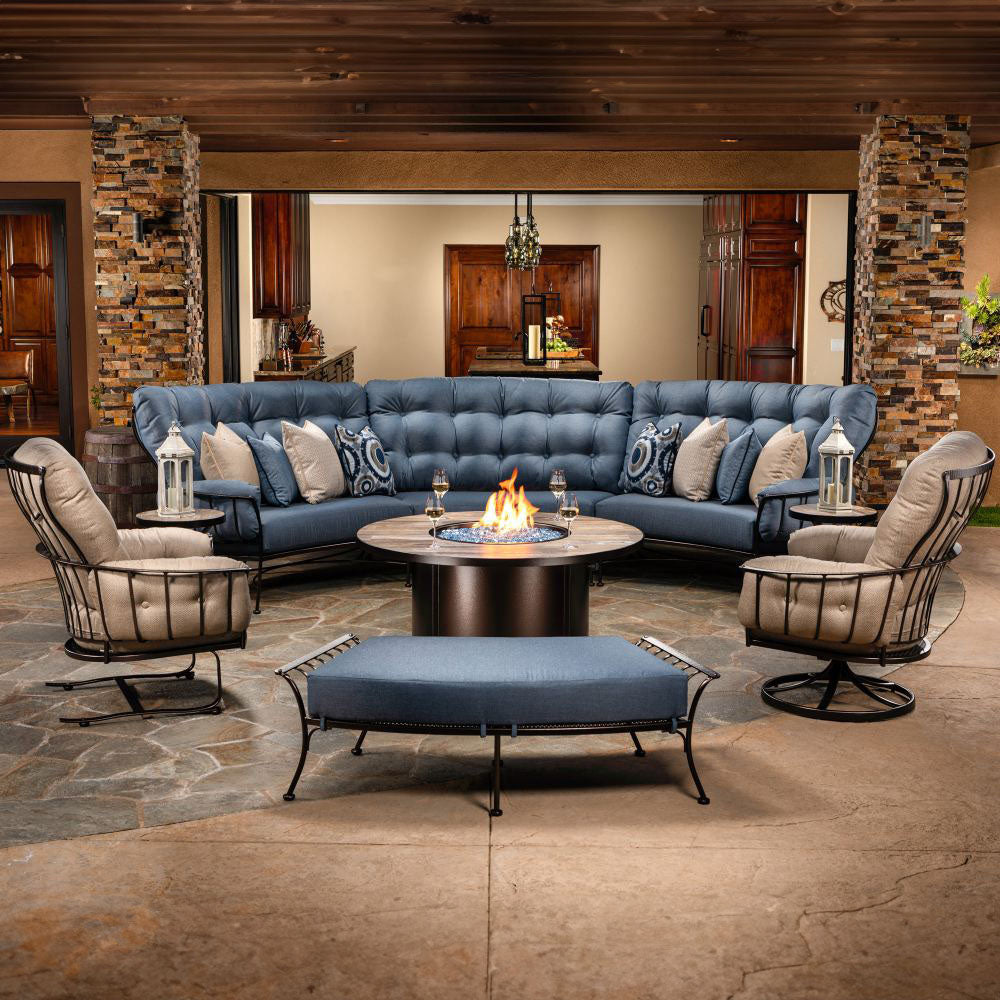
Classic & Traditional Outdoor Furniture
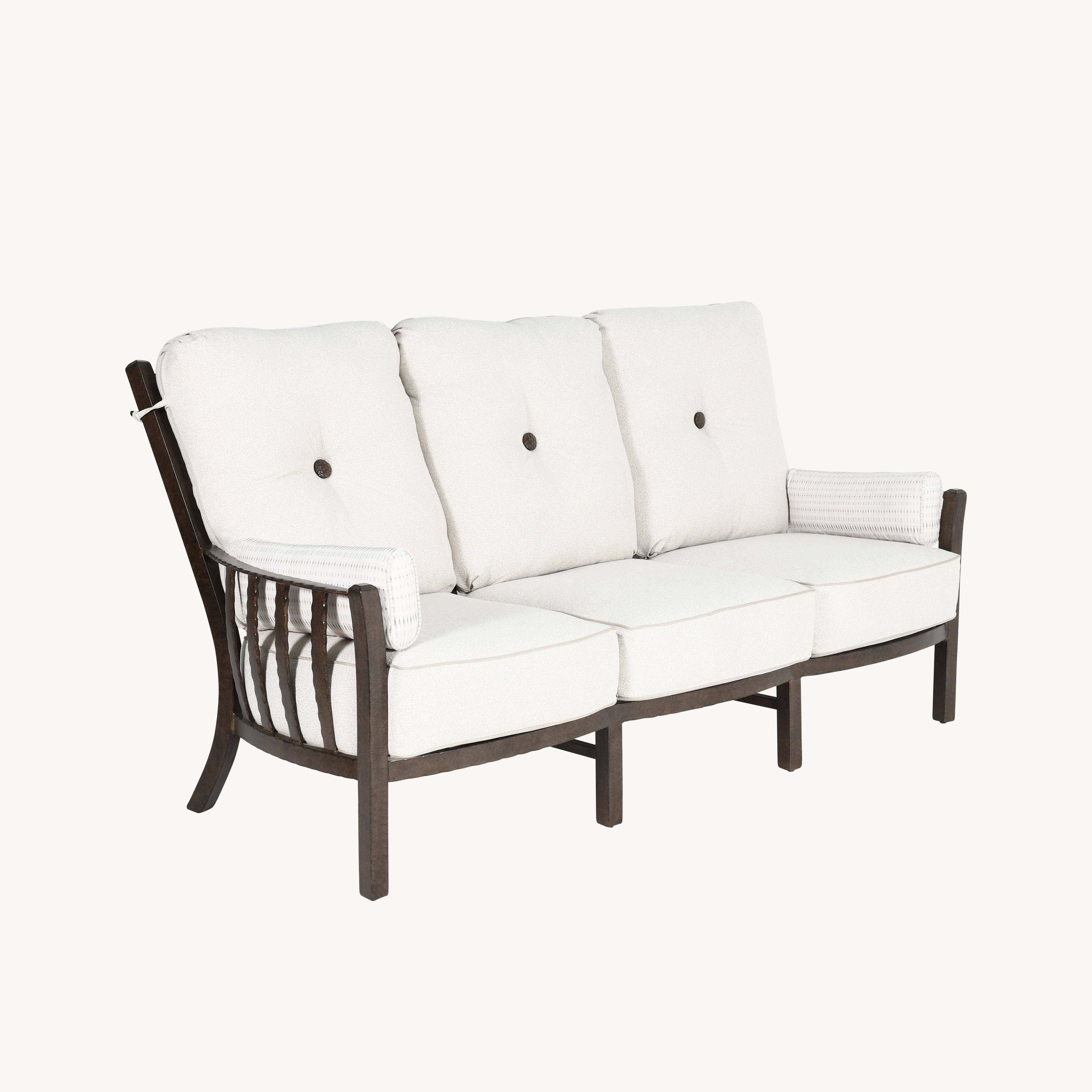
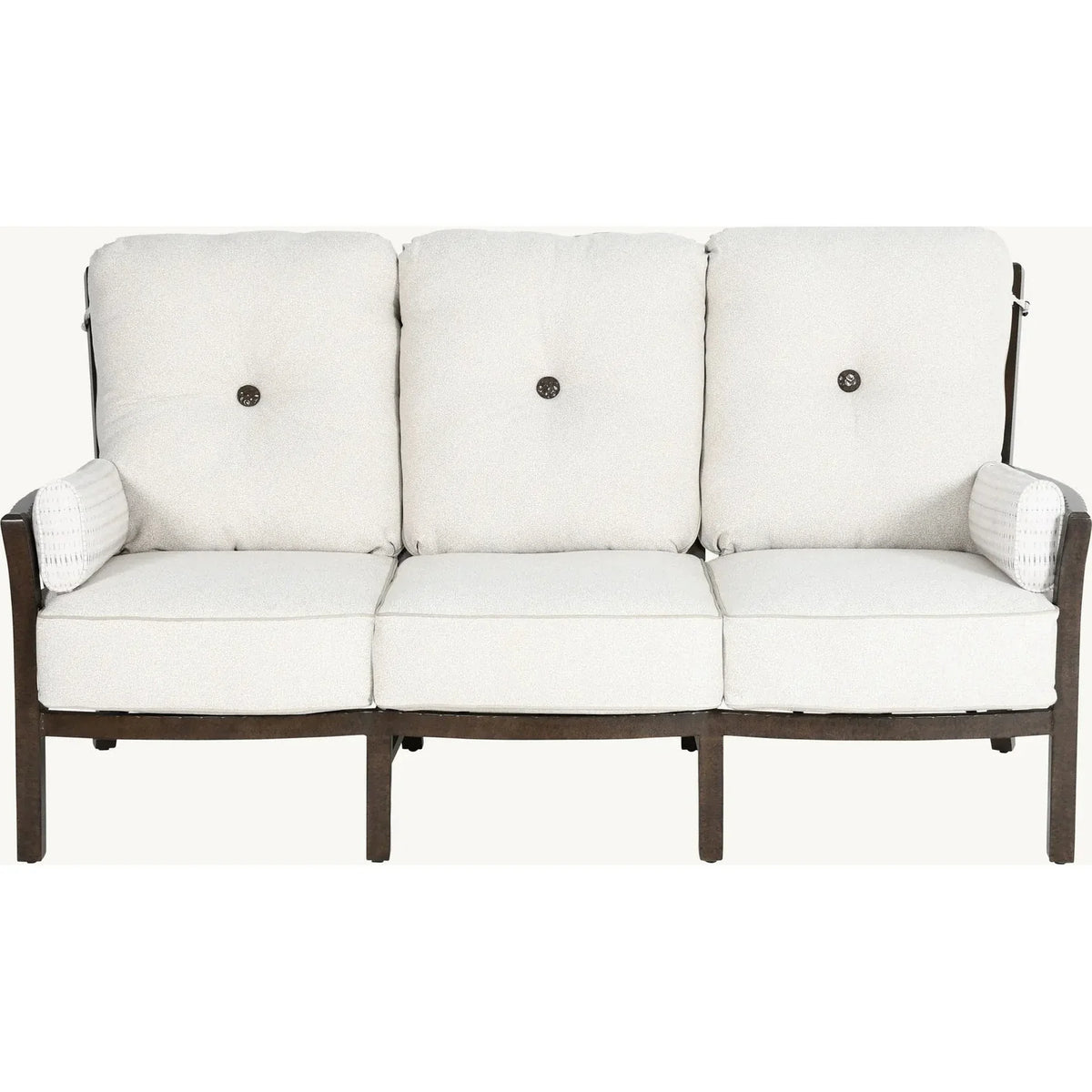
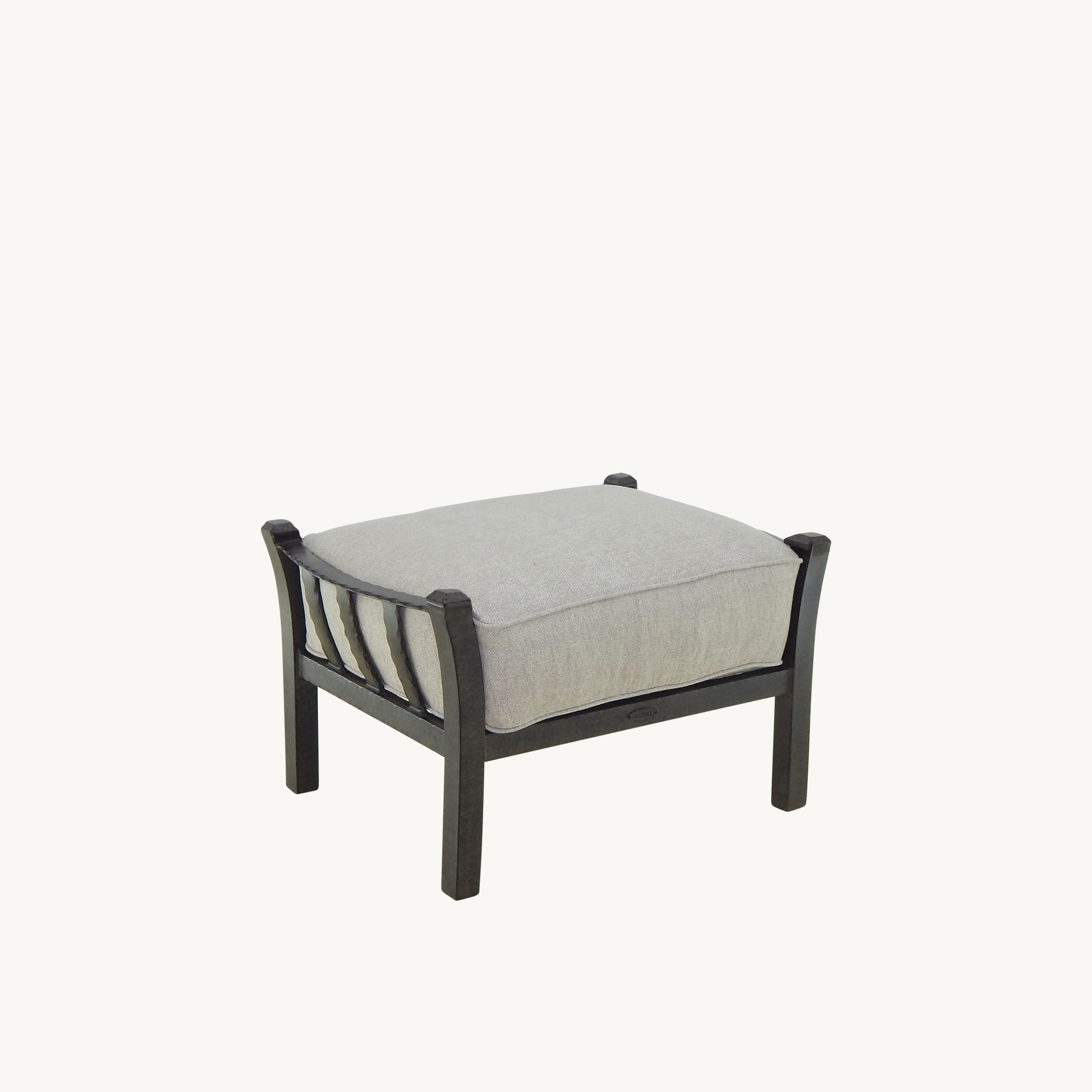
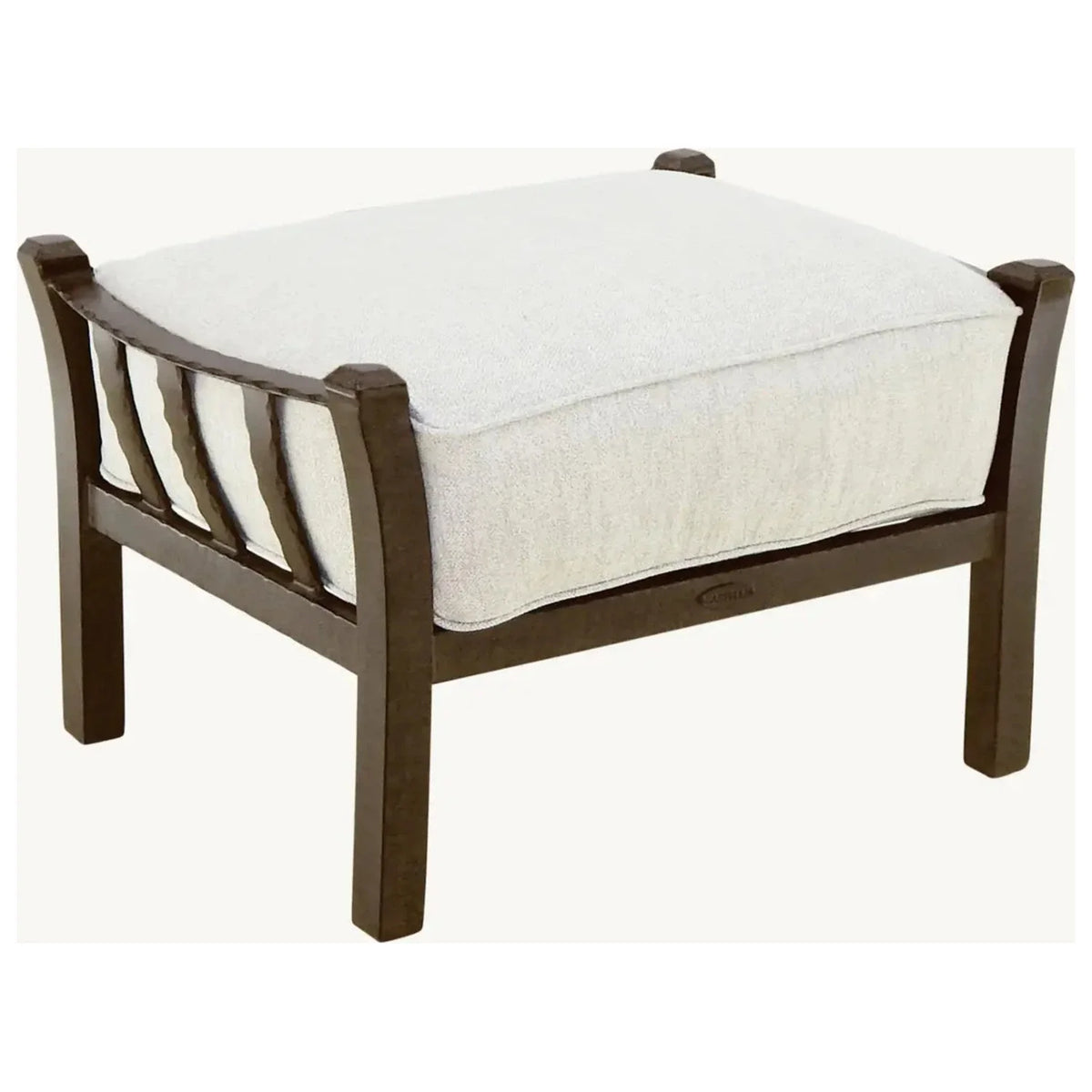
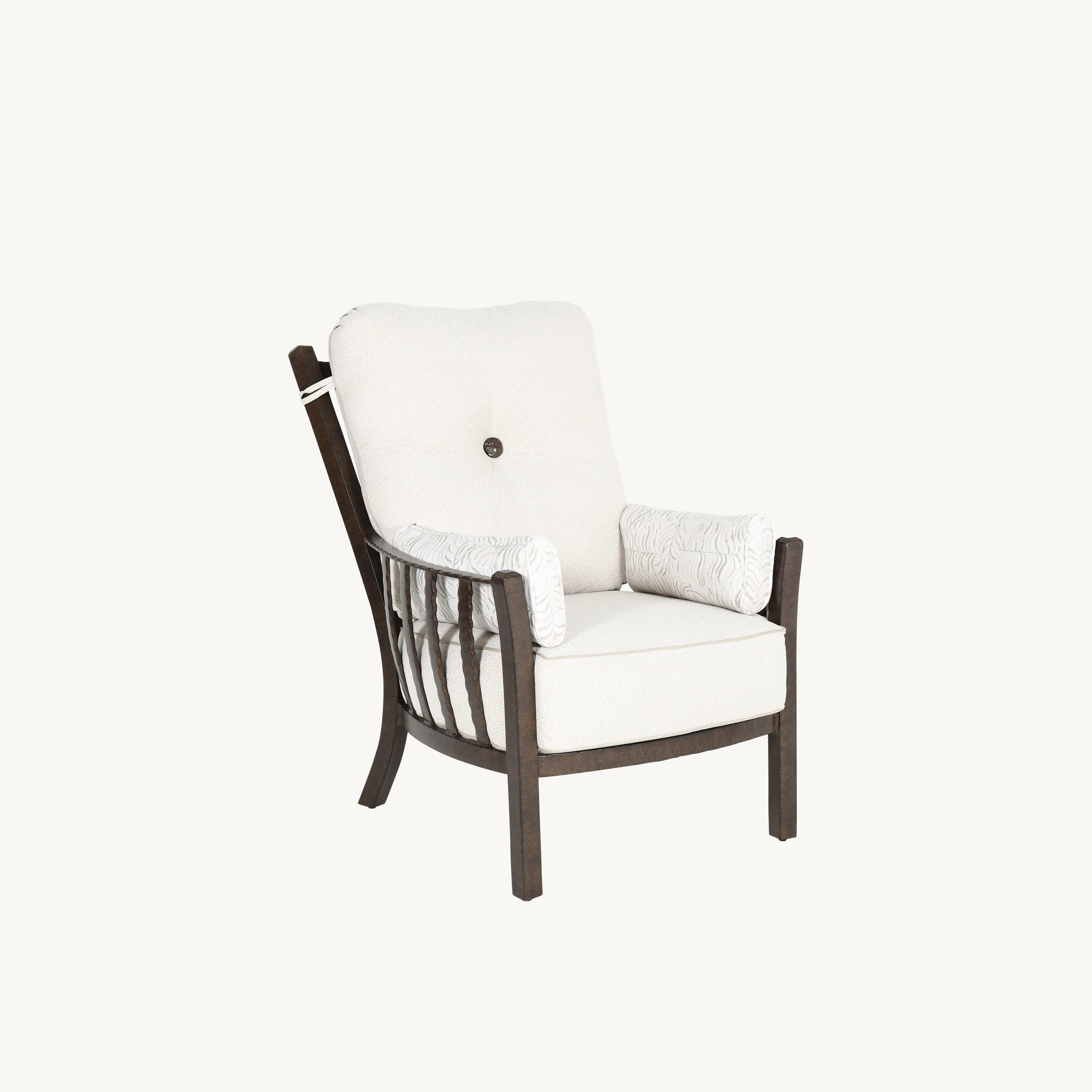
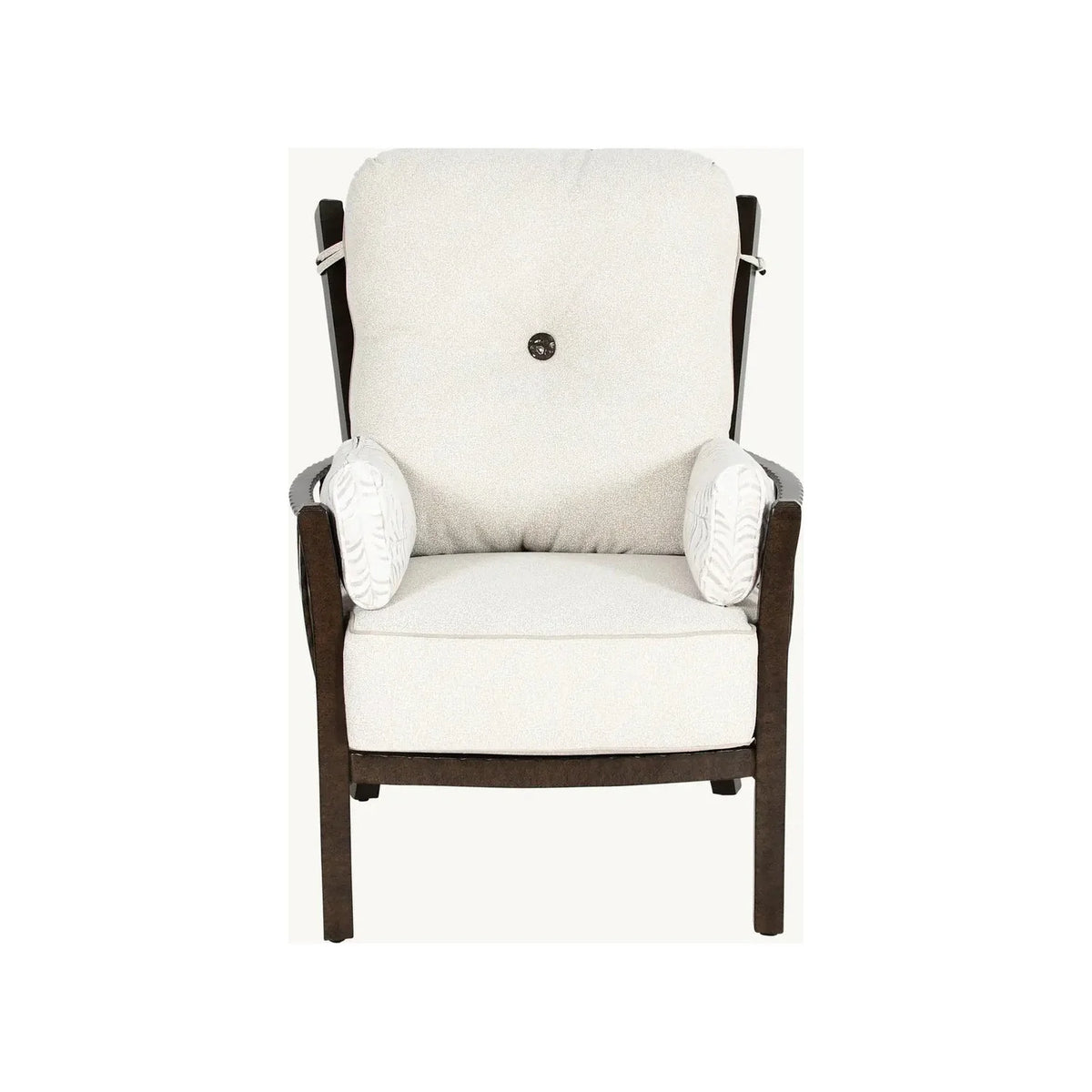
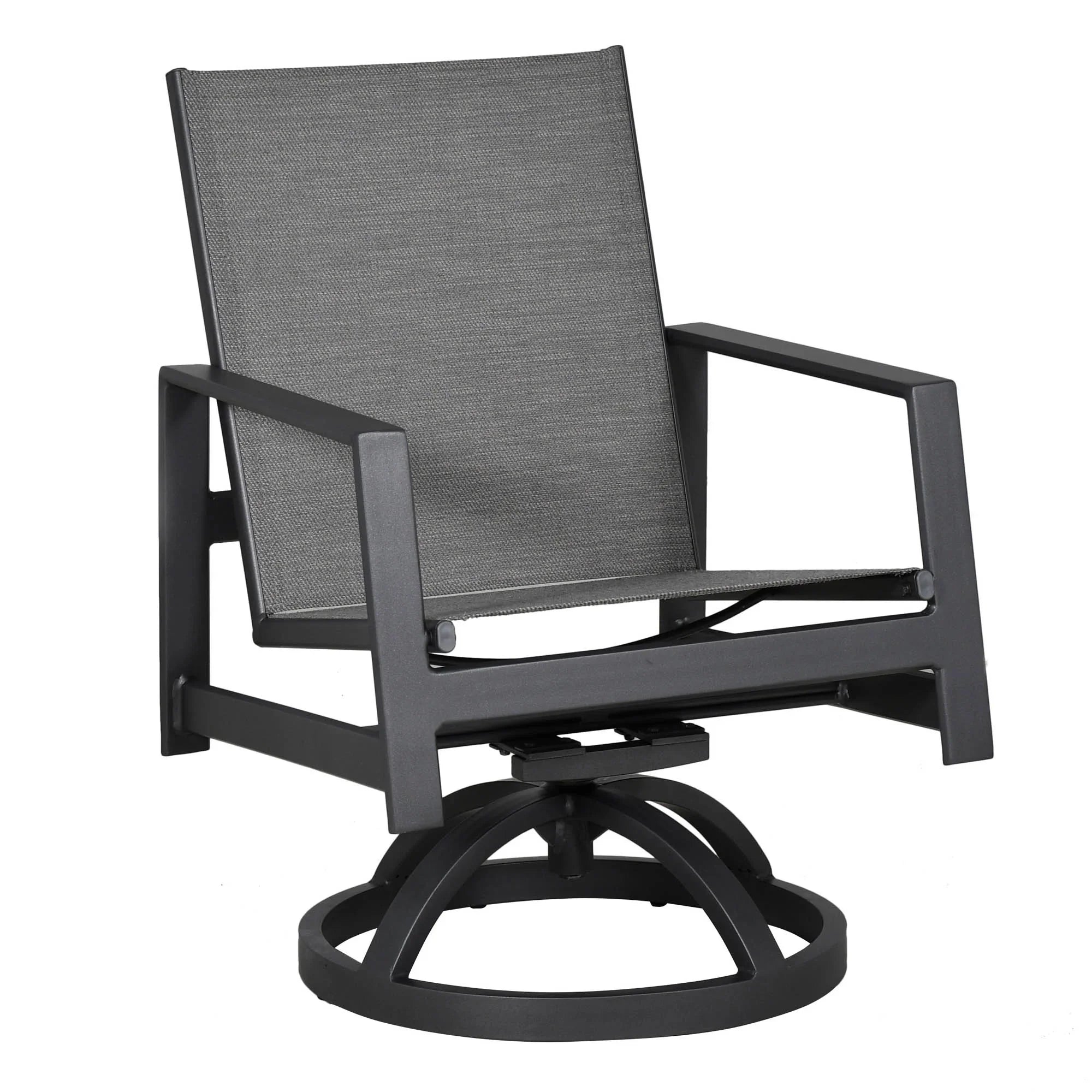
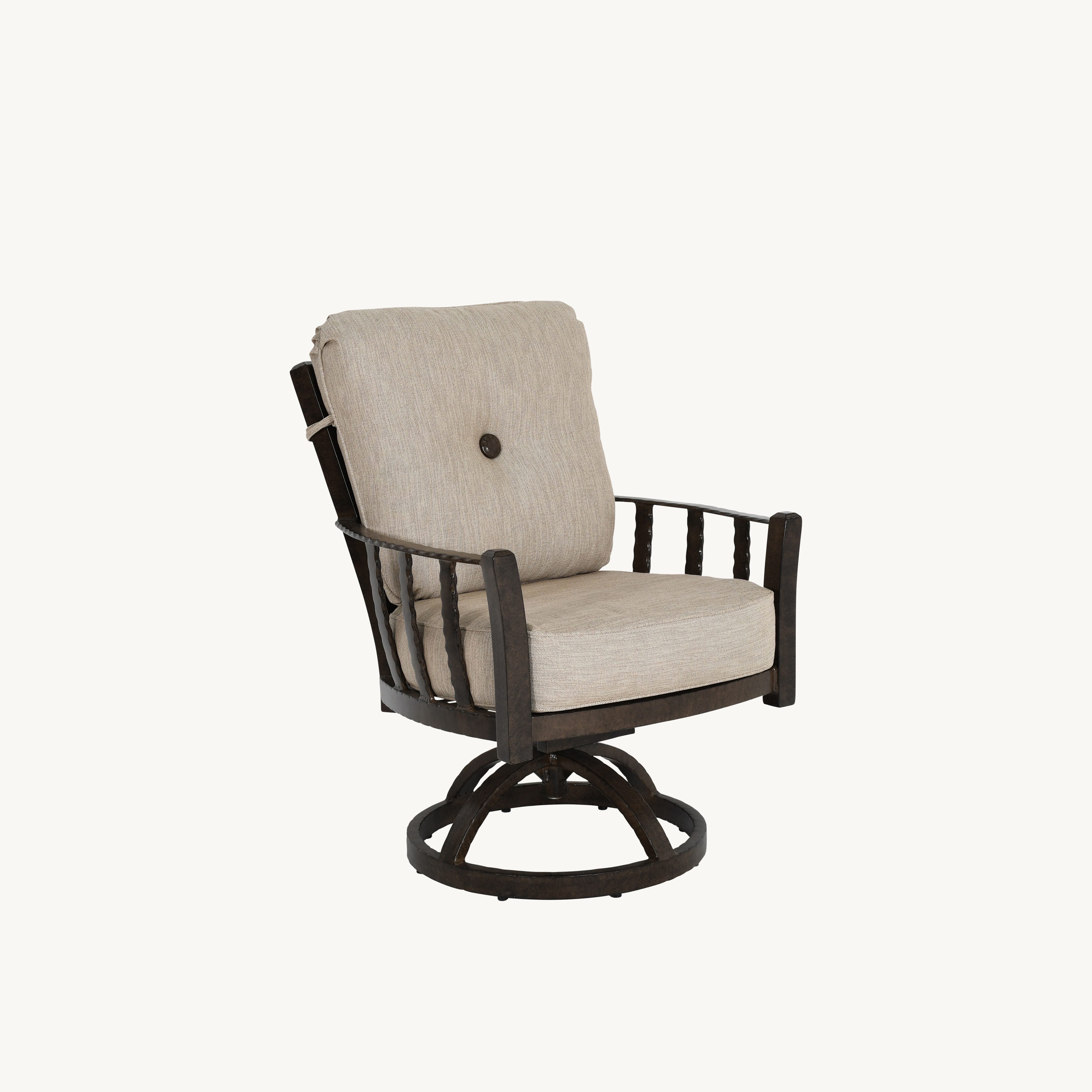
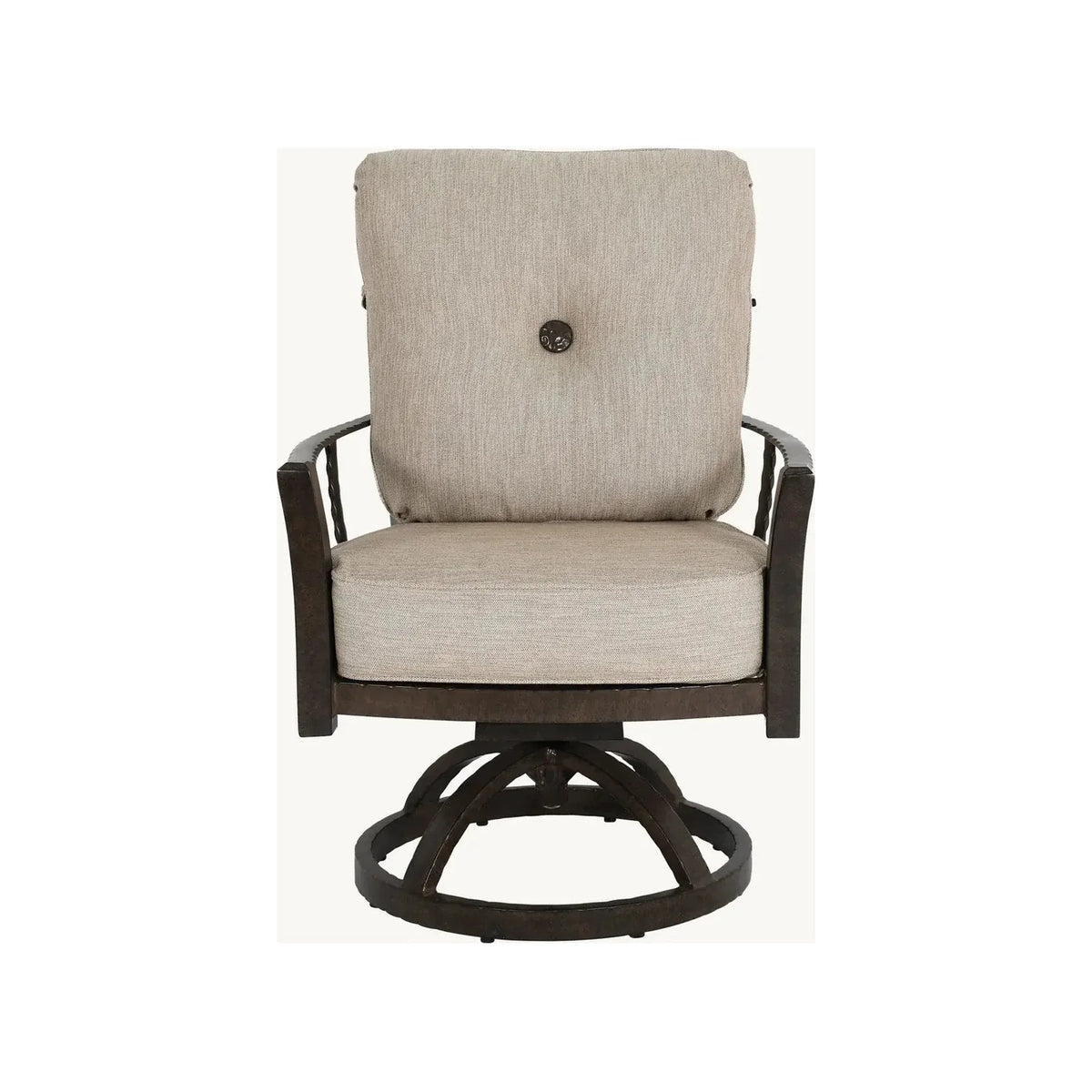
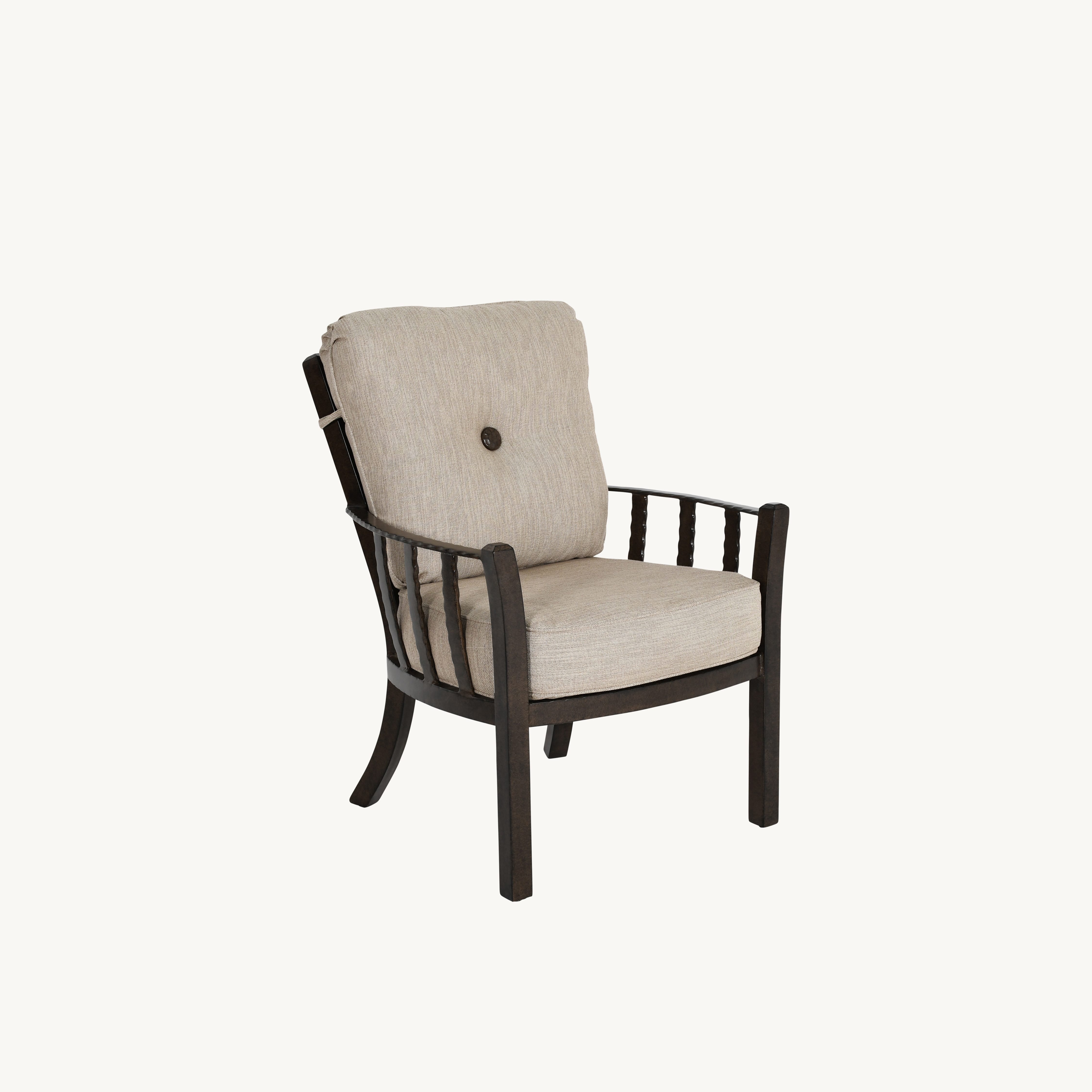
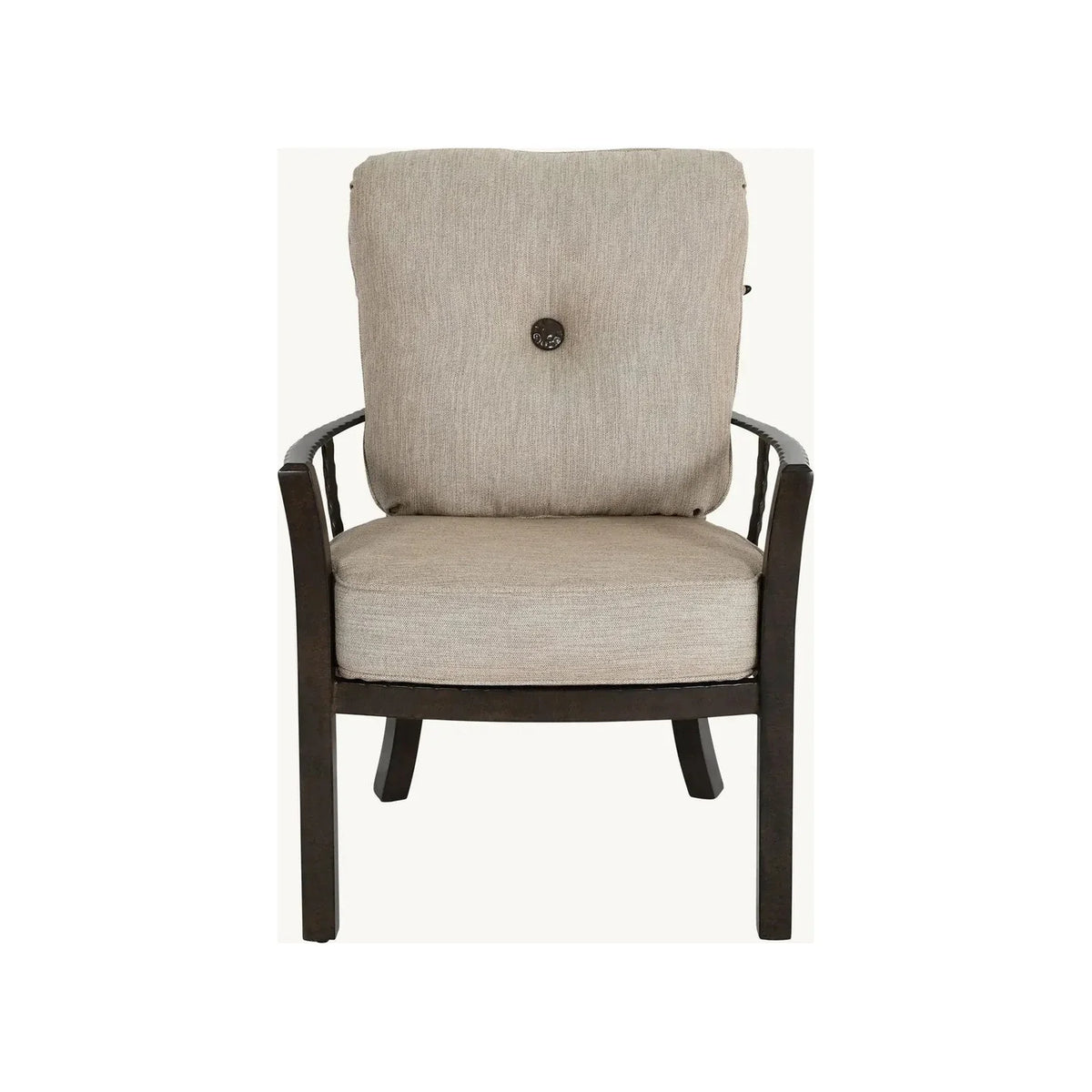
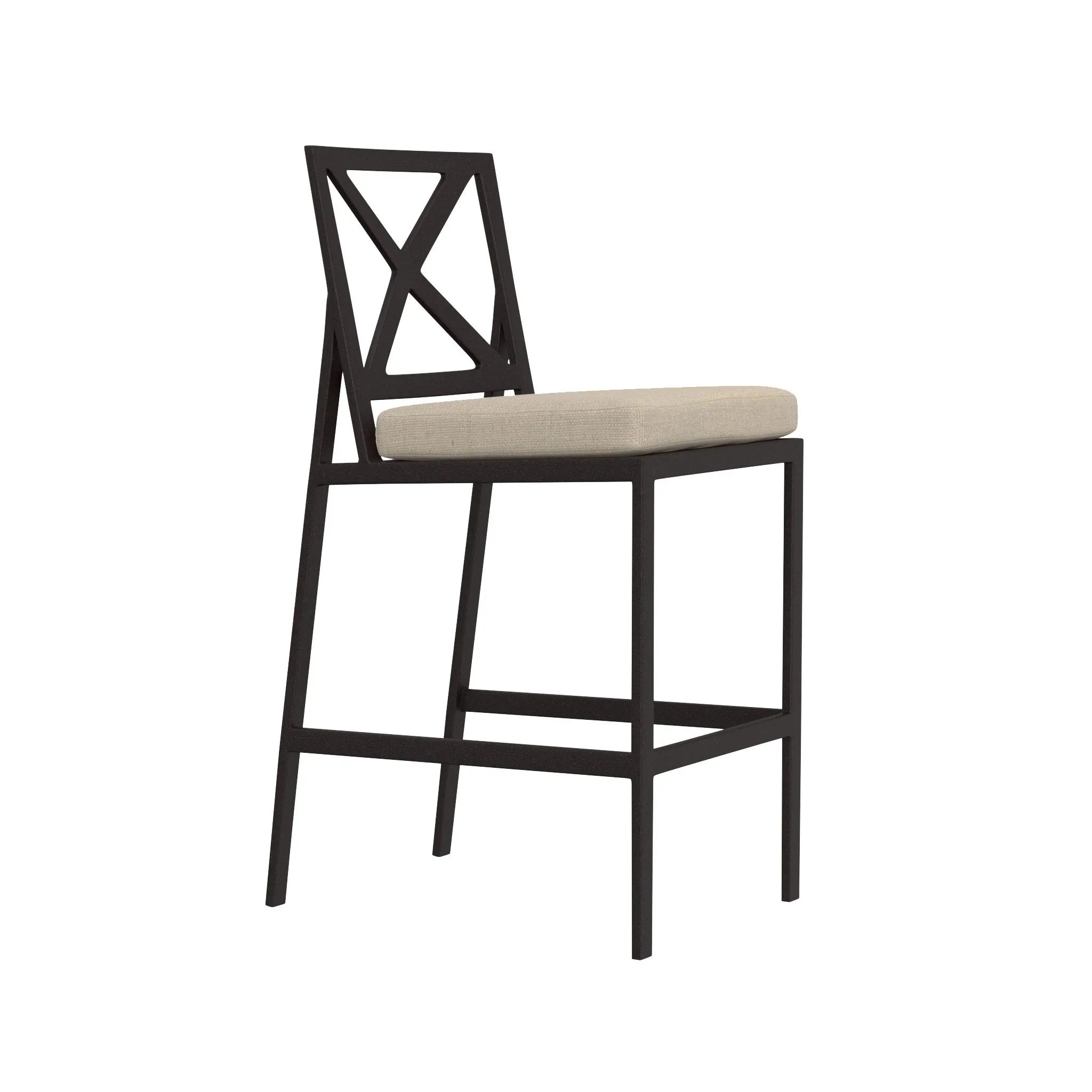
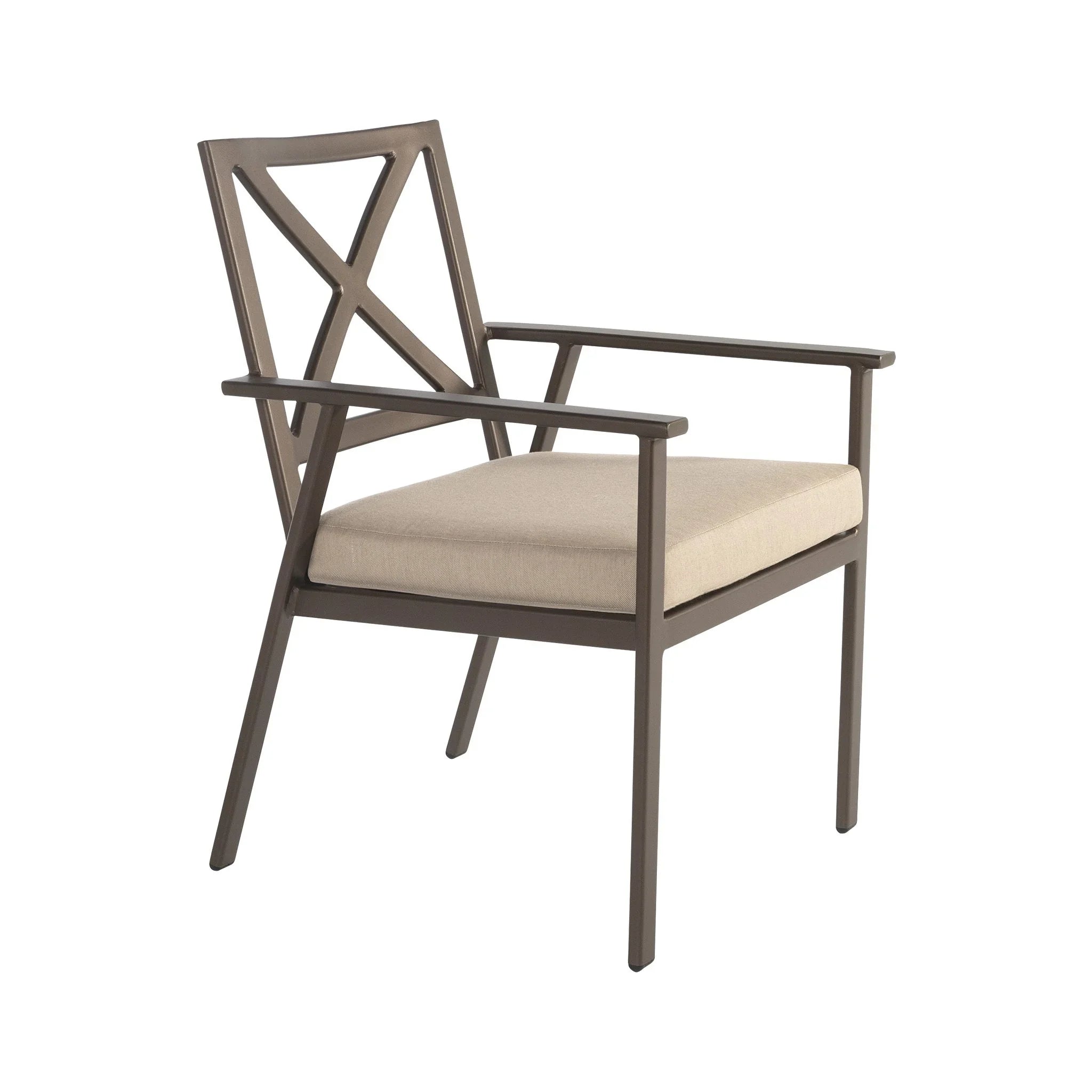
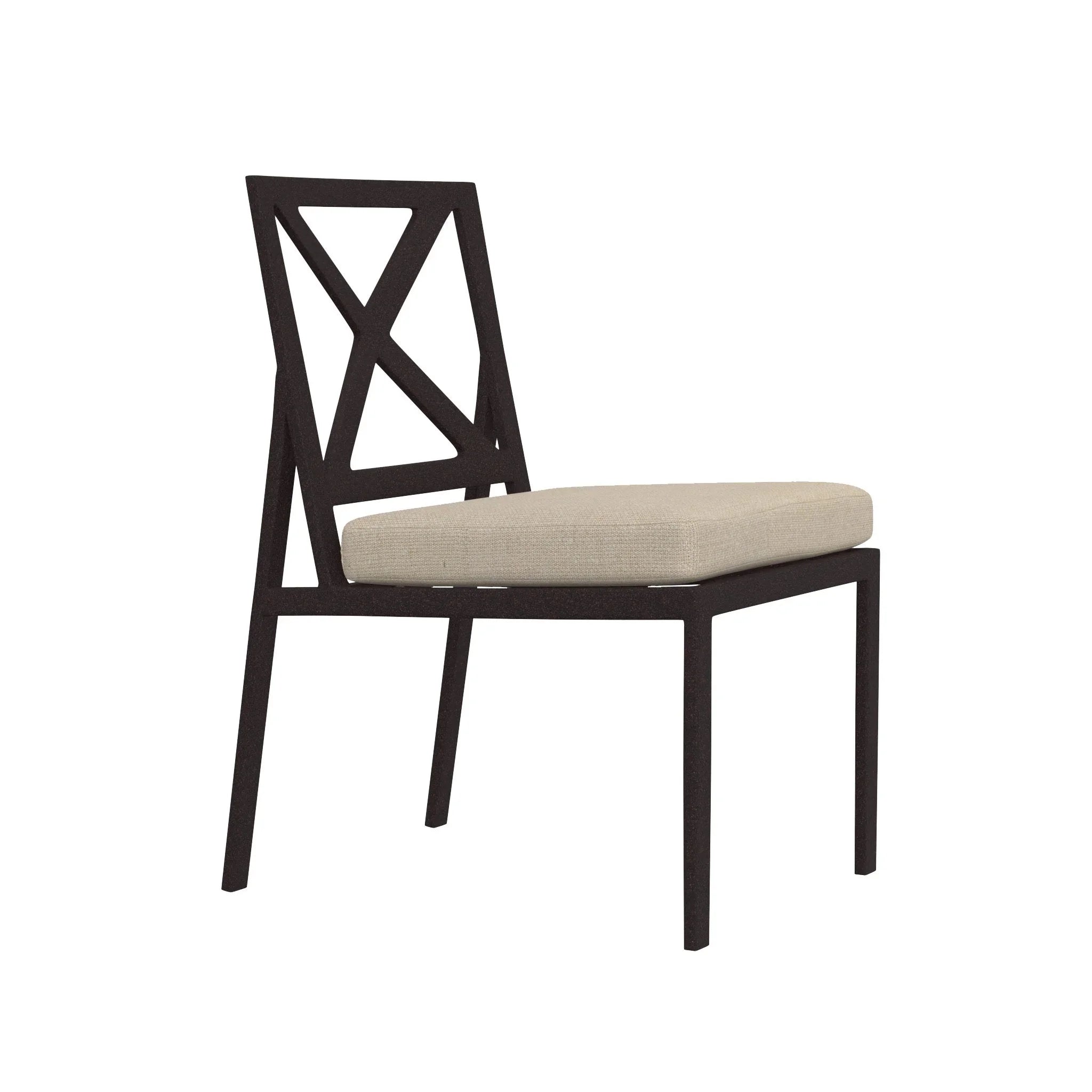
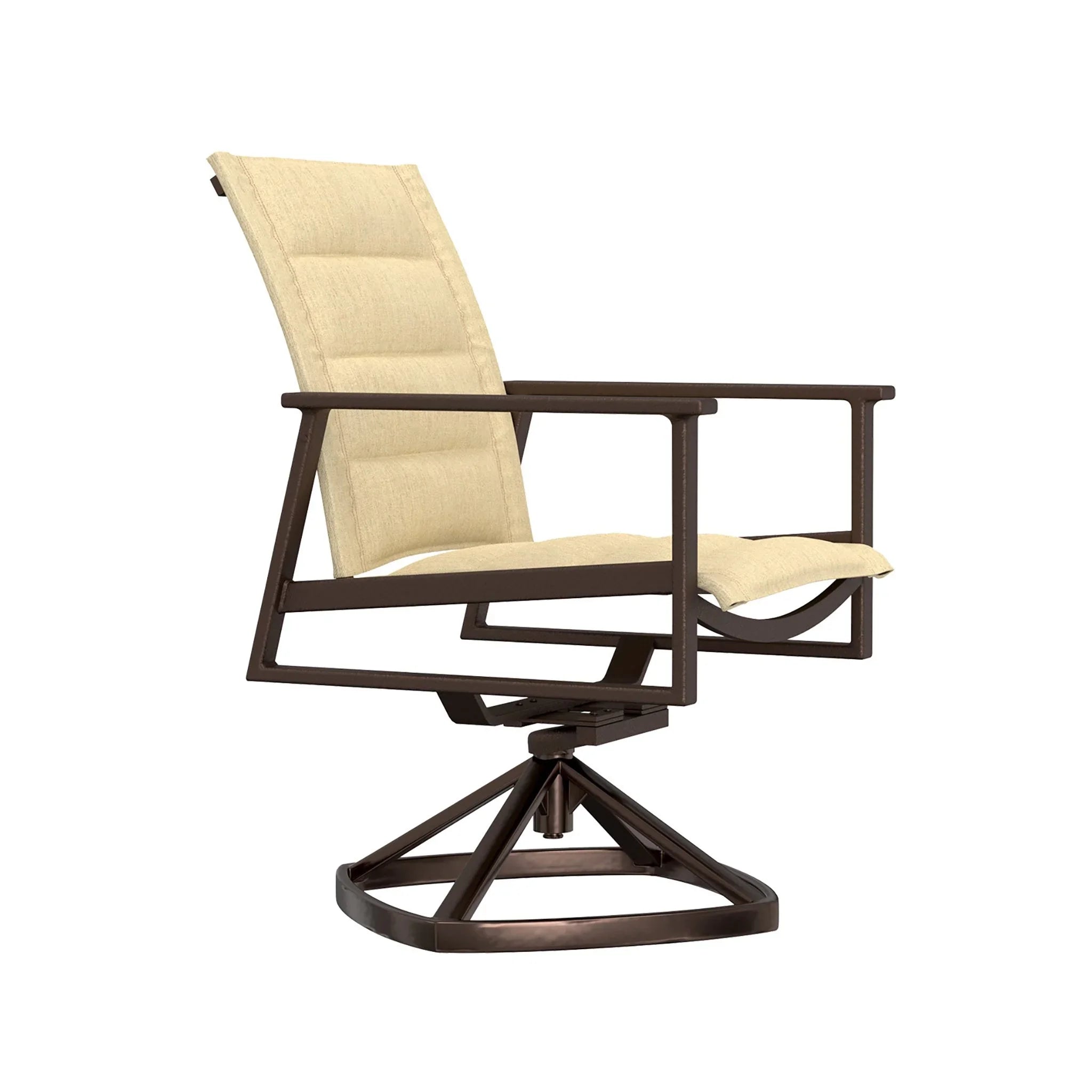
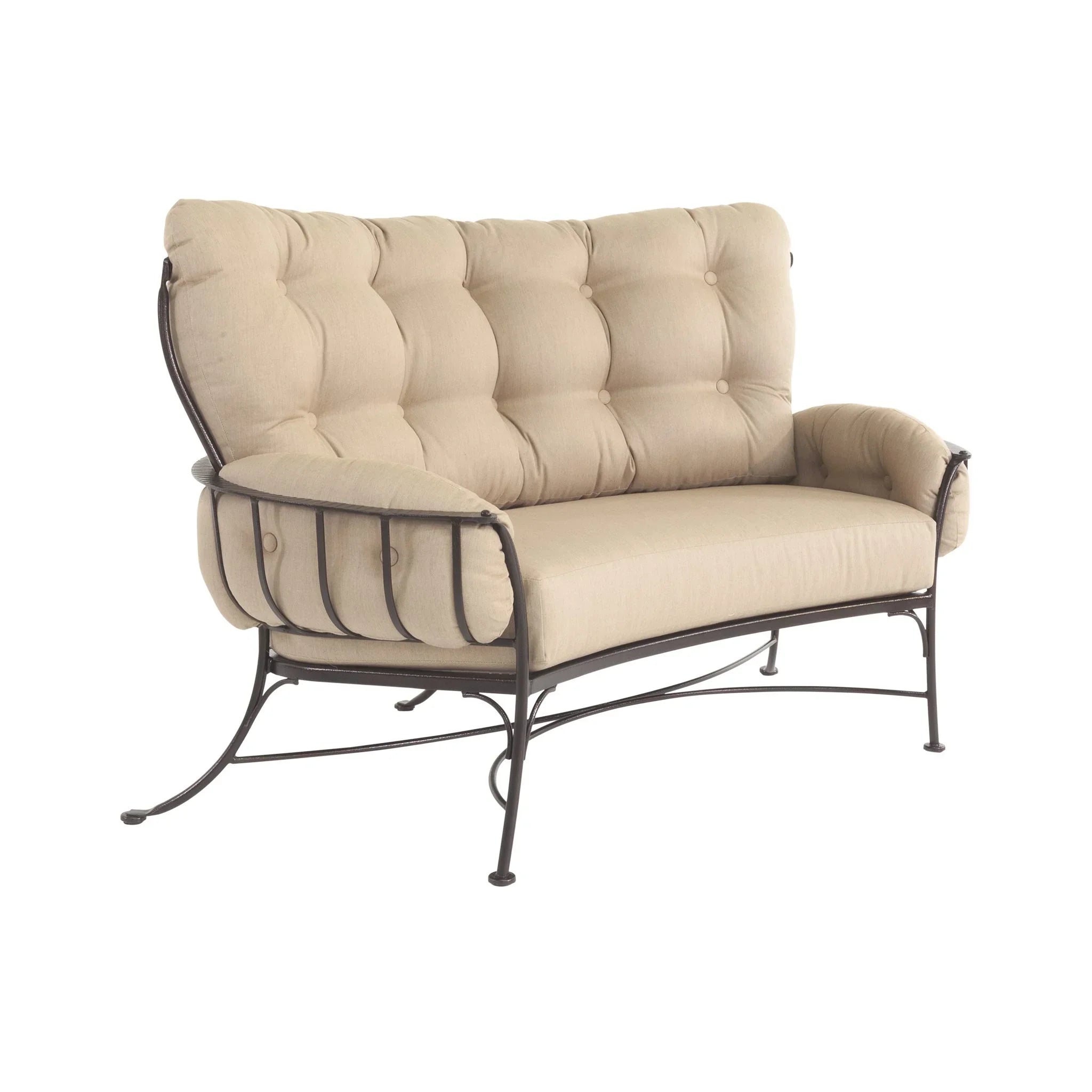
Vintage-Style Patio Furniture That Earns Its Seat
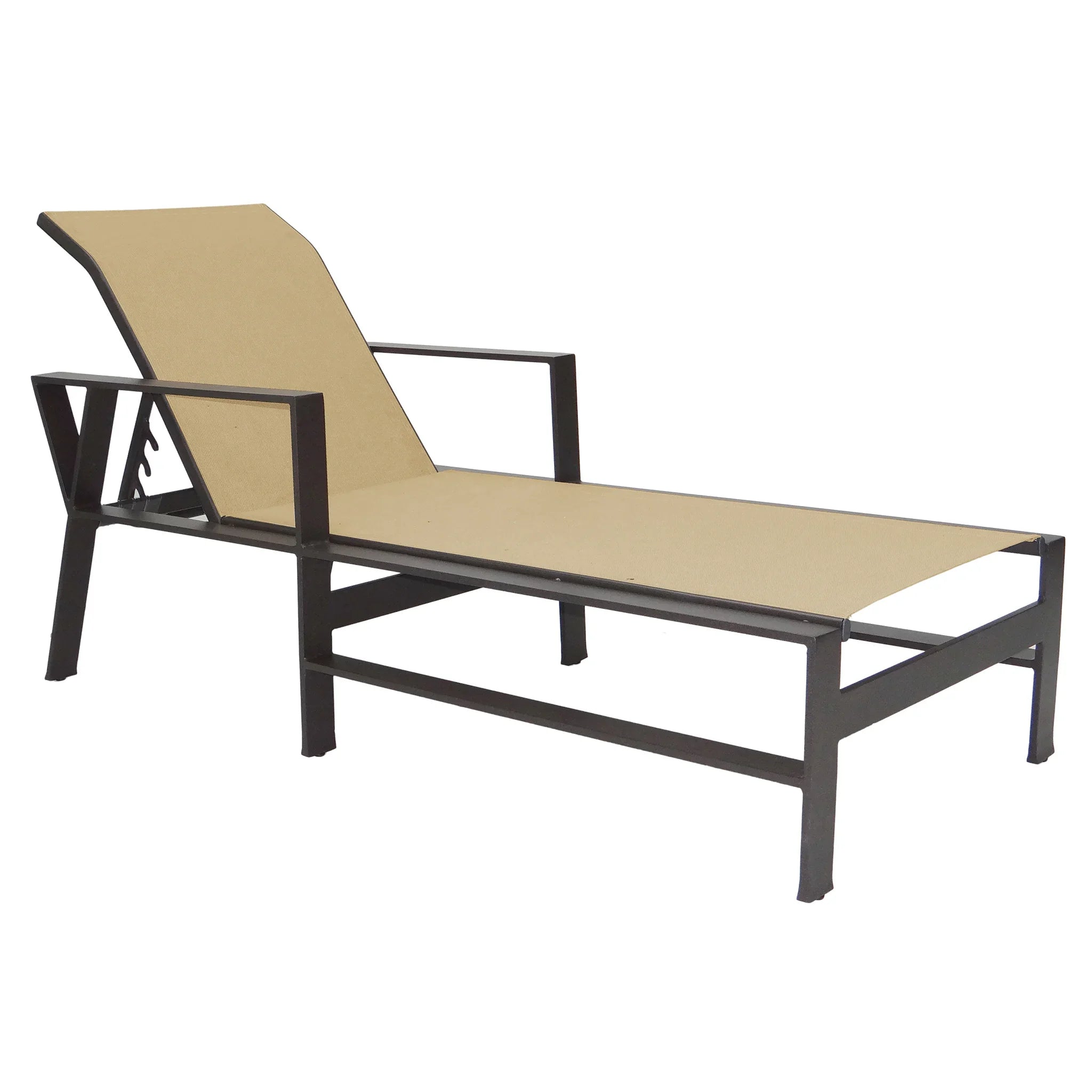
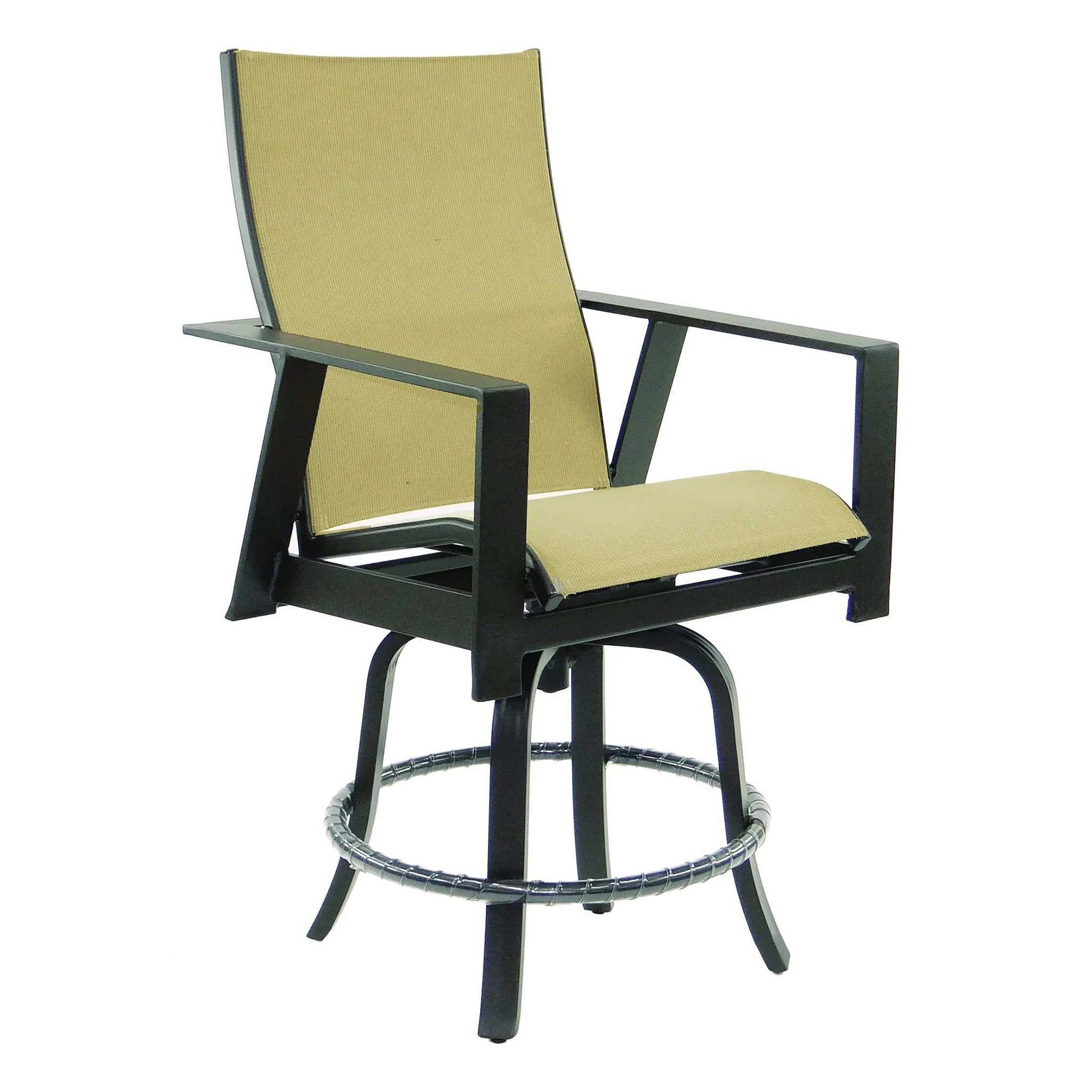
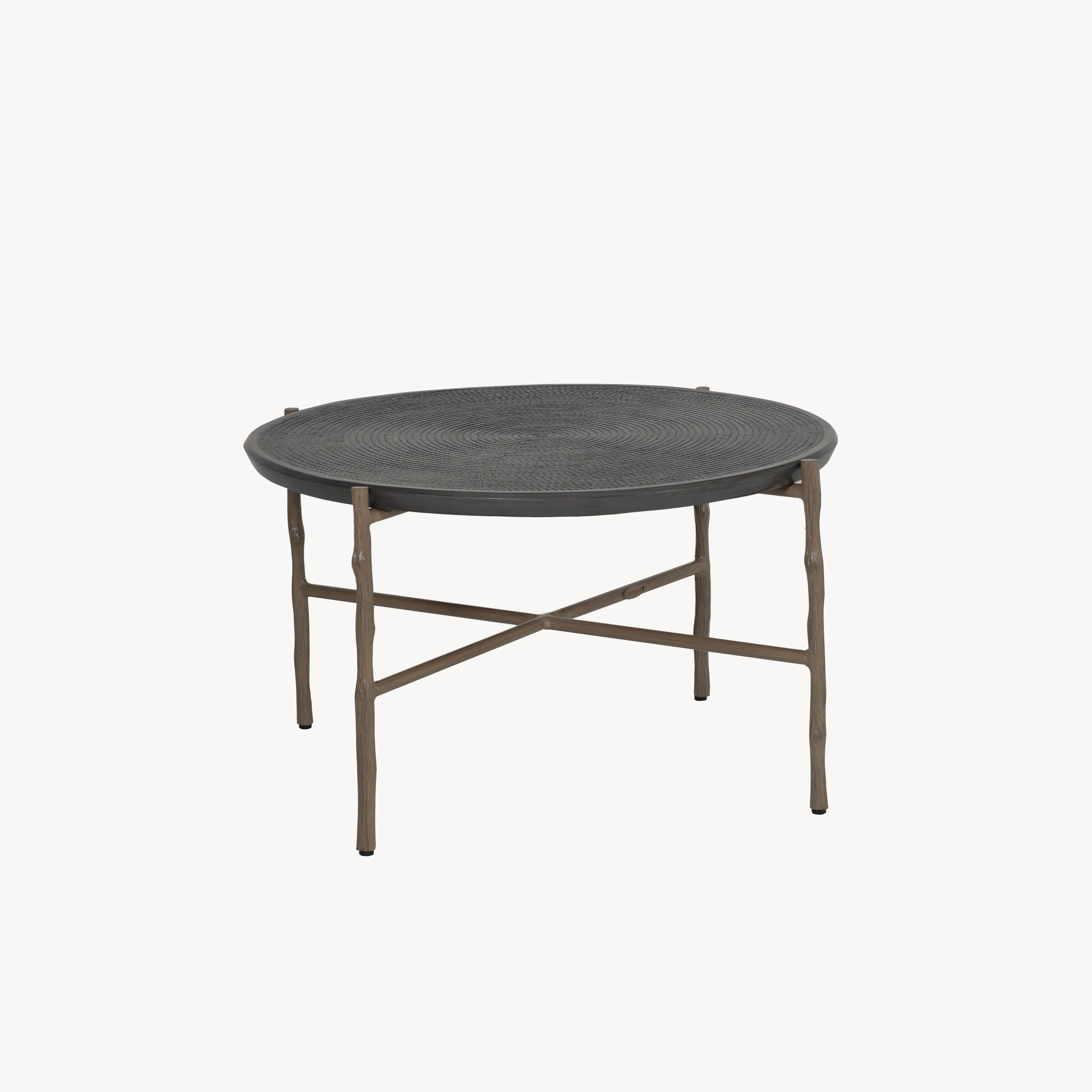
There's a particular kind of outdoor furniture that works as architecture — pieces that impose order on a space, that read from a distance as intentional, that look exactly right whether anyone is using them or not. That's the traditional and classic aesthetic in a sentence: design rooted in permanence, proportion, and the kind of ornamental craft that gives a garden terrace or covered patio its visual authority. It's a broad category within our wider outdoor furniture collection, and arguably the one with the longest track record of getting things exactly right.
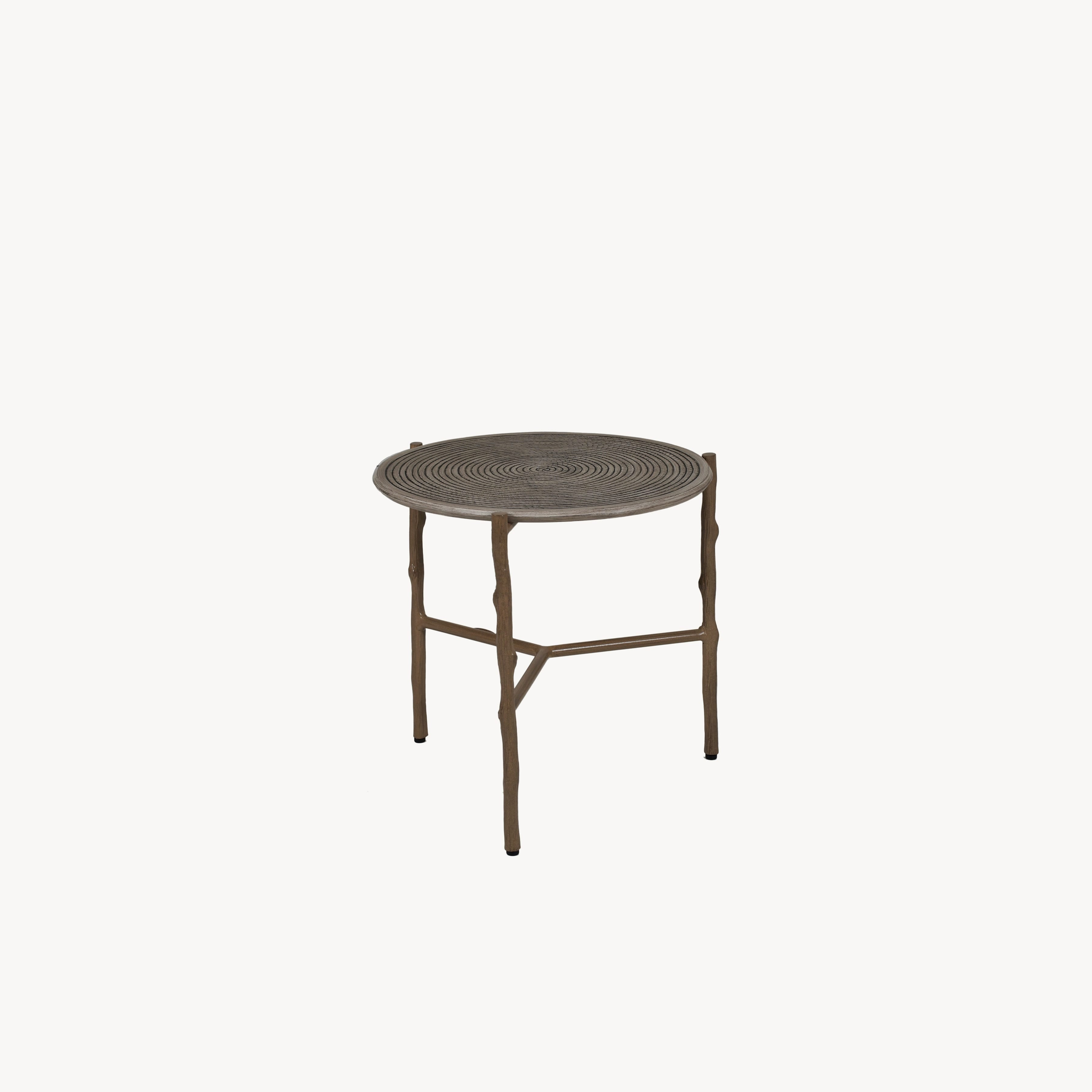
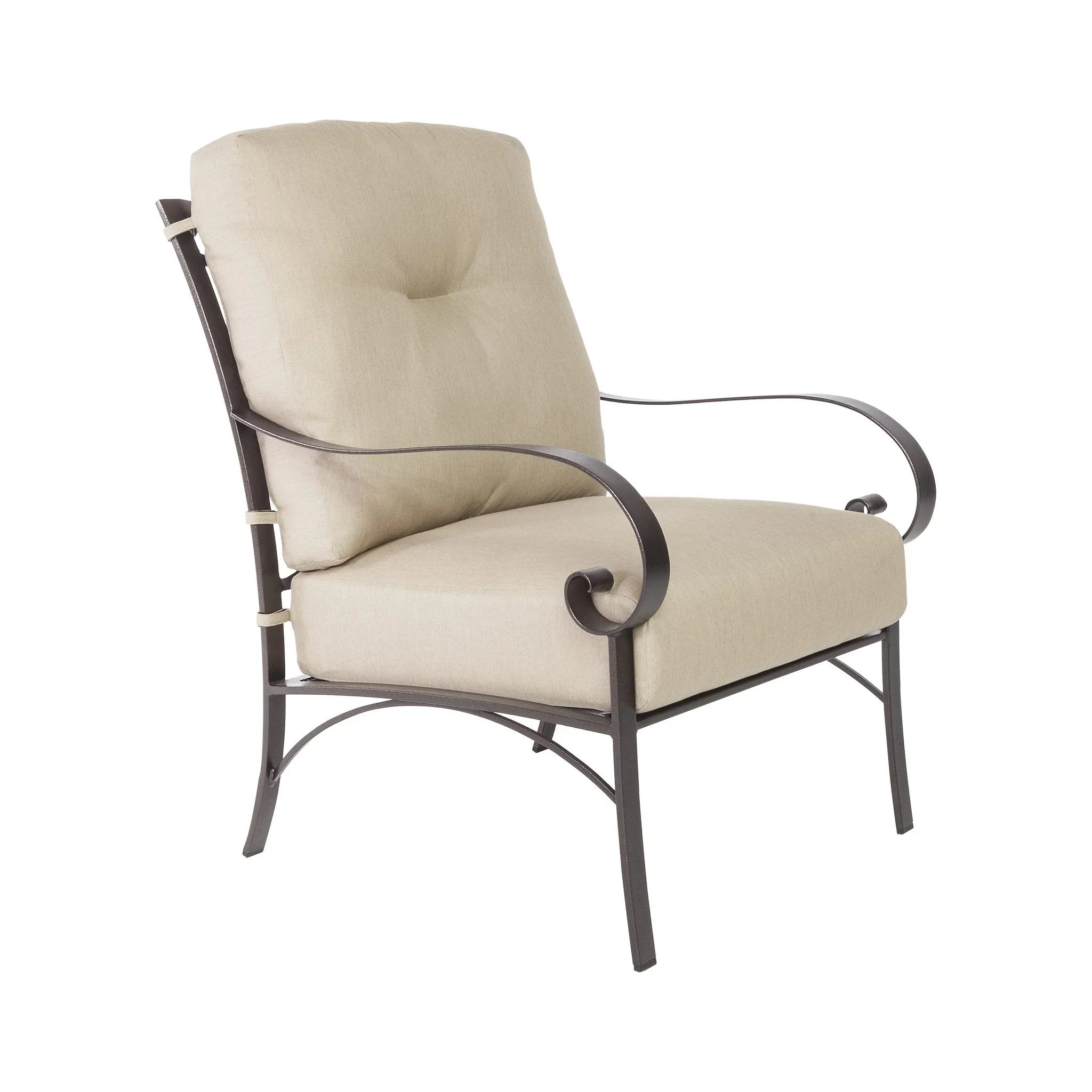
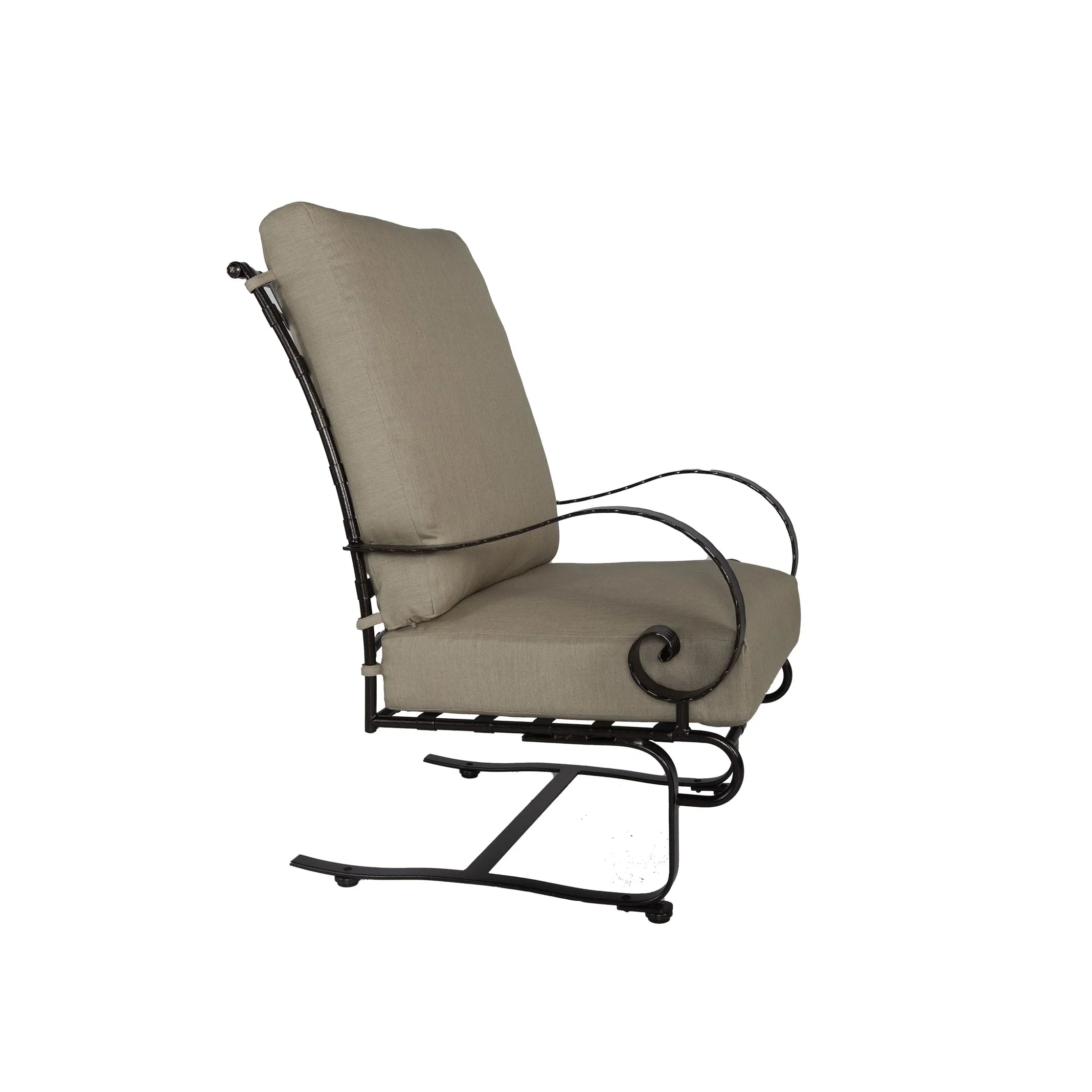
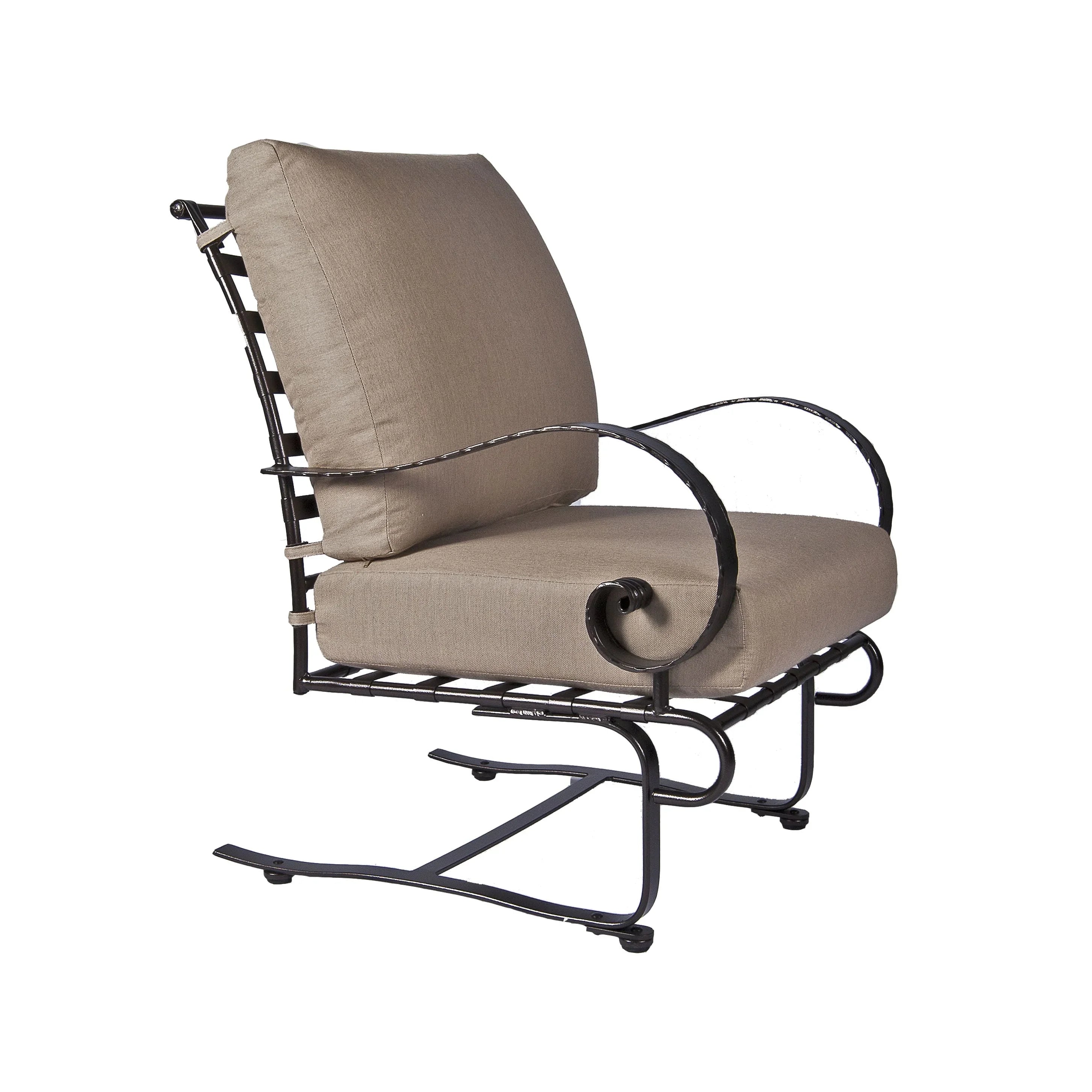
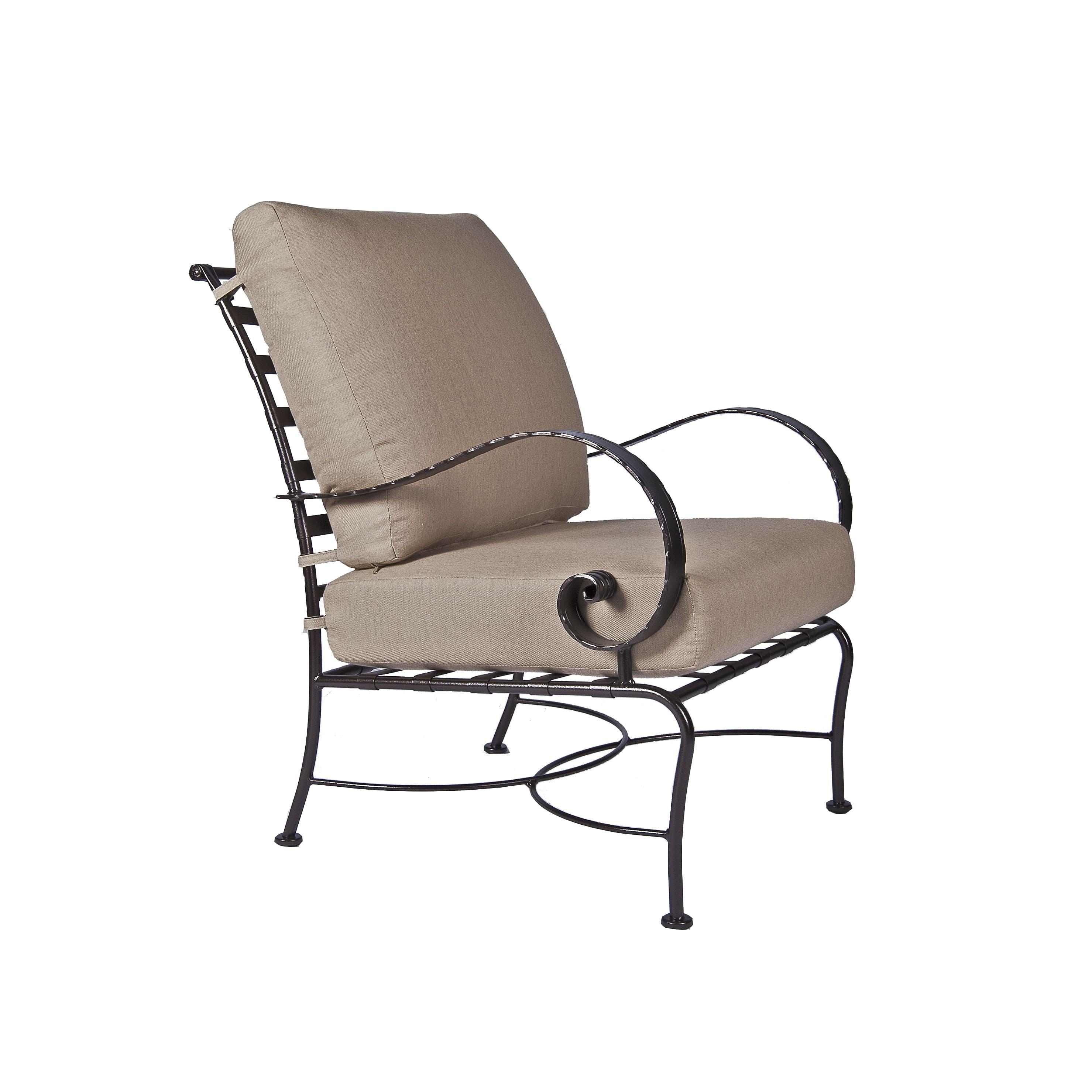
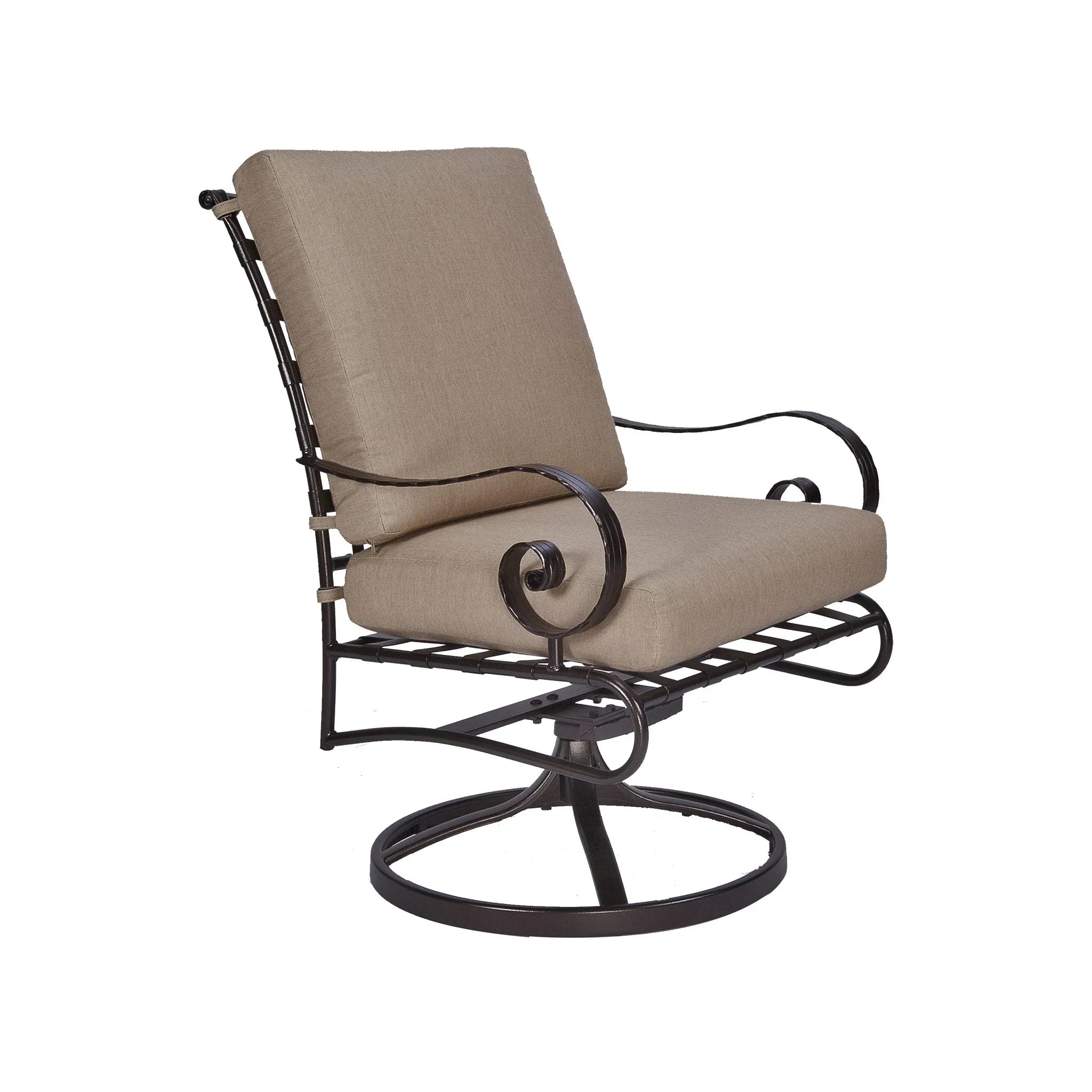
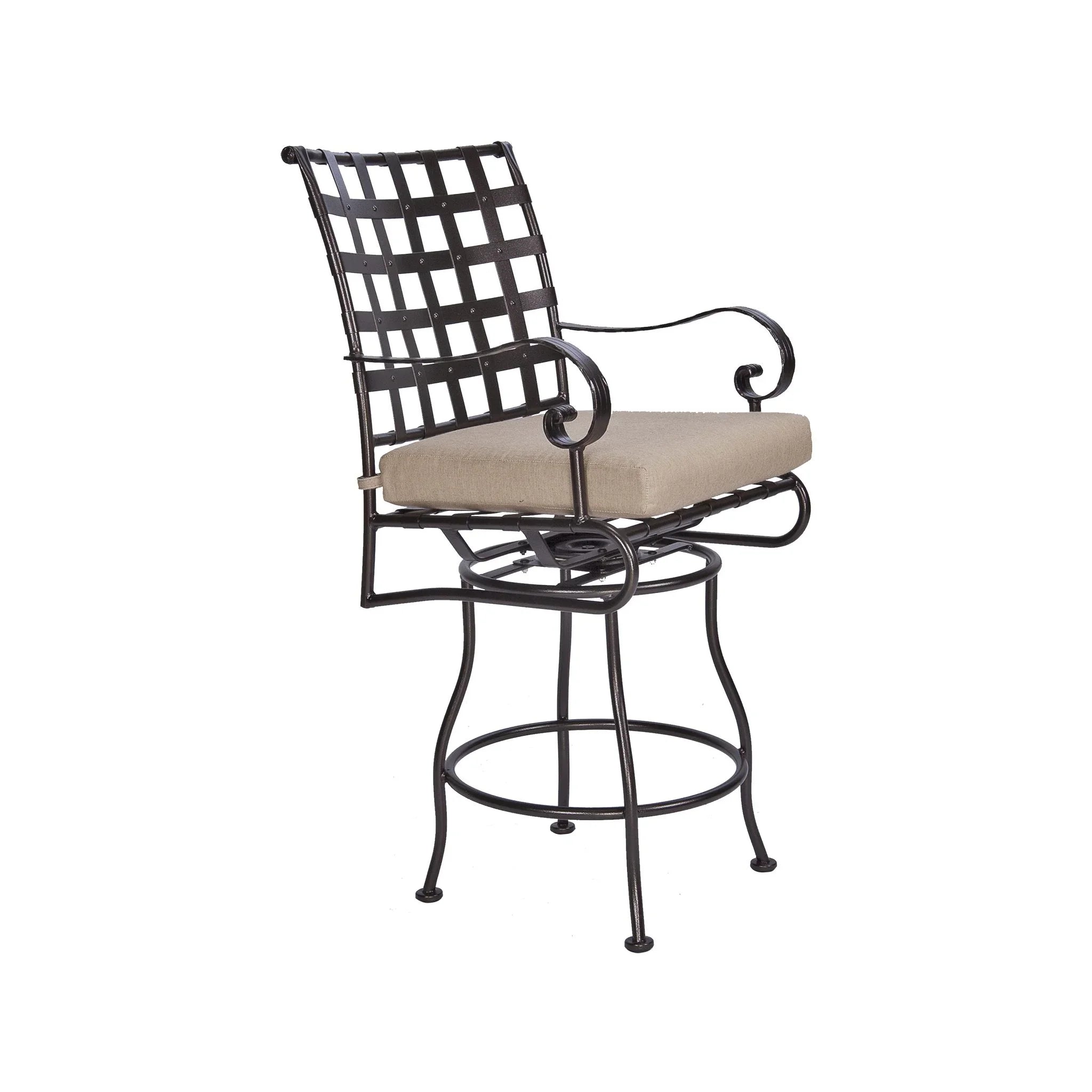
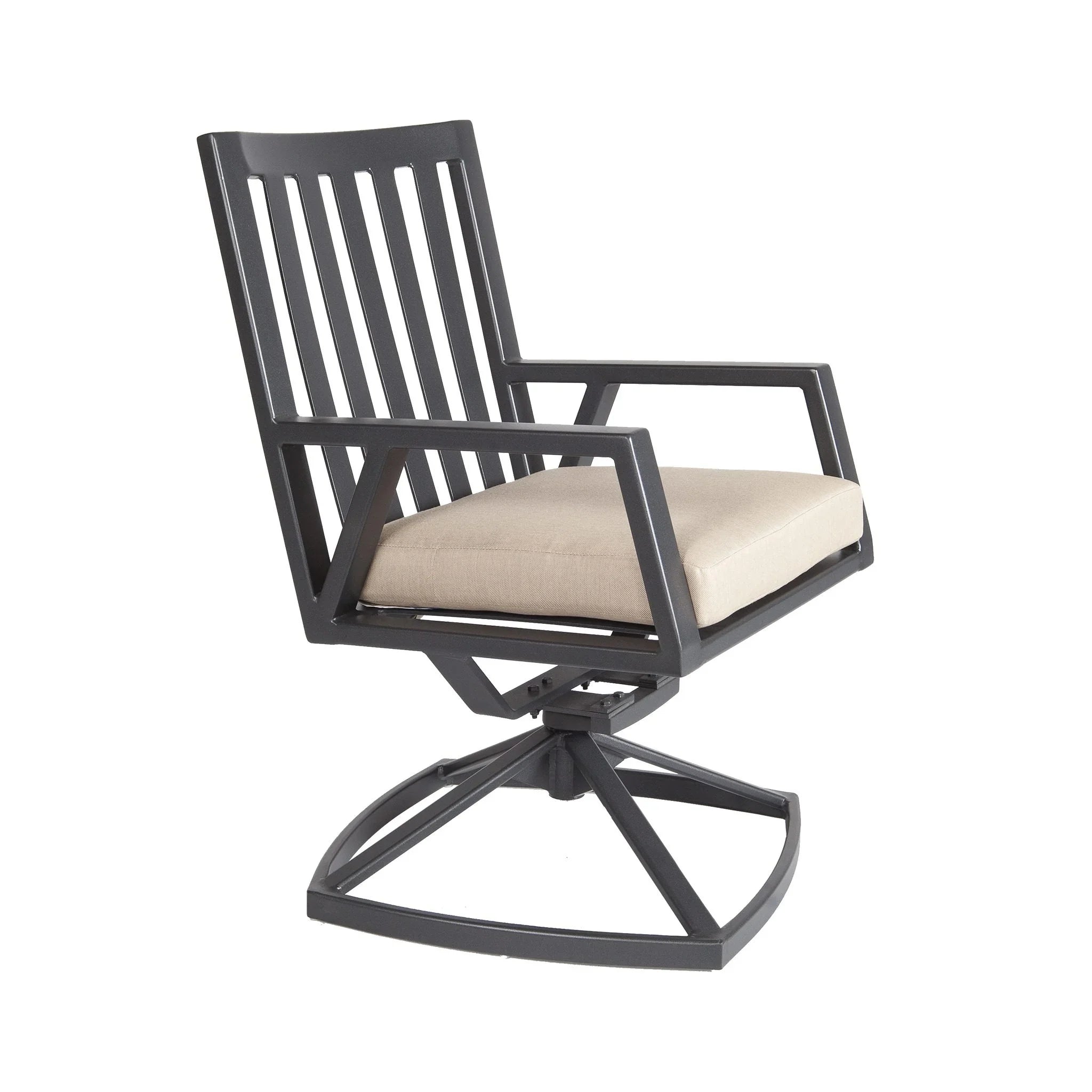
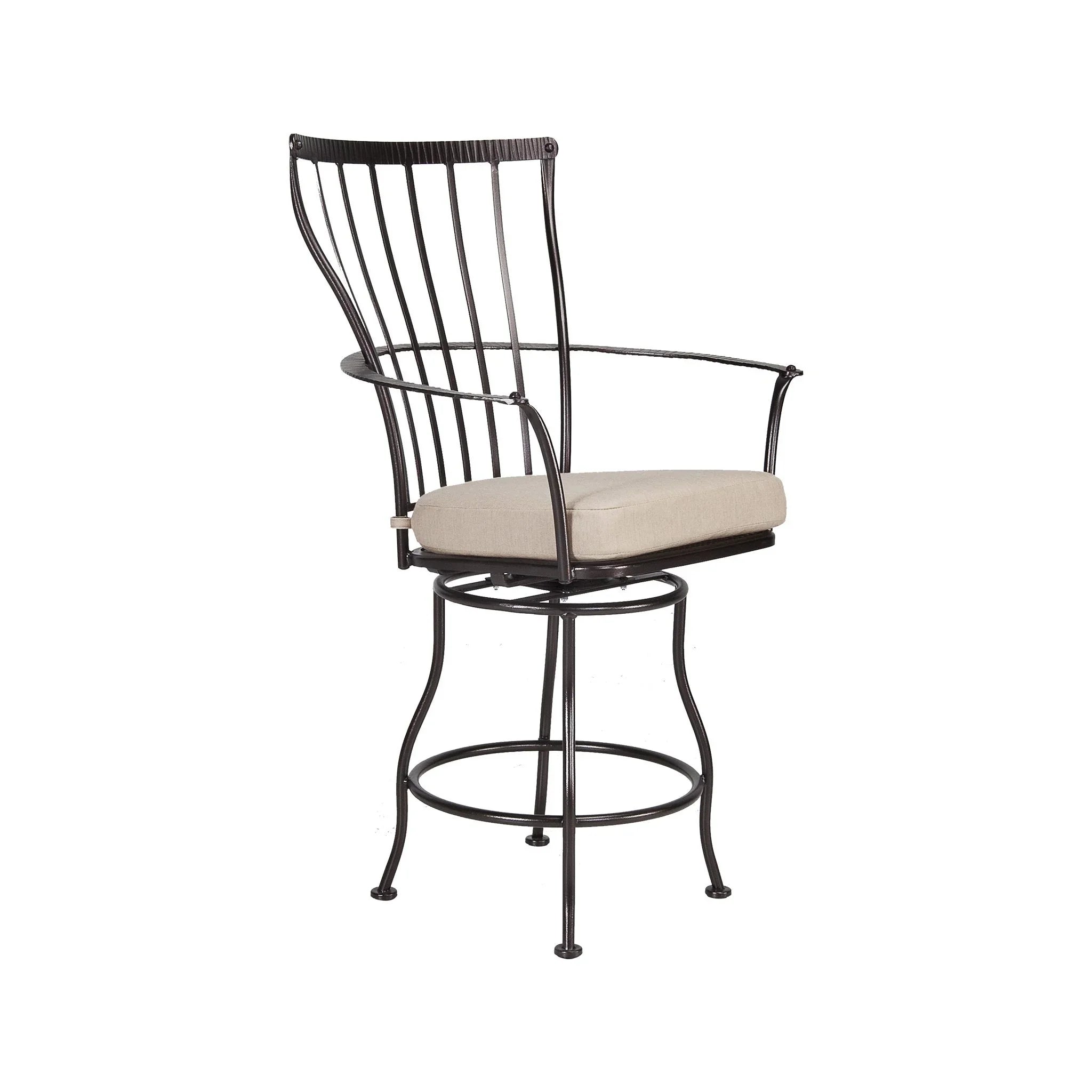
Classic outdoor furniture reads through silhouette. Curved arms. Scrolled backrests. Symmetrical arrangements with fluted legs and lattice detailing. The scale tends toward the substantial. Where contemporary outdoor design strips ornament away, the traditional aesthetic layers it on with intention — acanthus motifs, rope borders, the rope-twist detail that climbs a chair leg and makes it look grown in place rather than cast in a mold. It photographs gorgeously. It ages well. It doesn't require you to explain your taste.
Cast Aluminum: The Traditional Look Without the Maintenance Nightmare
Wrought iron built this category's reputation. The dense, permanent weight of it. The ability to cast elaborate forms. The way it looked anchored to a terrace even when nothing else was. But wrought iron rusts, is enormously heavy, and demands a maintenance cycle most homeowners stop doing after the second season. Cast aluminum solved all of that, spectacularly.
Modern cast aluminum outdoor furniture is poured into the same intricate molds that produce traditional ornamental detail — scrollwork, curved structural members, decorative corner accents — and it emerges rust-proof, weather-resistant, and carrying a 15-year frame warranty against defects in materials and workmanship. The finish options have expanded well past basic black and white: aged bronze, hammered graphite, antique verde, oxidized copper finishes that look like they've been outdoors for fifty years on the day they arrive. It's a sophisticated material solution, and the weight savings over iron means a large traditional dining set is no longer a two-person lift.
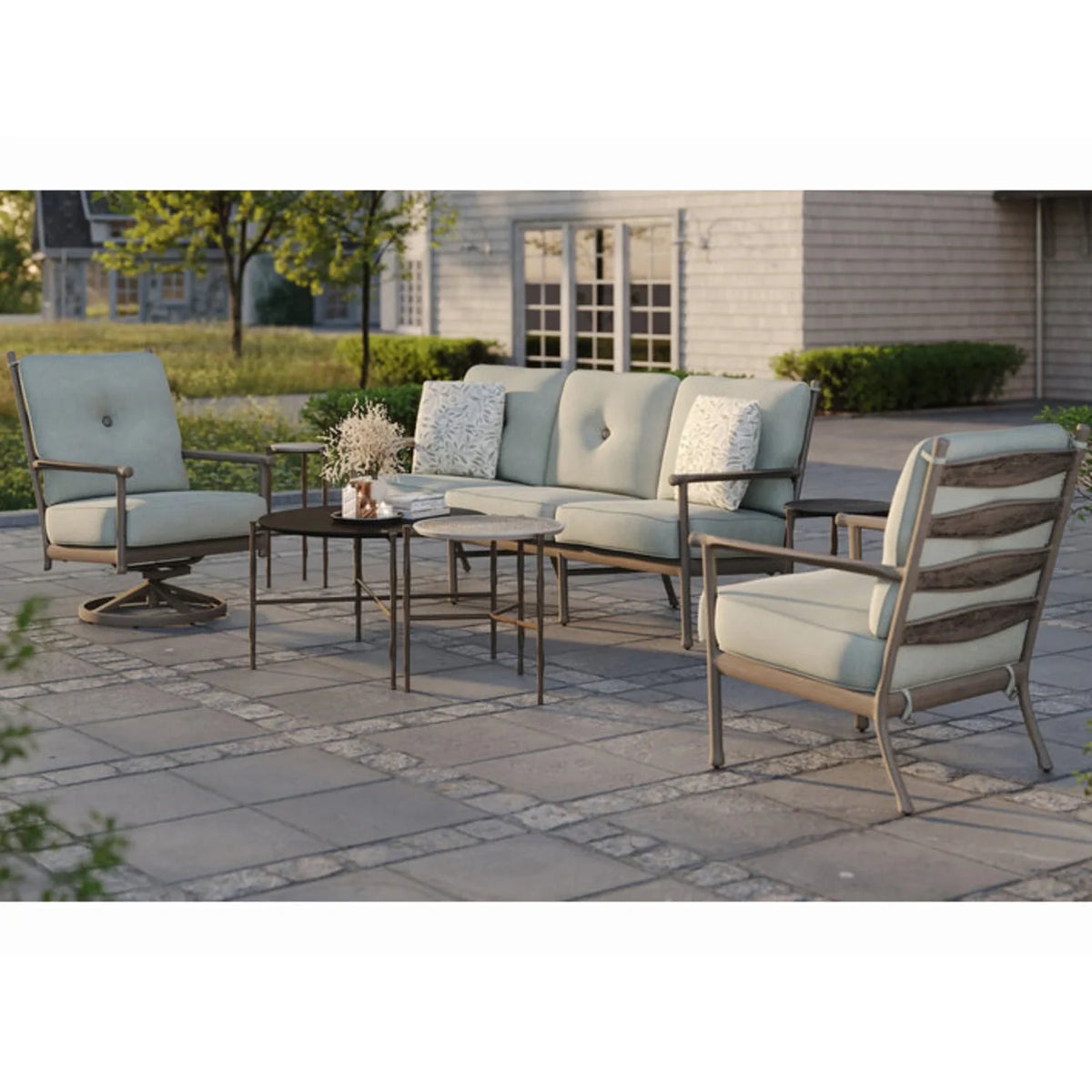
Sunbrella cushions in classic fabric patterns — stripes, botanicals, traditional damasks, solid performance fabrics — complete the ensemble. Rated for UV exposure, built for quick-dry performance, and resistant to mold, these fabrics hold their color lavishly year after year, not just on delivery day. The overall package is stunning in a way that most outdoor furniture isn't.
The Brands That Define This Aesthetic
Castelle is the standard-bearer for European classical design in American outdoor furniture, featuring Florentine-influenced cast aluminum collections with ornate detailing that reads equally well on a formal residential terrace or a luxury hotel courtyard. The proportions are deliberate. The casting quality shows. Their designs carry the vocabulary of Italian garden furniture into a material that needs nothing from you beyond an occasional rinse.
OW Lee's cast aluminum collections offer traditional silhouettes built for coastal climates and commercial specifications. Their custom-cast frames delight and inspire with elegance that alludes to a bygone era. Truly breathtaking vintage design!
Mallin has been making outdoor furniture since 1866, practically synonymous with traditional American outdoor design — a brand hotels, country clubs, and estate owners have specified for generations.
Brown Jordan has produced design-forward outdoor pieces for over seventy years, some of which now appear in museum collections. These are not brands that follow the color forecast. They make furniture for buyers who are done shopping for outdoor furniture.
Residential Estates, Hotel Courtyards, and Everything Between
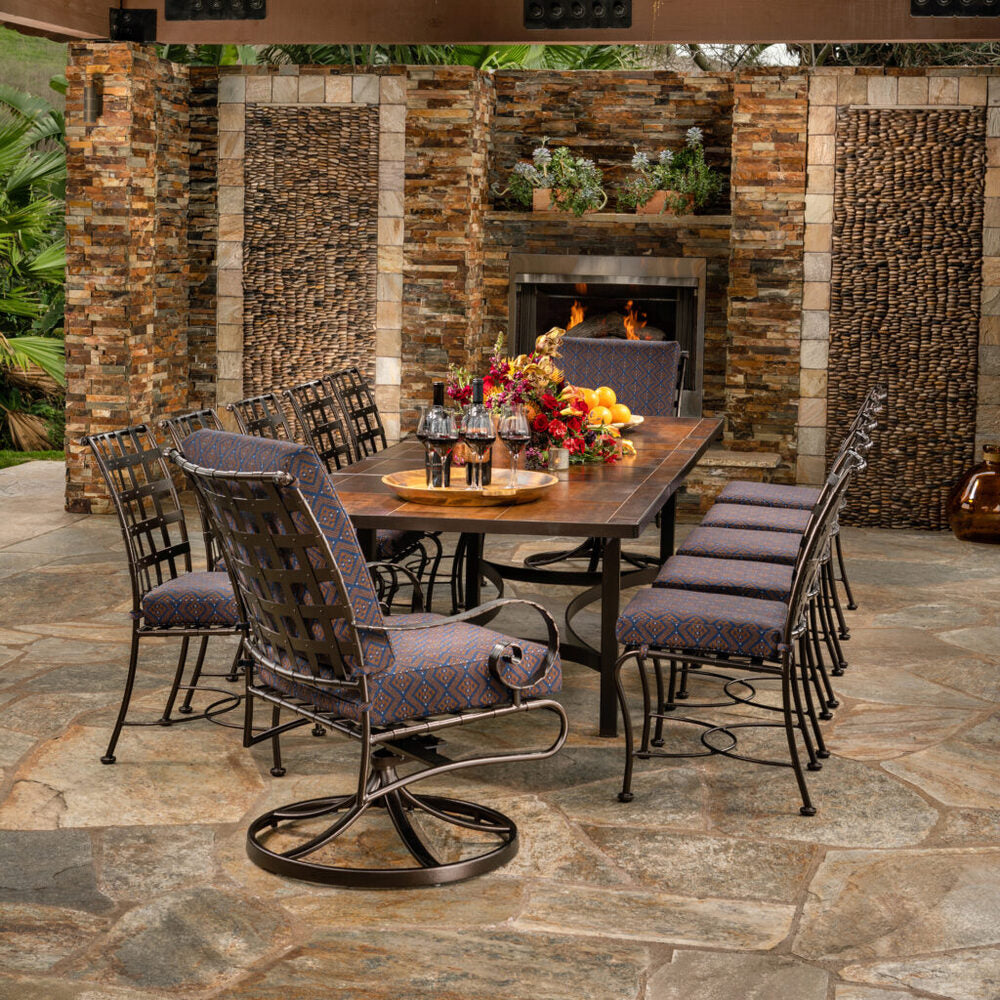
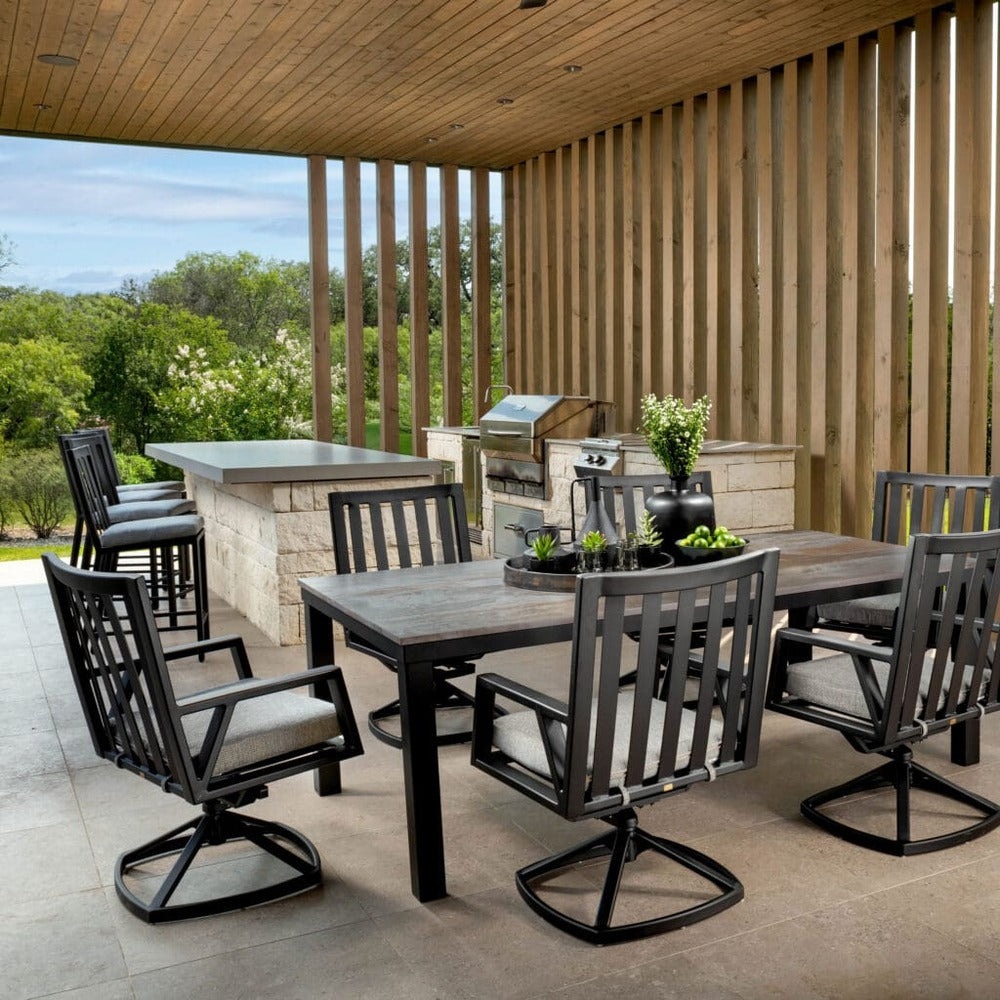
Traditional outdoor furniture has always performed double duty. The same proportions, materials, and design vocabulary that looks extraordinary on a private estate has been standard specification in hospitality for over a century. Hotels, country clubs, resort terraces, upscale restaurant patios — the traditional aesthetic was developed and refined in these settings before it migrated into residential design. This is furniture that knows how to work for a living.
The dining table is typically the centerpiece of a traditional outdoor arrangement. Outdoor dining furniture in classical styling runs toward the formal — long rectangular tables, high-backed chairs with ornate detail, matched sets in symmetrical groupings where the geometry reinforces the architecture around it. Scale matters here more than almost anywhere else in the traditional aesthetic: get the table-to-chair ratio right, choose dimensions that don't fight the terrace, and the composition will feel deliberate rather than assembled.
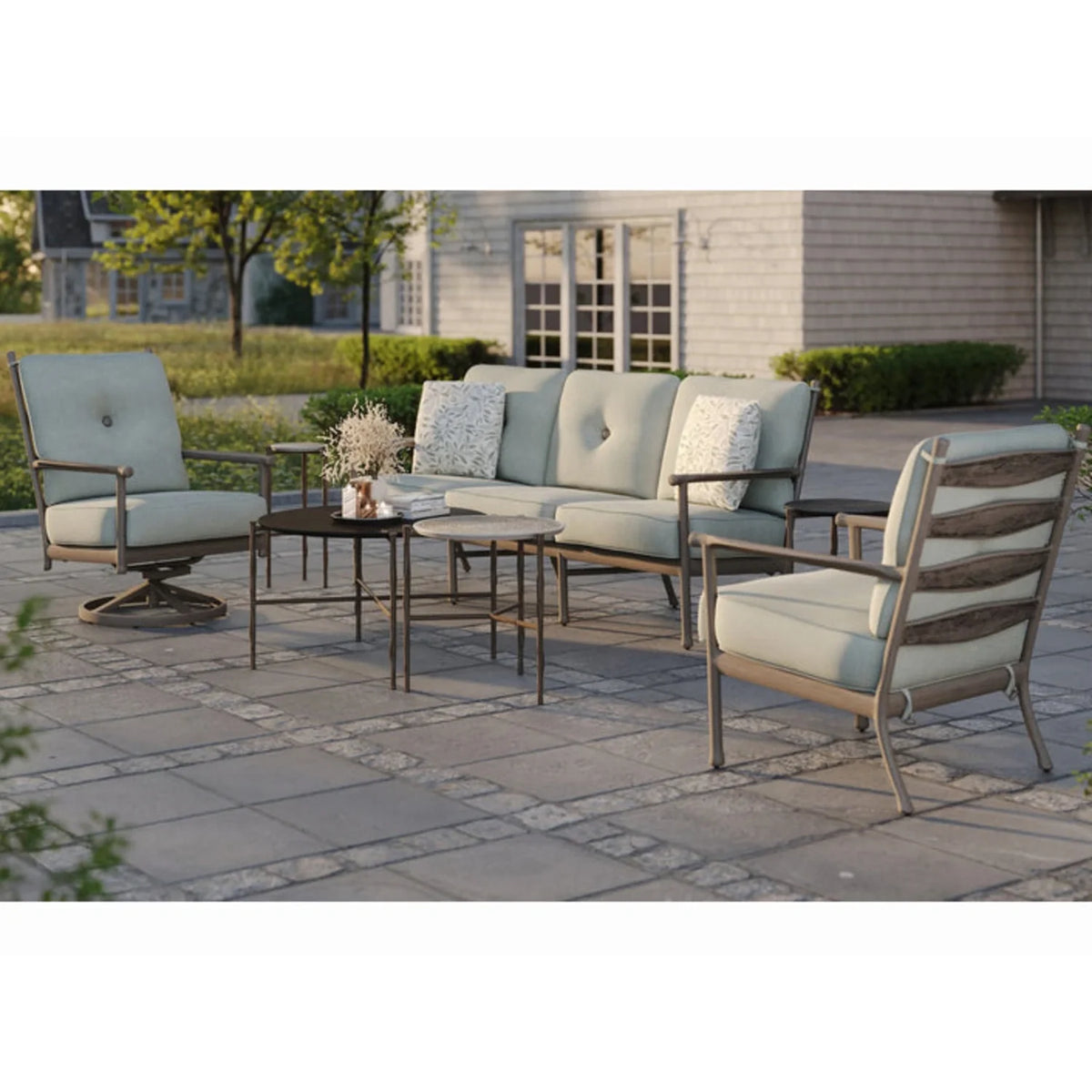
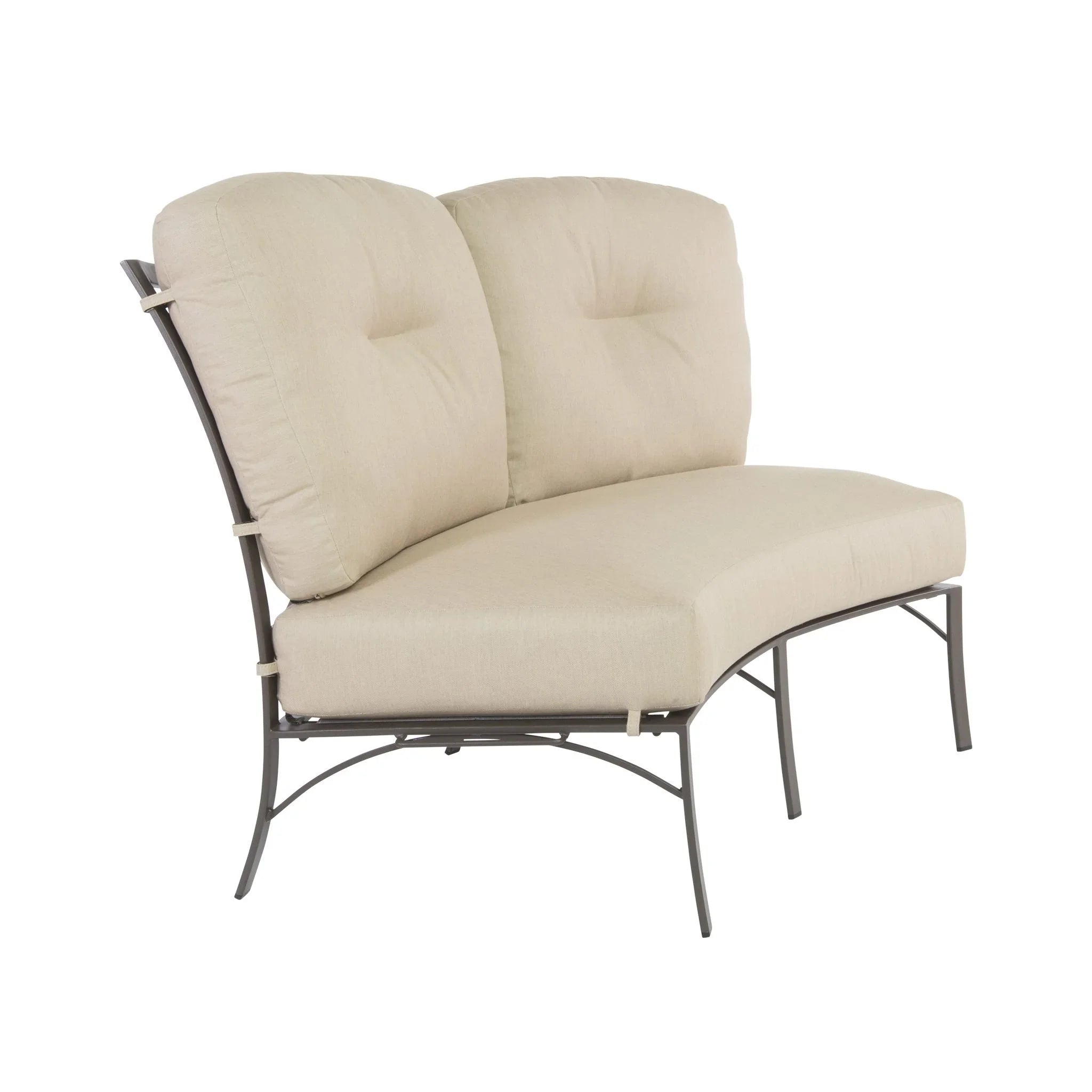
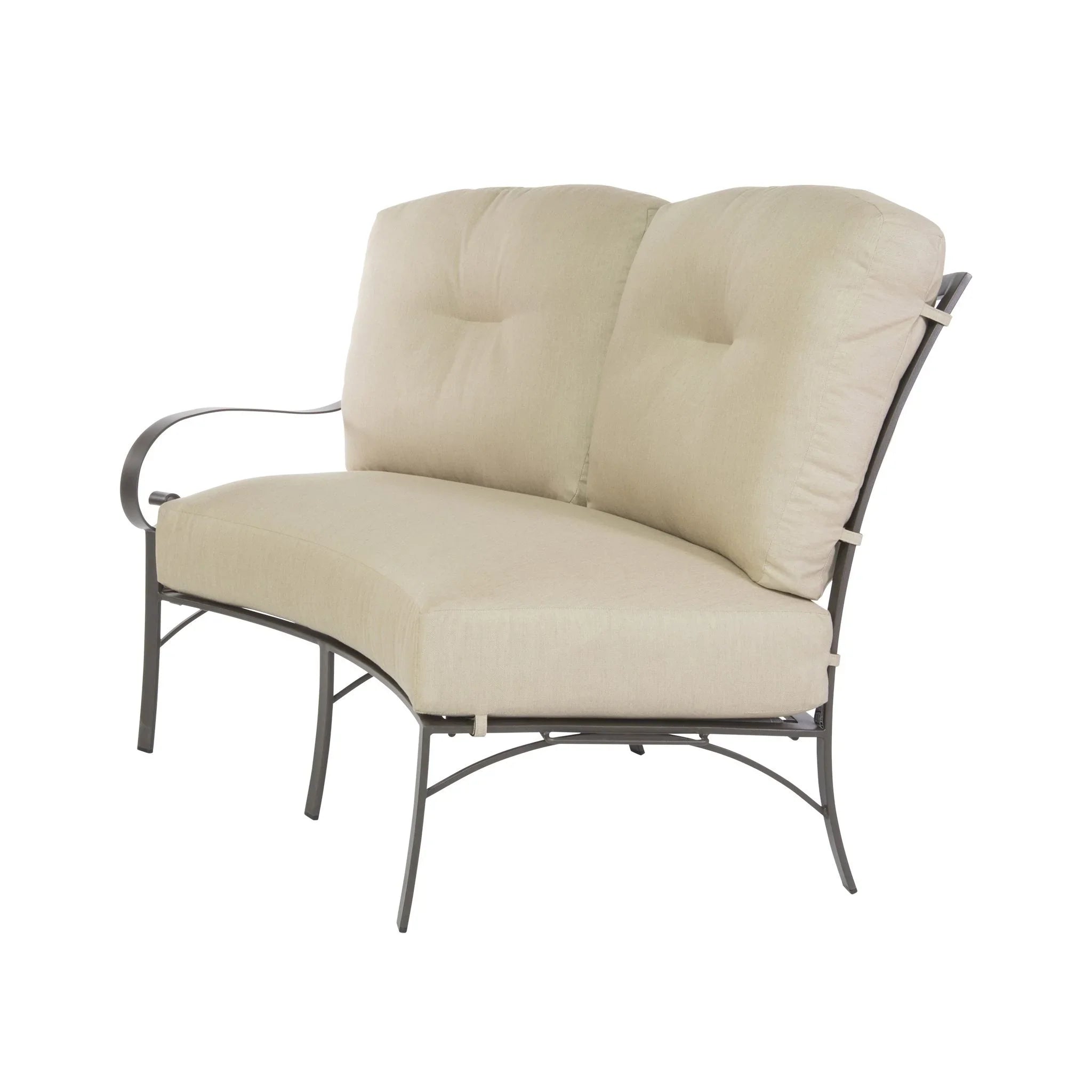
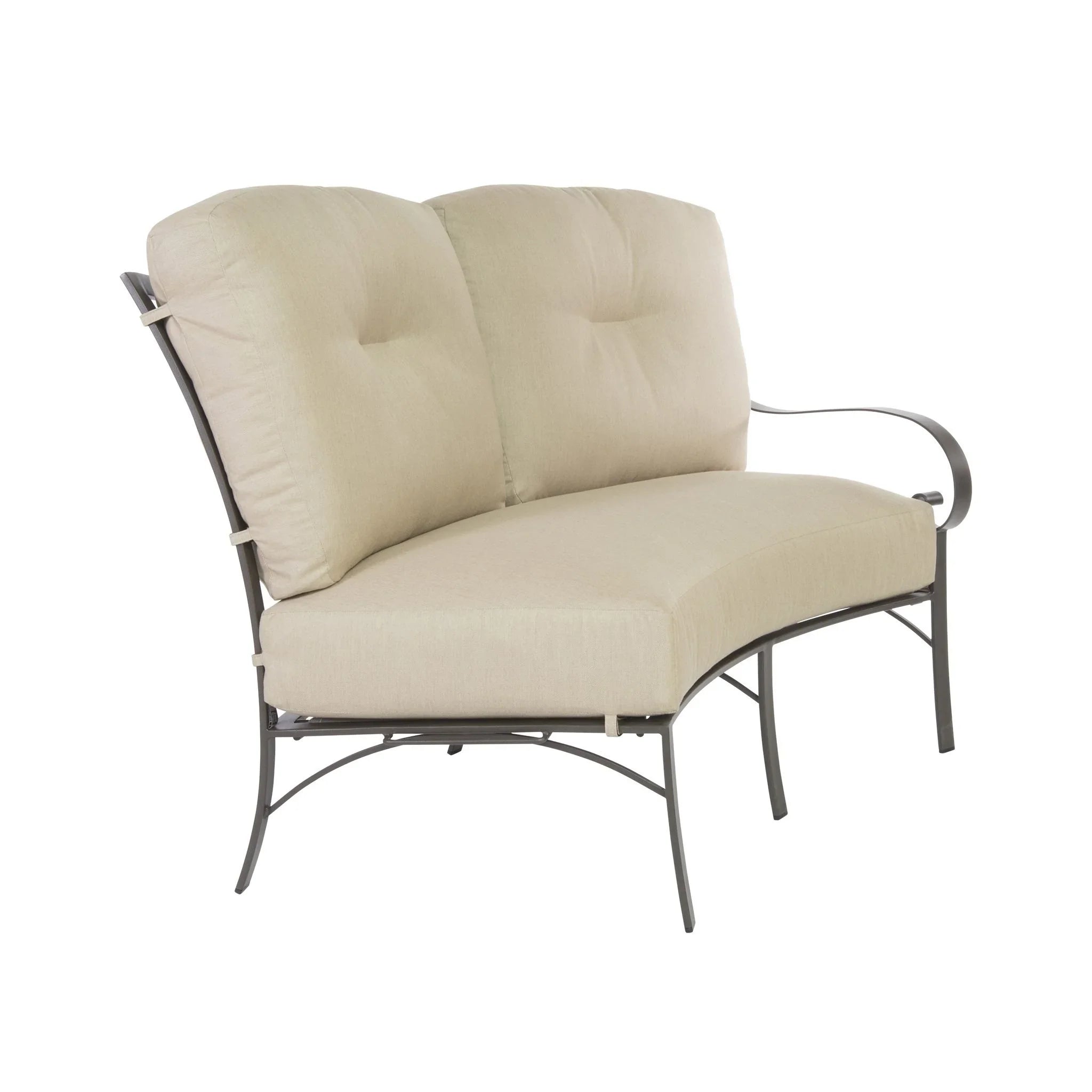
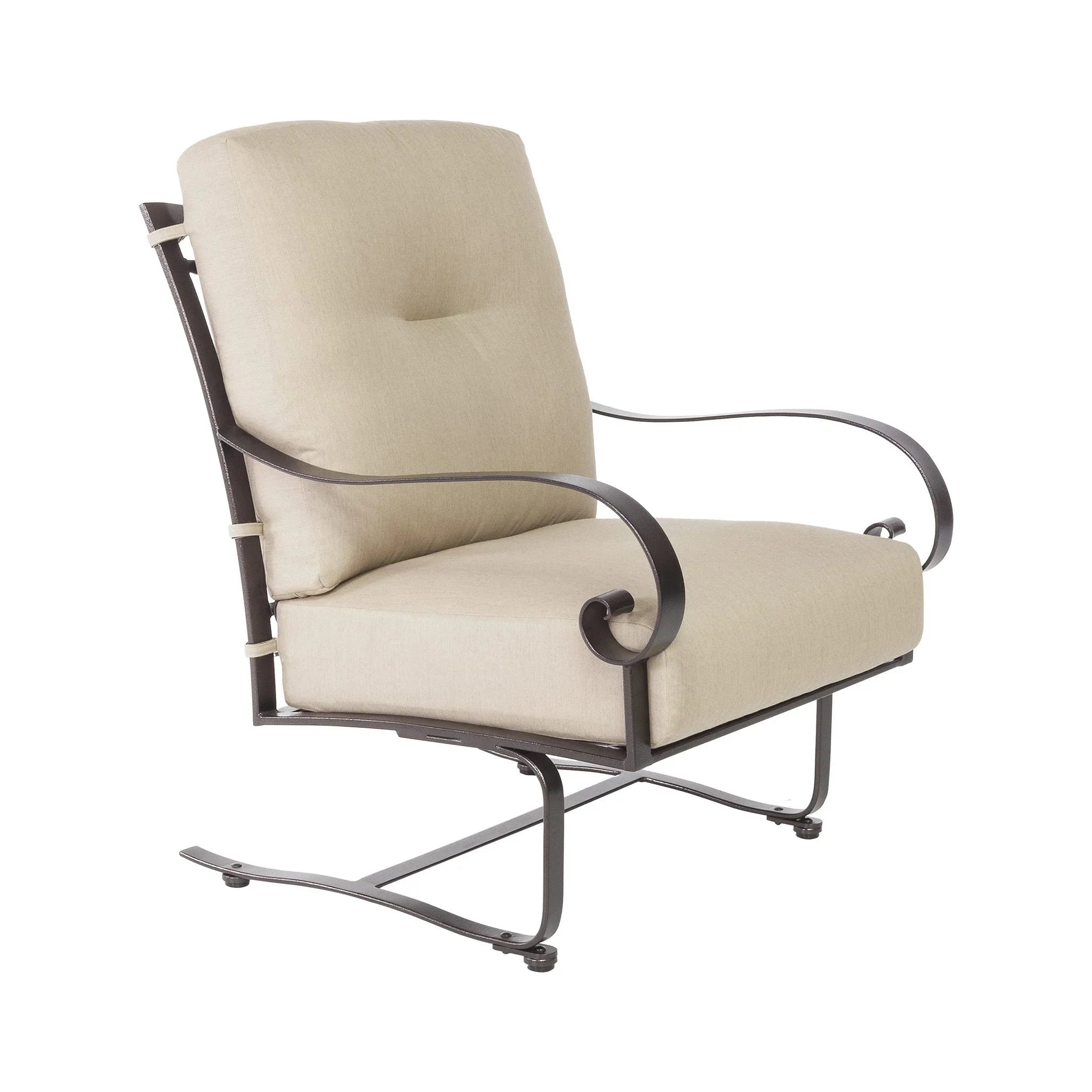
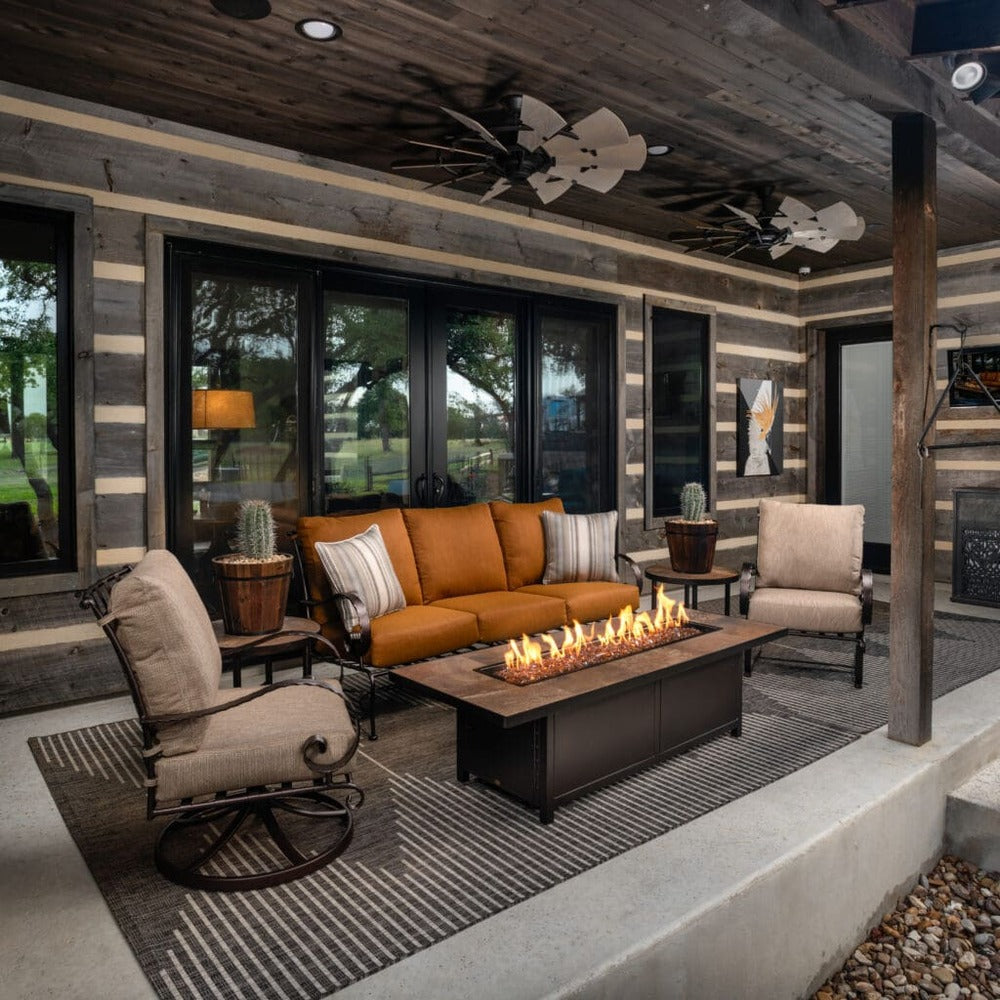
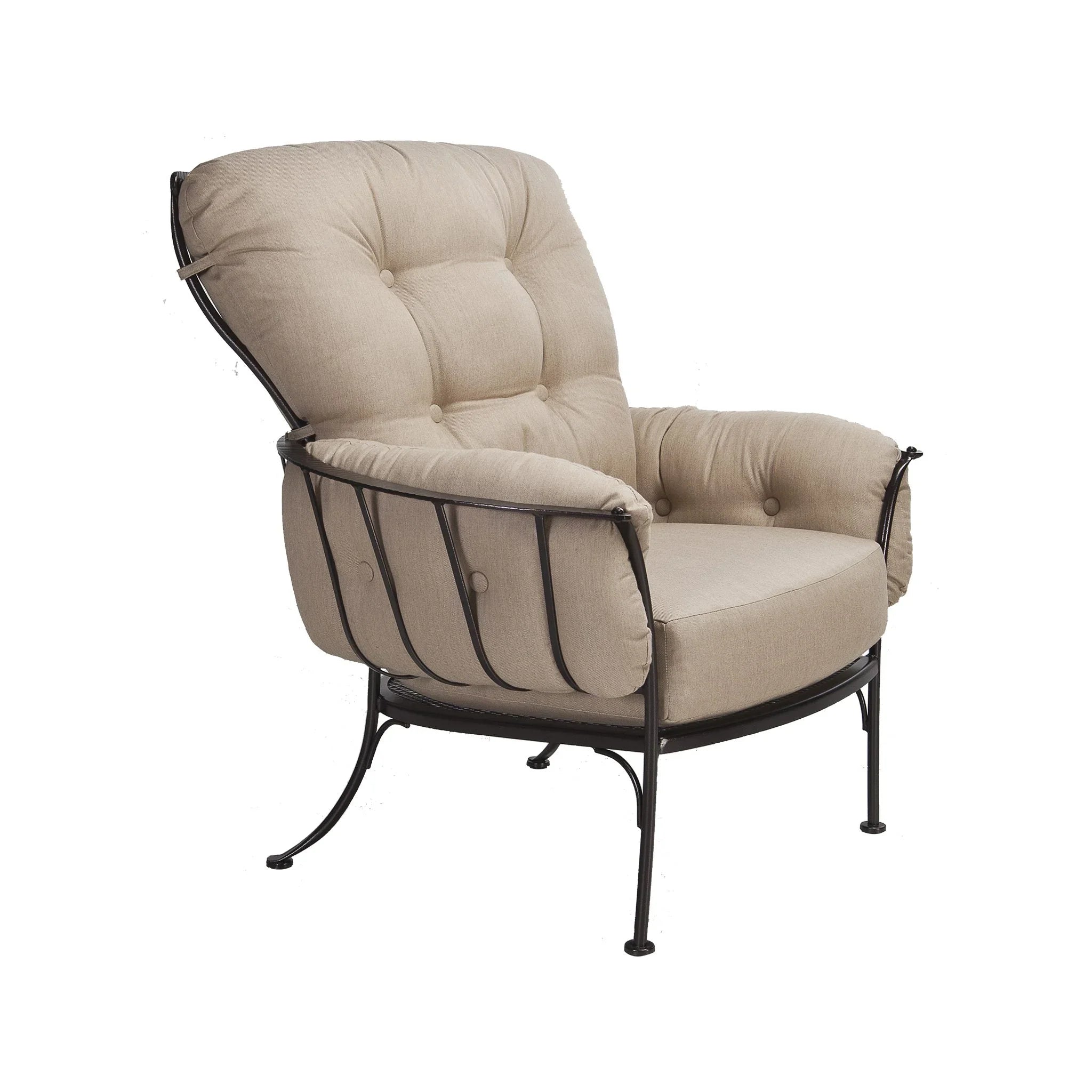
Deep seating in traditional design can be a revelation. Club chairs with rolled arms, high-back loveseats, settees that could pass for interior furniture with a cushion swap — these pieces accomplish something contemporary outdoor design rarely manages: they feel opulent. A traditional deep seating arrangement on a covered terrace reads as somewhere you've arrived, not just landed while waiting to go back inside. Our design team has outfitted everything from single residential patios to multi-property hospitality installations in traditional and classic styles, and free design consultation is available regardless of order size.
If the traditional approach isn't the right fit — if clean lines and minimal silhouette are more your speed — our modern outdoor furniture collection works from the opposite set of principles entirely.
What Actually Matters When Buying Classic Outdoor Furniture
Scale is the variable most buyers underestimate. An ornate cast aluminum dining chair that reads beautifully in isolation can feel fussy and cramped in the wrong setting. Traditional pieces tend to run 15 to 25 percent larger than contemporary equivalents at the same seating count, and the visual weight of ornamental detail amplifies any sizing error. Measure the space, account for traffic flow around the furniture, and when in doubt, consult before committing. Our design team gives you the honest answer — not the one that moves the most inventory.
On finishes in coastal environments: powder-coated aluminum handles salt air well, but there's meaningful variation in powder coat grades. The brands we carry use commercial-grade formulations tested for coastal exposure. Even so, a periodic fresh-water rinse and an annual hardware inspection — bolts, screws, and any exposed bare metal at connection points — will extend any finish considerably. Some products carry marine-rated specifications for oceanfront installation specifically; worth asking about if you're within a few miles of the water.
Free shipping applies to every order regardless of size, with white glove delivery available for larger residential orders and all commercial projects. No tax in most US states. Specialty outdoor dealer since 2007.
- Frame material: Cast aluminum dominates traditional styling — same ornamental detailing as wrought iron, fraction of the weight, no rusting. Wrought iron still exists but requires periodic rust treatment.
- Finish options: Powder coat in matte, textured, and antiqued options — aged bronze, antique verde, and hammered finishes complement stone, brick, and hardwood surfaces far better than flat black or white.
- Cushion fabric: Solution-dyed acrylic (Sunbrella and comparable) is the correct fabric for outdoor use. Avoid cotton-blend "outdoor" cushions.
- Scale check: Traditional pieces run larger than contemporary equivalents at the same seating count. Build your layout around actual measurements, not approximations.
- Warranty benchmarks: 15-year frame, 5-year powder coat finish, 5-year sling or fabric (where applicable). These are the minimums worth accepting.
Frequently Asked Questions


