
BUY MORE, SAVE MORE SUMMER SALE
10% off $2,500
15% off $4,000
20% OFF $6,000
Discount automatically applied at checkout
Filters




Built-In Gas Grills: The Engine of the Outdoor Kitchen
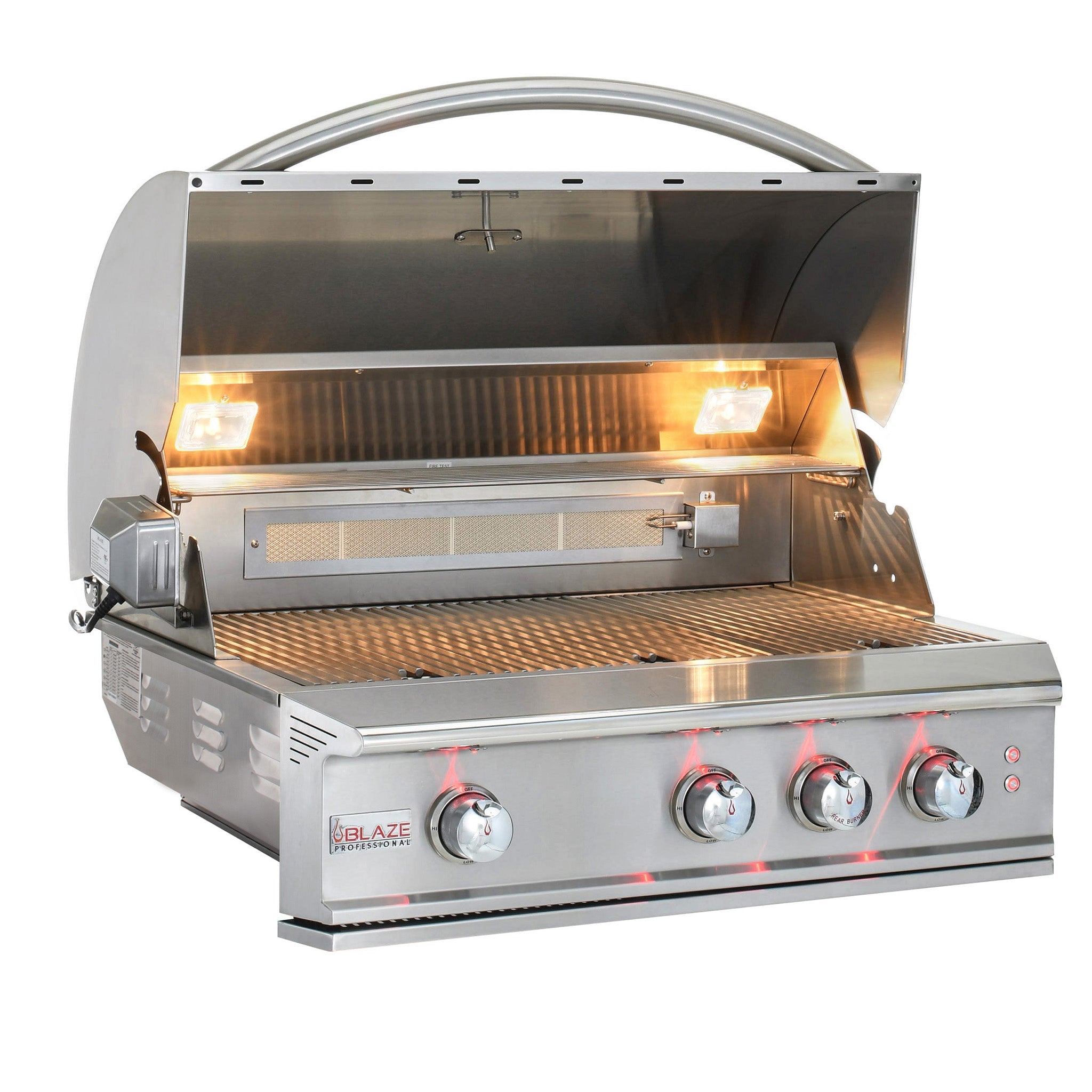
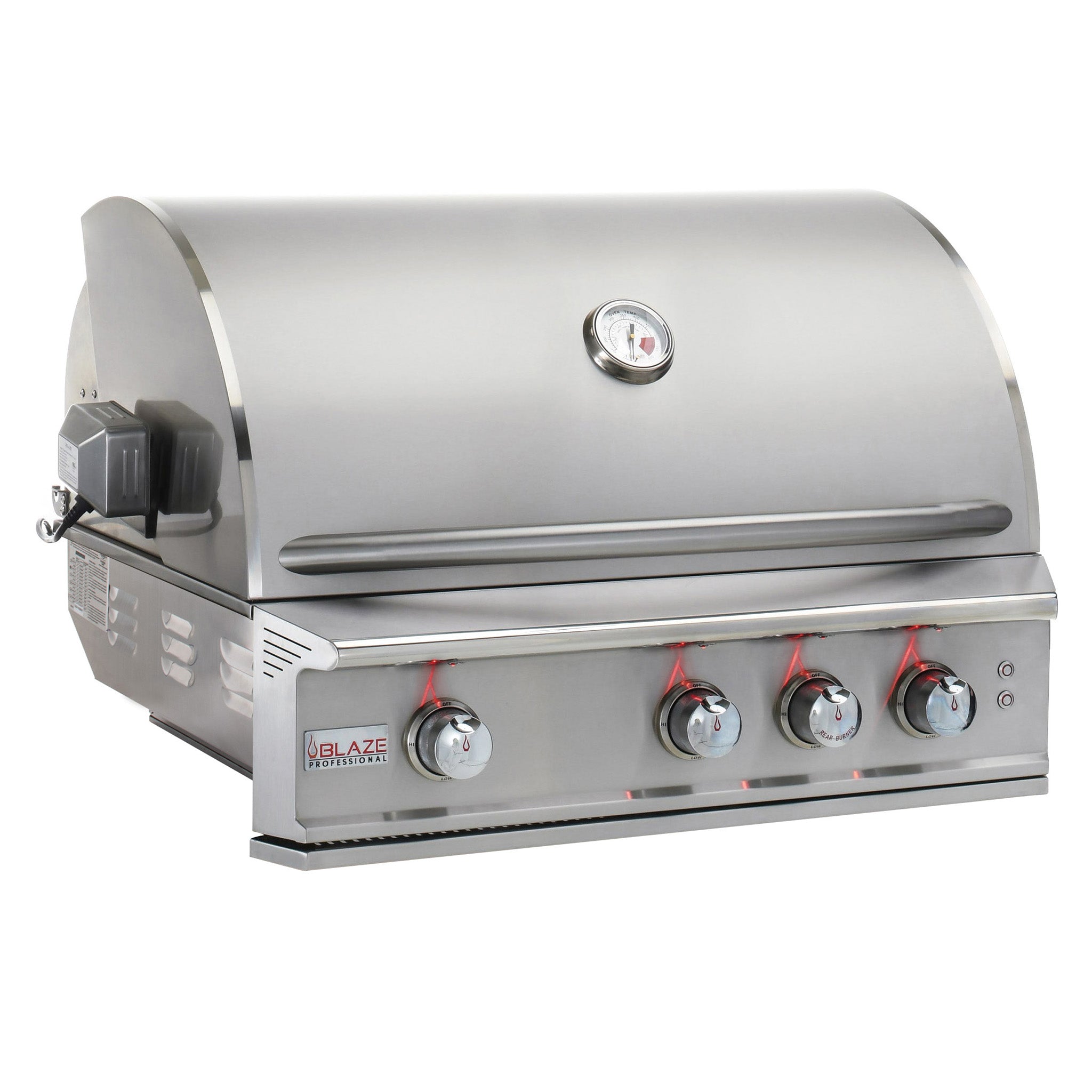
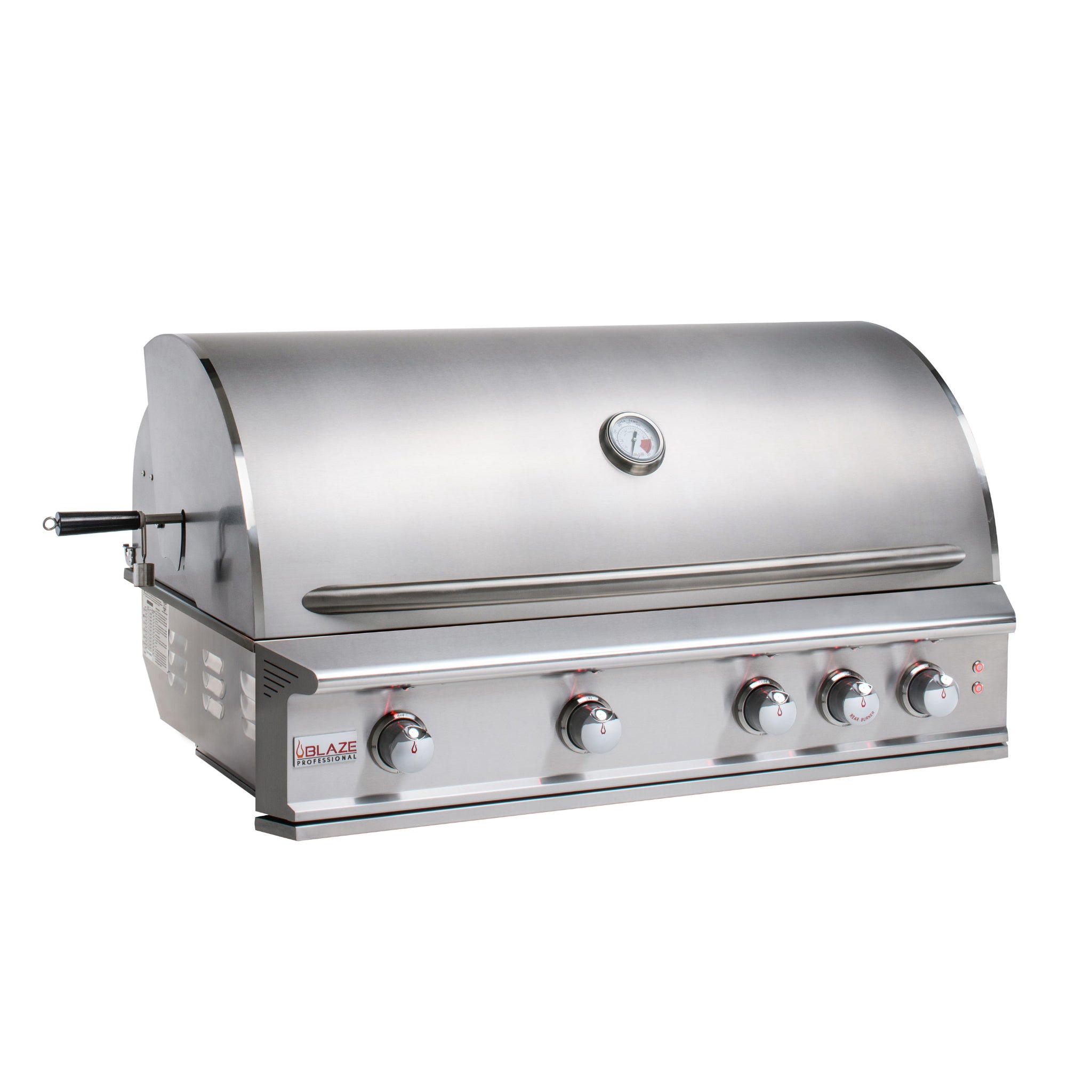
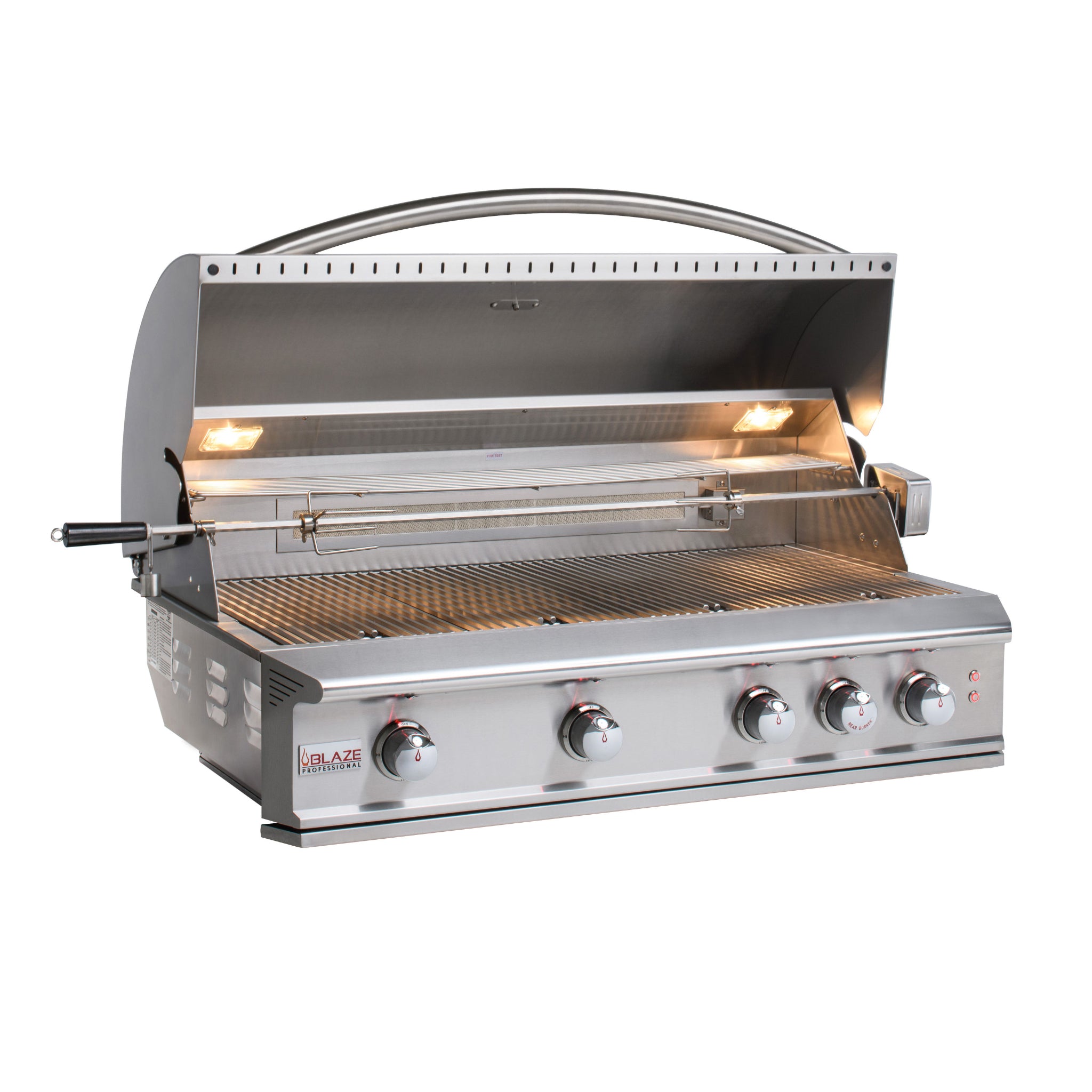
A built-in gas grill is not a cart grill without a cart. It's a different category — higher BTU output, a larger cooking surface for the footprint, and a permanence of installation that changes how an outdoor kitchen feels and performs. Part of our outdoor kitchens collection, these grills are designed to drop into a cutout in an outdoor kitchen island and stay there. The result is a cooking station that looks and functions like it belongs, rather than something that was wheeled into position and plugged in.
We carry built-in grills from Blaze and Mont Alpi — two brands that have built genuine reputations in the outdoor kitchen space. Blaze in particular has become a benchmark for performance-per-dollar in the built-in category: heavy-gauge stainless construction, cast stainless burners rated for tens of thousands of hours, and heat output that gets the grill to temperature quickly and holds it there. Mont Alpi's island systems pair beautifully with their built-in grill lineup, offering an integrated look from grill face to countertop to cabinet doors.
What Separates a Built-In Grill from Everything Else
BTU numbers tell part of the story. A built-in grill at a comparable price point to a cart grill almost always delivers more heat output, because the manufacturer isn't splitting the budget between grill and cart. But raw BTUs aren't the whole picture — heat distribution, grate material, and how the grill manages flare-ups matter as much as peak output. Cast stainless burners distribute heat more evenly than tube burners and outlast them considerably. Heavy stainless grates retain heat better than thin ones and don't develop hot spots that make searing inconsistent.
The installation itself is part of the upgrade. A built-in grill sits flush in a countertop cutout with no visible propane tank, no cart legs to sweep around, and no visual noise competing with the rest of the outdoor kitchen. Natural gas models connect directly to a gas line for a fully permanent setup — no tank to refill, no running out of fuel mid-cookout. Propane models work from a concealed tank inside a base cabinet. Both configurations deliver the same cooking performance; the choice is about how you want to manage your gas supply.
Sizing and Configuration
Built-in grills are measured by the width of the grill head — typically 24 to 42 inches for residential models. A 30-inch grill is the most common residential choice, offering enough cooking surface for most families without demanding an oversized island. Step up to 36 or 42 inches if you regularly cook for larger groups or want the flexibility of a full sear zone plus an indirect heat zone running simultaneously. Every additional inch of grill width needs corresponding counter and island space, so match the grill size to the island configuration you're working with.
Side burners, rotisserie kits, sear zones, and infrared rear burners are all available as add-ons or as standard features depending on the model. Side burners are the most consistently useful — a separate heat source for sauces, vegetables, and anything that needs a pan while the grill is running. Patio Productions is ICFA-certified and has been outfitting outdoor spaces from our San Diego showroom and nationally since 2007. Every order ships free in the U.S. and arrives fully assembled. Our USA-based team offers complimentary design consultations to help match the right grill to your island and cooking style.
Frequently Asked Questions About Built-In Gas Grills
| What size built-in grill do I need? |
For most households, a 30-inch built-in grill provides plenty of cooking surface for everyday grilling and moderate entertaining. Step up to 36 inches if you regularly cook for 8 or more guests, or if you want to run a dedicated sear zone alongside an indirect heat zone simultaneously. 42-inch grills are suited for serious outdoor cooking setups or high-volume entertaining. Match grill width to your island — you'll want at least 12 inches of counter clearance on each side. |
| Natural gas or propane — which is better for a built-in grill? |
Both deliver the same cooking performance — the choice is about convenience and installation. Natural gas requires a dedicated gas line run from your home, which is a permanent setup but eliminates tank refills entirely. Propane runs from a standard tank, which can be concealed inside a base cabinet. If you're building a permanent outdoor kitchen with a fixed island, natural gas is the cleaner long-term solution. If you're not ready for a gas line installation, propane works just as well. |
| How do I maintain a built-in gas grill? |
Brush the grates after each use while they're still warm, and burn off residue with a high-heat cycle before cooking on a dirty grill. Deep clean the burners, heat deflectors, and grease tray a few times per season — or more frequently with heavy use. Cover the grill when not in use to protect it from debris and moisture. Stainless steel components benefit from a stainless cleaner applied a few times per year to prevent surface discoloration. Burners on quality built-in grills are typically rated for decades of use with basic maintenance. |
| Can a built-in grill be installed in an existing outdoor kitchen? |
Yes, as long as the cutout dimensions match the grill head size. Standard built-in grills use industry-standard cutout dimensions that allow for replacement or upgrade without rebuilding the surrounding island. Measure the existing cutout width and depth before purchasing a replacement — most manufacturers publish exact cutout requirements in their installation specs. Our team can help verify compatibility before you order. |


