Best Outdoor Lounge Chair Materials for Comfort and Durability
Enjoying a lounge chair outdoor is a relaxing experience… as long it's made from the best outdoor materials. You never want to find the perfect patio lounge chair only to have it turn into something more like what you'd find on the side of a street with a "yours if you want it" sign. Rusted frames, faded fabric… there are a lot of ways that your once-beautiful lounge chair can age badly.
So today's theme is simple: style means nothing without substance, especially when it’s living outside full time. So, if you just want to avoid this happening to you, this guide is your safety net.
Let’s break down the best outdoor lounge chair materials, from the obvious winners to a few curveballs that might surprise you.
Frequently Asked Questions About Outdoor Lounge Chair Materials
Match material to climate and maintenance. Top performers include aluminum (rust-proof, low-care), teak/ipe (dense, long-lasting), HDPE/poly lumber (ultra-durable, very low maintenance), and quality resin wicker (HDPE) for cushy comfort. Patio Productions helps you balance durability, upkeep, and style—because the right material outlasts the trend.
Teak/ipe are dense, weather-tough hardwoods. Teak resists rot, insects, and moisture; it starts honey-brown and can patina silver (seal to keep the gold). Ipe is extremely dense and water-resistant with rich dark grain. Both can outlast cheaper woods but need periodic care to look their best.
Yes—choose HDPE over PVC. High-quality resin (synthetic) wicker gives rattan looks without the weather woes. It’s UV-resistant, waterproof, and easy to clean. HDPE versions outlast PVC and hold color better. Add fast-dry cushions for a lounge-worthy, low-maintenance setup Patio Productions loves.
Aluminum is the lightweight MVP. Aluminum won’t rust and needs little care (a favorite for most shoppers). Steel can be very strong but must be galvanized or powder-coated outdoors. Wrought iron is hefty and durable, but higher maintenance. Powder-coated finishes reduce heat and add longevity.
Solution-dyed acrylic leads; olefin & poly follow. Solution-dyed acrylic is fade-resistant, breathable, and soft—our top pick. Olefin is strong and fast-drying at a friendly price. Polyester blends are affordable but may absorb moisture and fade faster. Prioritize weather-resistant covers and quick-dry fills.
Hot/sunny: aluminum, HDPE. Humid: teak, HDPE, resin. Hot & sunny: aluminum, HDPE, acrylic fabrics. Wet & humid: teak, HDPE, resin wicker. Cold/snowy: powder-coated aluminum and HDPE (store cushions; avoid water pooling). Steel can rust unless properly coated. Covers and occasional TLC help any material.
Recycled metals/HDPE and certified hardwoods. Look for recycled aluminum/steel, HDPE lumber, and responsibly harvested teak/eucalyptus. Favorite pairings: aluminum frame + solution-dyed acrylic cushions; HDPE base + resin wicker + fast-dry cushions; teak frame + olefin cushions. Patio Productions can tailor the mix to your space.
Lounge Chair Materials: A Comparison
| Material Type | Durability | Maintenance | Comfort | Ideal For |
|---|---|---|---|---|
| Teak | High | Medium | High | Long-term investment patios |
| Cedar | Medium | High | Medium | Covered porches or dry areas |
| Aluminum | High | Low | Medium | Hot, wet, or coastal climates |
| Steel | Very High | High | Medium | Permanent setups |
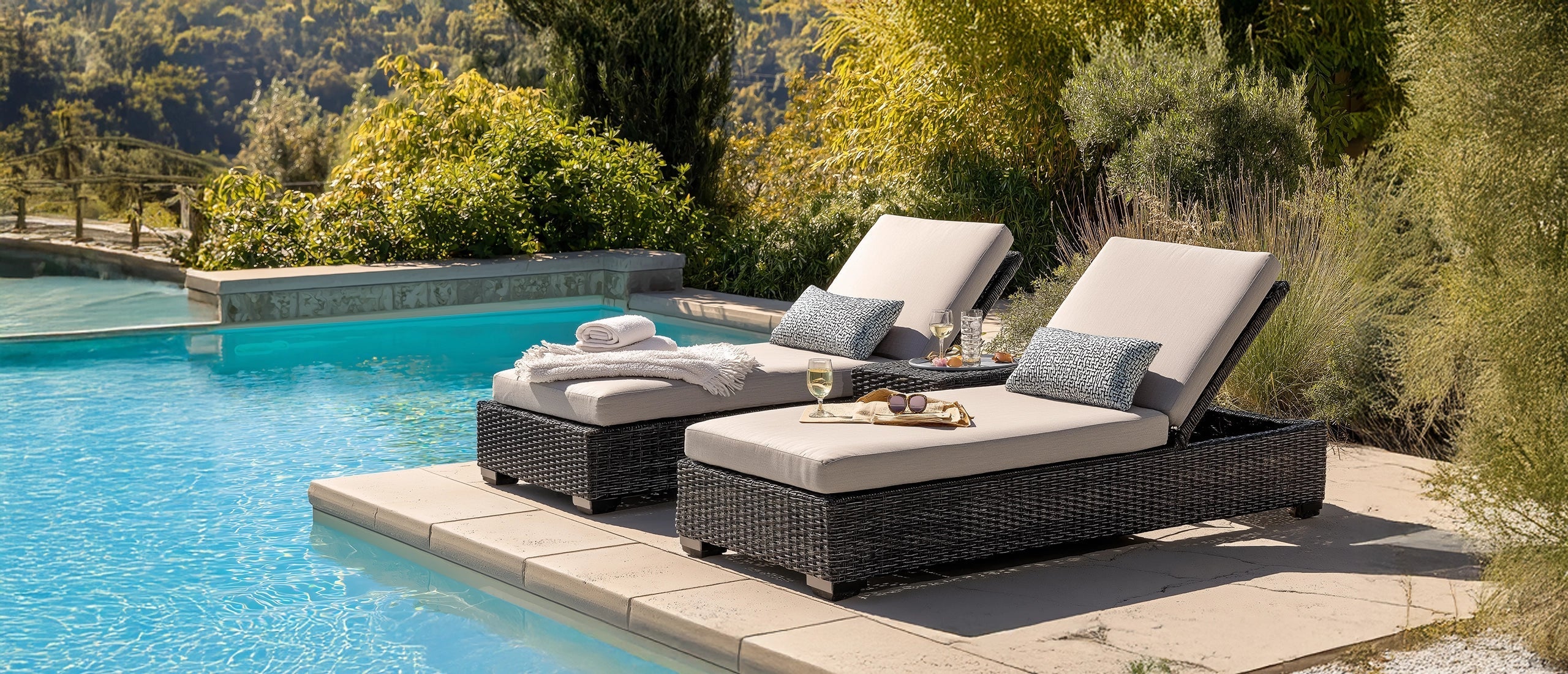
| Resin Wicker | Medium | Low | High | Casual seating, modern decor |
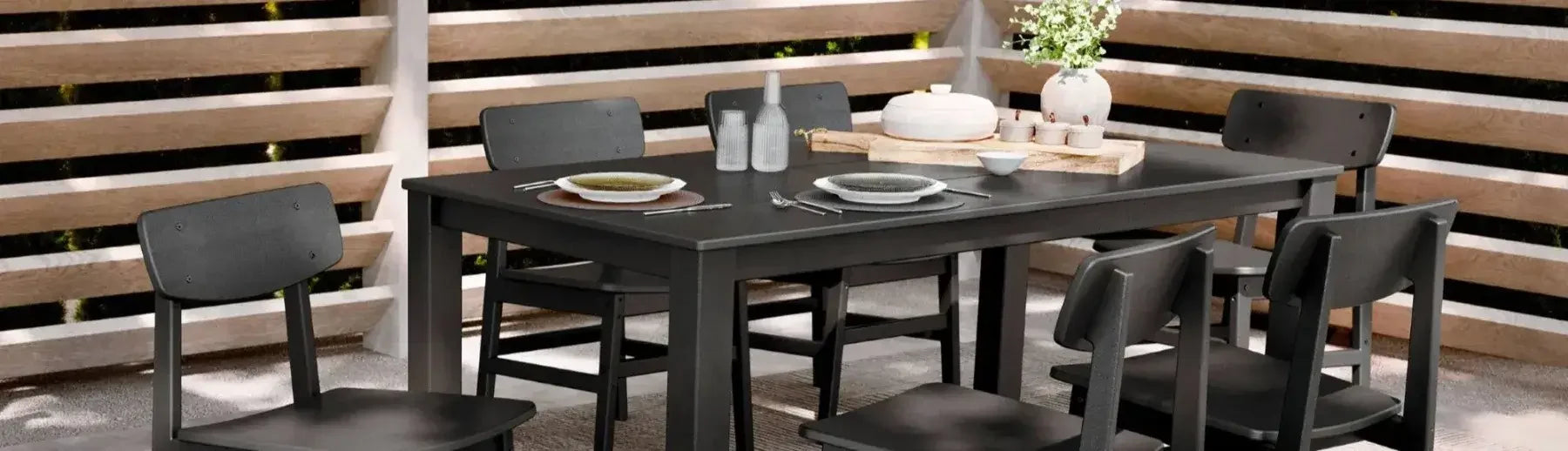
| Poly Lumber (HDPE Plastic) | High | Very Low | Medium | Eco-conscious, low-maintenance zones |

Lounge Chair Outside Wood Material Options
Natural wood brings warmth and elegance to your outdoor relaxation design. But not all wood is cut from the same tree. (Did you see that? A lumber pun!)
Teak Lounge Chairs: The Tried-and-True Champion
For your lounging enjoyment, let's start off with the best natural wood. Teak, sometimes called the king of outdoor wood, is gorgeous with a honey hue. But it's also dense, oil-rich, and naturally resistant to water, mold, and insects. That's why sustainable teak is so great for your patio furniture. Plus, some people love that it develops a silvery patina over time, unless you seal or treat it regularly.

- Pros: Long lifespan (50+ years with proper care), rot-resistant, gorgeous grain
- Cons: Expensive, heavy, needs maintenance if you want to preserve color
Photo: Pearl Reclining Chaise Lounge with Wheels
Fun stat: Teak can last over 50 years outdoors when cared for properly. That's longer than some people keep their mortgages.
Shop Beautiful Teak Lounge Chairs
Ipe: a Lounge Chair as Tough as Iron
Ipe is a unique hard wood. And when I say "hard wood", I'm not kidding. It's so dense that it sinks in water, making it also naturally resistant to moisture. And its beautiful dark woodgrain really stands out on your patio.

- Pros: Unique, dark wood grain with surprising water and weather resistance.
- Cons: Can be pricey and requires upkeep to make it last (like all natural woods)
Photo: Forte Lounge Chair
Cedar: Lightweight But High-Maintenance
Cedar’s pleasant scent and soft wood feel make it a favorite in mild climates. But you should also know that it’s not built for intense sun or heavy rainfall. It just doesn't looks as nice or hold up as well as teak or acacia.
- Pros: Lightweight, naturally bug-resistant, charming rustic look
- Cons: Prone to cracking and fading, needs sealing to stay weather-ready

Resin and Plastic: Low-Maintenance Lounger Favorites
Some outdoor living enthusiasts really prioritize outdoor lounge chairs that can endure any weather without all the upkeep and effort of wood or metal. If that's you, resin and plastic deserve a serious look. And don't let the word 'plastic' scare you off. Today's resin options might shock you with their style.
Resin Wicker (Synthetic Wicker) Lounge Chairs
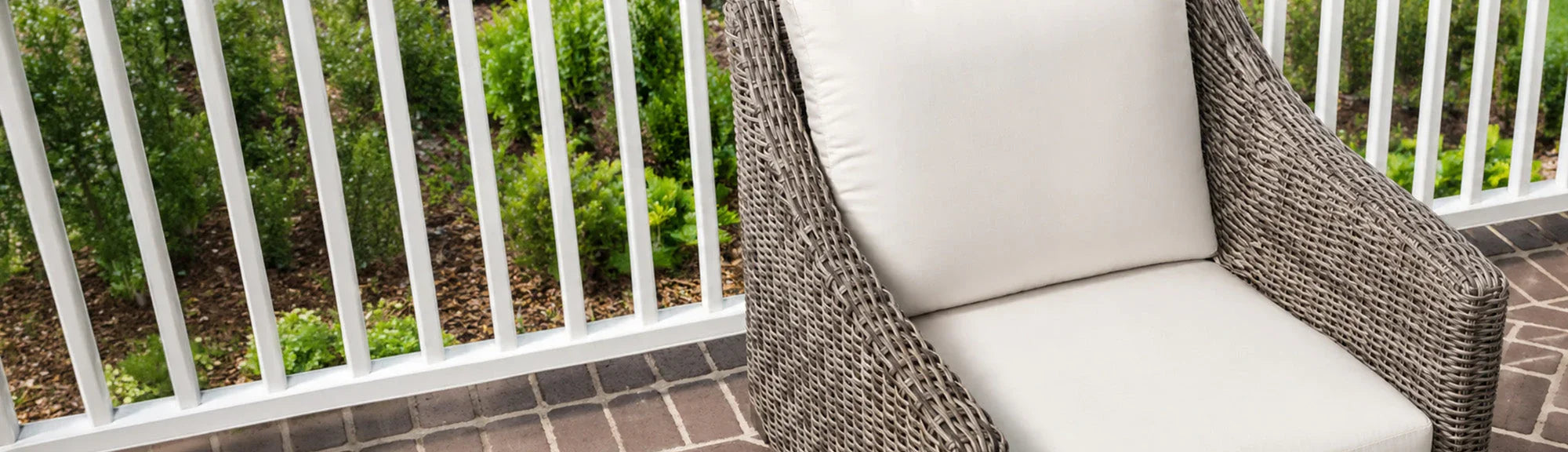
We've all seen beautiful, easy-going wicker lounge chairs. The problem with natural wicker, though, is that it really can't survive outside… at all. That's why high-quality resin wicker (also called synthetic or Outdoor Wicker) is the best of both worlds. It mimics traditional rattan but doesn’t fall apart when it rains.

- Pros: UV-resistant, waterproof, lightweight, easy to clean
- Cons: Can fade in direct sun over time, some cheaper versions feel brittle
Photo: Urbana Armless Chaise Lounge
From what the Patio Productions team has seen, HDPE-based resin wicker outlasts PVC versions by years and holds its color far better.
Shop Outdoor Wicker Lounge Chairs
Poly Lumber, aka High-Density Polyethylene (HDPE)
HDPE is a workhorse material used in recycled plastic furniture. It’s sturdy and doesn't splinter or warp. Plus, high-quality HDPE lounge chairs are often made from sustainable materials.

- Pros: Sustainable, color-fast, resistant to mold and mildew
- Cons: Can be bulky, texture isn’t as “warm” as real wood
Photo: Alpine Club Chair in Brazilian Walnut
Harmonia Living just rolled out their new Aspen line of luxury-quality recycled HDPE furniture. It's definitely worth considering for your next patio lounging piece.
Shop Poly Lumber Lounge Chairs

Metal Materials: Strength Meets Lounge Chair Style
Let’s talk about the real heavyweights: metal lounge chairs. You’ll find a few options here, but each has its own comfort level, upkeep demands, and weather resilience.
Aluminum: The Lightweight MVP
In our experienced opinion, aluminum checks nearly every box. It’s rust-proof, light enough to move around, and surprisingly strong for its weight.

- Pros: Won’t rust, low maintenance, modern styles available
- Cons: May dent, can heat up in direct sun (though powder-coated furniture reduces this significantly)
Photo: Aris Chaise Lounge
Stat alert: Over 75% of modern outdoor lounge chairs are made from aluminum. And I have every reason to believe that number isn’t going down anytime soon.
Wrought Iron: Heavier and Stronger
Wrought is the muscle car of outdoor furniture. It's strong, sleek, but demanding.

- Pros: Won’t rust, low maintenance, modern styles available
- Cons: May dent, can heat up in direct sun (though powder-coated furniture reduces this significantly)
Photo: Sheffield Cushion Lounge Chair
Pro tip: If you find yourself looking at steel patio furniture, make sure it's galvanized or powder-coated. Bare steel outdoors is a short-term love affair.
Shop Wrought Iron Lounge Chairs

Cushion Fabrics: Don’t Ignore the Soft Stuff
You can have all the best lounge chair frame materials, but it's all wasted if you don't get fade-free, weather-resistant cushions. Plus, in most chairs, cushions are the comfort zone.
Outdoor Fabrics That Work:
- Solution-dyed acrylic: Fade-resistant, breathable, and soft. A favorite for a reason.
- Polyester blends: More affordable but can absorb moisture and fade quicker.
- Olefin: Strong, fast-drying, and often budget-friendly.
Stat check: About 68% of people opt for weather-resistant fabrics like acrylic for their outdoor cushions—and honestly, I think they’re onto something.
Eco-Friendly Lounge Chair Outdoor Materials: Great for the Planet & Your Patio
I’ll be honest. I used to think “eco-friendly” meant “falls apart in a week.” I was wrong. Today’s sustainable options are stronger, longer-lasting, and far more stylish than they used to be.
What Counts as Eco-Friendly?
- Recycled aluminum or steel: Strong, sustainable, and endlessly recyclable
- HDPE lumber: Made from recycled plastics, often indistinguishable from wood
- Responsibly harvested teak or eucalyptus: Certified sources that protect forests
It's worth noting that while powder-coated aluminum can be endlessly recycled, the initial creation of this material has a pretty steep carbon footprint.
According to industry research, nearly 40% of consumers now prioritize sustainability when choosing outdoor furniture—and in my opinion, that number should be even higher.

Material Comparison: What’s Best for You?
When it comes down to it, the “best” material depends on your climate, space, and how much maintenance you're willing to put in.
My advice? Start by asking yourself three things:
- How much weather will this chair face?
- Do I want to store it in winter—or leave it outside?
- Do I care more about style, comfort, or long-term durability?
Your answers will point you to the right material faster than any product description can.
Weather-Related Tips by Material
If you live somewhere with extreme seasons (like I do), your chair’s material will be tested constantly. Here’s how each holds up:
Hot & Sunny Climates
- Winners: Aluminum, HDPE, acrylic fabric
- Watch out: Wood may crack or bleach without care
Wet & Humid Climates
- Winners: Teak, HDPE, resin wicker
- Watch out: Steel rusts unless coated
Cold or Snowy Winters
- Winners: Powder-coated aluminum, HDPE
- Watch out: Store cushions and avoid water pooling inside frame joints
Pro tip: Even the best material appreciates a little shade, a furniture cover, and occasional TLC.

My Personal Shortlist: Top Material Combos
After years of testing (and replacing) outdoor furniture, here are my favorite pairings for lounge chairs that balance durability, comfort, and style:
- Aluminum frame + solution-dyed acrylic cushions: Practically weatherproof.
- Resin wicker on HDPE base + fast-dry cushions: Style and practicality on a budget.
- Teak frame + olefin cushions: Classic luxury—if you’re okay with occasional oiling.
Personally, I believe your outdoor space should feel as relaxing as your living room—and choosing the right materials makes that happen.
The Lounge Chair Takeaway: Great Materials Make All the Difference
Let’s wrap up with some hard truths:
- That cute but flimsy chair on sale for $79? It might not make it past July.
- That well-built, well-cushioned chair made with smart materials? You’ll still be lounging on it years from now.
From my perspective, outdoor lounge chairs aren’t just furniture. They’re where you nap after mowing the lawn. Where you read when the house is too loud. Where you sip coffee and pretend emails don’t exist.
Choose the right furniture material and you’ll get more than just a seat. You’ll get a favorite place to relax, recharge, and enjoy the great outdoors.
If you still have questions, give the Patio Productions team a call, or explore our online products. We have everything you need to find your perfect lounge chair without spending premium prices.