What Is The Purpose of a Pergola?
A pergola's main purposes are to provide cooling shade, support climbing plants, add architectural style, define outdoor spaces, and extend interior living areas outside.
Frequently Asked Questions: The Purpose of a Pergola
An open-air slatted roof on posts that elevates outdoor living. Pergolas provide cooling shade, support climbing plants, add architectural style, define outdoor rooms, and extend your interior space outside. Their vertical posts and horizontal rafters create a striking focal point while improving comfort and usability across the yard.
Slats block harsh sun while breezes flow through. The roof filters direct sunlight yet allows airflow, creating a comfortable balance of light and shade. Place a pergola over patios, decks, or pools to shelter those areas from hot sunshine without enclosing the space.
Yes, it is a sturdy framework for climbers. Roses, grapes, jasmine, and other climbers can spread across the rafters to form a green canopy. Blooms add color, texture, and dappled light, softening the structure and enhancing the garden experience underneath.
It adds height, structure, and a strong focal point. The interplay of posts and rafters draws the eye upward and creates visual order. You can personalize the look with wood, metal, or mixed materials to match your landscape and home architecture.
Yes, it carves out zones for different activities. Overhead coverage signals a transition between areas for lounging, dining, or play. Varying pergola size and placement helps organize traffic flow and creates cozy rooms without building walls.
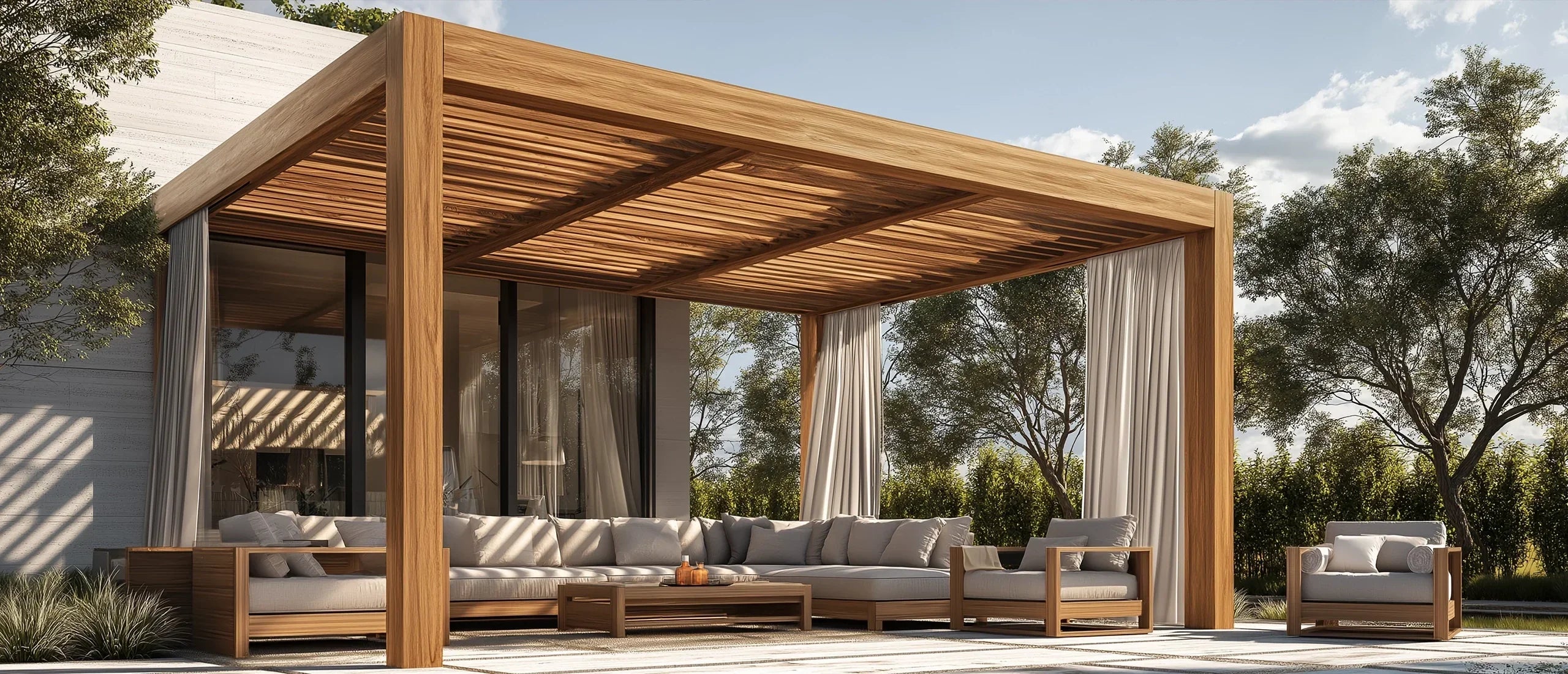
It creates a livable “room” just outside your door. Outfit a pergola that adjoins your home with seating, rugs, and lighting to form an outdoor living room. The structure connects indoors with outside, making daily relaxation and entertaining more comfortable.
Versatility plus beauty in one structure. Pergolas deliver shelter, plant support, architectural flair, space definition, and indoor-outdoor continuity. With these combined benefits, they amplify and enrich everyday outdoor living.
With their open-air wood slatted roofs supported by stately columns, pergolas serve many purposes in landscaping design. Let's explore why you may want to add one of these versatile structures to your backyard.
Cooling Shade
One main purpose of pergolas is furnishing shade. Their slatted roof allows fresh breezes to flow through while blocking harsh direct sun. This provides a comfortable balance of light and shade.
Strategic pergola placement over patios, decks, or pools will shelter those spaces from hot sunshine. The shade allows you to enjoy the outdoors without overheating.

Support for Vines and Plants
Pergolas also give climbing vines and plants like roses, grapes, or jasmine a sturdy overhead structure to grab onto and grow across. As the vines extend overhead, they form a lovely green canopy that filters the sunlight.
Blooming vines intertwined along the pergola add pops of color and soften the look with natural textures.

Striking Architectural Style
Beyond function, pergolas enhance yards with eye-catching architectural style. Their vertical support posts and horizontal rafters have an almost mathematical allure.
Pergolas become garden focal points, adding height and drawing the eye upward within the landscape. Options like wood, metal, or mixed media allow for design personalization.

Defining Outdoor Rooms
Pergolas help carve out dedicated spaces for different functions like lounging, dining, or play areas. Their overhead coverage signals the transition from one defined zone to another.
Varying pergola sizes, shapes and placement creates cozy spaces for different activities or traffic flow.

Expanding Interior Living Space
Pergolas are popular for extending interior living areas outside under shelter and beauty. Outfitting a pergola adjoining your home with seating, rugs, and lighting creates a lush outdoor living room.

Ideal Additions
With versatile functionality and style, pergolas are ideal additions to amplify and enrich outdoor living space. They provide shelter, support plants, add architectural flair, define spaces, and connect indoors with outside seamlessly.