Gardening Facts and Tips
Outdoor spaces such as patios and gardens are becoming more popular as people move from their luxurious and plush indoor spaces to the outdoors and nature to get a little dirty. As such, gardening has hit the big time!
There are hundreds of gardening options, from different flowers to vegetables and everything in between. Whether you are new to gardening or are a long-time pro there may be some things that you do not know about or have forgotten over the years.

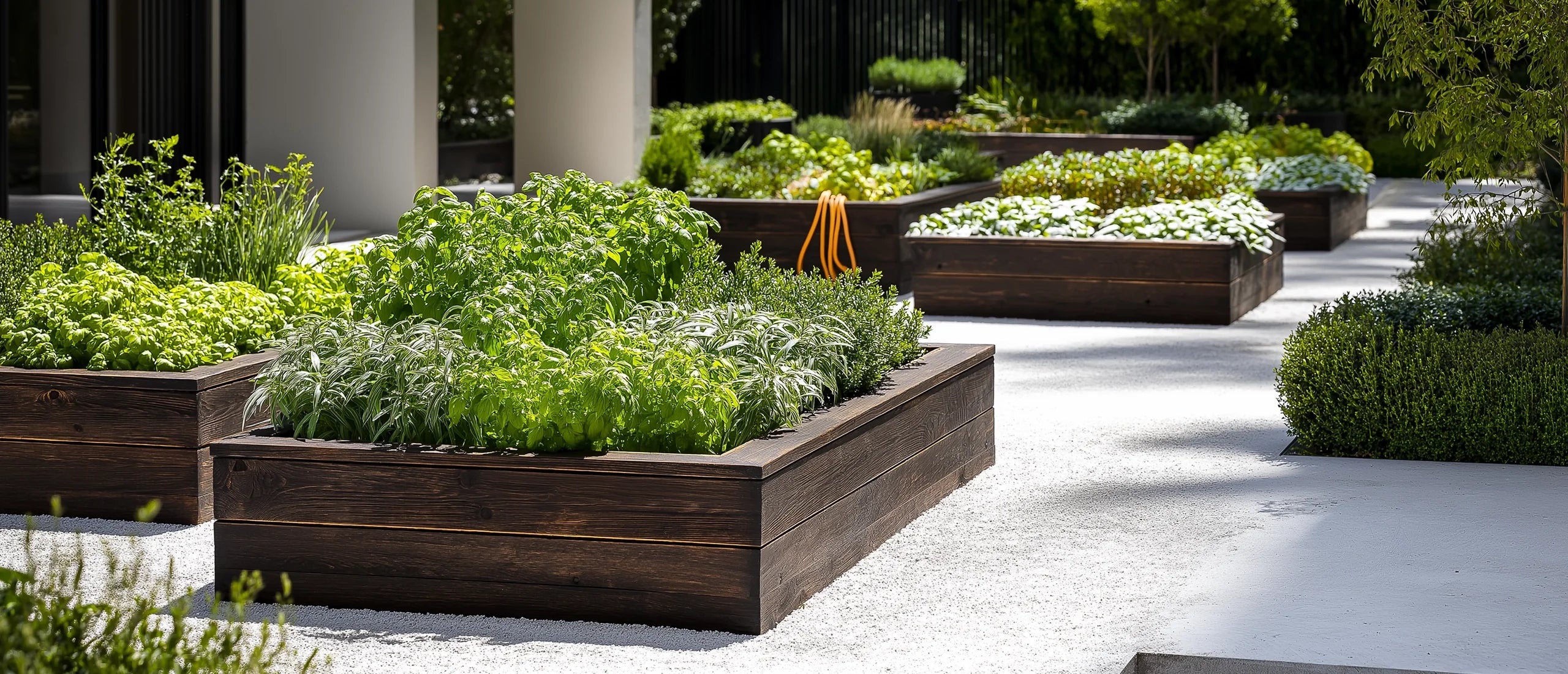
Vegetable garden (Photo credit: RaeAllen)
Here are some key facts and tips that we believe you might want to be privy to:
Frequently Asked Questions: Gardening Facts and Tips
Water in the morning or at dusk. These cooler hours reduce evaporation and help prevent leaf burn, so plants get more of what you give them. Note that thinner-leaved plants generally need more water than thick-leaved types, so adjust your schedule accordingly.
Aim for the base, not the foliage. Water left on leaves can promote and spread plant disease. Place the hose at the base so moisture reaches roots efficiently and foliage stays dry and healthy.
No—fewer than 2% are harmful. Many insects are allies. For example, ladybugs consume large numbers of aphids and scale insects, helping protect your plants naturally without chemicals.
Pick flowers and veggies regularly. Frequent harvesting signals the plant to keep producing. Snip blooms and gather ripe produce to increase overall output over the season.
Variegation comes from a mutation. Multi-colored sections on leaves or stems are the result of a mutation within the plant. These striking patterns are natural and can be stable or variable depending on the plant.
Use cinnamon in soil and diluted milk sprays. Mixing cinnamon into potting soil can act as a basic fungicide. To control mildew, dilute milk with water and spray affected plants, reapplying as needed.
Yes—strategic shade lowers cooling and heating needs. In summer, shade trees reduce direct sun on the home and can cut air-conditioning use. In winter, bare branches allow sunlight to warm the house, easing heater demand.
More Interesting Garden Facts
- The ladybug is a beneficial insect. They consume large numbers of aphids and scale bugs, thus keeping them from chewing on your precious plants.
- Variegated (different colored pieces of leaves, etc) plants are due to a mutation in the plant.

Variegation on a Jelly Bean Plant (Sedum rubrotinctum) (Photo credit: Wikipedia)
- Picking off flowers and vegetables actually increases the productivity of the plant.
- Thinner-leaved plants need more water than those with thicker leaves.
- Mixing cinnamon in with your soil is a simple and easy fungicide.
- Control mildew buildup by diluting milk with water and spraying it on your plants.
- Less than 2 percent of insects are harmful.

Less than 2% of insects are harmful. (Coccinellidae) (Photo credit: Wikipedia)
- Plant shade trees around the home. They can save you a ton of money. In the summer time, they shade the home from direct sunlight and reduce the need for an air conditioner. During the winter, as the leaves fall off, they allow the sun to penetrate and hit the home, heating it up and reducing the use of the heater.
These are only a few tips and hints. There are hundreds of others out there. GO check them out! I also find the history of certain plants particularly interesting as well.
With spring and summer right around the corner, I am now in the mood to get out of the office and start my own fabulous garden! Why don't you go start one as well?
Article was written by Ashley. When she isn't freelance writing, she can take photographs or read at the beach.