Pros and Cons of Artificial Grass For Your Backyard
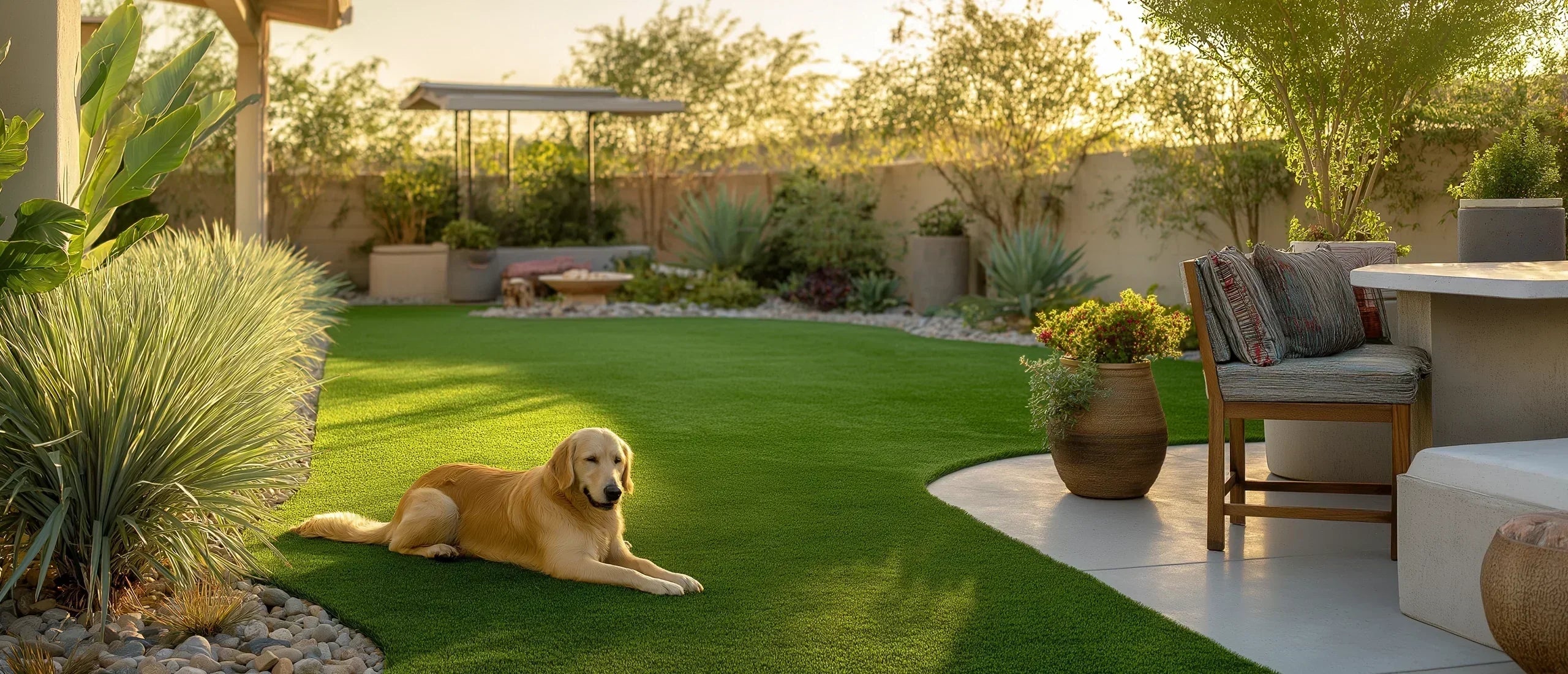
Artificial grass has become an increasingly popular alternative to natural grass lawns in recent years. Homeowners are turning to synthetic turf for its low maintenance requirements, durability, and water conservation benefits. Knowing how to choose the right turf for high-traffic spaces or decorative areas is important. So, before installing artificial grass in your backyard, it’s important to carefully consider both the advantages and potential drawbacks. This definitive guide provides an in-depth look at everything you need to know when deciding if artificial turf is right for your backyard and patio.
Key Points
- Artificial grass provides major water savings, eliminating the need for irrigation. This makes it ideal for drought-prone areas.
- Synthetic lawns require almost no maintenance besides occasional cleaning. There’s no need for mowing, fertilizing, aerating or weeding.
- Durability is a big plus. Artificial turf stands up well to heavy use and extreme weather ranging from UV rays to freezing temperatures.
- While artificial grass avoids the use of pesticides and fertilizer, its petroleum-based materials aren’t biodegradable and can contribute to landfill waste.
- Artificial lawns provide a consistent green, lush look year-round. But the synthetic materials can get hot in sunny, hot conditions.

FAQs: Artificial Grass for Your Backyard
A turf system with blades, infill, backing, and a porous base. Synthetic blades (polyethylene, polypropylene, or nylon) are tufted into a backing (polyurethane/latex). Infill (silica sand, crumb rubber, TPE, or coated sand) adds weight and support. A porous backing and compacted aggregate sub-base provide drainage; an optional shock pad adds cushioning.
Major water savings, low maintenance, durable year-round look. No irrigation (EPA cites ~22,000 gallons saved yearly for a typical lawn), no mowing, fertilizing, or weeding. Turf stands up to pets, kids, heavy use, and extreme weather, and stays green and uniform through seasons.
Heat, cleaning, pet waste, synthetic feel, landfill waste, drainage needs. Surfaces can get hot in sun. You’ll still remove debris and deep-clean occasionally. Pet waste needs prompt pickup and rinsing. Materials aren’t biodegradable, and turf doesn’t provide habitat. Plan proper sub-base and grading for drainage.
$6–$20/sq ft installed; payback often in 3–7 years. Upfront cost is higher than natural grass, but ongoing savings on water and maintenance add up. Quality turf typically lasts 15–25 years before replacement, offering long, low-hassle service life.
Brush occasionally; deep-clean 2–3×/year; manage infill; handle pet waste fast. Use a stiff broom for routine cleanups. Deep-clean a few times a year (wet-vac and thorough rinse). Rake/top off infill as needed, and watch edges for stray weeds. Promptly pick up solids; blot and rinse urine to prevent odors.
Prep site → compact base → lay turf → seam → secure → add infill → groom. Clear/level the area and address drainage. Install and compact a porous aggregate base (add shock pad if desired). Unroll and cut turf, join seams with adhesive, secure the perimeter, add infill, then brush blades upright and smooth infill.
Saves water and chemicals; avoids mower emissions—tradeoffs remain. No irrigation, pesticides, fertilizers, or gas-powered mowing reduces water use and pollution. Tradeoffs include heat retention, no habitat/ecosystem benefits, and non-biodegradable materials that may end up in landfills. Plan drainage carefully.
We're only opening the discussion, continue below to discover the real benefits and potential drawbacks of backyard artificial grass.
What Is Artificial Grass?
Artificial grass is a surfacing material designed to replicate the appearance and performance of natural grass while overcoming some of its drawbacks. There are a few different components that make up a synthetic grass system:
Grass Blades: Artificial blades are commonly made from polyethylene, polypropylene or nylon, tufted into a backing to create the illusion of a continuous lawn.
Infill Material: Infill provides weight, stability and support and helps keep blades upright. It’s composed of materials like silica sand, crumb rubber, Thermoplastic elastomer (TPE) or coated sand.
Backing/Base: The backing (often polyurethane or latex) provides durability; a porous backing allows drainage.
Sub-base: A compacted aggregate base supports drainage; an optional shock pad can add cushioning.
Advantages of Artificial Grass
There are many compelling reasons to consider installing synthetic turf in your backyard. Here are some of the main benefits:
Dramatic Water Savings
One of the biggest advantages of artificial lawns is that they require no irrigation. Natural grass lawns need about 1 inch of water per week to stay lush and healthy during the growing season. With synthetic turf, all of this watering becomes unnecessary. According to the Environmental Protection Agency (EPA), replacing a typical suburban lawn with artificial grass can save households around 22,000 gallons of water per year. In drought-prone areas like the Southwest, the savings are even greater. Artificial grass provides a high-quality landscape option without straining water resources.
Low Maintenance
Maintaining a thriving natural lawn takes regular effort. Mowing, aerating, fertilizing, seeding, weed control and pest management all require dedication. Installing artificial turf eliminates most of this labor. The only necessary upkeep is occasional cleaning to remove dirt and debris.
Consistent Green Look
Synthetic grass maintains its vibrant color and thickness year-round since it’s not vulnerable to seasonal stresses.
Durability
Artificial grass is engineered to bounce back after repeated activity and can handle pets, children, heavy use, and harsh weather (UV, heavy rain, freeze/thaw cycles).
Pet and Kid-Friendly
Pets and children can be tough on lawns. Active kids playing combined with pet urine and digging can quickly damage the lawn. Synthetic turf resists wear, drains liquids through the backing/infill, and avoids urine stains and muddy puddles.

Eco-Friendly Benefits
Synthetic lawns don’t require trimming, fertilizers, pesticides or herbicides, reducing chemical runoff and eliminating mower emissions.

Disadvantages of Artificial Grass
While artificial grass offers many benefits, it also comes with some potential drawbacks, depending on your needs and expectations.
| Consideration | Description |
|---|---|
| Heat Retention | Synthetic turf can absorb sunlight and get hotter than natural grass in direct sun. |
| Regular Cleaning | Artificial grass requires occasional deep cleaning to remove debris and keep infill evenly distributed. |
| Pet Waste Cleanup | Pet waste needs prompt cleanup and rinsing to prevent odors. |
| Less Natural Feel | High-quality turf can look realistic, but it can feel slightly different underfoot than living grass. |
| Non-Biodegradable Materials | Most turf components are not biodegradable and may end up in landfills unless recycled. |
| Drainage Considerations | Proper base prep and grading are critical so rainfall drains correctly and doesn’t pool. |

Cost Considerations
For homeowners debating between natural grass and synthetic turf, the cost differences are often a key factor. Here’s an overview of what to expect:
- Installation: Artificial grass carries a higher initial cost, with professional installation averaging $6 - $20 per square foot, depending on materials and site conditions.
- Maintenance: Natural lawns have ongoing costs (mowing/trimming, fertilizer, seed, treatments). Synthetic lawns largely eliminate these recurring costs.
- Durability: Quality turf typically lasts 15-25 years before replacement becomes necessary.
- Water: Synthetic lawns require no irrigation.
In many cases, reduced water and maintenance costs can offset the upfront cost within 3-7 years.
Maintenance Requirements
- Routine Upkeep: Brush blades with a stiff broom as needed.
- Deep Cleaning: Deep-clean 2-3 times per year; rinse thoroughly.
- Infill Management: Rake/groom infill and top off low areas if needed.
- Weed Control: Weeds can’t grow through backing but may appear along edges/seams.
- Pet Waste: Promptly pick up solids; blot/rinse urine areas to prevent odors.

Installation Process
- Site Preparation: Level and clear the area; address drainage.
- Sub-base Installation: Compact a porous aggregate base; add shock pad if desired.
- Turf Unrolling: Unroll and cut turf to fit.
- Seam Joining: Join seams with adhesive to form a continuous surface.
- Securing Perimeter: Secure edges in a trench or with nails/adhesive.
- Infill Application: Add infill and brush into blades for stability and a natural look.
- Grooming: Brush blades upright and smooth infill.

Durability
- Foot Traffic: Blades bounce back; no worn paths.
- Digging: Dogs digging won’t create lasting damage.
- Extreme Weather: Handles sun, rain, and freeze/thaw cycles.
- Stains: Most spills and messes clean up without permanent discoloration.
- Fading: UV-stabilized to reduce fading.
- Pests: Not affected by grubs/lawn pests; weeds can’t take root.
Environmental Impact
Synthetic lawn materials offer environmental trade-offs compared to natural grass:
| Factor | Impact |
|---|---|
| Water Conservation | Eliminating irrigation needs provides major water savings. |
| No Pesticides or Fertilizers | Avoids chemical usage and runoff. |
| No Mowing or Equipment Emissions | Reduces air pollution from gas-powered equipment. |
| Lack of Biodegradability | Most components won’t break down when discarded. |
| Limits Natural Habitat | Synthetic lawns don’t provide habitat or ecosystem benefits. |
| Heat Retention | Can absorb more heat than natural lawns. |
Comparison to Natural Grass
To help decide between real and synthetic varieties, here’s an overview of how the two stack up:
| Natural Grass | Artificial Grass |
|---|---|
| Requires regular mowing | No mowing needed |
| Goes dormant in winter | Stays uniformly green year-round |
| Vulnerable to pests and weeds | Pest and weed resistant |
| Absorbs rainwater and Irrigation | Needs drainage system for rainfall |
| Can become patchy with heavy use | Withstands heavy activity without wear |
| Provides natural cooling through evaporation | Can get hot in direct sunlight |
| Soft feel underfoot | Slightly stiffer feel underfoot |
| Provides natural habitat | Does not support the ecosystem |
| Biodegradable | Contains non-biodegradable plastics |
Both options have their advantages. But for most homeowners seeking an attractive, low-maintenance landscape, artificial grass proves superior in convenience, cost savings and durability.

Artificial Turf Alternatives
If you decide artificial grass isn’t for you, there are other alternatives to natural lawns to consider:
| Alternative | Description |
|---|---|
| Native Grasses or Clover | Native grasses and clover varieties require less water than conventional turf grasses. |
| Rock Gardens and Hardscaping | Gravel, stone, pebbles, walkways and other inorganic materials cut down on maintenance. |
| Drought-Tolerant Plants | Succulents and shrubs thrive on little water once established. |
| Vegetable Gardens | Garden beds offer fresh food production and new ways to enjoy your yard. |
| Mulch Groundcover | Mulched areas control weeds, retain soil moisture and add organic matter back to the earth. |
Conclusion
Artificial grass offers an attractive, low-maintenance alternative for your backyard and patio area. The advantages in convenience, water savings, and durability make it a top choice for many homeowners. However, it comes with environmental tradeoffs to consider regarding biodegradability and heat retention compared to living lawns.
Carefully weigh the pros and cons against your specific climate, lifestyle, maintenance preferences and sustainability goals. Quality installation and materials are also paramount to gaining the benefits. With proper expectations and execution, artificial grass can provide a lush backyard patio oasis for years to come. Use this guide to make the landscape decision that best fits your needs!
Video Summary